
Did the Incas Invent the First 'Superfoods'?: Exploring Ancient Preservation Techniques

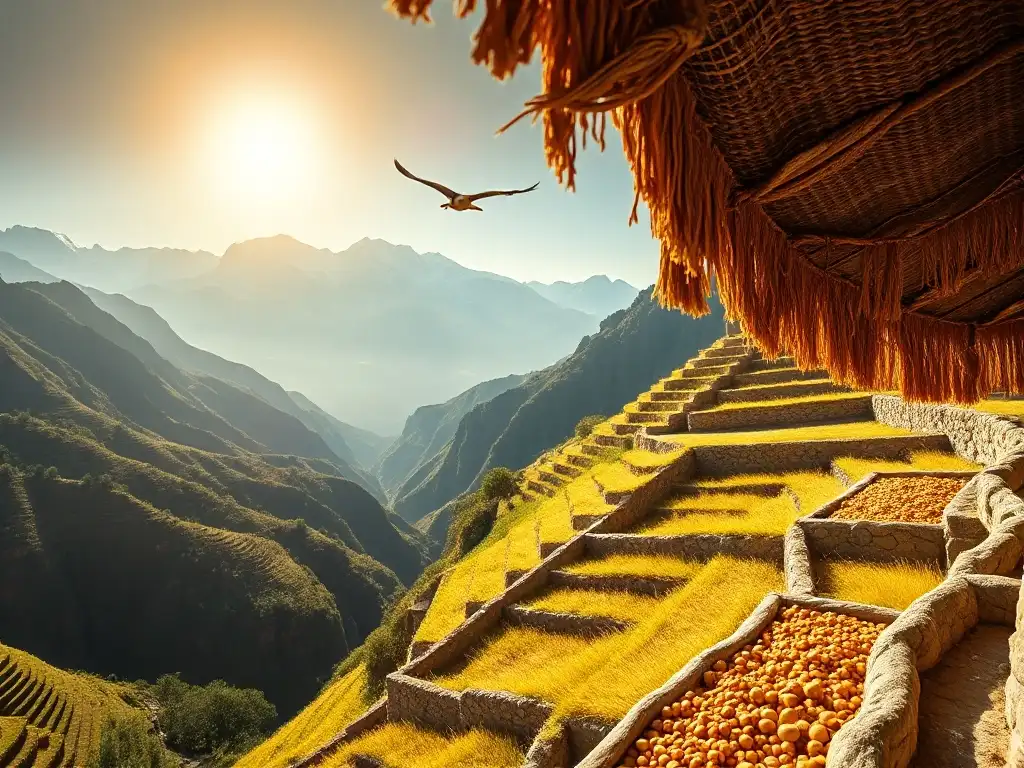
Step into a world lost to time, yet echoing with innovation. For centuries, the Andes Mountains have held secrets – secrets of ingenuity, resilience, and a profound connection with nature. Discover the fascinating story behind the Inca superfoods preservation techniques, a testament to the advanced agricultural practices of a civilization that thrived in challenging landscapes. Were the Incas the pioneers of "superfoods"? Explore the evidence and unravel the mysteries of their remarkable achievements in Andean Agriculture and Food – the journey begins now.
The Inca Empire, renowned for its sophisticated agricultural practices and impressive infrastructure, left behind a legacy that continues to fascinate and inspire. This article delves into the ingenious preservation techniques employed by the Inca, exploring how they managed to store and distribute nutritious foods—many of which we now recognize as "superfoods"—across their vast and challenging terrain.
We will examine the evidence suggesting the Inca may have pioneered some of the earliest and most effective methods of food preservation, ensuring the nutritional security of their population and contributing to the empire's remarkable success. Understanding their techniques offers valuable insights into ancient Andean ingenuity and provides a fascinating perspective on the origins of our modern understanding of food preservation and the importance of nutrient-rich diets.
We will explore not only how the Inca preserved their food, but also why these techniques were crucial to their societal structure and longevity. This exploration will center around the keyword "Inca superfoods preservation techniques," examining the specific methods used to preserve key crops and their impact on the Inca civilization.
Inca Superfoods: A Closer Look at the Staples
The Inca diet was remarkably diverse and rich in nutrients, relying heavily on crops like potatoes, maize (corn), quinoa, and beans – all now celebrated as "superfoods" for their exceptional nutritional value. These crops formed the backbone of the Inca diet, providing essential carbohydrates, proteins, and vitamins. However, the challenging Andean environment, characterized by high altitudes, varied climates, and unpredictable weather patterns, presented significant challenges to food storage and preservation.
The Inca, therefore, developed sophisticated techniques to ensure a reliable food supply year-round, minimizing spoilage and maximizing nutritional value. The success of these techniques is evident in the empire's population growth and stability. We'll be examining each of these superfoods individually to better understand the specific preservation methods employed.
Freeze-Drying: Nature's Refrigerator in the Andes
The high altitude and arid climate of the Andes naturally facilitated a form of freeze-drying. The Inca likely understood and utilized this natural process, leaving food exposed to the sun and cold mountain air to dehydrate it, thereby inhibiting microbial growth. This method, particularly effective for potatoes and quinoa, allowed for long-term storage without refrigeration.
While we lack detailed written records describing their specific methods, archaeological evidence suggests a deep understanding of this process, which extended the shelf-life of essential crops significantly. The effectiveness of this technique is directly related to the environmental conditions of the Andes, highlighting the Inca's deep understanding of their environment and their ability to adapt their agricultural practices to it. Furthermore, this technique is still used today by Andean communities, demonstrating the enduring legacy of this ancient practice.
Storage Structures: From Simple Pits to Complex Warehouses
The Inca constructed a variety of storage structures, ranging from simple pits dug into the ground to elaborate, multi-room storehouses called qollqas. These qollqas, often built of stone and carefully designed to regulate temperature and humidity, were strategically located throughout the empire to ensure efficient food distribution. The design of these structures, reflecting a deep understanding of environmental factors, played a vital role in preserving food over extended periods.
The use of different materials and architectural techniques for various food types suggests a nuanced understanding of the specific preservation needs of each crop. For example, potatoes might have been stored differently than dried maize, reflecting a sophisticated knowledge of the optimal conditions for each foodstuff. The construction and placement of these structures also highlights the importance of food security within the Inca social and political structure.
Other Preservation Methods: Salting, Fermentation, and More
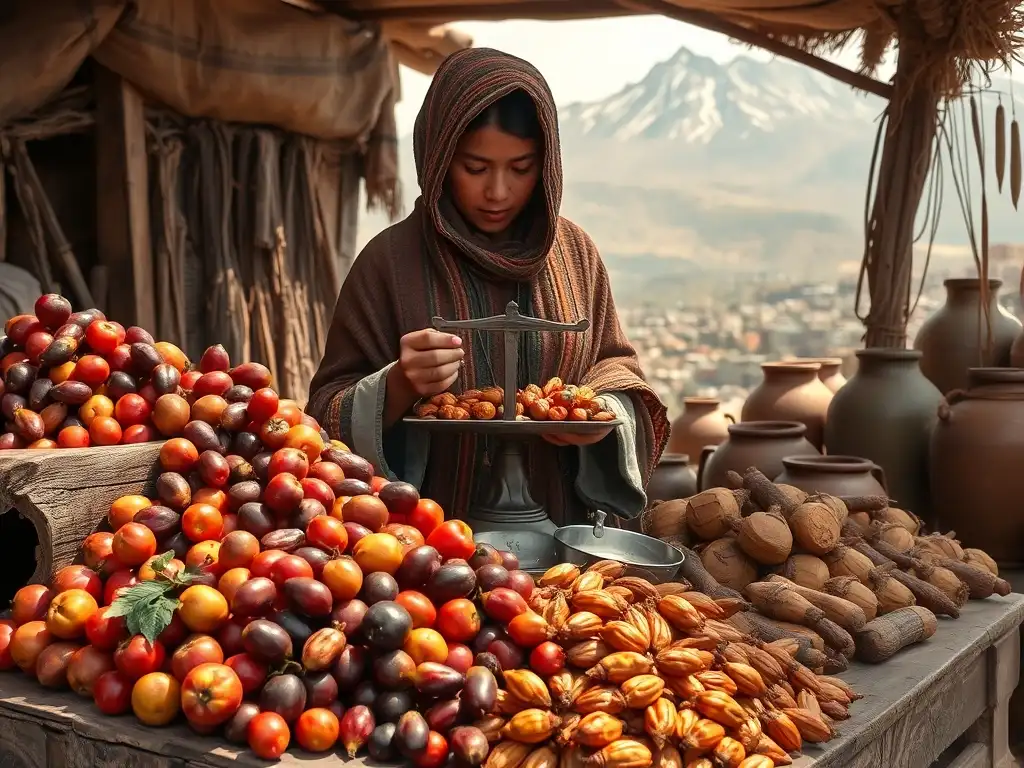
Beyond freeze-drying and storage structures, the Inca employed additional methods to preserve their food. Salting, a common technique in many cultures, was likely utilized to preserve meat and fish. Fermentation, another effective method, may have been employed to preserve some vegetables and grains, enhancing their flavor and shelf-life. While concrete evidence for the scale and sophistication of these techniques is limited, ethnographic studies of contemporary Andean communities suggest the continuation of these practices, hinting at their historical significance.
Further research is needed to fully understand the extent of their application within the Inca Empire. This lack of extensive documentation, however, does not diminish the ingenuity and effectiveness of these preservation methods within the context of their time and environment. Archaeological discoveries continue to shed light on these practices, gradually revealing the full extent of Inca food preservation strategies.
The Impact on Inca Society and Beyond
The Inca's mastery of food preservation techniques was not merely a technological achievement; it was fundamental to the empire's social and political structure. The ability to store and distribute food efficiently enabled the Inca to support a large and densely populated empire, facilitating trade, supporting armies, and ensuring social stability. This reliable food supply also played a crucial role in mitigating the risks associated with unpredictable harvests and environmental challenges, contributing significantly to the empire's longevity and prosperity.
The legacy of these techniques continues to resonate today, influencing both modern agricultural practices and our understanding of ancient Andean ingenuity. The Inca's approach to food preservation provides a valuable lesson in sustainable food systems and the importance of adapting to environmental conditions.
Moreover, it highlights the interconnectedness of agriculture, technology, and social organization within a thriving ancient civilization. The study of these techniques offers valuable insights for addressing contemporary food security challenges, particularly in regions facing similar environmental constraints.
- Inca Superfoods: A Closer Look at the Staples
- Freeze-Drying: Nature's Refrigerator in the Andes
- Storage Structures: From Simple Pits to Complex Warehouses
- Other Preservation Methods: Salting, Fermentation, and More
- The Impact on Inca Society and Beyond
- Quinoa: Preserving the Andean Grain's Nutritional Value
- Potatoes and Chuño: Transforming Tubers into Long-Lasting Food Sources
- Maca: Maintaining the Potency of the High-Altitude Root
- Kiwicha: Preserving the Nutritional Profile of Amaranth
- Olluco: Ensuring the Availability of a Unique Tuber
- Tarwi: Preserving the Nutritional Value of the Andean Lupin
The Andean Legacy: Unveiling Inca Food Preservation Methods
This section delves into the ingenious methods employed by the Inca civilization to preserve their staple foods, techniques that not only ensured food security but also contributed to the nutritional richness often associated with modern-day "superfoods." Understanding these methods provides valuable insight into the Inca's sophisticated agricultural practices and their remarkable ability to adapt to the diverse Andean environment. The Inca Empire, known for its impressive infrastructure and centralized governance, also boasted a remarkably advanced system for food preservation and distribution, vital for sustaining a large and geographically dispersed population.
This wasn't simply about preventing spoilage; it was about maintaining nutritional value and ensuring year-round access to crucial dietary elements. The strategies they developed demonstrate a deep understanding of food science and resource management, aspects that continue to fascinate and inspire researchers today. The impact of these Inca superfoods preservation techniques is still felt in modern-day Andean cuisine.
The Importance of Food Storage in the Inca Empire
Food storage wasn't merely a practical concern for the Inca; it was a cornerstone of their social and political structure. The empire's vast network of roads, qhapaq ñan, facilitated efficient transportation of goods, but effective preservation was crucial to minimize spoilage during transit. The Inca's success depended on reliable food supplies, particularly during the harsh Andean winters and periods of drought.
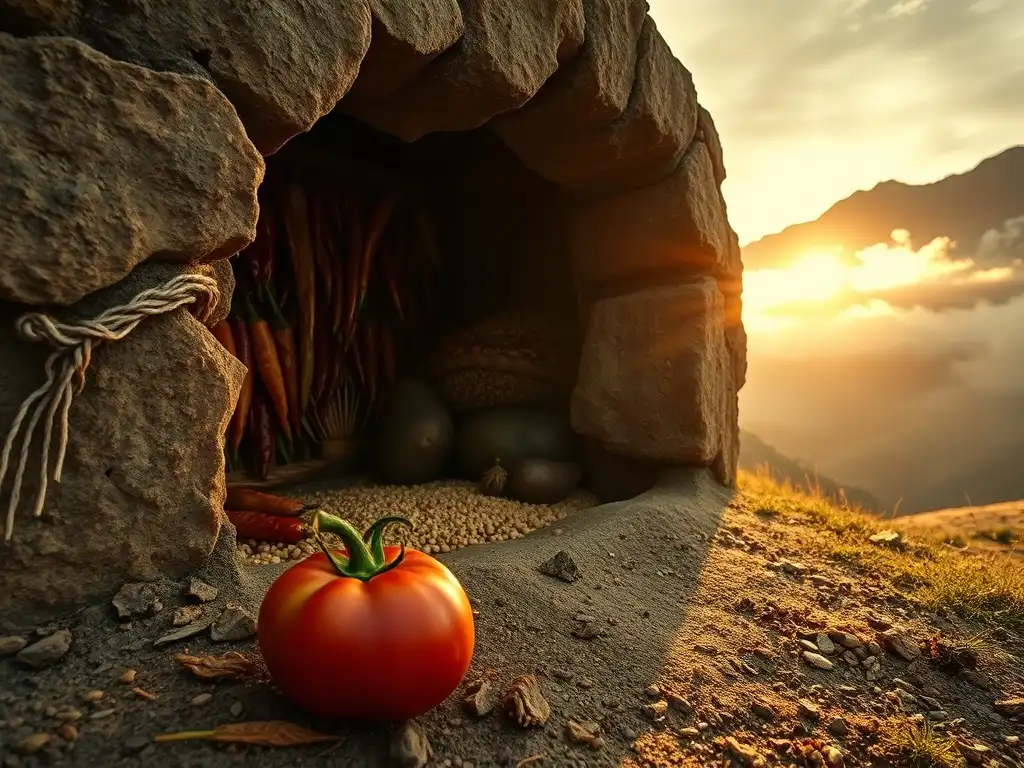
Storage facilities, ranging from simple pits to elaborate granaries called qollqas, were strategically located throughout the empire. These structures were often built into hillsides or cliffs for temperature regulation and protection from the elements. The scale of these storage facilities underscores the importance the Inca placed on food security.
Archaeological evidence reveals massive qollqas capable of holding enormous quantities of grains, potatoes, and other crops, indicating a level of centralized planning and organization rarely seen in pre-Columbian societies. The careful management of these reserves ensured the empire's stability and its ability to withstand periods of scarcity, a testament to the Inca's ingenuity in food preservation and distribution. Their methods went beyond simple storage; they actively sought to enhance the shelf life and nutritional value of their food sources, anticipating many modern food preservation techniques.
Defining 'Superfoods' in the Context of Inca Diet
The term "superfood" is often applied loosely, but in the context of the Inca diet, it accurately describes certain foods based on their nutritional density and the Inca's methods of preserving their nutritional value. Inca "superfoods" weren't necessarily exotic; they were primarily staples like potatoes (a wide array of varieties! ), quinoa, maize, and various beans. However, the Inca's sophisticated preservation techniques ensured that these foods retained their nutritional value for extended periods, providing essential vitamins, minerals, and other nutrients vital for a healthy diet.
For example, freeze-drying, though not explicitly documented as a formal process, was likely employed in high-altitude regions to preserve potatoes and other produce. The low temperatures and low humidity at high altitudes naturally helped to dehydrate food, slowing down spoilage. Similarly, sun-drying and air-drying, combined with careful storage in qollqas, helped to extend the shelf life of grains and other crops. The Inca's understanding of the effects of temperature, humidity, and altitude on food preservation was remarkable, and their methods are still relevant today.
These practices, combined with their diverse agricultural strategies, allowed them to cultivate a diet rich in nutrients that sustained their population and contributed to their remarkable achievements. Further research is needed to fully understand the specific nutritional profiles of Inca foods and the long-term effects of their preservation techniques on nutrient retention. However, what is clear is that the Inca’s diet, coupled with their preservation methods, provided a foundation for a healthy and resilient population.
Inca Techniques for Preserving Nutritional Powerhouses
The Inca Empire, renowned for its sophisticated agricultural practices and impressive infrastructure, developed ingenious methods for preserving food, particularly their "superfoods"—nutrient-rich crops like potatoes, quinoa, and maize. These preservation techniques were crucial for ensuring food security throughout the year, especially in challenging Andean environments characterized by high altitudes and varied climates. Understanding these techniques provides valuable insight into the Inca's agricultural prowess and their ability to sustain a large, complex society.
The Inca's mastery of preservation not only extended the shelf life of their staple crops but also actively enhanced their nutritional value in some cases, making them true pioneers in food science. This section will explore three key Inca methods: freeze-drying (chuño production), sun-drying, and fermentation.
Freeze-Drying and the Inca's Chuño: A Natural Preservation Marvel
Chuño, a freeze-dried potato, stands as a testament to the Inca's innovative approach to food preservation. This method, still practiced today in the Andes, involves a process of freezing and thawing potatoes to remove their moisture content. The process begins by selecting specific potato varieties best suited for chuño production; these are often hardy, cold-resistant types. After harvesting, the potatoes are spread out on the ground during the coldest months, typically between June and August.
The freezing temperatures, often well below zero degrees Celsius, cause the potatoes to freeze solid. Then comes the crucial thawing process, often accelerated by trampling the potatoes to break down the cell walls and facilitate further moisture loss. This freeze-thaw cycle is repeated several times, resulting in a dehydrated, hard potato with a significantly extended shelf life. The final product, chuño, is remarkably lightweight and can be stored for years without spoiling, representing a remarkable achievement in ancient food technology.
The process not only preserves the potato but also concentrates its nutrients, leading to a product richer in protein and certain vitamins compared to fresh potatoes. This concentration of nutrients makes chuño a true "superfood" and a key element of the Inca diet. The process is labor-intensive but the rewards—long-term food security and a concentrated nutritional source—were well worth the effort. The ingenuity of the Inca's chuño production is particularly impressive considering the lack of sophisticated technology; it relies entirely on natural processes and readily available resources.
Sun-Drying and Dehydration: Maximizing Shelf Life of Andean Crops
Beyond freeze-drying, the Inca employed sun-drying and dehydration techniques to preserve a wide range of Andean crops. This straightforward method involved spreading harvested crops – including maize, quinoa, beans, and various fruits – thinly on mats or rocks in direct sunlight. The intense solar radiation, coupled with the dry Andean air, effectively removed moisture, inhibiting microbial growth and preventing spoilage. The effectiveness of this technique depended heavily on weather conditions; extended periods of sunshine were essential for optimal preservation.
However, the Inca developed strategies to mitigate the risks associated with unpredictable weather. For example, they might construct simple drying structures or utilize elevated platforms to improve air circulation and maximize sun exposure. The dried products were then stored in carefully constructed granaries, often elevated to protect them from rodents and moisture. This method was particularly crucial for preserving grains and legumes, which formed the backbone of the Inca diet.
Sun-dried quinoa, for instance, could be stored for extended periods, providing a reliable source of protein and essential nutrients throughout the year. The simplicity and effectiveness of sun-drying made it a cornerstone of Inca food preservation, showcasing their adaptability and resourcefulness. The Inca’s understanding of the sun's power as a natural preservative underlines their deep connection to their environment and their ability to harness natural resources for survival and prosperity.
Fermentation Techniques: Expanding the Use of Grains and Tubers
Fermentation, another crucial Inca preservation technique, not only extended the shelf life of food but also transformed its flavor and nutritional profile. While specifics on the exact methods are limited by the lack of detailed written records, archaeological evidence suggests that the Inca fermented various grains and tubers. This process involved harnessing the activity of beneficial microorganisms to break down complex carbohydrates and produce lactic acid, creating an acidic environment that inhibits the growth of spoilage organisms.
Fermented products likely included chicha, an alcoholic beverage made from fermented maize, and possibly other fermented foods made from potatoes or other tubers. These fermented foods offered a diversified food supply, providing a source of probiotics and potentially improving the digestibility of certain foods. The process likely involved controlled environments, perhaps utilizing specific containers or techniques to manage temperature and humidity.
Fermentation was not just a preservation method; it was a way to enhance the culinary landscape and create new food products with unique flavors and textures. Further research is needed to fully understand the specific techniques and the range of foods subjected to fermentation by the Inca, but available evidence points towards a sophisticated understanding of microbial processes. The use of fermentation underscores the Inca's advanced understanding of food science and their ability to manipulate natural processes to their advantage, further cementing their reputation as innovative agriculturalists.
Salt Curing and its Role in Inca Meat Preservation
Salt curing was a cornerstone of Inca food preservation, particularly for meats. The Incas, inhabiting a diverse landscape with varying altitudes and climates, understood the importance of extending the shelf life of protein sources like llama, alpaca, and guanaco. Salt, readily available from various salt flats throughout their empire, acted as a natural preservative, drawing out moisture from the meat and inhibiting the growth of microorganisms responsible for spoilage.
This process not only prevented decay but also contributed to a unique flavor profile, enhancing the taste of the cured meats. The effectiveness of salt curing depended on several factors, including the concentration of salt used, the duration of the curing process, and the ambient temperature and humidity. Higher altitudes, with their lower temperatures, often allowed for longer curing periods, resulting in a more intensely flavored and longer-lasting product.
The application of salt wasn't simply a matter of rubbing it on the meat; the Incas likely employed sophisticated techniques. Evidence suggests they may have used different types of salt, perhaps varying in mineral content, to achieve specific results. The meat might have been submerged in brine solutions, layered with salt, or subjected to a combination of both methods.
The precise methods likely varied based on the type of meat, its intended use, and the available resources in a particular region. Archaeological discoveries of preserved meat from Inca sites offer valuable insight into these techniques, although further research is needed to fully elucidate the intricacies of their salt-curing practices. The meticulous nature of Inca agriculture and food storage strongly suggests a level of expertise that went beyond simple preservation; they likely understood the subtle chemical processes involved in salt curing and how to optimize them.
This understanding allowed them to effectively preserve vital protein sources, ensuring food security for their communities. The Inca's mastery of salt curing is a testament to their ingenuity and their deep understanding of the natural world.
Key Inca Superfoods and Their Preservation
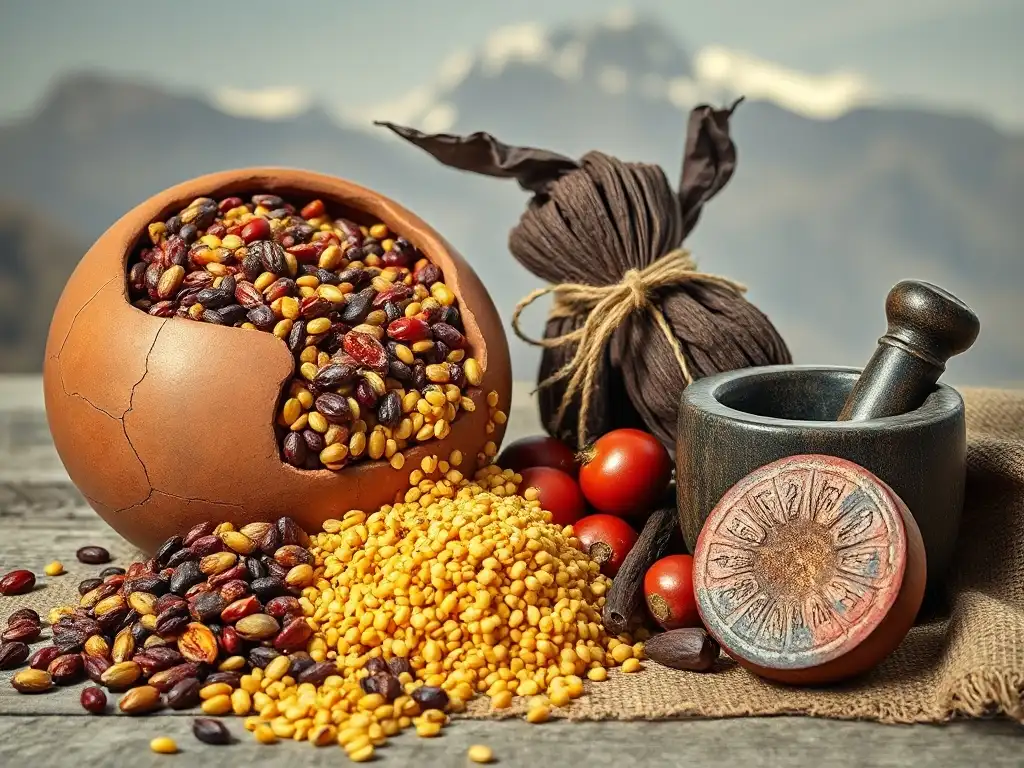
The Inca Empire's success was intrinsically linked to its sophisticated agricultural practices and remarkable food preservation techniques. These methods allowed them to sustain large populations and maintain a stable food supply, even in challenging high-altitude environments. Many of the foods they cultivated and preserved are now recognized globally as "superfoods," boasting exceptional nutritional value. Understanding the Inca's approach to preserving these foods provides valuable insight into their ingenuity and agricultural prowess, shedding light on the techniques behind their remarkable achievements.
The careful preservation of these staples – notably quinoa, potatoes, and maca – was crucial for their survival and the empire's longevity. Their methods, often employing natural processes and readily available materials, highlight a deep understanding of food science and environmental adaptation. The following sections will delve into specific examples of Inca superfood preservation.
Quinoa: Preserving the Andean Grain's Nutritional Value
Quinoa, a complete protein source rich in essential amino acids, minerals, and fiber, was a dietary staple for the Inca. Preserving its nutritional value required careful handling and storage. The Incas utilized several methods:
- Drying: After harvesting, quinoa was thoroughly sun-dried to reduce moisture content, inhibiting microbial growth and extending shelf life. This simple yet effective method prevented spoilage and maintained the grain's nutritional integrity. The dry, high-altitude climate of the Andes further aided this process.
- Storage in Clay Pots and Warehouses: Dried quinoa was stored in airtight clay pots, further protecting it from moisture and pests. Larger quantities were kept in specialized granaries or qollqas, strategically located throughout the empire to ensure accessibility and prevent widespread losses. These storage facilities were often built into the landscape, utilizing natural features to maintain stable temperatures and humidity levels.
- Freezing (high altitude): At high altitudes, natural freezing provided another method of preservation, though less controlled than intentional drying and storage. This method was particularly useful in areas where the climate naturally supported freezing temperatures.
The Incas' understanding of quinoa's sensitivity to moisture and pests, coupled with their sophisticated storage systems, ensured a reliable supply of this vital nutritional powerhouse throughout the year. The meticulous attention to detail in preserving quinoa reflects the Inca's deep appreciation for this crucial crop and its contribution to their sustenance. This attention to detail is a testament to their advanced understanding of agriculture and food preservation.
Potatoes and Chuño: Transforming Tubers into Long-Lasting Food Sources
Potatoes, a cornerstone of the Andean diet, were preserved in a variety of ways, with chuño representing a particularly remarkable technique.
- Drying and Freezing (Chuño): The creation of chuño, a freeze-dried potato, is a testament to Inca ingenuity. Harvested potatoes were subjected to repeated cycles of freezing and thawing, removing significant moisture content. This process, combined with exposure to sunlight, resulted in a lightweight, long-lasting product that could be stored for years without significant spoilage. The resulting chuño was highly nutritious, retaining many of the original potato's nutrients, while being remarkably resistant to deterioration. This process allowed for the storage of potatoes for extended periods, overcoming the challenges of a short growing season and ensuring food security.
- Storage in pits and warehouses: Beyond chuño, fresh potatoes were also stored in underground pits or qollqas, similar to the quinoa storage methods. These storage techniques, combined with careful selection of appropriate potato varieties, helped to ensure a year-round supply of this vital staple food. The environmental conditions within these storage facilities were carefully managed to maintain optimal temperatures and humidity levels for potato preservation.
The different preservation methods for potatoes, ranging from simple storage to the complex process of creating chuño, highlight the adaptability and resourcefulness of the Inca people in ensuring food security. The techniques employed showcase their intimate understanding of the potato’s properties and the environmental conditions within which they operated.
Maca: Maintaining the Potency of the High-Altitude Root
Maca, a cruciferous root vegetable grown at high altitudes, was highly valued for its nutritional and purported medicinal properties. Preservation techniques for maca focused on maintaining its potency and preventing spoilage.
- Drying and Storage: Similar to quinoa and potatoes, maca was often dried to reduce moisture content, inhibiting microbial growth and extending its shelf life. This method, combined with storage in cool, dry locations, helped to maintain the root's nutritional value and medicinal properties.
- Powdering: After drying, maca was often ground into a powder, further increasing its shelf life and making it easier to transport and store. This processed form allowed for easier incorporation into various dishes and facilitated its use as a nutritional supplement.
The Inca’s methods for preserving maca demonstrate their awareness of this crop's unique properties and the importance of maintaining its potency. The combination of drying, grinding, and careful storage ensured that this valuable root remained a reliable part of the Inca diet, providing both sustenance and potential health benefits. The methods demonstrate a deep understanding of the plant's characteristics and the need to preserve its medicinal properties alongside its nutritional value.
Kiwicha: Preserving the Nutritional Profile of Amaranth
Kiwicha, or amaranth, was a staple crop for the Inca, prized for its high nutritional value. Its small, round seeds are packed with protein, fiber, and essential amino acids, making it a crucial component of their diet. Preserving kiwicha required careful techniques to maintain its nutritional integrity and prevent spoilage. The Incas utilized a combination of methods, beginning with proper harvesting. Ripe kiwicha was carefully gathered, avoiding damage to the delicate seeds.
Following harvest, the seeds were sun-dried to reduce moisture content, a crucial step in inhibiting microbial growth. This drying process was often done on raised platforms to ensure even air circulation. Once sufficiently dry, the kiwicha was stored in airtight containers, frequently woven baskets lined with waterproof materials like animal hides or plant fibers. These containers were then stored in cool, dry locations, often within the community's storehouses, or qollqas.
This meticulous approach ensured that kiwicha remained edible and retained its high nutritional value for extended periods, contributing significantly to the Inca's food security. The effectiveness of these methods is evidenced by archaeological findings of well-preserved kiwicha in ancient Inca sites, demonstrating the ingenuity of their preservation techniques. Furthermore, the Incas likely understood the importance of rotating stored kiwicha to prevent infestation and maintain quality. This practice, combined with their storage methods, allowed them to maintain a consistent supply of this vital "superfood" throughout the year.
Olluco: Ensuring the Availability of a Unique Tuber
Olluco, a unique Andean tuber with a slightly sweet and nutty flavor, presented a different set of preservation challenges compared to kiwicha. Its high water content made it susceptible to rapid spoilage if not handled correctly. The Incas developed sophisticated strategies to overcome this. After harvesting, olluco tubers were carefully cleaned and sorted, removing any damaged or diseased specimens. Similar to kiwicha, drying was a key element.
However, for olluco, the drying process was often more involved, sometimes including a preliminary period of partial drying in the sun followed by further dehydration in well-ventilated areas. This reduced moisture content significantly, extending the shelf life. Another important Inca preservation technique for olluco involved storing it in cool, dark, and well-ventilated spaces, often underground storage facilities or qollqas. These structures helped maintain a stable temperature and humidity, slowing down the decomposition process.
Furthermore, the Incas likely employed techniques such as layering the tubers with dry materials like straw or leaves to absorb excess moisture and further prevent spoilage. The use of these methods is supported by archaeological evidence revealing remarkably well-preserved olluco in ancient Inca sites, underscoring the effectiveness of their preservation strategies. The availability of this nutritious tuber throughout the year significantly contributed to the Inca Empire's dietary diversity and resilience. Their understanding of the impact of moisture on the tuber's longevity is a testament to their agricultural knowledge.
Tarwi: Preserving the Nutritional Value of the Andean Lupin
Tarwi, or Andean lupin, is another nutritional powerhouse from the Inca diet, rich in protein and essential nutrients. However, raw tarwi contains toxic alkaloids that require processing before consumption. The Incas mastered the art of preparing and preserving tarwi, demonstrating a sophisticated understanding of food processing and preservation. The process started with meticulous selection of mature pods, followed by careful shelling to extract the seeds.
The crucial step was the removal of the alkaloids, which the Incas achieved through a process involving soaking, boiling, and sometimes fermentation. Soaking the seeds in water for extended periods helped leach out some of the toxins. Boiling further reduced the alkaloid content, making the seeds safe for consumption. In some cases, fermentation was also employed, potentially offering additional benefits in terms of preservation and digestibility.
After processing, the tarwi seeds were sun-dried to reduce moisture content, a recurring theme in Inca preservation practices. The dried tarwi was then stored in airtight containers, often in qollqas, to protect it from moisture and pests. The effectiveness of these methods is supported by the presence of processed and preserved tarwi in archaeological excavations. The Inca's mastery of processing and preserving tarwi not only made this nutrient-rich legume a safe and valuable food source but also highlights their advanced understanding of food chemistry and preservation techniques, further solidifying their reputation for innovative agricultural practices.
The Impact of Inca Preservation Techniques on Food Availability and Sustainability
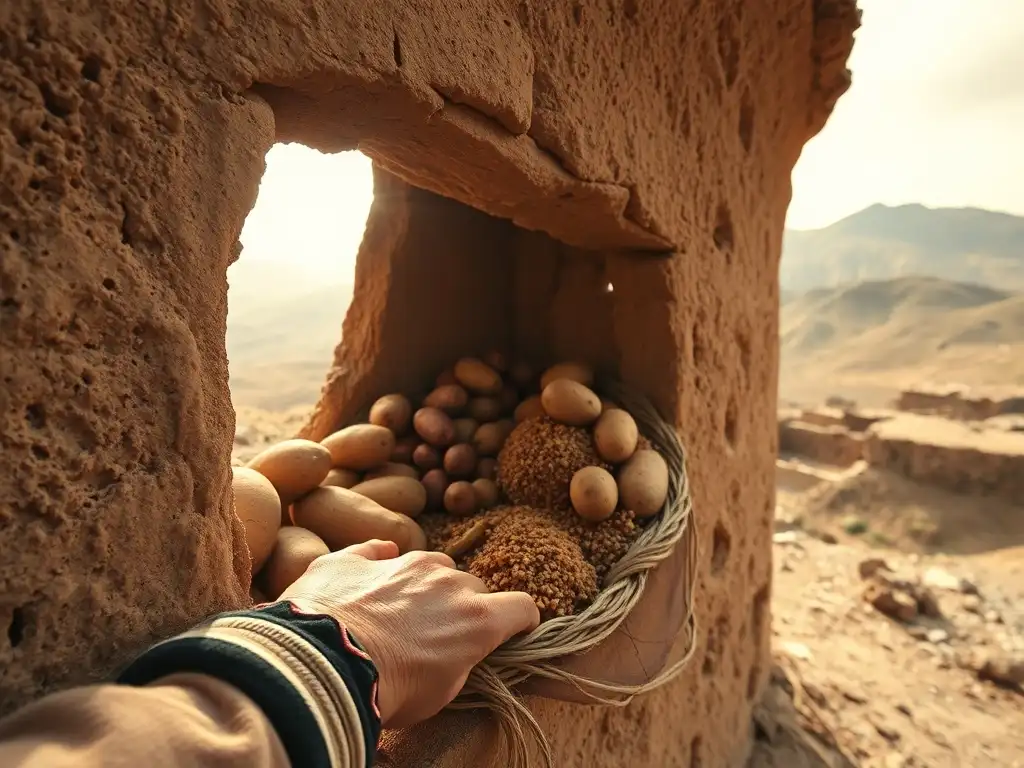
The Inca Empire, renowned for its sophisticated agricultural practices, developed ingenious preservation techniques that significantly impacted food availability and long-term sustainability. Their methods weren't merely about extending shelf life; they were crucial for ensuring food security across a vast and diverse empire, spanning varied altitudes and climates. These techniques allowed for the efficient distribution of resources, mitigating the risks associated with crop failures and seasonal variations.
The effectiveness of Inca preservation methods is evident in their ability to support a large population with a complex social structure, demonstrating a deep understanding of food systems and resource management. By minimizing post-harvest losses and maximizing the utilization of available resources, the Inca established a remarkably resilient food system, a cornerstone of their societal success.
This understanding of preservation wasn't merely practical; it was deeply intertwined with their cosmology and beliefs, further highlighting the importance placed on food security and resource stewardship. Analyzing these techniques provides valuable insights into sustainable food practices relevant even today.
Ensuring Food Security Through Advanced Storage Methods
Inca food security relied heavily on sophisticated storage methods. Their qollqas – ingenious stone structures – were strategically built throughout the empire, often integrated into the landscape. These weren't simple storehouses; they were climate-controlled environments designed to optimize the preservation of various food items. The qollqas were typically built into hillsides, utilizing natural ventilation and temperature regulation.
Their design incorporated features like raised floors for better air circulation and strategically placed vents to control humidity. Different types of qollqas were built to cater to specific food items, reflecting an advanced understanding of storage requirements. For example, some were designed for storing dried potatoes, while others were used for grains like maize. The construction of these structures demonstrates a remarkable level of engineering skill and an understanding of environmental factors crucial for long-term food preservation.
The widespread distribution of qollqas across the empire ensured that food was readily available even in remote areas, significantly contributing to the empire's overall stability. The effectiveness of these storage methods is evidenced by the ability of the Inca to sustain a large population despite challenges presented by variable weather patterns and geographic diversity. Archaeological evidence continues to reveal the sophistication and ingenuity of these ancient storage solutions.
The Inca's Approach to Minimizing Food Waste
The Inca civilization's approach to food preservation was deeply rooted in a philosophy of minimizing waste. This wasn't simply a matter of practicality; it was intrinsically linked to their worldview and respect for resources. Waste reduction strategies were integrated into every stage of food production, from harvesting to consumption.
Techniques like sun-drying, freeze-drying, and fermentation were employed not just to preserve food, but to utilize every part of the plant or animal. For instance, the Inca found ways to utilize even the seemingly unusable parts of plants, transforming them into valuable resources. This comprehensive approach to resource management contrasts sharply with modern practices where significant portions of food are discarded.
Moreover, the Inca's system promoted equitable distribution of food resources, minimizing waste stemming from spoilage due to inefficient storage or transportation. This holistic approach to food management underscores the deep connection between their cultural values and their practical strategies for ensuring food security. Understanding their methods offers valuable lessons for contemporary societies grappling with issues of food waste and sustainability.
Sustainable Practices in Inca Food Preservation
The Inca's preservation techniques were remarkably sustainable, minimizing environmental impact and promoting long-term resource management. Their methods relied primarily on natural processes, avoiding the energy-intensive and environmentally damaging practices common in modern food processing. Sun-drying, for example, utilized solar energy, a readily available and renewable resource.
Fermentation, another widely used method, not only preserved food but also enhanced its nutritional value and digestibility. The Inca's reliance on natural preservation methods significantly reduced their carbon footprint, a testament to their understanding of environmental stewardship. Furthermore, the construction of qollqas utilized locally sourced materials, minimizing transportation costs and environmental disruption.
This holistic approach to food preservation is a powerful example of sustainable practices relevant to contemporary challenges. The Inca's methods offer a compelling model for developing environmentally friendly and resource-efficient food preservation strategies in the modern era. Their legacy serves as a reminder that sustainable food systems are not merely a modern concern but a fundamental aspect of long-term societal well-being.
Modern Relevance of Inca Food Preservation Techniques
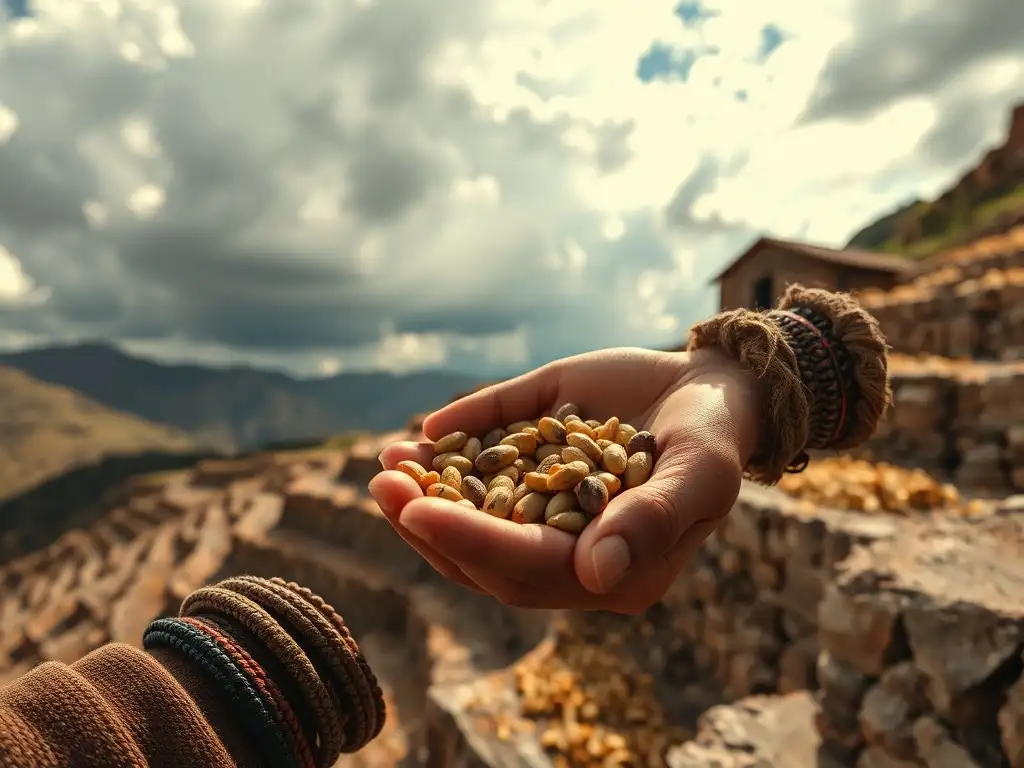
The ingenuity of Inca food preservation techniques continues to resonate in the 21st century, offering valuable lessons for addressing contemporary food security challenges. Their methods, developed over centuries of adapting to the harsh Andean environment, provide sustainable and efficient alternatives to modern, often energy-intensive, preservation practices. Understanding and applying these ancient techniques can contribute significantly to reducing food waste, improving food access, and promoting healthier diets, particularly in regions with limited resources. The enduring relevance of Inca knowledge isn't just historical; it's a practical solution for a world grappling with issues of food scarcity and sustainability.
Lessons from the Past: Applying Inca Methods to Modern Food Challenges
The Inca's mastery of freeze-drying, albeit unintentional in its purest form, offers a compelling example. High-altitude environments naturally dehydrate foods, slowing bacterial growth and extending shelf life. Modern freeze-drying techniques mirror this process, creating lightweight, long-lasting food products ideal for emergency rations and space travel. By studying the natural freeze-drying conditions employed by the Inca, we can optimize modern methods, potentially reducing energy consumption and improving the nutritional retention of preserved goods.
Moreover, their innovative use of storage structures, such as underground qollqas, provided temperature-controlled environments that prevented spoilage. Adapting these principles to modern storage facilities could drastically reduce energy costs associated with refrigeration, especially in developing countries. The Inca's success wasn't solely technological; it also involved meticulous crop selection and agricultural practices designed to maximize yield and minimize losses. Analyzing these practices can inform modern sustainable agriculture, promoting biodiversity and resilient food systems.
The Rediscovery of Inca Superfoods and Their Benefits
The rediscovery of "Inca superfoods" – quinoa, amaranth, potatoes, and various Andean grains – highlights the nutritional wisdom embedded in their agricultural practices. These crops, preserved using traditional methods, boast high levels of protein, fiber, and essential vitamins and minerals. Their resilience to harsh conditions and nutritional density make them valuable resources in combating malnutrition and promoting food security globally.
The renewed interest in these "Inca superfoods" is driven not only by their nutritional value but also by the growing awareness of the sustainability of their production methods. The emphasis on traditional preservation techniques, such as sun-drying and fermentation, minimizes environmental impact, aligning with contemporary concerns about sustainable food systems.
For example, the fermentation of quinoa, a technique employed by the Inca, not only extends its shelf life but also enhances its digestibility and nutritional profile. This renewed focus underscores the importance of preserving and promoting traditional food knowledge alongside modern advancements.
The Use of Ancient Techniques in Modern Andean Agriculture
Modern Andean communities continue to integrate elements of Inca food preservation techniques into their agricultural practices. Many farmers still utilize traditional methods like sun-drying and storage in qollqas (adapted for modern contexts), demonstrating the enduring practicality of these techniques. This continuity reflects a deep understanding of the local environment and the need for sustainable practices.
However, there's a need to carefully document and research these methods to ensure their preservation and potential wider application. The integration of ancient Inca practices with modern technology presents exciting possibilities. For example, combining traditional sun-drying with improved drying facilities could increase efficiency and quality, while integrating traditional storage structures with modern temperature control could optimize preservation outcomes.
Studies focusing on the effectiveness of combining traditional and modern techniques are crucial for improving food security and supporting sustainable agricultural practices in the Andes. The synergistic approach of blending ancient wisdom with modern technology offers a path towards a more resilient and sustainable food future, not just in the Andes, but globally. This integration is crucial for preserving both cultural heritage and food security in the region, demonstrating the ongoing relevance of Inca preservation methods.
Conclusion: The Enduring Legacy of Inca Food Preservation
The Inca Empire's mastery of food preservation wasn't merely a matter of survival; it was a sophisticated system integral to their societal structure and economic prosperity. Their techniques, honed over centuries, allowed them to maintain a stable food supply across diverse and challenging terrains, supporting a large and complex population. Understanding these methods offers valuable insights into not only Inca ingenuity but also sustainable food practices relevant to modern challenges.
The Inca's success in preserving a wide variety of "Inca superfoods" highlights their deep understanding of botany, chemistry, and engineering, all interwoven with their cultural and spiritual beliefs. Their achievements resonate even today, providing inspiration for innovative approaches to food security and sustainability. The legacy of Inca food preservation techniques continues to influence modern agricultural practices and inspires ongoing research into sustainable food systems.
The Inca's Innovations in Food Technology
The Inca's success in preserving "Inca superfoods" stemmed from a combination of innovative techniques and a deep understanding of their environment. They weren't simply reacting to scarcity; they actively shaped their food systems to ensure abundance. Consider their mastery of freeze-drying: While not fully understood in the same scientific terms as today, their methods of exposing foods to the harsh Andean sun and cold nights effectively removed moisture, preventing spoilage. This technique, applied to potatoes, quinoa, and other staples, allowed for long-term storage and transportation across vast distances.
Their sophisticated understanding of storage structures, like qollqas (stone granaries), further enhanced preservation. These weren't simply rudimentary storage units; their design incorporated ventilation and temperature control, minimizing moisture and pest infestation. Furthermore, their expertise in salting and drying extended the shelf life of meats and fish, significantly expanding dietary options, especially in areas distant from primary food production zones.
This multifaceted approach showcases a remarkable level of technological sophistication. The precision involved in selecting the right conditions for each food item demonstrates a profound understanding of the interplay between environment and preservation. This wasn't simple trial and error; it was a knowledge system passed down through generations.
A Sustainable Model for Food Preservation and Consumption
The Inca's approach to food preservation offers a compelling model of sustainability relevant to contemporary challenges. Their methods, emphasizing minimal processing and utilizing natural resources, stand in stark contrast to modern industrialized food systems often reliant on extensive energy consumption and environmentally damaging practices. The Inca's focus on local food production and diversified agriculture minimized transportation needs and reduced the environmental footprint associated with long-distance food supply chains. Their ingenious preservation techniques reduced food waste, a critical issue in today's world.
By understanding and adapting their techniques, we can explore more sustainable and resilient food systems. For example, the principles behind their qollqas could inform the design of modern storage facilities, promoting energy efficiency and minimizing waste. The Inca's emphasis on preserving a wide variety of foods also demonstrates the importance of dietary diversity for nutritional security and resilience against crop failures.
Their system wasn't just about preserving food; it was about building resilience into their entire food system. This holistic approach provides a valuable framework for considering sustainable food practices in the 21st century. The Inca's success in feeding a large population using sustainable methods is a testament to their ingenuity and foresight.
The Importance of Understanding Ancient Andean Food Practices
Studying Inca food preservation techniques provides invaluable insights into Andean agricultural practices and the broader context of their civilization. It illuminates their economic strategies, social organization, and environmental adaptations. Their mastery of preservation wasn't isolated; it was intricately linked to their agricultural innovations, irrigation systems, and social structures.
Understanding these interconnections allows for a more holistic understanding of Inca society and their remarkable achievements. Furthermore, the preservation of these techniques, often passed down through oral traditions and practical applications, highlights the importance of preserving cultural heritage and traditional knowledge. These practices are not merely historical artifacts; they hold potential for addressing contemporary challenges related to food security, sustainability, and cultural preservation.
By studying and adapting these techniques, we can gain a deeper appreciation for the ingenuity of the Inca and contribute to a more sustainable future. The knowledge embedded within these ancient practices holds the key to unlocking innovative solutions to modern problems. Continued research into Inca superfoods and their preservation is crucial for a more comprehensive understanding of Andean civilization and the potential applications of their knowledge.
Frequently Asked Questions
What were some key Inca superfoods?
The Incas cultivated and relied on several superfoods, including potatoes, quinoa, maize (corn), and beans. These provided essential nutrients for their large population. Their agricultural practices were crucial for food security.
How did the Incas preserve their superfoods?
Inca preservation techniques included freeze-drying, sun-drying, and storage in underground cellars. They also utilized fermentation for certain foods. These methods extended shelf life significantly.
Why were Inca preservation techniques so important?
Effective preservation was vital for the Incas due to varied altitudes and climates. It ensured food security throughout the year and helped support their large empire. This prevented food shortages and famine.
What role did storage play in Inca food preservation?
Specialized storage facilities, like qollqas (stone structures), were crucial. These maintained optimal temperature and humidity for long-term storage of various foods, crucial for survival in harsh conditions.
How did Inca preservation methods compare to other ancient civilizations?
While other civilizations also employed preservation, the Incas' methods were highly sophisticated for their time. Their integrated approach, combining various techniques and storage solutions, was particularly effective in sustaining a large population.
Final Reflection: The Enduring Legacy of Inca Food Preservation
The ingenious preservation techniques employed by the Inca civilization remain remarkably relevant today, offering valuable lessons in sustainable food practices and combating modern food insecurity. Their innovative methods, far from being relics of the past, provide a blueprint for addressing the challenges of food waste and ensuring nutritional security in a world facing growing environmental pressures.
The Inca's deep understanding of their environment and the meticulous care they took in preserving their food sources speaks volumes about their sophisticated agricultural practices and their profound respect for nature. Their methods, passed down through generations, highlight the interconnectedness between food security, cultural heritage, and environmental sustainability. The most important thing is to try and inspire people to be better than they thought they could be.
- This quote, while not directly from an Inca source, perfectly encapsulates the enduring inspiration their ingenuity provides us today, urging us to innovate and strive for better solutions to modern food challenges.
Consider the impact of their techniques on your own life. Are you mindful of food waste in your home? Do you appreciate the ingenuity and effort required to bring food to your table? By understanding and appreciating the Inca's legacy, we can cultivate a deeper respect for our food systems and actively participate in creating a more sustainable and equitable future. Let the wisdom of the Inca inspire you to explore new ways to reduce food waste, embrace seasonal eating, and appreciate the remarkable ingenuity of those who came before us.
Unveil the Secrets of Ancient Nutrition!
Thank you for joining us on this exploration of Inca food preservation techniques! You've already discovered valuable insights into the origins of nutrient-rich foods that can significantly enhance your modern diet. Now, let's build on that knowledge with some practical steps to connect you to this ancient wisdom.
- Incorporate ancient grains and vegetables like quinoa, amaranth, and dried beans into your meals this week—experiment with new recipes to bring a touch of history to your table!
- Join a community of health-conscious individuals, either online or in person, to exchange ideas and discover new ways to incorporate these ingredients into your lifestyle.
- Explore traditional Inca food preservation methods, such as freeze-drying or fermentation, and try one yourself!
What exciting dishes can you create by combining ancient techniques with modern flavors? Share your culinary discoveries in the comments!