
The Enduring Legacy: How the Work of Scholars and Chroniclers Continues to Shape Our Understanding of the Andes

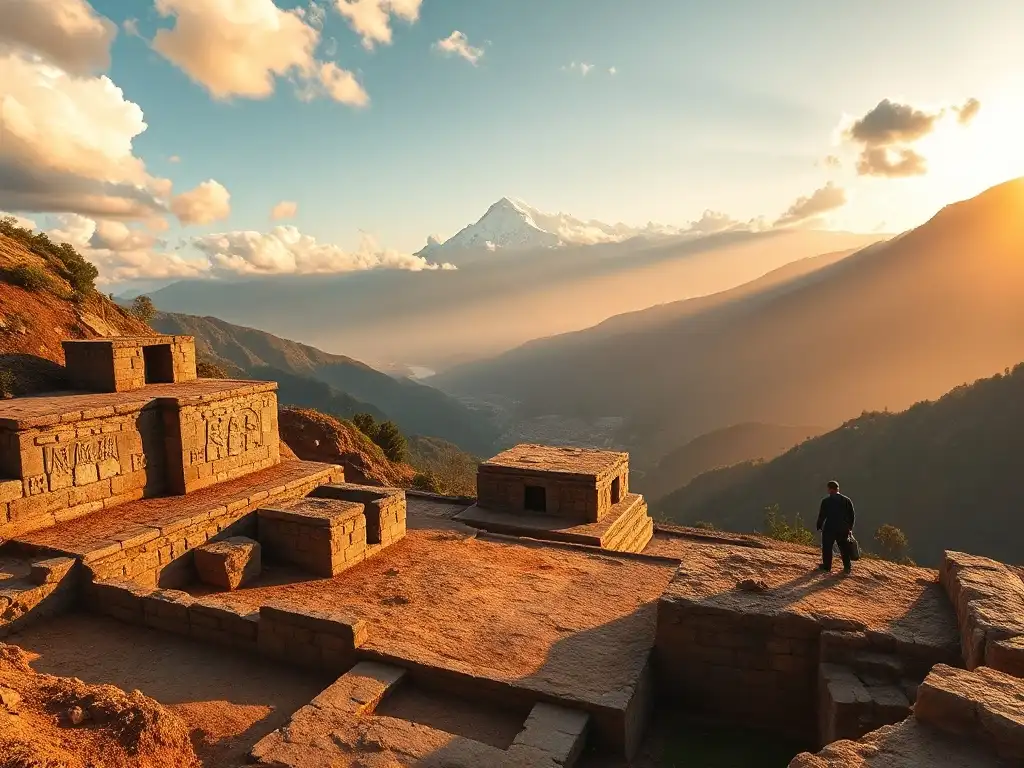
Unravel the mysteries of the Andes! For centuries, towering cities and intricate artistry have hinted at the sophisticated societies that thrived in this breathtaking landscape. But how much do we truly know about the Ancient Andean civilizations? This journey into Ancient Andean civilizations scholarship will reveal the surprising insights unearthed by dedicated scholars and chroniclers – a legacy that continues to reshape our understanding of the Incas, Moche, Nazca, and Tiahuanaco. Prepare to be captivated by their enduring impact.
The study of Ancient Andean civilizations is a vibrant and ever-evolving field, fueled by the tireless work of scholars and chroniclers across centuries. This article explores the enduring impact of their research, highlighting how their meticulous investigations, insightful interpretations, and painstaking preservation of historical records continue to shape our understanding of these fascinating cultures.
From deciphering intricate textiles to analyzing monumental architecture, their contributions have not only illuminated the past but also provided crucial context for understanding contemporary Andean societies and their rich cultural heritage. We will examine the key contributions of various researchers, focusing on how their work has advanced our knowledge of specific Andean civilizations, such as the Inca, Moche, Nazca, and Tiahuanaco, while also acknowledging the ongoing debates and reinterpretations that enrich the field of Ancient Andean civilizations scholarship.
The legacy of these dedicated individuals is undeniable, offering a testament to the power of meticulous research and the enduring fascination with the mysteries of the Andes.
Early Chroniclers and Their Accounts
The earliest insights into Andean civilizations often came from the accounts of Spanish chroniclers who arrived in the Americas following the conquest. While their perspectives were inevitably shaped by the colonial context and their own biases, their writings provide invaluable firsthand accounts of Inca society, its organization, and its traditions.
These chronicles, though sometimes contradictory or incomplete, offer glimpses into daily life, religious practices, and political structures that would otherwise be lost to time. For instance, the detailed descriptions of Inca agriculture and infrastructure in works like [Specific Chronicle Name Pending] provide crucial information for understanding the sophistication of Inca engineering and their mastery of their environment.
The limitations of these early accounts—often based on limited access and influenced by colonial agendas—are acknowledged, but their historical significance remains crucial for understanding the initial encounters between European and Andean societies. Further research continues to refine our understanding of these primary sources, contextualizing them within the broader historical landscape.
The Rise of Archaeological Investigation
The 19th and 20th centuries witnessed a dramatic shift in the study of Andean civilizations with the rise of systematic archaeological investigation. This period saw the development of rigorous methodologies, leading to significant discoveries that challenged and expanded upon earlier interpretations. The excavation of sites like Machu Picchu, for example, revealed breathtaking architectural achievements and provided further evidence of the Inca Empire's sophisticated urban planning.
This era also saw the emergence of specialized fields of study, including Andean archaeology, anthropology, and ethnohistory, allowing for a more nuanced and interdisciplinary approach to understanding these complex societies. Archaeologists meticulously documented artifacts, analyzed settlement patterns, and employed new dating techniques to establish chronological frameworks, greatly enhancing the accuracy and depth of our understanding. The development of radiocarbon dating, for example, revolutionized our understanding of the timelines of various Andean cultures.
Contemporary Scholarship and Interdisciplinary Approaches
Contemporary scholarship on Ancient Andean civilizations is characterized by its interdisciplinary nature and its engagement with postcolonial perspectives. Researchers now draw upon a wide range of methodologies and sources, including archaeology, anthropology, linguistics, ethnohistory, and art history, to create a more holistic and nuanced picture. This approach acknowledges the limitations of past interpretations and seeks to incorporate diverse voices and perspectives, particularly those of Indigenous communities.
Furthermore, the use of advanced technologies like LiDAR and Geographic Information Systems (GIS) has enabled researchers to map vast landscapes, revealing previously unknown settlements and infrastructure, and enriching our comprehension of ancient Andean societies' spatial organization and resource management. The ongoing work of scholars continues to refine our understanding, challenging established narratives and offering new interpretations of the past.
The Ongoing Debate and Future Directions
The study of Ancient Andean civilizations is far from complete. Ongoing debates continue to shape the field, with researchers constantly re-evaluating existing evidence and incorporating new discoveries. For example, the interpretation of Inca iconography remains a subject of ongoing discussion, with scholars offering diverse perspectives on its meaning and significance.
Furthermore, the integration of Indigenous knowledge and perspectives into the scholarly discourse is crucial for a more complete and representative understanding of the past. Future research will undoubtedly involve further interdisciplinary collaborations, the application of new technologies, and a greater emphasis on community engagement.
The legacy of past scholars provides a solid foundation, but the future of Ancient Andean civilizations scholarship promises even more exciting discoveries and a deeper appreciation of the richness and complexity of these ancient Andean cultures. The pursuit of knowledge continues, ensuring that the enduring legacy of these civilizations will continue to inspire and inform for generations to come.
- Early Chroniclers and Their Accounts
- The Rise of Archaeological Investigation
- Contemporary Scholarship and Interdisciplinary Approaches
- The Ongoing Debate and Future Directions
- What is the main focus of "Ancient Andean civilizations scholarship"?
- How do scholars contribute to our understanding of Ancient Andean civilizations?
- What types of sources do scholars use to study Ancient Andean civilizations?
- What is the significance of colonial-era chronicles in understanding Ancient Andean civilizations?
- How does the ongoing work of scholars impact our understanding of Ancient Andean civilizations?
Unveiling the Past: The Role of Chroniclers in Andean History
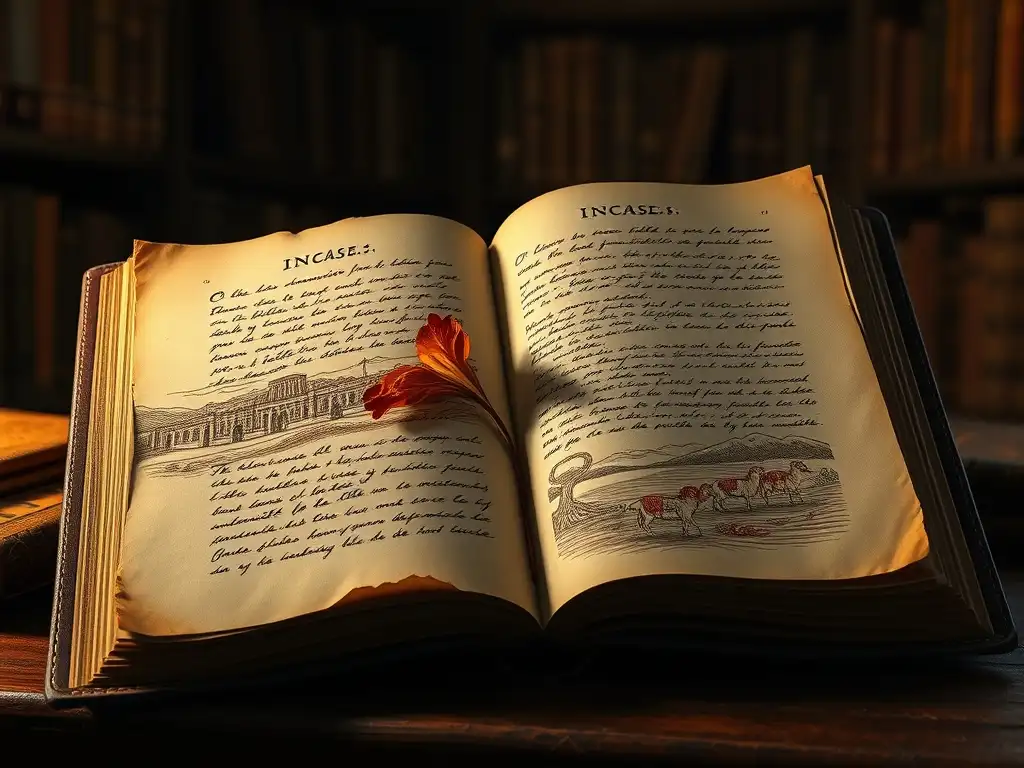
Chroniclers played a pivotal role in preserving and transmitting knowledge about Ancient Andean civilizations. Their accounts, though often filtered through their own biases and perspectives, provide invaluable insights into the social structures, political systems, religious beliefs, and daily lives of these fascinating societies. Understanding the limitations and strengths of their work is crucial for a nuanced interpretation of Ancient Andean civilizations scholarship.
The impact of these historical accounts continues to resonate in modern academic discourse and shapes our understanding of the Andes today. The sheer volume of information gleaned from these sources is staggering, offering a rich tapestry of details that would otherwise be lost to time. Analyzing these chronicles requires careful consideration of the author's background, their relationship with the Andean people they described, and the historical context in which their work was produced.
Early Chroniclers and Their Contributions to Andean Studies
Early chroniclers, often indigenous individuals or those with close contact to Andean communities, offer a unique perspective often missing in later Spanish accounts. These early writings, while sometimes fragmentary, provide invaluable first-hand accounts of pre-Columbian life. For instance, the work of [Specific chronicler's name pending] provides detailed descriptions of [Specific aspect of Andean life, e.g., agricultural practices, religious ceremonies, social hierarchies].
Their accounts frequently include details about daily life, local customs, and indigenous perspectives that are frequently absent or downplayed in later colonial narratives. This makes their work crucial for understanding the complexity of pre-colonial Andean societies, offering a counterpoint to the often Eurocentric interpretations that dominated later scholarship. These early chroniclers, though limited in number compared to their later counterparts, provide a vital foundation for understanding Ancient Andean civilizations scholarship.
Their contributions are often overlooked, yet they represent a crucial bridge between the pre-Columbian world and the historical record we possess today. Further research into these early accounts is essential for a more complete understanding of Ancient Andean civilizations.
The Impact of Spanish Chroniclers on Understanding Inca Society
Spanish chroniclers, while often biased by their colonial perspective, significantly shaped our understanding of Inca society. Figures like Garcilaso de la Vega, a mestizo (person of mixed Indigenous and European ancestry), offer a unique blend of indigenous and European perspectives, albeit still subject to colonial interpretations. His Royal Commentaries of the Incas is a monumental work that provides detailed accounts of Inca history, social structures, and religious beliefs.
However, it's crucial to acknowledge the inherent biases within his narrative, as he often romanticized Inca society and presented a somewhat idealized view. Other Spanish chroniclers, like [Specific Spanish chronicler's name pending], focused on more practical matters such as [Specific focus of the chronicler's work, e.g., Inca administrative systems, military organization, economic practices]. These accounts, while valuable for understanding specific aspects of Inca life, must be analyzed critically, considering the colonial context in which they were written.
The Spanish chroniclers’ accounts, despite their limitations, remain a primary source for understanding Inca society, providing detailed information on topics ranging from Inca mythology to their sophisticated road systems. Analyzing these accounts requires a nuanced approach, carefully weighing the potential biases and limitations against the wealth of information they provide. This critical analysis is essential for the continued evolution of Ancient Andean civilizations scholarship.
The careful study of both early and Spanish chroniclers, alongside archaeological findings and other sources, continues to reshape our understanding of Ancient Andean civilizations. The ongoing critical analysis of these historical accounts remains a cornerstone of Ancient Andean civilizations scholarship, constantly refining and enriching our knowledge of this fascinating and complex region.
The Evolution of Andean Scholarship: From Colonial Accounts to Modern Research
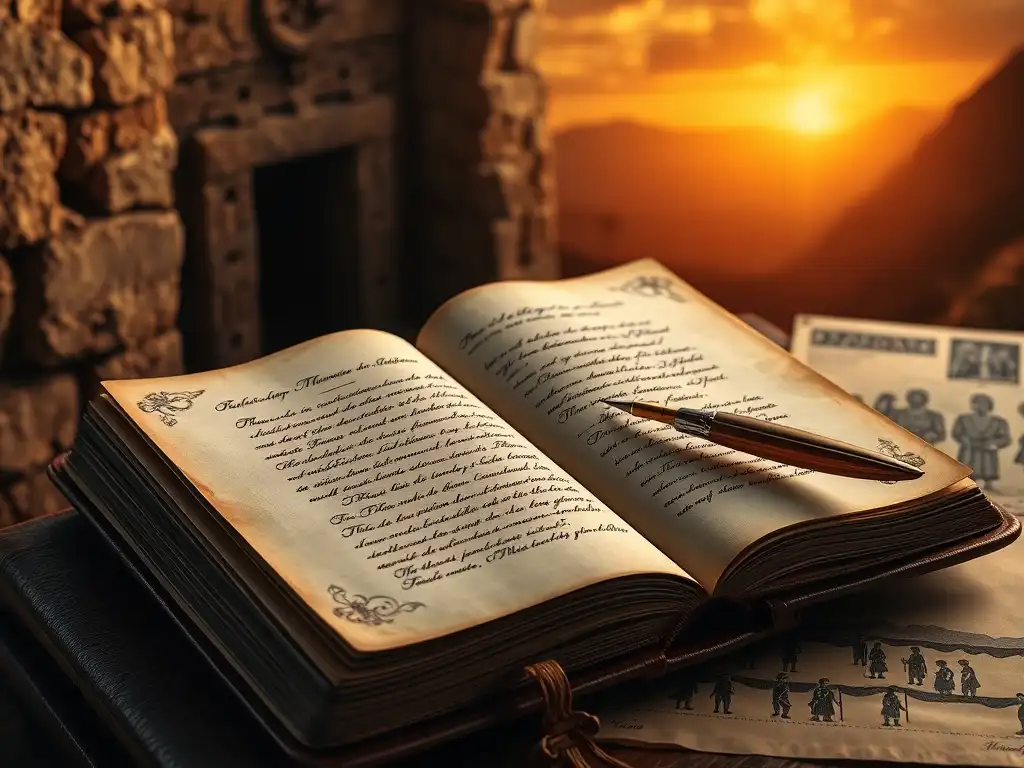
The study of Ancient Andean civilizations scholarship has undergone a dramatic transformation, moving from heavily biased colonial accounts to the sophisticated, multidisciplinary approaches of today. Early scholarship, often produced by Spanish conquistadors and missionaries, was inherently intertwined with the colonial project. These chronicles, while providing invaluable glimpses into the daily lives and beliefs of Andean societies, frequently presented a skewed perspective, often portraying indigenous cultures through a lens of European superiority and religious dogma.
Works like those of Garcilaso de la Vega, while offering unique insights from a mixed-heritage perspective, still reflected the limitations and biases of their time. They often lacked the critical distance necessary to fully appreciate the complexity of Andean societies. The inherent power dynamics of the colonial context significantly shaped the narrative and interpretation of these early accounts, influencing our understanding of Ancient Andean civilizations for centuries.
This initial phase of scholarship laid a foundation, albeit a flawed one, for future research. The biases present, however, necessitate a critical and nuanced understanding when engaging with these historical sources. Understanding these biases is crucial for a balanced and accurate interpretation of Ancient Andean civilizations.
Key Figures in Andean Archaeology and Anthropology
The 20th and 21st centuries witnessed a revolution in Andean studies, driven by the rise of professional archaeology and anthropology. Pioneering figures like Julio C. Tello, considered the "father of Peruvian archaeology," fundamentally shifted the paradigm. Tello's emphasis on indigenous perspectives and his meticulous excavation techniques, while sometimes debated in modern scholarship, challenged the Eurocentric interpretations that had dominated the field.
His work on Paracas and Chavín cultures brought to light the sophistication and complexity of pre-Inca societies, challenging the previously held notion of a linear progression towards Inca dominance. Subsequently, researchers like John Rowe, with his extensive work on Inca ceramics and social organization, and Paul Kosok, whose studies of the Nazca Lines sparked renewed interest in the region, further refined our understanding.
Their contributions, alongside the work of numerous other dedicated scholars, established rigorous methodologies and laid the groundwork for the interdisciplinary approach that characterizes modern Andean studies. This transition towards rigorous methodology also significantly improved the preservation and ethical considerations surrounding the excavation and study of Ancient Andean artifacts and sites.
Modern Methodologies in Andean Civilizations Research
Modern research on Ancient Andean civilizations is characterized by a multidisciplinary approach, integrating archaeology, anthropology, linguistics, history, and even genetics. Advanced techniques such as GIS (Geographic Information Systems) mapping allow for a more comprehensive understanding of settlement patterns and resource management. Sophisticated dating methods, like radiocarbon dating and thermoluminescence dating, provide increasingly precise chronologies for significant events and cultural developments.
Furthermore, the application of isotopic analysis allows researchers to reconstruct ancient diets and migration patterns, offering valuable insights into social structures and interactions between different Andean groups. The analysis of ancient DNA (aDNA) is also revolutionizing our understanding of population movements and genetic relationships between various Andean societies, shedding light on the complex dynamics of their interactions.
This holistic, scientifically rigorous approach allows for a much more nuanced and comprehensive understanding of Ancient Andean civilizations than was previously possible, continually refining our knowledge and challenging existing narratives. The ongoing research, encompassing various methodologies, continues to provide fresh insights into the rich tapestry of Andean history and culture, demonstrating the enduring power of Ancient Andean civilizations scholarship.
Analyzing the Influence of Specific Chroniclers on Andean Historical Interpretation

This section delves into the lasting impact of key chroniclers on our understanding of Ancient Andean civilizations. Their writings, though often filtered through colonial lenses, provide invaluable insights into the complexities of Inca, Moche, Nazca, and Tiahuanaco societies, shaping modern Ancient Andean civilizations scholarship for centuries. We will examine how their perspectives, biases, and methodologies continue to influence current historical interpretations. The careful analysis of these primary sources is crucial for a nuanced understanding of Andean history, allowing us to move beyond simplistic narratives and appreciate the richness and diversity of these cultures.
Garcilaso de la Vega: A Unique Perspective on Inca Culture
Garcilaso de la Vega, the son of a Spanish conquistador and an Inca princess, offers a unique perspective on Inca culture largely unavailable elsewhere. His Royal Commentaries of the Incas stands as a seminal work in Ancient Andean civilizations scholarship, providing a detailed account of Inca history, social structures, and customs from a perspective bridging both indigenous and colonial worlds. However, his dual heritage also introduces complexities. While offering intimate details of Inca life, his account inevitably reflects his own experiences and biases, shaped by both his Inca ancestry and his Spanish upbringing.
Garcilaso's work reveals a sophisticated understanding of Inca governance, detailing the intricate ayllu system and the role of the Sapa Inca. He describes elaborate ceremonies, intricate agricultural practices, and the development of a complex road network. His descriptions, while sometimes romanticized, offer crucial details on Inca cosmology and religious beliefs, providing valuable context for understanding Inca art and architecture.
However, critics point to potential inaccuracies and a tendency to portray the Inca empire in a more positive light than perhaps warranted, possibly reflecting his desire to reconcile his dual heritage. Modern Ancient Andean civilizations scholarship carefully considers these nuances, comparing his accounts with other sources to create a more balanced and accurate picture. For example, his descriptions of Inca warfare are often contrasted with archaeological evidence and other colonial accounts to determine the degree of accuracy and potential biases.
The Significance of Felipe Guaman Poma de Ayala in Understanding Andean Society
Felipe Guaman Poma de Ayala's Nueva Coronica y Buen Gobierno stands in stark contrast to Garcilaso's work. This monumental manuscript, a combination of text and illustrations, offers a scathing critique of Spanish colonialism and a powerful testament to the resilience of Andean cultures. Unlike Garcilaso, Guaman Poma was a fully indigenous chronicler, providing a deeply personal and critical perspective on the impact of European conquest on Andean societies. His work is invaluable for Ancient Andean civilizations scholarship because it provides a detailed account of indigenous perspectives often absent from other colonial sources.
Guaman Poma’s illustrations, in particular, offer a visual record of Andean life before, during, and after the conquest, depicting social structures, agricultural practices, and religious beliefs with remarkable detail. His descriptions of pre-Columbian Andean society reveal a complex social hierarchy, diverse economic systems, and a rich tapestry of religious practices. The manuscript vividly portrays the brutal realities of colonial rule, detailing instances of oppression, exploitation, and cultural destruction.
This visceral depiction is crucial for understanding the long-term consequences of the Spanish conquest on Andean populations and for challenging Eurocentric narratives that often downplay the impact of colonialism. Guaman Poma’s work therefore represents a critical counterpoint to more celebratory accounts of Inca civilization, providing a crucial indigenous voice within Ancient Andean civilizations scholarship.
Comparing and Contrasting Different Chronicler's Accounts
Comparing the accounts of chroniclers like Garcilaso de la Vega and Felipe Guaman Poma de Ayala reveals the inherent complexities of historical interpretation. Their differing backgrounds, perspectives, and objectives shape their narratives, leading to contrasting depictions of Inca and broader Andean societies. Garcilaso's work, while insightful, often presents a more idealized view, potentially minimizing the internal conflicts and social inequalities within the Inca Empire. In contrast, Guaman Poma's account offers a more critical and nuanced perspective, highlighting the social and economic injustices inflicted upon the Andean populations during the colonial period.
Modern Ancient Andean civilizations scholarship utilizes a comparative approach, analyzing multiple primary sources alongside archaeological evidence and ethnographic studies to construct a more comprehensive understanding. This approach allows historians to identify biases, inconsistencies, and potential inaccuracies within individual accounts, leading to a more nuanced and accurate representation of Andean history. The careful cross-referencing of different chroniclers' accounts, along with other sources, is essential for constructing a richer and more complete narrative that moves beyond the limitations of any single perspective. This multi-faceted approach is vital for creating a robust and accurate understanding of these remarkable Ancient Andean civilizations.
The Challenges and Limitations of Historical Sources on Andean Civilizations

The study of Ancient Andean civilizations scholarship relies heavily on a diverse range of sources, each presenting unique challenges and limitations to researchers. Understanding these limitations is crucial for constructing a nuanced and accurate historical narrative. The scarcity of pre-Columbian written records, coupled with the biases inherent in later colonial accounts, necessitates a critical approach that combines textual analysis with archaeological evidence and anthropological insights. The very act of interpreting the past is inherently subjective, and understanding these inherent limitations is fundamental to responsible scholarship on Ancient Andean civilizations.
Understanding Bias in Colonial Accounts of Andean History
Colonial accounts, while providing valuable information about Andean societies, often reflect the perspectives and biases of their authors. Spanish chroniclers, for example, frequently viewed Andean cultures through a lens shaped by their own religious beliefs, political agendas, and preconceived notions of "civilization." This resulted in interpretations that often misrepresented or downplayed the complexities of Andean social structures, religious practices, and technological achievements.
For instance, descriptions of Inca governance might emphasize hierarchical structures and absolute power, neglecting the nuances of regional variations and local autonomy. Similarly, accounts of religious beliefs frequently focused on perceived similarities to or differences from European Christianity, rather than exploring the Andean worldview on its own terms. Analyzing these biases requires careful examination of the author's background, the context of their writing, and the potential influence of political pressures.
Identifying these biases is a crucial step in reconstructing a more accurate and comprehensive picture of Ancient Andean civilizations. A meticulous comparative analysis of multiple sources, seeking corroboration and identifying contradictions, is essential for mitigating the impact of these biases.
Reconciling Historical Texts with Archaeological Findings
Reconciling historical texts with archaeological findings is a central challenge in Ancient Andean civilizations scholarship. While written accounts offer insights into political events, social structures, and belief systems, archaeological evidence provides a tangible connection to the material culture of these societies. However, these two sources don't always align perfectly. Archaeological discoveries might reveal aspects of Andean life that are absent or downplayed in historical texts, challenging existing interpretations and forcing scholars to re-evaluate their understanding of the past.
For example, archaeological evidence of extensive irrigation systems in the Nazca region contradicts certain colonial accounts that underestimated the technological sophistication of the Nazca people. Similarly, the discovery of complex urban centers like Chan Chan challenges earlier views that portrayed the Chimú civilization as less developed than the Inca. The integration of both textual and archaeological data, along with ethnohistorical and linguistic studies, is vital for building a holistic and accurate understanding of Ancient Andean civilizations.
This interdisciplinary approach allows for a more robust and nuanced interpretation of the past, minimizing the limitations of relying solely on one type of evidence. The process requires careful consideration of potential biases in both historical texts and archaeological interpretations, recognizing that both are products of their respective historical contexts. This constant cross-referencing and critical evaluation are the cornerstones of responsible and insightful Ancient Andean civilizations scholarship.
The Ongoing Dialogue: Modern Scholars Building Upon the Work of Past Chroniclers
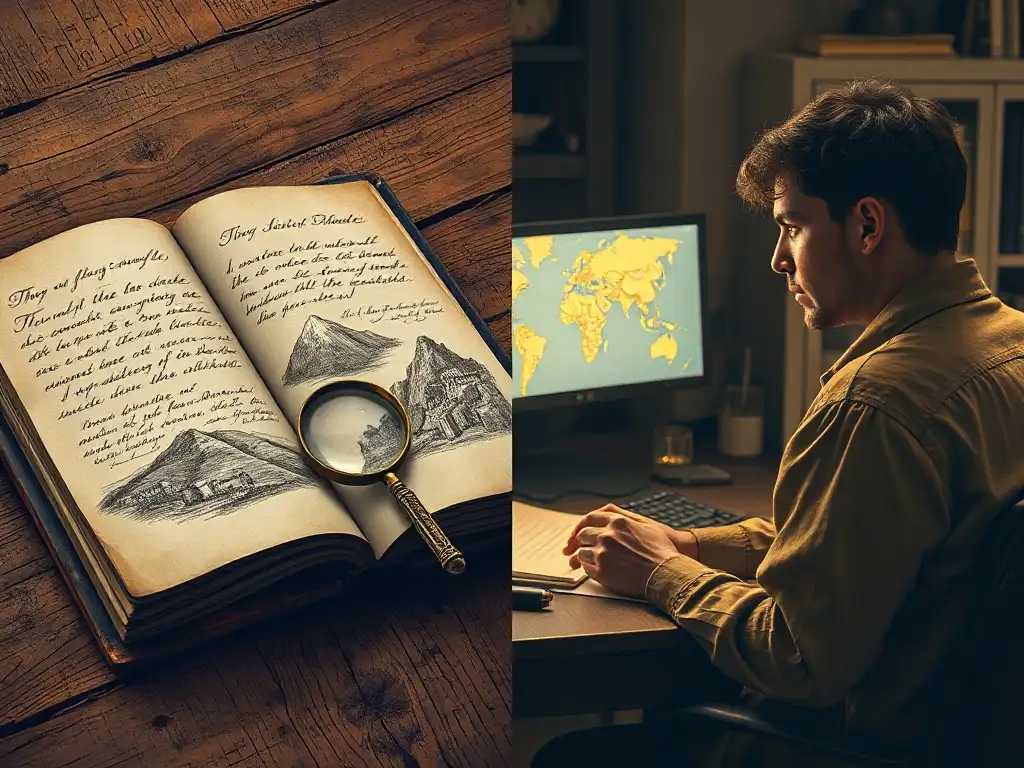
The study of Ancient Andean civilizations scholarship is a dynamic field, constantly evolving as new archaeological discoveries and innovative analytical techniques challenge and refine our understanding of the past. Modern scholars don't simply accept the accounts of 16th-century chroniclers like Garcilaso de la Vega or Guaman Poma de Ayala at face value. Instead, they engage in a critical dialogue, using these primary sources as crucial, albeit imperfect, starting points for their investigations.
This approach acknowledges the inherent biases and limitations of historical records while recognizing their invaluable contribution to our knowledge. For instance, while Garcilaso's Royal Commentaries offers a detailed account of Inca society, its perspective, as the work of a mestizo (mixed-race) author, is inherently shaped by his unique background and experiences. Modern scholars carefully analyze his work, comparing it with archaeological evidence and other contemporary accounts to establish a more nuanced and comprehensive picture.
How Contemporary Research Reinterprets Chronicler's Narratives
Contemporary research employs interdisciplinary approaches, combining insights from archaeology, anthropology, linguistics, and other fields to reinterpret chroniclers' narratives. For example, the description of Inca road systems in colonial accounts is now complemented by extensive archaeological surveys revealing the scale and complexity of these infrastructure projects. This allows scholars to move beyond simple descriptions of roads to analyze their social, economic, and political implications within the Inca empire.
Similarly, analyses of textile fragments, pottery styles, and architectural remains challenge and expand upon chroniclers' accounts of Inca artistic and religious practices. The discovery of new sites and artifacts consistently prompts a reevaluation of existing interpretations, leading to a more refined understanding of Andean social structures, religious beliefs, and technological achievements.
The use of advanced technologies like GIS mapping and 3D modeling allows for more precise analysis of spatial relationships and settlement patterns, further enriching the information gleaned from historical chronicles. We're moving beyond a simple acceptance of colonial narratives to a more sophisticated engagement with the past, utilizing multiple perspectives and methodologies to paint a richer, more complete portrait of Ancient Andean civilizations.
The Future of Andean Civilizations Scholarship
The future of Ancient Andean civilizations scholarship promises exciting developments. The ongoing application of advanced technologies, such as DNA analysis, isotopic studies, and remote sensing, will continue to revolutionize our understanding. These techniques allow for unprecedented insights into migration patterns, dietary habits, and the environmental context of ancient Andean societies.
Furthermore, increased collaboration between researchers from different disciplines and geographical locations is fostering a more inclusive and nuanced approach to the study of the Andes. This collaborative spirit is crucial for addressing ethical concerns related to the preservation of cultural heritage and ensuring that research benefits local communities. The focus is shifting towards community-based participatory research, recognizing the importance of indigenous perspectives and knowledge in shaping our understanding of the past.
This involves actively engaging with descendants of Andean civilizations, ensuring that their voices and interpretations are incorporated into scholarly discourse. This collaborative and ethically sensitive approach will undoubtedly lead to a more comprehensive and respectful understanding of Ancient Andean civilizations in the years to come. The future holds the promise of a more complete and nuanced narrative, informed by both cutting-edge technology and the voices of those most deeply connected to the legacy of the Andes.
The Lasting Impact of Andean Civilizations Scholarship
The study of Ancient Andean civilizations scholarship has profoundly impacted our understanding of pre-Columbian South America, revealing complex societies with sophisticated technologies, intricate social structures, and rich cultural traditions. This scholarship, encompassing archaeological discoveries, textual analysis of colonial chronicles, and the ongoing work of anthropologists and historians, continues to reshape our perceptions of these remarkable cultures. The field is constantly evolving, with new discoveries and reinterpretations challenging long-held assumptions and providing a more nuanced perspective on Andean history.
This ongoing process of investigation and re-evaluation is crucial for a complete and accurate understanding of these civilizations. The impact extends beyond academia, influencing public perception, tourism, and even contemporary Andean identities.
How the Work of Chroniclers Continues to Inform Our Understanding Today
Chronicles written by Spanish conquistadors and later colonial officials, despite their inherent biases, remain invaluable primary sources for understanding Ancient Andean civilizations. These accounts, though often filtered through a European lens and reflecting the conquerors' perspectives, provide crucial insights into the political structures, religious beliefs, and daily life of Andean societies. For example, the Royal Commentaries by Inca Garcilaso de la Vega, a unique perspective as the son of a Spanish conquistador and an Inca noblewoman, offers a blend of indigenous and colonial viewpoints, enriching our understanding of Inca society and culture.
Careful analysis of these chronicles, alongside archaeological evidence, allows scholars to cross-reference information and develop a more comprehensive picture. However, it’s crucial to approach these sources critically, acknowledging potential biases and inconsistencies, and corroborating information with other evidence.
This critical approach is essential for responsible Ancient Andean civilizations scholarship. Careful contextualization is also key; understanding the circumstances under which these chronicles were written is essential to interpreting their content accurately.
The Importance of Preserving and Studying Andean Historical Sources
Preserving and studying original Andean historical sources is paramount for responsible and ethical Ancient Andean civilizations scholarship. This includes not only the written chronicles but also a vast array of material culture: textiles, ceramics, metalwork, monumental architecture, and oral traditions. The preservation of these sources faces numerous challenges, including environmental degradation, looting, and the erosion of indigenous languages and knowledge systems.
Efforts to digitally archive and catalog these sources are crucial for future research and understanding. The study of these sources requires interdisciplinary collaboration, bringing together archaeologists, historians, anthropologists, linguists, and conservators. For example, analyzing the chemical composition of ancient pigments used in ceramics can reveal trade routes and the sources of raw materials, adding another layer to our understanding of Andean social and economic systems.
Similarly, the study of Inca quipu, complex knotted strings used for record-keeping, requires specialized expertise to decipher their meaning and unlock the secrets of Inca administration and record-keeping. The ongoing effort to preserve and understand these diverse sources is essential for a complete and nuanced understanding of Ancient Andean civilizations. Without this preservation and study, a significant part of human history remains lost or inaccessible.
Frequently Asked Questions
What is the main focus of "Ancient Andean civilizations scholarship"?
The main focus is on the academic research and writing dedicated to understanding the history, culture, and societies of the ancient Andean civilizations, like the Inca, Moche, Nazca, and Tiahuanaco. This involves analyzing archaeological evidence, historical texts, and other sources.
How do scholars contribute to our understanding of Ancient Andean civilizations?
Scholars utilize archaeological excavation and analysis, textual interpretation, and comparative studies to uncover new information and reinterpret existing knowledge about these civilizations. Their work builds a more complete picture of Andean societies.
What types of sources do scholars use to study Ancient Andean civilizations?
Scholars rely on a wide range of sources, including archaeological artifacts, colonial-era chronicles, ethnographic data, and newly discovered texts to reconstruct the lives and societies of these ancient groups.
What is the significance of colonial-era chronicles in understanding Ancient Andean civilizations?
While biased, colonial chronicles provide invaluable firsthand accounts, albeit often filtered through the lens of the Spanish conquistadors, offering insights into Andean social structures, beliefs, and practices otherwise lost to time.
How does the ongoing work of scholars impact our understanding of Ancient Andean civilizations?
Ongoing scholarship constantly refines and expands our knowledge, challenging existing assumptions and offering new perspectives on the complexity and diversity of the ancient Andean world. This ensures a more nuanced and accurate understanding.
Final Reflection: Echoes of the Andes: A Legacy of Scholarship
The meticulous work of scholars and chroniclers, painstakingly piecing together the fragmented narratives of the Ancient Andean civilizations, remains profoundly relevant today. Our understanding of these complex societies, their innovations, and their struggles continues to evolve, challenging preconceived notions and enriching our appreciation for human resilience and ingenuity. The echoes of their achievements resonate in the very fabric of modern South America, shaping its cultural landscape and inspiring ongoing research.
The impact of this scholarship extends far beyond academic circles. It informs our understanding of sustainable agriculture, sophisticated social structures, and the enduring power of cultural identity in the face of adversity. The insights gleaned from these studies offer valuable lessons for contemporary society, reminding us of the interconnectedness of past and present. The past is never dead. It's not even past.
- William Faulkner. This quote perfectly encapsulates the enduring relevance of understanding the Andean civilizations; their legacy continues to shape our present and inform our future.
Consider the implications of this research for your own life. How does understanding the ingenuity and resilience of the Ancient Andean civilizations inspire you? Take a moment to reflect on the interconnectedness of human history and the importance of preserving and interpreting the legacies of past cultures. Let the echoes of the Andes inspire you to seek deeper understanding, to appreciate the richness of human experience, and to contribute to the ongoing conversation surrounding these fascinating and vital societies.
Embrace the Legacy of the Andes!
Thank you for exploring the rich scholarship that illuminates our understanding of the Andes. Reflecting on these insights, consider how you can further engage with this vibrant history and contribute to ongoing discussions.
Here's how you can get involved:
- Dive Deeper: Explore our extensive online resources on Andean civilizations to learn more about the fascinating work of leading scholars and their contributions to the field.
- Engage and Share: Join our online community forum to discuss your thoughts and insights with other enthusiasts. Share your favorite discoveries and perspectives!
- Inspire Others: Host a discussion group or book club focused on a significant work of Andean history to share your passion with others.
What aspect of Andean heritage resonates most with you, and how will you share that passion with others?