
The Art of Gilding: Adding a Golden Touch to Andean Metal Objects

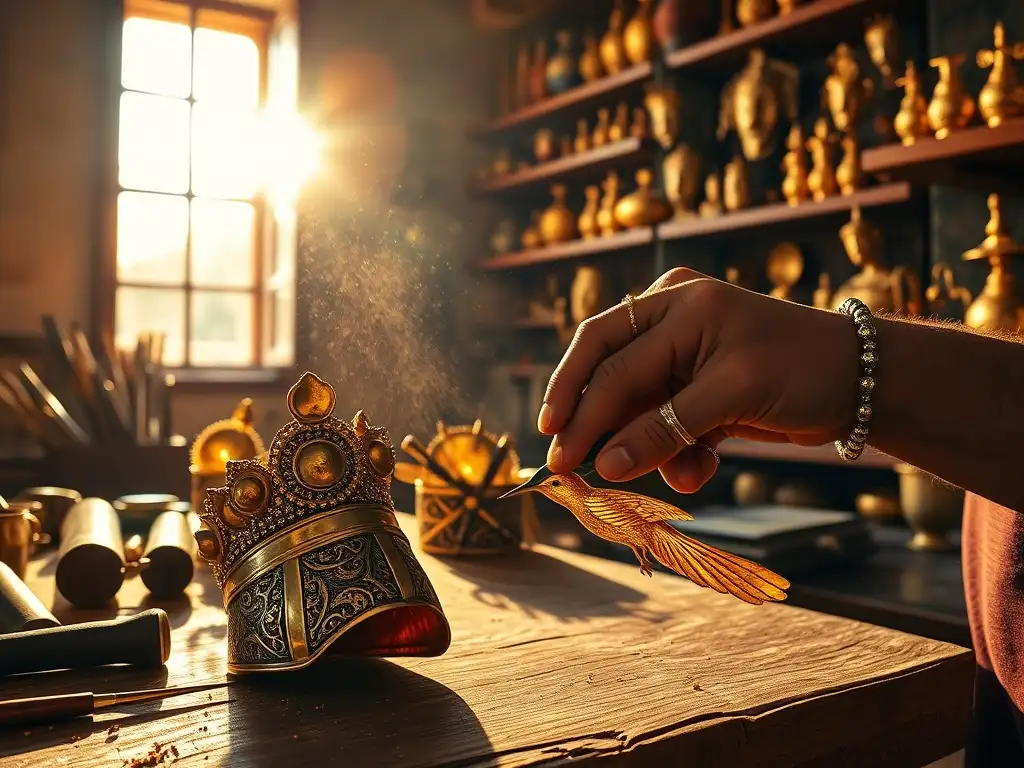
Step into a world lost to time, yet vividly brought to life. Imagine the sun glinting off meticulously crafted gold, the legacy of masterful Andean artisans. Andean gold artifacts gilding techniques hold secrets whispered across millennia—secrets we're about to unravel. Prepare to be captivated by the artistry and ingenuity of these ancient civilizations as we delve into the dazzling world of Andean metalwork. Discover the techniques that transformed humble metal into breathtaking treasures... the story begins now.
The artistry of ancient Andean civilizations is renowned for its intricate designs and masterful craftsmanship, particularly in metalworking. Beyond the impressive scale of some gold objects, the techniques employed to create these treasures are equally fascinating.
This article delves into the art of gilding—the application of a thin layer of gold—as practiced by Andean cultures, exploring the processes, significance, and enduring legacy of this sophisticated technique. We will examine how Andean gold artifacts gilding techniques contributed to the rich visual and symbolic language found in their metalwork, showcasing the ingenuity and cultural depth of these remarkable societies.
From the shimmering surfaces of Inca adornments to the delicate details of pre-Inca pieces, gilding elevated metal objects into powerful symbols of status, divinity, and the mastery of human skill. We will explore the techniques themselves, the cultural context in which they flourished, and the enduring impact they have on our understanding of Andean art and technology.
Introduction to Andean Gilding Traditions
Andean gilding techniques varied across different cultures and time periods, reflecting the unique artistic styles and technological capabilities of each society. While the precise methods are still being researched and debated by archaeologists and conservators, several key processes have been identified. One common method involved applying a thin layer of gold leaf to a base metal, such as copper or silver, using an adhesive.
This adhesive was often a resin or a mixture of organic substances, carefully chosen for its ability to adhere to both the gold and the base metal, ensuring a durable and lasting bond. Evidence suggests that some artisans might have employed a form of mercury amalgamation, a process where gold is dissolved in mercury to create an amalgam that could be applied and then heated to evaporate the mercury, leaving behind a thin, even layer of gold. The application of gold leaf often involved meticulous hammering and burnishing to create a smooth, lustrous surface.
The level of skill required for such delicate work was considerable, underscoring the high status of the artisans who practiced this craft. Detailed examination of surviving artifacts reveals variations in the thickness of the gold layer and the finish achieved, suggesting a range of techniques and levels of expertise. Further research is needed to fully understand the nuances of these techniques and the specific materials used by different Andean cultures.
The Significance of Gold in Ancient Andean Cultures
Gold held profound symbolic importance in many Andean cultures. It was frequently associated with the sun, representing power, divinity, and the life-giving energy of the cosmos. The gleaming metal was believed to possess spiritual properties, and its use in religious artifacts and royal regalia reinforced its sacred status.
The intricate gilding of metal objects further amplified these symbolic associations, enhancing their visual impact and reinforcing their spiritual significance. The sheer amount of gold used in certain pieces, such as the elaborate funerary masks and ornaments, speaks to the immense value placed upon this precious metal and the social and political power it represented. For example, the use of gold in royal burials wasn't simply decorative; it was a statement of power, a visual representation of the ruler's connection to the divine and their control over resources.
The meticulous craftsmanship involved in the gilding process added another layer of meaning, signifying the skill and dedication of the artisans and the importance of the object itself within the social hierarchy. The careful application of gold, often in intricate patterns and designs, transformed ordinary metal objects into powerful symbols of authority and spiritual connection, solidifying its position as a central element in Andean religious and political life.
- What techniques did Andean cultures use for gilding?
- What materials were commonly gilded by Andean artisans?
- How did the gilding process contribute to the prestige of Andean artifacts?
- What is the significance of Andean gold artifacts with gilding?
- Where can I see examples of Andean gold artifacts with gilding?
Early Andean Goldworking: Precursors to Gilding
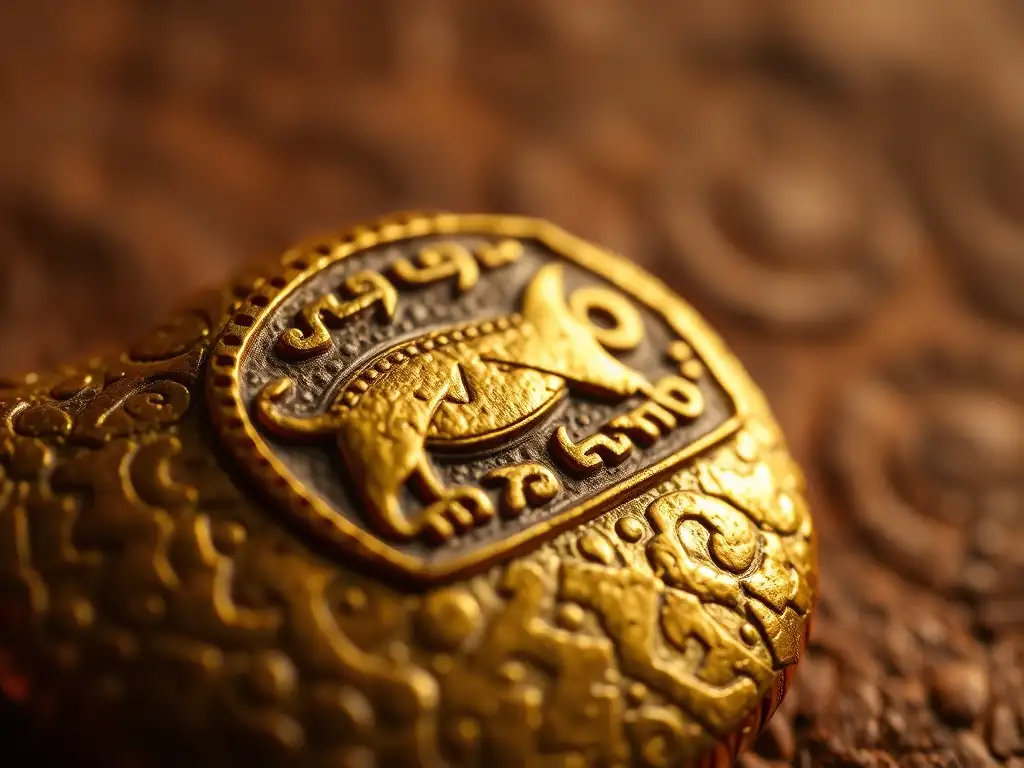
Before the sophisticated gilding techniques associated with later Andean cultures, the manipulation of gold was already a significant aspect of their metalworking traditions. Early Andean goldworking, predating the widespread adoption of gilding, demonstrates a remarkable mastery of diverse techniques. These foundational methods laid the groundwork for the more complex gilding processes that would follow.
Understanding these precursors is crucial to appreciating the evolution and ingenuity of Andean goldsmiths. The earliest examples often reveal a focus on shaping and hammering the metal into desired forms, showcasing a deep understanding of the material's malleability. Artisans skillfully crafted intricate objects, ranging from simple adornments to complex ceremonial items.
Techniques Employed in Early Andean Metalworking
Early Andean metalworkers employed several techniques, laying the groundwork for later gilding processes. These included:
- Hammering and Annealing: This involved repeatedly hammering the gold to shape it, followed by heating (annealing) to soften the metal and prevent cracking. This cyclical process allowed for the creation of incredibly thin sheets and intricate details. The precise control of temperature was essential, demonstrating a high level of metallurgical knowledge.
- Casting: The lost-wax casting method was employed, allowing for the creation of more complex shapes and designs. This involved creating a wax model, covering it in clay, melting out the wax, and then pouring molten gold into the resulting mold. This technique required significant skill and precision, enabling the production of three-dimensional pieces with intricate detail.
- Repoussé and Chasing: These techniques involved hammering from the back (repoussé) to create raised designs, followed by smoothing and refining the details from the front (chasing). This process allowed for the creation of three-dimensional relief work on thin gold sheets, showcasing incredible artistry and dexterity. Many examples from this period demonstrate a mastery of this technique, creating remarkably detailed scenes and figures.
- Inlay: Some early pieces incorporated inlay work, where pieces of other metals, such as copper or silver, were embedded into the gold surface to create contrasting effects. This demonstrates an understanding of material properties and a desire to explore visual complexity. The precise fitting of these contrasting metals is a testament to the skill of the artisans.
The Emergence of Gold Plating Methods
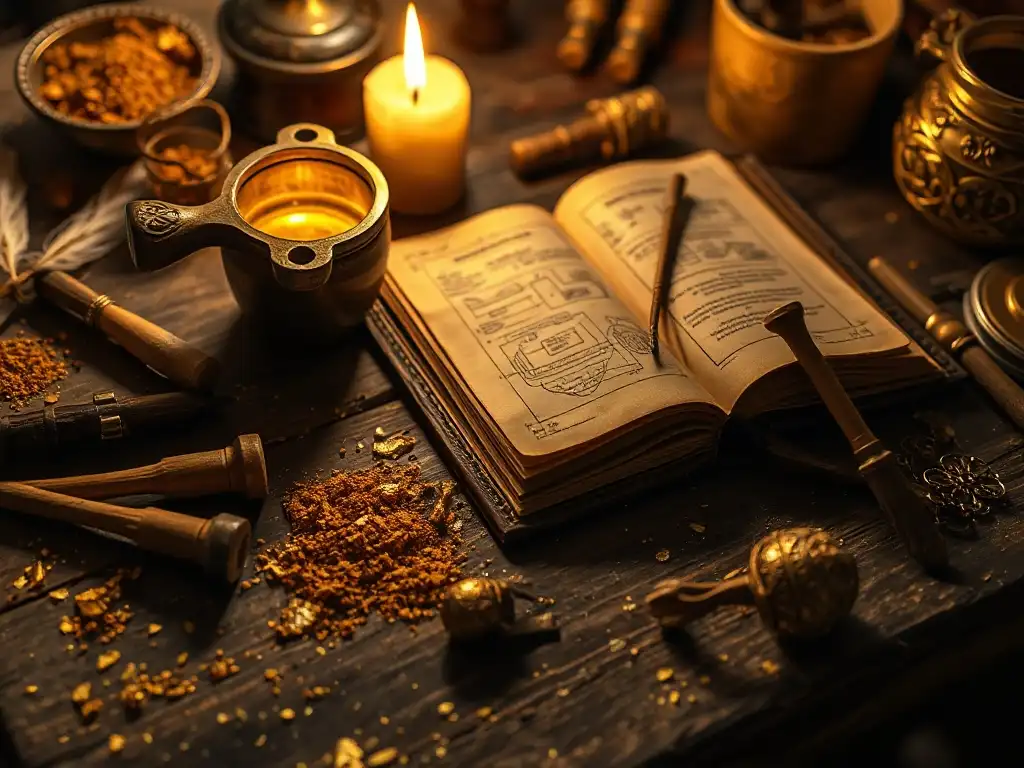
The development of gilding techniques in the Andes represents a significant advancement in Andean gold artifacts gilding techniques. While the exact timeline remains a subject of ongoing research, evidence suggests that gold plating, or the application of a thin layer of gold onto a base metal, emerged gradually, likely evolving from earlier techniques. This technique allowed for the creation of gold-like objects using less precious metal, expanding access to golden adornments and artifacts. The transition from earlier methods to sophisticated gilding reflects a growing understanding of metallurgy and surface treatment.
The Emergence of Gold Plating Methods
The transition to sophisticated gold plating wasn't a sudden leap but a gradual refinement of existing techniques. Several factors likely contributed:
- Increased Demand: The rising status of gold in Andean societies increased the demand for gold objects, potentially driving innovation in production techniques. The cost-effectiveness of gilding likely made it a more accessible option for a wider range of individuals and communities.
- Technological Advancements: Improvements in smelting and refining techniques likely provided access to purer gold, allowing for the creation of thinner and more durable gold plating. This increased purity was crucial for achieving a superior and long-lasting finish.
- Experimentation and Innovation: The Andean goldsmiths were clearly adept at experimenting with new techniques. The development of gilding likely involved a period of trial and error, with artisans continuously refining their methods to achieve the desired results. The variety of gilding techniques across different Andean cultures indicates a vibrant exchange of ideas and innovation.
The precise methods employed in early Andean gilding remain a subject of ongoing research, with ongoing analysis of artifacts providing further insights into the techniques and materials used. However, it is clear that these techniques represented a sophisticated understanding of metallurgy and a desire to create visually stunning and durable objects. The legacy of Andean gilding continues to inspire awe and admiration for the artistry and technological skill of these ancient cultures.
Andean Gold Artifacts Gilding Techniques: A Detailed Examination
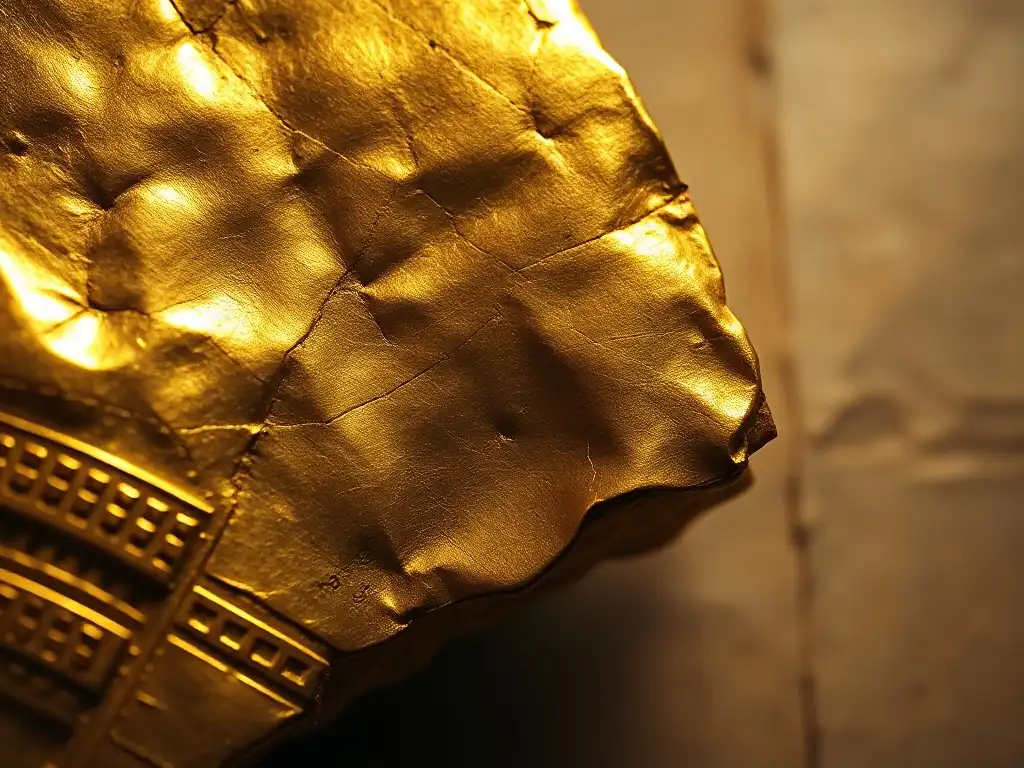
This section delves into the sophisticated techniques employed by Andean artisans to create the dazzling golden surfaces found on many of their renowned artifacts. Understanding these methods provides crucial insight into their advanced metallurgical knowledge and artistic skill. The term "Andean gold artifacts gilding techniques" encompasses a range of processes, each demanding precision and expertise. We'll explore the materials, processes, and the resulting aesthetic impact of these ancient techniques.
Understanding the Materials Used for Gilding
The creation of gilded Andean artifacts wasn't a simple process of applying gold leaf. Instead, it involved a complex interplay of materials, often utilizing locally sourced resources. The primary material, of course, was gold itself, typically obtained from alluvial deposits throughout the Andes. However, the purity of the gold varied, impacting the final color and durability of the gilded surface. Artisans likely used gold of varying karats, adjusting the purity based on the desired effect and the specific gilding technique employed.
Beyond gold, other materials played crucial roles. Mercury, for example, was a key component in many gilding processes, acting as an amalgamating agent. Its use, however, presented challenges due to its toxicity. Evidence suggests Andean metalworkers developed safety precautions, though the exact nature of these remains a subject of ongoing research.
Additionally, various resins and organic binders were likely used to adhere the gold to the base metal, contributing to the longevity of the gilded surface. The specific composition of these binders remains largely unknown, requiring further analysis of surviving artifacts. Finally, the base metals themselves – copper, silver, and tumbaga (a copper-gold alloy) – significantly influenced the gilding process and the final result. The interaction between the base metal and the gold layer played a key role in determining the overall appearance and durability of the gilded piece.
Different Gilding Methods in Ancient Andes
Andean goldsmiths demonstrated remarkable ingenuity in developing multiple gilding techniques. While the precise recipes and processes remain partially shrouded in mystery, archaeological evidence and metallurgical analysis have shed light on several key methods. These techniques, often combined, allowed artisans to achieve varying levels of gold coverage and aesthetic effects, from subtle highlights to completely gilded surfaces. The mastery of these techniques is a testament to the sophisticated understanding of metallurgy prevalent in Andean societies.
Depletion Gilding: The Process of Surface Enrichment
Depletion gilding, also known as surface enrichment, is a fascinating technique where a thin layer of gold is applied to a base metal, typically an alloy of copper and gold. Through a process of controlled heating and chemical treatment, the copper is selectively removed from the surface, leaving behind a higher concentration of gold. This results in a visually stunning gilded effect.
The level of gold enrichment could be carefully controlled, allowing artisans to create a range of colors and finishes. The exact chemical processes involved are still being investigated, but the results speak to a profound understanding of metallurgical reactions. This method often resulted in a subtle, shimmering effect rather than a uniformly thick layer of gold.
Electrochemical Gilding: An Advanced Technique
Evidence suggests Andean metalworkers also employed electrochemical gilding, a more advanced technique involving the controlled transfer of gold ions from a gold source to a base metal object. This process likely involved the use of electrolytic solutions and perhaps even rudimentary batteries. While direct evidence of such batteries is limited, the sophistication of some gilded artifacts strongly suggests the use of electrochemical methods.
This technique would have allowed for a more even and controlled application of gold, potentially resulting in a more uniform and lustrous finish than other methods. Further research is needed to fully understand the specifics of this process within the Andean context.
The Use of Copper-Gold Alloys in Gilding
The use of tumbaga, a copper-gold alloy, played a significant role in Andean gilding. Tumbaga, with its varying proportions of copper and gold, provided a malleable and readily worked base metal. The proportion of gold in the tumbaga could influence the final color of the gilded object.
Furthermore, the process of gilding tumbaga itself could involve techniques like depletion gilding or other surface enrichment methods, further enhancing the visual complexity and richness of the final product. The use of tumbaga demonstrates the sophisticated understanding of alloying and the skillful manipulation of material properties to achieve desired aesthetic effects. The resulting objects showcase a mastery of both material science and artistic expression.
The subtle variations in color and sheen achieved through the use of tumbaga and different gilding techniques are a testament to the skill and artistry of Andean metalworkers. These techniques stand as a significant contribution to the history of metallurgy and artistry.
Variations in Gilding Styles Across Andean Cultures
The Andean region, encompassing diverse cultures and spanning centuries, witnessed a remarkable evolution in gilding techniques applied to metal artifacts. While gold itself held immense symbolic value, representing power, divinity, and the sun, the way in which it was applied varied significantly between cultures. These variations weren't merely aesthetic; they reflected distinct artistic sensibilities, technological capabilities, and even social structures within each society.
The application of gold, whether through elaborate gilding or the use of solid gold sheets, served as a powerful visual language, conveying status, religious beliefs, and narrative elements. Analyzing these variations provides invaluable insights into the sophisticated metalworking traditions and cultural nuances of each Andean civilization.
Understanding these differences allows us to appreciate the unique artistic expressions of the Moche, Inca, Chimú, and other Andean cultures, revealing a rich tapestry of goldwork techniques that extended far beyond simple ornamentation. The level of skill and artistry involved in the gilding process is truly awe-inspiring, especially considering the tools and materials available at the time.
Moche Gilding: Characteristics and Examples
Moche gilding, flourishing between approximately 100 and 800 CE, is characterized by a bold and expressive style. Unlike later Inca techniques that sometimes prioritized a smooth, even application of gold, Moche artisans often employed a more textured approach. They frequently used gold leaf applied to a base metal, such as copper or silver, often with deliberate imperfections or variations in the gold's thickness, creating a dynamic visual effect.
This technique, often combined with intricate repoussé work (hammering from the reverse side to create relief), resulted in powerful and dramatic pieces. Examples include intricately detailed gold-gilded headdresses and ceremonial vessels, many depicting scenes of warfare, rituals, or mythology. The gold often appears as highlights, accentuating specific details within the design, rather than a complete covering.
This selective application of gilding adds to the dynamism and visual impact of the piece. The Moche's mastery of this technique suggests a deep understanding of both metallurgy and artistic expression. Their work showcases a unique aesthetic that distinguishes it from the goldwork of other Andean cultures.
Inca Gilding: Techniques and Artistic Expression
Inca gilding, spanning from roughly 1438 to 1533 CE, represents a different aesthetic. While the Moche favored a more dynamic and textured approach, Inca artisans often strived for a smoother, more polished finish. Their gilding techniques frequently involved the application of extremely thin gold leaf, meticulously applied to create a seamless and lustrous surface.
This painstaking process required a high level of skill and precision. The Inca also employed advanced techniques like mercury amalgamation, which helped to adhere the gold leaf to the base metal more effectively. Inca gold artifacts, often featuring intricate designs of animals, plants, and human figures, showcase a refined elegance.
The gilding, in this case, served to enhance the overall beauty and prestige of the object, highlighting the meticulous craftsmanship. The use of gold in Inca society was deeply intertwined with religious and political power; thus, the quality of the gilding reflected the status and significance of the artifact and its owner. Examples of Inca gilding can be seen in numerous surviving artifacts, from intricately decorated tumbaga (gold-copper alloy) vessels to delicate jewelry.
Gilding in the Chimú Culture
The Chimú culture, preceding the Inca and flourishing along the northern coast of Peru (roughly 1000-1470 CE), also developed sophisticated gilding techniques. Their style often blended elements of both Moche boldness and Inca refinement. While they shared the Inca preference for a relatively smooth gold surface, Chimú artisans sometimes incorporated more textured elements, creating a unique visual balance.
Their metalwork frequently featured geometric patterns and stylized representations of animals and deities, often incorporating gold leaf applied to copper or silver alloys. The Chimú were known for their large-scale metalwork projects, including elaborate crowns, ceremonial objects, and richly adorned weaponry. The application of gilding in these pieces served to emphasize the importance of the objects and the power of the rulers they represented.
Compared to the Inca, the Chimú's gilding techniques may show a slightly less refined finish in some cases, though still demonstrating a high level of skill and artistic proficiency. Further research is needed to fully understand the nuances of Chimú gilding techniques and their relationship to other Andean traditions.
The Function and Symbolism of Gilded Metalwork
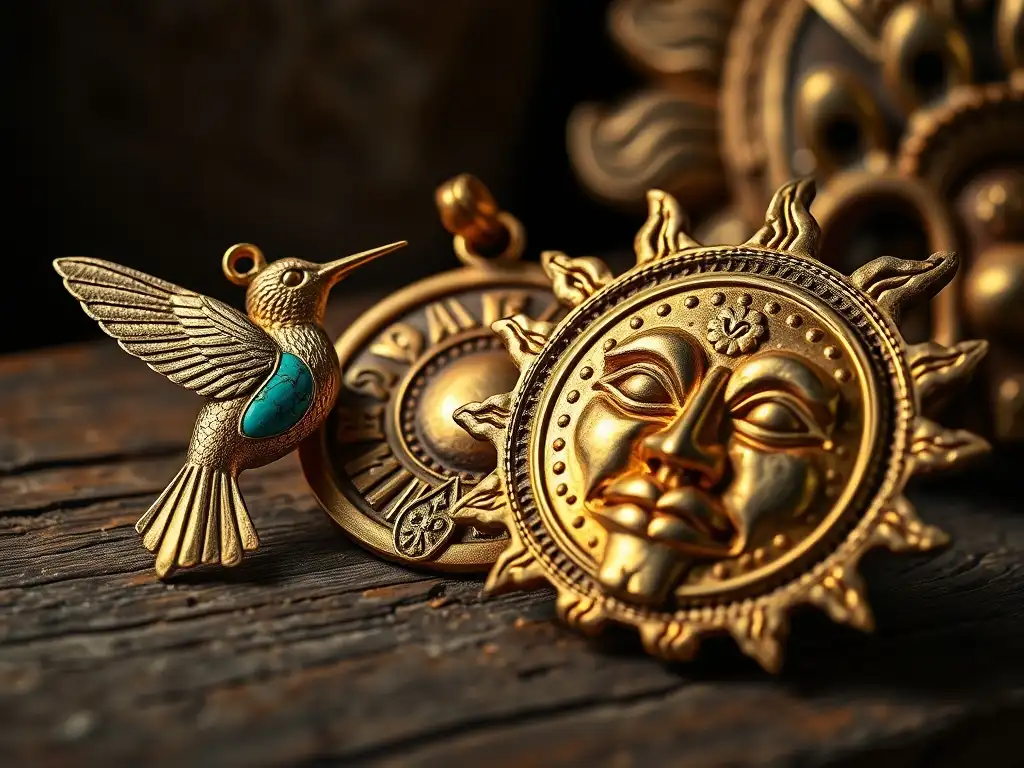
The application of gilding—the process of applying a thin layer of gold—to Andean metal objects transcended mere aesthetics. It imbued these artifacts with profound symbolic and functional significance, deeply intertwined with religious beliefs, social hierarchy, and cosmological understandings. The meticulous craftsmanship involved in gilding, requiring specialized knowledge and skill, further elevated the status of these objects and the individuals who commissioned or created them.
Analysis of surviving gilded artifacts reveals a complex interplay of practical and symbolic considerations. The choice of object to gild, the method of application, and even the quality of the gold itself all contributed to the overall meaning and purpose of the finished piece. Understanding these nuances provides crucial insight into the worldview and societal structures of ancient Andean cultures.
Ritualistic Use of Gilded Objects
Gilded objects frequently appear in archaeological contexts strongly suggesting ritualistic use. For example, numerous studies have documented the presence of gilded tumbaga (a gold-copper alloy) figurines and vessels in elite tombs and ceremonial sites. These findings suggest their use in offerings to deities or ancestors, perhaps as representations of powerful figures or symbolic representations of cosmic forces.
The intricate detail and gleam of the gilding likely enhanced their perceived sacredness and efficacy in ritual contexts. Furthermore, the fragility of the gilding itself may have added to its perceived value and sacredness; its potential for damage or loss could have reinforced its importance and the solemnity of the rituals in which it was used. The presence of gilded artifacts in specific ritual contexts, such as alongside human sacrifices or within temple structures, provides further evidence of their integral role in Andean religious practices.
Detailed chemical analyses of the gold alloys and the gilding techniques employed could further clarify the specific ritualistic purposes of individual objects. [Specific information pending on chemical analysis of specific artifacts].
Status and Power Symbolism in Gilded Metal Artefacts
The use of gold, particularly in its gilded form, served as a powerful marker of status and power within Andean societies. The rarity and inherent value of gold, combined with the sophisticated techniques required for gilding, ensured that only the elite could afford or access such objects. Gilded adornments, such as headdresses, ear ornaments, and pectorals, were often associated with rulers, priests, and other high-ranking individuals, visually signifying their elevated social position.
The size and complexity of the gilded decoration further amplified this message; larger, more elaborately gilded objects indicated a higher level of status and authority. The use of gilding on weaponry, such as ceremonial axes or knives, also suggests the appropriation of gold to symbolize military power and dominance.
The careful placement of gilded elements on these objects, often strategically emphasizing specific design features, further reinforces this interpretation. [Specific examples of gilded weaponry from different Andean cultures are needed here].
The Connection between Gilding and Andean Cosmology
Andean cosmology, with its emphasis on the interaction between the terrestrial and celestial realms, profoundly influenced the artistic expression of gilding. The radiant shine of gold, its association with the sun, and its perceived permanence likely linked it to divine power and immortality. The use of gilding on objects depicting deities or celestial events, such as solar eclipses or constellations, reinforces this connection.
Furthermore, the techniques employed in gilding, which often involved a careful layering and polishing process, may have reflected Andean beliefs about the layered structure of the cosmos. The meticulous nature of the process, requiring precision and patience, could be seen as a symbolic representation of the careful balance and order that characterized the Andean worldview. The use of specific alloys and the choice of gilding techniques may also have held cosmological significance, reflecting particular beliefs about the interaction between different elements or realms.
[Further research is needed to explore the specific cosmological symbolism associated with different gilding techniques and alloys]. The shimmering effect of the gilded surface could have been intended to evoke the brilliance of the sun, stars, or other celestial bodies, further highlighting the link between the material world and the divine.
Preserving Andean Gilded Treasures
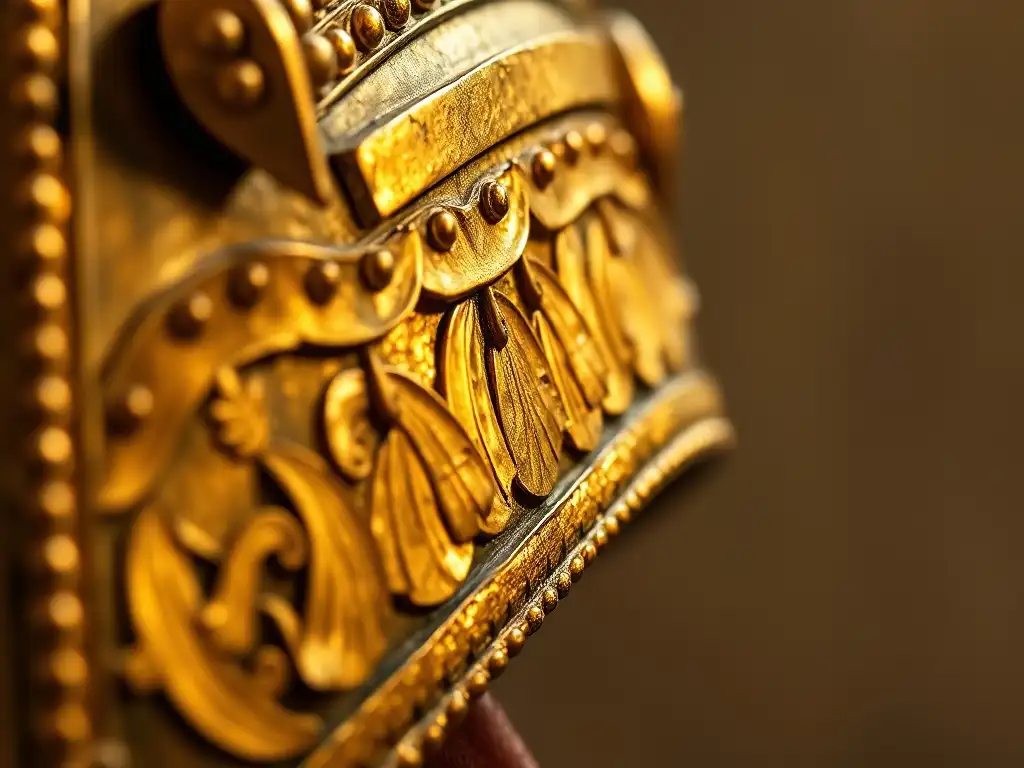
The enduring allure of Andean gold artifacts stems not only from the precious metal itself but also from the sophisticated gilding techniques employed by ancient artisans. These techniques, while breathtakingly effective in their time, present significant challenges to modern conservators tasked with preserving these irreplaceable pieces of history for future generations. The delicate balance between preserving the original artistry and ensuring the long-term survival of these objects requires a nuanced and multifaceted approach.
Understanding the original materials and the processes used is paramount to developing effective conservation strategies. For instance, the use of mercury amalgamation in some gilding processes leaves behind traces that can be both visually disruptive and chemically unstable over time. Similarly, the interaction of gold with other metals used in the artifacts, along with environmental factors like humidity and temperature fluctuations, can lead to corrosion and degradation.
The subtle nuances of color and texture achieved through ancient Andean gilding techniques are fragile and easily damaged, making preservation a constant and delicate balancing act. The study of Andean gold artifacts and their gilding is not merely an academic exercise; it's a crucial endeavor for safeguarding a vital part of our cultural heritage. The challenges are numerous, but the rewards of preserving these exquisite pieces are immeasurable.
Challenges in Preserving Gilded Metal Artifacts
The preservation of Andean gilded metal artifacts presents a unique set of challenges, primarily due to the complex interaction between the gold leaf or plating, the underlying metal substrate (often copper or silver alloys), and environmental factors. One significant challenge is corrosion. The process of oxidation, particularly in the presence of chlorides or sulfates in the surrounding environment, can lead to the degradation of the base metal, which in turn can affect the adhesion and integrity of the gold layer. This often manifests as pitting, discoloration, or even detachment of the gold.
Another key difficulty is the fragility of the gold itself. Ancient gilding techniques often involved extremely thin layers of gold, making them susceptible to damage from handling, cleaning, or even slight vibrations. Furthermore, the presence of mercury in some gilding processes poses both a conservation and a health hazard. Mercury residues can be toxic and require specialized handling and removal techniques.
Finally, the lack of complete information regarding the specific techniques and materials used by ancient Andean artisans presents a significant hurdle. Without a precise understanding of the original composition and construction, developing appropriate and effective conservation strategies becomes exponentially more difficult. This underscores the importance of ongoing research and collaboration between archaeologists, conservators, and materials scientists. Each artifact presents a unique set of preservation challenges requiring tailored solutions.
Modern Conservation Methods for Ancient Gilding
Modern conservation of Andean gilded artifacts relies on a multidisciplinary approach, combining meticulous scientific analysis with innovative techniques. Non-invasive analytical techniques, such as X-ray fluorescence (XRF) and X-ray diffraction (XRD), are crucial for characterizing the materials and identifying the extent of degradation without causing further damage. These methods allow conservators to understand the composition of the gold, the substrate metal, and any corrosion products present. Based on this analysis, targeted cleaning methods can be employed. This might involve the use of specialized solvents or electrochemical techniques to remove corrosion products without affecting the gold layer.
In cases where the gold layer is severely damaged or detached, stabilization and consolidation techniques may be necessary. This might include the application of carefully selected adhesives or consolidants to strengthen the structure and prevent further deterioration. Environmental control plays a vital role in long-term preservation. Maintaining stable temperature and humidity levels, as well as minimizing exposure to light and pollutants, can significantly slow down the rate of degradation.
Furthermore, protective coatings may be applied to further shield the artifacts from environmental factors. The choice of coating material is crucial, as it must be both effective and reversible, allowing for future treatment if necessary. The development of new and improved conservation methods is an ongoing process, driven by advances in materials science and analytical techniques. This continuous evolution is essential to ensure the long-term preservation of these invaluable pieces of Andean heritage.
The Importance of Studying Andean Gilding for Future Generations
The study of Andean gilding techniques is not merely an academic pursuit; it holds significant importance for future generations. Understanding the sophisticated methods employed by ancient artisans provides invaluable insights into their technological prowess and cultural practices. Preserving these artifacts and the knowledge associated with them ensures the transmission of this cultural legacy to future generations. Furthermore, the study of Andean gilding contributes to our broader understanding of materials science and conservation practices.
The challenges posed by the preservation of these artifacts have driven innovation in analytical techniques and conservation methodologies, benefiting the preservation of other cultural heritage objects worldwide. The detailed analysis of these artifacts can also reveal valuable information about trade routes, social structures, and religious beliefs in ancient Andean societies. The intricate designs and symbolic imagery found on many gilded objects provide crucial clues to understanding the worldview and artistic sensibilities of these cultures. The ongoing research and conservation efforts related to Andean gold artifacts are essential for ensuring that this rich cultural heritage continues to inspire and educate for centuries to come.
The preservation of these treasures is a testament to our commitment to understanding and appreciating the achievements of past civilizations and safeguarding their legacy for the future. The continued study of Andean gold artifacts and their gilding techniques is therefore paramount for ensuring that this legacy remains accessible and appreciated for generations to come. 🗺️ ✨
Conclusion: The Lasting Legacy of Andean Gilding
The mastery of gilding techniques by Andean artisans represents a significant achievement in ancient metallurgy, reflecting not only their advanced technological skills but also their profound understanding of aesthetics and symbolism. The meticulous processes involved, from the careful selection and preparation of the gold to the application of mercury amalgamation, speak volumes about the dedication and artistry of these ancient metalworkers. The enduring appeal of Andean gilded artifacts lies not only in their visual splendor but also in the cultural narratives they embody.
These objects, often imbued with religious or political significance, serve as tangible links to the past, offering valuable insights into the beliefs, practices, and social structures of Andean civilizations. The sophisticated gilding techniques employed highlight the ingenuity and artistic prowess of these ancient cultures, leaving a lasting legacy that continues to fascinate and inspire us today. Understanding these techniques offers a deeper appreciation for the complexity and artistry inherent in Andean gold artifacts.
Further research into the precise chemical composition of the gilding materials used by different cultures and across various time periods could shed more light on regional variations and technological advancements in Andean gilding. The study of Andean gold artifacts and their gilding techniques provides a unique window into the rich tapestry of Andean civilization.
The Enduring Beauty of Andean Gilded Objects
The beauty of Andean gilded objects is undeniable. The shimmering, golden surfaces, achieved through painstaking techniques, captivated the ancient Andean peoples and continue to hold our attention centuries later. This enduring appeal stems from several factors. Firstly, gold itself holds a universal allure, symbolizing wealth, power, and divinity across numerous cultures. In the Andes, gold's association with the sun god Inti further amplified its importance and symbolic weight.
The careful application of gilding, often onto a base of copper or silver, enhanced the luminosity of the metal, creating a dazzling effect. The artisans' skill in controlling the thickness and texture of the gold layer allowed them to achieve various visual effects, from a smooth, polished finish to a more textured, almost hammered appearance. This artistic control allowed for intricate designs and detailed depictions of mythological figures, animals, and scenes of daily life. The preservation of many gilded objects, despite the passage of time and environmental factors, is a testament to both the durability of the gilding techniques and the careful craftsmanship of the Andean metalworkers.
The survival of these artifacts allows us to appreciate the sophisticated level of artistic skill and technological innovation achieved in ancient Andean societies, solidifying their place in the history of art and metallurgy. The enduring beauty of these objects is a powerful reminder of the artistic achievements and cultural significance of Andean civilizations. Analyzing the surviving examples allows us to reconstruct their manufacturing processes, revealing the remarkable precision and artistry involved in creating these breathtaking pieces. The legacy of Andean gilding continues to inspire artists and researchers alike, offering a timeless source of beauty and wonder.
Frequently Asked Questions
What techniques did Andean cultures use for gilding?
Andean cultures employed various gilding techniques, including mercury amalgamation, where gold was mixed with mercury to create an amalgam that could be applied and then heated to evaporate the mercury, leaving behind a thin layer of gold. They also used fire gilding, a process involving applying gold leaf to a heated surface.
What materials were commonly gilded by Andean artisans?
Andean artisans gilded a wide variety of materials, most notably copper and silver alloys. These metals formed the base for many artifacts, upon which they applied their intricate gold work. Ceramics were also sometimes gilded, though less frequently.
How did the gilding process contribute to the prestige of Andean artifacts?
Gilding significantly increased the prestige and value of Andean artifacts. Gold, being a rare and precious metal, symbolized power, divinity, and wealth. The intricate gilding techniques showcased the artisan's skill and elevated the object's status.
What is the significance of Andean gold artifacts with gilding?
Andean gold artifacts with gilding offer crucial insights into the social, political, and religious structures of these societies. They serve as indicators of power, status, and the sophisticated metallurgical knowledge of the ancient Andean civilizations.
Where can I see examples of Andean gold artifacts with gilding?
Many museums worldwide house collections of Andean gold artifacts showcasing gilding techniques. You can find examples in museums in Peru, Chile, and in major museums internationally, such as the Metropolitan Museum of Art in New York.
Final Reflection: The Enduring Legacy of Andean Gold
The meticulous techniques of Andean gilding, once employed to adorn sacred objects and express power, continue to resonate today, reminding us of the sophisticated artistry and cultural depth of pre-Columbian civilizations. The enduring allure of these artifacts, preserved through centuries, speaks volumes about the ingenuity and dedication of the artisans who created them, and the enduring power of artistic expression to transcend time.
The impact of Andean gilding extends far beyond the objects themselves; it represents a profound connection to a rich cultural heritage. These techniques, passed down through generations, offer a glimpse into the beliefs, rituals, and social structures of these ancient societies. The artistry involved is a testament to human creativity and the ability to transform simple materials into objects of immense beauty and spiritual significance. Gold, in its brilliance, reflects not only the sun, but also the aspirations and beliefs of a people.
This quote encapsulates the profound meaning embedded within these gilded artifacts.
Consider the intricate details, the painstaking precision, the sheer artistry involved in each gilded piece. Now, reflect on your own life: What are the "golden touches" you can add to your own work, your own life? How can you bring a similar level of dedication and artistry to your own pursuits, leaving behind a legacy of beauty and meaning? Let the legacy of Andean gilding inspire you to strive for excellence and to find the gold within your own creative spirit.
✨ Uncover the Beauty of Gilding Today! ✨
Thank you for exploring the fascinating world of gilding in Andean metalwork! You've discovered how this exquisite technique has shaped the artistry and heritage of the region. Now, let's translate that appreciation into action.
Here are some exciting ways to further immerse yourself in this golden art form:
- Embark on a gilding project! Gather your materials and experiment with traditional techniques to add a personal touch to objects around your home. A simple picture frame or a small decorative box could be a perfect starting point.
- Share your creative journey! Document your gilding creations on social media and connect with others who share an interest in Andean art and culture. Use the hashtag #AndeanGilding to join the conversation and inspire others.
- Visit local museums and galleries showcasing Andean metalwork. This offers a wonderful opportunity to learn directly from artisans or participate in workshops, gaining valuable insights and hands-on experience.
What will your first gilding project be, and how will it reflect the rich history of this art form? Share your ideas and inspire others in the comments!