
Jaguar's Majesty: Power and Authority in Andean Animal Symbolism

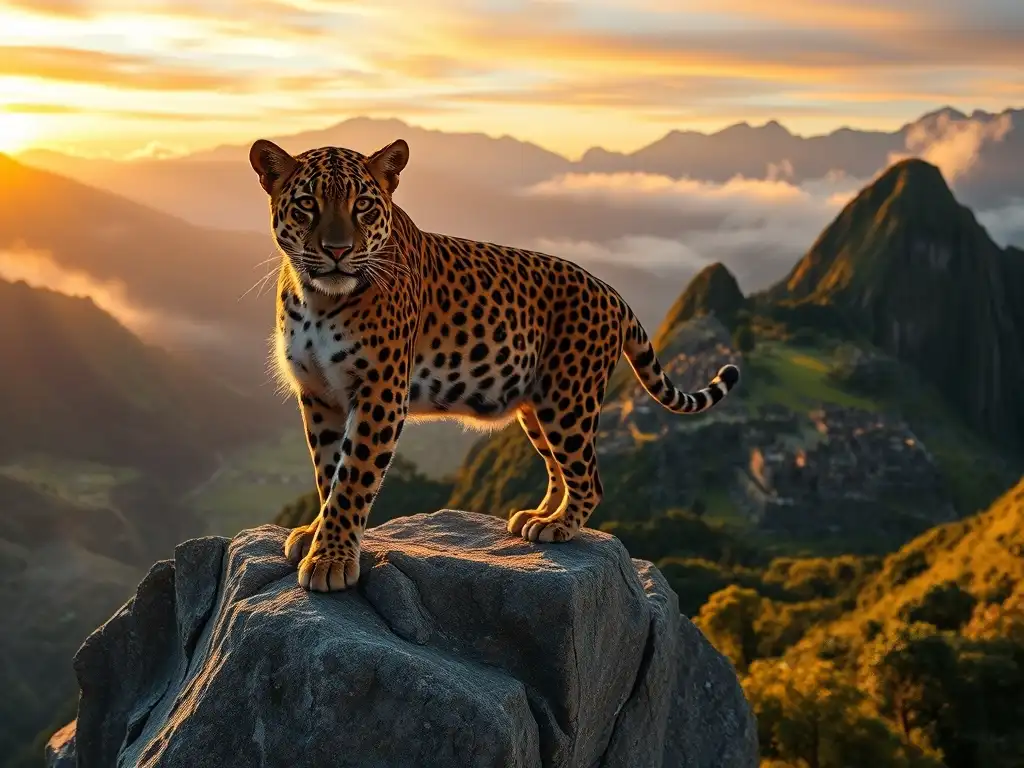
Step into a world lost to time, yet echoing with power and mystery. Journey with us through the breathtaking landscapes and captivating cultures of the Andes, where ancient civilizations flourished. Uncover the secrets held within their intricate art and potent symbolism – secrets like the enigmatic meaning behind the Andean jaguar. Prepare to be amazed as we delve into the powerful symbolism of this majestic creature and its crucial role in shaping Andean belief systems. Dare to explore its significance further?
The Andean region, a breathtaking tapestry of towering mountains, fertile valleys, and arid coastal plains, fostered a rich and complex array of ancient civilizations. These cultures, including the Incas, Moche, Nazca, and Tiahuanaco, left behind a legacy not only of impressive architectural feats and sophisticated agricultural techniques but also a vibrant artistic tradition brimming with symbolic meaning.
This article delves into the powerful symbolism associated with the jaguar within Andean art, exploring its representation of power, authority, and the spiritual realm. We will uncover the multifaceted interpretations of the jaguar across different Andean cultures, analyzing its depiction in ceramics, textiles, and metalwork to understand its significance in their worldview.
Understanding Andean jaguar symbolism meaning provides crucial insight into the beliefs, social structures, and spiritual practices of these fascinating societies. Prepare to journey through the captivating world of Andean iconography and uncover the secrets held within the majestic gaze of the jaguar.
The Jaguar as a Divine Manifestation
The jaguar, a creature of immense power and mystery, held a prominent place in the cosmologies of several Andean cultures. Far from being simply a predatory animal, the jaguar was often viewed as a divine being or a powerful intermediary between the human and spiritual worlds. Its spotted coat, reminiscent of the night sky, likely contributed to its association with celestial bodies and supernatural forces.
For example, in Moche iconography, the jaguar frequently appears alongside deities, suggesting its sacred status and its role in mediating between the earthly and divine realms. Detailed depictions on Moche ceramics showcase jaguars participating in ritualistic ceremonies, reinforcing their importance in religious practices.
The ferocity and predatory nature of the jaguar were not seen as negative attributes but rather as symbols of strength, dominance, and the untamed power of nature itself. This reverence extended beyond simply religious contexts, influencing the social structures and political systems of these societies.
Jaguar Representations in Andean Art: A Diverse Palette
The Andean cultures expressed their jaguar veneration through a variety of artistic mediums. From the intricate pottery of the Moche to the sophisticated textiles of the Nazca and the monumental stone carvings of the Tiahuanaco, the jaguar's image appears consistently, albeit with regional variations.
- Moche Ceramics: Moche pottery often features jaguars in dynamic poses, highlighting their strength and agility. Many depict jaguars engaged in fierce battles, hunts, or ritualistic sacrifices, showcasing their power and association with warfare and shamanistic practices. The vibrant colors and detailed craftsmanship of these pieces emphasize the jaguar's significance within Moche society.
- Nazca Textiles: Nazca textiles, renowned for their intricate designs and vibrant hues, also incorporated jaguar motifs. These representations often featured stylized jaguars, sometimes combined with other symbolic elements, reflecting the complex interplay of beliefs and ideologies within Nazca culture. The use of textiles in rituals and daily life suggests that the jaguar's symbolic power permeated all aspects of Nazca society.
- Tiahuanaco Stone Carvings: The monumental stone sculptures of Tiahuanaco often feature anthropomorphic figures with jaguar attributes, such as fangs, claws, and spotted markings. This fusion of human and jaguar characteristics suggests a connection between human rulers and the jaguar's power and authority. The scale and permanence of these carvings emphasize the enduring significance of the jaguar within Tiahuanaco cosmology.
The Jaguar and Royal Power: A Symbol of Leadership
The jaguar's association with power extended beyond the spiritual realm. In many Andean cultures, the jaguar served as a potent symbol of royal authority and leadership. Rulers and elites often adopted jaguar imagery to emphasize their power and divine legitimacy. This symbolism could be manifested through clothing, jewelry, or architectural features.
The use of jaguar imagery in royal contexts suggests that the jaguar represented not only supernatural power but also earthly dominance and control. The jaguar's strength, ferocity, and predatory prowess were seen as qualities worthy of emulation by those in positions of leadership. The adoption of jaguar symbolism by rulers likely aimed to reinforce their authority and legitimize their rule.
Beyond Power: Other Interpretations of Andean Jaguar Symbolism
While power and authority are central themes in Andean jaguar symbolism, it's crucial to acknowledge other interpretations. The jaguar's nocturnal nature and association with the underworld may have also connected it to shamanistic practices and the realm of the dead. Some scholars suggest links between the jaguar and fertility, possibly due to its association with the life-giving forces of nature.
Further research and analysis are needed to fully understand the nuanced meanings associated with the jaguar across different Andean cultures and historical periods. The complexity of Andean jaguar symbolism underscores the rich and multifaceted nature of Andean beliefs and worldview. The ongoing study of Andean art and iconography offers invaluable insights into the world of these ancient civilizations.
- The Jaguar as a Divine Manifestation
- Jaguar Representations in Andean Art: A Diverse Palette
- The Jaguar and Royal Power: A Symbol of Leadership
- Beyond Power: Other Interpretations of Andean Jaguar Symbolism
The Andean Jaguar: A Symbol of Strength and Sovereignty
The Andean jaguar, a creature both feared and revered, occupies a central position in the complex tapestry of Andean symbolism. Its potent imagery transcends mere representation, embodying core values and beliefs held by various pre-Columbian cultures across the Andes. This section delves into the multifaceted meanings associated with the jaguar, exploring its role in cosmology, artistic representation, and its connection to power structures within Andean societies.
Understanding the nuanced symbolism of the Andean jaguar provides crucial insight into the worldview and social dynamics of these remarkable civilizations. The term "Andean jaguar symbolism meaning" encapsulates the rich interpretations surrounding this powerful feline.
The Jaguar's Prominent Role in Andean Cosmology
The jaguar's significance in Andean cosmology is deeply rooted in its perceived connection to the supernatural. Across different Andean cultures, from the Chavín to the Inca, the jaguar is frequently associated with the underworld, shamanistic practices, and the forces of nature. For example, in Chavín art, the jaguar often appears intertwined with other powerful symbols, suggesting its role as a mediator between the human and spiritual realms.
This interpretation is supported by archaeological evidence showing jaguar depictions in sacred sites and ceremonial contexts. Furthermore, the jaguar's nocturnal habits and powerful presence contributed to its association with both fearsome and transformative powers. Its spotted coat, often interpreted as representing the night sky or celestial bodies, further reinforces this celestial connection.
The jaguar wasn't merely an animal; it was a powerful symbol embodying the unseen forces shaping the Andean world. Understanding this cosmological significance is crucial to deciphering the broader meaning of Andean jaguar symbolism.
Defining the Andean Jaguar in Pre-Columbian Art
Representations of the jaguar in pre-Columbian Andean art are remarkably diverse, reflecting the cultural variations across different regions and time periods. While the basic features – powerful physique, spotted coat, sharp teeth – remain consistent, artistic styles and symbolic interpretations vary significantly. For instance, Moche ceramics often depict jaguars in dynamic poses, emphasizing their predatory nature and association with warfare.
Nazca textiles, on the other hand, may portray jaguars in more stylized forms, integrated into complex narrative scenes. In Inca art, the jaguar's representation might be more subdued, incorporated into architectural details or woven into textiles, suggesting a more subtle but equally significant role within the Inca worldview.
The variations in artistic depictions highlight the adaptability of the jaguar symbol and its capacity to adapt to the specific cultural contexts of different Andean societies. Analyzing these artistic variations allows for a deeper understanding of the evolving meaning of Andean jaguar symbolism across time and space.
The Jaguar as a Representation of Rulership and Elite Power
Beyond its cosmological significance, the Andean jaguar also served as a potent symbol of rulership and elite power. In many Andean cultures, the jaguar's strength, ferocity, and supernatural associations were directly linked to the authority and legitimacy of rulers. Royal insignia, clothing, and architecture frequently incorporated jaguar motifs, visually associating the ruler with the jaguar's power and divine authority.
This is evident in the use of jaguar pelts in royal ceremonies and the depiction of rulers wearing jaguar-related ornaments. The jaguar's association with the underworld also suggests a connection to ancestral power and the legitimacy of the ruler's lineage. Furthermore, the jaguar's predatory nature could be interpreted as a symbol of the ruler's ability to protect their people and maintain order.
The use of jaguar symbolism in connection with elite power highlights the deep integration of religious beliefs and political authority within Andean societies. The jaguar, therefore, was not merely a symbol; it was a powerful visual tool used to reinforce and legitimize the rule of the elite.
Unveiling the Meaning of Andean Jaguar Symbolism
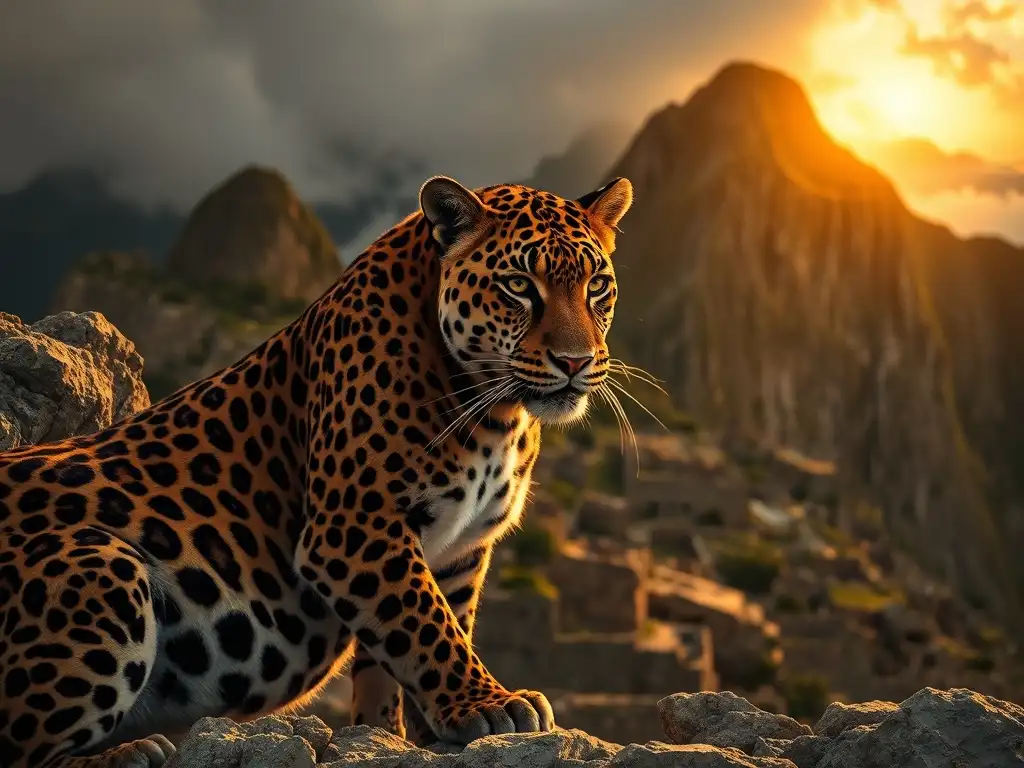
The Andean jaguar, far from being merely a powerful feline, held a deeply significant symbolic role across various ancient Andean cultures. Understanding its meaning requires delving into the complex tapestry of beliefs and practices that shaped these societies. This section will explore the multifaceted symbolism of the jaguar, examining its representation across different cultural contexts and revealing the nuances of its potent iconography.
The pervasive presence of the jaguar in Andean art, from pottery and textiles to monumental architecture, underscores its profound importance in their worldview. The keyword "Andean jaguar symbolism meaning" is central to this exploration, guiding our investigation into the rich interpretations associated with this powerful creature.
The Jaguar's Association with the Spirit World
The jaguar's nocturnal nature and elusive habits readily linked it to the spirit world in Andean cosmology. It was often perceived as a shamanic guide, facilitating communication between the living and the dead. Many cultures believed jaguars possessed the ability to traverse between realms, acting as intermediaries or messengers for the gods.
This association is evident in numerous artifacts depicting jaguars in contexts of ritual and sacrifice. For instance, [specific examples of artifacts depicting jaguars in ritual contexts pending], demonstrating the jaguar's role in mediating between the human and supernatural worlds. The jaguar's spotted coat, reminiscent of the night sky, further solidified its connection to celestial bodies and cosmic forces.
This powerful symbolism is reflected in the intricate designs found on textiles and ceramics, often showing the jaguar amidst constellations or other celestial motifs. The jaguar’s ability to see in the dark, even symbolic of the ability to perceive unseen truths, amplified its spiritual significance.
The Jaguar's Connection to Fertility and Agricultural Cycles
Beyond its spiritual associations, the jaguar also played a crucial role in Andean agricultural practices and fertility rituals. Its powerful presence and predatory nature were associated with the life-giving force of nature. The jaguar’s strength and vitality were seen as mirroring the abundance of the harvest and the generative power of the earth.
This connection is supported by [specific archaeological evidence linking jaguar imagery to agricultural practices pending]. The jaguar's association with fertility extended to human reproduction as well, frequently appearing in contexts relating to childbirth and the continuation of lineage. For example, [specific examples of artifacts linking jaguars to fertility and childbirth pending].
The cyclical nature of the jaguar’s life, its periods of hunting and rest, may have been seen to parallel the cycles of planting and harvesting, emphasizing the importance of balance and renewal in Andean agriculture. The jaguar's image, therefore, became a powerful symbol of prosperity and abundance.
Interpretations of the Jaguar in Different Andean Cultures
The interpretation of jaguar symbolism varied across different Andean cultures. While the overall themes of power, spirituality, and fertility remained consistent, the specific nuances differed. For example:
| Culture | Specific Interpretation | Evidence |
|---|---|---|
| Moche | Associated with warfare and elite power; a symbol of rulers. | Moche pottery depicting warrior-jaguars and rulers adorned with jaguar imagery. |
| Nazca | Linked to shamanic practices and the underworld. | Nazca textiles showing jaguars in intricate designs associated with ritual. |
| Inca | Symbolized both power and the divine; a connection to the sun. | Inca iconography featuring jaguars in royal contexts, often linked to Inti. |
| Tiahuanaco | Represented strength, protection, and possibly the jaguar god. | Tiahuanaco sculptures and carvings depicting jaguar-like figures. |
While these are broad generalizations, the variations highlight the rich and multifaceted nature of Andean jaguar symbolism. Further research is needed to fully understand the subtle differences in meaning across specific Andean societies and the evolution of jaguar symbolism over time. The complexity of these interpretations underscores the importance of considering the cultural context when analyzing Andean art and iconography, and further emphasizes the enduring power and mystery surrounding the Andean jaguar. Understanding these nuances enhances our understanding of the "Andean jaguar symbolism meaning" and its profound impact on the Andean worldview.
Specific Examples of Jaguar Depictions in Andean Art
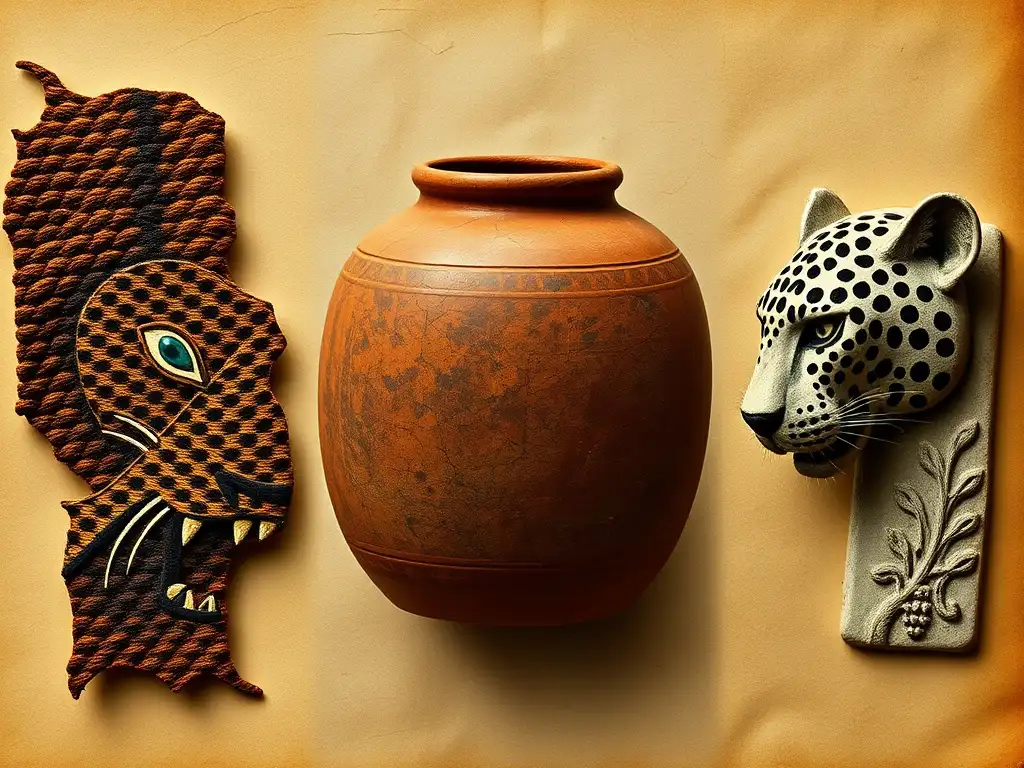
The Andean jaguar, a powerful symbol interwoven into the fabric of numerous ancient Andean cultures, held diverse meanings depending on the specific civilization and context. Its representation varied significantly in artistic style and symbolic interpretation across different periods and regions. This section delves into specific examples, highlighting the nuances of jaguar symbolism within the Moche, Chavin, and Inca cultures. Understanding these variations reveals the rich complexity of Andean jaguar symbolism meaning and its significance within the broader context of Andean art and belief systems.
The Moche Jaguar: Warriors and Rituals
The Moche civilization (c. 100-800 CE), known for its exquisite ceramics, frequently depicted jaguars in scenes of warfare and ritual sacrifice. The feline's ferocity and predatory nature were clearly associated with elite warriors and their power. Many Moche vessels portray jaguar-shaped vessels or warriors adorned with jaguar headdresses, pelts, or other jaguar-related imagery. These depictions often show jaguars engaged in violent acts, emphasizing their association with strength, aggression, and dominance in both earthly and spiritual realms.
For instance, a commonly found motif shows a jaguar warrior confronting a human opponent, symbolizing the triumph of power and the subjugation of enemies. The intense detail and realism of these depictions highlight the importance of the jaguar as a symbol of military prowess and the Moche warrior elite's connection to the powerful feline.
The jaguar's association with war likely extended beyond mere symbolism; it may have also represented a shamanistic connection to the animal's power, facilitating a warrior's ferocity and ability in battle. Further research is needed to fully understand the extent of this shamanistic connection within Moche culture, but the evidence strongly suggests it was a significant aspect of their jaguar symbolism.
The use of realistic depictions, rather than stylized ones, underscores the importance of the jaguar as a tangible entity in Moche beliefs. More detailed analysis of the specific iconography and associated artifacts is required to fully elucidate the nuances of Moche jaguar symbolism.
The Chavin Jaguar: Shamanic Transformations and Power
The Chavin culture (c. 900-200 BCE), predating the Moche, also utilized jaguar imagery extensively, though with a different emphasis. Chavin art, characterized by its abstract and highly stylized forms, presents the jaguar as a powerful shamanic entity associated with transformation and spiritual power. Unlike the Moche's focus on warfare, Chavin jaguar depictions often appear in contexts suggesting ritualistic practices and altered states of consciousness.
The Chavin jaguar is often depicted with features that blend it with other animals or supernatural beings, such as snakes or birds. This suggests a belief in the jaguar's ability to shift between worlds and its power to mediate between the human and supernatural realms. The stylistic choices, employing sharp lines and geometric patterns, amplify the sense of mystery and otherworldliness associated with the jaguar's shamanic role.
Unlike the Moche's realistic depictions, the Chavin style emphasizes the jaguar's abstract power and its connection to the spiritual realm. The frequent presence of jaguars in Chavin temples and ceremonial sites further reinforces their role as intermediaries between the physical and spiritual worlds. Analysis of the specific locations of jaguar depictions within Chavin architecture could provide further insights into their ritual significance.
In Inca iconography (c. 1438-1533 CE), the jaguar held a distinct position, symbolizing imperial authority and the divine lineage of the Inca rulers. While not as prevalent as in other Andean cultures, the Inca jaguar held a significant, albeit more subtle, role. The Inca often incorporated jaguar motifs into royal regalia, textiles, and architecture. This suggests a connection between the jaguar's power and the legitimacy of Inca rule. The subtle yet powerful presence of the jaguar in Inca art reinforces the emperor's divine right to rule and links him to the supernatural world.
Unlike the overt displays of ferocity seen in Moche art, the Inca jaguar often appears in a more stylized and controlled manner. This reflects the Inca emphasis on order, control, and the structured hierarchy of their empire. The jaguar's symbolic power served to legitimize the Inca emperors' authority and reinforce their claim to divine descent.
The incorporation of the jaguar in imperial contexts, such as royal garments and palace decorations, further illustrates its role in reinforcing Inca power and prestige. Further research into the specific contexts of Inca jaguar depictions, such as the materials used and the location within the imperial structures, could shed more light on their subtle yet significant meaning. The Andean jaguar symbolism meaning within the Inca empire is, therefore, intrinsically linked to the legitimacy of their rule and the divine nature of their emperors.
The Andean Jaguar Symbolism Meaning: A Detailed Analysis
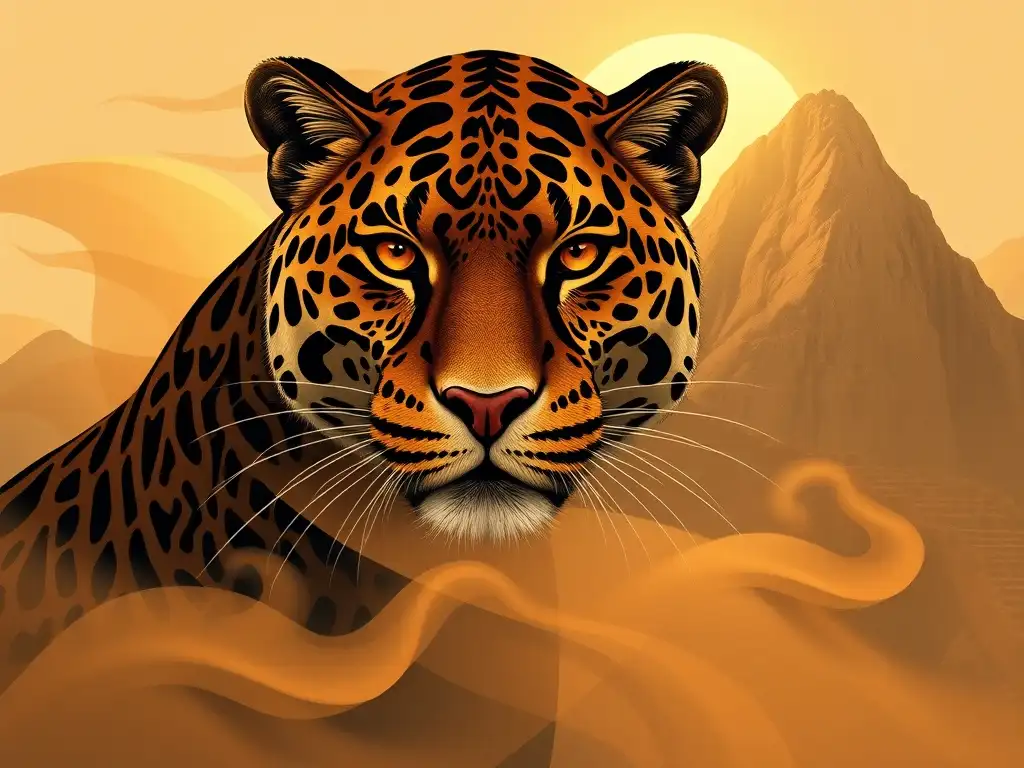
The Andean jaguar, a powerful and elusive creature, held a position of profound significance in the belief systems and artistic expressions of several pre-Columbian Andean cultures. Understanding its symbolism requires moving beyond a simple interpretation and delving into the nuanced ways in which this feline was integrated into the cosmological, religious, and social structures of these civilizations. The keyword "Andean jaguar symbolism meaning" encapsulates the core of this complex subject, highlighting the multifaceted nature of the jaguar's representation.
Its meaning wasn't static; rather, it shifted subtly depending on the specific context and the culture in question. This section will explore some key aspects of this rich symbolism.
The Jaguar's Role as a Protector and Guardian
The jaguar's powerful presence and nocturnal habits likely contributed to its association with the underworld and the unseen forces of nature. Many Andean cultures viewed the jaguar as a powerful protector, a guardian of both the physical and spiritual realms. This protective role is evident in various archaeological findings.
For example, jaguar imagery frequently appears on textiles and pottery found in burial sites, suggesting a belief that the jaguar would guide the deceased into the afterlife or protect them in their journey. Furthermore, jaguar motifs were often incorporated into architectural elements, such as doorways and lintels, possibly to ward off evil spirits or ensure the safety of the inhabitants.
The jaguar's protective capabilities weren't limited to the human realm. Some interpretations suggest it also served as a protector of crops and livestock, ensuring abundance and prosperity. This association with fertility and abundance might explain the presence of jaguar imagery on agricultural tools and ceremonial objects related to harvest festivals. The jaguar, therefore, wasn't simply a fearsome predator; it was a powerful entity capable of both destruction and protection, its role determined by the specific context.
The Jaguar's Depiction in Religious Ceremonies and Rituals
The jaguar played a prominent role in the religious ceremonies and rituals of several Andean cultures. Evidence suggests that jaguar pelts, claws, and teeth were used as sacred objects in shamanistic practices. Shamans, believed to possess the ability to communicate with the spirit world, may have used jaguar attributes to enhance their power and connection to the supernatural. The intensity of the jaguar's gaze, its powerful physique, and its association with the night all lend themselves to an interpretation of its symbolic use in shamanistic rituals aimed at accessing altered states of consciousness.
Furthermore, the depiction of jaguars in murals and pottery often shows them participating in ritualistic scenes, suggesting their involvement in important ceremonies. These depictions often feature jaguars alongside other significant figures or symbols, further emphasizing their importance within the religious framework of these societies. The specific meaning of these depictions remains a subject of ongoing research, but they undeniably highlight the jaguar's central role in Andean religious life. More detailed analysis of specific ceremonial sites and artifacts is needed to fully elucidate the complexities of jaguar-related rituals.
The Jaguar's Representation of Viracocha
In some Andean cosmologies, the jaguar is associated with Viracocha, the creator god. This association adds another layer of complexity to the jaguar's symbolism, elevating it to a position of divine power and authority. The connection between the jaguar and Viracocha might stem from the jaguar's association with the underworld and the generative forces of nature, mirroring Viracocha's role as the creator of the cosmos.
The jaguar's powerful presence and its ability to move seamlessly between the visible and unseen worlds could have been interpreted as a reflection of Viracocha's omnipotence and his ability to shape reality. This interpretation, however, requires further investigation and comparative analysis of different Andean mythologies and artistic representations. The precise nature of the connection between the jaguar and Viracocha varies across different cultures and time periods, highlighting the dynamic and evolving nature of Andean religious beliefs. Further research into specific iconographic representations and textual sources is crucial for a more complete understanding of this fascinating link.
This detailed analysis provides a more nuanced understanding of the complexities embedded within the "Andean jaguar symbolism meaning," moving beyond simplistic interpretations and highlighting the varying roles this powerful feline played in the belief systems and artistic expressions of ancient Andean cultures. The jaguar's symbolic weight shifted depending on the specific cultural context, the ritual setting, and the overall mythological framework. The enduring presence of the jaguar in Andean art and iconography underscores its lasting importance in the cultural memory of these civilizations.
Deciphering the Cultural Significance of the Jaguar
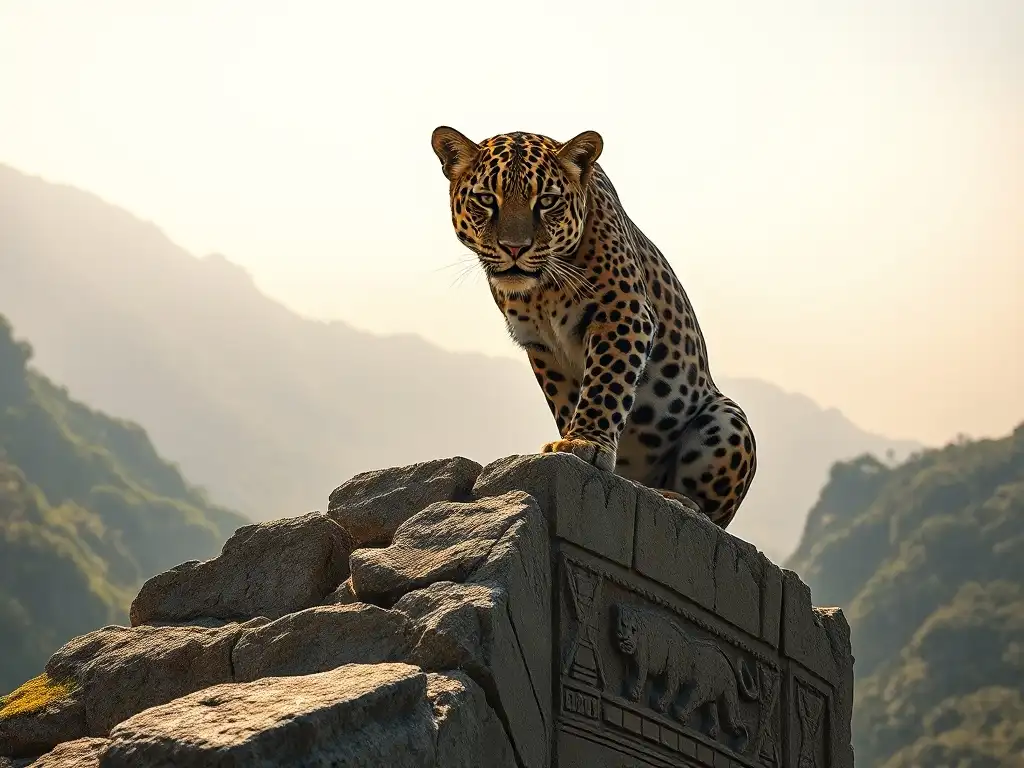
The jaguar ( Panthera onca) holds a position of unparalleled importance within the complex tapestry of Andean symbolism. Far from being a mere representation of the animal itself, the jaguar functioned as a potent symbol imbued with deep cultural meaning, reflecting power structures, religious beliefs, and societal values across various Andean cultures.
Understanding its significance requires delving into the nuances of its portrayal in different contexts – from ceramic artifacts and textiles to monumental architecture and oral traditions. The Andean jaguar symbolism meaning is multifaceted, evolving over time and varying across distinct cultural groups, yet consistently highlighting its potent association with power, authority, and the supernatural.
Its presence wasn't merely decorative; it served as a powerful visual language, communicating complex social and religious ideas. This section explores the multifaceted nature of the jaguar's symbolic role, examining its influence on Andean social structures, its representation within warrior elites, and its enduring legacy in contemporary Andean society.
The jaguar's symbolic weight significantly impacted Andean social hierarchies. Its representation on elite artifacts, such as gold ornaments and finely crafted pottery, clearly indicates its association with ruling classes and religious leaders. For instance, Moche ceramics frequently depict jaguars alongside human figures adorned with elaborate headdresses and jewelry, suggesting a connection between the feline deity and political authority.
The jaguar's ferocity, strength, and predatory prowess mirrored the power and control exerted by the elite. Further supporting this interpretation, the placement of jaguar imagery in monumental architecture, such as temples and palaces, reinforces its association with high social standing and divine authority. The sheer scale and prominence of these depictions emphasize the jaguar's symbolic role in legitimizing and reinforcing the power of the ruling class.
Detailed studies of these artifacts reveal subtle variations in jaguar iconography, possibly indicating distinctions in rank or specific roles within the hierarchy. [Specific examples of variations in jaguar iconography pending further research].
The Jaguar as a Symbol of the Warrior Elite
Beyond its connection to broader power structures, the jaguar also held a prominent place in the symbolism of Andean warrior elites. The jaguar's aggressive nature and hunting skills made it a fitting emblem for warriors, representing their bravery, prowess, and ability to dominate their enemies. Many cultures, including the Inca and the Wari, associated the jaguar with warfare and military success.
This is evidenced by the discovery of jaguar-themed weaponry and armor, along with depictions of warriors adorned with jaguar skins or headdresses. The use of jaguar imagery on shields and weapons would have served both a practical and symbolic purpose – intimidating opponents while reinforcing the warrior's connection to the powerful feline deity.
The jaguar's association with the underworld and the supernatural also likely contributed to its symbolic importance for warriors, suggesting a connection to the spiritual realm and the power to overcome death itself. The imagery served as a powerful visual reminder of the warrior's strength and their connection to the supernatural forces that granted them victory in battle.
The Enduring Legacy of the Jaguar in Modern Andean Culture
The jaguar's symbolic significance in Andean cultures continues to resonate in modern times. While its representation might have evolved, the core aspects of power, strength, and spiritual connection remain. The jaguar features prominently in contemporary Andean art, literature, and folklore, often embodying both positive and negative aspects, reflecting the complex and multifaceted nature of its historical symbolism.
In some communities, the jaguar is still revered as a powerful spiritual entity, associated with protection, healing, and good fortune. In other contexts, it may represent the wild, untamed forces of nature or the darker aspects of human nature. The enduring presence of the jaguar in modern Andean culture underscores its lasting impact on the collective imagination, highlighting its enduring power as a symbol that transcends time and continues to shape cultural identity.
The diverse interpretations of the jaguar's symbolism in contemporary Andean societies reflect both the continuity and the dynamism of cultural traditions. The ongoing research on contemporary Andean views of the jaguar promises to further illuminate the evolution of this powerful symbol.
The jaguar, a creature of immense power and mystery, held a position of paramount importance in the Andean worldview. Its symbolism transcended mere representation, embodying core aspects of Andean cosmology, social structure, and political authority. Far from being a simple decorative motif, the jaguar's image in Andean art – from pottery and textiles to monumental architecture – communicated complex ideas about leadership, shamanic power, and the interconnectedness of the earthly and spiritual realms.
Understanding Andean jaguar symbolism meaning requires appreciating the multifaceted role this magnificent feline played in shaping Andean identities and beliefs. This section delves into the nuanced interpretations of the jaguar across various Andean cultures, highlighting its consistent association with strength, sovereignty, and the supernatural.
The enduring presence of the jaguar motif across centuries underscores its deep-rooted significance within Andean societies. We will explore how different cultures interpreted its symbolism, revealing a fascinating tapestry of beliefs and practices centered around this powerful animal.
How the Jaguar Motif Continued to Evolve in Andean Cultures
The jaguar's representation in Andean art wasn't static; it evolved alongside cultural shifts and changing power dynamics. Early depictions, often found in ceramic vessels from the Moche culture (100-800 CE), showcase the jaguar in dynamic poses, emphasizing its predatory prowess and physical strength. These representations frequently feature the jaguar in combat or ritualistic contexts, highlighting its association with warfare and shamanic practices.
Later, during the Inca Empire (1438-1533 CE), the jaguar motif, while still potent, underwent a transformation. While the ferocity remained, Inca depictions often integrated the jaguar into more elaborate iconographic systems, associating it with royal power and divine authority. For example, the use of jaguar pelts as royal regalia and the incorporation of jaguar imagery into imperial architecture demonstrate a shift towards a more formalized and state-sanctioned symbolism.
This evolution showcases the adaptability of the jaguar's symbolism, reflecting the changing political and social landscapes of the Andean region. The consistent presence, yet evolving portrayal, of the jaguar across different Andean cultures confirms its enduring significance as a powerful symbol.
The Jaguar as a Symbol of Cosmic Balance
Beyond its association with earthly power, the Andean jaguar also played a crucial role in representing cosmic balance and the interconnectedness of the universe. In many Andean cosmologies, the jaguar was linked to the underworld, representing the potent forces of the unseen realm. This association wasn't necessarily negative; instead, it highlighted the jaguar's ability to navigate and control the transformative energies of the cosmos.
The jaguar's nocturnal nature further solidified this connection to the night, the realm of dreams, and the spiritual world. Some interpretations suggest that the jaguar acted as a mediator between the human world and the supernatural, facilitating communication with ancestral spirits and otherworldly forces. The jaguar's dualistic nature – both ferocious predator and spiritual guide – perfectly mirrored the Andean understanding of a universe governed by opposing yet complementary forces.
This complex symbolism underscores the jaguar's importance in maintaining cosmic harmony and order. The jaguar wasn't simply a symbol of power; it was a symbol of the delicate balance between the visible and invisible worlds.
Understanding the Importance of the Jaguar in Andean Worldview
The pervasiveness of the jaguar motif throughout Andean art and culture underscores its profound significance in shaping Andean beliefs and practices. The jaguar symbolized not merely physical strength but also spiritual power, leadership, and the ability to navigate the complexities of the cosmos. Its enduring presence across centuries and different cultural groups indicates a deep-rooted understanding of its symbolic weight.
Furthermore, the jaguar's evolving representation reflects the dynamic nature of Andean societies and their capacity for adaptation and innovation. Understanding the nuances of Andean jaguar symbolism meaning provides invaluable insight into the rich tapestry of Andean thought, demonstrating the intricate relationship between the natural world, human society, and the spiritual realm.
The jaguar served as a powerful emblem, uniting diverse Andean cultures under a shared understanding of its profound symbolic significance. Further research into specific regional variations and the archaeological context of jaguar depictions will continue to enrich our understanding of this fascinating and multifaceted symbol.
Frequently Asked Questions
What role did jaguars play in Andean cultures?
Jaguars held immense symbolic importance across various Andean cultures. They were often associated with power, authority, and the supernatural, representing shamans and rulers. Their imagery appeared in art, textiles, and religious ceremonies.
How did the Incas view the jaguar?
The Incas revered the jaguar as a powerful symbol of the sun, associating it with royalty and divine power. Jaguar imagery frequently adorned Inca clothing, jewelry, and architecture, reflecting its high status.
What is the significance of jaguar depictions in Nazca art?
Nazca art features striking depictions of jaguars, often integrated within larger mythological narratives. These representations likely relate to fertility, rain, and the underworld, reflecting the animal's connection to potent natural forces.
Did the Moche culture also utilize jaguar symbolism?
Yes, the Moche civilization also incorporated jaguars extensively in their art. Jaguar motifs often appear in their ceremonial pottery and metalwork, frequently linked to shamanistic practices and ritual power.
How can I learn more about Andean jaguar symbolism?
To delve deeper, explore academic articles and books on Andean archaeology and iconography. Many museums also showcase artifacts featuring jaguar imagery, offering valuable insights into its multifaceted symbolism.
Final Reflection: The Enduring Roar of the Andean Jaguar
The enduring power of the Andean jaguar transcends mere mythology; it speaks to a deep-seated human need to connect with the wild, to understand authority, and to grapple with the complexities of power itself. This connection, explored through the lens of Andean symbolism, remains profoundly relevant today, as we continue to navigate a world grappling with issues of leadership, environmental stewardship, and the delicate balance between human dominance and ecological harmony.
The jaguar's influence on Andean culture, from its representation in textiles to its role in spiritual practices, continues to resonate in contemporary art, literature, and activism. Its symbolic weight speaks volumes about the enduring power of indigenous knowledge and the importance of respecting the natural world. The jaguar is not just a creature; it is a mirror reflecting the power and responsibility that comes with leadership.
- This unspoken truth, woven into the very fabric of Andean society, serves as a potent reminder of our interconnectedness with the environment and the ethical considerations that should guide our actions.
Consider the jaguar's gaze, its powerful presence, and the lessons it holds for us. How can we, as individuals and as a society, harness the strength and wisdom symbolized by this magnificent creature? How can we learn to wield power responsibly, to respect the natural world, and to create a future where the roar of the jaguar – a symbol of both untamed power and ecological balance – continues to echo through the ages? Let the legacy of the Andean jaguar inspire you to explore your own relationship with power, nature, and the enduring strength of cultural heritage.
Unleash Your Inner Jaguar: Connect, Explore, and Empower!
Thank you for exploring the powerful symbolism of the jaguar in Andean cultures! We hope you've gained a deeper understanding of the jaguar's representation of strength and leadership within these rich traditions. Now, let's take this understanding further and truly embrace the jaguar spirit.
Here's how you can continue your journey:
- Join our community forum! Share your experiences with animal symbolism in your own culture and learn from others' insights.
- Support local wildlife conservation. Consider how you can contribute to protecting jaguars and their habitats.
- Express your creativity. Create jaguar-inspired art, writing, or other projects to showcase the power and beauty you've discovered.
Reflect on the jaguar's qualities that resonate most with you, and consider how you can integrate them into your daily life.