
The Puzzle of Provenance: Tracing the Origins of Andean Metal Artifacts

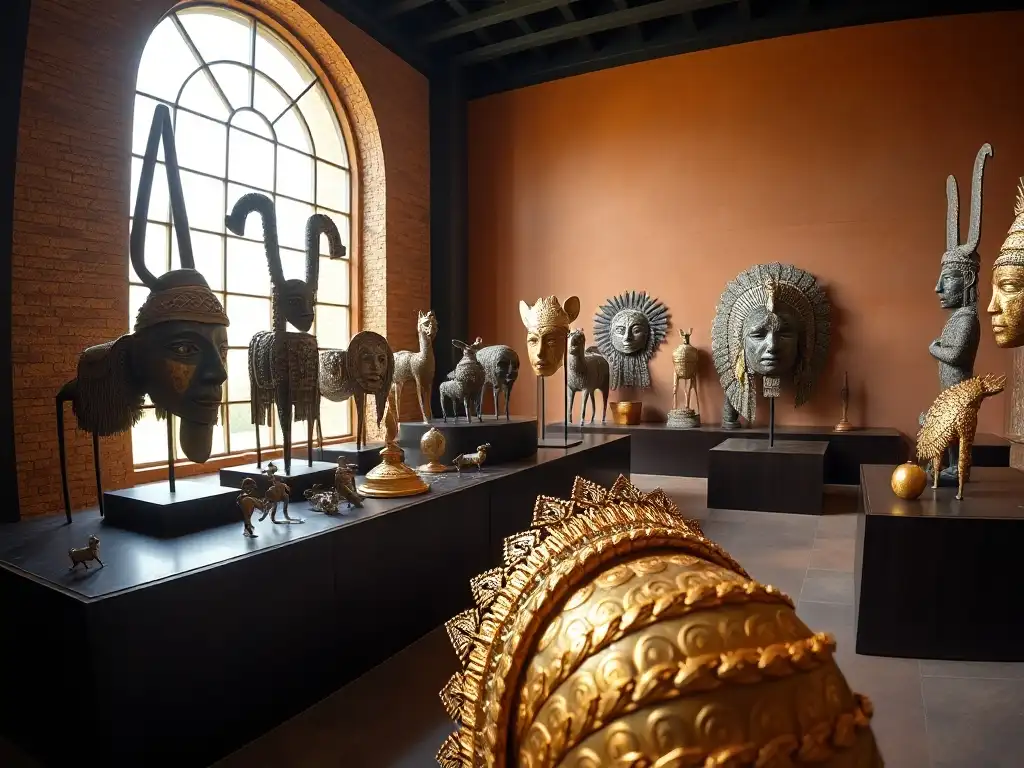
Welcome, explorer! Prepare to delve into the enigmatic world of the Andes, where towering mountains hold secrets as ancient as time itself. For centuries, the dazzling artistry of the Andean civilizations has captivated the world, but the origins of their breathtaking metalwork remain a tantalizing mystery. Uncover the truth behind the legendary artistry with our exploration of Andean metal artifact origins – a journey into the heart of a lost metallurgical mastery. Dare to unravel the puzzle?
The breathtaking artistry of Andean metal artifacts continues to captivate researchers and enthusiasts alike. From the shimmering gold ornaments of the Moche to the intricate silverwork of the Inca, these objects offer a tangible connection to the sophisticated metalworking traditions of ancient Andean civilizations. However, understanding the true origins of these pieces presents a significant challenge.
This article delves into the complexities of determining the provenance of Andean metal artifacts, exploring the methods used by archaeologists and researchers to trace their origins and the crucial role this information plays in reconstructing the history of Andean metallurgy and trade networks. We'll examine the scientific techniques employed, the challenges posed by looting and the illicit antiquities trade, and the ultimate importance of establishing a clear and verifiable chain of custody for each artifact to ensure its authenticity and historical significance.
Understanding the origins of these objects allows us to better appreciate the ingenuity, skill, and cultural context within which they were created, shedding light on the social structures, economic systems, and belief systems of the ancient Andean societies. The quest to unravel the puzzle of provenance is not merely an academic exercise; it is a crucial step in preserving and interpreting the rich legacy of Andean metalworking for future generations.
Unveiling the Mysteries of Andean Metalworking
Andean metalworking represents a remarkable achievement in ancient technology. The mastery of techniques such as hammering, casting, soldering, and gilding allowed Andean artisans to create a diverse range of objects, from intricate jewelry and ceremonial vessels to elaborate weaponry and tools. The process began with the acquisition of raw materials, primarily copper, gold, silver, and bronze. The sourcing of these metals is a key aspect of provenance research.
Archaeologists meticulously analyze the chemical composition of metal artifacts using techniques like X-ray fluorescence (XRF) spectroscopy to identify the specific geological source of the ore. This allows researchers to pinpoint the geographic region where the metal originated, providing crucial clues about trade routes and the exchange of materials between different Andean cultures. For example, the presence of specific trace elements in a gold object might indicate its origin in the Colombian Andes, while the composition of a copper artifact could link it to a specific mine in the Peruvian highlands.
This detailed analysis, coupled with stylistic analysis and contextual information from archaeological excavations, helps to build a more complete picture of the metalworking process and its geographical distribution. The complexity and sophistication of these techniques varied across different cultures and time periods, reflecting the evolution of Andean metalworking practices and the unique contributions of each civilization. Furthermore, understanding the techniques used allows us to appreciate the skill and artistry involved in creating these enduring masterpieces.
The Significance of Provenance in Understanding Ancient Andean Metallurgy
Establishing the provenance of Andean metal artifacts is paramount for several reasons. Firstly, it allows us to reconstruct the complex trade networks that connected different Andean societies. The movement of raw materials and finished goods across vast distances reveals important information about economic relations, political alliances, and cultural exchange. Secondly, accurate provenance helps to authenticate artifacts, combating the illegal trafficking of antiquities.
Knowing the precise origin and history of an object allows researchers to verify its authenticity and prevent the dissemination of forgeries. This is particularly crucial given the high value placed on Andean metal artifacts in the international art market. Thirdly, understanding provenance enriches our interpretation of the objects themselves. Knowing where an artifact was made, used, and ultimately deposited provides valuable context for understanding its cultural significance and the role it played in the lives of the people who created and used it.
For instance, the discovery of a specific type of gold alloy in a particular region, coupled with the stylistic features of the artifacts made from that alloy, might indicate a specific workshop or a particular artistic school, helping us to understand the evolution of artistic styles and techniques over time. The study of provenance, therefore, is not merely a matter of identifying the geographic origin of an artifact; it is a crucial step in understanding the broader historical, cultural, and economic context of Andean civilizations. 💅 The meticulous work of tracing the origins of these artifacts helps us to piece together the vibrant tapestry of Andean history, one meticulously crafted metal object at a time.
Challenges in Determining the Origins of Andean Metal Artifacts
Tracing the origins of Andean metal artifacts presents significant challenges to archaeologists and researchers. The sheer span of time involved, coupled with the complex trade networks that existed across the Andes, makes pinpointing precise origins incredibly difficult. Many artifacts have traveled vast distances, traded between different cultures and regions over centuries.
This movement obscures the original source of the raw materials and the location of their initial creation. Furthermore, the lack of detailed written records from many pre-Columbian Andean cultures adds another layer of complexity. Researchers must rely on indirect evidence, such as stylistic analysis, material composition, and contextual archaeological findings, to piece together the puzzle of provenance.
The degradation of artifacts over time, due to environmental factors or looting, also presents a significant hurdle, as it can compromise the integrity of the material and complicate analysis. Finally, the sheer volume of artifacts discovered, many still awaiting proper cataloging and analysis, further hampers the process of establishing definitive origins for each piece. Careful, methodical research is crucial to overcome these obstacles and slowly unravel the mysteries surrounding the origins of these fascinating objects.
Material Analysis: A Key to Tracing Metal Artifact Sources
Material analysis plays a crucial role in determining the origins of Andean metal artifacts. By examining the composition of the metals themselves, researchers can gain valuable insights into the sources of the raw materials and potentially link artifacts to specific geographical regions. Different regions in the Andes possessed varying mineral deposits, resulting in distinct metal compositions.
For example, the presence of specific trace elements or isotopic signatures can be used to differentiate between metals sourced from different mines or geological formations. This type of analysis helps overcome the limitations of stylistic analysis alone, which can be subjective and prone to misinterpretations due to cultural exchange and stylistic borrowing.
Combining material analysis with other methods, such as stylistic and contextual analysis, allows for a more comprehensive and robust understanding of the artifact’s provenance. The development and refinement of analytical techniques have significantly improved the accuracy and detail of provenance studies in recent years, shedding new light on ancient Andean metalworking practices and trade networks.
Identifying Metal Alloys in Andean Artifacts
Identifying the specific alloys used in Andean metal artifacts is a fundamental step in provenance studies. Andean metalworkers were skilled in creating a variety of alloys, often combining copper with tin, arsenic, or silver to achieve different properties and aesthetics. The precise proportions of these components can vary significantly depending on the location of the metal sources and the techniques employed by the artisans.
For example, the presence of higher concentrations of arsenic in an alloy might indicate the use of ores from a specific region known for its arsenic-rich deposits. Advanced techniques such as X-ray fluorescence (XRF) spectroscopy allow for non-destructive analysis of the alloy composition, providing crucial data without damaging the artifacts.
This detailed analysis of alloy composition, when combined with other analytical methods, helps narrow down the possible geographic origins of the raw materials and, by extension, the artifact itself. The meticulous examination of alloys is therefore essential for reconstructing the complex patterns of metal trade and production in the ancient Andes.
Isotopic Analysis and its Role in Provenance Studies
Isotopic analysis represents a powerful tool in tracing the origins of Andean metal artifacts. This technique involves analyzing the ratios of different isotopes within the metal, revealing information about the geological source of the ore. Different geological formations have distinct isotopic signatures, acting like fingerprints that can be used to identify the origin of the metal.
For instance, the ratio of copper isotopes in an artifact can be compared to the isotopic ratios of copper ores from various Andean regions, potentially pinpointing the specific mine from which the metal was extracted. This method is particularly useful in cases where stylistic analysis or alloy composition alone is insufficient to determine provenance.
Isotopic analysis provides a more objective and scientific approach to understanding the movement of raw materials across the Andes, shedding light on ancient trade routes and economic interactions between different cultures. The increasing availability and sophistication of isotopic analysis techniques have greatly enhanced our ability to reconstruct the complex history of Andean metalworking.
Microscopic Examination of Metal Structures
Microscopic examination of the metal structures within Andean artifacts provides valuable insights into the metallurgical techniques employed by ancient artisans. By examining the microstructure of the metal using techniques like optical microscopy or scanning electron microscopy (SEM), researchers can identify the manufacturing processes used, such as casting, hammering, or annealing. The specific microstructure reflects the heating and cooling processes the metal underwent during fabrication, which can vary depending on the technological knowledge and practices of different Andean cultures.
For example, certain metallurgical features might indicate the use of specific techniques unique to a particular region or culture. Moreover, microscopic analysis can reveal the presence of impurities or inclusions within the metal, potentially providing clues about the origin of the ore or the smelting techniques used.
This detailed examination of the metal's internal structure complements other analytical methods, contributing to a more complete understanding of the artifact's provenance and the technological skills of its creators. The microscopic analysis offers a window into the craftsmanship and technological innovation of ancient Andean metalworkers.
Stylistic Analysis: Deciphering Cultural Influences on Metalwork
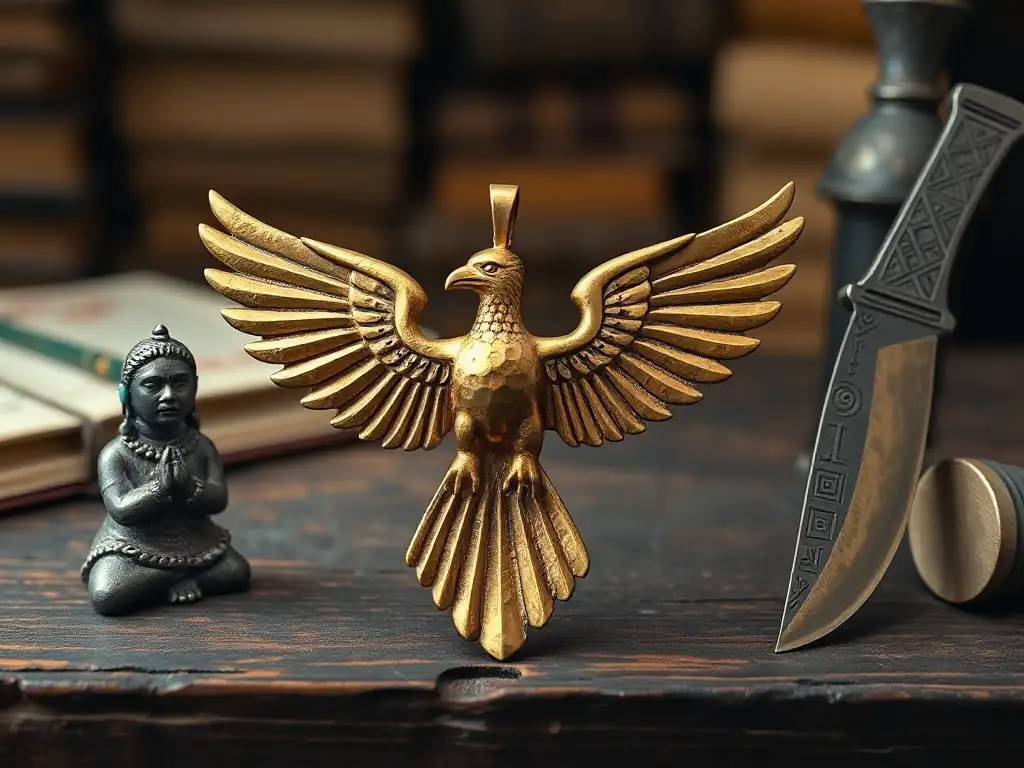
The study of Andean metal artifact origins often begins with stylistic analysis. This meticulous process involves examining the aesthetic features of metal objects to identify patterns and variations that reflect cultural influences. Experts meticulously document the shapes, forms, and decorative elements of each artifact, comparing them to known styles from different Andean cultures.
For example, the intricate repoussé work characteristic of the Moche culture, with its dynamic depictions of deities and mythical creatures, stands in stark contrast to the more geometric and stylized designs often found in Tiahuanaco metalwork. The subtle differences in hammering techniques, the use of specific alloys, and the choice of decorative motifs all provide crucial clues to the object's origin and the cultural group responsible for its creation. Even the seemingly insignificant details, such as the type of solder used or the presence of particular casting flaws, can offer valuable insights into the metalworker's skills and the technological capabilities of their society.
Detailed catalogs and photographic records are invaluable resources in this endeavor, enabling researchers to compare and contrast artifacts across vast geographical regions and time periods. The careful observation and comparison of these stylistic elements are essential in unraveling the complex tapestry of Andean metalworking traditions.
Regional Variations in Andean Metalworking Techniques
Across the Andes, significant regional variations existed in metalworking techniques. The coastal regions, with access to different ores and resources, often developed distinct techniques compared to the highland areas. For instance, the Moche artisans on the north coast of Peru mastered the lost-wax casting method to create intricate figurines and vessels, often incorporating gold, silver, and copper alloys.
In contrast, the highland cultures, such as the Tiahuanaco, may have relied more on hammering and repoussé techniques, shaping sheet metal into complex forms. These regional differences in techniques aren't merely stylistic quirks; they reflect access to raw materials, technological advancements, and the specific needs and preferences of each culture.
The presence of specific tools, such as certain types of hammers or crucibles, at archaeological sites can further support the identification of regional styles and techniques. Understanding these regional variations is crucial for accurate attribution of metal artifacts to their place of origin.
Iconographic Motifs and their Connection to Specific Cultures
The iconography depicted on Andean metal artifacts provides a powerful tool for tracing their origins. Specific motifs, such as stylized animals, deities, or geometric patterns, are often associated with particular Andean cultures. For example, the depiction of a fanged feline, a common motif in Moche art, is rarely found in the metalwork of other cultures.
Similarly, the use of specific symbols or designs associated with religious beliefs or social structures can help pinpoint the cultural context of an artifact. The careful analysis of these iconographic elements, in conjunction with stylistic and technological analyses, allows researchers to build a more comprehensive understanding of the cultural background of the metal artifacts. Detailed iconographic dictionaries and databases are constantly being updated to better assist researchers in this critical aspect of provenance studies.
Comparing Metalworking Styles Across Different Andean Societies
By comparing metalworking styles across different Andean societies, researchers can establish connections and identify potential influences. For example, similarities in techniques or decorative motifs between two geographically distant cultures might suggest trade relationships or cultural exchange. Conversely, distinct differences in styles might indicate isolation or independent development.
This comparative approach requires a thorough understanding of the chronological development of metalworking traditions within each culture, allowing for the identification of both shared ancestry and unique innovations. Chronological frameworks, based on radiocarbon dating and stratigraphic analysis, are therefore fundamental to this comparative process, enabling researchers to assess the temporal relationships between different styles and potentially trace the diffusion of techniques or motifs across geographic areas. This comparative methodology is crucial in understanding the broader patterns of cultural interaction and technological innovation across the Andes.
Archaeological Context: The Importance of Excavation Records
The archaeological context in which an Andean metal artifact is found is paramount in determining its origin. Precise excavation records, including the artifact's location within a site's stratigraphy, its association with other objects, and the characteristics of the surrounding soil and sediments, are all essential pieces of evidence. The careful recording of these details during excavation is crucial for subsequent analysis. Without meticulous recording, the value of the artifact for provenance studies is severely diminished. This meticulous approach ensures that the artifact’s context is not lost and that researchers can interpret its significance within the broader archaeological record.
Stratigraphic Analysis and the Dating of Metal Objects
Stratigraphic analysis, the study of the layering of earth and artifacts at an archaeological site, is a cornerstone of dating metal objects. By carefully examining the sequence of layers in which an artifact is found, archaeologists can determine its relative age. This relative dating can then be refined through absolute dating techniques, such as radiocarbon dating or thermoluminescence, which provide more precise chronological information.
The combination of relative and absolute dating methods allows researchers to place metal artifacts within a specific chronological framework, aiding in the reconstruction of cultural timelines and the identification of stylistic shifts over time. This precise dating is fundamental to understanding the evolution of Andean metalworking techniques and the development of distinct regional styles.
Association of Metal Artifacts with Specific Archaeological Sites
The association of metal artifacts with specific archaeological sites provides essential context for determining their origin. Artifacts discovered within a particular site's cultural layer are more likely to have been created by the inhabitants of that site. The presence of similar artifacts, tools, and raw materials at the same site further strengthens this association.
The careful documentation of the spatial distribution of artifacts within a site is also crucial. For example, the discovery of a large number of metal artifacts within a workshop or a specialized burial context might indicate the location of a metalworking center or a significant individual involved in the production or trade of metal objects. This detailed contextual information is key to understanding the production and distribution of Andean metal artifacts.
Using Archaeological Data to Reconstruct Trade Networks
Archaeological data, particularly the distribution of metal artifacts across different sites, is vital for reconstructing ancient Andean trade networks. The presence of similar metal objects at sites far from known production centers suggests the existence of extensive trade routes. Analysis of the types of metals, alloys, and stylistic elements found at different sites can reveal the direction and extent of these trade networks.
For example, the presence of gold artifacts from the coastal region in highland sites indicates the movement of valuable goods over long distances. By mapping the distribution of these artifacts and analyzing their stylistic features, researchers can reconstruct the complex networks that connected different Andean communities and facilitated the exchange of goods and ideas. The study of these trade networks provides valuable insights into the economic and social dynamics of Andean societies.
Case Studies: Examples of Provenance Research in Andean Metalwork
The study of Andean metal artifact origins is a complex endeavor, requiring meticulous analysis of various factors. Provenance research, the investigation of an object's origin and history, is crucial in understanding the movement and creation of these remarkable pieces. This involves a multidisciplinary approach, combining archaeological excavation techniques, metallurgical analysis, stylistic comparisons, and even historical records where available. Successfully tracing the origins of an Andean metal artifact often necessitates piecing together fragmented evidence from various sources. The following case studies highlight the complexities and rewards of this research.
The Provenance of Gold Artifacts from the Chimú Culture
The Chimú civilization, flourishing along the northern coast of Peru from roughly 1300 to 1470 CE, is renowned for its exquisite goldwork. Determining the provenance of Chimú gold artifacts often involves identifying specific stylistic features unique to particular workshops or regions within the Chimú empire.
For example, the presence of certain decorative motifs, such as repeating geometric patterns or specific representations of mythical beings, can help pinpoint the artifact's origin. Furthermore, analysis of the gold itself – its purity, alloying elements, and any traces of other materials – can provide clues about the source of the metal and the techniques employed in its crafting.
Studies have shown variations in gold purity across different Chimú regions, suggesting localized sources and potentially different levels of access to high-quality gold. The analysis of the specific techniques used in the creation of the artifact, such as lost-wax casting or hammering, can also provide important information about its origin.
Tracing the Origins of Silver Objects in the Tiwanaku Culture
The Tiwanaku culture, dominant in the Andean highlands from approximately 500 to 1000 CE, also produced significant silver artifacts. However, unlike the coastal Chimú, Tiwanaku's access to silver was likely more limited, potentially leading to more careful management and distribution of the precious metal. Tracing the origins of Tiwanaku silver objects often requires examining the unique stylistic characteristics of the artifacts.
The intricate designs and iconography found on Tiwanaku silver pieces, frequently featuring stylized figures, geometric patterns, and religious symbols, are distinctive and provide valuable clues about their place of creation. Isotopic analysis of the silver itself can also help determine the source of the metal, potentially identifying specific mines within the Tiwanaku sphere of influence. Furthermore, the context of discovery—the archaeological site and its associated strata—plays a critical role in establishing provenance.
Analyzing Copper and Bronze Artifacts from the Moche Region
The Moche civilization (c. 100-800 CE) of northern Peru is well-known for its sophisticated metalworking, particularly in copper and bronze. Determining the provenance of Moche metal artifacts often involves a combination of stylistic analysis and metallurgical studies. The distinctive Moche aesthetic, characterized by its highly detailed and often representational imagery, is a key element in provenance studies. Analyzing the composition of the copper and bronze alloys can reveal information about the sources of the metals and the techniques used in their smelting and casting.
The presence of specific impurities or trace elements can help pinpoint the geographic origin of the metal ores. Furthermore, the examination of tool marks and manufacturing techniques can provide additional insights into the workshops and artisans responsible for creating these remarkable objects. The study of Moche metal artifacts offers a unique opportunity to understand the technological advancements and artistic expressions of this fascinating civilization.
The Role of Trade and Exchange in the Dispersal of Andean Metal Artifacts
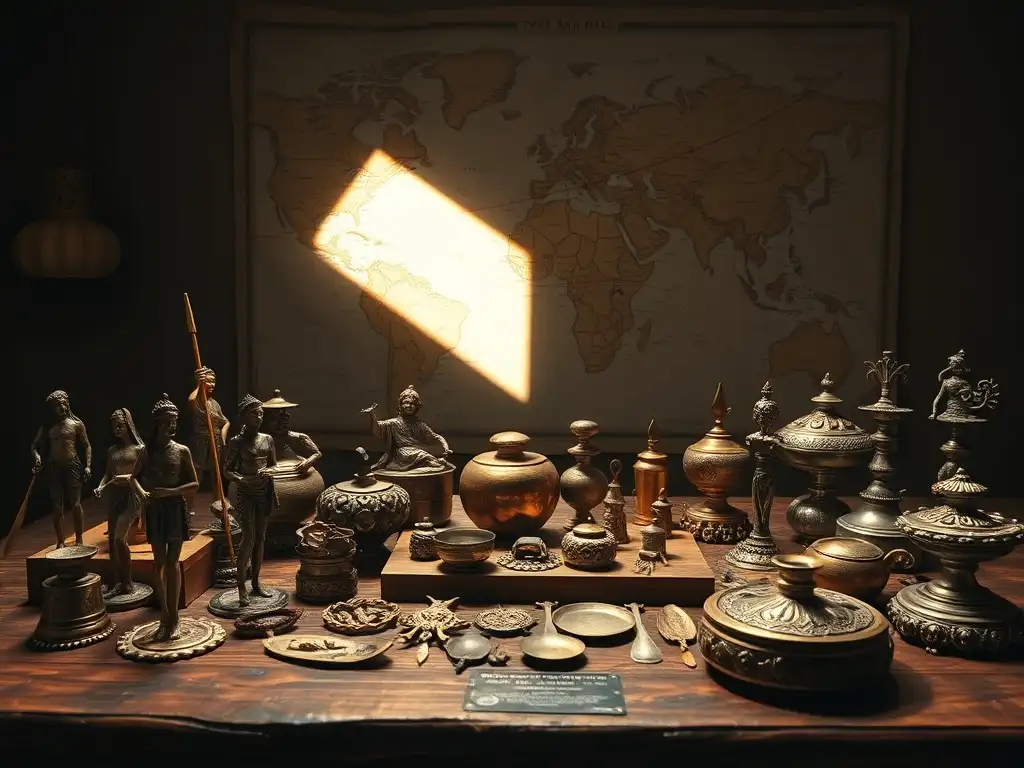
The distribution of Andean metal artifacts was not solely determined by the location of metal sources or the centers of production. Extensive trade networks played a crucial role in the dispersal of these objects across vast distances, connecting different regions and cultures. Understanding these trade routes and exchange systems is vital to comprehending the patterns of artifact distribution and the wider context of Andean societies.
Understanding Interregional Trade Routes
The Andes possessed a complex network of interregional trade routes, both terrestrial and maritime, that facilitated the movement of goods, including precious metals and metal artifacts. These routes connected distant communities, allowing for the exchange of raw materials, finished products, and cultural ideas.
Archaeological evidence, such as the discovery of metal artifacts far from their presumed places of origin, suggests the existence of extensive trade networks spanning the length of the Andes. The identification of specific trade goods, such as distinctive pottery styles or specific types of textiles, at different sites can help reconstruct these trade routes and pinpoint points of exchange.
The Impact of Trade on Metalworking Techniques
Trade had a significant impact on metalworking techniques in the Andes. The exchange of ideas and techniques between different regions led to the diffusion of innovative methods and designs. For example, the introduction of new alloys or smelting techniques from one region could influence the metalworking practices in another. The stylistic similarities between metal artifacts from geographically distant regions can be attributed to the transmission of artistic ideas and motifs through trade networks. The study of these influences provides valuable insights into the interconnectedness of Andean societies and the dynamic nature of their cultural exchange.
Identifying Foreign Influences in Andean Metal Artifacts
While the majority of Andean metal artifacts reflect indigenous artistic traditions and technological advancements, some objects show evidence of foreign influences. These influences could be the result of direct trade with other regions, such as Mesoamerica or the Caribbean, or the adoption of techniques and designs from other cultures. Identifying these foreign influences requires careful analysis of stylistic features, metallurgical compositions, and iconographic elements.
The presence of unique decorative motifs or the use of specific alloys not commonly found in the Andes can suggest the incorporation of external influences into Andean metalworking traditions. These instances highlight the complex and interconnected nature of Andean societies and their interaction with other cultures.
The Future of Provenance Research in Andean Metallurgy
The study of Andean metal artifact origins is a dynamic field, constantly evolving with advancements in scientific techniques and collaborative efforts. Future research promises to significantly refine our understanding of ancient Andean metalworking practices and trade networks. This progress relies heavily on integrating new technologies and fostering stronger relationships between researchers and cultural institutions.
The meticulous documentation and preservation of artifacts are also crucial for future generations of scholars. We can expect more detailed analyses of alloy compositions, revealing subtle variations indicative of specific workshops or regions. Furthermore, isotopic analysis—examining the ratios of stable isotopes within the metal—holds immense potential for tracing the origin of the ore itself, providing a more precise geographical location for the metal's source.
This, combined with advanced imaging techniques like X-ray fluorescence (XRF) and 3D scanning, will allow for non-destructive analysis of artifacts, preserving their integrity while providing rich data on their construction and decoration. The application of these methods will shed light on the complex interplay of local innovation and long-distance exchange in Andean metallurgy. For example, future studies might pinpoint the precise mines from which the copper or gold used in a specific artifact originated, illuminating the vast network of trade routes that connected Andean societies.
Emerging Technologies and their Application
Several emerging technologies are poised to revolutionize the study of Andean metal artifact origins. Advanced imaging techniques, such as micro-computed tomography (micro-CT) scanning, allow researchers to create three-dimensional models of artifacts without causing any damage. This allows for the detailed examination of internal structures, revealing manufacturing techniques and potential repairs that might otherwise remain hidden.
Furthermore, the application of machine learning algorithms to large datasets of metallurgical analyses could identify patterns and correlations that would be impossible to detect manually. This could lead to the development of predictive models that help to classify artifacts based on their compositional characteristics, providing a powerful tool for provenance studies.
The use of hyperspectral imaging, which captures data across a broad range of wavelengths, offers another avenue for non-destructive analysis, revealing information about the surface treatment, pigments, and other aspects of the artifact's decoration. These emerging technologies, when combined with traditional methods, will provide a far more comprehensive understanding of Andean metal artifacts and their origins than ever before.
Collaboration between Researchers and Institutions
Effective provenance research demands collaboration on an unprecedented scale. The sharing of data and resources between researchers, museums, and other cultural institutions is paramount. International collaborations are particularly crucial given the geographical spread of Andean artifacts. Open-access databases, containing detailed information on artifact composition, manufacturing techniques, and archaeological context, will be essential for facilitating collaborative research.
This requires a concerted effort to standardize data collection and analysis methods to ensure interoperability and comparability across different studies. Furthermore, stronger partnerships between researchers and local communities are essential to ensure that research respects cultural sensitivities and benefits the communities from which the artifacts originate. This collaborative approach will not only lead to more robust scientific findings but also foster a greater appreciation for the cultural heritage of the Andes. Open communication and a commitment to ethical practices are critical to the long-term success of provenance research in this field.
Preserving and Protecting Andean Metal Artifacts
The preservation and protection of Andean metal artifacts are crucial, not just for their aesthetic and historical value, but also for the ongoing study of their origins. Many of these artifacts are highly susceptible to deterioration due to factors such as oxidation, corrosion, and environmental factors. Therefore, implementing appropriate conservation measures is paramount to ensure their long-term survival.
This includes controlling environmental conditions in museums and storage facilities, as well as employing non-destructive analytical techniques for study. The development and application of new conservation methods are essential to address the challenges posed by the deterioration of these invaluable objects. Furthermore, raising public awareness about the importance of protecting Andean cultural heritage is crucial to combat looting and illegal trafficking.
Educational programs and outreach initiatives can play a vital role in promoting responsible stewardship of these important artifacts and ensuring their preservation for future generations. A proactive approach to conservation and protection is key to unlocking the full potential of provenance research in Andean metallurgy.
Concluding Remarks on the Origins of Andean Metal Artifacts
The study of Andean metal artifact origins is a complex and multifaceted endeavor, requiring the integration of diverse methodologies and perspectives. While significant progress has been made in understanding the technologies and trade networks of ancient Andean metalworkers, many questions remain. Future research, driven by technological advancements and enhanced collaboration, promises to significantly refine our knowledge of these fascinating artifacts.
The careful preservation and protection of these objects are equally critical, ensuring that future generations can continue to learn from and appreciate the remarkable achievements of Andean metallurgists. The ongoing investigation into "Andean metal artifact origins" not only enriches our understanding of past societies but also highlights the enduring value of cultural heritage and the importance of preserving it for the future. The puzzle of provenance continues to be a compelling challenge, urging continued investigation and innovation in the field of Andean archaeology and metallurgy.
- Unveiling the Mysteries of Andean Metalworking
- The Significance of Provenance in Understanding Ancient Andean Metallurgy
- Challenges in Determining the Origins of Andean Metal Artifacts
- Material Analysis: A Key to Tracing Metal Artifact Sources
- Stylistic Analysis: Deciphering Cultural Influences on Metalwork
- Archaeological Context: The Importance of Excavation Records
- Case Studies: Examples of Provenance Research in Andean Metalwork
- The Role of Trade and Exchange in the Dispersal of Andean Metal Artifacts
- The Future of Provenance Research in Andean Metallurgy
- Concluding Remarks on the Origins of Andean Metal Artifacts
- What materials did Andean civilizations primarily use for their metalwork?
- How did Andean metalworkers shape and decorate their artifacts?
- Where can I find examples of Andean metal artifacts today?
- What role did metal artifacts play in Andean societies?
- How do archaeologists trace the origins of Andean metal artifacts?
Frequently Asked Questions
What materials did Andean civilizations primarily use for their metalwork?
Andean metalworkers primarily used gold, silver, copper, and bronze, often combining them in intricate alloys to achieve different colors and hardnesses. The availability of these metals varied regionally, influencing stylistic choices.
How did Andean metalworkers shape and decorate their artifacts?
They employed techniques like hammering, casting, repoussé, and inlay, achieving remarkable detail and precision. Elaborate designs often featured zoomorphic and anthropomorphic motifs reflecting their cosmology.
Where can I find examples of Andean metal artifacts today?
Many museums worldwide house significant collections, including the Larco Museum in Lima, Peru, and the Metropolitan Museum of Art in New York. You can also find examples in smaller regional museums throughout South America.
What role did metal artifacts play in Andean societies?
Metal artifacts held significant ceremonial and ritualistic importance, often serving as symbols of power, status, and religious beliefs. They were also used in everyday life, ranging from tools to jewelry.
How do archaeologists trace the origins of Andean metal artifacts?
Archaeologists use a variety of techniques, including stylistic analysis, metallographic analysis (studying the metal's composition), and contextual analysis (examining where artifacts were found) to determine their provenance and understand trade networks.
Final Reflection: The Enduring Legacy of Andean Metalworking
The intricate artistry of Andean metal artifacts continues to resonate today, a testament to the ingenuity and cultural depth of ancient Andean civilizations. Their enduring appeal speaks not only to their aesthetic beauty but also to the complex social, political, and technological systems that gave rise to them. Understanding their provenance is crucial not only for historical accuracy but also for appreciating the sophisticated societies that created them.
The meticulous process of tracing the origins of these artifacts reveals a fascinating tapestry of cultural exchange and technological innovation, a story that continues to unfold with each new discovery. The sheer skill and artistry involved in crafting these objects, from the delicate goldwork to the intricate alloys, is awe-inspiring. The past is never dead. It's not even past.
– William Faulkner. This quote perfectly encapsulates the ongoing relevance of studying Andean metal artifacts; their legacy is woven into the fabric of modern Peru and beyond, influencing our understanding of ancient societies and their enduring impact.
Consider the implications of this research. What can we learn from the past to better understand the present? How can we ensure the preservation and responsible stewardship of these invaluable cultural treasures for future generations? I urge you to reflect on the intricate stories embedded within each artifact, and to consider your own role in preserving and celebrating the rich cultural heritage of the Andes. Let the puzzle of provenance inspire you to delve deeper into the fascinating world of Andean history and the enduring power of human creativity.
Unveil the Stories Behind Andean Metal Art!
Thank you for exploring the captivating world of Andean metal artifacts! Your journey through their history and artistry has deepened your understanding of their significance. Now, let's further connect with this rich heritage.
Here are some ways to continue your exploration:
- Visit local museums and galleries: Seek out exhibitions featuring Andean artifacts to experience these historical pieces firsthand.
- Join an online community dedicated to Andean history: Share your insights, ask questions, and connect with fellow enthusiasts.
- Create your own art inspired by Andean techniques: Translate the stunning metalwork styles into your own creative projects, forging a link between ancient artistry and modern expression.
What artifacts or stories most captivated you, and how do you see their enduring legacy shaping contemporary art and culture?