
Nazca Agriculture and Climate Change: Lessons from the Past

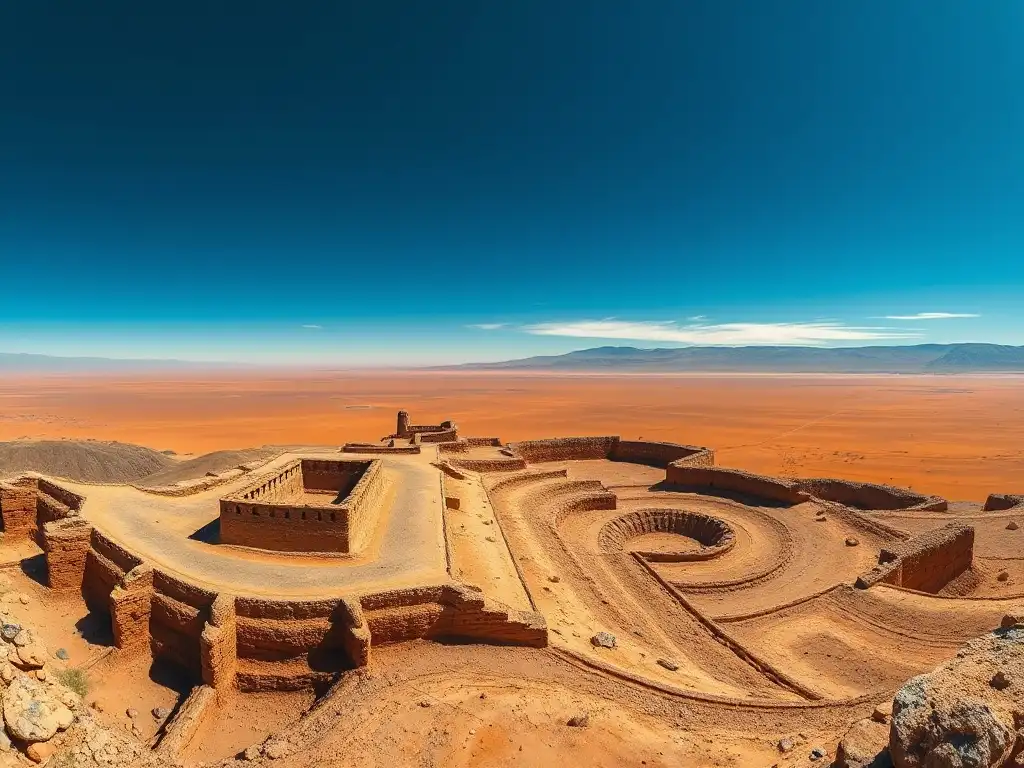
Step into a world lost to time, yet echoing with the ingenuity of a vanished empire. For centuries, the Andean civilizations thrived, leaving behind a legacy of breathtaking artistry and astonishing innovation. But what secrets do the arid plains of Nazca hold? Discover how their mastery of Nazca agriculture faced the challenges of climate change, and what their resilience can teach us today. Unravel the mysteries of this remarkable civilization and the impact of environmental shifts – the story is far more compelling than you might imagine.
The Nazca civilization, famed for its enigmatic lines etched into the Peruvian desert, also possessed a sophisticated understanding of agriculture, crucial for survival in a harsh, arid environment. This article delves into the ingenious agricultural techniques employed by the Nazca people and explores how they adapted to and were impacted by climate change.
Understanding their strategies offers valuable insights for contemporary societies facing similar challenges, highlighting the resilience and ingenuity of past civilizations and the importance of learning from their successes and failures in the face of environmental pressures. The impact of climate change on Nazca agriculture is a compelling case study demonstrating the intricate relationship between human societies and their environment, a relationship that continues to shape our world today.
We will examine the evidence of climate variability during the Nazca period and analyze how this variability affected their agricultural practices and, ultimately, their societal stability. The keyword "Nazca agriculture climate change impacts" will be explored through various lenses, revealing a fascinating story of adaptation, innovation, and the long-term consequences of environmental shifts.
Nazca Agricultural Innovations: Conquering the Desert
The Nazca, inhabiting the arid coastal plains of southern Peru, faced the formidable challenge of cultivating crops in a desert environment. Their success was predicated on a series of ingenious innovations. They developed intricate irrigation systems, including canals and aqueducts, to channel scarce water resources from rivers and underground sources to their fields.
These systems, some of which are still visible today, were remarkably efficient, allowing for the cultivation of a diverse range of crops. Evidence suggests the use of raised fields, waru waru, in some areas, which improved water retention and soil fertility. These weren't simply haphazard constructions; they were carefully planned and meticulously maintained, demonstrating a deep understanding of hydrology and soil management.
The Nazca also employed techniques like terracing on slopes to maximize arable land and minimize soil erosion. This intricate network of water management and land modification allowed the Nazca to thrive in a region seemingly unsuitable for agriculture, a testament to their ingenuity and adaptability. The scale and complexity of their systems were impressive, considering the available technology.
Climate Variability and its Effects on Nazca Agriculture
Evidence from paleoclimatology suggests that the Nazca period experienced significant climate variability, including periods of both drought and increased rainfall. These fluctuations profoundly impacted agricultural productivity. Extended droughts would have severely limited water availability, impacting crop yields and potentially leading to food shortages. Conversely, periods of intense rainfall could have caused flooding and damage to irrigation systems, further jeopardizing food production.
Analysis of pollen and other environmental indicators from Nazca archaeological sites provides clues about the types of crops cultivated and the impact of climate shifts on agricultural practices. For instance, [specific information pending] regarding changes in crop diversity during periods of drought. The resilience of the Nazca agricultural system is evident in its ability to adapt to these variations, although the limits of this adaptability are also reflected in archaeological evidence, suggesting periods of societal stress.
Societal Responses to Climate Change: Lessons for Today
The Nazca response to climate variability provides valuable lessons for contemporary societies grappling with the impacts of climate change. Their investment in sophisticated irrigation systems and their understanding of water management demonstrate the importance of proactive infrastructure development and resource management. Furthermore, their agricultural diversification, although details are still emerging from ongoing research, likely helped buffer them against the impacts of climate fluctuations.
The challenges faced by the Nazca highlight the need for long-term planning and adaptation strategies to mitigate the effects of climate change. Understanding the successes and failures of past societies in the face of environmental stress is crucial for developing effective strategies for climate change mitigation and adaptation in the modern world.
By studying the Nazca, we gain a deeper appreciation of the interconnectedness between climate, agriculture, and societal stability, offering valuable insights for building more resilient communities in the face of future environmental uncertainties. The legacy of Nazca agricultural ingenuity serves as a powerful reminder of the importance of understanding and respecting the delicate balance between human societies and their environment.
- Nazca Agricultural Innovations: Conquering the Desert
- Climate Variability and its Effects on Nazca Agriculture
- Societal Responses to Climate Change: Lessons for Today
- How did the Nazca people adapt their agriculture to the challenging desert climate?
- What evidence shows the impact of climate change on Nazca agriculture?
- What crops did the Nazca primarily cultivate?
- How did the Nazca's agricultural practices contribute to their societal success?
- What lessons can we learn from the Nazca's experience with climate change for today's challenges?
Understanding Nazca Agriculture: A Foundation for Resilience
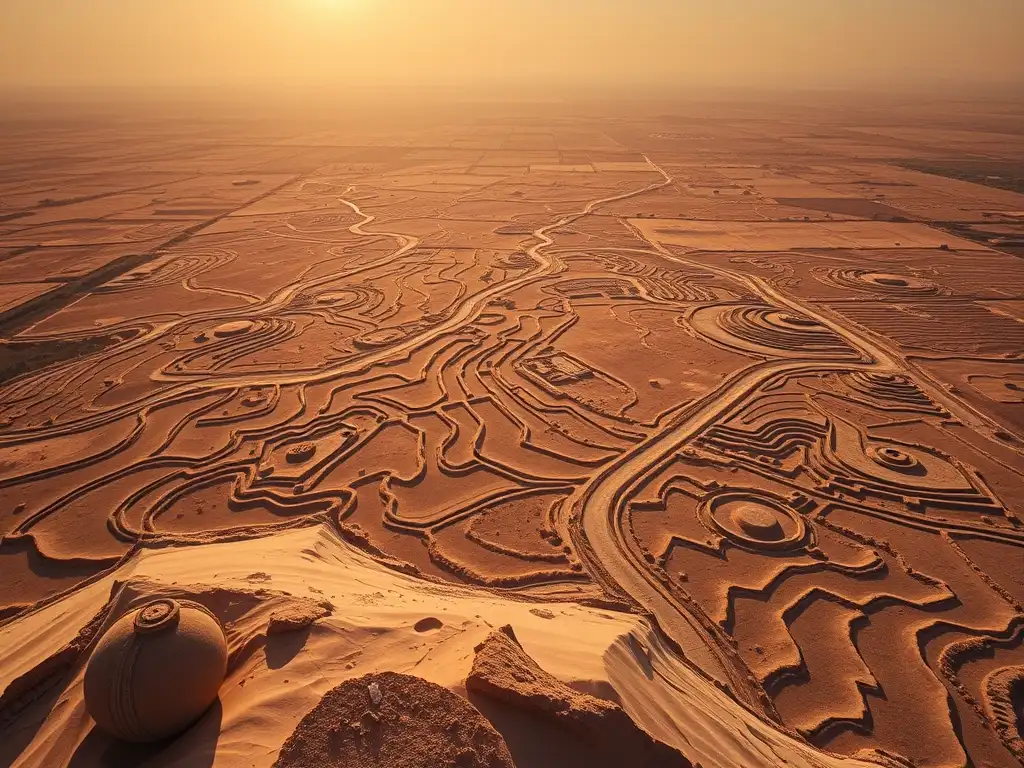
The Nazca civilization, famed for its enigmatic lines etched across the desert, also possessed sophisticated agricultural techniques that allowed them to thrive in one of the most arid regions of the world. Their success wasn't merely a matter of luck; it was a testament to their deep understanding of their environment and their ability to innovate and adapt to the challenges posed by the harsh climate.
Understanding their agricultural practices offers valuable insights into sustainable resource management and resilience in the face of environmental change, particularly relevant in light of today's concerns about Nazca agriculture climate change impacts. This section will explore the ingenuity of Nazca agriculture, focusing on their methods and the crops they cultivated to survive and flourish in a seemingly inhospitable landscape.
The Ingenious Agricultural Practices of the Nazca People
The Nazca people didn't passively accept the limitations of their environment; they actively shaped it to their needs. Their agricultural strategies were remarkably diverse and ingenious, demonstrating a sophisticated understanding of water management, soil conservation, and crop diversification. They employed a variety of techniques, including:
- Canals and Aqueducts: These intricate systems channeled water from distant sources, often underground aquifers, to irrigate their fields. The Nazca's mastery of hydraulic engineering allowed them to cultivate crops in otherwise barren areas. The precision and scale of these systems are still impressive today, highlighting their advanced technological capabilities. The construction and maintenance of these systems required significant community effort, demonstrating a high level of social organization.
- Terracing: To maximize arable land and reduce soil erosion, the Nazca created extensive terraced fields along the slopes of hills and valleys. Terracing allowed them to cultivate crops on steep inclines, increasing agricultural productivity. The terraces also helped to slow the runoff of water, reducing erosion and preserving the soil's fertility.
- Waru Waru: This unique agricultural technique involved creating raised fields surrounded by canals. The canals served as both irrigation channels and reservoirs, regulating water supply and maintaining soil moisture. The raised fields also provided better drainage and aeration, improving soil fertility and crop yields. This system is particularly noteworthy for its resilience to drought and its ability to enhance soil productivity.
Key Crops Cultivated by the Nazca Civilization
The Nazca diet was diverse, reflecting their ability to cultivate a variety of crops adapted to their environment. While precise yields are difficult to determine, archaeological evidence suggests a strong reliance on the following:
| Crop | Importance | Adaptation to Arid Climate |
|---|---|---|
| Cotton | Textile production, clothing, trade | Drought-tolerant varieties, efficient water use |
| Maize (Corn) | Staple food source | Adapted to arid conditions through selective breeding |
| Beans | Important source of protein | Drought-tolerant varieties, nitrogen-fixing properties |
| Squash | Food source, some varieties used for containers | Drought-tolerant varieties, efficient water use |
| Peppers | Flavoring and medicinal uses | Adaptable to varying soil and water conditions |
| Lucuma | Fruit, used for food and drink | Adapted to arid conditions, cultivated in irrigated areas |
The selection of these crops reflects a careful consideration of water requirements, nutritional value, and adaptability to the harsh Nazca environment. The Nazca likely employed sophisticated techniques of selective breeding to enhance the drought tolerance and yield of their crops. Further research is needed to fully understand the genetic diversity of Nazca crops and their adaptations to arid conditions.
Adapting to the Arid Nazca Environment: Water Management Techniques
The scarcity of water in the Nazca region was a significant challenge, yet the Nazca people developed remarkable strategies to overcome this limitation. Their water management techniques were not only efficient but also demonstrated a deep understanding of hydrology and conservation. Key aspects of their water management include:
- Underground Aquifers: The Nazca identified and exploited underground water sources, constructing intricate canal systems to access and distribute this vital resource. Their knowledge of the subterranean water table was crucial for their survival.
- Reservoirs: In addition to canals, the Nazca built reservoirs to store water during periods of surplus, ensuring a reliable supply during times of drought. These reservoirs played a critical role in mitigating the impact of fluctuating rainfall patterns.
- Efficient Irrigation Methods: The Nazca employed a variety of irrigation techniques, including surface irrigation, subsurface irrigation, and drip irrigation (likely rudimentary versions), to minimize water loss and maximize crop yields. This sophisticated approach allowed them to optimize water use in a water-scarce environment. The precise methods employed are still being investigated, but evidence suggests a high degree of efficiency. The ingenuity of their water management systems is a testament to their understanding of their environment and their ability to adapt to its challenges. This knowledge holds important lessons for modern societies facing increasing water scarcity due to climate change. Understanding the Nazca's approaches to water management can inform sustainable practices for future generations. Further research into the specific techniques employed by the Nazca could reveal valuable insights into water conservation strategies applicable in modern arid regions facing the impacts of Nazca agriculture climate change impacts.
The Impact of Climate Change on Nazca Agriculture
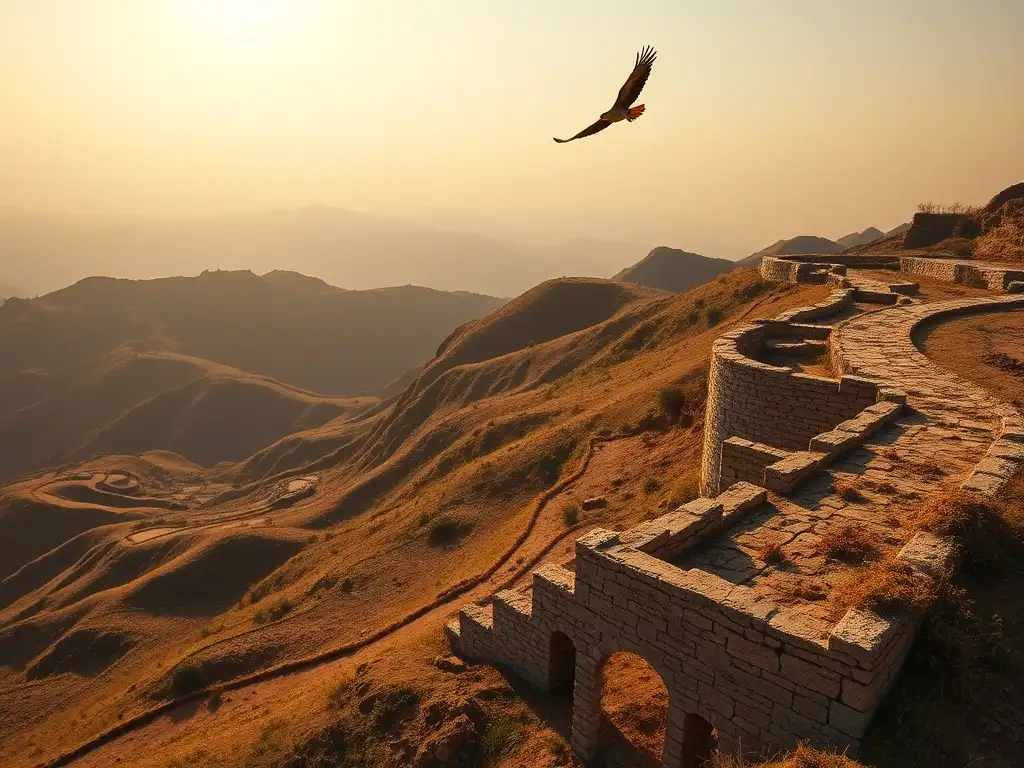
The Nazca civilization, renowned for its enigmatic lines and sophisticated irrigation systems, thrived in a geographically challenging environment along the southern coast of Peru. Their agricultural success, however, was intricately linked to the delicate balance of their arid climate. Understanding the impact of climate change on Nazca agriculture is crucial to comprehending both their achievements and eventual decline.
This section will explore the vulnerability of their farming systems to environmental fluctuations and analyze the role of drought in their societal transformations. The study of Nazca agriculture and climate change impacts provides invaluable insights into the resilience and fragility of ancient societies facing environmental pressures, offering potentially crucial lessons for our own time. The keyword "Nazca agriculture climate change impacts" is central to this analysis.
The Vulnerability of Nazca Agriculture to Environmental Fluctuations
The Nazca relied heavily on sophisticated irrigation techniques to cultivate crops in their desert environment. These systems, while ingenious, were not impervious to the vagaries of climate. Slight shifts in rainfall patterns, even minor variations in temperature, could severely impact crop yields.
Their agricultural success depended on a precise equilibrium, a delicate dance between water management and environmental conditions. For example, prolonged periods of drought could lead to crop failure, impacting food security and potentially triggering social unrest or migration. Conversely, unusually heavy rainfall could damage irrigation canals and lead to soil erosion, rendering farmland unproductive.
The Nazca's dependence on a limited number of staple crops, such as cotton and beans, further increased their vulnerability. A failure of a single crop due to climate variability could have cascading effects throughout their society. The precarious balance between their agricultural practices and the climate made the Nazca civilization particularly sensitive to the effects of climate change.
Evidence of Climate Change Impacts on Nazca Farming Systems
Archaeological evidence suggests that the Nazca civilization experienced periods of both prosperity and hardship directly related to climate variability. Analysis of sediment cores from Nazca riverbeds reveals fluctuations in water levels corresponding to periods of drought and flood. These fluctuations correlate with changes in the types and quantities of crops found in archaeological sites.
For instance, during periods of increased drought, evidence suggests a shift towards more drought-resistant crops, while periods of greater abundance show a diversification of crops. Further evidence comes from isotopic analysis of human remains, which can indicate dietary changes related to crop failures. These studies provide compelling evidence linking climate change to agricultural instability within the Nazca civilization.
The detailed analysis of pollen and plant remains found in middens and settlements also provides further insights into the shifting agricultural practices of the Nazca in response to climate fluctuations. The interplay between these factors offers a rich and complex picture of Nazca adaptation and vulnerability.
Analyzing the Role of Drought in Nazca Agricultural Decline
While the precise causes of the Nazca civilization's decline remain debated, there is strong evidence suggesting that prolonged drought played a significant role. Archaeological data shows a decrease in agricultural productivity towards the end of the Nazca period, coupled with evidence of increased social stress and potential societal reorganization. The combination of limited water resources and increased population pressure likely exacerbated the effects of drought, leading to food shortages and resource competition.
Furthermore, the degradation of irrigation systems due to prolonged drought could have been a contributing factor to their decline. The inability to effectively manage water resources during extended periods of drought may have ultimately contributed to the collapse of their complex agricultural system, leading to widespread societal upheaval and the eventual decline of the Nazca civilization. Analyzing the interplay between drought, agricultural practices, and social dynamics is key to understanding the long-term impacts of climate change on this fascinating ancient society.
Further research into the precise timing and intensity of these droughts, coupled with advanced modeling techniques, will further illuminate the role of climate change in the Nazca story. The impact of these droughts on Nazca agriculture remains a key area of ongoing research within the field of Andean archaeology.
Nazca Agricultural Innovations in the Face of Climatic Challenges
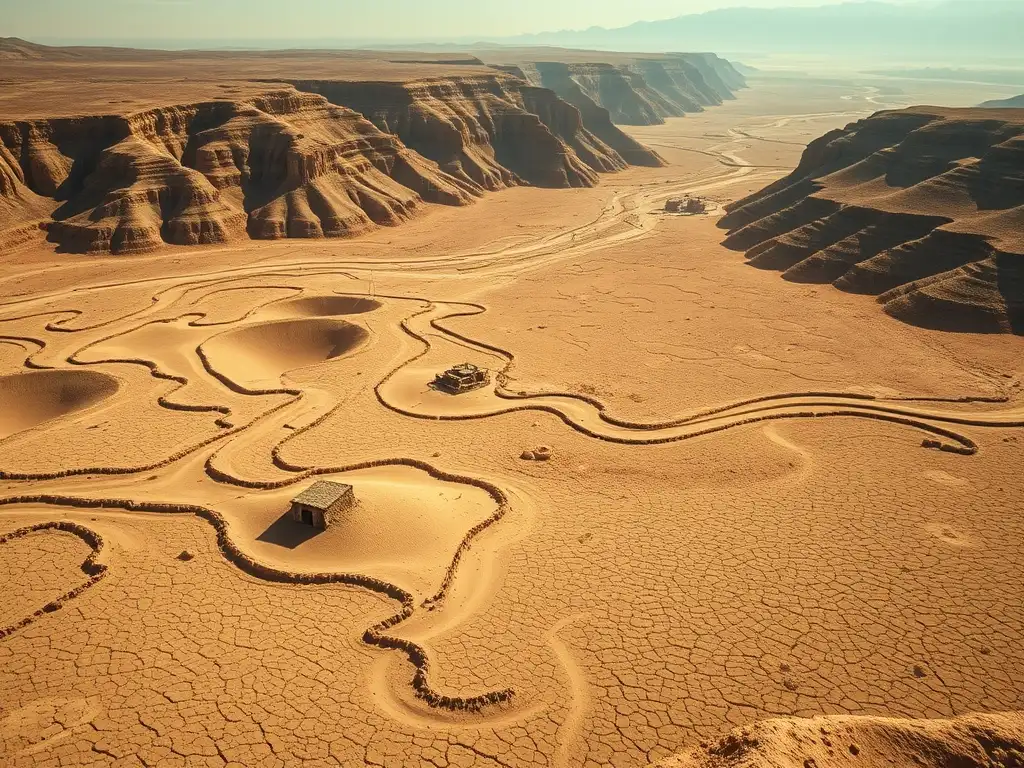
The Nazca civilization, renowned for its enigmatic geoglyphs, also possessed sophisticated agricultural techniques that allowed them to thrive in a challenging desert environment characterized by unpredictable rainfall and aridity. Their success hinged on a deep understanding of their environment and the implementation of ingenious water management strategies, crucial for mitigating the impacts of climate change – both then and now. Analyzing their methods provides valuable insights into sustainable agriculture and resilience in the face of environmental adversity. The keyword "Nazca agriculture climate change impacts" is central to understanding their achievements and their relevance to modern challenges.
The Puquios: Underground Aqueducts as a Drought Mitigation Strategy
The Nazca's most impressive achievement in water management was undoubtedly the puquios. These weren't simply wells; they were intricate underground aqueducts that channeled water from underground aquifers to the surface. The construction involved extensive knowledge of subterranean water flows and sophisticated engineering.
Workers dug shafts and tunnels, often connecting them to strategically placed infiltration galleries. These galleries collected rainwater and runoff, slowly filtering it into the aquifer, then channeling this precious resource through the puquio system to irrigate fields. This ingenious system minimized water loss through evaporation, a critical factor in the arid Nazca landscape.
The puquios represent a remarkable example of sustainable water resource management, directly addressing the impacts of climate change by providing a reliable water source even during prolonged droughts. The efficiency and longevity of this technology are testament to the Nazca's mastery of hydraulic engineering and their proactive approach to climate change adaptation. Their understanding of aquifer recharge and water distribution allowed them to create a resilient agricultural system capable of supporting a significant population.
Terracing and Soil Conservation Techniques in Nazca Agriculture
Beyond water management, the Nazca also employed advanced soil conservation techniques. The arid Nazca environment is prone to erosion, posing a significant threat to agricultural productivity. To combat this, they developed extensive terracing systems on hillsides.
These terraces not only increased the available arable land but also significantly reduced soil erosion. By creating level platforms, the terraces slowed the flow of water, allowing it to soak into the soil rather than rushing downhill and carrying away precious topsoil. This careful terracing, combined with the use of retaining walls made of stone and other materials, created a stable agricultural landscape capable of withstanding heavy rainfall events.
The effectiveness of Nazca terracing is evident in the remarkably well-preserved agricultural lands that still exist today. The careful planning and construction showcase their deep understanding of soil dynamics and their commitment to long-term sustainability. This approach directly mitigated the negative impacts of both drought and intense rainfall events, key components of climate change variability.
Waffle Gardens and Sunken Fields for Water Conservation
The Nazca also implemented innovative techniques to maximize water use efficiency at the field level. Waffle gardens and sunken fields are two examples of their ingenuity. Waffle gardens involved creating a network of small, raised plots separated by shallow channels. This design allowed for efficient irrigation, minimizing water loss through runoff.
Water was carefully channeled into the channels, slowly seeping into the surrounding plots. This method was particularly effective in areas with limited water availability. Sunken fields, on the other hand, were depressions in the ground where crops were planted. The sunken nature of these fields helped retain moisture, reducing evaporation and improving water retention in the soil.
These techniques, combined with the use of drought-resistant crops, allowed the Nazca to cultivate food even during periods of low rainfall. The ingenuity of these methods underscores their remarkable adaptation to the challenges of their environment and their ability to mitigate the impacts of climate change through careful agricultural practices. The legacy of these techniques continues to inspire modern approaches to sustainable agriculture, especially in arid and semi-arid regions facing increasing water scarcity.
Lessons from the Past: Modern Relevance of Nazca Agricultural Techniques
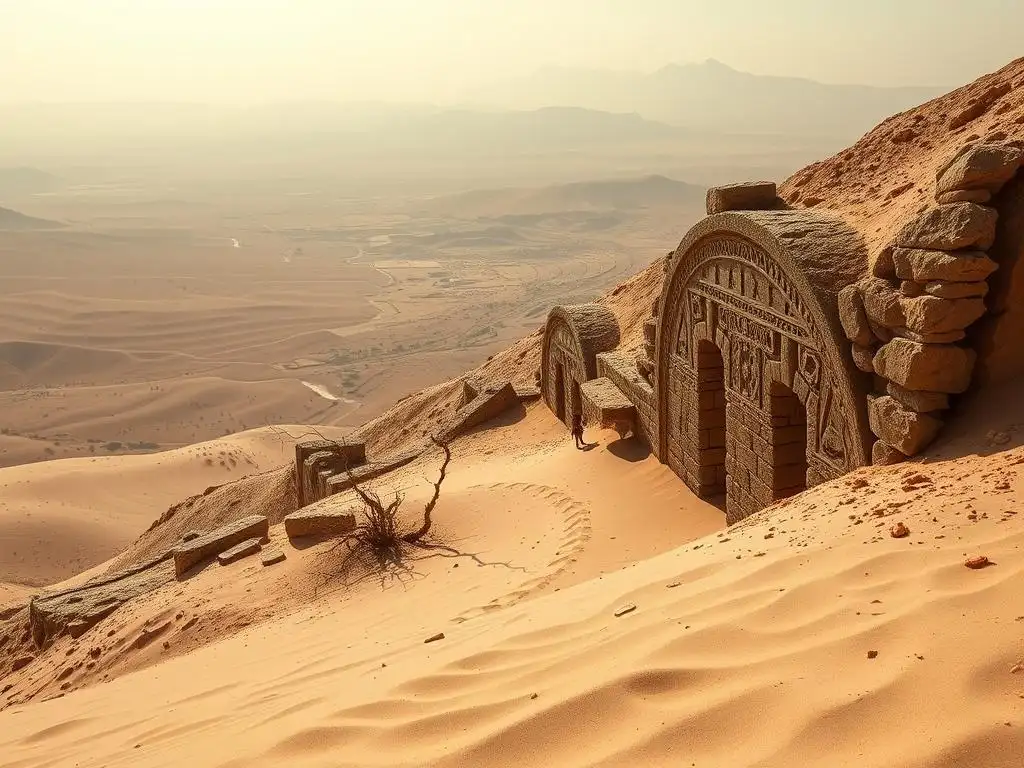
The Nazca civilization, renowned for its enigmatic lines, also possessed sophisticated agricultural techniques that allowed them to thrive in a harsh desert environment. Understanding their methods offers valuable insights for addressing modern agricultural challenges, particularly in the face of climate change. Analyzing their strategies reveals a remarkable ability to adapt to environmental limitations, making their legacy directly relevant to sustainable agriculture today. The keyword "Nazca agriculture climate change impacts" is central to this discussion, highlighting the pressing need to learn from past successes and failures.
Sustainable Practices from Nazca Agriculture for Modern Farming
The Nazca people employed a variety of sustainable practices that maximized resource utilization and minimized environmental impact. One key element was their intricate system of terracing, which allowed them to cultivate slopes effectively, preventing soil erosion and maximizing water retention. This is a technique that remains highly relevant today, particularly in mountainous regions prone to landslides and water scarcity.
They also utilized diverse cropping systems, rotating crops to maintain soil fertility and prevent pest infestations – a practice known as crop rotation, vital to modern sustainable agriculture. Further, evidence suggests they employed techniques to improve soil quality, such as adding organic matter to increase nutrient availability. This practice is echoed in modern compost and cover cropping techniques.
The Nazca's understanding of water management was truly exceptional, given their arid environment. They developed sophisticated irrigation systems, including canals and aqueducts, some of which are still visible today. These systems were designed to efficiently distribute water to fields, minimizing waste and optimizing crop yields.
This focus on water conservation is crucial in the context of modern climate change, where water scarcity is becoming an increasingly prevalent issue. Their ingenuity in water management serves as a powerful example of how to effectively utilize limited resources. The effectiveness of these techniques is demonstrable through the success of the Nazca civilization itself, which flourished for centuries thanks to careful resource management.
Applying Nazca Water Management Strategies in Arid Regions
The Nazca's mastery of water management offers valuable lessons for modern arid and semi-arid regions facing water stress. Their intricate network of canals and aqueducts, often built along the slopes of mountains to capture runoff, provides a model for efficient water harvesting and distribution. Modern technologies could be combined with these traditional methods; for instance, modern sensors could help monitor water levels and optimize canal flow, enhancing efficiency and reducing water loss.
The Nazca's understanding of groundwater resources, though not fully documented, also deserves further investigation as a potential source of sustainable water supply in modern contexts. Their success in cultivating crops in such a demanding environment underlines the potential of mimicking their water-saving techniques in contemporary agriculture.
The application of Nazca water management strategies requires careful consideration of the specific context. Factors such as soil type, topography, and available rainfall must be assessed before implementing any large-scale adaptation of these ancient techniques. However, the underlying principles – efficient water harvesting, minimal water loss, and strategic distribution – remain universally applicable and crucial for sustainable agriculture in arid regions facing the impacts of climate change. The potential for integrating ancient wisdom with modern technology to address modern water scarcity challenges is significant.
The Importance of Understanding Past Climate Change Impacts
Understanding the impact of past climate change on the Nazca civilization is crucial for predicting and mitigating the effects of modern climate change. While precise details on the specific climatic shifts experienced by the Nazca are still being researched, archaeological evidence suggests periods of both drought and flooding. The resilience of Nazca agriculture in the face of these challenges demonstrates both the effectiveness of their techniques and their vulnerability to extreme weather events.
Analyzing the societal responses to these climatic shifts provides valuable insights into how communities can adapt to future climate change. The study of Nazca agriculture and climate change offers a unique opportunity to understand the long-term consequences of environmental change and the importance of developing sustainable practices.
Analyzing pollen samples and other environmental proxies from Nazca sites can provide valuable data on past climate conditions and their impact on agricultural productivity. By comparing these findings with evidence of societal changes, such as shifts in settlement patterns or agricultural practices, researchers can gain a deeper understanding of the relationship between climate change and societal resilience. This knowledge is essential for developing effective adaptation strategies in the face of modern climate change, particularly in regions with similar environmental conditions.
The Nazca civilization's experience serves as a stark reminder of the potentially devastating consequences of environmental instability and the critical need for proactive adaptation strategies. Further research into the effects of past climate change on the Nazca is vital for informing present-day responses to climate change and building more resilient communities.
Nazca Agriculture Climate Change Impacts: A Historical Perspective
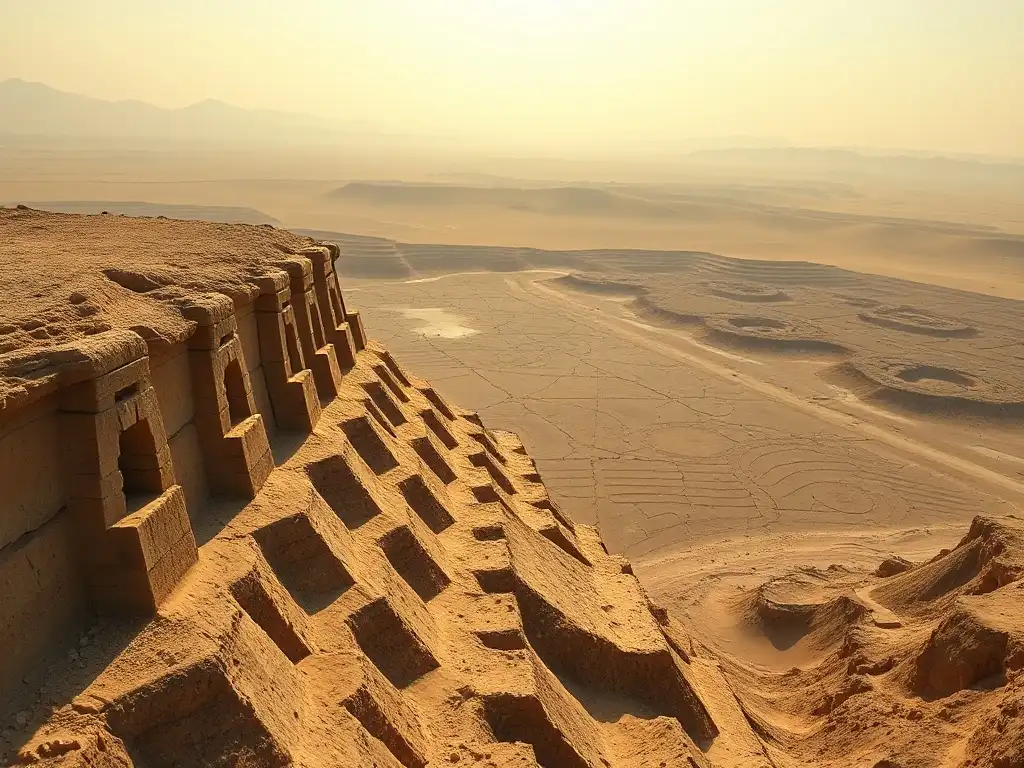
This section delves into the profound impact of climate change on Nazca agriculture, examining how environmental shifts influenced this remarkable civilization's sophisticated farming techniques and ultimately contributed to its societal transformations. Understanding the Nazca's experience offers valuable insights into the long-term consequences of climate variability and the resilience strategies employed by past societies facing similar challenges.
The study of Nazca agriculture and climate change impacts provides a compelling case study for understanding the vulnerability of agricultural systems to environmental stress, both historically and in the context of contemporary climate change. Analyzing the past allows us to better prepare for the future.
Analyzing the Long-Term Effects of Climate Change on Nazca Society
The Nazca civilization, flourishing between 100 BCE and 800 CE along the southern coast of Peru, developed ingenious irrigation systems to cultivate a relatively arid landscape. Their success hinged on a delicate balance with the environment, a balance frequently disrupted by climate fluctuations. Evidence suggests prolonged periods of drought, interspersed with intense El Niño events, significantly impacted agricultural productivity.
Archaeological findings, including shifts in crop types and the construction of new irrigation canals, reveal adaptive strategies employed by the Nazca to cope with changing climatic conditions. For example, the increased cultivation of drought-resistant crops like beans and squash during drier periods indicates a capacity for agricultural diversification in response to environmental stress. However, the extent to which these adaptations mitigated the long-term effects of climate change remains a subject of ongoing research.
Further analysis of pollen records and isotopic studies of ancient crops could provide more detailed information on the precise impacts of climate variability on Nazca agricultural practices and societal stability. The intensity and frequency of these climatic events arguably played a crucial role in shaping the trajectory of Nazca society.
The Collapse of Nazca Agriculture: A Case Study of Environmental Stress
While the Nazca demonstrated remarkable ingenuity in adapting to environmental variability, prolonged periods of drought and extreme weather events ultimately proved challenging. The collapse of Nazca agriculture is often cited as a contributing factor to the decline of the civilization, highlighting the critical link between environmental stability and societal resilience. Studies of ancient Nazca settlements reveal a correlation between periods of drought and decreased settlement size, indicating population migrations or societal restructuring in response to agricultural failure.
The abandonment of certain agricultural terraces and irrigation canals, observable through aerial surveys and ground-level excavations, further supports this theory. The precise timeline of this collapse, however, remains debated among scholars, with some suggesting a gradual decline over centuries, while others point to more abrupt shifts associated with catastrophic El Niño events.
A more comprehensive understanding requires further investigation into the interplay of environmental stress, social organization, and technological limitations in the Nazca context. The study of Nazca agriculture's collapse can therefore serve as a cautionary tale of the fragility of even sophisticated agricultural systems in the face of prolonged environmental stress.
The Role of El Niño Events in Nazca Agricultural Challenges
El Niño-Southern Oscillation (ENSO) events, characterized by significant changes in sea surface temperatures and rainfall patterns across the Pacific Ocean, have played a significant role in shaping the climate of the Nazca region throughout history. These events, often associated with extreme rainfall or prolonged droughts, posed a considerable challenge to Nazca agriculture. Evidence suggests that intense El Niño events could lead to devastating floods, destroying irrigation canals and damaging crops.
Conversely, prolonged periods of drought associated with La Niña events could severely limit water availability, impacting agricultural yields. Archaeological data, including the presence of flood sediments in some Nazca settlements and the construction of elaborate drainage systems, indicate the Nazca's awareness of and adaptation to these extreme weather events. However, the frequency and intensity of El Niño events during the Nazca period are still under investigation.
Further paleoclimatological research, focusing on the analysis of sediment cores and ice cores, is crucial to refining our understanding of the exact role of ENSO events in shaping Nazca agricultural practices and societal dynamics. Analyzing the frequency and intensity of past El Niño events provides a critical baseline for understanding the potential impacts of future climate change on vulnerable agricultural systems.
Conclusion: Preserving the Legacy of Nazca Agricultural Knowledge
The Nazca's sophisticated agricultural techniques, developed in response to a challenging and variable climate, offer invaluable lessons for contemporary societies grappling with the impacts of climate change. Their ingenuity in water management, terracing, and crop diversification provides a compelling case study in sustainable agriculture, demonstrating the resilience and adaptability of ancient Andean civilizations. Understanding their methods can inform modern agricultural practices and contribute to food security in the face of increasing environmental uncertainty.
The Nazca's success highlights the critical importance of understanding and adapting to local environmental conditions, a lesson particularly relevant as the effects of global warming become increasingly pronounced. Their legacy is not merely historical; it's a practical toolkit for building a more sustainable future. Analyzing their successes and failures can help us avoid repeating past mistakes and develop more resilient agricultural systems.
The Enduring Relevance of Nazca Agricultural Wisdom
The Nazca civilization's mastery of arid-land agriculture offers profound implications for modern agricultural practices, particularly in regions facing water scarcity and climate change-related challenges. Their intricate canal systems, meticulously designed to capture and distribute scarce water resources, represent a sophisticated understanding of hydrology and water management. This knowledge, often lost or neglected in modern agricultural approaches focused on large-scale monoculture, could be instrumental in developing more efficient and sustainable irrigation systems.
Furthermore, their diverse cropping strategies, including the cultivation of drought-resistant crops and the implementation of crop rotation, minimized the risk of crop failure and ensured food security. This emphasis on biodiversity, a stark contrast to modern industrial agriculture's reliance on a limited number of high-yield varieties, offers a blueprint for building more resilient and climate-resistant agricultural ecosystems.
The Nazca’s success in adapting to their environment underscores the need for context-specific solutions, emphasizing the importance of local knowledge and biodiversity in building sustainable agricultural systems. This includes incorporating traditional knowledge into modern agricultural practices to create more resilient and productive farms.
Future Research and Preservation of Nazca Agricultural Sites
Continued research on Nazca agriculture is crucial for fully understanding the intricacies of their systems and extracting all possible lessons for contemporary agriculture. This requires interdisciplinary collaboration, bringing together archaeologists, anthropologists, agricultural scientists, and hydrologists to analyze the remaining physical evidence and interpret the historical and environmental context. Detailed studies of the preserved irrigation canals, terraces, and agricultural fields can reveal further insights into their construction techniques, water management strategies, and crop selection.
Furthermore, the preservation of these sites is paramount. These remarkable vestiges of Nazca ingenuity are not only of immense historical significance but also serve as invaluable living laboratories for studying sustainable agricultural practices. Protecting these sites from erosion, damage, and encroachment requires concerted efforts from governmental and non-governmental organizations, along with community involvement to ensure the long-term preservation of this crucial legacy.
This includes implementing strategies for sustainable tourism that minimizes the environmental impact on these fragile sites. Investing in research and preservation efforts will not only safeguard a valuable part of our cultural heritage but also unlock crucial knowledge for addressing the challenges of climate change in modern agriculture.
Emphasizing the Need to Learn from Past Civilizations
The Nazca civilization's experience serves as a potent reminder of the interconnectedness between human societies and their environment. Their success in cultivating a thriving civilization in a harsh desert landscape demonstrates the power of ingenuity, adaptation, and a deep understanding of the local ecosystem. Their sophisticated agricultural practices, built upon careful observation and adaptation to the environment, offer a stark contrast to modern agricultural practices that often prioritize short-term gains over long-term sustainability.
The impact of climate change underscores the urgent need to learn from past societies that successfully navigated similar environmental challenges. The Nazca's example emphasizes the importance of integrating traditional knowledge with modern science to develop more resilient and sustainable agricultural systems. By studying and emulating their strategies, we can gain valuable insights into creating agricultural practices that are both productive and environmentally responsible.
This includes a shift towards more diverse cropping systems, improved water management techniques, and a deeper understanding of the complex interplay between climate, agriculture, and human societies. The Nazca’s legacy should serve as a call to action, urging us to adopt a more holistic and sustainable approach to agriculture in the face of growing climate change impacts. Ignoring the lessons of the past risks repeating past mistakes and jeopardizing future food security.
Frequently Asked Questions
How did the Nazca people adapt their agriculture to the challenging desert climate?
The Nazca developed sophisticated irrigation systems, including canals and aqueducts, to channel water from rivers and underground sources to their fields. They also employed techniques like terracing to maximize water retention and minimize erosion.
What evidence shows the impact of climate change on Nazca agriculture?
Archaeological findings reveal shifts in crop types and settlement patterns over time, suggesting responses to changing rainfall and temperature. Sediment analysis also indicates periods of drought and flooding impacting agricultural productivity.
What crops did the Nazca primarily cultivate?
The Nazca cultivated a variety of crops adapted to the arid climate, including cotton, beans, peppers, and maize. Their agricultural success depended on careful water management and innovative farming techniques.
How did the Nazca's agricultural practices contribute to their societal success?
Successful agriculture provided a stable food supply, supporting a relatively large and complex society. This surplus likely contributed to the development of their advanced art, technology, and social structures.
What lessons can we learn from the Nazca's experience with climate change for today's challenges?
The Nazca's story highlights the vulnerability of agriculture to climate variability. Their adaptive strategies, such as water management and crop diversification, offer valuable insights for building climate resilience in modern agriculture.
Final Reflection: Echoes of the Nazca: A Legacy of Resilience and Warning
The ingenious agricultural techniques employed by the Nazca civilization, once a marvel of adaptation to aridity, offer a stark and timely warning about the devastating consequences of climate change. Their sophisticated understanding of water management, despite its ultimate limitations, stands as a powerful testament to human ingenuity in the face of environmental adversity, a lesson we urgently need to heed in our own era of unprecedented climate shifts.
The Nazca's story resonates deeply, reminding us that even the most advanced civilizations are vulnerable to environmental pressures. Their eventual decline, partly attributed to prolonged drought, serves as a potent cautionary tale. The past is never dead. It's not even past,
wrote William Faulkner, and the echoes of the Nazca's struggle against climate change reverberate in our own challenges today. Their experience underscores the interconnectedness of human societies and their environment, highlighting the urgent need for sustainable practices and proactive adaptation strategies.
Consider the ingenuity of the Nazca, their deep understanding of their environment, and the fragility of their success. You too possess the power to shape a more sustainable future. Reflect on your own consumption habits, your support for environmentally conscious policies, and your commitment to preserving our planet. Let the legacy of the Nazca inspire you to act, to innovate, and to build a more resilient future for generations to come. The time for action is now.
**Unveil the Secrets of Sustainable Agriculture**
Thank you for exploring the lessons of Nazca agriculture and its connection to climate resilience! By studying the ingenuity of past civilizations, you've gained valuable insights that can inspire sustainable practices today. Now, let's put this knowledge into action and make a positive environmental impact!
Here are a few ways you can embrace sustainable agriculture and combat climate change:
- **Join a local community garden:** Connect with your neighbors to learn sustainable farming techniques and share knowledge about building climate resilience.
- **Research traditional farming methods:** Explore historical agricultural practices that have proven successful over time and consider how these techniques can be adapted for modern use.
- **Share your knowledge:** Start a conversation on social media or with friends – your insights could inspire others to adopt sustainable practices!
What historical agricultural innovations do you believe could revolutionize our approach to current climate challenges?