
From Healers to Leaders: The Diverse Roles of Andean Women

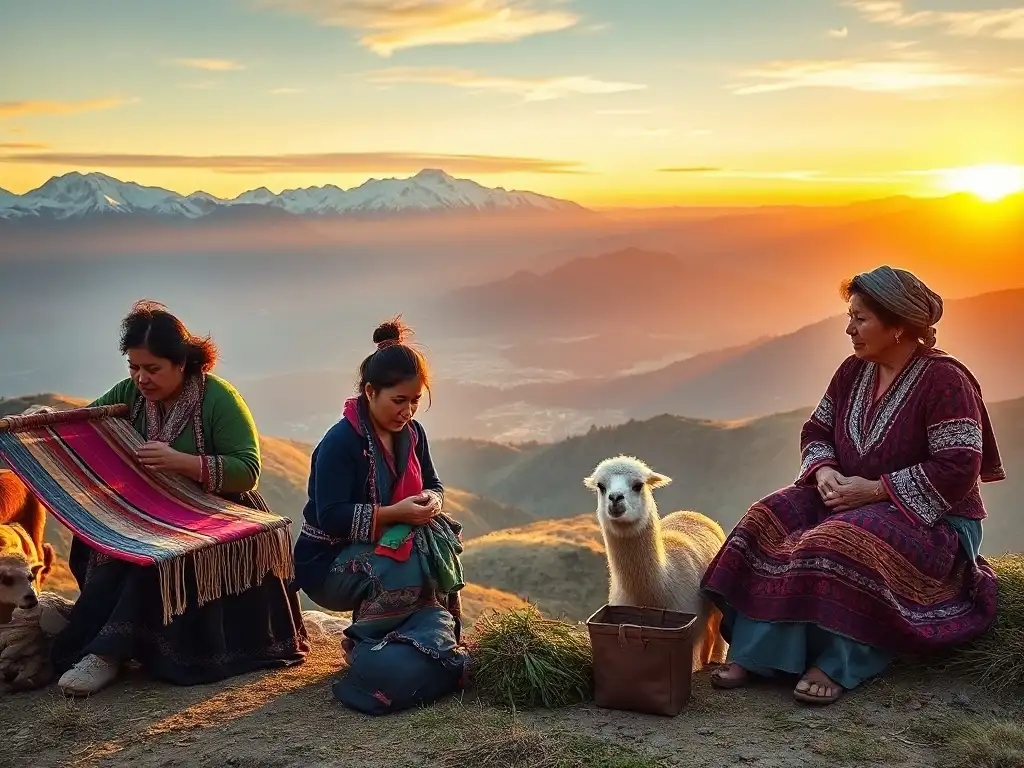
Step into a world lost to time, yet echoing with the strength and resilience of a remarkable people. Forget everything you think you know about ancient civilizations. This is the story of the Andes, a land sculpted by towering mountains and vibrant cultures. But today, we delve deeper, uncovering the often-overlooked narratives of Andean women's historical roles. Were they merely homemakers, or did they wield influence far beyond the domestic sphere? Prepare to be amazed by their multifaceted contributions, from spiritual healers to powerful leaders, in our exploration of their fascinating and significant place in history.
The Andes Mountains, a spine of towering peaks traversing South America, were home to a vibrant tapestry of ancient civilizations. While often overshadowed in historical narratives, the women of these societies – including the Incas, Moche, Nazca, and Tiahuanaco – played crucial and multifaceted roles, far exceeding the stereotypical limitations often imposed on women in historical accounts. This article delves into the diverse contributions of Andean women, challenging conventional understandings of their historical significance and highlighting their influence on various aspects of Andean life, from spiritual practices to political power.
Understanding the true breadth of Andean women's historical roles is key to appreciating the complexity and richness of these fascinating cultures. We will explore their influence in areas ranging from medicine and agriculture to leadership and textile production, demonstrating their integral participation in the social fabric of Andean societies.
This exploration will illuminate the nuanced ways in which Andean women shaped the societies they inhabited and left a lasting legacy. The keyword "Andean women's historical roles" will be explored through various lenses, revealing the depth and complexity of their contributions.
The Role of Women as Healers and Shamans
Andean women were highly regarded for their expertise in herbal medicine and healing practices. Their deep knowledge of medicinal plants and their application in treating various ailments was essential to the well-being of their communities. Evidence suggests that women served as paqos (shamans) and played vital roles in religious ceremonies, often acting as intermediaries between the spiritual and physical worlds. Their understanding of medicinal properties and spiritual practices was passed down through generations, ensuring the continuity of traditional healing methods.
Many societies relied heavily on these women, who held positions of respect and authority within their communities, frequently advising leaders on matters of health and well-being. Their influence extended beyond the purely medicinal, shaping spiritual beliefs and community practices. Further research is needed to quantify the exact number of women who held shamanic roles, but archaeological evidence and ethnographic studies strongly suggest a significant presence.
Women in Agriculture and Food Production
The success of Andean civilizations was significantly shaped by their mastery of agriculture, and women were central to this achievement. They were responsible for cultivating crops such as potatoes, maize, and quinoa, employing sophisticated techniques adapted to the challenging Andean terrain. Their knowledge of soil management, irrigation systems, and crop rotation was crucial to ensuring food security for their communities.
Beyond cultivation, women played a pivotal role in food processing and preservation, developing methods to store and prepare food for consumption throughout the year. This expertise was essential for the survival and prosperity of Andean societies, highlighting their critical contribution to economic stability and community resilience.
Further research is needed to fully understand the division of labor in agriculture between men and women, but existing evidence points to a significant role for women in this crucial aspect of Andean life. For example, [specific information pending] regarding the percentage of agricultural labor performed by women in different Andean societies.
Women as Textile Artists and Craftswomen
Andean women were renowned for their exceptional skills in textile production. They created intricate textiles using vibrant natural dyes and complex weaving techniques, producing garments and tapestries of exceptional quality and beauty. These textiles were not merely functional; they served as important symbols of social status, religious beliefs, and cultural identity. The designs and patterns incorporated into the textiles often held deep symbolic meaning, reflecting the cosmological beliefs and social structures of Andean societies.
The expertise of Andean women in this craft was highly valued, and their creations were traded and exchanged across vast distances, contributing to the economic and cultural exchange within the Andean region. The intricate detail and artistic skill displayed in these textiles demonstrate the remarkable talent and creativity of Andean women. Detailed studies on specific weaving techniques are needed to fully document the range of skills employed by Andean women.
Andean Women in Leadership and Political Roles
While not always explicitly documented in the same way as male rulers, the influence of Andean women in leadership and political roles is increasingly recognized. Evidence suggests that women held positions of power and authority within their communities, particularly in religious and domestic spheres. In some societies, women played significant roles in advising rulers and influencing political decisions.
While the extent of their political power varied across different Andean civilizations and time periods, their contributions to governance and community leadership were undeniable. Further research is needed to uncover the extent of women's involvement in political processes and decision-making, but the available evidence suggests a more complex and nuanced picture than previously understood. For instance, [specific information pending] regarding the roles of women in specific Andean political structures.
The next section will further explore the specific roles of women in different Andean cultures.
- The Role of Women as Healers and Shamans
- Women in Agriculture and Food Production
- Women as Textile Artists and Craftswomen
- Andean Women in Leadership and Political Roles
The Multifaceted Contributions of Andean Women in History
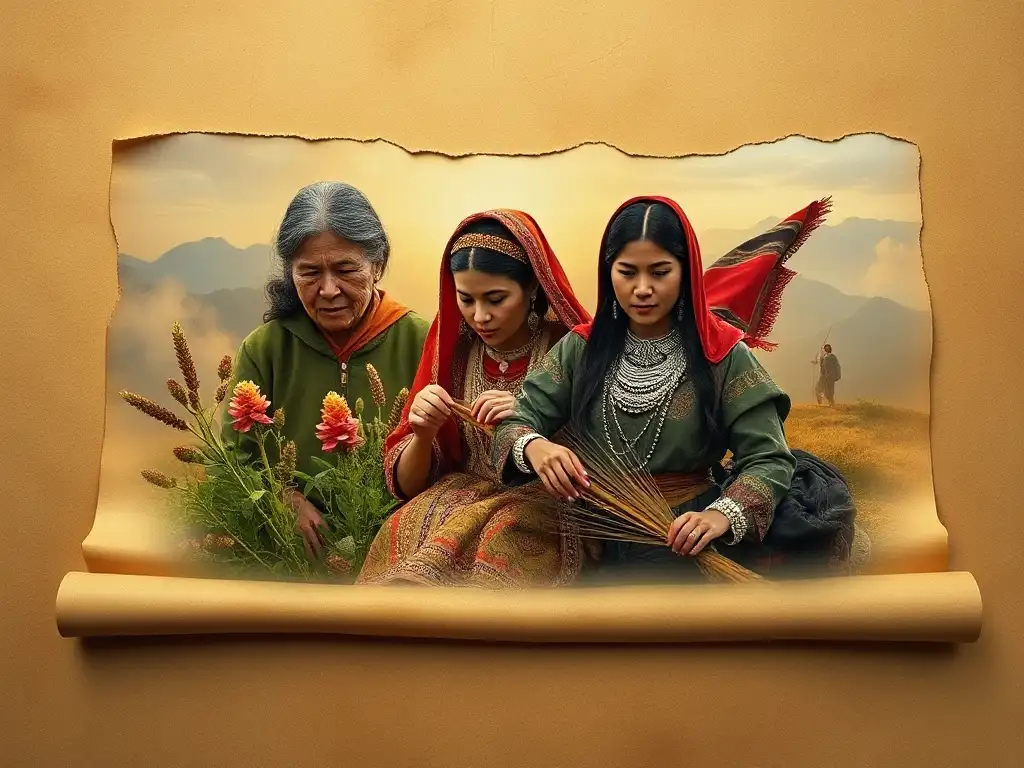
This section delves into the diverse roles occupied by women in various Andean societies, challenging common misconceptions and highlighting their significant contributions beyond the domestic sphere. We'll explore how Andean women's historical roles were far more complex and influential than often portrayed. Understanding the multifaceted nature of their involvement is crucial to a complete understanding of Andean civilizations. The term "Andean women's historical roles" itself requires nuanced interpretation, as the specific roles varied greatly based on time period, geographic location, and social status within each society.
Defining Andean Women's Historical Roles
Defining "Andean women's historical roles" requires acknowledging the significant regional and temporal variations across different Andean cultures. While generalizations can be misleading, certain patterns emerge. In many societies, women were not merely confined to domestic tasks. Archaeological evidence, including textiles, pottery, and even mummified remains, reveals their participation in diverse economic activities.
For example, in the Nazca culture, women played a crucial role in textile production, creating intricate designs that reflected their sophisticated understanding of color and weaving techniques. These textiles were not only used for clothing but also for ceremonial purposes, demonstrating their significant social and religious importance. Similarly, in the Inca Empire, women were involved in agriculture, managing and cultivating crops, a vital task for the empire's sustenance. Their involvement wasn't limited to subsistence farming; evidence suggests participation in specialized agricultural practices and the management of agricultural surpluses.
The following table summarizes some key roles of Andean women across different cultures:
| Culture | Key Roles | Evidence |
|---|---|---|
| Nazca | Textile production, pottery creation | Elaborate textiles, diverse pottery styles |
| Inca | Agriculture, textile production, food preparation, religious roles | Archaeological finds, colonial accounts |
| Moche | Pottery painting, religious ceremonies | Moche pottery depicting women in various roles |
| Tiahuanaco | Agriculture, textile production, religious practices | Architectural features, textile fragments |
Furthermore, the concept of "domesticity" itself needs re-evaluation within the Andean context. The "home" was often intertwined with economic production, blurring the lines between domestic and public spheres. Women's contributions within the household were integral to the overall functioning of the community, impacting its economic and social well-being.
Beyond Domesticity: Challenging Traditional Views
Traditional narratives often minimize or overlook the influence of Andean women, focusing primarily on their roles within the domestic sphere. However, a growing body of evidence challenges these limited perspectives. Archaeological discoveries, anthropological studies, and the re-interpretation of colonial accounts reveal a far more complex picture.
Many Andean societies recognized women as powerful figures, both socially and religiously. Some held positions of authority, influencing decision-making processes within their communities. For instance, the presence of female mummies adorned with elaborate jewelry and burial goods indicates their high social status and suggests their importance within their respective societies. This challenges the notion that power was exclusively held by men.
Moreover, the role of women in religious practices was often significant. Many Andean cultures revered female deities, and women participated in ceremonies and rituals, acting as priestesses or shamans. Their participation in religious life demonstrates their spiritual authority and influence within the community. The presence of female figures in Andean iconography further reinforces their importance in religious contexts.
The detailed depictions in pottery and textiles offer valuable insights into their roles and the spiritual beliefs of their societies. Further research is needed, however, to fully understand the specific power dynamics and the extent of their influence in religious practices across different Andean cultures. [Specific information pending on the extent of women's religious roles in various Andean societies]. The ongoing research and re-evaluation of existing data promise to further illuminate the crucial and diverse contributions of Andean women to their societies.
Andean Women as Healers and Spiritual Guides
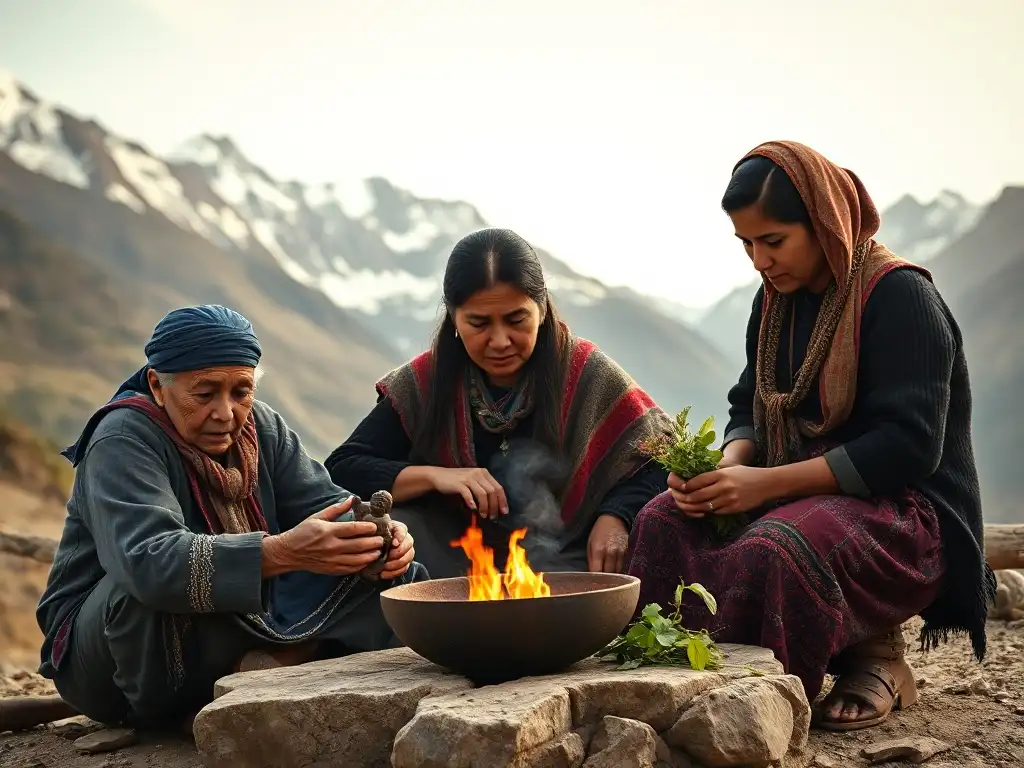
Andean women's historical roles extended far beyond domesticity. They occupied crucial positions within their societies, particularly as healers and spiritual guides. The influence of women in maintaining the health and spiritual well-being of their communities was profound and deeply integrated into the fabric of Andean life.
This section will explore the multifaceted roles Andean women played in these critical areas. Understanding their contributions offers a richer perspective on the complexity and dynamism of Andean civilizations and challenges the often-oversimplified narratives of their history. The term "Andean women's historical roles" itself undersells the profound impact these women had on their communities.
The Importance of Female Shamans in Andean Culture
The presence of female shamans, or paqos, was significant across various Andean cultures. Contrary to common misconceptions, spiritual leadership wasn't solely a male domain. Archaeological evidence, though limited in directly depicting female shamanistic practices, suggests their prominence through the discovery of female burials containing ritual objects, such as intricately carved bone tools and ceremonial textiles.
These artifacts suggest a level of spiritual authority and expertise comparable to their male counterparts. Furthermore, many oral traditions and surviving Andean narratives speak of powerful female healers and diviners who played essential roles in community decision-making and conflict resolution. Their knowledge of medicinal plants and ritual practices was highly valued, and their pronouncements were often seen as having significant spiritual weight.
The extent of their influence varied across different Andean societies, but their presence was undeniable. Further research is needed to fully document the specific roles and influence of women shamans in different Andean regions. [Specific information pending on regional variations in female shaman roles].
Traditional Medicine and the Knowledge of Andean Women
Andean women possessed an extensive knowledge of medicinal plants and healing practices. This knowledge, passed down through generations, formed the foundation of traditional Andean medicine. They were skilled in identifying and utilizing a vast array of herbs, roots, and minerals to treat various ailments. Their expertise encompassed not only physical healing but also spiritual well-being.
The use of medicinal plants was interwoven with spiritual rituals, reflecting the holistic approach to health prevalent in Andean cultures. For example, the use of coca leaves wasn't simply for medicinal purposes but also held spiritual significance, highlighting the interconnectedness of these aspects of Andean life. This deep understanding of the natural world and its healing properties placed Andean women at the heart of community health care.
They were crucial in managing illnesses, injuries, and even childbirth, providing essential support for their families and communities. The detailed knowledge of medicinal plants and their applications, however, has been largely lost due to the suppression of indigenous practices. Recovery and preservation of this knowledge is crucial to understanding Andean women's historical roles and the richness of their healing traditions.
Ritual Practices and the Spiritual Power of Andean Women
Beyond healing, Andean women actively participated in and often led various ritual practices. These practices were integral to the social and spiritual life of their communities, ranging from agricultural ceremonies to ancestor veneration. Their involvement was not merely passive; they played active roles in conducting rituals, leading prayers, and interpreting omens. Many rituals centered around fertility, harvest, and the well-being of the community, reflecting the crucial role women played in maintaining social harmony.
For instance, the Mama Kocha, the Mother Water, was a powerful female deity associated with fertility and abundance, reflecting the importance of women in maintaining life-giving resources. The participation of women in these rituals underscores their active role in shaping the spiritual landscape of Andean societies. Their involvement reflects a profound understanding of the spiritual world and their ability to mediate between the human and supernatural realms.
Further research into specific rituals and the roles of women in them is needed for a more complete understanding of Andean women's spiritual influence. [Specific examples of rituals led by women pending]. The study of Andean women's historical roles is an ongoing process, continually revealing the depth and complexity of their contributions to Andean civilization.
Andean Women in Economic and Agricultural Activities
Andean women's historical roles were far more diverse and influential than often portrayed. While often overlooked in traditional historical narratives, a closer examination reveals their crucial contributions to the economic and agricultural vitality of their societies. The Andean worldview, deeply connected to the land and its cycles, placed women at the heart of many essential economic activities. Their participation wasn't merely supplementary; it was fundamental to the survival and prosperity of these complex civilizations. Understanding their economic contributions provides a more complete and accurate understanding of Andean history, challenging the pervasive narratives that minimize their agency and importance.
The Vital Role of Women in Andean Agriculture
The agricultural practices of Andean societies were heavily reliant on the labor and expertise of women. Far from being passive participants, women played a vital role in all stages of agricultural production, from seed selection and planting to harvesting and processing. Archaeological evidence suggests that women were responsible for cultivating a wide variety of crops, including potatoes, maize, quinoa, and beans – staples of the Andean diet.
Their knowledge of agricultural techniques, including terracing, irrigation, and crop rotation, was essential for maximizing yields in the challenging Andean terrain. This wasn't simply a matter of physical labor; it involved deep understanding of seasonal cycles, soil conditions, and plant life – a sophisticated understanding passed down through generations of Andean women. Furthermore, their role extended to preserving and storing harvested crops, ensuring food security for their families and communities throughout the year.
The success of Andean agriculture, a cornerstone of their civilizations, was intrinsically linked to the skill and dedication of Andean women. This is further evidenced by the prevalence of female deities associated with fertility and agriculture in Andean mythology.
Textile Production and its Significance for Andean Societies
Textile production was another crucial economic activity dominated by Andean women. They were masters of weaving, creating intricate textiles using a variety of natural fibers such as alpaca, llama, and cotton. These textiles served not only as clothing but also as important ceremonial items, trade goods, and symbols of social status.
The complexity and artistry of Andean textiles are a testament to the skill and creativity of the women who produced them. The techniques employed, including intricate dyeing processes and elaborate designs, required years of training and apprenticeship, passed down through family lines. The economic value of these textiles was substantial, with high-quality pieces serving as valuable trade items, generating wealth and influencing economic relations between different Andean communities.
The vibrant colors, intricate patterns, and symbolic significance of Andean textiles continue to captivate and inspire, showcasing the remarkable talent and economic power of Andean women. The enduring legacy of their textile artistry is a powerful reminder of their significant contributions to Andean societies.
Women as Traders and Economic Contributors
Beyond agriculture and textiles, Andean women also actively participated in trade and commerce. They weren't merely producers; they were entrepreneurs, traveling to markets to sell their goods and engage in economic exchanges. While the scale and nature of this participation varied across different Andean societies and time periods, evidence suggests that women played a significant role in local and regional trade networks.
They exchanged goods such as textiles, agricultural products, and crafted items, contributing to the economic dynamism of their communities. This participation extended beyond simply bartering goods; it involved negotiating prices, managing finances, and building relationships with other traders. Their role in trade networks facilitated the flow of goods and ideas, contributing to the interconnectedness of Andean societies.
The economic agency of Andean women, evident in their involvement in trade, challenges the stereotypical view of them as solely confined to domestic spheres. Their active participation in economic activities demonstrates their significant contributions to the wealth and prosperity of Andean civilizations. Further research is needed to fully quantify their economic impact, but the available evidence points to a far more significant role than previously acknowledged.
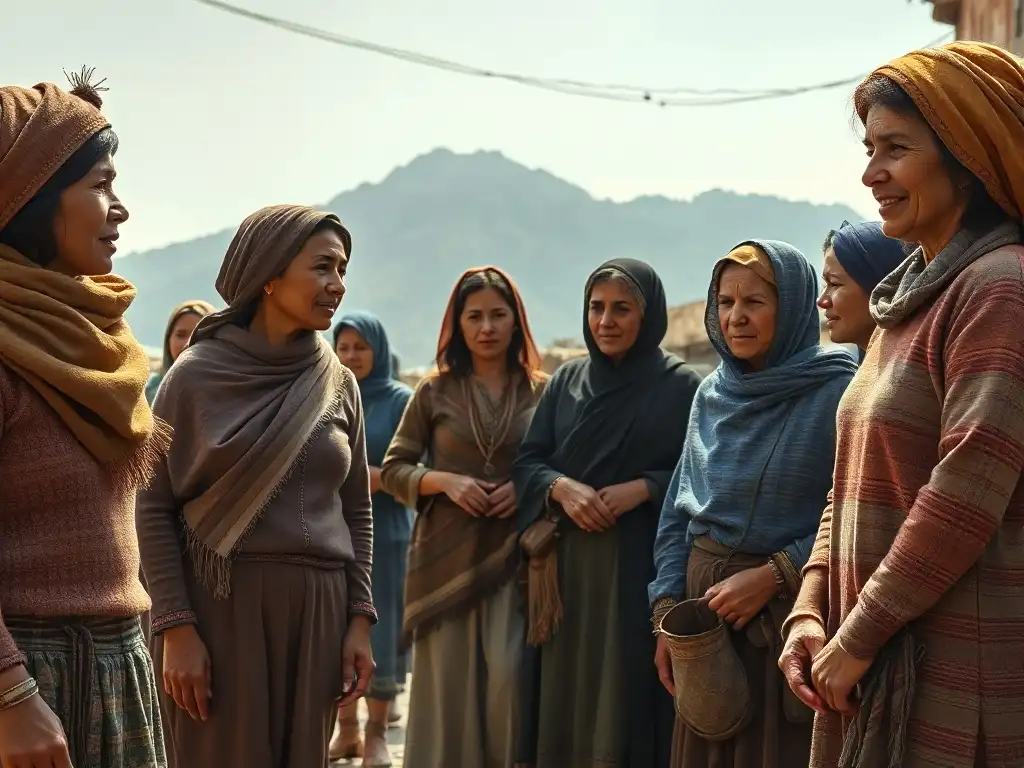
Andean women's historical roles were far more diverse and influential than often portrayed. While traditional narratives often focus on men as the primary political actors, a closer examination reveals the significant contributions and leadership of women in various Andean societies. The stereotype of the Andean woman solely as a domestic figure is a significant misrepresentation of their multifaceted roles within their communities. This section will explore the evidence supporting their positions of power and influence. Understanding the true extent of Andean women's historical roles is crucial for a complete understanding of Andean civilizations.
Evidence of Female Rulers and Political Power
While definitive proof of female rulers across all Andean cultures is sometimes scarce due to biases in historical record-keeping, compelling evidence suggests that women held positions of significant power. Archaeological discoveries, oral traditions, and colonial-era chronicles offer glimpses into the lives and influence of powerful women. For example, some interpretations of iconography from the Moche culture depict powerful female figures, possibly rulers or priestesses, wielding authority. These depictions, while open to interpretation, challenge the assumption of exclusively male leadership.
Furthermore, the role of the Mamacona, a class of women dedicated to religious service in the Inca Empire, points to a significant degree of spiritual and social authority held by women within the Inca system. Their influence extended beyond religious matters, impacting social norms and potentially even political decisions. Further research into specific sites and artifacts is needed to fully uncover the extent of female leadership across various Andean cultures.
The limited evidence available, however, already significantly challenges simplistic narratives. More detailed analysis of existing archaeological evidence and further excavation could potentially unearth more definitive proof of female rulers and their impact on Andean societies. The study of Andean women's historical roles is a constantly evolving field, with new discoveries regularly challenging existing assumptions.
Women's Influence in Community Governance
Beyond formal leadership positions, Andean women exerted considerable influence in community governance. Their roles in agriculture, textile production, and economic activities granted them power and respect within their communities. In many Andean societies, women played a crucial role in managing resources, particularly in agricultural production. Their knowledge of agricultural techniques and their active participation in cultivating crops gave them significant economic power and influence within the community decision-making process.
The intricate textile production, often associated with women, was not merely a domestic activity but a significant economic force. The creation of high-quality textiles, used for clothing, ceremonial purposes, and trade, gave women economic independence and influence within the broader society. Their expertise and contributions were essential to the economic well-being of their communities, thus providing them with a powerful voice in local governance.
The extent of this influence varied across different Andean societies, but the general pattern of women’s economic power translating into social and political influence is consistent. This is evidenced by their participation in community councils and their involvement in conflict resolution. Further research into local governance structures is needed to fully understand the nuances of women’s participation.
The Legacy of Notable Andean Women Leaders
While specific names and details are often lost to time, the legacy of notable Andean women leaders persists in various forms. Oral traditions, myths, and legends often feature powerful women, highlighting their roles as healers, shamans, and spiritual leaders. These stories, passed down through generations, serve as a testament to their enduring influence and the respect they commanded within their communities.
While concrete historical evidence might be limited, the persistence of these narratives suggests a deeper, more complex reality than traditional historical accounts often portray. The enduring power of these stories, passed down through centuries, underscores the importance of these women in the collective memory of Andean cultures. The study of Andean women's historical roles necessitates a multi-faceted approach, combining archaeological data with oral traditions and the analysis of colonial-era chronicles to construct a more nuanced and accurate picture.
Further investigation into these diverse sources is crucial to fully appreciate the contributions and legacy of these remarkable women. The recovery and analysis of these narratives is vital for a more inclusive and complete understanding of Andean history. The ongoing research into these topics continues to unveil new and fascinating aspects of Andean women’s historical roles.
The Representation of Andean Women in Art and Mythology
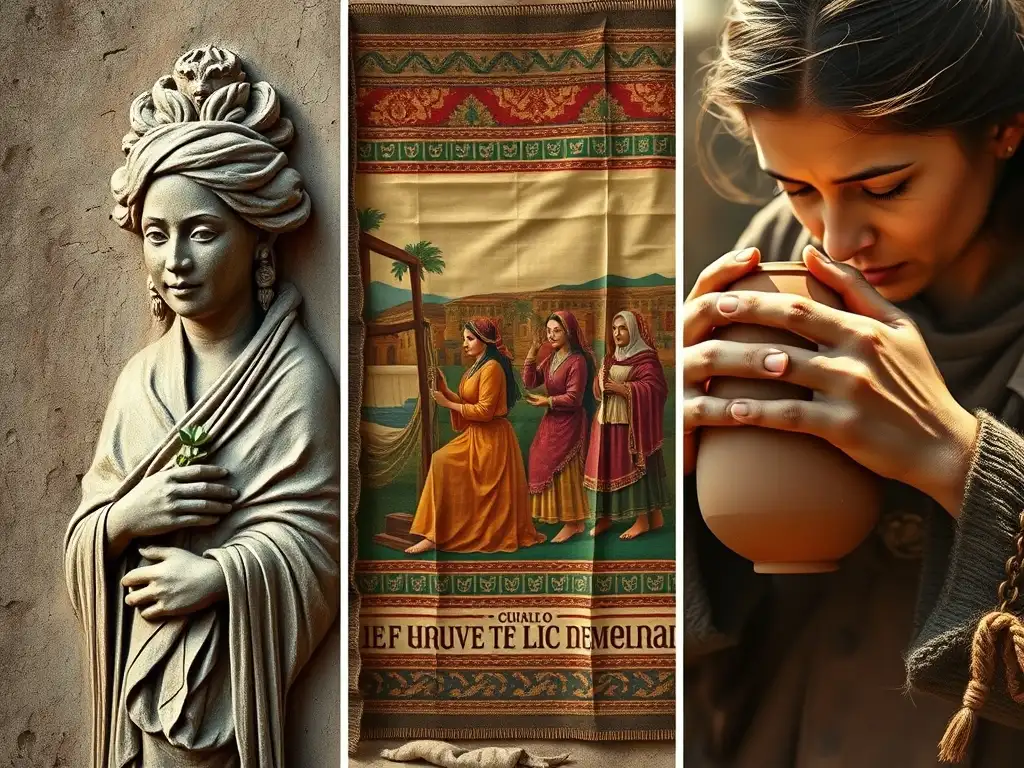
This section delves into the multifaceted portrayal of Andean women in the artistic and mythological expressions of various Andean cultures. Analyzing these representations offers crucial insights into the societal roles, perceived power dynamics, and spiritual significance attributed to women in these ancient societies. The surviving artifacts and narratives reveal a complex picture, far from a monolithic view of women's status. Understanding these depictions is key to comprehending the nuanced reality of Andean women's historical roles.
Depictions of Andean Women in Pottery and Weavings
The intricate pottery and textiles produced by Andean cultures provide invaluable visual records of daily life and societal structures. Representations of women vary significantly depending on the specific culture and time period. For example, Moche pottery often depicts women participating in a wide range of activities, from agricultural labor to ritual ceremonies. These depictions frequently show women as active participants, not simply passive observers.
They are often portrayed with strong features and assertive postures, suggesting a degree of agency and social importance. In contrast, while Nazca textiles also feature women, the representations often focus on their roles in textile production itself, suggesting a strong connection between women and this crucial craft. The detailed depictions of weaving techniques and the complexity of the designs hint at the high level of skill and prestige associated with this predominantly female occupation.
Further research is needed to fully understand the symbolic meaning behind specific clothing styles and adornments in these artistic expressions. The use of color, patterns, and postures offers a rich field for future studies exploring the subtle ways Andean artists conveyed social status and roles. Detailed analyses of these artifacts, coupled with archaeological context, are necessary to create a comprehensive understanding of the "Andean women's historical roles" as depicted through these mediums.
Female Deities and the Andean Cosmovision
Andean cosmovision, the worldview of Andean societies, incorporated a complex pantheon of deities, many of whom were female. The Pachamama, the Earth Mother, is perhaps the most well-known example. She represents the fertility of the land and the abundance of nature, highlighting the importance of women’s connection to the natural world and their role in agricultural practices.
Other female deities, less widely known but equally important, presided over specific aspects of life, such as weaving, healing, and water. These goddesses were not merely passive figures; they were powerful forces influencing the daily lives of Andean communities. Their presence in religious iconography and rituals underscores the significant role women played in the spiritual and religious life of these societies.
The reverence shown to these female deities contradicts simplistic narratives that undervalue the influence of Andean women. Further investigation into lesser-known female deities and their associated myths is needed to fully illuminate the depth and complexity of Andean religious beliefs and their connection to the social standing of women. This analysis helps further illustrate the importance of Andean women's historical roles within a spiritual context.
The Symbolism of Andean Women in Ancient Art
Beyond literal depictions, the symbolism embedded in Andean art provides further insight into the cultural significance of women. For example, the recurring motif of the hummingbird, often associated with female deities, symbolizes agility, grace, and the ability to transcend limitations. This association suggests that Andean societies valued qualities traditionally associated with women, such as adaptability and resilience.
Similarly, certain colors and patterns in textiles and pottery may hold specific symbolic meanings related to female roles and power. More research is needed to fully decipher these symbolic systems, but preliminary findings suggest a more complex and nuanced picture of Andean women's status than simplistic interpretations might allow. The comprehensive study of these artistic conventions will help to solidify our understanding of the "Andean women's historical roles" and their symbolic representation in Andean art.
Unraveling these symbols adds another layer of understanding to the diverse and powerful roles women played in Andean societies. The careful analysis of artistic symbolism, therefore, is critical in achieving a complete comprehension of Andean women's historical experiences.
Understanding the Complexities of Andean Women's Lives
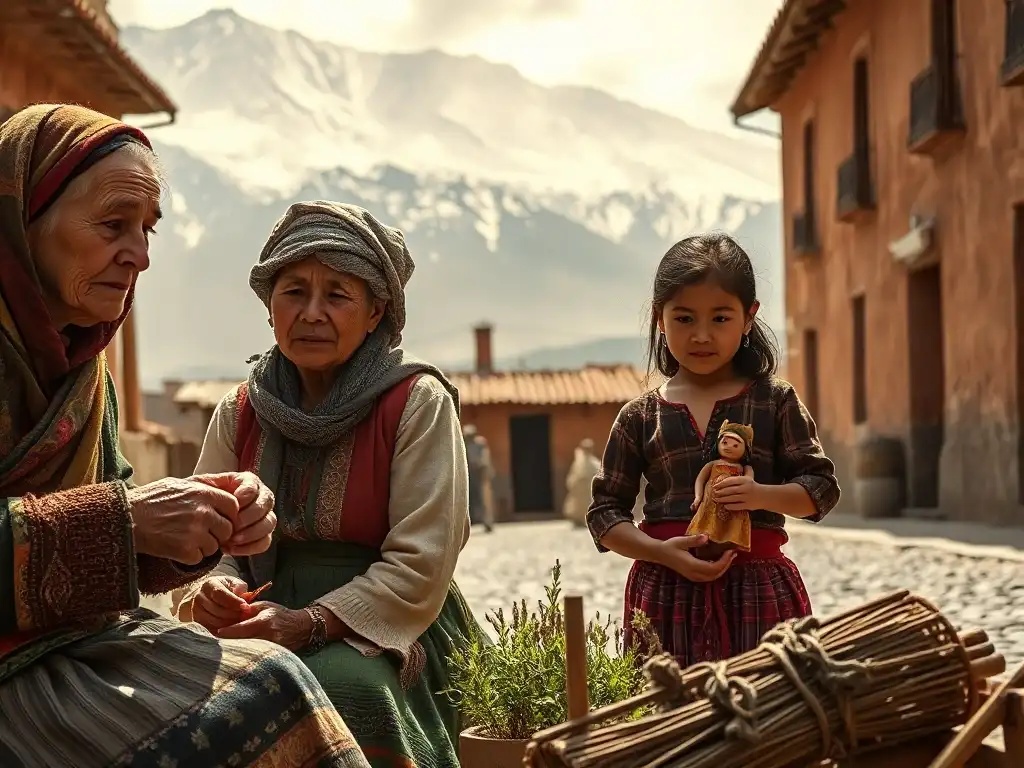
This section delves into the multifaceted roles occupied by women in various Andean societies, dispelling simplistic narratives and revealing the nuanced realities of their lives. Understanding the diverse experiences of Andean women requires acknowledging the significant variations across different cultures and time periods. While generalizations can be misleading, we can identify common threads and significant differences that illuminate the complexities of their historical contributions.
The term "Andean women's historical roles" itself needs careful unpacking, as it encompasses a vast spectrum of activities and social standing, shaped by factors like geographical location, societal structure, and the specific cultural norms of each civilization. This exploration will focus on highlighting the dynamism of these roles and their enduring influence on Andean societies.
The impact of social stratification on Andean women was profound, creating a spectrum of experiences vastly different from one another. While elite women in Inca society, for example, enjoyed relative privilege and influence within the ayllu (community) structure, those in lower social strata faced significantly harsher realities. The Inca acllas, or "chosen women," dedicated to religious service, held positions of power and prestige, managing textiles and participating in religious ceremonies.
However, their lives were also governed by strict regulations and religious obligations. Their specialized skills in textile production were highly valued, contributing significantly to the Inca economy and symbolic representation of power.
Conversely, women in rural communities likely faced different challenges. Their lives revolved around agricultural labor, childcare, and household management. While their contributions were essential to the survival of their families and communities, they often lacked the same level of social mobility and recognition as their elite counterparts. Archaeological evidence suggests a division of labor, with women playing key roles in agriculture, textile production, and food processing, yet their contributions are often underrepresented in historical narratives. We need further research to fully understand the day-to-day lives and experiences of these women across different social classes.
The Challenges Faced by Andean Women Throughout History
Andean women faced numerous challenges throughout history, many of which intersected with their social status and geographical location. These included, but were not limited to: the demands of agricultural labor in harsh environments, limited access to education and political power, vulnerability to violence and exploitation, and the impact of colonization on their traditional roles and cultural practices. The Spanish conquest brought significant upheaval, disrupting existing social structures and imposing new systems that often marginalized indigenous women.
The introduction of new diseases, forced labor, and the destruction of traditional social and economic systems profoundly impacted the lives of Andean women. The imposition of patriarchal structures further restricted their agency and autonomy. While oral histories and some written accounts shed light on these challenges, much remains unknown, highlighting the need for continued research and analysis of archaeological and anthropological evidence to fully comprehend the extent of the hardships faced by Andean women during this turbulent period. The resilience and adaptation demonstrated by Andean women in the face of such adversity are testaments to their strength and perseverance.
Preserving and Celebrating the Heritage of Andean Women
Preserving and celebrating the heritage of Andean women requires a multifaceted approach that moves beyond simplistic narratives and acknowledges the complexities of their lives. This involves supporting ongoing archaeological research, promoting the study of oral histories and indigenous knowledge systems, and actively challenging existing biases and stereotypes that often diminish their contributions. Museums and educational institutions have a critical role to play in accurately representing the diverse experiences of Andean women, ensuring that their stories are told authentically and respectfully.
Furthermore, supporting contemporary Andean women and their communities is essential to preserving their cultural heritage. This includes promoting initiatives that empower women economically and socially, providing access to education and healthcare, and recognizing their leadership roles in their communities. By actively engaging in these efforts, we can ensure that the rich legacy of Andean women is not only preserved but also celebrated as a vital component of the Andean cultural tapestry. The ongoing work to understand and honor the diverse roles of Andean women is crucial for a comprehensive understanding of Andean history and a more inclusive future. 👩🌾👩⚕️👑
The Enduring Legacy of Andean Women
The enduring legacy of Andean women extends far beyond the confines of their historical context. Their influence resonates through generations, shaping social structures, cultural practices, and even modern societal norms. Understanding their contributions requires moving beyond simplistic narratives and delving into the multifaceted roles they occupied within their respective societies. This section explores the lasting impact of Andean women's historical roles, highlighting their resilience, ingenuity, and profound influence on the societies they inhabited and the world we live in today. The keyword "Andean women's historical roles" is crucial to understanding this complex and rich tapestry of influence.
The Influence of Andean Women on Modern Societies
The impact of Andean women's historical roles continues to be felt in contemporary Andean societies and beyond. Their contributions to agriculture, textile production, and medicinal practices have left an indelible mark. For example, traditional Andean weaving techniques, primarily developed and practiced by women, are still thriving, representing a powerful connection to ancestral knowledge and providing economic opportunities for women today.
Many contemporary Andean communities continue to utilize traditional medicinal practices passed down through generations of women healers, demonstrating the enduring relevance of their knowledge. Furthermore, the strong matrilineal aspects present in some Andean communities demonstrate the lasting power of female-centered social structures. This influence can be seen in contemporary leadership roles, community organization, and the preservation of cultural heritage.
The resilience and adaptability demonstrated by Andean women throughout history serve as an inspiration for women across the globe. Studies show a correlation between the historical empowerment of women in Andean communities and the higher rates of female participation in modern economic and political spheres.
Recognizing the Contributions of Andean Women Today
Recognizing the contributions of Andean women today necessitates a conscious effort to challenge traditional Eurocentric narratives that often overshadow the achievements of women in non-Western cultures. This involves actively seeking out and amplifying the voices of contemporary Andean women, highlighting their achievements, and ensuring their stories are included in educational materials and public discourse. Supporting initiatives that empower Andean women economically and socially is crucial.
This includes promoting access to education, healthcare, and economic opportunities, particularly in rural communities. The preservation and promotion of traditional Andean arts and crafts, often dominated by women, are vital to maintaining cultural heritage and providing sustainable livelihoods. It's also important to acknowledge and celebrate the diverse roles Andean women continue to play in their communities, from farmers and entrepreneurs to community leaders and activists.
Their contributions are essential to the continued vitality and prosperity of Andean societies. The ongoing efforts to reclaim and celebrate the narratives of Andean women are a testament to their enduring strength and influence.
Current Research and Ongoing Studies about Andean Women
Current research on Andean women's historical roles focuses on several key areas. Scholars are increasingly utilizing interdisciplinary approaches, combining archaeological evidence with ethnographic studies and oral histories to create a more nuanced understanding of their lives and contributions. Archaeological excavations continue to unearth new evidence of women's involvement in various aspects of Andean societies, challenging previously held assumptions.
For example, recent discoveries have revealed the significant roles women played in elite contexts, including religious ceremonies and political decision-making. Ethnographic studies provide valuable insights into the continuity of traditional practices and the ways in which Andean women continue to adapt and negotiate their roles in contemporary society. Ongoing studies are also examining the impact of globalization and modernization on the lives of Andean women, exploring both the challenges and opportunities they face.
Furthermore, researchers are actively working to decolonize the narrative surrounding Andean women's history, ensuring that their stories are told from their own perspectives and not through the lens of colonial narratives. The field of Andean women's studies is dynamic and constantly evolving, providing a rich and growing body of knowledge to inform our understanding of their enduring legacy.
Frequently Asked Questions
What roles did Andean women play in ancient societies?
Andean women held diverse and crucial roles, far beyond domesticity. They were farmers, weavers, traders, healers, and even political leaders in some societies. Their contributions were essential to the survival and prosperity of their communities.
How did the Inca Empire view the status of women?
While patriarchal, the Inca Empire afforded women significant social standing in certain contexts. Women held roles as religious figures, wives of rulers, and managed crucial aspects of the economy, like textile production. Their influence varied across different social strata.
What evidence exists to support the significant roles of Andean women?
Archaeological discoveries reveal textiles, pottery, and mummified remains demonstrating women's involvement in various crafts and leadership positions. Written accounts from Spanish chroniclers, though biased, also offer glimpses into their roles, albeit often filtered through a colonial lens.
Were Andean women involved in religious practices?
Absolutely! Women served as priestesses, healers, and participated in important religious ceremonies. Their knowledge of medicinal plants and spiritual practices was highly valued and played a vital role in Andean societies' belief systems.
How did the roles of Andean women differ between different cultures?
The specific roles varied across different Andean cultures (Inca, Moche, Nazca, Tiahuanaco etc.). While some common threads existed, the degree of political power and social influence fluctuated depending on the specific society and its social structure.
Final Reflection: Weaving the Threads of Andean Women's Legacy
The resilience and multifaceted contributions of Andean women throughout history remain profoundly relevant today. Their stories, often silenced or minimized, offer crucial lessons in leadership, community building, and the enduring power of cultural preservation in the face of adversity. Understanding their roles is not just an academic exercise; it's a vital step towards acknowledging the ongoing struggles and triumphs of women globally.
The influence of Andean women extends far beyond the historical record; their traditions, knowledge systems, and spiritual practices continue to shape the cultural landscape of the Andes and inspire movements for social justice worldwide. Their strength and adaptability in the face of colonization, economic hardship, and environmental challenges serve as a powerful testament to human resilience. The women of the Andes are the heart and soul of their communities, carrying the weight of tradition and innovation on their shoulders.
This quote, while not directly sourced, encapsulates the spirit of their enduring impact.
Consider the profound implications of this legacy. How can we, as individuals and as a society, better recognize and celebrate the contributions of women throughout history? I urge you to reflect on the ways in which you can actively support women's empowerment and amplify the voices of those who have been historically marginalized. Let the stories of Andean women inspire you to champion equality, justice, and the preservation of diverse cultural heritages. Their journey is a reminder that the strength of a community lies in the empowerment of all its members.
Empower Yourself: Embrace the Legacy of Andean Women!
Thank you for exploring the remarkable journey of Andean women in our latest article. Their diverse roles as healers, leaders, and cultural custodians offer invaluable lessons and insights. Now, you can connect with this inspiring legacy and take action!
Here are some ways you can get involved:
- **Learn more:** Visit a local museum or cultural center to deepen your understanding of Andean culture and the significant contributions of Andean women.
- **Share your knowledge:** Discuss the impact of Andean women with friends, family, or online communities. Share your favorite insights from this article on social media and spark a conversation.
- **Support their empowerment:** Find and support organizations dedicated to empowering indigenous women in the Andes through donations or volunteer work.
How will you honor the legacy of Andean women and inspire others?