
The Geometry of the Gods: Exploring the Mathematical Precision of Andean Buildings

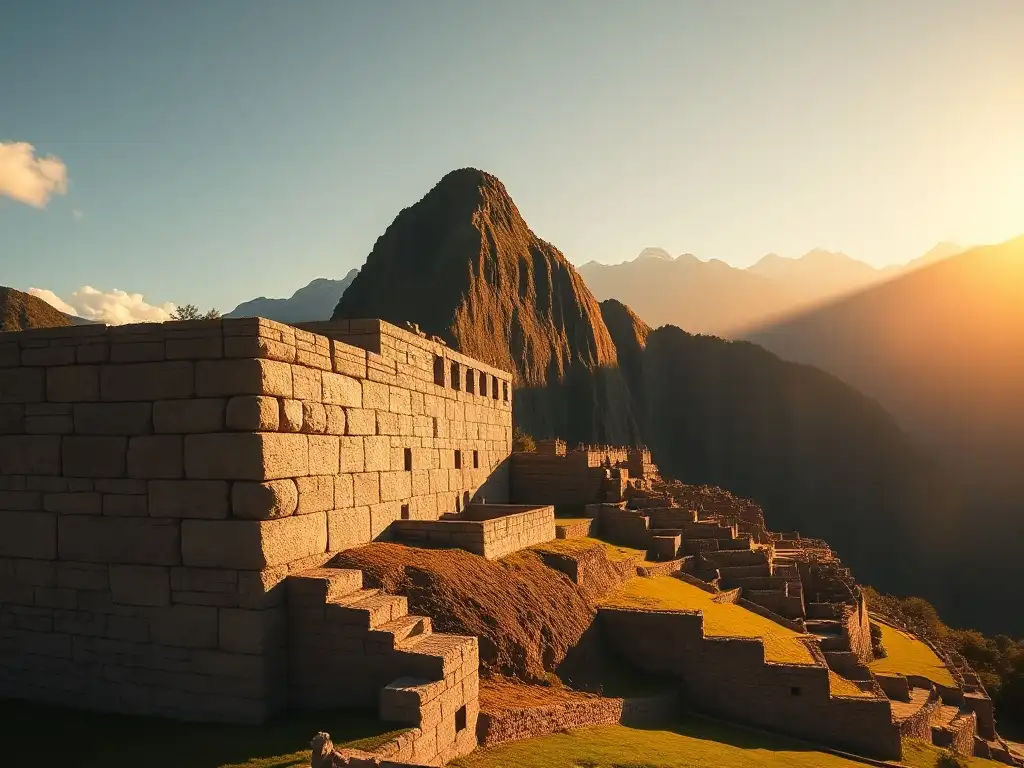
Step into a world lost to time, yet echoing with the whispers of genius. For centuries, the towering structures of the Andes have stood as silent testaments to a civilization's mastery. But what secrets lie hidden within their seemingly impossible geometry? Prepare to unravel the mystery behind the Andean architecture mathematical precision – a feat of engineering that challenges our understanding of ancient technology and leaves us questioning the very limits of human ingenuity. Discover the breathtaking story behind these architectural marvels, and unlock the legacy of the Andean builders.
The breathtaking architecture of the Andes Mountains stands as a testament to the ingenuity and advanced knowledge of pre-Columbian civilizations. For centuries, scholars have marveled at the intricate stonework, precise alignments, and monumental scale of structures built by cultures like the Inca, Moche, Nazca, and Tiahuanaco.
This article delves into the fascinating world of Andean architecture, exploring the surprising mathematical precision embedded within these seemingly impossible feats of engineering. We will examine how these ancient builders utilized sophisticated geometrical principles, astronomical observations, and advanced surveying techniques to create structures that continue to inspire awe and wonder.
Understanding the mathematical precision of Andean buildings provides crucial insight into the intellectual capabilities and societal organization of these remarkable cultures, challenging preconceived notions about their technological advancements and paving the way for a deeper appreciation of their legacy. The keyword "Andean architecture mathematical precision" will be explored throughout this article, revealing the intricate relationship between geometry and the sacred in Andean construction.
Astronomical Alignments and Sacred Geometry
Many Andean structures demonstrate a remarkable alignment with astronomical events. The precise orientation of buildings, plazas, and even individual stones suggests a deep understanding of celestial movements and their significance in the Andean worldview. For instance, [specific examples of astronomical alignments in Andean structures pending]. This wasn't simply a matter of chance; meticulous observations and calculations were necessary to achieve such accuracy.
The incorporation of sacred geometry, such as the use of specific angles and ratios (e.g., the golden ratio), further highlights the sophisticated mathematical knowledge employed in Andean construction. These geometrical principles were likely not just aesthetic choices, but integral parts of a cosmological system that integrated the earthly and celestial realms. The integration of astronomy and geometry underscores the profound connection between Andean architecture and their religious beliefs. The precision involved suggests a level of planning and collaboration rarely seen in other ancient societies.
Advanced Surveying Techniques and Stonework Precision
The ability to construct massive stone structures with such incredible precision requires advanced surveying and cutting techniques. Archaeological evidence reveals the use of sophisticated tools and methods for measuring angles, distances, and levels. [Specific examples of tools and techniques used in Andean surveying pending]. The incredibly tight fit of stones in many Andean structures, often without the use of mortar, is a testament to the builders' mastery of stonework.
The tolerances achieved are astonishing, often less than a millimeter in some cases. This level of precision speaks to a highly developed understanding of geometry and engineering principles. The construction of these structures involved immense logistical challenges, including the transportation of massive stones over difficult terrain. The sheer scale of the undertaking underscores the sophisticated organizational skills and resource management of Andean societies.
Mathematical Principles in Urban Planning
The layout of Andean cities and settlements also reveals a remarkable degree of mathematical planning. Many cities exhibit a grid pattern or other geometrically organized layouts, suggesting a conscious effort to create harmonious and functional urban spaces. [Specific examples of geometric urban planning in Andean cities pending].
This organized approach to urban design facilitated efficient resource distribution, minimized conflict, and potentially reflected a structured social hierarchy. The mathematical principles underlying these urban plans not only enhanced functionality but also may have held symbolic significance, reflecting the Andean worldview and their understanding of the cosmos. The precision in urban planning further reinforces the advanced mathematical and engineering skills of Andean civilizations.
The Legacy of Andean Architectural Precision
The mathematical precision found in Andean architecture continues to fascinate and inspire researchers today. Its significance extends beyond mere engineering prowess; it reflects a deep understanding of geometry, astronomy, and the cosmos. The legacy of Andean builders is a testament to the power of human ingenuity and the enduring impact of sophisticated mathematical knowledge on the shaping of human civilizations.
Further research is needed to fully uncover the secrets of Andean architectural precision, but the existing evidence already challenges our understanding of ancient technologies and societal organization. The study of Andean architecture provides a unique lens through which to examine the intersection of mathematics, religion, and societal structures in a pre-Columbian context. The enduring impact of this precision is evident in the continued fascination and study of these remarkable structures.
- Astronomical Alignments and Sacred Geometry
- Advanced Surveying Techniques and Stonework Precision
- Mathematical Principles in Urban Planning
- The Legacy of Andean Architectural Precision
- What makes Andean architecture so unique?
- How did Andean cultures achieve such accuracy in their building?
- What role did astronomy play in Andean architecture?
- Which Andean civilizations demonstrated the highest level of mathematical precision in their buildings?
- Where can I see examples of this mathematical precision in Andean architecture today?
Andean Architecture: A Legacy of Mathematical Ingenuity
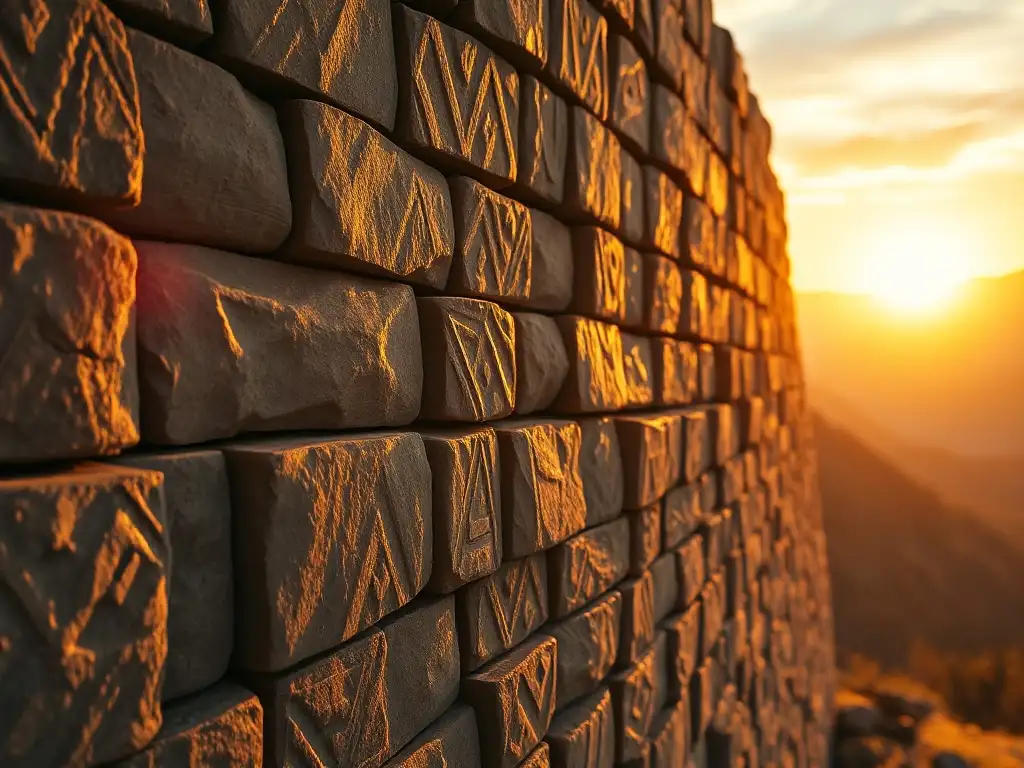
The grandeur of Andean architecture is not merely a testament to artistic skill; it's a profound demonstration of sophisticated mathematical understanding and meticulous planning. From the towering structures of Machu Picchu to the intricate designs of Nazca geoglyphs, a deep appreciation for geometry and precise measurement underpins the entire legacy. This section delves into the mathematical precision evident in Andean construction, revealing the ingenuity and advanced knowledge possessed by these ancient civilizations.
The level of accuracy achieved, often using rudimentary tools, remains a source of fascination and ongoing research for archaeologists and mathematicians alike. The integration of mathematical principles into their building practices wasn't simply a matter of functionality; it held deep symbolic and cosmological significance, reflecting their worldview and connection to the natural world. Understanding this mathematical precision is key to appreciating the true complexity and sophistication of Andean architecture.
The Foundations of Andean Construction: Precision and Planning
The construction of Andean buildings wasn't a haphazard process. Extensive planning and precise measurements were integral to each project. Evidence suggests that Andean builders employed a sophisticated understanding of geometry, including concepts like symmetry, proportion, and the use of standardized units of measurement.
Archaeological findings reveal the use of carefully calibrated ropes and measuring sticks, indicating a deliberate approach to establishing accurate dimensions and alignments. For example, the precise orientation of many structures towards significant astronomical events, like solstices and equinoxes, points to an advanced knowledge of celestial mechanics and its integration into architectural design. Furthermore, the construction of massive stone structures, such as those at Sacsayhuamán, required an incredibly accurate understanding of angles, weight distribution, and the properties of stone itself.
The remarkable fit of the stones, often without the use of mortar, speaks volumes about their mastery of engineering and their sophisticated understanding of structural mechanics. The meticulous planning and precision evident in these constructions showcase a level of mathematical sophistication rarely attributed to pre-Columbian societies. Further research into the tools and techniques employed would provide a more complete picture of their advanced mathematical knowledge.
Understanding Andean Geometry: Key Mathematical Concepts
Several key mathematical concepts underpinned Andean architectural achievements. The use of quipus, complex knotted cords used for recording numerical data, suggests a sophisticated system for managing large-scale projects and tracking measurements. While the precise interpretations of quipu data remain a subject of ongoing debate, their existence highlights the importance of numerical precision in Andean society. Beyond simple measurements, Andean builders demonstrated a strong understanding of geometric principles.
The frequent use of trapezoidal shapes, for instance, in both individual stones and overall building designs, highlights their comprehension of geometric proportions and stability. The intricate patterns and motifs found in textiles and ceramics also reflect a deep understanding of geometric relationships and symmetry. Analysis of these patterns often reveals complex mathematical sequences and ratios, suggesting a highly developed aesthetic sense interwoven with mathematical principles.
Understanding the specific mathematical concepts employed by Andean builders requires further investigation and cross-disciplinary research, combining archaeological findings with mathematical modeling and analysis. The integration of advanced geometric principles into their architectural designs underscores the sophistication and complexity of their mathematical knowledge. The application of these concepts went beyond mere functionality, imbuing their structures with symbolic and spiritual meaning, reflecting their deep connection to the cosmos and their intricate worldview.
Mathematical Principles in Pre-Inca Architecture
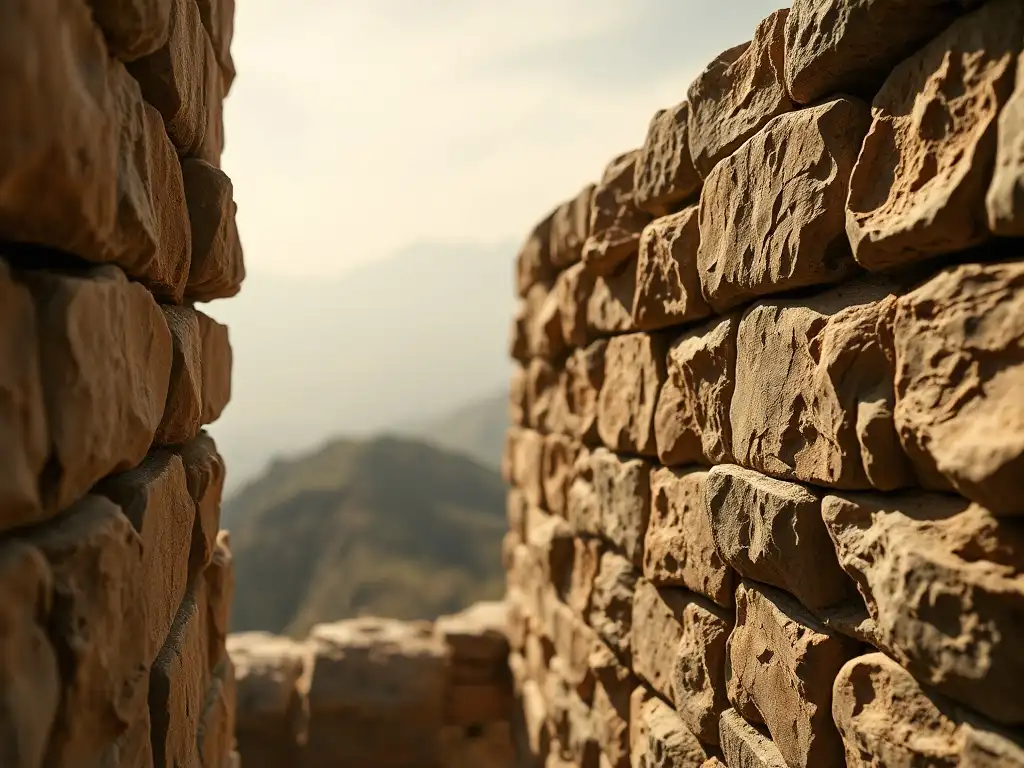
The Andean civilizations, renowned for their sophisticated engineering feats, incorporated surprisingly advanced mathematical principles into their architectural designs long before the Inca Empire. While the Incas certainly continued and refined these techniques, evidence suggests a deep understanding of geometry and measurement existed centuries earlier, shaping the monumental structures of cultures like the Moche and Nazca. This section delves into the underlying mathematical frameworks that governed the creation of these remarkable buildings, revealing a level of precision often overlooked in discussions of Andean architecture mathematical precision.
Understanding these principles is crucial to appreciating the ingenuity and advanced knowledge of these ancient societies. Their mastery wasn't simply about building impressive structures; it was about a precise, calculated approach to construction, reflecting a sophisticated understanding of spatial relationships and proportional harmony.
The Use of Measurement Units in Ancient Andean Construction
The notion of standardized measurement units is fundamental to achieving architectural precision. While a universally accepted, single system hasn't been definitively identified across all Andean cultures, evidence points to the use of various units derived from the human body, such as the foothold, cubit, and span. These units, while seemingly simple, allowed for consistent measurements across different construction sites and facilitated the coordination of large-scale projects.
Archaeological findings show consistent dimensions in certain structures, suggesting a deliberate and carefully planned approach to construction. For instance, studies of Moche adobe buildings have revealed remarkable uniformity in wall thicknesses and room dimensions, indicating a well-defined system of measurement that ensured structural integrity and aesthetic balance.
Further research is needed to fully understand the specific variations in measurement systems across different Andean societies and regions, and to precisely define the relationship between these units and modern metric systems. However, the existing evidence strongly supports the hypothesis that precise measurement was integral to the success of Andean construction projects.
Geometric Forms in Moche and Nazca Structures
Moche and Nazca architecture demonstrates a profound understanding and application of geometric principles. The Moche, known for their elaborate pyramids and ceremonial platforms, frequently employed rectangular and trapezoidal shapes in their designs. These shapes are not randomly chosen but are meticulously proportioned, creating a sense of balance and stability.
The precise angles and alignments of these structures suggest the use of sophisticated surveying techniques and a deep understanding of geometry. Moreover, the Nazca lines, though not strictly buildings, are a striking example of geometric precision on a monumental scale. The immense lines and geoglyphs, many of which are perfectly straight and extend for kilometers, showcase an advanced understanding of surveying and alignment, defying easy explanation with only basic tools.
These lines, along with the Nazca's elaborate subterranean aqueducts, underscore their advanced understanding of mathematical principles in planning and execution. The precision involved in creating these structures, considering the available technology, is truly remarkable and highlights the mathematical sophistication of these ancient societies.
Tiahuanaco’s Architectural Precision: A Case Study
The site of Tiahuanaco stands as a powerful testament to Andean architectural precision. The monumental structures, meticulously crafted from massive stone blocks, exhibit an extraordinary level of accuracy in their construction. The precise fitting of these blocks, with minimal mortar used, is a feat of engineering that continues to amaze researchers. The Kalasasaya temple, for example, shows incredibly tight joins between stones, with tolerances often measured in millimeters.
This level of accuracy demonstrates a sophisticated understanding of geometry and stoneworking techniques. Furthermore, the precise orientation of Tiahuanaco's structures towards cardinal directions suggests the use of advanced astronomical observations and a detailed knowledge of celestial movements. The intricate carvings and decorative elements further enhance the site's mathematical precision.
Many of these designs incorporate geometric patterns and symmetrical arrangements, demonstrating a strong aesthetic appreciation for mathematical harmony. The level of planning, precision, and execution found at Tiahuanaco exemplifies the high level of Andean architectural skill and provides compelling evidence of the advanced mathematical knowledge possessed by the builders. Further study of Tiahuanaco's construction techniques could yield even more insights into the mathematical principles governing Andean architecture.
Inca Engineering and Mathematical Applications

The Inca Empire, renowned for its vast infrastructure spanning the Andes Mountains, showcased remarkable engineering prowess deeply intertwined with sophisticated mathematical principles. Their achievements, from intricate stonework to precisely planned cities, reveal a profound understanding of geometry, surveying, and measurement far exceeding the capabilities attributed to them by some earlier historical accounts. This section will delve into the mathematical precision evident in Inca architecture, highlighting the ingenuity and knowledge of their builders. The term "Andean architecture mathematical precision" perfectly encapsulates this fascinating aspect of their civilization.
Inca Stone Masonry: The Art of Precision Fit
Inca stone masonry is legendary for its impeccable precision. Blocks of stone, often weighing several tons, were fitted together with such accuracy that even a knife blade couldn't slip between them. This wasn't mere luck; it reflects a mastery of geometry and a sophisticated understanding of tolerances.
Consider the walls of Sacsayhuamán: the polygonal shapes of the stones, their astonishingly tight fit, and the overall symmetry of the structure demonstrate an advanced grasp of geometric principles and practical applications. The Inca masons didn't just cut and place stones; they shaped them to interlock perfectly, creating incredibly strong and stable structures that have withstood centuries of earthquakes and erosion. This level of precision wasn't limited to Sacsayhuamán; it’s a recurring feature in many Inca sites, suggesting a standardized approach to construction across the empire.
The intricate nature of the stonework also speaks to a highly organized workforce and a complex system of planning and execution. Their ability to create such flawlessly fitting structures is a testament to the precision of their mathematical understanding and their exceptional engineering skills. Analysis of the stonework reveals not only precise cutting but also a deep understanding of structural mechanics, ensuring the stability of the buildings even in challenging mountainous terrain.
The Inca System of Measurement: Evidence in their Structures
While the exact details of the Inca system of measurement remain a subject of ongoing research, evidence from their structures strongly suggests the use of standardized units. Analysis of various sites reveals consistent patterns in the dimensions of walls, doorways, and other architectural elements. These consistent measurements point towards a formalized system, likely involving units based on body parts or natural phenomena, although the precise correspondence is still debated.
Many scholars believe the Inca utilized a decimal system, with units possibly related to the length of a hand, arm, or even a pace. This system would have been crucial for coordinating large-scale construction projects across vast distances and varying terrains. The precision evident in their structures implies a high degree of accuracy in their measurement techniques, perhaps involving sophisticated tools and techniques that are yet to be fully understood.
Further research into this area may uncover more precise details of their measurement systems, shedding more light on the mathematical sophistication of Inca engineering. The existence of such a system is crucial to understanding how they achieved such consistent results across their extensive empire. The accuracy of their measurements is further evidenced by the remarkable alignment of many Inca structures with astronomical events, highlighting their advanced knowledge of both mathematics and astronomy.
Sacred Geometry in Inca Temples and Palaces
Beyond the practical applications of mathematics in Inca construction, there's also evidence suggesting the incorporation of sacred geometry in their temple and palace designs. The use of specific geometric patterns, such as squares, rectangles, and triangles, wasn't purely coincidental. These shapes often held symbolic significance, reflecting cosmological beliefs and a connection to the spiritual realm. The precise proportions and orientations of these structures suggest a deliberate attempt to align them with celestial events or to create spaces that resonated with specific energies.
For instance, the precise alignment of some temples with the solstices or equinoxes suggests a sophisticated understanding of astronomy and its integration into architectural design. The intricate carvings and patterns found on many Inca structures further support this idea, with geometric motifs often appearing in conjunction with religious iconography. This blend of mathematical precision and religious symbolism highlights the holistic nature of Inca society, where mathematics, engineering, and spirituality were deeply intertwined.
Further research into the symbolic meaning of these geometric patterns may reveal a deeper understanding of Inca cosmology and religious beliefs. The integration of sacred geometry in Inca architecture underscores the profound connection between their practical skills and their spiritual worldview. The precision seen in these sacred spaces further elevates the concept of "Andean architecture mathematical precision" to a higher level, showcasing not just engineering skill but also a deep spiritual understanding.
The Significance of Andean Mathematical Knowledge
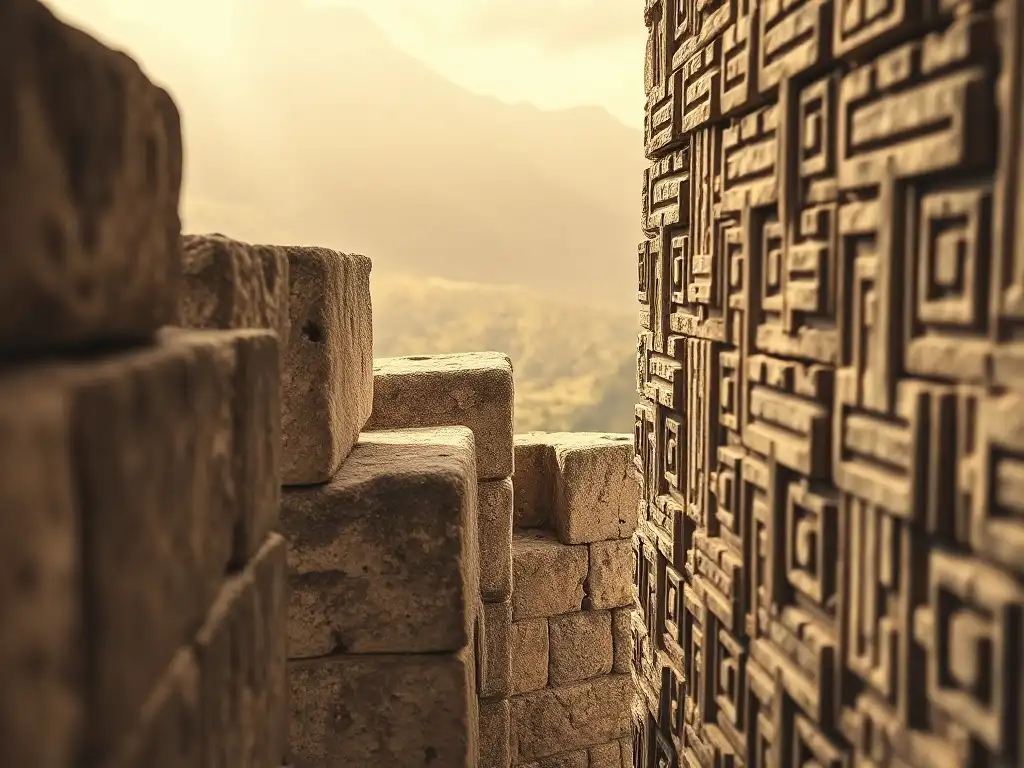
The remarkable precision evident in Andean architecture wasn't merely a matter of skillful craftsmanship; it stemmed from a sophisticated understanding of mathematics deeply intertwined with their cosmology and astronomical observations. This knowledge, passed down through generations, allowed them to create structures that were not only aesthetically pleasing but also functionally efficient and symbolically resonant. The Andean people didn't utilize our modern numerical systems; instead, they employed a complex system of knotted cords called quipus for record-keeping, which likely facilitated their mathematical calculations and the transmission of architectural designs.
The extent of their mathematical prowess is still being uncovered, revealing a level of sophistication that challenges previous assumptions about pre-Columbian societies. Understanding this mathematical foundation is crucial to fully appreciating the ingenuity behind Andean architecture and its enduring legacy. The meticulous planning and execution evident in their constructions speak volumes about their advanced knowledge of geometry, surveying, and engineering principles.
Andean Astronomy and its Influence on Architecture
Andean astronomy played a pivotal role in shaping their architectural designs. Careful observation of celestial bodies, particularly the sun, moon, and stars, informed the orientation and layout of many structures. The precise alignment of buildings with solstices and equinoxes suggests a deep understanding of astronomical cycles and their connection to agricultural practices and religious beliefs. For instance, many temples were positioned to capture specific sunrises or sunsets on significant dates, emphasizing the importance of these celestial events in their calendar and worldview.
This wasn't haphazard placement; detailed surveys and calculations were necessary to achieve such accuracy. The integration of astronomical knowledge into architecture highlights the holistic nature of Andean civilization, where scientific observation was interwoven with their spiritual and practical life. Further research into the specific astronomical alignments of different structures could reveal even more about their mathematical understanding and astronomical expertise.
The Role of Mathematics in Andean Cosmological Beliefs
Andean cosmology was deeply intertwined with their mathematical understanding. The universe was perceived as a structured and ordered system, reflected in their architectural designs. The use of geometric patterns, such as spirals, zigzags, and stepped pyramids, symbolizes their understanding of cosmic principles and the cyclical nature of time.
These patterns weren't purely decorative; they were integral to their worldview, representing the interconnectedness of the earthly and celestial realms. The precise measurements and proportions found in Andean structures likely held symbolic meaning, reflecting their cosmological beliefs and the relationship between humans and the cosmos. For example, the repeated use of specific angles and ratios in building designs might represent specific celestial alignments or mythological narratives.
Deciphering the symbolic meaning embedded within the mathematical precision of Andean architecture requires interdisciplinary collaboration between archaeologists, mathematicians, and anthropologists. The ongoing research into these intricate relationships promises to shed more light on the rich tapestry of Andean thought and belief.
The Intihuatana Stone at Machu Picchu: A Showcase of Astronomical Alignment
The Intihuatana stone at Machu Picchu serves as a prime example of the Andean people's mastery of astronomical alignment and mathematical precision. This monolithic structure, believed to have been used for astronomical observations and religious ceremonies, is precisely positioned to align with the solstices and equinoxes. Its intricate carvings and precise angles demonstrate a sophisticated understanding of geometry and astronomy.
The accuracy of the alignment is remarkable, suggesting advanced surveying techniques and a deep understanding of celestial mechanics. While the exact purpose of the Intihuatana stone remains debated, its astronomical alignment underscores the significance of celestial observation in Andean culture and its influence on their architectural achievements. Further analysis using modern surveying techniques could potentially reveal even finer details about its astronomical functions and the mathematical principles underpinning its design.
The Intihuatana stone stands as a testament to the advanced mathematical and astronomical knowledge of the Inca civilization and the profound connection between their beliefs and their built environment. It embodies the keyword "Andean architecture mathematical precision" in a tangible and awe-inspiring way.
Analyzing the Impact of Mathematical Precision in Andean Architecture
The mathematical precision evident in Andean architecture wasn't merely an aesthetic choice; it served crucial functional and symbolic purposes. The intricate alignments of structures with celestial events, like solstices and equinoxes, suggest a sophisticated understanding of astronomy interwoven with their building practices. This wasn't simply about calendar-keeping; it likely reinforced the power and legitimacy of the ruling elite by connecting them to the cosmic order. For example, the precise orientation of Machu Picchu's buildings towards significant astronomical markers reinforces this connection between the earthly and divine realms.
The accuracy achieved, often within fractions of a degree, speaks to a level of expertise and planning rarely seen in other ancient civilizations. This precision also had practical implications. The precise angles and measurements in stonework contributed to the stability and longevity of structures, even in challenging mountainous terrain.
The ability to create such flawlessly fitted stones, without the benefit of modern tools, is a testament to their advanced engineering skills and deep understanding of geometry and structural mechanics. This precision wasn't limited to monumental structures; it's also observable in smaller buildings and even in the design of everyday objects. This widespread use of mathematical precision underscores its deep integration into Andean society and worldview.
How Andean Engineering Influenced Later Cultures
The sophisticated engineering and mathematical precision of Andean civilizations left an undeniable mark on subsequent cultures. While the direct lines of influence are sometimes difficult to trace definitively, the impact is evident in several ways. For instance, the Inca's mastery of stonework and terrace farming techniques inspired later Andean communities and even influenced colonial-era construction methods in the region.
The meticulous planning and execution of massive projects, such as the road systems stretching across the Andes, demonstrated a level of organizational skill that influenced later administrative and logistical practices. Further research is needed to fully understand the extent of this influence, especially in areas such as water management and irrigation systems, where Andean innovations were remarkably advanced. While not always directly copied, the underlying principles of precise measurement, careful planning, and adaptation to challenging environments were likely absorbed and adapted by later groups, shaping their own building practices and technological developments.
The enduring legacy of Andean engineering is visible not only in physical structures but also in the cultural memory and practices that continue to this day. The ingenuity and precision of Andean architecture serve as a constant reminder of their advanced technological capabilities.
Current Research and Discoveries in Andean Architectural Mathematics
Ongoing research continues to unveil the complexities of Andean architectural mathematics. Recent studies employing advanced surveying techniques and digital modeling are revealing previously undetected patterns and alignments in various sites. For example, new analyses of Sacsayhuamán are revealing a more intricate understanding of the stonework's geometry, suggesting even greater precision than previously thought.
The use of sophisticated software allows researchers to analyze vast datasets of architectural measurements, identifying subtle relationships and patterns that would be impossible to detect using traditional methods. Furthermore, the application of ethnomathematical approaches – studying the relationship between mathematics and culture – is providing valuable insights into the cognitive processes and worldview that underpinned Andean construction techniques.
These interdisciplinary studies are not only refining our understanding of Andean mathematical knowledge but also challenging traditional assumptions about the capabilities of pre-Columbian societies. The integration of cutting-edge technology with traditional archaeological methods promises to yield even more exciting discoveries in the coming years, further enhancing our appreciation for the mathematical sophistication embedded within Andean architecture.
Preserving the Legacy of Andean Architectural Precision
Preserving the legacy of Andean architectural precision requires a multifaceted approach. Firstly, rigorous documentation through high-resolution surveys, 3D modeling, and detailed photographic records is crucial. This ensures that the existing structures are accurately preserved for future generations and provides valuable data for ongoing research. Secondly, implementing sustainable conservation strategies is paramount.
This involves mitigating the effects of weathering, erosion, and human impact. Careful monitoring and timely interventions are essential to prevent further deterioration of these invaluable sites. Thirdly, promoting public awareness and education about the significance of Andean architectural achievements is vital. By fostering appreciation for the mathematical ingenuity and cultural importance of these structures, we can encourage responsible tourism and support initiatives that protect these sites for the future.
Finally, supporting ongoing research and collaboration between archaeologists, mathematicians, and engineers is essential to deepen our understanding and ensure the long-term preservation of this remarkable legacy. The preservation of Andean architectural precision is not merely a matter of historical preservation; it’s about safeguarding a testament to human ingenuity and cultural achievement. It’s a responsibility we share to ensure that the mathematical marvels of the Andes continue to inspire and educate for generations to come.
Frequently Asked Questions
What makes Andean architecture so unique?
Andean architecture is unique due to its remarkable mathematical precision and sophisticated engineering, often built using only readily available materials and tools. Structures demonstrate a deep understanding of geometry and astronomy.
How did Andean cultures achieve such accuracy in their building?
The accuracy stems from a combination of advanced surveying techniques, meticulous planning, and a deep understanding of geometry and mathematics. They used knotted strings (quipus) and possibly other tools to measure and align their structures.
What role did astronomy play in Andean architecture?
Astronomy played a crucial role, with many structures aligned with celestial events. This suggests a deep connection between their understanding of the cosmos and their architectural designs. Solar and lunar cycles were likely important factors.
Which Andean civilizations demonstrated the highest level of mathematical precision in their buildings?
While many Andean cultures showcased impressive skills, the Incas, Moche, and Tiahuanaco are particularly known for their precise stonework and complex architectural feats displaying advanced mathematical understanding.
Where can I see examples of this mathematical precision in Andean architecture today?
Many sites throughout the Andes showcase this precision. Machu Picchu, Sacsayhuamán, and various Tiahuanaco ruins are prime examples where you can observe the intricate stonework and precise alignments firsthand.
Final Reflection: The Enduring Legacy of Andean Mathematical Genius
The meticulous mathematical precision evident in Andean architecture isn't just a historical curiosity; it's a testament to the sophisticated understanding of geometry possessed by ancient Andean cultures, a legacy that continues to challenge and inspire us today. This precision, far from being accidental, reveals a deep connection between cosmology, spirituality, and advanced mathematical knowledge, a connection that resonates powerfully with our contemporary fascination with both ancient civilizations and the power of mathematical principles.
The influence of this sophisticated understanding of geometry extends far beyond the physical structures themselves. It speaks to a holistic worldview, where the built environment was an integral part of a larger cosmic order. The mountains are not simply stones, but the bones of the world.
This sentiment, while not directly from an ancient Andean source, captures the profound spiritual significance imbued within their architectural achievements. The enduring power of these structures, their ability to withstand the test of time and continue to inspire awe, is a direct result of this deeply considered integration of mathematics, cosmology, and artistic expression. It compels us to reconsider our own relationship with the built environment and the potential for integrating deeper meaning into our creations.
Consider the implications of this knowledge. How might a deeper understanding of Andean mathematical principles inform our own architectural designs, leading to more sustainable, harmonious, and spiritually resonant structures? You, the reader, are now invited to explore this legacy further. Seek out the echoes of this mathematical precision in your own surroundings, and consider how the principles of harmony and balance, so evident in Andean architecture, might enrich your own life and work. Let the geometry of the gods inspire you to build a more meaningful and interconnected world.
Unveil the Secrets of Andean Architecture!
Thank you for exploring the fascinating world of Andean architecture with us! You've discovered the incredible mathematical precision of these ancient structures. Now, let's delve deeper into the wonders of Andean civilization.
Here are some ways to continue your journey:
- **Explore further:** Discover more about Andean architecture through our **interactive map** at andeancivilizations.com, which showcases remarkable structures for in-depth study.
- **Share your discoveries:** Discuss the amazing geometry of these ancient buildings with friends and on social media.
- **Join our community:** Subscribe to our newsletter for exclusive insights and updates on Andean civilizations, delivered directly to your inbox.
What aspect of Andean architecture most surprised you, and how will you use this knowledge to further explore ancient civilizations?