
Beyond the Surface: Uncovering the Deeper Meanings in Andean Art

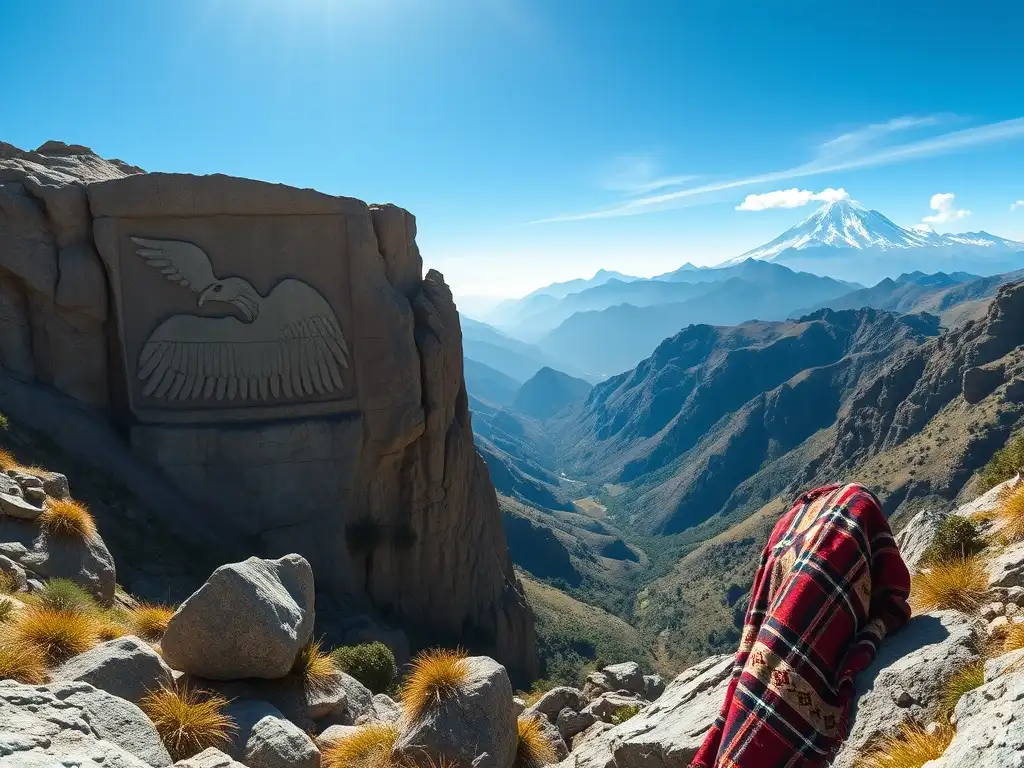
Dive into a world lost to time, yet echoing with vibrant life. Andean Civilizations unveils the secrets held within the breathtaking artistry of ancient empires. Have you ever wondered about the hidden Andean art symbolism meaning? Prepare to be captivated as we unravel the complex narratives woven into textiles, ceramics, and goldwork, revealing the profound beliefs and intricate stories of the Incas, Moche, Nazca, and Tiahuanaco. Journey with us to unlock the mysteries that lie beyond the surface.
The vibrant tapestry of Andean art, spanning millennia and encompassing diverse cultures like the Inca, Moche, Nazca, and Tiahuanaco, is far more than aesthetically pleasing designs. It's a rich repository of symbolic language, a visual record of complex belief systems, social structures, and cosmological understandings.
This exploration delves into the deeper meanings embedded within Andean art, unraveling the symbolism that breathes life into these ancient creations and provides insights into the minds and societies that produced them. We will examine how seemingly simple motifs—from intricate textiles to monumental sculptures—reveal profound truths about Andean worldview and spirituality, offering a glimpse into a civilization that continues to fascinate and inspire.
Understanding Andean art symbolism meaning requires careful consideration of context, cultural nuances, and the interconnectedness of artistic expression with daily life and spiritual practices. This article aims to illuminate these intricate layers, offering a comprehensive overview of the key symbols and their interpretations.
Decoding the Language of Textiles: Threads of Meaning
Andean textiles are renowned for their breathtaking complexity and intricate designs. These weren't merely decorative items; they were powerful mediums for communicating social status, religious beliefs, and historical narratives. The choice of colors, the types of fibers used (alpaca, llama, cotton), and the weaving techniques themselves all carried significant meaning.
For instance, the use of specific colors often correlated with specific deities or events. Red, for example, frequently represented blood, sacrifice, and the Andean sun god Inti, while yellow signified gold, royalty, and the power of the earth. The intricate designs, often featuring geometric patterns, zoomorphic figures (animals), and anthropomorphic figures (humans), were not random; they were carefully planned and executed, conveying specific messages to those who understood their language.
Detailed studies of surviving textiles reveal intricate narratives, often encoding historical events, myths, and family lineages. The skill and precision involved in their creation underscore the profound cultural value placed upon these objects.
Ceramics and the Depiction of the Supernatural: Unveiling the Divine
Andean ceramic art provides another window into the spiritual beliefs of these ancient cultures. From the stylized figures of the Moche depicting scenes of warfare and ritual sacrifice to the elegant vessels of the Nazca adorned with intricate designs, the imagery consistently reflects the importance of religious practices and their connection to the natural world.
Many ceramic pieces depict deities, mythical creatures, and scenes of ritual ceremonies, offering invaluable insights into their cosmology and understanding of the relationship between the human and divine realms. The positioning of figures, the use of specific colors and motifs, and the overall composition of the piece all contribute to the narrative.
For example, the Moche's depictions of ritual sacrifices, while seemingly violent, are believed to have been essential parts of their religious practices, aimed at appeasing or honoring their gods. These detailed scenes offer a glimpse into a complex religious system that is still being actively studied and interpreted by scholars.
Stone Carvings and Monumental Architecture: Symbols of Power and Cosmology
The monumental architecture and stone carvings of the Andean civilizations, most notably the impressive structures of Tiahuanaco and Machu Picchu, are testaments to their engineering prowess and spiritual beliefs. The precise placement of stones, the intricate carvings, and the overall design of these structures are not accidental; they reflect a profound understanding of astronomy, cosmology, and the relationship between the human world and the divine. Many carvings feature intricate designs, including stylized figures, geometric patterns, and representations of celestial bodies.
The precise alignment of certain structures with astronomical events suggests a deep connection between Andean cosmology and their architectural achievements. The scale and complexity of these constructions further emphasize the power and organizational capabilities of these societies.
The use of stone itself, a durable and enduring material, symbolically represents the permanence and stability of their social and religious structures. Further research into the precise meanings behind these carvings and alignments is ongoing, revealing new insights into the Andean worldview.
Beyond the Obvious: Interpreting Andean Symbolism in Context
Understanding Andean art symbolism meaning requires a nuanced approach that considers the specific cultural context, historical period, and the intended audience. While some symbols may have had consistent meanings across different cultures and time periods, others may have held different significances depending on the specific circumstances. Furthermore, the interpretation of Andean art is an ongoing process, with new discoveries and scholarly interpretations continuously refining our understanding.
The collaborative efforts of archaeologists, anthropologists, and art historians are crucial in uncovering the rich layers of meaning embedded within these ancient works, leading to a continually evolving and enriching understanding of Andean civilization. The ongoing research and analysis of these artifacts highlight the dynamic and complex nature of Andean art and its enduring power to captivate and inspire.
- Decoding the Language of Textiles: Threads of Meaning
- Ceramics and the Depiction of the Supernatural: Unveiling the Divine
- Stone Carvings and Monumental Architecture: Symbols of Power and Cosmology
- Beyond the Obvious: Interpreting Andean Symbolism in Context
Decoding Andean Art: An Introduction to Symbolism
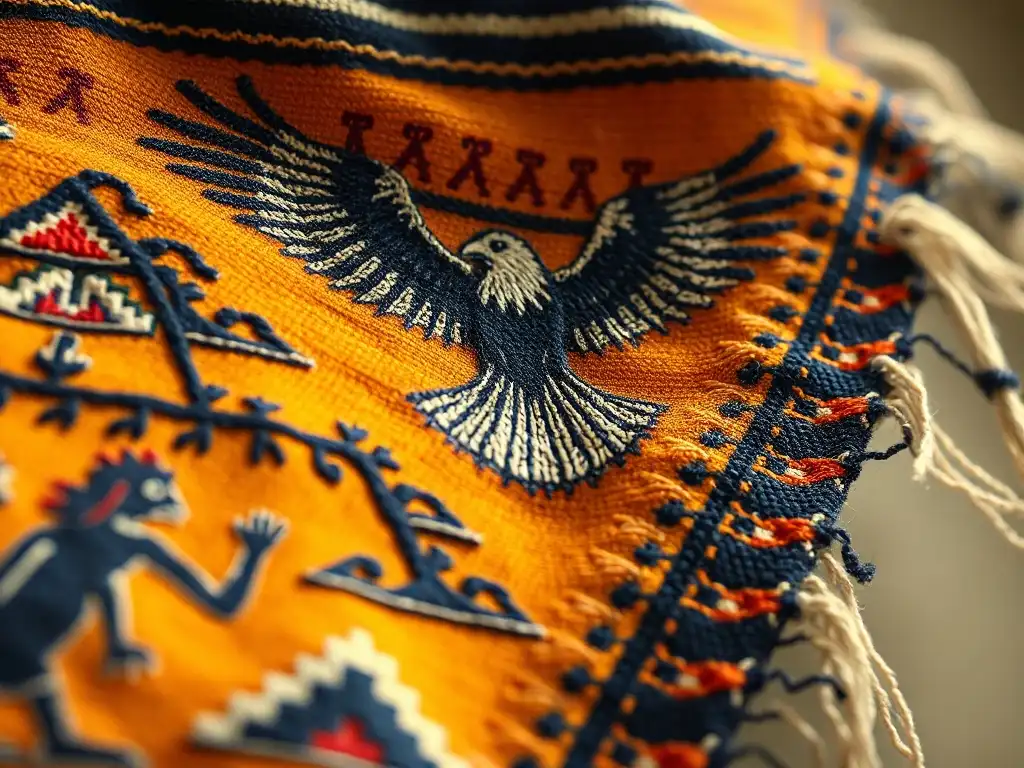
This section delves into the fascinating world of Andean art symbolism, exploring the rich tapestry of meanings woven into the textiles, ceramics, and metalwork of ancient Andean cultures. Understanding the symbolism embedded within these artifacts is crucial to appreciating the depth and complexity of Andean civilizations. We'll move beyond superficial observations to uncover the deeper layers of meaning, revealing insights into their beliefs, social structures, and daily lives.
The study of Andean art symbolism meaning is not merely an aesthetic pursuit; it's a journey into the heart of a vibrant and sophisticated past. This exploration will focus on key symbolic elements frequently found across various Andean cultures, highlighting their variations and common threads.
We'll examine how these symbols changed over time and across different regions, reflecting the dynamic nature of Andean societies. The analysis will emphasize the contextual importance of these symbols, considering their placement within specific artifacts and their relationship to other symbolic elements.
The Importance of Symbolism in Ancient Andean Cultures
Ancient Andean societies, including the Inca, Moche, Nazca, and Tiahuanaco, heavily relied on visual communication. Unlike written languages prevalent in other ancient civilizations, Andean cultures primarily expressed their beliefs, narratives, and social structures through intricate symbolic systems embedded within their art. This visual language permeated all aspects of their lives, from religious rituals and agricultural practices to political power and social hierarchy. Consider, for example, the intricate textiles of the Nazca culture.
Geometric patterns, zoomorphic figures (animals), and anthropomorphic representations (humans) weren't simply decorative; they encoded complex narratives and cosmological beliefs. Similarly, the elaborate ceramics of the Moche civilization depicted scenes of daily life, rituals, and warfare, offering invaluable insights into their society's structure and values. The use of symbolism wasn't arbitrary; it was a deliberate and sophisticated system of communication, reflecting a profound understanding of the world and their place within it.
The interpretation of these symbols requires careful consideration of their cultural context, artistic style, and the specific artifact in which they appear. This interdisciplinary approach combines art history, archaeology, anthropology, and even linguistics to decipher the encoded messages within Andean art. The understanding of Andean art symbolism meaning is a continuous process of discovery and refinement, as new archaeological finds and scholarly research constantly add to our knowledge.
Understanding Iconography: A Key to Andean Art Interpretation
Iconography, the study of images and symbols, is paramount in unlocking the secrets of Andean art. Specific motifs frequently recur across different Andean cultures, each carrying distinct symbolic weight. For instance, the condor, a majestic bird of the Andes, often symbolizes power, royalty, and connection to the upper world. Conversely, the puma, a powerful feline, frequently represents strength, earthly power, and the underworld. Serpents, too, hold significant meaning, often associated with water, fertility, and the cyclical nature of life and death.
However, the meaning of these symbols wasn't fixed; it could vary depending on the context. A condor depicted on a royal garment would have a different meaning than a condor depicted on a simple pottery shard. Furthermore, the combination of symbols within a single piece of art can create complex layers of meaning. For example, a textile depicting a condor above a puma might symbolize the harmonious relationship between the celestial and terrestrial realms.
The intricate knotwork, or khipus, used by the Incas, further exemplifies the complex symbolic systems employed. These knotted strings, while not a written language in the traditional sense, encoded numerical data, historical accounts, and possibly even narratives, demonstrating the sophisticated information management systems of the Inca Empire. Analyzing these iconographic elements requires a deep understanding of Andean cosmology, mythology, and social structures. The study of Andean art symbolism meaning is an ongoing process of scholarly investigation, continually enriching our understanding of these remarkable civilizations.
Core Symbols and Their Meanings in Andean Art
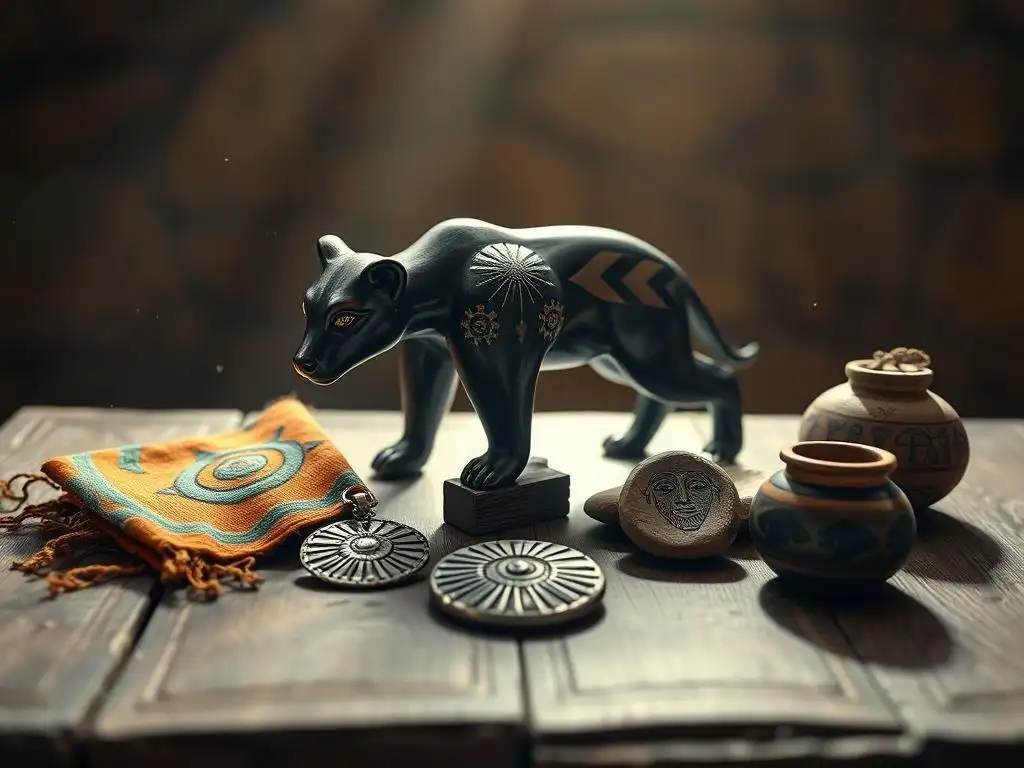
This section delves into the core symbolic language prevalent in Andean art, exploring the rich tapestry of meaning woven into the textiles, ceramics, and metalwork of ancient civilizations. Understanding these symbols provides a crucial key to unlocking a deeper appreciation of Andean worldview and beliefs. We will examine some of the most prominent recurring motifs, focusing on their significance and variations across different Andean cultures. The study of Andean art symbolism meaning reveals a complex and fascinating system of representation, reflecting a deep connection with the natural world and the spiritual realm.
The Sun God: Inti's Significance in Andean Iconography
Inti, the Sun God, holds paramount importance in Andean cosmology. He represents life, energy, and the cyclical nature of time. Depictions of Inti vary across different cultures, but common features include a radiant face, often adorned with elaborate headdresses featuring feathers and gold. His presence is frequently associated with other celestial bodies, emphasizing the interconnectedness of the cosmos.
For instance, in Inca iconography, Inti is often depicted with a golden disc, symbolizing his power and the sun's life-giving energy. This symbol is not merely decorative; it reflects the profound reverence the Inca held for the sun, viewing it as the ultimate source of sustenance and power. The sun's journey across the sky was mirrored in Inti's representation, with his position in the artwork often indicating the time of year or a specific event of cosmological significance.
Furthermore, the Inca emperors legitimized their rule by claiming direct descent from Inti, reinforcing the sacred connection between the ruler and the divine. This is evidenced in the extensive use of solar imagery in royal regalia and architecture, such as the magnificent Intihuatana stones found at Machu Picchu, which were believed to "tie up" the sun. The intricate details and precise positioning of these stones showcase the importance placed on accurately representing Inti's celestial movements. The symbolism extends beyond mere visual representation; it speaks to the fundamental structure of Inca society and its relationship with the divine.
The Moon Goddess: Quilla's Role in Andean Beliefs
Quilla, the Moon Goddess, complements Inti in the Andean pantheon. While Inti represents masculine energy and the sun's life-giving force, Quilla embodies feminine principles, associated with fertility, cycles of life and death, and the night. Her iconography often features a crescent moon or a full moon, sometimes accompanied by stars or other celestial elements.
Unlike Inti's predominantly golden representations, Quilla's depictions frequently utilize silver, reflecting the moon's silvery glow and its association with the mysteries of the night. The duality between Inti and Quilla is not one of opposition but rather of complementarity, highlighting the balance and interdependence of cosmic forces. This balance is reflected in the agricultural cycles, where the sun's warmth and the moon's influence were both considered essential for a successful harvest.
Moreover, Quilla's association with fertility makes her a significant figure in Andean religious practices related to agriculture and reproduction. Many Andean cultures believed in the moon's influence on the growth of crops and the well-being of livestock. This belief is reflected in various rituals and offerings made to Quilla, ensuring a bountiful harvest and healthy offspring. The understanding of Quilla's role expands beyond a simple celestial deity; she embodies the natural cycles that underpinned Andean life and society.
The Serpent: Symbolism of Power and Transformation
The serpent, a recurring motif in Andean art, holds multifaceted symbolism, often representing power, fertility, and transformation. Its significance varies across different Andean cultures, but its connection to water, earth, and the underworld is consistently prominent. Depictions range from stylized representations to highly realistic portrayals, reflecting the diverse artistic styles and beliefs of the different Andean groups.
For example, the Moche culture frequently depicted serpents in their elaborate ceramics, often associating them with deities related to water and agriculture. These serpents are frequently shown intertwined, symbolizing the interconnectedness of life and the cyclical nature of existence. The serpent's ability to shed its skin became a powerful symbol of renewal and transformation, reflecting the Andean worldview's emphasis on cyclical processes.
In contrast, the Nazca culture often depicted serpents in their geoglyphs, the massive earthworks visible only from the air. These colossal serpents, etched into the desert landscape, suggest a connection between the terrestrial and celestial realms, reinforcing the idea of the serpent's power and its role in the cosmic order. The scale of these geoglyphs emphasizes the significance of the serpent as a powerful and enduring symbol in Nazca cosmology. The diverse interpretations of the serpent across different Andean cultures highlight the rich and complex meanings associated with this potent symbol.
The Condor: Representing the Upper World and Spirituality
The condor, a majestic bird soaring high above the Andes Mountains, holds immense symbolic significance in Andean art and culture. Its presence in artwork isn't merely decorative; it represents a deep connection to the hanan pacha, the upper world, and the spiritual realm. Ancient Andean peoples believed the condor served as a messenger between the earthly and celestial planes, carrying prayers and offerings to the gods. This is vividly depicted in numerous textiles, ceramics, and metalwork from different Andean cultures, where the condor is often shown with outstretched wings, symbolizing its power and ability to transcend earthly limitations.
The bird's sharp eyesight is also associated with wisdom and foresight, further emphasizing its spiritual significance. For example, the elaborate gold and silver condor effigies found in Incan royal tombs underscore the bird's association with power, divinity, and the afterlife. The meticulous detail and precious materials used in these artifacts highlight the profound reverence held for the condor. Furthermore, the condor's connection to the sun and its ability to fly so high above the mountains linked it to the sun god, Inti, a central figure in Inca religion.
Therefore, the presence of a condor in Andean artwork often suggests themes of spiritual elevation, divine connection, and the power of the celestial realm. The size and prominence of the condor depiction within a piece of art often speaks to the importance of this spiritual connection within the specific context of that artifact. Smaller, less detailed depictions might represent a general connection to the spiritual world, while larger, more ornate representations could signify a direct link to a specific deity or a powerful spiritual event.
The Puma: Strength and Terrestrial Power in Andean Culture
The puma, a powerful feline native to the Andes, represents the kay pacha, the earthly world, and embodies strength, power, and earthly authority in Andean symbolism. Unlike the condor's association with the sky, the puma is firmly rooted in the terrestrial realm, symbolizing the physical world and its inherent power. Its presence in Andean art frequently indicates themes of leadership, fertility, and control over the natural world. Depictions of pumas can be found across various Andean cultures, from the Moche to the Inca, often portrayed in a regal or dominant manner.
Moche ceramics, for instance, frequently feature pumas in scenes of hunting or ritual sacrifice, illustrating their connection to power and control. Inca iconography often depicts pumas alongside rulers or in contexts associated with royal authority, emphasizing the puma's role as a symbol of earthly power and legitimacy. The puma's agility, hunting prowess, and nocturnal nature also connect it to themes of mystery, cunning, and hidden power. This duality of strength and stealth is often reflected in the artistic representations of the puma, where it can be shown both as a fierce predator and a majestic, regal creature.
The specific context in which the puma is portrayed within a piece of art will further enhance or modify its symbolic meaning. A puma depicted in a fierce hunting scene, for example, might primarily represent strength and predatory prowess, whereas a puma portrayed alongside a human figure in a ceremonial context could signify a closer connection to leadership or royal authority. The use of different colors and materials in depicting the puma could further enhance the nuances of its symbolism. Careful analysis of these details allows for a deeper understanding of the intended meaning of the puma's presence in various Andean artworks.
Exploring Recurring Motifs in Andean Art
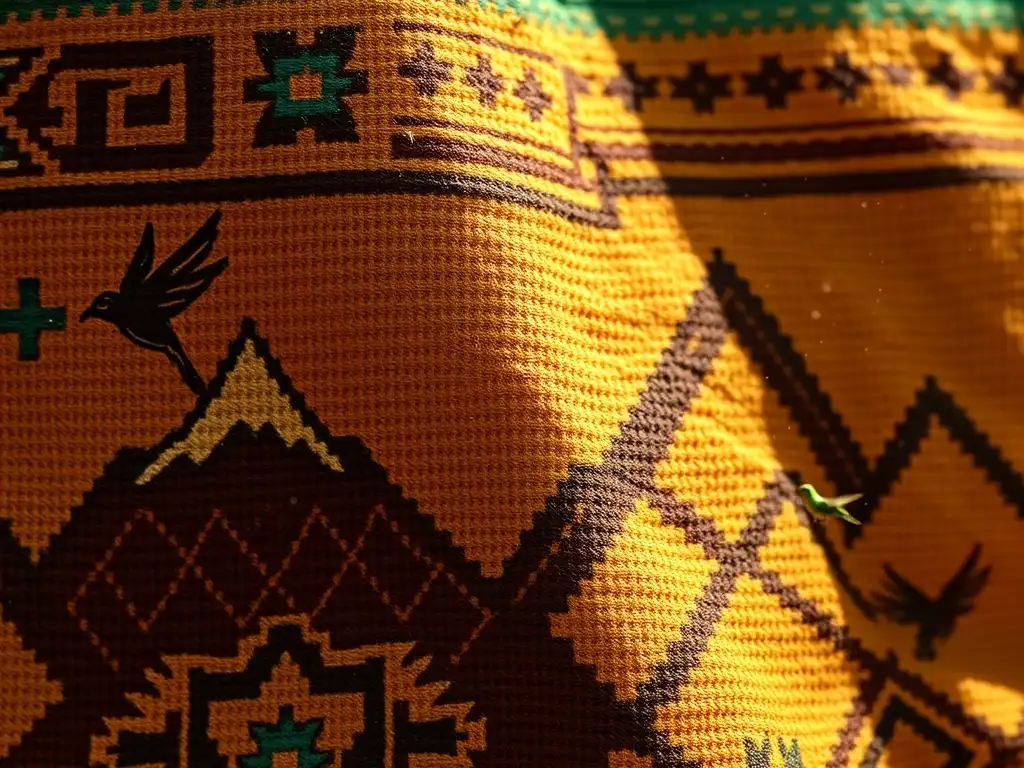
This section delves into the prevalent symbolic motifs found across various Andean cultures, exploring their deeper meanings and significance within the context of their respective societies. Understanding these recurring themes provides crucial insights into the cosmology, social structures, and spiritual beliefs of these fascinating civilizations. The consistent reappearance of certain symbols across different Andean cultures—despite geographical and temporal variations—suggests a shared symbolic language, a rich tapestry woven from common threads of spiritual understanding and artistic expression.
This shared visual vocabulary offers a powerful lens through which we can analyze and interpret Andean art, moving beyond mere aesthetics to comprehend its profound cultural and spiritual significance. The analysis of Andean art symbolism meaning reveals a complex system of communication, reflecting the intricate worldview of these ancient peoples.
The Chakana: The Andean Cross and its Cosmic Significance
The chakana, often referred to as the Andean cross, is arguably one of the most recognizable and significant symbols in Andean art. Its presence is pervasive across various cultures and time periods, appearing in textiles, ceramics, stone carvings, and metalwork. Far from being a simple geometric design, the chakana holds profound cosmological significance, representing the interconnectedness of the three worlds: the hanan pacha (upper world), the kay pacha (present world), and the ukhu pacha (underworld).
The four arms of the cross symbolize the cardinal directions, while the central square represents the intersection of these worlds, a point of balance and harmony. Some interpretations also associate the chakana with the Milky Way galaxy, its arms mirroring the celestial river traversing the night sky.
The chakana's intricate symbolism reflects the Andean worldview, emphasizing the cyclical nature of life, death, and rebirth, and the importance of maintaining equilibrium between the different realms of existence. Variations in its depiction across different cultures offer further nuances in its interpretation, adding layers of complexity to its already rich symbolic meaning.
Its continued relevance in contemporary Andean culture underscores its enduring power and significance as a symbol of Andean identity and spiritual heritage. The study of the chakana offers a unique window into the Andean understanding of the universe and their place within it, highlighting the profound connection between their art and their cosmology.
Geometric Patterns: Understanding the Language of Abstraction
Beyond representational imagery, Andean art extensively utilizes geometric patterns as a powerful means of visual communication. These abstract designs, far from being merely decorative, convey complex meanings related to social structures, cosmology, and spiritual beliefs. The intricate weaving techniques of textiles, for example, often incorporate geometric motifs that symbolize kinship ties, social status, or specific rituals. Similarly, ceramic designs frequently utilize geometric patterns to represent agricultural cycles, astronomical observations, or mythological narratives.
Analyzing these patterns requires careful attention to detail, considering factors such as color, arrangement, and repetition. For instance, the use of specific colors might indicate a connection to particular deities or natural elements. The repetition of certain motifs could signify the cyclical nature of time or the importance of specific rituals. Understanding the Andean language of abstraction is crucial for deciphering the meaning embedded within these seemingly simple designs.
Further research is needed to fully catalog and interpret the vast range of geometric patterns found across different Andean cultures, as many remain only partially understood. This area of study promises to reveal further insights into the sophisticated symbolic systems employed by Andean artists. The understanding of the Andean art symbolism meaning within geometric patterns is a crucial step in understanding the rich complexity of their culture.
The Use of Animals: Zoomorphic Representations and Their Symbolism
Animals play a prominent role in Andean art, appearing in a wide variety of forms and contexts. These zoomorphic representations are not merely realistic depictions but rather powerful symbols laden with meaning. Different animals hold different symbolic weight, often reflecting their roles in Andean mythology, cosmology, or daily life. For instance, the condor, a majestic bird of prey, frequently symbolizes power, strength, and connection to the upper world. The puma, a powerful feline, often represents strength, ferocity, and connection to the earthly realm. The serpent, on the other hand, frequently signifies fertility, life, and the underworld.
The specific attributes of each animal, such as its posture, color, or context within the artwork, further refine its symbolic meaning. A stylized depiction of a serpent coiled around a plant, for example, could represent the interconnectedness of life and fertility. A condor perched atop a mountain could signify the connection between the earthly and celestial realms.
Careful analysis of these zoomorphic representations reveals a complex system of symbolism, reflecting the close relationship between Andean cultures and the natural world. Further research into the specific cultural contexts in which these animals appear is necessary to fully grasp the nuances of their symbolic meanings across different Andean societies. The role of animals in Andean art symbolism meaning offers a fascinating glimpse into their relationship with their environment and their beliefs about the natural world.
Plant Motifs: The Symbolic Connection with Nature
Andean art is deeply intertwined with the natural world, reflecting a profound respect for and understanding of the environment. Plants, in particular, feature prominently, often imbued with rich symbolic meaning that extends beyond simple representation. The careful observation and detailed rendering of these botanical elements reveal a sophisticated understanding of the Andean ecosystem and its vital role in sustaining life.
We see this in the meticulous depictions of maize, potatoes, coca leaves, and various flowers across different Andean cultures and time periods. The choice of specific plants, their placement within a composition, and their condition (flowering, fruiting, wilting) all contribute to the overall symbolic message.
For example, maize, a staple crop, frequently appears as a symbol of fertility, abundance, and life itself. Its representation in textiles, ceramics, and metalwork often reflects the cyclical nature of agriculture and the vital connection between humans and the land.
The intricate details of the maize cob, its leaves, and even the individual kernels, speak to the importance of this plant in the daily lives and spiritual beliefs of Andean communities. The careful depiction of the plant’s growth stages, from seedling to ripe cob, might further signify the passage of time, the cycle of life and death, and the renewal of resources.
Similarly, the coca leaf, while known for its psychoactive properties, also holds significant symbolic weight. Its depiction in Andean art often suggests ritual practices, healing, and social interaction. The coca leaf's association with the sacred and the spiritual world is evident in its inclusion in funerary contexts and ceremonial objects. The careful rendering of the leaf's shape, its veins, and its texture further underscores its significance. The way the leaves are arranged, whether individually or bundled, can also hold symbolic meaning, potentially representing offerings, social status, or the connection between the living and the dead.
Beyond maize and coca, the diverse flora of the Andes finds expression in numerous artistic forms. Flowers, fruits, and other plants are often depicted with remarkable accuracy, suggesting a keen observation of the natural world. These representations can symbolize beauty, prosperity, and the bounty of the land. The specific type of flower or plant used might also have a unique significance within a particular Andean culture, reflecting local beliefs and traditions.
Further research into specific plant species depicted in different art forms and their cultural contexts will reveal even deeper layers of meaning. Understanding the symbolic language of Andean plant motifs provides a crucial key to unlocking the deeper meanings within their art. The connection between humans and nature is not merely depicted; it is celebrated as the very foundation of Andean existence.
The Contextual Interpretation of Andean Art Symbols
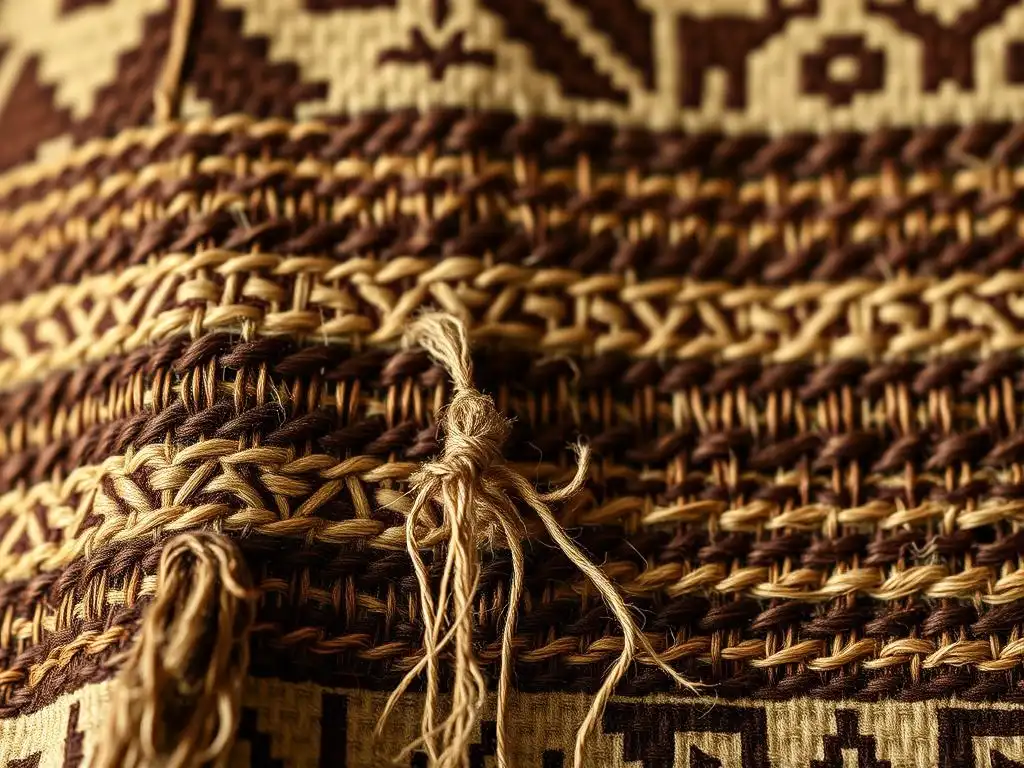
Understanding Andean art requires moving beyond a superficial appreciation of its aesthetic qualities. To truly grasp its significance, we must delve into the rich tapestry of cultural, social, and religious contexts that shaped its creation. Andean art symbolism meaning is not static; it's fluid, evolving across time and space, reflecting the complexities of the societies that produced it.
Analyzing Andean art solely for its visual appeal risks overlooking the profound messages embedded within its intricate designs and symbolic representations. The meaning behind a particular motif could vary significantly based on its location, the social standing of the artist and the intended audience, and the specific ritual context in which it was used. This contextual approach is crucial for unlocking the deeper meanings encoded within these remarkable artifacts.
We must consider the artist's intent, the audience's understanding, and the socio-political landscape of the time. Only then can we begin to appreciate the nuanced communication embedded within each piece. This section will explore key factors influencing the interpretation of Andean art symbolism, providing a more comprehensive understanding of its rich and layered meaning.
Regional Variations in Andean Art Symbolism
The Andean region encompasses a vast and diverse geographical area, resulting in significant regional variations in artistic styles and symbolic representations. What might symbolize prosperity in one region could hold a completely different meaning in another. For example, the depiction of a specific bird species might represent fertility in the coastal regions, while in the highlands, it could be associated with a particular deity or ancestor.
The Moche culture of the north coast, known for its elaborate ceramics depicting scenes of warfare and ritual, employed a distinct visual language compared to the Nazca culture, famous for its enigmatic geoglyphs in the southern desert. Similarly, the Inca Empire, with its vast territory, displayed a degree of artistic standardization, yet regional variations persisted, reflecting local traditions and beliefs. Detailed studies of ceramic styles, textile patterns, and architectural designs reveal distinct regional preferences in the use of symbols.
Further research into specific iconography from different Andean regions is necessary to fully understand the nuanced variations in meaning. For instance, [specific information pending] on the differing symbolic representations of feline imagery across the coastal and highland regions.
Social hierarchy played a crucial role in shaping Andean artistic expression. The elite classes, often possessing greater access to resources and specialized knowledge, commissioned and controlled the production of many artistic works. These works frequently incorporated symbols reflecting their status and power. For instance, certain motifs, such as specific types of textiles or jewelry, might have been reserved exclusively for the nobility, signifying their elevated social position.
Conversely, the art produced by commoners often reflected their daily lives and concerns, with simpler designs and less elaborate materials. The interpretation of Andean art symbolism, therefore, requires an understanding of the social context of its creation. This understanding aids in deciphering the intended message and audience of each piece.
Analyzing the materials used, the level of craftsmanship, and the iconography employed can help us identify the social standing of both the artist and the intended recipient of the artwork. Further research is needed to fully understand the subtle ways in which social hierarchies were reflected in the production and interpretation of Andean art. For example, [specific information pending] on the use of specific colors or materials to denote social rank.
The Role of Ritual and Ceremony in Andean Art
Much of Andean art was deeply intertwined with ritual and ceremony. Many objects were created specifically for religious practices, carrying profound symbolic meanings within the context of these events. Textiles, ceramics, and metalwork often served as offerings or were used in ceremonies to communicate with the supernatural world. The symbolism within these objects is therefore inextricably linked to the religious beliefs and practices of the time.
For example, the use of specific colors, such as red and yellow, might have signified sacred power or the connection between the earthly and spiritual realms. The depiction of deities, mythical creatures, and ancestral figures often reflects cosmological beliefs and the spiritual landscape of Andean societies. Understanding the ritual context surrounding the creation and use of these artifacts is essential for interpreting the embedded symbolism.
Further investigation into specific rituals and their associated artifacts is needed to fully comprehend the meaning of the symbols used. For instance, [specific information pending] on the symbolic significance of textiles used in Inca coronation ceremonies. The intricate details and symbolic meanings within Andean art are best understood through a holistic approach, considering the regional variations, social hierarchy, and ritual context within which they were created.
Andean Art and its Spiritual Significance
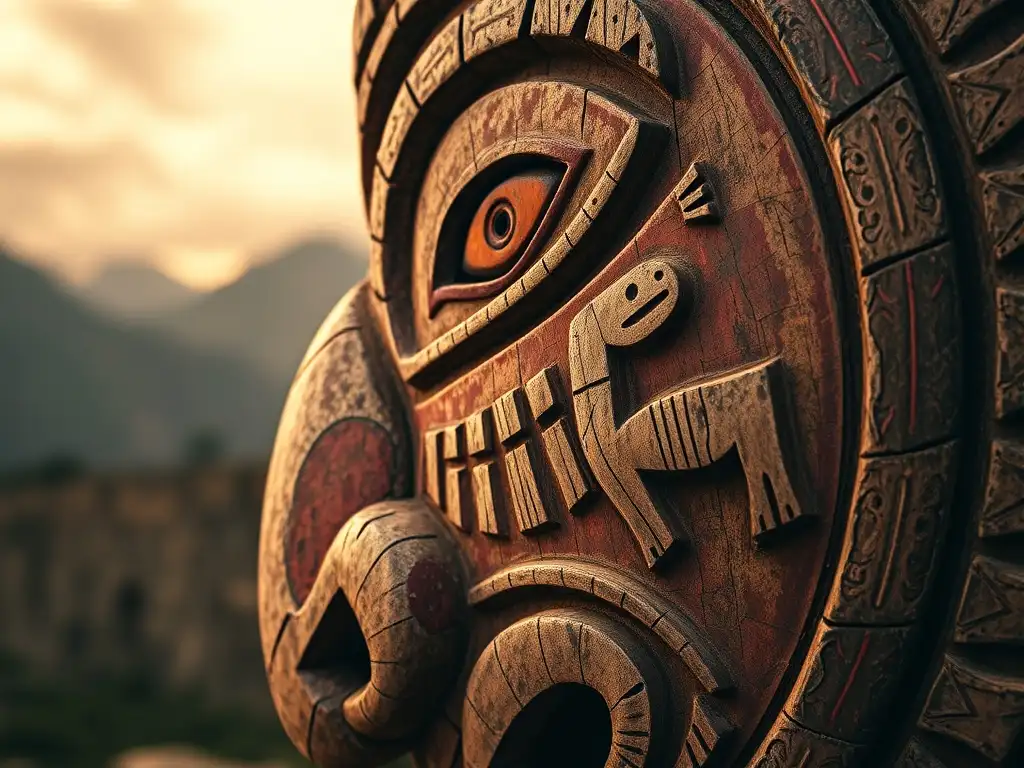
Andean art wasn't merely decorative; it served as a powerful conduit for spiritual expression and a reflection of deeply ingrained religious beliefs. Understanding this spiritual significance is crucial to deciphering the complex symbolism embedded within these artifacts. The intricate designs, carefully chosen materials, and the very act of creation were all imbued with sacred meaning, connecting the artist, the artwork, and the spiritual realm.
This section delves into the profound relationship between Andean art and the spiritual world, exploring how religious beliefs shaped artistic expressions and provided a framework for understanding the cosmos. Analyzing Andean art through this lens unveils a rich tapestry of beliefs and practices that profoundly impacted daily life. The vibrant colors, intricate patterns, and symbolic figures are not just aesthetically pleasing; they are powerful expressions of a deeply spiritual worldview.
Religious Beliefs Reflected in Artistic Expressions
The religious beliefs of the Andean civilizations were deeply intertwined with their artistic output. For instance, the Inca's worship of the sun god, Inti, is prominently reflected in their goldwork. Elaborate golden discs, often adorned with intricate designs representing the sun's rays, were created as offerings or used in religious ceremonies. These weren't simply decorative pieces; they were powerful symbols representing the life-giving energy of the sun and its importance in the Inca worldview.
Similarly, the Moche civilization's pottery frequently depicts scenes from their mythology, including their gods and the rituals associated with them. These representations aren't just historical records; they are active participants in religious practice, used in rituals and as offerings to the deities. The detailed depictions in Moche pottery, such as the intricate rendering of human figures and mythical creatures, highlight the importance of religious narratives in their culture. The precision and skill involved in their creation further emphasize the sacred nature of the artwork.
Analysis of these artistic expressions provides invaluable insights into the pantheon of gods and the beliefs and practices that shaped their society. The religious significance of Andean art is further highlighted by the use of specific materials, such as gold and precious stones, which were often associated with divine power and spirituality. These materials weren't just chosen for their aesthetic appeal; they were imbued with spiritual significance, enhancing the sacred nature of the artwork.
The Connection between Andean Art and Cosmology
Andean art reveals a sophisticated understanding of cosmology, reflecting a worldview deeply connected to the natural world and the celestial realm. The intricate patterns found on textiles, ceramics, and metalwork often represent celestial bodies, such as the sun, moon, and stars, reflecting their understanding of the cosmos and their place within it. For example, the Nazca lines, though their exact purpose remains debated, are often interpreted as representations of constellations and celestial pathways, suggesting a profound astronomical knowledge. The precision and scale of these geoglyphs underscore the importance of celestial observation in their culture.
The use of specific colors and symbols also played a significant role in conveying cosmological ideas. Certain colors were associated with specific deities or celestial bodies, reinforcing the spiritual significance of the artwork. Furthermore, the Andean concept of Pachamama, the Earth Mother, is frequently depicted in art, emphasizing the interconnectedness between the human world and the natural environment.
This concept is reflected in the use of natural materials and the representation of agricultural themes in many Andean artistic expressions. Analyzing the cosmological aspects of Andean art provides a deeper understanding of their worldview and their relationship with the cosmos. The intricate details and symbolic representations provide valuable clues to their understanding of the universe and their place within it.
Understanding the Worldview Through Andean Artistic Symbolism
The symbolism embedded within Andean art offers a window into the worldview of these ancient civilizations. Many symbols, such as the condor, puma, and serpent, held significant religious and political meanings, representing power, fertility, and the interconnectedness of the natural world. The use of these symbols varied across different cultures and periods, reflecting the evolution of Andean beliefs and practices. However, certain recurring motifs, such as the chakana (Andean cross), consistently appear across different Andean cultures, suggesting a shared understanding of its symbolic meaning.
This cross, representing the four cardinal directions and the connection between the earthly and celestial realms, became a powerful symbol of Andean cosmology and spirituality. Deciphering the meaning of these symbols requires careful analysis of their context and their relationship to other elements within the artwork. For example, the representation of a specific deity might be accompanied by certain symbols that provide additional clues to their attributes and functions. Understanding the symbolism of Andean art is essential to interpreting its deeper meanings and appreciating the complexity of the Andean worldview.
The intricate interplay of symbols and motifs provides a rich tapestry of information about their beliefs, values, and social structures. The study of Andean art symbolism continues to reveal new insights into these fascinating civilizations, enriching our understanding of their history and culture. The quest to understand the "Andean art symbolism meaning" is an ongoing journey, constantly revealing new layers of complexity and meaning.
Preserving and Appreciating the Legacy of Andean Art
The study of Andean art symbolism meaning is not merely an academic pursuit; it's a vital act of cultural preservation. These intricate designs, woven into textiles, carved into ceramics, and painted onto murals, are not simply decorative. They are powerful narratives, encapsulating complex religious beliefs, social structures, and cosmological understandings of the Andean world.
By deciphering their symbolism, we gain a deeper understanding of the ingenuity and sophistication of these ancient societies. Ignoring this rich legacy would be akin to losing a crucial piece of the puzzle in understanding human history and cultural development. The vibrant colors, intricate patterns, and symbolic representations found in Andean art are a testament to the creativity and spiritual depth of these civilizations.
Understanding the meanings behind these artistic expressions allows us to connect with the past on a profound level, fostering a sense of appreciation and respect for the Andean cultural heritage. The preservation efforts extend beyond museums and academic institutions; it involves engaging local communities and empowering them to protect and share their ancestral knowledge.
The Importance of Studying Andean Art Symbolism Today
Understanding Andean art symbolism meaning holds significant relevance in today's world. It offers valuable insights into the human experience across time and cultures. The symbolic language employed by Andean artists provides a window into their worldview, revealing their intricate understanding of the cosmos, nature, and the human condition. This knowledge can enrich our own perspectives and challenge our preconceived notions.
For example, the recurring motifs of jaguars, condors, and snakes in Moche pottery not only illustrate artistic skill but also illuminate their religious beliefs and social hierarchy. The intricate weavings of the Inca, often depicting scenes of daily life or mythological events, provide invaluable information about their social structures, agricultural practices, and cosmology. Furthermore, studying Andean art symbolism facilitates intercultural dialogue and promotes a more inclusive understanding of global history.
It counters Eurocentric narratives by highlighting the intellectual and artistic achievements of Andean civilizations, fostering a more nuanced and comprehensive appreciation of human history. The study of Andean art symbolism is, therefore, not just a historical exercise; it's a vital tool for understanding the present and shaping a more equitable and inclusive future. The continuing decipherment of these symbols helps us to better contextualize current societal issues within a broader historical framework.
The Ongoing Research and Discoveries in Andean Iconography
The field of Andean iconography is a dynamic and ever-evolving area of research. New discoveries are constantly being made, challenging existing interpretations and expanding our understanding of Andean art symbolism meaning. Archaeological excavations continue to unearth new artifacts, providing fresh data for analysis. Advances in scientific techniques, such as high-resolution imaging and material analysis, are enabling researchers to examine artifacts with unprecedented detail, revealing subtle nuances previously unseen.
For instance, recent studies using advanced imaging technologies have unveiled hidden details in Nazca textiles, leading to new interpretations of their symbolic meanings. Furthermore, collaborative research involving archaeologists, art historians, anthropologists, and local communities is fostering a more holistic and nuanced understanding of Andean art. By incorporating indigenous knowledge and perspectives, researchers are gaining valuable insights that may have been overlooked in previous studies.
This interdisciplinary approach ensures that the interpretation of Andean art symbolism is not solely based on Western academic frameworks but also incorporates the perspectives of those whose heritage it represents. The ongoing research underscores the importance of continued investigation and collaboration to fully appreciate the richness and complexity of Andean art. Each new discovery adds another layer to our understanding, enriching our knowledge and deepening our appreciation for these ancient civilizations.
Celebrating the Rich Cultural Heritage of the Andes
The vibrant tapestry of Andean art and its rich symbolism deserves to be celebrated and shared widely. This celebration should involve not only academic institutions and museums but also the communities whose ancestors created these masterpieces. Public exhibitions, educational programs, and digital initiatives can play a crucial role in promoting a greater understanding and appreciation of Andean art symbolism meaning. For example, interactive museum exhibits can engage visitors through immersive experiences, allowing them to explore the symbolism and narratives embedded within Andean art.
Educational programs can incorporate Andean art into school curricula, fostering an appreciation for cultural diversity and promoting a more inclusive understanding of history. Digital platforms can make Andean art accessible to a global audience, allowing people worldwide to engage with and appreciate this rich cultural heritage. Moreover, supporting indigenous artists and artisans is crucial in preserving and promoting Andean art traditions. By providing them with opportunities to showcase their work and share their knowledge, we can help ensure that this vibrant cultural heritage continues to thrive.
Celebrating Andean art is not simply an act of cultural preservation; it is an act of celebrating human creativity, resilience, and the enduring power of artistic expression. The legacy of Andean art continues to inspire and enrich us, reminding us of the profound interconnectedness of human cultures across time and space. 🌎
Frequently Asked Questions
What is the significance of Andean art symbolism?
Andean art symbolism is incredibly rich and varied, reflecting the complex beliefs and practices of different cultures. Symbols often relate to mythology, cosmology, and social structures, providing insights into their worldview. Understanding these symbols unlocks a deeper understanding of their society.
How did Andean artists create their works?
Andean artists employed diverse techniques, including textiles, pottery, metalwork, and stone carving. Materials were carefully selected, and techniques passed down through generations, reflecting both artistic skill and cultural knowledge. The process itself held symbolic meaning.
What are some common symbols found in Andean art?
Common symbols include the condor, puma, and serpent, representing power and deities. Geometric patterns like zigzags and spirals represent the cosmos and cyclical nature of life. Specific symbols varied across different Andean cultures.
How does Andean art relate to their religion and beliefs?
Andean art is deeply intertwined with religion. Many works depict mythological figures, deities, and rituals, offering valuable insight into their religious beliefs and practices. Art served as a medium for communicating sacred knowledge and reinforcing social order.
Where can I learn more about the symbolism in Andean art?
To delve deeper, explore academic journals, museum exhibits, and books focusing on Andean archaeology and art history. Many resources are available online, offering detailed analyses of specific artifacts and cultural contexts. Reputable museums often have detailed descriptions and interpretations.
Final Reflection: Decoding the Whispers of the Andes
The vibrant tapestry of Andean art continues to resonate deeply in our modern world, offering a powerful lens through which to examine themes of spirituality, community, and resilience that remain strikingly relevant today. These ancient symbols, far from being mere decorations, speak volumes about a rich cultural heritage that deserves our continued attention and understanding. Their enduring power lies not just in their aesthetic appeal, but in their ability to connect us to a profound human experience that transcends time and geography.
The enduring influence of Andean art on contemporary artistic expression and cultural identity is undeniable. It continues to inspire artists, designers, and scholars alike, prompting a deeper exploration of our own relationship with nature, spirituality, and the interconnectedness of all things. Art washes away from the soul the dust of everyday life.
– Pablo Picasso. This quote, while not specifically about Andean art, perfectly encapsulates the cleansing and enriching power of engaging with these ancient forms of expression, allowing us to connect with something larger than ourselves.
Consider the intricate details, the symbolic power of the llama, the condor, and the intricate geometric patterns. Let these images spark your own journey of discovery. Take a moment to reflect on how the enduring messages woven into Andean art might inform your own perspective, your own creative endeavors, and your own understanding of the human spirit. Engage with these ancient voices, and allow them to enrich your life and inspire you to seek deeper meaning in the world around you.
Unveil the Richness of Andean Art Today!
Thank you for exploring the deeper meanings of Andean art with us! By delving into its cultural significance, you've already taken a meaningful step towards appreciating the rich heritage of Andean civilizations. Now, let's put that knowledge into practice!
Here are a few ways you can continue your journey:
- Dive deeper: Explore our exclusive guide on Andean art techniques and the innovative methods ancient artisans used to express their beliefs and values. You'll discover fascinating details about their processes and materials.
- Share your insights: Connect with fellow art enthusiasts by sharing your favorite discoveries on social media and tagging us—let's spread the appreciation of Andean art together!
- Visit a local exhibition: Look for museums or cultural events showcasing Andean art near you. Experiencing these artworks firsthand will deepen your understanding and appreciation.
What aspect of Andean art resonates most with you, and how will you share your newfound knowledge with others?