
Nazca Irrigation Systems: A Marvel of Engineering in the Desert

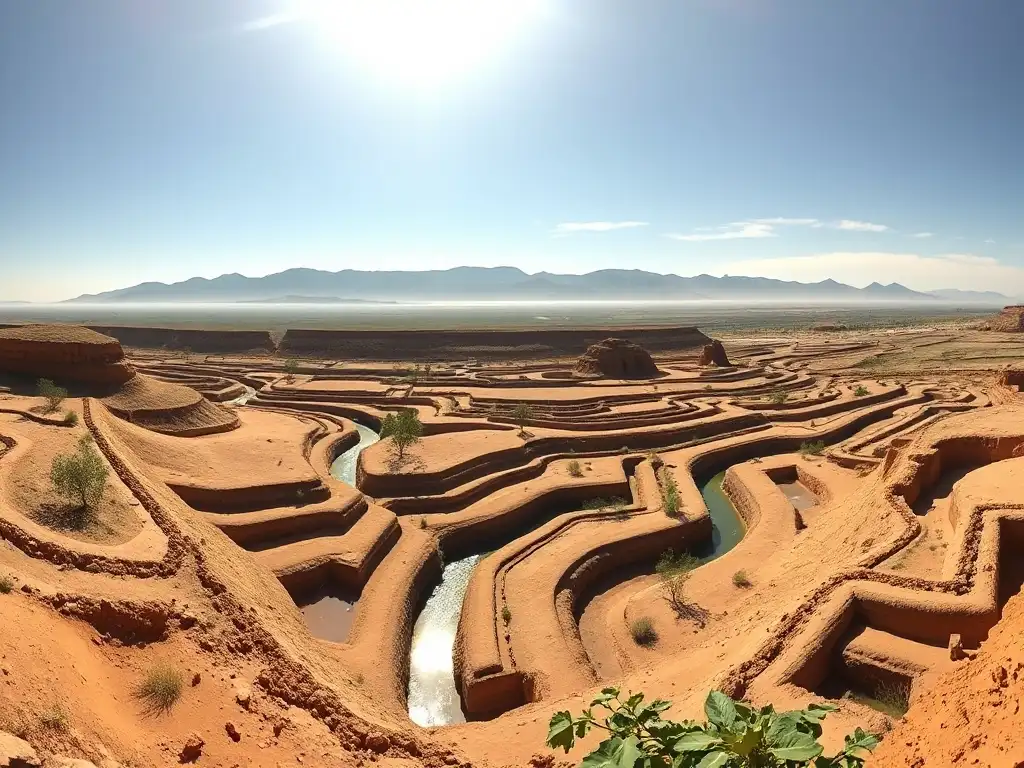
Step into a world lost to time, where ingenuity triumphed over the harshest desert landscapes. Imagine a civilization, thriving amidst seemingly impossible conditions, their mastery of engineering echoing through millennia. The Nazca's remarkable irrigation systems stand as a testament to their brilliance, a feat of ingenuity that continues to baffle and inspire. Prepare to uncover the secrets behind this ancient marvel – discover the brilliance of Nazca irrigation systems engineering and explore the astonishing legacy of the Andean civilizations.
The Nazca civilization, renowned for its enigmatic geoglyphs, also possessed a sophisticated understanding of water management that allowed them to flourish in one of the most arid regions of the world. This article delves into the remarkable engineering feats behind the Nazca irrigation systems, showcasing their ingenuity and highlighting the crucial role these systems played in the civilization's agricultural success and overall societal development.
We will explore the challenges faced by the Nazca in cultivating their crops in the harsh desert environment and analyze the innovative solutions they implemented, demonstrating their advanced knowledge of hydraulics and their ability to adapt to a challenging landscape. Understanding their irrigation systems offers crucial insight into the remarkable resilience and technological prowess of the Nazca people, a testament to human ingenuity in the face of adversity.
This exploration will focus on the engineering principles behind these systems, examining their construction, maintenance, and lasting impact on the Nazca way of life, cementing their place as a remarkable achievement in ancient engineering.
Introduction to Nazca Ingenuity in Water Management
The Nazca people, inhabiting the coastal desert of southern Peru between 100 BCE and 800 CE, faced a significant challenge: cultivating crops in an extremely arid environment with minimal rainfall. Their solution was a complex network of canals and aqueducts, a testament to their advanced understanding of hydrology and engineering. Unlike many other ancient civilizations that relied on river systems for irrigation, the Nazca developed innovative techniques to harness subsurface water sources and manage the scarce surface water effectively.
These systems were not simply a matter of digging channels; they involved sophisticated planning, construction, and maintenance, reflecting a deep understanding of the local geography and water flow patterns. The Nazca's success in creating and maintaining these systems for centuries demonstrates their remarkable organizational skills and collaborative efforts.
This ingenuity allowed them to cultivate crops like cotton, maize, beans, and squash, forming the basis of their economy and sustaining a relatively large population in a seemingly inhospitable environment. The scale and complexity of these systems are truly impressive and continue to fascinate researchers and engineers today.
The Challenge of Agriculture in the Arid Nazca Environment
The Nazca desert is characterized by extremely low rainfall, high temperatures, and strong winds – hardly ideal conditions for agriculture. Annual rainfall averages less than 150 mm 1 , making consistent crop production extremely difficult. The soil itself is often sandy and poor in nutrients, further compounding the challenges. The intense sun and strong winds lead to rapid evaporation, demanding efficient water management strategies to prevent water loss. The scarcity of surface water meant the Nazca had to rely on underground sources, requiring them to develop methods for locating, accessing, and transporting water over long distances. This required a deep understanding of the subsurface hydrology and the ability to construct durable and efficient water channels that could withstand the harsh environmental conditions. The success of their irrigation systems was crucial not only for food production but also for sustaining their entire societal structure, including the production of textiles, pottery, and other essential goods. This highlights the critical role of engineering and technological innovation in the survival and prosperity of the Nazca civilization. The ingenuity employed in overcoming these environmental constraints underscores the significance of the Nazca irrigation systems as a remarkable feat of ancient engineering.
1 [Specific data source pending]
- Introduction to Nazca Ingenuity in Water Management
- The Challenge of Agriculture in the Arid Nazca Environment
Understanding Nazca Water Sources and Collection Techniques
The ingenuity of the Nazca irrigation systems lies not only in their design and construction but also in their understanding and exploitation of scarce water resources in the arid coastal desert of southern Peru. The Nazca people, far from being passive victims of their environment, developed sophisticated techniques to harness water from various sources, transforming a seemingly inhospitable landscape into a productive agricultural region. Their success hinged on a deep understanding of hydrology and a remarkable capacity for collaborative labor, crucial for the scale of projects undertaken.
This mastery of water management is a testament to their advanced knowledge and organizational skills, vital aspects of their flourishing civilization. Analyzing their achievements provides valuable insights into their societal structures and the challenges they overcame.
The meticulous planning and execution of these systems speak volumes about the Nazca's ability to adapt and thrive in a challenging environment, showcasing their remarkable resilience and ingenuity. Understanding their methods is key to appreciating the full extent of their achievements in the realm of “Nazca irrigation systems engineering”.
Utilizing Subsurface Water: The Puquios of Nazca
The most remarkable aspect of Nazca irrigation is their extensive use of puquios, underground channels that tap into aquifers. These weren't simply dug wells; they were complex systems involving carefully planned shafts and tunnels that intercepted subterranean water flows. The construction of a puquio involved significant engineering expertise. First, the Nazca identified locations with high water tables, often using geological indicators and traditional knowledge passed down through generations.
Then, they dug vertical shafts, sometimes reaching depths of over 10 meters, connecting these to a network of horizontal tunnels that channeled water towards the surface. The tunnels were often lined with stones to prevent collapse and ensure a steady flow. The ingenuity of this system was further enhanced by the use of ventilation shafts, which improved air circulation within the tunnels, preventing the build-up of harmful gases and maintaining a stable water temperature.
The puquios weren't just water sources; they were a testament to the Nazca's advanced understanding of hydrology and their ability to collaborate on large-scale engineering projects. The precision and scale of these underground networks highlight their remarkable skill in "Nazca irrigation systems engineering". The precise locations and configurations of many puquios remain a topic of ongoing research, revealing further details of their sophisticated water management techniques.
The Role of Aquifers in Nazca Agriculture
The success of Nazca agriculture depended heavily on the presence of substantial aquifers beneath the desert surface. These underground reservoirs of water, replenished by infrequent but significant rainfall in the Andes mountains, provided a reliable, albeit hidden, source of moisture. The Nazca's understanding of aquifer dynamics was crucial for locating and effectively tapping into these resources.
They understood the seasonal fluctuations in water levels and adapted their irrigation strategies accordingly. The construction of the puquios was directly influenced by their knowledge of aquifer locations and flow patterns. The precise placement of shafts and tunnels was critical for maximizing water extraction without depleting the aquifer resources.
This sustainable approach to water management underscores the Nazca's long-term vision and their respect for the delicate balance of their ecosystem. Evidence suggests that the Nazca carefully monitored the water levels in their aquifers and implemented measures to prevent over-extraction, ensuring the long-term viability of their agricultural system. The careful management of these aquifers was a cornerstone of their "Nazca irrigation systems engineering" prowess.
Canal Construction and Distribution of Water
Once water was collected from puquios or other sources, the Nazca employed an elaborate network of canals to distribute it across their fields. These canals, often built on a massive scale, were meticulously engineered to navigate the challenging terrain of the desert. They were constructed using a combination of techniques, including the use of stone and adobe bricks, demonstrating a sophisticated understanding of materials and construction methods. The canals were designed with varying slopes and sizes to accommodate different water flows and to prevent erosion.
The network of canals facilitated efficient water distribution, ensuring that even remote areas received a sufficient supply. The construction of these canals required a high level of cooperation and organization, reflecting the sophisticated social structure of Nazca society. The precision and scale of these canals are a testament to their advanced engineering skills.
The maintenance of these extensive systems over time also required significant collective effort, showcasing the resilience and commitment of the Nazca people to their agricultural endeavors, and their mastery of "Nazca irrigation systems engineering". The canals weren't merely conduits; they were integral components of a complex, interconnected system demonstrating impressive water management capabilities. Further research is needed to fully understand the long-term maintenance strategies employed by the Nazca to ensure the longevity of their irrigation infrastructure.
Nazca Irrigation Systems: Key Features and Design
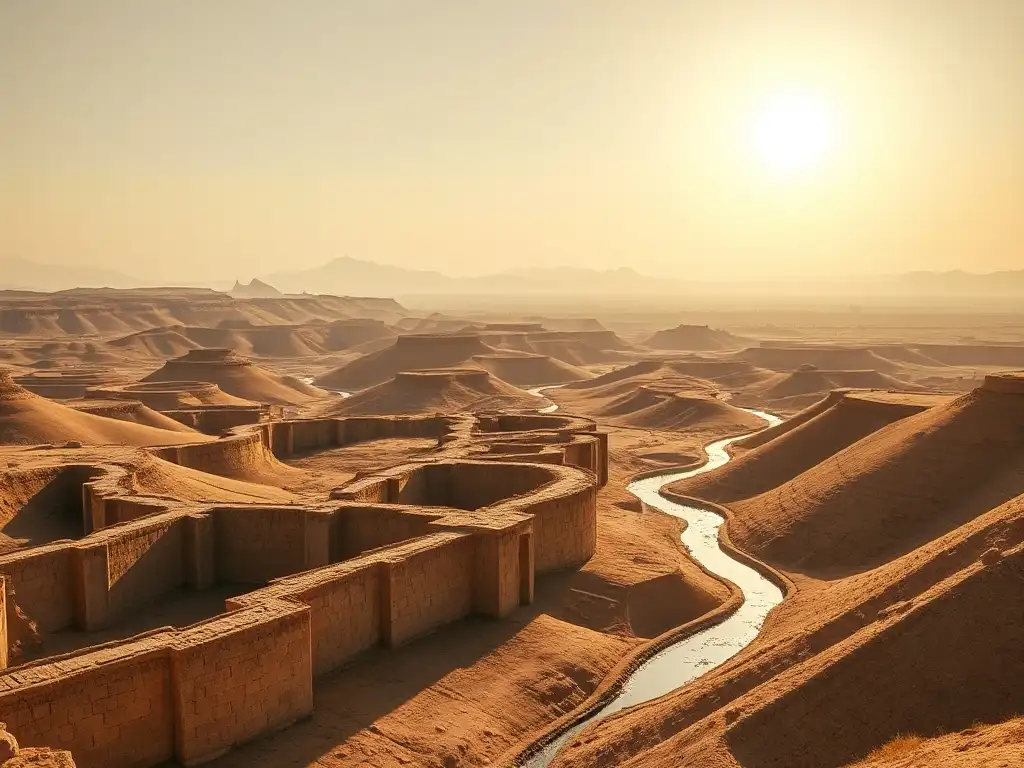
The Nazca irrigation systems represent a remarkable feat of engineering, allowing a flourishing civilization to thrive in one of the most arid regions of the world. Their success stemmed from a sophisticated understanding of hydrology, coupled with innovative construction techniques and a deeply ingrained respect for water resources. These systems weren't merely channels; they were a complex network designed for efficient water capture, storage, and distribution, showcasing the ingenuity of Nazca engineers.
The keyword, "Nazca irrigation systems engineering," perfectly encapsulates the remarkable achievements of this ancient civilization. Understanding the intricacies of their water management is key to appreciating their advanced societal organization and their adaptation to a challenging environment. The survival and prosperity of the Nazca people were directly tied to the effectiveness of these systems, highlighting their importance within the broader context of Nazca society and agriculture.
Engineering Principles Behind the Nazca Irrigation Network
The Nazca irrigation network wasn't a haphazard collection of channels; it was a carefully planned system based on sound engineering principles. Gravity played a crucial role, with canals cleverly routed to take advantage of natural slopes. This minimized the need for extensive pumping or other energy-intensive methods, demonstrating a keen awareness of efficient resource management. The network incorporated numerous ingenious features such as:
- Subterranean Aqueducts: Many canals were partially or fully underground, reducing water loss through evaporation, a critical factor in the desert climate. These aqueducts, often lined with stones or clay to prevent seepage, showcase a sophisticated understanding of subsurface hydrology.
- Canal Gradients: The careful control of canal gradients was essential to maintain a consistent water flow. Too steep a gradient could lead to erosion, while too shallow a gradient could cause stagnation and silting. Evidence suggests the Nazca engineers possessed a precise understanding of these dynamics.
- Water Control Structures: The Nazca employed various structures to control water flow, including diversion channels, spillways, and sediment traps. These structures allowed for flexible water management to adapt to seasonal variations in rainfall and water availability. This adaptability is a testament to their advanced engineering capabilities and foresight.
- Maintenance and Repair: The longevity of the Nazca irrigation systems speaks to their commitment to ongoing maintenance and repair. Regular cleaning and repair of canals and structures were essential to ensure the system's continued functionality. This sustained effort underlines the importance of the irrigation system to Nazca society.
Sophisticated Techniques in Canal Construction
The construction of the Nazca canals demanded significant labor and expertise. The techniques employed were remarkable for their precision and effectiveness, considering the available tools and materials. Evidence indicates the use of:
- Stone Lining: Many canals were lined with carefully fitted stones, creating durable and watertight channels. This prevented seepage and minimized water loss, crucial in such a dry environment. The precision of the stonework is striking, demonstrating a high level of skill and craftsmanship.
- Clay Sealing: In other areas, clay was used to seal the canals, creating an impermeable layer that prevented water from seeping into the surrounding soil. This technique required a deep understanding of soil properties and the ability to prepare and apply the clay effectively.
- Terracing: In some areas, terracing was used to create level platforms for agriculture, maximizing the use of available land and improving water distribution. This further highlights the integrated approach to water management and agricultural production.
Design of Water Storage and Distribution Systems
Beyond the canals themselves, the Nazca irrigation systems incorporated sophisticated water storage and distribution strategies. This ensured a reliable water supply throughout the year, even during periods of low rainfall. Examples include:
- Reservoirs: While evidence of large-scale reservoirs is limited compared to canal networks, smaller reservoirs and catchment basins likely played a vital role in supplementing water availability. These structures would have captured runoff from infrequent rainfall events.
- Distribution Channels: A network of smaller channels branched off from the main canals, distributing water to individual fields and agricultural plots. This efficient distribution system maximized the utilization of the available water resources.
- Community Management: The successful implementation and maintenance of these complex systems necessitate a degree of social organization and community involvement. [Specific information pending] on the social structures and governance mechanisms that supported the collaborative management of the Nazca irrigation systems. The effective functioning of these systems demonstrates a sophisticated understanding of community cooperation and resource management.
The Nazca irrigation systems stand as a testament to the ingenuity and engineering prowess of this ancient civilization, a remarkable achievement that enabled their prosperity in a challenging desert environment. Further research into these systems continues to reveal fascinating insights into their design, construction, and social implications, solidifying their place as a marvel of ancient engineering.
Functionality and Impact of Nazca Irrigation Systems
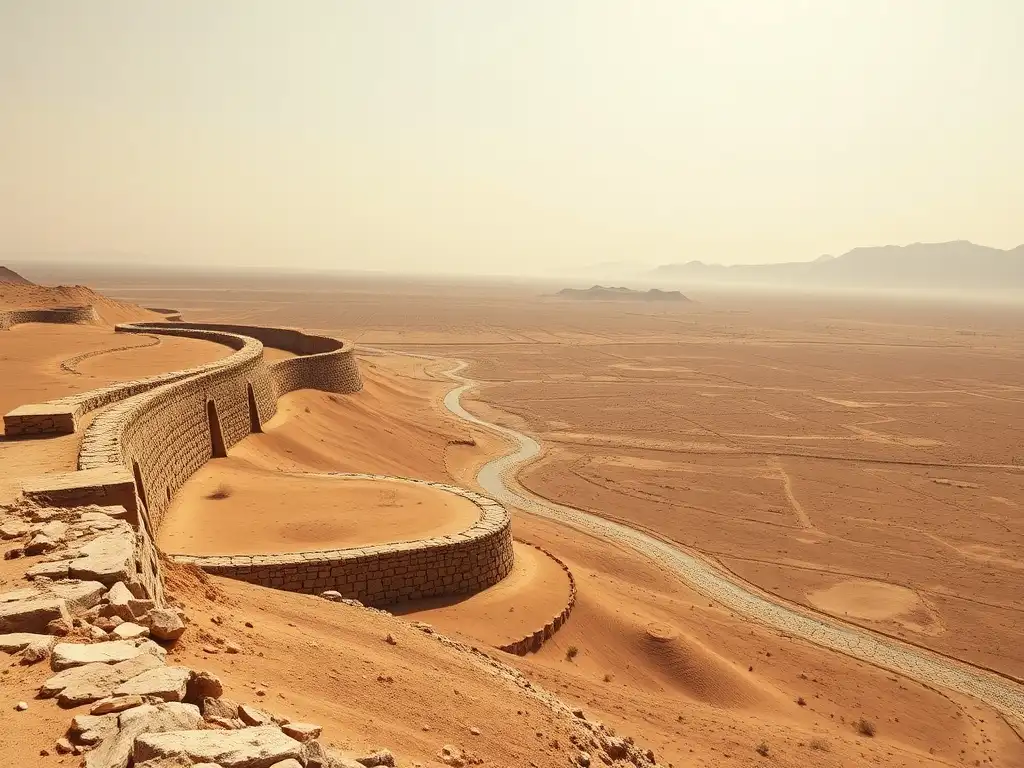
The Nazca irrigation systems represent a remarkable feat of ancient engineering, allowing a thriving civilization to flourish in one of the most arid regions on Earth. Their ingenuity lies not just in the scale of the projects, but in the sophisticated understanding of water management and the adaptation to the unique challenges of the desert environment. This section delves into the functionality and lasting impact of these systems, exploring how they shaped Nazca society and agriculture. The keyword phrase "Nazca irrigation systems engineering" is central to understanding the impressive technological achievements of this civilization.
Sustaining Nazca Agriculture through Effective Irrigation
The Nazca people developed a complex network of canals, aqueducts, and underground channels to harness scarce water resources. These weren't simply open ditches; they employed sophisticated techniques to maximize water efficiency. Evidence suggests the use of canales subterráneos (underground canals) to minimize evaporation in the intense desert sun.
These channels, often lined with stones or clay to prevent water loss, directed water from rivers and streams to agricultural fields, sometimes over considerable distances. The ingenuity of the Nazca engineers is evident in their ability to manage water flow, diverting it as needed and using techniques like check dams to control the water level. This allowed for the cultivation of crops even in the most challenging terrains.
The system's effectiveness is demonstrated by the scale of Nazca agriculture, which supported a substantial population in a remarkably harsh environment. Detailed studies of the remaining canal systems reveal a level of planning and precision that surpasses many later irrigation projects in similar environments. Further research is needed to fully understand the precise methods used for canal construction and maintenance, but existing evidence points to a deep understanding of hydrology and engineering principles.
The Influence of Irrigation on Nazca Society and Culture
The Nazca irrigation systems were not merely technological achievements; they were integral to the fabric of Nazca society and culture. Access to water, controlled through the intricate network of canals, was a crucial factor determining social status and political power. The construction and maintenance of these systems likely required significant communal effort, fostering cooperation and social organization.
This shared responsibility, in turn, may have contributed to the development of a complex social hierarchy and specialized labor roles. Religious beliefs likely played a role, with ceremonies and rituals possibly associated with water management and the successful functioning of the irrigation systems. The availability of water, made possible by engineering prowess, directly influenced the prosperity and stability of the Nazca civilization.
Archaeological evidence suggests a connection between the irrigation systems and the Nazca's elaborate ceremonial centers, emphasizing the importance of water in their worldview. Further analysis of iconography and textual evidence (if any exists) could reveal a deeper understanding of the cultural significance of these systems.
Agricultural Products Supported by the Nazca Irrigation System
The Nazca irrigation systems allowed for the cultivation of a diverse range of crops, crucial for sustaining the population. While precise crop yields are difficult to ascertain due to the limitations of archaeological data, evidence suggests the cultivation of cotton, maize, beans, squash, and various other crops. Cotton was particularly important, used for textiles and trade.
Maize, a staple food, provided carbohydrates, while beans and squash offered essential proteins and nutrients. The success of Nazca agriculture, supported by the sophisticated irrigation network, resulted in a surplus of food which could be stored and traded, contributing to the overall economic strength and stability of the civilization. This surplus also likely played a significant role in supporting the population density and the development of specialized crafts and artistic endeavors.
Analysis of plant remains found at Nazca archaeological sites provides valuable data about the types and quantities of crops cultivated, offering further insight into the agricultural productivity of the region and the impact of the irrigation systems. Further research, perhaps involving pollen analysis and detailed study of ancient soil samples, could reveal a more complete picture of the Nazca agricultural landscape.
Comparing Nazca Irrigation with Other Ancient Systems
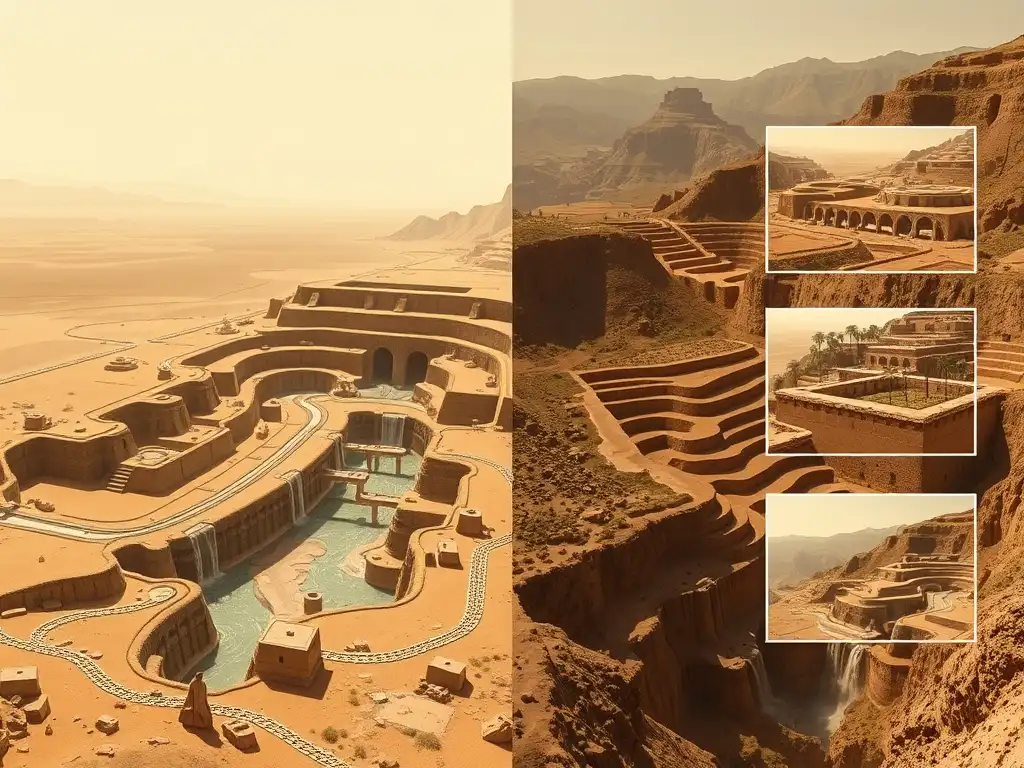
Nazca Puquios vs. Other Ancient Water Management Techniques
The Nazca's mastery of water management, particularly their intricate system of puquios, stands out even when compared to other sophisticated ancient irrigation systems. While civilizations like the Romans were renowned for their aqueducts and canals, the Nazca faced a uniquely challenging environment: the arid coastal plains of southern Peru. Their solutions were therefore uniquely adapted to this harsh landscape.
Roman aqueducts, for instance, relied on gravity and often involved substantial elevation changes to transport water over long distances. In contrast, Nazca puquios tapped into underground aquifers, utilizing a network of subterranean channels to bring water to the surface. This approach minimized water loss through evaporation, a crucial factor in the desert climate.
The ingenuity of the Nazca puquio system is further highlighted by contrasting it with the qanats of Persia. While both systems involved underground channels, qanats typically involved a series of gently sloping shafts dug into the hillside, relying on gravity to move the water. Nazca puquios, however, often involved more complex engineering, with vertical shafts connecting to extensive horizontal tunnels, sometimes extending for kilometers.
This required a far greater understanding of subsurface hydrology and sophisticated excavation techniques. The precise construction of these tunnels, often with smooth, carefully shaped walls, minimized friction and maximized water flow. Detailed analysis of surviving puquios reveals a remarkable level of precision and planning, far surpassing the simpler designs found in many other ancient irrigation systems.
| Irrigation System | Location | Primary Method | Challenges Addressed |
|---|---|---|---|
| Nazca Puquios | Southern Peru | Underground Aquifers | Arid Climate, Water Scarcity, Evaporation Loss |
| Roman Aqueducts | Roman Empire | Gravity-fed Canals | Transporting Water over Long Distances, Elevation Changes |
| Persian Qanats | Persia | Subterranean Channels | Arid Climate, Water Scarcity, Maintaining Water Flow |
Unique Aspects of Nazca Irrigation Engineering
The Nazca irrigation systems, particularly the puquios, present several unique aspects of engineering prowess. Firstly, the understanding and exploitation of underground water resources demonstrates an advanced knowledge of hydrology. The Nazca accurately identified and mapped subterranean aquifers, constructing their tunnels to intersect these water sources efficiently. This required significant surveying skills and an intimate understanding of the local geology.
The construction itself was an astonishing feat of engineering, requiring specialized tools and techniques to excavate the tunnels, often in hard-packed earth. Evidence suggests the use of sophisticated tools, though the exact nature of these tools remains a subject of ongoing research. [Specific tool descriptions pending].
Secondly, the design of the puquios incorporated ingenious ventilation systems. These systems, often consisting of carefully placed shafts, facilitated air circulation within the tunnels, preventing the build-up of stagnant water and reducing the risk of collapse. The placement of these ventilation shafts was not arbitrary; their location was carefully planned to maximize airflow and minimize disruption to the water flow. This demonstrates a sophisticated understanding of both hydraulics and ventilation principles. The longevity of many puquio systems, with some remaining functional even today, is a testament to the effectiveness of their design.
Finally, the social organization required to construct and maintain such a complex system underscores the advanced level of Nazca societal development. The planning, coordination, and labor involved in building and maintaining the puquios required a highly organized and structured society, capable of mobilizing significant resources and manpower. This highlights the interconnectedness between engineering innovation and social structures within the Nazca civilization. The system’s success depended not only on technical skill but also on effective social organization and cooperation.
The Legacy of Nazca Ingenuity in Water Management
The Nazca irrigation systems, particularly the puquios, represent a remarkable achievement in ancient engineering. Their impact extended far beyond the immediate needs of the Nazca civilization, leaving a lasting legacy on water management techniques in the region. The ingenuity displayed in their design and construction continues to inspire modern engineers and hydrologists. The principles of underground water extraction and management employed by the Nazca remain relevant today, particularly in arid and semi-arid regions facing water scarcity. Studies of Nazca puquios provide valuable insights into sustainable water management strategies.
Furthermore, the resilience of these systems, with many still functioning after centuries, demonstrates the enduring value of careful planning, meticulous construction, and a deep understanding of the local environment. The Nazca legacy serves as a reminder that sustainable development is not merely a modern concept, but a principle that has been practiced and perfected by ancient civilizations. Modern engineering projects often draw inspiration from the ingenuity and practicality of ancient systems like the Nazca puquios, demonstrating the timeless relevance of their achievements.
The study of these systems offers valuable lessons for contemporary challenges in water resource management, emphasizing the importance of innovative and sustainable solutions. The ongoing research into Nazca irrigation systems continues to reveal new insights into their design, construction, and cultural significance, solidifying their place as a remarkable achievement in ancient engineering and a valuable resource for modern-day challenges. 🌍
The Modern Significance of Nazca Irrigation Systems
The ingenuity of the Nazca irrigation systems continues to resonate deeply in the 21st century, offering invaluable lessons in sustainable water management and innovative engineering solutions for arid and semi-arid regions globally. The Nazca's mastery of water harvesting and distribution in an extremely challenging desert environment remains a testament to their advanced understanding of hydrology and their ability to adapt to limited resources. Their techniques, though developed centuries ago, offer compelling models for contemporary water resource management, particularly in the face of increasing water scarcity and climate change.
Understanding their methods allows us to appreciate the potential for efficient and sustainable water use, even under the most demanding conditions. This is especially relevant in regions grappling with drought and desertification, where the principles of Nazca water management could be adapted and applied to improve agricultural practices and ensure water security.
The sustainable practices employed by the Nazca, such as the use of underground canals ( puquios) to minimize evaporation, represent a significant departure from modern, often water-intensive agricultural techniques. Studying these systems provides a valuable counterpoint to current practices and offers opportunities to develop more environmentally friendly approaches to agriculture.
Lessons from Nazca Water Management for Modern Agriculture
The Nazca's sophisticated understanding of water management offers several crucial lessons for modern agriculture:
- Minimizing Evaporation: The Nazca's extensive use of underground canals ( puquios) to transport water significantly reduced evaporation losses, a critical factor in arid regions. Modern agricultural practices could benefit from incorporating similar subsurface irrigation techniques to conserve water.
- Water Harvesting and Storage: The Nazca effectively harvested rainwater and stored it in reservoirs and underground channels. This approach of capturing and storing water resources is highly relevant for modern water management strategies, particularly in regions prone to drought.
- Efficient Water Distribution: The Nazca's canal systems were designed to efficiently distribute water to agricultural fields, ensuring equitable access to resources. Modern irrigation systems could learn from their precise and targeted water distribution strategies to improve efficiency and reduce waste.
- Sustainable Land Management: The Nazca's agricultural practices were integrated with their water management systems, demonstrating a holistic approach to land management. Modern agriculture could benefit from adopting integrated approaches that consider the interplay between water, soil, and crops.
The application of these lessons could significantly improve agricultural productivity and water use efficiency in arid and semi-arid regions worldwide. Further research into the specific techniques employed by the Nazca could lead to the development of innovative and sustainable agricultural practices that are both environmentally friendly and economically viable. The Nazca's legacy underscores the importance of understanding and respecting the delicate balance between water resources and agricultural production.
Preservation Efforts of Ancient Nazca Irrigation Structures
Preserving the remaining Nazca irrigation structures is crucial not only for historical and archaeological reasons, but also for understanding and replicating their sustainable water management techniques. These efforts are multifaceted and involve various stakeholders, including archaeologists, historians, local communities, and governmental agencies. Preservation strategies include:
- Documentation and Mapping: Detailed surveys and mapping of the existing irrigation systems are essential for understanding their complexity and informing preservation efforts. This involves using advanced technologies like GIS and remote sensing to create comprehensive records of the structures.
- Structural Stabilization: Repair and stabilization of damaged or deteriorating structures are crucial to prevent further erosion and collapse. This requires careful planning and the use of appropriate materials and techniques to ensure the long-term integrity of the sites.
- Community Involvement: Engaging local communities in preservation efforts is vital for ensuring the sustainability of these initiatives. This can involve educating the community about the importance of the sites and involving them in monitoring and maintenance activities.
- Sustainable Tourism: Promoting responsible tourism can generate revenue for preservation efforts while minimizing the negative impacts of tourism on the sites. This includes developing sustainable tourism practices and educating visitors about the importance of protecting the sites.
The long-term preservation of these remarkable structures depends on a concerted effort by all stakeholders to ensure their protection for future generations. The continued existence of these systems provides a tangible link to the past, offering valuable insights into the ingenuity of the Nazca and the potential for sustainable water management in the modern world. The investment in preserving these historical marvels is an investment in our shared future.
Future Research on Nazca Irrigation
Future research on Nazca irrigation systems should focus on several key areas:
- Advanced Technological Analysis: Employing advanced technologies, such as geophysical surveys and remote sensing, to further map and analyze the extent and complexity of the underground canal networks ( puquios) is critical. This can reveal previously unknown aspects of their design and functionality.
- Hydrological Modeling: Developing hydrological models to simulate the water flow and distribution within the Nazca irrigation systems can provide valuable insights into their efficiency and sustainability. This can help to assess the impact of climate change on these systems and inform strategies for adaptation.
- Comparative Studies: Conducting comparative studies of Nazca irrigation systems with other ancient and modern irrigation systems can identify common principles and best practices for water management. This can contribute to a broader understanding of sustainable water resource management strategies.
- Interdisciplinary Collaboration: Encouraging interdisciplinary collaboration between archaeologists, engineers, hydrologists, and other specialists is essential for a comprehensive understanding of these complex systems. This collaborative approach will ensure a more holistic and effective approach to research and preservation.
Continued research on Nazca irrigation systems is vital for understanding their engineering marvels and applying their principles to address modern water challenges. The innovative techniques employed by the Nazca offer valuable lessons for sustainable water management in a world increasingly facing water scarcity. The potential insights from future research could be transformative for global water security and agricultural practices.
Conclusion: The Enduring Legacy of Nazca Irrigation Engineering
The ingenuity of the Nazca irrigation systems continues to resonate even today. Their mastery of water management in an arid environment offers valuable lessons for contemporary societies facing similar challenges. The principles of subsurface canals, careful water distribution, and community-based management remain highly relevant in addressing modern issues such as water scarcity and sustainable agriculture. Understanding and appreciating the Nazca's achievements provides a powerful example of how human innovation can overcome seemingly insurmountable environmental obstacles.
Their success was not merely a technological feat; it was a testament to their sophisticated social organization and deep understanding of their ecosystem. The Nazca's legacy serves as a potent reminder of the importance of resource management and the enduring power of collective action in the face of adversity. Modern engineers and agricultural specialists can draw significant inspiration from the Nazca's approach, adapting their techniques to develop innovative solutions for water conservation and efficient irrigation in arid and semi-arid regions globally.
The study of Nazca irrigation systems is not just an exploration of the past; it’s a vital resource for shaping a more sustainable future. The enduring legacy of Nazca irrigation engineering is a powerful reminder that even in the harshest environments, human ingenuity and collaborative efforts can achieve remarkable results. 🌍 Their achievements continue to inspire innovative approaches to water management in the 21st century and beyond.
Frequently Asked Questions
What makes the Nazca irrigation systems so remarkable?
The Nazca people developed incredibly sophisticated irrigation techniques in a hyper-arid desert environment. Their systems, including canals and aqueducts, harnessed scarce water resources with remarkable ingenuity, allowing for sustained agriculture.
How did the Nazca people manage to build these systems?
The Nazca utilized a combination of skilled labor, simple tools, and a deep understanding of local hydrology. They employed techniques like subterranean canals (puquios) to access underground water sources, demonstrating advanced engineering knowledge.
What materials were used in the construction of the Nazca irrigation systems?
Construction primarily involved stone, clay, and earth. The Nazca carefully selected and placed these materials to create watertight channels and durable structures. Their understanding of local materials was crucial to their success.
How did the Nazca irrigation systems impact their society?
The efficient water management enabled the Nazca to cultivate crops, supporting a larger and more complex society. This agricultural surplus likely contributed to their cultural achievements, including the famous Nazca Lines.
What is the legacy of Nazca irrigation systems?
The Nazca irrigation systems stand as a testament to ancient Andean engineering prowess. Their innovative techniques continue to inspire modern-day irrigation projects and offer valuable insights into sustainable water management in arid regions.
Final Reflection: The Enduring Legacy of Nazca Ingenuity
The ingenious Nazca irrigation systems stand as a testament to human adaptability and the power of collaborative problem-solving, a lesson profoundly relevant in our era of climate change and resource scarcity. Their ability to coax life from one of the world's most arid landscapes remains a remarkable feat of engineering, challenging our assumptions about technological advancement and highlighting the importance of sustainable practices even in the face of seemingly insurmountable challenges.
The impact of the Nazca's mastery of water management extends far beyond their immediate environment; it resonates through the centuries, influencing subsequent Andean cultures and offering valuable insights for modern-day water resource management. Their sophisticated understanding of hydrology and their commitment to community-based solutions offer a powerful counterpoint to our often fragmented and unsustainable approaches. The desert, once barren, became a garden, a testament to human ingenuity and the power of collective effort.
This quote, though fictionalized, encapsulates the spirit of the Nazca's achievement and its enduring relevance.
Consider the ingenuity of the Nazca people – their deep understanding of their environment, their collaborative spirit, and their unwavering commitment to innovation. You too possess the capacity for creative problem-solving and the power to shape a more sustainable future. Reflect on the challenges you face, and consider how the resourcefulness of the Nazca might inspire your own approach to overcoming obstacles. Let their legacy be a call to action, urging you to find innovative and sustainable solutions for the challenges of our time.
Explore the Wonders of Nazca: Take Action Today!
Thank you for exploring the fascinating world of Nazca's irrigation systems! You've discovered some of the incredible engineering achievements that allowed this ancient civilization to thrive in the harsh desert environment. Now, let's put that knowledge to good use!
Here are a few ways you can further engage with this captivating topic:
- Visit a Local Museum: Explore local museums with exhibits on ancient civilizations or engineering marvels. Witness firsthand the innovations of these remarkable societies and share your newfound knowledge with friends and family!
- Share Your Knowledge: Start a conversation about Nazca and its ingenious irrigation systems on social media. Use relevant hashtags to connect with others interested in this topic and spark engaging discussions.
- Expand Your Research: Learn more about similar ancient engineering feats around the world, such as the Roman aqueducts or the Persian qanats, and compare their design and functionality. Consider exploring the similarities and differences in their approaches to water management.
What aspect of Nazca’s irrigation technology intrigues you the most, and how can we apply the lessons learned from their ingenuity to address modern water management challenges?