
The Legacy of the Incas: Scholars Who Delved into Their Imperial Power

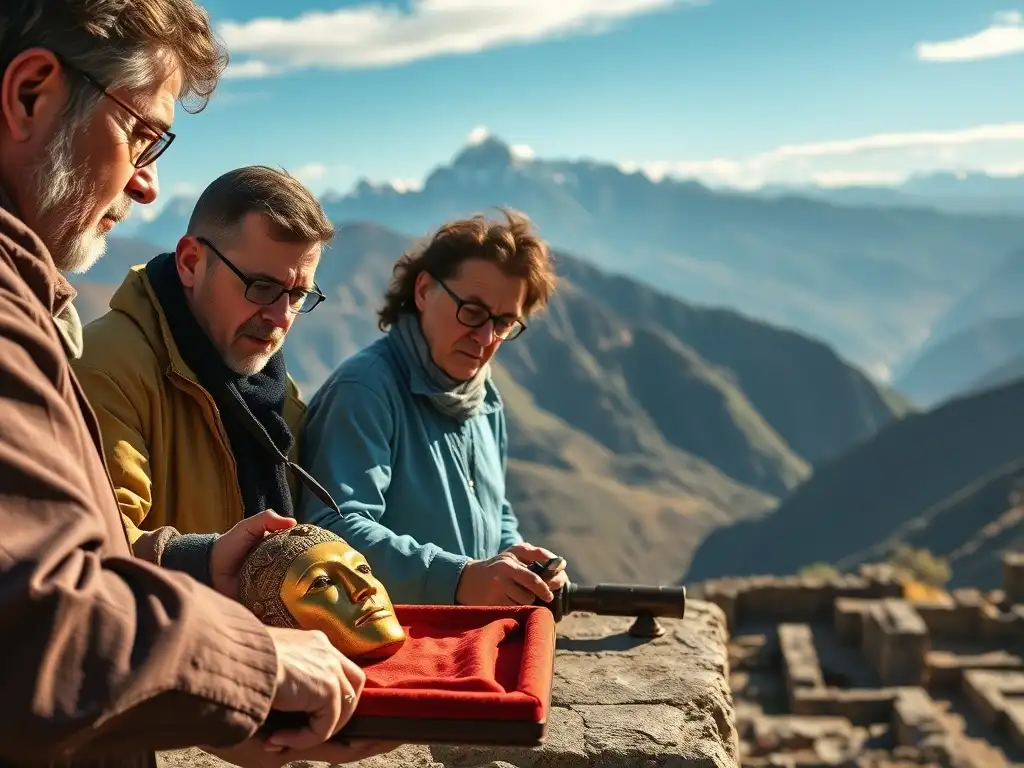
Step into a world lost to time, yet echoing with the power and ingenuity of the Andes. Uncover the secrets of a civilization that continues to fascinate and inspire: the Inca Empire. This journey delves into the lives of Inca Empire scholars, those dedicated individuals who dedicated their lives to understanding the intricacies of this magnificent empire. Are you ready to discover the minds behind our modern understanding of Inca power? Then explore the rich tapestry of Andean history and meet the key figures who shaped our knowledge of this extraordinary civilization.
The Inca Empire, a civilization that flourished in the Andes Mountains from the 15th to the 16th centuries, left an indelible mark on history. Its sophisticated social structures, impressive engineering feats, and vast territorial reach continue to fascinate and inspire researchers worldwide. Understanding the Inca Empire requires delving into the work of countless scholars who have dedicated their lives to deciphering its complexities, interpreting its artifacts, and reconstructing its rich history.
This article explores the contributions of key figures in Inca Empire studies, highlighting their groundbreaking research and the lasting impact of their work on our understanding of this remarkable civilization. We'll examine both early chroniclers, many with inherent biases, and the modern scholars who have built upon their foundations, offering new perspectives and challenging established narratives. This exploration will reveal the evolution of Inca scholarship and its ongoing contribution to our understanding of the Inca Empire.
The study of the Inca Empire is a journey through time, revealing not only the achievements of the Inca people but also the dedicated efforts of those who strive to understand their legacy. This article focuses on the keyword "Inca Empire scholars," providing an overview of the key figures and their contributions.
Introduction to Inca Empire Studies
The study of the Inca Empire is a complex and multifaceted endeavor. Early research was heavily reliant on colonial accounts, often skewed by the perspectives and biases of Spanish conquistadors and their chroniclers. These accounts, while valuable for providing a glimpse into the immediate aftermath of the conquest, often lacked nuance and presented a Eurocentric view of the Inca civilization.
Later, archaeological discoveries and the development of new methodologies, including linguistic analysis and ethnohistory, revolutionized the field, offering a more balanced and comprehensive understanding. The shift from primarily relying on biased colonial accounts to incorporating indigenous perspectives and archaeological evidence has been crucial in constructing a more accurate and nuanced picture of Inca society, politics, and culture. This evolution has not only enriched our understanding of the Inca Empire but also highlighted the importance of considering multiple viewpoints and employing interdisciplinary approaches in historical research.
The field continues to evolve, with ongoing debates and new discoveries constantly shaping our understanding of this fascinating civilization. The emoji ⛏️ represents the hard work of archaeologists in uncovering the Inca past.
Early Chroniclers of the Inca Civilization
Early chroniclers played a crucial, albeit often problematic, role in shaping our initial understanding of the Inca Empire. Their accounts, written in the aftermath of the Spanish conquest, offer invaluable—though often biased—first-hand perspectives. These chronicles are essential primary sources, providing details about Inca social structures, political systems, and daily life.
However, it's crucial to approach these accounts with critical awareness, recognizing the inherent limitations imposed by the context of their creation. Many chroniclers had a vested interest in portraying the Inca in a specific light, often magnifying their power and sophistication to justify the Spanish conquest or, conversely, portraying them as barbaric to legitimize their actions.
Spanish Accounts of Inca Society
Spanish chroniclers, such as Pedro Cieza de León and Garcilaso de la Vega, provided extensive descriptions of Inca society. Cieza de León's Crónica del Perú offers detailed accounts of Inca geography, infrastructure, and social organization. Garcilaso de la Vega, the son of a Spanish conquistador and an Inca noblewoman, offers a unique perspective in his Royal Commentaries of the Incas, blending Spanish and Inca perspectives.
However, both accounts reflect the biases of their time and their authors' positions within the colonial context. Their works, despite their limitations, remain important sources of information, providing valuable insights into Inca customs, beliefs, and political systems. Careful analysis, considering their context and biases, is critical for extracting accurate and useful information.
Indigenous Voices on the Inca Legacy
While Spanish accounts dominate early chronicles, the incorporation of indigenous voices is essential for a more complete understanding. Although limited due to the suppression of indigenous languages and traditions during the colonial era, some indigenous perspectives have survived, often embedded within oral traditions or in later accounts compiled by sympathetic scholars. These voices offer alternative interpretations of Inca history, challenging the dominant narratives presented by Spanish chroniclers and providing a more nuanced perspective on Inca culture and beliefs.
The recovery and analysis of these indigenous perspectives are vital for constructing a more accurate and representative image of the Inca Empire. The ongoing efforts to recover and translate these voices are crucial for a more holistic understanding of Inca history. The search for these voices is represented by the magnifying glass 🔎.
19th Century Pioneers in Inca Research
The 19th century witnessed the nascent stages of systematic Inca research, largely driven by European scholars venturing into South America. These early explorers often combined archaeological investigation with historical analysis, laying the groundwork for future, more nuanced studies. Their work, however, was often colored by the prevailing biases of their time, including Eurocentric perspectives that sometimes minimized the sophistication of Inca civilization.
Many expeditions focused on the recovery of artifacts, with less emphasis on contextual understanding. The sheer scale of the Inca Empire, coupled with the challenges of accessing remote archaeological sites, presented significant hurdles for these pioneering researchers. Their contributions, though sometimes limited by the methodologies of their era, remain essential in understanding the initial steps towards a more comprehensive understanding of the Inca world.
The recovery of significant artifacts, like textiles and ceramics, fueled the imagination and spurred further investigation. These early finds, while not always perfectly documented by today's standards, provided vital clues about Inca artistry, craftsmanship, and daily life.
Epistemological Approaches of Early Inca Researchers
Early 19th-century Inca researchers often employed a largely descriptive approach, focusing on cataloging artifacts and documenting visible remains. Their understanding of Inca society was heavily influenced by existing colonial narratives, which often presented a simplistic view of the empire. The lack of sophisticated archaeological techniques limited their ability to interpret the context of their findings. For instance, the relative dating of artifacts was rudimentary, hindering a clear understanding of chronological developments within the Inca civilization.
Furthermore, the linguistic challenges in deciphering Quechua and other indigenous languages posed significant obstacles to interpreting Inca texts and oral traditions. This resulted in a somewhat fragmented understanding of Inca culture, with interpretations often shaped by the researchers' own cultural biases. The romanticism prevalent in the era also influenced interpretations, often idealizing or romanticizing aspects of Inca life, sometimes at the expense of historical accuracy.
Unearthing Inca Archaeological Sites
The 19th century saw the initial exploration of several major Inca sites. While systematic excavation techniques were still in their infancy, the discovery of sites like Machu Picchu (though its Inca connection wasn't fully understood until later) and Sacsayhuamán marked significant milestones. Early explorers faced immense logistical challenges, navigating treacherous terrain and often lacking adequate resources for extensive excavations. These early explorations were often opportunistic, focusing on easily accessible areas rather than comprehensive site surveys.
Many valuable sites remained untouched, awaiting future generations of archaeologists equipped with more advanced techniques and a deeper understanding of Inca civilization. The preservation of these sites was often an afterthought, with little consideration for the long-term impact of excavation practices. Despite these limitations, the discoveries of this era laid the groundwork for the more systematic archaeological investigations of the 20th century.
Key 20th Century Inca Historians
The 20th century witnessed a dramatic shift in Inca studies, marked by the development of more rigorous methodologies in archaeology, anthropology, and history. Scholars began to move beyond simple descriptions and towards more nuanced interpretations of Inca society, incorporating interdisciplinary approaches to gain a more comprehensive understanding. The rise of scientific techniques, such as radiocarbon dating and improved excavation methods, allowed for more precise chronological frameworks and contextual analyses.
Furthermore, advancements in linguistic studies aided in the translation and interpretation of Quechua texts and oral histories, leading to a richer understanding of Inca worldview and beliefs. This period saw a significant increase in the number of scholars dedicated to Inca studies, leading to a rapid expansion of knowledge and a more complex picture of the Inca Empire.
Analyzing Inca Political Structures
20th-century scholars significantly advanced our understanding of Inca political structures. The focus shifted from viewing the Inca Empire as a monolithic entity to recognizing its regional variations and complex power dynamics. Studies explored the role of different administrative levels, from the emperor at the apex to local authorities managing smaller communities. The concept of mita, the Inca labor system, became a central theme of research, with scholars examining its economic and social implications.
The use of sophisticated data analysis, including statistical modeling, helped to better understand the distribution of resources and power within the empire. The analysis of Inca administrative records, where available, provided valuable insights into the workings of the imperial bureaucracy. These studies revealed the intricate balance of power and the strategies employed to maintain control over a vast and diverse territory.
Studies on Inca Social Organization
Research into Inca social organization moved beyond simplistic hierarchical models. Scholars began to investigate the complexities of kinship structures, social stratification, and the role of different social groups. The study of Inca textiles and pottery provided valuable insights into social differentiation and status markers. Archaeological excavations revealed the layout of Inca settlements, providing clues about residential patterns and social organization.
The investigation of Inca funerary practices offered additional insights into social hierarchy and beliefs about the afterlife. These studies revealed a more nuanced understanding of Inca society, acknowledging its internal diversity and complexities. The interplay between social structures and the Inca economy, particularly the role of agriculture and trade, became a key focus of research.
Deciphering Inca Religious Practices
Understanding Inca religious practices has been a significant challenge for researchers. The lack of extensive written records necessitates reliance on archaeological evidence, iconography, and ethnohistorical accounts. Scholars have studied Inca temples, shrines, and ceremonial sites to understand their religious significance and the rituals performed there. The analysis of Inca iconography, including depictions of deities and mythological figures, has been crucial in interpreting religious beliefs.
The study of human sacrifice, a controversial aspect of Inca religion, has been approached with greater sensitivity and nuance in recent decades, moving away from simplistic interpretations. Researchers have also explored the interplay between religion and politics, recognizing the role of religious ideology in legitimizing Inca power and maintaining social order. The study of Inca cosmology and its connection to agricultural practices has further enriched our understanding of their religious worldview.
Contemporary Scholars and the Inca Empire
Contemporary scholars continue to unravel the complexities of the Inca Empire, moving beyond earlier, often Eurocentric, interpretations. The focus has shifted towards a more nuanced understanding of Inca society, its internal dynamics, and its interactions with other Andean cultures. Researchers are increasingly employing interdisciplinary approaches, drawing on archaeology, anthropology, history, and linguistics to paint a richer and more accurate picture of this fascinating civilization.
The sheer volume of archaeological discoveries, coupled with advancements in scientific dating techniques and analytical methods, provides an unprecedented opportunity to refine our understanding of Inca life, governance, and expansion. This new wave of scholarship challenges previous assumptions and fosters a more inclusive and comprehensive narrative of the Inca world. For example, recent research has focused on the roles of women in Inca society, challenging traditional narratives that often marginalized their contributions.
New Interpretations of Inca Imperialism
Traditional interpretations of Inca imperialism often portrayed it as a purely coercive and militaristic endeavor. However, contemporary scholarship offers a more complex perspective. Scholars now emphasize the significance of diplomacy, alliances, and the incorporation of conquered populations into the Inca system. The Inca's ability to integrate diverse ethnic groups and manage a vast territory through a sophisticated administrative structure is a testament to their political ingenuity.
The concept of mit'a, the system of mandatory labor, is no longer viewed solely as oppressive, but rather as a complex mechanism that contributed to infrastructural development and resource management across the empire. This nuanced view recognizes both the coercive and cooperative aspects of Inca expansion, offering a more accurate reflection of the empire's intricate political dynamics. The focus has shifted from a purely conquest-driven narrative to one that acknowledges the importance of negotiation, assimilation, and the creation of a multifaceted imperial structure.
The Influence of Inca Culture Today
The legacy of the Inca Empire continues to resonate strongly in modern Peru and other Andean countries. Quechua, the language of the Inca, is still spoken by millions, and Inca traditions and customs persist in various forms. Inca architectural styles and artistic motifs are evident in contemporary art and design, while many festivals and celebrations retain elements of Inca ritual and symbolism. The enduring influence is not merely symbolic; Inca agricultural techniques, notably terrace farming, remain crucial for sustainable agriculture in the challenging Andean terrain.
Furthermore, the Inca's sophisticated understanding of astronomy and calendar systems continues to fascinate and inspire contemporary researchers. The study of Inca culture is not just an academic pursuit; it's a vital part of understanding the cultural identity and heritage of millions of people in the Andes today. This enduring cultural influence showcases the resilience and lasting impact of the Inca civilization.
Ongoing Research and Future Directions
Research on the Inca Empire is far from complete. Ongoing excavations continue to uncover new archaeological sites and artifacts, providing fresh insights into Inca life and society. The application of advanced technologies like LiDAR (Light Detection and Ranging) is revolutionizing our understanding of Inca urban planning and infrastructure. Genetic studies are shedding light on population movements and migration patterns within the empire.
Future research will likely focus on further refining our understanding of Inca social structures, economic systems, and religious beliefs. A deeper exploration of Inca interactions with other Andean cultures is also crucial for a more complete picture of the empire's place within a broader historical context. The future of Inca studies promises exciting new discoveries and a more nuanced comprehension of this remarkable civilization. This ongoing research ensures that the legacy of the Inca Empire continues to be explored and understood for generations to come.
Prominent Researchers of Andean Civilizations
Numerous scholars have dedicated their careers to studying the Inca Empire and other Andean civilizations, making significant contributions to our understanding of their history, culture, and technology. Their work has not only illuminated the past but has also shaped our understanding of the broader dynamics of ancient societies. Their dedication and expertise have been crucial in preserving and interpreting the legacy of these remarkable civilizations. Their diverse approaches and interdisciplinary perspectives have greatly enriched our knowledge of the Andes.
Maria Rostworowski and Her Contribution
Maria Rostworowski, a prominent Peruvian historian, made invaluable contributions to the study of Inca history and society. Her work focused on various aspects of Inca life, including social structures, political organization, and religious practices. She is known for her meticulous research and her ability to synthesize diverse sources, including archaeological evidence and colonial chronicles.
Rostworowski's scholarship emphasized the importance of understanding the Inca Empire within its broader Andean context, rejecting simplistic and often biased interpretations. Her insightful analyses continue to be highly influential in shaping our understanding of the Inca world, highlighting the complexities of Inca society and challenging simplistic narratives. She is considered a foundational figure in Inca studies, and her work remains highly relevant today.
John Murra and His Focus on Inca Technology
John Murra, an influential anthropologist, significantly advanced our understanding of Inca economic and political organization. His research focused on the vertical archipelago model, which highlighted the Inca's ingenious system of managing resources across diverse ecological zones. Murra's work emphasized the importance of Inca technology and infrastructure in supporting the empire's vast population and extensive territory.
His analysis of Inca agricultural practices, particularly terrace farming and irrigation systems, demonstrated the sophistication of their engineering skills and their ability to adapt to the challenging Andean environment. Murra's contributions transformed our understanding of Inca economic strategies and their impact on the organization of the empire. His innovative approach continues to inspire researchers working on Inca technology and resource management.
Rebecca Stone-Miller and Her Analysis of Inca Art
Rebecca Stone-Miller is a renowned scholar of Andean art, whose work focuses on the diverse forms of artistic expression within the Inca Empire and its predecessor cultures. Her research has illuminated the symbolic meanings embedded in Inca textiles, ceramics, and metalwork, providing insights into Inca religious beliefs and social structures. Stone-Miller's analyses have challenged traditional interpretations of Inca art, highlighting the complexity and sophistication of their artistic traditions.
Her work emphasizes the importance of understanding Inca art within its cultural and historical context, recognizing the diversity of artistic styles and regional variations. Stone-Miller's contributions have enriched our appreciation of Inca art and its significance in understanding the Inca world. Her scholarship continues to inspire researchers working on Inca art and its broader cultural implications.
Conclusion: The Enduring Fascination with the Inca Empire
The study of the Inca Empire continues to captivate scholars across diverse disciplines. The sheer scale of the Inca's achievements—their sophisticated road system, intricate agricultural techniques, and remarkably organized social structure—presents an enduring puzzle. Decades, even centuries, after the Spanish conquest, new discoveries continue to reshape our understanding of this remarkable civilization.
Archaeological digs unearth previously unknown settlements, revealing the vastness and complexity of the Inca's reach. The analysis of ancient textiles, ceramics, and other artifacts provides invaluable insights into their daily lives, beliefs, and artistic expressions. Furthermore, the ongoing decipherment of Quechua language texts and the interpretation of colonial accounts offer increasingly nuanced perspectives on Inca society and its eventual downfall.
The enduring fascination with the Inca Empire is not merely an academic pursuit; it speaks to a broader human interest in understanding power, organization, and cultural adaptation. The Inca's ability to unify a vast and diverse population, to build an empire spanning thousands of miles across challenging terrain, and to develop innovative solutions to complex problems continues to inspire awe and wonder. Their story serves as a reminder of human ingenuity and resilience, even in the face of immense challenges.
The legacy of the Inca Empire is not simply a historical record; it is a living testament to the enduring power of human creativity and adaptability, a testament that continues to fuel scholarly inquiry and inspire generations to come. Indeed, the study of Inca Empire scholars themselves reveals a fascinating evolution of methodologies, interpretations, and perspectives, reflecting the ongoing and dynamic nature of historical research. The work continues, and new findings promise to further illuminate the mysteries of this remarkable civilization.
Future research promises to bring even more clarity to the complex tapestry of Inca history and culture. The ongoing dialogue amongst Inca Empire scholars ensures that their legacy remains a vibrant and evolving area of study.
- Introduction to Inca Empire Studies
- Early Chroniclers of the Inca Civilization
- 19th Century Pioneers in Inca Research
- Key 20th Century Inca Historians
- Contemporary Scholars and the Inca Empire
- Prominent Researchers of Andean Civilizations
- Conclusion: The Enduring Fascination with the Inca Empire
- What makes the Inca Empire so fascinating to scholars?
- Who are some key figures in Inca studies?
- What are the main sources used by Inca Empire scholars?
- How did Inca scholars contribute to our understanding of the empire's downfall?
- Where can I find more information about Inca Empire scholars and their research?
Frequently Asked Questions
What makes the Inca Empire so fascinating to scholars?
The Inca Empire's remarkable achievements in engineering, administration, and social organization, despite lacking a writing system, captivate scholars. Their sophisticated infrastructure and unique societal structures continue to puzzle and inspire research.
Who are some key figures in Inca studies?
John Rowe and Maria Rostworowski are prominent examples of scholars who dedicated their careers to understanding the Inca. Their work has significantly shaped our understanding of Inca politics, economics, and social structures. More recent scholars build upon their groundwork.
What are the main sources used by Inca Empire scholars?
Scholars rely heavily on archaeological evidence, including ruins, artifacts, and human remains. Colonial-era chronicles and ethnographic studies of later Andean communities also provide valuable, albeit sometimes biased, insights.
How did Inca scholars contribute to our understanding of the empire's downfall?
Scholars analyzing Spanish colonial accounts, archaeological data, and environmental factors have pieced together a complex picture of the Inca collapse. Disease, internal strife, and Spanish conquest all played significant roles.
Where can I find more information about Inca Empire scholars and their research?
You can explore academic journals like The Journal of Andean Archaeology and Latin American Antiquity. University libraries and online databases like JSTOR contain a wealth of scholarly articles written by leading experts in Inca studies.
Final Reflection: Echoes of the Inca Empire in the Modern World
The meticulous work of scholars dedicated to unraveling the mysteries of the Inca Empire continues to resonate today, offering invaluable lessons in societal organization, engineering prowess, and the enduring power of cultural resilience. Their research not only illuminates the past but also provides a crucial framework for understanding the complexities of power, adaptation, and the lasting impact of civilizations on the landscape and the human spirit. The Inca legacy isn't merely a historical curiosity; it's a living testament to human ingenuity and a potent reminder of our shared history.
The Inca Empire's sophisticated agricultural techniques, intricate road systems, and remarkably organized social structure continue to inspire awe and fascination. Their story, pieced together by dedicated scholars, challenges simplistic narratives of conquest and colonization, revealing a complex society with its own internal dynamics and remarkable achievements. The Inca were not simply conquered; they were absorbed, their knowledge and traditions subtly reshaping the very fabric of the new world.
This quote encapsulates the enduring influence of Inca culture, a subtle yet powerful force that continues to shape the cultural landscape of South America and beyond. It compels us to consider the lasting impact of civilizations, even those seemingly vanquished by history.
Consider the implications of this legacy. How can we, as individuals, learn from the Inca's ingenuity and resilience? How can we apply their understanding of sustainable living and community building to the challenges we face today? I urge you to delve deeper into the rich tapestry of Inca history, not just as a historical exercise, but as a source of inspiration and a call to action. Let the echoes of their empire inspire you to build a more just, sustainable, and interconnected world.
Unveil the Legacy: Join the Journey of Discovery!
Thank you for exploring the incredible world of the Inca civilization with us! Your interest not only deepens your understanding of this fascinating culture but also helps preserve its rich legacy. Let's continue to explore their remarkable history together.
Here are some ways you can further engage with Inca culture:
- **Delve deeper** into Inca history by reading our in-depth articles on their social structures, economic systems, and architectural marvels.
- **Share** your newfound knowledge with friends and family—spark conversations about the Inca's enduring impact on the world.
- **Join our community** by subscribing to our newsletter for exclusive content, updates, and information on upcoming events related to Andean studies.
What aspect of Inca culture most captivates you? We'd love to hear your thoughts and continue the discussion!