
Aymara Family Life: Customs and Traditions of Andean Households

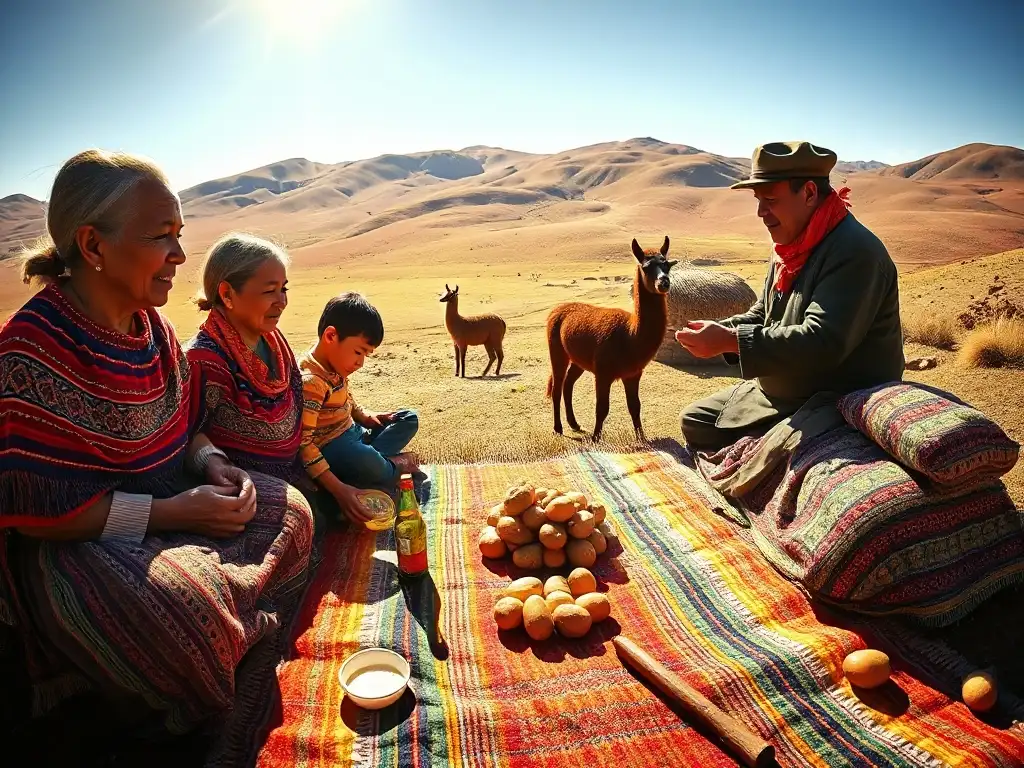
Step into a world lost in time, yet echoing with vibrant life. Discover the captivating legacy of the Andean civilizations, where intricate artistry met breathtaking ingenuity. But beyond the grandeur of the Incas and the mysteries of Nazca lines, lies a story waiting to be unveiled: the enduring strength of Aymara family traditions. Prepare to be mesmerized as we delve into the heart of Andean family life, uncovering customs that have shaped generations and continue to resonate today. Are you ready to uncover their secrets?
The Aymara people, inhabiting the high Andes of Bolivia, Peru, and Chile, possess a rich tapestry of cultural traditions deeply intertwined with their family structures. Understanding Aymara family life offers a crucial lens through which to appreciate their enduring societal values, resilience in the face of historical challenges, and the continuing relevance of their customs in the modern world.
This exploration delves into the core principles of Aymara family organization, examining traditional roles and responsibilities, highlighting the profound impact of kinship ties on their daily lives, and showcasing the enduring strength of these Andean households. We will uncover how these traditions, passed down through generations, continue to shape their identity and community cohesion, even as they navigate the complexities of a rapidly changing global landscape.
The enduring strength of the Aymara family unit serves as a testament to the adaptability and rich cultural heritage of this remarkable Andean civilization. This article will focus specifically on the key aspects of Aymara family traditions, providing a detailed look at their family structures and the roles each member plays within the household.
The Core of Aymara Society: Family Structures
The Aymara family is not merely a domestic unit; it's the bedrock of their social structure. Extended families, often including grandparents, uncles, aunts, and cousins, commonly reside together, creating a strong network of support and shared responsibility. This communal living arrangement isn't simply a matter of convenience; it's a deeply ingrained cultural practice reflecting the importance of collective well-being and mutual assistance. The concept of ayni, reciprocal exchange and mutual obligation, permeates all aspects of Aymara life, and is especially prominent within the family. This system ensures that everyone contributes according to their abilities and receives support when needed.
The structure often revolves around a patriarchal figure, although the women hold significant influence and authority within the household. Decisions are frequently made collaboratively, reflecting a balance of power and shared responsibility. The dwelling itself, often a simple but sturdy structure adapted to the harsh Andean climate, symbolizes this unity, providing a physical manifestation of the family's collective identity.
The home is not just a place of residence; it is the heart of their social and spiritual life, a space where traditions are maintained and passed on to younger generations. The inheritance patterns are also crucial to understanding the stability of the family structure, often favoring the continuation of the family unit over individual acquisition.
Traditional Roles within the Aymara Family
Traditional Aymara gender roles, while evolving with changing times, still hold considerable influence. Men often take on roles related to agriculture, herding livestock (llamas and alpacas are especially important), and participating in community affairs. Women, on the other hand, traditionally manage the household, tend to crops, and play a vital role in childcare and the preservation of traditional crafts and knowledge.
However, this division of labor is not rigid; both men and women participate in many aspects of daily life, collaborating to ensure the well-being of the family and their community. This collaboration is essential for survival in the challenging Andean environment.
Further Exploration of Roles and Responsibilities
While traditional roles provide a framework, the reality is often more nuanced. The specific tasks undertaken by each family member vary depending on factors such as age, ability, and the family's specific circumstances. Younger members contribute according to their capabilities, learning valuable skills and contributing to the overall functioning of the household. Elderly members, with their accumulated wisdom and experience, often play advisory roles, guiding younger generations and preserving traditional knowledge.
The importance of shared responsibility and mutual support is paramount. This cooperative spirit extends beyond the immediate family to encompass the wider community, demonstrating a strong sense of social cohesion and interdependence.
The Aymara family, therefore, represents a complex and dynamic social unit, characterized by strong kinship ties, reciprocal exchange, and a collaborative approach to daily life. Their enduring traditions, while adapting to modern influences, continue to shape their identity and contribute significantly to their remarkable resilience in the challenging Andean environment. The family is not just a unit of survival; it’s a living embodiment of their rich cultural heritage and a testament to the enduring strength of their community.
Aymara Kinship and Extended Family Networks
Aymara kinship systems are complex and deeply ingrained in their social structure. Family isn't just about parents and children; it's a vast network encompassing extended family members, often living in close proximity. The concept of ayni, reciprocal exchange and mutual support, is central to Aymara family life. This principle governs relationships within the extended family, with responsibilities and resources shared amongst relatives.
Elderly family members hold positions of significant respect and authority, often acting as advisors and custodians of traditional knowledge. Their wisdom guides family decisions, particularly regarding land ownership, inheritance, and community involvement. The strength of these kinship ties is crucial for navigating life's challenges, providing both emotional and practical support during times of hardship.
For example, during harvests or construction projects, the entire extended family typically mobilizes to assist, highlighting the collective nature of Aymara life. This strong sense of community also extends beyond immediate family, creating a robust social safety net within the village. Understanding the intricate web of kinship relationships is fundamental to comprehending the dynamics of Aymara society and the importance of collective action.
Aymara Marriage Customs and Rituals
Traditional Aymara marriages often involved complex negotiations and arrangements between families, reflecting the importance of kinship ties. While modern influences have altered some practices, the emphasis on family consent and community involvement remains. Historically, marriages were often arranged, with the families of the prospective bride and groom carefully considering factors such as compatibility, economic standing, and social status. The ceremony itself typically involved a mix of traditional rituals and Catholic influences, reflecting the blending of indigenous and colonial traditions.
These rituals might include the sharing of food and drink, symbolic gestures representing unity and commitment, and blessings from community elders. The role of yatiris (shamans) in some ceremonies underscores the spiritual significance of marriage within Aymara culture. The couple's integration into the extended family network was crucial, with the newlyweds often residing near or with family members.
The division of labor within the marriage reflects traditional gender roles, although variations exist depending on the specific community and family. The commitment to ayni continues after marriage, with mutual support and reciprocal obligations between families extending throughout the couple's lives. [Specific information pending regarding the evolution of Aymara marriage practices in recent decades].
Aymara Child Rearing Practices and Education
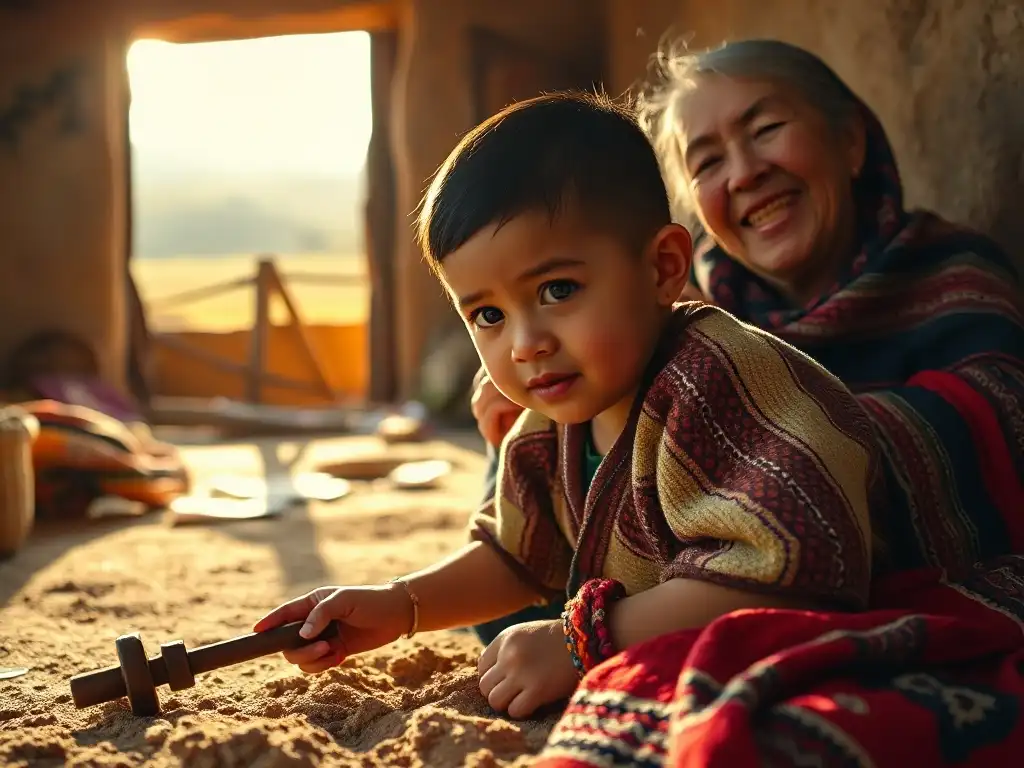
Child rearing within Aymara families emphasizes communal responsibility and the transmission of traditional values. Children are typically raised within the extended family, learning from multiple caregivers and developing strong bonds with various relatives. The education of children involves both formal and informal learning. While formal schooling has become more prevalent, traditional knowledge and skills are still passed down through generations.
This informal education includes practical skills such as farming, weaving, and animal husbandry, teaching children the essential aspects of Aymara life and self-sufficiency. Stories, songs, and traditional practices are employed to instill cultural values and transmit Aymara history and beliefs. Respect for elders and the community is a central tenet of Aymara child-rearing, fostering a sense of collective responsibility and mutual support. Discipline often relies on community involvement and consensus rather than solely parental authority.
Play and social interaction within the community are essential aspects of childhood, reinforcing social bonds and fostering collaboration. The integration of traditional practices with modern educational approaches is an ongoing process, reflecting the dynamic nature of Aymara culture and its adaptation to changing circumstances. The emphasis on community involvement in education ensures that children are integrated into the social fabric of their community, perpetuating Aymara traditions and values for future generations.
The Importance of Elders in Aymara Families
In Aymara culture, elders hold a position of immense respect and authority within the family structure. Their wisdom, accumulated over a lifetime of experience navigating the complexities of Andean life, is highly valued. Elders are seen as the keepers of tradition, the custodians of ancestral knowledge, and the moral compass guiding younger generations. Their opinions carry significant weight in family decisions, ranging from everyday matters to crucial life choices such as marriage or land disputes.
The respect afforded to elders isn't merely a social formality; it's a deeply ingrained cultural value reflecting the Aymara worldview that emphasizes the interconnectedness of generations and the importance of respecting the wisdom of those who came before. This respect is manifested in various ways, including deferential language, active listening during conversations, and the offering of assistance with daily tasks. The knowledge transfer from elders to younger family members is continuous and integral to the preservation of Aymara identity and cultural practices.
Stories, songs, and practical skills are passed down through generations, ensuring the continuity of Aymara traditions. The role of an elder is not simply one of authority, but also one of guidance, support, and mentorship, fostering strong family bonds and a sense of collective identity. This deep respect for elders contributes significantly to the stability and resilience of Aymara families in the face of challenges.
Aymara Celebrations and Family Gatherings
Aymara family life is vibrant and marked by numerous celebrations and gatherings that reinforce family bonds and cultural identity. These events are not merely occasions for festivity; they are crucial opportunities to reaffirm community ties, share stories, and transmit cultural heritage. Important life events like births, marriages, and deaths are celebrated with elaborate rituals and feasts, often involving the entire extended family. Religious festivals, deeply intertwined with the Andean cosmology, also provide significant opportunities for family gatherings.
These celebrations often involve traditional music, dance, and food, creating a rich tapestry of cultural expression. The preparation for these events is itself a communal activity, with family members working together to ensure the success of the celebration. This collaborative effort further strengthens familial bonds and fosters a sense of collective responsibility. The sharing of food, a central element in Aymara culture, is particularly symbolic during these gatherings.
Food is not merely sustenance; it represents nourishment for the body, mind, and spirit, reinforcing the interconnectedness of the family and the community. The stories and songs shared during these celebrations transmit valuable lessons about Aymara history, values, and traditions, ensuring that the cultural heritage is passed down through generations. These gatherings are a testament to the importance of family and community in the Aymara way of life, demonstrating the resilience and enduring strength of their cultural practices.
Aymara Agricultural Practices and Family Work
Aymara agricultural practices are intrinsically linked to family life, reflecting a deep connection to the land and a communal approach to work. Farming is not merely a means of subsistence but a way of life, deeply embedded in Aymara culture and traditions. The cultivation of potatoes, quinoa, and other Andean crops is often a family affair, with each member contributing according to their abilities and age.
Children learn from a young age the importance of working the land, participating in planting, harvesting, and other agricultural tasks. This shared experience fosters a sense of collective responsibility and strengthens family bonds. Traditional methods of agriculture, passed down through generations, are carefully preserved, reflecting the Aymara commitment to sustainability and environmental stewardship.
The close relationship between the Aymara people and their environment is evident in their agricultural practices, where knowledge of the land, climate, and ecological cycles is essential for successful harvests. The family's success is directly tied to the success of the harvest, making agriculture a central pillar of Aymara family life and a cornerstone of their cultural identity. This shared labor instills a deep respect for the land and its resources and reinforces the importance of community cooperation.
The Role of Music and Dance in Aymara Family Life
Music and dance play a vital role in Aymara family life, serving as powerful mediums for cultural expression, social cohesion, and spiritual connection. Traditional Aymara music, often featuring panpipes, flutes, and drums, accompanies many family gatherings and celebrations. The rhythms and melodies are deeply embedded in Aymara culture, reflecting their history, beliefs, and values.
Dance, too, is an integral part of Aymara family life, with various forms of dance performed at celebrations and rituals. These dances often tell stories, transmit cultural knowledge, and reinforce community bonds. Learning traditional music and dance is a crucial part of Aymara upbringing, ensuring that this cultural heritage is passed down through generations.
The participation of family members in musical and dance performances strengthens family ties and promotes a sense of collective identity. Music and dance are not merely forms of entertainment; they are powerful tools for preserving and celebrating Aymara culture, strengthening family bonds, and fostering a sense of community and belonging. The vibrant sounds and movements of Aymara music and dance are a testament to the richness and vitality of their cultural heritage and its enduring importance in family life.
Aymara Family Values and Community Bonds
Aymara family life is deeply rooted in collectivism, emphasizing community bonds and mutual support above individual aspirations. The ayni, a reciprocal system of exchange of goods and labor, is central to their social fabric. This principle extends beyond the immediate family unit, encompassing extended family members, neighbors, and the wider community. Aymara families often live in close proximity to one another, fostering strong social networks and facilitating the ayni system.
This close-knit structure provides a crucial safety net, ensuring that individuals and families receive assistance during times of need, whether it be illness, harvest failures, or other unforeseen circumstances. Respect for elders is paramount; their wisdom and experience are highly valued, and their opinions carry significant weight in family decisions. This reverence for age and tradition strengthens the intergenerational bonds within the Aymara family structure. The concept of pachamama (Mother Earth) also plays a significant role, influencing their worldview and shaping family values.
The interconnectedness of all living things is emphasized, promoting a sense of responsibility towards the environment and a sustainable way of life. This deep respect for nature is often reflected in family rituals and practices. The strong emphasis on community and shared responsibility contributes to a sense of belonging and security within the Aymara family, creating a resilient and supportive social unit. This collective approach to life is a defining characteristic of Aymara culture and a cornerstone of their family structure.
The Influence of Modernity on Aymara Family Traditions
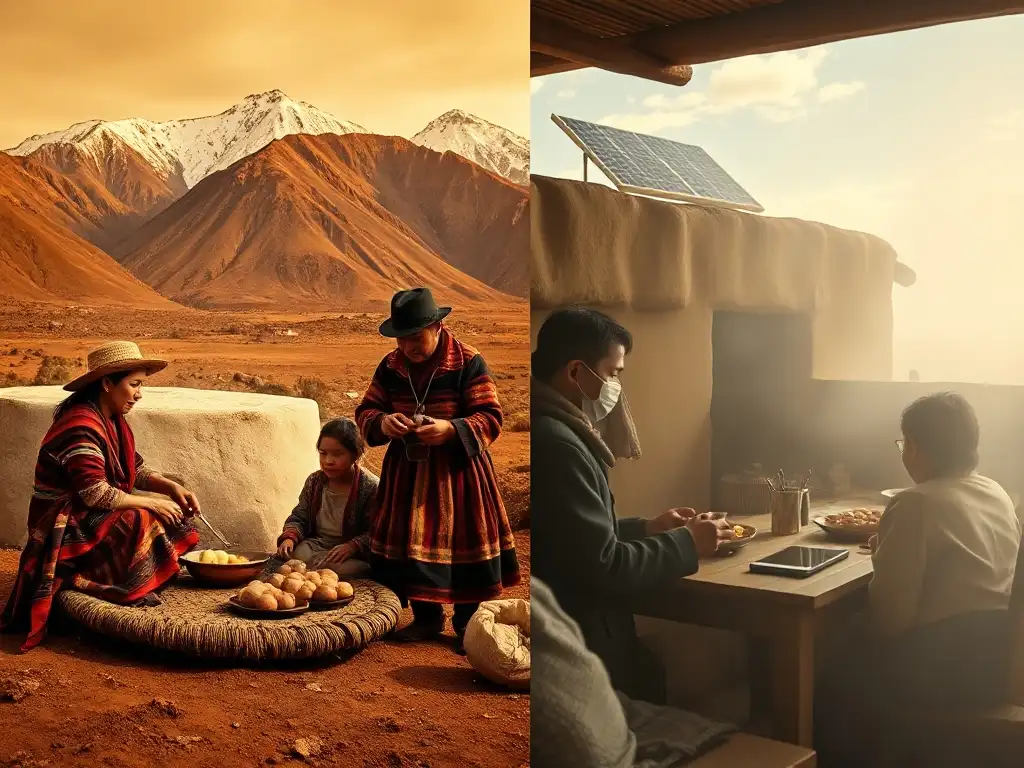
The increasing influence of modernity presents both challenges and opportunities for Aymara family traditions. Globalization, urbanization, and technological advancements have significantly impacted their lifestyles and social structures. Access to education and employment opportunities in urban centers has led to increased migration, weakening traditional family ties in some cases. The introduction of new technologies, such as smartphones and the internet, has also altered communication patterns and social interactions within Aymara families.
While some younger generations embrace modern conveniences, many strive to maintain traditional values and practices. This creates a dynamic tension between preserving cultural heritage and adapting to the changing world. The adoption of new agricultural techniques, for example, can improve yields but may also lead to a shift away from traditional farming practices. Similarly, the exposure to different cultural influences can lead to a blending of traditions, resulting in a unique synthesis of old and new.
However, this process can also lead to the erosion of certain aspects of Aymara culture, raising concerns about the preservation of their unique identity. Efforts to document and promote Aymara traditions are crucial in mitigating these challenges, ensuring that future generations can connect with their heritage. Balancing the preservation of cultural heritage with the benefits of modernization is a significant ongoing process for Aymara families.
The Impact of Migration on Aymara Family Structures
Migration, often driven by economic opportunities and educational pursuits, has profoundly impacted Aymara family structures. The movement of individuals from rural communities to urban centers, or even to other countries, can lead to geographical separation and weakened family bonds. Maintaining regular communication and visits becomes more challenging, potentially leading to a sense of isolation among family members. The responsibilities associated with family support and the ayni system may also be affected, requiring adaptations and new forms of cooperation.
While remittances sent by migrants can provide crucial financial support for families back home, the absence of a family member's physical presence can impact the social fabric of the community. This separation can lead to a weakening of traditional roles and responsibilities within the family unit, particularly those related to elder care and the transmission of cultural knowledge. However, migration can also bring about positive changes, with migrants often returning with new skills and knowledge that benefit their families and communities. They may introduce new ideas, technologies, and perspectives, fostering innovation and adaptability.
The impact of migration on Aymara family structures is complex, presenting both challenges and opportunities for adaptation and resilience. Understanding these dynamics is essential for developing effective strategies to support Aymara families in navigating the complexities of globalization and migration. The balance between maintaining traditional family values and adapting to the realities of migration remains a key challenge for Aymara communities.
Preserving Aymara Heritage Through Family Practices
Aymara families play a crucial role in preserving their rich cultural heritage, transmitting traditions and knowledge across generations. This preservation isn't merely a passive inheritance; it's an active process woven into the fabric of daily life. Language, for instance, is a cornerstone of this transmission. Children are primarily raised speaking Aymara within the home, fostering fluency and cultural identity.
This practice actively combats the encroachment of dominant languages and ensures the survival of Aymara as a vibrant living tongue. Furthermore, traditional storytelling, often featuring ancient myths and legends, serves as a powerful tool for cultural education. These narratives, passed down orally, connect younger generations to their ancestors and instill a sense of pride in their heritage. Additionally, the practice of weaving, traditionally a female-dominated skill, continues to be taught within families.
The intricate designs and techniques embedded in Aymara textiles carry deep symbolic meaning and represent a tangible connection to the past. These practices are not merely skills; they are vital threads in the tapestry of Aymara identity, ensuring its continuity for future generations. The intricate knowledge of medicinal plants and traditional healing practices also forms a crucial part of this intergenerational transmission, showcasing the profound connection between the Aymara people and their environment.
Understanding Aymara Family Dynamics: A Cultural Insight
Aymara family structures are often extended, encompassing multiple generations living together or in close proximity. This communal living arrangement fosters strong bonds and mutual support. Respect for elders is paramount, with older family members holding positions of authority and providing guidance. Decision-making often involves collective consensus, prioritizing the needs of the family unit as a whole.
The concept of ayni, reciprocal exchange and mutual help, is central to Aymara social life and significantly shapes family dynamics. This principle underscores the importance of community and cooperation, where individuals contribute their skills and resources to support one another. Furthermore, gender roles, though evolving, retain a degree of traditional division of labor. While women often manage household tasks and agricultural activities, men might focus on herding livestock or other external work.
However, this division is fluid and collaborative, reflecting the shared responsibility and interdependence within the family. Understanding these dynamics requires recognizing the intricate interplay of tradition, community, and reciprocal support that characterizes Aymara family life. The strong emphasis on family unity and cooperation contributes to a resilient and cohesive social structure.
Aymara Family in the Context of Andean Culture
The Aymara family structure is deeply rooted in the broader Andean cultural context. Shared characteristics with other Andean communities include the importance of kinship ties, extended family networks, and a strong emphasis on community. However, specific customs and traditions may vary depending on geographic location and historical influences.
The Aymara, for example, maintain distinct linguistic and cultural practices that distinguish them from other Andean groups, reflecting their unique history and adaptation to their environment. Nevertheless, the underlying principles of community, reciprocity ( ayni), and respect for elders resonate across many Andean cultures, highlighting the shared heritage and interconnectedness of these societies. Studying the Aymara family within this broader Andean framework provides a richer understanding of the region's cultural diversity and the enduring influence of pre-Columbian traditions.
The resilience of Aymara culture, despite centuries of influence from external forces, showcases the adaptability and strength of their family structures and communal bonds. Understanding their family dynamics offers crucial insights into the enduring legacy of Andean civilizations.
The Enduring Strength of Aymara Family Ties
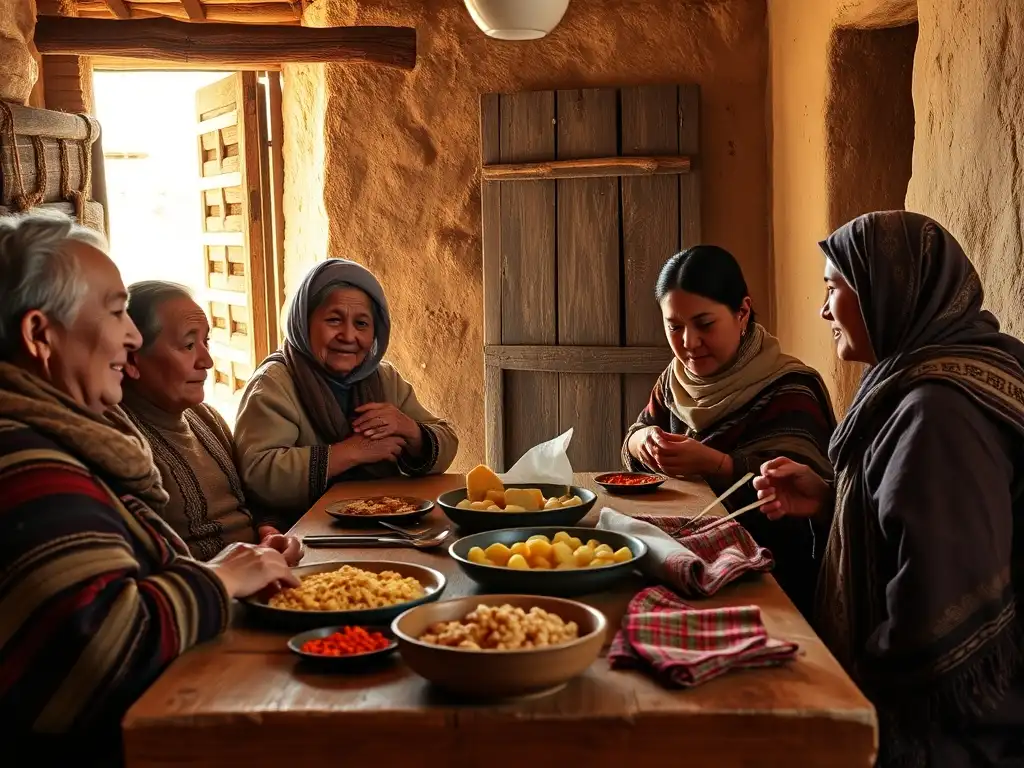
The Aymara people place immense value on family, viewing it as the cornerstone of their society and a source of enduring strength. This emphasis on kinship extends beyond the immediate nuclear family, encompassing extended family members, including grandparents, aunts, uncles, and cousins, all of whom play vital roles in the upbringing and support of children. The concept of ayni, reciprocal exchange and mutual support, is deeply ingrained in Aymara culture and is central to maintaining strong family bonds. This means that family members are expected to assist each other in times of need, whether it's sharing resources, providing childcare, or offering emotional support.
This intricate network of support provides a crucial safety net, particularly in rural communities where access to external support systems might be limited. The strong family ties within Aymara communities foster a sense of belonging and collective identity, contributing to the resilience and continuity of their culture across generations. Family members often live in close proximity, facilitating regular interaction and mutual assistance. This close-knit structure provides a sense of security and stability, especially for children who are raised within a supportive and nurturing environment.
The strength of Aymara family ties is not merely a social construct; it's a vital element of their cultural survival and a testament to the enduring power of community. The preservation of Aymara traditions, language, and cultural practices relies heavily on the transmission of knowledge and values within the family unit. This intergenerational transfer of cultural heritage ensures the continuation of Aymara identity in the face of external pressures. The strength of these ties can be seen in the way families collectively address challenges, celebrating successes, and supporting one another through both joyful and difficult times.
The Role of Elders in Aymara Households
Within the Aymara family structure, elders hold a position of immense respect and authority. Their wisdom, accumulated over a lifetime of experience, is highly valued, and their opinions carry significant weight in family decisions. Grandparents, in particular, often play a central role in the upbringing of grandchildren, sharing their knowledge of traditional practices, Aymara language, and cultural values. This intergenerational transmission of knowledge is crucial for the preservation of Aymara culture and identity.
Elders are seen as repositories of cultural memory, their stories and teachings shaping the worldview of younger generations. Their presence provides stability and continuity within the family, offering guidance and support to younger members. Decisions regarding land ownership, marriage, and other significant life events are often made in consultation with elders, demonstrating the importance of their role in maintaining social harmony and cultural continuity. The respect shown to elders is not merely a matter of politeness; it's a reflection of the deep-seated value placed on experience and wisdom within Aymara society.
This respect is evident in the way elders are addressed, consulted, and included in family affairs. The inclusion of elders in decision-making processes ensures that traditional values and practices are considered and integrated into contemporary life. This ensures a smooth transition between generations, preserving cultural heritage while adapting to modern challenges. The active participation of elders in family life reflects the strong emphasis on intergenerational relationships and the importance of shared experience in shaping Aymara identity.
Aymara Child-Rearing Practices and Values
Aymara child-rearing practices are deeply rooted in their cultural values and traditions. Children are raised within a collectivist framework, where the needs of the family and community are prioritized over individual desires. Cooperation, sharing, and respect for elders are emphasized from a young age. Children learn to contribute to household chores and community activities, fostering a sense of responsibility and community engagement. Discipline is often gentle but firm, emphasizing guidance and instruction rather than punishment.
Storytelling plays a vital role in transmitting cultural values and traditions to younger generations. Through stories, children learn about their history, their ancestors, and the importance of maintaining their cultural heritage. The Aymara language is often used exclusively within the family, reinforcing cultural identity and promoting linguistic preservation. Education is highly valued, but it is often viewed as a means to enhance the well-being of the family and community, rather than solely for individual advancement.
The emphasis on collective well-being shapes the attitudes and behaviors of children, fostering a strong sense of community and social responsibility. These child-rearing practices contribute to the development of responsible, community-minded individuals who are well-equipped to navigate the challenges of modern life while preserving their cultural heritage. The focus on practical skills and community involvement ensures that children are prepared to contribute meaningfully to their families and communities. The strong emphasis on family and community support provides a secure and nurturing environment for children to thrive.
- The Core of Aymara Society: Family Structures
- Traditional Roles within the Aymara Family
- Aymara Kinship and Extended Family Networks
- Aymara Marriage Customs and Rituals
- Aymara Child Rearing Practices and Education
- The Importance of Elders in Aymara Families
- Aymara Celebrations and Family Gatherings
- Aymara Family Values and Community Bonds
- The Influence of Modernity on Aymara Family Traditions
- Preserving Aymara Heritage Through Family Practices
- Understanding Aymara Family Dynamics: A Cultural Insight
- Aymara Family in the Context of Andean Culture
- The Enduring Strength of Aymara Family Ties
- The Role of Elders in Aymara Households
- Aymara Child-Rearing Practices and Values
- What are some key Aymara family traditions regarding children?
- How do Aymara family structures differ from Western models?
- What role does spirituality play in Aymara family life?
- What are some traditional Aymara celebrations or rituals within the family?
- How has modernization impacted traditional Aymara family structures?
Frequently Asked Questions
What are some key Aymara family traditions regarding children?
Aymara families place a strong emphasis on community and family interdependence. Children are raised with a deep respect for elders and are actively involved in family responsibilities from a young age, learning valuable skills and contributing to the household. Shared responsibility is a cornerstone of their upbringing.
How do Aymara family structures differ from Western models?
While nuclear families exist, extended family ties are crucial in Aymara culture. Multigenerational households are common, with grandparents, parents, and children living together, sharing resources and responsibilities. This creates a strong support network.
What role does spirituality play in Aymara family life?
Spiritual beliefs are deeply interwoven with daily life. Ancestor veneration and connection to the land are central, influencing family rituals, celebrations, and decision-making processes. These beliefs reinforce family unity and continuity.
What are some traditional Aymara celebrations or rituals within the family?
Important life events like births, marriages, and deaths are marked by elaborate ceremonies that involve the whole family and community. Traditional dances, music, and food play vital roles in these celebrations, strengthening family bonds and cultural heritage.
How has modernization impacted traditional Aymara family structures?
Modernization has presented challenges, with some younger generations migrating to urban areas. However, many Aymara families maintain strong ties to their traditions, adapting and integrating modern elements while preserving core family values and customs.
Final Reflection: Weaving the Threads of Aymara Heritage
The enduring strength of Aymara family life offers a powerful counterpoint to the homogenizing forces of globalization. Understanding their customs and traditions is not merely an academic exercise; it's a vital step in appreciating the rich tapestry of human experience and recognizing the resilience of indigenous cultures in the face of immense societal pressures. Their deeply rooted family structures provide invaluable lessons for us all.
The interconnectedness within Aymara families, built on mutual respect and shared responsibilities, stands in stark contrast to the often-individualistic nature of modern society. Their emphasis on community and collective well-being offers a compelling alternative model. The family is not merely a social unit, but the very foundation of our existence, the bedrock upon which our culture is built.
This sentiment, though not a direct Aymara quote, reflects the profound importance of family within their culture and speaks to the enduring power of kinship ties. The preservation of these traditions is not just about preserving history; it's about preserving a vital way of life that holds valuable lessons for a world increasingly grappling with social fragmentation.
Consider the ways in which the Aymara emphasis on community, respect for elders, and shared labor could enrich your own life and relationships. Think about how you can foster stronger connections within your own family and community, drawing inspiration from the enduring strength of Aymara family life. Let the threads of their rich heritage inspire you to build a more connected, compassionate, and meaningful world. Let's celebrate and learn from the wisdom embedded within these ancient traditions.
Celebrate and Embrace Aymara Family Traditions!
Thank you for joining us on this journey through the rich customs and traditions of Aymara family life! We hope you've gained a deeper understanding of their unique way of life, which fosters strong community bonds and preserves a vibrant cultural heritage. Now, let's explore ways to engage with these traditions firsthand.
- Attend a local cultural event or festival celebrating Andean heritage. Immerse yourself in the warmth and vibrancy of Aymara customs!
- Learn more by researching traditional Aymara crafts or preparing a traditional meal using local ingredients. This is a delicious way to honor their culinary heritage.
- Share your newfound appreciation for Aymara culture on social media or with friends and family. Let's spread the word and celebrate this rich culture together!
How might you incorporate aspects of Aymara traditions into your own life or community? We'd love to hear your ideas!