
The Divine Lineage: Connecting Rulers to Ancestral Gods

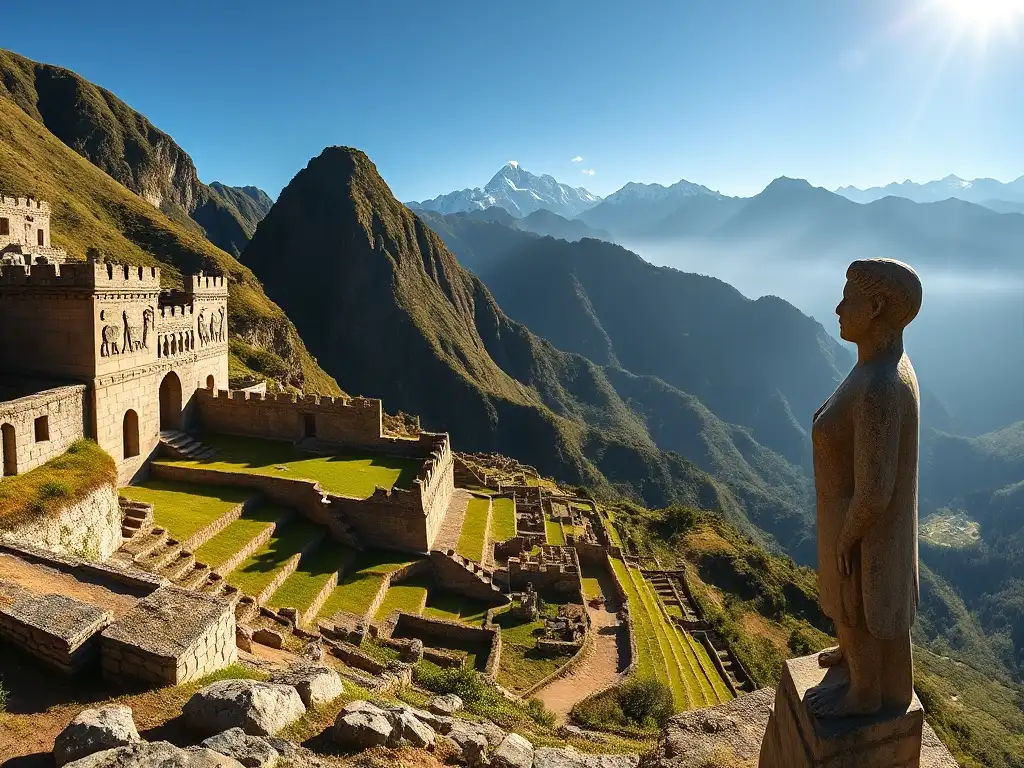
Unravel the mysteries of the Andes! Journey with us into a world of towering empires and breathtaking artistry, where the very mountains held sacred secrets. Did you know the power of Andean royal lineage wasn't just inherited, but divinely ordained? Explore the intricate web of ancestral gods and earthly rulers—a story woven into the very fabric of Andean society—and discover how their connection shaped the destiny of entire civilizations. Dive in and uncover the truth behind the divine lineage.
- The Divine Lineage: Connecting Rulers to Ancestral Gods in Andean Civilizations
- The Inca Imperial Lineage: A Case Study
- The Moche Rulers and Their Claim to Divine Authority
- Andean Royal Lineage in Other Civilizations: Chimor and Wari
- The Importance of Royal Lineage for Political Power and Social Order
- The Enduring Legacy of Ancestral Connections in Andean Cultures
-
Frequently Asked Questions
- How did Andean rulers legitimize their power?
- What role did ancestry play in Andean societies?
- Were all Andean cultures equally focused on royal lineage?
- How did Andean societies record and preserve their royal lineages?
- What evidence exists to support the concept of divine lineage in Andean cultures?
- Final Reflection: Echoes of the Apus: The Enduring Legacy of Andean Royal Lineage
- Unveil Your Connection to the Divine!
The Divine Lineage: Connecting Rulers to Ancestral Gods in Andean Civilizations
The intricate tapestry of Andean civilizations is woven with threads of power, prestige, and a profound connection to the divine. This article delves into the fascinating world of Andean royal lineage, exploring how rulers legitimized their authority by tracing their descent from powerful ancestral gods and mythical beings. Understanding this divine connection is crucial to comprehending the social structures, political systems, and religious beliefs that shaped these remarkable societies.
We will examine the specific ways in which different Andean cultures, including the Incas, Moche, Nazca, and Tiahuanaco, articulated and maintained this crucial link between earthly rulers and the celestial realm. This exploration of Andean royal lineage will reveal how the concept of sacred ancestry wasn't merely a symbolic representation of power but a fundamental pillar of their social and political order.
The intricate rituals, elaborate iconography, and carefully constructed narratives surrounding royal lineages illuminate the profound spiritual significance attributed to ancestry and its role in shaping the destiny of Andean empires. Prepare to uncover the secrets behind the divine right to rule in these ancient societies.
Understanding Andean Royal Lineage and its Divine Roots
The concept of royal lineage in Andean societies differed significantly from those in other parts of the world. It wasn't simply a matter of hereditary succession; it was a complex system interwoven with religious beliefs and cosmological understandings. Rulers weren't merely descendants of previous leaders; they were considered direct descendants of powerful deities, often possessing a lineage stretching back to the origins of the world itself. This divine ancestry provided legitimacy and authority, justifying their rule and ensuring the loyalty of their subjects.
The Inca, for example, meticulously maintained genealogical records, tracing their lineage back to the legendary founder, Manco Cápac, who was believed to be the son of the sun god Inti. This connection to Inti granted the Inca emperors unparalleled authority and power. Similarly, other Andean cultures, such as the Moche and Nazca, developed intricate systems of iconography and mythology to establish and reinforce the divine legitimacy of their rulers.
These systems included elaborate funerary rituals, monumental architecture, and sophisticated artistic representations that visually reinforced the connection between rulers and the supernatural. This wasn't just a claim to power; it was a deeply held belief that underpinned the entire social and political fabric of Andean life. The maintenance of this sacred lineage was a continuous process, involving rituals, sacrifices, and elaborate displays of power to remind the populace of their ruler's divine connection.
The Concept of Sacred Ancestry in Andean Cultures
The importance of sacred ancestry varied across different Andean cultures, but the underlying principle remained consistent: the ruler's connection to the divine was essential for maintaining social order and political stability. The belief in a divine lineage wasn't limited to the elite; it permeated all levels of society, creating a hierarchical structure reflecting the cosmic order. The common people believed that their own well-being was directly linked to the legitimacy of the ruling dynasty. This belief fostered a strong sense of unity and loyalty, strengthening the power of the state.
The rituals and ceremonies surrounding royal births, marriages, and deaths served to reinforce this divine connection and ensure the continued flow of power and prosperity. For instance, [specific information pending] regarding the Moche culture's elaborate burial practices for their rulers, which often included rich grave goods and elaborate depictions of their divine ancestry. The Nazca's complex iconography, particularly the geoglyphs, may also have played a role in reinforcing the divine legitimacy of their rulers, though the specific interpretations remain a subject of ongoing research.
The Tiahuanaco, with their monumental architecture and sophisticated artistic representations, also actively promoted the divine authority of their rulers. The specific mechanisms and interpretations may have varied, but the underlying theme—the divine legitimacy of the ruler—remained a constant across these diverse cultures. The study of Andean royal lineage offers invaluable insights into the complex relationship between religion, politics, and society in these ancient civilizations.
The Inca Imperial Lineage: A Case Study
The concept of Andean royal lineage is central to understanding the power structures and social organization of the Inca Empire. Unlike many other societies, the Inca's legitimacy rested not solely on military might or economic prowess, but crucially on their claimed divine ancestry. This meticulously maintained lineage, passed down through generations, solidified their rule and fostered a deeply ingrained sense of order and hierarchy throughout the vast empire.
Examining the Inca case provides a rich example of how Andean royal lineage functioned to maintain social control and political stability. This section will delve into the intricacies of Inca royal succession, the role of ancestral veneration, and the impact of this system on the broader Inca society.
The Inca Creation Myth and the Divine Origins of the Sapa Inca
The Inca worldview was profoundly shaped by their creation myth, which directly tied the Sapa Inca (emperor) to the gods. The legend of Manco Cápac and Mama Ocllo, emerging from the sacred Lake Titicaca, depicts them as children of the sun god, Inti. This divine parentage wasn't merely a symbolic narrative; it formed the bedrock of Inca imperial ideology.
The Sapa Inca, therefore, wasn't simply a ruler; he was a direct descendant of the gods, a living embodiment of divine authority. This divine connection legitimized his rule and ensured the unquestioning obedience of his subjects. The elaborate ceremonies and rituals surrounding the Sapa Inca, all emphasized his sacred status and the unbroken link to the sun god.
This carefully constructed narrative ensured the perpetuation of power and the stability of the Inca Empire. The meticulous record-keeping of the Inca, although incomplete, clearly shows the dedication to preserving and emphasizing this divine lineage.
Tracing the Inca Royal Bloodline: From Manco Capac to Huayna Capac
Tracing the Inca royal bloodline from its mythical origins to its later emperors presents a complex yet fascinating study. While detailed genealogical records are scarce, surviving accounts and archaeological evidence allow us to piece together a partial picture. The succession wasn't always straightforward; power struggles and challenges to the established line occasionally occurred. However, the overarching principle remained: maintaining the unbroken line of descent from Manco Cápac.
The succession often followed a pattern of primogeniture, with the eldest son inheriting the throne. However, factors like the health and capabilities of potential heirs, along with political maneuvering within the court, could influence the final choice. Notable rulers like Pachacuti Inca Yupanqui, known for his expansionist policies, and Huayna Capac, who oversaw the empire at its zenith, exemplify the continuity and impact of this carefully cultivated Andean royal lineage. Their reigns, while distinct, were all rooted in the same foundational myth of divine origin.
The Significance of the Panacas in Inca Lineage and Succession
The panacas played a crucial role in maintaining and reinforcing the Inca royal lineage. These were powerful kinship groups composed of the descendants of past Sapa Incas. They held considerable influence, owning vast estates and wielding significant political power.
The panacas acted as a kind of royal advisory council, influencing the selection of future emperors and playing a vital role in succession disputes. The power dynamics within these groups significantly impacted the stability of the empire. A strong panaca could propel a particular candidate to the throne, while a weakened one could lead to instability.
The panacas, therefore, were not merely familial groups; they were vital components of the Inca political system, directly intertwined with the preservation and propagation of the Andean royal lineage. Their influence extended far beyond mere blood relations, shaping the political landscape and the very fabric of Inca society. The decline of the panacas after the Spanish conquest contributed significantly to the unraveling of the Inca Empire, highlighting their crucial role in the Inca social and political structure.
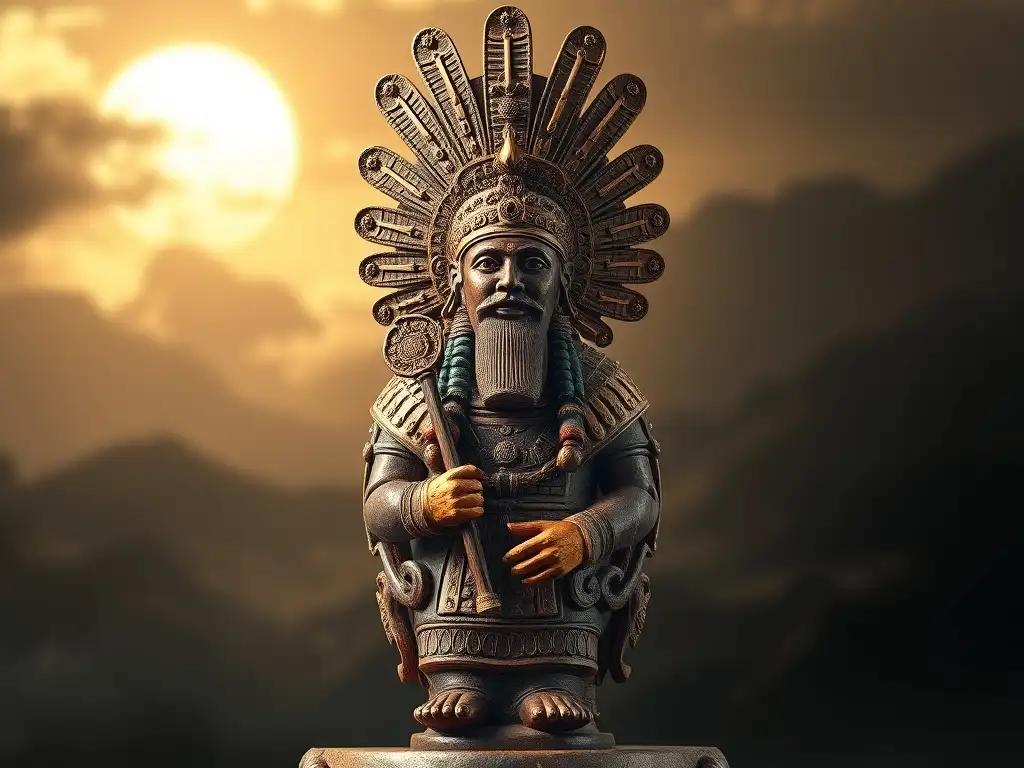
The Moche civilization (c. 100-800 CE), flourishing along the northern coast of Peru, developed a sophisticated system of belief that inextricably linked their rulers to the divine realm. Unlike other Andean cultures where the connection to deities might be more indirect, the Moche actively portrayed their rulers as possessing a divine lineage, a claim meticulously constructed and propagated through various means. This deliberate strategy solidified their power and ensured the continuity of their rule, reflecting a complex interplay of religious ideology, political strategy, and social control.
Understanding the Moche's approach to Andean royal lineage provides crucial insight into their societal structure and worldview. The assertion of divine ancestry was not simply a matter of rhetoric; it was visually represented in their art, substantiated through elaborate burial rituals, and actively reinforced by a powerful priestly class.
Moche Iconography: Gods and Ancestors in Royal Representation
Moche iconography is replete with representations of their rulers, often depicted in scenes that explicitly connect them to powerful deities. The most common examples are found in their stunning ceramic art, particularly the portrait vessels. These meticulously crafted pots depict individuals, identified as rulers through their elaborate headdresses, regalia, and often, symbolic attributes associated with specific deities. For example, many rulers are shown wearing jaguar-skin garments or holding ceremonial staffs adorned with feline motifs, directly linking them to the powerful feline deities prevalent in Moche mythology.
The visual representation extends beyond simple association. Many depictions show rulers participating in ritual ceremonies, often interacting directly with supernatural beings or engaging in activities associated with divine power, such as controlling the weather or commanding supernatural forces. This visual narrative actively constructed and reinforced the idea of a divinely ordained rulership.
Analysis of these images reveals a consistent pattern: the blurring of lines between the human ruler and the divine, suggesting a direct lineage or even a physical embodiment of divine power. The careful execution and consistent portrayal in these artworks demonstrate a deliberate effort to cultivate and maintain the perception of divine kingship. The repetitive nature of the iconography highlights the importance of this message for the Moche society.
Evidence of Ancestor Veneration in Moche Burials and Rituals
The elaborate burial practices of the Moche rulers further solidify the evidence of their claimed divine ancestry. Royal tombs, often richly furnished with gold ornaments, jade artifacts, and elaborate textiles, are testament to the immense power and prestige associated with the Moche elite. However, the significance extends beyond mere material wealth. The inclusion of specific artifacts, such as ceremonial objects depicting deities or ancestral figures, suggests a deliberate attempt to connect the deceased ruler to the ancestral and divine realms.
Furthermore, the presence of human sacrifices within some royal tombs points towards a ritualistic reinforcement of the royal lineage. These sacrifices, often of individuals adorned with similar regalia to the rulers, could be interpreted as offerings to maintain the power and continuity of the royal bloodline. The detailed analysis of these burials, including the positioning of the bodies, the arrangement of grave goods, and the presence of ritualistic offerings, provides concrete evidence for the importance of ancestor veneration within the Moche ideology of rulership.
The scale and complexity of these burials underscore the significance of maintaining the connection to the past and the divine. [Specific details on the types of offerings and their symbolic meaning pending further research].
The Role of Priests in Legitimizing Moche Rulership Through Lineage
The Moche priestly class played a crucial role in legitimizing the ruler's claim to divine authority. Priests, possessing specialized knowledge of religious rituals and ancestral traditions, acted as intermediaries between the human and divine realms. Their participation in royal ceremonies and burials was instrumental in bestowing religious legitimacy upon the ruler's reign. By controlling the rituals and interpretations of religious beliefs, priests effectively reinforced the narrative of divine lineage, ensuring the stability and acceptance of the ruling power.
The priests' influence is evident in the iconographic representations of religious ceremonies. Frequently depicted alongside the rulers, priests are often shown performing rituals or presenting offerings, thus emphasizing their role in maintaining the connection between the ruler and the divine. The elaborate costumes and headdresses worn by priests further highlight their status and authority within Moche society.
This suggests a symbiotic relationship between the ruling class and the priestly elite, where both benefited from the perpetuation of the myth of divine lineage. The precise nature of this relationship and the extent of priestly influence on the construction of Andean royal lineage requires further investigation. However, it is undeniable that their active role was essential in maintaining the legitimacy of Moche rulers.
Andean Royal Lineage in Other Civilizations: Chimor and Wari
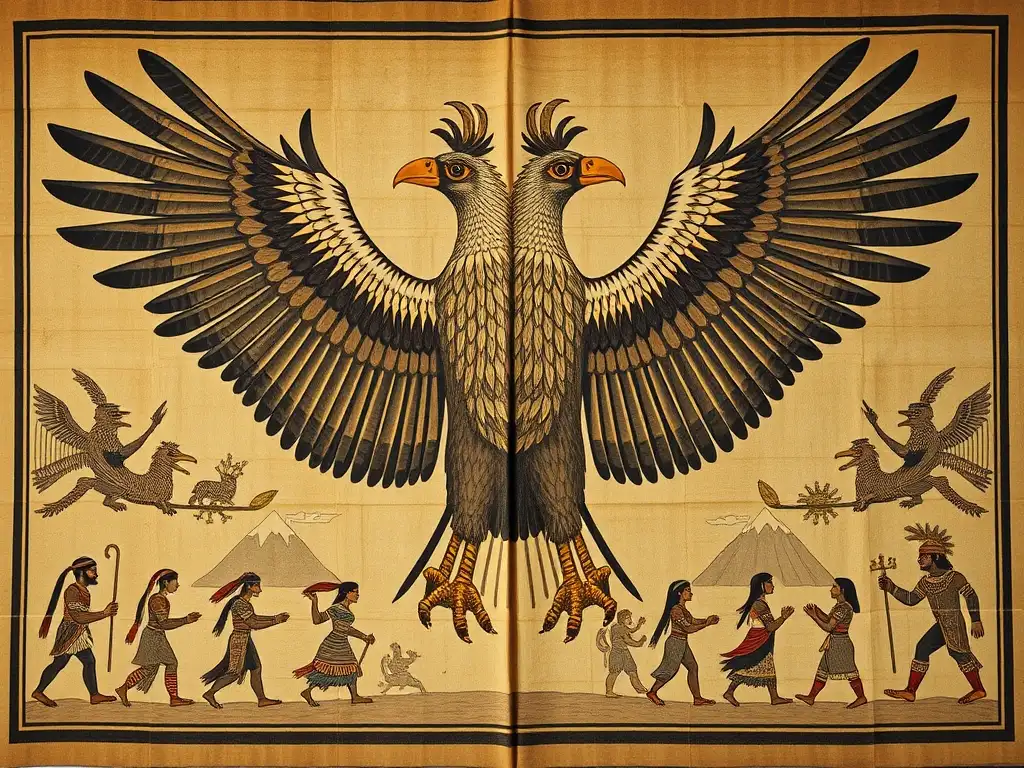
This section delves into the fascinating complexities of Andean royal lineage beyond the Inca, focusing on two significant pre-Columbian cultures: the Chimor and the Wari. Understanding their distinct approaches to legitimizing power through ancestral connections provides a richer understanding of the diverse ways Andean societies constructed and maintained their hierarchical structures. The concept of Andean royal lineage varied significantly across different regions and time periods, reflecting unique cultural beliefs and political strategies.
Chimor Lineage: Evidence and Interpretations of Ancestral Connections
The Chimor kingdom, flourishing along the northern coast of Peru from roughly 1300 to 1470 CE, developed a sophisticated system of royal succession. Unlike the Inca, who emphasized a direct descent from the sun god Inti, Chimor rulers likely based their legitimacy on a combination of military prowess, economic success, and carefully constructed narratives linking them to powerful ancestors. Archaeological evidence, such as elaborate tombs containing rich grave goods and iconography depicting rulers interacting with supernatural beings, hints at these connections.
The discovery of royal tombs at sites like Chan Chan, the Chimor capital, reveals a complex burial ritual suggesting a deliberate attempt to connect the deceased rulers to a divine or semi-divine ancestry. The careful placement of artifacts, the use of specific materials, and the overall grandeur of the burial sites all contribute to this narrative. However, precise genealogical records are lacking, making it challenging to trace direct lines of descent.
Historians and archaeologists rely on iconography, the analysis of royal regalia, and the spatial distribution of elite burials to piece together plausible interpretations of Chimor royal lineage. Further research, particularly genetic analysis of remains found in royal tombs, could significantly enhance our understanding of this intricate system.
Wari's Rulers and their Links to the Gods of the Central Highlands
The Wari civilization (600-1000 CE), which dominated a vast territory in the central Andes, presents a different model of royal lineage. While specific details about Wari succession remain debated, evidence suggests a strong emphasis on religious authority and the control of vital resources. Wari rulers likely legitimized their power by emphasizing their role as intermediaries between the human world and the supernatural realm. Their connection to the gods of the central highlands, possibly through specific lineages or ritual practices, was crucial for maintaining their authority.
Unlike the coastal Chimor, who focused on maritime resources and trade, the Wari controlled extensive agricultural lands and strategically located urban centers. This control of resources likely played a significant role in consolidating royal power and reinforcing the perception of divine favor. The monumental architecture found at Wari sites, such as Huari, suggests a powerful centralized state capable of mobilizing significant labor for large-scale construction projects – a clear demonstration of the ruler's authority and the effectiveness of their system of governance.
The iconography found on Wari ceramics and textiles often depict rulers interacting with deities, reinforcing the narrative of divine legitimacy. However, the precise nature of these divine connections and the mechanisms through which royal lineage was maintained remain areas of ongoing research.
Comparative Analysis of Andean Royal Lineage Across Different Cultures
Comparing the Chimor and Wari approaches to royal lineage with that of the Inca reveals a fascinating spectrum of strategies employed to legitimize rule in the Andes. The Inca emphasized direct descent from the sun god, creating a powerful narrative of divine right. The Chimor, on the other hand, relied on a more complex mix of military success, economic prosperity, and carefully curated ancestral narratives. The Wari, in contrast, seemingly emphasized their role as religious intermediaries and their control over vital resources.
This diversity highlights the significant regional variations within the Andean world and underscores the importance of considering local contexts when analyzing power structures and social hierarchies. The concept of Andean royal lineage was not monolithic; rather, it reflected the unique cultural beliefs, political circumstances, and environmental factors that shaped each civilization. Further research, integrating archaeological findings, textual evidence (where available), and anthropological perspectives, will continue to refine our understanding of this multifaceted aspect of Andean history.
The interplay between divine connection and earthly power remains a central theme in unraveling the complexities of Andean royal lineage across diverse cultures. 👑
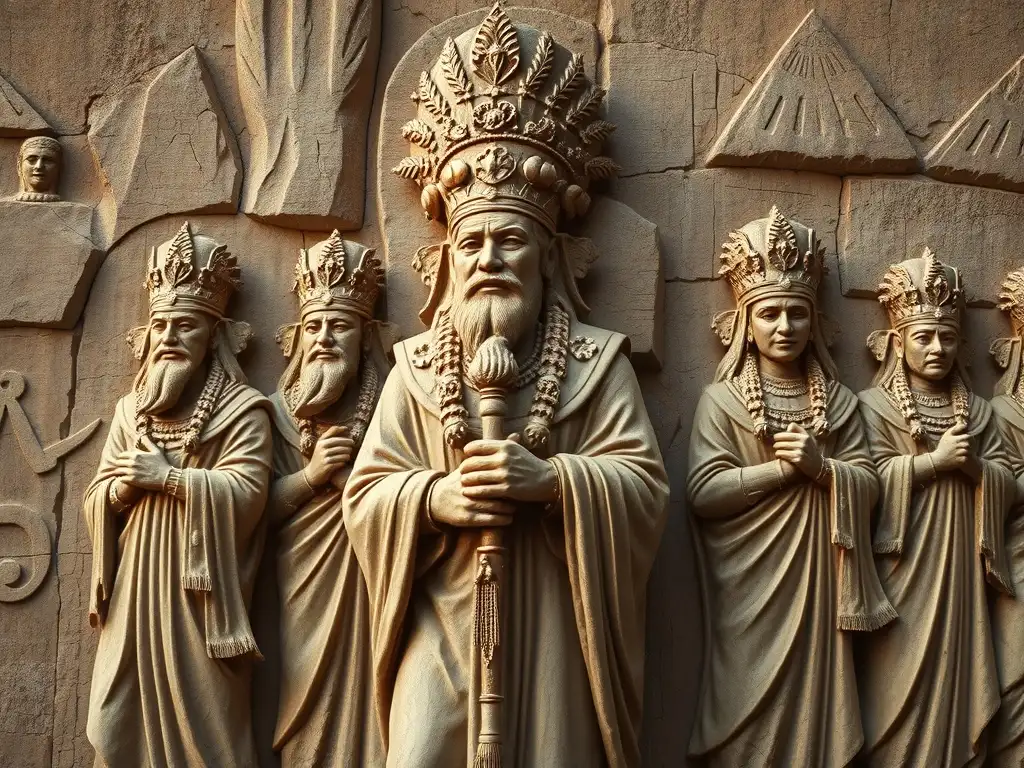
The concept of Andean royal lineage was paramount to the political stability and social order within the various Andean civilizations. Rulers didn't simply seize power; their right to rule stemmed directly from their claimed descent from powerful deities and ancestral figures. This divine connection wasn't merely a symbolic claim; it was a deeply ingrained belief system that permeated all aspects of Andean society.
The legitimacy of a ruler, their authority to command, and the very structure of their empire were all inextricably linked to their perceived closeness to the divine ancestors. This lineage wasn't just a matter of genealogy; it was a powerful political tool used to consolidate power, justify actions, and maintain social hierarchy.
The intricate web of kinship and familial relationships provided the framework for the entire political system. Disputes over succession, therefore, were not simply power struggles; they were challenges to the very fabric of the cosmic order.
The legitimacy of Andean rulers was directly tied to their claimed descent from powerful gods and mythical ancestors. This wasn't a matter of fabricated stories; the narratives surrounding royal lineage were carefully constructed and maintained through generations, often involving elaborate rituals, genealogies inscribed on textiles and pottery, and the construction of monumental architecture that symbolized their connection to the divine realm. For example, Inca rulers traced their ancestry back to Inti, the sun god, solidifying their position as divine representatives on Earth.
This divine connection granted them unquestioned authority, allowing them to command armies, levy taxes, and enforce laws with the implicit understanding that their power was divinely ordained. Challenging a ruler meant challenging the gods themselves – a profoundly dangerous act with severe consequences.
The widespread belief in this divine lineage fostered social stability by providing a powerful justification for the existing power structure. The Inca's Sapa Inca, for instance, was not just a king; he was a living embodiment of the sun god, a concept that imbued his rule with immense authority.
Maintaining Royal Lineage through Marriage and Succession Practices
Maintaining a pure and unbroken Andean royal lineage was crucial for the continued legitimacy of the ruling dynasty. This was achieved through carefully orchestrated marriage practices and highly regulated succession rules. Endogamy, the marriage within the royal family, was frequently practiced to prevent the dilution of divine bloodlines.
These marriages weren't simply unions of convenience; they were sacred rituals that reaffirmed the ruler's connection to the divine realm and secured the continuity of power. Succession practices, while varying between different Andean cultures, often involved complex rituals and ceremonies aimed at ensuring a smooth transition of power and the preservation of the royal lineage. The selection of the heir apparent was a momentous occasion, often involving divination, prophecies, and the participation of religious leaders.
The death of a ruler was not merely a political event; it was a significant ritual occasion, with elaborate funerary rites designed to ensure the deceased ruler's safe passage to the afterlife and the continuation of their divine legacy. The meticulous record-keeping of genealogies, often depicted visually on textiles and pottery, served as a constant reminder of the unbroken chain connecting the current ruler to their powerful ancestors.
The belief in divine lineage profoundly shaped the social hierarchy of Andean societies. The ruler, as a descendant of the gods, occupied the apex of the social pyramid, followed by the nobility, who also claimed some degree of divine ancestry. This hierarchical structure was not simply a matter of social stratification; it was a reflection of the cosmic order, with the ruler acting as the intermediary between the human and divine worlds.
The commoners, while not possessing divine blood, were still part of this hierarchical system, their roles and responsibilities defined by their relationship to the ruling dynasty. This structure wasn't static; it was constantly reinforced through rituals, festivals, and public displays of power that reaffirmed the ruler's divine authority and the legitimacy of the social order. The construction of monumental architecture, such as Machu Picchu, served not only as a testament to Inca ingenuity but also as a powerful symbol of their divine lineage and their control over the landscape.
The intricate system of tribute and labor obligations further reinforced the social hierarchy, with commoners contributing to the maintenance of the royal court and the construction of monumental projects that served to glorify the ruling dynasty and their divine ancestors. The entire social fabric of Andean civilizations was woven around the concept of divine lineage, creating a powerful and enduring system of social control and political legitimacy.
The Enduring Legacy of Ancestral Connections in Andean Cultures
The concept of Andean royal lineage wasn't merely a political tool; it was deeply interwoven with the spiritual fabric of Andean societies. The belief in a divine connection between rulers and their ancestors profoundly impacted social structures, religious practices, and even artistic expression. This legacy persists even today, subtly influencing cultural norms and beliefs in modern Andean communities.
The intricate system of kinship and lineage wasn't simply a genealogical record; it was a living narrative, reinforcing social hierarchy and legitimizing political power. Understanding this enduring legacy requires examining both historical and contemporary evidence. The weight of ancestral authority, passed down through generations, shaped the very identity of Andean rulers and their subjects.
The Continuity of Lineage Beliefs in Modern Andean Communities
Even in contemporary Andean communities, echoes of this ancient reverence for ancestral connections remain. While the overt displays of royal power are long gone, the underlying belief in the importance of family history and lineage persists. Many communities maintain detailed oral histories, meticulously tracing their ancestry back through generations. These narratives aren't simply genealogical records; they are vibrant stories imbued with spiritual significance, linking the present to a powerful past. This continuity is evident in various traditions, including:
- Ancestor veneration: Many Andean communities still practice rituals honoring their ancestors, believing that these spirits continue to influence their lives. These practices often involve offerings, prayers, and special ceremonies.
- Land rights: In many cases, land ownership and access are still linked to ancestral claims, highlighting the enduring importance of lineage in determining social standing and resource allocation.
- Community leadership: Although formal monarchies are absent, traditional leadership structures often prioritize individuals with demonstrably strong ancestral connections within the community. This suggests that the weight of lineage continues to play a significant role in determining social authority.
The persistence of these traditions demonstrates the enduring power of the belief in divine lineage, a legacy that transcends the collapse of the great Andean empires. The spiritual and social significance of ancestral connections continues to shape the lives of Andean people today, providing a tangible link to a rich and complex past. 👑
The Archaeological Evidence Supporting the Importance of Divine Lineage
Archaeological findings provide compelling evidence supporting the central role of divine lineage in Andean societies. Elaborate burial sites, such as those found at Sipán (Moche culture) and the Royal Tombs of Sipán, reveal the extraordinary effort invested in honoring deceased rulers. The presence of lavish grave goods, including gold ornaments, textiles, and intricate ceramics, speaks to the immense prestige and power associated with royal ancestry. Furthermore, the careful preservation of royal mummies and the construction of monumental mausoleums underscore the enduring importance of these individuals in the collective memory of their societies.
These discoveries are not merely aesthetic marvels; they are powerful testaments to the belief in the continuity of power and spiritual influence across generations. The meticulous attention to detail in the preparation of royal burials suggests a deep-seated belief that the deceased ruler retained a significant influence even in death. This belief in the enduring power of the ancestors directly supports the notion of a divine lineage connecting rulers to the supernatural realm.
The sheer scale and complexity of these burial sites highlight the immense resources dedicated to reinforcing this ideology, thus cementing the legitimacy of royal authority. The intricate iconography often found in these sites further reinforces this connection, depicting rulers alongside deities and other supernatural beings.
Unresolved Debates Regarding Andean Royal Lineages
Despite the abundance of evidence, several questions regarding Andean royal lineages remain unresolved. For instance, the precise mechanisms of succession and the nature of legitimacy in different Andean cultures are still debated among scholars. While some societies may have followed clear hereditary rules, others may have employed more complex systems involving religious pronouncements, military prowess, or political maneuvering.
Further complicating matters is the scarcity of written records for many Andean cultures. The reliance on archaeological evidence and the interpretation of iconography can lead to differing conclusions. The lack of uniform written records across different Andean groups makes comparative analyses challenging, hindering a comprehensive understanding of the nuances in royal succession practices. Additionally, the role of women in royal lineages remains an area requiring further investigation.
While female rulers existed, their influence and the dynamics of power within their families are not always fully understood. Ongoing research continues to refine our understanding of these complex social structures and hopefully, future discoveries will shed more light on these fascinating unresolved questions. 🤔
Frequently Asked Questions
How did Andean rulers legitimize their power?
Andean rulers legitimized their power by connecting their lineage to ancestral gods and spirits. This divine connection was crucial for maintaining control and ensuring the people's loyalty. Elaborate ceremonies and iconography emphasized this sacred link.
What role did ancestry play in Andean societies?
Ancestry was paramount in Andean societies. Royal lineage directly impacted access to power, resources, and social status. The belief in a divine connection through ancestors shaped social structures and political hierarchies.
Were all Andean cultures equally focused on royal lineage?
While all Andean cultures valued lineage, the emphasis varied. The Incas placed a strong focus on divine descent, while other cultures like the Moche might have emphasized other forms of legitimacy alongside ancestry.
How did Andean societies record and preserve their royal lineages?
Andean societies used various methods, including oral traditions, textiles, and monumental architecture to record and preserve their royal lineages. These records helped maintain social order and justify rulers' authority.
What evidence exists to support the concept of divine lineage in Andean cultures?
Archaeological evidence, such as royal tombs, ceremonial objects, and iconographic representations, strongly supports the concept of divine lineage. These artifacts depict rulers with divine attributes and emphasize their connection to the supernatural world.
Final Reflection: Echoes of the Apus: The Enduring Legacy of Andean Royal Lineage
The intricate web of Andean royal lineage, connecting earthly rulers to the celestial realm, remains a potent symbol of power and cultural identity, even in the face of modern nation-states. Understanding this divine connection is not merely an academic exercise; it offers a crucial lens through which to interpret the enduring social structures and beliefs prevalent across the Andes even today. The echoes of this ancient system resonate in contemporary Andean communities, shaping their worldview and influencing their relationship with both the land and their heritage.
The enduring power of the belief in a divine lineage profoundly impacted the social and political landscape of the Andes, shaping everything from monumental architecture to intricate agricultural practices. The very concept of a ruler's legitimacy being inextricably linked to their ancestral gods fostered a sense of continuity and stability, a legacy that continues to inform contemporary Andean identities. The mountains are not just mountains; they are the Apus, the ancestors, the source of life and power.
This sentiment, passed down through generations, speaks to the enduring relevance of this divine connection.
Consider the implications of this legacy. How does the understanding of a divinely ordained leadership influence your own perspectives on power and authority? You, the reader, are now invited to explore the echoes of this ancient system in your own life, to consider the ways in which inherited beliefs and traditions shape our present.
Reflect on the power of lineage, not just in the context of Andean history, but in your own family, community, and cultural heritage. Let the story of the Andean rulers and their divine ancestors inspire you to explore the deep roots of your own identity and the enduring power of belief.
Unveil Your Connection to the Divine!
Thank you for exploring the fascinating link between Andean rulers and their ancestral gods. Your curiosity reveals a deep appreciation for history and culture. Now, let's deepen your understanding of this rich heritage!
Here are some ways to continue your exploration:
- Expand your knowledge by reading about ancient Andean mythologies. We have several recommendations available.
- Connect with others who share your interest by joining our online community forum. Share your insights and learn from fellow enthusiasts.
- Experience history firsthand by visiting local museums and historical sites that showcase artifacts related to these divine lineages.
Consider this question: How does understanding our ancestral connections shape our identity today? We'd love to hear your thoughts.