
The Daily Challenges of Living in the Andean Mountains: Adaptation and Resilience

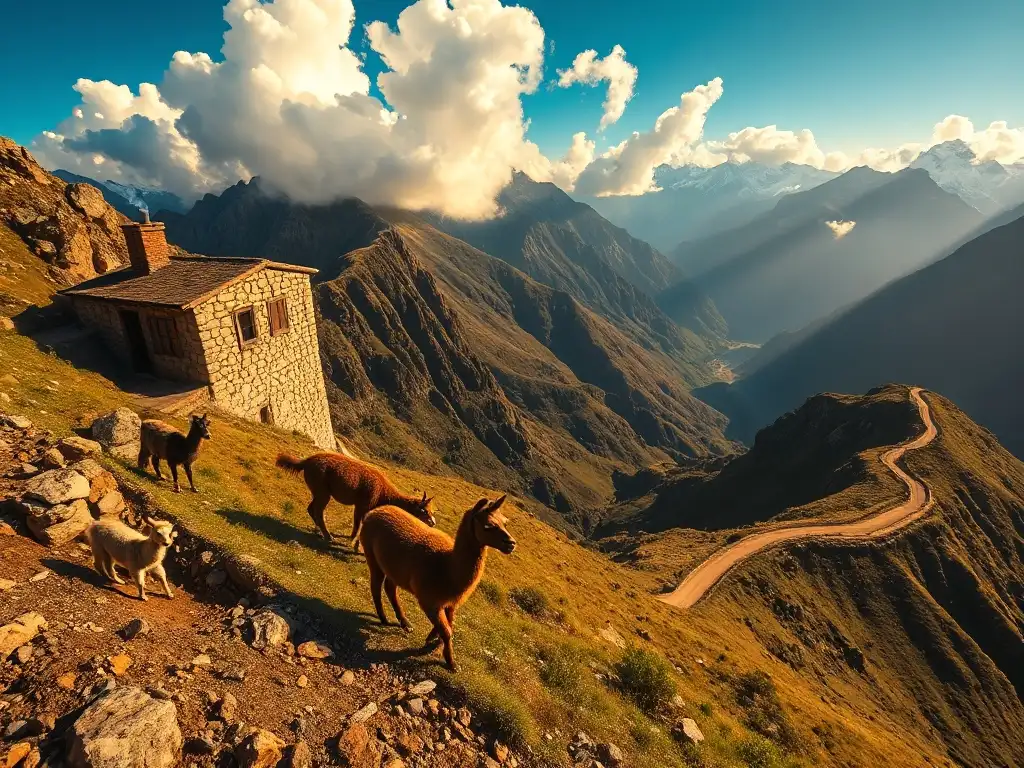
Step into a world sculpted by towering peaks and breathtaking landscapes – a world where ingenuity and resilience defined life for millennia. Imagine the daily struggles and triumphs of the ancient Andean people, facing the relentless Andean mountain living challenges. This website unravels the captivating story of their remarkable civilizations, from the Incas to the Nazca, revealing their breathtaking artistry, sophisticated social structures, and astonishing adaptations to one of the planet's most demanding environments. Discover how they thrived against the odds – a legacy waiting to be explored.
-
Andean Mountain Living Challenges: Adaptation and Resilience
- Introduction to the Harsh Realities of Andean Life
- The Impact of High Altitude on Daily Life
- Climate Extremes and Their Influence on Andean Communities
- Agricultural Practices in the Andean Highlands
- Navigating the Rugged Andean Terrain
- Social and Cultural Adaptations to Mountain Life
- Economic Survival in the Andes Mountains
- Health Challenges Faced by Andean Communities
- Resilience and Adaptation: The Strength of Andean People
- Conclusion: Lessons from Andean Mountain Living
-
Frequently Asked Questions
- What were the biggest challenges faced by people living in the Andes?
- How did Andean civilizations adapt to the high altitude?
- What role did technology play in overcoming Andean mountain living challenges?
- How did the unique environment of the Andes influence Andean culture?
- What can we learn from the resilience of Andean civilizations?
- Final Reflection: Echoes of Resilience in the Andes
- Embrace Your Inner Explorer: Take Action Today!
Andean Mountain Living Challenges: Adaptation and Resilience
The towering Andes Mountains, a spine of dramatic peaks and deep valleys running down the western coast of South America, presented formidable challenges to the ancient civilizations that thrived there. This article explores the daily struggles faced by the inhabitants of these impressive heights, focusing on the ingenious adaptations and remarkable resilience that allowed them to not only survive, but flourish in one of the planet's most demanding environments. From the physiological impacts of high altitude to the logistical complexities of agriculture and construction, we will delve into the myriad obstacles encountered by Andean societies and examine their innovative solutions, highlighting the profound connection between human ingenuity and the environment. Understanding these challenges provides crucial insight into the remarkable achievements of these ancient cultures and their enduring legacy. This exploration will focus on the keyword "Andean mountain living challenges" and its semantic variations, offering a comprehensive overview of the topic.
Introduction to the Harsh Realities of Andean Life
Life in the Andes was far from easy. The sheer altitude, often exceeding 10,000 feet above sea level, presented a constant physical and logistical challenge. The thin air meant reduced oxygen levels, impacting everything from daily activities to long-term health. Extreme weather conditions, ranging from intense sun and freezing temperatures to unpredictable rainfall and droughts, further complicated survival.
The rugged terrain made transportation difficult, hindering trade and communication between communities. Despite these hardships, Andean societies developed remarkable strategies to overcome these obstacles, showcasing their adaptive capacity and ingenuity. Their solutions involved a deep understanding of their environment and a sophisticated level of social organization. This understanding is crucial for appreciating the scale of their achievements.
The Impact of High Altitude on Daily Life
The impact of high altitude on the daily lives of Andean populations was profound and multifaceted. The reduced atmospheric pressure directly affected their physiological functions, their ability to perform physical labor, and even their social structures. The challenges were not limited to physical limitations; they also extended to the procurement of resources and the maintenance of social stability. The scarcity of resources, coupled with the difficulties of transportation, shaped their social organization and economic practices. The constant struggle for survival fostered a strong sense of community and cooperation, critical for survival in such a challenging environment.
Oxygen Deprivation and its Effects on Andean Populations
Oxygen deprivation, or hypoxia, was a constant threat. Chronic hypoxia can lead to a range of health problems, including altitude sickness, respiratory issues, and reduced cognitive function. The effects varied depending on individual factors and the level of acclimatization, but the overall impact on productivity and general well-being was significant. [Specific data on the prevalence of altitude-related illnesses in ancient Andean populations pending]. This constant physiological stress shaped many aspects of their daily lives, influencing their work patterns, dietary habits, and social interactions.
Adapting to the Thin Air: Physiological Changes
Over generations, Andean populations developed remarkable physiological adaptations to high altitude. These adaptations included increased lung capacity, higher red blood cell counts, and changes in blood vessel structure. These changes allowed them to extract more oxygen from the thin air, improving their tolerance to hypoxia. [Further research needed on the specific genetic adaptations of different Andean groups]. This natural selection process played a crucial role in their survival and success in these harsh environments. The interplay of genetic predisposition and environmental pressures highlights the remarkable adaptability of the human species.
The Challenges of Physical Labor at High Altitudes
Physical labor at high altitudes was significantly more demanding than at lower elevations. Even simple tasks required greater effort and stamina. The construction of monumental structures like Machu Picchu, for example, presented incredible logistical and physical challenges. Transporting building materials uphill, working in the thin air, and enduring harsh weather conditions required exceptional organizational skills and physical endurance.
[Specific examples of construction techniques and labor organization in the Andes needed]. The impressive scale of their engineering feats serves as a testament to their remarkable strength, perseverance, and collaborative spirit. The impact of high altitude on daily life in the Andes also impacted their agricultural practices, necessitating innovative techniques to maximize crop yields in challenging conditions.
Climate Extremes and Their Influence on Andean Communities
The Andes Mountains present a formidable challenge to human habitation, characterized by dramatic and unpredictable climate extremes. Andean communities, throughout history, have had to develop sophisticated strategies to survive and thrive in this harsh environment. The diverse geography of the Andes, ranging from arid coastal deserts to high-altitude glaciers, creates a complex tapestry of microclimates, each with its unique challenges.
Understanding these climatic variations is crucial to appreciating the remarkable resilience of Andean societies. The impact of climate on daily life was profound, shaping social structures, agricultural practices, and even religious beliefs. The constant negotiation with the elements is a defining characteristic of Andean mountain living challenges.
The Dry Season: Water Scarcity and its Consequences
The dry season, typically lasting several months, brings severe water scarcity to many Andean regions. Rivers shrink, springs dry up, and access to potable water becomes a critical issue for both human and animal populations. This scarcity necessitates ingenious water management techniques, such as the construction of intricate canal systems ( acequias) to divert water from melting snow and glaciers to fields and settlements.
The lack of water significantly impacted agricultural yields, leading to food shortages and potential conflict over dwindling resources. Communities developed complex social structures to manage water allocation, often based on traditional rights and customary law, reflecting the vital importance of water for survival. The dry season also increased the risk of wildfires, further threatening already scarce resources.
The Rainy Season: Floods and Landslides
While the dry season presents challenges of scarcity, the rainy season brings the opposite extreme: an abundance of water that can be equally devastating. Torrential rains frequently trigger floods and landslides, destroying homes, crops, and infrastructure. The steep slopes of the Andes make these communities particularly vulnerable to such events.
The consequences extend beyond immediate physical damage; floods can contaminate water sources, leading to waterborne diseases, and landslides can disrupt transportation routes, isolating communities and hindering access to essential goods and services. These events highlight the precarious balance between life and disaster in the Andean highlands, emphasizing the need for preparedness and community-based disaster response mechanisms.
Temperature Fluctuations: Frost and Freezing Conditions
The high altitude of the Andes results in significant temperature fluctuations, particularly at night. Frost and freezing conditions are common, posing a serious threat to agriculture. Even during the warmer months, unexpected temperature drops can severely damage crops, leading to crop failure and food insecurity.
Andean farmers developed coping strategies, such as planting crops at lower altitudes or using protective techniques like covering plants with straw or other materials to shield them from the cold. The constant threat of frost underscores the precarious nature of Andean agriculture and the ingenuity required to cultivate crops in such a challenging environment. The delicate balance between suitable temperatures for growth and the risk of frost defines a significant aspect of "Andean mountain living challenges."
Agricultural Practices in the Andean Highlands
The success of Andean civilizations hinged on their ability to adapt their agricultural practices to the unique challenges of the mountainous terrain. Ingenious techniques were developed to maximize yields and ensure food security in a region characterized by steep slopes, thin soils, and unpredictable weather patterns. These practices reflect a deep understanding of the environment and a remarkable capacity for innovation. The legacy of these techniques continues to influence modern Andean agriculture.
Terraced Farming: An Ingenious Solution
Terraced farming is perhaps the most iconic example of Andean agricultural ingenuity. By carving steps into the steep hillsides, farmers created level platforms for cultivation, reducing soil erosion and maximizing usable land. These terraces, often meticulously constructed using stone walls, also helped to retain water, improving soil moisture and crop yields. The construction and maintenance of these terraces required significant labor and community cooperation, illustrating the importance of social organization in Andean agriculture. The scale and precision of some terrace systems are truly impressive, serving as a testament to the advanced engineering skills of Andean societies.
Challenges of Cultivating Crops in Mountainous Terrain
Cultivating crops in the Andean highlands presented numerous challenges beyond the extreme climate. The thin, often rocky soil is low in nutrients, requiring careful management and fertilization techniques. Access to arable land was often limited, leading to competition for resources and the development of sophisticated land tenure systems. The steep slopes also made transportation of crops difficult, requiring careful planning and the use of animal-powered transport. The combination of these factors made Andean agriculture a demanding but essential endeavor, shaping the social and economic structures of Andean societies.
Potato, Quinoa, and Oca Cultivation
The Andean highlands are the center of origin for several important crops, including the potato, quinoa, and oca. These crops demonstrate remarkable adaptability to the harsh conditions of the Andes, with different varieties adapted to specific altitudes and climates. The potato, in particular, exhibits an incredible diversity, with thousands of varieties cultivated throughout the Andes. Quinoa, a highly nutritious grain, is well-suited to high-altitude conditions and poor soils.
Oca, a tuber similar to the potato, is another important staple crop in the region. The cultivation and domestication of these crops were crucial to the survival and prosperity of Andean civilizations, providing a reliable source of food and nutrition in a challenging environment. Their continued importance in Andean diets today underscores their enduring value and the ingenuity of the people who cultivated them.
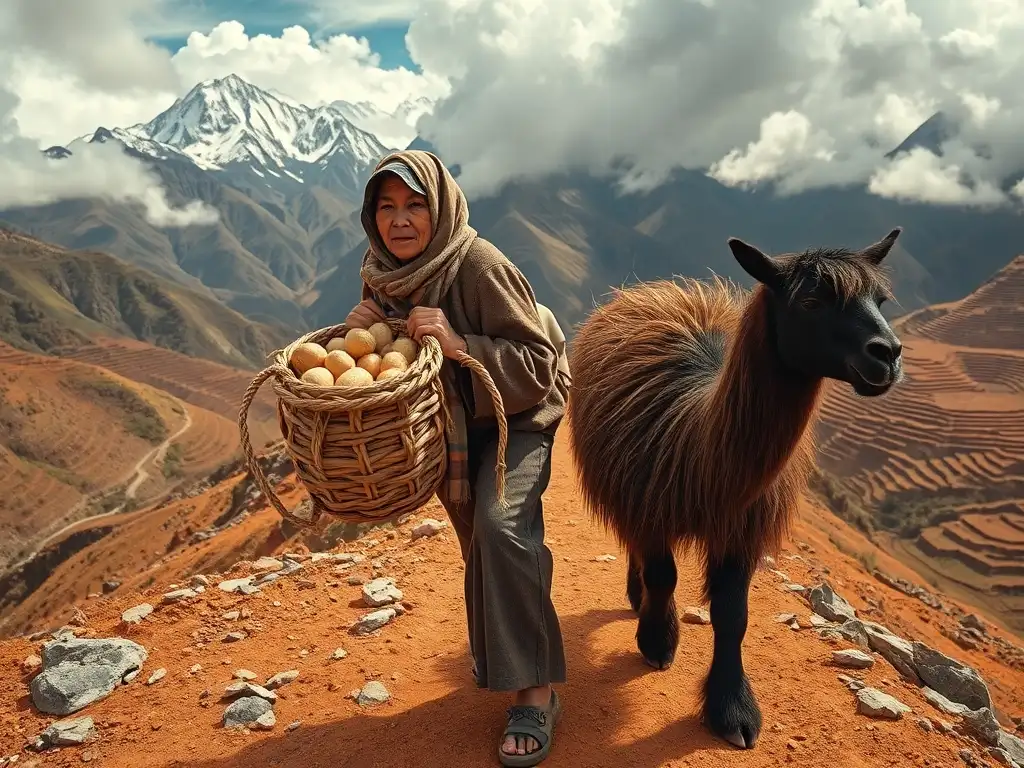
The Andean mountain range presents formidable challenges to human habitation. Steep slopes, treacherous cliffs, and unpredictable weather patterns made even the simplest journeys incredibly demanding for Andean peoples. Understanding the difficulties of navigating this terrain is crucial to appreciating the ingenuity and resilience of these ancient civilizations. The lack of easily traversable routes significantly impacted daily life, from accessing resources to maintaining social connections between communities.
The sheer scale of the Andes, with its towering peaks and deep valleys, created geographical barriers that required innovative solutions for overcoming. The physical effort required for daily movement across this landscape was immense, contributing to the development of specialized physical adaptations within the population over generations. This constant interaction with the challenging environment shaped not only their physical capabilities but also their social structures and spiritual beliefs.
Transportation Difficulties and Limited Infrastructure
The absence of wheeled vehicles and advanced infrastructure posed significant obstacles to efficient transportation in the Andes. Moving goods, people, and livestock across the rugged terrain was a laborious and time-consuming task. The limited availability of passable roads meant that journeys that might take hours in a modern setting could take days, or even weeks, for Andean communities.
This scarcity of infrastructure further isolated communities, limiting trade and communication across the vast expanse of the Andes. The lack of efficient transportation also impacted the ability to respond quickly to emergencies, such as natural disasters or conflicts with neighboring groups. The challenges were compounded by the unpredictable weather, which could render paths impassable for extended periods.
The Importance of Footpaths and Trails
Despite the difficulties, intricate networks of footpaths and trails crisscrossed the Andean landscape, connecting settlements and providing vital arteries for trade and communication. These paths, often carved into the mountainside, were meticulously maintained and represented a testament to the enduring human spirit and ingenuity. The construction and upkeep of these trails were communal endeavors, highlighting the importance of cooperation and collective effort in Andean societies.
The paths weren't simply routes; they were also integral to the social fabric, serving as places for encounters, exchange of information, and the reinforcement of social ties. Different paths had different purposes, some dedicated to trade, others for religious pilgrimages, and still others for daily movement between villages and fields. The construction of these paths also reflects a deep understanding of the Andean terrain, demonstrating knowledge of the best routes, avoiding treacherous areas, and utilizing natural features to aid in navigation.
Use of Llamas and Donkeys for Transport
Llamas and alpacas, native camelids, played a crucial role in Andean transportation. Their surefootedness and strength allowed them to navigate the challenging terrain, carrying heavy loads across steep slopes and narrow trails. These animals were not merely beasts of burden; they were integral to the Andean economy and way of life, providing wool, meat, and transportation.
Donkeys, introduced later, also became important pack animals, augmenting the carrying capacity of the Andean communities. The use of these animals significantly reduced the physical strain on humans, improving efficiency and facilitating trade and movement of goods. The careful management and breeding of these animals demonstrate a deep understanding of animal husbandry and its importance to survival in the harsh Andean environment.
Life in the Andes demanded remarkable social and cultural adaptations. The challenges posed by the environment shaped not only the practical aspects of daily life but also the spiritual beliefs and social structures of the Andean civilizations. The need for cooperation and mutual support fostered strong community bonds, while the reverence for the natural world manifested in unique religious practices.
This intricate interplay between the environment and human society created a rich tapestry of cultural expressions and social organizations specifically tailored to the demands of mountain living. The resilience of these societies is a testament to their ability to adapt and thrive in a challenging environment.
Community Bonds and Mutual Support Systems
The harsh realities of Andean life fostered strong community bonds and elaborate systems of mutual support. Cooperation was essential for survival, as individuals relied on their neighbors for assistance in farming, building, and transportation. The sharing of resources and labor was vital for overcoming the challenges of the mountain environment.
This collaborative spirit is reflected in the organization of Andean communities, with intricate social structures designed to facilitate cooperation and mutual aid. The concept of ayni, reciprocal labor exchange, was a cornerstone of Andean social life, showcasing the importance of collective effort in achieving common goals. These social structures ensured that resources were distributed fairly and that everyone had access to the support they needed to survive.
Pachamama (Mother Earth) Worship and Mountain Deities
The Andean worldview was deeply intertwined with the natural environment. Pachamama, the Earth Mother, was a central deity, representing the life-giving power of the earth and the bounty it provided. Mountain peaks, often shrouded in mist and snow, were revered as sacred places, inhabited by powerful deities.
These deities were often associated with specific features of the landscape, such as springs, caves, and glaciers, and were believed to exert influence over weather patterns and agricultural cycles. Religious practices were often integrated with daily life, with rituals performed to ensure good harvests, protect against natural disasters, and maintain harmony with the natural world. This deep connection with the environment reflects the Andean understanding of their dependence on the land and the respect they held for its power.
Traditional Ecological Knowledge and its Importance
Andean societies developed a sophisticated understanding of their environment, accumulating centuries of traditional ecological knowledge (TEK). This knowledge encompassed practical skills in agriculture, animal husbandry, and resource management, all adapted to the unique conditions of the Andean highlands. The development of terrace farming, for example, allowed for the cultivation of crops on steep slopes, maximizing arable land.
The understanding of water management was crucial for irrigation and ensuring a reliable water supply. This deep understanding of the ecosystem and its delicate balance allowed Andean societies to sustainably manage resources and adapt to environmental changes for centuries. The loss of this valuable TEK represents a significant loss of knowledge and understanding that is crucial for sustainable resource management in the Andean region today.
Economic Survival in the Andes Mountains
The harsh environment of the Andes Mountains presented significant economic challenges to its inhabitants. Survival hinged on a delicate balance between resource management, agricultural practices, and trade networks. The sheer altitude, unpredictable weather patterns, and steep, often inaccessible terrain dictated the possibilities and limitations of economic activity.
The ingenuity and resilience of Andean communities are evident in their adaptive strategies, which allowed them to thrive despite these obstacles for centuries. Their achievements in agriculture, particularly the cultivation of potatoes and other high-altitude crops, were pivotal to their survival. Understanding their economic strategies reveals a deep connection to the land and a remarkable capacity for innovation in the face of adversity.
This economic resilience is a key element in understanding the lasting legacy of Andean civilizations. Their ability to adapt to the challenges of their environment is a testament to their ingenuity and resourcefulness. The complex interplay between environmental constraints and human ingenuity shaped the economic landscape of the Andes, resulting in a unique and fascinating system of survival and prosperity.
Limited Access to Resources and Markets
Access to essential resources and markets was a major constraint on the Andean economy. The mountainous terrain made transportation of goods difficult and time-consuming, limiting trade and access to wider markets. This geographical isolation often meant that communities were relatively self-sufficient, relying on locally available resources. For example, the construction of extensive irrigation systems, such as those found in the Nazca region, demonstrates the considerable effort required to overcome water scarcity and cultivate crops.
The lack of readily available resources often necessitated sophisticated techniques for resource management and conservation. This fostered a deep understanding of the environment and its cycles, leading to sustainable practices which, in many cases, are still practiced today. The challenges of resource scarcity fostered innovation and cooperation within and between communities.
Weaving, Pottery, and Traditional Textile Production
Weaving, pottery, and textile production were essential components of the Andean economy, providing both sustenance and cultural expression. The production of high-quality textiles, renowned for their intricate designs and vibrant colors, was a significant economic activity. Alpaca and llama wool were key resources, and the expertise in spinning, dyeing, and weaving techniques was highly valued.
Pottery, similarly, played a vital role, serving both utilitarian and ceremonial purposes. The sophisticated craftsmanship evident in Andean pottery demonstrates a high level of skill and artistic talent. These crafts not only provided essential goods but also served as important mediums for social and religious expression, contributing significantly to the economic and cultural fabric of Andean societies.
The production of these goods also fostered specialized labor and trade networks, further integrating communities across the vast Andean landscape. These traditional crafts serve as tangible links to the rich past of Andean civilizations, showcasing their ingenuity and resilience.
The Importance of Animal Husbandry
Animal husbandry played a crucial role in the Andean economy, providing essential resources like wool, meat, and transportation. Llamas and alpacas were domesticated and integral to the Andean way of life. These animals provided wool for textiles, meat for sustenance, and served as pack animals for transporting goods across challenging terrain. Their adaptability to the high-altitude environment made them invaluable assets.
The management of these herds required a deep understanding of animal behavior and seasonal changes, reflecting the close relationship between humans and animals in Andean societies. The significance of animal husbandry extended beyond mere economic value; it was deeply intertwined with social and religious practices, highlighting its importance in the overall Andean worldview. The successful management of these animals was directly linked to the economic prosperity and social stability of Andean communities.
Health Challenges Faced by Andean Communities
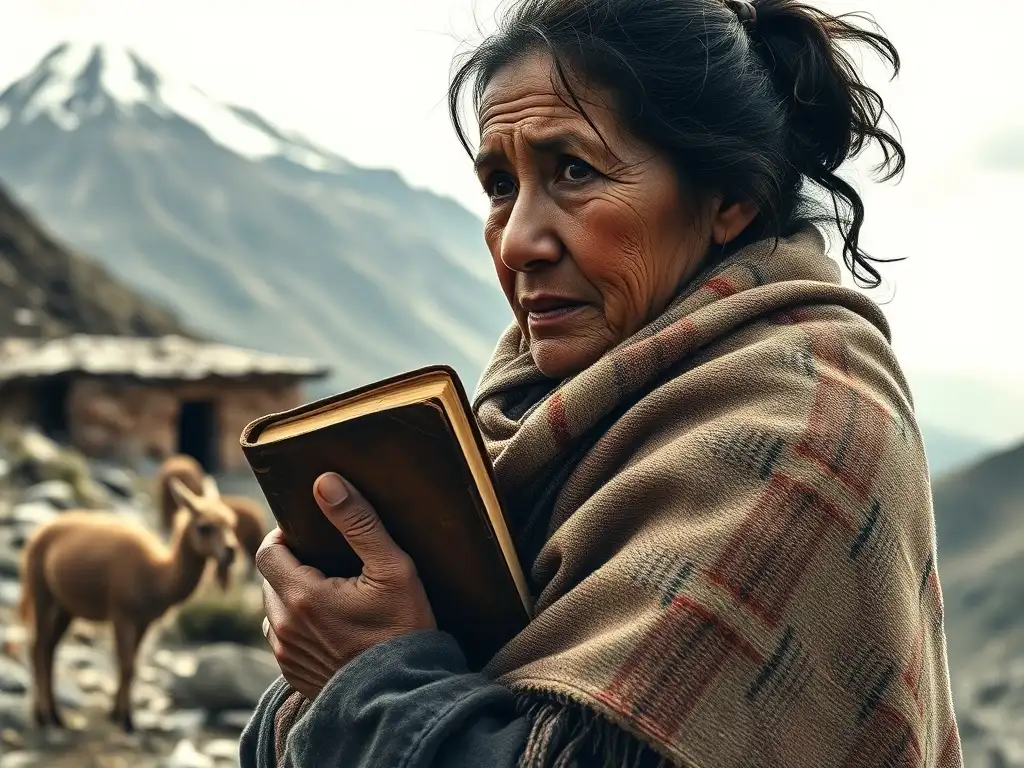
Life in the Andes presented numerous health challenges, demanding innovative solutions and contributing to the development of unique medical practices. The high altitude, coupled with limited access to healthcare and resources, created a demanding environment for human health. The adaptation and resilience of Andean communities to these challenges are remarkable and reveal a strong connection between their environment and their health practices. Understanding these health challenges provides crucial insights into the daily realities of life in the Andes and the strategies employed to overcome them.
Altitude Sickness and Related Ailments
Altitude sickness, or hypoxemia, was a significant health challenge for Andean populations. The reduced atmospheric pressure at high altitudes resulted in lower oxygen levels, leading to various symptoms, including headaches, nausea, and shortness of breath. Chronic exposure to high altitudes also increased the risk of developing more serious conditions.
Andean communities developed strategies to cope with these challenges, often through gradual acclimatization and traditional remedies. Their understanding of the effects of altitude on the human body is evident in their settlements' locations and the development of agricultural practices suited to the conditions. Overcoming the challenges of altitude sickness was crucial for survival and shaped the daily lives of Andean communities.
Limited Access to Healthcare Services
Access to formal healthcare services was limited in the Andes, particularly in remote areas. This scarcity of medical expertise and resources meant that communities relied heavily on traditional knowledge and practices for healthcare. This reliance on traditional medicine shaped the development of unique healthcare systems, often centered around the use of medicinal plants and herbal remedies. The limited access to modern healthcare services necessitated the development of self-reliant healthcare practices within Andean communities, highlighting their adaptability and resilience. The ingenuity of these traditional practices should not be underestimated; they represent a rich body of knowledge passed down through generations.
Use of Medicinal Plants and Herbal Remedies
Andean communities developed a sophisticated understanding of medicinal plants and herbal remedies, reflecting a deep connection to their environment and a long history of trial and error. A wide variety of plants were used to treat various ailments, ranging from common illnesses to more serious conditions. This knowledge was passed down through generations, often within families or specific communities.
The use of medicinal plants was not only a practical necessity but also an integral part of the Andean worldview, demonstrating a holistic approach to health and well-being. The efficacy of many of these traditional remedies is still being studied today, highlighting the potential value of traditional Andean medical knowledge. The study of these practices offers valuable insights into the development of alternative medicine and provides a deeper understanding of the Andean relationship with their natural environment.
Resilience and Adaptation: The Strength of Andean People
The Andean people demonstrated remarkable resilience and adaptability in the face of the harsh environmental conditions of the Andes Mountains. Their survival depended on a deep understanding of their environment and a capacity to innovate and overcome seemingly insurmountable obstacles. Generations of accumulated knowledge, passed down through oral traditions and practical experience, were crucial for their survival. This knowledge encompassed everything from agricultural techniques suited to high altitudes and unpredictable weather patterns to sophisticated construction methods capable of withstanding earthquakes and extreme weather.
The very fabric of their social structures, emphasizing community and cooperation, played a vital role in their ability to weather hardship and thrive in challenging circumstances. The strength of their communities, their ability to share resources, and their collective problem-solving approaches proved essential for their survival and prosperity. This deep-rooted sense of community and shared responsibility is a testament to their remarkable resilience.
Overcoming the Daily Obstacles
Daily life in the Andes presented numerous challenges. The thin air at high altitudes made physical exertion significantly more difficult. The unpredictable weather, including sudden freezes, droughts, and torrential rains, posed a constant threat to agriculture. Steep, rocky terrain made transportation and communication difficult, isolating communities and hindering trade. The constant threat of natural disasters, such as earthquakes and landslides, further compounded the challenges.
Despite these obstacles, Andean communities developed sophisticated strategies to mitigate these risks. They adapted their agricultural practices to the unique conditions of their environment, developing techniques like terracing to maximize arable land and minimize soil erosion. They built intricate irrigation systems to manage water resources efficiently, ensuring a reliable supply for crops even in times of drought. Their mastery of stonework allowed them to construct durable, earthquake-resistant structures, protecting themselves from the elements and natural disasters.
The Ingenuity of Andean Solutions
The ingenuity of Andean solutions is evident in their remarkable achievements in agriculture, architecture, and engineering. Their mastery of terracing, for instance, transformed steep slopes into productive farmland, allowing them to cultivate crops at high altitudes where traditional farming methods would have failed. Their sophisticated irrigation systems, often involving canals and aqueducts carved into rock, provided a reliable water supply for agriculture, even in arid regions.
Their architectural prowess is showcased in the impressive stone structures they built, which not only served as homes and temples but also demonstrated an advanced understanding of engineering principles. The precise fitting of stones in structures like Machu Picchu is a testament to their skill and precision.
Furthermore, their knowledge of medicinal plants and their development of sophisticated healing techniques allowed them to address health issues related to high altitude and exposure to the elements. These innovations were not merely technical achievements but rather reflected a deep understanding of the natural world and a remarkable capacity for problem-solving.
Preserving Ancient Traditions in a Modern World
Many ancient Andean traditions continue to be practiced today, demonstrating the enduring legacy of their resilience and adaptability. Traditional agricultural practices, such as terracing and the cultivation of native crops, are still used in many communities. Traditional building techniques, using locally sourced materials and time-honored methods, are also preserved. The weaving of textiles, using intricate designs and techniques passed down through generations, remains an important part of Andean culture.
While modernization has brought significant changes, many communities actively strive to preserve their cultural heritage, recognizing its importance in maintaining their identity and connection to their ancestors. The challenge lies in balancing the preservation of these traditions with the demands of a changing world. Efforts to promote sustainable development and support traditional livelihoods are crucial in ensuring the long-term survival of these invaluable cultural practices.
Conclusion: Lessons from Andean Mountain Living
The story of Andean mountain living offers invaluable lessons in resilience, adaptation, and the importance of community. Their ability to thrive in a challenging environment, utilizing innovative solutions and preserving their cultural heritage, is a testament to the human spirit's capacity to overcome adversity. Their achievements in agriculture, architecture, and engineering offer valuable insights into sustainable living and resource management.
The enduring legacy of Andean civilizations serves as a powerful reminder of the importance of respecting and protecting our environment and preserving cultural traditions for future generations. The challenges faced by the Andean people highlight the critical need for sustainable practices and community cooperation in addressing the challenges of a changing world. Their story is a powerful example of human ingenuity and persistence in the face of hardship.
Frequently Asked Questions
What were the biggest challenges faced by people living in the Andes?
The harsh climate, including extreme altitudes, thin air, and variable weather, presented significant challenges. Scarcity of resources like water and arable land also played a major role.
How did Andean civilizations adapt to the high altitude?
Andean populations developed remarkable adaptations to survive. These included specialized agriculture techniques, like terracing, and innovative building methods to withstand harsh conditions. Physiological adaptations also evolved over generations.
What role did technology play in overcoming Andean mountain living challenges?
Technological advancements were crucial. Examples include irrigation systems, advanced agricultural tools, and sophisticated building techniques like stonework, all designed to maximize resource use and minimize the impact of the challenging environment.
How did the unique environment of the Andes influence Andean culture?
The Andean environment profoundly shaped cultural practices. Religious beliefs often revolved around mountain deities and agricultural cycles. Art and textiles frequently reflected the landscape and the challenges of mountain living.
What can we learn from the resilience of Andean civilizations?
The remarkable resilience of Andean cultures demonstrates the capacity of humans to adapt to even the most extreme environments. Their ingenuity and community-based strategies offer valuable lessons in sustainability and resource management for today's world.
Final Reflection: Echoes of Resilience in the Andes
The challenges of Andean mountain living remain profoundly relevant today, a stark reminder of humanity's intricate relationship with the environment and our capacity for extraordinary adaptation. While technological advancements have eased some burdens, the fundamental struggles of accessing resources, navigating extreme climates, and preserving cultural heritage continue to shape the lives of Andean communities. The resilience demonstrated by these communities serves as a powerful example for a world increasingly grappling with environmental instability and social inequity.
The enduring impact of Andean mountain life on its inhabitants is a testament to the human spirit's ability to not only survive but thrive in the face of adversity. The deep connection between people and their environment, often passed down through generations, fosters a unique cultural identity and a profound understanding of sustainable living. The mountains are not just a landscape, but a living entity, a teacher, and a source of both challenge and inspiration.
This sentiment, echoing through countless Andean voices, highlights the spiritual and emotional depth interwoven with the practical realities of mountain life.
Consider the lessons embedded within these stories of perseverance. How can we, in our own lives, cultivate a similar resilience in the face of our own challenges? Embrace the spirit of adaptation, learn from the wisdom of those who have lived harmoniously with nature for centuries, and strive to build communities that are both sustainable and equitable. Let the echoes of resilience from the Andes inspire you to find strength in adversity and to build a more compassionate and sustainable future for all.
Embrace Your Inner Explorer: Take Action Today!
Thank you for exploring the daily lives of Andean mountain communities, their challenges, and their remarkable achievements. We hope you've gained a deeper understanding of their incredible adaptability and resilience. Now, let's turn that inspiration into action!
- Support a local conservation effort dedicated to preserving the rich cultural and natural heritage of the Andes.
- Share this article with your friends and family, sparking a conversation about the unique challenges faced by these mountain communities.
- Integrate the inspiring resilience of the Andean people into your own life. Consider adopting some of their strategies to navigate your daily challenges.
What aspects of Andean resilience most impressed you, and how can you apply these valuable lessons to your own life? We'd love to hear your thoughts!