
Beyond Decoration: Decoding the Symbolism in Andean Textile Patterns

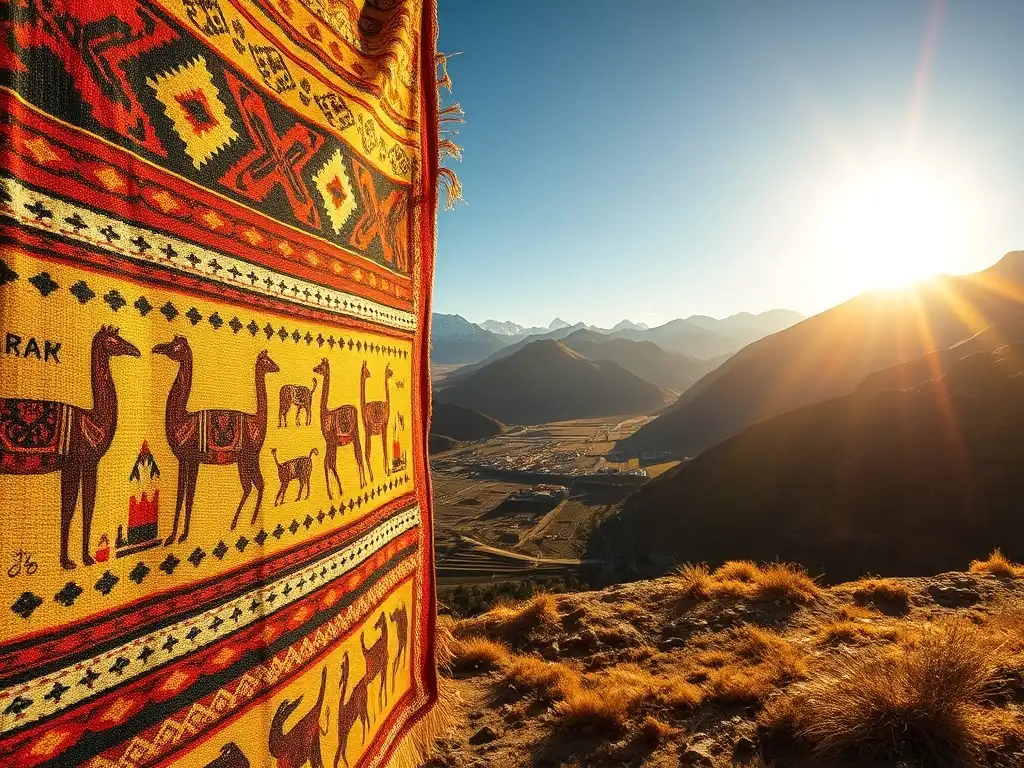
Dive into the mesmerizing world of Andean Civilizations! For centuries, these remarkable cultures wove not just fabric, but stories. Unravel the secrets hidden within their intricate textiles – their vibrant colors and complex patterns whisper tales of power, spirituality, and daily life. Discover the profound Andean textile symbolism meaning and prepare to be captivated by the artistry and ingenuity of a lost world. Ready to decode the messages woven into history? Let's begin!
The vibrant textiles of the Andean civilizations, far from being mere decorative items, served as powerful mediums for communication, storytelling, and social expression. These intricately woven fabrics, produced by the Incas, Moche, Nazca, and Tiahuanaco cultures, among others, are rich tapestries of symbolism, reflecting a complex worldview steeped in mythology, cosmology, and social hierarchies. This article delves into the fascinating world of Andean textile symbolism, exploring the meanings embedded within their patterns and designs, shedding light on the rich cultural heritage encoded within these seemingly simple threads.
Understanding the symbolism in these textiles offers a unique window into the beliefs, values, and daily life of these remarkable ancient societies, enriching our understanding of Andean culture and its enduring legacy. We'll unravel the secrets hidden within the threads, examining specific examples to illustrate the depth and complexity of Andean textile artistry and its profound significance.
This exploration will help you understand the meaning behind the intricate patterns and designs, answering the question, "What does Andean textile symbolism mean?" and providing insights into the “Andean textile symbolism meaning”.
The Intricate World of Andean Textile Art
Andean textile production was a highly sophisticated and specialized craft, demanding significant skill and artistry. From the meticulous preparation of the fibers – often alpaca, llama, vicuña, and cotton – to the intricate weaving techniques, every stage involved a deep understanding of both the material and its symbolic potential. The choice of fiber itself held significance, with different animals and their respective fibers associated with specific social statuses or spiritual meanings. For example, vicuña wool, prized for its softness and rarity, was often reserved for elite members of society, reflecting their elevated position within the social structure.
The colors used were equally important, with specific hues linked to deities, natural elements, or specific events. Red, for instance, often represented blood, fertility, and power, while yellow symbolized the sun and gold. The remarkable precision and complexity evident in the surviving textiles point to a highly developed understanding of color theory and its symbolic application.
Moreover, the techniques employed, such as tapestry weaving, brocade, and embroidery, each added layers of complexity and meaning to the final product. These techniques weren't simply functional; they were integral to the symbolic narrative encoded within the textile itself. The intricate designs weren't just decorative; they were carefully planned and executed, each element contributing to the overall meaning.
Understanding the Significance of Andean Textiles
The symbolic interpretations of Andean textiles are multifaceted and often require careful consideration of various contextual factors. These factors include the specific design elements (geometric shapes, zoomorphic representations, anthropomorphic figures), the type of fiber used, the color palette, and the overall context in which the textile was found (e.g., burial sites, ceremonial contexts, everyday use). Many patterns featured recurring motifs, such as stepped pyramids representing mountains or temples, feline imagery associated with power and divinity, and stylized birds symbolizing messengers or spirits. These motifs, when combined in specific arrangements, created complex narratives that conveyed a wealth of information.
For instance, a textile featuring a combination of stepped pyramids, feline figures, and specific colors could represent a specific deity or a significant cosmological event. Furthermore, the size and placement of these motifs could also influence their interpretation. Larger, more centrally located motifs often held greater importance than smaller, peripheral ones. Archaeological discoveries continue to reveal new insights into Andean textile symbolism, enriching our understanding of the cultural and religious significance of these remarkable artifacts.
The meticulous study of these textiles provides valuable evidence for reconstructing the beliefs, practices, and social structures of these ancient Andean societies. The ongoing research highlights the need for further investigation and interdisciplinary approaches to fully grasp the intricate layers of meaning embedded within these fascinating textiles. The study of Andean textiles offers a compelling case for the integral role of art in transmitting cultural knowledge and values across generations.
Andean Textile Symbolism Meaning: More Than Meets the Eye
This section delves into the profound symbolism embedded within Andean textile patterns, revealing how these seemingly decorative elements served as powerful tools for communication, social status markers, and historical records. Understanding Andean textile symbolism meaning requires moving beyond a purely aesthetic appreciation to grasp their intricate cultural and social significance. We'll explore the diverse ways these textiles functioned within Andean societies, their role as a form of communication, and the meaning behind some commonly encountered motifs. This exploration will illuminate the rich tapestry of Andean culture and the enduring legacy of their textile traditions.
The Role of Textiles in Andean Societies
Textiles were not merely decorative items in Andean societies; they were integral to the fabric of daily life, holding profound social, economic, and religious significance. From the simplest everyday garments to the most elaborate ceremonial cloths, textiles played a crucial role in defining social status, marking life cycle events, and conveying complex narratives. For example, the intricate textiles worn by Inca royalty served as powerful symbols of their authority and divine connection.
The vibrant colors and complex designs were not arbitrary; they communicated the wearer's high rank and their connection to the Inca gods. Similarly, textiles were used in rituals and ceremonies, often incorporating specific symbols and motifs associated with particular deities or events.
The production of textiles was a highly specialized craft, often passed down through generations within families. The skill and artistry involved in creating these textiles were highly valued, and skilled weavers held esteemed positions within their communities. The materials used, such as alpaca and vicuña wool, were also significant, reflecting the economic status and access to resources of the weaver and the wearer.
This complex interplay of materials, techniques, and symbolism makes understanding Andean textile symbolism meaning a truly multi-faceted endeavor. The sheer diversity of techniques, from the intricate tapestry weaving of the Nazca to the knotted textiles of the Inca, underscores the importance of textiles throughout the Andean world. Moreover, the preservation of many textiles, often found in burial sites, provides invaluable insight into past Andean societies and their complex belief systems.
Andean Textiles as a Form of Communication
Beyond their aesthetic appeal, Andean textiles served as a potent form of visual communication, conveying complex messages across generations and social strata. Unlike written languages, which were not universally used across all Andean cultures, textiles offered a visual language accessible to a wide range of people. The use of color, pattern, and motif acted as a sophisticated code, transmitting information about social status, clan affiliation, historical events, and religious beliefs. For instance, specific colors might represent particular deities or natural phenomena, while geometric patterns could indicate clan membership or geographical origin.
Consider the intricate designs found on Paracas textiles. These elaborate embroideries, often depicting fantastical creatures and scenes from the afterlife, are believed to have conveyed powerful religious messages and narratives. The meticulous detail and symbolic richness of these textiles demonstrate the sophisticated understanding of visual language possessed by Andean artisans.
The use of symbolism in Andean textiles went beyond simple representation; it involved a complex interplay of meaning and context, requiring an understanding of the cultural codes and beliefs of the Andean people to fully decipher. Further research is needed to fully understand the nuanced meanings embedded within many of these designs, highlighting the ongoing relevance of studying Andean textile symbolism meaning. The sheer volume and variety of surviving textiles present a vast and rich field of study for scholars and enthusiasts alike.
Decoding Common Motifs in Andean Weaving
Many common motifs recur across various Andean cultures and time periods, suggesting shared symbolic meanings and underlying cultural connections. While the precise interpretation of these motifs can be complex and debated, some recurring patterns offer insights into the beliefs and values of Andean societies. For example:
- Geometric patterns: These often represented the Andean worldview, reflecting the structured organization of their societies and their understanding of the cosmos. Squares, triangles, and stepped patterns could symbolize mountains, agricultural terraces, or celestial bodies. The precise meaning varied depending on the specific pattern, its context, and the culture of origin.
- Animal motifs: Animals held significant symbolic importance in Andean culture, often representing specific deities or natural forces. The condor, puma, and serpent, for example, frequently appear in Andean textiles, representing power, strength, and fertility. The manner in which these animals are depicted, their posture, and accompanying elements, further enhance their symbolic meaning.
- Human figures: Representations of human figures, often stylized or abstract, could symbolize ancestors, deities, or individuals of significant social standing. The clothing, adornments, and poses of these figures often provide clues to their identity and significance within the broader narrative of the textile.
| Motif | Possible Meaning(s) | Cultural Context |
|---|---|---|
| Stepped patterns | Agricultural terraces, mountains, celestial order | Found across various Andean cultures |
| Condors | Power, strength, connection to the upper world | Widely represented in Inca and pre-Inca textiles |
| Serpents | Fertility, water, underworld, transformation | Associated with various Andean deities |
| Geometric shapes | Order, structure, cosmos, social organization | Reflects the Andean worldview |
Understanding the Andean textile symbolism meaning requires careful consideration of the context in which the textiles were created and used. By examining the materials, techniques, motifs, and the overall design, we can begin to unravel the complex narratives encoded within these remarkable works of art. Further research and interdisciplinary collaborations are crucial to unlocking the full potential of these rich sources of information about Andean civilizations. The ongoing study of Andean textiles continues to reveal new insights into their symbolism and significance, enriching our understanding of this fascinating culture.
Exploring Key Symbolic Elements in Andean Textiles
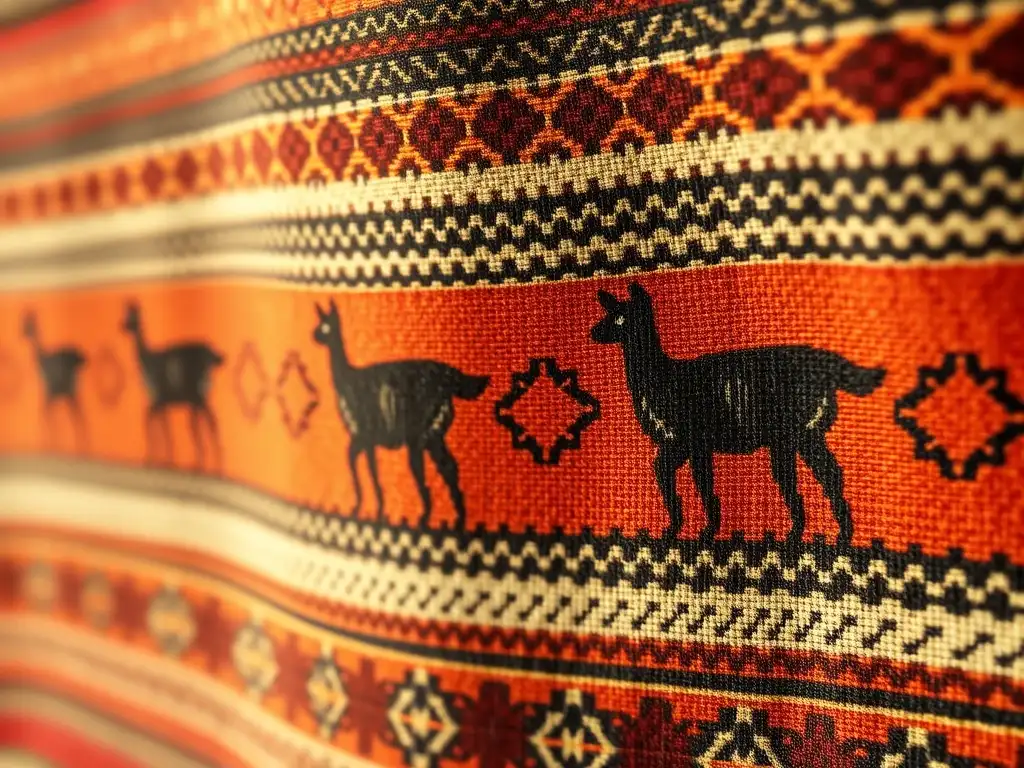
Andean textile symbolism meaning is deeply rooted in the cosmology and worldview of the ancient Andean civilizations. Their intricate textiles weren't merely decorative; they were powerful carriers of meaning, reflecting social status, religious beliefs, and cosmological understandings. Understanding these symbols unlocks a deeper appreciation for the artistry and sophistication of these cultures. This section delves into some key symbolic elements frequently found in Andean textiles, exploring their rich and varied interpretations.
Animal Representations and their Meanings
Animals held profound significance in Andean cultures, often representing powerful forces of nature and embodying specific qualities. Their depiction in textiles provided a visual language that conveyed complex messages. The frequency and prominence of certain animals within a textile design often indicated the social standing or spiritual aspirations of the wearer.
The Condor: Symbol of Power and the Sky
The condor, a majestic bird of the Andes, frequently appears in Andean textiles. Its powerful presence symbolizes the sky, the realm of the gods, and the power associated with celestial forces. Condor depictions often indicate a connection to spiritual authority or a high social status within the community.
The size and detail of the condor's representation within a textile can further enhance the understanding of its symbolic meaning, with larger and more intricately woven condors suggesting a higher social standing or greater spiritual significance. For example, a large, finely detailed condor might adorn the clothing of a high priest or a ruler, while smaller, simpler representations could be found on the garments of commoners.
The Serpent: Representation of the Underworld
In contrast to the condor, the serpent is often associated with the underworld, the earth, and fertility. Serpent imagery in Andean textiles represents the cyclical nature of life, death, and rebirth. The serpent's sinuous form is often depicted in intricate detail, emphasizing its connection to the earth and its life-giving properties. Different types of serpents may also carry specific meanings. For instance, a particular species might be associated with water sources or specific agricultural cycles. [Specific information pending] on the regional variations in serpent symbolism within Andean textiles.
The Puma: Symbol of Strength and Earth
The puma, a powerful feline predator of the Andes, is another frequently depicted animal in Andean textiles. It embodies strength, power, and connection to the earth. Depictions of pumas often signify strength, courage, and leadership. The puma's association with the earth reflects its role as a guardian of the land and its resources. The style of puma representation, whether stylized or realistic, can also influence its meaning. A stylized puma might represent a more abstract concept, while a realistic depiction could indicate a closer association with the animal's physical attributes and power.
Geometric Patterns: Unraveling the Code
Beyond animal representations, Andean textiles are abundant with geometric patterns. These patterns, far from being mere decorative elements, carry profound symbolic weight, reflecting the Andean understanding of the cosmos, social structure, and the interconnectedness of all things.
The Step Fret: Symbolism of Movement and Progression
The step fret motif, a series of interlocking steps, is a common element in Andean textiles. This pattern symbolizes movement, progression, and the ascent towards spiritual enlightenment. It is often interpreted as representing a journey or a path towards a higher state of being. The number of steps or the overall scale of the pattern might also hold further symbolic meaning, although [specific information pending] on the precise interpretation of these variations.
Diamond Patterns: Representing Duality and Balance
Diamond patterns, with their symmetrical forms, represent duality and balance. They symbolize the harmony between opposing forces, such as the sky and the earth, the sun and the moon, or life and death. The precise arrangement and variations within diamond patterns can provide further insights into their specific meanings. For instance, the color and the orientation of diamonds within a design could modify its meaning.
Checkerboard Designs: Signifying Order and Structure
Checkerboard designs, with their regular grid-like structure, represent order, structure, and the cosmic organization of the universe. These patterns reflect the Andean belief in a structured and harmonious cosmos, where everything has its place and purpose. The use of contrasting colors within the checkerboard design might further enhance the symbolic meaning, perhaps emphasizing the balance between opposing forces or the duality of the cosmos. The variations in the size and color of the squares within the pattern could also influence its interpretation, although further research is needed to fully understand these nuances. 🤔
Plant and Nature-Inspired Motifs
Andean textiles are replete with representations of the natural world, reflecting the deep connection these civilizations had with their environment. The intricate weaving techniques allowed for the creation of incredibly detailed and vibrant depictions of flora and fauna, each carrying significant symbolic weight. These weren't merely decorative elements; they were powerful visual narratives, communicating social status, religious beliefs, and cosmological understandings.
The careful selection and arrangement of these motifs provided a complex visual language understood by those within the culture. The use of natural dyes, derived from plants and minerals found in the Andes, further reinforces this connection between the textile and the natural world. The colours themselves held symbolic meaning, adding another layer of complexity to the interpretation of these patterns.
For example, the vibrant reds often represented power and fertility, while the deep blues symbolized the sky and the divine. Analyzing these plant and nature-inspired motifs requires careful consideration of both the specific plant or animal depicted and the context in which it appears within the larger textile design.
The Coca Leaf: Its Spiritual and Cultural Significance
The coca leaf ( Erythroxylum coca) holds a central place in Andean culture and spirituality, and its depiction in textiles reflects this importance. Its representation in woven fabrics is not simply decorative; it signifies vitality, strength, and connection to the sacred. The coca leaf was, and in many communities still is, used in religious ceremonies, as an offering to deities, and as a social stimulant.
Textiles featuring coca leaves might indicate the wearer's participation in religious rituals or their social standing within a community where coca cultivation and use were central to daily life. The precise depiction of the coca leaf – its size, position within the overall design, and accompanying motifs – can add further layers of meaning.
For instance, a larger, more prominently displayed coca leaf might suggest a higher social status or a more significant role in religious practices. Studies of pre-Columbian textiles show a consistent use of coca leaf imagery across diverse Andean cultures, highlighting its enduring importance throughout the region.
Representations of Corn: Symbol of Abundance and Sustenance
Corn ( Zea mays) was, and remains, a staple crop in the Andean region, providing sustenance and representing prosperity and fertility. Its depiction in textiles reflects its vital role in the economic and spiritual life of Andean societies. Different varieties of corn, with their unique colors and shapes, were likely represented in textile patterns, each potentially carrying specific symbolic meanings.
The representation of corn could symbolize abundance, a bountiful harvest, and the promise of survival. Weavings featuring corn might have been created for celebrations of the harvest, or perhaps worn by individuals associated with agriculture or leadership roles within the community. Furthermore, the way corn is depicted – as individual ears, stalks, or as part of a larger agricultural scene – can influence its interpretation.
For example, corn depicted alongside other agricultural products, such as beans or squash, might symbolize the importance of balanced agriculture and the interconnectedness of the ecosystem. The presence of corn imagery in textiles provides valuable insights into the agricultural practices and the cosmological beliefs of the Andean civilizations.
Regional Variations in Andean Textile Symbolism
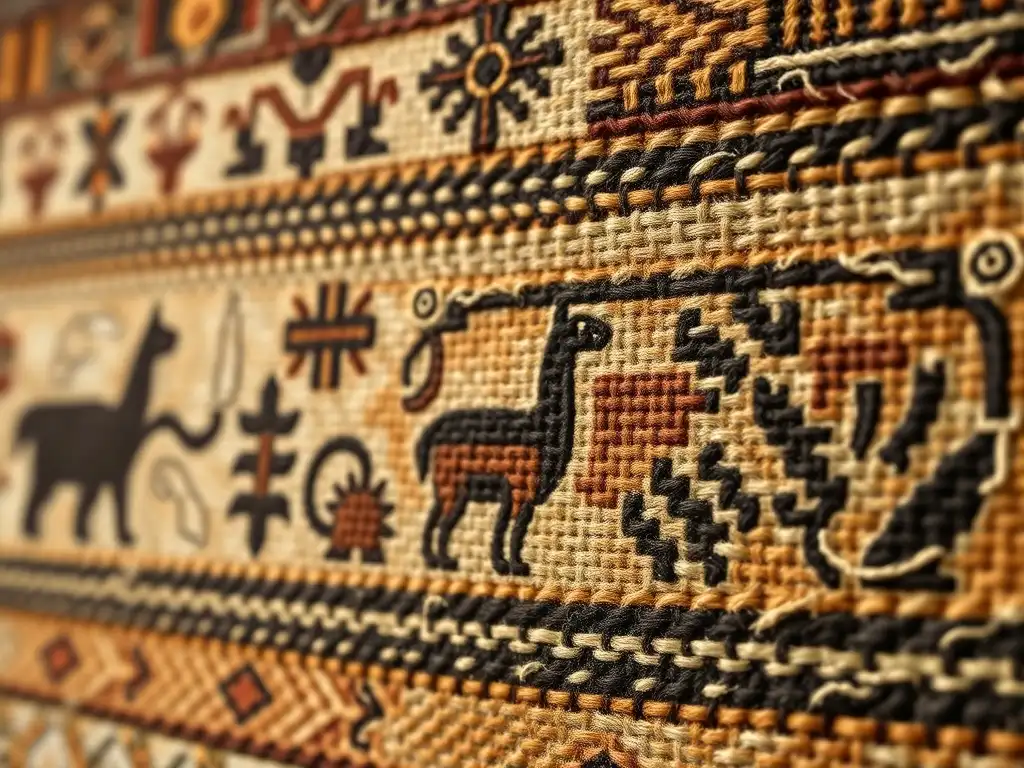
The vibrant tapestry of Andean textile art wasn't merely decorative; it served as a powerful visual language, conveying complex social, religious, and cosmological beliefs. Understanding the symbolism embedded within these textiles requires acknowledging significant regional variations. The intricate designs, colors, and techniques differed dramatically across various Andean cultures, reflecting their unique worldviews and social structures.
Analyzing these regional differences provides crucial insights into the diverse tapestry of Andean civilizations and their rich cultural heritage. Understanding the nuances of Andean textile symbolism meaning is key to unlocking these secrets. This section will explore the distinctive styles of three prominent Andean cultures: the Inca, Moche, and Nazca, highlighting the unique ways they expressed themselves through textiles.
The Distinctive Motifs of the Inca Empire
Inca textiles, renowned for their fine craftsmanship and geometric precision, often featured repetitive patterns emphasizing order and control – reflecting the highly structured Inca society. The dominant motifs included:
- Geometric Shapes: Squares, triangles, and stepped patterns symbolized the organization of the empire and its agricultural terraces. The precise arrangement of these shapes often mirrored the meticulous planning of Inca cities and infrastructure. For instance, the repeated use of stepped triangles might represent the Andean mountain ranges, sacred to Inca cosmology, and their connection to agricultural productivity.
- Knotted Spindles: These motifs, frequently depicted in varying colors, likely symbolized the importance of textiles in Inca life, representing the intricate process of spinning and weaving, crucial to their economy and social status. The color of the spindle could further indicate social standing or specific geographic regions.
- Animal Representations: While less frequent than geometric designs, stylized depictions of animals, such as llamas and condors, held symbolic significance. Llamas, essential to the Inca economy, represented wealth and prosperity, while condors symbolized power and connection to the upper world. The meticulous detail in these representations points to a deep understanding of the animal’s importance within their society.
The Inca Empire's textile production was highly centralized, with specialized workshops producing textiles for the elite and for religious ceremonies. This centralized production, combined with the standardization of motifs, allowed for clear communication of social status and religious beliefs through clothing and ceremonial textiles. The use of specific colors also played a vital role, with certain hues reserved for the royal family and religious figures.
The Unique Textile Language of the Moche Culture
In stark contrast to the Inca's geometric precision, Moche textiles showcase a dynamic and expressive style. Characterized by vibrant colors and intricate depictions of narrative scenes, Moche textiles offer a window into their daily life, mythology, and religious practices.
- Mythological Creatures: Moche textiles are famous for their depictions of supernatural beings, often engaging in dramatic confrontations or ritualistic activities. These creatures, frequently depicted with exaggerated features and vibrant colors, represent the complex Moche pantheon and their interactions with the human world. These narratives, woven into the fabric, provide invaluable insights into their beliefs and worldview.
- Warfare and Rituals: Many textiles vividly portray scenes of warfare, hunting, and ritual sacrifices. These graphic depictions, though unsettling to modern viewers, offer a frank portrayal of Moche society and its values. The intricate detail in these scenes suggests a high degree of artistic skill and an intention to communicate specific events or beliefs through the visual narrative.
- Everyday Life: Alongside mythological depictions, Moche textiles also show scenes of everyday life, including fishing, agriculture, and ceremonial dances. These portrayals provide a balanced view of Moche society, showing not only their belief system but also their daily activities and social interactions. The inclusion of these scenes highlights the multifaceted nature of Moche textile art.
The Moche's mastery of textile techniques, including the use of multiple colors and intricate weaving styles, further enhanced the power of their visual storytelling. Their textiles stand as a testament to their artistic skill and the profound significance they placed on textile art as a medium for conveying their complex cultural beliefs.
Nazca Textile Symbolism: Depicting Mythical Beings
Nazca textiles, like their renowned geoglyphs, are characterized by their striking imagery and symbolic complexity. While less abundant than Inca or Moche textiles due to the arid climate, surviving examples reveal a deep engagement with mythical beings and cosmological concepts.
- Stylized Figures: Nazca textiles often depict stylized human figures with exaggerated features, often associated with shamanistic practices and ritualistic activities. These figures, frequently adorned with elaborate headdresses and jewelry, likely represent powerful figures within Nazca society, such as priests or shamans. The symbolic meaning of their attire and posture is currently a subject of ongoing research.
- Ornamental Motifs: Geometric patterns and ornamental motifs, often featuring intricate designs and vibrant colors, complement the human figures, adding layers of symbolic meaning to the overall composition. These motifs, similar to those found in Nazca pottery, potentially represent astronomical events or cosmological concepts.
- Rare Survivals: The scarcity of surviving Nazca textiles makes each discovery exceptionally valuable. The challenges of preservation in the arid Nazca climate have limited our understanding of their textile tradition. Further archaeological research is crucial for a more comprehensive understanding of Nazca textile symbolism meaning.
Despite the limited number of surviving examples, Nazca textiles offer a glimpse into a rich and complex culture, highlighting the importance of textiles in their religious and social practices. The unique style and symbolism of Nazca textiles contribute significantly to the wider understanding of Andean textile art and its rich cultural heritage. The ongoing study of these rare artifacts continues to reveal new insights into the beliefs and practices of this enigmatic civilization.
Tiahuanaco Textile Patterns: Reflecting Cosmic Order
Tiahuanaco textiles, originating from the expansive Tiwanaku culture (c. 1500 BCE – 1000 CE) in the Altiplano region of the Andes, stand apart for their intricate designs and profound symbolic meaning. Unlike some other Andean cultures that emphasized narrative representations, Tiahuanaco textiles frequently employed geometric patterns to convey a complex cosmology. The intricate weaving techniques, often incorporating multiple colors and textures, served to further enhance the symbolic power of these designs. Scholars believe that these patterns represented a deep connection to the cosmos, mirroring the Andean worldview that saw the world as interconnected and imbued with spiritual significance.
The prevalence of stepped pyramids and other geometric shapes in Tiahuanaco architecture is directly reflected in their textile art. These patterns, often composed of repeating motifs like triangles, squares, and stepped frets, are interpreted as representing the sacred mountains, the celestial bodies, and the cyclical nature of life and death.
The use of specific colors also held symbolic weight; for example, red might have symbolized blood, fertility, and the earth, while white could represent purity and the celestial realm. The precise meanings are still being debated by researchers, but the overall theme points toward a sophisticated system of belief underpinned by astronomical observations and a deep understanding of the natural world.
Further complicating the interpretation, many Tiahuanaco textiles have been found in funerary contexts. This association with death rituals lends further weight to the idea that these patterns represented a pathway to the afterlife or a connection to the spiritual realm. The meticulous craftsmanship evident in these textiles suggests that they were not merely decorative items, but rather powerful objects imbued with spiritual energy, intended to accompany the deceased on their journey.
Analyzing the placement of specific patterns on the garments provides clues to the social status of the individual buried. Elaborate and complex patterns often correlated with higher social standing, suggesting a close relationship between textile artistry and social hierarchy within the Tiahuanaco society.
The continued discovery and analysis of these textiles is crucial to enriching our understanding of this complex culture and its profound beliefs. The careful study of color combinations, weaving techniques, and the overall composition of the patterns continues to reveal new insights into the rich tapestry of Tiahuanaco cosmology.
The Enduring Legacy of Andean Textile Iconography
The vibrant textiles of the Andes are far more than mere decorative items; they are powerful repositories of cultural knowledge, transmitting stories, beliefs, and social structures across generations. This enduring legacy is evident in the intricate patterns, symbolic motifs, and sophisticated techniques employed by Andean weavers for millennia. Understanding the symbolism embedded within these textiles offers a profound insight into the worldview and social fabric of ancient Andean societies, from the Nazca lines to the Inca Empire.
The continuity of these traditions, even today, underscores the deep-rooted connection between past and present Andean communities. The study of Andean textile symbolism meaning reveals a complex and fascinating tapestry of human expression.
Contemporary Andean Textiles and their Connection to the Past
Even today, Andean communities continue to weave textiles using ancestral techniques and designs, demonstrating the remarkable persistence of these traditions. Modern textiles frequently incorporate ancient motifs, albeit sometimes adapted to contemporary contexts. For example, the use of camelids (llamas and alpacas) in textile designs, prominent in pre-Columbian art, remains a prevalent theme in contemporary Andean weavings, representing wealth, status, and connection to the land. However, these modern interpretations often reflect the changing social and economic realities of these communities, incorporating new symbols and patterns alongside the traditional ones.
This dynamic interplay between past and present demonstrates the adaptive nature of Andean textile traditions and their enduring relevance to Andean identity. The analysis of both ancient and modern textiles provides a rich understanding of the evolution of Andean textile symbolism meaning over time. This careful comparison allows us to trace the subtle shifts in meaning and expression of cultural values.
Preserving and Promoting Andean Textile Traditions
The preservation and promotion of Andean textile traditions are of paramount importance for safeguarding cultural heritage and supporting the livelihoods of Andean communities. Efforts to document and analyze ancient textile patterns are crucial, providing valuable insights into their symbolism and the techniques used to create them. This documentation not only enhances our understanding of Andean history and culture but also provides a foundation for the development of educational programs and initiatives aimed at promoting these traditions among younger generations.
Moreover, supporting Andean artisans through fair trade practices ensures that these skills and knowledge are not lost, while simultaneously providing economic opportunities for those who continue to practice these time-honored crafts. The continued creation of high-quality Andean textiles is vital for the preservation of Andean textile symbolism meaning and the economic well-being of the artisans themselves.
The Importance of Understanding Andean Textile Symbolism Meaning
Understanding the symbolism embedded within Andean textile patterns is crucial for a comprehensive appreciation of Andean culture and history. These patterns are not merely decorative; they convey complex narratives, social structures, and spiritual beliefs. For instance, specific motifs might represent deities, ancestors, or natural phenomena, while color choices could indicate social status or ritual significance. Detailed analysis of these patterns reveals a sophisticated system of communication, revealing layers of meaning often overlooked by casual observation.
Through careful study, researchers can decode these visual languages, unlocking a wealth of information about Andean societies, their beliefs, and their interactions with the world around them. The accurate interpretation of Andean textile symbolism meaning is therefore essential for a nuanced understanding of Andean civilizations and their rich cultural legacy. This understanding goes beyond simple aesthetics, providing a deeper appreciation for the ingenuity and cultural depth of Andean textile traditions.
Frequently Asked Questions
What is the significance of Andean textiles?
Andean textiles were far more than mere decoration; they were powerful symbols reflecting social status, religious beliefs, and historical events. Their intricate designs communicated complex narratives and ideologies.
How did Andean textile patterns convey meaning?
The patterns used specific symbols and motifs, often depicting animals, plants, and geometric shapes, each with its own cultural and spiritual significance. The arrangement and color of these elements added layers of meaning.
What are some common symbols found in Andean textiles and their meanings?
Common symbols include condor (power), serpent (fertility), and hummingbird (speed/agility). Geometric patterns often represented celestial bodies or agricultural cycles. The meaning varied slightly between cultures.
How did the Incas use textile symbolism?
Inca textiles showcased imperial power and control, often featuring royal imagery and elaborate designs. Textiles were used to distinguish social classes and were crucial in ceremonies and rituals.
Where can I learn more about Andean textile symbolism and meaning?
You can explore museums with Andean textile collections, consult academic journals and books on Andean archaeology and anthropology, and delve into online resources dedicated to Andean culture. Many resources are available to further your understanding.
Final Reflection: Unraveling the Threads of Andean Identity
The intricate designs woven into Andean textiles are not mere decoration; they are living narratives, echoing across centuries and resonating powerfully in the present. Understanding these symbols allows us to connect with a rich cultural heritage and appreciate the enduring strength of Andean traditions in a rapidly changing world. The vibrant colors and complex patterns speak volumes about the Andean worldview, a perspective that offers valuable insights into our own relationship with nature, community, and spirituality.
The enduring power of Andean textile symbolism lies in its ability to transcend time and language, communicating profound truths about life, death, and the cosmos. These textiles are more than just clothing; they are repositories of knowledge, passed down through generations, carrying the weight of history and the hopes of the future. The threads themselves are a language, a way of speaking without words, a way of remembering without writing.
– (This quote needs to be sourced to a relevant Andean scholar or textile expert). This sentiment encapsulates the profound connection between the Andean people and their textile traditions, a connection that continues to inspire awe and wonder.
Consider the stories woven into the very fabric of these textiles. Let their vibrant colors and intricate designs ignite your imagination. Take a moment to reflect on the power of visual storytelling and the enduring legacy of cultural expression. By understanding the symbolism embedded within Andean textiles, we can gain a deeper appreciation for the richness and diversity of human culture and the importance of preserving these invaluable traditions for future generations. Let the threads of Andean history inspire you to explore your own cultural heritage and the stories that shape your identity.
Thank you for exploring the intricate world of Andean textile symbolism! We hope you've gained a deeper appreciation for the rich cultural stories embedded in each design. Now, let's delve even further into the fascinating heritage of these extraordinary textiles.
Here are some ways to continue your exploration:
- Visit a museum or gallery featuring Andean textiles to experience the vibrant colors and masterful techniques firsthand.
- Join an online community of textile enthusiasts to share your discoveries and learn from others passionate about Andean culture.
- Create your own textile art inspired by what you've learned, and share your creations on social media using the hashtag #AndeanArtistry.
How do you think these ancient textile symbols are influencing contemporary design and art? Share your thoughts in the comments!