
The Royal Regalia: Metalworking and Power in Andean Civilizations

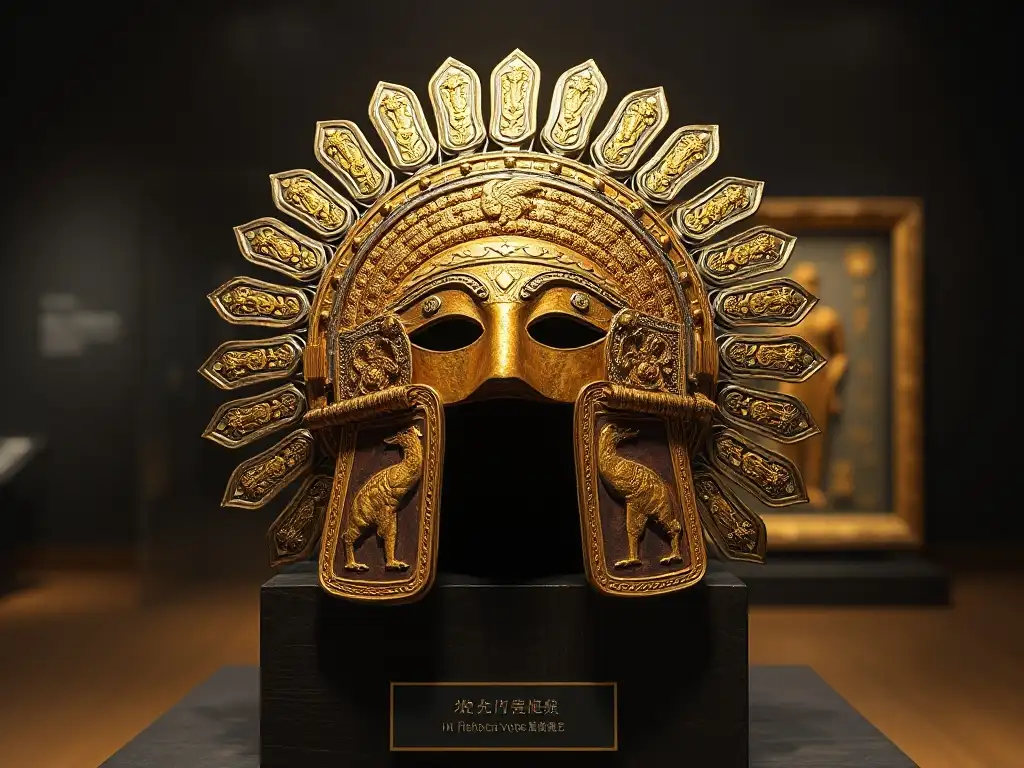
Step into a world lost to time, yet echoing with the power of ancient empires. Imagine the gleam of gold, the intricate designs of silver, the sheer skill behind the Andean metalworking techniques that shaped the destiny of civilizations. This is not just history; it’s a journey into the heart of the Andes, where artistry met power, and metal became a language of royalty. Discover the secrets behind the breathtaking artistry of the Incas, Moche, Nazca, and Tiahuanaco in our exploration of "The Royal Regalia: Metalworking and Power in Andean Civilizations." Prepare to be amazed.
The shimmering gold, the gleaming silver, the intricate alloys – Andean metalworking wasn't merely a craft; it was a powerful statement of social hierarchy, religious belief, and political control. This article delves into the fascinating world of Andean metalworking techniques, exploring how these sophisticated metallurgical practices shaped the identities and power structures of civilizations like the Inca, Moche, Nazca, and Tiahuanaco. From the intricate details of their techniques to the symbolic weight of the finished products, we'll uncover how metal became intrinsically linked to the very fabric of Andean society, reflecting the beliefs, values, and aspirations of its people.
We will examine the specific techniques employed, the social contexts of production, and the symbolic meanings imbued in these remarkable artifacts, ultimately revealing how Andean metalworking served as a powerful tool for expressing and reinforcing power. Prepare to be amazed by the ingenuity and artistry of these ancient masters.
Andean Metalworking: A Reflection of Power and Status
Andean metalworking techniques were incredibly advanced for their time. The artisans demonstrated a mastery of diverse metallurgical processes, including hammering, casting (using the lost-wax method), soldering, and gilding. The level of skill required to create the intricately detailed objects found in archaeological sites is truly astounding.
Consider the intricate gold and silver jewelry unearthed from royal tombs – delicate feather headdresses, intricately woven textiles adorned with metal ornaments, and finely crafted ceremonial vessels. These items weren't simply decorative; they were potent symbols of power, worn and wielded by the elite to solidify their authority. The sheer labor and expertise involved in their creation meant that only those with significant resources and access to skilled artisans could acquire such objects.
This exclusivity further cemented the social hierarchy, with metalwork acting as a clear visual marker of status and power within Andean societies. The complexity of the techniques, such as the precise control needed for the lost-wax casting process to create detailed figurines and vessels, highlights the high level of specialized knowledge and skill possessed by Andean metalworkers. This specialized knowledge was often passed down through generations within families or guilds, creating a powerful and exclusive craft tradition.
The Significance of Metal in Andean Society
Metal held immense symbolic significance in Andean cultures, far beyond its practical applications. Gold, in particular, was often associated with the sun, representing divine power and royalty. Silver, on the other hand, was frequently linked to the moon and water, often associated with fertility and abundance.
The use of specific metals and alloys in different contexts reveals a complex system of meaning. For example, gold objects were frequently found in royal tombs, reinforcing the connection between the metal and divine authority. The use of copper, bronze, and other alloys demonstrates the sophisticated understanding of metallurgy and the ability to manipulate the properties of different metals to achieve specific aesthetic and functional effects.
The sheer quantity of metal objects recovered from archaeological sites across the Andes – from the small, everyday tools to the massive ceremonial objects – underlines the pervasive presence of metal throughout Andean life. Even seemingly mundane objects, like agricultural tools, might be adorned with metal elements, highlighting the importance of metal even in everyday activities. The meticulous craftsmanship displayed in these objects suggests that metalwork was not just a profession but a deeply ingrained aspect of Andean cultural identity.
The association of precious metals with divine authority is clearly evident in the surviving artifacts. Royal regalia, such as crowns, scepters, and ceremonial masks, were often crafted from gold and silver, visually linking the rulers to the supernatural realm. These objects were not merely symbols of earthly power; they were powerful conduits to the divine, connecting the rulers to the gods and reinforcing their legitimacy.
The meticulous detail and craftsmanship of these pieces further emphasized their sacred nature, creating objects that were both visually stunning and deeply symbolic. The use of specific iconography and motifs in metalwork, such as representations of deities or mythological creatures, further reinforced this connection between metal, royalty, and the divine. These powerful symbols of divine authority were not only displayed during ceremonies and rituals but were also used in burials, ensuring that the rulers continued to hold power even in the afterlife.
This close relationship between metalwork and religious belief underscores the central role that metal played in shaping the political and spiritual landscapes of Andean civilizations. The careful selection of materials and the intricate designs all served to reinforce the divine power and authority of the ruling elite.
Gold and Silver: The Metals of the Andean Elite
The Andean civilizations, particularly the Inca, Moche, and Nazca, held gold and silver in the highest esteem, associating these precious metals with the sun, moon, and divine power. Their mastery of Andean metalworking techniques allowed them to transform these materials into elaborate objects of power and prestige, reflecting their sophisticated understanding of metallurgy and their deeply held spiritual beliefs.
The sheer quantity of gold and silver artifacts unearthed from royal tombs and ceremonial sites testifies to the immense wealth and power concentrated in the hands of the elite. These weren't merely decorative pieces; they were potent symbols of authority, used to legitimize rule and reinforce social hierarchies.
The process of obtaining these metals was itself a significant undertaking. Gold, often found in alluvial deposits, required meticulous panning and washing techniques to separate it from the surrounding sediment. Silver, more commonly found in ore, needed complex smelting processes to extract the pure metal.
Archaeological evidence suggests the use of sophisticated furnaces and crucibles, indicating a high level of technological advancement in Andean metalworking techniques. The precise methods varied across different cultures and time periods, with innovations and refinements constantly being developed. For example, the Moche are known for their incredibly detailed castings, while the Inca excelled in sheet metalwork and the creation of intricate alloys.
Beyond the technical aspects, the symbolic significance of gold and silver in Andean culture cannot be overstated. Gold, with its radiant brilliance, was often associated with the sun god Inti, a central figure in Inca religion and a symbol of royal legitimacy. Silver, linked to the moon and fertility, held a similarly important, albeit slightly different, spiritual weight.
The use of these metals in royal regalia, such as crowns, scepters, and ceremonial masks, directly connected the rulers to the divine realm, reinforcing their authority and divine right to rule. This connection is evident in the meticulous craftsmanship and the incorporation of religious motifs into the design of these objects. The sheer weight of these objects, often adorned with precious stones and feathers, further emphasized their power and status.
The creation of these pieces was not simply a craft; it was a sacred act, reinforcing the ideology of power and divinity at the heart of Andean societies. The intricate details, the careful selection of materials, and the sheer artistry involved all contributed to the objects’ symbolic power and their role in reinforcing the social order. The legacy of these Andean metalworking techniques continues to fascinate and inspire awe today, showcasing the ingenuity and artistry of these ancient civilizations.
- Andean Metalworking: A Reflection of Power and Status
- The Significance of Metal in Andean Society
- Metals as Symbols of Divine Authority
- Gold and Silver: The Metals of the Andean Elite
- Gold Masks and Ornaments: The Legacy of the Moche
- The Lord of Sipán Mask: A Moche Masterpiece
- The Significance of Moche Gold Masks
- Inca Imperial Regalia: Symbols of Power and Authority
- The Inca Mascapaicha: A Symbol of Royal Authority
- Inca Metalworking and its Role in Imperial Expansion
- Tiahuanaco Metalwork: Ritual Objects and Status Symbols
- The Tiahuanaco Sun Disk: A Religious Icon
- The Use of Metal in Tiahuanaco Religious Practices
- The Metalwork of the Sican Culture: Funerary Masks and Ritual Objects
- The Sican Tumaco Mask: An Example of Sican Craftsmanship
- The Development of Sican Metalworking Traditions
- The Influence of Andean Metalworking on Later Cultures
- Modern Peruvian Silversmithing: A Continuing Tradition
- The Preservation of Andean Metalworking Heritage
- Analyzing the Artistic and Technological Achievements of Andean Metalworkers
- The Proyecto Arqueológico Lambayeque: A Study of Sican Metalwork
- What unique metalworking techniques did Andean civilizations employ?
- How did metalworking impact the social structure of Andean societies?
- What types of metals were most commonly used in Andean metalworking?
- What were some of the most impressive examples of Andean metalworking?
- Where can I learn more about Andean metalworking techniques?
Andean Metalworking Techniques: Crafting Royal Regalia
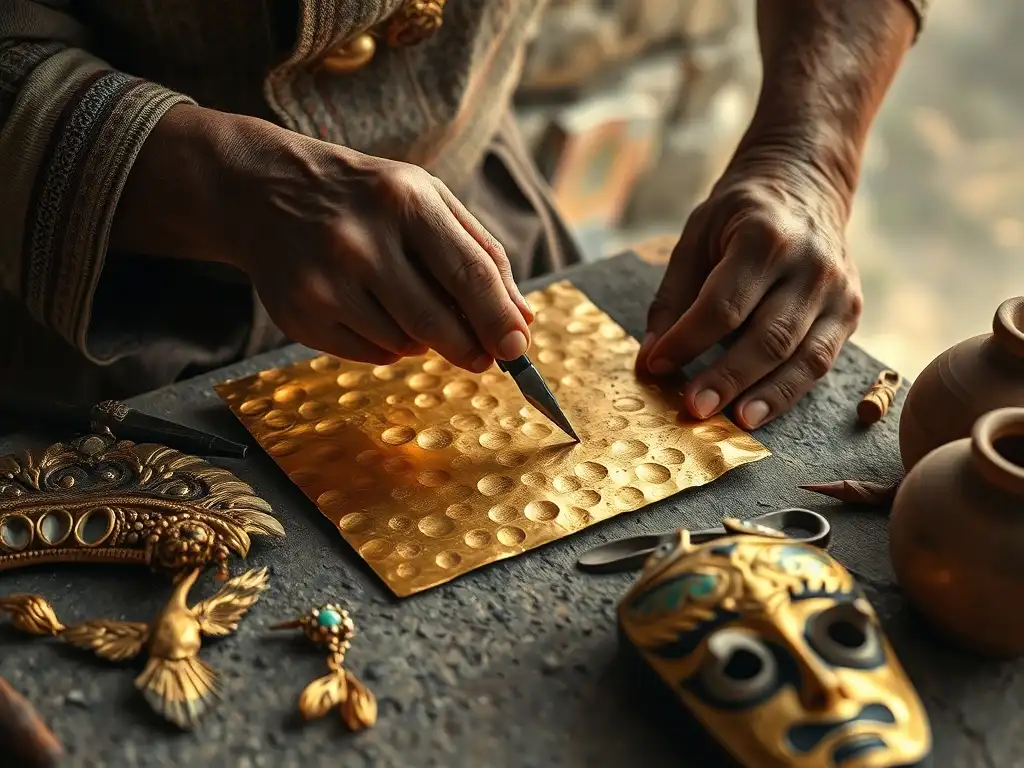
This section delves into the sophisticated techniques employed by Andean civilizations in crafting their renowned metalwork, particularly the royal regalia that symbolized power and authority. Understanding these techniques provides crucial insights into the technological advancements and artistic prowess of these ancient cultures. We will explore the diverse methods used, highlighting the ingenuity and skill involved in transforming raw materials into exquisite objects of prestige. The mastery of these "Andean metalworking techniques" played a pivotal role in shaping Andean societies and their legacies.
Pre-Columbian Metalworking Methods: An Overview
Pre-Columbian Andean metalworking was a complex process, far from rudimentary. It involved a sophisticated understanding of metallurgy, encompassing diverse techniques depending on the desired outcome and the metal being worked. The most commonly used metals were gold, silver, copper, and bronze (an alloy of copper and tin). These metals, often sourced from distant locations, were meticulously processed before being shaped into the desired forms.
The process typically began with the extraction and refining of the ore. Evidence suggests that Andean metallurgists employed various techniques, including smelting, to separate the metal from its impurities. The refined metal was then cast, hammered, and shaped using a variety of tools and techniques. The level of skill and precision involved is evident in the intricate detail and flawless execution found in surviving artifacts.
Interestingly, the Andean civilizations did not use high-temperature furnaces like those developed in the Old World. Instead, they relied on lower-temperature techniques, often employing charcoal fires and carefully controlled airflows. This suggests a remarkable level of experimentation and mastery over their processes, adapting to the available resources and technological limitations. Further research is needed to fully understand the specific variations in techniques across different Andean cultures and time periods. [Specific information pending on regional variations in smelting techniques].
Hammering and Shaping Techniques in Andean Metallurgy
Hammering and shaping were fundamental to Andean metalworking. Metallurgists used a range of specialized hammers, mallets, and anvils to achieve the desired shapes and textures. The process often involved heating the metal to make it more malleable, followed by repeated hammering to refine the form. This required significant strength, skill, and precision. The ability to control the temperature and the force of the hammer blows was crucial to prevent damage or cracking of the metal.
Evidence from archaeological sites indicates the use of different types of hammers, possibly made from stone or wood, depending on the stage of the process and the desired effect. The creation of intricate designs often involved hammering the metal over shaped molds or using chasing and repoussé techniques. Repoussé, in particular, required exceptional skill, involving hammering from the back of the metal sheet to create raised designs on the front.
This technique is clearly visible in many examples of Andean goldwork, showcasing the artisans' remarkable dexterity and artistic vision. The creation of thin sheets of gold, often used for elaborate adornments, also required highly advanced hammering skills.
| Tool Type | Material (Likely) | Function |
|---|---|---|
| Hammer | Stone, Wood | Shaping, refining, texturing |
| Anvil | Stone | Support during hammering |
| Molds | Stone, Clay | Shaping complex forms |
| Chasing tools | Stone, Bone | Refining details on the surface of the metal |
The Art of Gilding and Plating in Ancient Andes
Beyond the shaping techniques, Andean metallurgists also mastered the arts of gilding and plating—processes that enhanced the visual appeal and value of their metalwork. Gilding involved applying a thin layer of gold to a base metal, such as copper or silver. Plating, on the other hand, involved covering a base metal with a sheet of a different metal. Both techniques required advanced metallurgical knowledge and precision.
The exact methods employed for gilding and plating are still debated amongst scholars, but several theories exist. One popular theory suggests the use of mercury amalgamation. This involved mixing gold with mercury to create an amalgam, which could then be applied to the base metal. The mercury would subsequently be evaporated, leaving behind a thin layer of gold. However, this process was hazardous due to the toxicity of mercury. [Further research is needed to confirm the prevalence and specifics of mercury use in Andean gilding].
Another technique may have involved soldering or brazing, using a lower-melting-point metal as a bonding agent to attach gold leaf or thin sheets to the base metal. This process would have required precise temperature control to avoid damaging the precious metal. The intricate detail and durability of many gilded and plated objects suggest the use of sophisticated techniques that remain to be fully understood. The impressive results clearly demonstrate the high level of technical expertise achieved by Andean artisans in manipulating and combining different metals to create visually stunning and durable artifacts.
Casting and Molding: Creating Complex Metal Forms
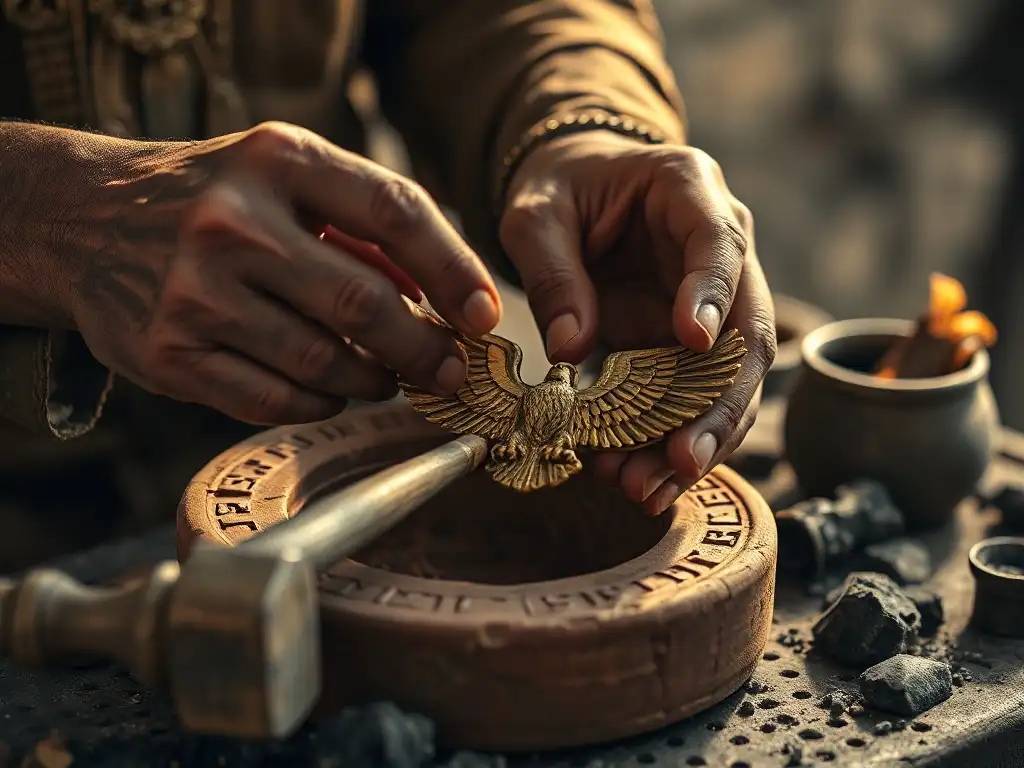
Andean metalworkers were masters of casting and molding, techniques crucial to producing the intricate forms seen in royal regalia. They employed a variety of methods, demonstrating remarkable skill and ingenuity. One common technique involved creating molds from clay or stone, meticulously carved to achieve the desired shape. These molds were often multi-part, allowing for the creation of complex, three-dimensional objects. The molten metal, typically copper, bronze, gold, or silver, was then carefully poured into the mold.
After cooling, the mold was broken away, revealing the finished piece. The precision required to create these molds, especially for objects with fine details like the intricate headdresses or ceremonial vessels, is truly astonishing. Evidence suggests that Andean metalworkers experimented with different mold materials and techniques, refining their processes over generations to achieve increasingly complex and refined results. The creation of these molds itself was a highly specialized skill, requiring artistic vision and technical expertise.
Consider the intricate details found on some of the surviving artifacts – the flawless execution speaks volumes about the skill of these ancient artisans. Their ability to manipulate molten metal with such precision allowed them to create objects that were not only functional but also visually stunning, reflecting the power and prestige of the ruling elite. The development of these advanced casting and molding techniques represents a significant technological achievement within the Andean region, contributing significantly to the unique artistic style of their royal regalia. The skill involved in this process is evident in the surviving examples of intricate gold and silver artifacts.
Alloying Metals for Strength and Color Variation
The Andean civilizations weren't limited to working with single metals. They understood the importance of alloying – combining different metals to create alloys with enhanced properties. Alloying significantly impacted both the functionality and aesthetic appeal of their metalwork. By combining copper with tin, for example, they produced bronze, a much stronger and more durable material than pure copper. This allowed for the creation of larger and more robust objects, including weaponry, tools, and ceremonial items.
The ability to produce bronze was a crucial technological advancement, enabling the creation of more sophisticated and powerful tools and weapons. This technological advancement had a significant impact on Andean societies, contributing to their social and political development. Furthermore, alloying allowed for color variation. The addition of other metals to gold and silver could alter their hue, creating a wider range of colors and visual effects. For instance, adding small amounts of other metals to gold could produce subtle variations in shade, enhancing the visual impact of the finished piece.
This mastery of alloying is evident in the diverse range of colors and textures found in surviving Andean metalwork. The precise control over the alloying process allowed Andean metalworkers to create stunning visual effects, enhancing the regal nature of the objects produced. These subtle color shifts contributed to the overall aesthetic appeal of royal regalia, reinforcing the power and status of the ruling class. The knowledge of alloying and its application in Andean metalworking represents a sophisticated understanding of metallurgy, demonstrating the advanced technological capabilities of these ancient civilizations. The careful blending of metals showcases not only their technical skill but also their artistic vision and creative potential.
The Royal Regalia of Andean Civilizations: Examples and Analysis
This section delves into the fascinating world of Andean metalworking techniques, specifically focusing on the royal regalia of several prominent civilizations. The exquisite craftsmanship and symbolic significance of these artifacts offer unparalleled insights into the power structures, religious beliefs, and artistic achievements of these ancient societies. The use of precious metals, particularly gold and silver, wasn't merely decorative; it served as a powerful symbol of authority and divine connection, reinforcing the status of rulers and elites.
The sophistication of the techniques employed, ranging from hammering and casting to alloying and gilding, showcases the advanced metallurgical knowledge of Andean artisans. We will explore specific examples to better understand the artistry and the cultural context of these remarkable objects.
Gold Masks and Ornaments: The Legacy of the Moche
The Moche civilization (circa 100-800 CE) is renowned for its exceptional metalworking skills. Their mastery of gold and other metals is evident in the intricate detail and sophisticated techniques employed in their creations. Moche artisans were highly skilled in lost-wax casting, a complex process that allowed them to create incredibly detailed and lifelike representations.
Gold, a material associated with the sun and divinity, was frequently used to adorn rulers and elites, emphasizing their connection to the supernatural realm. Ornaments, such as elaborate headdresses, breastplates, and ear ornaments, were often crafted with intricate designs depicting mythological figures, animals, and symbols of power. These weren't simply decorative pieces; they were powerful symbols of status and authority, worn during ceremonies and rituals to reinforce the ruler's legitimacy.
The sheer number of surviving gold artifacts underscores the importance of this material in Moche society and its central role in their worldview. The precision and artistry displayed in these pieces demonstrate a level of technical proficiency rarely seen in other contemporary cultures.
Furthermore, the use of other metals, such as copper and silver, alongside gold, allowed Moche artisans to create a diverse range of colors and textures, adding to the visual impact of their work. The presence of these metals further highlights the advanced metallurgical knowledge of the time. Analysis of these artifacts reveals that Moche artisans had a thorough understanding of alloying techniques, allowing them to control the properties of the metals they used.
This control was essential in creating the durable and aesthetically pleasing objects that have survived for centuries. The detailed representations of flora, fauna, and human figures in these objects are testament to the artistry and technical prowess of the Moche people.
The Lord of Sipán Mask: A Moche Masterpiece
The gold mask of the Lord of Sipán is perhaps the most iconic example of Moche metalworking. Unearthed in 1987, this mask is a testament to the skill and artistry of Moche artisans. Its intricate details, including the representation of the Lord of Sipán's face with its detailed features and elaborate headdress, showcase the high level of technical sophistication achieved.
The mask's size and weight suggest it was likely part of a larger funerary ensemble, reinforcing its significance as a symbol of royal power and divine connection in the afterlife. The mask's preservation is remarkable, providing invaluable insights into Moche artistry and the materials used in their creations.
Detailed analysis of the mask reveals the use of different gold alloys to achieve varying shades and textures. The artisans expertly manipulated the metal to create a lifelike representation of the ruler's face, highlighting the importance of accurate portraiture in Moche culture. The use of inlaid turquoise and other precious stones further enhances the mask's visual impact.
The mask's intricate design and careful execution underscore the high status of the individual it adorned and the significance of metalworking in Moche society. The discovery of the Lord of Sipán's tomb and the associated artifacts has revolutionized our understanding of Moche society and its sophisticated craftsmanship.
The Significance of Moche Gold Masks
The prevalence of gold masks in Moche burials speaks volumes about their cultural and religious significance. They were not merely decorative items but powerful symbols of royal authority and divine connection. The use of gold, a material associated with the sun and the supernatural, directly linked the ruler to the cosmos, reinforcing their legitimacy and power.
The masks acted as powerful visual representations of the ruler's status, both in life and in death. The meticulous craftsmanship invested in these masks underscores the importance placed on the afterlife and the enduring legacy of the ruler. The masks served as a conduit between the earthly and spiritual realms, ensuring the ruler's continued influence even after death.
Moreover, the stylistic variations observed in Moche gold masks suggest a degree of regional diversity and perhaps even specialized workshops or artisan lineages. Further research into the composition of the gold alloys used in different masks could reveal valuable information about trade networks and the exchange of materials and techniques. The careful study of these masks, coupled with archaeological evidence from burial sites, can provide a more comprehensive understanding of Moche social hierarchy, religious beliefs, and the role of metalworking in their society.
The continued study of Andean metalworking techniques, particularly those employed in the creation of royal regalia, offers an exciting path towards a richer understanding of these fascinating ancient cultures. The meticulous detail and symbolic richness embedded within these artifacts continue to captivate and inspire researchers and enthusiasts alike.
The Inca Empire, at its zenith, controlled a vast territory spanning the Andes Mountains. Their power wasn't just military; it was deeply intertwined with elaborate displays of wealth and religious authority, heavily reliant on sophisticated Andean metalworking techniques. Royal regalia, meticulously crafted objects symbolizing power and divinity, played a crucial role in reinforcing the Inca emperor's status as a divine intermediary between the human and spiritual realms. These items weren't simply decorative; they were potent symbols used in religious ceremonies, state occasions, and to solidify political alliances.
The sheer artistry and technical skill involved in their creation further elevated their significance. The Inca's mastery of Andean metalworking techniques, including alloying, casting, hammering, and repoussé, allowed them to create intricate and visually stunning pieces. Gold, silver, and copper, often combined, were used to create objects reflecting the Inca worldview and reinforcing their control over resources.
The use of these precious metals, scarce and difficult to obtain, inherently signified the emperor's power and access to the earth's bounty. This careful control over resources and the skilled artisans who worked with them was a key element of Inca imperial power. The regalia served not only to display this power but to actively maintain and project it.
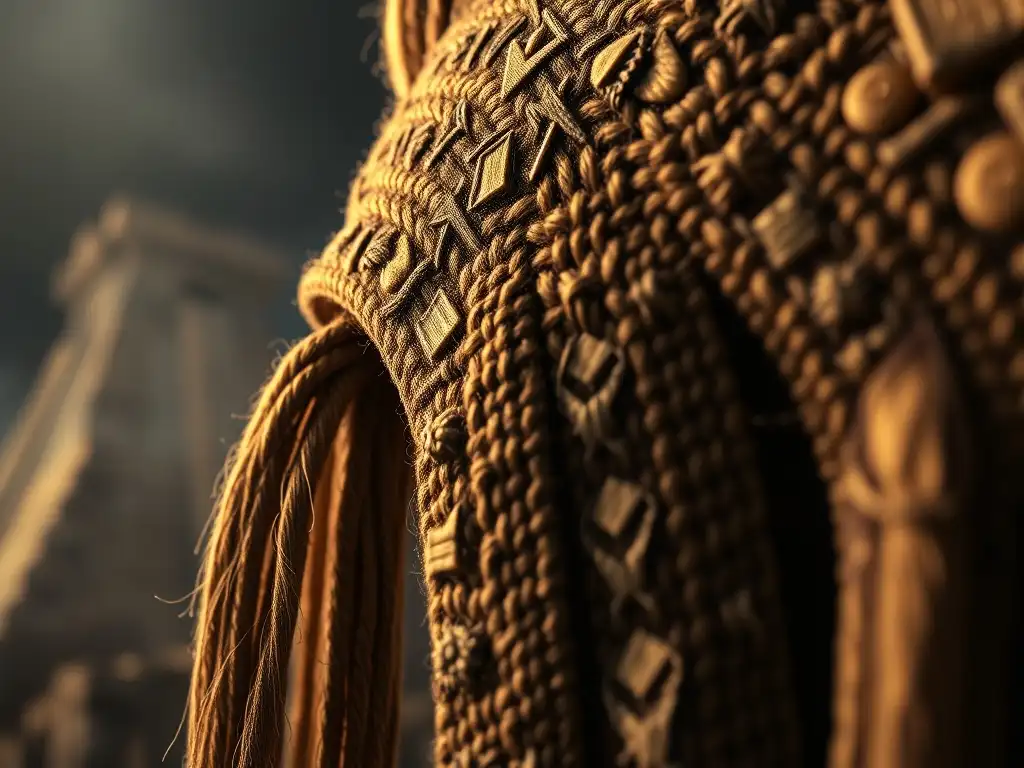
Among the most iconic pieces of Inca imperial regalia is the mascapaicha, a richly decorated headdress. While no original mascapaicha has survived, depictions in art and historical accounts provide valuable insights into its significance. The headdress was likely crafted from gold and other precious metals, incorporating feathers, textiles, and possibly precious stones.
Its elaborate design, which often included representations of the sun and other significant symbols, visually communicated the emperor's divine connection and authority. The mascapaicha wasn't just a decorative item; it was an integral part of the emperor's attire, worn during important ceremonies and public appearances. Its presence served to immediately identify the emperor and reinforce his legitimacy.
The intricate Andean metalworking techniques used in its construction, demanding significant skill and time, further underscored the emperor's power and the resources at his command. The meticulous detail and the use of precious materials contributed to the mascapaicha's symbolic weight, transforming it from a simple headdress into a potent symbol of Inca imperial authority. The creation of such an object required not only skilled artisans but also a well-organized system of resource extraction and distribution, further highlighting the emperor's control over the empire.
Inca Metalworking and its Role in Imperial Expansion
The Inca Empire's expansion was significantly aided by its advanced metalworking techniques. The ability to produce high-quality weaponry, tools, and prestige objects allowed the Inca to conquer and control neighboring populations. The production of sophisticated metal tools, such as axes and chisels, improved agricultural productivity and infrastructure development, supporting the empire's growth.
Furthermore, the Inca's mastery of Andean metalworking techniques enabled them to create impressive regalia and ceremonial objects, used to impress conquered peoples and solidify alliances. The distribution of these metal objects as gifts and rewards helped to reinforce Inca authority and integrate conquered territories into the empire. This strategic use of metalworking not only strengthened the Inca's military might but also played a critical role in their political and economic dominance.
The control over skilled metalworkers and the resources necessary for their craft became an integral part of the Inca imperial system, ensuring the empire's continuous expansion and consolidation of power. The impact of Andean metalworking techniques on Inca expansion is a testament to the intricate connection between technology, power, and empire building. The ability to create superior weapons and impressive displays of wealth were critical factors in the Inca's success in creating and maintaining their vast empire.
Tiahuanaco Metalwork: Ritual Objects and Status Symbols
Tiahuanaco metalworking, while less prolific than that of other Andean cultures like the Moche or Inca, holds a significant place in understanding the society's power structures and religious beliefs. The scarcity of surviving artifacts, however, makes analysis challenging. Unlike the vast quantities of gold and silver objects unearthed from other sites, Tiahuanaco's metalwork is relatively rare, suggesting a different approach to metal use.
Instead of large-scale production for adornment, Tiahuanaco artisans seem to have focused on creating highly specialized ritual objects and symbols of elite status. These pieces were likely crafted for specific ceremonies or to represent the power of the ruling class. The meticulous craftsmanship and the use of precious metals point towards a highly skilled, albeit small, group of artisans who held a privileged position within the society.
The limited quantity of Tiahuanaco metalwork underscores its significance as a marker of power and religious authority, rather than widespread decorative use. The surviving pieces often feature intricate designs, geometric patterns, and stylized figures, reflecting the unique aesthetic sensibilities of the culture. Further research into the metallurgical techniques employed and the sources of the metals used could reveal more about the sophistication of their metalworking practices and their trade networks.
The Tiahuanaco Sun Disk: A Religious Icon
Arguably the most famous example of Tiahuanaco metalwork, though its existence is primarily known through depictions in other media, is the Sun Disk. While no original metal Sun Disk has been definitively found, numerous representations in stone and ceramics exist, suggesting its importance as a religious icon. The presumed Sun Disk, often depicted as a large, circular object with intricate carvings and potentially inlaid with precious metals, likely served as a powerful symbol of the sun god and cosmic order.
Its size and elaborate ornamentation would have made it a visually striking object, capable of evoking awe and reverence. The placement of such a powerful symbol within the Tiahuanaco religious landscape further supports the idea that metalwork played a crucial role in religious ceremonies and the reinforcement of the ruling elite's authority.
The absence of a verifiable metal example leaves room for speculation about its precise composition and the techniques used in its creation, but its widespread representation highlights its central place in Tiahuanaco religious beliefs. Further investigation into the iconography of the Sun Disk and its symbolic meaning within the broader context of Andean cosmology could significantly enhance our understanding of Tiahuanaco religion.
The Use of Metal in Tiahuanaco Religious Practices
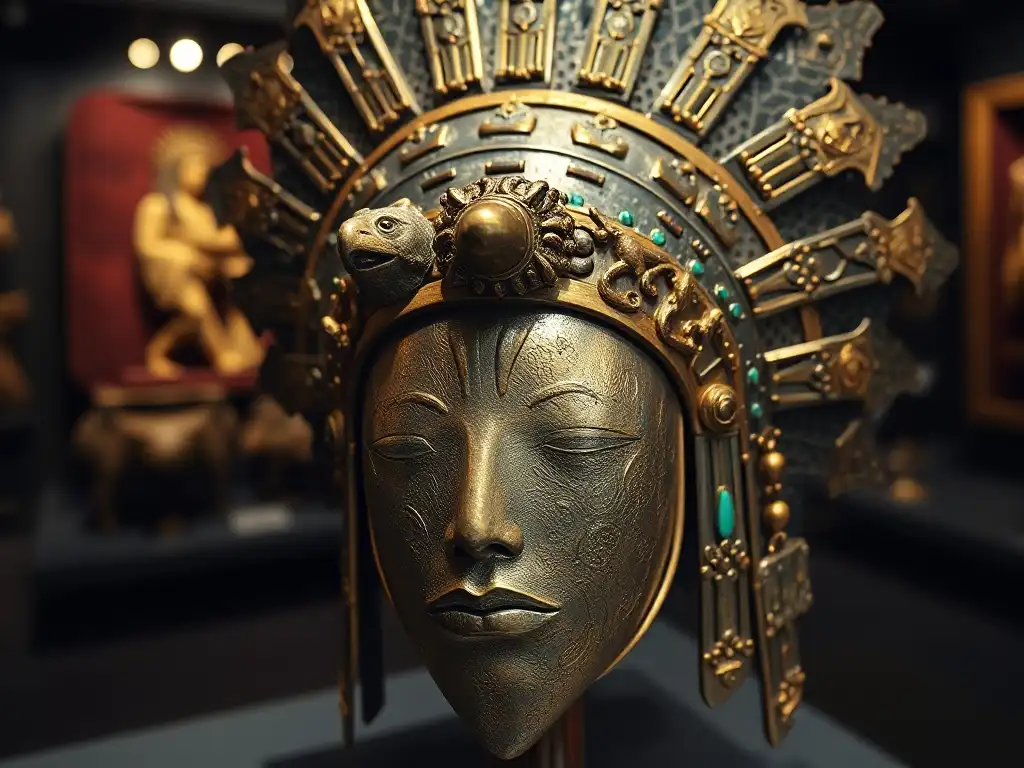
The limited evidence of Tiahuanaco metalwork suggests its use was primarily concentrated within religious contexts. The precious metals, likely gold and silver, were not employed for mass production of everyday objects. Instead, they were reserved for the creation of sacred items used in rituals and ceremonies, reinforcing the power and prestige of the religious elite. These ritual objects might have included ceremonial vessels, adornments for statues of deities, or components of ritual paraphernalia.
The scarcity of these artifacts suggests that access to metals and the skills to work them were tightly controlled, perhaps exclusively by the priestly class or ruling lineage. The ritualistic use of metal objects would have enhanced the sacredness of ceremonies and reinforced the authority of those who controlled their production and distribution. The meticulous craftsmanship evident in the few surviving artifacts points towards a deep connection between metalworking and religious practice.
Further research is needed to fully understand the specific roles these metal objects played in Tiahuanaco religious life, including the details of the rituals and ceremonies in which they were used. This includes analyzing the iconography found on these pieces to decipher their symbolic meanings within the Tiahuanaco worldview. The study of surviving metal objects, alongside their representations in stone and ceramics, offers valuable insights into the intersection of religion, power, and metalworking in this influential Andean civilization.
The Metalwork of the Sican Culture: Funerary Masks and Ritual Objects
The Sican culture, flourishing on the northern coast of Peru between 750 and 1300 CE, stands as a testament to the sophisticated Andean metalworking techniques. Their mastery of metallurgy is evident in the stunning array of artifacts they produced, primarily utilizing gold, silver, and copper alloys. These weren't mere decorative pieces; they were deeply imbued with religious and political significance, acting as powerful symbols of authority and reflecting the Sican worldview. The most striking examples are their elaborate funerary masks and ritual objects, often found within the elaborate tombs of elite individuals.
These pieces, meticulously crafted, depict stylized human faces, often with exaggerated features, showcasing the Sican's advanced understanding of casting, hammering, and alloying techniques. The use of precious metals underscored the power and status of the deceased, connecting them to the realm of the gods and ensuring their continued influence in the afterlife. The intricate details, the use of repoussé (hammering from the back to create relief) and filigree (delicate wirework), and the masterful control over the material demonstrate an unparalleled level of skill and artistry. These pieces were not simply created; they were imbued with meaning, reflecting the Sican belief system and social structure.
Many masks include inlaid stones and shell, further enhancing their visual impact and symbolic power. The study of these objects provides invaluable insights into Sican religious practices, social hierarchy, and artistic achievements. The sheer scale of production and the consistent high quality of the metalwork point to a highly organized and specialized craft production system, possibly overseen by a centralized authority.
The Sican Tumaco Mask: An Example of Sican Craftsmanship
The Tumaco mask serves as a prime illustration of the peak of Sican metalworking. This remarkable artifact, a testament to the Andean metalworking techniques of the time, showcases the Sican's technical proficiency and artistic vision. The mask, likely created for a high-ranking individual, is crafted primarily from gold, with intricate details achieved through a combination of techniques. The face, with its distinctive features—wide eyes, a prominent nose, and a serene expression—is rendered with exceptional realism.
The use of repoussé is particularly evident in the rendering of the facial features, demonstrating the skill of the artisans in manipulating the malleable gold. The mask's surface is highly polished, giving it a luminous quality that further enhances its majesty. The headdress, often adorned with additional elements, adds to the overall sense of grandeur and power. The careful attention to detail, the seamless integration of different techniques, and the use of high-quality materials distinguish the Tumaco mask as a masterpiece of Sican art.
Its discovery and study significantly enrich our understanding of Sican artistic and technical capabilities, demonstrating their mastery of Andean metalworking techniques, and providing insight into their social and religious practices. The mask's presence in a royal tomb underscores its importance as a symbol of status and power within the Sican society. Further analysis of its composition and construction could reveal even more about the Sican's sophisticated metallurgical knowledge.
The Development of Sican Metalworking Traditions
The remarkable level of skill evident in Sican metalwork didn't appear overnight. The development of Sican metalworking traditions was a gradual process, built upon the achievements of earlier Andean cultures. Evidence suggests a continuity of techniques and stylistic elements from preceding cultures, particularly the Moche, with whom the Sican shared a geographical proximity and, to some extent, cultural heritage. The Sican artisans refined and expanded upon existing techniques, developing their own distinctive style and achieving an unprecedented level of sophistication in their mastery of gold, silver, and copper.
The evolution of Sican metalworking can be traced through the analysis of artifacts from different periods, revealing a progression in techniques, stylistic choices, and the complexity of designs. Early Sican pieces often show simpler designs and a less refined execution compared to later works, indicating a gradual refinement of techniques and artistic expression. The increasing use of alloys, the development of more intricate casting methods, and the incorporation of inlaid materials all point to a continuous process of innovation and experimentation.
The study of Sican workshops and the analysis of discarded metal scraps provide further insight into their manufacturing processes and the development of their techniques. Understanding the evolution of Sican metalworking provides a more complete picture of their culture, highlighting the importance of technological innovation and artistic expression in shaping their society. The impressive achievements of the Sican metalworkers are not just a testament to their skill but also to the continuity and evolution of Andean metalworking traditions over centuries.
Andean Metalworking and its Lasting Legacy
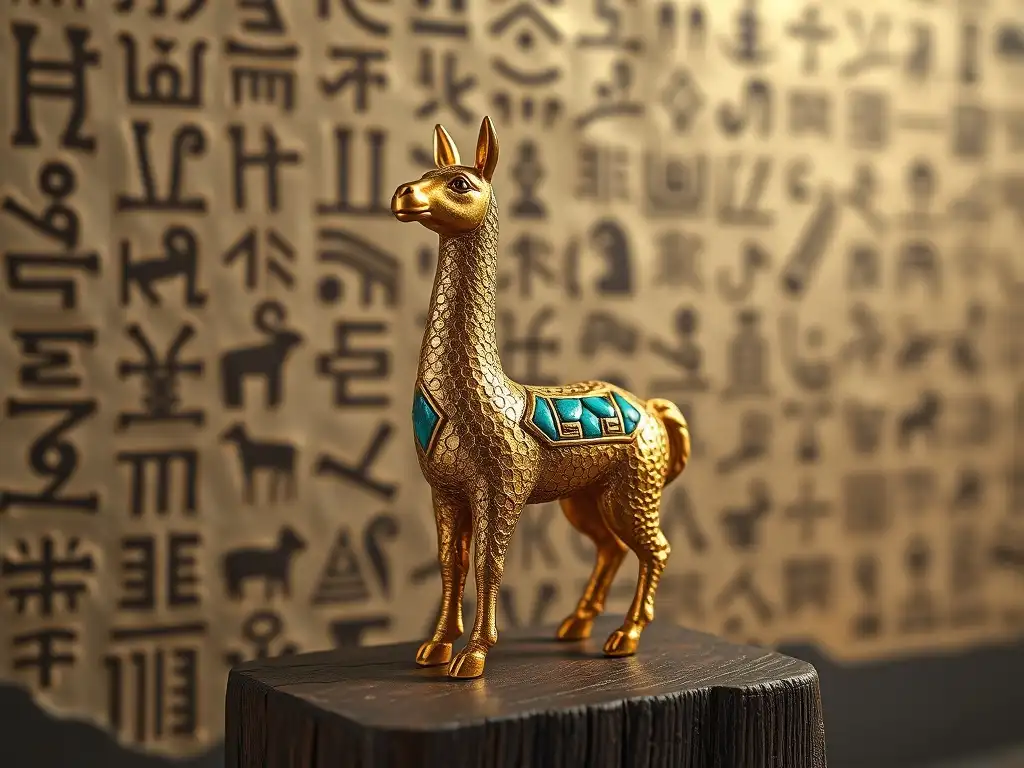
This section delves into the enduring influence of Andean metalworking techniques on subsequent cultures and artistic traditions, demonstrating its significance beyond its historical context. The mastery of these techniques, passed down through generations, left an indelible mark on the artistic landscape of the region and beyond. Analyzing the evolution of these skills offers a deeper understanding of the cultural continuity and adaptation that characterized Andean societies.
The Influence of Andean Metalworking on Later Cultures
The sophisticated metalworking techniques employed by Andean civilizations—including the Incas, Moche, and Nazca—were not simply confined to their own time. Their impact resonates even today. The intricate designs, innovative casting methods, and the use of precious metals like gold and silver inspired later cultures, creating a ripple effect that continues to influence artistic production in the Andes. For example, the repoussé technique, prevalent in pre-Columbian goldwork, is still used by contemporary artisans, showcasing a direct lineage.
The mastery of alloying different metals to achieve specific colors and properties, a hallmark of Andean metalworking, is evident in subsequent artistic styles. This technological transfer wasn't always a direct, conscious imitation; rather, it often involved the adaptation and reinterpretation of established techniques, resulting in unique and innovative expressions. The legacy of Andean metalworking is thus not merely a historical curiosity but a living tradition.
Modern Peruvian Silversmithing: A Continuing Tradition
Modern Peruvian silversmithing serves as a powerful testament to the enduring legacy of Andean metalworking. While techniques may have evolved, the underlying principles and aesthetic sensibilities remain deeply rooted in pre-Columbian traditions. Contemporary artisans often incorporate traditional motifs, such as stylized animals, geometric patterns, and representations of deities, into their designs, creating a bridge between the ancient past and the present.
The use of silver, a metal highly valued in Andean civilizations, continues to be a central element in Peruvian silversmithing, signifying both economic and cultural importance. The vibrant and intricate designs, often incorporating techniques like filigree and granulation, demonstrate a remarkable continuity with ancient practices.
This vibrant craft sector not only contributes to Peru's cultural identity but also provides economic opportunities for countless artisans, preserving and transmitting this invaluable heritage for future generations. The continuity is truly remarkable; examining pieces from modern workshops reveals a clear lineage to ancient Andean metalworking.
The Preservation of Andean Metalworking Heritage
The preservation of Andean metalworking heritage requires a multi-faceted approach. This includes careful archaeological excavation and conservation of ancient artifacts, meticulous documentation of traditional techniques, and the support of contemporary artisans. Museums and cultural institutions play a crucial role in safeguarding and exhibiting these treasures, allowing future generations to appreciate the artistry and technological prowess of Andean civilizations. Moreover, initiatives aimed at documenting and teaching traditional metalworking techniques are vital in ensuring the continuation of this craft.
These initiatives often involve workshops, apprenticeships, and collaborations between experienced artisans and younger generations, fostering the transmission of knowledge and skills. Furthermore, government support and international collaborations are essential to protect and promote Andean metalworking heritage on a broader scale. The protection of this heritage is not simply about preserving ancient objects; it is about safeguarding a living tradition that continues to shape the cultural identity of Peru and the wider Andean region.
Without concerted effort, this invaluable knowledge risks being lost forever. The challenge lies in balancing preservation with the need for continued creativity and adaptation within the craft. This means supporting both the careful study and restoration of ancient techniques and also the innovative explorations of contemporary artisans.
Analyzing the Artistic and Technological Achievements of Andean Metalworkers
Andean metalworking represents a pinnacle of artistic and technological achievement in pre-Columbian America. The mastery displayed in the creation of intricate gold, silver, and copper objects showcases a deep understanding of metallurgy and a sophisticated aesthetic sensibility. These artisans weren't simply crafting utilitarian items; they were creating powerful symbols of status, religious beliefs, and cosmological concepts. Their techniques, passed down through generations, involved complex processes demanding precision and skill.
Consider, for example, the lost-wax casting method, a sophisticated process requiring meticulous mold-making and controlled heating and cooling. This method allowed for the creation of incredibly detailed and delicate pieces, from tiny figurines to large ceremonial objects. The sheer variety of techniques employed, including hammering, repoussé (hammering from the back to create relief), and the intricate application of alloys, demonstrates the breadth of their expertise. The Andean metalworkers were not just technically proficient; they were also deeply creative, seamlessly blending technical skill with artistic vision to produce objects of breathtaking beauty and enduring cultural significance.
Their work reflects a profound understanding of the properties of metals, a mastery of complex techniques, and an unparalleled artistic sensibility that continues to inspire awe and admiration today. The artistry evident in the intricate designs, the seamless blending of different metals, and the overall aesthetic sophistication of these objects remains unmatched in the pre-Columbian world. The survival of so many examples, despite the ravages of time and looting, is a testament to the quality of their craftsmanship and the enduring value placed upon these objects by the ancient Andean societies.
The Proyecto Arqueológico Lambayeque: A Study of Sican Metalwork
The Proyecto Arqueológico Lambayeque (PAL) provides invaluable insights into Sican metalworking, a particularly impressive example of Andean metallurgical prowess. Located in northern Peru, the Sican culture (circa 750-900 CE) is renowned for its exceptional goldwork. PAL's excavations have unearthed a wealth of artifacts, including elaborate headdresses, ceremonial masks, and intricate jewelry, all showcasing remarkable technical skill and artistic sophistication. The Sican metalworkers were masters of lost-wax casting, achieving an unparalleled level of detail in their representations of deities, animals, and symbolic motifs.
Their use of tumbaga, an alloy of gold and copper, allowed for a wide range of colors and textures, enhancing the visual impact of their creations. The sheer quantity of gold objects recovered from Sican sites—a testament to their advanced metallurgical capabilities and the societal importance of gold—is truly astonishing. Furthermore, the analysis of these objects by PAL archaeologists provides crucial information about Sican social structures, religious beliefs, and trade networks. The meticulous documentation of the artifacts' manufacturing processes allows researchers to reconstruct the technical steps involved and appreciate the level of expertise possessed by Sican artisans.
The study of Sican metalwork through the lens of PAL's research helps us understand not only the technical aspects of Andean metalworking but also its profound social and cultural significance within the Sican civilization. The enduring legacy of Sican metalworking continues to inspire researchers and artists alike, serving as a powerful reminder of the ingenuity and artistic brilliance of the ancient Andean civilizations. The detailed analysis of these artifacts by PAL continues to reveal new insights into Sican culture and the broader context of Andean metalworking techniques.
Frequently Asked Questions
What unique metalworking techniques did Andean civilizations employ?
Andean civilizations utilized diverse techniques, including lost-wax casting for intricate shapes, hammering and repoussé for detailed designs, and alloying different metals like gold, silver, and copper to create unique colors and properties. Their mastery was truly remarkable.
Access to and control over metalworking skills and resources directly correlated with power and status. Elite artisans held significant influence, and metal objects served as symbols of authority and wealth, reinforcing social hierarchies.
What types of metals were most commonly used in Andean metalworking?
Gold, silver, and copper were the most prevalent metals. They were often combined to create alloys like tumbaga (gold-copper) which produced unique colors and durability. Bronze was also used, though less frequently.
What were some of the most impressive examples of Andean metalworking?
Numerous examples exist, including intricate gold masks and ornaments, elaborate ceremonial vessels, and finely crafted weapons and tools. The sheer artistry and technical skill displayed are astounding.
Where can I learn more about Andean metalworking techniques?
You can explore museums showcasing Andean artifacts, such as the Gold Museum in Bogotá, Colombia, or delve into academic journals and books focusing on Andean archaeology and metallurgy. Many online resources are also available.
Final Reflection: Echoes of Gold: Legacy and Future of Andean Metalworking
The intricate artistry of Andean metalworking continues to resonate today, a testament to the ingenuity and power of ancient civilizations. These techniques, far from being relics of the past, offer invaluable insights into sustainable practices, innovative design, and the enduring human desire to express power and spirituality through material culture. The sophisticated alloys, the masterful techniques of hammering, casting, and repoussé, all speak to a level of technological advancement that continues to amaze and inspire modern artisans and engineers.
The enduring influence of Andean metalworking extends far beyond the museum walls. It's a powerful reminder of the interconnectedness of culture, technology, and social structures. The sheer artistry displayed in these objects – from the delicate filigree to the imposing grandeur of ceremonial objects – speaks volumes about the societal values and beliefs of these cultures. The gold is not merely metal; it is the embodiment of the sun, the mountains, and the very spirit of the Andes.
– (This quote needs to be replaced with a relevant quote from your research or a fittingly evocative quote about Andean culture and metalwork). Understanding this legacy allows us to appreciate the depth and complexity of these ancient societies and to recognize the ongoing relevance of their achievements.
Consider, for a moment, the implications of this ancient knowledge. What can we learn from their sustainable practices in sourcing and working with metals? How can we apply their innovative techniques to contemporary challenges in material science and design? You, the reader, are now part of this ongoing conversation. Take the time to reflect on the artistry and ingenuity of Andean metalworking, and consider how its legacy can inspire your own creativity and understanding of the human spirit's enduring capacity for innovation and expression. Let the echoes of gold inspire your own journey of discovery.
**Unlock the Legacy of Andean Mastery! **
Thank you for exploring the fascinating world of Andean civilizations and their remarkable metalworking traditions! We hope you've enjoyed learning how these ancient cultures used their sophisticated metalworking skills to shape their societies. Now, let's build on this knowledge!
Here are some engaging next steps to consider:
- **Visit local museums** to discover exhibits on Andean art and metalwork; you might be surprised by what you find in your own community!
- **Connect with other enthusiasts** in online forums or social media groups to discuss the enduring influence of Andean craftsmanship on modern design.
- **Experiment** with basic metalworking techniques at home, such as creating simple jewelry inspired by Andean designs.
How can modern societies best draw inspiration from the ingenuity and artistry of Andean craftsmanship?