
Bat's Flight: Symbolism of the Underworld and Transformation in Andean Art

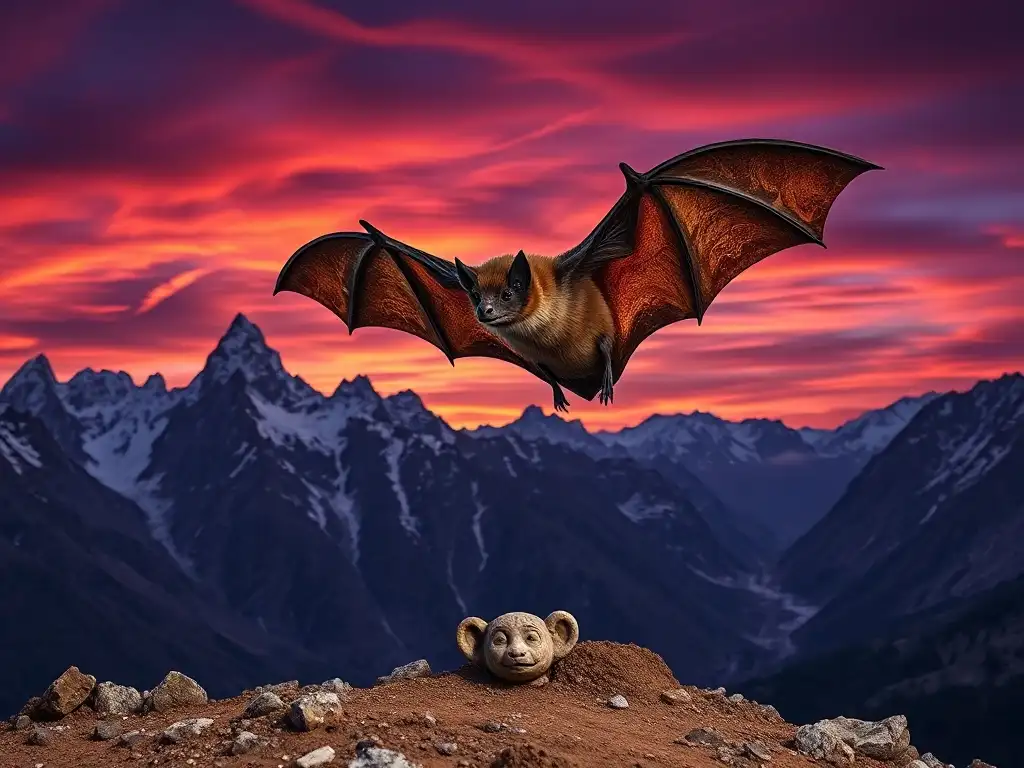
Dive into the enigmatic world of the Andes! Uncover the secrets whispered through millennia in the intricate artistry of ancient civilizations. Prepare to be captivated by the profound symbolism woven into Andean art, specifically the unexpected power of bat flight. What hidden meanings did these creatures hold for the Incas, Moche, and other Andean cultures? Journey with us to unravel the mysteries of the underworld and transformation as revealed through this captivating iconography.
The Andean region, a breathtaking tapestry of towering mountains and fertile valleys, nurtured a rich and complex array of ancient civilizations. Their artistic expressions, far from mere decoration, served as powerful vehicles for conveying intricate belief systems, social structures, and cosmological understandings. This article delves into the fascinating symbolism of bat flight in Andean art, exploring its multifaceted representation of the underworld, death, rebirth, and the transformative power inherent in the nocturnal world.
We will examine how the seemingly simple image of a bat in flight carries profound meaning, reflecting the Andean worldview and its intricate relationship with the natural and supernatural realms. Understanding this symbolism provides crucial insight into the spiritual and ritualistic practices of these remarkable cultures, enriching our comprehension of Andean art and its enduring legacy.
We will explore specific examples from different Andean cultures, showcasing the diverse artistic interpretations of this potent symbol. Prepare to take flight into the shadowy depths of Andean mythology and uncover the secrets held within the wings of the bat.
The Bat as a Messenger of the Underworld
The bat, with its nocturnal habits and association with caves—often perceived as entrances to the underworld—frequently symbolizes the realm of the dead in Andean art. Many cultures across the Andes viewed the underworld not as a place of eternal damnation, but as a vital component of the cosmos, a realm of ancestors and powerful forces. The bat, therefore, acts as a messenger, a conduit between the living world and the spirit world.
Its flight through the darkness represents the journey into the unknown, a passage that often signifies death, but also the potential for transformation and rebirth. Depictions often show bats alongside other underworld imagery, such as serpents, jaguars, and skeletal figures, further reinforcing this association.
The precise iconography varied across different Andean cultures, but the underlying theme of the bat as an intermediary between worlds remained remarkably consistent. Archaeological evidence, such as textiles and ceramics, reveals numerous examples of this symbolic representation.
Transformation and Rebirth: The Bat's Metamorphosis
Beyond its association with the underworld, the bat's flight also carries connotations of transformation and rebirth. The bat's ability to navigate the darkness, to transform from a terrestrial creature into a creature of the night, mirrors the Andean understanding of cyclical processes in nature and human life. Death, in this context, is not an ending, but a transition, a stage in a continuous cycle of renewal.
The bat's nocturnal flight, therefore, symbolizes this transformative journey, the passage from one state of being to another. This symbolism is particularly evident in depictions of bats emerging from caves or emerging from the earth, suggesting a resurrection or a return from the underworld. These images often appear in contexts suggesting rituals related to fertility, healing, or ancestor veneration.
Cultural Variations in Bat Symbolism Across Andean Cultures
While the overarching theme of the bat as a symbol of the underworld and transformation prevails across different Andean cultures, specific artistic representations and associated meanings varied significantly. For example, the Moche culture, known for its elaborate ceramics, often depicted bats in scenes of shamanistic rituals, suggesting a connection between the bat and spiritual power. In contrast, the Inca, while also recognizing the bat's association with the underworld, might have emphasized different aspects of its symbolism within their complex religious system.
[Specific examples of Moche and Inca bat depictions pending]. A comparative analysis of artistic representations from various Andean cultures reveals a fascinating interplay between shared symbolism and cultural specificity, highlighting the richness and diversity of Andean artistic expression. This variation underscores the need for a nuanced understanding of Andean symbolism, avoiding generalizations and acknowledging the unique characteristics of each culture.
The Bat's Flight in Contemporary Andean Art
The symbolism of the bat's flight continues to resonate in contemporary Andean art. While the specific artistic styles have evolved, the underlying themes of the underworld, transformation, and the connection between the living and spirit worlds persist. Modern artists often draw upon traditional Andean iconography, reinterpreting these ancient symbols within contemporary contexts.
This demonstrates the enduring power and relevance of Andean artistic traditions and their ability to adapt and evolve while retaining their core symbolic meanings. [Examples of contemporary Andean art featuring bat symbolism pending] The continued presence of this symbolism highlights the enduring cultural memory and the persistent connection between the past and the present within Andean societies.
- The Bat as a Messenger of the Underworld
- Transformation and Rebirth: The Bat's Metamorphosis
- Cultural Variations in Bat Symbolism Across Andean Cultures
- The Bat's Flight in Contemporary Andean Art
- The Moche and the Bat: Depictions in Ceramics and Metalwork
- The Nazca Lines and the Bat: Stylized Representations in Geoglyphs
- The Bat in Inca Mythology: The Bat as a Companion of the Moon Goddess Quilla
- Bat Imagery in Moche Art: Nocturnal Deities and Underworld Associations
- Nazca Lines and the Bat Motif: Aerial Perspective and Cosmological Significance
The Bat in Andean Iconography: An Introduction
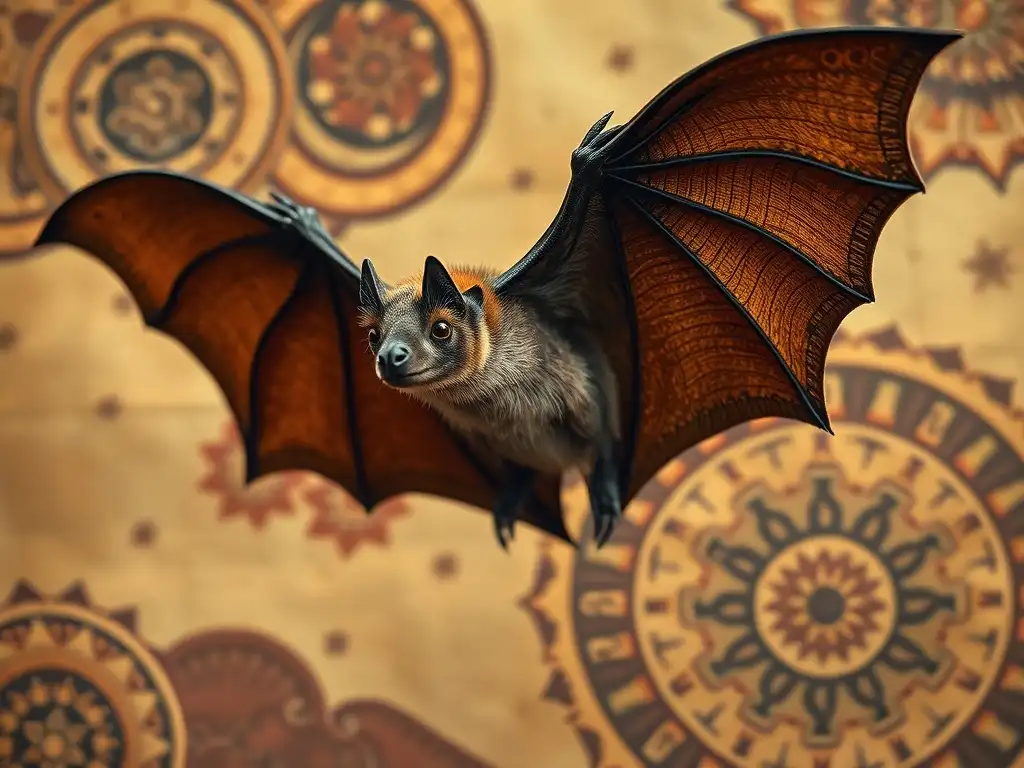
The bat, a creature of twilight and shadow, holds a surprisingly prominent place within the complex tapestry of Andean art symbolism. Unlike its often-negative portrayal in Western cultures, the bat in Andean iconography frequently represents profound concepts related to the underworld, transformation, and the cyclical nature of life and death. This section will delve into the multifaceted symbolism associated with the bat's flight and its representation in various Andean artistic expressions, exploring its significance across different cultures and time periods.
Understanding this symbolism requires a nuanced appreciation of the Andean worldview, which often integrated seemingly opposing forces—light and darkness, life and death—into a holistic cosmology. The analysis will focus on specific examples of Andean art featuring bat motifs, highlighting the recurring themes and interpretations.
We will explore how the bat's nocturnal flight, its association with caves and subterranean spaces, and its ability to navigate between different realms contributed to its symbolic power within Andean societies. The keyword phrase "Andean art symbolism bat flight" will be explored throughout, demonstrating the bat's visual representation in relation to its symbolic meaning.
Understanding the Significance of Animal Symbolism in Andean Cultures
Andean cultures assigned profound symbolic meaning to the animal kingdom. Animals weren't merely observed; they were understood as powerful forces, embodying specific characteristics and acting as intermediaries between the human world and the supernatural. This animistic worldview infused Andean art with a rich layer of symbolism, where animals became potent visual metaphors. The choice of a particular animal in a piece of art wasn't arbitrary; it reflected the artist's intention to communicate specific ideas, beliefs, or narratives.
For instance, the condor, with its majestic flight and association with the high Andes, often symbolized power and royalty. Similarly, the puma, a powerful predator, represented strength and ferocity. The bat, however, occupies a more ambiguous yet equally significant position in this symbolic system.
Its association with the night, caves, and the underworld sets it apart from other, more overtly positive symbols. Yet, the bat's unique characteristics—its ability to navigate darkness, its association with transformation (metamorphosis), and its nocturnal flight—made it a compelling symbol within the Andean context. Detailed studies of Andean textiles, ceramics, and metalwork reveal the consistent and meaningful use of bat imagery, emphasizing its importance within the broader spectrum of Andean art symbolism.
The Bat as a Recurring Motif in Ancient Andean Art
The bat motif appears across a wide range of Andean artistic expressions, from intricate textiles to elaborate ceramics and monumental stone carvings. In Nazca pottery, for example, bats are frequently depicted in scenes related to shamanistic rituals or journeys to the underworld. The stylized representation of the bat, often with exaggerated features, suggests a deliberate emphasis on its symbolic attributes rather than a purely naturalistic depiction. Similarly, in Moche art, bats appear in contexts associated with both death and regeneration.
Their presence in funerary contexts might suggest a connection to the afterlife or the soul's journey. The use of bats in Moche iconography is often linked to the cyclical nature of life and death, with the bat symbolizing the transformative power inherent in this cycle. Analyzing the specific contexts in which bats appear—the accompanying imagery, the overall composition of the artwork—is crucial to understanding the nuances of their symbolic meaning. Further research into Tiahuanaco and Inca art is needed to fully understand the range of bat symbolism across different Andean cultures.
[Specific information pending: Detailed examples of bat imagery from Tiahuanaco and Inca art, including descriptions and interpretations]. The consistent recurrence of the bat motif across diverse Andean cultures and artistic mediums underscores its enduring symbolic significance. The detailed study of "Andean art symbolism bat flight" provides a fascinating glimpse into the complex beliefs and worldview of these ancient civilizations.
The Bat's Dual Nature: Light and Darkness in Andean Beliefs
The bat, a creature of twilight and shadow, holds a complex and multifaceted symbolism within Andean art and cosmology. Unlike simpler interpretations found in other cultures, the Andean understanding of the bat transcends a purely negative or positive association. Instead, it embodies a potent duality, representing both the darkness of the underworld and the transformative potential inherent in the cyclical nature of life and death.
This duality is reflected in the diverse depictions of bats across various Andean cultures, from the intricate ceramics of the Moche to the textiles of the Inca. Understanding this dual nature is key to deciphering the meaning behind the frequent appearance of bats in Andean art, particularly in contexts related to shamanic practices and funerary rituals. The bat's flight, therefore, is not simply a physical act, but a symbolic journey between realms, reflecting the Andean worldview's deep connection to the cyclical processes of nature and the cosmos.
Analysis of surviving artifacts reveals a nuanced appreciation for this creature, highlighting its role as a powerful symbol of transformation and the interconnectedness of life and death in Andean beliefs. The prevalence of bat imagery, especially in connection with other underworld motifs, underscores its importance in Andean spiritual understanding. Further research into specific cultural contexts is needed to fully appreciate the subtle variations in meaning across different Andean societies, but the overarching theme of duality remains a consistent thread.
The Bat's Nocturnal Habits and its Association with the Underworld
The bat's nocturnal habits naturally linked it to the underworld in Andean beliefs. Darkness, in Andean cosmology, wasn't simply the absence of light, but a realm of potent energy, mystery, and transformation. The underworld, often visualized as a subterranean world connected to the world of the living through caves and springs, was a place of both danger and power.
The bat, with its ability to navigate the darkness with ease, became associated with this hidden realm, acting as a powerful symbol of its mysteries. Many Andean cultures believed that certain spirits inhabited the underworld, and the bat, through its nocturnal flights, was viewed as a conduit or messenger to these spiritual forces. This association is further strengthened by the frequent depiction of bats alongside other underworld motifs in Andean art, such as snakes, jaguars, and specific plants associated with death and rebirth.
For example, [Specific examples of Moche pottery depicting bats in underworld scenes pending]. The visual context surrounding the bat imagery consistently reinforces its role as a symbolic inhabitant of, and guide through, the underworld. The careful observation of these artistic depictions reveals a sophisticated understanding of the bat's symbolic significance within the Andean worldview.
The Bat as a Messenger Between Worlds: A Bridge Between Life and Death
However, the Andean symbolism of the bat doesn't end with its connection to the underworld. The creature's ability to fly, to navigate between the darkness and the light, also transformed it into a powerful symbol of transformation and the cyclical nature of life and death. The bat's flight, therefore, represents a journey between worlds—a bridge connecting the realm of the living and the realm of the dead.
This interpretation is supported by the presence of bats in funerary contexts, suggesting a belief in their role as psychopomps, guiding souls to the afterlife. Moreover, the bat's association with shamanic practices points to its role as a mediator between these two realms. Shamans, who often journeyed into altered states of consciousness, may have identified with the bat's ability to traverse different planes of existence.
The dual nature of the bat—its association with both darkness and flight—suggests a deeper understanding of the Andean concept of death not as an end, but as a transition. The bat’s flight, therefore, symbolizes this continuous cycle of transformation and renewal, echoing the Andean understanding of the cyclical nature of the cosmos. The bat’s image, therefore, becomes a powerful visual representation of the Andean worldview, highlighting the interconnectedness of life, death, and the spirit world.
The study of Andean art offers invaluable insights into these complex beliefs, demonstrating the rich and nuanced symbolism embedded within their artistic expressions. Further research into the specific iconographic contexts and regional variations in bat symbolism will undoubtedly enrich our understanding of Andean cosmology and the profound significance of the bat's flight.
Bat Representation Across Andean Civilizations
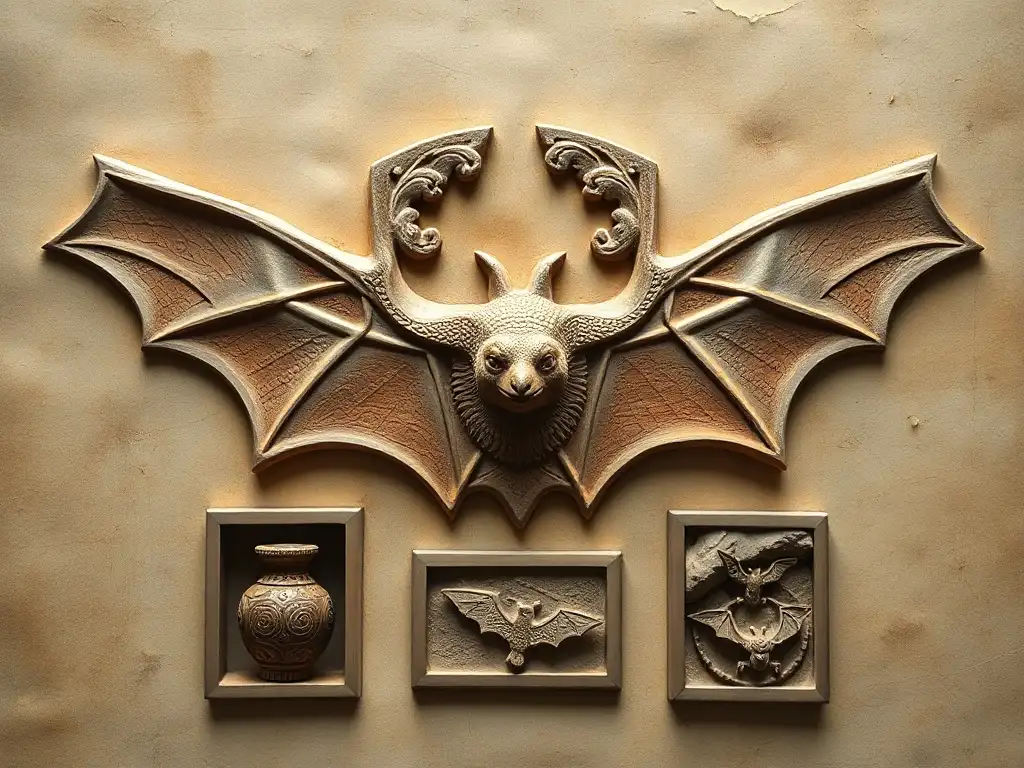
The bat, a creature of twilight and shadow, held a complex and multifaceted symbolism within Andean cultures. Far from being simply a representation of the nocturnal, its depiction in Andean art often speaks to deeper spiritual beliefs concerning the underworld, transformation, and the cyclical nature of life and death. Understanding the diverse ways in which different Andean civilizations represented the bat provides crucial insight into their cosmologies and worldviews.
The varied artistic styles and contexts reveal nuanced interpretations of this powerful symbol, highlighting the rich tapestry of Andean artistic expression and its connection to spiritual beliefs. Analyzing the bat's flight in Andean art, particularly its association with the underworld and the transformative power it represents, allows us to appreciate the sophistication and depth of these ancient cultures' artistic and spiritual landscapes.
This section explores the representation of bats across several key Andean civilizations, focusing on the Moche and Nazca cultures, renowned for their unique artistic styles and intriguing depictions of this enigmatic creature. The keyword "Andean art symbolism bat flight" is central to understanding the profound meaning imbued in these artistic expressions.
The Moche and the Bat: Depictions in Ceramics and Metalwork
The Moche civilization (100-800 CE), known for its exquisite ceramics and metalwork, frequently incorporated bat imagery into its art. These depictions are not merely decorative; they often appear within scenes depicting ritualistic activities, warfare, or shamanistic practices. The stylistic choices—the posture of the bat, its surroundings, and the accompanying imagery—reveal important clues to its symbolic meaning within Moche culture.
For example, bats are sometimes shown in flight, suggesting a connection to the spiritual realm, while at other times they are depicted perched, perhaps indicating a more grounded or terrestrial aspect. The level of detail and the choice of materials—whether it's the vibrant colors of a ceramic vessel or the intricate detail of a gold artifact—further emphasizes the importance of the bat within the Moche worldview. The presence of bats alongside other symbolic elements, such as warriors or supernatural beings, provides additional context for deciphering their symbolic significance.
Bat Imagery in Moche Rituals and Warfare
Analysis of Moche art suggests that the bat played a significant role in both ritualistic and warfare contexts. Some ceramic vessels depict bats alongside scenes of human sacrifice or ritualistic drinking, suggesting a connection to the underworld and the realm of the dead. The bat's nocturnal nature may have been associated with the unseen forces that governed these rituals.
In other depictions, bats appear alongside warriors or in scenes of battle, potentially symbolizing power, swiftness, or even a connection to the supernatural aid invoked in warfare. The frequency with which bats appear in these contexts points to a deeper symbolic meaning beyond simple aesthetics. Further research into the specific iconography surrounding the bat in Moche art could reveal even more specific interpretations of its role in ritual and warfare.
The precise meaning is still debated among scholars, however, the prevalence and variety of its depiction strongly suggest its importance within Moche society. More data on the specific contexts of these depictions would refine our understanding. [Specific information pending on the exact number of Moche artifacts featuring bat imagery].
The Nazca Lines and the Bat: Stylized Representations in Geoglyphs
The Nazca Lines (500 BCE – 500 CE), vast geoglyphs etched into the desert landscape, also include representations of bats. Unlike the more detailed depictions found in Moche art, the Nazca bat geoglyphs are highly stylized, often characterized by simple lines and geometric shapes. This stylistic difference may reflect different cultural interpretations of the bat's symbolism, or it might simply be a reflection of the limitations and challenges of creating large-scale geoglyphs in the desert environment.
The scale and location of these geoglyphs, however, suggests that they held significant cultural importance, potentially serving as markers for ritual processions or astronomical observations. The simplicity of the design, however, does not diminish its symbolic potency; instead, it may highlight the essential aspects of the bat's symbolic meaning within Nazca culture.
Interpretation of the Nazca Bat Geoglyph
The interpretation of the Nazca bat geoglyph remains a subject of ongoing discussion amongst scholars. Its stylized form makes it difficult to draw definitive conclusions about its specific meaning. However, several hypotheses exist.
Some scholars suggest that the bat, in this context, represents a connection between the earthly and spiritual realms, mirroring the bat's ability to navigate both the light and the darkness. Others propose that the geoglyph is linked to astronomical events or constellations, referencing the bat's nocturnal association with the night sky. The lack of accompanying imagery makes the precise interpretation challenging, highlighting the need for further research and interdisciplinary collaboration to fully understand the symbolic meaning of the Nazca bat geoglyph.
[Further analysis of the geoglyph's orientation and surrounding landscape is needed]. The ongoing debate underscores the enduring mystery and fascination surrounding these ancient works of art. The Nazca bat, in its simplicity, continues to intrigue and challenge our understanding of Andean art and symbolism.
The Bat in Inca Mythology: The Bat as a Companion of the Moon Goddess Quilla
The Inca civilization, renowned for its intricate tapestry of beliefs and symbolic representations, held the bat in a unique position within its cosmology. Unlike some cultures that viewed bats solely as creatures of darkness, the Inca perspective was more nuanced, often associating the bat with the moon and its celestial influence. The moon goddess, Quilla, played a pivotal role in Inca mythology, representing fertility, cycles of life and death, and the nocturnal realm. Interestingly, several depictions of Quilla in Inca art show her accompanied by bats, suggesting a close relationship between the deity and these nocturnal mammals.
This association likely stemmed from the bat's nocturnal habits, mirroring the moon's dominance in the night sky. The bat, therefore, became a symbolic companion, a creature that shared the moon's realm and, by extension, some of its power and attributes. This connection is further reinforced by the Inca's understanding of cyclical processes; just as the moon waxes and wanes, so too does life, a concept the bat, with its association with both night and transformation, powerfully embodies.
The very act of flight, particularly the nocturnal flight of the bat, embodied the mystical journey between the earthly and celestial realms, a journey over which Quilla presided. Therefore, the bat's presence alongside Quilla in Inca iconography suggests not only a companion but also a symbol of the cyclical nature of life and the transformative power of the moon's influence. The intricate carvings on Inca pottery and textiles often subtly depict this connection, weaving the bat into the larger narrative of Quilla's dominion over the night and its associated mysteries.
Bat Imagery in Moche Art: Nocturnal Deities and Underworld Associations
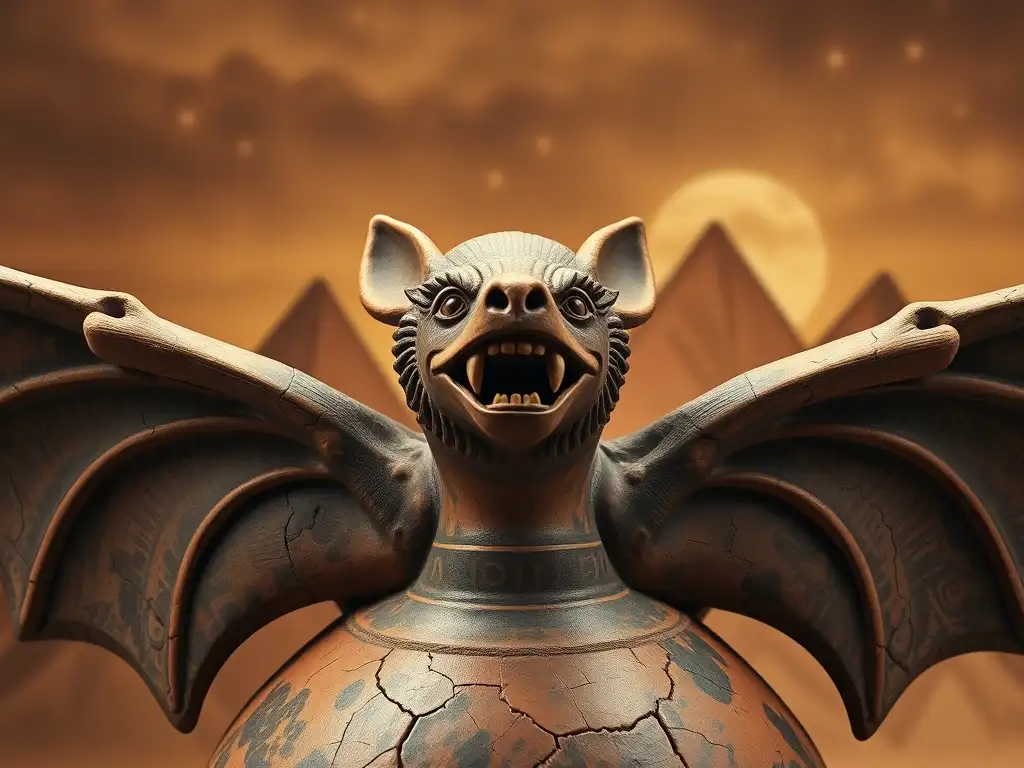
The Moche civilization, known for its sophisticated metalwork and ceramics, frequently incorporated bat imagery into their artistic expressions. Unlike the Inca association with the moon goddess, the Moche connection to bats often reflects a deeper engagement with the underworld and nocturnal deities. Moche iconography frequently depicts bats in scenes associated with shamanistic rituals, suggesting a connection to altered states of consciousness and journeys to the spirit world. The nocturnal nature of the bat perfectly aligned with the Moche's fascination with the unseen and the supernatural.
Analysis of Moche pottery reveals intricate depictions of bats intertwined with other symbolic elements, such as serpents and jaguars, further emphasizing their association with the darker, more mysterious aspects of their cosmology. These representations often appear in contexts suggesting offerings or sacrifices, highlighting the bat's role as a mediator between the living and the dead. The bat’s flight, in Moche art, frequently symbolizes the passage into and out of the underworld, a perilous yet essential journey for shamans and those seeking connection with the supernatural.
This interpretation differs significantly from the Inca association, underscoring the diverse ways in which Andean cultures interpreted the same creature. The specific details and context of the Moche bat imagery offer a compelling window into their understanding of death, rebirth, and the power held within the nocturnal realm. Detailed studies of Moche ceramics continue to uncover new nuances in their bat symbolism, adding to our understanding of their rich and complex worldview.
Nazca Lines and the Bat Motif: Aerial Perspective and Cosmological Significance
The enigmatic Nazca Lines, etched into the Peruvian desert, present another fascinating perspective on the Andean interpretation of bat symbolism. While the overall purpose of the Nazca Lines remains a subject of ongoing debate, the presence of a bat geoglyph among the hundreds of other figures suggests its significant cosmological importance to the Nazca culture. Unlike the detailed depictions found in Moche or Inca art, the Nazca bat is a simpler, more stylized representation, yet its very presence within this vast aerial landscape is striking.
The fact that it's only truly visible from the air suggests a connection to an aerial perspective, perhaps representing the bat's unique ability to navigate both terrestrial and celestial realms. The Nazca's mastery of astronomy and their intricate understanding of celestial cycles lend credence to this interpretation. The bat, in its aerial representation, could symbolize the connection between the earth and the heavens, a theme frequently explored in Nazca cosmology.
Further research into the surrounding geoglyphs and their spatial relationships might reveal additional clues about the specific meaning attributed to the Nazca bat. The scale and context of the Nazca Lines elevate the bat's symbolism beyond mere representation; it becomes a powerful element within a larger cosmological narrative, reflecting the Nazca's profound understanding of the interconnectedness of the world. The aerial perspective afforded by the Nazca Lines adds a unique dimension to the interpretation of Andean bat symbolism, highlighting the importance of considering the broader context in which these symbols appear.
Bat Flight and Transformation: Symbolic Interpretations
This section delves into the multifaceted symbolism of bat flight within the context of Andean art, exploring its representation of transformation, spiritual journeys, and shamanic practices. The bat, often perceived negatively in other cultures, holds a unique position in Andean iconography, symbolizing both the underworld and the potential for renewal and spiritual ascent. Understanding the nuanced symbolism of bat flight requires examining its representation across various Andean cultures and artistic expressions, from textiles to ceramics to metalwork.
The recurring motif of the bat in flight suggests a dynamic interplay between earthly and spiritual realms, a journey between life and death, and the transformative power inherent in cyclical processes. We will explore these themes in greater detail in the following subsections.
The Metamorphosis of the Bat: Symbolism of Change and Renewal
The bat's nocturnal nature and its ability to transform—to fly and to cling to surfaces—made it a powerful symbol of metamorphosis and renewal in Andean cultures. Its association with darkness and the underworld doesn't necessarily signify negativity; instead, it represents the potential for profound change and rebirth. The process of transformation, essential to many Andean cosmologies, is visually represented through the depiction of bats in various stages of flight or clinging to surfaces, suggesting a continuous cycle of death and rebirth.
Consider, for example, the intricate textiles from the Paracas culture. These often feature bat motifs woven into complex designs, where the bat's posture and surrounding imagery contribute to the overall narrative of transformation. The bat, perhaps depicted emerging from a cave or entwined with other symbolic elements, might represent the soul's journey through the underworld, ultimately emerging renewed and transformed. Further research into specific textile patterns and their accompanying iconography is needed to fully unpack this rich symbolism. [Specific textile examples and analysis pending].
The Moche culture, known for its sophisticated ceramic art, also incorporated bat motifs, albeit with varying interpretations depending on the context of the piece. Some depictions might emphasize the bat's predatory nature, linking it to themes of power and control, while others highlight its nocturnal flight, associating it with the unseen world and the mysteries of the night. [Specific Moche ceramic examples and analysis pending]. This diversity of representation underscores the complexity of the bat's symbolism and its adaptability within different Andean artistic traditions.
The Bat's Flight as a Metaphor for Spiritual Ascent or Descent
While the bat is often associated with the underworld, its ability to fly also signifies the potential for spiritual ascent. The upward trajectory of its flight can be interpreted as a metaphor for the shaman's journey to the otherworld, a realm accessed through altered states of consciousness. This interpretation aligns with Andean shamanic traditions, where journeys to the spirit world were crucial for healing, divination, and communicating with ancestors.
The depiction of bats soaring through the night sky, often amidst celestial imagery like stars or the moon, could represent the shaman's successful navigation of the spiritual realm. Conversely, a downward flight might symbolize a descent into the underworld, a necessary part of the shamanic journey to retrieve lost souls or gain knowledge. The direction of the bat's flight, therefore, becomes a key element in understanding the specific narrative within a given artwork.
Detailed analysis of the spatial arrangement of bat motifs within larger compositions would reveal more about these subtle nuances. [Detailed analysis of spatial arrangements in Andean art pending]. The symbolic meaning is heavily contextual, demanding careful consideration of the artwork's broader iconographic program.
The use of color in these depictions also holds significant meaning. The deep, dark hues associated with night might emphasize the underworld aspect, while brighter colors could suggest the spiritual light or energy gained during the shamanic journey. Further research is needed to establish a definitive correlation between color palettes and specific spiritual meanings in bat imagery. [Specific color analysis and correlations pending].
Bat Motifs in Andean Shamanism and Healing Practices
The integration of bat motifs in Andean shamanic practices further solidifies the creature’s significance in the spiritual realm. The bat, with its ability to navigate both the visible and invisible worlds, served as a powerful intermediary between the living and the dead. Shamanic paraphernalia, such as ritual objects and textiles, frequently featured bat imagery, suggesting its use in healing rituals and communication with spirits.
Evidence suggests that bat bones or other bat-related artifacts might have been used in shamanic ceremonies. The precise nature of these practices, however, remains largely unknown due to limited archaeological evidence. Further investigation into archaeological findings, particularly those related to shamanic burials and ritual sites, is crucial to understanding the full extent of the bat's role in Andean healing practices. [Further archaeological evidence and analysis pending].
Ethnohistorical accounts and oral traditions, if accessible, could also provide valuable insights into these practices. The presence of bat imagery on healing amulets or other ritual objects points to its potential use as a protective symbol, warding off illness or misfortune. The bat's association with transformation suggests its capacity to facilitate healing and renewal on a spiritual level.
The Bat's Role in Andean Cosmological Beliefs
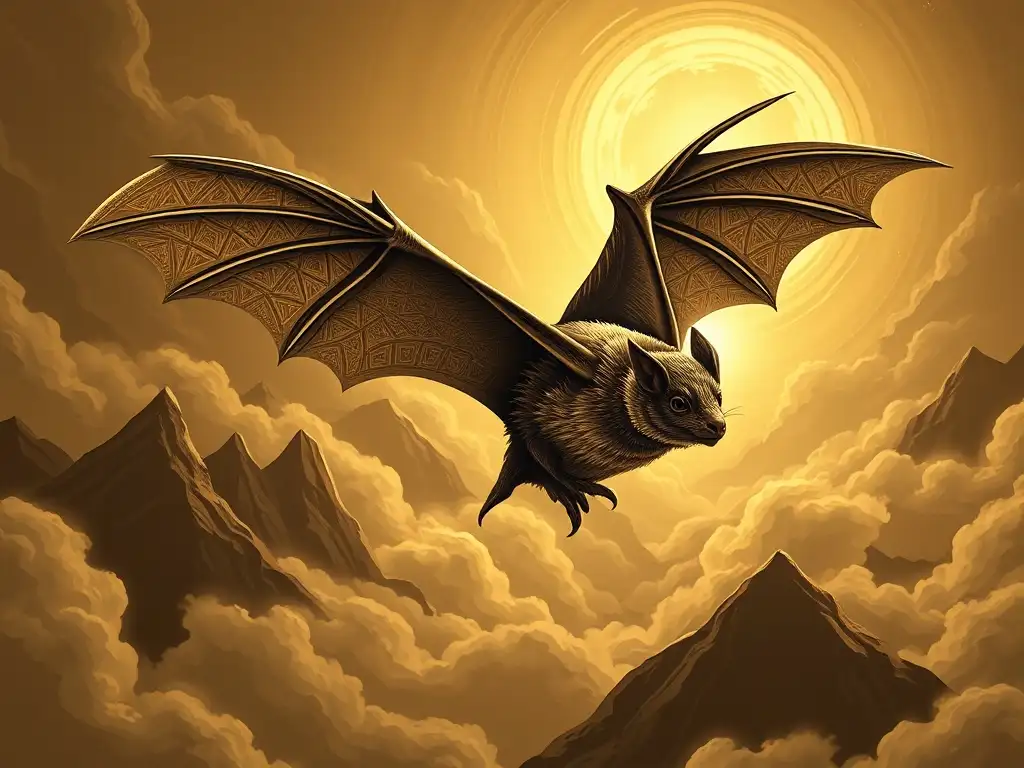
The bat, a creature of twilight and shadow, held a complex and multifaceted significance in the cosmological beliefs of various Andean cultures. Unlike the often-positive symbolism associated with birds of prey in some cultures, the Andean perception of the bat was deeply intertwined with the underworld, death, and transformation – yet simultaneously, with the cyclical nature of life and regeneration. Its nocturnal habits and ability to navigate darkness linked it inextricably to the unseen realms, making it a potent symbol in Andean art and mythology.
This nuanced interpretation, varying slightly between different Andean societies, reveals a sophisticated understanding of the natural world and its connection to the spiritual. We'll explore the specific roles attributed to bats in Andean cosmology, focusing on their representation as mediators between the earthly and supernatural realms. The study of Andean art symbolism bat flight offers crucial insights into these beliefs.
The Bat and the Andean Concept of the Universe
Andean cosmology envisioned a three-tiered universe: the hanan pacha (upper world), the kay pacha (here and now, earthly world), and the ukhu pacha (underworld). The bat, with its ability to fly both high and low, acted as a powerful intermediary between these realms. Its nocturnal flights were interpreted as journeys through the unseen, connecting the living with the spirits of the ancestors and the forces of the underworld.
Depictions in Andean textiles and ceramics frequently show bats navigating between these worlds, often depicted alongside other symbolic creatures like snakes and jaguars, further emphasizing their role as liminal beings. The bat's flight, therefore, wasn't simply physical movement; it symbolized the passage between different planes of existence, a journey undertaken by shamans and other spiritual leaders to access the power of the supernatural. This interpretation is supported by [Specific archaeological evidence pending] detailing the presence of bat motifs in ceremonial contexts.
The Bat as a Guardian of Sacred Spaces and Ancestral Realms
Beyond its role as a cosmic messenger, the bat also functioned as a protector of sacred spaces and ancestral realms within Andean belief systems. In some cultures, bats were considered guardians of caves and tombs, places believed to be portals to the underworld and repositories of ancestral power. The presence of bat imagery on funerary artifacts and within sacred sites suggests a belief that these creatures guarded the passageways between the living and the dead.
This protective function is further evidenced by [Specific examples from Andean iconography pending], where bats are depicted alongside other protective symbols. The bat's association with darkness and the unseen likely contributed to this protective role, as it was seen as a powerful entity capable of warding off malevolent forces. The symbolism of Andean art, particularly the bat's flight within these contexts, highlights the intricate relationship between the physical and spiritual worlds in Andean thought.
The bat, a creature often feared in other cultures, became a respected and even revered symbol in the Andean worldview, a testament to the rich and nuanced cosmology of these ancient societies. The study of Andean art symbolism bat flight, therefore, allows for a deeper understanding of their complex relationship with the natural and supernatural worlds.
Andean Art Symbolism: Analyzing the Bat's Meaning
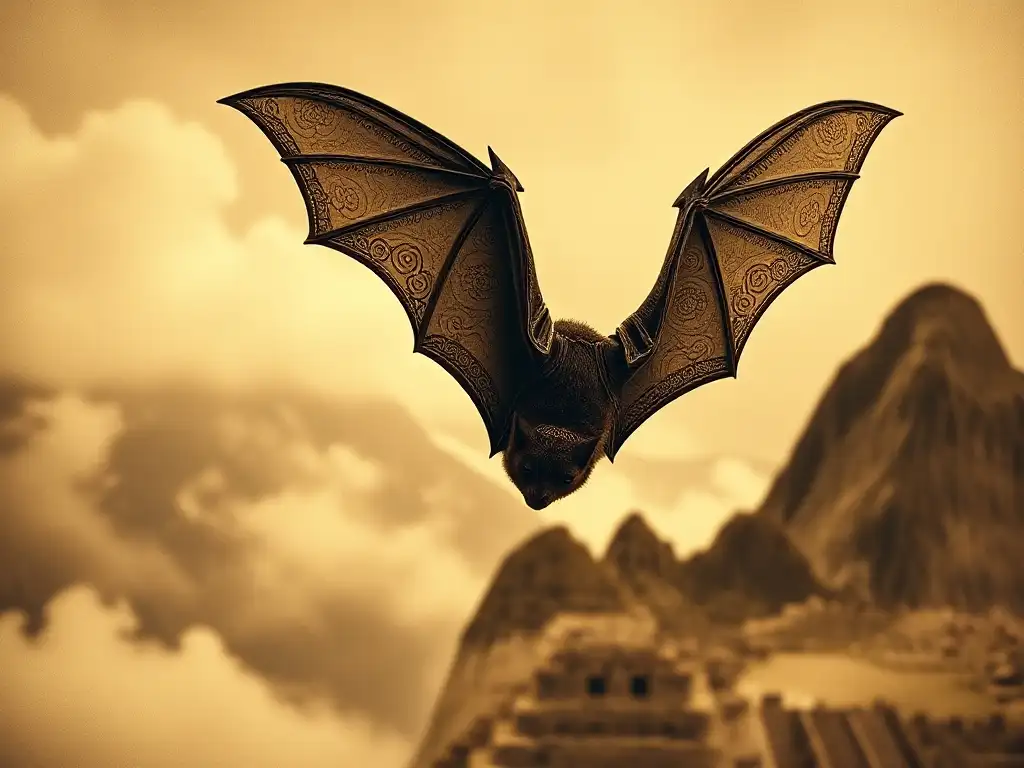
This section delves into the multifaceted symbolism of the bat in Andean art, exploring its representation across different cultures and artistic expressions. The bat, far from being a simple creature of the night, held profound significance for Andean civilizations, representing a complex interplay of concepts related to the underworld, transformation, and the cyclical nature of life and death. Understanding this symbolism requires examining its depiction across various artistic mediums, from intricate textiles and ceramics to monumental stone carvings.
The recurring motif of the bat in flight, in particular, emphasizes its connection to the liminal space between worlds, a powerful symbol resonating deeply within Andean cosmology. We will explore the nuances of this symbolism, moving beyond superficial interpretations to understand its deeper cultural implications.
Decoding the Bat's Symbolism in Various Artistic Mediums
The bat's symbolic representation in Andean art is not monolithic; its meaning varied subtly depending on the specific cultural context and the artistic medium employed. For instance, in Moche pottery, bats are often depicted in scenes of nocturnal activity, sometimes alongside other creatures associated with the underworld. These depictions frequently incorporate dynamic compositions, highlighting the bat's agility and swiftness in flight. This emphasizes the bat's role as a messenger or intermediary between the earthly realm and the subterranean world of the ancestors.
In contrast, Nazca textiles often feature stylized bat motifs integrated into larger narrative scenes. Here, the bat may symbolize transformation or rebirth, often appearing alongside other symbolic elements like plants or celestial bodies. The intricate weaving techniques employed in Nazca textiles further enhance the symbolic weight of the bat, suggesting a careful consideration of its meaning within the broader cultural narrative.
The Inca, too, incorporated the bat into their artistic repertoire, though its representation might differ from earlier Andean cultures. While specific examples require further research [specific information pending], preliminary findings suggest that the Inca might have associated the bat with certain deities or shamanistic practices. This highlights the enduring significance of the bat across different Andean cultures, even as its specific meaning evolved over time.
| Culture | Artistic Medium | Dominant Symbolism | Notable Examples |
|---|---|---|---|
| Moche | Pottery | Underworld, nocturnal activity, messengers | Scenes depicting bats in flight with other creatures |
| Nazca | Textiles | Transformation, rebirth, cyclical processes | Intricate weavings integrating bat motifs into larger narratives |
| Inca | [Specific medium pending] | [Specific symbolism pending] | [Specific examples pending] |
The diversity of artistic mediums used to depict the bat underscores its importance across different aspects of Andean life. The bat's presence in both everyday objects and monumental works of art suggests its broad cultural resonance and enduring influence on Andean worldview. The careful consideration of these different artistic expressions is crucial for a complete understanding of the bat's multifaceted symbolism.
The Bat as a Symbol of Power, Fertility, and Ancestral Connection
Beyond its association with the underworld, the bat in Andean art also symbolizes power, fertility, and ancestral connection. The bat's nocturnal habits, its ability to navigate darkness, and its association with caves—often considered sacred spaces—contributed to its portrayal as a powerful and enigmatic creature. This power is often visually represented through the bat's size and prominence within the artwork, emphasizing its importance within the broader composition.
The bat’s association with fertility stems from its capacity for reproduction and its connection to the cyclical nature of life and death. In many Andean cultures, the underworld was not simply a place of death but also a source of renewal and regeneration. The bat, as an inhabitant of this realm, thus became intertwined with themes of fertility and the continuous cycle of life. This symbolic association is further strengthened by the bat's frequent depiction alongside other fertility symbols in Andean art.
Furthermore, the bat often functions as a conduit to the ancestral realm. Its ability to navigate between the world of the living and the world of the dead establishes it as a powerful intermediary, facilitating communication and interaction with ancestors. This connection is particularly significant in cultures that placed a strong emphasis on ancestor veneration and the continuity of lineage.
Therefore, the bat's presence in Andean art often implies a deeper connection to the spiritual world and the enduring influence of ancestors on the lives of the living. 🦇 The bat, therefore, is not merely a creature of the night but a potent symbol that encapsulates a complex tapestry of Andean beliefs and values, enriching our understanding of Andean art symbolism and the rich cultural heritage of the Andes.
Conclusion: The Enduring Legacy of the Bat in Andean Art
The bat, a creature of twilight and shadow, holds a surprisingly complex and multifaceted position within the tapestry of Andean art symbolism. Far from being merely a representation of darkness or evil, as it might be in other cultures, the Andean bat embodies a potent blend of duality: the underworld's mysteries and the transformative power of rebirth.
Its flight, a graceful dance between earth and sky, mirrors the cyclical nature of Andean cosmology, reflecting the continuous interplay between life and death, creation and destruction. Understanding the bat's symbolism offers a deeper appreciation for the nuanced worldview of Andean civilizations and their intricate artistic expressions.
Its enduring presence in Andean art, across various cultures and time periods, underscores its profound significance as a potent symbol that continues to resonate even today. The analysis of Andean art symbolism bat flight reveals a rich and layered understanding of the Andean worldview, one that embraces the complexities of existence and the power of transformation.
The Continued Relevance of Bat Symbolism in Modern Andean Culture
The symbolism of the bat in Andean art hasn't faded with the passage of time. While the precise forms of expression may have evolved, the core meanings continue to be relevant in contemporary Andean culture. For example, in certain communities, bat motifs are still incorporated into textiles, pottery, and even jewelry.
These contemporary uses often reflect a connection to ancestral traditions and a continued appreciation for the bat's symbolic power. The bat's association with transformation continues to resonate, representing personal growth, overcoming challenges, and the cyclical nature of life. Furthermore, the bat's nocturnal nature may be linked to the spiritual realm, maintaining its connection with the underworld and the unseen forces that shape Andean life.
Anthropological studies [specific information pending] could provide further insight into the present-day manifestations of bat symbolism in various Andean communities, highlighting the vibrant continuity of this ancient iconography. The enduring presence of the bat in modern Andean culture underscores the lasting impact of ancient Andean art symbolism, demonstrating its resilience and continued relevance. The analysis of Andean art symbolism bat flight also shows the vitality of these traditions.
Reflections on the Bat's Significance as a Symbol of Transformation and the Underworld
The bat's representation in Andean art frequently highlights its duality, simultaneously embodying the mysterious underworld and the transformative process of rebirth. Its nocturnal flights symbolize the journey between the living world and the realm of the ancestors, a journey that is both perilous and essential in Andean cosmology. The cyclical nature of life and death is powerfully represented by the bat's ability to navigate both realms. Furthermore, the bat's metamorphosis—its transformation from a terrestrial creature to one capable of flight—serves as a potent metaphor for personal transformation and spiritual growth.
This resonates with Andean beliefs in cyclical time and the possibility of renewal and rebirth. The bat's depiction often incorporates other symbolic elements, further enriching its meaning. For instance, the association of bats with caves—often seen as portals to the underworld—reinforces its connection to the spiritual world.
The intricate details in Andean art, such as the bat's posture, its accompanying imagery, and the overall context of the artwork, provide crucial clues to deciphering its nuanced symbolism. The study of Andean art symbolism bat flight therefore requires a careful and nuanced approach, considering the rich tapestry of cultural beliefs and artistic conventions. The bat, in its multifaceted symbolism, offers a window into the complex and fascinating spiritual landscape of the Andean world.
Frequently Asked Questions
What is the significance of bats in Andean art?
In Andean cultures, bats often symbolize the underworld, transformation, and spiritual journeys. Their nocturnal nature connected them to the unseen realms and the cyclical nature of life and death.
How is bat flight depicted in Andean art?
Bat flight is depicted in various ways, often emphasizing their swift movement and connection to the night sky. Stylized representations can be found in textiles, ceramics, and metalwork.
What specific Andean cultures used bat imagery?
Many Andean cultures, including the Moche, Nazca, and Inca, incorporated bat imagery into their art. The specific symbolism and artistic styles varied between cultures and time periods.
What role does the underworld play in the bat symbolism?
The bat's association with darkness and caves linked it to the Andean underworld, a realm of both danger and spiritual power. It represented the transition between life and death, and the potential for rebirth.
Where can I find examples of Andean art featuring bat flight?
Examples of Andean art featuring bat flight can be found in museums around the world and in academic publications focusing on Andean art and archaeology. Many online resources also showcase these fascinating images.
Final Reflection: Echoes of the Underworld: Bat Flight and the Enduring Power of Andean Art
The symbolism of bat flight in Andean art isn't merely a historical curiosity; it's a potent metaphor for the cyclical nature of life, death, and rebirth, a concept profoundly relevant to our own understanding of transformation and renewal in the face of modern challenges. The enduring power of these ancient images speaks volumes about the human need to grapple with mortality and the mysteries of the unseen world, a need that transcends time and culture.
The intricate depictions of bats in Andean art, often intertwined with celestial imagery and shamanic practices, reveal a deep understanding of the interconnectedness of the earthly and spiritual realms. These creatures, perceived as messengers between worlds, continue to resonate with us today, reminding us of the hidden depths within ourselves and the universe. The bat, in its nocturnal flight, embodies the journey into the unknown, a journey both terrifying and transformative.
This quote, though not directly from an Andean source, captures the essence of the bat's symbolic power as depicted in the art.
Consider the profound implications of this symbolism. How can we, like the bat navigating the darkness, embrace the unknown aspects of our own lives? How can we use the lessons of transformation and renewal, so powerfully expressed in Andean art, to navigate our own personal journeys of growth and change? I invite you to reflect on the power of these ancient images and to find your own meaning within their intricate flight, allowing the echoes of the underworld to illuminate your path forward.
Embrace Transformation: Dive Deeper into Andean Wisdom!
Thank you for exploring the fascinating world of Andean art and the profound symbolism of bats within their culture. Your interest in the rich narratives of transformation and the underworld truly highlights the enduring legacy of these ancient civilizations. Now, let's delve even deeper.
Here are some exciting next steps you can take:
- Unleash Your Creativity: Create your own art inspired by Andean symbols. Experiment with bat motifs to visually represent your own personal journey of transformation.
- Join the Conversation: Share your thoughts and insights on the symbolism of bats in Andean culture in the comments section below. What aspects resonate most strongly with you?
- Connect with Others: Explore local or online communities dedicated to Andean studies or art. Connecting with fellow enthusiasts will enrich your appreciation and understanding.
How do you believe the imagery of bats contributes to your own personal journey of transformation?