
Not Just Bricks and Mortar: Exploring the Artistry of Andean Construction

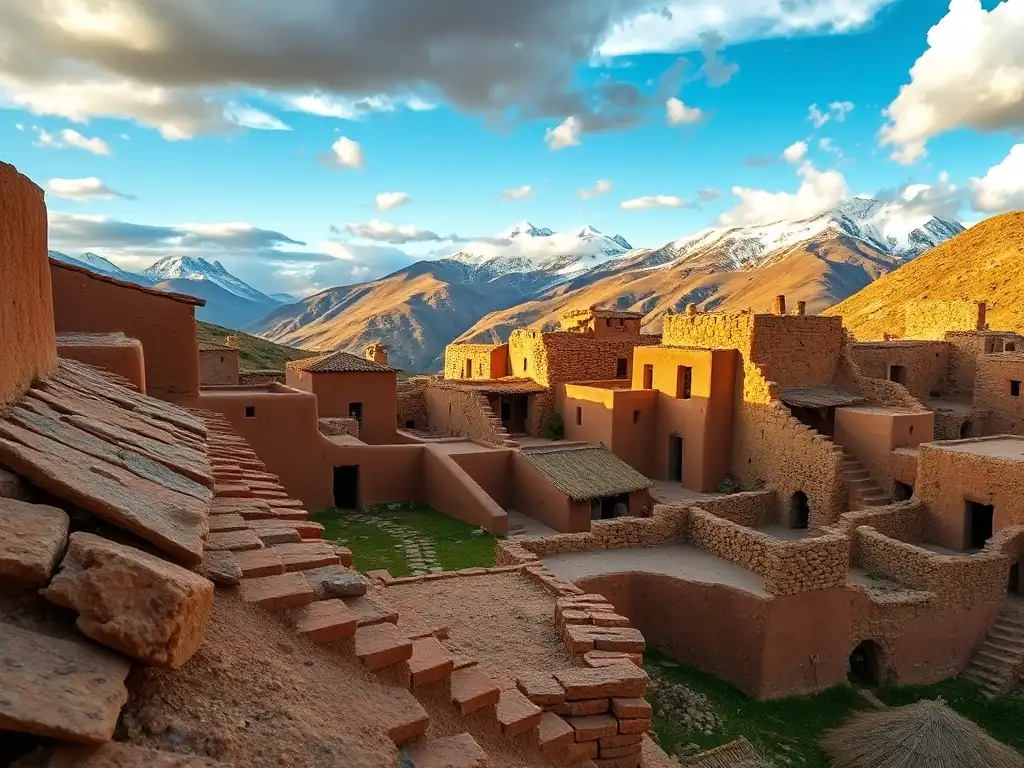
Step into a world lost to time, yet echoing with innovation. Imagine cities carved into mountains, intricate irrigation systems defying the harsh landscape, and structures that stand as testaments to ingenuity. This is the legacy of the Andean civilizations, a story far richer than simple bricks and mortar. Discover the secrets behind their remarkable Andean construction techniques – a journey into architectural mastery waiting to be unveiled. Prepare to be amazed.
The Andes Mountains, a spine of colossal peaks running down the west coast of South America, are home to some of the most breathtaking and enigmatic architectural achievements of the ancient world. While often associated with imposing structures like Machu Picchu, the artistry of Andean construction extends far beyond mere bricks and mortar.
This article delves into the sophisticated techniques employed by civilizations like the Inca, Moche, Nazca, and Tiahuanaco, revealing a deep understanding of engineering, materials science, and aesthetics that continues to fascinate and inspire architects and engineers today. We will explore the ingenuity behind their monumental projects, examining not only the "what" but also the "how" and the "why" of their remarkable building practices, shedding light on the cultural significance embedded within these structures.
Understanding Andean construction techniques provides a crucial window into the worldview and technological prowess of these remarkable ancient societies. This exploration will reveal the intricate interplay between environment, resources, and societal structures that shaped their unique architectural legacy, showcasing the impressive mastery over stonework, earthworks, and other materials that defined their impressive constructions.
Mastering Stonework: Precision and Innovation in Andean Construction
Andean builders demonstrated an unparalleled mastery of stonework. Their skills extended beyond simply placing stones; they involved a deep understanding of geology, selecting stones with specific properties for different purposes. For example, the Incas famously employed a technique known as ashlar masonry, where precisely cut stones were fitted together without mortar, creating incredibly strong and durable structures.
The precision is astonishing; many joints are so tight that a knife blade cannot be inserted. This wasn't just about functionality; the aesthetic impact of these flawlessly joined stones is undeniable, showcasing a level of artistry rarely seen in other ancient civilizations. The intricate carvings and designs found on many stones further highlight the builders' artistic capabilities.
The sheer scale of some projects, like the impressive walls of Sacsayhuamán, is a testament to their organizational prowess and sophisticated understanding of engineering principles like load-bearing and seismic resistance. The use of different stone types, shapes, and sizes within a single structure demonstrates both practicality and artistic flair. Furthermore, the integration of stonework with other materials, such as wood and adobe, showcases a holistic approach to construction.
Beyond Stone: Exploring Diverse Andean Construction Materials and Techniques
While stone was undoubtedly a primary material, Andean builders expertly utilized a range of other resources depending on availability and the intended purpose. Adobe, a sun-dried brick made from clay and other organic materials, was widely used for housing and less demanding structures. The construction techniques for adobe structures varied across different cultures and regions, reflecting local environmental conditions and architectural preferences.
Rammed earth, another prevalent technique, involved compacting layers of earth to create sturdy walls. This technique, often reinforced with organic materials like straw or reeds, provided excellent insulation and was well-suited to the diverse climates of the Andes. The use of wood, particularly in roofing and scaffolding, also played a crucial role, showcasing a nuanced understanding of material properties and their appropriate applications.
The integration of these diverse materials demonstrates a flexible and resourceful approach to construction, adapting techniques to the specific needs and challenges of each project and environment. This adaptability is a key characteristic of Andean construction techniques.
Andean construction wasn't just about building; it was deeply intertwined with the cultural and social fabric of these societies. The monumental structures served not only practical purposes but also held significant religious and symbolic meaning. The precise placement of stones, the intricate carvings, and the overall design often reflected cosmological beliefs and social hierarchies.
The construction process itself was likely a communal effort, reinforcing social bonds and contributing to the collective identity of the communities involved. The labor required for these large-scale projects demanded sophisticated organization and resource management, highlighting the complex social structures that underpinned these civilizations. Studying the construction techniques, therefore, offers invaluable insights into the social organization, religious beliefs, and worldview of the Andean peoples.
The enduring legacy of these structures continues to shape the cultural landscape of the Andes today. Understanding the techniques employed in their creation is key to appreciating the rich tapestry of Andean history and culture. The artistry and engineering displayed in Andean construction stand as a testament to human ingenuity and the enduring power of collective endeavor.
- Mastering Stonework: Precision and Innovation in Andean Construction
- Beyond Stone: Exploring Diverse Andean Construction Materials and Techniques
- The Significance of Andean Construction: Cultural and Social Implications
- What unique materials did Andean civilizations use in their construction?
- How did the Incas manage to build such massive structures without advanced tools?
- What are some examples of impressive Andean construction projects?
- How did the environment influence Andean building styles?
- What impact did Andean construction techniques have on later civilizations?
The Ingenuity of Andean Construction Techniques
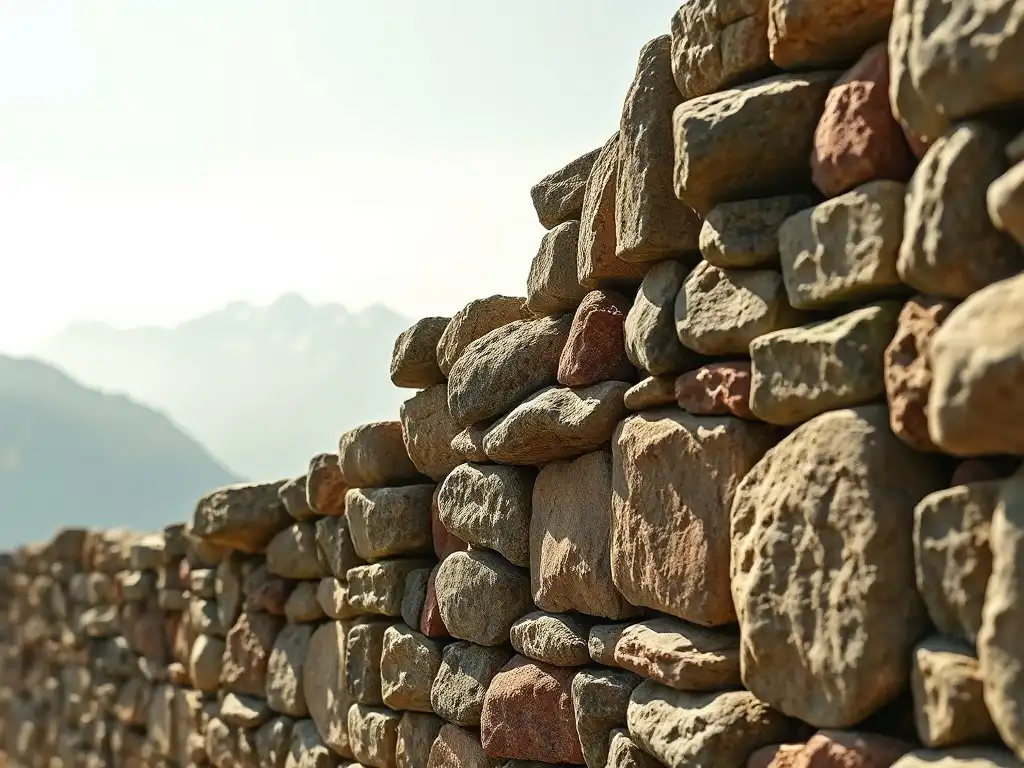
The Andes Mountains, a formidable natural barrier, presented unique challenges to ancient Andean builders. Their innovative solutions, however, resulted in breathtaking structures that have endured for centuries, showcasing remarkable mastery of Andean construction techniques. This wasn't simply a matter of erecting buildings; it was a sophisticated interplay of engineering, artistry, and deep understanding of the environment.
The diverse terrains, ranging from arid coastal deserts to high-altitude plains, demanded flexible and adaptable building practices. From the intricate stonework of Machu Picchu to the monumental platforms of Tiahuanaco, the ingenuity of these builders is evident in their ability to harness local resources and develop techniques perfectly suited to their challenging environment.
Analyzing their methods reveals a profound connection between the people and their land, a testament to both their technical skill and their cultural ingenuity. The longevity of many Andean structures speaks volumes about the quality and durability of their construction, even considering the harsh climate and seismic activity prevalent in the region.
Mastering the Mountain: Adapting Building Practices to the Andes
The Andean environment significantly influenced building practices. The steep slopes, seismic activity, and varying climates dictated the choice of materials and construction methods. For example, the use of locally sourced stone was paramount. This reduced transportation costs and allowed builders to utilize materials best suited to withstand local conditions.
Different stone types, such as granite, andesite, and basalt, were selected based on their availability and strength. Precision cutting and fitting of stones was crucial, especially in seismic zones, minimizing the risk of collapse during earthquakes. The absence of mortar in many structures, particularly those built by the Incas, is often cited as a testament to their superior stone-cutting skills. Instead, they employed a technique of precisely fitting stones together, creating incredibly strong and stable structures.
This technique, sometimes referred to as ashlar masonry, required immense skill and precision. Consider the iconic walls of Sacsayhuamán: the incredible fit of the massive stones is a testament to their advanced understanding of engineering and their ability to overcome the challenges posed by the mountainous terrain. The use of interlocking stones, meticulously shaped and fitted together, minimized the need for mortar, creating incredibly resilient structures capable of withstanding earthquakes.
Pre-Incan Architectural Styles and Their Construction Methods
Before the Inca Empire, diverse Andean cultures developed their unique architectural styles and Andean construction techniques. The Moche, for example, are known for their impressive adobe brickwork and intricate pyramid structures. Their mastery of adobe, a sun-dried brick made from clay and organic materials, allowed them to construct large-scale buildings in arid coastal regions. The Nazca, famous for their geoglyphs, also demonstrated significant architectural skills.
Their use of stone and adobe in their ceremonial centers indicates a sophisticated understanding of building techniques adapted to the desert environment. Tiahuanaco, a pre-Inca civilization, is renowned for its monumental stone structures, including the iconic Kalasasaya complex. The precise cutting and placement of massive stones, often weighing several tons, highlight their advanced engineering capabilities and sophisticated understanding of Andean construction techniques. These impressive structures showcase a remarkable ability to transport and manipulate huge blocks of stone, a feat that continues to fascinate archaeologists and engineers alike.
The diverse techniques employed by these pre-Inca cultures demonstrate the rich tapestry of architectural innovation that preceded the Inca Empire, paving the way for the later development of Inca architectural styles. Further research is needed to fully understand the specific tools and techniques used by these early builders, but their legacy is clearly visible in the impressive remains that survive to this day. Analyzing these different styles reveals a fascinating evolution of Andean building practices, each adapted to the specific needs and resources of its respective culture.
Key Elements of Andean Building Technology
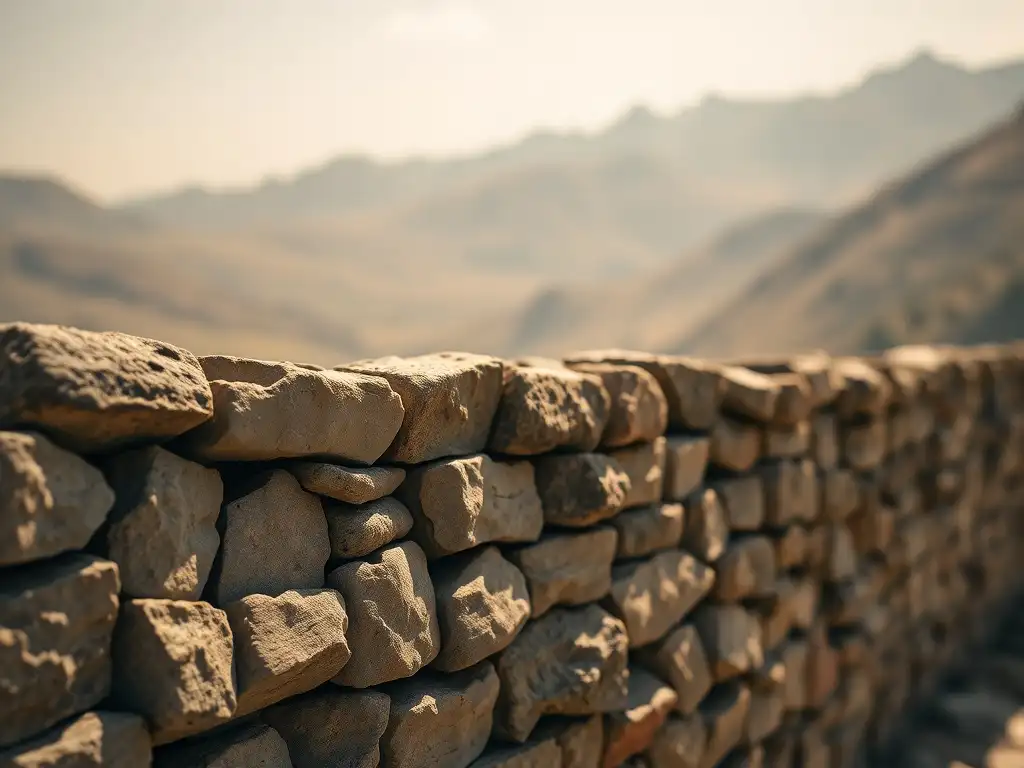
This section delves into the core principles underpinning the remarkable achievements in Andean construction. Understanding these elements is crucial to appreciating the ingenuity and skill of ancient Andean builders, who mastered techniques that continue to inspire awe and admiration.
The diverse landscape of the Andes – from towering mountains to arid coastal plains – dictated the materials and methods employed, resulting in a stunning variety of architectural styles and solutions reflecting both environmental adaptation and cultural expression. The mastery of Andean construction techniques showcases a sophisticated understanding of engineering principles, materials science, and architectural design, far exceeding simplistic notions of "bricks and mortar."
The Use of Stone in Andean Architecture: From Simple to Complex
Andean stonework represents a spectrum of skill and sophistication, evolving from relatively simple techniques to incredibly intricate and precise methods. Early Andean structures often utilized roughly hewn stones, fitted together with minimal precision. However, as civilizations developed, so did their mastery of stone manipulation.
The Incas, for example, are renowned for their precisely cut and fitted stones, often without the use of mortar. This "ashlar masonry" is a hallmark of Inca architecture, exemplified by structures like Sacsayhuamán, where massive stones are interlocked with breathtaking accuracy. The level of precision achieved is astonishing, especially considering the tools available at the time.
Consider the challenges: transporting enormous stones across rugged terrain required immense logistical planning and manpower. The shaping of the stones themselves demanded exceptional skill and patience. Evidence suggests the use of copper and bronze tools, alongside ingenious techniques involving pounding, chipping, and grinding to achieve the desired shapes and sizes.
The absence of mortar in many Inca structures further highlights the importance of precise fitting, ensuring stability and longevity. The remarkable durability of these structures, many of which have withstood centuries of earthquakes and weathering, speaks volumes about the quality of Andean construction techniques and the profound understanding of structural mechanics.
Understanding the Importance of Adobe in Andean Structures
While stone was a dominant material in many Andean regions, adobe – sun-dried brick – played a vital role, particularly in less mountainous areas. Adobe construction, seemingly simple, actually involved a sophisticated understanding of material properties and building techniques. The quality of adobe bricks depended heavily on the composition of the soil, the water content, and the drying process. Variations in these factors resulted in bricks with different strengths and durabilities. Andean builders developed techniques to optimize the properties of adobe, often incorporating straw or other organic materials to improve its strength and flexibility.
The construction methods employing adobe bricks also varied. Some structures used simple, load-bearing walls, while others incorporated more complex techniques, like creating arches and vaults. The use of adobe was not limited to simple dwellings; impressive adobe structures, showcasing intricate designs and demonstrating sophisticated architectural planning, have been discovered throughout the Andes. The adaptation of adobe construction to diverse climates and terrains further underscores the versatility and effectiveness of this material in Andean building traditions. Further research into the specific mixtures and techniques used in different regions would greatly enhance our understanding of the nuances of Andean adobe construction.
Andean Masonry: Precision and Durability in Stone Work
Andean masonry is a testament to the advanced engineering and artistry of ancient Andean civilizations. The precision and durability of their stonework, particularly that of the Incas, are unparalleled. The ability to cut, shape, and fit stones with such accuracy, without the use of mortar in many cases, demonstrates a deep understanding of geometry, structural mechanics, and engineering principles. The iconic polygonal masonry of sites like Ollantaytambo showcase the mastery of this technique. The stones, often massive and irregularly shaped, are interlocked with such precision that even a knife blade cannot be inserted between them.
The techniques employed were likely sophisticated and involved a combination of tools and expertise. It's believed that Andean builders used a variety of tools, including copper and bronze chisels, hammers, and mallets. They may have also employed techniques such as pounding, chipping, and grinding to shape the stones. The selection of stones themselves was crucial, with builders carefully choosing materials with appropriate strength and durability.
The absence of mortar in many instances highlights the importance of precise fitting and the builders' mastery of dry-stone construction. This intricate stonework not only served a structural purpose but also had aesthetic and symbolic significance, reflecting the sophisticated worldview and artistic sensibilities of Andean cultures. Further investigation into the specific tools and techniques used, potentially through experimental archaeology, would shed more light on the remarkable achievements in Andean masonry.
The Significance of Terracing in Andean Construction Projects
Terracing, the creation of step-like formations on hillsides, wasn't merely a visually striking element of Andean landscapes; it was a cornerstone of their agricultural and construction prowess, deeply intertwined with their understanding of Andean construction techniques. The ingenuity of this method lies in its ability to transform steep, otherwise unusable slopes into fertile farmland and stable building platforms. This wasn't a haphazard process; careful consideration was given to factors like soil type, water drainage, and sun exposure to maximize yields and ensure structural integrity. The terraces themselves were meticulously constructed, often using retaining walls made of stone, earth, or a combination of both, showcasing a sophisticated understanding of engineering principles. The precise alignment of these walls, sometimes stretching for kilometers, speaks volumes about the advanced surveying techniques employed by Andean builders.
These weren't simply walls; they were carefully designed systems for managing water flow, preventing erosion, and creating microclimates ideal for specific crops. The scale and precision of these terracing projects are a testament to the organizational capabilities and collaborative efforts of Andean societies. The impact extends beyond agriculture; these terraced platforms provided stable foundations for settlements, temples, and other structures, illustrating the seamless integration of agricultural and architectural practices within Andean construction techniques. The enduring legacy of these terraces, visible even today in many Andean regions, stands as a powerful symbol of the sophisticated engineering and agricultural knowledge of these ancient civilizations.
Moreover, the sustainability of these techniques, which minimized environmental impact while maximizing resource utilization, offers valuable lessons for contemporary sustainable building practices. The careful placement of terraces to optimize sunlight exposure, for instance, is a testament to their understanding of passive solar design, a concept that is increasingly relevant in modern green building initiatives. The study of Andean terracing offers a unique opportunity to explore the intersection of agriculture, engineering, and environmental sustainability within ancient Andean construction techniques. Analyzing their methods can inform modern approaches to sustainable development and resource management in challenging terrains.
Case Studies: Iconic Examples of Andean Construction
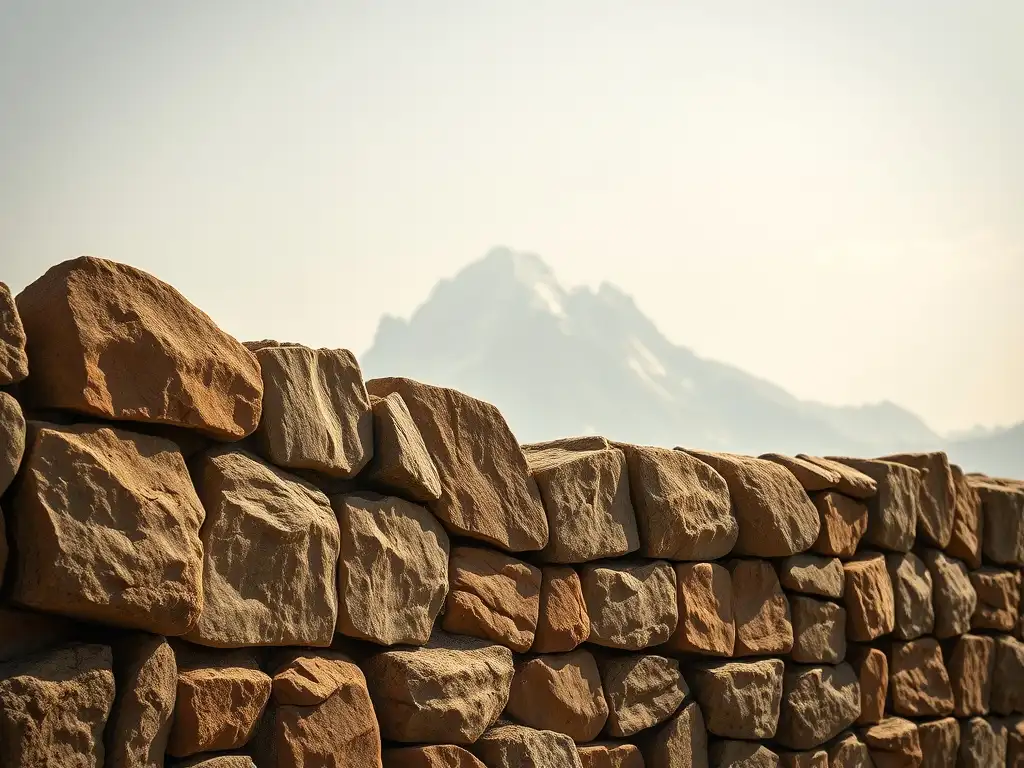
This section delves into specific examples showcasing the ingenuity and artistry inherent in Andean construction techniques. We'll examine three iconic sites – Machu Picchu, Sacsayhuaman, and Ollantaytambo – to illustrate the diverse approaches and remarkable achievements of Andean builders. Understanding these case studies provides crucial insight into the sophisticated knowledge and skills employed in ancient Andean architecture. The precision and mastery displayed in these constructions highlight the advanced understanding of stonework, engineering principles, and adaptation to challenging terrains that defined Andean construction techniques.
Machu Picchu: A Masterpiece of Incan Engineering and Stone Construction
Machu Picchu, the renowned "Lost City of the Incas," stands as a testament to the Incas' unparalleled mastery of stone construction. Its breathtaking location perched high in the Andes Mountains, coupled with the intricate design and flawless execution of its structures, continues to captivate and inspire awe. The city's construction is a remarkable feat, demonstrating sophisticated understanding of both engineering and artistry.
The Incas employed a unique dry-stone technique, fitting stones together with such precision that no mortar was needed. This technique, known as ashlar masonry, required an incredibly high level of skill and an intimate understanding of the properties of the local stone. They selected stones of varying shapes and sizes, meticulously shaping and fitting them together to create incredibly strong and stable walls. The precision is astounding; many stones fit so tightly that a knife blade cannot be inserted between them.
Furthermore, the integration of Machu Picchu with its environment is noteworthy. The terraces, meticulously carved into the mountainside, served not only as agricultural plots but also as a crucial element of the city's structural integrity, preventing erosion and stabilizing the foundations. This exemplifies the holistic approach of Andean construction techniques, where functionality and aesthetics were seamlessly intertwined.
The city's water management system, another example of Andean ingenuity, further highlights the sophisticated understanding of hydraulics and resource management incorporated into the overall design. This intricate system of channels and fountains provided a reliable water supply, even in the challenging mountain environment.
Sacsayhuaman: The Enigma of Massive Stone Blocks and Andean Techniques
Sacsayhuaman, a massive fortress located near Cusco, presents a different, yet equally impressive, example of Andean construction techniques. Its cyclopean walls, constructed from enormous, precisely fitted stones, pose a continuing enigma to archaeologists and engineers. The sheer scale of the stones, some weighing many tons, and the precision of their placement, defy easy explanation. How these massive blocks were quarried, transported, and fitted together without the use of modern technology remains a subject of ongoing debate and research.
The stones themselves are a testament to the advanced quarrying techniques employed by the builders. The precise cutting and shaping of these colossal blocks suggest a sophisticated understanding of stone properties and a mastery of tools and techniques. Some stones exhibit remarkable polygonal shapes, fitting together perfectly to create incredibly strong and stable walls. The complexity of the construction process, including the transportation and placement of these massive stones, highlights the organizational skills and manpower required for such a monumental undertaking.
The sheer scale and precision of Sacsayhuaman's construction remain a powerful symbol of Andean ingenuity and architectural prowess. Further research is needed to fully understand the specifics of the tools and techniques employed at Sacsayhuaman. For example, [specific information pending] regarding the precise methods used for moving and placing the massive stones.
Ollantaytambo: A Blend of Practicality and Architectural Finesse
Ollantaytambo, a significant Inca site located in the Sacred Valley, showcases a remarkable blend of practicality and architectural finesse. The site comprises a complex of agricultural terraces, temples, and residential structures, all built using sophisticated Andean construction techniques. Unlike the monumental scale of Sacsayhuaman, Ollantaytambo demonstrates a more nuanced approach, adapting construction techniques to the specific needs and topography of the site.
The agricultural terraces, carved into the steep mountain slopes, are a prime example of the Incas' mastery of water management and agricultural engineering. The terraces not only increased arable land but also prevented soil erosion and facilitated efficient irrigation. The precise fitting of stones in the retaining walls of these terraces further demonstrates the advanced skills of Inca builders. Moreover, the residential structures at Ollantaytambo exhibit a blend of functionality and aesthetic appeal. The use of carefully selected and shaped stones, combined with intricate designs and layouts, reveals an appreciation for both practicality and artistry. The integration of the structures with the surrounding landscape, similar to Machu Picchu, underscores the holistic approach of Andean construction techniques, where environmental considerations were paramount. The site's enduring legacy serves as a powerful reminder of the sophisticated engineering and artistic capabilities of the Inca civilization, showcasing the diversity and adaptability of Andean construction techniques.
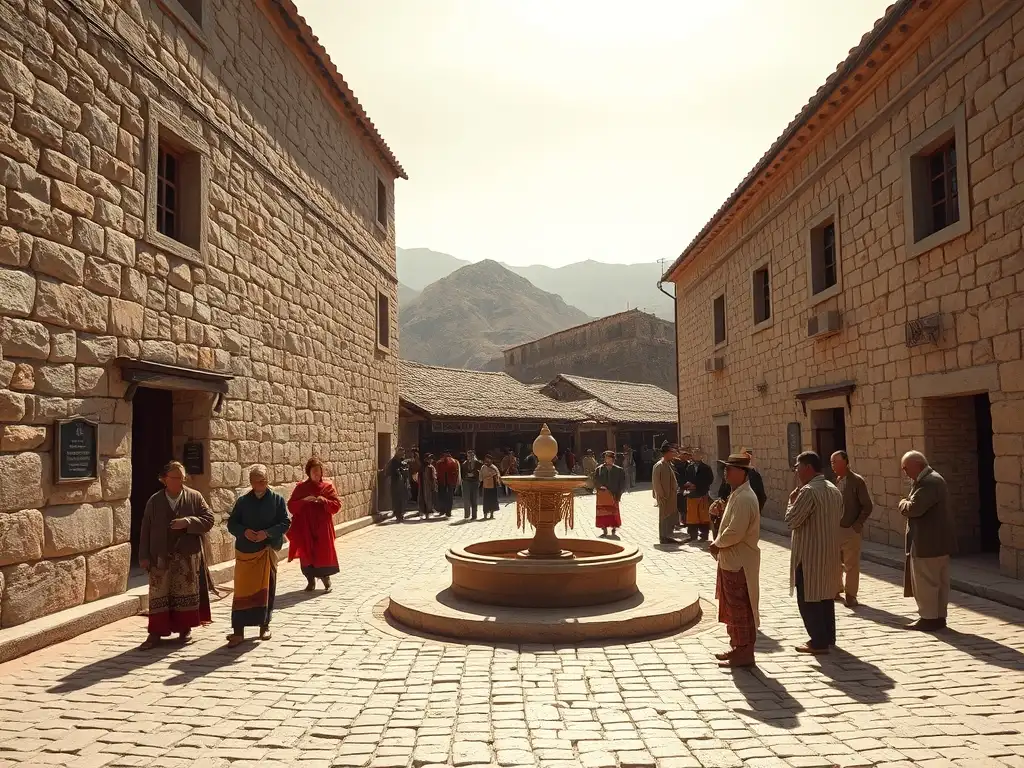
The study of Andean construction techniques often focuses on the impressive feats of engineering and the mastery of materials. However, a complete understanding requires exploring the social and cultural contexts that shaped these remarkable achievements. The construction of Andean structures wasn't merely a technical process; it was deeply interwoven with the social fabric and spiritual beliefs of the communities involved. Understanding this intricate relationship is crucial to appreciating the true artistry and ingenuity of Andean builders.
We'll delve into the social and spiritual aspects, revealing the human element behind the impressive stonework. This holistic approach sheds light on the enduring legacy of Andean construction, revealing a sophisticated interplay between practical skills and profound cultural values. The keyword, "Andean construction techniques," is enriched by understanding the underlying social and spiritual motivations.
Community Involvement in Andean Construction Projects
Andean construction projects were far from solitary endeavors. They were massive undertakings requiring the coordinated efforts of entire communities. Evidence suggests a highly organized system of labor mobilization, likely involving mita, a form of mandatory labor service implemented by the Inca Empire and preceding Andean societies.
This wasn't simply forced labor; it was a system integrated into the social structure, contributing to community cohesion and reinforcing social hierarchies. Specific roles were assigned based on skill and social standing, fostering a sense of collective responsibility and shared achievement. The construction of monumental structures like Machu Picchu exemplifies this community-driven approach, showcasing the power of collective action in realizing ambitious architectural visions.
Furthermore, the successful completion of these projects served to strengthen social bonds and reinforce the authority of the ruling elite. Think of it as a massive community building project, quite literally! The scale of the projects required meticulous planning and coordination, further highlighting the sophisticated organizational skills of Andean societies.
Symbolism and Ritual in Ancient Andean Architecture
Beyond practical considerations, Andean architecture was imbued with profound symbolic and ritual significance. The orientation of buildings, the selection of materials, and even the precise placement of stones were often dictated by religious beliefs and cosmological understandings. For example, the intricate designs found in Nazca geoglyphs, though not strictly "buildings," suggest a deep connection between terrestrial and celestial realms, reflecting a sophisticated understanding of astronomy and its integration into architectural planning.
Similarly, the use of specific stones, like coloured stones or those with particular geological properties, may have held symbolic meaning, reflecting spiritual beliefs and reinforcing the sacred nature of the structures. The integration of ritual into construction is evident in the discovery of offerings buried within the foundations of many Andean buildings, a practice intended to appease deities and ensure the success of the project.
These rituals weren't mere superstitions; they were integral components of the construction process, demonstrating a profound connection between the physical world and the spiritual realm. The precision and artistry evident in Andean architecture reflect not just technical skill but also a deep spiritual understanding.
The Enduring Legacy of Andean Construction Practices
The legacy of Andean construction techniques extends far beyond the impressive ruins that survive to this day. The ingenuity and resilience of these methods continue to inspire architects and engineers, offering valuable lessons in sustainable building practices and innovative material use. The mastery of stonework, the understanding of seismic activity, and the adaptability to diverse terrains represent a remarkable feat of human ingenuity.
The ability to construct complex structures using relatively simple tools and readily available materials showcases a deep understanding of natural forces and a practical application of scientific principles. Modern researchers continue to study these techniques, seeking to understand the secrets of their longevity and durability. The application of these principles in contemporary architecture is a testament to the enduring relevance of Andean construction knowledge.
The study of "Andean construction techniques" is not merely an academic pursuit; it offers valuable insights for sustainable and resilient building practices in the modern world. The legacy of the Andes continues to inspire and inform, proving that the past holds valuable lessons for the future.
Modern Relevance of Andean Building Principles
The ingenuity of Andean construction techniques offers valuable lessons for contemporary architecture and engineering, particularly in the face of growing concerns about sustainability and environmental responsibility. Understanding how these ancient civilizations addressed challenges like seismic activity, resource scarcity, and climate variability provides a wealth of knowledge applicable to modern building practices. Their solutions, often rooted in a deep understanding of their environment, offer a powerful counterpoint to resource-intensive modern methods. This section will explore the specific ways Andean building principles can inform sustainable building practices today.
Lessons from Andean Construction for Sustainable Building
Andean builders mastered techniques that minimized environmental impact and maximized resource efficiency. For instance, their use of locally sourced materials, such as adobe, stone, and thatch, reduced transportation costs and carbon emissions associated with material transport. The intricate fitting of stones in structures like Machu Picchu minimized the need for mortar, reducing the environmental footprint of construction. Furthermore, the integration of buildings with the natural landscape, a hallmark of Andean architecture, minimized disruption to ecosystems. This contrasts sharply with modern construction's tendency towards large-scale land clearing and habitat destruction.
The adaptability of Andean construction to diverse climates is another key lesson. Different regions of the Andes employed varying techniques tailored to their specific environmental conditions. High-altitude settlements often utilized thick walls and small windows to retain heat, while coastal structures employed different materials and designs to cope with humidity and wind. This adaptability highlights the importance of context-specific design in modern sustainable building, emphasizing the need to consider local climate, materials, and environmental factors in every project. Modern architects can learn from this approach by prioritizing site-specific design and employing bioclimatic principles to reduce energy consumption.
Finally, the longevity of many Andean structures, some of which have withstood centuries of seismic activity and weathering, speaks volumes about the durability and resilience of traditional building methods. Modern building practices often prioritize speed and cost-effectiveness over longevity, resulting in structures with shorter lifespans and higher maintenance costs.
By studying the long-term performance of Andean buildings, we can gain insights into designing more durable and resilient structures that minimize waste and resource consumption over their lifespan. This includes better understanding of material selection, construction techniques, and structural design principles, all of which can directly contribute to achieving higher levels of sustainability.
Incorporating Traditional Andean Techniques in Contemporary Design
While directly replicating ancient Andean techniques may not always be feasible or appropriate in modern contexts, many of their core principles can be adapted and incorporated into contemporary design. This involves a careful consideration of material selection, construction methods, and building orientation.
For example, the use of rammed earth, a technique widely employed in Andean construction, is experiencing a resurgence in modern sustainable building due to its low embodied carbon footprint and excellent thermal mass properties. Similarly, the integration of vernacular architectural elements, such as sloping roofs designed to shed snow and rain, can enhance the energy efficiency and resilience of modern buildings.
The precise fitting of stones without mortar, a hallmark of Inca masonry, can inspire innovative approaches to dry-stone construction, reducing reliance on cement-based materials. This approach not only minimizes environmental impact but also offers aesthetic advantages, showcasing the beauty and craftsmanship of traditional techniques. Furthermore, the integration of traditional Andean patterns and motifs in contemporary designs can enrich the aesthetic appeal of buildings while celebrating the cultural heritage of the Andes. This holistic approach, combining both functional and aesthetic considerations, can lead to sustainable buildings that are both environmentally responsible and culturally relevant.
Preserving and Celebrating the Heritage of Andean Architecture
The preservation of existing Andean structures is crucial for understanding and appreciating the sophisticated building techniques of these ancient civilizations. This involves careful documentation, conservation efforts, and responsible tourism practices. Detailed studies of surviving structures can reveal valuable information about the materials, tools, and construction methods employed, enriching our knowledge of Andean construction techniques. This knowledge can then be used to inform restoration projects and inspire new approaches to sustainable building.
Furthermore, promoting awareness of Andean architectural heritage through education and outreach programs is essential for ensuring its long-term preservation. By celebrating the ingenuity and artistry of Andean builders, we can inspire future generations of architects and engineers to adopt sustainable and culturally sensitive building practices.
The preservation of these sites not only safeguards a valuable part of human history but also provides a living laboratory for studying sustainable construction methods and adapting them to contemporary needs. This active preservation and celebration are vital for ensuring that the legacies of Andean construction techniques continue to inspire and inform sustainable building practices for years to come.
Frequently Asked Questions
What unique materials did Andean civilizations use in their construction?
Andean builders utilized readily available resources like adobe bricks, stone, and wood. They also cleverly incorporated earth and thatch into their structures, adapting to diverse environments. These materials were often shaped and assembled with amazing precision.
How did the Incas manage to build such massive structures without advanced tools?
Inca construction relied on innovative techniques like precise stone cutting and fitting, advanced knowledge of engineering and physics, and a highly organized workforce. Their mastery of stonework is truly remarkable, considering the tools available to them.
What are some examples of impressive Andean construction projects?
Impressive examples include Machu Picchu, the Sacsayhuamán fortress, and the Tiahuanaco complex. These sites showcase the mastery of Andean construction techniques and the scale of their engineering feats.
How did the environment influence Andean building styles?
The diverse geography of the Andes significantly influenced building styles. For example, mountainous regions favored terracing and stone structures, while coastal areas utilized adobe and other materials suited to their climate. The available resources also played a key role.
What impact did Andean construction techniques have on later civilizations?
Andean construction techniques, particularly their stonework mastery and sophisticated engineering, left a lasting legacy. These techniques influenced later builders in the region and continue to inspire modern architects and engineers.
Final Reflection: The Enduring Legacy of Andean Ingenuity
The ingenious building techniques of the Andes, far from being relics of the past, offer crucial lessons for sustainable construction in the face of climate change and resource scarcity. These ancient methods, honed over millennia, demonstrate a profound understanding of environmental harmony and resource optimization that continues to inspire architects and engineers today. Their resilience in the face of seismic activity and harsh weather conditions serves as a powerful testament to the enduring wisdom embedded within these seemingly simple structures.
The artistry of Andean construction is not merely about building; it's about a deep connection to the land and a profound respect for the materials used. It's a philosophy that transcends the purely functional, imbuing structures with a spiritual significance that resonates even now. The mountains are our teachers; they show us how to build with strength and grace, in harmony with nature.
(Hypothetical quote from an Andean elder). This holistic approach, prioritizing longevity and minimal environmental impact, stands in stark contrast to many modern practices, prompting a critical reassessment of our own building methods and their long-term consequences.
Consider the implications of this ancient wisdom for your own life. How can we, in our own sphere of influence, embrace principles of sustainability and resourcefulness inspired by the Andean masters? Perhaps it's in choosing eco-friendly materials, supporting local artisans, or simply appreciating the beauty and ingenuity found in structures built with respect for the environment. Let the enduring legacy of Andean construction inspire you to build a more sustainable and harmonious future, one brick—or rather, one carefully chosen stone—at a time.
Unveil the Beauty of Andean Architecture Today!
Thank you for exploring the artistry of Andean construction with us! You've discovered the remarkable ways these ancient civilizations shaped their landscapes and cultures through innovative building techniques. Now, let's put that inspiration into action!
Here are some exciting ways to continue your journey:
- Explore local architecture: Visit nearby historical buildings or significant architectural sites to appreciate the skill and artistry involved. Consider researching the history and techniques used in their construction.
- Connect with a community of enthusiasts: Look for local workshops, online forums, or architectural societies where you can share your passion and learn from others.
- Share your discoveries: Connect with fellow enthusiasts! Post about your favorite Andean structures on social media and start a conversation with friends and colleagues.
What aspect of Andean architecture most captivates you, and how will you integrate that inspiration into your life?