
The Sound of Metal: Musical Instruments in Ancient Andean Culture

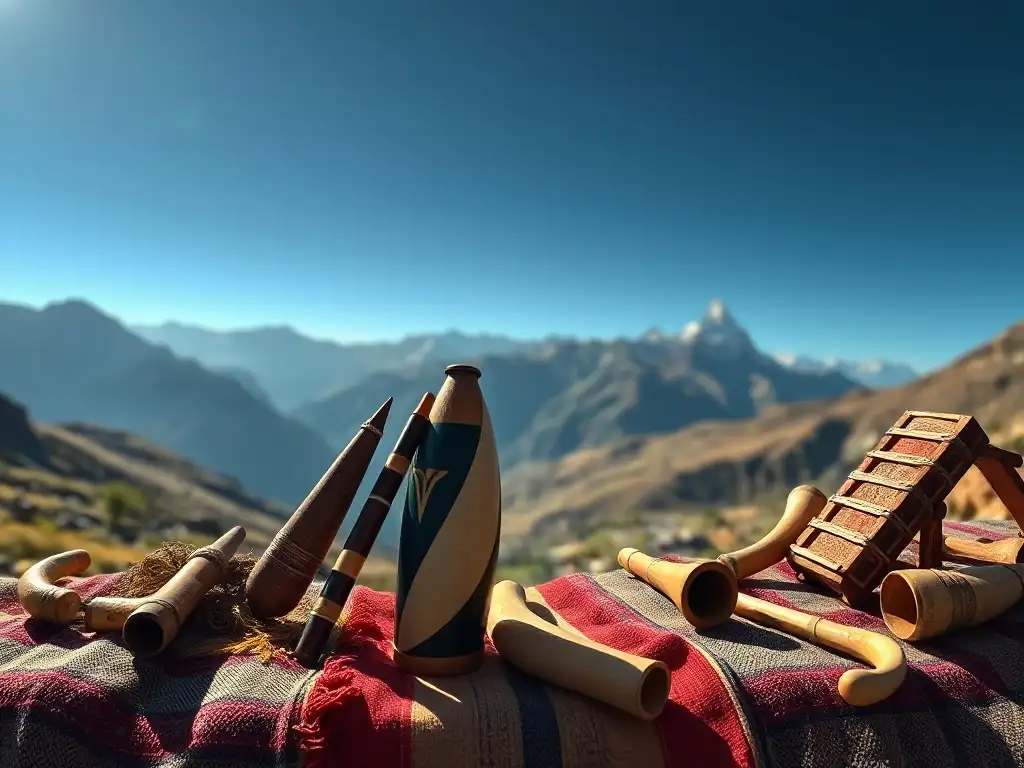
Step into a world lost to time, yet echoing with vibrant melodies. Imagine the haunting sounds of the Andes, reverberating across millennia. This is where you'll uncover the secrets of Ancient Andean musical instruments, artifacts that whisper tales of sophisticated artistry and spiritual significance within the rich tapestry of Andean civilization. Prepare to be captivated by the intricate details and surprising innovations of a culture whose music continues to resonate today. Journey with us to explore the fascinating world of Andean art and discover the stories embedded within these remarkable instruments.
The vibrant tapestry of Andean civilizations is richly woven with threads of intricate metalwork, stunning textiles, and awe-inspiring architecture. But beyond the visual arts, a captivating soundscape existed, shaped by a diverse range of musical instruments crafted with remarkable skill. This article delves into the world of ancient Andean music, exploring the ingenuity and artistry behind the creation and use of these instruments, focusing particularly on those made of metal.
We'll examine the materials used, the techniques employed, and the social and ceremonial contexts in which these instruments played a crucial role in the lives of the Andean peoples. Understanding the sound of these ancient cultures provides a deeper appreciation for their complexity and sophistication.
This exploration will illuminate the significant role of metalworking in the creation of these instruments and their lasting legacy in Andean cultural heritage. We will uncover the fascinating stories behind these artifacts, revealing how they reflect the beliefs, social structures, and artistic achievements of these remarkable civilizations.
The Materials of Andean Musical Instruments
The creation of musical instruments in the Andes was deeply intertwined with the region's rich mineral resources. Gold, silver, copper, and bronze were not only valued for their aesthetic qualities but also for their acoustic properties. Gold, for instance, was often used for decorative elements on instruments made of other materials, enhancing their visual appeal and symbolic significance. Copper and bronze, due to their durability and malleability, were ideal for creating instruments like trumpets and bells.
The specific alloys used varied across different cultures and time periods, leading to a diverse range of sounds and tonal qualities. Archaeological evidence suggests that the precise composition of these alloys was carefully controlled to achieve the desired acoustic effect, showcasing a sophisticated understanding of metallurgy and acoustics. The selection of materials was not arbitrary; it was deeply symbolic, reflecting the spiritual and cosmological beliefs of the Andean peoples.
Types of Metal Instruments in Ancient Andean Culture
Ancient Andean cultures crafted a surprising variety of musical instruments from metal. Among the most prominent were:
- Tumpis: These trumpets, often made of copper or bronze, varied significantly in size and shape, producing a range of sounds. Some were long and straight, while others were curved or decorated with intricate designs. Their use in ceremonies and rituals is well documented.
- Bells: Small, intricately crafted bells, typically made of bronze or copper alloys, were used in diverse settings, from ceremonial processions to everyday life. Their sound likely played a significant role in religious rituals and celebrations.
- Sheet Metal Instruments: While less common than trumpets and bells, some evidence suggests the use of sheet metal instruments, possibly resonators or percussion instruments. More research is needed to fully understand their construction and function.
- Other Metal Components: Metal was also frequently used as components in instruments made primarily of other materials, such as wood or reeds. For example, metal clappers were sometimes incorporated into rattles or other percussion instruments.
The Role of Music in Andean Society
Music played a crucial role in the social and religious life of the ancient Andean civilizations. Metal instruments, due to their unique sounds and often prestigious materials, were likely reserved for important ceremonies and rituals. They were used to accompany religious processions, mark significant events, and communicate with the supernatural world.
The sounds of these instruments, echoing through the mountains and valleys, were an integral part of the Andean cultural landscape. Further research into the social context of music and instrument use will provide a more complete understanding of their significance. Unfortunately, [specific information pending] regarding the exact musical scales and styles employed.
Preservation and Modern Interpretations
Many ancient Andean musical instruments have survived to the present day, offering valuable insights into the metallurgical skills and musical traditions of these cultures. Museums around the world house impressive collections of these artifacts, allowing us to appreciate their craftsmanship and imagine the sounds they once produced. Modern artisans and musicians are also working to recreate these instruments, using traditional techniques and materials to bring the sounds of ancient Andean music to a new generation.
These efforts help us understand the cultural heritage of the Andean region and appreciate the enduring legacy of its musical traditions. The ongoing study of these artifacts continues to reveal new information and interpretations, enriching our understanding of ancient Andean culture.
- The Materials of Andean Musical Instruments
- Types of Metal Instruments in Ancient Andean Culture
- The Role of Music in Andean Society
- Preservation and Modern Interpretations
Introduction to Ancient Andean Musical Practices
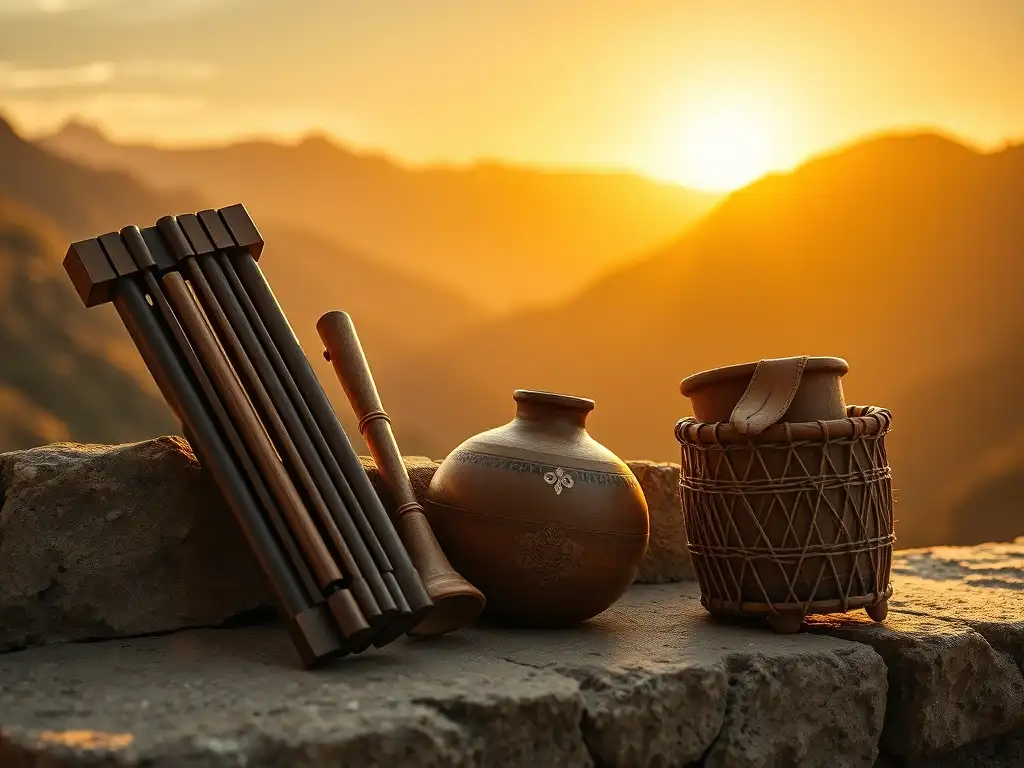
This section delves into the fascinating world of ancient Andean musical instruments, exploring their construction, usage, and societal significance within the context of advanced metalworking techniques. Understanding the soundscapes of these ancient cultures requires appreciating the integral role metal played in shaping their musical expressions. The sophisticated metalworking skills of Andean civilizations, particularly the Incas, Moche, and Nazca, weren't solely dedicated to ornamentation and practical tools; they were crucial in crafting instruments that played a vital role in their rituals, ceremonies, and daily life.
The discovery and study of these instruments provide invaluable insights into the social structures, beliefs, and artistic achievements of these remarkable societies. Analyzing these artifacts allows us to reconstruct, albeit partially, the vibrant sounds of the past and understand the profound connection between music and Andean identity. The keyword "Ancient Andean musical instruments" is central to understanding this rich and complex cultural heritage.
The Significance of Music in Andean Societies
Music held immense spiritual and social importance in ancient Andean societies. It wasn't merely entertainment; it was deeply intertwined with religious rituals, agricultural cycles, and social gatherings. Archaeological evidence suggests that music played a crucial role in ceremonies honoring deities, ensuring bountiful harvests, and marking significant life events.
The sounds of instruments, often played in ensembles, helped to create a sacred atmosphere, invoking spiritual power and fostering a sense of community. Furthermore, music served as a means of communication, transmitting stories, histories, and beliefs across generations. Think of the intricate melodies played on panpipes, the resonant tones of trumpets, and the rhythmic beats of drums – each sound contributing to a rich tapestry of cultural expression.
The sheer variety of instruments discovered reflects the diversity of Andean cultures and their sophisticated musical traditions. Many instruments were intricately decorated, showcasing the high level of artistic skill and the sacred nature of music within these societies.
The Role of Metal in Andean Soundscapes
The incorporation of metal significantly enhanced the sonic possibilities of ancient Andean musical instruments. While wood, bone, and other materials were also used, the use of metals like gold, silver, copper, and bronze allowed for a wider range of tones, volumes, and textures. For instance, the use of bronze in trumpets and bells produced resonant and powerful sounds, ideal for ceremonies and public announcements. The meticulous craftsmanship evident in many instruments underscores the importance placed upon their creation and use.
Consider the intricate details found on some instruments – delicate engravings, inlaid precious metals, and carefully shaped resonating chambers. These features not only enhanced the aesthetic appeal but also likely contributed to the instruments' acoustic properties. The development of sophisticated metalworking techniques directly impacted the evolution of Andean musical instruments, leading to a greater diversity of forms and sounds.
This technological advancement is a testament to the ingenuity and artistic talent of these ancient civilizations, and their ability to harness their metalworking skills to create instruments that played a pivotal role in their cultural and spiritual lives. The analysis of the metallurgical composition of these instruments further illuminates the sophistication of their metalworking techniques and their understanding of material properties. The presence of alloys and the careful shaping of metal components reveal a deep understanding of material science and its application to musical instrument making.
Types of Metal Musical Instruments in the Ancient Andes
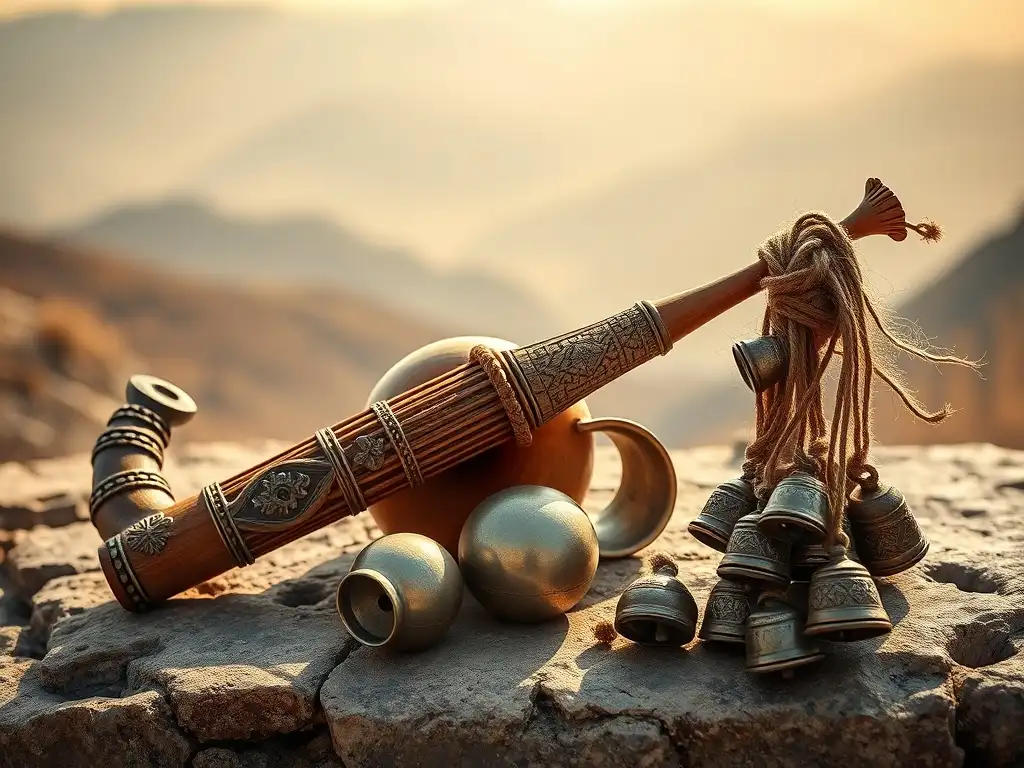
The ancient Andean civilizations were remarkably skilled metalworkers, a talent not only reflected in their exquisite jewelry and weaponry but also in the creation of sophisticated musical instruments. While many instruments were crafted from wood, bone, or other organic materials, the use of metals like gold, silver, copper, and bronze significantly enhanced the sound and symbolic power of certain instruments. This section explores the fascinating world of Andean metal musical instruments, focusing on their construction, use, and cultural significance.
The prevalence of these metal instruments underscores the advanced metallurgical knowledge and artistic expression of these cultures. Understanding their construction and function offers a deeper appreciation for the complexity of Ancient Andean music and its role in society. The study of Ancient Andean musical instruments reveals a sophisticated understanding of acoustics and material properties.
Percussion Instruments: Metal Rattles and Bells
Percussion instruments held a prominent place in Andean musical traditions, and metal played a significant role in their construction. The incorporation of metal enhanced both the durability and the sonic qualities of these instruments, contributing to their ritual and ceremonial importance.
The Use of Metal Rattles in Rituals
Metal rattles, often crafted from sheets of copper or bronze, were not merely musical instruments; they were integral components of religious ceremonies and rituals. Their rhythmic sound was believed to have the power to communicate with the spirit world, invoking deities and influencing the natural forces. Archaeological evidence suggests that rattles were used in various rituals, from agricultural ceremonies ensuring bountiful harvests to funerary rites honoring the deceased. The size and design of the rattles varied, possibly indicating different ritual functions or social status.
Some rattles were intricately decorated with additional metalwork, further enhancing their symbolic value. The precise sounds produced by these rattles, often described as a sharp, metallic shaking sound, were likely crucial to their ritual effectiveness. Further research is needed to fully understand the nuanced sonic aspects of these Ancient Andean musical instruments.
Metal Bells and their Symbolic Meanings
Small, delicately crafted bells, often made of copper alloys, were another significant percussion instrument. Unlike the more forceful sound of rattles, bells produced a more subtle, tinkling sound. Their use was likely more widespread, potentially integrated into everyday life as well as religious ceremonies.
The symbolic meaning of bells in Andean culture remains a subject of ongoing research, however, it is theorized that their sound represented the voices of spirits or the sounds of nature. The discovery of bells in tombs and burial sites suggests a possible association with the afterlife and the journey of the soul. The variation in bell size and the materials used — sometimes incorporating gold or silver — hint at a complex system of social hierarchy reflected in the instruments themselves.
Analysis of the metallurgical composition of these bells could provide crucial insights into the technological capabilities and trade networks of the time. Further investigation into the Ancient Andean musical instruments is required to fully understand the cultural and social contexts of these objects.
Wind Instruments: Metal Flutes and Trumpets
Beyond percussion, the Andean civilizations also crafted wind instruments from metal, demonstrating their advanced understanding of acoustics and metallurgy. The construction of these instruments required precise skill and knowledge, reflecting the high level of craftsmanship within these societies.
Metal Flutes: Design and Construction
Metal flutes, though less commonly found than other types of instruments, represent a significant achievement in Andean metalworking. These flutes were often made from thin sheets of metal, carefully shaped and joined to create the instrument’s body and air channels. The design and construction required a sophisticated understanding of sound production; the precise placement of finger holes determined the melodic range and the overall tone.
The limited number of surviving examples suggests that metal flutes may have been less common than wooden or bone flutes, possibly due to the greater difficulty in their manufacture or their association with elite status. Further analysis of the surviving examples is essential to fully grasp the technical aspects of their construction and their place within the broader musical landscape of the Andes. Studying these Ancient Andean musical instruments provides valuable insight into the advanced metallurgical skills and musical sophistication of the Andean civilizations.
Metal Trumpets: Ceremonial Use and Sound Production
Metal trumpets, often made of bronze or copper alloys, were likely used in important ceremonies and public events. Their powerful, resonant sound would have carried over considerable distances, making them ideal for announcing important events or summoning people together. The construction of these trumpets involved intricate techniques, suggesting specialized metalworking skills. The shape and size of the trumpets varied, potentially reflecting regional differences or specific ritual functions.
The sound produced by these trumpets would have been deep and resonant, capable of evoking strong emotions and creating a powerful sense of awe. The use of trumpets in religious ceremonies, military processions, or other public gatherings points to their significant cultural and social importance within Andean society. Understanding the Ancient Andean musical instruments reveals the connection between music, power, and social structure in these ancient civilizations.
Stringed Instruments: Metal Components in Lyres and Harps
The Andes Mountains, a crucible of ancient civilizations, witnessed the development of sophisticated musical instruments, many incorporating metal components to enhance their sound and durability. While wood and other organic materials formed the primary structure of stringed instruments like lyres and harps, the strategic use of metals reveals a high level of metallurgical skill and artistic expression. The incorporation of metal wasn't merely functional; it also served as a powerful symbol of status and artistry within Andean societies.
The presence of metal, particularly precious metals like gold and silver, elevated these instruments beyond mere tools, transforming them into objects of prestige and ritual significance. The meticulous craftsmanship evident in the metalwork underscores the importance of music and its role in Andean religious and social life. Further research into the specific alloys and techniques employed would offer deeper insights into the technological capabilities of these ancient cultures.
The Use of Metal in Andean Lyres
Andean lyres, often crafted from wood, frequently featured metal components. These weren't simply decorative additions; they played a crucial role in the instrument's functionality. For example, small, precisely crafted metal pins or tuning pegs were used to secure the strings, ensuring proper tension and pitch. The quality of these metal components varied depending on the lyre’s intended use and the social standing of its owner.
Elite lyres might incorporate gold or silver pins, showcasing the wealth and power of their owners. The meticulous placement of these pins, often reflecting intricate designs, further highlights the artistry involved in their creation. Unfortunately, the precise composition of these metals in many surviving examples remains undetermined, requiring further metallurgical analysis. However, extant examples suggest the use of copper alloys, possibly incorporating tin or other elements, to achieve desired strength and durability.
Metal Elements in Ancient Andean Harps
Similar to lyres, Andean harps also incorporated metal elements, though perhaps in slightly different ways. While the main frame of the harp was typically made of wood, metal played a vital role in its tuning and structural integrity. Metal hooks or rings were often used to attach the strings, ensuring they remained securely in place during performance.
Furthermore, decorative metal elements, such as small plates or inlays of gold or silver, were frequently used to embellish the instrument, adding to its aesthetic appeal and symbolic value. These decorative elements weren't merely superficial; they often bore intricate designs reflecting Andean iconography and mythology, further highlighting the cultural significance of music and these instruments.
Analysis of surviving fragments of these harps suggests a preference for copper alloys, potentially reflecting both the availability of materials and the desired properties of the metal for both functional and artistic purposes. The specific techniques used to create these metal components, including casting, hammering, and inlay, remain areas of ongoing research.
Specific Andean Cultures and their Metal Musical Instruments
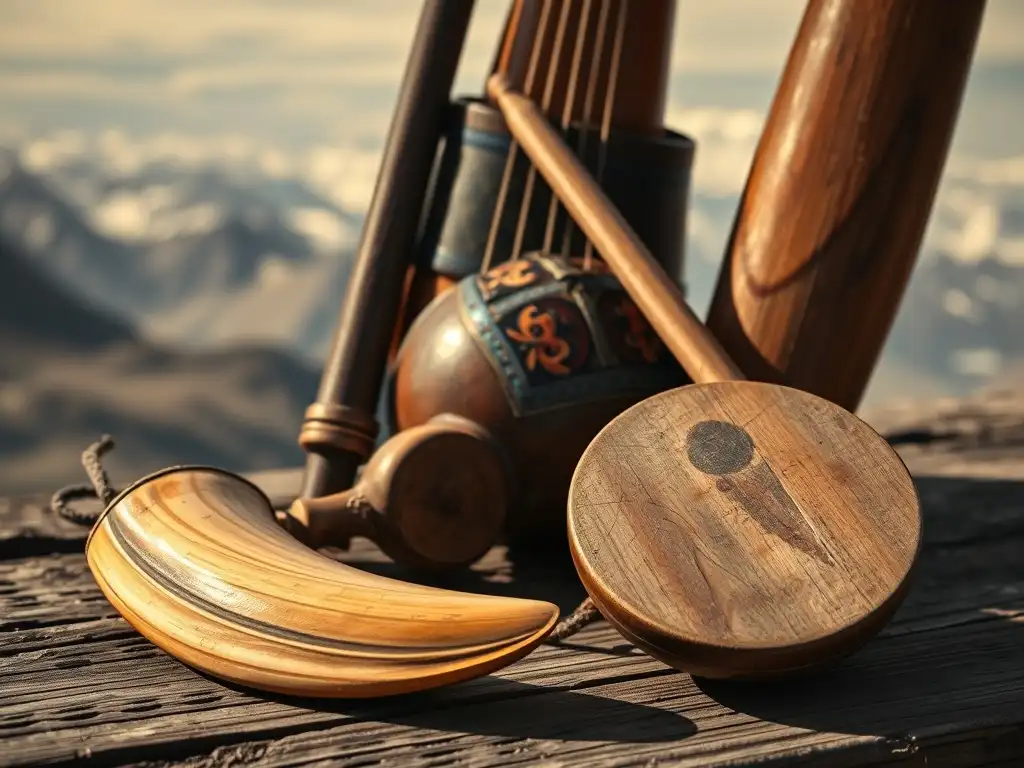
This section delves into the fascinating world of metal musical instruments crafted by various Andean cultures. While many instruments were made from readily available materials like wood, bone, and gourds, the use of metal, particularly gold, silver, and copper alloys, signifies a high level of metallurgical skill and artistic expression, reflecting the sophistication and power of these ancient societies. The presence of metal instruments also underscores their importance in rituals, ceremonies, and everyday life.
Analyzing these instruments provides invaluable insight into the cultural beliefs, social structures, and technological advancements of these ancient Andean civilizations. The strategic use of precious metals further highlights the symbolic value placed upon music and its role in their worldview.
Musical Instruments of the Moche Culture
The Moche civilization (c. 100 – 800 CE), known for its remarkable artistry and advanced metalworking techniques, produced a variety of metal musical instruments. Archaeological evidence suggests the use of tumi ceremonial knives, which, while primarily functional, likely played a role in ritualistic music-making through their striking and resonant qualities. The distinct shape and weight of the tumi would have produced a unique sound when struck against other metal objects or even used as percussion instruments.
Furthermore, while not directly musical instruments, certain metal artifacts, such as finely crafted bells, might have been incorporated into larger musical ensembles. These bells, often intricately decorated, were likely used to accompany dances and ceremonies, adding a rhythmic and melodic element to the performance.
Unfortunately, the specific musical scales or melodies utilized by the Moche remain largely unknown, though the surviving instruments hint at a complex and nuanced musical tradition. The Moche's advanced metalworking capabilities are evident in the precision and detail of these artifacts, suggesting a skilled and specialized artisan class dedicated to crafting these objects.
The Use of Metal Instruments by the Nazca People
The Nazca culture (c. 100 BCE – 800 CE), famous for its enigmatic geoglyphs, also exhibited a sophisticated understanding of metallurgy. While the use of metal in Nazca musical instruments is less extensively documented than in other cultures, evidence suggests the use of small, delicately crafted metal bells and possibly some types of percussion instruments. These were likely made from copper alloys, reflecting their readily available resources. Unlike the Moche’s larger, more elaborate pieces, Nazca metalwork often focused on smaller, more refined items.
This difference might reflect varied cultural preferences or the differing roles of music in their respective societies. Further research is needed to fully understand the scope of metal musical instruments within Nazca culture. More archaeological digs and analysis of existing artifacts could reveal a more complete picture of their musical practices. The scarcity of surviving instruments, however, presents a challenge to researchers.
Metal Musical Traditions of the Tiahuanaco Empire
The Tiahuanaco culture (c. 500 – 1000 CE), a powerful and influential Andean civilization, left behind a legacy of impressive architectural feats and sophisticated metalworking. Their musical traditions, though less well-understood than those of the Incas, likely incorporated metal instruments into their ceremonies and rituals. While specific examples of Tiahuanaco metal musical instruments are rare, the discovery of small, intricately designed metal objects suggests the possibility of bells, rattles, or other percussion instruments.
The use of precious metals, such as gold and silver, in their ceremonial objects indicates the importance placed on these ritualistic practices. The empire's vast reach and influence suggests the possibility of a diverse range of musical styles and instruments across their territory. However, the extent to which metal instruments were utilized remains largely unknown, requiring further investigation and analysis of archaeological findings.
The stylistic similarities between Tiahuanaco metalwork and that of other contemporary Andean cultures could potentially shed light on shared musical practices and the possible exchange of musical ideas and technology across the region. Further research, particularly focused on identifying and analyzing potential musical instruments from Tiahuanaco sites, is crucial to understanding this aspect of their rich cultural heritage.
The Inca Empire: Metal's Role in Imperial Music
The Inca Empire, spanning across the Andes from the 15th to the 16th century, wielded significant power and influence. Their sophisticated metalworking techniques, particularly in gold, silver, and copper, extended beyond ornamentation and into the realm of musical instruments. While the Inca didn't rely on metal instruments to the same extent as some other Andean cultures, their use of metal was symbolic of imperial power and prestige. The scarcity of metal itself made instruments crafted from it highly valued objects, often reserved for elite ceremonies and performances.
One can imagine the grandeur of Inca ceremonies, where the shimmering surfaces of metal instruments reflected the sun, adding an ethereal quality to the already vibrant rituals. While surviving examples are scarce due to the Spanish conquest's destructive impact, historical accounts and archaeological findings hint at the potential role of metal in Inca music. It's likely that metal was incorporated into certain percussion instruments, perhaps as decorative elements on larger wooden drums or as small, resonant bells used in ensembles.
The precise forms and sounds of these instruments remain a subject of ongoing research and scholarly debate, highlighting the need for further archaeological investigation. The limited surviving artifacts and the biased nature of colonial records make it challenging to fully reconstruct the Inca musical landscape.
However, the symbolic weight of metal in Inca society suggests its musical importance was far from negligible. The use of gold and silver, in particular, likely emphasized the divine authority of the Sapa Inca and the sacred nature of the ceremonies themselves.
Further research into Inca iconography and surviving textiles might reveal more clues about the appearance and function of metal musical instruments in their culture. The meticulous detail often depicted in Inca art could hold the key to understanding the soundscapes of their imperial past. Moreover, comparative analysis with other Andean cultures, which employed metal instruments more extensively, might offer valuable insights into the possible designs and uses of metal in Inca musical practice.
The ongoing study of Andean music and metalworking promises to shed more light on this fascinating aspect of Inca imperial culture. The search for more archaeological evidence, combined with advanced analytical techniques, can help us reconstruct a clearer picture of the “sound of metal” within the Inca Empire.
Craftsmanship and Technology in Andean Metal Instrument Making
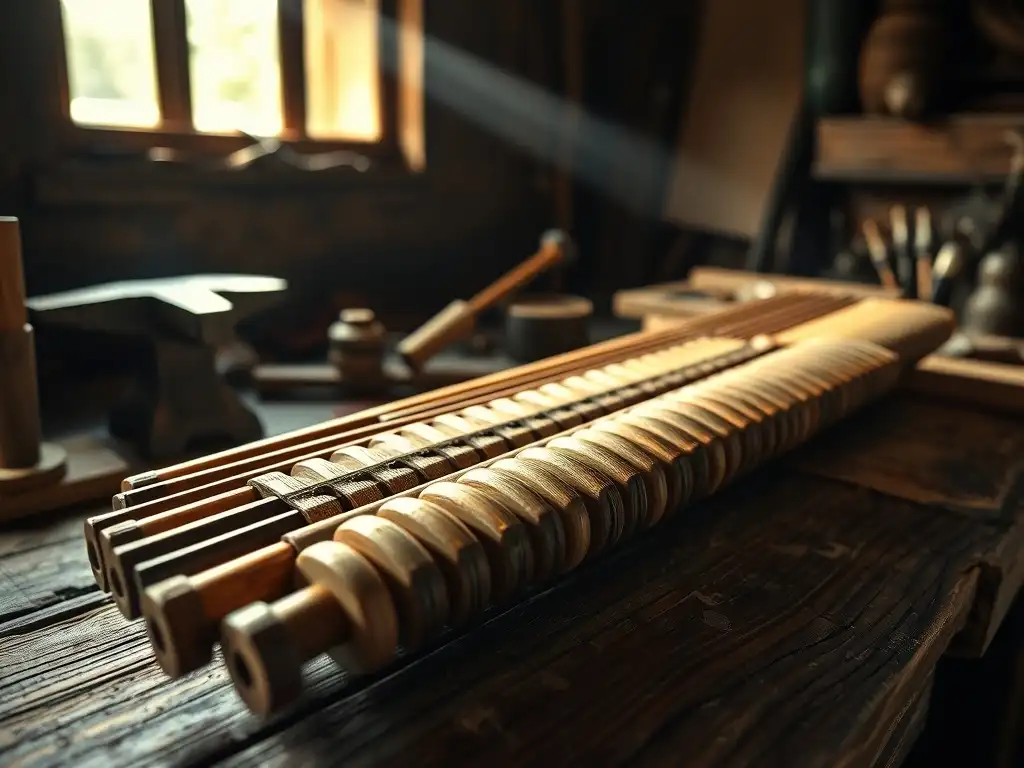
The creation of musical instruments in the ancient Andes wasn't simply a matter of artistic expression; it was a testament to sophisticated metallurgical skills. Ancient Andean musical instruments, often crafted from precious metals like gold, silver, and copper alloys, represent a high point of Andean metalworking technology. The precision, artistry, and technical prowess involved in their production reveal a deep understanding of material properties and advanced manufacturing techniques.
This section will delve into the specific processes involved in creating these remarkable artifacts, highlighting the ingenuity and expertise of Andean artisans. Understanding these techniques provides a deeper appreciation for the cultural significance of these instruments and the civilizations that produced them. The skill involved in creating these instruments extended beyond simple craftsmanship; it was a crucial aspect of their social and religious life.
Mining and Smelting Techniques for Musical Instruments
The journey of an Andean metal instrument began in the earth. Ancient Andean civilizations possessed advanced mining techniques, utilizing tools like stone hammers, chisels, and even rudimentary forms of explosives to extract ores from high-altitude mines. The location of these mines often dictated the types of metals available for instrument making. For example, the abundance of copper in certain regions led to the prevalence of bronze instruments, while access to silver and gold allowed for the creation of more prestigious, often ceremonial, instruments.
Once extracted, the ore underwent a complex smelting process. Archaeological evidence suggests the use of various smelting techniques, including the use of furnaces fueled by charcoal or other readily available materials. The precise temperature control needed for successful smelting required significant knowledge and experience. The resulting metal, often impure, would then undergo further refining to remove impurities and achieve the desired alloy composition.
The creation of specific alloys, such as tumbaga (a gold-copper alloy), required precise control over the proportions of the constituent metals, showcasing a deep understanding of metallurgy. The quality of the resulting metal directly impacted the sound and durability of the final instrument. Improper smelting could lead to brittle instruments prone to cracking or breakage, underscoring the importance of this initial stage.
Shaping and Assembling Metal Instruments
After smelting and refining, the metal was ready for shaping and assembling into musical instruments. A variety of techniques were employed, reflecting the complexity and diversity of Andean musical instruments. These techniques ranged from hammering and annealing (heating and cooling to control hardness) to casting and repoussé (hammering from the back to create three-dimensional forms).
- Hammering and Annealing: This was a common method for shaping sheet metal into instruments like trumpets or bells. The artisan would repeatedly hammer the metal, carefully controlling the force and direction to achieve the desired shape. Annealing cycles were crucial to prevent the metal from becoming too brittle during the hammering process.
- Casting: More complex instruments might have been created using casting techniques. This involved creating a mold, often made of clay or stone, and pouring molten metal into it. Lost-wax casting, a particularly sophisticated technique, allowed for the creation of intricate designs and detailed shapes.
- Repoussé: This technique was frequently used to create detailed surface decorations on instruments. The artisan would hammer the metal from the back, pushing it outwards to create raised designs. This required significant skill and precision to avoid damaging the metal.
The final assembly of the instrument involved joining various components. This might involve soldering or riveting techniques, requiring precise control of heat and pressure. The intricate designs and the seamless joining of parts in many surviving instruments demonstrate the high level of skill and artistry achieved by Andean metalworkers.
The creation of these instruments was not simply a technical process but a highly skilled artistic endeavor, reflecting the deep cultural and spiritual significance placed upon music and sound within these ancient societies. The meticulous detail and the advanced techniques utilized in the creation of these ancient Andean musical instruments highlight the sophisticated craftsmanship of these ancient cultures.
The Symbolism and Cultural Context of Metal Music

The resonant clang of metal instruments wasn't just sound in ancient Andean societies; it was a powerful symbol interwoven with cosmology, ritual, and social hierarchy. The very act of crafting these instruments from precious metals like gold and silver imbued them with significant meaning, reflecting the Andean worldview where the material world mirrored the spiritual. The meticulous craftsmanship, often involving intricate designs and techniques passed down through generations, elevated these instruments beyond mere tools, transforming them into potent objects carrying cultural weight.
Understanding the symbolism requires examining the materials, the techniques, and the context in which they were used. The use of gold, for example, often associated with the sun and its power, imbued instruments with a divine aura. Silver, on the other hand, linked to the moon and water, might suggest different spiritual associations.
The precise iconography incorporated into the instruments – whether geometric patterns, zoomorphic designs, or anthropomorphic figures – further enriched their symbolic meaning, often referencing specific deities or mythological narratives. Analyzing these details provides invaluable insight into the beliefs and values of these ancient cultures. Further research into specific instrument types and their associated iconography is needed to fully understand the nuances of their symbolic language.
Music and Ritual in Ancient Andean Societies
Ancient Andean music played a vital role in religious and social life. Metal instruments, due to their inherent qualities and symbolic value, were central to many rituals. Archaeological evidence suggests that these instruments accompanied ceremonies related to agriculture, fertility, and ancestor veneration.
The powerful sounds produced by trumpets, bells, and other metal instruments were believed to communicate with the supernatural world, invoking deities or appeasing spirits. For example, the use of pututus (long, shell trumpets) during important ceremonies suggests their role in connecting the earthly realm with the celestial. The rhythmic beating of metal objects, like the tinku (a type of ceremonial battle), likely served to synchronize participants and create a powerful communal experience.
The precise nature of these rituals and the specific roles of different instruments are still under investigation, requiring further detailed analysis of archaeological findings and ethnographic parallels from later Andean cultures. The use of metal instruments in rituals was not merely functional; it was an integral part of a complex system of beliefs and practices.
Metal Instruments as Status Symbols
Ownership and mastery of metal instruments in ancient Andean societies were often closely linked to social status and power. The intricate craftsmanship, the use of precious metals, and the specialized knowledge required to create and play these instruments meant that only elite members of society could typically access and utilize them. This exclusivity reinforced social hierarchies and solidified the power of the ruling classes.
The discovery of elaborate metal instruments in elite tombs further supports this interpretation. These instruments were not merely buried with the deceased; they were carefully placed, often alongside other precious artifacts, suggesting their importance as markers of high social standing and power. The size, ornamentation, and type of metal used in the construction of the instrument could all indicate the owner's rank and prestige within the society.
For example, a larger, more intricately decorated gold trumpet would likely indicate a higher status than a smaller, simpler silver one. Further research is needed to quantify the correlation between instrument characteristics and social status with greater precision. [Specific data on instrument size, material, and associated burial contexts pending].
The Legacy of Ancient Andean Metal Music
The legacy of ancient Andean metal music is far-reaching, influencing musical traditions in the Andes to this day. While the precise sounds of these ancient instruments may be lost to time, their influence continues to resonate in contemporary Andean music. The techniques of metalworking, the designs incorporated into the instruments, and even the spiritual associations of certain sounds all persist in modern forms. Many modern Andean instruments share design elements or are crafted using similar techniques to their ancient counterparts.
The continued use of shell trumpets, for example, demonstrates the enduring power of ancient traditions. Studying these ancient instruments offers a unique lens through which to understand the continuity and evolution of Andean musical culture. Understanding this legacy is crucial not only for appreciating the richness of Andean musical history but also for recognizing the enduring power of cultural heritage.
The vibrant sounds of the Andes today echo the reverberations of their metal-crafted ancestors. The study of ancient Andean musical instruments provides a rich tapestry of cultural and artistic understanding, connecting the past with the present in a resounding way. 😊
Conclusion: The Enduring Resonance of Ancient Andean Metal Instruments
The study of ancient Andean musical instruments offers a fascinating glimpse into the sophisticated metalworking techniques and rich cultural expressions of these remarkable civilizations. From the intricate designs of the pututu to the resonant tones of the tinku bells, these artifacts resonate not only with the sounds of the past but also with the enduring spirit of Andean culture.
The meticulous craftsmanship evident in these instruments highlights the advanced metallurgical skills of Andean artisans, who skillfully manipulated metals like gold, silver, copper, and bronze to create instruments that were both functional and aesthetically pleasing. These weren't simply tools for making music; they were integral components of religious ceremonies, social gatherings, and daily life, reflecting the deep integration of music into the fabric of Andean society.
The legacy of these instruments continues to inspire contemporary musicians and artisans, demonstrating the enduring power of cultural heritage. Understanding their creation, use, and significance helps us appreciate the complexity and artistry of ancient Andean civilizations.
Preserving the Musical Heritage of the Andes
The preservation of ancient Andean musical instruments and the knowledge surrounding them is crucial for safeguarding cultural heritage. Many instruments are fragile and susceptible to deterioration, requiring careful conservation efforts. Museums and research institutions play a vital role in preserving these artifacts, employing specialized techniques to protect them from environmental damage and ensuring their long-term survival.
Furthermore, documenting the traditional playing techniques and musical styles associated with these instruments is equally important. Ethnomusicological research, involving collaborations with Andean communities, is essential for capturing the living traditions that connect contemporary music to its ancient roots. This collaborative approach not only preserves knowledge but also empowers local communities to actively participate in the safeguarding of their cultural heritage.
Efforts to digitize information on these instruments, creating accessible online archives and databases, can further facilitate research and dissemination of knowledge. This ensures that future generations can appreciate and learn from the musical legacy of the Andes. The successful preservation of these artifacts relies on a multi-faceted approach combining scientific conservation with community engagement and technological innovation.
Future Research and Discoveries in Andean Musical Archaeology
The field of Andean musical archaeology holds immense potential for future discoveries. Ongoing excavations at archaeological sites across the Andes continue to unearth new instruments and related artifacts, offering exciting opportunities to expand our understanding of ancient Andean musical practices. Technological advancements in materials analysis, such as advanced imaging techniques and isotopic studies, can provide further insights into the production methods, provenance of materials, and the social context of instrument creation.
Comparative studies of different Andean cultures and their musical instruments can illuminate the patterns of cultural exchange and technological diffusion across the region. Furthermore, interdisciplinary research involving archaeologists, ethnomusicologists, metallurgists, and other specialists will be crucial for a holistic understanding of ancient Andean music. By combining archaeological findings with ethnographic data and advanced analytical techniques, researchers can gain a deeper appreciation of the role of music in ancient Andean societies, enriching our understanding of their culture, beliefs, and social structures.
The future of Andean musical archaeology promises exciting discoveries and deeper insights into the rich sonic landscape of the past. The potential for uncovering new instruments and unraveling the mysteries surrounding their use is truly remarkable. 🎶
Frequently Asked Questions
What types of musical instruments were used in ancient Andean cultures?
Ancient Andean cultures utilized a wide variety of instruments, including wind instruments like panpipes (antara) and flutes (pututo), percussion instruments such as drums (tinya) and rattles (sonajas), and string instruments like the charango (a smaller, lute-like instrument).
How did music function in Andean societies?
Music played a vital role in religious ceremonies, agricultural rituals, and social gatherings. It was integral to their daily lives, accompanying important events and expressing cultural identity. Music was deeply intertwined with spirituality.
What materials were used to create these instruments?
Instruments were crafted from naturally available materials. Common materials included wood, bone, shells, gourds, and various metals such as gold and silver, reflecting the available resources and the artistic skills of the cultures.
Are any ancient Andean musical instruments still played today?
Yes, many traditional Andean instruments are still played today, often in modernized forms. Many instruments have survived, and their use continues to connect contemporary Andean communities to their rich heritage.
Where can I learn more about ancient Andean musical instruments?
You can find more information through museums, academic resources, and ethnomusicological studies focused on Andean cultures. Look for materials specifically detailing the Inca, Moche, Nazca, and Tiahuanaco cultures.
Final Reflection: Echoes of the Andes: A Legacy of Sound
The vibrant sounds of ancient Andean musical instruments continue to resonate today, a testament to the enduring power of music to transcend time and connect cultures. Their intricate designs and diverse sonic palettes offer a window into the rich spiritual and social lives of past civilizations, reminding us of the profound role music played in shaping their world. These instruments weren't merely tools for entertainment; they were integral to religious ceremonies, agricultural cycles, and the very fabric of Andean society.
The enduring legacy of Andean music is a powerful reminder of the importance of preserving cultural heritage. The intricate craftsmanship and symbolic meaning embedded within these instruments speak to a deep connection with the land and a sophisticated understanding of sound's ability to evoke emotion and inspire community. Music is the universal language of mankind,
a sentiment that rings particularly true when considering the enduring appeal and cross-cultural relevance of Andean musical traditions. Their influence can still be heard in contemporary Andean music, a living testament to the enduring power of these ancient sounds.
Consider the echoes of these ancient instruments – the haunting melodies of the panpipes, the rhythmic pulse of the drum, the resonant tones of the pututo. You, too, can carry forward this legacy by seeking out and appreciating the music of the Andes, both ancient and modern. Let the sounds transport you to the high altitudes, the vibrant markets, and the ancient ceremonies of this remarkable region. Embrace the opportunity to learn more about this rich cultural heritage, and let the music inspire you to connect with the past and celebrate the enduring power of human creativity.
Unveil the Rhythm of the Ancient Andes!
Thank you for exploring the fascinating world of ancient Andean musical instruments! We hope you've discovered the deep significance and rich history behind these remarkable artifacts. Now, let's bring the vibrant rhythms of the Andes into your life!
- Explore a local music store or even try your hand at crafting your own Andean instrument. A simple pan flute or hand drum is a great starting point!
- Join a community group dedicated to Andean music—either online or in person—to further your understanding and appreciation.
- Share your newfound knowledge of ancient Andean culture with friends on social media; spread the joy!
Which Andean instruments or sounds resonate most with you, and how might they inspire your own creativity?