
The Puzzle of PreInca Irrigation: Deciphering Lost Technologies

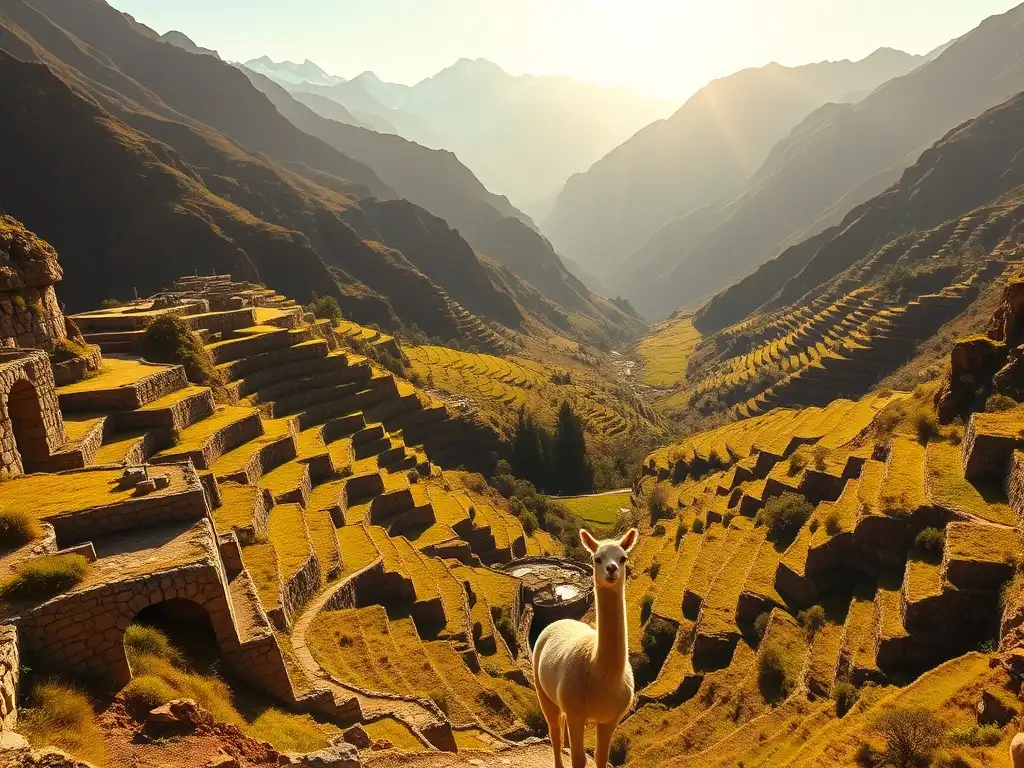
Unravel the mysteries of a lost world. For centuries, the Andes Mountains have held secrets within their towering peaks. Now, delve into the remarkable ingenuity of the Andean civilizations, and uncover the astonishing advancements in their engineering. Our exploration begins with the enigmatic PreInca irrigation systems, technologies far ahead of their time. Prepare to be amazed as we decipher the clues left behind, revealing the brilliance of these ancient cultures and their mastery of water control. Are you ready to solve the puzzle?
The ingenuity of the Andean civilizations in harnessing water resources is a testament to their advanced understanding of engineering and their profound connection to their environment. While the Inca Empire's sophisticated irrigation systems are well-documented, the preceding centuries saw the development of equally impressive, yet often less understood, pre-Inca irrigation technologies.
This article delves into the fascinating puzzle of pre-Inca irrigation systems, exploring the diverse techniques employed across various Andean cultures, the challenges they faced, and the lasting legacy of their water management innovations. We'll examine the evidence, analyze the methods, and uncover the secrets behind these remarkable feats of ancient engineering, revealing how these systems shaped the social, economic, and political landscapes of the pre-Inca Andes.
Understanding these pre-Inca irrigation systems is crucial to a complete appreciation of Andean achievements and provides valuable insights into sustainable water management strategies relevant even today. The keyword "PreInca irrigation systems" will be explored through various lenses, examining the diverse techniques and their impact on Andean societies.
The Diverse Landscapes and Irrigation Challenges of the Andes
The Andes Mountains present a formidable challenge for agriculture. Steep slopes, variable rainfall patterns, and high altitudes create diverse microclimates, demanding regionally specific solutions for water management. Pre-Inca communities, from the coastal deserts to the high-altitude valleys, developed ingenious irrigation techniques tailored to their unique environments. These ranged from simple canals diverting water from rivers and streams to complex systems of aqueducts, reservoirs, and underground channels.
The scale and sophistication of these systems varied considerably depending on factors such as population density, available resources, and the specific topographical features of the region. For instance, the Nazca culture, renowned for its geoglyphs, also mastered sophisticated techniques for capturing and distributing scarce water resources in their arid coastal environment, a feat particularly impressive given the scarcity of surface water. Understanding these variations is key to appreciating the ingenuity and adaptability of pre-Inca water management.
Canals, Aqueducts, and Reservoirs: The Building Blocks of Pre-Inca Irrigation
Pre-Inca irrigation systems were not monolithic; they comprised a variety of interconnected components working in concert. Canals, often carved into hillsides or constructed from stone, were the primary means of transporting water from sources to fields. Aqueducts, some spanning significant distances and incorporating impressive feats of engineering such as siphons and tunnels, were used to overcome topographic obstacles.
Reservoirs, both large and small, played a vital role in storing water during the rainy season for use during drier periods. The construction of these structures required a significant level of labor organization and technical skill, reflecting the advanced social and political organization of these societies. The precise methods of construction, including the tools and materials used, remain areas of ongoing research, but evidence suggests a remarkable understanding of hydraulic principles and construction techniques.
Technological Innovation and Societal Impact of Pre-Inca Irrigation
The development and maintenance of these complex irrigation systems had a profound impact on Andean societies. Reliable water supplies enabled increased agricultural productivity, supporting larger and denser populations and fostering the growth of complex social structures. Irrigation projects often required collective effort, promoting cooperation and social cohesion within communities. The control and distribution of water resources also played a significant role in the political and economic organization of pre-Inca societies, with access to water often linked to power and social status. Furthermore, the innovations in water management spurred advancements in other areas, such as ceramics (for water storage) and metallurgy (for tools). The legacy of these pre-Inca irrigation systems extends far beyond their physical remains, shaping the cultural and societal landscape of the Andes for centuries to come. The sophisticated understanding of hydrology and engineering demonstrated by these systems is a testament to the remarkable achievements of these ancient civilizations.
Uncovering the Mysteries: Ongoing Research and Future Directions
Despite significant progress in understanding pre-Inca irrigation systems, much remains unknown. Ongoing research utilizes a variety of methods, including archaeological excavation, remote sensing, and ethnohistorical studies, to uncover new insights. Further research is needed to fully understand the social and environmental contexts in which these systems were developed and maintained.
This includes investigating the role of water in religious beliefs and practices, as well as the long-term effects of irrigation on the environment. By combining archaeological data with advanced technologies and interdisciplinary approaches, we can continue to unravel the mysteries of pre-Inca irrigation and gain a deeper appreciation for the ingenuity and resilience of these remarkable civilizations. The ongoing study of "PreInca irrigation systems" promises to reveal even more about the remarkable achievements of these ancient Andean engineers.
- The Diverse Landscapes and Irrigation Challenges of the Andes
- Canals, Aqueducts, and Reservoirs: The Building Blocks of Pre-Inca Irrigation
- Technological Innovation and Societal Impact of Pre-Inca Irrigation
- Uncovering the Mysteries: Ongoing Research and Future Directions
- What were PreInca irrigation systems like?
- How did PreInca civilizations manage to build such impressive irrigation systems?
- What crops did PreInca irrigation systems support?
- How did PreInca irrigation impact the development of Andean societies?
- How advanced were PreInca irrigation technologies compared to other ancient civilizations?
Understanding PreInca Agricultural Practices
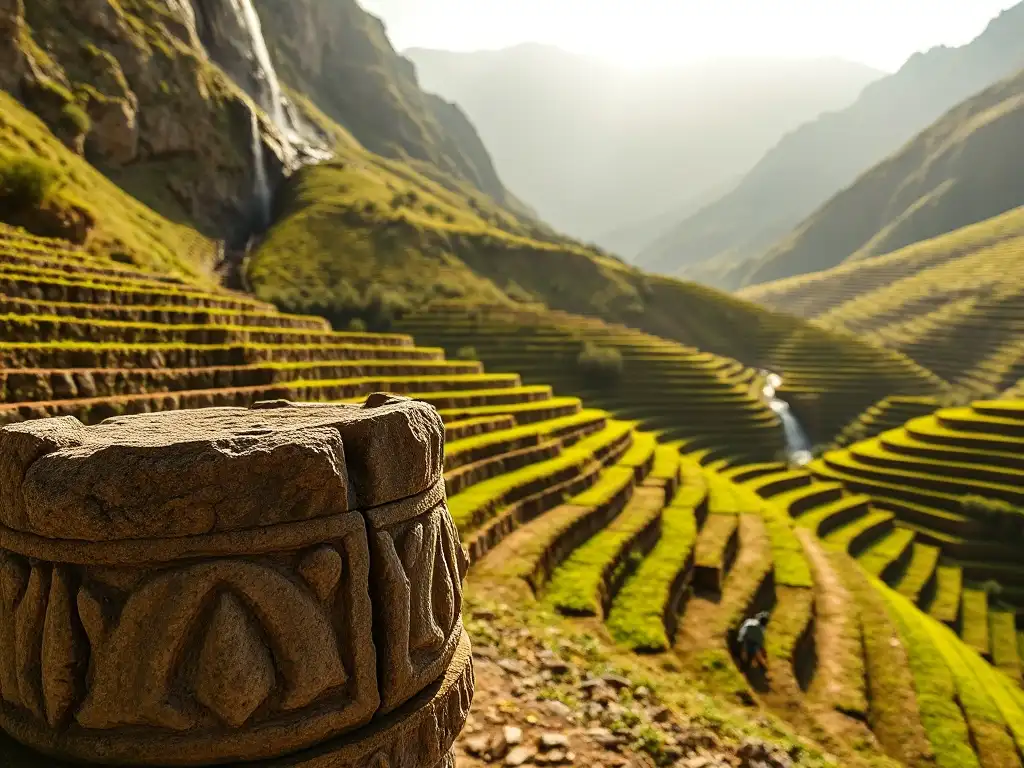
This section delves into the sophisticated agricultural strategies employed by pre-Inca Andean societies, focusing on their ingenious irrigation systems. These weren't simply rudimentary canals; they represented a profound understanding of hydrology, engineering, and the delicate balance needed to thrive in a challenging environment. The success of these civilizations hinged on their ability to harness and manage water resources effectively, a testament to their advanced knowledge and adaptability.
Understanding their methods provides crucial insights into the ingenuity of these remarkable cultures and their lasting impact on the Andes. The development of effective PreInca irrigation systems was paramount to their survival and prosperity.
The Importance of Water Management in Andean Cultures
Water, or rather, the lack of readily available water, was the primary challenge facing Andean societies. The mountainous terrain, characterized by steep slopes and variable rainfall patterns, demanded innovative solutions for agricultural production. The high altitude and arid conditions in many regions meant that survival depended on efficient water management. Pre-Inca cultures developed a deep understanding of their environment, recognizing the crucial role of water in sustaining their populations and ensuring food security.
This understanding permeated every aspect of their societal structure, from their religious beliefs to their social organization. They weren't just building irrigation systems; they were building the foundation of their civilizations. Evidence suggests that intricate water management systems were deeply intertwined with their spiritual beliefs, with sacred sites often located near or integrated into irrigation infrastructure. This connection highlights the profound importance of water in their worldview.
Early Andean Societies and their Dependence on Irrigation
The various pre-Inca societies – including the Nazca, Moche, and Tiahuanaco – each developed unique but equally impressive irrigation techniques adapted to their specific environments. The Nazca, renowned for their geoglyphs, also constructed extensive underground canals ( puquios) to tap into groundwater resources, demonstrating an advanced understanding of hydrology and subterranean water flows. These systems allowed them to cultivate crops in otherwise arid coastal regions.
Similarly, the Moche, known for their elaborate ceramics and monumental architecture, built complex canal networks that channeled water from rivers and streams to their agricultural fields, often utilizing sophisticated techniques like terracing to maximize land use and water retention. The Tiahuanaco, located on the Altiplano, developed impressive raised field systems, creating artificial islands in shallow lakes to enhance agricultural productivity. These systems not only provided irrigation but also improved soil fertility and drainage.
The precise methods and engineering feats involved in these systems remain a subject of ongoing research, revealing ever more about the technological prowess of these early Andean cultures. Further study is needed to fully understand the nuances of each society's approach to PreInca irrigation systems, but the evidence clearly points to a remarkable level of sophistication and innovation. The scale and complexity of these projects underscore the collaborative efforts and organized societies that were required to successfully implement them.
Exploring the Diverse PreInca Irrigation Systems
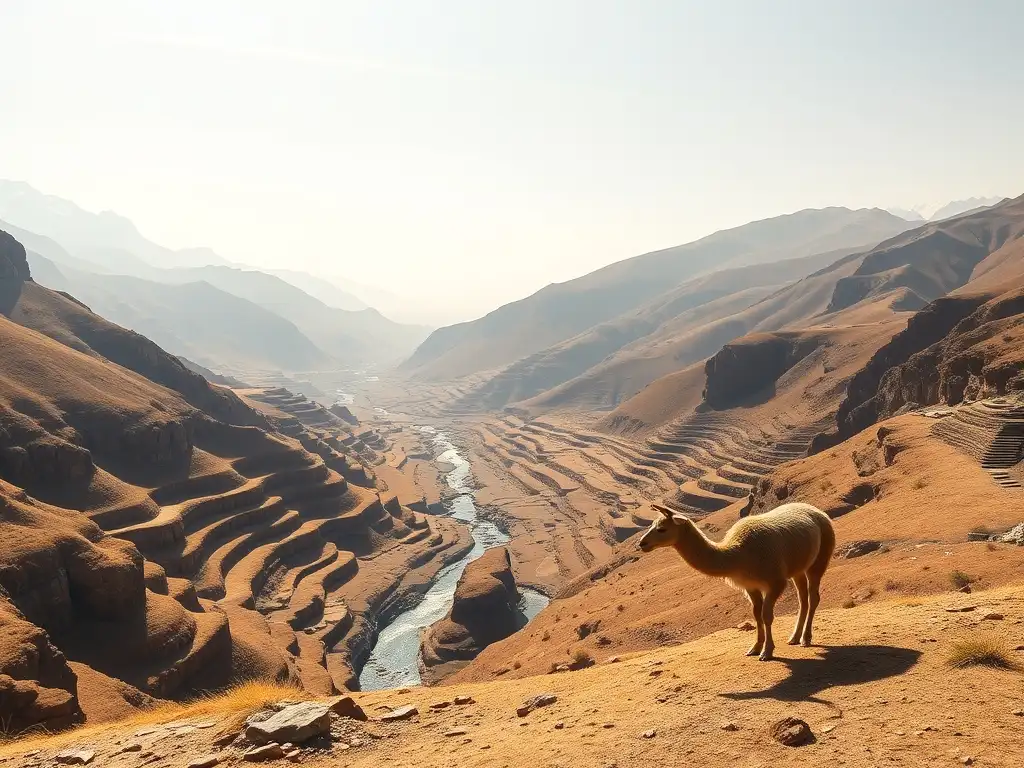
This section delves into the remarkable ingenuity of PreInca civilizations in harnessing water resources for agriculture, a feat crucial for their survival and societal development. Understanding their sophisticated irrigation systems provides invaluable insight into their advanced engineering skills and profound understanding of their environment. The term "PreInca irrigation systems" encompasses a wide variety of techniques, reflecting the diverse geographical conditions and cultural practices across the Andes.
These systems weren't merely functional; they were integral to the social, economic, and spiritual fabric of these societies. The effectiveness of these systems, even in challenging terrains, highlights the remarkable adaptability and resourcefulness of these ancient Andean communities. We will explore key aspects of their water management strategies below.
The Ingenuity of Early Canal Systems
Early PreInca canal systems represent a foundational achievement in Andean water management. These weren't simply ditches; they were carefully planned and constructed networks, often utilizing sophisticated techniques to overcome significant topographical challenges. Evidence suggests that some canal systems were built centuries before the Inca Empire, showcasing a long history of technological innovation in water control. The Nazca civilization, renowned for their geoglyphs, also developed impressive canal systems, some of which are still visible today.
These canals, often lined with stones or clay to prevent water leakage, demonstrate a high level of engineering expertise. The precise methods of construction remain a subject of ongoing research, but analysis of existing structures suggests a combination of digging, stonework, and possibly even rudimentary terracing to manage gradients. The success of these systems is evidenced by the flourishing agriculture they supported, contributing significantly to the population density and societal complexity of these early Andean cultures.
The intricate network of canals, meticulously planned to distribute water efficiently across diverse terrains, represents a testament to the profound understanding of hydrology possessed by these ancient engineers. Furthermore, the longevity of some of these systems – with some still functioning in modified forms – speaks to their durability and effective design. The careful selection of materials and construction techniques ensured the canals’ resilience against the harsh Andean climate.
Terracing Techniques and Water Conservation
PreInca civilizations mastered the art of terracing, transforming steep slopes into cultivatable land. This wasn't just about increasing arable land; it was a crucial element of their water management strategy. Terraces acted as miniature reservoirs, slowing down the flow of water and allowing it to seep into the soil. This dramatically reduced runoff, maximizing water infiltration and minimizing erosion.
The construction of terraces involved significant labor, reflecting the importance placed on agriculture within these societies. Different types of terraces were employed, adapting to varying slopes and soil conditions. Some terraces were built using retaining walls made of stone or compacted earth, while others utilized less intensive methods depending on the terrain. The careful planning and execution of terracing systems showcase a deep understanding of both hydrology and soil science.
Moreover, the integration of irrigation canals within the terraced fields further enhanced water efficiency. This sophisticated approach to water management allowed these communities to cultivate diverse crops, ensuring food security even in challenging environments. The scale and complexity of some terraced landscapes remain awe-inspiring, highlighting the organizational capabilities and sophisticated engineering knowledge of these ancient Andean communities. The enduring legacy of these terraces is evident in the landscapes across the Andes, many of which continue to be utilized for agriculture today.
Advanced Aqueducts and Water Distribution Networks
Beyond canals and terracing, some PreInca cultures developed sophisticated aqueducts and water distribution networks. These systems often involved channeling water over significant distances, requiring advanced surveying and engineering skills. The Tiahuanaco culture, for example, is known for its intricate water management systems, including aqueducts that transported water across considerable distances.
These structures often incorporated ingenious techniques to manage water pressure and flow, showcasing a sophisticated understanding of hydraulics. While the exact methods of construction remain partially unknown, [Specific information pending on the materials and tools used in Tiahuanaco aqueducts], the surviving remnants provide compelling evidence of their advanced engineering capabilities. The precision and scale of these projects highlight the importance of organized labor and centralized planning within these societies.
The aqueducts weren’t just about transporting water; they were integral parts of a broader system that included reservoirs, canals, and distribution channels, demonstrating a comprehensive approach to water management. This integrated approach ensured a reliable and efficient supply of water for agriculture and domestic use, contributing significantly to the prosperity and stability of these ancient Andean civilizations. The ingenuity of these systems continues to inspire modern engineers and highlights the enduring legacy of PreInca water management techniques.
Key PreInca Civilizations and their Irrigation Legacy
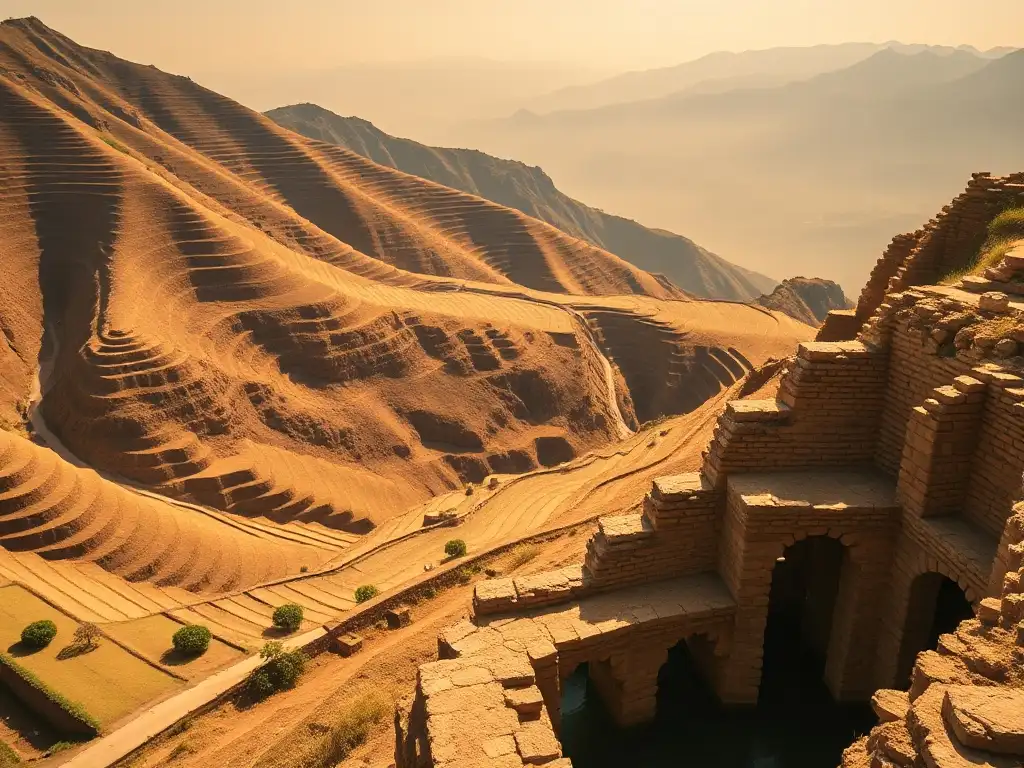
This section delves into the remarkable irrigation achievements of several pre-Inca Andean civilizations, highlighting their unique approaches to water management and the lasting impact on their societies. Understanding these diverse techniques provides crucial insights into the ingenuity and adaptability of these cultures in harnessing scarce water resources in challenging terrains. The sophisticated systems they developed were essential for their agricultural success and societal stability, demonstrating a deep understanding of hydrology and engineering principles centuries ahead of their time.
The legacy of these pre-Inca irrigation systems continues to fascinate and inspire modern-day researchers and engineers. Analyzing these systems helps us understand the complexities of pre-Inca societies and their remarkable accomplishments in water management. Furthermore, studying their successes and failures offers valuable lessons for sustainable water resource management in the modern world, particularly in arid and semi-arid regions.
The Moche and their Sophisticated Canal Networks
The Moche civilization (circa 100-800 CE), known for its elaborate pottery and monumental architecture, also possessed a highly advanced understanding of irrigation. Their success was largely attributed to a complex network of canals that channeled water from rivers and streams to irrigate extensive agricultural lands along the arid northern coast of Peru. These canals, often carved into hillsides and engineered to navigate challenging topography, were meticulously maintained and displayed a remarkable understanding of hydraulic engineering.
Evidence suggests the Moche employed sophisticated techniques such as canal lining to minimize water loss through seepage, maximizing the efficiency of their systems. The scale of their canal networks, some stretching for kilometers, is a testament to their organizational capabilities and the importance of agriculture to their society.
The Moche's mastery of PreInca irrigation systems allowed them to cultivate fertile valleys, supporting a dense population and a complex social structure. Archaeological excavations continue to uncover new details about the complexity and sophistication of their irrigation infrastructure.
Nazca Water Management and Underground Aquifers
The Nazca civilization (circa 100 BCE – 800 CE), famed for their enigmatic geoglyphs, faced an even more severe challenge in terms of water scarcity. Unlike the Moche, who relied primarily on surface water, the Nazca developed ingenious methods to access underground water sources. They constructed extensive networks of puquios, which are underground channels and shafts that tapped into aquifers, bringing water to the surface for irrigation.
These systems were incredibly complex, involving intricate engineering and a deep understanding of the region's hydrology. The construction of puquios required significant labor and planning, demonstrating a high level of social organization and collective effort. The Nazca's ingenuity in tapping into underground water resources allowed them to thrive in one of the driest regions of the Andes, showcasing their remarkable adaptability and resilience.
Their mastery of this form of PreInca irrigation systems highlights their sophisticated understanding of water resources and their capacity for large-scale engineering projects. Analysis of these systems continues to reveal the remarkable sophistication of Nazca engineering.
Tiwanaku Engineering and Raised Field Agriculture
The Tiwanaku civilization (circa 300-1100 CE), located on the shores of Lake Titicaca, employed a different approach to water management. They developed a unique agricultural technique known as raised field agriculture, which involved constructing artificial islands of fertile soil within wetlands. These raised fields, often arranged in intricate patterns, provided better drainage and aeration, allowing for increased agricultural productivity even in waterlogged areas.
This system also helped regulate water levels, protecting crops from flooding and drought. The construction of raised fields required a deep understanding of soil properties and water dynamics, demonstrating a high level of agricultural knowledge. The scale of the Tiwanaku's raised field systems is impressive, covering vast areas and supporting a large population.
The sophisticated PreInca irrigation systems employed by the Tiwanaku show a profound understanding of the relationship between water, soil, and agriculture. The legacy of their agricultural techniques continues to be studied and applied in modern agricultural practices in the region. The ingenuity of the Tiwanaku in adapting to the unique environment of Lake Titicaca is a testament to their remarkable adaptability and advanced understanding of sustainable water management.
Other Significant PreInca Irrigation Techniques
Beyond the monumental canal systems of the Nazca and the sophisticated terraces of the Incas' predecessors, other Andean cultures developed ingenious irrigation solutions tailored to their specific environments. These techniques, often less visually striking than large-scale canal networks, were equally vital to their agricultural success and reveal a deep understanding of water management.
For instance, the Moche civilization, known for their elaborate ceramics and metalwork, also employed a complex system of check dams and small-scale canals to manage water flow in the arid valleys of northern Peru. These smaller-scale systems were crucial for irrigating smaller plots of land and adapting to the variable water availability in their region.
Their mastery of water control is evident in the intricate network of channels and reservoirs discovered at archaeological sites like Huaca de la Luna and Huaca del Sol. The precise construction and maintenance of these systems demonstrate a sophisticated understanding of hydraulic engineering, enabling the Moche to cultivate diverse crops in a challenging climate.
The Tiahuanaco culture, flourishing in the Altiplano region, faced unique challenges in managing water resources at high altitudes. Their ingenuity is reflected in their use of raised fields or waru waru, a system of artificially raised agricultural plots separated by channels filled with water. These channels served multiple purposes: they provided irrigation water to the raised fields, helped regulate soil temperature, and functioned as a reservoir for water storage, mitigating the effects of both drought and frost.
The effectiveness of this system is particularly remarkable considering the limited water resources available at high altitudes and the harsh climatic conditions. Recent research suggests that the waru waru system may have also played a significant role in improving soil fertility and enhancing crop yields, showcasing a holistic approach to water management and agricultural sustainability.
Archaeological evidence suggests that these intricate systems were highly effective in supporting a large population. The precise alignment of the fields and channels implies a deep understanding of hydrology and topography.
Furthermore, many smaller, less documented cultures across the Andes developed their own unique irrigation strategies. These often involved techniques like terracing on slopes, diversion channels to capture runoff from hillsides, and the construction of small reservoirs for water storage. While the scale might have been smaller than the Nazca lines or the Inca terraces, the cumulative impact of these localized systems was significant in supporting agricultural production across diverse Andean environments.
Unfortunately, many of these smaller-scale systems are less visible today, often obscured by erosion or later agricultural practices. Further research is needed to fully understand the diversity and sophistication of these PreInca irrigation technologies. The study of these localized systems could reveal crucial insights into the adaptability and resilience of Andean societies in the face of environmental challenges and the ingenuity of the human spirit in harnessing nature's resources.
Deciphering the Technologies Behind PreInca Irrigation
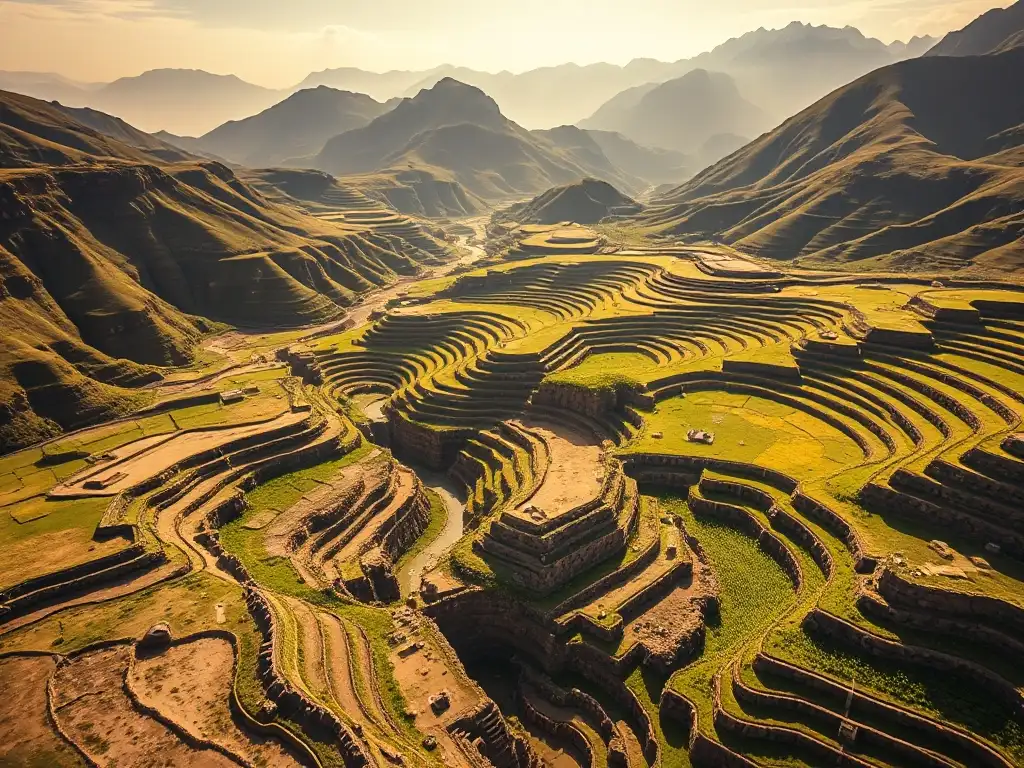
This section delves into the sophisticated engineering and societal structures that underpinned the remarkable PreInca irrigation systems of the Andes. These weren't simply ditches dug in the earth; they represented a complex interplay of material science, hydraulic understanding, and social organization, all adapted to the challenging Andean environment. Understanding these systems provides crucial insights into the ingenuity and resourcefulness of these ancient cultures.
The mastery of water control was essential for their survival and prosperity, shaping their agricultural practices, urban development, and overall societal structure. The scale and complexity of some of these projects are truly astounding, particularly when considering the tools and technologies available at the time.
Materials and Construction Methods Used
PreInca irrigation systems demonstrate remarkable adaptability to the diverse Andean landscape. The choice of materials and construction techniques varied considerably depending on the specific environment and the scale of the project. Common materials included:
- Stone: Large stones were used for canals in more mountainous regions, providing durability and resistance to erosion. Smaller stones and pebbles were used for lining and reinforcing channels. The precise fitting of stones in some canal sections showcases remarkable craftsmanship. Evidence suggests the use of both dry-stone construction (without mortar) and, in some cases, mud mortar to bind stones together, enhancing stability and watertightness.
- Earth and Clay: In less rocky areas, canals were often dug directly into the earth, with the sides reinforced using compacted earth and clay. This technique was particularly effective in areas with readily available clay soils. The careful layering and compaction of earth were crucial to preventing erosion and leaks. Sometimes, a lining of clay was added to improve the water-holding capacity of the canals.
- Wood: While less common than stone and earth, wood played a role in some irrigation systems. Wooden beams might have been used for supporting structures or for temporary channels. The availability of specific types of wood varied greatly across the Andes, influencing the design and construction of the irrigation systems.
The construction methods employed were labor-intensive, requiring significant community involvement. Evidence suggests the use of simple tools such as picks, shovels, and baskets for excavation and earth moving. The precision and scale of some projects highlight the advanced organizational capabilities of PreInca societies. For example, the Nazca's extensive canal network required sophisticated surveying techniques to ensure a consistent gradient across long distances. Further research is needed to fully understand the specific techniques used to ensure the longevity and efficiency of these systems.
Understanding Hydraulic Principles Applied
PreInca engineers possessed a deep understanding of hydraulic principles, despite lacking modern scientific tools. Their systems demonstrate an impressive grasp of:
- Gravity: The canals were carefully graded to utilize gravity to move water from higher elevations to lower-lying fields. This required precise surveying and engineering to maintain a consistent slope, minimizing erosion and maximizing flow efficiency. The ingenuity lies in their ability to manage water flow across varied terrains.
- Water Control Structures: These systems incorporated various structures to control water flow, including weirs, diversion channels, and spillways. These structures allowed for the regulation of water distribution to different fields and prevented flooding or damage to the canals. The design of these structures varied depending on the local conditions and the specific needs of the agricultural areas they served.
- Water Storage: In addition to canals, some PreInca societies built reservoirs and storage tanks to collect and store water during periods of heavy rainfall or snowmelt. These structures often incorporated advanced techniques to minimize water loss through evaporation or seepage. This aspect of water management is crucial to understanding their adaptation to arid climates.
The sophisticated understanding of hydraulics is evident in the design and construction of these systems. They were not merely haphazardly dug channels; they were carefully planned and executed engineering feats, reflecting a remarkable level of knowledge and expertise in water management. Further analysis of the surviving structures is needed to fully understand the mathematical and engineering principles underlying their design.
The construction and maintenance of PreInca irrigation systems were not the work of individual efforts; they required extensive collective action and sophisticated social organization. The scale of these projects indicates a high degree of social cohesion and centralized planning. Several aspects highlight the societal implications:
- Community Labor: The construction and maintenance of these extensive networks required substantial community labor. Evidence suggests a system of communal work, possibly involving a form of reciprocal labor exchange or corvée labor, where individuals contributed their time and effort to benefit the entire community.
- Leadership and Organization: The successful execution of these complex projects necessitated strong leadership and organizational structures. Specialized roles likely existed, including surveyors, engineers, and overseers, responsible for planning, construction, and maintenance. Further research is needed to understand the social hierarchy and organizational structures involved in these projects.
- Water Rights and Distribution: The equitable distribution of water was critical to maintain social harmony. Systems of water rights and allocation likely existed, ensuring fair access to water resources for all members of the community. Understanding these systems is crucial to grasping the social dynamics and power structures within PreInca societies. The potential for conflict over water resources and the mechanisms for conflict resolution deserve further investigation.
The intricate relationship between social organization, technology, and environmental adaptation in PreInca irrigation systems offers valuable insights into the complexity and resilience of these ancient societies. Their success in managing water resources was crucial to their prosperity and survival in the challenging Andean environment. The study of these systems provides a compelling case study in ancient water management, highlighting the deep understanding of both engineering and social dynamics that characterized these cultures.
The Impact of PreInca Irrigation on Andean Society
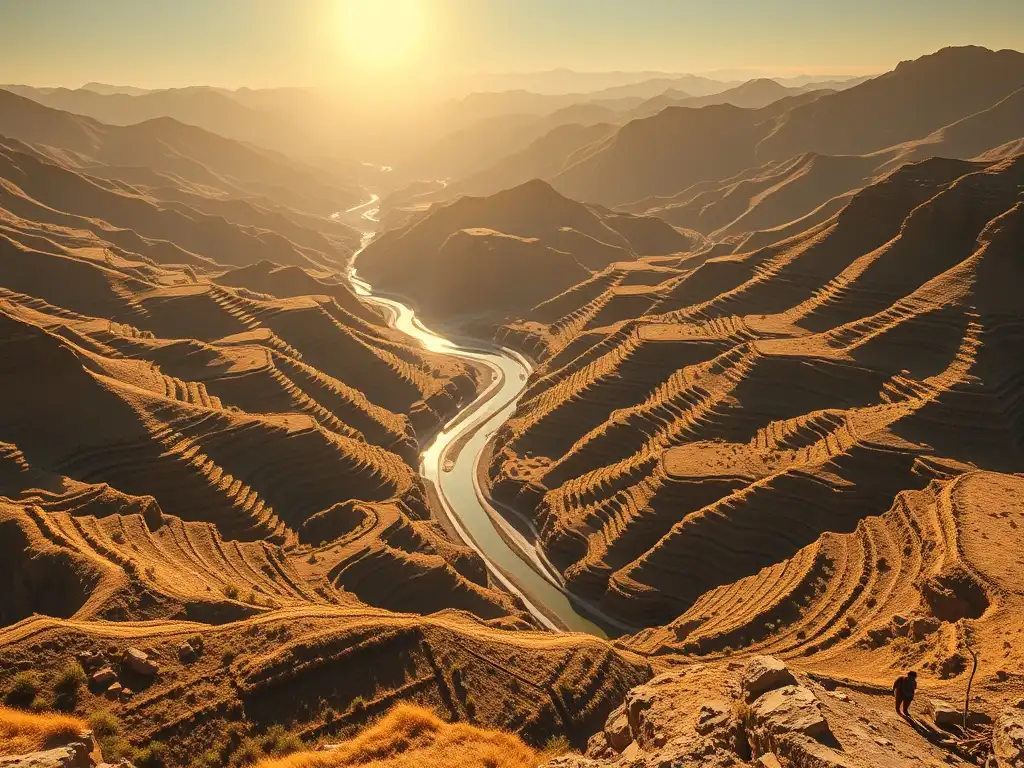
Pre-Inca irrigation systems profoundly shaped Andean societies, leaving an indelible mark on their agricultural practices, social structures, and political landscapes. The ingenuity and scale of these water management techniques facilitated unprecedented population growth and societal complexity, paving the way for the later Inca Empire. Understanding the impact of these systems is crucial to appreciating the sophistication of these ancient civilizations and their lasting contributions.
Agricultural Productivity and Population Growth
The development of sophisticated pre-Inca irrigation systems directly correlated with increased agricultural productivity and, consequently, population growth. Before these systems, Andean agriculture relied heavily on unpredictable rainfall, limiting crop yields and restricting population density. The ability to control water resources through canals, aqueducts, and reservoirs dramatically changed this.
Evidence suggests a significant increase in cultivated land and crop diversity following the implementation of these irrigation networks. For example, the Nazca culture, renowned for its intricate geoglyphs, also developed extensive canal systems that allowed them to cultivate crops in the arid coastal regions, supporting a larger population than would have been possible through rain-fed agriculture alone. This surplus in food production not only sustained a growing population but also allowed for specialization of labor and the development of complex social structures.
Analysis of archaeological sites reveals a marked increase in settlement size and density in areas with well-developed irrigation systems, directly demonstrating the link between water management and population growth. The availability of surplus food also allowed for the emergence of specialized craftspeople and elites, further contributing to the complexity of Andean societies. This is evidenced by the increased production of elaborate textiles, ceramics, and metalwork found in these sites.
Pre-Inca irrigation systems were not merely technological achievements; they were also integral to the social and political fabric of Andean societies. The construction and maintenance of these complex systems required substantial collective effort, fostering cooperation and social organization on a large scale. Control over water resources often translated into political power, with elites and ruling classes wielding significant influence over the distribution and allocation of water.
This control was not simply about access to resources; it also served as a mechanism for consolidating power and maintaining social order. Archaeological evidence points to the existence of specialized labor forces dedicated to maintaining the irrigation systems, suggesting a hierarchical social structure where authority and control over water were closely linked to political dominance. The management of irrigation systems, therefore, became a crucial aspect of political and economic power, influencing social stratification and shaping the dynamics of Andean societies.
The scale and complexity of these projects also suggest sophisticated systems of governance and organization, capable of mobilizing large numbers of people for extended periods. This is reflected in the intricate design and precise engineering of many of these systems.
The Legacy of PreInca Irrigation for Modern Agriculture
The legacy of pre-Inca irrigation systems continues to resonate in modern Andean agriculture. Many of the techniques and principles employed by these ancient civilizations are still relevant today, particularly in adapting to the challenges of water scarcity in the region. The ingenuity of the pre-Inca engineers in harnessing water resources in challenging terrains provides valuable lessons for contemporary water management practices.
Their understanding of hydraulics, soil conservation, and water distribution remains a source of inspiration for sustainable agricultural practices. Modern agricultural projects in the Andes often incorporate elements of traditional irrigation techniques, reflecting the enduring relevance of this ancient knowledge. Furthermore, the study of pre-Inca irrigation systems offers valuable insights for developing sustainable water management strategies in arid and semi-arid regions worldwide.
The lessons learned from these ancient civilizations can inform the design and implementation of modern irrigation projects, promoting efficient water use and ensuring food security in water-stressed environments. The preservation and study of these systems is therefore not only an important aspect of understanding the past but also holds valuable implications for addressing contemporary challenges.
Challenges in Studying PreInca Water Systems
Understanding PreInca irrigation systems presents significant hurdles for researchers. The passage of centuries, coupled with the often harsh Andean environment, has resulted in considerable degradation of these ancient marvels. This section delves into the key challenges faced in piecing together the puzzle of these sophisticated water management techniques, focusing on the limitations imposed by the physical state of the sites and the inherent difficulties in reconstructing past practices.
The sheer scale and complexity of some of these systems further complicate the task, requiring multidisciplinary approaches and advanced technologies to fully unravel their secrets. Effective analysis of PreInca irrigation systems necessitates a robust understanding of these challenges, paving the way for more accurate interpretations and a deeper appreciation of the ingenuity of these ancient Andean engineers.
Preservation and Archaeological Research
The primary challenge in studying PreInca irrigation systems lies in their poor preservation. Centuries of erosion, agricultural activity, and urban development have severely damaged or completely obliterated many canals, aqueducts, and other water infrastructure. Archaeological excavation is often hampered by the fragility of the remaining structures; the materials used – often mud brick, stone, and earth – are susceptible to weathering and collapse.
Furthermore, the often remote and challenging terrain of the Andes adds logistical difficulties to fieldwork. Detailed mapping and surveying using techniques such as LiDAR (Light Detection and Ranging) and GIS (Geographic Information Systems) are crucial, but even these advanced tools struggle with the dense vegetation and uneven topography frequently encountered. The lack of written records further complicates matters, forcing researchers to rely heavily on indirect evidence such as soil analysis, plant remains, and the analysis of the surviving physical structures themselves.
This reliance on indirect evidence makes drawing definitive conclusions about the design, function, and extent of these systems a complex and painstaking process. For example, determining the precise routes of ancient canals often requires extensive ground-penetrating radar surveys and careful stratigraphic analysis.
Reconstructing Ancient Irrigation Practices
Reconstructing the actual practices surrounding PreInca irrigation is equally challenging. While we can observe the remnants of the infrastructure, understanding how these systems were managed, maintained, and adapted to changing climatic conditions requires careful interpretation of limited data. We know that these societies developed sophisticated techniques, including the construction of reservoirs, terraces, and intricate canal networks.
But precisely how these elements interacted, how water was allocated, and the social structures that governed water use remain largely unknown. Ethnoarchaeological studies, which examine the irrigation practices of contemporary Andean communities, can offer valuable insights. However, direct comparisons must be made cautiously, acknowledging the significant cultural and technological differences between ancient and modern practices.
Moreover, the scale of some PreInca irrigation projects, such as those associated with the Nazca lines, suggests a level of social organization and engineering expertise that surpasses anything seen in smaller, more localized systems. Understanding the logistics of managing such large-scale projects, including labor mobilization and resource allocation, is a major area of ongoing research. The development of computer models and simulations can help to test hypotheses about water flow, distribution, and the overall efficiency of these ancient systems.
The Ongoing Research and Discoveries
Despite these challenges, ongoing research continues to shed light on PreInca irrigation systems. New archaeological discoveries, coupled with advancements in remote sensing and data analysis techniques, are constantly refining our understanding. Researchers are increasingly employing interdisciplinary approaches, bringing together archaeologists, engineers, geographers, and other specialists to tackle the complexities of these ancient water management strategies.
The application of isotopic analysis to study ancient water sources, for example, offers valuable insights into water sourcing and distribution patterns. Similarly, the use of high-resolution satellite imagery and drone technology enables the identification of previously unknown features, expanding the scope of our investigations. The ongoing research into PreInca irrigation systems is not just an academic pursuit; understanding these ancient technologies can provide valuable lessons for sustainable water management in the face of modern challenges such as climate change and population growth.
The ingenuity of these ancient societies offers a powerful case study in adapting to environmental constraints and efficiently managing scarce resources. The puzzle of PreInca irrigation systems remains incomplete, but with continued research and innovative approaches, we can progressively unravel its secrets and gain a deeper appreciation for the remarkable achievements of these early Andean civilizations.
Frequently Asked Questions
What were PreInca irrigation systems like?
PreInca irrigation systems varied greatly depending on the civilization and environment. Many involved complex canal networks, terraces, and sophisticated water management techniques to maximize agricultural yields in challenging terrains.
How did PreInca civilizations manage to build such impressive irrigation systems?
These civilizations demonstrated remarkable engineering skills, using stone tools and human labor to construct extensive canals and terraces across diverse landscapes. Their understanding of water flow and topography was crucial to their success.
What crops did PreInca irrigation systems support?
The systems supported a wide variety of crops, including potatoes, maize, beans, and squash, which formed the basis of the Andean diet and sustained large populations. Different crops required different irrigation strategies.
How did PreInca irrigation impact the development of Andean societies?
Irrigation systems were fundamental to the growth and development of Andean civilizations. The ability to control water resources allowed for increased food production, supporting larger, more complex societies and the rise of powerful states.
How advanced were PreInca irrigation technologies compared to other ancient civilizations?
PreInca irrigation techniques were among the most sophisticated in the ancient world, rivaling those of other advanced civilizations. Their innovative solutions to challenging environmental conditions highlight their remarkable engineering expertise.
Final Reflection: The Enduring Legacy of Pre-Inca Ingenuity
The sophisticated irrigation systems of the Pre-Inca cultures remain a testament to human adaptability and ingenuity, a legacy that continues to resonate in our modern struggle for sustainable water management. Their mastery of water control, achieved without modern technology, offers invaluable lessons for a world grappling with climate change and dwindling resources. We stand on the shoulders of these ancient innovators, and their achievements demand our attention and respect.
The impact of Pre-Inca irrigation extends far beyond the archaeological record; it speaks to the enduring power of human collaboration and resourcefulness in the face of environmental challenges. Their understanding of water cycles and their ability to harness these forces for agricultural prosperity is a powerful reminder of our interconnectedness with the natural world. The earth provides enough to satisfy every man's needs but not every man's greed.
- Mahatma Gandhi. This quote highlights the crucial balance these ancient societies achieved, a balance we must strive to rediscover in our own time. Their sustainable practices offer a powerful counterpoint to our often unsustainable modern approaches.
Consider the intricate networks of canals and terraces, the carefully planned water distribution systems, and the profound understanding of hydrology demonstrated by these ancient cultures. You, the reader, are now equipped with a deeper understanding of these remarkable achievements. Reflect on the ingenuity of these past societies and consider how their solutions might inspire innovative approaches to our own contemporary water challenges. Let the puzzle of Pre-Inca irrigation serve not just as a historical curiosity, but as a call to action, urging us to build a more sustainable and equitable future for all.
Uncover the Secrets of Ancient Innovation!
Thank you for exploring the fascinating world of Pre-Inca irrigation technologies! Your curiosity has revealed the remarkable ingenuity of ancient civilizations. Let's delve even deeper.
Here are some ways to continue your exploration:
- **Join a discussion group**, either online or in your local area, focused on ancient technologies to connect with other enthusiasts.
- **Visit a museum or archaeological site** showcasing Andean civilizations to experience these innovations firsthand. The intricate details are truly awe-inspiring.
- Share this article with friends and family or post it on social media to spark conversations about the brilliance of these ancient cultures.
What aspect of these ancient irrigation systems has most surprised you?