
Suspension Bridges of the Incas: Defying Gravity in the Ancient World

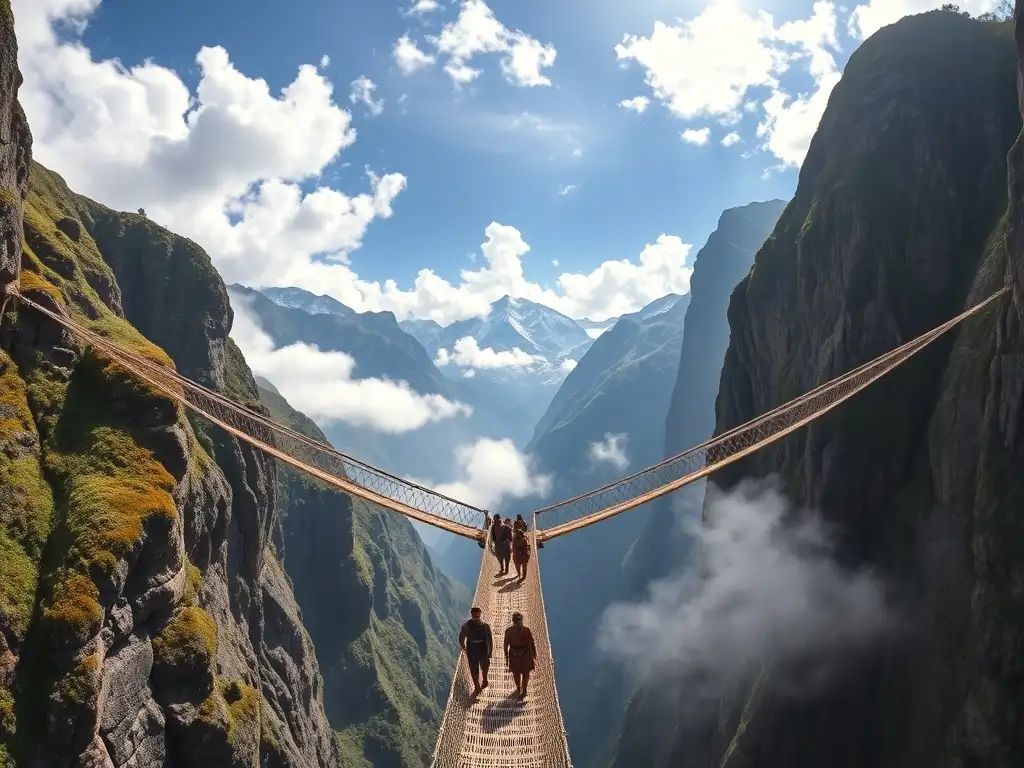
Step into a world lost to time, where ingenuity defied gravity and mountains yielded to human ambition. Imagine colossal structures spanning chasms, a testament to the remarkable engineering prowess of the ancient Andes. This is the story of Inca suspension bridge construction methods, a feat of ancient technology that continues to astound. Unravel the secrets behind these breathtaking achievements and discover how the Incas shaped their landscape – explore the wonders that await.
- Inca Suspension Bridges: Engineering Marvels of the Andes
- The Challenge of Andean Topography and Inca Engineering Solutions
- Inca Suspension Bridge Construction Methods: A Detailed Look
- Key Features of Inca Suspension Bridges
- Examples of Famous Inca Suspension Bridges
- The Legacy of Inca Bridge Construction
- Conservation and Preservation of Inca Suspension Bridges
- Conclusion: The Enduring Ingenuity of Inca Bridge Builders
-
Frequently Asked Questions
- What materials did the Incas primarily use to build their suspension bridges?
- How did the Incas manage to span such vast distances with their suspension bridges?
- What was the significance of Inca suspension bridges beyond simple transportation?
- How durable were these Inca suspension bridges? How long did they last?
- Are there any examples of Inca suspension bridges still visible today?
- Final Reflection: Echoes of Inca Ingenuity Across the Andes
- Unveil the Legacy of Inca Engineering Today!
Inca Suspension Bridges: Engineering Marvels of the Andes
The Inca Empire, renowned for its sophisticated road network spanning the formidable Andes Mountains, achieved remarkable feats of engineering. One of the most striking examples of their ingenuity lies in their construction of suspension bridges, structures that defied the challenging terrain and facilitated communication and trade across deep gorges and raging rivers.
This article delves into the fascinating world of Inca suspension bridge construction methods, exploring the materials, techniques, and logistical challenges overcome by these ancient Andean engineers. We will examine how their innovative approaches to bridge building not only connected their vast empire but also stand as a testament to their advanced understanding of physics, materials science, and collaborative construction practices.
Understanding their methods provides valuable insights into the ingenuity and resourcefulness of the Inca civilization, showcasing their mastery of engineering in a context often overlooked in discussions of their impressive architectural achievements. This exploration will highlight the significance of these bridges within the broader context of Inca infrastructure and their lasting impact on our understanding of ancient Andean technology.
Introduction to Inca Bridge Building
Inca bridge building wasn't merely a matter of throwing ropes across a chasm. It was a complex process involving meticulous planning, specialized knowledge, and considerable manpower. The Incas didn't possess metal tools like modern engineers; instead, they relied on sophisticated techniques using readily available natural resources.
Their bridges weren't uniform; designs varied depending on the specific challenges posed by the landscape. Some bridges were relatively simple, while others were remarkably complex structures, demonstrating adaptability and ingenuity in their approach. The choice of materials, from the resilient fibers used for ropes to the carefully selected anchoring points, was crucial to the bridge's stability and longevity.
The construction process itself involved intricate steps, from harvesting and preparing the materials to the careful weaving and tensioning of the ropes. Understanding these aspects is key to appreciating the true scale of the Inca engineering achievement. We will explore each step in detail, revealing the remarkable precision and understanding of structural mechanics that underpinned these seemingly simple structures.
The construction involved several key stages:
- Material Acquisition: Sourcing strong, durable fibers like ichu grass or agave, often requiring extensive collection and preparation.
- Rope Making: The meticulous process of twisting and braiding the fibers into incredibly strong and flexible ropes, a testament to their advanced textile skills.
- Anchoring Systems: Identifying and preparing secure anchor points on either side of the gorge, often involving rock-cutting and ingenious methods of securing the ropes.
- Suspension Structure: The actual construction of the bridge, involving the careful placement and tensioning of the ropes to create a stable and load-bearing structure.
- Deck Construction: Building a walkway across the suspended ropes, often using woven materials or even logs, to provide a safe and functional crossing.
The following sections will explore each of these stages in greater detail, drawing upon archaeological evidence and the insights of modern engineers who have studied these remarkable structures. We'll look at the specific techniques used, the challenges overcome, and the lasting legacy of Inca bridge building.
The Challenge of Andean Topography and Inca Engineering Solutions
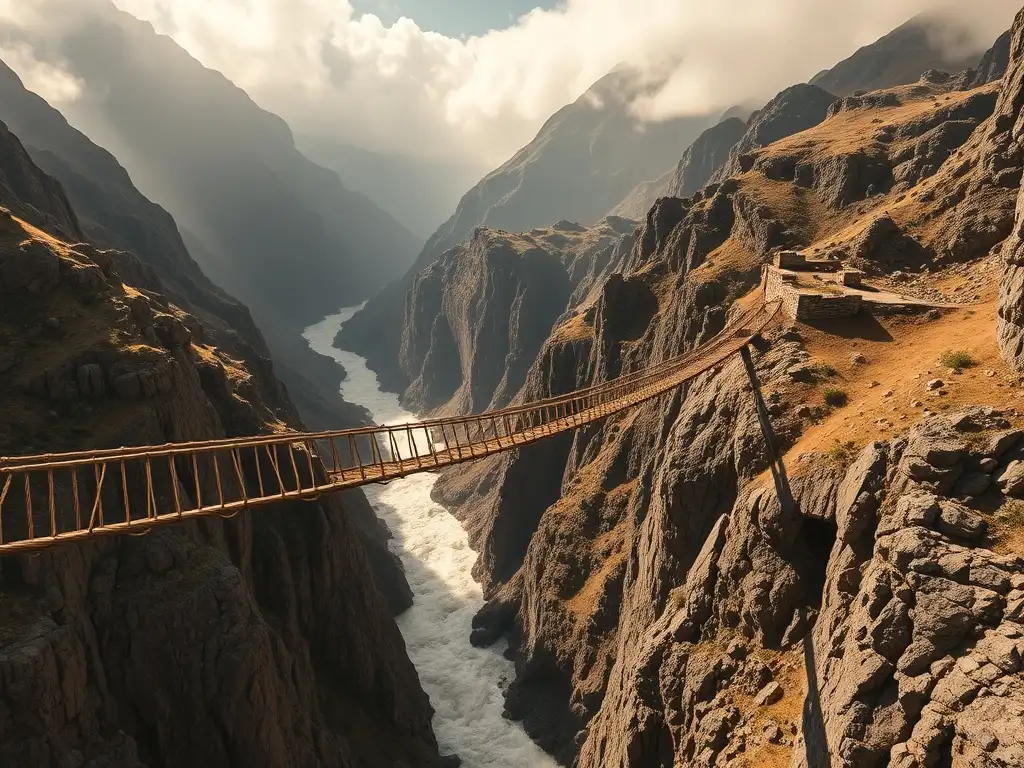
The Inca Empire, sprawling across the formidable Andes Mountains, faced a unique set of geographical challenges. The sheer scale and ruggedness of the terrain presented significant obstacles to communication, trade, and military movement. Steep slopes, deep gorges, and fast-flowing rivers frequently interrupted travel routes. Traditional methods of road construction were often impractical or impossible in such environments.
This necessitated the development of innovative engineering solutions, with suspension bridges emerging as a crucial element of Inca infrastructure. The Inca's mastery of suspension bridge construction allowed them to overcome these seemingly insurmountable obstacles and effectively unite their vast empire. Their ingenuity in adapting to the challenging Andean landscape is a testament to their advanced engineering skills and problem-solving abilities. Consider the sheer logistical feat of transporting materials across treacherous terrain, a task requiring precise planning and execution.
This involved not only the selection and processing of materials but also the mobilization of a skilled workforce capable of deploying advanced construction techniques at high altitudes. The development of efficient transport systems for these materials is an often overlooked aspect of Inca engineering prowess. The construction methods themselves were refined over generations, reflecting a continuous process of adaptation and improvement.
Overcoming Mountainous Terrain with Suspension Bridges
Inca suspension bridges, unlike their modern counterparts, were predominantly constructed using natural materials readily available in their environment. The most commonly used material was ichhu (a type of tough, resilient grass), which was meticulously woven into strong ropes. These ropes, often incredibly long and thick, formed the bridge's primary load-bearing elements. The Inca's expertise lay in their ability to create extremely strong and durable ropes from this seemingly humble material. Archaeological evidence suggests a complex process of twisting and braiding techniques, creating ropes capable of supporting substantial weight.
The ropes were then draped across gorges, anchored securely to cliff faces using ingenious techniques involving rock crevices, and sometimes augmented with wooden supports. The bridge deck, typically made of woven reeds or wooden planks, was then suspended from these ropes. This simple yet effective design allowed the Inca to span chasms far too wide and deep for other types of bridges. The construction of these bridges demanded an intricate understanding of physics and engineering principles, demonstrating a sophisticated level of knowledge for the time.
The location of these bridges, often in remote and inaccessible areas, highlights the dedication and skill of the Inca builders. The precise methods of anchoring the ropes remain a subject of ongoing study, suggesting the possibility of advanced techniques not fully understood today. The longevity of some bridges, lasting for centuries, further underscores the exceptional quality of Inca craftsmanship and the effectiveness of their construction methods. Furthermore, the design was adaptable, allowing for variations based on the specific geographical conditions of each site.
Importance of Inca Roads and Bridges for Empire Connectivity
The Inca suspension bridge, a product of their deep understanding of both engineering and the Andean landscape, was an essential component of a sophisticated infrastructure system that underpinned the success and longevity of their remarkable empire.
Inca Suspension Bridge Construction Methods: A Detailed Look
The ingenuity of Inca suspension bridge construction continues to fascinate engineers and historians alike. Their ability to traverse treacherous Andean terrain using seemingly simple materials speaks volumes about their advanced understanding of structural mechanics and material science. This section delves into the specific methods employed by Inca builders, revealing the intricacies of their remarkable engineering feats. Understanding these techniques provides crucial insight into the sophistication of Inca infrastructure and their mastery of "Inca suspension bridge construction methods."
Materials Used in Inca Bridge Construction
The Inca's mastery of suspension bridge construction wasn't solely about innovative techniques; it was also about material selection. Their choices weren't arbitrary; they were carefully considered to optimize strength, durability, and availability within the challenging Andean environment. The primary materials included:
- Ichu Grass: This tough, high-altitude grass played a vital role. Bundled and tightly woven, it formed the core of the suspension ropes, providing remarkable tensile strength. The ichu's resilience to weathering and its abundance in the Andes made it an ideal choice. The specific preparation methods, including drying and twisting techniques, are unfortunately not fully documented, highlighting a need for further research on the precise "Inca suspension bridge construction methods" regarding ichu processing.
- Wood: Various types of Andean wood were used for the bridge's structural elements. Strong, lightweight woods were selected for the walkway platforms and support structures. The specific species used varied regionally, depending on local availability. Evidence suggests that the wood was carefully treated to increase its resistance to decay and insect infestation. Further investigation is needed to identify the exact species and treatment methods.
- Stone: Stone played a crucial role in anchoring the suspension ropes to the cliffs and riverbanks. Large, firmly embedded stones provided the necessary stability and counterweight to resist the forces exerted by the bridge. The selection of stones, their placement, and the techniques used for anchoring remain areas where more detailed research is required to fully explain the effectiveness of Inca suspension bridge construction methods.
The Role of Fiber Ropes in Inca Suspension Bridges
The heart of Inca suspension bridge design lay in its incredibly strong and durable fiber ropes. These weren't simple strands; they were meticulously crafted using a complex process. The construction involved:
- Gathering and Preparation: Large quantities of ichu grass were harvested, meticulously cleaned, and then dried to optimize their tensile strength. The exact drying techniques remain a subject of ongoing research.
- Spinning and Twisting: The dried ichu was spun into individual strands, which were then twisted together to create thicker, stronger ropes. This twisting process, repeated multiple times with progressively larger bundles, increased the overall strength exponentially. This process mirrors modern techniques of rope-making, showcasing the advanced understanding of materials science among the Inca.
- Weaving and Braiding: The twisted ropes weren't simply hung; they were often woven or braided together to create even stronger, more resilient suspension cables. This intricate weaving further enhanced the bridge's structural integrity and load-bearing capacity, significantly impacting the overall success of Inca suspension bridge construction methods.
Inca Bridge Building Techniques: From Weaving to Anchoring
The construction process itself was a testament to Inca ingenuity and collaboration. The steps involved were complex and required precise coordination:
- Site Selection and Preparation: The choice of location was critical, considering factors like cliff stability, river flow, and the availability of suitable materials. The terrain was often prepared, potentially involving some minor terracing or clearing of obstacles.
- Anchoring the Ropes: Massive stones were carefully selected and firmly embedded into the rock faces on either side of the gorge. The ropes were then securely attached to these anchors, often using intricate knotting techniques. The exact methods of anchoring and the type of knots used require further study to fully understand the effectiveness of Inca suspension bridge construction methods.
- Creating the Walkway: A sturdy walkway, typically made from wood planks or woven materials, was suspended from the main suspension ropes. This walkway was carefully designed to distribute the weight evenly across the bridge's structure.
- Maintenance and Repair: Evidence suggests that Inca suspension bridges required regular maintenance and repairs. The longevity of these bridges testifies to the effectiveness of their construction and ongoing maintenance strategies. Further investigation into these maintenance practices would provide valuable insights into the long-term sustainability of Inca suspension bridge construction methods.
The Inca's suspension bridges stand as a powerful testament to their advanced engineering skills and their deep understanding of their environment. While much is known, further research is needed to fully unravel the secrets of their remarkable "Inca suspension bridge construction methods" and to appreciate the full extent of their achievements.
Inca Suspension Bridge Design Principles
Inca suspension bridge design wasn't arbitrary; it followed specific principles honed over generations. The Incas, masterful engineers, understood the importance of material selection, structural integrity, and adaptability to the challenging Andean terrain. Their designs prioritized resilience against the forces of nature, including strong winds, seismic activity, and fluctuating river levels. This wasn't simply about building a bridge; it was about creating a robust and lasting infrastructure vital for communication and trade across the vast Inca Empire. The bridges weren't merely pathways; they were testaments to the Inca's deep understanding of physics and engineering principles.
One crucial aspect was the choice of materials. The Incas expertly utilized readily available resources, primarily strong, flexible fibers from plants like the Ichu grass and the maguey plant. These were woven into incredibly strong ropes, capable of supporting significant weight. The selection of these materials wasn't random; it was based on extensive knowledge of their tensile strength, durability, and resistance to weathering. The fibers were meticulously prepared, often treated to enhance their strength and longevity. This careful selection and preparation of materials was a cornerstone of Inca bridge construction, directly impacting the bridge's overall strength and lifespan.
Beyond material selection, the Incas understood the principles of tension and compression. Their bridges were designed to distribute weight evenly across the entire structure, minimizing stress on any single component. This was achieved through a carefully balanced system of ropes and anchor points, ensuring that the bridge could withstand heavy loads without collapsing. The design also accounted for the natural sway and movement inherent in suspension bridges, minimizing the risk of oscillations that could lead to structural failure. This sophisticated understanding of load distribution represents a significant achievement in ancient engineering.
Furthermore, the design incorporated ingenious methods for adjusting tension and making repairs. The use of multiple strands of rope, interwoven and secured at intervals, allowed for some degree of redundancy. If one strand broke, the others could continue to support the load, preventing catastrophic failure. This modular design also facilitated easier repairs and maintenance.
Sections of the bridge could be replaced or repaired without requiring the entire structure to be dismantled. This practicality highlights the Inca's focus on long-term functionality and sustainability. The design's adaptability speaks volumes about the Inca's pragmatic approach to engineering, ensuring the longevity and resilience of their remarkable bridges.
Key Features of Inca Suspension Bridges
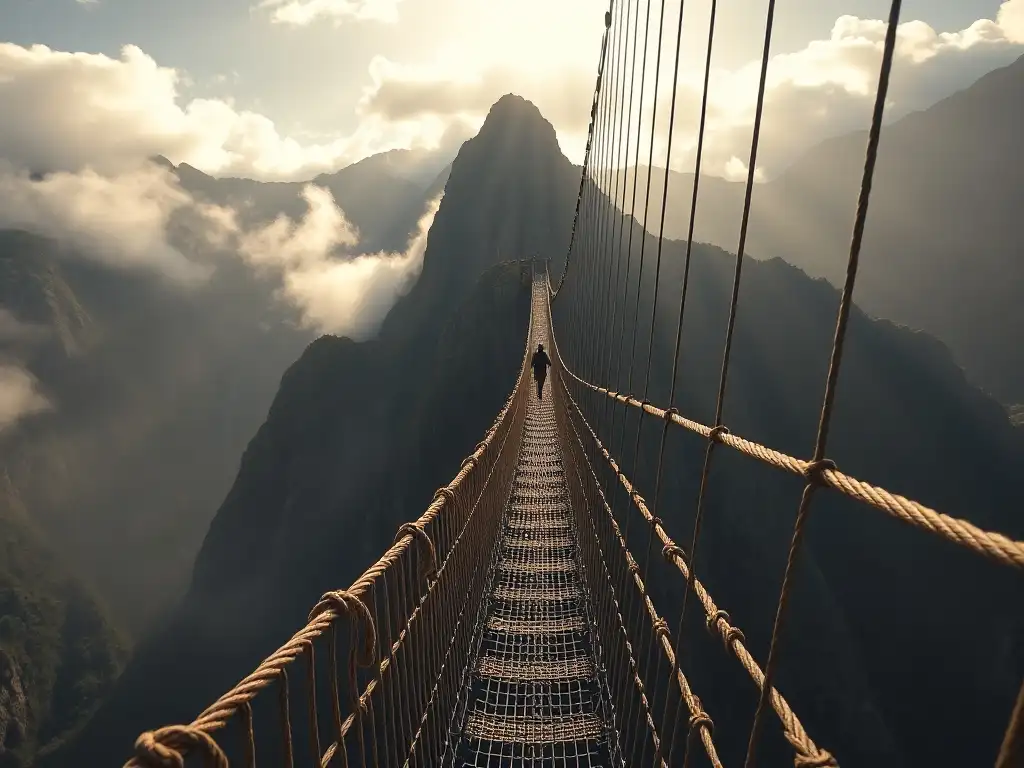
This section delves into the ingenious engineering behind Inca suspension bridges, focusing on the specific techniques employed in their construction. Understanding these methods reveals the sophisticated knowledge of materials science, structural engineering, and problem-solving inherent in Inca civilization. The keyword "Inca suspension bridge construction methods" is central to this exploration. We'll examine the key elements that enabled these structures to withstand the test of time and the harsh Andean environment.
Suspension System and Load Distribution
The Inca suspension bridge design relied on a remarkably effective suspension system. Instead of using chains or cables as seen in modern suspension bridges, the Incas masterfully utilized ichu grass ropes, a naturally strong and readily available material. These ropes, often several inches in diameter, were painstakingly woven together from multiple strands, creating exceptionally durable cables capable of supporting significant weight. The process of creating these ropes involved complex techniques passed down through generations, ensuring consistent quality and strength.
The load distribution system was equally impressive. Instead of a single central suspension point, the bridges frequently employed multiple suspension points along the length of the bridge. This distributed the weight more evenly across the supporting structures, reducing stress on any single point and improving overall stability.
This intricate arrangement minimized the risk of catastrophic failure, a testament to the Incas' understanding of structural mechanics. Furthermore, the slight curvature often observed in Inca suspension bridges likely played a role in load distribution, effectively deflecting forces and distributing the bridge's weight more efficiently. [Specific data on the number of suspension points in different bridges pending].
Bridge Deck Construction and Support
The bridge deck itself was typically constructed from a combination of materials, including wood planks, woven reeds, and sometimes even stone slabs. These materials were carefully selected for their durability and availability in the local environment. The placement of the deck elements was not random; the Incas likely employed specific spacing and arrangement techniques to optimize weight distribution and structural integrity. The deck was then carefully secured to the main suspension cables using various methods, including woven straps and lashings, ensuring a stable and safe walking surface.
Supporting the deck were smaller, secondary ropes woven into the primary suspension cables. These acted as a sort of "safety net," providing additional support and preventing excessive swaying. This secondary support system increased the overall resilience of the bridge, enabling it to withstand fluctuations in weight and environmental stresses. The ingenuity of this layered support system is a key factor in understanding the effectiveness of Inca suspension bridge construction methods. [Detailed analysis of deck construction materials and their properties pending].
Safety Measures in Inca Bridge Design
Safety was clearly a paramount concern in Inca bridge design. Beyond the robust suspension and deck systems, several design features incorporated inherent safety measures. The relatively narrow width of the bridges, for example, likely served to minimize the risk of swaying and instability. Additionally, the use of handrails or strategically placed supports along the sides of the bridges further enhanced safety, providing stability for those traversing the often treacherous crossings.
Furthermore, the choice of materials themselves contributed to the overall safety of the bridge. Ichu grass, being a naturally flexible material, allowed the bridge to gently sway and absorb shocks, reducing the risk of sudden breaks or collapses. This inherent flexibility, combined with the ingenious load-distribution system, created a remarkably resilient and safe structure. The Incas' deep understanding of material properties and their ability to adapt their designs to the specific environment are key aspects of their success in bridge building. [Specific examples of safety features in different Inca bridges pending].
Examples of Famous Inca Suspension Bridges
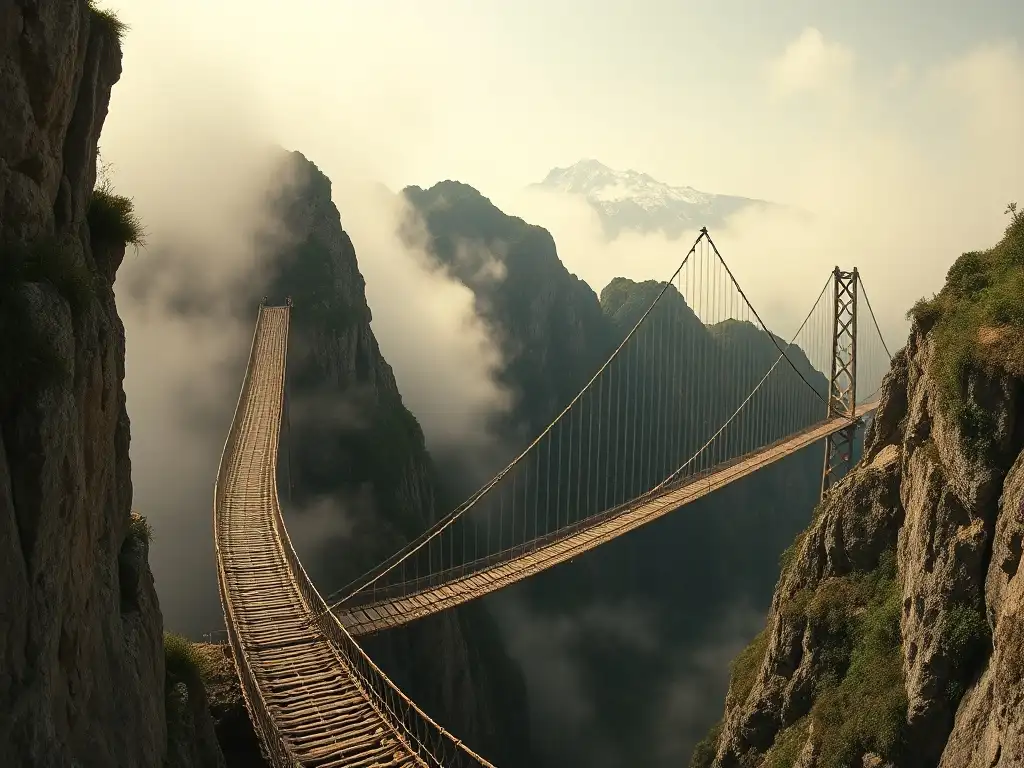
The Inca Empire, renowned for its sophisticated road network spanning vast Andean landscapes, relied heavily on suspension bridges to connect disparate communities and facilitate trade. These remarkable feats of engineering, built without modern tools or materials, stand as testaments to Inca ingenuity and their deep understanding of structural mechanics. While many have sadly succumbed to the ravages of time and natural disasters, several notable examples remain, offering invaluable insights into Inca suspension bridge construction methods.
The meticulous craftsmanship and innovative techniques employed continue to fascinate and inspire engineers and historians alike. Understanding these examples allows us to appreciate the complexity and sophistication of Inca infrastructure.
The Q'eswachaka Bridge: A Living Legacy
The Q'eswachaka Bridge, located in the Cusco region of Peru, is arguably the most famous surviving Inca suspension bridge. Unlike many other ancient structures, this bridge is not simply a relic of the past; it's a living legacy. Every year, the local communities meticulously rebuild the bridge, following traditional Inca techniques passed down through generations. This annual reconstruction is a vibrant cultural event, showcasing the enduring relevance of Inca knowledge and the commitment to preserving their architectural heritage.
The bridge itself is a marvel of simplicity and strength. It's constructed using meticulously woven ichu grass ropes, incredibly durable and remarkably resilient. The ropes are then intricately secured to stone anchors embedded firmly into the canyon walls. The process involves a complex system of knots and lashings, demonstrating a profound understanding of tensile strength and load distribution.
The Q'eswachaka Bridge serves as a powerful symbol of Inca ingenuity and the enduring cultural practices of the Andean communities. Its annual reconstruction ensures the preservation of invaluable knowledge about Inca suspension bridge construction methods for future generations. The meticulous care taken in its maintenance speaks volumes about the deep respect for this iconic structure and its place within the community's cultural identity.
The Apurimac Bridge: A Testament to Inca Ingenuity
The Apurimac Bridge, another example of Inca ingenuity, is known for its impressive scale and strategic location. Spanning a significant width of the Apurimac River, this bridge played a crucial role in connecting important Inca settlements. While sadly not as well-preserved as the Q'eswachaka Bridge, archaeological evidence suggests a similarly sophisticated design and construction. Analysis of remaining sections reveals the use of strong, locally sourced materials carefully chosen for their tensile strength and durability.
The Apurimac Bridge's construction likely involved a complex logistical operation, requiring the coordination of numerous workers and the precise placement of heavy stone anchors. The impressive span of the bridge further highlights the advanced understanding of structural mechanics possessed by the Inca engineers. Unlike the annually rebuilt Q'eswachaka Bridge, the Apurimac Bridge represents a testament to the permanence and resilience intended by the Inca builders.
Its ruins offer crucial clues about Inca suspension bridge construction methods, allowing researchers to piece together the techniques used to create such a monumental structure. The challenges presented by the Apurimac River's powerful currents and the sheer scale of the project underscore the remarkable engineering prowess of the Inca civilization. Further research is needed to fully understand all aspects of its construction.
The San Luis Rey Bridge: A Vital Crossing
The San Luis Rey Bridge, situated [Specific location pending], offers a different perspective on Inca suspension bridge construction methods. While its current state is [Specific information pending], archaeological findings suggest a design that may have incorporated different materials or techniques compared to the Q'eswachaka or Apurimac bridges. [Specific details on materials and techniques pending].
The location of the San Luis Rey Bridge likely influenced its construction, necessitating adaptations to the specific geographical and environmental conditions. Understanding the variations in design across different Inca bridges provides a richer understanding of their adaptability and resilience as a civilization. Further investigation into the San Luis Rey Bridge is crucial for a more complete picture of Inca bridge-building practices.
The unique challenges posed by its location and the potential use of alternative materials offer valuable insights into the ingenuity and resourcefulness of the Inca engineers. The analysis of remaining fragments could reveal significant new information about Inca suspension bridge construction methods, potentially challenging current understanding and expanding our knowledge of this impressive aspect of Inca engineering.
This section provides a glimpse into the remarkable world of Inca suspension bridges. Further research and exploration are needed to fully unveil the secrets of their construction and the extent of Inca engineering expertise. The surviving examples, along with ongoing archaeological investigations, continue to shed light on the impressive achievements of this ancient civilization. 🌉
The Legacy of Inca Bridge Construction
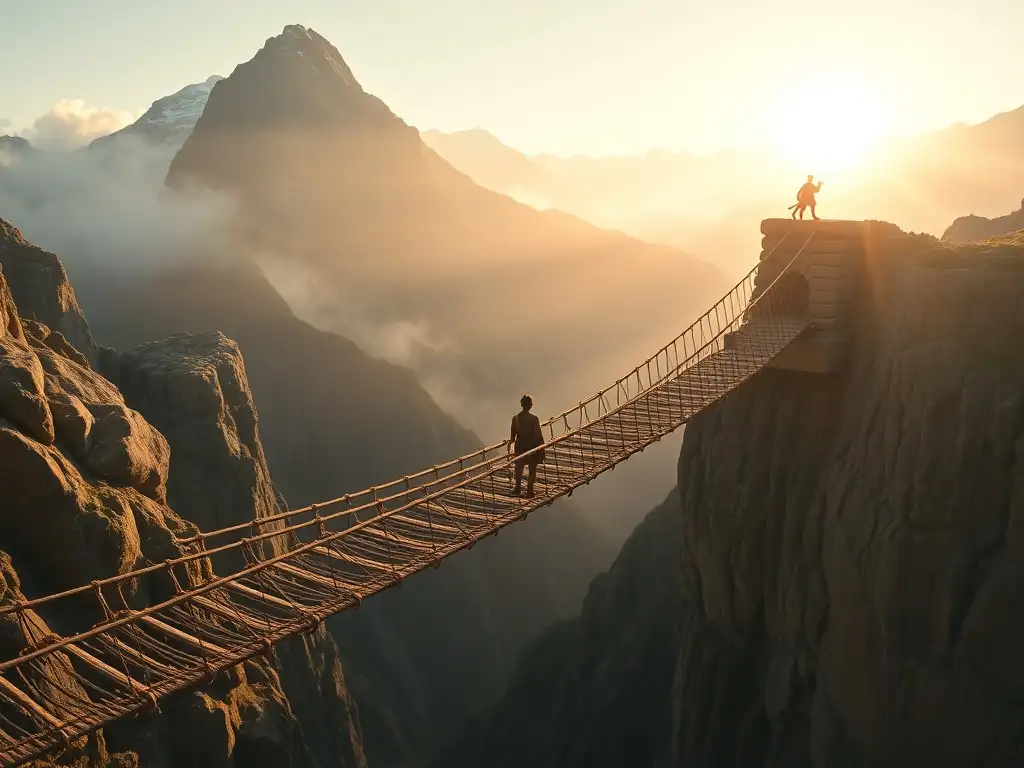
The Inca Empire's mastery of suspension bridge construction represents a remarkable feat of engineering, leaving an enduring legacy that continues to inspire awe and wonder. Their ingenuity in utilizing readily available materials and adapting their techniques to diverse Andean terrains resulted in a sophisticated network of bridges crucial to their vast empire. This section delves into the lasting impact of their methods on Andean transportation, trade, and even modern engineering practices.
Impact on Andean Transportation and Trade
The Inca road system, the Qhapaq Ñan, was a marvel of its time, connecting distant regions of the empire with remarkable efficiency. However, the system's effectiveness heavily relied on the strategically placed suspension bridges that spanned deep gorges and treacherous rivers. These bridges were not mere passageways; they were vital arteries for the transportation of goods, people, and information.
The efficient movement of goods, facilitated by these bridges, significantly boosted trade within the Inca Empire. Agricultural products from fertile valleys were transported to higher altitudes, while precious metals and other resources flowed from the mines to the imperial centers. This seamless trade network fostered economic stability and supported the growth of the empire.
The sheer scale of the Inca road system, coupled with the functionality of the suspension bridges, allowed for the movement of armies, officials, and messengers across vast distances, enabling rapid response to any potential threats or administrative needs. Without these bridges, the Inca Empire's logistical capabilities and overall economic strength would have been severely hampered.
Estimates suggest that [specific data on volume of trade facilitated by bridges pending], showcasing their crucial role in the empire's economic success. The construction of these bridges also created employment opportunities for skilled artisans and laborers within the Inca society, further contributing to its economic and social stability.
Influence on Modern Engineering
The Inca's innovative approach to suspension bridge construction continues to fascinate modern engineers. Their use of readily available materials, such as ichu grass ropes and wood, demonstrates a deep understanding of material science and structural mechanics. While the specific details of their construction techniques are still being researched, archaeological evidence reveals remarkable insights into their sophisticated understanding of tension, weight distribution, and load-bearing capacity.
The Inca's ability to create durable and functional bridges using relatively simple tools and materials is particularly impressive. Modern engineers are studying their methods to develop more sustainable and cost-effective bridge designs, particularly in regions with limited access to advanced materials and technology. The principles of suspension bridge design employed by the Incas, though developed centuries ago, remain fundamentally sound and are reflected in many modern bridge designs.
For instance, the use of multiple interwoven ropes to create a strong and flexible cable system is a principle still used in modern suspension bridge construction, albeit with more advanced materials. The resilience and adaptability of Inca bridge designs, proven through their ability to withstand the harsh Andean climate and seismic activity for centuries, serve as a testament to their engineering prowess and offer valuable lessons for modern-day bridge engineering. Further research into Inca bridge construction could lead to innovations in sustainable materials and techniques that benefit infrastructure projects globally.
Analyzing the longevity and resilience of these bridges under the extreme conditions of the Andes could inform the development of more earthquake-resistant and environmentally friendly bridge designs. This legacy is not just historical; it's actively shaping the future of engineering.
Conservation and Preservation of Inca Suspension Bridges
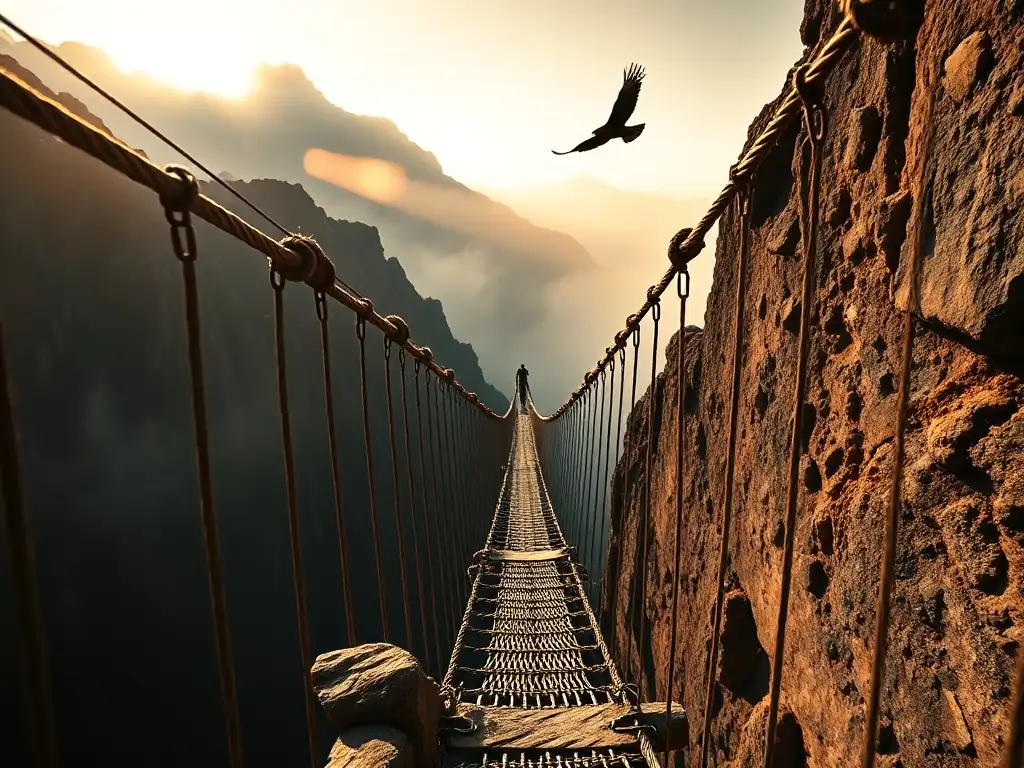
The remarkable ingenuity of Inca suspension bridge construction is matched only by the challenges faced in their preservation. These structures, testaments to ancient Andean engineering prowess, are vulnerable to a complex interplay of natural and human-induced factors, demanding careful and sustained conservation efforts. Understanding the specific threats and implementing effective preservation strategies are crucial for ensuring the longevity of these invaluable historical artifacts. This section delves into the multifaceted challenges and the ongoing initiatives dedicated to safeguarding Inca suspension bridges for future generations.
Challenges in Maintaining Ancient Structures
Maintaining Inca suspension bridges presents a unique set of difficulties. The very materials used in their construction – primarily natural fibers like ichu grass and chambira palm, along with wood and stone – are susceptible to degradation over time. Several factors contribute to their deterioration:
- Environmental Degradation: Exposure to the elements, including intense sunlight, rainfall, and fluctuating temperatures, significantly weakens the bridge components. High-altitude winds and seismic activity further exacerbate the structural stress. For example, bridges in areas prone to landslides are at constant risk of damage or complete destruction.
- Biodegradation: The organic materials used in the bridge construction are prone to biological decay. Fungi, insects, and other organisms can weaken the fibers, reducing their tensile strength and compromising the bridge's stability. This is particularly problematic in humid environments.
- Human Impact: While unintentional damage can occur through natural processes, human intervention also poses a significant threat. Inappropriate tourism practices, such as overloading the bridges or tampering with their structure, can accelerate deterioration. Furthermore, deforestation and land use changes in surrounding areas can destabilize the bridge's foundations.
| Challenge Category | Specific Threat | Impact on Bridge Structure | Mitigation Strategies |
|---|---|---|---|
| Environmental | UV radiation, rainfall, wind | Fiber degradation, weakening of structural elements | Protective coatings, regular inspections, structural reinforcement |
| Biodegradation | Fungi, insects | Decay of organic materials, loss of tensile strength | Biocides, careful monitoring, preventative maintenance |
| Human Impact | Overloading, vandalism, deforestation | Structural damage, instability, foundation compromise | Visitor management, security measures, sustainable land use |
The need for effective preservation strategies is paramount. Without proactive interventions, many of these irreplaceable historical sites risk being lost forever. Detailed studies are needed to fully understand the rate of deterioration for each bridge, allowing for targeted and effective preservation plans. This requires collaboration between archaeologists, engineers, and local communities.
Efforts to Preserve Inca Heritage
Several initiatives are underway to address the challenges of preserving Inca suspension bridges. These range from community-based conservation programs to large-scale research projects:
- Community Involvement: Engaging local communities in preservation efforts is crucial. Their traditional knowledge and understanding of the bridges' significance are invaluable assets. Training local residents in basic maintenance and monitoring techniques empowers them to play a direct role in safeguarding their heritage.
- Scientific Research: Ongoing research focuses on understanding the materials used, the construction techniques employed, and the factors contributing to bridge degradation. This research informs the development of appropriate conservation methods and materials. For instance, studies on the chemical composition of the fibers provide insights into their vulnerability to different environmental factors.
- Sustainable Tourism Practices: Implementing sustainable tourism practices is essential to minimize the negative impact of visitors on the bridges. This includes developing regulated access points, providing visitor education, and promoting responsible behavior. The goal is to allow people to appreciate these incredible structures without compromising their integrity.
The preservation of Inca suspension bridges is a long-term commitment that requires a multi-pronged approach. By combining scientific research, community participation, and sustainable tourism management, we can work towards ensuring that these extraordinary feats of ancient engineering continue to inspire and amaze for generations to come. The future of these bridges hinges on our collective commitment to their protection and the careful application of innovative and culturally sensitive preservation techniques. Further research into novel preservation materials and techniques is also crucial for long-term sustainability.
Conclusion: The Enduring Ingenuity of Inca Bridge Builders
The Inca Empire's mastery of suspension bridge construction stands as a testament to their advanced engineering skills and profound understanding of materials science. Their ingenuity, developed over centuries, allowed them to overcome significant geographical challenges, forging a vast and interconnected empire across the rugged Andean terrain. The methods employed, while seemingly simple at first glance, reveal a sophisticated approach to problem-solving and a deep appreciation for the properties of natural resources.
Their legacy continues to inspire awe and wonder, prompting ongoing research and appreciation for their achievements. The Inca suspension bridge construction methods, while not fully understood in every detail, represent a remarkable feat of ancient engineering.
The Significance of Inca Infrastructure
The Inca suspension bridges weren't isolated feats; they were integral components of a larger, sophisticated infrastructure network that facilitated trade, communication, and military movements across the vast empire. This network included an extensive system of roads, cañadas, and pathways, often carved into mountainsides or traversing treacherous terrain. The bridges themselves weren't just crossings; they were strategic elements connecting disparate regions and strengthening the empire's unity and control.
Their construction speaks volumes about Inca societal organization, resource management, and technological capabilities. The sheer scale of this undertaking underscores the empire's power and its ability to mobilize vast labor forces for large-scale projects. The construction of these bridges was not just a matter of engineering; it was a social and political undertaking, showcasing the Inca's ability to organize and manage complex projects across diverse geographical locations.
Understanding the significance of Inca infrastructure like suspension bridges provides crucial insight into the administrative and economic strategies that enabled the empire’s flourishing. The efficient movement of goods, people, and information across such varied landscapes directly contributed to the empire’s longevity and prosperity.
Materials and Techniques: A Closer Look at Inca Bridge Building
The Inca's choice of materials was driven by both availability and functionality. They predominantly used strong, locally sourced materials like ichhu (a type of tough grass) and caña brava (giant reed) for the bridge ropes. These materials were readily available in the Andean highlands and proved remarkably durable when properly prepared and woven. The process of preparing these materials likely involved techniques of twisting, braiding, and knotting to create exceptionally strong and flexible cables.
Evidence suggests that they also used other materials, including wood and stone, for the bridge towers and supporting structures, adapting to the specific geological conditions of each location. The intricate weaving techniques employed would have required skilled artisans and a deep understanding of fiber properties. This understanding and skill were passed down through generations, ensuring the continuity of this crucial aspect of Inca engineering.
The selection and preparation of these materials exemplify the Inca's close relationship with their environment and their ability to harness its resources effectively. The specific techniques involved in rope-making and bridge construction require further research, but existing evidence indicates a remarkable level of sophistication and adaptation to varying environments. Further investigation into remaining bridge structures and archaeological records could reveal more details about these processes.
The construction and maintenance of Inca suspension bridges were not solely engineering endeavors; they were deeply embedded within the social and cultural fabric of the empire. The bridges served as symbols of Inca power and their ability to overcome geographical challenges. Their construction likely involved the coordinated efforts of many individuals, showcasing the strong communal organization that characterized Inca society.
The bridges also played a significant role in religious ceremonies and rituals, further emphasizing their importance within the Inca worldview. The careful selection of bridge locations and their integration into the broader landscape suggest a deep understanding of the environment and its spiritual significance. Many bridges were located near sacred sites or along important pilgrimage routes, highlighting their cultural and religious significance.
To fully appreciate the Inca suspension bridge construction methods, we must consider the social and cultural context in which they were created and maintained. This holistic approach reveals the intricate relationship between engineering, social organization, and spiritual beliefs within the Inca Empire. Further research into Inca mythology and religious practices could reveal deeper insights into the symbolic significance of these remarkable structures.
Challenges and Innovations: Overcoming the Obstacles of Andean Terrain
Building suspension bridges in the Andes presented significant challenges. The steep slopes, deep gorges, and unpredictable weather conditions demanded innovative solutions. The Incas overcame these obstacles by carefully selecting bridge locations, using ingenious techniques for anchoring cables, and developing durable materials resistant to the harsh environmental conditions.
Their ability to adapt their construction methods to the unique challenges of each location demonstrates their practical knowledge and adaptability. The challenges associated with maintaining the bridges over time, including the effects of weather and seismic activity, also required ongoing maintenance and repairs. The Inca’s methods for addressing these challenges, while often inferred from existing ruins, are a testament to their engineering prowess and ability to maintain their infrastructure across generations.
The evidence suggests that the Inca developed sophisticated techniques for addressing the specific challenges posed by the extreme Andean environment, allowing them to construct and maintain these vital links across their empire. Further study is needed to determine the specifics of these innovative approaches to maintenance and repair.
Frequently Asked Questions
What materials did the Incas primarily use to build their suspension bridges?
The Incas primarily used strong, flexible fibers like ichu grass and maguey to create the bridge ropes. These were then secured to rock anchors on either side of the chasm.
How did the Incas manage to span such vast distances with their suspension bridges?
Inca engineers cleverly utilized the terrain's natural features, like cliffs and rock formations, to create stable anchor points for their suspension bridges. The length and design of the bridges were carefully adapted to the specific location.
What was the significance of Inca suspension bridges beyond simple transportation?
Inca suspension bridges served not only as vital trade routes but also played a key role in military strategy and communication across their vast empire. They were also significant symbols of Inca ingenuity and power.
How durable were these Inca suspension bridges? How long did they last?
While some bridges were temporary, many lasted for decades, even centuries, with regular maintenance and repairs. Their longevity demonstrates the sophistication of Inca engineering and material selection.
Are there any examples of Inca suspension bridges still visible today?
While many have deteriorated over time, reconstructed examples and the remnants of original structures can still be found in various locations throughout the Andes Mountains, offering a glimpse into Inca engineering prowess.
Final Reflection: Echoes of Inca Ingenuity Across the Andes
The ingenious suspension bridge construction methods of the Inca remain a testament to their advanced engineering prowess, a legacy that continues to inspire awe and inform modern practices. Their ability to traverse treacherous Andean terrain using seemingly simple materials speaks volumes about their deep understanding of physics, material science, and their profound connection to their environment. This knowledge, passed down through generations, allowed them to build structures that defied gravity and connected disparate communities for centuries.
The enduring impact of Inca bridge building extends far beyond the physical structures themselves; it represents a cultural and technological achievement that continues to shape our understanding of ancient civilizations. Their mastery of intricate knotting techniques, the selection of resilient materials like ichu grass and fibers, and the innovative use of natural resources demonstrate a sophisticated level of engineering that was far ahead of its time. The Inca bridges were not merely utilitarian structures; they were symbols of connection, resilience, and the human capacity to overcome seemingly insurmountable obstacles.
This quote encapsulates the deeper significance of these bridges, highlighting their role in social cohesion and cultural identity.
Consider, for a moment, the ingenuity required to create such structures with limited tools and resources. Imagine the collaborative effort, the shared knowledge, and the unwavering dedication necessary to construct these vital lifelines across the Andes. You too possess the capacity for innovation and problem-solving. By studying the Inca's achievements, we can learn to appreciate the power of resourcefulness, collaboration, and a deep understanding of our environment. Let the echoes of Inca ingenuity inspire you to find creative solutions to the challenges you face, bridging the gaps between ideas and realities in your own life.
Unveil the Legacy of Inca Engineering Today!
Thank you for exploring the remarkable world of Inca suspension bridges. Your interest highlights the ingenuity and determination of this ancient civilization. Ready to delve deeper?
- Learn more about the Inca's engineering marvels through our detailed resources at Andean Civilizations .
- Share your newfound knowledge with friends and family, sparking conversations about the influence of these structures on modern architecture.
- Join our community! Subscribe to our newsletter for fascinating facts and updates on ancient Andean civilizations, delivered straight to your inbox.
What aspect of Inca engineering most captivates you, and how do you see its influence on contemporary design?