
Chavín's Pottery Techniques: The Secrets of Their Craft

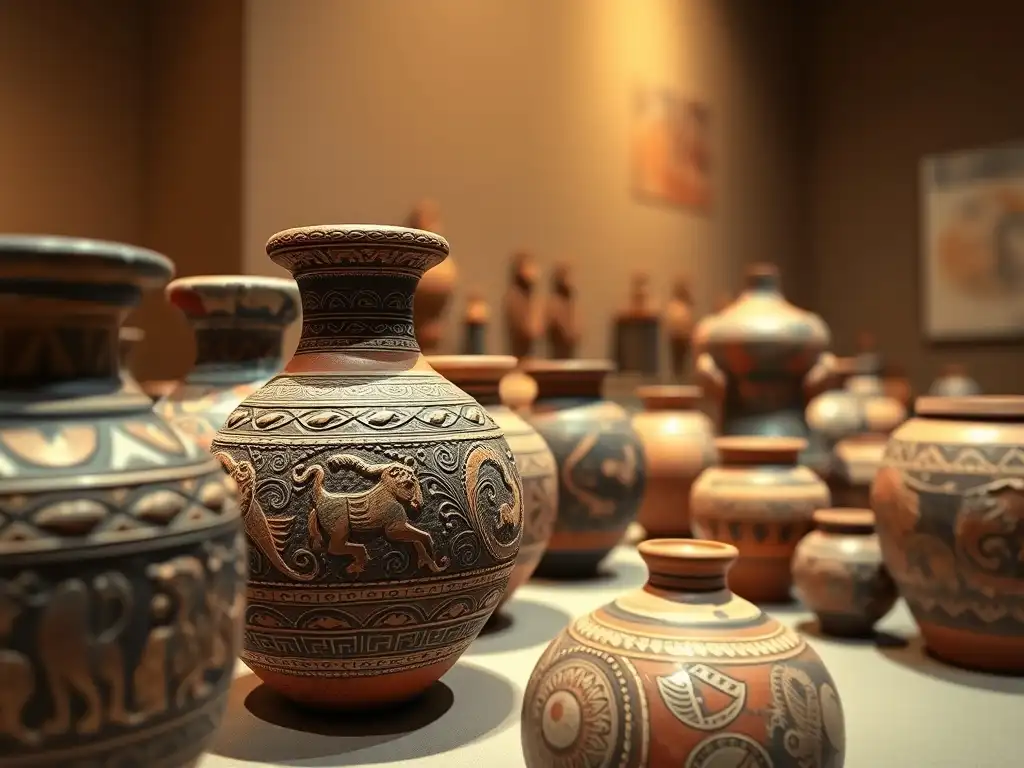
Uncover the mysteries of a lost world. Journey with us through the breathtaking landscapes and captivating cultures of the Andes, from the Incas to the enigmatic Nazca. But first, prepare to be amazed: did you know the secrets behind the remarkably advanced Chavín pottery techniques held the key to understanding their complex society? Delve into the intricacies of their craft and discover the artistry and innovation that defined this ancient civilization in our exploration of Chavín pottery techniques. Prepare to be captivated.
-
Chavín Pottery Techniques: The Secrets of Their Craft
- Introduction to Chavín Ceramic Art
- The Significance of Chavín Pottery in Andean Culture
- Materials Used in Chavín Ceramics
- Chavín Pottery Techniques: A Detailed Look
- Firing Methods Employed by the Chavín
- Chavín Pottery: Styles and Forms
- The Function and Purpose of Chavín Pottery
- The Legacy of Chavín Pottery Techniques
- Conclusion: Appreciating Chavín Pottery Craftsmanship
- Frequently Asked Questions
- Final Reflection: Unearthing the Legacy of Chavín Pottery
- **Unveil the Timeless Art of Chavín Pottery! **
Chavín Pottery Techniques: The Secrets of Their Craft
The Chavín culture, flourishing in the Andes from approximately 1200 to 200 BCE, left behind a remarkable legacy, notably their distinctive and sophisticated pottery. This article delves into the intricate techniques employed by Chavín artisans, revealing the secrets behind their mastery of clay and the enduring significance of their ceramic creations. We will explore the artistry, symbolism, and technological prowess reflected in their pottery, providing a glimpse into the daily lives and spiritual beliefs of this influential pre-Inca civilization.
Understanding Chavín pottery techniques offers a crucial window into the development of Andean ceramic traditions and its influence on subsequent cultures. The precision and artistry displayed in their work stand as a testament to their advanced technological understanding and aesthetic sensibilities, showcasing a level of skill rarely seen in contemporary societies. We'll examine the processes, materials, and the cultural context behind this remarkable achievement.
Introduction to Chavín Ceramic Art
Chavín pottery is easily recognizable for its unique style and the high level of skill demonstrated in its creation. Unlike many other contemporary cultures, Chavín artisans didn't simply focus on functional vessels. Their pottery served as a powerful medium for artistic expression and religious symbolism.
Many pieces feature intricate carvings, depicting stylized jaguars, snakes, and other iconic motifs deeply ingrained in Chavín mythology. The use of vibrant colors, achieved through mineral pigments, further enhanced the visual impact of their work. These pigments were carefully ground and mixed with a binding agent, likely a natural gum or resin, to create durable and long-lasting paints.
The process involved meticulous application, often requiring multiple layers to achieve the desired intensity and vibrancy. Some pieces even showcase a remarkable understanding of three-dimensional forms, demonstrating a sophisticated grasp of sculptural techniques. The artistry went beyond mere decoration; it was deeply intertwined with the spiritual and social fabric of Chavín society.
The most common Chavín pottery forms include:
- Stirrup-spout vessels: These distinctive vessels, characterized by a spout shaped like a stirrup, were used for ceremonial purposes and possibly for offering liquids to deities.
- Double-spout vessels: These vessels, with two spouts, often carried symbolic meaning, possibly representing duality or balance within the Chavín worldview.
- Goblets and cups: Smaller vessels, elegantly crafted, likely used for drinking and possibly ritualistic libations.
- Figurines: Small, intricately modeled figures of animals and humans, often depicting deities or mythical creatures, were also created. These figurines provide valuable insights into Chavín beliefs and artistic styles.
The Significance of Chavín Pottery in Andean Culture
Chavín pottery's significance extends beyond its artistic merit. Its widespread distribution across the Andes demonstrates the influence of the Chavín culture on its neighboring societies. The distinctive stylistic elements and motifs found in Chavín pottery were adopted and adapted by later cultures, suggesting a process of cultural exchange and diffusion. The presence of Chavín-style pottery in archaeological sites far removed from the Chavín heartland supports this conclusion.
This influence highlights the cultural and political dominance exerted by the Chavín civilization during its peak. Moreover, the discovery of pottery shards in various contexts—from elite tombs to everyday settlements—suggests that ceramic art played a vital role across different social strata. The symbolic language embedded within the pottery's designs likely communicated important social and religious messages, reinforcing the power and authority of the ruling elite and strengthening social cohesion within Chavín communities.
The resilience of Chavín ceramic styles across centuries speaks volumes about the enduring impact of this sophisticated culture on the development of Andean civilization. Further research, including detailed chemical analysis of the pigments and clays used, will undoubtedly reveal even more about the techniques and cultural significance of Chavín pottery. The intricate details, symbolic representations, and sheer artistry of these pieces continue to fascinate researchers and inspire awe in those who encounter them.
Materials Used in Chavín Ceramics
The remarkable artistry of Chavín pottery is intrinsically linked to the quality and variety of materials employed. Chavín artisans were meticulous in their selection, understanding that the properties of each material directly impacted the final product's durability, aesthetic appeal, and the success of the intricate decorative techniques they employed. Their mastery extended beyond simply finding suitable materials; they also possessed sophisticated knowledge of how to process and prepare these elements for optimal results.
This understanding of material science contributed significantly to the unique characteristics of Chavín ceramics, distinguishing them from the pottery of other contemporaneous Andean cultures. The careful selection of clays, pigments, and tempering agents showcases the advanced technological understanding of the Chavín people. This wasn't simply a matter of artistic expression; it was a testament to their deep knowledge of the natural world and its resources.
Clay Sourcing in the Mosna Valley
The Mosna Valley, located in the central Andes, served as a crucial source of clay for Chavín potters. Geological surveys indicate the presence of diverse clay deposits within the valley, offering a range of colors and textures. The specific clay types selected likely varied depending on the intended use and aesthetic preferences of the artisans.
Some clays would have been chosen for their plasticity, making them ideal for shaping complex forms. Others would have been preferred for their firing properties, ensuring durability and a desired surface finish. The selection process was undoubtedly influenced by factors such as proximity to the workshops and the accessibility of the deposits.
Further research is needed to pinpoint the precise locations of the clay sources and to analyze the mineralogical composition of the clays used in different Chavín pottery pieces. This would allow for a more precise understanding of the artisans' choices and their impact on the final product. Archaeological excavations continue to shed light on these aspects of Chavín material culture.
Hematite and Ochre Pigments
The vibrant colors adorning many Chavín ceramic pieces were achieved through the skillful use of natural pigments. Hematite, an iron oxide mineral, was a primary source of red and brown pigments. Its abundance in the Andean region made it a readily available and easily accessible resource.
Ochre, another iron oxide mineral, provided a range of yellow and orange hues, adding to the palette of colors used by the artisans. The preparation of these pigments involved grinding the minerals into fine powders, a process requiring considerable skill and patience. The consistency of the pigment powder directly influenced its application and the final appearance of the painted designs.
Evidence suggests that the pigments were often mixed with a binding agent, such as gum or plant sap, to improve adhesion to the ceramic surface and enhance the longevity of the colors. Analysis of pigments from various Chavín pottery pieces reveals a consistent use of these natural materials, highlighting the standardization of techniques within the Chavín culture.
Chavín Pottery Techniques: A Detailed Look
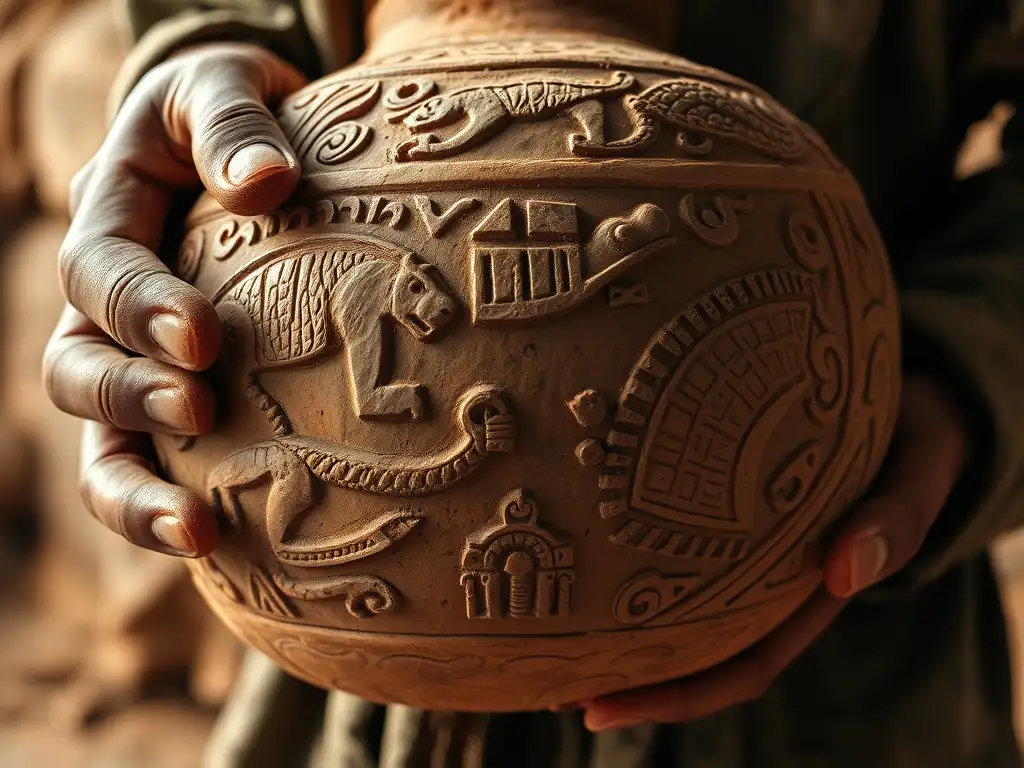
The creation of Chavín pottery involved a complex interplay of techniques, reflecting both the advanced technological skills of the artisans and their deep understanding of ceramic materials. From the initial shaping of the clay to the final firing process, each step demanded precision and expertise. The various techniques employed resulted in a remarkable diversity of forms, sizes, and decorative styles, showcasing the versatility and ingenuity of Chavín potters.
Their mastery of these techniques allowed them to create pieces ranging from simple utilitarian vessels to highly elaborate ceremonial objects, all bearing the distinctive hallmarks of their artistic traditions. The legacy of these techniques continues to inspire contemporary ceramic artists and provides valuable insights into the technological advancements of ancient Andean societies.
Hand-Building Techniques in Chavín Pottery
Many Chavín ceramic pieces were created using hand-building techniques, showcasing the dexterity and skill of the artisans. These techniques, passed down through generations, involved shaping the clay directly with hands, tools, and molds. The most common hand-building method was coil building, where long rolls of clay were meticulously layered and smoothed to create the desired form. This technique allowed for the creation of both simple and complex shapes, demonstrating the adaptability of the method.
Other hand-building techniques, such as pinching and paddle-and-anvil, may also have been used, depending on the specific shape and size of the vessel. The use of hand-building techniques underscores the importance of tactile skill and artistic vision in the creation of Chavín pottery. The imperfections often present in hand-built ceramics add to their unique character and authenticity.
Surface Treatment of Chavín Ceramics
Once shaped, Chavín pottery underwent various surface treatments to enhance its aesthetic appeal and durability. These treatments included smoothing, polishing, and the application of slip – a liquid clay suspension. Smoothing involved carefully removing any irregularities on the surface of the clay, creating a smooth and even texture. Polishing, often done with smooth stones, imparted a glossy finish, enhancing the vibrancy of the colors.
The application of slip provided a uniform base for painting, improving the adhesion of pigments and creating a more consistent color. The type of slip used may have varied depending on the desired color and surface texture. In some cases, a combination of these treatments was employed to achieve a particular aesthetic effect. The meticulous surface treatments applied to Chavín ceramics demonstrate a high level of craftsmanship and attention to detail.
Decorative Techniques in Chavín Pottery
Chavín pottery is renowned for its distinctive decorative techniques. The most common technique was painting, using a range of colors derived from natural pigments. These pigments were applied with brushes made from plant fibers or animal hair. The designs ranged from geometric patterns to stylized representations of animals and mythical creatures.
Other decorative techniques included incision, where designs were carved into the surface of the clay before firing, and stamping, where patterned stamps were pressed onto the clay to create repetitive motifs. The combination of these techniques, often used in conjunction with each other, created complex and visually striking designs. The intricate details and symbolic significance of these decorations highlight the sophisticated artistic sensibilities of Chavín culture and their advanced understanding of ceramic decoration. The symbolic meaning encoded within these designs continues to be a subject of ongoing research and interpretation.
Firing Methods Employed by the Chavín
The Chavín culture, renowned for its sophisticated artistry, employed several firing methods to achieve the desired aesthetic and durability in their pottery. Understanding these techniques provides crucial insight into their technological advancements and artistic vision. The processes were likely refined over generations, passed down through apprenticeships and contributing to the unique characteristics of Chavín ceramics. Archaeological evidence suggests a combination of open-air and potentially enclosed firing methods, reflecting a nuanced approach to pottery production.
The choice of method may have been influenced by factors such as the scale of production, the type of clay used, and the desired outcome. Further research is needed to fully understand the variations in firing techniques across different Chavín sites and time periods. The impact of environmental conditions on firing practices also remains an area requiring further investigation.
Open-Pit Firing
Open-pit firing, a common method in many ancient cultures, was likely a primary technique used by the Chavín. This involved creating a pit in the ground, lining it with fuel (possibly wood or dung), and placing the unfired pottery inside. More fuel would be added around and on top of the vessels.
The pit would then be carefully covered, potentially with more fuel and earth, to control the airflow and maintain consistent temperatures. The firing process would have required careful monitoring to ensure even heating and prevent damage to the pottery. This method, while relatively simple, allowed for the firing of multiple pieces simultaneously, making it efficient for large-scale production.
The exact composition of the fuel and the duration of the firing process would have significantly affected the final result, influencing the color and texture of the finished pottery. Analysis of pottery shards reveals variations in firing temperatures, suggesting a degree of experimentation and adaptation within this primary method.
Controlling Fire with Fuel and Air
The control of the firing process was crucial for achieving the desired results in Chavín pottery. The type and amount of fuel used would have directly impacted the temperature and atmosphere within the firing pit. Different fuels would have produced varying levels of heat and potentially different chemical compositions within the kiln atmosphere. The manipulation of airflow was also essential.
Controlling the amount of oxygen reaching the pottery would have influenced the oxidation or reduction of the clay, leading to different colors and finishes. Evidence suggests that the Chavín potters may have employed techniques to regulate airflow, possibly through strategically placed vents or by manipulating the covering of the pit. The precise methods for controlling air and fuel remain a subject of ongoing research, requiring careful analysis of the archaeological findings and experimental replication of the firing process.
Chavín Pottery: Styles and Forms
Chavín pottery is characterized by its distinctive styles and forms, reflecting the artistic sophistication and technological capabilities of the culture. The shapes and decorations are often intricate and symbolic, providing valuable insights into their religious beliefs and social structures. The use of various techniques, including modeling, incising, and painting, allowed for the creation of highly detailed and aesthetically pleasing pieces. The materials and techniques employed were carefully chosen to achieve the desired aesthetic effects and functionality. The stylistic variations observed in Chavín pottery suggest potential regional differences or changes over time, reflecting the dynamic nature of the culture.
Stirrup Spout Bottles and Bowls
Among the most iconic forms of Chavín pottery are the stirrup spout bottles. These vessels, named for their distinctive spout resembling a stirrup, were used for a variety of purposes, including ritual offerings and everyday use. Their design, with a central body and a narrow spout, allowed for precise pouring. The decoration of stirrup spout bottles was often elaborate, featuring intricate designs and symbolic imagery.
The bowls, on the other hand, were simpler in form but could be equally ornately decorated. Variations in size and shape suggest differences in function and status. The precision in crafting these vessels highlights the advanced skills of Chavín potters. The creation of these complex shapes required considerable skill and knowledge of the properties of clay.
Depictions of Jaguars and Snakes
A prominent motif in Chavín pottery is the depiction of jaguars and snakes. These powerful animals held significant symbolic meaning within the Chavín culture, often representing deities or supernatural forces. The representations varied in style and detail, sometimes realistically rendered and at other times stylized and abstract. The careful execution of these designs, whether through painting, incising, or modeling, showcases the artistic skill of the potters.
The use of these motifs across different forms of pottery suggests their importance in Chavín society and religious practices. Further research is needed to fully understand the symbolic significance of these animals and their varied representations in Chavín art. The consistent recurrence of these motifs across various pottery pieces underscores their central role in the culture's worldview.
The Function and Purpose of Chavín Pottery
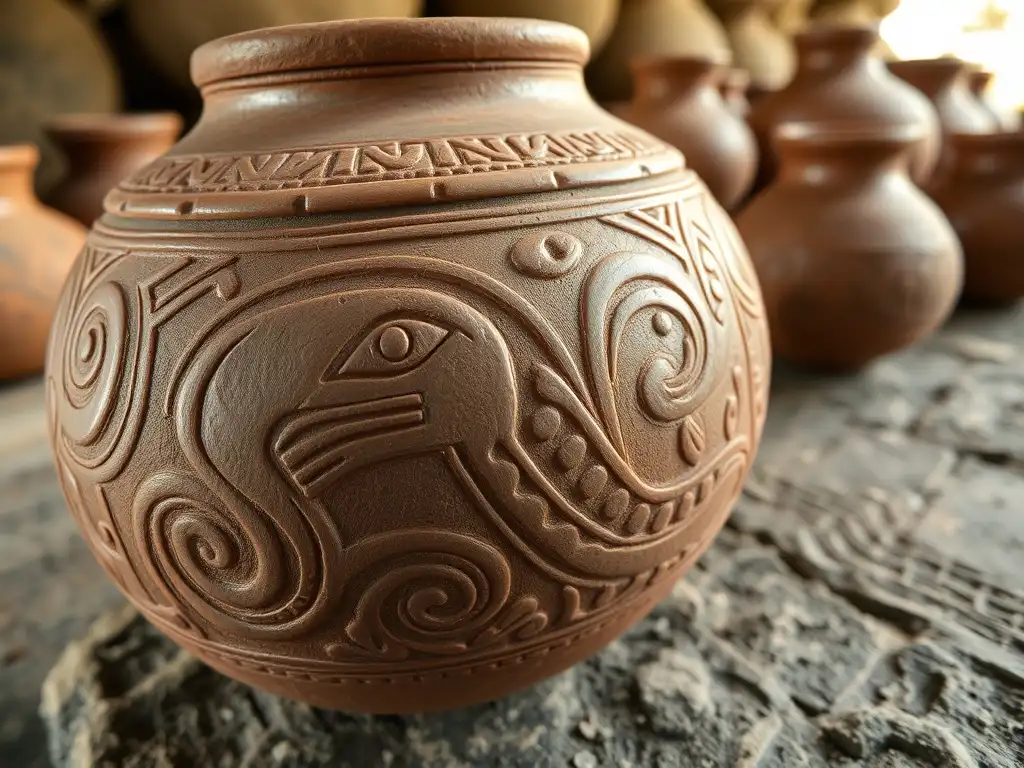
Chavín pottery, far from being merely decorative objects, served a multitude of crucial functions within the society. Understanding these functions provides valuable insight into the beliefs, social structures, and daily lives of the Chavín people. The pottery wasn't simply utilitarian; it played a significant role in religious rituals, marked social status, and even accompanied the deceased into the afterlife.
The intricate designs and high-quality craftsmanship reflect the importance placed upon these vessels. Analysis of chemical residues found on some pottery pieces suggests that certain vessels were used for food preparation and storage, while others were clearly intended for ritual purposes. The diversity in styles and forms further supports the idea of multiple functionalities.
Different shapes and sizes likely served different needs, from large storage jars to smaller bowls and cups used for consumption. The production and use of Chavín pottery were deeply intertwined with the spiritual and social fabric of the culture.
Ritual Use in Temple Ceremonies
The use of Chavín pottery in temple ceremonies is evidenced by the discovery of numerous fragments within and around major ceremonial centers. These fragments, often adorned with elaborate iconography depicting deities and mythical creatures, suggest a central role in rituals. The pottery may have held offerings to the gods, contained sacred liquids, or served as symbolic representations of power and religious authority. Scholars believe that the distinctive style and quality of the pottery used in these ceremonies were integral to the success and efficacy of the rituals themselves. The sheer quantity of pottery fragments found in these contexts underscores its pervasive importance in temple activities. Some researchers suggest specific vessel types were dedicated solely to ritual use, whereas others were used for both ceremonial and domestic purposes. Further research, especially chemical analysis of residual materials, could shed more light on the specific uses of different vessel types in religious contexts.
Elite Status Indicated by Fine Ceramics
The craftsmanship and materials used in Chavín pottery were not uniform. Fine ceramics, characterized by intricate carvings, polished surfaces, and the use of rare pigments, were clearly associated with the elite members of society. These pieces, often depicting stylized jaguars, snakes, and other powerful symbols, served as markers of high social standing. Access to these high-quality materials and the specialized skills required to produce them were likely restricted to a select group, highlighting the social stratification within Chavín society.
The presence of such pottery in elite tombs further reinforces this connection between fine ceramics and high status. The variation in quality and decoration provides a valuable window into the social hierarchy of the Chavín culture, with the finest pottery representing the pinnacle of craftsmanship and status. Further investigation into the distribution of these elite ceramics could reveal more about the social networks and power dynamics within the Chavín civilization.
Grave Goods in Burials
The inclusion of Chavín pottery as grave goods offers further insight into the beliefs surrounding death and the afterlife. The types and quantities of pottery found in burials vary, reflecting the social status of the deceased. Elite tombs often contain numerous high-quality vessels, while simpler burials may contain only a few utilitarian pieces. This practice suggests that the pottery was not only valued in life but also considered essential for the deceased in the afterlife.
The presence of specific types of pottery in particular burials may provide clues about the individual's role in society and their beliefs. The careful placement and arrangement of pottery in graves indicate a deliberate and symbolic act, emphasizing its importance in funerary rituals. Further study of grave goods, combined with analysis of the skeletal remains, could provide a more comprehensive understanding of Chavín funerary practices and beliefs.
The Legacy of Chavín Pottery Techniques
The sophisticated techniques developed by the Chavín people left a lasting impact on subsequent Andean cultures. The innovation and artistry displayed in their pottery served as a significant inspiration and model for later ceramic traditions. The influence of Chavín artistry can be traced through various stylistic elements and technological advancements in the pottery of succeeding cultures. The impact of Chavín pottery is not limited to a single region; rather, its influence spread across a wide geographic area, demonstrating the far-reaching impact of their artistic and technical innovations.
Influence on Moche and Nazca Ceramics
The Moche and Nazca cultures, both flourishing after the Chavín, clearly show evidence of Chavín influence in their ceramic traditions. While developing unique styles, both cultures adopted and adapted certain Chavín techniques, particularly in the use of slip and paint application. The iconic Moche portrait vessels and the intricate polychrome designs of Nazca pottery exhibit subtle but discernible links to Chavín techniques.
This cultural exchange and adaptation highlight the continuity and evolution of ceramic traditions in the Andean region. Detailed comparative studies of Chavín, Moche, and Nazca pottery reveal a complex interplay of innovation and influence, showcasing the dynamic nature of cultural transmission.
Contemporary Ceramic Art Inspired by Chavín
Even today, the unique aesthetic and technical skills of Chavín potters continue to inspire contemporary artists. Modern ceramic artists draw inspiration from the intricate designs, innovative techniques, and symbolic representations found in Chavín pottery. This enduring legacy reflects the timelessness and enduring appeal of Chavín artistic achievements.
The revival and reinterpretation of Chavín styles in contemporary ceramic art demonstrate the continued cultural relevance and artistic significance of this ancient civilization. This modern appreciation underscores the enduring power of Chavín art to inspire and captivate audiences across millennia. The use of modern materials and techniques alongside traditional Chavín designs creates a fascinating dialogue between past and present, highlighting the enduring legacy of Chavín pottery.
Conclusion: Appreciating Chavín Pottery Craftsmanship
The mastery of Chavín pottery techniques reveals a sophisticated understanding of materials, processes, and artistic expression. Their innovative approaches to firing, surface decoration, and form demonstrate a high level of skill and technical prowess rarely seen in contemporaneous cultures. The enduring legacy of Chavín pottery isn't just about the beautiful objects themselves; it's a testament to the ingenuity and artistic vision of a civilization that shaped the cultural landscape of the Andes.
Studying these techniques offers a profound insight into the worldview and social structures of the Chavín people, highlighting their unique place in the tapestry of Andean history. The intricate details, the symbolic imagery, and the sheer technical achievement behind each piece serve as a powerful reminder of the enduring power of human creativity and the importance of preserving our cultural heritage. The meticulous craftsmanship evident in Chavín pottery continues to inspire awe and admiration, leaving a lasting impression on all who encounter these remarkable artifacts.
Their legacy serves as a powerful reminder of the enduring artistic spirit of the Andean civilizations. Further research into Chavín pottery techniques could potentially unlock even more secrets about their society and beliefs, offering a richer understanding of this fascinating culture. The enduring appeal of Chavín pottery lies not only in its aesthetic beauty but also in the intricate story it tells about a remarkable civilization.
Frequently Asked Questions
What makes Chavín pottery unique?
Chavín pottery is renowned for its unique artistic style, featuring bold, abstract designs often depicting mythological creatures and deities. The intricate details and high-quality craftsmanship are also distinguishing features.
What techniques did Chavín potters use?
Chavín potters employed a variety of techniques, including modeling, incising, painting, and the use of slip and negative painting. They also mastered the use of different clays and firing techniques to achieve various textures and colors.
What were the main materials used in Chavín pottery?
The main materials were various types of clay, often sourced locally. Different clays allowed for a range of colors and textures. Pigments derived from minerals were used for painting.
What is the significance of Chavín pottery designs?
The designs often depict mythological beings and complex iconography, reflecting Chavín religious beliefs and cosmology. These designs provide valuable insights into their spiritual world and social structure.
Where can I learn more about Chavín pottery techniques?
Further research can be conducted through academic journals and museum collections featuring Chavín artifacts. Many books and online resources also delve into the details of their remarkable craft.
Final Reflection: Unearthing the Legacy of Chavín Pottery
The intricate pottery techniques of the Chavín culture remain a testament to the ingenuity and artistry of a civilization that flourished millennia ago, and their influence continues to resonate in contemporary artistic practices and our understanding of ancient Andean societies. Their mastery of complex firing processes, innovative decorative styles, and the symbolic power embedded within their vessels offer invaluable insights into their worldview and social structures. This enduring legacy challenges us to appreciate the depth and complexity of pre-Columbian cultures.
The enduring power of Chavín pottery lies not only in its technical brilliance but also in its ability to transport us to a different time and place, allowing us to connect with the hands that shaped the clay and the minds that conceived the designs. The past is never dead. It's not even past.
- William Faulkner. This quote perfectly encapsulates the ongoing relevance of studying Chavín pottery; it allows us to engage with a past that continues to inform and inspire the present, shaping our understanding of artistic innovation and cultural heritage. The vibrant colors, intricate motifs, and the sheer skill involved in creating these pieces continue to captivate and inspire artists and researchers alike.
Consider the implications of this ancient craft. What can we learn from the Chavín's dedication to their art? How can we apply their commitment to innovation and precision to our own lives and creative endeavors? Take a moment to reflect on the enduring power of human creativity and the importance of preserving and understanding our shared cultural heritage. Let the legacy of Chavín pottery inspire you to explore your own creative potential and appreciate the rich tapestry of human history.
**Unveil the Timeless Art of Chavín Pottery! **
Thank you for exploring the fascinating world of Chavín pottery! Your interest has unlocked the secrets of this remarkable craft, and we encourage you to continue your journey of discovery. Embrace the artistry of the Chavín culture and deepen your understanding with these suggestions:
- **Try your hand at pottery! ** Gather clay and experiment with shaping and decorating techniques inspired by the distinctive styles of the Chavín culture. You might be surprised at what you create!
- **Share your creative process on social media! ** Post pictures of your work and tag us; we'd love to see your creations and connect with other enthusiasts.
- **Enroll in a local pottery class or workshop. ** Learn from experienced artisans and experience the unique tactile connection to this ancient art form firsthand.
As you delve deeper into this creative endeavor, consider this: What aspect of Chavín pottery resonates most strongly with you, and how can you translate that inspiration into your own artistic expression?