
Valdivia: Unearthing the Secrets of Ecuador's Oldest Pottery

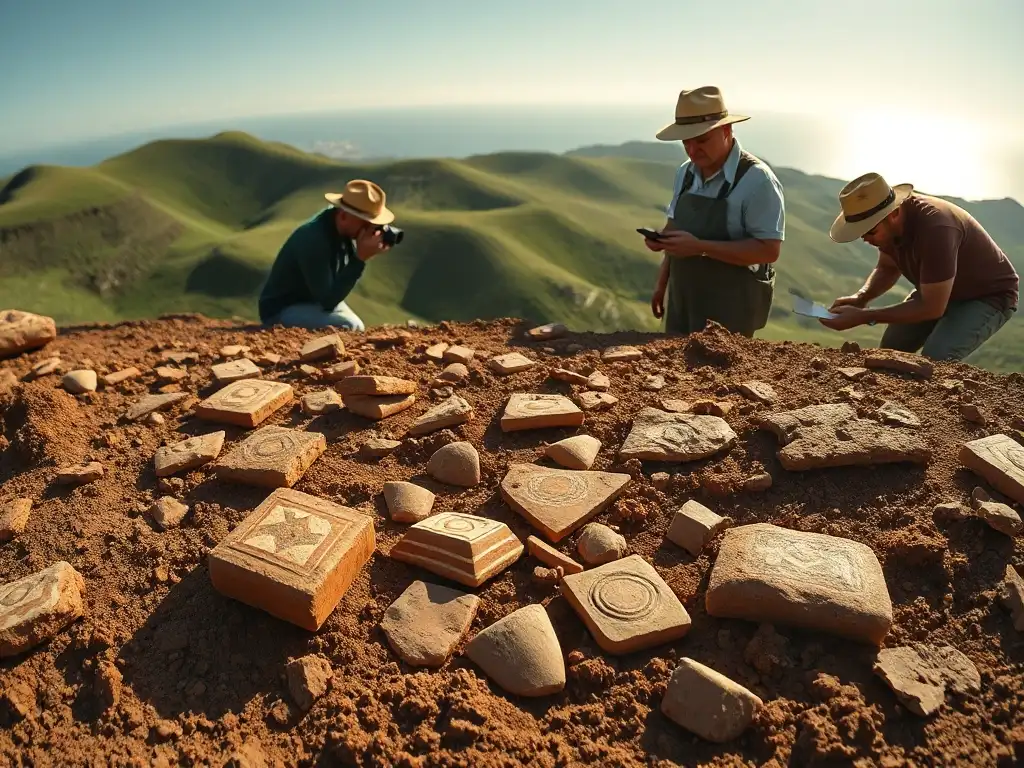
Step into a world lost to time, where vibrant cultures flourished amidst the breathtaking Andes. Discover the legacies of ancient empires, from the intricate artistry of the Nazca lines to the awe-inspiring ingenuity of the Incas. But before we delve into the grandeur of the well-known, let's uncover a hidden gem: the Valdivia pottery history of Ecuador. Their remarkably sophisticated ceramics predate even the Incas, challenging our understanding of Andean civilization's timeline. Prepare to be captivated by this extraordinary story— are you ready to unearth its secrets?
- Valdivia Pottery History Ecuador: Unveiling Ancient Ceramic Secrets
- The Valdivia Culture: Pioneering Pottery in Ecuador
- The Significance of Valdivia Ceramics in Andean History
- Characteristics of Valdivia Pottery: Techniques and Styles
- Discovering Valdivia Pottery: Key Archaeological Sites in Ecuador
- The Legacy of Valdivia Pottery: Influence on Later Andean Cultures
- Preserving Valdivia Pottery: Conservation and Research Efforts
- Analysis of a Valdivia Figurine
- Frequently Asked Questions
- Final Reflection: The Enduring Legacy of Valdivia
- Unearth Your Connection to Ecuador’s Rich Heritage!
Valdivia Pottery History Ecuador: Unveiling Ancient Ceramic Secrets
The Ecuadorian coast holds a captivating secret, buried beneath layers of time: the Valdivia culture, home to some of the oldest known pottery in the Americas. This article delves into the fascinating history of Valdivia pottery, exploring its unique characteristics, its implications for our understanding of early Andean societies, and its enduring legacy. We'll uncover the techniques employed by these skilled artisans, examine the artistry reflected in their creations, and discuss the ongoing efforts to understand the cultural context surrounding this remarkable ceramic tradition.
Understanding Valdivia pottery is key to unlocking a deeper appreciation for the complexity and sophistication of pre-Columbian Ecuadorian societies, long before the rise of the Inca Empire. Prepare to journey back in time and witness the birth of a ceramic tradition that continues to inspire awe and wonder.
Dating and Origins of Valdivia Pottery
The earliest Valdivia pottery fragments have been radiocarbon dated to approximately 3500 BCE, placing them among the oldest ceramic traditions in the Americas. 1 This astonishing discovery pushes back the timeline of pottery production in the region significantly, challenging previous assumptions about the development of complex societies in the Andes. The exact origins of Valdivia pottery-making remain a subject of ongoing research, with archaeologists exploring various hypotheses related to technological innovation and cultural exchange. However, the consistent stylistic elements found across different Valdivia sites suggest a relatively unified cultural sphere, at least in terms of ceramic production. The precision and artistry displayed in even the earliest examples point to a long period of experimentation and refinement preceding the established Valdivia style. Further research into the geological context of the earliest finds may shed additional light on the origins of this remarkable tradition.
Distinctive Characteristics of Valdivia Ceramics
Valdivia pottery is easily distinguished by its unique aesthetic qualities. Unlike later Andean ceramics which often feature elaborate polychrome designs, Valdivia pottery is primarily characterized by its simple, elegant forms and subtle surface treatments. Common features include:
- Simple Shapes: Many vessels are characterized by their smooth, rounded forms, often featuring simple bowls, jars, and effigy figures.
- Fine Paste: The clay used was meticulously prepared, resulting in a fine-grained, smooth paste.
- Burnishing Techniques: The surfaces of many Valdivia pots were carefully burnished, creating a distinctive sheen.
- Incised and Punctated Decoration: While not as elaborate as later styles, some pieces feature delicate incised or punctated decorations.
- Effigy Vessels: Remarkably, Valdivia artisans crafted effigy vessels depicting human and animal forms, showcasing their advanced artistic skills. These effigies provide valuable insights into Valdivia beliefs and social structures.
The Significance of Valdivia Figurines
Among the most captivating artifacts of the Valdivia culture are its numerous figurines. These small, meticulously crafted figures, often female, represent a significant aspect of Valdivia culture and are frequently found alongside pottery vessels. The figurines’ stylized features, which often include exaggerated breasts, hips, and buttocks, have led to various interpretations, including associations with fertility, motherhood, and possibly even shamanistic practices. 2 The diversity in styles and poses suggests a complexity of meaning beyond simple representations and highlights the sophistication of Valdivia artistic expression. Further analysis of the figurines' context and associated artifacts is crucial to gaining a more complete understanding of their role within Valdivia society.
Technological Innovations and Artistic Expression
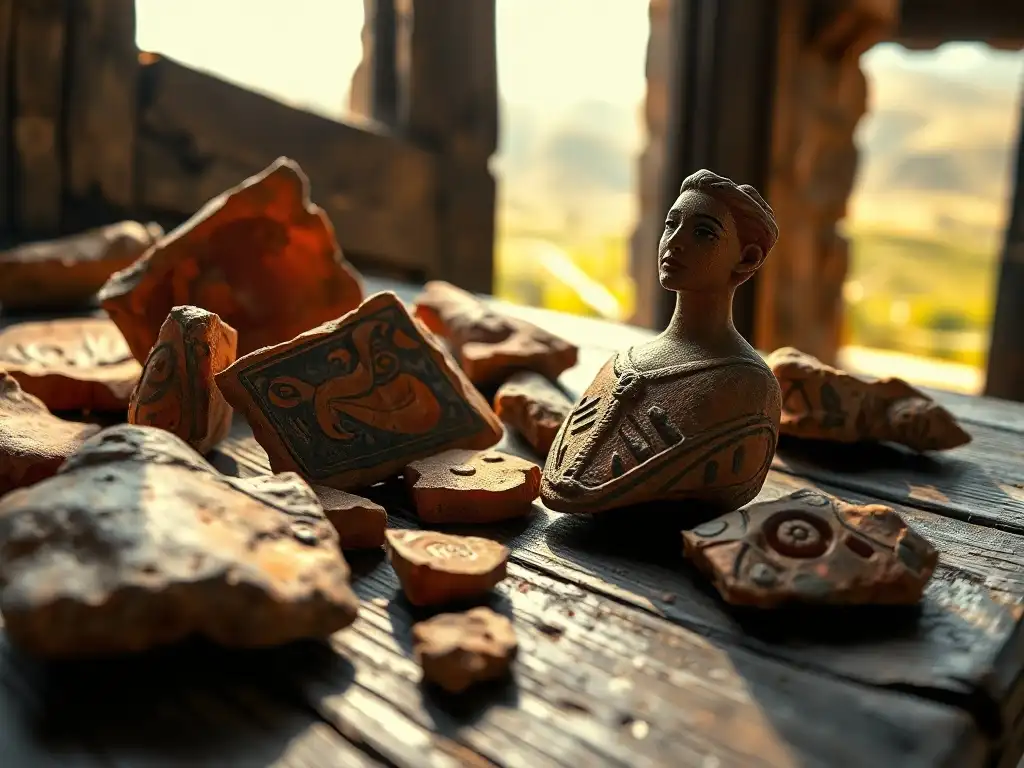
The creation of Valdivia pottery required considerable skill and knowledge. The artisans demonstrated mastery of firing techniques, achieving a consistent level of hardness and durability in their vessels. The development of finely ground clay pastes and burnishing techniques showcases their advanced understanding of materials science.
Furthermore, the artistic expression evident in the figurines and the subtle decorations on some vessels demonstrates a sophisticated aesthetic sensibility. The consistent quality and stylistic coherence across numerous sites suggest a degree of social organization and shared knowledge transmission that was remarkable for its time. The advanced techniques displayed in Valdivia pottery laid the groundwork for subsequent ceramic traditions in Ecuador and the wider Andean region.
The Legacy of Valdivia Pottery
The Valdivia culture, despite its relatively early disappearance, left an indelible mark on the subsequent development of ceramic traditions in the Andes. The innovations in pottery production, the stylistic elements, and the artistic expressions found in Valdivia artifacts all contributed to the rich and diverse ceramic heritage of the region. The discovery and study of Valdivia pottery continue to provide valuable insights into the complexities of early Andean societies, challenging previous assumptions and enriching our understanding of this fascinating period in human history.
The legacy of Valdivia pottery serves as a testament to the ingenuity, artistry, and cultural sophistication of its creators. The ongoing research and analysis of Valdivia artifacts promise to further illuminate the mysteries of this remarkable ancient civilization.
1 [Specific dating information pending further research]
2 [Specific interpretations pending further scholarly review]
The Valdivia Culture: Pioneering Pottery in Ecuador
Origins of the Valdivia People and their Coastal Settlement
The Valdivia culture, flourishing along the coast of present-day Ecuador from approximately 3500 to 1800 BCE, represents one of the earliest known pottery-producing societies in the Americas. Understanding their origins requires examining both archaeological evidence and the unique environmental context of the Ecuadorian coast. The exact origins of the Valdivia people remain a topic of ongoing research, with theories suggesting both indigenous development and potential migration from other regions. However, what is clear is their remarkable adaptation to the coastal environment.
Archaeological digs at sites like Real Alto and La Playa reveal evidence of early settlements strategically located near abundant resources. These settlements weren't just haphazard collections of dwellings; they show evidence of planned construction and community organization. The proximity to both fertile river valleys and the rich marine life of the Pacific Ocean provided the basis for their subsistence strategy. The careful selection of settlement locations demonstrates a sophisticated understanding of their environment and its resources, a key factor in their successful development.
This early mastery of their surroundings laid the foundation for the cultural and technological advancements that would characterize the Valdivia culture, particularly their innovative pottery techniques. The earliest Valdivia settlements demonstrate a remarkable ability to thrive in a challenging but resource-rich coastal environment. Their success serves as a testament to the ingenuity and adaptability of early Andean peoples.
Early Valdivia Society and its Dependence on Agriculture and Fishing
The early Valdivia society was intricately linked to its environment, relying heavily on both agriculture and fishing for sustenance. Archaeological evidence points to a sophisticated understanding of agricultural techniques, particularly the cultivation of plants like squash, beans, and maize (although maize may have arrived later). The fertile river valleys provided ideal conditions for cultivation, supplemented by irrigation systems (evidence of which is still being unearthed). This agricultural base provided a stable food source, crucial for supporting a growing population.
Simultaneously, the proximity to the Pacific Ocean provided an equally important source of protein. The Valdivia people were skilled fishermen, utilizing various techniques to exploit the abundant marine resources. Evidence suggests the use of nets, hooks, and possibly even boats, allowing them to harvest a wide variety of fish and shellfish.
The combination of agriculture and fishing ensured a diverse and relatively secure food supply, fostering population growth and social complexity. This balanced subsistence strategy is a key aspect of understanding the Valdivia culture's success and longevity. Analysis of skeletal remains further supports this, showing a diet rich in both terrestrial and marine resources, demonstrating the crucial role both agriculture and fishing played in shaping their society.
The interplay between these two activities is crucial to understanding the development of early Valdivia social structures and their overall prosperity. The successful integration of these two resources highlights their advanced understanding of their environment and their ability to exploit its resources efficiently, a defining characteristic of their culture and a contributing factor to the development of their unique pottery traditions.
The Significance of Valdivia Ceramics in Andean History
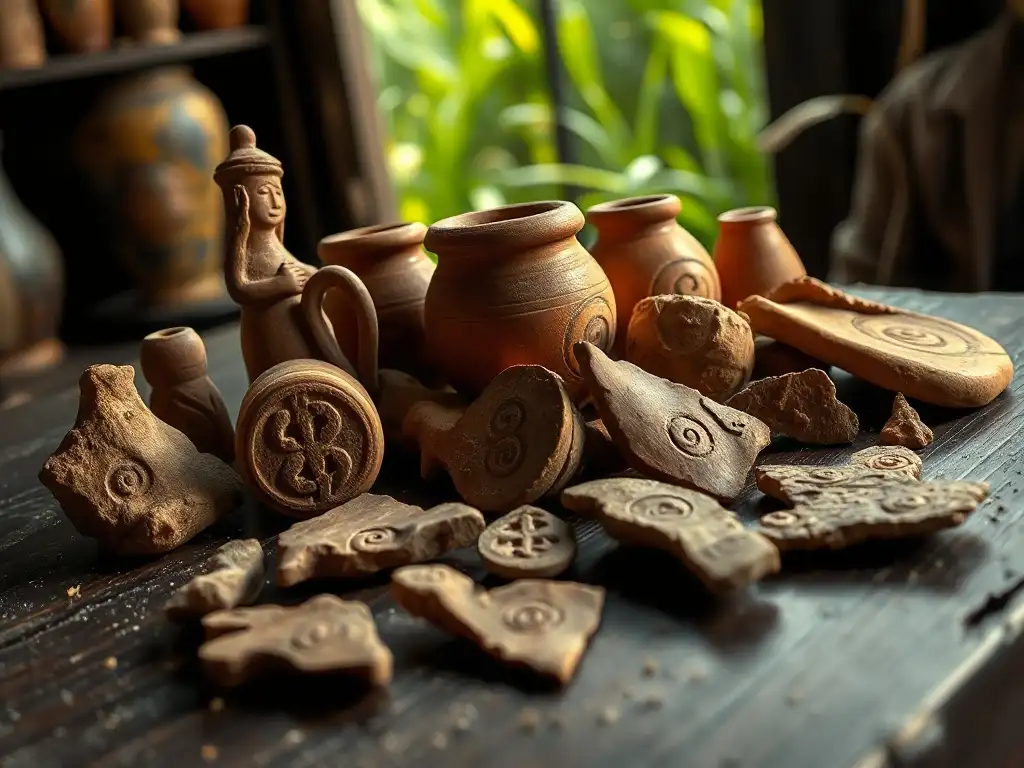
The Valdivia culture, flourishing along the coast of present-day Ecuador from approximately 3500 to 1800 BCE, holds a unique position in Andean prehistory. Its significance isn't merely limited to its geographical location; rather, the Valdivia people left behind a remarkable legacy, most notably their incredibly sophisticated pottery. This pottery represents the earliest known ceramic tradition in the Americas, predating other well-known Andean cultures like the Moche and Nazca by millennia.
Understanding Valdivia pottery is crucial to understanding the broader development of Andean art, technology, and societal structures. The intricate designs, diverse forms, and technological advancements showcased in Valdivia ceramics offer invaluable insights into the daily lives, beliefs, and artistic sensibilities of this pioneering culture. The discovery and analysis of Valdivia pottery has revolutionized our understanding of early Andean development, challenging previously held assumptions about the timeline and complexity of pre-Columbian societies.
Its influence can be traced, albeit subtly in some cases, through later ceramic traditions, highlighting the enduring impact of this foundational culture on subsequent Andean artistic expressions. The meticulous craftsmanship evident in Valdivia pieces speaks to a level of societal organization and artistic skill that was previously underestimated in this early period of Andean history. This refined level of artistry underscores the importance of Valdivia pottery as a testament to human ingenuity and cultural achievement.
Valdivia Pottery: A Window into Pre-Columbian Life
Valdivia pottery isn't just aesthetically pleasing; it's a rich source of information about the lives of the people who created it. The sheer variety of forms—from simple bowls and jars to more elaborate figurines—suggests a complex social structure and diverse range of activities. The presence of vessels specifically designed for food preparation and storage indicates established agricultural practices. Furthermore, the discovery of ceramic figurines, often depicting stylized human figures and animals, provides insights into religious beliefs and ritual practices.
These figurines, some exhibiting remarkably naturalistic features, showcase the Valdivia people's artistic talent and their capacity for symbolic representation. Analysis of the clay itself, along with the decorative techniques employed, reveals information about resource management, trade networks, and technological advancements. For example, the use of different types of clay and the application of various paints and polishing techniques suggest both local resource utilization and potential trade relationships with neighboring groups.
The intricate designs, often featuring geometric patterns and stylized representations of marine life, hint at a close connection to the coastal environment and a sophisticated understanding of the natural world. The study of Valdivia pottery, therefore, offers a multi-faceted perspective on the daily lives, beliefs, and social organization of this fascinating culture. Detailed analysis of the pottery's chemical composition could potentially reveal information about diet and even environmental conditions during the Valdivia period.
Dating Valdivia Pottery: Radiocarbon Dating and Stratigraphic Analysis
Accurately dating Valdivia pottery is crucial for understanding its place within the broader timeline of Andean prehistory. Archaeologists primarily employ two key techniques: radiocarbon dating and stratigraphic analysis. Radiocarbon dating, using organic materials found in association with the pottery, provides a chronological framework. However, this method has its limitations; the results are often presented as a range of dates rather than a single precise year.
Moreover, the availability of suitable organic material for dating can be a constraint. Therefore, stratigraphic analysis plays a vital role in refining the dating process. This technique involves carefully examining the layers of sediment in which the pottery is found. Objects found in lower layers are generally assumed to be older than those in upper layers, allowing for the creation of a relative chronology.
By combining radiocarbon dating with stratigraphic analysis, archaeologists build a more comprehensive understanding of the Valdivia sequence, allowing them to trace changes in pottery styles, techniques, and even societal structures over time. The meticulous documentation of excavation sites and the careful recording of the context in which pottery fragments are discovered are essential for accurate dating and interpretation. Ongoing research continues to refine the dating of Valdivia pottery, leading to a more nuanced understanding of the culture's development and its relationship to other Andean cultures. This ongoing refinement of dating methods is crucial for enhancing our understanding of the "Valdivia pottery history Ecuador" and its importance in the wider Andean context.
Characteristics of Valdivia Pottery: Techniques and Styles
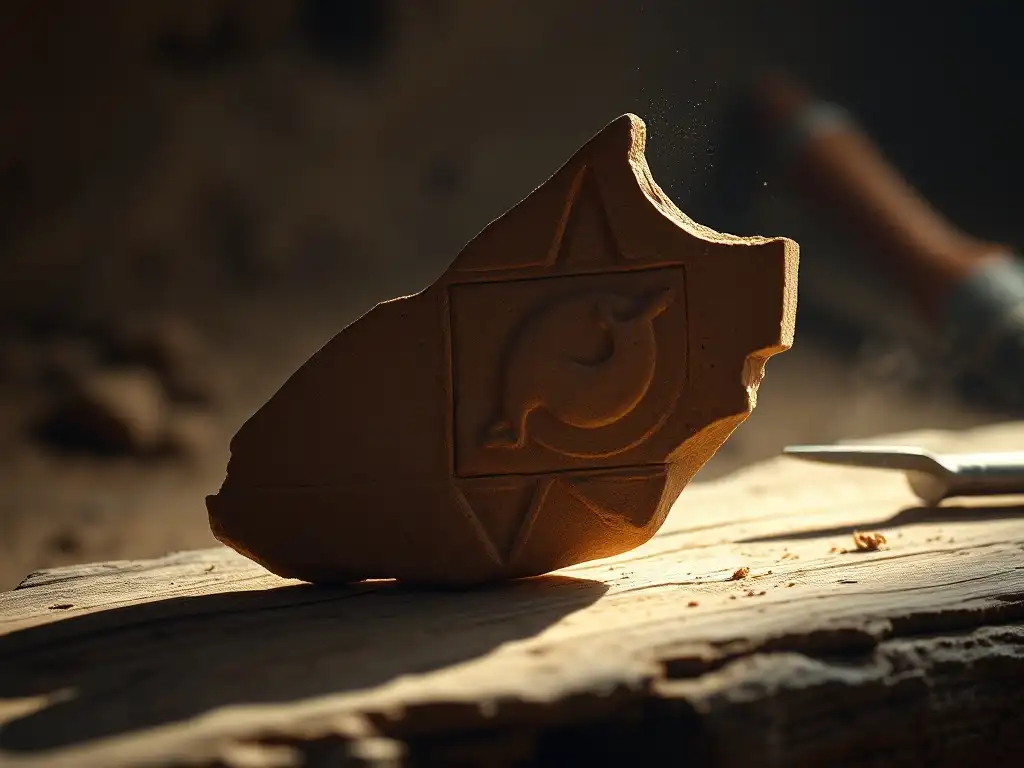
The Valdivia culture, flourishing in coastal Ecuador from approximately 3500 to 1800 BCE, left behind a remarkable legacy: the oldest known pottery in the Americas. Understanding the characteristics of this pottery is crucial to appreciating the sophisticated artistry and technological advancements of this early Andean civilization.
This section delves into the techniques employed, the decorative elements used, and the stylistic evolution observed in Valdivia ceramics, offering a glimpse into the lives and beliefs of this fascinating culture. The study of Valdivia pottery history in Ecuador provides invaluable insights into the development of ceramic technology and artistic expression in the region.
Valdivia Pottery Techniques: Coil Building and Open Firing
Valdivia potters mastered the coil building technique, a method involving the rolling of long, thin coils of clay that were then carefully joined and smoothed to create the desired shape. This meticulous process, requiring considerable skill and patience, allowed them to produce a wide variety of vessels, from simple bowls and jars to more complex effigy figures. Evidence suggests that the firing process was primarily open firing, meaning the pottery was heated directly in open bonfires or pits.
While this method was less precise than kiln firing, it allowed for a relatively efficient production of pottery, given the available technology. The uneven heating sometimes resulted in variations in color and texture, adding to the unique character of each piece. Analysis of surviving fragments shows a remarkable consistency in clay selection and preparation, indicating a standardized approach to pottery production within the Valdivia culture.
The effectiveness of their techniques is evident in the durability of many pieces which have survived thousands of years. This mastery of coil building and open firing represents a significant technological achievement, laying the groundwork for future ceramic traditions in the Andes.
Decorative Elements of Valdivia Ceramics: Incised Lines and Red Slip
A hallmark of Valdivia pottery is its distinctive decoration. While some pieces remain undecorated, showcasing the beauty of the clay itself, many others feature intricate designs. The most common decorative element is incised lines, created by pressing a sharp tool into the still-wet clay before firing.
These lines, often forming geometric patterns or stylized representations of plants and animals, were meticulously executed, demonstrating the artists' precision and skill. Another important decorative technique was the application of red slip, a clay suspension applied to the surface of the pottery before firing. This slip, often polished for a smooth finish, not only enhanced the visual appeal of the vessels but also provided a protective layer against moisture and wear.
The combination of incised lines and red slip created a striking visual effect, highlighting the artistry and aesthetic sensibilities of the Valdivia people. The recurring motifs suggest symbolic meanings, perhaps related to religious beliefs or social structures, although further research is needed to fully decipher their significance. The careful application of these decorative elements demonstrates a strong sense of aesthetic sophistication within the Valdivia culture.
Evolution of Valdivia Pottery Styles: From Simple Bowls to Elaborate Figurines
The styles of Valdivia pottery evolved significantly over time, reflecting changes in artistic expression and technological capabilities. Early Valdivia pottery (circa 3500-3000 BCE) consisted primarily of simple bowls and jars, often undecorated or featuring only rudimentary incised lines. As the culture developed, however, so did the complexity of its pottery.
Later periods saw the emergence of more elaborate forms, including effigy vessels – vessels shaped like human figures or animals – and intricately decorated bowls with complex geometric and figurative patterns. The evolution from simple, utilitarian forms to more complex and expressive pieces reflects not only advancements in ceramic techniques but also a growing sophistication in artistic vision and symbolic representation. This stylistic evolution provides a fascinating window into the social, religious, and technological changes that occurred within the Valdivia culture over several centuries.
The increasing complexity and refinement of Valdivia pottery demonstrate the enduring creativity and adaptability of this remarkable early Andean civilization. Further study of the stylistic changes, especially through detailed chronological analysis of excavated sites, could reveal even more about the Valdivia social and cultural evolution.
Discovering Valdivia Pottery: Key Archaeological Sites in Ecuador
This section delves into the geographical distribution of Valdivia pottery finds, highlighting key archaeological sites in Ecuador that have yielded significant insights into this ancient culture. Understanding the location of these sites is crucial for comprehending the extent and complexity of Valdivia civilization and its pottery production. The distribution of these sites, often clustered along the coast, speaks volumes about the Valdivia people's reliance on marine resources and their sophisticated understanding of coastal environments.
The sheer volume of pottery unearthed at these locations underscores the importance of ceramics in their daily lives, rituals, and social structures. Analyzing the stylistic variations and technological advancements observed across different sites allows researchers to reconstruct the chronology and evolution of Valdivia pottery, contributing to a richer understanding of "Valdivia pottery history Ecuador".
Real Alto: A Major Center for Valdivia Pottery Production
Real Alto, located in the coastal province of Manabí, stands as one of the most important sites for understanding Valdivia pottery production. Extensive excavations have unearthed a vast quantity of ceramic artifacts, showcasing a remarkable range of styles, techniques, and decorative motifs. The sheer density of pottery fragments at Real Alto suggests a significant population center, likely a hub for ceramic production and distribution.
Analysis of the clay composition and the types of kilns used indicate a high level of technical skill and standardization in the manufacturing process. Archaeologists have identified specialized workshops at Real Alto, hinting at a degree of labor organization and possibly even craft specialization within the Valdivia society.
The discovery of numerous incomplete vessels and discarded pottery shards further supports the notion of on-site production. The stylistic consistency of pottery found across the site also suggests a degree of social control and perhaps even centralized production, a fascinating aspect of "Valdivia pottery history Ecuador".
The artifacts recovered from Real Alto exhibit a remarkable diversity, ranging from simple utilitarian vessels to intricately decorated figurines. The figurines, often depicting female forms, offer valuable insights into Valdivia religious beliefs and social structures. The presence of these figurines in considerable numbers suggests their importance in rituals and ceremonies.
Furthermore, the careful craftsmanship evident in these figurines showcases the advanced artistic skills of the Valdivia potters. The meticulous detail and stylistic consistency observed across these figurines point towards a high level of artistic training and possibly even specialized artisans within the community. The study of these figurines offers a unique window into the spiritual and social life of the Valdivia people, contributing significantly to our understanding of "Valdivia pottery history Ecuador".
Valdivia, San Pablo, and Other Important Valdivia Archaeological Locations
Beyond Real Alto, numerous other sites along the Ecuadorian coast have yielded significant Valdivia pottery. The site of Valdivia itself, from which the culture derives its name, has provided crucial early evidence of the culture's existence. While perhaps not as extensive as Real Alto in terms of pottery production, Valdivia has offered invaluable insights into the earliest phases of Valdivia ceramic development.
Similarly, San Pablo and other sites scattered along the coast have contributed to our understanding of regional variations in pottery styles and technologies. These variations, though subtle in some cases, highlight the dynamic nature of Valdivia culture and the interconnectedness of different communities. The geographical spread of these sites, often along river valleys and estuaries, underscores the importance of these waterways for both settlement and trade.
Analyzing the stylistic differences across these locations allows researchers to trace the evolution of Valdivia pottery and identify potential trade routes and cultural exchanges. For instance, certain decorative motifs or techniques may appear more frequently in one region than another, suggesting either localized innovation or the adoption of styles from neighboring communities. This regional diversity, however, does not negate the underlying unity of Valdivia ceramic traditions.
The core techniques and stylistic features remain remarkably consistent across different sites, highlighting a shared cultural identity that transcended geographical boundaries. Further research into these sites, combined with detailed stylistic analysis and radiocarbon dating, promises to further refine our understanding of "Valdivia pottery history Ecuador" and the cultural dynamics of this remarkable ancient civilization. The ongoing excavation and analysis of these sites are crucial for a more complete picture of the Valdivia people and their unique contribution to Ecuador's rich pre-Columbian heritage.
More data is needed to fully understand the interaction between these different sites and their role in the wider Valdivia network. [Specific information pending on inter-site trade routes and communication].
The Legacy of Valdivia Pottery: Influence on Later Andean Cultures
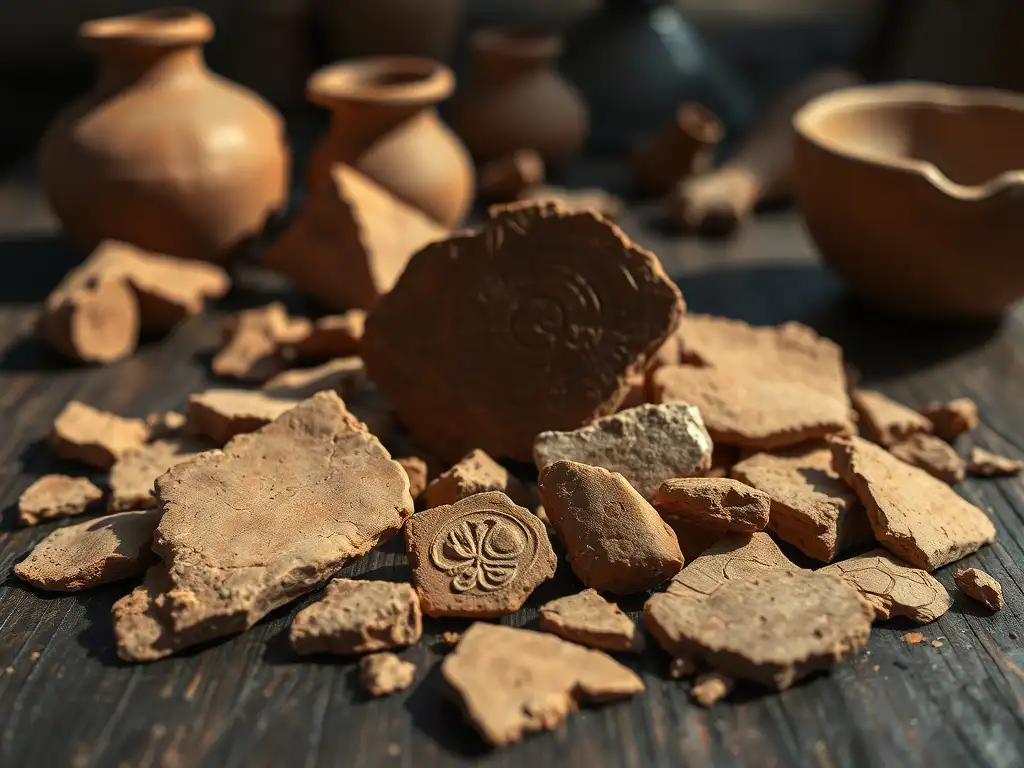
The Valdivia culture, flourishing in coastal Ecuador from approximately 3500 to 1800 BCE, left an indelible mark on the trajectory of Andean pottery. While geographically isolated from other contemporaneous cultures like those in the Central Andes, the Valdivia's sophisticated ceramic techniques and artistic styles demonstrably influenced subsequent coastal societies and, to a lesser extent, impacted artistic trends further inland. Understanding this legacy requires examining both the stylistic continuity and the innovative advancements that characterized the evolution of Andean pottery after the Valdivia period.
The hallmark of Valdivia pottery – its incredibly fine-grained clay, polished surfaces, and often delicate, elegant forms – set a high standard for later coastal ceramic traditions. Subsequent cultures, such as the Machalilla and Chorrera, built upon this foundation, refining techniques and incorporating new decorative motifs while still echoing the Valdivia aesthetic in their choice of materials and overall vessel shapes. The emphasis on meticulously crafted vessels, showcasing both technical skill and artistic vision, persisted throughout the coastal region for millennia.
This consistent appreciation for high-quality craftsmanship highlights the enduring power of the Valdivia legacy. Archaeological evidence, including the discovery of similar clay sources and similar firing techniques used across different coastal cultures, further supports the notion of a direct lineage.
Analysis of stylistic features also reveals a clear connection. While decorative elements changed over time, the preference for specific vessel shapes – such as the iconic Valdivia female figurines – persisted in modified forms in later periods. This suggests a cultural memory and a continued appreciation for the aesthetic principles established by the Valdivia artisans. However, further research is needed to fully understand the extent of this influence and the specific transmission pathways. For example, [Specific trade routes and interaction patterns between Valdivia and later coastal cultures pending].
Valdivia Ceramic Traditions and their Impact on Subsequent Coastal Societies
The impact of Valdivia pottery extended beyond mere stylistic imitation. The Valdivia's mastery of ceramic techniques, particularly their advanced firing methods resulting in exceptionally durable and watertight vessels, directly influenced the technological development of later coastal cultures. This technological advancement was crucial for the development of more complex societies. Improved pottery facilitated food storage, allowing for the development of larger settlements and more complex social structures. The ability to create durable, sealed containers also had significant implications for trade and exchange networks, enabling the transportation of goods over longer distances.
The sophistication of Valdivia pottery also suggests a highly developed understanding of material science and engineering. Their ability to consistently produce thin-walled, yet strong, vessels points to a deep understanding of the properties of clay and the optimal firing temperatures. This knowledge was likely passed down through generations, contributing to the continued refinement of ceramic production in subsequent coastal societies.
The development of increasingly complex decorative motifs also suggests a sophisticated artistic tradition, capable of adapting to changing social and environmental conditions. This adaptability is a key factor in understanding the long-term impact of Valdivia pottery. The ability to innovate and adapt while maintaining a core set of aesthetic principles ensured the longevity of its influence.
Valdivia Pottery: Inspiration for Modern Ecuadorian Ceramic Artists
The legacy of Valdivia pottery is not confined to the archaeological record. It continues to inspire and influence modern Ecuadorian ceramic artists. The unique aesthetic of Valdivia pottery, with its elegant shapes and minimalist designs, resonates with contemporary artists seeking to connect with Ecuador's rich cultural heritage. Many contemporary artists actively incorporate Valdivia motifs and techniques into their work, reinterpreting ancient forms in modern contexts.
This revival of Valdivia-inspired pottery is not merely a stylistic exercise; it represents a conscious effort to preserve and celebrate a crucial part of Ecuadorian identity. The enduring appeal of Valdivia pottery lies in its ability to transcend time and connect with contemporary sensibilities. Its enduring elegance and technical mastery serve as a constant source of inspiration for artists seeking to create works that are both aesthetically pleasing and culturally significant. The use of similar clays and firing techniques in modern studios further demonstrates the continued relevance of Valdivia traditions.
Moreover, the reinterpretation of Valdivia figurines in contemporary art often addresses themes of gender, identity, and cultural continuity. This shows how the past can inform and inspire artistic expression in the present, enriching the cultural landscape of modern Ecuador. The enduring legacy of Valdivia pottery is a testament to the enduring power of artistic innovation and cultural memory.
Preserving Valdivia Pottery: Conservation and Research Efforts
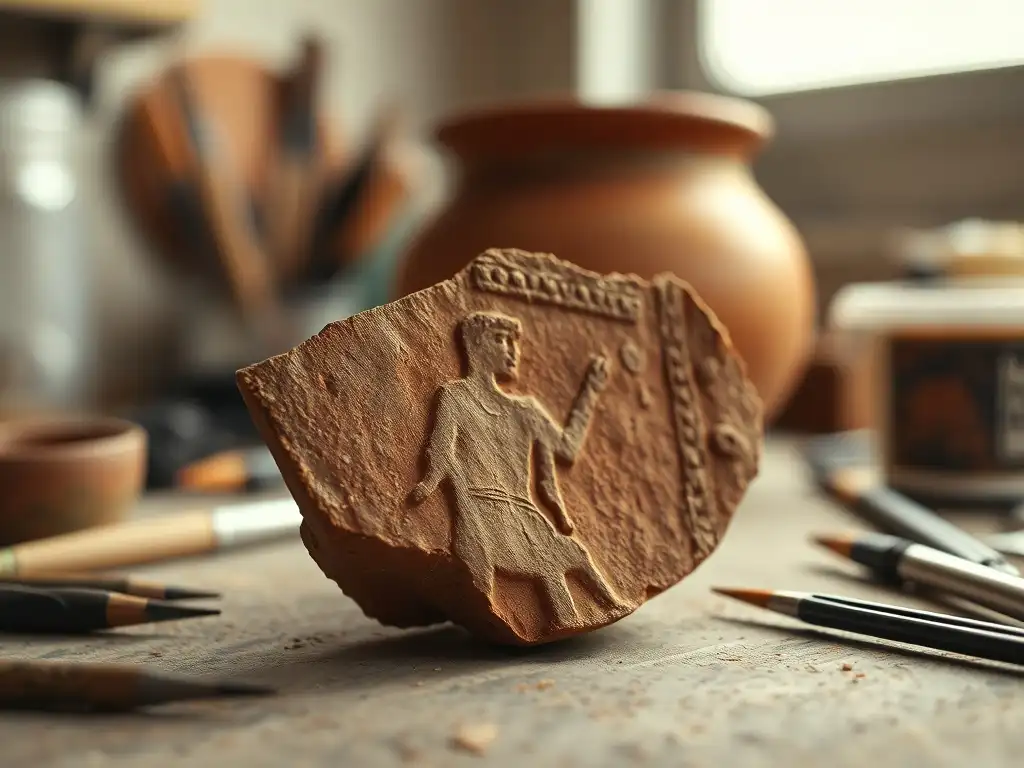
The remarkable longevity of Valdivia pottery, considering its age and the environmental conditions of coastal Ecuador, presents significant challenges for preservation. The delicate nature of the artifacts, coupled with the effects of time and exposure to the elements, necessitates careful and ongoing conservation efforts. Understanding the materials and techniques used by the Valdivia artisans is crucial for developing effective preservation strategies. This section explores the complexities of safeguarding this invaluable piece of Ecuadorian history and the ongoing research contributing to its long-term survival.
Challenges in Preserving Ancient Valdivia Ceramics
The primary challenges in preserving Valdivia ceramics stem from their inherent fragility and the environmental factors they've endured for millennia. The pottery is often found fragmented, requiring painstaking reconstruction. The clay itself, sometimes mixed with shell or other organic materials, is susceptible to deterioration due to moisture, temperature fluctuations, and the presence of salts. Salt efflorescence, a common problem in coastal archaeological finds, causes the crystallization of salts within the pottery's pores, leading to expansion and cracking. This is particularly damaging to the already delicate surfaces of Valdivia pottery, often decorated with intricate designs.
Furthermore, the organic materials used in the creation of some pieces, like plant fibers or adhesives, have mostly degraded over time, leaving the pottery structurally weak. Biological agents, such as fungi and bacteria, can also contribute to the deterioration process, especially in humid environments. Even the act of excavation and handling can cause damage, necessitating highly specialized techniques and training for archaeologists working with Valdivia artifacts.
The conservation process itself can be invasive, requiring careful balancing of preservation needs with the desire to minimize alteration to the original artifact. Many pieces exhibit signs of significant wear and tear, requiring complex treatments to stabilize the clay and prevent further degradation. The lack of readily available resources and expertise dedicated specifically to Valdivia pottery conservation further compounds the challenge.
Ongoing Research and New Discoveries in Valdivia Pottery
Despite the challenges, considerable research is underway to better understand Valdivia pottery and improve preservation techniques. Scientists are employing advanced techniques like X-ray diffraction and scanning electron microscopy to analyze the clay composition and identify the specific minerals and organic materials used. This information is vital in developing targeted conservation methods. For example, understanding the exact nature of the binders used in the pottery can inform the development of appropriate consolidants to strengthen weakened areas. Researchers are also investigating the effects of different environmental conditions on the pottery's degradation, leading to the development of improved storage and display methods.
New discoveries continue to shed light on the Valdivia culture and its pottery traditions. Recent excavations have unearthed new examples of Valdivia pottery, providing valuable insights into production techniques, stylistic variations, and the distribution of the culture. The analysis of these new finds helps to refine our understanding of the chronology and evolution of Valdivia pottery styles. This ongoing research is not only vital for preserving the physical artifacts but also for enriching our understanding of the Valdivia culture, its artistic achievements, and its place within the broader context of Andean prehistory.
The ongoing documentation and study of Valdivia pottery ensures that this unique cultural heritage will continue to be appreciated and understood for generations to come. The meticulous work of archaeologists and conservators ensures the survival of this remarkable legacy for future study and appreciation. 💅
Analysis of a Valdivia Figurine
This section delves into the detailed analysis of a specific Valdivia figurine, offering insights into the artistry, cultural significance, and technological prowess of this ancient Ecuadorian civilization. We will examine its form, decoration, and potential use, ultimately highlighting its importance in understanding the broader Valdivia culture and its place within the tapestry of Ecuadorian prehistory. The study of Valdivia pottery history in Ecuador relies heavily on such detailed analyses of individual artifacts.
Description of the Figurine's Form, Decoration and Possible Use
The figurine under consideration is a relatively small example, measuring approximately 8 centimeters in height. It is crafted from fine-grained clay, exhibiting a characteristic reddish-brown hue typical of Valdivia pottery. The figurine's form is that of a seated female figure, her legs folded beneath her and her arms resting gently on her lap. Her posture is serene and contemplative. The surface is remarkably smooth, a testament to the skill of the Valdivia artisans.
The decoration is equally impressive. While many Valdivia figurines feature intricate painted designs, this particular piece relies on a more subtle form of ornamentation. Instead of paint, the artist employed carefully incised lines to create a series of geometric patterns across the figurine's torso. These lines, though simple, form a complex network of interconnected shapes, suggesting a sophisticated understanding of design principles.
The face is rendered in a stylized manner, with simple lines indicating the eyes, nose, and mouth. There is a notable absence of elaborate features, which is common in many early Valdivia figurines. The overall effect is one of understated elegance.
The possible use of this figurine remains a subject of ongoing scholarly debate. Some researchers suggest that it served a ritualistic purpose, perhaps representing a deity or ancestor. Others propose that it may have been a toy, a decorative object, or even a votive offering. The lack of clear evidence makes definitive conclusions difficult.
However, its careful craftsmanship and the deliberate nature of its decoration suggest that it was not simply a functional object, but held a certain symbolic value. Further research, including comparative analysis with similar figurines and examination of the archaeological context of its discovery, is needed to clarify its precise function. The study of Valdivia pottery history in Ecuador continues to refine our understanding of such artifacts.
The Importance of This Figurine in Understanding Valdivia Culture
This single Valdivia figurine, despite its modest size, offers valuable insights into several key aspects of the Valdivia culture. Firstly, it demonstrates the advanced ceramic technology of the period. The smooth surface, the fine-grained clay, and the precise incising all point to a high level of skill and expertise.
This suggests a well-established tradition of pottery making, passed down through generations. The figurine also reveals the aesthetic sensibilities of the Valdivia people. The emphasis on simple, yet elegant, geometric patterns, the stylized representation of the human form, and the overall sense of serenity suggest a culture with a refined sense of beauty and an appreciation for artistic expression.
Furthermore, the figurine contributes to our understanding of Valdivia social structures and belief systems. The possibility of its use in ritualistic practices suggests the presence of complex religious beliefs and practices. The recurring theme of seated female figures in Valdivia pottery may indicate a significant role for women in Valdivia society, although further research is needed to substantiate this hypothesis.
The figurine, therefore, serves as a small but significant piece of a larger puzzle, helping us to reconstruct the complex social, religious, and artistic life of this remarkable ancient civilization. Its discovery and analysis are crucial to the ongoing study of Valdivia pottery history in Ecuador, and contribute to a broader appreciation of the rich pre-Columbian heritage of the Andean region.
The meticulous documentation and analysis of such artifacts are essential for preserving and understanding this important part of Ecuador's past. Each figurine unearthed brings us closer to a more complete picture of Valdivia culture and its enduring legacy.
Frequently Asked Questions
What is Valdivia pottery?
Valdivia pottery represents the oldest known pottery in the Americas, originating in coastal Ecuador around 3500 BCE. It's characterized by its simple, elegant forms and often features incised or painted decorations.
Where was Valdivia pottery found?
The Valdivia culture, which produced this pottery, thrived along the coast of present-day Ecuador. Archaeological sites are primarily located in the Guayas province and surrounding areas.
What makes Valdivia pottery significant?
Its early date pushes back the timeline of pottery development in the Americas significantly. The pottery also provides valuable insights into the social and religious practices of the Valdivia people.
What are some common features of Valdivia pottery?
Common features include simple shapes like bowls and jars, fine-grained clay, and decorations that often involve incised lines or simple painted designs. Figurines are also a key part of Valdivia pottery.
How did Valdivia pottery influence later Andean cultures?
While its direct influence is debated, Valdivia pottery marks a crucial early stage in the development of Andean ceramic traditions. It laid the groundwork for the more elaborate styles seen in later cultures like the Moche and Inca.
Final Reflection: The Enduring Legacy of Valdivia
The intricate artistry of Valdivia pottery isn't merely a relic of the past; it's a vibrant thread woven into the rich tapestry of Ecuadorian history, a testament to human ingenuity and cultural resilience that continues to resonate today. Understanding the Valdivia culture offers a crucial window into the development of complex societies in the Americas, challenging preconceived notions about the timeline of societal advancement and artistic expression in the region. This sophisticated pottery, with its delicate figurines and innovative techniques, speaks volumes about the ingenuity and cultural depth of a civilization that thrived millennia ago.
The impact of the Valdivia culture extends far beyond its archaeological significance. Its influence can be seen in the ongoing artistic traditions of Ecuador, a subtle echo of the past informing the present. The enduring beauty and mystery of these ancient artifacts continue to inspire artists and researchers alike, prompting further investigation into the lives and beliefs of the people who created them. The past is never dead. It's not even past.
– William Faulkner. This quote perfectly encapsulates the enduring relevance of the Valdivia culture; its story is not simply a historical narrative, but a living legacy that shapes our understanding of Ecuadorian identity and the broader human experience.
Consider the implications of this ancient artistry. What can the innovation and sophistication of Valdivia pottery teach us about our own capacity for creativity and cultural expression? Take a moment to reflect on the enduring power of human ingenuity and the importance of preserving and understanding our shared cultural heritage.
Let the legacy of Valdivia inspire you to explore the rich history of your own community and to appreciate the intricate stories woven into the fabric of our past. The echoes of Valdivia call to us, urging us to connect with our shared human story and to protect the invaluable treasures that lie buried beneath the surface of our world.
Unearth Your Connection to Ecuador’s Rich Heritage!
Thank you for exploring the fascinating world of Valdivia pottery! We hope you've gained a deeper appreciation for Ecuador's oldest art forms and the stories they tell. Now, let's build on that knowledge!
Here are a few ways to further immerse yourself in this rich cultural heritage:
- Take a pottery class: Learn firsthand the techniques used to create these stunning pieces and try your hand at crafting your own Valdivia-inspired creation.
- Share your newfound knowledge: Inspire others by sharing your appreciation for Ecuador's ancient artistry with friends, family, or on social media.
- Continue your exploration: Visit museums showcasing Ecuadorian indigenous art to deepen your understanding and bring your learning to life.
How does understanding the roots of such an ancient civilization inspire your creativity?