
Nazca Society Stratified: From Priests to Potters in the Desert

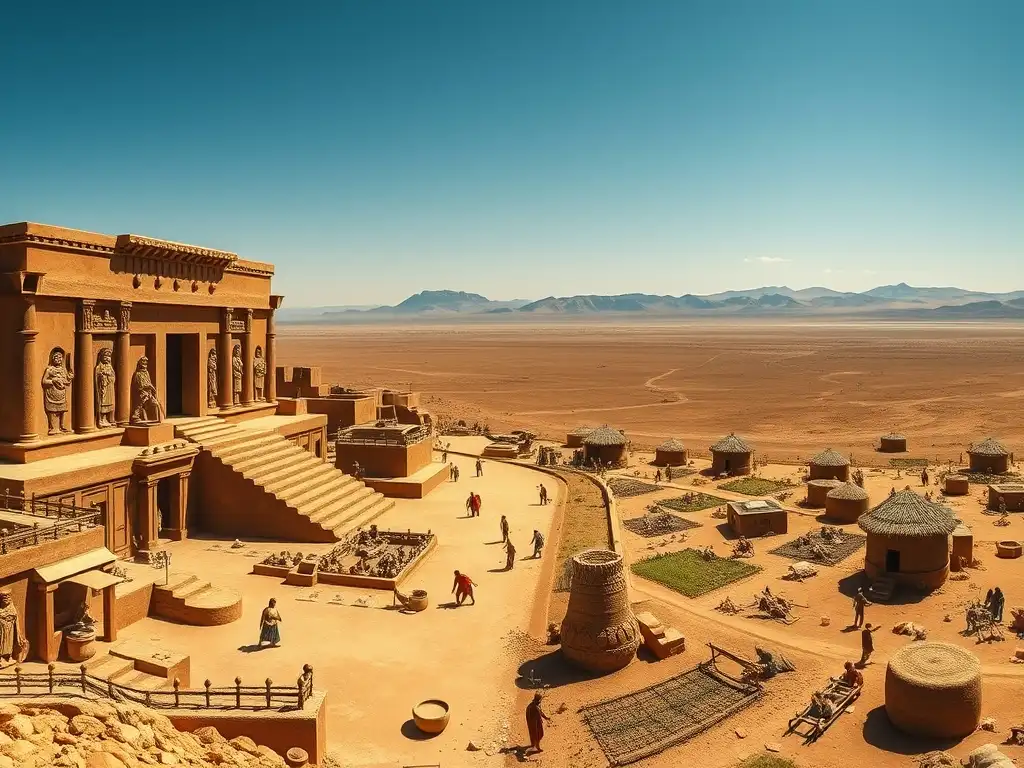
Dive into the enigmatic world of the Andean civilizations! Prepare to unravel the mysteries of a fascinating past, where towering empires rose and fell amidst breathtaking landscapes. But we begin with a puzzle: how did the intricate Nazca social hierarchy truly function? Discover the surprising complexities of Nazca society, from the powerful priests to the skilled artisans, and uncover the secrets behind their enduring legacy in our exploration of Nazca social hierarchy. Uncover the layers of this ancient civilization and prepare to be amazed.
- Nazca Society Stratified: Understanding the Social Hierarchy of the Nazca Civilization
- The Foundations of Nazca Social Structure
- The Ruling Elite: Priests and Power in Nazca
- Artisans and Specialists: The Backbone of Nazca Economy
- The Common People: Agriculturalists and Daily Life
- The Pyramid of Nazca Social Classes: A Summary
- Evidence of Social Differences in Nazca Artifacts
- The Decline of Nazca Society and Shifting Social Structures
- The Legacy of the Nazca Social Hierarchy on Later Andean Societies
- Understanding Nazca Social Stratification: Key Takeaways
-
Frequently Asked Questions
- What was the basis of the Nazca social hierarchy?
- How did the Nazca's social structure influence their art and architecture?
- What role did religion play in the Nazca social hierarchy?
- Were there any social mobility opportunities within Nazca society?
- How did archaeologists learn about the Nazca social hierarchy?
- Final Reflection: Echoes of the Nazca: A Legacy of Hierarchy and Innovation
- Unveil the Mysteries of Nazca Society!
The Nazca civilization, famed for its enigmatic geoglyphs etched into the Peruvian desert, was a complex society with a surprisingly intricate social hierarchy. This article delves into the stratified structure of Nazca society, examining the different social classes, their roles, and the evidence archaeologists have uncovered to illuminate this fascinating aspect of their culture.
Understanding the Nazca social hierarchy provides crucial insight into their political organization, economic systems, and religious beliefs, offering a more complete picture of this remarkable pre-Columbian civilization. We will explore the evidence from various sources, including archaeological excavations of settlements, analysis of burial practices, and the artistic representations found on ceramics and textiles, to paint a vivid picture of life in Nazca society.
This exploration will reveal not only the power structures at play but also the daily lives and contributions of individuals across the social spectrum, from the priestly elite to the skilled artisans and farmers who sustained the civilization. The keyword "Nazca social hierarchy" will be explored in detail, providing a comprehensive understanding of this important aspect of Nazca culture.
The Elite: Priests and Ruling Class
The apex of Nazca society was occupied by a powerful elite, likely comprising priests and high-ranking officials. Evidence suggests a strong connection between religious authority and political power. Elaborate burials containing prestigious grave goods, such as finely crafted ceramics, gold ornaments, and textiles, indicate a significant disparity in wealth and status.
These individuals likely controlled the distribution of resources and held considerable influence over the lives of their subjects. The scale and complexity of Nazca public works, such as irrigation canals and monumental architecture, point towards a centralized authority capable of mobilizing significant labor forces. Archaeological findings consistently show the elite enjoying a higher standard of living, access to better nutrition, and privileged access to resources.
Furthermore, depictions on Nazca ceramics frequently showcase individuals adorned in elaborate clothing and regalia, further emphasizing their elevated social standing. The precise nature of the relationship between priestly and political authority remains a subject of ongoing research, but the evidence strongly suggests a close interrelationship.
The Artisans: Skilled Craftspeople and Specialists
Below the elite lay a substantial class of skilled artisans. The Nazca were renowned for their exceptional craftsmanship, particularly in pottery, textiles, and metalwork. The production of these high-quality goods required specialized skills and knowledge, suggesting a degree of social organization and specialization within the artisan class. Archaeological excavations have uncovered workshops and kilns, indicating dedicated spaces for craft production.
The stylistic consistency and high quality of Nazca artifacts suggest a degree of standardization and possibly guild-like organizations overseeing the production of certain goods. Furthermore, the presence of specialized tools and materials in some burials suggests that certain artisans may have enjoyed a relatively high status within their class. The creation of intricate textiles and finely painted ceramics showcases not only technical skill, but also artistic expression, suggesting a level of social value placed on these crafts.
The Farmers and Commoners: The Backbone of Nazca Society
The vast majority of the Nazca population consisted of farmers and commoners who sustained the civilization through agriculture and other essential activities. The development of sophisticated irrigation systems demonstrates the importance of agriculture in the Nazca economy. While less opulent than the burials of the elite, the burial sites of commoners still offer valuable insights into their lives and social standing.
The presence of simple tools, everyday pottery, and basic textiles in these burials suggests a more modest lifestyle compared to the elite. However, analysis of skeletal remains can provide information about diet and health, potentially revealing variations in living standards within the commoner class.
The sheer scale of Nazca settlements indicates a large population reliant on agriculture, highlighting the crucial role of farmers and commoners in the overall functioning of society. The social organization necessary to manage irrigation systems and distribute resources suggests a degree of social cohesion and cooperation within this significant segment of the population.
The analysis of Nazca burial practices offers compelling evidence of social stratification. The elaborate burials of the elite, often containing rich grave goods, stand in stark contrast to the simpler burials of commoners. This difference in burial practices reflects the significant disparities in wealth and status within Nazca society. The types of grave goods found in burials, such as fine ceramics, textiles, and ornaments, provide valuable clues about the social status and occupation of the deceased.
For example, the presence of specialized tools in a burial might indicate an artisan, while elaborate clothing and jewelry would suggest a higher social standing. Furthermore, the location and construction of tombs also reflect social status, with elite burials often located in prominent locations or within elaborate structures. Continued research into Nazca burial sites promises to provide further insights into the dynamics of social stratification within this fascinating civilization.
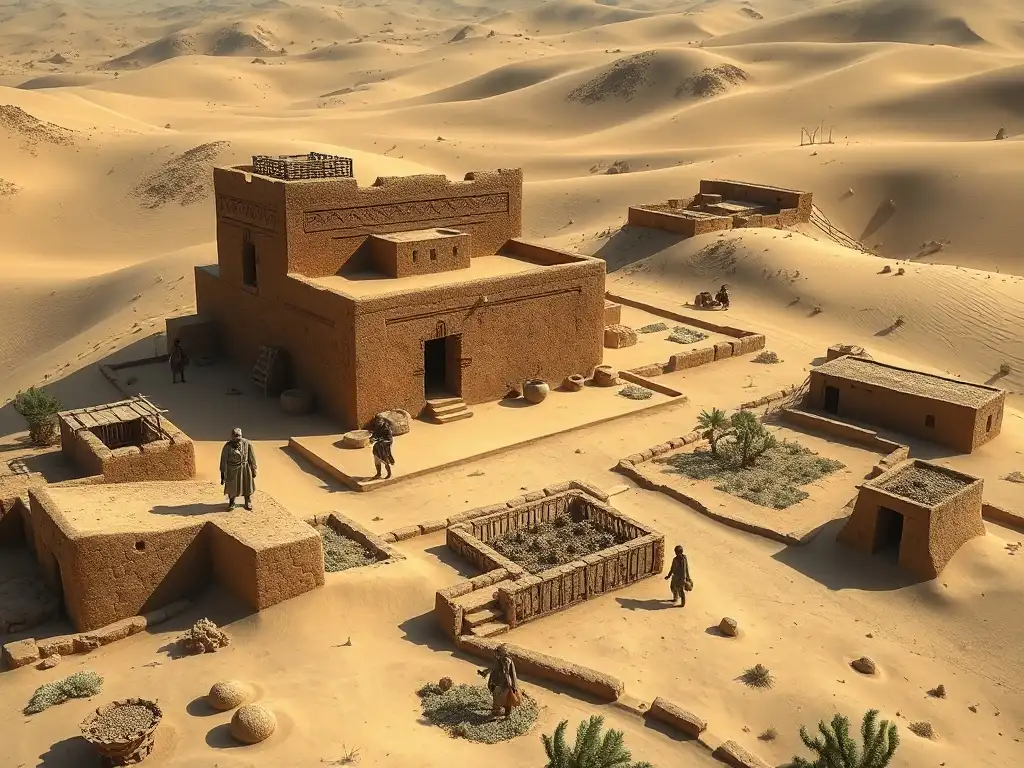
The Nazca social hierarchy, a complex system reflecting both environmental adaptation and religious ideology, wasn't static. It evolved over centuries, shaped by the challenging desert environment and the ingenuity of its inhabitants. Understanding this stratified society requires examining its foundational elements: access to resources, religious authority, and specialized labor.
The distribution of power wasn't solely based on inherited status; individual skill and achievement also played a significant role in determining social standing within the Nazca social hierarchy. This dynamic interplay shaped the lives of everyone from the elite priests to the skilled artisans and common laborers.
Analyzing the archaeological evidence, including burial sites, elite residential areas, and the sheer volume and variety of artifacts, allows us to piece together a more comprehensive picture of this fascinating civilization and its intricate social structure. The prominence of certain motifs and symbols in Nazca art further illuminates the values and beliefs that underpinned their social order.
The arid coastal plains and valleys of southern Peru presented unique challenges to the Nazca people. Their ability to thrive in this harsh environment was directly linked to their social organization. Access to scarce water resources, fertile land suitable for agriculture (often requiring extensive irrigation systems), and the availability of raw materials for crafting were key factors influencing social stratification.
Those who controlled these vital resources, often through religious authority or political influence, occupied the highest positions in the Nazca social hierarchy. For example, the construction and maintenance of the intricate canal systems required significant coordinated labor, implying a degree of centralized control and a hierarchical structure capable of organizing and managing such large-scale projects. The strategic location of settlements near water sources or fertile lands also suggests a correlation between geographical advantage and social standing.
This isn't to say that everyone in the Nazca social hierarchy benefitted equally; quite the contrary. The distribution of resources was uneven, reinforcing existing social inequalities. Studies of settlement patterns and agricultural practices reveal a disparity in access to resources, further highlighting the stratified nature of Nazca society.
Pinpointing the precise origins of social stratification within early Nazca society requires further research. However, archaeological evidence suggests a gradual development of distinct social classes, rather than a sudden emergence. The earliest Nazca settlements show less pronounced differences in burial goods and housing compared to later periods. This suggests a relatively egalitarian society in its initial phases.
As the Nazca civilization grew and developed more sophisticated irrigation techniques and expanded its trade networks, the accumulation of wealth and power likely led to the formation of a more rigid social hierarchy. The increasing complexity of religious rituals and the rise of priestly authority also played a crucial role. The production of elaborate textiles, ceramics, and gold objects, indicative of specialized craft production, points towards the emergence of skilled artisans who likely occupied a middle-ranking position within the Nazca social hierarchy.
Furthermore, the construction of monumental structures like the famous Nazca Lines suggests a system of labor organization involving a large, possibly conscripted, workforce, signifying a clear distinction between those who directed labor and those who performed it. The study of early Nazca cemeteries continues to yield valuable insights into this complex process of social differentiation, with new discoveries constantly refining our understanding of the genesis of their social classes. The transition from a relatively egalitarian to a more stratified society reflects the dynamic interplay of environmental pressures, technological advancements, and religious beliefs within the Nazca civilization.
The Ruling Elite: Priests and Power in Nazca
The Nazca social hierarchy, a complex system reflecting the sophisticated organization of this ancient Andean civilization, placed a powerful priestly class at its apex. Unlike many other societies where military might defined the elite, Nazca power stemmed significantly from religious authority and control over resources, particularly water, crucial for survival in the arid coastal desert. This religious influence permeated every aspect of Nazca life, shaping their beliefs, practices, and ultimately, their social structure.
The "Nazca social hierarchy" wasn't simply a rigid structure; it was a dynamic system where priestly influence was paramount. Understanding the role of these religious leaders is fundamental to grasping the intricacies of Nazca society.
The Role of Nazca Priests in Society and Ritual
Nazca priests, far from being merely ceremonial figures, were actively involved in the day-to-day governance of the society. They likely oversaw the complex irrigation systems vital for agriculture, interpreting celestial events to predict optimal planting and harvesting times. Their knowledge of astronomy and hydrology granted them immense influence, allowing them to control the distribution of water and food, essential resources for survival in the harsh desert environment.
Furthermore, evidence suggests that they played a crucial role in mediating conflicts and maintaining social order. The intricate iconography found on Nazca ceramics and textiles often depicts priests participating in elaborate rituals, suggesting their central role in maintaining the cosmic order and ensuring the prosperity of the community.
These rituals, often involving sacrifices and offerings, were likely performed to appease the gods and ensure the continuation of life-giving resources. The priests, therefore, were not just religious figures; they were the custodians of the community's well-being, holding a unique position of power and influence within the Nazca social hierarchy.
Archaeological evidence provides compelling insights into the lives and status of the Nazca elite. Elaborate burials, containing an abundance of grave goods such as fine textiles, gold ornaments, and ceramic vessels, clearly differentiate the elite from the common population. These burials often included multiple individuals, possibly reflecting family units or groups of priests associated with specific temples or cults.
The quality and quantity of grave goods directly correlate with social standing, with the most opulent burials belonging to individuals of the highest rank. For example, the discovery of a tomb containing numerous gold artifacts and intricately woven textiles strongly suggests the burial of a high-ranking priest or a member of the ruling class.
The presence of specific artifacts, such as ceremonial staffs or headdresses, further strengthens the association with priestly authority and high social status. Analysis of skeletal remains also provides valuable clues, with some studies suggesting that elite individuals enjoyed better nutrition and healthcare than the general population, reflecting their privileged position within the Nazca social hierarchy.
Political Power and Control in the Nazca Hierarchy
The power wielded by the Nazca priestly class extended beyond religious authority. Their control over resources, their ability to predict and manage the essential water supply, and their role in maintaining social order provided them with significant political influence. While a centralized state in the modern sense may not have existed, the priests likely held considerable sway over decision-making processes, impacting everything from resource allocation to conflict resolution.
The intricate network of canals and irrigation systems, a testament to Nazca engineering prowess, required careful planning and management, tasks likely overseen by the priestly class. This control over vital infrastructure further solidified their position at the top of the Nazca social hierarchy. The absence of overt military structures suggests that power was primarily exerted through religious authority and control over vital resources, rather than through force.
This unique blend of religious and political power distinguishes the Nazca elite and makes the study of their social hierarchy particularly fascinating. Further research into Nazca administrative practices and political organization is needed to fully understand the extent of priestly influence and the dynamics of power within this ancient civilization.
Artisans and Specialists: The Backbone of Nazca Economy
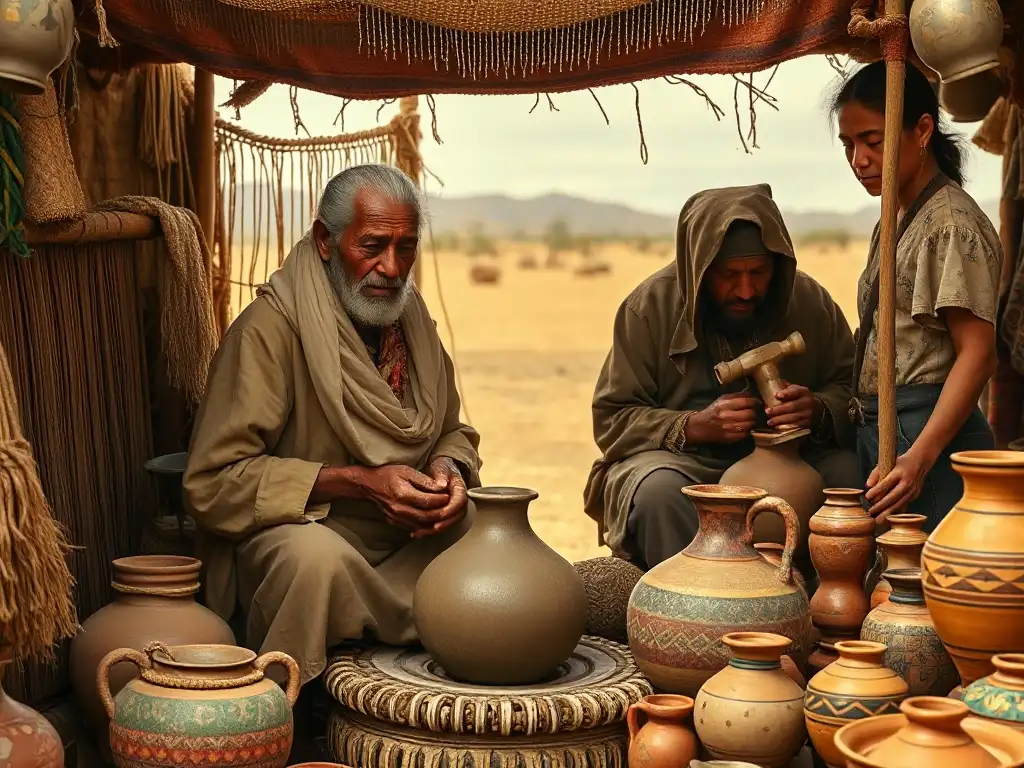
The Nazca social hierarchy wasn't solely defined by political power; it was intricately woven with the economic contributions of its skilled artisans and specialists. These individuals, far from being merely laborers, held significant social standing, reflected in their burial practices and the quality of their artifacts. Their expertise formed the backbone of the Nazca economy, supporting the elite and shaping the cultural landscape of the desert.
Understanding their roles is crucial to grasping the complexity of Nazca social organization and their remarkable achievements. The intricate interplay between social status and specialized skills provides valuable insight into the dynamics of this fascinating civilization. Analyzing the distribution of artifacts and the evidence from burial sites allows us to reconstruct a more nuanced picture of Nazca society than previously considered.
The Importance of Nazca Potters and Ceramic Production
Nazca pottery is globally renowned for its exquisite artistry and technical proficiency. The production of ceramics wasn't a simple task; it involved a complex process, requiring specialized knowledge and skills passed down through generations. Potters weren't just creating utilitarian vessels; they were producing elaborate works of art, showcasing intricate polychromy, detailed iconography, and innovative techniques like the use of slip and negative painting.
The sheer volume of pottery produced suggests a significant number of potters working within the Nazca society. Evidence suggests workshops existed, implying a degree of organization and specialization within the craft. The social standing of master potters was likely higher than that of less skilled artisans, reflecting the value placed on their unique abilities.
We can infer this from the often elaborate burial goods found in the graves of individuals suspected to be skilled artisans. Further research is needed into the potential existence of potter's guilds or similar social structures within Nazca society. Analyzing the chemical composition of clays and pigments used in pottery production could reveal details about trade networks and the organization of ceramic production.
Weavers, Metalworkers, and Other Specialized Crafts
Beyond pottery, Nazca society thrived on the expertise of other skilled artisans. Weavers produced textiles of exceptional quality, utilizing diverse techniques and materials. These textiles, often adorned with intricate designs, served both practical and ceremonial purposes. The complexity of the weaving patterns suggests a high level of skill and specialized training.
Metalworking, though less prevalent than pottery or weaving, was still an important craft. Nazca metalworkers, primarily working with copper and gold, created ornaments, tools, and ceremonial objects. The precision and artistry displayed in these artifacts demonstrate advanced metallurgical techniques. Other specialized crafts, such as featherwork, shell carving, and stone carving, further enriched Nazca material culture.
The precise social standing of these artisans varied based on the rarity and demand for their skills. For example, goldsmiths likely held higher status than those specializing in simpler crafts. Additional analysis of burial sites and associated grave goods could illuminate the hierarchical distinctions among these different artisan groups. A detailed study of the tools and techniques employed by these artisans is necessary to further understand their skills and the organization of their work.
The social standing of skilled laborers within the Nazca social hierarchy is a subject of ongoing research. While not at the apex of power like the priests or elite, their contributions were vital to the society's functioning and prosperity. Their skills were essential for the production of goods and the maintenance of the infrastructure.
Evidence from burial contexts suggests that skilled artisans often received better treatment than unskilled laborers, reflected in the quality and quantity of their burial goods. This indicates a degree of social recognition and respect for their expertise. However, the exact nature of their social standing and the degree of social mobility within this group remain somewhat unclear.
Further research focusing on the analysis of burial sites, focusing on the correlation between the quality of grave goods and evidence of specialized skills, is needed to clarify the precise social positioning of these skilled laborers within the broader Nazca social structure. A comparative study of the burial goods of skilled versus unskilled laborers could reveal further details regarding the social stratification within the Nazca artisan class. The study of iconography in Nazca textiles and pottery might also provide clues about the representation and social perception of different artisan groups within the society.
The Common People: Agriculturalists and Daily Life
The Nazca social hierarchy, while exhibiting a clear elite class, was fundamentally supported by the labor and ingenuity of its common people. These individuals, largely agriculturalists, formed the vast majority of the population and their contributions were crucial to the survival and prosperity of the Nazca civilization. Understanding their lives provides critical insight into the functioning of the entire Nazca social structure, revealing a complex interplay between individual roles, family units, and community organization.
Their lives, though seemingly less glamorous than those of the elite, were essential to the broader Nazca social fabric. The intricate irrigation systems, the vast agricultural output, and the vibrant community life all stemmed from their dedication and hard work. Analyzing their contributions allows us to move beyond a simplistic view of Nazca society and appreciate the depth and complexity of their social organization.
Farming and Subsistence in the Nazca Desert
Farming in the arid Nazca desert was far from simple. The Nazca people, renowned for their ingenuity, developed sophisticated irrigation systems to overcome the challenges of the harsh environment. These systems, often involving intricate canals and underground aqueducts, channeled water from rivers and streams to their fields, enabling them to cultivate crops such as cotton, maize, beans, and squash. Evidence suggests a highly organized system of water management, with likely communal responsibility for maintaining and repairing the canals.
The success of their agricultural techniques is evident in the large-scale cultivation of crops, supporting a sizable population. This success was directly tied to the Nazca social hierarchy; the common people's labor provided the food surplus that allowed for the existence of specialized labor and a ruling elite. Archaeological findings, such as remnants of agricultural tools and the layout of irrigation canals, provide tangible evidence of their sophisticated farming practices. The commoners' mastery of agriculture in this challenging environment is a testament to their resilience and adaptability.
Their skill is a key element in understanding the stability and success of the Nazca social hierarchy. Further research into the specific techniques and organization of Nazca agriculture is needed to fully understand the complexities of their water management. For example, [specific information pending] on the organizational structures responsible for maintaining the irrigation systems.
The Role of the Family Unit in Nazca Society
The family unit played a central role in Nazca society, forming the foundation of social organization at the grassroots level. While the exact structure of family units requires further investigation, it's likely that extended families lived together, contributing collectively to farming and other communal tasks. This cooperative structure was vital for survival in the harsh desert environment.
The family provided not only economic support but also social and emotional stability. Children were likely involved in agricultural work from a young age, learning essential skills for their future contributions to the community. [Specific information pending] on the role of women within the family unit and their contributions to agriculture and household management.
The strong family bonds were likely crucial in maintaining social cohesion within the larger Nazca community, forming a bedrock upon which the broader social hierarchy rested. The family unit’s importance is underscored by the emphasis on kinship and lineage in other aspects of Nazca culture, suggesting a deep-rooted societal importance.
Daily Life and Community Organization in Nazca Settlements
Nazca settlements varied in size and complexity, ranging from small hamlets to larger, more organized villages. Evidence suggests a degree of social organization within these settlements, with communal areas and structures possibly dedicated to religious or social gatherings. Daily life likely revolved around agricultural cycles, with periods of intense work during planting and harvesting seasons.
The construction and maintenance of irrigation systems likely involved communal labor, highlighting cooperation and shared responsibility within the community. [Specific information pending] on the existence of specialized craftspeople within the commoner class, such as potters or weavers, who may have contributed to the economy and social structure beyond simple agricultural labor. Analyzing the layout of settlements and the distribution of artifacts provides clues about the social interactions and daily routines of the common people.
Further research is needed to fully understand the social dynamics within Nazca settlements, including the role of social rituals and festivals in maintaining community cohesion. The integration of diverse skills and contributions within the community was essential to the success of the Nazca social hierarchy. The commoners’ daily lives, though demanding, were integral to the overall functioning of the Nazca civilization.
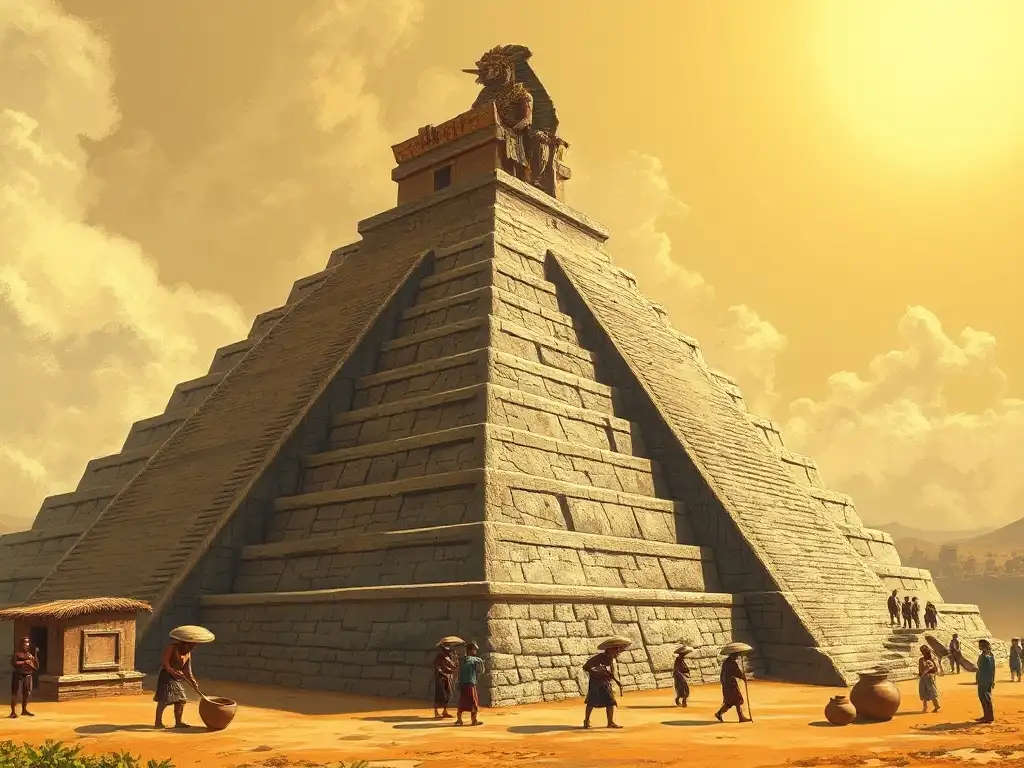
The Nazca social hierarchy, a complex system reflecting the civilization's sophisticated societal organization, wasn't a rigid structure. While a clear hierarchy existed, with distinct social strata, some degree of social mobility was likely possible, though the extent remains a subject of ongoing research and debate amongst archaeologists. Understanding this social structure is key to deciphering the Nazca's remarkable achievements in art, engineering, and agriculture within their challenging desert environment.
The "pyramid" model, while a simplification, helps visualize the power dynamics: at the apex resided the elite, comprised primarily of priests and rulers, wielding significant influence and control over resources. Below them were various levels of artisans, farmers, and laborers, each contributing to the functionality of the society. The bottom of the pyramid constituted the commoners, whose lives were likely heavily influenced by the demands of agricultural production and the needs of the elite.
This section will delve deeper into the specifics of these social strata and explore the nuances of Nazca social mobility. The study of Nazca burial sites, particularly the grave goods found within, provides invaluable insights into this intricate social organization. Analyzing the types and quantities of artifacts buried with individuals offers clues about their social standing and the prestige associated with their roles within the community.
The Nazca social hierarchy wasn't simply a binary division between "rich" and "poor." Instead, a nuanced system of stratification existed. Archaeological evidence suggests several distinct social strata. At the top were the elite, likely comprising priests and political leaders. Their burials often contained elaborate grave goods: finely crafted textiles, gold ornaments, and ceramic vessels of exceptional quality, indicating their high status and access to resources. These individuals likely held significant religious and political power, controlling the distribution of resources and influencing the lives of the commoners.
Below the elite were the artisans. These skilled individuals played a crucial role in Nazca society, producing the renowned textiles, ceramics, and metalwork. While not holding the same political power as the elite, their specialized skills were highly valued, as evidenced by the quality of their work and the presence of some artisan-related goods in their graves, suggesting a degree of social standing beyond that of the average farmer. We can infer the existence of specialist artisans based on the sheer volume and variety of high-quality artifacts produced.
The majority of the Nazca population comprised farmers and laborers. These individuals were essential for the survival of the civilization, working tirelessly to cultivate the scarce resources of the desert environment. Their burials often contained simpler grave goods, reflecting their lower social standing compared to the elite and artisans. However, even within this group, subtle variations in grave goods might indicate differences in status or access to resources. For example, the type of pottery found in a burial could suggest the individual's role within the agricultural system.
Finally, the evidence points to a lower strata of unskilled laborers whose burials contained very few or even no grave goods. Further research is needed to fully understand the lives and roles of this group within the broader Nazca social structure.
While the Nazca social hierarchy was stratified, it wasn't necessarily static. The degree of social mobility within the Nazca system is a subject of ongoing debate. However, evidence suggests a degree of flexibility.
The discovery of individuals buried with a mix of goods associated with different social strata hints at possible upward or downward mobility. This could be due to factors such as exceptional skill, marriage alliances, or changes in political landscape. Furthermore, the relatively equal distribution of certain types of pottery in different burial sites might indicate a level of social interaction and exchange across social classes, suggesting the possibility of social advancement through merit or circumstance.
Analyzing the changes in grave goods across different Nazca periods could also shed light on social mobility trends. This longitudinal approach would allow researchers to study the evolution of social stratification over time and identify potential shifts in social mobility patterns. For example, comparing the grave goods found in early Nazca sites with those found in later sites could reveal changes in the distribution of wealth and status, providing insights into the dynamics of social mobility within the Nazca society.
However, much more research, including detailed analysis of settlement patterns and kinship structures, is required to fully understand the dynamics of social mobility within Nazca society. The picture remains incomplete, but the evidence suggests a more fluid system than a completely rigid caste system.
The Nazca social hierarchy profoundly shaped their civilization's development and achievements. The centralized organization, with its elite ruling class, facilitated large-scale projects, such as the construction of extensive irrigation systems, which were essential for survival in the arid environment. The hierarchical structure also allowed for the specialization of labor, leading to the creation of stunning textiles, ceramics, and geoglyphs.
The skilled artisans, operating within a system that valued their expertise, produced the iconic artifacts that define Nazca culture. The highly organized society, with its defined roles and responsibilities, enabled the Nazca to overcome the challenges of their environment and flourish for centuries. This complex interplay between social structure and technological advancement highlights the importance of understanding the Nazca social hierarchy in order to fully appreciate the civilization's remarkable achievements.
The intricate social system, far from hindering progress, appears to have been a critical factor in their success. Further research into the specific roles and responsibilities of each social stratum could provide more detailed insight into the relationship between social organization and technological innovation within Nazca society. The "Nazca social hierarchy" is therefore not just an academic concept but a key to unlocking the secrets of this fascinating civilization.
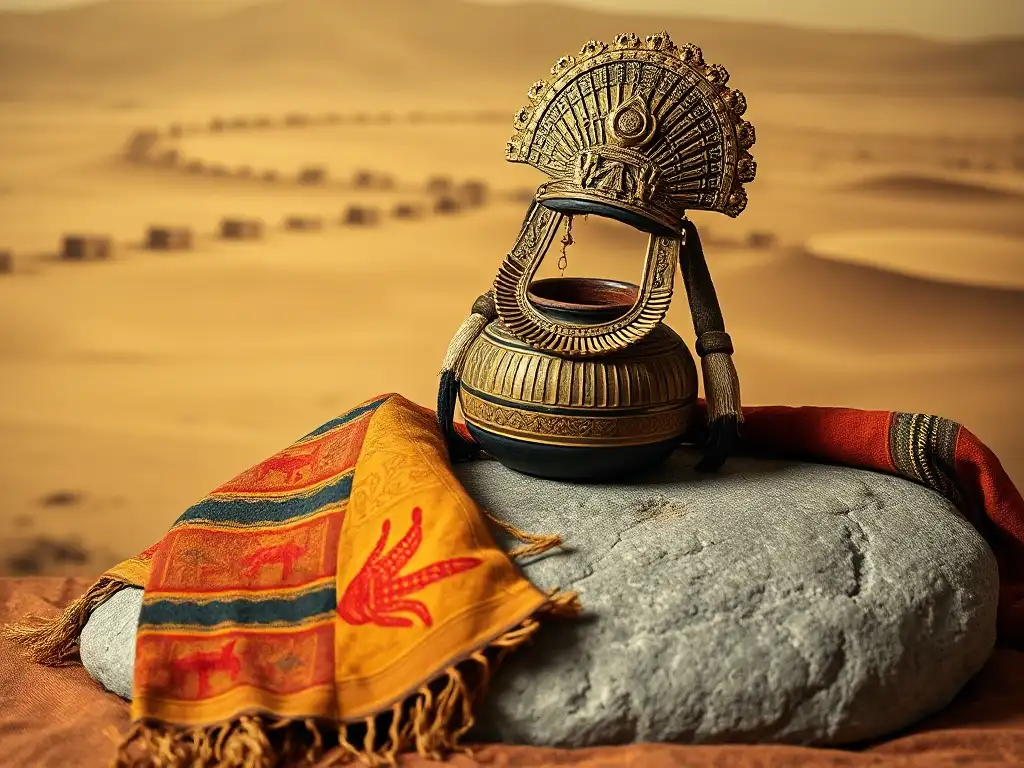
The intricate and diverse artifacts unearthed from Nazca sites provide compelling evidence of a stratified society. The sheer variation in quality, materials, and decorative motifs suggests a clear hierarchy of social standing, with certain individuals or groups enjoying access to resources and craftsmanship unavailable to others. This isn't simply a matter of "rich" and "poor," but rather a complex system reflecting different roles and levels of power within the Nazca social structure.
Analyzing these differences allows us to reconstruct a more nuanced picture of Nazca life than previously possible. The careful study of burial practices, alongside the analysis of grave goods, further solidifies this understanding of a stratified Nazca social hierarchy.
Variations in burial locations, the presence or absence of elaborate grave goods, and the quality of the funerary offerings all point towards a hierarchical society where social status was reflected in death as well as in life. The distribution of these artifacts across different sites also offers valuable insights into the spatial organization of the Nazca society and the potential segregation of different social groups.
Nazca pottery offers a rich tapestry of information regarding social stratification. High-status individuals were likely associated with elaborate, finely crafted ceramics. These pieces often feature intricate polychrome painting, showcasing exceptional artistic skill and the use of rare pigments.
For example, large, ceremonial vessels depicting complex mythological scenes or featuring gold leaf embellishments are indicative of elite ownership. Conversely, simpler, less decorated pottery, perhaps made using less refined techniques, likely belonged to the common populace. The styles of pottery also reveal interesting insights.
Certain designs and motifs might be associated with specific social groups or clans, indicating a complex system of visual communication and social identity within the Nazca social hierarchy. Further research into the chemical composition of the pigments and clays used in pottery production could reveal additional information about the sources of materials and the possible existence of specialized workshops catering to different social strata. The sheer volume of pottery discovered in certain contexts, such as large ceremonial sites, also suggests different levels of access to and consumption of this essential commodity.
Textiles, like pottery, provide another window into Nazca social stratification. The quality of the textiles, the intricacy of the weaving techniques, and the use of rare materials such as camelid fibers (alpaca and llama) all point to distinctions in social status. Elaborate textiles, characterized by complex designs and the incorporation of precious metals or feathers, were likely owned by elites.
These textiles might have served ceremonial purposes or been used to signify high social standing within the Nazca social hierarchy. Simpler textiles, made using less sophisticated techniques and common materials like cotton, would have been more widely available among the general population.
The discovery of textile workshops and the analysis of textile production techniques could further illuminate the organization of textile production and the potential specialization of labor within different social groups. The presence of specific textile motifs, such as certain animal representations or geometric patterns, might correlate with specific social groups or clans, enriching our understanding of social identity and differentiation.
Archaeological excavations have uncovered several key sites that offer direct evidence of social stratification within Nazca society. The presence of large, elaborate structures, often associated with ceremonial or administrative functions, suggests the existence of a powerful elite class. These structures are typically built using high-quality materials and demonstrate considerable architectural sophistication, contrasting sharply with the simpler dwellings of the common populace.
The discovery of elite burials containing an abundance of grave goods – including fine pottery, textiles, and ornaments – further supports this hierarchical social structure. These rich burials stand in stark contrast to the simpler burials of ordinary individuals, where grave goods are either absent or significantly less elaborate. Furthermore, the distribution of artifacts and the spatial organization of settlements offer additional clues.
Certain areas within settlements may have been reserved for elite residences or ceremonial structures, while others housed the dwellings of commoners. The study of these spatial patterns sheds light on the degree of social segregation and the ways in which social status was visibly manifested in the built environment. Continued excavations and advanced analytical techniques promise to further refine our understanding of Nazca social stratification, revealing more about the complex dynamics of this fascinating ancient civilization.
The Nazca civilization, renowned for its enigmatic geoglyphs and sophisticated irrigation systems, experienced a gradual decline around the 5th century CE. While the precise causes remain debated among archaeologists, a confluence of factors likely contributed to this societal shift, impacting the established social hierarchy. Understanding this decline is crucial for a complete picture of Nazca social structure and its evolution. The existing Nazca social hierarchy, a complex system reflecting power dynamics and specialized labor, underwent significant transformations during this period. These changes weren't necessarily a complete collapse, but rather a gradual restructuring of power and influence.
Several interconnected factors likely contributed to the changes within the Nazca social order during its decline. These include:
- Environmental Stress: The Nazca's ingenious irrigation systems, while impressive, were ultimately reliant on a delicate balance with the arid coastal environment. Prolonged droughts or changes in rainfall patterns could have severely strained resources, leading to social unrest and potentially challenging the authority of the elite. Evidence suggests periods of increased aridity during the later Nazca period, which would have exacerbated existing inequalities. This scarcity of resources would have disproportionately affected the lower classes, potentially triggering social upheaval and altering the existing power structures.
- Internal Conflicts: Competition for dwindling resources could have fueled internal conflicts within the Nazca society. Factionalism among elite groups, vying for control over land, water rights, or religious authority, could have weakened the overall social fabric and destabilized the existing hierarchy. Archaeological evidence of increased warfare or violence during this period would support this hypothesis. [Specific archaeological evidence pending further research].
- External Pressures: The emergence of new power centers in the Andean region, such as the Wari, may have exerted external pressure on the Nazca. The Wari expansion, with its own sophisticated social and political organization, could have directly or indirectly impacted the Nazca social structure, possibly through conquest, trade disruption, or cultural influence. The exact nature of this interaction remains an area of ongoing investigation.
- Religious and Ideological Shifts: Changes in religious beliefs or practices could have also contributed to the social transformation. A decline in the power or prestige of certain religious figures or institutions might have led to a redistribution of power within the society, affecting the existing Nazca social hierarchy. This could be reflected in changes in burial practices or the construction of monumental architecture.
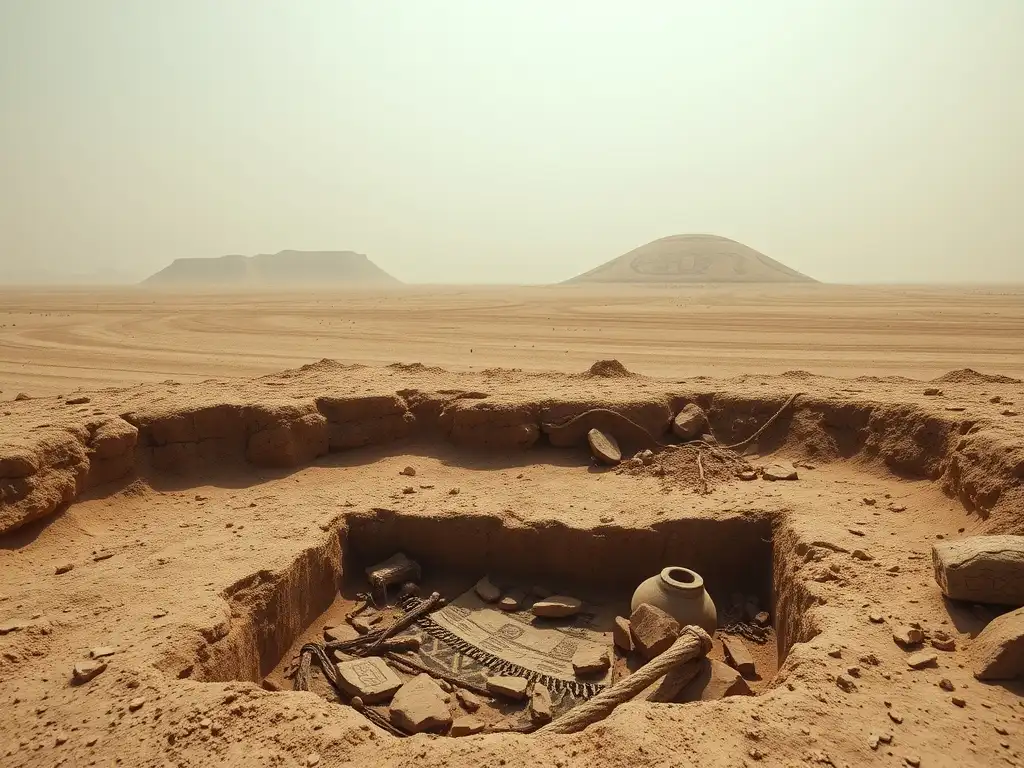
The legacy of the Nazca social hierarchy wasn't simply erased with the decline of the civilization. Aspects of their social organization likely influenced subsequent Andean societies, particularly in terms of specialized labor and social stratification. The sophisticated irrigation systems and agricultural practices, reflecting a structured division of labor, continued to be adapted and refined by later Andean groups. This suggests a continuation of certain hierarchical elements necessary for maintaining such complex infrastructure.
The impact of the Nazca social structure on later Andean societies is evident in several ways:
- Specialized Craftsmanship: The Nazca were renowned for their exceptional craftsmanship, particularly in pottery and textiles. This specialized knowledge and skill, reflecting a degree of social differentiation, likely continued to be valued and passed down through generations, influencing the social structures of later Andean cultures. The high level of skill required for intricate textiles and pottery implies a specialized workforce within a stratified society.
- Irrigation Technologies: The Nazca's advanced irrigation techniques played a crucial role in their agricultural success and social stability. These innovative techniques were adopted and adapted by later societies, indicating a continuity in the organizational structures necessary to manage and maintain such complex systems. The construction and maintenance of these systems required coordinated labor, suggesting a hierarchical structure with specialized roles.
- Religious and Ceremonial Practices: Certain aspects of Nazca religious and ceremonial practices, potentially connected to their social hierarchy, might have influenced later Andean cultures. While the specific details are subject to ongoing research, the continuity of certain ritual practices or symbolic representations across different Andean cultures suggests a degree of cultural transmission and influence. The complex iconography found in Nazca ceramics and textiles might have held social or religious significance that influenced later artistic traditions.
The Nazca civilization, despite its decline, left an indelible mark on the Andean region. Understanding its social structure and its evolution provides crucial insights into the broader dynamics of Andean societies and the enduring legacy of their complex social hierarchies. The Nazca social hierarchy serves as a vital case study in the interplay between environmental pressures, internal conflicts, and cultural transmission in shaping the course of Andean history.
The Nazca social hierarchy, a complex system reflecting the society's sophisticated organization and beliefs, is revealed through archaeological evidence and careful analysis of artifacts. While not as rigidly defined as some other Andean societies, like the Inca, the Nazca social structure clearly indicates a stratified system with distinct social classes. Evidence suggests a hierarchical organization ranging from elite priests and rulers at the apex to skilled artisans and commoners at the base.
This stratification wasn't simply based on wealth; religious authority, access to resources, and specialized skills all played crucial roles in determining social standing within Nazca society. Understanding this nuanced system provides critical insights into their cultural values, economic practices, and overall societal dynamics. The study of "Nazca social hierarchy" is crucial to comprehending their remarkable achievements in art, engineering, and agriculture within their challenging desert environment.
The Nazca social system wasn't a monolithic structure. Archaeological findings indicate a degree of fluidity and complexity. While a clear elite class existed, evidenced by elaborate burial sites containing rich grave goods and prestigious artifacts, the nature of social mobility remains a subject of ongoing debate among researchers. Some interpretations suggest a relatively closed system, where social status was largely inherited. However, the discovery of individuals buried with a mixture of common and elite goods suggests potential for social advancement based on merit or achievement, perhaps through military prowess or exceptional skill in crafts.
The role of religion in shaping the social hierarchy is undeniable. Priests, likely holding significant political and social power, occupied a high position. Their influence is reflected in the elaborate religious iconography found throughout Nazca art and architecture, as well as the presence of large-scale ceremonial centers.
The construction and maintenance of these centers, along with irrigation systems essential for survival in the desert, likely involved the coordinated labor of different social groups, further highlighting the complex interplay between social classes and communal projects. Further research is needed to fully understand the dynamics between religious leaders and other segments of the Nazca population. The intricate relationship between religious beliefs and social structure within the Nazca social hierarchy remains a fascinating area of study.
Ongoing Research and Future Perspectives on Nazca Society
Current research on Nazca social hierarchy focuses on several key areas. Advances in scientific analysis techniques, such as isotopic analysis of human remains, are providing new insights into diet and lifestyle differences between social groups. This data helps researchers paint a more accurate picture of the economic disparities and resource allocation within the society. Furthermore, the ongoing excavation and study of residential sites are revealing the living conditions and material culture of different social strata. This detailed analysis helps to refine our understanding of the daily lives of Nazca people across the social spectrum.
Future research should concentrate on expanding the sample size of analyzed burials and settlements. A larger dataset will allow for more robust statistical analysis and a more nuanced understanding of social mobility and the factors that influenced social status. Furthermore, interdisciplinary approaches, combining archaeological data with ethnohistorical accounts and anthropological perspectives, can provide a richer and more comprehensive understanding of Nazca social dynamics.
The application of advanced technologies like 3D modeling and GIS mapping will further enhance our ability to visualize and analyze the spatial distribution of settlements and resources, offering additional clues to the structure of Nazca society. By employing these advanced methods, researchers can further illuminate the intricacies of the Nazca social hierarchy and its evolution over time.
Studying the Nazca social hierarchy is critical for several reasons. First, it provides a window into the organization and functioning of a complex pre-Columbian society that thrived in a challenging environment. Understanding their social structures sheds light on their remarkable achievements in agriculture, engineering, and art, demonstrating the capacity of a stratified society to achieve collective goals.
Second, comparing the Nazca social hierarchy with that of other Andean civilizations, such as the Moche and Inca, allows for broader comparative studies that reveal regional variations and commonalities in Andean social organization. This comparative analysis enhances our understanding of the broader Andean cultural landscape and the factors that shaped its development.
Finally, studying the Nazca social hierarchy contributes to a more complete and nuanced understanding of human social organization and societal evolution. By examining the interplay between social stratification, religious beliefs, economic practices, and environmental adaptation in the Nazca context, researchers can gain valuable insights into the processes that have shaped human societies throughout history. The study of the Nazca, therefore, is not just a study of a specific civilization but a contribution to a larger, universal understanding of human social structures and their development – offering valuable insights into the complexities of the "Nazca social hierarchy".
Frequently Asked Questions
The Nazca social hierarchy was primarily based on religious authority and access to resources. Priests held the highest positions, followed by elites, artisans, and finally, farmers and laborers.
The elaborate artwork and impressive architecture of the Nazca were likely created by specialized artisans, reflecting the social stratification within their society. Monumental constructions were likely projects undertaken by the elite.
Religion played a central role, with priests holding the highest positions due to their perceived connection to the supernatural. They controlled many aspects of life, including rituals and resource distribution.
While the system was largely hierarchical, limited social mobility might have occurred through skill, merit, or marriage into a higher class. However, it was likely restricted.
Archaeologists have pieced together information about the Nazca social structure through analysis of burials, grave goods, and settlement patterns. Iconography found in their art also provides clues.
Final Reflection: Echoes of the Nazca: A Legacy of Hierarchy and Innovation
The intricate social structure of the Nazca civilization, a society thriving amidst the arid Peruvian landscape, continues to resonate today, reminding us of the enduring power of human organization and the complexities of societal stratification. Understanding their hierarchical system, from the priestly elite to the skilled artisans, offers a compelling lens through which to examine the dynamics of power, labor, and innovation in any society, past or present. The meticulous organization required to create the iconic Nazca Lines, for example, speaks volumes about their sophisticated social engineering.
The Nazca's legacy extends far beyond their impressive geoglyphs; their sophisticated irrigation systems, advanced ceramic techniques, and complex religious beliefs all testify to a society capable of remarkable achievements despite the harsh environmental challenges. Their hierarchical structure, while seemingly rigid, facilitated specialization and innovation, allowing for the development of unique artistic and engineering skills. Civilization exists by geological consent, subject to change without notice.
This quote, though not directly about the Nazca, highlights the fragility and yet the enduring impact of any society's structure, including their carefully constructed social order.
Consider the parallels between the Nazca's specialized labor and our own modern world. Think about the intricate web of interconnected roles that make our societies function. You, the reader, are a vital part of this intricate web.
Reflect on your own position within the social structures of your community and the world at large. How can we learn from the Nazca's successes and failures to build more equitable and sustainable societies? Let the echoes of their civilization inspire you to examine your own place in the world and strive for a future where innovation and collaboration flourish for the benefit of all.
Unveil the Mysteries of Nazca Society!
Thank you for joining us on this fascinating journey into the intricate world of the Nazca civilization! You've gained insights into their social structures and the rich tapestry of desert life. Now, let's continue your exploration!
Here are some exciting next steps:
- **Delve deeper** into Nazca artistic expression by visiting a local museum or exploring online galleries showcasing their pottery and textiles.
- **Share your newfound knowledge** with friends and family, or on social media—inspire others to discover the wonders of Andean civilizations!
- Join an online forum or group dedicated to ancient cultures to discuss and explore the diverse influences on Nazca society.
Considering the incredible insights you've discovered, what aspect of Nazca life most captivates you, and how will you further investigate it?