
Nazca Agricultural Innovations: Lessons from Ancient Farmers


Step into a world lost to time, yet echoing with innovation. Imagine a civilization thriving in the harsh desert landscape of the Andes, defying the odds with ingenious agricultural practices. The Nazca people, masters of their environment, left behind a legacy far beyond their breathtaking geoglyphs. Discover the secrets of their remarkable Nazca farming techniques—a testament to human ingenuity and a story waiting to be unearthed. Prepare to be amazed by the agricultural prowess of a civilization that continues to inspire wonder.
The Nazca civilization, flourishing along Peru's southern coast from 100 BCE to 800 CE, is renowned for its enigmatic geoglyphs. However, beyond the iconic lines etched into the desert, lies a sophisticated and remarkably successful agricultural system that allowed this culture to thrive in one of the world's most arid environments.
This article delves into the ingenious farming techniques employed by the Nazca, highlighting their ingenuity and offering valuable lessons for sustainable agriculture today. We will explore how their understanding of water management, soil conservation, and crop diversification enabled them to cultivate a productive and resilient agricultural landscape in the face of extreme environmental challenges.
Understanding their methods provides invaluable insights into sustainable practices applicable even in modern-day agriculture facing similar constraints of water scarcity and desertification. This exploration of Nazca farming techniques will reveal a fascinating interplay between human ingenuity and environmental adaptation, demonstrating the remarkable resilience of ancient Andean societies.
Water Management: Harnessing the Desert's Scarcity
The Nazca's success hinged on their mastery of water management. Facing a desert environment with minimal rainfall, they developed a complex network of canals, aqueducts, and underground channels to capture and distribute precious water resources. These systems, often built using sophisticated engineering principles, transported water from distant sources, such as mountain streams and underground aquifers, to their agricultural fields.
The construction of these intricate systems required significant labor and planning, demonstrating a high level of social organization and cooperation within the Nazca society. Evidence suggests that the Nazca also utilized sophisticated techniques to store water, employing reservoirs and underground storage systems to ensure a consistent water supply throughout the year. This careful management of water resources was crucial for sustaining their agricultural production.
Further research is needed to fully understand the precise techniques used for water filtration and the long-term maintenance of these impressive systems. The scale and complexity of their water management systems stand as a testament to their understanding of hydrology and their ability to adapt to a harsh environment.
Soil Conservation: Maximizing Limited Resources
Beyond water management, the Nazca employed sophisticated soil conservation techniques to maximize the productivity of their limited arable land. They understood the importance of maintaining soil fertility and preventing erosion in the arid environment. This involved techniques such as terracing, which created level platforms on hillsides to prevent soil runoff and create more farmable land.
They also likely employed techniques such as crop rotation and the use of organic fertilizers to enhance soil fertility. The detailed knowledge of soil types and their respective needs likely played a significant role in determining crop placement and the development of specific cultivation methods. While precise details on organic fertilizer usage remain to be fully documented, archaeological evidence strongly suggests their use.
These conservation techniques, coupled with their water management systems, allowed the Nazca to maintain high agricultural yields over centuries. This highlights their understanding of the delicate balance between human activity and environmental sustainability.
Crop Diversification: Building Resilience
The Nazca did not rely on a single crop. Instead, they cultivated a diverse range of crops adapted to the local conditions. This diversification strategy built resilience into their agricultural system, mitigating the risks associated with drought, disease, or pest infestations. Archaeological evidence indicates the cultivation of cotton, beans, maize, squash, and various other crops.
The specific selection and cultivation of these diverse crops likely involved a deep understanding of both agricultural and ecological principles. This adaptability is a crucial element for understanding the Nazca's long-term success in a challenging environment. Further research into ancient Nazca diets and agricultural practices is needed to fully understand the extent of their crop diversification and its impact on their overall food security. This understanding of diversification can provide valuable lessons for modern agriculture in the face of climate change and increasing environmental pressures.
Lessons for Modern Agriculture 🌎
The Nazca's agricultural innovations offer valuable lessons for modern agriculture, particularly in regions facing water scarcity and desertification. Their sophisticated water management systems, soil conservation techniques, and crop diversification strategies demonstrate the importance of sustainable and resilient agricultural practices. By studying and emulating these ancient methods, we can develop more environmentally friendly and productive agricultural systems capable of feeding a growing global population while protecting our planet's resources.
The ingenuity and resourcefulness of the Nazca farmers serve as a powerful reminder of the enduring importance of adapting to environmental challenges and working in harmony with nature. Their legacy extends far beyond the iconic lines in the desert; it’s a testament to human ingenuity and a blueprint for sustainable agriculture.
- Water Management: Harnessing the Desert's Scarcity
- Soil Conservation: Maximizing Limited Resources
- Crop Diversification: Building Resilience
- Lessons for Modern Agriculture 🌎
- What innovative farming techniques did the Nazca people employ?
- How did the Nazca's canal systems work?
- What were raised fields and how did they benefit Nazca agriculture?
- How did the Nazca manage water resources effectively in such a dry climate?
- What can modern agriculture learn from Nazca farming techniques?
The Ingenuity of Nazca Agriculture in a Desert Environment
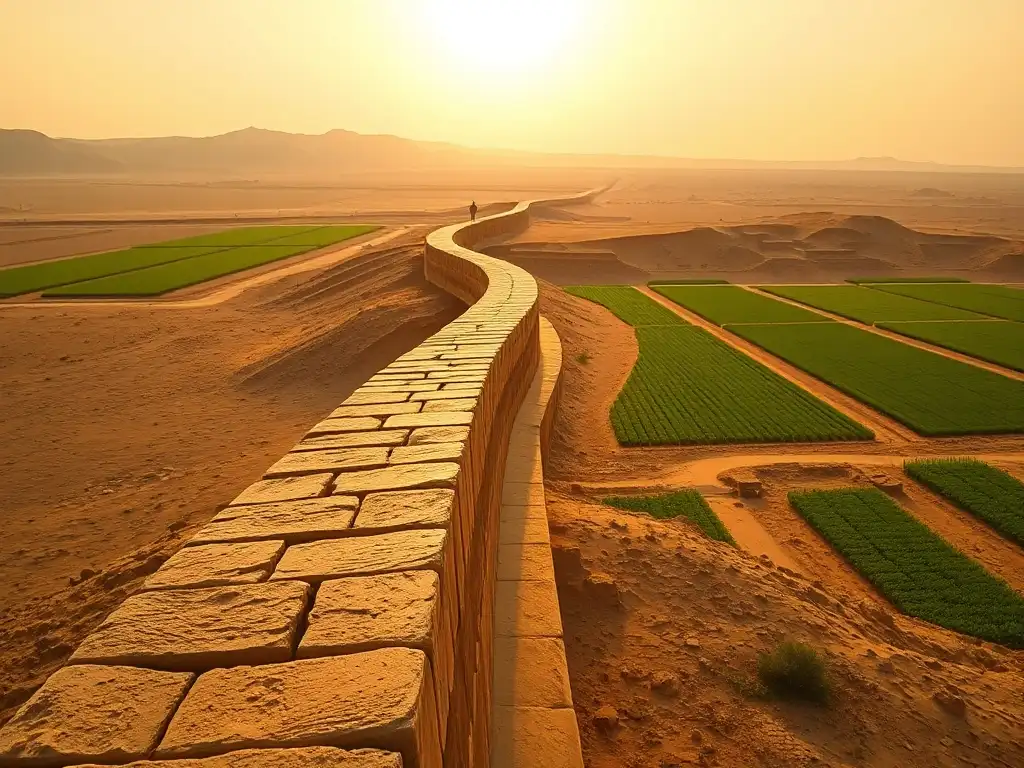
The Nazca civilization, renowned for its enigmatic lines etched across the Peruvian desert, also displayed remarkable ingenuity in its agricultural practices. Flourishing in one of the most arid regions of the world, the Nazca people developed sophisticated techniques to overcome the challenges of farming in such a harsh environment. Their success wasn't merely a matter of survival; it laid the foundation for a complex and vibrant society.
Understanding their Nazca farming techniques provides valuable insights into ancient Andean resource management and agricultural innovation. This section will delve into the specific challenges faced and the innovative solutions employed by these remarkable ancient farmers.
Challenges of Farming in the Arid Nazca Region
The Nazca desert presents a formidable challenge to agriculture. Characterized by extremely low rainfall, often less than 20 mm annually, and high rates of evaporation, the region receives minimal natural water resources. The soil itself, while potentially fertile, is often sandy and lacks the necessary water retention capabilities for successful crop cultivation. Furthermore, intense solar radiation and fluctuating temperatures further complicate the growing process.
These factors severely limited the types of crops that could be successfully grown and necessitated the development of highly specialized Nazca farming techniques. The lack of readily available water was arguably the most significant hurdle. The Nazca people had to find creative ways to capture, store, and distribute this precious resource.
The aridity also meant that traditional farming methods were inapplicable. Simple rain-fed agriculture was clearly out of the question. The scarcity of surface water necessitated the development of sophisticated irrigation systems and water management strategies. The constant struggle against the harsh desert climate shaped the social organization, beliefs, and even the artistic expressions of the Nazca people, highlighting the crucial role that agriculture played in their daily lives. Without effective Nazca farming techniques, the civilization simply wouldn't have thrived.
The Importance of Agriculture for Nazca Society
Agriculture was the cornerstone of Nazca society, underpinning its economic, social, and political structures. The ability to produce sufficient food surpluses was not merely a matter of survival; it fueled population growth, allowed for specialization of labor, and supported the development of a complex social hierarchy. Evidence suggests that the Nazca cultivated various crops, including cotton, maize, beans, squash, and possibly other less commonly known Andean crops. [Specific crop yields and diversity pending further research]. The surplus generated through these crops facilitated trade with neighboring communities, further solidifying the Nazca's position in the regional network.
The success of Nazca agriculture was intrinsically linked to its sophisticated irrigation systems. These weren't simply canals; they were carefully engineered networks that channeled water from underground aquifers and seasonal streams across vast distances, often employing ingenious techniques such as underground channels (canales subterráneos) to minimize water loss through evaporation. This intricate infrastructure required significant planning, labor, and coordination, suggesting a high degree of social organization and centralized control over water resources.
The construction and maintenance of these systems were likely communal endeavors, strengthening social bonds and reinforcing the importance of collective action for the well-being of the entire society. The success of these Nazca farming techniques is a testament to their understanding of hydrology and their ability to adapt to their environment.
The Nazca's mastery of water management was not only crucial for their survival but also a key factor in their cultural and societal development. The intricate relationship between agriculture, social organization, and the environment is a defining characteristic of the Nazca civilization, demonstrating the profound impact of their agricultural ingenuity.
Innovative Nazca Farming Techniques for Water Management
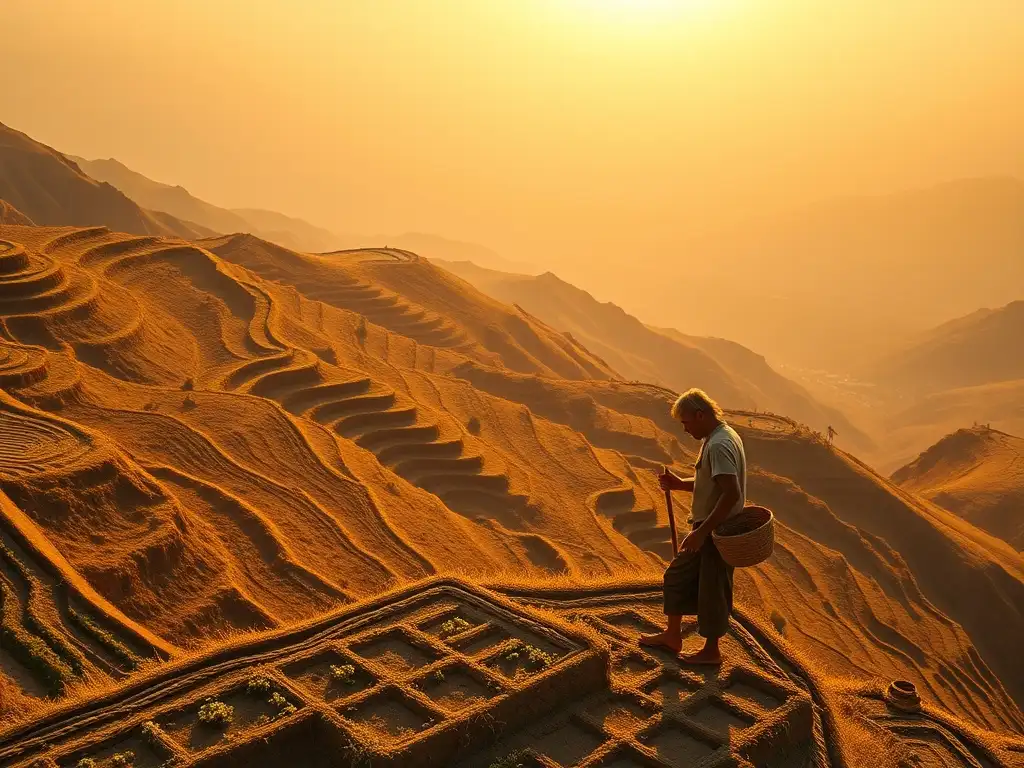
The Nazca civilization, renowned for its enigmatic geoglyphs, also demonstrated remarkable ingenuity in agricultural practices, particularly in water management. Their survival in the arid coastal plains of southern Peru hinged on sophisticated techniques to harness scarce water resources. Understanding their "Nazca farming techniques" offers valuable insights into sustainable agriculture in challenging environments. The ingenuity of their systems allowed them to thrive for centuries in a landscape that would seem inhospitable to large-scale agriculture. This section will explore several key aspects of their water management innovations.
Nazca Aqueducts: Engineering Marvels for Irrigation
The Nazca aqueducts are a testament to the civilization's advanced understanding of hydraulic engineering. These weren't simply canals; they were carefully designed systems that channeled water from distant sources to agricultural fields. Construction involved excavating channels through the desert floor, often lining them with stones and clay to prevent leakage. The remarkable aspect lies in their ability to transport water over considerable distances, often traversing undulating terrain with minimal loss. Some aqueducts were built along contours, utilizing gravity to move the water, while others incorporated ingenious techniques to overcome elevation changes.
The precise methods used for surveying and alignment remain partly shrouded in mystery, but evidence suggests a deep understanding of topography and water flow dynamics. Archaeological studies reveal the meticulous planning that went into their construction, with sections carefully graded to maintain a consistent flow. The maintenance of these aqueducts would have required considerable community effort, indicating a sophisticated level of social organization and cooperation.
The success of the Nazca aqueducts demonstrates a masterful blend of engineering skill and community involvement, crucial for the sustainability of their agricultural practices. This careful management of water resources allowed for the cultivation of crops vital for their survival, even in such a harsh environment. The longevity of these aqueducts speaks volumes about the durability of their construction and the effectiveness of their design.
Underground Canals and Filtration Systems
Beyond surface aqueducts, the Nazca also employed a network of underground canals known as puquios. These ingenious systems tapped into underground water sources, often drawing water from aquifers or subterranean streams. The puquios were typically constructed by digging shafts vertically into the ground, then creating horizontal tunnels to access and channel the water.
These tunnels were often lined with stones and carefully sealed to prevent collapse and water infiltration from the surface. What sets the Nazca puquios apart is their incorporation of natural filtration systems. The water, passing through layers of soil and rock, underwent a natural purification process, reducing the level of contaminants and improving its quality for irrigation.
This understanding of subsurface hydrology is a significant aspect of their "Nazca farming techniques." It allowed them to access a reliable and relatively clean water source, even during periods of drought. The construction of these puquios would have been a complex undertaking, requiring considerable expertise in geology and engineering.
The strategic placement of these underground canals shows a deep understanding of the local water table and its fluctuations throughout the year. The longevity and effectiveness of these systems highlight the Nazca's ability to develop sustainable and resilient water management solutions for their arid environment. These systems are a testament to their profound understanding of their environment and their adaptability in finding resources.
Water Storage and Distribution Strategies
The Nazca's agricultural success wasn't solely dependent on sophisticated water acquisition; it also relied on effective storage and distribution strategies. While evidence of large-scale reservoirs is limited, smaller-scale storage solutions were employed to supplement the water channeled through aqueducts and puquios. These might have included cisterns carved into bedrock or strategically placed earthen basins to collect rainwater runoff.
The distribution of water to individual fields likely involved a combination of gravity-fed channels and possibly some form of controlled diversion systems. This required careful planning and management to ensure equitable access to water amongst the farming communities. Evidence suggests that water rights and allocation were carefully managed, possibly through a system of communal control or hierarchical distribution.
Detailed analysis of the distribution networks is still ongoing, but it’s clear that the Nazca understood the importance of efficient water allocation for optimal crop yields. Their system likely involved a combination of open channels and possibly rudimentary sluice gates or diverting structures to control the flow of water to different plots. This careful management, combined with their innovative water acquisition techniques, allowed them to cultivate a variety of crops, contributing to the thriving agricultural economy that sustained their civilization for centuries.
The combination of aqueducts, puquios, and localized storage exemplifies the holistic approach of Nazca farming techniques, showcasing a remarkable understanding of water resource management in a challenging environment. 🌴
Unique Nazca Agricultural Practices for Soil Fertility

The Nazca civilization, famed for its enigmatic lines etched across the desert, also possessed remarkable agricultural ingenuity. Flourishing in a seemingly inhospitable environment, their success hinged on sophisticated farming techniques that maximized limited resources and adapted to the harsh desert climate. Understanding their methods provides valuable insights into sustainable agriculture and resource management, even today. The key to their success lay in a multifaceted approach encompassing terracing, organic fertilization, and crop diversification – all crucial components of their sustainable farming strategy. These "Nazca farming techniques" represent a remarkable achievement in ancient agricultural engineering.
Terracing Techniques for Enhanced Crop Yields
The Nazca people cleverly harnessed the limited water resources available in their arid environment through intricate terracing systems. These weren't simply flat platforms carved into hillsides; they were carefully engineered structures designed to optimize water retention and soil productivity. The terraces, often built on steep slopes, created a series of level platforms, reducing erosion and maximizing the available arable land.
This approach allowed them to cultivate crops even in challenging terrain where traditional farming would have been impossible. Furthermore, the terraces acted as natural reservoirs, capturing rainwater runoff and allowing it to slowly seep into the soil, nourishing the crops throughout the growing season. Analysis of Nazca terrace construction reveals a sophisticated understanding of hydrology and soil mechanics.
The precise orientation and dimensions of the terraces, often built with stone retaining walls, suggest a detailed knowledge of local topography and water flow patterns. This detailed planning ensured that each terrace received optimal sunlight and water, maximizing crop yields. The efficiency of these systems is a testament to the ingenuity of Nazca farmers and their deep understanding of their environment.
Use of Guano and Organic Matter as Fertilizers
A crucial element of Nazca agricultural success was their innovative use of fertilizers. While modern agriculture often relies on synthetic fertilizers, the Nazca people utilized natural organic sources, most notably guano – the excrement of seabirds and bats. Guano is exceptionally rich in nitrogen, phosphorus, and potassium, essential nutrients for plant growth. The Nazca people harvested guano from coastal islands and caves, transporting it inland to their fields.
This wasn't a simple process; it involved significant effort and logistical planning. The use of guano was not their only method, however. They also incorporated other organic matter, such as composted plant materials and animal manure, into their fields, further enriching the soil and improving its structure.
This practice, combined with their terracing techniques, significantly enhanced soil fertility, leading to healthier plants and higher crop yields. The sustainability of their approach is impressive, avoiding the environmental damage associated with synthetic fertilizers. The Nazca's understanding of soil nutrients and their ability to source and effectively utilize these natural fertilizers represent a sophisticated level of agricultural knowledge.
Crop Rotation and Diversification in Nazca Agriculture
Beyond soil fertility management, the Nazca people employed sophisticated strategies for crop diversification and rotation. Instead of focusing on a single crop, they cultivated a variety of plants, including cotton, beans, maize, squash, and various other vegetables. This diversified approach minimized the risk of crop failure due to pests, diseases, or unfavorable weather conditions.
Crop rotation played a crucial role in maintaining soil health. By alternating different crops in a given field over successive seasons, they prevented the depletion of specific nutrients and reduced the build-up of pests and diseases associated with monoculture farming. This strategy, combined with their organic fertilization, ensured the long-term productivity of their farmland.
Archaeological evidence suggests a complex understanding of plant interactions and the effects of different crops on soil health. Their approach to crop rotation and diversification showcases a deep understanding of ecological principles and sustainable farming practices. The Nazca's commitment to agricultural diversity demonstrates an impressive foresight in managing resources and mitigating risk, a valuable lesson for modern agricultural practices.
Advanced Nazca Farming Tools and Implements

The Nazca's success in cultivating the arid coastal plains of southern Peru hinged not only on their sophisticated understanding of water management but also on the development of specialized tools and implements. These tools, crafted from readily available materials like wood, bone, stone, and occasionally metal, allowed them to maximize their agricultural output in a challenging environment. Understanding these tools provides crucial insight into the ingenuity and resourcefulness of Nazca farmers, solidifying their mastery of "Nazca farming techniques."
Tools Used for Soil Preparation and Planting
Soil preparation in the Nazca desert was a crucial step, demanding tools capable of breaking up the hard-packed earth and creating suitable planting beds. Archaeological evidence suggests the use of several key implements:
- Wooden plows: While not as sophisticated as later metal plows, rudimentary wooden plows likely aided in initial soil turning. These would have been dragged by humans or perhaps llamas, breaking up the surface layer. The exact design remains debated, with [specific information pending] on the precise shape and size of these tools. However, their presence is implied by the scale of Nazca agriculture.
- Stone hoes and digging sticks: These were undoubtedly essential for more precise work, particularly around established crops. Stone hoes, fashioned from volcanic rock or other durable materials, would have been used to loosen the soil around plants and remove weeds. Digging sticks, likely made from hardened wood, would have assisted in planting seeds and transplanting seedlings. The durability of these tools is reflected in the number of surviving examples found at Nazca sites.
- Seed drills (potential): While definitive proof is lacking, the regularity of Nazca planting patterns suggests the possibility of early forms of seed drills. This remains a subject of ongoing research, with scholars exploring whether simple tools or techniques were used to ensure even seed spacing, a key element of efficient "Nazca farming techniques."
The meticulous nature of Nazca agriculture, evident in their intricate irrigation systems, suggests a sophisticated understanding of soil conditions and the tools needed to manage them effectively. Further research into the typology and distribution of these tools is needed to fully understand their role in the overall agricultural system. The relatively low number of surviving examples compared to other artifacts highlights the perishability of organic materials used in tool construction.
Harvesting Methods and Post-Harvest Handling
Harvesting in the Nazca culture required careful consideration, given the precious nature of their crops in the desert environment. The methods employed likely varied depending on the crop, but some general principles can be inferred:
- Manual Harvesting: Given the absence of large-scale animal labor for harvesting, it's highly probable that harvesting was primarily a manual process. Workers would have carefully collected the ripe crops, avoiding damage to the plants themselves. This labor-intensive approach underscores the importance of the cultivated lands to the Nazca people.
- Storage and Preservation: Post-harvest handling involved efficient storage and preservation techniques to ensure the long-term availability of food. Granaries, often built from adobe brick or other durable materials, provided protection from the elements and pests. Additionally, techniques like sun-drying and possibly rudimentary fermentation may have been used to extend the shelf life of certain crops. The size and complexity of some granaries suggest a highly organized system for food storage and distribution. This efficient management of resources was crucial for sustaining the Nazca population and ensuring the success of their agricultural endeavors, a testament to their advanced "Nazca farming techniques."
- Tools for Processing: After harvesting, further processing was likely necessary for many crops. Simple tools like mortars and pestles, made from stone, would have been used to grind grains and other produce. These tools, while seemingly basic, played a vital role in preparing food for consumption and storage. The efficiency of these processes is critical to understanding the overall success of Nazca agriculture. The scarcity of surviving examples, again, points to the use of perishable materials.
The Nazca's ability to successfully cultivate crops in a harsh desert environment speaks volumes about their agricultural expertise. Their innovative farming techniques, combined with their advanced tools and efficient post-harvest handling, allowed them to create a thriving society in a seemingly inhospitable landscape. Further research, especially focused on the recovery and analysis of organic artifacts, will undoubtedly reveal even more about the ingenuity and sophistication of Nazca farming.
Key Crops Cultivated by the Nazca Civilization
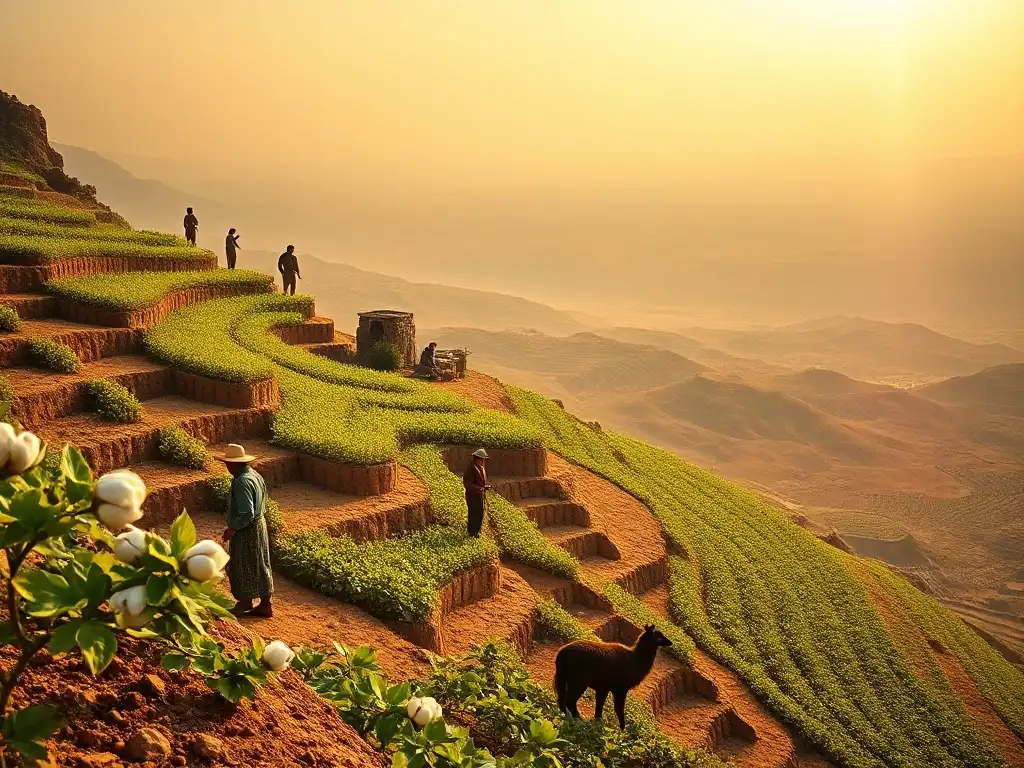
The Nazca's agricultural prowess, a cornerstone of their sophisticated civilization, rested on the successful cultivation of a diverse range of crops. Their ability to thrive in the arid coastal desert of southern Peru speaks volumes about their ingenuity and understanding of water management and soil manipulation. Mastering "Nazca farming techniques" allowed them to create a surprisingly productive agricultural system, supporting a substantial population. The strategic selection of crops, perfectly adapted to the harsh environmental conditions, was crucial to their success. Let's delve into the specifics of their agricultural bounty.
Maize, Beans, and Squash: Staple Crops of Nazca
Maize (corn), beans, and squash formed the core of the Nazca diet, a classic example of the "three sisters" agricultural system commonly practiced throughout the Americas. These complementary crops provided a balanced nutritional profile, crucial for sustaining a healthy population.
- Maize: The Nazca cultivated various maize varieties, adapting them to the local climate and soil conditions. Evidence suggests they employed different planting techniques depending on the specific variety and location, showcasing a sophisticated understanding of agronomy. Archaeological findings reveal diverse maize types, indicating a level of crop diversification that enhanced resilience against environmental fluctuations. Their knowledge of maize cultivation likely involved techniques such as terracing and irrigation, maximizing yields in a challenging environment.
- Beans: Beans provided an essential source of protein in the Nazca diet. They likely cultivated several bean varieties, each with its own unique characteristics and nutritional profile. The intercropping of beans with maize and squash—the "three sisters" system—enhanced soil fertility through nitrogen fixation, a testament to their practical understanding of ecological principles. The beans, growing alongside the maize stalks, benefited from the support offered by the taller plants, while simultaneously enriching the soil for subsequent crops.
- Squash: Squash, along with maize and beans, completed the "three sisters" trinity, offering carbohydrates, vitamins, and minerals. Different types of squash were likely cultivated, offering dietary variety and resilience against crop failure. Squash's ability to thrive in drier conditions made it a valuable addition to the Nazca agricultural portfolio. Their cultivation likely involved techniques such as careful seed selection and soil preparation to maximize yields in their challenging environment.
Other Important Cultivated Plants: Peanuts, Potatoes, and Cotton
Beyond the "three sisters," the Nazca cultivated a range of other economically and culturally significant plants. Their agricultural expertise extended beyond the staple crops, demonstrating remarkable adaptability and resourcefulness.
- Peanuts: Peanuts provided a significant source of protein and oil, enriching the Nazca diet and offering versatility in food preparation. Their cultivation likely involved techniques designed to manage moisture levels and soil conditions optimal for peanut growth. The presence of peanuts in Nazca sites underscores the importance of this crop in their sustenance and economy.
- Potatoes: Various types of potatoes, adapted to different altitudes and microclimates, were likely cultivated by the Nazca. The Andes Mountains provided diverse ecological niches allowing for the cultivation of a wide range of potato varieties. The potatoes' nutritional value and storability contributed significantly to the Nazca’s food security. The mastery of potato cultivation is a testament to their deep understanding of local ecosystems and agricultural practices.
- Cotton: Cotton was a vital crop, not only for its nutritional value (seeds were used for food), but also for its role in textile production. The Nazca were renowned for their sophisticated textile artistry, and cotton served as the primary raw material. The cultivation and processing of cotton involved intricate techniques, reflecting their advanced knowledge of agriculture and craftsmanship. The quality and variety of Nazca cotton textiles speak to the high quality of their cotton production.
The Nazca's agricultural achievements were remarkable. Their ingenuity in developing and refining "Nazca farming techniques" allowed them to flourish in a seemingly inhospitable environment. Their diverse agricultural system, encompassing a wide range of crops and sophisticated cultivation methods, laid the foundation for their complex and vibrant civilization. Further research into these ancient farming practices could offer valuable insights into sustainable agriculture and water management in arid regions.
Lessons from Nazca Farming: Sustainable Practices for Today
The Nazca people, renowned for their enigmatic lines etched into the desert, were also masters of agriculture. Their success in cultivating a flourishing civilization in one of the world's most arid regions offers invaluable lessons for modern sustainable farming practices. Their techniques, honed over centuries, demonstrate a deep understanding of water management, soil conservation, and crop diversification – strategies crucial for addressing present-day agricultural challenges.
Understanding their approach provides a roadmap for building more resilient and environmentally friendly agricultural systems. The ingenuity of Nazca farming techniques continues to inspire researchers and farmers alike, highlighting the enduring wisdom of ancient Andean civilizations.
Nazca's Resilience in the Face of Environmental Challenges
The Nazca desert presents a formidable challenge for agriculture. Characterized by extreme aridity and scarce rainfall, the region receives less than 20 mm of annual precipitation in many areas. However, the Nazca people developed sophisticated techniques to overcome these limitations, showcasing remarkable adaptability. Their success wasn't simply about survival; it was about thriving in a harsh environment, developing a complex and productive agricultural system capable of supporting a substantial population. This resilience stemmed from a deep understanding of their environment and a commitment to sustainable practices.
One key element of their success was their understanding of subsurface water. They employed sophisticated canal systems, some extending for kilometers, to channel water from infrequent rains and underground aquifers to their fields. These canals, meticulously engineered and maintained, demonstrate a mastery of hydraulic engineering far ahead of its time.
The precise alignment and gradient of these channels minimized water loss, ensuring efficient irrigation even in the face of limited water resources. Evidence suggests that they also employed techniques such as camellones (raised fields) and aguadas (reservoirs) to further enhance water retention and soil fertility. These methods not only conserved water but also protected crops from flooding and erosion.
Furthermore, the Nazca people carefully selected crops adapted to the arid climate, showcasing their knowledge of plant physiology and their commitment to crop diversity. Their ability to cultivate crops like cotton, maize, beans, and squash in such an environment is a testament to their agricultural expertise and ingenuity.
The Nazca's resilience underscores the importance of adapting to environmental constraints. Their approach serves as a powerful model for modern agriculture, highlighting the need for water-efficient irrigation systems and drought-resistant crops, particularly in the face of climate change. Their ability to thrive despite limited resources teaches us the value of careful resource management and sustainable land use practices. Their story is a powerful reminder that sustainable agriculture is not just about maximizing yield; it’s about building resilience in the face of environmental challenges.
Applying Ancient Techniques for Modern Agricultural Solutions
The ingenuity of Nazca farming techniques offers valuable insights for contemporary agriculture. Their water management strategies, for example, can inform the design of modern irrigation systems. The principle of minimizing water loss through efficient canal design is as relevant today as it was centuries ago.
Modern drip irrigation systems, though technologically advanced, share a fundamental similarity with the Nazca’s canal systems: both prioritize efficient water delivery to the plants, minimizing waste. Likewise, the Nazca’s use of camellones and aguadas provides valuable lessons in water harvesting and soil conservation. Modern agricultural practices can benefit from incorporating similar techniques to maximize water retention and reduce soil erosion.
Furthermore, the Nazca’s emphasis on crop diversification offers a valuable lesson for modern agriculture, which frequently relies on monoculture farming. The risks associated with monoculture are well-documented, including increased vulnerability to pests and diseases. The Nazca’s approach, which emphasized a variety of crops, promoted ecological balance and resilience.
Similarly, modern farmers can benefit from diversifying their crops to create a more robust and sustainable agricultural system. The Nazca's integrated approach, combining water management, soil conservation, and crop diversification, presents a holistic model for sustainable agriculture. By integrating these principles into modern farming practices, we can create more resilient and environmentally friendly agricultural systems.
This integrated approach, inspired by the ingenuity of Nazca farmers, offers a pathway towards a more sustainable future for agriculture, helping to ensure food security and environmental stewardship. The legacy of Nazca farming techniques, therefore, continues to provide valuable lessons for a world grappling with the challenges of climate change and increasing food demand. Their success emphasizes the enduring wisdom of sustainable practices.
Frequently Asked Questions
What innovative farming techniques did the Nazca people employ?
The Nazca utilized several ingenious techniques, including extensive canal systems to irrigate their arid lands, raised fields to improve drainage and fertility, and sophisticated water management systems to maximize scarce resources.
How did the Nazca's canal systems work?
Their complex network of canals channeled water from rivers and underground sources to their fields. This allowed them to cultivate crops in the otherwise barren desert. Gravity played a crucial role in this system.
What were raised fields and how did they benefit Nazca agriculture?
Raised fields were artificial platforms built above the floodplain. This improved drainage, increased soil fertility, and provided protection against flooding. They were crucial for their agricultural success.
How did the Nazca manage water resources effectively in such a dry climate?
The Nazca people demonstrated exceptional water management skills. They developed sophisticated techniques like aqueducts, reservoirs, and canals to collect, store, and distribute water efficiently, making sustainable agriculture possible.
What can modern agriculture learn from Nazca farming techniques?
Modern agriculture can learn from the Nazca's sustainable and ingenious methods of water management and soil conservation. Their strategies for managing scarce resources in arid environments remain relevant and offer valuable insights for sustainable agricultural practices today.
Final Reflection: Harvesting the Wisdom of the Nazca
The ingenuity of Nazca agricultural practices remains a potent lesson in sustainable resource management, a lesson desperately needed in our era of climate change and dwindling resources. Their innovative techniques, from sophisticated irrigation systems to carefully planned crop rotations, offer a powerful counterpoint to modern, often unsustainable, farming methods. The challenges faced by the Nazca—arid landscapes and unpredictable weather—mirror the environmental pressures we face today, making their solutions all the more relevant.
The enduring legacy of the Nazca farmers extends beyond their impressive feats of engineering; it speaks to the profound connection between human ingenuity and environmental stewardship. Their success wasn't simply about technological advancement, but about a deep understanding of their environment and a commitment to working with nature, not against it. The earth provides enough to satisfy every man's needs but not every man's greed.
– Mahatma Gandhi. This quote resonates deeply when considering the Nazca's sustainable approach, a stark contrast to the often exploitative practices of modern agriculture.
Consider the implications of the Nazca's achievements. What can we learn from their commitment to water conservation? How can we adapt their crop rotation techniques to improve soil health and reduce our reliance on chemical fertilizers? You, the reader, hold the power to translate this ancient wisdom into action. Embrace sustainable practices in your own life, whether through supporting local farmers, reducing your water consumption, or simply planting a seed and nurturing its growth. Let the legacy of the Nazca inspire you to cultivate a more sustainable and harmonious relationship with the earth.
Unleash Your Inner Innovator: Transform Agriculture Today!
Thank you for exploring the fascinating world of Nazca agricultural innovations with us! You've gained valuable insights into how ancient farmers adapted to their challenging environment. Now, let's apply that knowledge to your own agricultural practices.
Here are some ways you can integrate these ancient lessons:
- Implement sustainable water management techniques inspired by the ingenious Nazca irrigation systems. This will significantly improve water conservation on your farm.
- Start a community garden and foster sustainable farming education within your local area. This collaborative approach can be incredibly rewarding.
- Share your experiences on social media or with friends and family, demonstrating how ancient wisdom can shape modern, sustainable agriculture.
What innovative agricultural practices could benefit your community and transform local farming methods?