
The Influence of Geography: How Andean Resources Shaped Metallurgy

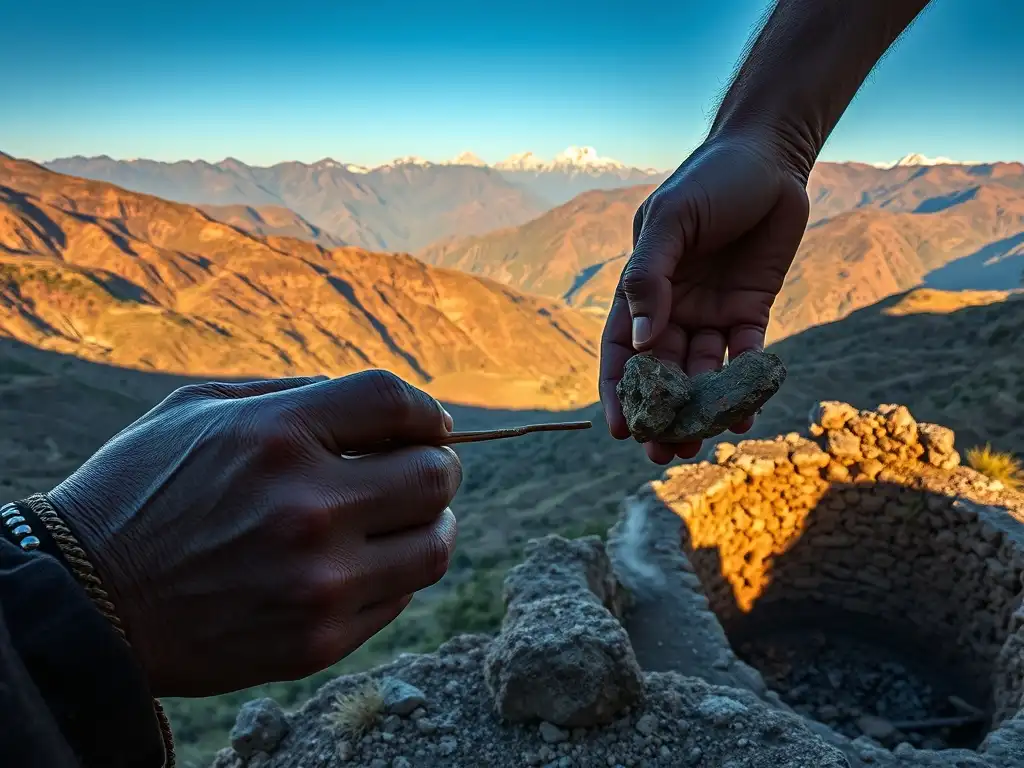
Step into a world lost to time, yet echoing with the ingenuity of ancient masters. Imagine a landscape sculpted by towering peaks and hidden valleys, a land where civilizations thrived, leaving behind a legacy of breathtaking artistry and unparalleled technological prowess. This is the story of the Andean civilizations, and specifically, the fascinating interplay between Andean metallurgy, geography, and influence. Discover how the very mountains and rivers shaped the development of their sophisticated metalworking techniques – a story waiting to be uncovered, one click at a time.
The Andes Mountains, a colossal spine running down the western coast of South America, weren't just a formidable geographical barrier; they were a crucible forging one of the most remarkable metallurgical traditions in pre-Columbian history. This article delves into the profound influence of Andean geography on the development of metallurgy, exploring how the unique distribution of mineral resources, coupled with the region's diverse ecological zones, shaped the techniques, materials, and artistry of ancient Andean metalworkers.
We will examine how the availability of specific ores, the challenges of high-altitude mining, and the ingenuity of Andean societies intertwined to produce objects of both practical and ceremonial significance, leaving a legacy that continues to fascinate and inspire. From the shimmering gold of the Incas to the intricate alloys of the Moche, the story of Andean metallurgy is intrinsically linked to the land itself, a testament to human adaptation and innovation in the face of challenging terrain.
This exploration will analyze the interplay between geography and metallurgical advancement, focusing on the impact of readily accessible resources on the development of diverse metalworking traditions across various Andean cultures. We will uncover how environmental factors influenced everything from the types of metals worked to the specific techniques employed, ultimately shaping the unique character of Andean metallurgy.
Understanding Andean Metallurgy: A Geographic Perspective
Andean metallurgy wasn't a monolithic entity; it evolved differently across various cultures and time periods, reflecting the diverse geographical contexts in which it flourished. The availability of specific ores varied significantly across the Andes, influencing the types of metals predominantly used. For example, the coastal regions, with their rich copper deposits, saw the early development of copper-based technologies, while the highlands, with their gold and silver veins, fostered a different metallurgical tradition. Furthermore, the accessibility of these resources played a crucial role.
High-altitude mining presented significant challenges, demanding sophisticated techniques and organizational structures. This necessitated the development of advanced mining technologies and transportation networks, further highlighting the close relationship between the geographical landscape and metallurgical innovation. The Andean societies also displayed remarkable adaptability in utilizing available resources.
They developed techniques to extract, refine, and work a variety of metals, including copper, gold, silver, bronze, and even platinum, showcasing a deep understanding of both material properties and the environment. The development of alloys, such as tumbaga (a gold-copper alloy), also demonstrates a sophisticated understanding of metallurgy, allowing for the creation of objects with varied colors and properties. This adaptability and the development of sophisticated techniques are key aspects of Andean metallurgy, deeply intertwined with the specific geographic features of the region.
The Andes Mountain Range: A Mineral Rich Environment for Early Metalworking
The Andes Mountains themselves served as a vast, naturally occurring repository of mineral wealth. The geological processes that formed this immense mountain range also concentrated significant deposits of copper, gold, silver, and other metals in accessible locations. The coastal regions, particularly in present-day Peru and Chile, were rich in copper ores, providing the raw material for the earliest Andean metalworking. These deposits were often located near settlements, making them relatively easy to exploit.
However, as metallurgical techniques advanced, Andean societies ventured into the higher altitudes to access rarer and more valuable metals like gold and silver. High-altitude mining was undoubtedly a challenging endeavor, requiring the development of sophisticated techniques for excavating, transporting, and processing ores in harsh conditions. Evidence suggests that complex organizational structures were employed to manage these mining operations, indicating a high level of social and technological sophistication.
The accessibility of certain minerals and the challenges posed by others directly influenced the pace and direction of metallurgical advancements. The sheer scale of the Andean mountain range, with its varied geological formations and ecological zones, provided a diverse range of resources that fueled the development of a complex and diverse metallurgical tradition. This rich mineral endowment, coupled with the ingenuity and adaptability of Andean cultures, is a key factor in understanding the remarkable achievements of Andean metallurgy.
Key Geographical Features and Their Impact on Metallurgy
The Andes Mountains, a colossal spine running down the western coast of South America, profoundly shaped Andean metallurgy. Its unique geography dictated the availability of raw materials, influenced mining techniques, and determined the distribution of metallurgical expertise across different Andean cultures. The sheer scale of the mountain range, coupled with its varied altitudes and climates, created a diverse landscape that both challenged and facilitated the development of sophisticated metalworking practices.
The rugged terrain presented significant obstacles to transportation and communication, leading to localized metallurgical traditions and distinct styles. However, the very same geography also provided access to a rich array of mineral deposits, fuels, and other resources crucial for metallurgical processes. Understanding this interplay between geographical features and metallurgical development is key to appreciating the sophistication of Andean metalworking.
High Altitude Mineral Deposits: Accessibility and Extraction
The high altitude of many Andean mineral deposits presented significant challenges to their extraction. Reaching these remote locations often required arduous journeys, traversing treacherous terrain and coping with extreme weather conditions. Pre-Columbian Andean miners, however, developed remarkable ingenuity in overcoming these obstacles.
Evidence suggests they constructed intricate systems of trails and roads to access these high-altitude mines, as well as sophisticated techniques for extracting ores from challenging environments. The altitude itself, while posing difficulties, also contributed to the concentration of certain minerals, making them easier to identify and extract in some cases. For example, the high-altitude deposits of copper and tin, crucial for bronze production, were exploited with remarkable efficiency, showcasing the adaptive capabilities of Andean mining practices.
The techniques employed varied depending on the specific location and the type of ore being extracted. The ingenuity displayed in overcoming these geographical challenges is a testament to the advanced understanding of Andean mining techniques.
Volcanic Activity: Source of Raw Materials for Andean Metal Crafts
Volcanic activity played a pivotal role in shaping Andean metallurgy. The Andes are one of the most volcanically active regions on Earth, and the volcanic activity provided a readily available source of various materials essential for metalworking. Volcanic eruptions deposited rich veins of copper, silver, and gold, making them accessible to Andean miners. Furthermore, volcanic rock provided a source of fluxing agents used in smelting processes, improving the efficiency of metal extraction.
The heat generated by volcanoes also potentially influenced early smelting techniques, although conclusive evidence is still being researched. The proximity of volcanic deposits to settlements and agricultural areas facilitated the easy transportation of materials, contributing to the widespread adoption of metallurgy in many Andean societies. Specific examples of how volcanic activity influenced the location of mines and smelting sites require further investigation, but the correlation between volcanic regions and significant metallurgical centers is undeniable.
Diverse Ecosystems: Availability of Fuel for Smelting
The diverse ecosystems of the Andes, ranging from arid coastal deserts to lush cloud forests and high-altitude páramos, provided a variety of fuel sources for smelting. Different Andean cultures utilized different fuels depending on their local environment and the scale of their metallurgical operations. In areas with abundant forests, wood charcoal was the primary fuel, while in more arid regions, dried animal dung or other organic materials may have been used.
The availability of fuel was a crucial factor in determining the scale and intensity of metallurgical activities. Regions with abundant fuel resources tended to support larger metallurgical workshops and more extensive metal production, while areas with limited fuel may have experienced smaller-scale production or different metallurgical techniques that required less fuel.
The efficient use of available fuel resources demonstrates a sophisticated understanding of the metallurgical processes and the environment. Further research is needed to fully understand the regional variations in fuel sources and their impact on smelting techniques.
Specific Resource Availability and Metallurgical Practices
The unique distribution of specific resources in the Andes directly influenced the development of particular metallurgical practices in different regions. The availability of certain ores, fuels, and other materials shaped the types of metals worked, the techniques employed, and the styles of metal artifacts produced.
Copper Sources and Their Influence on Copper Metallurgy in the Andes
The Andes boast extensive copper deposits, particularly in regions like the Central Andes and northern Chile. The readily available supply of copper ore contributed to the early development of copper metallurgy in the region. Andean metallurgists mastered techniques for smelting copper, casting it into various shapes, and alloying it with other metals like tin to create bronze.
The quality and type of copper ore available influenced the properties of the resulting metal, leading to variations in copper artifacts across different regions. The development of sophisticated copper-working techniques, including techniques for hammering, annealing, and casting, showcase the advanced metallurgical knowledge of Andean societies. The widespread use of copper objects, from tools to ceremonial items, reflects the importance of this metal in Andean culture.
Gold Deposits and the Development of Andean Goldworking Techniques
The Andes are also rich in gold deposits, leading to the development of highly sophisticated goldworking techniques. Andean goldsmiths were masters of techniques like hammering, repoussé, and soldering, creating intricate and visually stunning objects. They also developed techniques for alloying gold with other metals to create different colors and improve its workability.
The availability of gold, coupled with the development of advanced techniques, resulted in the production of a wide range of gold artifacts, including jewelry, ornaments, and religious items. The unique styles of Andean goldwork varied across different cultures and regions, reflecting the diverse artistic expressions and technological innovations of Andean societies. The mastery of goldworking was a hallmark of Andean craftsmanship, demonstrating a high level of skill and artistic sophistication.
Silver Mining and the Rise of Silver Craftsmanship in Andean Culture
While copper and gold held prominent positions in Andean metallurgy, silver mining and craftsmanship also played a significant role, particularly in later periods. The discovery and exploitation of silver deposits, often associated with other metals, led to the development of specialized silver-working techniques. Andean artisans created intricate silver objects, often incorporating them into jewelry, religious items, and other ceremonial artifacts.
The rise of silver craftsmanship coincided with the expansion and consolidation of certain Andean empires, highlighting the economic and social significance of silver. The techniques used in silverworking often overlapped with those used for gold and copper, but specific challenges associated with silver's properties required specialized knowledge and skills. The importance of silver in Andean culture continued to evolve throughout various periods, reflecting its significance in both economic and symbolic contexts.
The Role of Trade Routes in the Spread of Metallurgical Knowledge
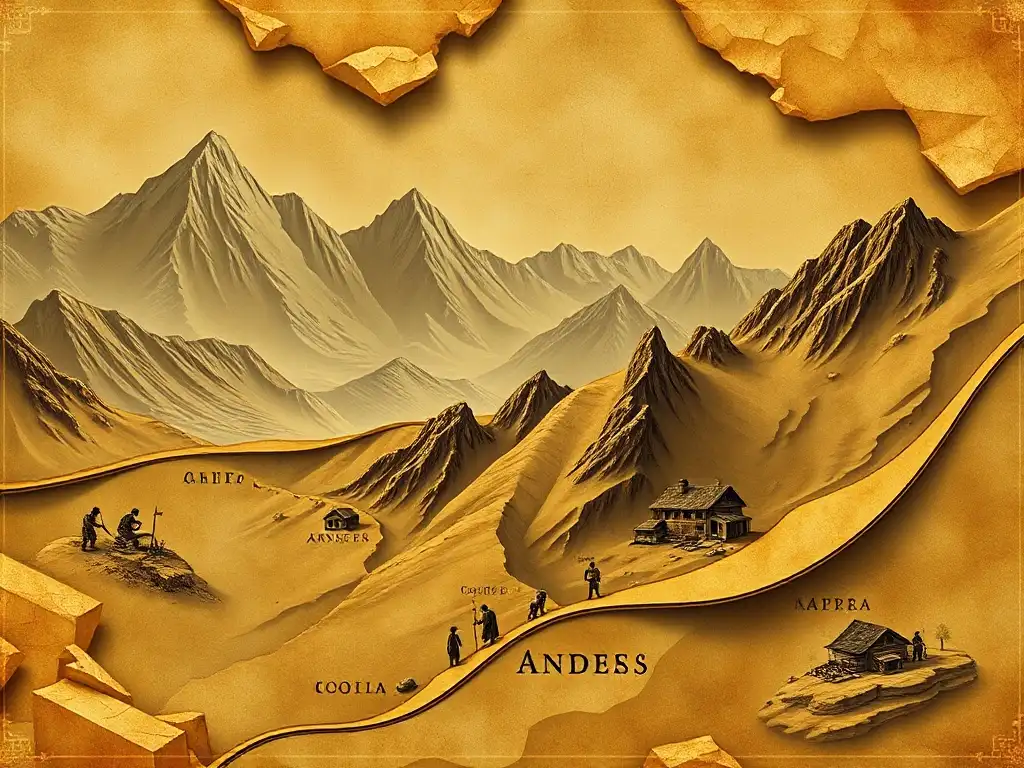
The Andean region's diverse geography, characterized by towering mountains, arid coastal deserts, and lush valleys, significantly influenced the development and dissemination of metallurgical knowledge. Trade routes, often arduous and challenging, played a crucial role in this process. The movement of metals, ores, and skilled artisans along these pathways facilitated the exchange of techniques and innovations, leading to a dynamic interplay of regional styles and advancements.
For instance, the coastal regions, rich in copper deposits, saw the development of sophisticated casting techniques, which subsequently spread inland through established trade networks. Conversely, highland communities, possessing access to different ores and possessing unique smelting techniques, shared their expertise with coastal populations, enriching the overall metallurgical landscape of the Andes.
The intricate network of trails and pathways, often traversing treacherous terrain, served as not only conduits for goods but also for the dissemination of crucial metallurgical knowledge, fostering innovation and adaptation across diverse geographical settings. The development of standardized weights and measures for precious metals further underscores the importance of inter-regional trade in the standardization and dissemination of metallurgical practices throughout the Andean world.
Geographic Barriers and the Development of Unique Regional Styles
The Andes' formidable geographical barriers—steep mountains, deep canyons, and extensive deserts—acted as both obstacles and catalysts in the development of unique regional metallurgical styles. Isolated communities, often separated by impassable terrain, developed distinct techniques and aesthetic preferences adapted to their specific environments and available resources. For example, the challenging terrain might have limited the exchange of certain technologies, leading to the independent evolution of specific metalworking processes in different regions.
Conversely, the very act of overcoming these geographical hurdles spurred innovation. Artisans were forced to develop resourceful solutions to transport materials and adapt their techniques to the limitations imposed by their environment.
This resulted in a fascinating diversity of metallurgical traditions, each reflecting the unique interplay between available resources, technological ingenuity, and the geographical constraints of their respective regions. The development of specialized tools and techniques tailored to the specific challenges of their environment highlights the remarkable adaptability and resilience of Andean metallurgists.
Inter-Regional Exchange of Metal Goods and Technology
Despite geographical barriers, a significant exchange of metal goods and technology occurred across the Andes. The movement of raw materials, such as copper, gold, and silver, along established trade routes facilitated the spread of innovative metallurgical techniques. Elite classes often commissioned objects from distant workshops, driving demand for specialized skills and cross-regional collaboration. Evidence suggests that skilled artisans sometimes migrated, carrying their expertise to new communities and contributing to the fusion of different metallurgical traditions.
This inter-regional exchange wasn't simply a one-way street; it involved a complex interplay of influence and adaptation. Local traditions were often enriched by the incorporation of new techniques and materials, resulting in a dynamic and evolving metallurgical landscape. The exchange of both finished goods and technological knowledge contributed significantly to the overall sophistication and diversity of Andean metallurgy.
Case Studies: Examples of Geographic Influence on Metallurgical Practices
The Moche Culture: Coastal Resources and Metalworking Techniques
The Moche civilization, flourishing along the arid northern coast of Peru, leveraged the abundant copper resources of their region to develop sophisticated metalworking techniques. Their proximity to the sea facilitated access to diverse materials and trade networks, influencing their metalworking style. The Moche are renowned for their intricate gold and silver work, often incorporating elaborate designs and techniques like repoussé and filigree.
The availability of coastal resources, combined with their advanced metallurgical knowledge, allowed them to create highly refined and aesthetically pleasing metal objects, reflecting their unique cultural identity. The Moche's mastery of lost-wax casting, for example, allowed them to create complex three-dimensional forms, showcasing their advanced metallurgical skills. The coastal location also facilitated trade with other cultures, potentially introducing new techniques and materials and further contributing to the development of their distinct metallurgical style.
The Inca Empire: Control of Resources and Centralized Metallurgy
The Inca Empire's vast territorial control facilitated a centralized system of resource management and metallurgy. Their extensive road network enabled efficient transport of materials and artisans across diverse geographical zones. This strategic control over resources, from ore mines to skilled labor, allowed for standardization and large-scale production of metal objects.
The Inca's metallurgical practices were characterized by a focus on practicality and functionality, as seen in their production of tools, weapons, and religious artifacts. The centralized control also allowed for the development of specialized workshops and the standardization of techniques, contributing to the empire's significant metallurgical achievements. The Inca's ability to efficiently manage and utilize resources across diverse geographical landscapes demonstrates the significant impact of political organization on metallurgical development.
The Tiwanaku Culture: High Altitude Resources and Bronze Production
The Tiwanaku culture, situated in the high Andes of Bolivia, developed unique metallurgical practices adapted to their challenging high-altitude environment. While copper was readily available, the scarcity of tin in the immediate vicinity led to innovative solutions for bronze production. Evidence suggests that they likely obtained tin from distant sources, reflecting their sophisticated trade networks.
Their bronze objects, often characterized by distinctive styles and techniques, showcase their ability to overcome geographical limitations and access crucial materials for advanced metalworking. The Tiwanaku’s mastery of bronze casting, considering the geographical challenges they faced, underscores their technological prowess and adaptability. Their location and resource availability shaped their metallurgical practices, resulting in a unique and distinct style.
The Chimor Culture: Coastal Trade and Specialized Metalworking
The Chimor culture, located along the northern coast of Peru, thrived through extensive maritime trade. This access to diverse materials and networks significantly influenced their metallurgical practices. They are known for their specialized metalworking, particularly in gold and silver, often creating intricate jewelry and ceremonial objects.
The coastal location facilitated access to both resources and trade partners, allowing for the development of sophisticated techniques and the production of high-quality metal goods. Their metallurgical achievements demonstrate the vital role that trade and access to diverse resources played in shaping their cultural identity and technological advancements. The Chimor's expertise in gold and silver working, coupled with their extensive trade networks, led to the creation of unique and highly valued metal artifacts.
The Legacy of Andean Metallurgy: A Testament to Geographic Influence
Andean metallurgy stands as a remarkable achievement, profoundly shaped by the unique geographic features of the Andes Mountains. The availability of specific ores, coupled with the ingenuity of Andean cultures, resulted in sophisticated metalworking techniques and iconic artifacts that continue to fascinate and inspire. The legacy isn't merely about the objects themselves – intricate gold ornaments, powerful bronze weapons, or practical silver tools – but also the societal structures and belief systems they reflect. For instance, the elaborate goldwork of the Moche civilization, with its depictions of deities and ritual scenes, reveals a complex religious worldview inextricably linked to the landscape providing the raw materials.
The geographic distribution of these resources also played a crucial role in shaping trade networks and political alliances. Control over rich ore deposits often translated into economic and political power, influencing the rise and fall of Andean empires. The sheer scale and sophistication of some metallurgical projects, like the vast quantities of gold used in Inca royal regalia, demonstrate the ability of Andean societies to mobilize resources and manpower on an impressive scale, reflecting a sophisticated understanding of their environment and its potential.
The impact of Andean geography on metallurgy isn't just a historical curiosity; it's a testament to the enduring power of human adaptation and innovation in the face of challenging environments. The unique challenges and opportunities presented by the Andes spurred the development of innovative techniques and the creation of truly remarkable objects, leaving an enduring legacy that continues to shape our understanding of Andean civilizations. The legacy of Andean metallurgy is a powerful reminder of the deep interconnectedness between human societies and their environment.
Conclusion: The Enduring Connection Between Andean Geography and Metalworking
The story of Andean metallurgy is inseparable from the story of the Andes themselves. The availability of specific ores, the varied altitudes and climates, and the challenges of accessing and processing these resources all profoundly influenced the development of Andean metalworking techniques and the resulting artifacts. From the early experiments with copper alloys to the mastery of gold and silver working by later civilizations, the influence of geography is undeniable. The distribution of mineral resources shaped trade routes, political alliances, and even religious beliefs. Understanding the geographic context is therefore crucial to fully appreciating the achievements of Andean metallurgists and the lasting impact of their work. The ingenuity and skill demonstrated by Andean societies in overcoming the challenges posed by their environment serve as a powerful example of human adaptation and innovation. The enduring connection between Andean geography and metalworking highlights the importance of considering the environmental context when studying past societies and their technological advancements. Further research, particularly focused on the precise locations of ancient mines and the techniques used to extract and process ores, will undoubtedly deepen our understanding of this fascinating interplay between geography and technology in the Andes. The study of Andean metallurgy provides a valuable lens through which to examine the complex relationship between humans and their environment, offering insights relevant to both the past and the present. The legacy of Andean metallurgy continues to inspire and challenge us, reminding us of the remarkable achievements of ancient Andean cultures and the enduring power of human ingenuity.
- Understanding Andean Metallurgy: A Geographic Perspective
- The Andes Mountain Range: A Mineral Rich Environment for Early Metalworking
- Key Geographical Features and Their Impact on Metallurgy
- Specific Resource Availability and Metallurgical Practices
- The Role of Trade Routes in the Spread of Metallurgical Knowledge
- Case Studies: Examples of Geographic Influence on Metallurgical Practices
- The Legacy of Andean Metallurgy: A Testament to Geographic Influence
- Conclusion: The Enduring Connection Between Andean Geography and Metalworking
- What role did geography play in Andean metallurgy?
- Which Andean civilizations were most renowned for their metallurgy?
- What specific geographical features influenced the type of metallurgy practiced?
- How did the Andes' geography affect the trade of metallic goods?
- Beyond metals, what other geographical factors influenced Andean metallurgy?
Frequently Asked Questions
What role did geography play in Andean metallurgy?
The geography of the Andes provided essential resources like copper, gold, silver, and tin, crucial for metallurgical development. The varied landscapes also influenced mining techniques and the distribution of metalworking centers.
Which Andean civilizations were most renowned for their metallurgy?
The Inca, Moche, and Nazca civilizations are particularly well-known for their advanced metallurgical skills. They produced a wide range of objects, from tools and weapons to elaborate jewelry.
What specific geographical features influenced the type of metallurgy practiced?
Altitude, proximity to ore deposits, and access to fuel sources (like wood for smelting) all played significant roles in shaping metallurgical practices. Different regions developed unique techniques based on their available resources.
How did the Andes' geography affect the trade of metallic goods?
The challenging terrain of the Andes both hindered and facilitated trade. While travel was difficult, the demand for high-quality metals spurred the development of complex trade networks connecting different Andean communities.
Beyond metals, what other geographical factors influenced Andean metallurgy?
Climate and water sources were also crucial. Climate influenced the availability of fuel for smelting, while water was essential for various stages of the metallurgical process, including mining and refining.
Final Reflection: Echoes of the Andes: A Legacy Forged in Metal and Mountain
The intricate relationship between geography and technological advancement, as explored throughout this article, remains profoundly relevant today. The Andes Mountains, far from being a mere backdrop to human history, actively shaped the very fabric of Andean metallurgy, leaving an enduring legacy that continues to inspire and inform us. This understanding transcends mere historical curiosity; it offers a crucial lens through which to view the complex interplay between environment and innovation in any context.
The ingenuity displayed by Andean metallurgists, born from their intimate knowledge of their environment, continues to resonate in our modern world. Their mastery of diverse ores, their sophisticated smelting techniques, and their artistic expression in metal all stand as testaments to human adaptability and resilience. The mountains are not simply a physical presence, but a living force that shapes the lives and cultures of those who dwell among them.
This quote encapsulates the profound influence of the Andean landscape on its people, an influence that is deeply woven into the very essence of their metallurgical achievements.
Consider the implications of this understanding for your own life. How does your environment shape your choices, your opportunities, and your creativity? Let the story of Andean metallurgy serve as a powerful reminder of the interconnectedness of all things, and of the boundless potential that arises when human ingenuity meets the challenges and opportunities presented by the natural world. Embrace the lessons of the past, and strive to forge your own path, inspired by the enduring legacy of the Andean masters.
**Unveil the Secrets of Andean Metallurgy! **
Thank you for exploring the fascinating world of Andean metallurgy! Understanding how geography shaped the culture and technology of these ancient civilizations is key to appreciating our shared history. Now, let's put your knowledge to work!
- **Explore** local museums and online resources to discover stunning Andean artifacts and learn about their intricate crafting techniques.
- **Engage** with online communities and forums dedicated to Andean civilizations. Share your insights, ask questions, and deepen your understanding through collaboration.
- **Consider** a creative approach: try your hand at metalworking or craft projects inspired by Andean traditions—a hands-on way to connect with this rich heritage.
What specifically about Andean metallurgy captivates you, and how will you delve deeper into this fascinating subject?