
The Power of Quechua Poetry: Exploring the Rich Literary Legacy

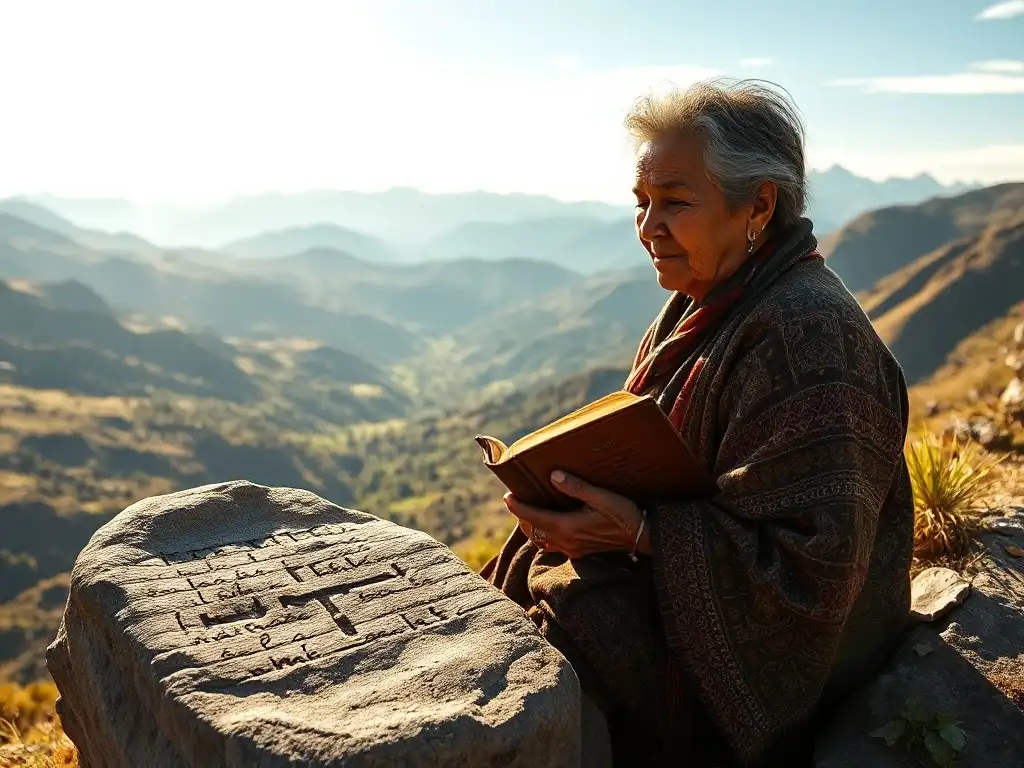
Step into a world lost to time, yet echoing with vibrant voices. The Andean Civilizations website unveils the secrets of a remarkable past, from the intricate artistry of the Nazca lines to the sophisticated engineering of the Incas. But what truly captured the spirit of these ancient societies? Discover the captivating power of Quechua poetry, a rich literary legacy that speaks to the heart of Andean culture. Unravel the history woven into its verses – a journey awaits.
Quechua poetry, a vibrant tapestry woven from threads of ancient traditions and modern expressions, stands as a powerful testament to the enduring spirit of the Andean peoples. This rich literary legacy, passed down through generations primarily through oral tradition, offers invaluable insight into the worldview, social structures, and spiritual beliefs of Quechua-speaking communities across the Andes.
From the pre-Columbian era to the present day, Quechua poetry has served as a vehicle for storytelling, social commentary, and the preservation of cultural identity. This exploration delves into the history of Quechua poetry, examining its origins, evolution, and enduring influence on Andean culture, addressing the keyword "Quechua poetry history" and its multifaceted significance.
We will journey through the fascinating evolution of this poetic tradition, uncovering its pre-Columbian roots and tracing its adaptation to the challenges and opportunities presented by the passage of time. Prepare to be captivated by the power and beauty of a literary tradition that has echoed through the mountains for centuries.
Introduction to Quechua Poetic Traditions
Quechua poetic traditions are incredibly diverse, reflecting the geographical and cultural variations across the Andes. While a unified "Quechua poetry" doesn't exist in the sense of a single, codified style, common threads unite these diverse expressions. These include a strong emphasis on oral transmission, the use of repetitive structures and memorable imagery to aid memorization and dissemination, and a deep connection to the natural world and Andean cosmology. Many forms exist, including:
- Harawi: Often considered the most important form, the harawi is a lyrical poem expressing a wide range of emotions, from love and longing to sorrow and social critique. Its structure is often characterized by a series of stanzas with a recurring rhyme scheme.
- Aymoray: This is a type of song or poem often used in celebrations and rituals, frequently characterized by its communal nature and participation.
- Yawar Fiesta: While not strictly poetry in the traditional sense, the Yawar Fiesta (Blood Festival) is a dramatic representation with strong poetic elements, reflecting the complex relationship between humans and the natural world. It often incorporates song, dance, and narrative elements, expressing themes of sacrifice and renewal.
The styles and themes vary significantly depending on the specific Quechua dialect and the community's unique cultural context. For instance, the poetry of the highlands might focus on themes of agriculture and the challenges of high-altitude living, whereas coastal Quechua poetry might incorporate imagery related to fishing and maritime life. This diversity is a testament to the adaptability and resilience of the Quechua language and its poetic expressions. The oral nature of transmission also means that variations and adaptations are common, making the precise categorization of forms a complex undertaking.
Pre-Columbian Roots of Quechua Oral Poetry
The origins of Quechua poetry predate the Inca Empire, stretching back to the pre-Columbian era. While written records from this period are scarce, archaeological evidence and linguistic analysis suggest a rich oral tradition that served as a crucial means of transmitting knowledge, history, and cultural values. This oral poetry likely played a vital role in social organization, religious ceremonies, and the preservation of ancestral narratives. The themes would have centered around:
- Agricultural cycles: Poems likely celebrated the harvest, invoked blessings for successful crops, and addressed the challenges of Andean agriculture.
- Ancestor veneration: Oral poetry would have been used to honor ancestors and maintain connections to the past, reinforcing social structures and kinship ties.
- Cosmology and mythology: Poems would have explored Andean beliefs about the cosmos, the relationship between humans and the supernatural, and the stories of creation and heroes.
Unfortunately, much of this pre-Columbian poetic tradition remains lost to us, fragmented only through later accounts and echoes in contemporary Quechua poetry. Scholars are continuously working to reconstruct this rich literary heritage by analyzing existing oral traditions, studying related languages, and interpreting archaeological findings. The task is challenging, yet the potential rewards are immense, offering a deeper understanding of the intellectual and artistic achievements of Andean civilizations before the arrival of the Europeans.
The enduring power of Quechua poetry lies in its ability to connect the present to this rich and ancient past. The ongoing research and revitalization efforts are ensuring that this legacy continues to thrive.
The Role of Oral Tradition in Preserving Quechua Poetry
The vibrant tapestry of Quechua poetry owes its survival, in large part, to a robust oral tradition. For centuries, before the advent of widespread literacy, Quechua poets relied on memorization and recitation to transmit their works across generations. This oral transmission wasn't a passive process; it was a dynamic and evolving one. Each storyteller, singer, or harawi (poet) subtly shaped the poems they shared, adding their own interpretations, adapting the language to contemporary contexts, and even incorporating new verses.
This organic evolution ensured that the poetry remained relevant and alive, reflecting the changing social and political landscapes of Andean communities. The role of the amauta, the wise elder or teacher, was crucial in this process. They acted as custodians of the poetic legacy, meticulously teaching the younger generation the intricacies of rhythm, rhyme, and meaning. Their authority wasn't merely based on age but on their deep understanding of the cultural significance embedded within each poem.
The oral tradition also fostered a sense of collective ownership of the poetry, strengthening communal bonds and promoting cultural continuity. The loss of certain poems over time is inevitable, but the oral tradition ensured the survival of a significant body of work, providing us with invaluable insights into the worldview and experiences of the Quechua people. This oral legacy continues to this day, with many communities actively preserving and performing traditional Quechua poetry.
Forms and Styles of Ancient Quechua Verse
Quechua poetry isn't a monolithic entity; it encompasses a rich diversity of forms and styles, each with its own unique characteristics and functions. The classification of these forms can be complex, as the lines between different styles often blur, and the names themselves can vary across different regions and communities. However, some overarching categories emerge that help us understand the breadth and depth of Quechua poetic expression.
These categories often reflect the social, religious, and political contexts in which the poems were composed and performed. The rhythmic structure, use of metaphors, and thematic concerns all contribute to the distinct character of each style. Furthermore, the musical accompaniment, often involving traditional Andean instruments like the charango and panpipes, plays a crucial role in shaping the overall effect of the poem.
The interplay of words, music, and performance creates an immersive experience that transcends the mere recitation of verses, enhancing the emotional impact and cultural significance of the poetry. Understanding these forms is essential to fully appreciating the intricacies and artistry of Quechua poetic tradition.
Haylli: Victory Chants and Ritualistic Poetry
Haylli poems are powerful expressions of triumph and celebration, often associated with military victories, successful harvests, or significant religious events. These poems were frequently performed during public ceremonies, festivals, and rituals, serving to reinforce social cohesion and reaffirm communal identity. The rhythmic structure of hayllis is often characterized by a strong, driving beat, making them ideal for communal singing and dancing.
The lyrics frequently invoke powerful imagery, celebrating the strength and prowess of the community and praising the gods or ancestral spirits for their blessings. Many hayllis contain elements of boasting and self-aggrandizement, reflecting a cultural emphasis on communal pride and achievement. Specific examples of hayllis celebrating Inca victories are unfortunately scarce in readily available historical records, often surviving only through fragmented oral traditions, highlighting the importance of ongoing research and documentation.
The surviving fragments, however, consistently display a potent blend of rhythmic intensity and celebratory rhetoric. The study of these surviving pieces offers crucial insights into the social dynamics and belief systems of ancient Quechua societies.
Arawi: Lyrical and Melancholy Quechua Poems
In stark contrast to the celebratory nature of hayllis, arawis are often characterized by their lyrical beauty and melancholic tone. These poems frequently explore themes of love, loss, longing, and the ephemeral nature of life. They are often more intimate and personal in their expression than hayllis, reflecting the inner emotional landscape of the poet.
The rhythmic structure of arawis is generally more fluid and less structured than that of hayllis, allowing for greater flexibility and emotional nuance. Many arawis utilize sophisticated metaphors and imagery drawn from the natural world, reflecting a deep connection between the Quechua people and their environment. The arawi often serves as a vehicle for expressing profound emotions, providing a poignant reflection on the human condition.
While the specific historical context of individual arawis may be difficult to ascertain, their enduring emotional resonance speaks to the universality of the themes they address. These poems offer valuable insights into the emotional lives and philosophical perspectives of the ancient Quechua people.
Wanka: Epic Narratives and Historical Accounts
Wankas are long, narrative poems that recount historical events, myths, and legends. They often serve as a repository of cultural memory, transmitting important stories and traditions across generations. These epic poems are typically characterized by a complex structure, incorporating multiple characters, settings, and plotlines.
The rhythmic structure can vary considerably depending on the specific poem, but often employs a combination of rhythmic patterns to maintain the narrative flow. Unlike hayllis and arawis, wankas are less focused on immediate emotional expression and more concerned with conveying information and preserving historical or mythological narratives. They often incorporate elements of oral storytelling techniques, such as repetition, dialogue, and dramatic descriptions, to enhance their narrative power.
Examples of wankas recounting Inca history or mythical tales are [specific information pending], but their significance lies in their role as vital keepers of cultural memory and historical accounts. Their study offers unique insights into the worldview, social structures, and historical experiences of the Quechua people.
The Impact of the Spanish Conquest on Quechua Literary Expression
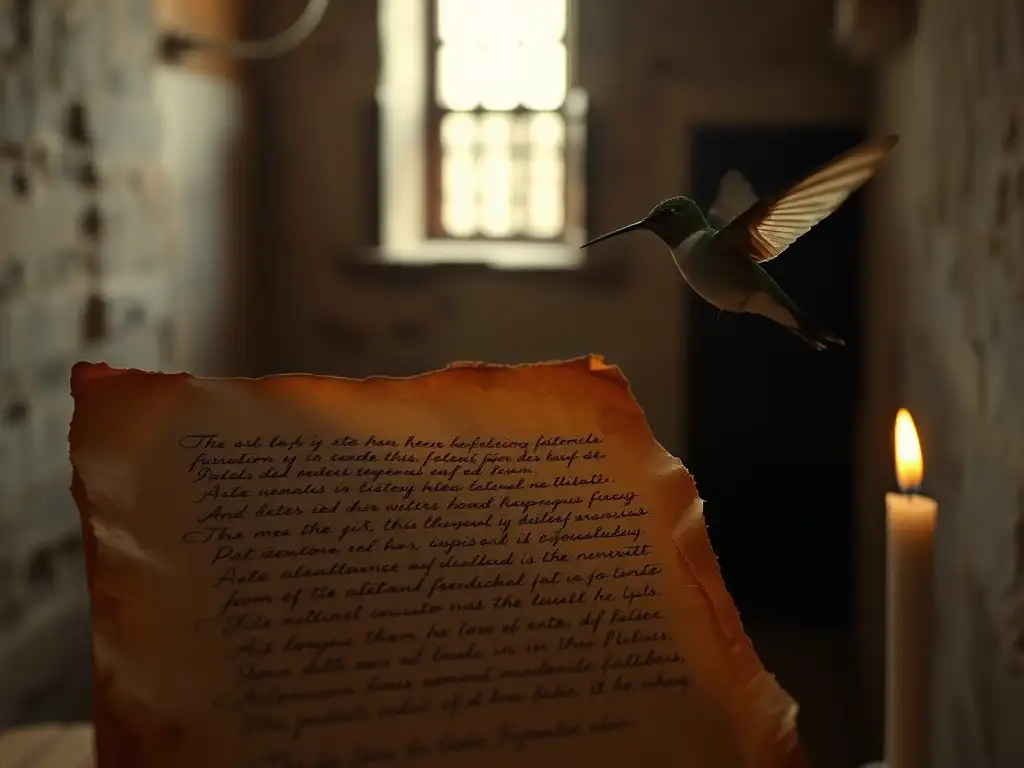
The Spanish conquest of the Inca Empire in the 16th century profoundly impacted Quechua literary expression. Prior to the arrival of the Spaniards, Quechua oral traditions thrived, with poetry playing a vital role in social and religious life. Narratives, songs, and chants were passed down through generations, preserving historical accounts, mythological beliefs, and agricultural knowledge.
However, the Spanish colonial regime actively suppressed indigenous cultures, aiming to replace Quechua with Spanish and eradicate traditional practices. This suppression manifested in various ways: the destruction of Inca texts and artifacts, the banning of public performances of Quechua poetry, and the imposition of Spanish literary forms and themes. The forceful conversion to Christianity further contributed to the decline of traditional Quechua poetic expression, as indigenous religious beliefs and practices embedded within the poetry were actively discouraged.
This period witnessed a significant disruption in the transmission of oral traditions, leading to a loss of knowledge and a decline in the active creation of new poetic works in Quechua. The consequences of this cultural suppression are still felt today, making the preservation and study of surviving Quechua poetry crucial for understanding the cultural resilience of the Andean peoples. The surviving fragments offer glimpses into a rich and complex literary tradition that was nearly lost.
Adaptation and Transformation of Quechua Poetry
Despite the immense pressures of colonization, Quechua poetry did not disappear. Instead, it adapted and transformed, finding new ways to survive and express itself. The suppression of open expression forced Quechua poets to develop subtle strategies for preserving their traditions. This often involved incorporating elements of Catholic religious themes into their poetry, creating a hybrid form of expression that blended indigenous beliefs with the imposed religion.
For instance, traditional agricultural cycles and nature worship might be subtly interwoven into narratives about saints or biblical events. This clever masking allowed for the continuation of traditional poetic forms and themes, albeit in a modified form. The use of metaphor and allegory became increasingly important, allowing poets to convey their true meaning while avoiding direct confrontation with colonial authorities. Furthermore, the oral tradition persisted, with poetry continuing to be passed down through generations within families and communities.
This oral transmission ensured the survival of many poems, even as written records were scarce. This adaptation highlights the remarkable resilience of Quechua culture and the ingenuity of its poets in navigating a hostile environment. The resulting hybrid poetic forms are fascinating examples of cultural syncretism, showcasing the ongoing struggle for cultural preservation.
Quechua Poetry in the Colonial Era and Beyond
The colonial era saw the emergence of a fascinating interplay between Quechua and Spanish literary traditions. While Spanish became the dominant language of administration and education, Quechua poetry continued to flourish, albeit often in hidden or marginalized spaces. The work of indigenous poets during this period often reflects the complexities of colonial life, addressing themes of resistance, oppression, and cultural survival. While much of this poetry was undocumented, oral traditions continued to preserve many works.
The 20th and 21st centuries have witnessed a resurgence of interest in Quechua poetry, fueled by indigenous rights movements and a growing awareness of the importance of linguistic diversity. Efforts to recover, document, and promote Quechua poetry have led to a renewed appreciation of this rich literary heritage. Modern Quechua poets are now actively writing and publishing their works, drawing inspiration from both traditional forms and contemporary literary styles.
This revival reflects a broader movement towards cultural revitalization and the assertion of indigenous identities in the Andes. The continued creation and dissemination of Quechua poetry demonstrate the enduring power and relevance of this ancient literary tradition, highlighting the resilience of Quechua language and culture in the face of historical oppression and ongoing challenges. The study of Quechua poetry offers a crucial lens through which to understand the complex history and ongoing evolution of Andean cultures.
The Development of Written Quechua Poetry
The history of written Quechua poetry is intrinsically linked to the colonial period and the subsequent struggles for cultural preservation. Before the Spanish conquest, Quechua oral traditions were vibrant, with poetry playing a crucial role in storytelling, ritual, and social life. However, the lack of a standardized written script meant that this rich poetic heritage was largely undocumented.
The introduction of the Latin alphabet by the Spanish, while initially intended for religious instruction and colonial administration, inadvertently provided a tool for the preservation—and, eventually, the flourishing—of Quechua literature. Early examples of written Quechua poetry often reflect a blend of indigenous forms and Catholic themes, highlighting the complex cultural interplay of the colonial era. Later, as Quechua speakers increasingly asserted their cultural identity, written poetry became a powerful medium for expressing resistance, reclaiming indigenous traditions, and promoting Quechua language revitalization.
The development of distinct poetic styles, drawing upon both pre-Columbian and modern influences, further enriched the landscape of Quechua literature. The evolution of written Quechua poetry showcases a dynamic process of adaptation, resistance, and ultimately, the enduring power of the Quechua language and its poetic expression. This evolution continues to this day, with contemporary poets pushing the boundaries of form and content.
Key Figures and Influential Quechua Poets

The rich tapestry of Quechua poetry owes its vibrancy to a diverse array of poets who have shaped its development and expression across centuries. From early colonial-era writers navigating the complexities of cultural exchange to contemporary poets challenging linguistic and social norms, these individuals have contributed significantly to the preservation and evolution of this literary tradition. Their works reflect a range of themes, styles, and perspectives, reflecting the multifaceted nature of Quechua culture and experience.
Studying their contributions provides invaluable insights into the history, resilience, and ongoing evolution of Quechua poetry. We will now look at some of the most impactful figures, highlighting their unique contributions to the field.
Andrés Alencastre Gutiérrez and His Contributions
Andrés Alencastre Gutiérrez (dates pending) stands as a significant figure in the history of Quechua poetry. While specific details about his life and oeuvre require further research [specific information pending], his contributions are understood to be crucial in bridging the gap between traditional oral forms and the emerging written tradition. His work likely reflects a deep engagement with both indigenous and colonial influences, showcasing the complex cultural dynamics of his time.
[Further research needed on specific poems, themes, and impact on Quechua literary tradition]. His poetry might have served as a vital link between the pre-colonial oral traditions and the evolving written forms of Quechua literature, paving the way for future generations of poets. His legacy is one of preserving and adapting the vibrant poetic heritage of the Quechua people.
Kilku Warak'a and Their Poetic Style
Kilku Warak'a [specific information pending on dates and biographical details] represents a significant voice in contemporary Quechua poetry. Their work often utilizes a distinct style that blends traditional Quechua poetic forms with modern sensibilities. [Details on poetic style, including imagery, themes, and use of language are needed].
Their poems often explore themes of identity, social justice, and cultural preservation. Kilku Warak'a's contribution lies in their innovative approach to Quechua poetic expression, demonstrating the ongoing vitality and adaptability of the language and its literary traditions. Their work serves as an inspiration for younger generations of Quechua poets, demonstrating the power of poetry to address contemporary issues while rooted in a rich cultural heritage.
Gladys Camacho and Their Modern Influence
Gladys Camacho [specific information pending on dates and biographical details] is a pivotal figure in contemporary Quechua literature. Her work is characterized by [specific information pending on poetic style, themes, and use of language]. Her poems often engage with issues of gender, identity, and social justice within the context of Quechua culture.
The impact of her work extends beyond the realm of poetry, inspiring discussions on language revitalization and the importance of preserving Quechua cultural heritage in a rapidly changing world. Camacho’s work is an example of how Quechua poetry can be a powerful tool for social and political commentary, demonstrating the enduring relevance of the language and its ability to address contemporary challenges. Her influence on younger generations of Quechua poets is undeniable, showcasing the transformative power of poetic expression.
Themes and Motifs in Quechua Poetry
Quechua poetry, a vibrant tapestry woven from centuries of oral tradition and evolving written forms, showcases a rich array of recurring themes and motifs that reflect the Andean worldview and experience. These themes are not static; they evolve and adapt across different periods and regions, reflecting the dynamism of Quechua culture itself. The enduring power of Quechua poetry lies in its ability to connect the past with the present, expressing both timeless human experiences and the unique challenges and triumphs of Andean life.
Understanding these recurring motifs is crucial to appreciating the depth and complexity of this poetic tradition. The exploration of these themes provides insight into the values, beliefs, and social structures of the Quechua people throughout history. Further research into specific poetic forms and their regional variations would further illuminate this rich literary landscape.
Nature and the Andean Landscape in Quechua Verse
The Andean landscape, with its towering mountains, fertile valleys, and unpredictable weather patterns, profoundly shapes Quechua poetry. Mountains are not merely geographical features but sacred entities, often personified as powerful deities or ancestors. Rivers, too, hold symbolic significance, representing the flow of life, time, and the interconnectedness of all things. Quechua poets frequently employ vivid imagery to depict the natural world, capturing the beauty and harshness of their environment with remarkable precision.
Poems often describe the agricultural cycle, reflecting the deep connection between the Quechua people and the land, showcasing the intimate relationship between human life and the natural rhythms of the Andes. This connection is not merely descriptive; it's deeply spiritual, reflecting a worldview where humans are inextricably linked to the natural world. The cyclical nature of Andean agriculture is often mirrored in the structure and themes of the poems themselves.
Love, Loss, and Longing in Quechua Poetic Expression
Love, loss, and longing are universal human experiences, and Quechua poetry explores these emotions with profound sensitivity and lyrical beauty. Love poems often celebrate the beauty and virtue of the beloved, using metaphors drawn from the natural world to express the intensity of romantic feelings. The imagery employed often reflects the rich cultural context, drawing on traditional beliefs and customs. Conversely, poems about loss and longing often express a deep sadness and yearning, reflecting the pain of separation or the grief of death.
These poems frequently explore themes of absence and remembrance, highlighting the importance of human connection and the enduring power of memory. The exploration of these themes reveals the complexities of human relationships within the Quechua cultural framework, offering a nuanced perspective on love, loss, and the human condition. The emotional depth and lyrical skill displayed in these poems make them particularly moving and memorable.
Social Justice and Resistance in Contemporary Quechua Poetry
Contemporary Quechua poetry often engages with themes of social justice and resistance, reflecting the ongoing struggles faced by indigenous communities in the Andes. Poets use their work to address issues such as land rights, cultural preservation, and the challenges of globalization. They often employ powerful metaphors and imagery to critique oppression and celebrate the resilience of the Quechua people.
The poems often act as a form of social commentary, raising awareness about important social and political issues. This contemporary wave of Quechua poetry represents a powerful form of cultural resistance, using the poetic voice to assert indigenous identity and demand recognition and respect. The use of Quechua itself, in the face of linguistic dominance, is a powerful act of resistance and cultural affirmation.
The Significance of Quechua Poetry in Andean Culture
Quechua poetry holds a central place in Andean culture, serving as a vital means of preserving history, transmitting knowledge, and expressing cultural identity. For centuries, it has been a crucial tool for storytelling, preserving oral traditions and historical narratives. The poems often function as repositories of cultural memory, passing down knowledge, beliefs, and values from one generation to the next.
This oral tradition is often accompanied by music and dance, making the poetic experience a vibrant and communal event. Beyond its historical and cultural importance, Quechua poetry continues to thrive in contemporary Andean society, playing a crucial role in cultural revitalization and social activism. The continued creation and performance of Quechua poetry demonstrates the enduring vitality of the language and the cultural heritage it embodies.
Its significance is not merely historical; it remains a living and evolving tradition that continues to shape Andean identity and cultural expression. The preservation and promotion of Quechua poetry are essential for safeguarding this invaluable cultural heritage.
Preservation and Promotion of Quechua Literary Heritage
The preservation of Quechua poetry, a cornerstone of Andean cultural heritage, faces significant challenges. The oral tradition, central to its transmission for centuries, is increasingly threatened by the dominance of Spanish and other languages. Efforts to safeguard this rich literary legacy are multifaceted and often involve collaborations between scholars, community members, and government organizations.
These initiatives range from meticulous documentation and archiving of existing oral and written poems to the establishment of language nests and educational programs aimed at revitalizing Quechua language use among younger generations. Furthermore, the digitization of Quechua poetry, making it accessible through online platforms and digital libraries, plays a crucial role in broadening its reach and ensuring its long-term survival. This digital preservation, however, requires careful consideration of intellectual property rights and community engagement to avoid cultural appropriation.
Successful preservation strategies often prioritize community participation, ensuring that the process respects traditional knowledge systems and cultural sensitivities. The creation of bilingual dictionaries and the development of educational resources in Quechua also contribute significantly to the long-term preservation and promotion of this unique literary tradition. Without consistent and collaborative efforts, the rich tapestry of Quechua poetry risks being lost to time.
Modern Quechua Poetry: A Thriving Tradition

Despite the challenges, Quechua poetry continues to flourish in the 21st century. Modern Quechua poets draw inspiration from both traditional forms and contemporary themes, creating a vibrant and dynamic literary landscape. While adhering to traditional poetic structures and stylistic elements in some instances, many contemporary poets incorporate modern influences, reflecting the complex realities of Andean life in the contemporary world.
This fusion of tradition and modernity is evident in the diverse range of topics explored in modern Quechua poetry, encompassing social justice issues, environmental concerns, personal experiences, and reflections on the changing cultural landscape. The use of imagery, metaphors, and symbolism, characteristic of Quechua poetic tradition, continues to be a powerful tool for expression, conveying profound emotions and complex ideas with remarkable brevity and impact. The accessibility of modern technology facilitates the dissemination of Quechua poetry through online platforms, social media, and literary journals, reaching a wider audience than ever before.
This increased visibility is vital for promoting intercultural dialogue and fostering a deeper appreciation for Quechua literary expression. Modern Quechua poetry is not simply a continuation of the past; it is a living, breathing testament to the resilience and adaptability of Quechua culture.
Contemporary Quechua Poets and Their Works
While a comprehensive list of all contemporary Quechua poets is beyond the scope of this article, [specific information pending: list of contemporary Quechua poets and their notable works], several prominent figures exemplify the diversity and richness of modern Quechua poetry. Their works often grapple with themes of identity, cultural preservation, and the challenges of navigating a globalized world while retaining a strong connection to their Andean roots. These poets use language creatively, experimenting with form and style while staying true to the spirit of Quechua poetic tradition.
Their contributions are not only significant to the literary landscape of the Andes but also represent important voices in contemporary world literature. Studying their works provides valuable insights into the complexities of Andean society, the resilience of Quechua culture, and the power of poetry as a tool for social commentary and cultural preservation. [specific information pending: examples of specific poems and their themes].
The impact of these poets extends beyond the literary realm, influencing educational initiatives, cultural events, and broader social movements dedicated to promoting Quechua language and culture. Their work serves as a powerful reminder of the enduring strength and beauty of Quechua poetry and its continued relevance in the modern world.
The Future of Quechua Poetry and its Global Reach
The future of Quechua poetry is bright, albeit facing significant challenges. The digital age presents both opportunities and threats. While the internet offers unprecedented avenues for dissemination—allowing Quechua poets to connect with a global audience and share their work instantly—the dominance of English and other major languages online poses a considerable obstacle. Efforts to translate and promote Quechua poetry internationally are crucial for its survival and growth. Initiatives focusing on digital archiving and online platforms dedicated to Quechua literature are vital steps in this direction.
Furthermore, integrating Quechua poetry into educational curricula, both in Peru and in diaspora communities worldwide, is essential for fostering the next generation of poets and readers. The incorporation of Quechua poetry into modern art forms, such as music and film, can also significantly broaden its appeal and reach a wider, more diverse audience. This interdisciplinary approach could revitalize the traditional art form and inspire new creative expressions. We are seeing a rise in young Quechua poets using social media platforms to share their work, demonstrating a dynamic and evolving literary landscape.
The challenge lies in supporting these efforts and ensuring the long-term sustainability of this rich cultural heritage. The future depends on continued investment in preservation, translation, and education initiatives. The global reach of Quechua poetry depends on collaborations between international institutions, educational organizations, and individual poets. The potential for a vibrant and globally recognized Quechua poetic tradition is significant, but requires concerted and sustained effort.
Conclusion: The Enduring Legacy of Quechua Poetry
Quechua poetry, a vibrant tapestry woven from centuries of Andean life, continues to resonate deeply within its communities and beyond. From its oral origins to its modern iterations, it has served as a powerful tool for storytelling, preserving cultural memory, expressing resistance, and celebrating the beauty of the Andes. Its enduring legacy is a testament to the resilience and creativity of the Quechua people. The poems, often imbued with rich symbolism and evocative imagery, offer a window into the worldview, values, and social structures of Andean societies.
Studying Quechua poetry provides invaluable insights into the history, beliefs, and artistic expressions of a fascinating culture. The challenges facing the preservation and promotion of Quechua poetry are considerable, but the commitment of poets, scholars, and cultural organizations worldwide offers hope for its continued flourishing. The ongoing efforts to document, translate, and share Quechua poetry ensure that this rich literary heritage will continue to inspire and enrich lives for generations to come. The legacy of Quechua poetry is not merely a collection of verses; it is a living testament to the power of language, art, and cultural resistance.
🌎 Its survival depends on continuous engagement and support, ensuring that the voices and stories of the Andean people continue to be heard and celebrated. The future of Quechua poetry is inextricably linked to the future of the Quechua language and culture itself. Its continued vitality is a beacon of hope, a testament to the enduring power of human expression.
- Introduction to Quechua Poetic Traditions
- Pre-Columbian Roots of Quechua Oral Poetry
- The Role of Oral Tradition in Preserving Quechua Poetry
- Forms and Styles of Ancient Quechua Verse
- The Impact of the Spanish Conquest on Quechua Literary Expression
- Adaptation and Transformation of Quechua Poetry
- Quechua Poetry in the Colonial Era and Beyond
- The Development of Written Quechua Poetry
- Key Figures and Influential Quechua Poets
- Themes and Motifs in Quechua Poetry
- The Significance of Quechua Poetry in Andean Culture
- Preservation and Promotion of Quechua Literary Heritage
- Modern Quechua Poetry: A Thriving Tradition
- Contemporary Quechua Poets and Their Works
- The Future of Quechua Poetry and its Global Reach
- Conclusion: The Enduring Legacy of Quechua Poetry
Frequently Asked Questions
What is Quechua poetry?
Quechua poetry is a vibrant tradition of oral and written poetry originating from the Quechua-speaking peoples of the Andes. It reflects their worldview, history, and social structures, often employing metaphor and symbolism to convey deep meaning. It's a significant part of Andean cultural heritage.
How old is the tradition of Quechua poetry?
The tradition is incredibly old, with its origins stretching back centuries before the Inca Empire. While much early poetry was oral, written forms emerged after the Spanish conquest, often adapting to new writing systems. Its history intertwines with the history of the Andean civilizations.
What are the main themes explored in Quechua poetry?
Quechua poetry explores a wide range of themes, including nature, love, spirituality, social justice, and resistance. Many poems reflect the relationship between humans and the Andean landscape, and the challenges faced by Quechua communities throughout history.
How did the Spanish conquest affect Quechua poetry?
The Spanish conquest significantly impacted Quechua poetry, leading to periods of suppression and adaptation. While some traditions were lost, Quechua poets found ways to preserve their heritage, often incorporating elements of resistance and cultural preservation within their works.
Where can I learn more about Quechua poetry history?
You can explore academic journals, books on Andean literature, and online resources dedicated to Quechua language and culture. Many museums and cultural centers also offer insights into Quechua artistic expressions and historical context.
Final Reflection: Echoes of the Andes: A Legacy in Verse
The enduring power of Quechua poetry resonates deeply in today's world, a testament to the resilience of a culture and the enduring strength of the human spirit. Its rich tapestry of oral traditions, woven through centuries of Andean life, continues to offer profound insights into identity, resistance, and the intricate relationship between humanity and nature. This legacy, far from being a relic of the past, holds vital lessons for understanding the complexities of cultural preservation and the importance of diverse voices in the global narrative.
The influence of Quechua poetry extends far beyond the academic sphere; it permeates the very fabric of Andean society, shaping artistic expression, political discourse, and spiritual practices. Its rhythmic pulse echoes in contemporary music, its imagery inspires visual art, and its themes of community and resilience continue to resonate with those fighting for social justice. Poetry is the spontaneous overflow of powerful feelings,
wrote Wordsworth, and this sentiment perfectly captures the emotional force behind Quechua verse, a force that has shaped generations and continues to inspire.
Consider the stories, the struggles, the triumphs woven into the very fabric of these ancient verses. Let them challenge your perceptions, broaden your understanding, and inspire you to seek out the rich tapestry of voices that make up our shared human experience.
You, too, can become a custodian of this legacy, by actively seeking out and appreciating the beauty and power of Quechua poetry, and by amplifying the voices of those who continue to keep this vibrant tradition alive. Let the echoes of the Andes resonate within you, inspiring a deeper appreciation for the power of language and the enduring strength of the human spirit.
Unleash Your Inner Poet – Dive into the Quechua Legacy!
Thank you for exploring the rich and vibrant world of Quechua poetry! Your interest reveals a deep appreciation for the cultural richness and artistic expression that has shaped Andean identity for generations. Let's delve even deeper!
Here are a few ways you can engage with Quechua poetry today:
- Start a poetry journal inspired by Quechua themes and the natural beauty of the Andes. Let your creativity flow and express your thoughts and feelings through words.
- Share your favorite Quechua poem on social media or with friends to spread the appreciation for this unique literary tradition. Use the hashtag #QuechuaPoetry to connect with other enthusiasts.
- Join a poetry group, either online or in your local community, that focuses on Andean literature. Collaborate with others who share your passion for poetry and Andean culture.
What aspects of Quechua poetry most inspire you, and how can you integrate its beauty into your daily life?