
The Aymara Kingdom: A Powerful Force in the PreInca Andes

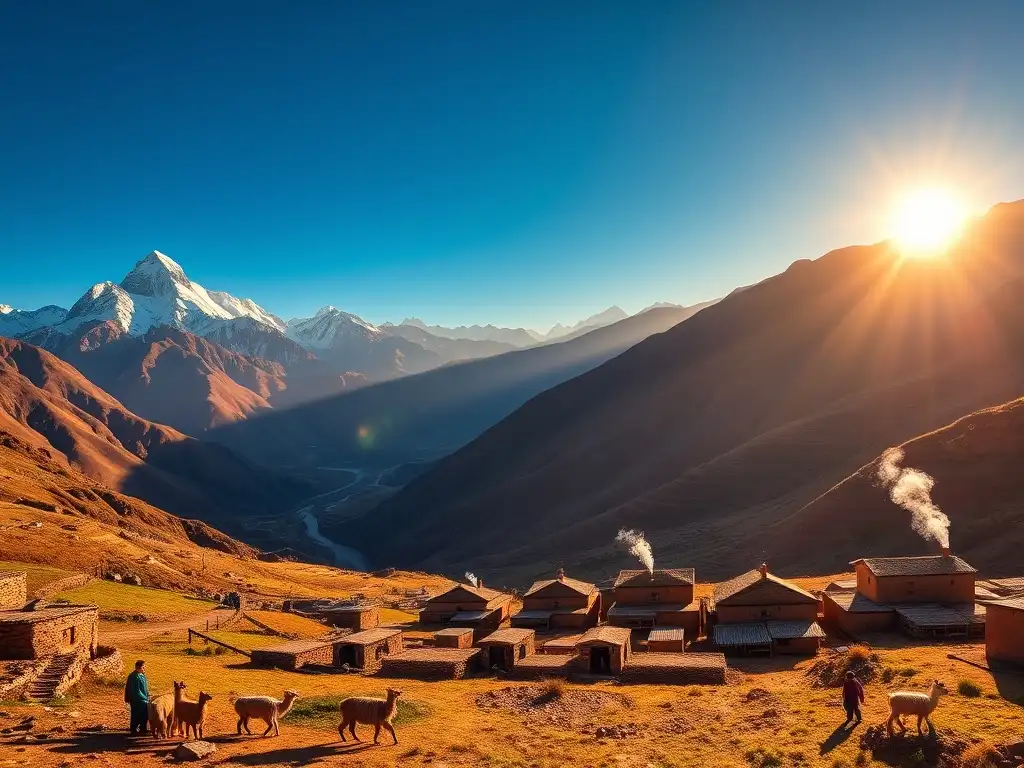
Step into a world lost to time, yet echoing with power and mystery. Forget everything you think you know about the pre-Inca Andes. The rise of the Aymara Kingdom, a civilization often overshadowed, holds a captivating story of innovation, resilience, and influence. Discover the secrets of their sophisticated society and unravel the fascinating history of the Aymara Kingdom in our exploration of their legacy within the pre-Inca Andes – a tale that will challenge your assumptions and ignite your imagination. Dive in and uncover the truth!
- The Aymara Kingdoms: A Powerful Force in the Pre-Inca Andes
- Aymara Political Organization and Societal Structure
- Aymara Economy and Agricultural Practices
- Aymara Culture, Art, and Religious Beliefs
- The Aymara Kingdoms' Interaction with Neighboring Cultures
- The Decline of the Aymara Kingdoms and the Rise of the Inca
- Conclusion: The Aymara Kingdoms' Crucial Role in Pre-Inca History
- Frequently Asked Questions
- Final Reflection: Echoes of a Powerful Past: The Enduring Legacy of the Aymara
- Unveil the Rich Legacy of the Aymara Kingdom!
The Aymara Kingdoms: A Powerful Force in the Pre-Inca Andes
The Aymara, a vibrant and resilient indigenous group, hold a significant place in the tapestry of Andean history. Long before the Inca Empire rose to prominence, Aymara-speaking communities thrived across the Altiplano, establishing powerful kingdoms that shaped the political and cultural landscape of the pre-Inca Andes.
This article delves into the fascinating history of the Aymara kingdoms, exploring their rise to power, their complex social structures, and their enduring legacy. We will examine key Aymara kingdoms, focusing on their unique characteristics and contributions to the rich heritage of the Andean region, providing a comprehensive overview of their influence and importance within the broader context of pre-Columbian South America.
Understanding the Aymara kingdoms is crucial to grasping the full complexity of Andean civilization and the diverse societies that existed before the Inca conquest. This exploration will illuminate the Aymara Kingdom history preInca Andes, shedding light on a frequently overlooked yet profoundly important aspect of Andean prehistory.
Introduction to the Aymara Civilization and its Pre-Inca Significance
The Aymara civilization, encompassing numerous distinct groups and kingdoms, flourished in the high Andes of present-day Bolivia, Peru, and Chile. Their history stretches back millennia, with evidence suggesting continuous occupation of the Altiplano since at least the early centuries CE. 1 Unlike some other Andean societies, the Aymara did not coalesce into a single, unified empire before the Inca expansion. Instead, they formed a network of independent, often rivalrous, kingdoms, each with its own unique political and social organization. These kingdoms, however, shared a common linguistic and cultural heritage, bound together by a shared Aymara language and similar agricultural practices adapted to the challenging high-altitude environment. Their sophisticated agricultural techniques, including terraced farming and the cultivation of hardy Andean crops like potatoes and quinoa, allowed them to support substantial populations in this demanding landscape. The Aymara also developed remarkable skills in textile production, metalworking, and ceramics, creating intricate and beautiful artifacts that reflect their advanced technological and artistic capabilities. Their influence on later Andean cultures, including the Inca, is undeniable, demonstrating their crucial role in shaping the region's history.
1 Further research is needed to pinpoint the exact origins of Aymara settlements. More archeological evidence is required to confirm the earliest dates.
The Rise of the Lupaqa, Pacajes, and Colla Kingdoms Before the Inca Empire
Before the Inca expansion, several powerful Aymara kingdoms dominated different regions of the Altiplano. Among the most prominent were the Lupaqa, Pacajes, and Colla.
The Lupaqa, inhabiting the shores of Lake Titicaca, were renowned for their mastery of aquatic resources. Their economy relied heavily on fishing and reed cultivation, building impressive floating islands ( Uros) and developing sophisticated boat-building techniques. Their political organization, while not fully understood, likely involved a hierarchical structure with powerful chiefs or rulers. [Specific information pending on Lupaqa political structure]
The Pacajes, located south of Lake Titicaca, controlled strategically important trade routes and agricultural lands. Their kingdom was known for its highly productive agricultural system and its control over vital resources. [Further research is needed on the Pacajes' economic and political organization] Archaeological evidence suggests a complex social stratification within Pacaje society.
The Colla, situated further south, controlled a vast territory encompassing parts of modern-day Bolivia and Chile. The Colla kingdom was arguably the most powerful of the pre-Inca Aymara states, noted for its extensive territorial reach and its strong military capacity. Their influence extended across a wide geographical area, impacting neighboring communities and shaping regional trade networks.
[Specific details on Colla military organization and territorial extent pending]. The Colla also developed a sophisticated system of administration, allowing them to effectively manage their large territory. The kingdom's impressive scale and organization highlight the advanced political and social structures of the pre-Inca Aymara.
The rise and fall of these kingdoms, their interactions, and their ultimate incorporation into the Inca Empire represent a complex and fascinating chapter in Andean history. Further research and analysis are crucial to fully understand the richness and complexity of the Aymara experience in the pre-Inca Andes. The legacy of these kingdoms continues to resonate in the culture and traditions of the Aymara people today.
Aymara Political Organization and Societal Structure
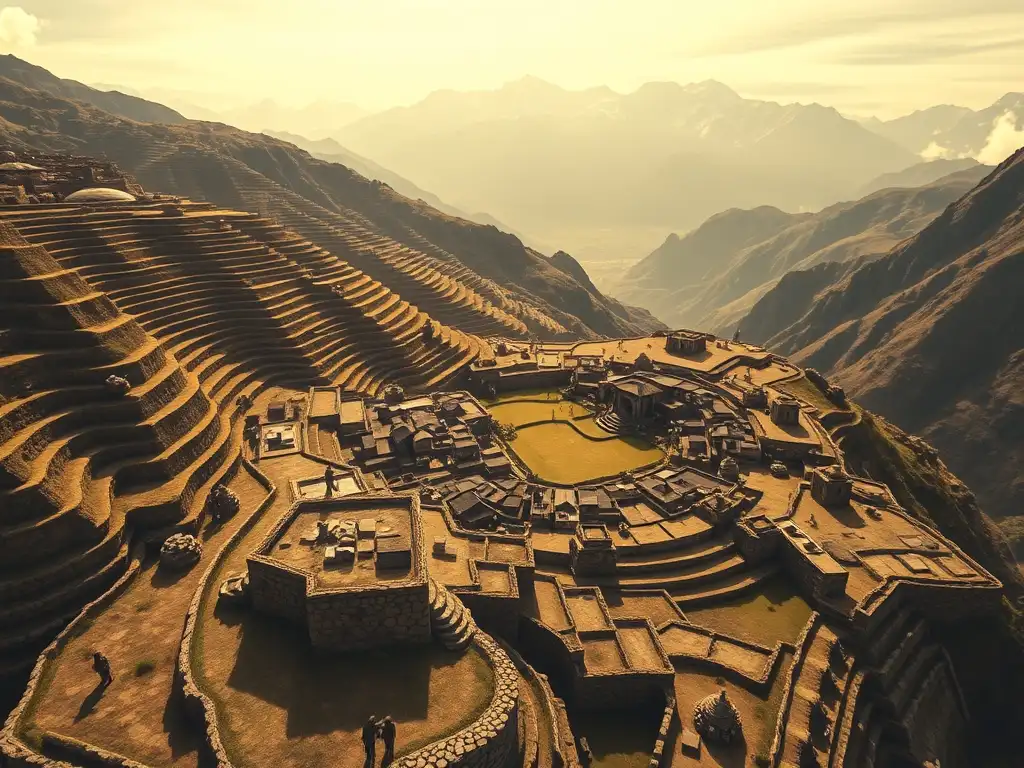
The Aymara Kingdom, a powerful force in the pre-Inca Andes, didn't operate under a single, unified empire like the Inca. Instead, it was characterized by a complex network of independent ayllus (kinship-based communities) and smaller kingdoms, often engaging in alliances and conflicts, reflecting a decentralized political structure. Understanding their societal structure requires moving beyond a simplistic view of a singular "Aymara Kingdom" and acknowledging the diverse political entities that existed under the broad Aymara cultural umbrella.
This decentralized nature significantly shaped their governance, economic practices, and social interactions, making their history a fascinating tapestry of local power dynamics within a larger cultural framework. The absence of a centralized, overarching authority also led to a significant degree of regional variation in customs and practices, even within the Aymara sphere of influence. This internal diversity contributes to the ongoing challenges in reconstructing a complete picture of Aymara pre-Inca history.
Aymara Lordships and Their Territories: The Case of the Lupaqa Kingdom
The Lupaqa kingdom serves as a compelling example of a powerful Aymara lordship in the pre-Inca Andes. Located around Lake Titicaca, their territory encompassed a significant portion of the Altiplano, known for its challenging geography and resource management demands. Archaeological evidence suggests a sophisticated understanding of water management, crucial for agriculture in this high-altitude environment.
Their political influence likely extended beyond their core territory, indicating a level of regional dominance. The Lupaqa, unlike some other Aymara groups, left behind a more substantial material record, including impressive stone structures and intricate ceramics, allowing for more detailed study of their societal organization and achievements. However, even with this richer archaeological record, many aspects of their political system, such as the extent of their control and the nature of their interactions with neighboring groups, remain areas of ongoing research and debate.
Further investigation is needed to fully understand the Lupaqa kingdom's place within the broader context of Aymara political organization in the pre-Inca period. More detailed analysis of their burial practices and the distribution of artifacts could shed further light on social stratification and power dynamics within the Lupaqa kingdom.
While the Aymara social structure wasn't rigidly stratified like some later Andean societies, a clear hierarchy existed within the Lupaqa kingdom, and likely other Aymara groups. At the apex stood the Mallku, or chief, who held significant authority and controlled access to resources. Below the Mallku, various levels of leadership likely existed, reflecting a complex network of kinship ties and obligations.
Commoners constituted the majority of the population, organized into ayllus, who worked cooperatively to manage resources and maintain social order. The presence of specialized craftspeople, such as potters and metalworkers, suggests some degree of social differentiation based on skill and expertise. Evidence suggests that social status was also linked to access to land and control over vital resources, further highlighting the importance of agricultural production in shaping Lupaqa society.
However, the precise nature of social mobility and the extent of inequality within Lupaqa society requires further investigation. More research into the distribution of grave goods and the analysis of settlement patterns could provide crucial insights into social stratification and the dynamics of power within the Lupaqa kingdom.
The Role of Mallkus in Aymara Governance and Power Structures
The Mallku played a central role in Aymara governance. Their power was not solely based on coercion, but also on their ability to mediate disputes, manage resources, and maintain social harmony within their communities. Their authority stemmed from a combination of inherited status, religious legitimacy, and demonstrated leadership capabilities.
The Mallku often acted as intermediaries between the ayllus and the spiritual realm, performing rituals and ceremonies crucial for maintaining social order and ensuring a successful harvest. Their role extended beyond religious matters; they were also responsible for organizing communal labor, resolving conflicts, and representing their ayllu in interactions with other groups. The precise mechanisms of succession and the extent of their power varied across different Aymara groups, emphasizing the decentralized nature of their political system.
Further research is needed to determine the extent to which Mallkus controlled trade, warfare, and the distribution of wealth within their respective territories. Understanding the complexities of Mallku authority is fundamental to comprehending the Aymara Kingdom's political organization and its unique place within Andean history. The study of iconography and the analysis of administrative practices could provide valuable insights into the evolution and significance of the Mallku role in Aymara society.
Aymara Economy and Agricultural Practices
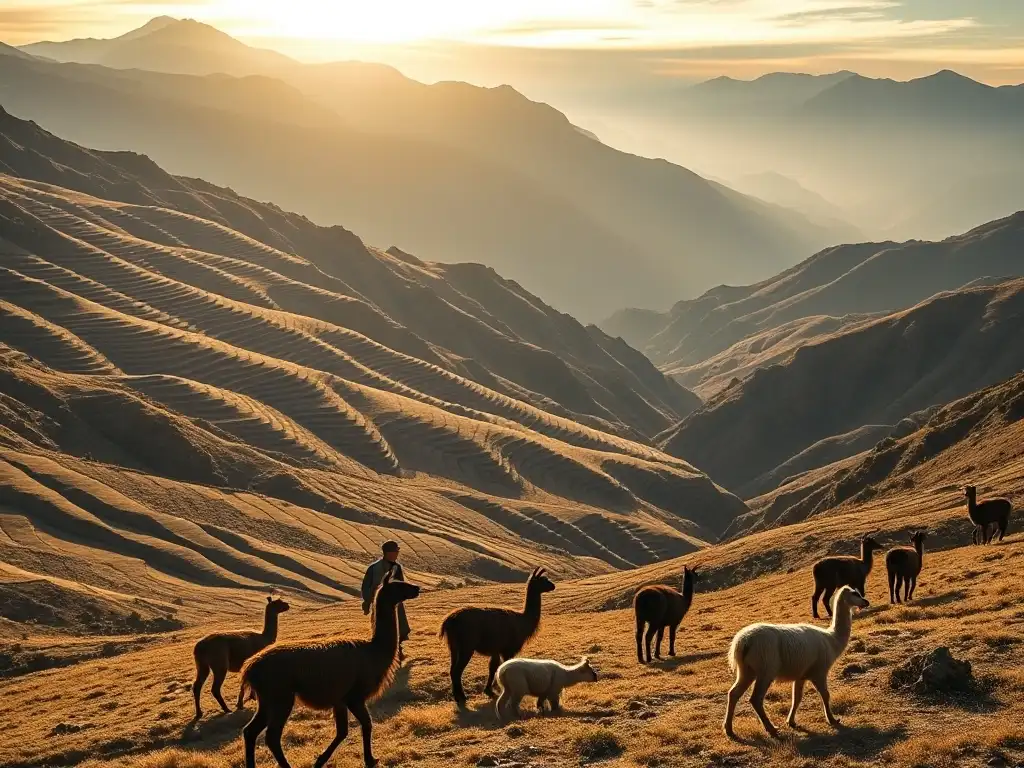
The Aymara Kingdom, flourishing in the pre-Inca Andes, possessed a robust and sophisticated economy deeply intertwined with its unique agricultural practices. Their survival and prosperity hinged on their ability to adapt to the challenging high-altitude environment of the Altiplano, developing ingenious techniques to maximize crop yields and manage vital resources. Understanding their economic system provides crucial insight into the power and resilience of this pre-Columbian civilization.
The Aymara's economic strength wasn't solely based on agriculture; it was also boosted by extensive trade networks and careful resource management, solidifying their position as a significant force in the Andean region. This section will delve into the key aspects of their economy, focusing on their agricultural techniques, trade routes, and resource management strategies. The keyword "Aymara Kingdom history preInca Andes" is intrinsically linked to these economic factors, highlighting the kingdom's self-sufficiency and its ability to interact with neighboring societies.
Advanced Agricultural Techniques: Waru Waru and Terracing
The Aymara people are renowned for their mastery of advanced agricultural techniques, particularly waru waru and terracing. Waru waru is a sophisticated raised-field agricultural system, where fertile soil is piled into raised beds separated by irrigation canals. This method, still practiced in some areas today, offers several advantages. It optimizes water usage in arid environments by trapping moisture and reducing evaporation.
Furthermore, the raised beds provide better drainage, preventing waterlogging and improving soil aeration. This system significantly increased crop yields, allowing the Aymara to cultivate a variety of crops even in the challenging conditions of the Altiplano. Studies have shown that waru waru systems can increase crop production by up to 300% compared to traditional methods.
The Aymara also employed extensive terracing on the steep slopes of the Andes mountains. Terraces transformed the landscape into a series of level platforms, creating more arable land and reducing soil erosion. These terraces, often built with impressive stone walls, were meticulously constructed to follow the contours of the land, ensuring optimal sunlight exposure and water retention.
The construction and maintenance of these terraces were significant feats of engineering, reflecting the Aymara's sophisticated understanding of agriculture and their commitment to sustainable land management. The combination of waru waru and terracing allowed the Aymara to cultivate a diverse range of crops, including potatoes, quinoa, and maize, providing a reliable food source for their population and contributing significantly to their economic stability.
Trade Networks: Exchange of Goods like Coca, Salt, and Obsidian
Beyond their agricultural prowess, the Aymara Kingdom participated in extensive trade networks, exchanging goods with neighboring cultures across the Andes. This trade was crucial to their economy, providing access to resources not readily available in their own territory. Key commodities included coca leaves, highly valued for their stimulant properties and ceremonial significance; salt, essential for preserving food and human consumption; and obsidian, a volcanic glass used for tools and weapons. The Aymara likely controlled vital trade routes, strategically positioning themselves within these networks.
The exchange of goods wasn't merely a commercial activity; it also served as a means of cultural exchange and political interaction. Trade fostered relationships with other Andean groups, potentially leading to alliances and the dissemination of ideas and technologies. Further research is needed to fully map the extent and complexity of the Aymara trade networks [specific information pending], including precise details on the volume of traded goods and the specific routes used. However, archaeological evidence points to a well-established system that connected the Aymara to a wider Andean world, contributing significantly to their economic strength and influence.
Aymara Resources: Management of Alpacas, Llamas, and Potatoes
The Aymara economy also relied heavily on the management of livestock and other resources. Alpacas and llamas played a vital role, providing wool for textiles, meat for food, and transportation. These animals were carefully managed and herded, reflecting a deep understanding of their needs and the environment. The efficient management of these animals was essential to the Aymara economy, contributing to their food security and providing materials for trade and clothing production. Their ability to adapt and thrive in high-altitude environments is a testament to their resourcefulness.
Potatoes, a staple crop of the Andean region, were particularly important to the Aymara. They cultivated a wide variety of potato species, each adapted to different altitudes and environmental conditions. This biodiversity ensured food security and provided a resilient agricultural system.
The Aymara's knowledge of potato cultivation, including techniques for storing and preserving the crop, was instrumental in their ability to survive and prosper in the challenging Andean environment. The management of these resources—alpacas, llamas, and potatoes—demonstrates the Aymara's sophisticated understanding of sustainable resource management, a key factor in their economic success and their lasting legacy in the pre-Inca Andes.
Aymara Culture, Art, and Religious Beliefs
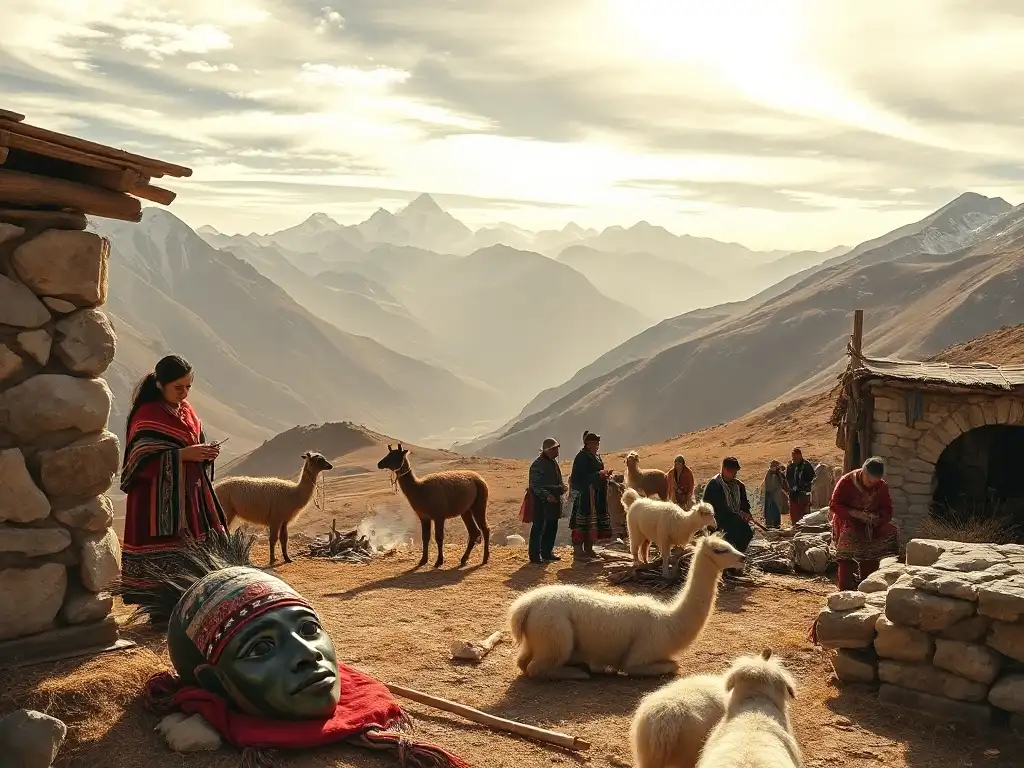
The Aymara Kingdom, while less extensively documented than some of its Andean neighbors, possessed a rich and complex culture deeply intertwined with its environment and spiritual beliefs. Their artistic expressions, religious practices, and reverence for ancestors all contributed to the kingdom's unique identity and strength within the pre-Inca Andes. Understanding these aspects provides crucial insight into the Aymara’s societal structure and their lasting impact on Andean history. The Aymara Kingdom history preInca Andes is incomplete without examining these cultural pillars.
Aymara Artistic Expressions: Weaving, Pottery with Geometric Designs, and Metallurgy
Aymara artistry is characterized by its geometric precision and symbolic richness, reflecting a deep connection to the Andean landscape and cosmology. Weaving, particularly using alpaca and llama wool, was a highly developed craft. Textiles served not only as clothing but also as significant ceremonial objects, with intricate patterns conveying social status, clan affiliations, and spiritual narratives. These patterns frequently incorporated geometric designs – triangles, squares, zigzags – representing celestial bodies, mountains, and other elements of the natural world. The meticulous detail and vibrancy of Aymara textiles speak volumes about their artistic skill and cultural values.
Pottery also played a vital role in Aymara life, with artisans creating functional and decorative pieces using a range of techniques. The characteristic geometric designs found in textiles are also prevalent in Aymara pottery, often appearing in bold colors on both utilitarian and ceremonial vessels. These designs weren't merely aesthetic; they held symbolic meaning, communicating stories, beliefs, and societal structures. Further research is needed to fully decipher the complex iconography found on these artifacts. [Specific information pending: detailed analysis of Aymara pottery iconography]
Metallurgy, though perhaps not as prominent as in some other Andean cultures, was still practiced by the Aymara. They worked with metals like copper, bronze, and gold, crafting tools, ornaments, and ritual objects. While the scale of Aymara metallurgy may have been smaller compared to other contemporaneous societies, its presence underscores their technological sophistication and ability to manipulate their environment for artistic and practical purposes. The scarcity of surviving metallurgical artifacts, however, limits our current understanding of the full extent of their metalworking capabilities.
Religious Practices: Animism, Pachamama, and Illas
The Aymara worldview is deeply rooted in animism, the belief that spirits inhabit natural elements. This animistic perspective permeated all aspects of Aymara life, from agriculture to warfare. The Pachamama, or Mother Earth, was a central figure in their cosmology, representing the life-giving force of the land. Rituals honoring the Pachamama were crucial for ensuring successful harvests and maintaining the balance of the natural world. These ceremonies often involved offerings of food, coca leaves, and other sacred items placed directly into the earth.
Another important aspect of Aymara religion was their veneration of Illas, or mountain spirits. Mountains were considered sacred entities, believed to possess immense power and influence over the lives of the people. Many Aymara communities maintained close relationships with specific mountains, making offerings and seeking their protection. The importance of Illas in Aymara spirituality highlights their close relationship with the rugged Andean terrain. The Aymara Kingdom history preInca Andes is, therefore, intrinsically linked to their reverence for the natural world.
The interplay between animistic beliefs, the veneration of Pachamama, and the importance of Illas formed the bedrock of Aymara religious practices. These beliefs profoundly influenced their social structures, agricultural practices, and worldview. This complex spiritual framework provided a cohesive framework for understanding the world and their place within it.
The Importance of Ancestor Veneration and Chullpas in Aymara Culture
Ancestor veneration was a cornerstone of Aymara society. The Aymara believed that their ancestors continued to exert influence on the living, offering guidance and protection. This belief manifested in various rituals and practices aimed at honoring and maintaining connections with deceased relatives. The deceased were not seen as merely gone; rather, they were considered integral members of the community, albeit in a different realm.
Chullpas, distinctive tower-shaped structures, served as important markers of ancestral presence. These stone towers, often found in cemeteries, were not merely tombs but also served as focal points for ritual activities. The construction and decoration of chullpas reflect the social status and importance of the individuals interred within.
The meticulous craftsmanship and the symbolic elements incorporated into their design highlight the significance of ancestor veneration in Aymara culture and the enduring legacy of their beliefs within the Aymara Kingdom history preInca Andes. The precise function of various chullpa designs remains a subject of ongoing research, with new discoveries continuously adding to our understanding. [Specific information pending: Detailed analysis of variations in chullpa architecture and their symbolic meanings].
The combination of ancestor veneration and the use of chullpas provides a powerful lens through which to understand Aymara social structures, family ties, and their relationship with the past. The enduring presence of chullpas across the Andean landscape serves as a testament to the lasting impact of Aymara traditions and beliefs. The careful study of these structures allows us to piece together a more complete picture of the Aymara Kingdom's rich and complex cultural heritage.
The Aymara Kingdoms' Interaction with Neighboring Cultures
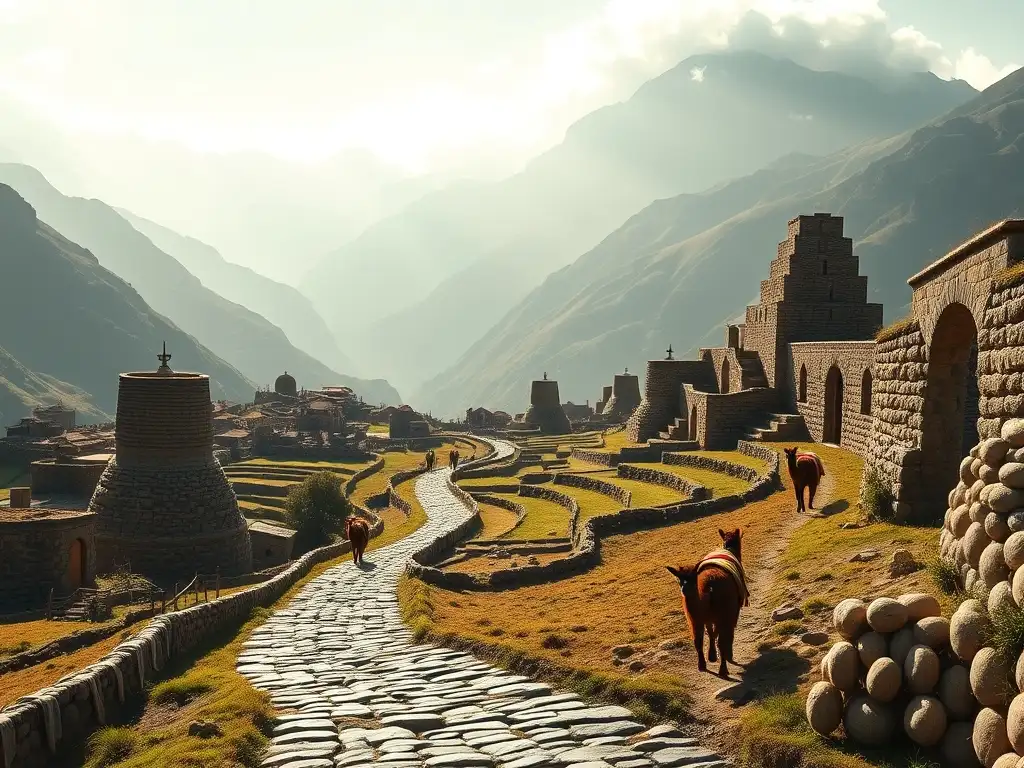
The Aymara Kingdom, a significant pre-Inca civilization inhabiting the Altiplano region of the Andes, didn't exist in isolation. Their history is intricately woven with the rise and fall of other powerful Andean societies, leading to a complex tapestry of alliances, conflicts, and cultural exchange. Understanding the Aymara Kingdom's history requires analyzing its dynamic relationships with its neighbors, particularly in the context of the pre-Inca Andes.
The Aymara's geographical location, nestled amongst other powerful groups, shaped their political strategies and cultural development significantly. This section will delve into the specifics of these interactions, highlighting the key players and the resulting impact on Aymara society. The influence of neighboring cultures on Aymara traditions, technology, and societal structures is a crucial aspect of comprehending the Aymara Kingdom's unique identity.
Aymara Relations with Tiwanaku and Other Pre-Inca Societies
The Tiwanaku civilization, a powerful pre-Inca society that flourished between 300 and 1000 CE, exerted considerable influence on the Aymara. While the exact nature of the relationship remains a subject of ongoing archaeological research, evidence suggests both cooperation and conflict. Some scholars posit that the Aymara were either a direct descendant or heavily influenced by Tiwanaku culture, inheriting aspects of their sophisticated agricultural techniques, religious beliefs, and urban planning. The iconic Tiwanaku architectural style, characterized by monumental stone structures and intricate carvings, may have inspired similar, albeit smaller-scale, constructions in Aymara settlements.
However, the relationship wasn't solely one of cultural inheritance. The decline of Tiwanaku, possibly due to environmental factors or internal strife, created a power vacuum in the Altiplano, leading to competition amongst emerging groups, including the Aymara. Evidence suggests that the Aymara, along with other groups, took advantage of Tiwanaku's weakening to expand their territories and influence.
The Aymara likely adapted and modified Tiwanaku traditions to suit their own needs and context, creating a unique cultural synthesis. Further research is needed to fully elucidate the complexities of this interaction, particularly concerning the transition of power and the specific ways in which Aymara society evolved in response to Tiwanaku's legacy. The precise timeline of interactions and the extent of Aymara participation in the Tiwanaku decline require more detailed analysis of archaeological and anthropological data.
Conflicts and Alliances: Power Struggles in the Altiplano
The Altiplano region, characterized by its high altitude and challenging environment, was a crucible of competition between various pre-Inca societies. The Aymara Kingdom's rise to prominence involved both strategic alliances and fierce conflicts with neighboring groups vying for control of valuable resources, such as fertile land and water sources. These struggles often revolved around access to crucial agricultural areas and trade routes, shaping the political landscape of the region.
The Aymara engaged in frequent warfare, developing sophisticated military strategies and technologies. While specific details of these conflicts are scarce due to limited historical records, archaeological evidence, such as fortifications and weaponry, suggests a highly organized and potentially formidable military capacity. The Aymara likely employed a variety of tactics, adapting their strategies to the specific challenges posed by different adversaries and terrains.
The fluctuating power dynamics in the Altiplano meant that alliances shifted frequently, with the Aymara sometimes forming partnerships with other groups to counter more powerful rivals, and at other times engaging in direct conflict. This period of intense competition likely played a significant role in the development of Aymara political and military institutions, shaping their social structure and worldview. Understanding these power struggles is crucial to fully appreciating the Aymara Kingdom's resilience and its eventual establishment as a major force in the pre-Inca Andes.
Aymara Influence on Later Andean Civilizations and the Inca
The Aymara Kingdom's legacy extended far beyond its own lifespan. Even after the Inca Empire's expansion into the Altiplano, the Aymara retained a distinct cultural identity and exerted considerable influence on the Inca. The Inca, recognizing the Aymara's strength and resilience, incorporated aspects of Aymara culture and governance into their own empire. This integration was not merely a case of subjugation; instead, it represented a complex process of adaptation and negotiation.
The Aymara language, for example, continued to be spoken alongside Quechua, the official language of the Inca. Furthermore, Aymara agricultural techniques, known for their adaptation to the harsh Altiplano environment, were likely adopted and integrated into Inca agricultural practices. The Inca also incorporated aspects of Aymara religious beliefs and rituals into their own pantheon, demonstrating a degree of cultural exchange and mutual influence.
The Aymara's continued presence and influence on the Inca Empire underscores their enduring cultural significance in the broader context of Andean history. The Aymara's experience serves as a reminder of the persistent cultural forces that shaped the Inca Empire and the broader Andean world. Further research into the specific mechanisms of cultural exchange and adaptation between the Aymara and Inca would illuminate the intricate dynamics of power, cultural preservation, and the lasting legacies of pre-Inca societies.
The Decline of the Aymara Kingdoms and the Rise of the Inca
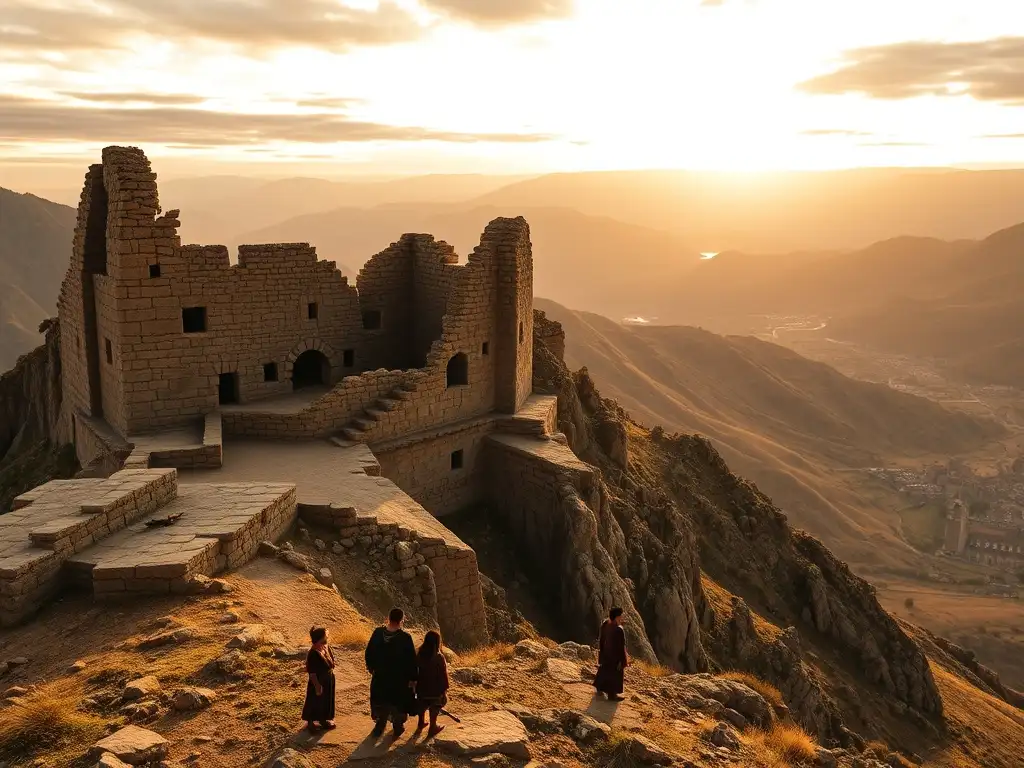
The Aymara, a powerful pre-Inca civilization inhabiting the Altiplano region of the Andes, experienced a significant shift in power dynamics during the late 15th century. Their once formidable kingdoms, characterized by sophisticated social structures and impressive agricultural achievements, faced a period of decline coinciding with the expansionist ambitions of the Inca Empire. This wasn't a sudden collapse, but rather a gradual process influenced by a complex interplay of internal and external factors.
Understanding this decline is crucial to appreciating the full scope of Aymara history and their enduring legacy in the pre-Inca Andes. The keyword "Aymara Kingdom history preInca Andes" is central to understanding this crucial period.
Factors Contributing to the Decline of Aymara Power: Internal Conflicts and Inca Expansion
Several factors contributed to the weakening of the Aymara kingdoms, paving the way for Inca dominance. Internal strife played a significant role. While the Aymara were unified under various suyus (provinces) sharing a common language and cultural heritage, political fragmentation and rivalries between these individual suyus weakened their collective strength. Competition for resources, particularly fertile land and water access in the arid Altiplano, fueled these internal conflicts, diverting energy and resources away from broader societal development and defense against external threats.
These internal divisions are evidenced by archaeological findings showing distinct settlement patterns and fortifications suggesting localized conflicts. Furthermore, the lack of a centralized, unified Aymara empire, unlike the Inca, hampered their ability to mount a coordinated defense against the Inca advance. The Inca, on the other hand, benefited from a highly centralized and well-organized political system, allowing them to effectively mobilize their resources for conquest.
The Inca expansion itself was a major catalyst. The Inca's superior military organization, advanced weaponry, and strategic alliances allowed them to systematically conquer Aymara territories. The Inca's effective use of mit'a, a system of mandatory labor, also contributed to their success, allowing them to rapidly build infrastructure and consolidate their control over conquered lands.
Their superior logistical capabilities, including the extensive road network, ensured efficient movement of troops and supplies, giving them a decisive advantage over the less centralized Aymara forces. The Inca's ability to integrate conquered populations through a combination of diplomacy and force further contributed to their success.
Aymara Resistance to the Inca Expansion: The Case of the Colla
Despite the overwhelming power of the Inca Empire, Aymara resistance was not passive. The Colla, a powerful Aymara group inhabiting the southern Altiplano near Lake Titicaca, mounted significant resistance against Inca expansion. Their strategic location and familiarity with the terrain provided a natural defense. Archaeological evidence suggests prolonged skirmishes and battles, with fortifications and defensive structures being constructed to withstand Inca attacks.
While the Colla eventually succumbed to Inca rule, their resistance demonstrates the tenacity and resilience of the Aymara people in the face of overwhelming odds. Their struggle highlights the complexities of Inca expansion and the enduring spirit of Aymara identity and cultural survival. The Colla's resistance wasn't solely military; it also involved subtle forms of cultural preservation, ensuring the continuation of Aymara traditions and beliefs despite Inca domination.
The Inca strategy of incorporating conquered peoples into their empire, while successful in many cases, didn't entirely eliminate Aymara cultural identity. The Colla, for example, maintained aspects of their social organization and religious practices even under Inca rule. This demonstrates the resilience of Aymara culture and its ability to adapt and survive even under the pressure of imperial domination.
The study of Colla resistance provides invaluable insight into the dynamics of power, resistance, and cultural survival in the pre-Columbian Andes. Further research into specific battles and strategies employed by the Colla would shed more light on this fascinating aspect of Aymara history.
Legacy of the Aymara Kingdoms and their Enduring Impact
Despite the decline of their independent kingdoms and subsequent incorporation into the Inca Empire, the Aymara people and their cultural legacy endured. Their sophisticated agricultural techniques, particularly their mastery of terracing and irrigation in the challenging Andean environment, continued to shape Andean agricultural practices long after the Inca conquest. Their unique language, Aymara, remains a vibrant part of the linguistic landscape of the Andes, spoken by millions today.
Their rich cultural heritage, including their distinctive artistic traditions and religious beliefs, continues to influence Andean cultures. The Aymara identity, forged in the crucible of pre-Inca history and shaped by subsequent interactions with the Inca and later Spanish colonizers, remains a powerful force in the Andes today. The study of the Aymara kingdoms offers a crucial perspective on the broader history of the pre-Inca Andes and the complex processes of cultural interaction and adaptation in the region.
Their enduring impact is a testament to their resilience and the richness of their cultural heritage. Understanding their history is key to understanding the rich tapestry of Andean civilization.
Conclusion: The Aymara Kingdoms' Crucial Role in Pre-Inca History
The Aymara Kingdom, while perhaps less celebrated than the Inca Empire in popular narratives of Andean history, undeniably played a crucial role in shaping the pre-Inca Andes. Their sophisticated social structures, innovative agricultural techniques, and enduring cultural traditions left an indelible mark on the region. Understanding their history is vital for a complete comprehension of the complex tapestry of Andean civilizations.
This section will revisit key contributions, explore the lasting legacy of the Aymara, and highlight the remarkable endurance of their language and culture. The keyword "Aymara Kingdom history preInca Andes" accurately reflects the article's focus on this significant, yet often overlooked, aspect of Andean prehistory.
Revisiting the Aymara Kingdoms' Contributions to Andean History
The Aymara people weren't a single unified kingdom throughout their history; rather, they comprised a collection of interconnected chiefdoms and smaller political entities. These entities frequently interacted, sometimes through conflict, other times through alliances and trade. Their influence extended across the Altiplano, impacting the development of neighboring cultures.
Their agricultural innovations, particularly their mastery of terracing and irrigation in challenging high-altitude environments, were remarkable. These techniques allowed for sustained food production, supporting larger and more complex societies. Evidence suggests sophisticated metalworking, pottery, and textile production, indicative of a highly skilled and organized populace.
Archaeological findings continue to reveal new details about their social structures, religious beliefs, and daily life, enriching our understanding of their contributions to Andean civilization. Further research into specific Aymara sites and artifacts is crucial to paint a more complete picture of their technological advancements and social organization. For example, [specific information pending] regarding the precise organization of their agricultural production systems.
The Aymara legacy and its persistence in the Andean region
The Aymara legacy extends far beyond the pre-Inca period. While the Inca Empire eventually incorporated Aymara territories, Aymara culture and language persisted, demonstrating remarkable resilience. Even after the Spanish conquest, Aymara communities maintained aspects of their traditional social structures and practices. The influence of Aymara agricultural techniques, for instance, is still visible in many Andean communities today.
Their enduring religious beliefs and practices also demonstrate a strong connection to their ancestral heritage. The Aymara language itself, a testament to their cultural strength, continues to be spoken by millions in Bolivia and Peru, highlighting the enduring impact of this vibrant civilization. The persistence of Aymara culture underscores the importance of acknowledging their significant contribution to the broader Andean cultural landscape. This resilience is a powerful symbol of the Aymara people's enduring spirit and adaptability.
The Endurance of Aymara Language and Culture
The continued use of the Aymara language is a striking example of cultural resilience. Despite centuries of colonization and the dominance of Spanish, Aymara remains a vital part of daily life for many communities. Efforts to revitalize and promote the Aymara language and culture are ongoing, reflecting a growing recognition of its importance.
📚 This includes initiatives focused on language education, the preservation of oral traditions, and the promotion of Aymara literature and art. The Aymara language is not simply a means of communication; it is inextricably linked to their identity, worldview, and cultural heritage. Its survival is a testament to the strength and vitality of Aymara culture and its ongoing relevance in the Andean region.
The ongoing efforts to preserve and promote Aymara demonstrate a commitment to recognizing and celebrating the rich cultural heritage of this significant Andean group. The continued existence of the Aymara language and culture stands as a powerful symbol of enduring identity and resistance. ✊
Frequently Asked Questions
What is the Aymara Kingdom?
The Aymara Kingdom refers to a pre-Inca civilization that flourished in the Andes region, primarily around Lake Titicaca. Their history is complex and interwoven with other Andean cultures. They were a powerful force before the Inca expansion.
When did the Aymara Kingdom exist?
Pinpointing exact dates is difficult, but the Aymara's prominence as a distinct entity is generally placed between approximately 1100 and 1438 CE. Their influence extended both before and after this period.
Where was the Aymara Kingdom located?
The Aymara heartland was centered around Lake Titicaca, encompassing parts of modern-day Bolivia and Peru. Their influence spread to surrounding areas throughout the Andes.
How did the Aymara Kingdom compare to other Andean civilizations?
The Aymara were a significant power in the Andes, developing sophisticated agriculture, social structures, and possibly even a writing system. They coexisted with and interacted with other cultures like the Tiwanaku and Inca.
What happened to the Aymara Kingdom after the Inca expansion?
Following the Inca expansion, the Aymara were subjugated but retained a significant cultural identity. Their language and traditions continue to thrive in the Andes today, demonstrating remarkable resilience.
Final Reflection: Echoes of a Powerful Past: The Enduring Legacy of the Aymara
The Aymara Kingdom's sophisticated social structures, innovative agricultural techniques, and resilient cultural identity continue to resonate in the Andes today, a testament to their enduring power and influence. Their story is not merely a historical footnote; it's a vital thread woven into the rich tapestry of Andean civilization, offering valuable lessons in adaptation, community, and the enduring strength of indigenous cultures.
The Aymara's legacy extends far beyond the archaeological record; their traditions, beliefs, and language persist, a living testament to their resilience in the face of conquest and assimilation. Their story challenges simplistic narratives of pre-Columbian societies, highlighting the complexity and sophistication of their political organization and cultural achievements. The past is never dead. It's not even past.
– William Faulkner. This quote perfectly encapsulates the enduring relevance of the Aymara Kingdom, whose influence continues to shape the cultural and social landscape of the Andes.
Consider the ingenuity of their agricultural practices, their intricate social hierarchies, and their enduring spiritual beliefs. These are not relics of a bygone era, but rather powerful examples of human adaptation and ingenuity. You, the reader, are now part of this ongoing conversation. Reflect on the Aymara's story, and consider how their resilience and innovation can inspire us to build more sustainable and equitable communities today. Let their legacy be a call to action, urging us to learn from the past to build a better future.
Unveil the Rich Legacy of the Aymara Kingdom!
Thank you for exploring the fascinating world of the Aymara Kingdom with us! This article has highlighted the remarkable influence of this pre-Inca Andean civilization. Now, let's build on that knowledge.
Here are some ways to delve deeper into this rich history:
- **Join our community! ** Sign up for our newsletter to receive exclusive insights and updates on Andean civilizations, delivered directly to your inbox.
- **Share your thoughts! ** Discuss your learnings in the comments below or on social media. Let's explore how ancient cultures continue to shape our world.
- **Explore further! ** Expand your understanding of the Aymara and other fascinating Andean civilizations with our curated list of resources and recommended readings.
Which aspect of the Aymara Kingdom most captivates you, and how will you continue to explore it?