
Beyond Gold: Exploring the Diverse Metals of the Andean Civilizations

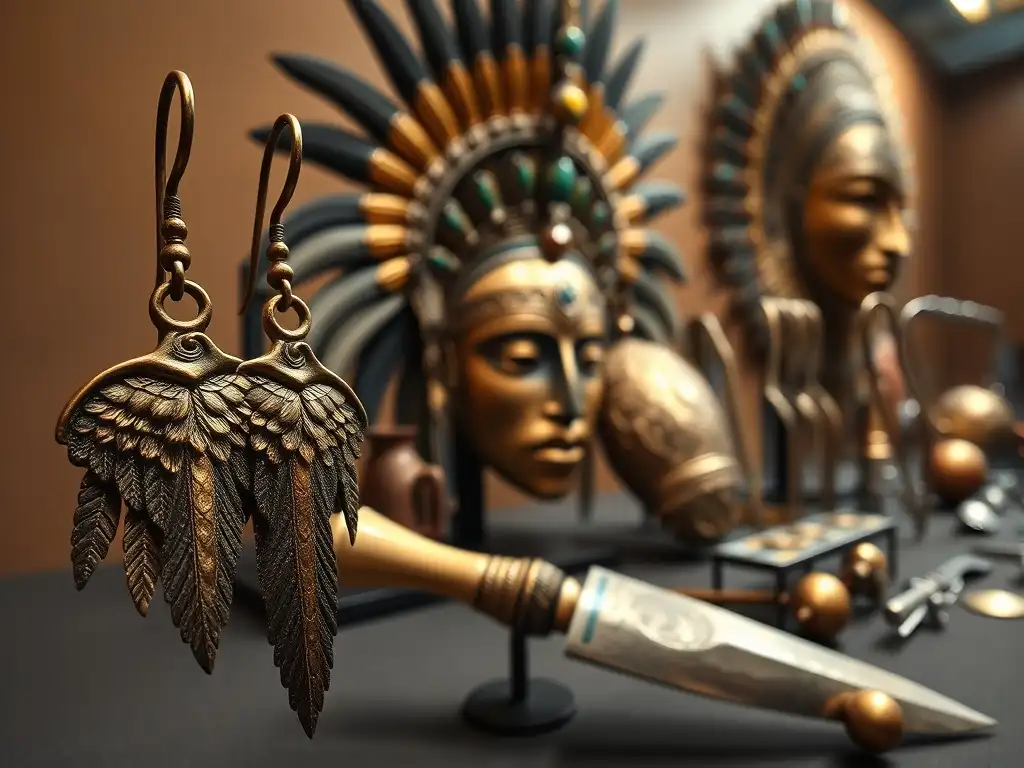
Dive into a world lost to time, yet echoing with the artistry and ingenuity of the ancient Andes. Forget everything you think you know about gold – prepare to be amazed by the breathtaking diversity of Andean civilizations metalwork techniques. From the intricate artistry of the Moche to the monumental achievements of the Inca, we unveil the secrets behind their mastery of metal, revealing a technological prowess that will leave you breathless. Discover a legacy forged in fire and shaped by ingenuity—a legacy waiting to be explored.
The shimmering gold treasures of the Andean civilizations are iconic, instantly conjuring images of powerful Inca emperors and opulent temples. However, the story of Andean metallurgy is far richer and more complex than gold alone.
This article delves into the diverse range of metals utilized by ancient Andean cultures – from the readily available copper to the meticulously crafted alloys – showcasing their sophisticated metalworking techniques and the ingenuity that shaped their societies. We will explore the techniques employed, the social significance of metalwork, and the lasting impact of these advancements on Andean civilizations, specifically examining the contributions of cultures like the Incas, Moche, Nazca, and Tiahuanaco.
Understanding their mastery of metallurgy provides crucial insights into their social structures, religious beliefs, and technological prowess, offering a more complete picture of these fascinating ancient societies. Prepare to be amazed by the artistry and technical skill displayed in Andean metalwork, extending far beyond the allure of gold.
Copper: The Foundation of Andean Metallurgy
Copper, readily available in the Andes, formed the bedrock of Andean metalworking. Early Andean cultures, long before the Inca empire, demonstrated remarkable skill in shaping and working this malleable metal. They developed techniques for hammering, annealing (heating and cooling to soften the metal), and cold-hammering to create tools, weapons, and decorative objects. The simplicity of the initial processes allowed for widespread adoption, contributing to the early development of metalworking across various Andean communities. Evidence suggests that copper tools and ornaments were not just practical necessities but also held significant social and ritualistic value, indicating a deep integration of metalwork into daily life and religious practices. Further research is needed to fully understand the regional variations in early copper working techniques, as some areas may have adopted specific methods based on local resources and traditions.
Bronze and its Alloys: A Leap in Technological Advancement
The discovery and utilization of bronze, an alloy of copper and tin, marked a significant leap in Andean metallurgical capabilities. The precise timing and methods of bronze alloying varied across different regions and cultures. However, the resulting material was far stronger and more durable than pure copper, enabling the creation of more sophisticated tools and weapons.
The ability to control the precise ratio of copper and tin allowed artisans to fine-tune the properties of bronze, resulting in a range of alloys suited for different applications. This demonstrates a deep understanding of material science, far exceeding simple trial and error. The production and distribution of bronze artifacts also highlights the increasing complexity of Andean societies, suggesting the emergence of specialized workshops and trade networks.
Gold: Symbol of Power and Divinity
While not the sole focus of Andean metallurgy, gold certainly holds a prominent place in our understanding of these civilizations. The Inca, in particular, associated gold with the sun god Inti, and its use was heavily restricted to the elite. However, goldworking techniques were refined over centuries by various Andean cultures, each developing unique styles and decorative motifs.
The Inca mastered techniques like hammering, repoussé (shaping metal from the back), and filigree (intricate wirework), creating objects of breathtaking beauty and sophistication. These objects not only served as symbols of power but also played a crucial role in religious ceremonies and rituals, underscoring the profound connection between gold and the spiritual realm within Andean societies. The sheer artistry involved in some pieces is a testament to the skill and dedication of Andean goldsmiths.
Silver and Other Metals: A Diverse Palette
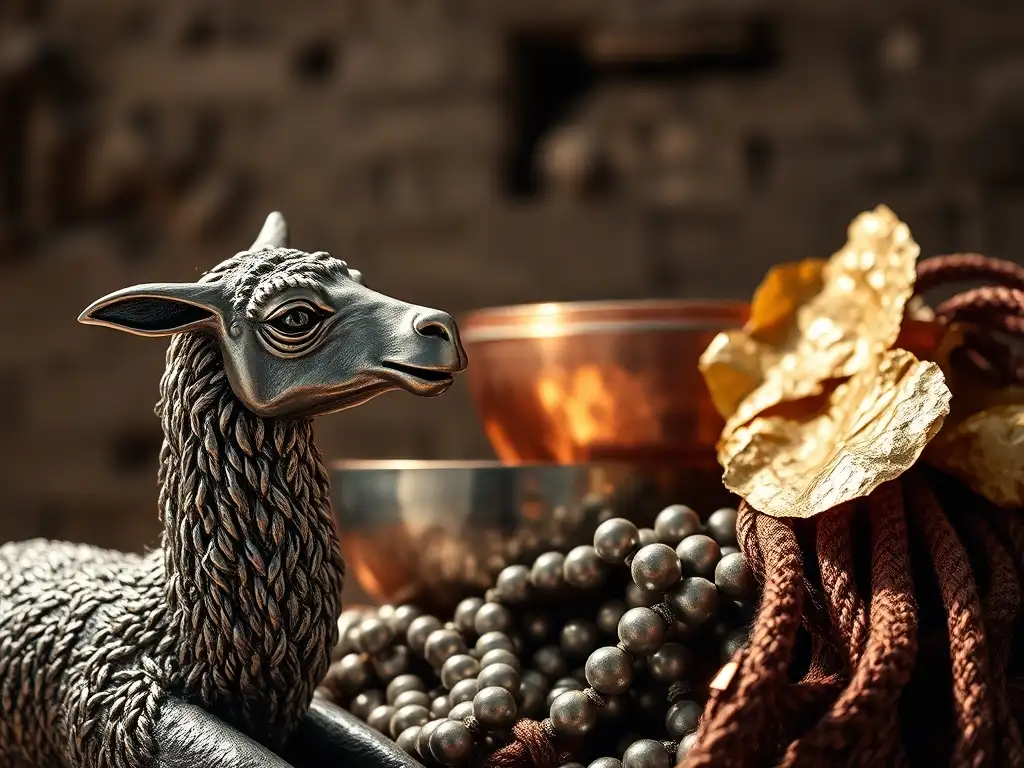
Andean metalworkers didn't limit themselves to copper, bronze, and gold. Silver, a metal associated with the moon and often juxtaposed with gold, was also widely used. Other metals, such as platinum and meteoric iron (rare and highly valued), added to the diverse palette available to Andean artisans.
The use of these less common metals further highlights their advanced understanding of metallurgy and their ability to adapt their techniques to a variety of materials. Combining different metals in alloys and embellishing objects with diverse materials showcased the ingenuity of Andean artisans and their understanding of the aesthetic and symbolic value of different metals. The remarkable preservation of some of these artifacts allows us to appreciate the full range of their metalworking skills.
The Legacy of Andean Metalworking Techniques
The sophisticated metalworking techniques developed by the Andean civilizations left an undeniable mark on history. Their innovations in alloying, shaping, and decorating metals were remarkable achievements for their time. The legacy of these techniques continues to inspire awe and admiration, demonstrating a level of technological and artistic skill that is still relevant today.
The study of Andean metalwork continues to reveal new insights into their societies, reminding us of the richness and complexity of their cultural heritage. Further research and analysis of existing artifacts, coupled with new discoveries, will undoubtedly continue to enrich our understanding of Andean metallurgy and its significance within the broader context of Andean civilizations. The enduring beauty and technical mastery evident in these objects serve as a powerful testament to the ingenuity and artistic vision of these ancient cultures.
- Copper: The Foundation of Andean Metallurgy
- Bronze and its Alloys: A Leap in Technological Advancement
- Gold: Symbol of Power and Divinity
- Silver and Other Metals: A Diverse Palette
- The Legacy of Andean Metalworking Techniques
The Significance of Metal in Ancient Andean Societies
The Andean civilizations weren't solely defined by their mastery of gold; their sophisticated understanding and application of metallurgy extended far beyond this precious metal. Copper, bronze, silver, and even less common metals like platinum and arsenic-bearing alloys played crucial roles in their societies, shaping their economies, religious practices, and daily lives. Understanding the full spectrum of Andean metalwork reveals a complex technological and cultural landscape far richer than a focus on gold alone suggests. The sheer diversity of metalworking techniques employed across different Andean cultures – from the intricate hammered silver of the Inca to the elaborate lost-wax casting of the Moche – underscores the ingenuity and adaptability of these ancient peoples. This section will delve into the multifaceted significance of metals within these vibrant societies, highlighting their importance beyond their monetary value. Analyzing Andean civilizations metalwork techniques provides crucial insights into their social structures, artistic expressions, and technological prowess.
Andean Metallurgy: More Than Just Gold
While gold undoubtedly held significant symbolic value in Andean societies, representing power, divinity, and prestige, its importance shouldn't overshadow the widespread use and mastery of other metals. Copper, for instance, was arguably even more prevalent in everyday tools and weaponry. The earliest Andean metalworking involved copper, with evidence suggesting its use dating back to at least 3000 BCE.
The ability to work copper allowed for the creation of durable tools for agriculture, such as axes and hoes, significantly impacting food production and societal development. Bronze, an alloy of copper and tin, further enhanced the durability and sharpness of tools and weapons, providing a clear technological advantage. The precise sourcing of tin remains a subject of ongoing research, highlighting the extensive trade networks that sustained Andean metallurgical advancements.
The development of bronze alloys demonstrates a sophisticated understanding of material science and its practical applications, reflecting a remarkable level of technological innovation within Andean civilizations. The intricate techniques used to work these metals, including hammering, annealing, and casting, are testament to their advanced metallurgical skills.
The Role of Metals in Ritual and Daily Life
Metals permeated all aspects of Andean life, from the utilitarian to the sacred. Beyond tools and weapons, metal artifacts were central to religious rituals and ceremonies. Elaborate gold and silver ornaments, meticulously crafted using techniques like repoussé and chasing, adorned religious figures and were used in offerings to the gods. The use of specific metals in different contexts held symbolic meaning.
For example, gold, often associated with the sun and royalty, was frequently used in royal regalia and religious objects. Silver, on the other hand, might have represented the moon or other deities. The specific techniques employed—such as the intricate filigree work found in many Inca artifacts or the detailed casting techniques of the Moche—were not merely technical achievements but also powerful expressions of religious and cultural beliefs.
Even seemingly simple everyday objects, such as pins or needles, were often crafted from metal, showcasing the widespread integration of metalworking into the fabric of Andean society. The sheer volume and variety of metal artifacts discovered in archaeological sites further underscores the pervasive role of metal in daily life and ritual practices across various Andean cultures. The careful study of these artifacts continues to reveal new insights into the beliefs, practices, and technological capabilities of these fascinating ancient civilizations.
Andean Civilizations Metalwork Techniques: A Detailed Exploration
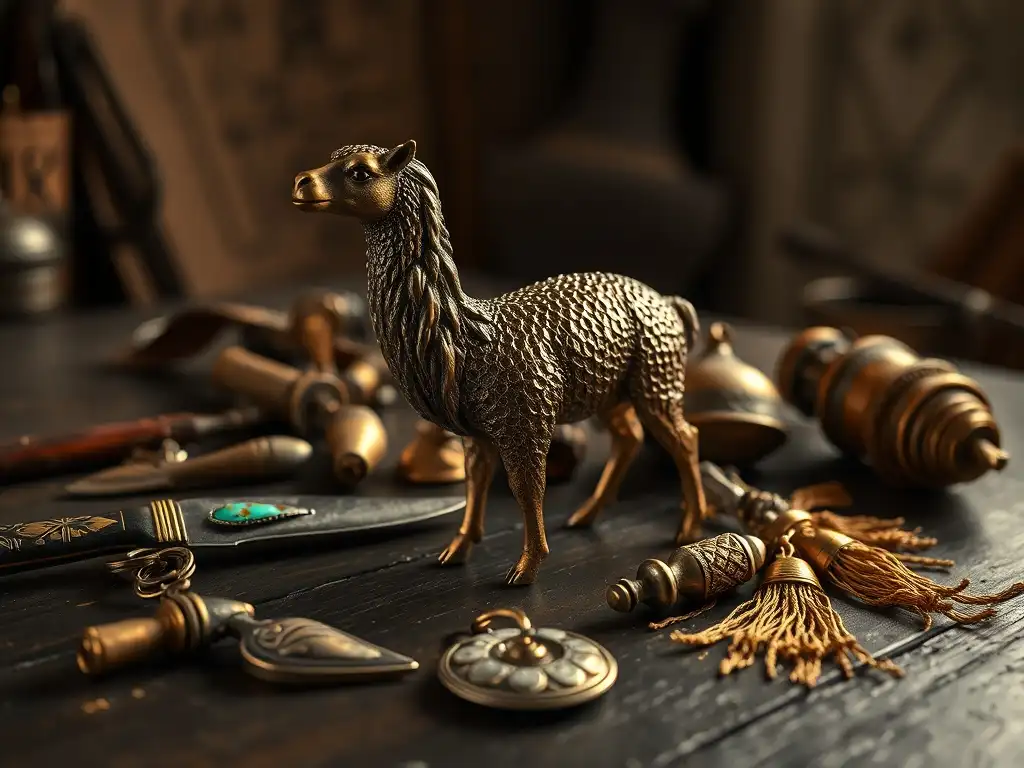
This section delves into the sophisticated metalworking techniques employed by various Andean civilizations, showcasing their mastery of metallurgy and its integral role in their societies. We'll move beyond the popular image of gold to explore the diverse range of metals used, the extraction processes, and the artistry involved in creating iconic objects. The ingenuity displayed in Andean metalwork offers a compelling insight into their technological advancements and cultural expressions. Understanding these techniques provides a deeper appreciation for the achievements of these remarkable civilizations.
Early Developments in Andean Metalworking
The earliest evidence of Andean metalworking dates back to approximately 2000 BCE, with the initial focus on native copper. Unlike later periods which saw complex alloying, early techniques centered on hammering and annealing native copper nuggets. Archaeological findings reveal simple tools and ornaments crafted using these rudimentary methods. The process involved heating the copper to make it malleable, then shaping it using stone hammers and anvils.
Subsequent cold hammering further hardened and refined the shape. This early period lays the groundwork for the more advanced metalworking techniques that would follow. The development of these early techniques represents a significant technological leap, marking the transition from a solely lithic technology to one incorporating metals.
The relatively soft nature of native copper made it an ideal starting point for experimentation, allowing early metallurgists to develop foundational skills before tackling more challenging materials. This initial experimentation with native copper laid the groundwork for the more complex alloying and metalworking techniques that would emerge later in the Andean region. 🥇
Copper Extraction and Processing Techniques
The extraction and processing of copper were crucial aspects of Andean metalworking. While the exact methods varied across different civilizations and time periods, several common approaches are evident. Evidence suggests that Andean metallurgists utilized both open-pit mining and underground shafts to access copper ore deposits. Open-pit mining was likely employed for surface deposits, while deeper shafts were necessary for accessing ores located further below the ground.
Once extracted, the ore underwent a process of smelting to separate the copper from other materials. This likely involved constructing furnaces using clay and other locally available materials. The precise temperatures and techniques used are still under investigation, but the successful extraction of copper demonstrates a high level of metallurgical knowledge. The use of charcoal as fuel is well documented, providing the necessary high temperatures to achieve the smelting process.
This process involved significant expertise in controlling the heat and airflow within the furnace to achieve the desired outcome. Furthermore, the ability to consistently produce high-quality copper demonstrates a sophisticated understanding of metallurgy and material science. The scale of some copper mining operations, evidenced by extensive tailings piles, suggests a well-organized and potentially large-scale industry. Further research is needed to fully understand the organization and workforce behind these copper mining operations.
The Art of Alloying: Bronze and Other Metals
Beyond copper, Andean civilizations mastered the art of alloying, creating bronze and other metal combinations. The addition of tin to copper resulted in bronze, a stronger and more durable material ideal for tools and weapons. The precise sources of tin and the techniques used to create the alloys are still being researched, but the results speak for themselves. The creation of bronze represents a significant advancement in metallurgical knowledge and demonstrates the Andean civilizations' capacity for innovation and experimentation in metalworking.
The production of bronze artifacts showcases a refined understanding of metallurgy, demonstrating the ability to control the proportions of tin and copper to achieve the desired properties. Beyond bronze, Andean metallurgists also experimented with other alloys, including gold-silver alloys and copper-arsenic alloys. These experiments indicate a sophisticated understanding of material properties and an ongoing quest for improved tools and decorative items. The resulting artifacts, often intricately designed and richly decorated, reflect a high level of artistic skill combined with advanced metallurgical expertise.
The use of these alloys expanded the possibilities of metalwork, allowing for the creation of more durable and aesthetically pleasing objects. The mastery of alloying techniques underscores the advanced technological capabilities of the Andean civilizations. The development of advanced alloys like tumbaga (a gold-copper alloy) further highlights their ingenuity and expertise in manipulating metallic compounds. The impact of these advancements on the social and cultural landscape of the Andean region was undoubtedly profound.
Gold and Silver Crafting: Techniques for Precious Metals
The Andean civilizations weren't just obsessed with gold; they also expertly worked silver, often combining it with gold in intricate alloys. Their mastery of these precious metals extended beyond simple adornment; they created complex objects with remarkable precision. A key technique was hammering, used to shape thin sheets of gold and silver into intricate designs. This required significant skill and patience, as the metals could easily tear or crack under pressure. Evidence suggests the use of stone hammers and anvils, potentially with softer materials like wood or leather placed between the metal and the hammer to prevent damage.
The artisans also employed techniques like repoussé, where a metal sheet is hammered from the back to create raised designs on the surface. This often involved meticulous work with punches and chasing tools to refine details. Furthermore, the process of annealing, heating and cooling the metal to soften it and improve its workability, was integral to their success. This cyclical process of hammering, annealing, and further shaping allowed them to create incredibly thin and detailed sheets, often used for creating elaborate headdresses, masks, and decorative elements on clothing and weaponry.
The precision and artistry involved in these techniques highlight the sophisticated level of metallurgical knowledge possessed by Andean artisans. Their understanding of metal properties and the development of appropriate tools allowed them to manipulate gold and silver into forms that continue to amaze and inspire today. The sheer delicacy of some pieces, such as gold leaf used in adornments, demonstrates a level of skill rarely matched in other ancient cultures. The exact compositions of alloys used are still being researched, but evidence suggests a sophisticated understanding of controlling the properties of gold-silver mixtures to achieve desired colors and malleability.
Specialized Metalworking Tools and Their Uses
The Andean civilizations developed a range of specialized tools to facilitate their metalworking. These tools weren't crude; they were carefully crafted instruments reflecting a deep understanding of material science and engineering. Stone hammers, for example, varied in size and shape depending on the task. Larger, heavier hammers were used for initial shaping, while smaller, more finely crafted hammers were used for detailed work. Anvils, often made from hard, durable stone, provided a stable surface for hammering.
The use of different anvil types likely influenced the final shape and texture of the metal. Beyond hammers and anvils, evidence suggests the use of punches and chisels for creating intricate patterns and cutting metal. These tools, often made from hardened stone or possibly even metal itself in later periods, would have required considerable skill to wield effectively. Molds, made from clay or stone, were used for casting metal objects. These molds were often highly detailed, allowing for the mass production of smaller items like jewelry or decorative elements.
The creation of these molds itself demanded precision and artistry, indicating a sophisticated understanding of design and casting techniques. Furthermore, evidence points towards the use of specialized tools for annealing, although the exact nature of these tools remains a subject of ongoing research. The combination of these diverse tools and the skill of the artisans allowed for the creation of a wide variety of metal objects, ranging from simple tools to elaborate ceremonial items. The development and refinement of these tools represent a significant technological advancement within the Andean civilizations, directly contributing to their remarkable achievements in metalworking. The diversity of tools also hints at a level of specialization within the artisan community, with individuals specializing in specific aspects of the metalworking process.
Diverse Metals Used in Andean Artifacts: A Material Overview
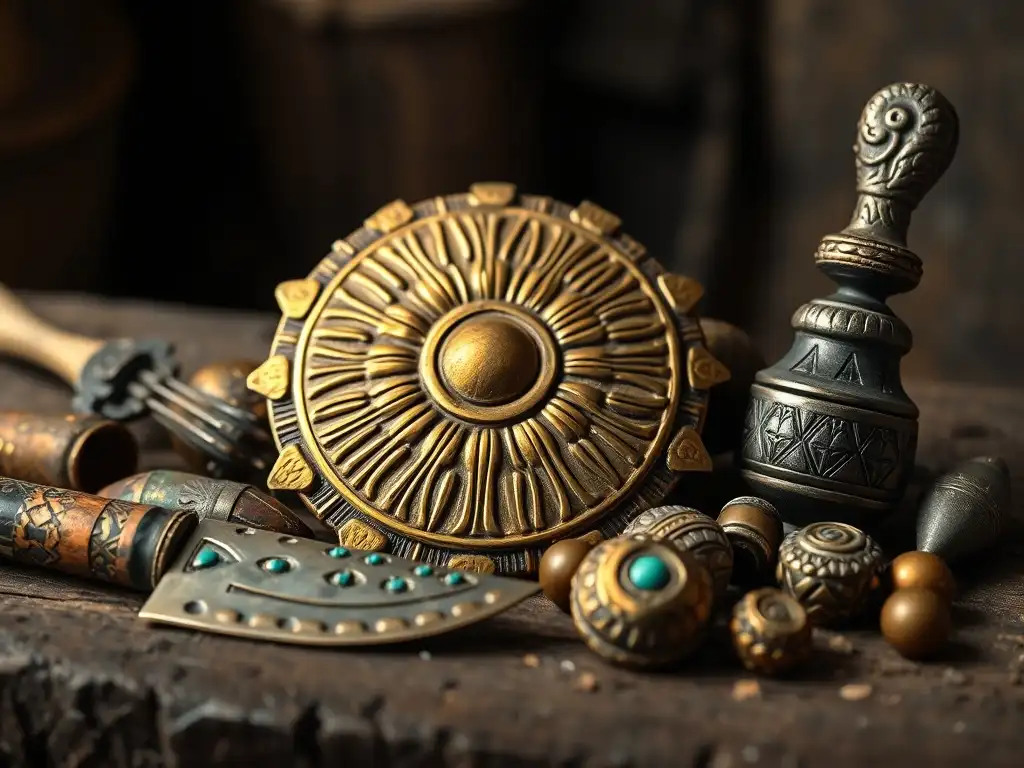
The Andean civilizations weren't solely focused on gold, despite its prominence in popular imagination. Their mastery of metallurgy extended to a diverse palette of metals, each imbued with specific cultural significance and employed in distinct crafting techniques reflecting the ingenuity of Andean metalworkers. Understanding the range of metals used – from the commonplace to the precious – reveals a deeper appreciation for the sophistication of Andean technology and its integration into their social fabric. This section explores the key metals used, highlighting their unique properties and applications within the context of Andean civilizations metalwork techniques.
Copper: Ubiquitous Metal of the Andes
Copper, readily available in the Andes, formed the bedrock of Andean metallurgy. Its malleability and relative ease of smelting made it ideal for a wide array of tools and ornaments. Early Andean cultures, even before the rise of the Inca, demonstrated impressive skill in shaping copper into practical items. Think of the numerous tools unearthed from archaeological sites: axes, chisels, needles, and fishhooks – all testament to copper's versatility.
The techniques employed varied across different periods and cultures. Early copper objects were often made using cold hammering, a process requiring significant skill and patience. Later, more sophisticated techniques like casting – involving creating molds and pouring molten metal – allowed for more complex shapes and larger-scale production.
The development of alloys, particularly bronze (an alloy of copper and tin), further expanded the possibilities, resulting in stronger and more durable tools. The prevalence of copper in everyday life underscores its fundamental importance in the Andean civilizations' technological advancements and its integral role in their daily routines. The ubiquitous nature of copper artifacts highlights the deep understanding and mastery of this metal by Andean artisans.
Gold: Symbolism and Elaborate Craftsmanship
While copper served practical purposes, gold held a far more profound symbolic significance. Representing the sun, power, and divinity, gold artifacts were often associated with elite status and religious ceremonies. The Inca, in particular, revered gold, using it to create exquisite ornaments, religious paraphernalia, and prestigious objects for the elite. The sheer artistry involved in Andean goldwork is astonishing.
The techniques involved in working with gold were incredibly advanced. Gold's softness necessitated careful handling. Andean artisans expertly employed techniques like hammering, repoussé (hammering from the back to create raised designs), and filigree (intricate work with thin gold wires) to create breathtakingly detailed pieces.
The use of lost-wax casting also allowed for the creation of incredibly intricate three-dimensional forms. These intricate techniques, coupled with the symbolic value of gold, cemented its place as a marker of power and prestige within the Andean world, shaping their religious practices and social hierarchies. The remarkable preservation of many gold artifacts offers a captivating glimpse into the sophisticated metalworking techniques employed by these ancient civilizations.
Silver: Reflecting Status and Power
Silver, another precious metal, occupied a significant place in Andean metalwork, though perhaps less prominent than gold. While gold symbolized the sun's power, silver often represented the moon, adding a complementary duality to their cosmology. Silver objects were also markers of status and power, often used in ceremonial contexts and associated with the elite. Unlike gold, which was predominantly used for decorative purposes, silver was sometimes incorporated into functional items, such as ceremonial vessels and jewelry.
The techniques used for working with silver were similar to those used for gold, though the slightly different properties of the metal required adjustments. The malleability of silver allowed for intricate designs, while its reflective qualities added another layer of visual appeal to the finished products. The combination of silver with other materials, like turquoise or shell, created visually stunning and culturally significant objects.
The presence of silver in Andean artifacts, alongside gold and copper, further demonstrates the breadth and depth of their metallurgical achievements and the nuanced ways they incorporated metals into their cultural expressions. The careful craftsmanship evident in surviving silver artifacts underscores the skilled artistry of Andean metalworkers and their ability to manipulate different metals to achieve specific aesthetic and symbolic effects.
Tin: A Key Component in Bronze Production
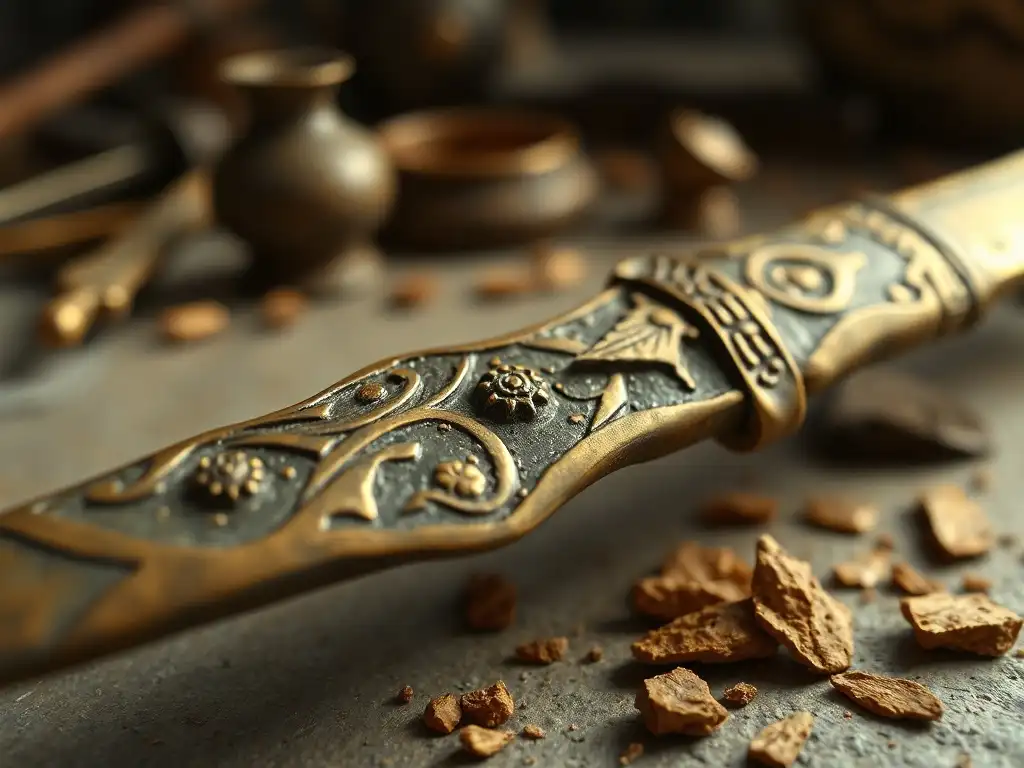
Tin, a relatively rare metal in its pure form, played a crucial role in the development of Andean metallurgy. Its primary importance stemmed from its use as a key alloying agent in bronze production. The combination of copper and tin created a far stronger and more durable metal than either element alone. This was vital for creating tools, weapons, and decorative objects that could withstand the rigors of daily use and the demands of warfare.
Andean artisans were remarkably adept at controlling the tin content in their bronze alloys, achieving varying degrees of hardness and malleability depending on the desired application. Evidence suggests that sophisticated techniques were employed to refine and combine the metals, ensuring a consistent and high-quality product. The precise sourcing of tin ores in the Andes remains an area of ongoing research, highlighting the extensive trade networks that must have existed to facilitate the procurement of this essential material.
The mastery of bronze production demonstrates a significant leap forward in Andean technological capabilities, influencing their societal development and artistic expression. Analysis of surviving artifacts reveals a nuanced understanding of metallurgical processes, a testament to the skill and knowledge of the ancient Andean metalworkers. Furthermore, the consistent quality of bronze objects across different Andean cultures suggests a degree of shared knowledge and potentially standardized techniques.
Platinum: Rarer Metal and Unique Applications
Platinum, a remarkably rare and precious metal, holds a unique position in the story of Andean metallurgy. While less prevalent than copper, bronze, or gold, its presence in certain artifacts speaks volumes about the sophisticated understanding of metallurgy and the advanced techniques employed by Andean artisans. Unlike gold, which was often used for its aesthetic qualities and symbolic value, platinum’s use was often dictated by its exceptional properties.
Its high melting point, resistance to corrosion, and remarkable durability made it ideal for specific applications where other metals would have failed. While the exact methods of platinum extraction and working remain partially shrouded in mystery, archaeological findings suggest that Andean cultures possessed the knowledge and skills necessary to process this challenging metal. The rarity of platinum artifacts underscores their significance, indicating that these objects likely held exceptional cultural or ritualistic importance.
Further research is needed to fully understand the techniques used to work with platinum, the extent of its use, and its symbolic meaning within different Andean societies. This research could shed light on the advanced metallurgical practices and the unique technological achievements of these ancient cultures.
Other Metals and Alloys Found in the Andean Region
Beyond the prominent use of copper, bronze, gold, and platinum, Andean civilizations also utilized a variety of other metals and alloys in their crafts. Silver, for instance, was widely employed for decorative purposes and the creation of jewelry, often in conjunction with gold to enhance its visual appeal. The combination of silver and gold in elaborate ornaments and religious objects exemplifies the advanced capabilities of Andean artisans in manipulating different metals to achieve specific aesthetic effects.
Furthermore, evidence points to the use of lead, possibly as an alloying agent in some bronze formulations or as a component in certain pigments. Iron, although not as widely used as in other parts of the world, was also present in some Andean artifacts, suggesting a level of familiarity with this metal, though perhaps less widespread mastery of its processing compared to other metals. The precise composition and techniques employed in working with these less common metals are areas requiring further investigation.
Analyzing the chemical composition of these artifacts can illuminate the specific techniques used and provide valuable insights into the trade networks and technological exchanges that shaped Andean metallurgy. The diversity of metals and alloys found in Andean artifacts showcases the breadth of metallurgical knowledge and the resourcefulness of these ancient cultures in utilizing the resources available to them. The ongoing study of these lesser-known materials promises to further enrich our understanding of Andean metalworking techniques and their significance within their societal context.
Regional Variations in Andean Metalworking Practices
The Andean civilizations weren't monolithic in their approach to metalworking. While sharing some fundamental techniques, regional variations produced distinct styles and levels of sophistication reflecting unique cultural expressions and access to resources. Understanding these regional differences is crucial to appreciating the full breadth of Andean metallurgical achievements.
The mastery of diverse metalworking techniques varied across different Andean cultures, leading to a rich tapestry of artistic expression and technological innovation. This section will explore the distinct metalworking practices of three prominent Andean cultures: the Moche, Nazca, and Inca. The study of these techniques reveals not only skillful artisanship but also insights into social structures, religious beliefs, and economic systems of these fascinating civilizations.
Moche Metalwork: The Art of Tumis and Ornaments
The Moche culture (roughly 100-800 CE) is renowned for its exquisite metalwork, particularly its iconic tumis. These ceremonial knives, often featuring intricate depictions of deities, humans, and mythical creatures, showcase the Moche's advanced casting and repoussé techniques. The artisans achieved remarkable detail, using a combination of lost-wax casting and hammering to create three-dimensional figures with expressive features.
Beyond tumis, Moche metalworkers produced a wide array of ornaments, including necklaces, ear spools, and headdresses, often employing gold, silver, copper, and alloys. These pieces frequently incorporated precious stones and shells, demonstrating a sophisticated understanding of material properties and a keen eye for aesthetic design. The use of different metals and alloys allowed for variations in color and texture, adding depth and complexity to their creations.
The Moche's mastery of lost-wax casting is particularly noteworthy. This technique, involving creating a wax model, encasing it in clay, melting out the wax, and pouring molten metal into the resulting mold, required exceptional skill and precision. The resulting castings were remarkably detailed and accurate, a testament to the Moche artisans' expertise.
Evidence suggests that specialized workshops existed, possibly associated with religious centers or elite households, where skilled metalworkers collaborated to produce these elaborate artifacts. The intricate designs often depicted scenes from Moche mythology and daily life, providing valuable insights into their worldview and social structures. Analysis of Moche metalwork reveals a high degree of specialization and a complex division of labor within their society.
Nazca Metalwork: Intricate Designs and Techniques
The Nazca culture (c. 100 BCE – 800 CE), contemporaneous with the Moche, also developed sophisticated metalworking techniques, though with a distinct aesthetic. Nazca metalwork is characterized by its intricate designs and the frequent use of hammered gold and silver sheets. While they also employed lost-wax casting, Nazca artisans were particularly adept at repoussé, a technique where metal sheets are hammered from the back to create raised designs.
This allowed them to achieve incredible detail in their depictions of stylized figures, animals, and geometric patterns. Unlike the Moche's preference for three-dimensional forms, Nazca metalwork often focused on flattened, sheet metal objects.
A key difference between Moche and Nazca metalwork lies in the scale and complexity of the designs. While Moche pieces often featured larger, more narrative scenes, Nazca metalwork frequently incorporated smaller, more repetitive motifs, creating a visually stunning effect through intricate detail and the interplay of light and shadow. The use of gold and silver, often combined with turquoise and other stones, further enhanced the aesthetic impact of their creations.
The precise techniques employed by Nazca artisans remain a subject of ongoing research, but their mastery of metal manipulation is undeniable. Their skill in creating finely detailed repoussé work is considered a hallmark of their artistry, a testament to their advanced technological capabilities and artistic sensibilities. The surviving examples often exhibit a delicate balance between geometric precision and organic forms.
Inca Metalwork: Standardization and Imperial Influence
The Inca Empire (1438-1533 CE) inherited and built upon the metalworking traditions of earlier Andean cultures, but introduced a new level of standardization and imperial control. Inca metalwork, while still showcasing artistry, shows a greater emphasis on uniformity and mass production. The Inca state controlled the mines and workshops, ensuring a steady supply of raw materials and a skilled workforce. This centralized system facilitated the creation of large quantities of standardized objects, such as tupu (gold and silver discs used as a form of currency) and ceremonial vessels.
While the Inca maintained many pre-existing techniques, such as lost-wax casting and repoussé, they also developed new approaches to metalworking, including techniques for creating large, intricately decorated sheets of gold and silver. These sheets were often used to adorn temples, palaces, and other important structures. The Inca also demonstrated a mastery of alloying, creating unique blends of metals to achieve specific colors and properties.
The use of gold and silver was often symbolic, reflecting the Inca's worldview and reinforcing their imperial power. The standardization in Inca metalwork, while potentially reducing individual artistic expression, facilitated the creation of large-scale projects and the dissemination of imperial symbols throughout the vast empire.
The sheer scale and quality of Inca metalwork underscore their sophisticated organizational capabilities and their ability to harness the expertise of artisans across their vast territory. The legacy of Inca metalworking techniques continues to inspire awe and admiration for their technical skill and artistic vision.
Tiahuanaco Metalwork: Distinctive Styles and Forms
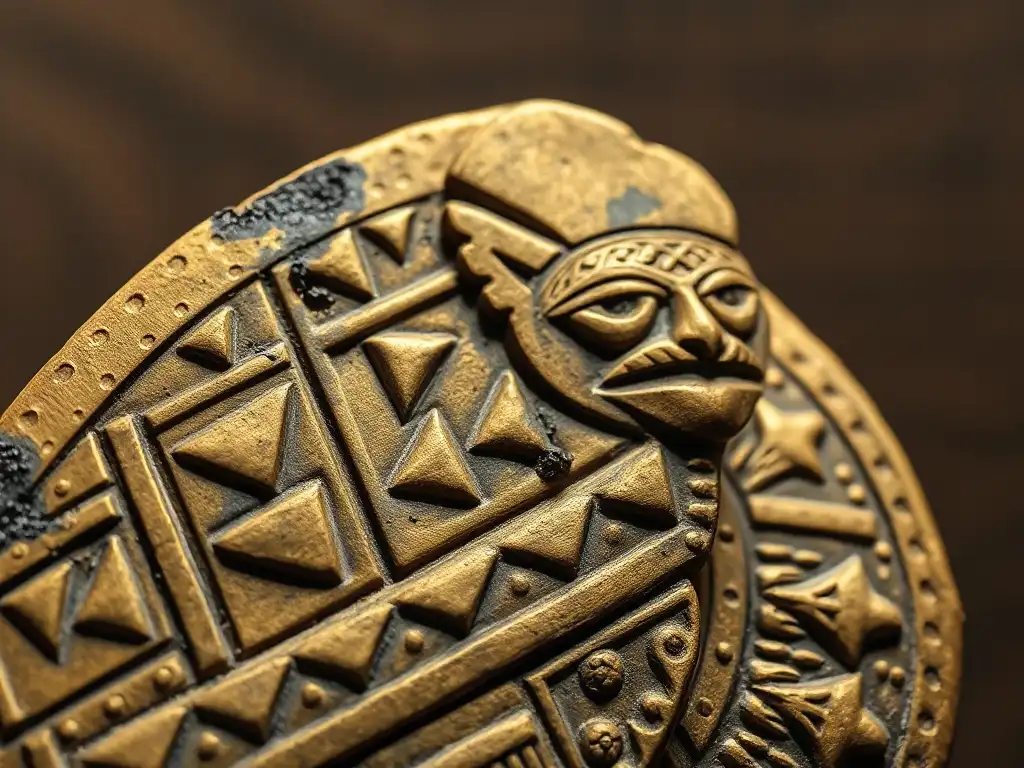
Tiahuanaco, a powerful pre-Columbian civilization flourishing in the southern Andes (present-day Bolivia) between roughly 300 and 1200 CE, demonstrated remarkable metallurgical skills, albeit on a smaller scale compared to some coastal cultures. Their metalworking, while less prolific than that of the Moche or Incas, possessed unique stylistic characteristics. Unlike the often elaborate goldwork of other Andean cultures, Tiahuanaco metal artifacts exhibit a preference for simpler forms and a distinctive aesthetic.
One key feature of Tiahuanaco metalwork is the prevalence of hammered sheets of copper and bronze, often shaped into utilitarian objects like tools and ornaments. These items frequently feature geometric designs, reflecting the civilization's broader artistic tendencies, which emphasized symmetry and angularity. Intricate repoussé techniques – a metalworking method where a design is hammered from the reverse side of a sheet to create a raised relief – were employed, though less extensively than in other Andean regions. The hammered surfaces often display a matte finish, contrasting with the highly polished gold objects common in other areas.
While gold was utilized, it wasn't as central to Tiahuanaco metalwork as in other Andean cultures. Instead, copper and bronze alloys played a more significant role, suggesting a potentially different understanding of the symbolic value of metals. The available evidence suggests a focus on functionality and symbolic representation through geometric patterns rather than elaborate, highly decorated pieces.
Further research is needed to fully understand the socio-political context surrounding Tiahuanaco's metalworking practices and the meaning behind their distinctive styles. The scarcity of surviving Tiahuanaco metal artifacts, relative to other cultures, also poses a challenge to a complete understanding of their metallurgical achievements. This scarcity could be due to several factors, including the nature of the materials used, the methods of production, or even the survival of artifacts over time.
Regional Metalworking Centers and Their Specialties
The Andes weren't a monolithic entity in terms of metalworking. Instead, different regions developed distinct specialties and techniques, reflecting local access to resources and cultural preferences. This resulted in a fascinating tapestry of metalworking traditions across the Andes.
For example, the coastal regions, particularly those occupied by the Moche and Chimú, were renowned for their sophisticated goldwork, often incorporating intricate techniques like filigree and lost-wax casting to create highly detailed and ornate objects. Their mastery of gold allowed them to produce elaborate headdresses, masks, and vessels, showcasing both their technical expertise and their understanding of the symbolic importance of gold.
In contrast, the highland regions, such as the area around Tiahuanaco, tended to focus more on copper and bronze, likely due to greater availability of these metals in the Andean highlands. These regions exhibited a different aesthetic, prioritizing functionality and geometric designs over the elaborate ornamentation characteristic of the coastal regions. The use of specific alloys and techniques also varied regionally.
For instance, certain areas might have specialized in specific types of bronze alloys, resulting in unique colors and properties. The development of these regional specialties likely reflected not only resource availability but also the specific social and religious beliefs of the different Andean cultures. The exchange of ideas and materials between these regions undoubtedly contributed to the overall diversity and sophistication of Andean metalworking, creating a complex interplay of innovation and tradition across the vast Andean landscape.
Further investigation into the specific chemical composition of artifacts from different regions could provide valuable insights into the trade networks and the exchange of metallurgical knowledge across the Andes. The differences between these regions highlight the rich complexity of Andean metalworking, illustrating the nuanced relationship between technological advancement, cultural expression, and resource distribution.
The Legacy of Andean Metalworking: Lasting Impact
The mastery of Andean civilizations in metalworking left an indelible mark on the region, extending far beyond the demise of the empires that forged these remarkable artifacts. Their techniques and artistic styles influenced subsequent Andean cultures, shaping their own approaches to metalwork and leaving a continuous thread of metallurgical expertise woven into the fabric of Andean history. The legacy isn't just about the objects themselves; it's about the knowledge, the skills, and the artistic traditions passed down through generations, adapting and evolving yet retaining a clear connection to their ancient predecessors. This enduring impact is evident in the continuity of certain motifs, the persistence of specific techniques, and the continued use of precious metals in Andean art and culture right up to the present day. Understanding this legacy helps us appreciate the depth and longevity of Andean metallurgical achievement, a testament to the ingenuity and resilience of these remarkable civilizations.
Influence on Later Andean Cultures
The sophisticated metalworking techniques of the pre-Columbian Andean civilizations, particularly the Inca, Moche, and Nazca, served as a foundation for later Andean cultures. While styles and specific techniques evolved, the fundamental knowledge and skills were passed down, albeit sometimes modified to suit new artistic expressions or available resources.
For instance, while the Inca Empire might have adopted some techniques from earlier cultures, they also developed their own distinctive styles, particularly in the use of gold and silver alloys for elaborate ceremonial objects. The continuity of metalworking practices across different Andean cultures highlights the enduring impact of early innovations and the interconnectivity of these societies.
Detailed studies comparing the alloys and techniques used by different groups – from the early Chimú to the later colonial periods – reveal a complex interplay of tradition and innovation, demonstrating how ancient knowledge formed the basis for subsequent artistic and technological developments. This ongoing evolution illustrates the dynamic nature of Andean metalworking, a continuous process of adaptation and refinement rather than a static tradition.
Preservation and Study of Ancient Andean Metal Artifacts
The preservation and study of ancient Andean metal artifacts present unique challenges and rewards. The delicate nature of many objects, coupled with the effects of time and environmental factors, necessitates careful conservation efforts. Many artifacts, particularly those made of copper alloys, are susceptible to corrosion and degradation.
Modern scientific techniques, such as X-ray fluorescence (XRF) spectroscopy and electron microscopy, are crucial for analyzing the composition of these artifacts, revealing details about the techniques used in their creation and the sources of the metals employed. These analyses not only help us understand the technological prowess of Andean civilizations but also shed light on their trade networks and resource management strategies.
Furthermore, the study of ancient Andean metalwork requires interdisciplinary collaboration, bringing together archaeologists, metallurgists, art historians, and conservators to ensure the responsible preservation and interpretation of these invaluable pieces of history. The ongoing research in this field continues to unveil new insights into the complexities of Andean metalworking, challenging existing assumptions and enriching our understanding of these ancient cultures.
Andean Metalwork Techniques and Modern Applications
The ingenuity of Andean metalworking techniques continues to inspire and inform modern practices. The ancient methods employed, such as lost-wax casting, hammering, and soldering, remain relevant today, albeit often enhanced with modern tools and materials. A deeper understanding of Andean techniques—like the precise control over alloys achieved by Andean artisans to create specific colors and textures—offers valuable lessons for contemporary metalworkers.
The study of ancient Andean metalwork is not just a historical endeavor; it's a source of inspiration and innovation for contemporary artists and craftspeople. Moreover, the principles of alloying and metal shaping developed by Andean civilizations have implications for modern materials science and engineering.
The analysis of ancient alloys can help in developing new materials with enhanced properties, while the study of ancient casting techniques can contribute to advancements in modern manufacturing processes. Therefore, the legacy of Andean metalworking extends far beyond the realm of historical artifacts; it is a living tradition that continues to inform and inspire both artistic and technological innovation.
The Enduring Importance of Andean Metallurgical Knowledge
The sophisticated metallurgical techniques developed by Andean civilizations weren't simply lost to time. Their impact reverberates even today, influencing modern practices and inspiring ongoing research. The intricate knowledge of alloying, casting, hammering, and finishing techniques continues to fascinate metallurgists and historians alike. Understanding the precise methods used to create objects like the Tumi ceremonial knives or the intricate gold and silver ornaments provides valuable insights into the ingenuity and technical prowess of these ancient societies.
This knowledge isn't merely historical; it holds practical applications. For example, studying the corrosion resistance of certain Andean alloys could inform the development of new, more durable materials. Furthermore, the artistic and aesthetic achievements in Andean metalworking continue to inspire contemporary artists and designers, demonstrating the enduring power of these ancient traditions. The legacy isn't just about the objects themselves, but the innovative processes and the deep understanding of materials that underpinned them.
Researchers continue to analyze Andean artifacts using advanced techniques like X-ray fluorescence spectroscopy to unlock further secrets about their composition and creation, pushing the boundaries of our understanding of ancient Andean metalworking and its lasting legacy. The study of these techniques also provides valuable insights into the social structures and economic systems of these societies, as the production and distribution of metal objects often played a significant role in their power dynamics and trade networks. The enduring importance of Andean metallurgical knowledge is therefore multifaceted, encompassing scientific, artistic, and historical dimensions.
Frequently Asked Questions
What metals did Andean civilizations primarily work with?
Andean civilizations utilized a wide range of metals, including gold, silver, copper, bronze, and platinum. Their mastery extended to alloys, combining metals to achieve desired properties. The availability of specific metals varied regionally.
What were some of the most impressive examples of Andean metalwork?
Examples include the Moche's intricate gold and silver jewelry, the Nazca's delicate sheet gold artifacts, and the Inca's large-scale gold and silver objects, like ceremonial vessels and adornments for elites. These showcase exceptional craftsmanship and artistry.
What techniques did Andean metalworkers employ?
Andean metalworkers employed a variety of techniques including hammering, casting, soldering, repoussé (hammering from the back to create relief), and inlay. They also used lost-wax casting for intricate designs.
How did the environment influence Andean metalworking?
The availability of ores greatly influenced the types of metals worked. Access to fuel sources like charcoal was crucial for smelting and refining. The Andean geography itself presented challenges and opportunities for mining and metalworking.
Metalwork often served religious purposes, adorning temples and idols, or being used in ceremonies. Elaborate gold and silver objects were frequently associated with elite status and power, reflecting social hierarchies. The artistry reflected cosmological and mythological beliefs.
Final Reflection: The Enduring Legacy of Andean Metallurgy
The intricate metalwork of the Andean civilizations remains a testament to their ingenuity and artistry, a legacy that continues to inspire awe and inform modern techniques. Their mastery of diverse metals, far beyond the gleaming gold that often dominates narratives, speaks to a sophisticated understanding of metallurgy and a deep connection to their environment. This sophisticated understanding wasn't simply about aesthetics; it was integral to their social structures, religious beliefs, and daily lives.
The impact of Andean metalworking extends far beyond museum displays; it resonates in contemporary art, design, and even scientific advancements. The innovative techniques employed, such as the lost-wax casting and the precise hammering of gold and silver, continue to be studied and adapted. Their ability to work with alloys of copper, tin, and other metals showcases a level of metallurgical understanding that was remarkably advanced for its time. The metals were not merely decorative; they were imbued with spiritual significance, reflecting the Andean worldview and their relationship with the cosmos.
This understanding deepens our appreciation for the cultural richness embedded within these artifacts.
Consider the ingenuity, the patience, the deep understanding of materials required to create these masterpieces. Now, consider how you can apply that same level of dedication and innovative thinking to your own pursuits. Let the legacy of Andean metalworking inspire you to explore your own creative potential, to push boundaries, and to appreciate the intricate beauty and profound meaning found in the details of life. Embrace the spirit of innovation and craftsmanship that defined these ancient civilizations, and discover the hidden potential within yourself.
Unlock the Mysteries of Andean Metals!
Thank you for joining us on this journey to explore the diverse metals that shaped Andean civilizations. Your interest in these fascinating cultures is truly appreciated. Now, let's delve even deeper!
Here's how you can continue your exploration:
- Expand your knowledge: Discover the intricate relationship between metallurgy, art, and society in ancient Andean cultures by exploring our other articles. We have many resources available to help you further your understanding.
- Share your discoveries: Discuss your newfound knowledge with friends, family, or online communities. Inspire others to appreciate the rich history of the Andes!
- Join our community: Subscribe to our newsletter for updates and insights, and participate in our forums to connect with fellow enthusiasts and experts.
What aspect of Andean metallurgy has most captivated you, and how would you like to learn more about it?