
The Adaptation of Food Storage Techniques Across Different Andean Regions

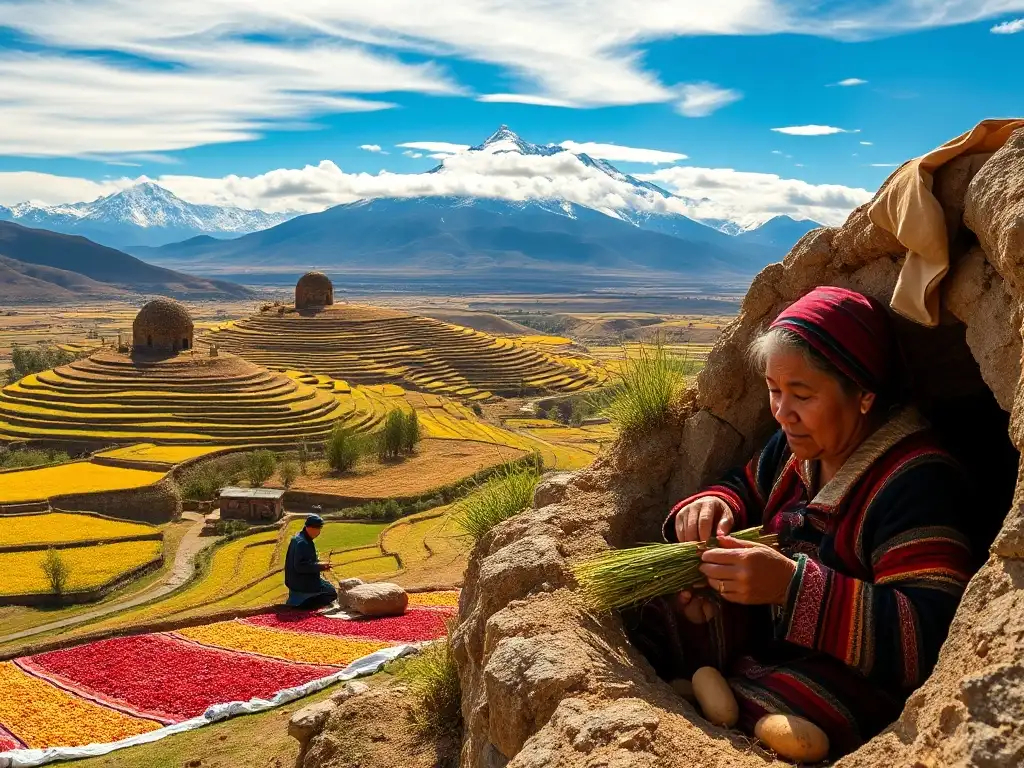
Uncover the secrets whispered across millennia in the towering Andes! From the ingenious Inca empire to the enigmatic Nazca lines, the Andean civilizations mastered survival in a challenging landscape. But how did they feed their vast populations? Journey with us as we delve into the fascinating world of Andean food preservation techniques, revealing the innovative methods that sustained these remarkable cultures. Prepare to be amazed by the ingenuity and resilience of a civilization that defied the odds—their story is far more delicious than you might imagine.
The Andes Mountains, a geographically diverse region stretching along the western coast of South America, presented ancient civilizations with unique challenges and opportunities. The dramatic variations in altitude, climate, and terrain necessitated the development of ingenious and highly adaptable food preservation and storage techniques.
This article explores the fascinating ingenuity of Andean cultures in addressing the critical issue of food security, focusing on how preservation methods evolved to meet the specific needs of different Andean regions. We will delve into the diverse strategies employed by civilizations like the Inca, Moche, Nazca, and Tiahuanaco, highlighting the remarkable interplay between environment, technology, and cultural practices in ensuring the year-round availability of food.
Understanding these Andean food preservation techniques provides crucial insights into the resilience and sophistication of these ancient societies. This exploration will reveal the innovative solutions they devised to overcome the challenges of food spoilage and scarcity, ultimately contributing to their remarkable achievements in agriculture and societal development.
Introduction to Andean Food Preservation Methods
Andean food preservation wasn't a single, monolithic system. Instead, it was a complex tapestry of techniques adapted to specific ecological niches and available resources. The methods varied significantly depending on factors such as altitude, rainfall, temperature, and the types of foods being preserved. Common techniques included:
- Sun-drying: A ubiquitous method across the Andes, particularly effective for fruits, meats, and tubers in high-altitude regions with abundant sunshine. This simple yet powerful method reduced moisture content, inhibiting microbial growth and extending shelf life.
- Freeze-drying: At high altitudes, the combination of low temperatures and low humidity naturally freeze-dried certain foods, preserving them for extended periods. This method was particularly important for preserving certain varieties of potatoes and other root vegetables.
- Storage in underground cellars (qollqas): The Incas, and likely other Andean cultures before them, developed sophisticated underground storage facilities, known as qollqas. These structures, often built into hillsides or carved into rock, maintained a consistently cool and dry environment, ideal for preserving grains, potatoes, and other staple foods. The design of these qollqas demonstrated a deep understanding of temperature regulation and ventilation. The effectiveness of these storage methods is evidenced by archaeological discoveries of preserved food within these structures.
- Salting and fermentation: These techniques were utilized to preserve meats and other perishable foods, particularly in coastal regions. The precise methods varied depending on the specific ingredients and the available salt sources.
- Chicha: The fermentation of maize into chicha, a fermented beverage, was not only a significant cultural practice but also a method of preserving maize for later consumption. This process transformed the grain into a more stable and longer-lasting food source.
The effectiveness of these preservation methods was critical to the survival and prosperity of Andean communities, allowing them to manage food supplies throughout the year and withstand periods of scarcity.
Diverse Climates and the Need for Food Storage in the Andes
The Andes boast an extraordinary range of climates, from arid coastal deserts to humid rainforest regions, and from frigid high-altitude puna grasslands to temperate valleys. This climatic diversity presented a significant challenge for food preservation. The need to adapt preservation techniques to these varying conditions is clearly illustrated by the differences observed across different Andean regions:
- Coastal Regions: Characterized by arid conditions and relatively high temperatures, coastal communities relied heavily on sun-drying and salting to preserve their food. Fish, shellfish, and other marine resources, along with certain fruits and vegetables, were preserved using these techniques. The availability of salt, often obtained from coastal salt pans, played a crucial role in these methods.
- Highland Regions (Altiplano): The high-altitude regions, such as the Altiplano, were characterized by cold temperatures and low humidity. Here, freeze-drying and storage in qollqas were the primary methods of preservation. The unique properties of the qollqas – their underground location, ventilation systems, and insulation – allowed for the long-term storage of staple crops like potatoes and quinoa.
- Valley Regions: The intermediate valleys, with more moderate climates, offered a more diverse range of preservation options. A combination of sun-drying, fermentation, and storage in less sophisticated structures was likely employed in these regions. The types of crops cultivated and the availability of resources influenced the specific techniques used.
The ingenuity of the Andean people in developing and adapting food preservation techniques to such diverse environments is a testament to their deep understanding of their surroundings and their remarkable ability to innovate and overcome adversity. The effective management of food resources through these methods was essential for their social organization, economic stability, and overall success as civilizations.
High Altitude Preservation: Freeze-Drying Techniques
The Andes Mountains present unique challenges for food preservation, particularly at high altitudes where temperatures frequently drop below freezing. Ancient Andean communities ingeniously developed freeze-drying techniques to overcome these challenges, extending the shelf life of crucial crops like potatoes and other tubers. These methods, passed down through generations, allowed for the survival and prosperity of these high-altitude settlements.
The harsh conditions necessitated efficient preservation methods; spoilage was not an option in these environments where growing seasons were short and access to fresh food could be limited, especially during harsh winters. The effectiveness of these techniques is a testament to the deep understanding of their environment and the resourcefulness of Andean peoples. These methods, while seemingly simple, required a precise understanding of temperature fluctuations and the optimal conditions for successful freeze-drying.
Chuño and Moraya: Traditional Andean Freeze-Dried Potatoes
Chuño and moraya represent the pinnacle of Andean freeze-drying expertise. Chuño, a freeze-dried potato, is a staple food in many Andean communities. Its production involves a meticulous process that transforms fresh potatoes into a lightweight, long-lasting food source. Moraya, a less processed version of chuño, maintains a slightly higher moisture content and is considered a delicacy in some regions.
Both chuño and moraya are incredibly resilient to spoilage, allowing for storage for extended periods, even years, without significant loss of nutritional value. The nutritional benefits of these processed potatoes, including increased digestibility in some cases, further enhanced their importance in the Andean diet. Their ability to withstand harsh conditions made them invaluable during times of scarcity or unpredictable weather patterns. These methods were not simply about preservation; they were about ensuring food security for entire communities.
The Process of Making Chuño: Step-by-Step
The process of making chuño is a labor-intensive endeavor, reflecting the importance placed on food preservation in Andean culture. First, selected potatoes – typically hardy varieties suited to the high-altitude climate – are harvested and left to freeze overnight under clear, cold skies. The following day, the frozen potatoes are trampled to remove excess water, a process requiring significant physical effort and often involving community participation. This is followed by a period of sun-drying, which further reduces moisture content.
The entire process can last several weeks, depending on weather conditions and potato variety. Finally, the dried potatoes are stored in cool, dry places, ensuring they remain edible for years. The intricate steps involved highlight the detailed knowledge and careful planning required for successful chuño production. Variations in the process exist across different communities, reflecting regional differences in climate and potato varieties.
Variations of Freeze-Drying Across Andean Communities
While the basic principles of freeze-drying remain consistent across various Andean communities, subtle variations exist in the specific techniques employed. These variations often reflect adaptations to local environmental conditions, such as altitude, temperature fluctuations, and available sunlight. For instance, communities at higher altitudes may employ slightly different freezing and drying methods to account for more extreme temperatures.
Similarly, the types of potatoes used in chuño production vary across regions, reflecting the diversity of potato varieties adapted to different ecological niches within the Andes. The different techniques demonstrate the adaptability and ingenuity of Andean communities in optimizing food preservation practices for their specific environments. This diversity underscores the rich tapestry of traditional knowledge surrounding Andean food preservation.
Coastal Regions: Preserving Seafood and Crops in Arid Environments
The arid coastal regions of the Andes presented a different set of challenges for food preservation. The scarcity of water and the abundance of sunlight demanded techniques that addressed both dehydration and spoilage from microbial growth. Andean communities living along the coast developed ingenious methods to preserve both seafood and agricultural products, ensuring food security in a challenging environment. The ingenuity displayed in these preservation methods is a testament to the adaptability and resourcefulness of the coastal Andean cultures.
Salted and Dried Fish: A Staple of the Coastal Diet
Salt played a crucial role in preserving seafood along the Andean coast. Fish, a primary source of protein, was often salted and dried to extend its shelf life. This process inhibited bacterial growth and reduced moisture content, preventing spoilage.
The abundance of sunshine along the coast facilitated the drying process, further enhancing the preservation effect. Salted and dried fish became a staple of the coastal diet, providing a reliable source of protein even during periods when fresh fish were less readily available. This method allowed for the long-term storage of fish, ensuring a consistent food supply even during lean times.
Techniques for Drying Agricultural Products on the Coast
Besides seafood, coastal Andean communities also developed methods for preserving agricultural products. Certain crops, such as maize and beans, were often dried in the sun to reduce moisture content and extend their shelf life. This process, complemented by storage in dry, well-ventilated spaces, helped prevent spoilage. The techniques used for drying agricultural products often involved specialized structures or methods adapted to the local climate and available resources. These methods ensured that agricultural surpluses were not lost, contributing to the food security of coastal communities.
The Use of Salt in Food Storage Along the Andean Coast
The role of salt in coastal Andean food preservation cannot be overstated. Salt acted not only as a preservative but also as a flavor enhancer, making preserved foods more palatable. Its use was widespread, extending beyond fish to other food products.
The availability of salt, either through trade or local production, was a crucial factor in the success of coastal food preservation techniques. The strategic use of salt demonstrates a sophisticated understanding of its preservative properties and its importance in maintaining a stable food supply along the arid Andean coast. The effective application of salt showcases the advanced knowledge of food preservation within these communities.
Mid-Altitude Regions: Adapting to Temperate Climates
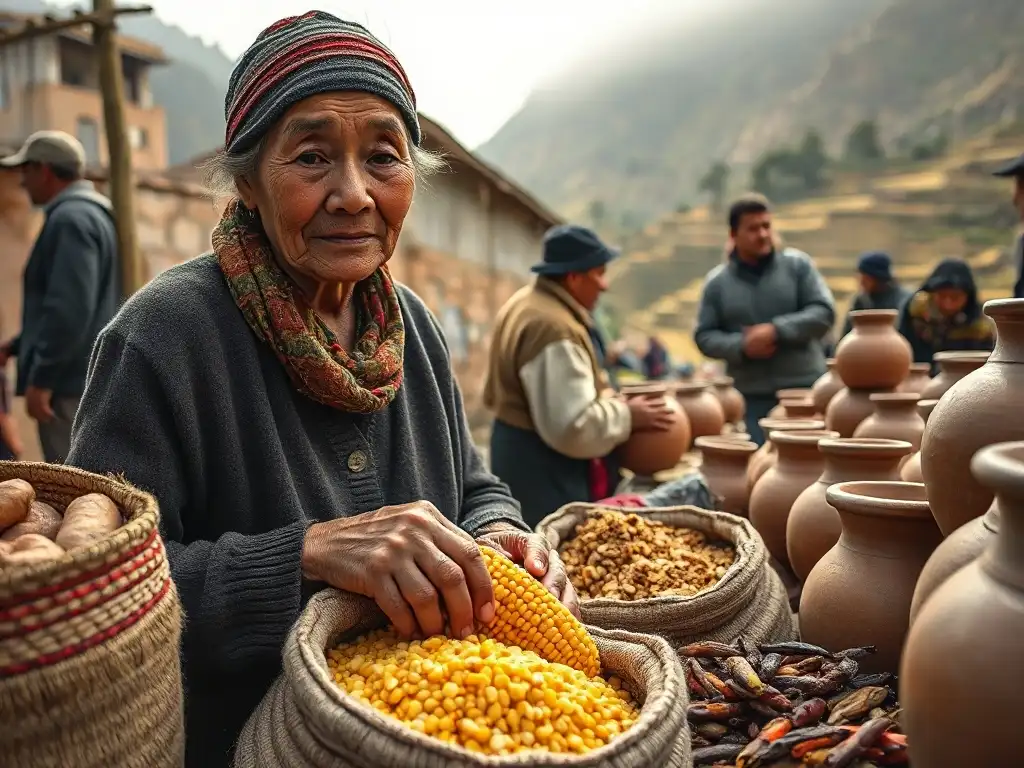
Mid-altitude regions of the Andes, characterized by their temperate climates, presented unique challenges and opportunities for food preservation. The fluctuating temperatures and increased humidity compared to higher altitudes necessitated different strategies for maintaining food quality and preventing spoilage. Farmers in these areas developed ingenious techniques to adapt to these environmental conditions, focusing on methods that prevented both microbial growth and insect infestation. These techniques often involved a combination of careful drying, sealing, and the use of naturally occurring antimicrobial agents.
The ingenuity of these preservation methods showcases the profound understanding Andean communities possessed of their environment and its impact on food security. The development of these techniques was crucial to ensuring sufficient food supplies throughout the year, especially during lean seasons. The success of these methods contributed significantly to the stability and prosperity of mid-altitude Andean communities.
Fermentation and Pickling: Methods for Vegetable Preservation
Fermentation and pickling played a vital role in preserving vegetables in mid-altitude Andean regions. These methods relied on the natural action of microorganisms to transform perishable foods into more stable products. For example, various vegetables like achira (Canna edulis) and different types of peppers were often fermented in earthenware jars, creating a lactic acid environment that inhibited the growth of spoilage organisms.
This process not only extended the shelf life of the vegetables but also enhanced their flavor and nutritional profile. Pickling, using brine solutions with salt and sometimes herbs, was another common method, particularly for preserving vegetables like tomatoes and cucumbers. The specific techniques varied across different communities and depended on the available resources and local preferences.
The use of fermentation and pickling demonstrates the sophisticated understanding of microbiology inherent in Andean food preservation practices. These techniques highlight the resourcefulness of Andean communities in leveraging naturally occurring processes to improve food security.
Storage of Grains and Legumes in Mid-Altitude Areas
Grains and legumes, such as beans, maize, and wheat, were essential staples in mid-altitude Andean diets. Their preservation required strategies that prevented insect infestation and moisture damage. One common method involved storing these grains and legumes in woven bags made from natural fibers, often carefully sealed and placed in dry, well-ventilated areas. These storage areas were frequently raised off the ground to protect the food from moisture and rodents. In some cases, herbs with insecticidal properties were incorporated into the storage containers to further deter pests. The careful selection of storage locations and the use of protective materials highlight the meticulous planning and attention to detail involved in Andean food preservation. The success of these methods ensured that sufficient quantities of these crucial staple foods were available year-round. Regional variations in grains and legumes led to the development of specific storage techniques suited to the unique characteristics of each crop.
Specific Storage Solutions for Quinoa and Maize
Quinoa and maize, two fundamental crops in the Andean diet, required specialized storage solutions due to their unique properties. Quinoa, with its high protein content, was particularly susceptible to insect damage. Therefore, it was often stored in tightly sealed containers, sometimes after being lightly roasted to reduce moisture content.
Maize, on the other hand, was often stored in large quantities in granaries or raised platforms to prevent rodent infestation and moisture absorption. The specific methods varied depending on the local climate and the availability of storage materials. In some cases, maize cobs were dried thoroughly and stored in their husks, while in other areas, the kernels were removed and stored in sealed containers.
The careful consideration of these crops’ unique vulnerabilities underscores the advanced knowledge of Andean farmers regarding agricultural practices and food preservation strategies. Their techniques ensured that these vital crops remained available for consumption throughout the year, contributing significantly to food security.
Underground Storage: The Use of Pits and Silos
Underground storage, utilizing pits and silos, was a widespread and highly effective method of food preservation across various Andean regions. This technique leveraged the stable temperature and humidity of the earth to create an environment ideal for preserving perishable foods, particularly tubers and roots. The construction and design of these storage structures varied depending on the local geography, available materials, and the types of food being stored.
The effectiveness of underground storage stemmed from its ability to maintain a relatively constant temperature and humidity, minimizing fluctuations that could lead to spoilage. This method was crucial for preserving food supplies throughout the year, especially during harsh weather conditions or periods of scarcity. The widespread adoption of this technique across different Andean cultures underscores its importance in ensuring food security.
Underground Storage for Potatoes and Tubers
Potatoes and other tubers, such as oca and mashua, were the primary foods preserved using underground storage techniques. These crops, highly susceptible to freezing and rotting, benefited greatly from the stable temperatures provided by the earth. Potatoes, in particular, were often stored in large quantities in specially constructed pits, lined with straw or other insulating materials to further stabilize the temperature and humidity. The selection of the appropriate pit location was crucial, as factors such as soil drainage and proximity to water sources influenced the effectiveness of the storage.
The meticulous planning and execution of potato storage demonstrate the sophisticated knowledge of Andean farmers regarding crop preservation. The success of this method allowed communities to maintain access to a vital food source throughout the year. This preservation technique was essential for the survival and prosperity of Andean communities heavily reliant on potato cultivation.
The Construction and Function of Andean Storage Pits
Andean storage pits varied considerably in design and construction, reflecting regional differences in climate, soil conditions, and available materials. Simple pits might involve a shallow excavation lined with straw or other organic materials, while more elaborate structures included stone walls, carefully constructed roofs, and ventilation systems. The pits’ size and depth also varied based on the amount of food being stored and the local environmental conditions.
The functionality of these pits relied on the principle of maintaining a consistent temperature and humidity, preventing the growth of microorganisms and reducing the risk of spoilage. The skillful construction and maintenance of these pits demonstrate the advanced engineering knowledge of Andean communities. The design and construction of these pits often incorporated local knowledge of soil composition and drainage patterns.
Geographic Variations in Underground Storage Practices
Geographic variations significantly influenced the specific practices of underground food storage across different Andean regions. In drier areas, pits were often located in sheltered locations to minimize exposure to rain and wind. In regions with higher rainfall, drainage was a critical consideration, and pits were often constructed with sloped bases to prevent water accumulation. Altitude also played a significant role, with different techniques being employed to adapt to the varying temperatures and humidity levels at different elevations.
The adaptation of underground storage techniques to diverse geographical conditions demonstrates the flexibility and adaptability of Andean agricultural practices. The successful implementation of these techniques across varied landscapes highlights the intimate connection between Andean communities and their environment. The variations in construction and maintenance reflect the sophisticated understanding of local environmental factors needed for effective food preservation.
The Importance of Airtight Storage Containers
Maintaining the quality and preventing spoilage of harvested foods was paramount for the survival of Andean civilizations. Airtight storage was crucial in minimizing exposure to moisture, pests, and oxygen, all of which contribute to food degradation. The ingenuity of Andean cultures in developing effective airtight storage solutions is a testament to their deep understanding of agricultural principles and material science. Their success in preserving food ensured consistent food supplies throughout the year, mitigating the risks associated with seasonal variations in crop yields.
This reliable food storage played a vital role in supporting larger populations and complex social structures. Without effective airtight storage, the sophisticated social and political systems of the Andes would have been significantly more vulnerable to famine and instability. The development of airtight storage was, therefore, not just a technological achievement, but a critical factor in the overall success and longevity of Andean societies.
Ceramic Vessels for Grain Storage
Ceramic vessels, meticulously crafted from clay and fired at high temperatures, were widely used across various Andean cultures for storing grains such as maize, quinoa, and beans. The process of creating these vessels involved advanced techniques, ensuring both durability and airtightness. Many examples showcase intricate designs and decorations, reflecting the cultural significance placed on food storage and preservation.
The selection of clay type and firing techniques varied regionally, adapting to local resources and needs. The size and shape of these vessels also varied according to the type and quantity of food being stored. Larger jars were used for bulk storage, while smaller vessels were used for household needs.
The effectiveness of these vessels was significantly enhanced by the use of lids, often made of the same ceramic material, carefully fitted to create an airtight seal. Archaeological evidence reveals a wide variety of ceramic vessel forms, illustrating the adaptation and refinement of these techniques across different time periods and geographic locations.
The Role of Baskets and Woven Containers in Preservation
Alongside ceramic vessels, woven baskets and containers played a significant role in Andean food preservation. These containers, crafted from various plant materials such as grasses, reeds, and fibers, offered a lightweight and portable alternative to heavier ceramic vessels. Different weaving techniques and materials were employed to create containers with varying degrees of permeability, allowing for the storage of different types of food. Tightly woven baskets were ideal for storing dry goods like grains and seeds, offering some protection from pests and moisture.
Less tightly woven baskets were used for items that required some ventilation, such as fruits and vegetables. The use of plant-based sealants and coatings further enhanced the preservation capabilities of these containers, creating a more airtight barrier against external elements. The diversity of materials and techniques employed in basketry highlights the adaptability and resourcefulness of Andean cultures in harnessing locally available resources for food preservation.
Materials Used in Andean Airtight Storage Solutions
The Andean people cleverly utilized a range of materials to achieve airtight storage. Beyond ceramics and woven baskets, they employed natural resins and gums sourced from local plants to seal cracks and seams in containers. These substances, applied as coatings or sealants, created a waterproof and airtight barrier, protecting stored food from moisture and pests. The specific resins and gums used varied across different regions, reflecting the diversity of plant life in the Andes.
The selection of these materials was likely based on their availability, properties, and effectiveness in creating an airtight seal. Some resins may have also possessed antimicrobial properties, further enhancing the preservation of stored food. The use of these natural sealants demonstrates a deep understanding of the properties of local plants and their applications in food preservation technology. This knowledge was likely passed down through generations, shaping the development of effective and sustainable storage solutions.
Regional Variations in the Use of Natural Preservatives
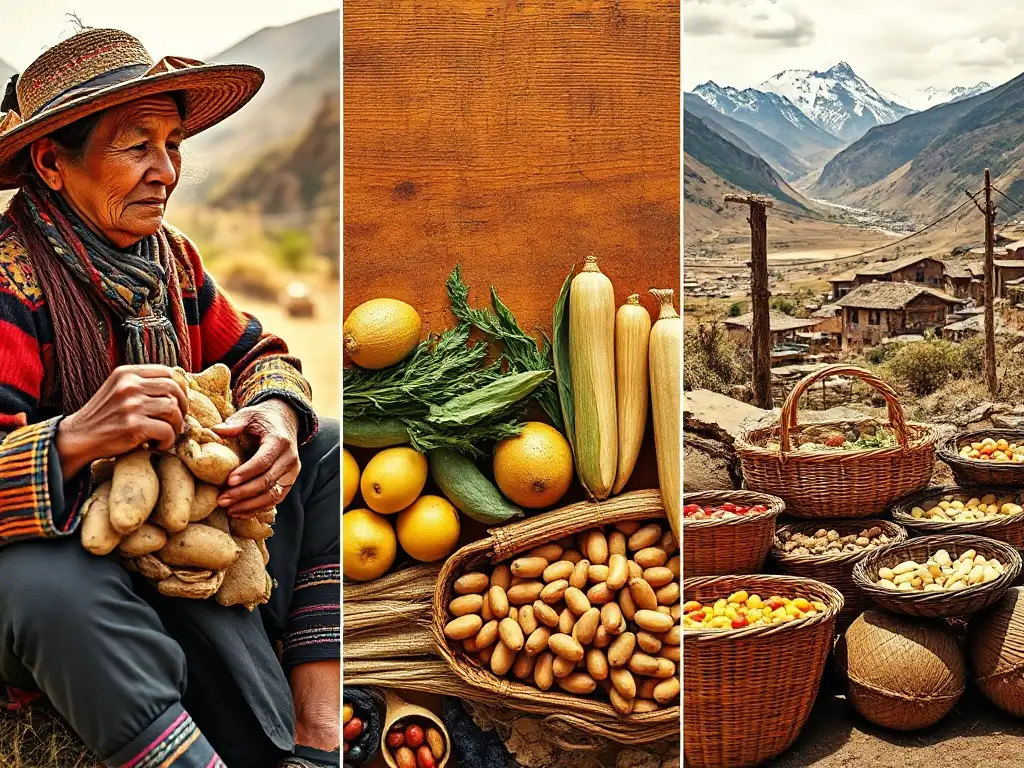
The Andean region's diverse geography and climate led to regional variations in food preservation techniques, particularly in the use of natural preservatives. Altitude, temperature, and humidity all played a role in determining the most effective methods for preserving food. While certain techniques, like airtight storage, were common across various regions, the specific natural preservatives used often differed based on local availability and tradition.
For example, certain herbs and spices might have been more prevalent in one region than another, leading to unique preservation methods. This regional variation is reflected in the diversity of Andean cuisines and food preservation practices, showcasing the adaptability of Andean cultures to their environment. Understanding these regional differences is critical for a comprehensive understanding of Andean food preservation techniques and their broader cultural significance.
The Use of Herbs and Spices as Natural Preservatives
Many herbs and spices, abundant in the Andean region, possess natural antimicrobial and antifungal properties, making them effective preservatives. These were used to inhibit the growth of microorganisms that cause food spoilage. Examples include the widespread use of aji peppers (various Capsicum species), which, besides adding flavor, contain capsaicin, a natural preservative. Other herbs and spices, like oregano, mint, and various types of chili peppers, were also commonly employed to extend the shelf life of food.
These were often added directly to food during preparation or used to coat containers before storage. The selection of specific herbs and spices likely varied across different regions, reflecting the availability of local plant species and traditional knowledge about their preservative properties. The use of these natural preservatives exemplifies the Andean people's holistic approach to food production and preservation, integrating agricultural practices with botanical knowledge.
The Role of Smoke in Food Preservation
Smoking was another crucial method of food preservation employed across different Andean regions. This process involved exposing food to smoke from burning wood or other plant materials. The smoke's components, including various chemical compounds, acted as a natural preservative, inhibiting microbial growth and extending the shelf life of food. Meat, fish, and even some vegetables were commonly preserved using smoking techniques.
The type of wood used for smoking varied regionally, influencing both the flavor and the effectiveness of the preservation process. Smoking also contributed to the food's preservation by dehydrating it, further reducing the risk of microbial growth. The widespread use of smoking across various Andean cultures underscores its importance as a reliable and effective method for preserving perishable foods, particularly in regions with limited access to other preservation technologies.
How Aji Peppers are Used in Bolivian Food Preservation
In Bolivia, aji peppers play a particularly significant role in food preservation. Their pungent capsaicin content acts as a natural preservative, inhibiting the growth of bacteria and fungi. Bolivian cuisine showcases a wide range of aji pepper varieties, each possessing unique flavor profiles and varying levels of capsaicin. These peppers are often added directly to food during preparation, not only enhancing its flavor but also contributing to its preservation.
Additionally, aji peppers were sometimes used to coat storage containers, creating a natural antimicrobial barrier. The specific methods of using aji peppers in food preservation vary across different Bolivian regions, reflecting the diversity of culinary traditions and the adaptation of preservation techniques to local conditions. The use of aji peppers demonstrates the integration of food preservation with culinary practices, highlighting the resourcefulness of Andean cultures in utilizing locally available resources for both flavor and preservation.
Food Storage and the Socio-Economic Structures of Andean Societies
The development and refinement of Andean food preservation techniques were intrinsically linked to the socio-economic structures of the various civilizations. The scale and sophistication of storage methods directly reflected the level of social organization and agricultural productivity. For instance, the highly organized Inca empire, with its vast agricultural infrastructure and intricate road network, employed significantly more advanced storage solutions compared to smaller, less centralized communities.
The Inca's qollqas, elaborate stone structures built into hillsides, provided secure and climate-controlled storage for surplus crops, ensuring food security for the entire population, even during lean times. These weren't simply storage facilities; they were integral to the empire's economic and political power, demonstrating the state's capacity to manage resources and provide for its subjects. In contrast, smaller communities might have relied on simpler techniques like drying and underground pits, reflecting their more localized and less centralized systems of production and distribution.
The capacity for large-scale storage was a key factor in the ability of the Inca and other Andean civilizations to support large populations and maintain social order. The efficient storage of surplus food allowed for population growth, specialization of labor, and the development of complex societal structures.
The Impact of Food Preservation on Trade and Exchange
Effective food preservation dramatically impacted trade and exchange networks across the Andes. The ability to preserve surplus agricultural products allowed for the exchange of goods between different ecological zones. Coastal communities, for example, could trade fish and seafood for highland potatoes and grains, thanks to preservation methods enabling long-distance transport.
This interregional exchange was not just about sustenance; it fostered cultural exchange and economic interdependence, strengthening ties between different groups. The Inca's extensive road system facilitated this trade, ensuring the movement of preserved goods across vast distances. The standardization of storage containers and preservation techniques under the Inca empire further streamlined trade, providing common standards for measurement and quality control.
Without effective preservation methods, such extensive trade networks would have been impossible, significantly limiting economic growth and cultural interaction. The preservation of surplus crops also allowed for the payment of tribute and taxes, further solidifying the power of the ruling elite.
Food Storage as a Symbol of Wealth and Power
Food storage was not merely a practical necessity; it also served as a potent symbol of wealth and power within Andean societies. The size and quality of storage facilities, along with the quantity of preserved food they contained, directly reflected the status and influence of individuals or groups. The impressive qollqas of the Inca empire are a prime example of this, showcasing the state's control over resources and its ability to provide for its people.
Similarly, large quantities of preserved food, such as dried potatoes or chuño, were often used as gifts and offerings to consolidate alliances or demonstrate power. The control over food resources, through efficient preservation methods, translated into political and economic dominance.
The elite’s access to the best storage facilities and preservation techniques further accentuated the social hierarchy, highlighting the disparity between the ruling class and the common people. This symbolic aspect of food storage underscores its significance beyond mere subsistence, highlighting its role in shaping social relations and reinforcing power structures.
The Role of Food Storage in Community Stability
Effective food storage played a crucial role in maintaining community stability and resilience in the face of environmental challenges. The Andes are characterized by a highly variable climate, with unpredictable weather patterns that could lead to crop failures. The ability to preserve surplus food during times of abundance served as a crucial buffer against periods of scarcity, preventing widespread famine and social unrest. This was particularly important for communities living in high-altitude regions with shorter growing seasons and greater vulnerability to frost.
The communal nature of some storage facilities, especially in smaller communities, fostered social cohesion and mutual support. Sharing preserved food resources during lean times strengthened community bonds and ensured the survival of the group. The ability to withstand periods of food shortage through effective preservation techniques was essential for the long-term survival and prosperity of Andean communities.
The Legacy of Andean Food Preservation Techniques
The ingenious food preservation techniques developed by Andean civilizations continue to resonate today, demonstrating their remarkable adaptability and effectiveness. Many traditional methods, refined over millennia, remain in use across the Andes, highlighting their enduring relevance. The skills and knowledge associated with these techniques have been passed down through generations, embodying a deep connection to the land and its resources.
Understanding the historical context of these methods provides valuable insights into the ingenuity and resilience of Andean cultures, showcasing their ability to adapt to challenging environments and create sustainable food systems. The legacy of Andean food preservation is not merely a historical curiosity; it represents a living cultural heritage with significant potential for contemporary applications.
Modern Adaptations of Traditional Andean Methods
Traditional Andean food preservation methods are experiencing a resurgence in popularity, not only in the Andes but also globally. Modern adaptations of techniques like freeze-drying, sun-drying, and fermentation are being explored and refined, incorporating scientific knowledge while retaining the core principles of traditional methods. This integration of traditional wisdom with modern technology offers a pathway to creating more sustainable and environmentally friendly food preservation systems.
For example, research is being conducted to optimize sun-drying techniques to reduce drying time and improve the quality of preserved products. Similarly, the use of traditional fermentation techniques is being investigated for its potential in producing novel food products with enhanced nutritional value and shelf life. These adaptations demonstrate the continued relevance and potential of Andean preservation techniques in addressing contemporary challenges related to food security and sustainability.
The Relevance of Andean Preservation for Sustainable Practices
Andean food preservation techniques offer valuable lessons for promoting sustainable food systems in the 21st century. These methods, characterized by their low environmental impact and reliance on renewable resources, stand in stark contrast to energy-intensive modern preservation techniques. Many traditional methods, such as drying and fermentation, require minimal energy input and produce little waste, aligning perfectly with principles of sustainability.
Their application could significantly reduce the carbon footprint associated with food production and distribution, contributing to efforts to mitigate climate change. Furthermore, the focus on utilizing local resources and minimizing waste inherent in many Andean techniques offers valuable insights for developing more resilient and environmentally responsible food systems. The adoption of these methods could play a significant role in achieving global sustainability goals.
The Importance of Preserving Andean Food Heritage
The preservation of Andean food heritage is not merely an academic pursuit; it is a crucial task with significant cultural, economic, and environmental implications. These traditional techniques represent a vast repository of knowledge and skills honed over generations, embodying a profound understanding of local ecosystems and the sustainable use of resources. Their loss would represent an irreplaceable loss of cultural heritage and a significant impediment to developing sustainable food systems.
Efforts to document, preserve, and promote these techniques are essential for ensuring their continuity and accessibility for future generations. This includes supporting local communities that continue to practice these methods, promoting research and development, and integrating traditional knowledge into educational programs. Safeguarding Andean food heritage is vital for building a more resilient and sustainable future.
- Introduction to Andean Food Preservation Methods
- Diverse Climates and the Need for Food Storage in the Andes
- High Altitude Preservation: Freeze-Drying Techniques
- Coastal Regions: Preserving Seafood and Crops in Arid Environments
- Mid-Altitude Regions: Adapting to Temperate Climates
- Underground Storage: The Use of Pits and Silos
- The Importance of Airtight Storage Containers
- Regional Variations in the Use of Natural Preservatives
- Food Storage and the Socio-Economic Structures of Andean Societies
- The Legacy of Andean Food Preservation Techniques
- What were some common Andean food preservation techniques?
- How did geography influence Andean food preservation methods?
- Did the Incas have unique food preservation approaches?
- What role did food preservation play in Andean societal structures?
- How did Andean food preservation techniques compare to those of other ancient civilizations?
Frequently Asked Questions
What were some common Andean food preservation techniques?
Andean civilizations employed various techniques, including sun-drying, freeze-drying, and storage in underground cellars. These methods helped preserve staple crops like potatoes and maize for extended periods.
How did geography influence Andean food preservation methods?
The diverse geography of the Andes—from high altitudes to coastal deserts—shaped preservation techniques. High-altitude areas favored freeze-drying, while arid regions utilized sun-drying effectively.
Did the Incas have unique food preservation approaches?
While building on existing methods, the Incas developed sophisticated storage systems like qollqas (stone storehouses). They also utilized a complex system of resource management to ensure food security across their vast empire.
What role did food preservation play in Andean societal structures?
Effective food preservation was vital for survival and social stability. The ability to store surplus food allowed for population growth, supported specialized labor, and facilitated trade between different Andean communities.
How did Andean food preservation techniques compare to those of other ancient civilizations?
Andean techniques, while sharing some similarities with other cultures, were uniquely adapted to the specific challenges of the Andean environment. The innovative use of natural resources and storage technologies stands out.
Final Reflection: A Legacy of Ingenuity in Andean Food Preservation
The ingenious food preservation techniques developed in the Andes remain profoundly relevant today, offering sustainable solutions to modern food security challenges and inspiring innovative approaches to reducing food waste. These ancient methods, born from necessity and honed over millennia, continue to provide crucial sustenance and cultural identity to Andean communities, while simultaneously holding valuable lessons for a globalized world grappling with the impacts of climate change and resource scarcity.
The enduring power of these techniques lies not only in their practical effectiveness but also in their deep connection to Andean cultural identity. They represent a profound understanding of the environment and a sophisticated relationship with the land, passed down through generations. Food is more than just sustenance; it is a cultural expression, a link to our ancestors, and a testament to our resilience.
This quote encapsulates the significance of these preservation methods, extending beyond mere practicality to encompass a rich tapestry of tradition and community. The continued use and adaptation of these techniques demonstrate the enduring wisdom and adaptability of Andean cultures.
Consider the ingenuity of these methods – from the sun-dried potatoes that sustain communities through harsh winters to the carefully fermented beverages that provide essential nutrients. These are not simply historical artifacts; they are living traditions, constantly evolving to meet new challenges. You, the reader, are now equipped with a deeper understanding of these remarkable techniques.
I urge you to reflect on the ingenuity and resilience they represent, and to consider how these sustainable practices might inspire solutions to the food challenges facing our world today. Let us learn from the past to build a more secure and sustainable future.
Embrace Sustainable Food Practices Today!
Thank you for exploring the fascinating world of Andean food storage techniques! Your interest highlights the rich heritage of these cultures and underscores the importance of sustainable practices in our daily lives. Let's put this knowledge into action.
Here's how you can get started:
- Preserve Food: Experiment with a food preservation method like drying, fermenting, or root cellaring. Start small and see what works best for you.
- Embrace Local Produce: Visit your local farmer's market to discover seasonal and locally grown ingredients. Incorporate these fresh, vibrant foods into your meals.
- Share Your Experience: Share your journey of sustainable food practices with others! Connect with like-minded individuals online or in your community to exchange tips and ideas. This collaborative approach can help everyone learn and grow.
What new food preservation methods are you excited to try, and how do you envision them enriching your cooking and eating experience?