
Unraveling the Mysteries of Andean Kinship Terminology

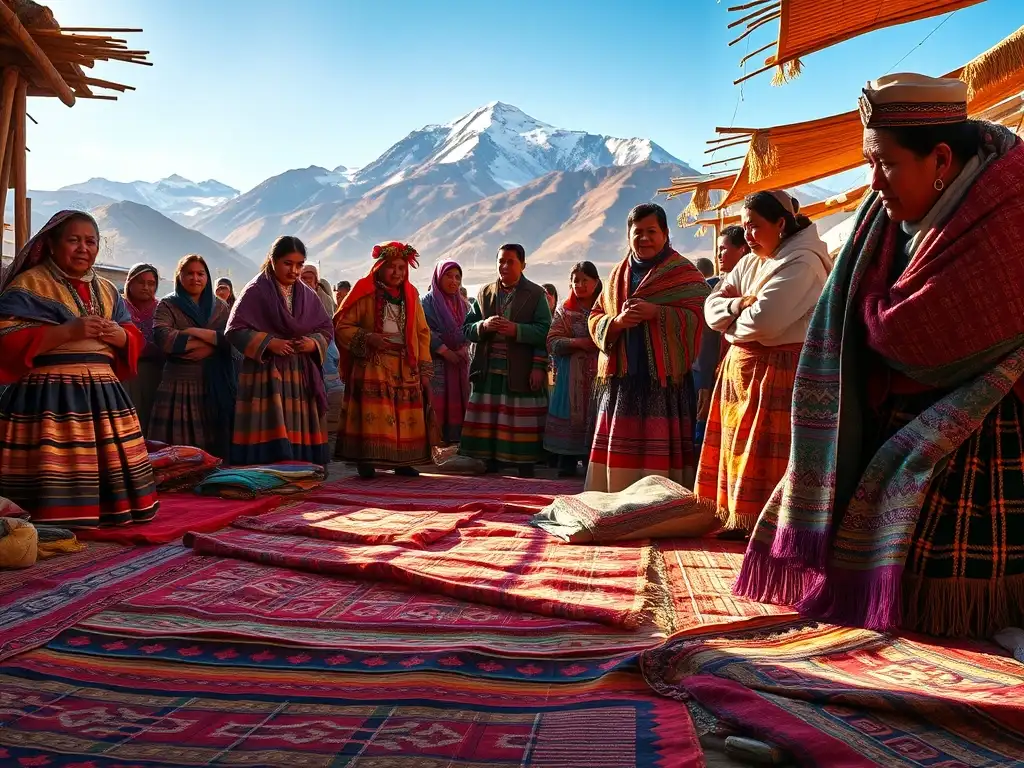
Dive into the captivating world of Andean Civilizations! Prepare to be amazed by the intricate tapestry of their history, art, and technology. But first, consider this: what secrets lie hidden within the meaning of Andean kinship terms? Unraveling this complex system unlocks a deeper understanding of their social structures and reveals a fascinating perspective on their worldview. Journey with us as we explore this intriguing topic and much more, revealing the vibrant legacy of the Incas, Moche, Nazca, and Tiahuanaco.
The Andes Mountains, a spine of towering peaks running down the western coast of South America, are home to a rich tapestry of ancient civilizations. For centuries, these societies—including the Incas, Moche, Nazca, and Tiahuanaco—developed complex social structures, intricate belief systems, and remarkable technological advancements. Understanding their family structures and kinship systems is crucial to unlocking a deeper understanding of their societal organization, power dynamics, and cultural values.
This article delves into the fascinating world of Andean kinship terminology, exploring the meanings behind their kinship terms and the profound significance these terms held within their respective societies. We will examine the complexities of these systems, highlighting the nuances that distinguish them from kinship systems found in other parts of the world, and ultimately contribute to a more complete picture of Andean life. This exploration will help us unravel the mysteries surrounding Andean kinship, providing insights into the intricate social fabric that shaped these remarkable civilizations.
The challenge lies in the fragmented nature of surviving records and the diversity of kinship practices across different Andean groups, but by piecing together archaeological evidence, ethnographic studies, and linguistic analysis, we aim to illuminate the meanings behind these crucial terms and their role in shaping Andean society. This exploration is vital for understanding the "Andean kinship terms meaning" and their impact on the social landscape.
Understanding the Complexity of Andean Family Structures
Andean kinship systems were not uniform across all cultures and time periods. The Inca Empire, for example, implemented a highly structured system reflecting their hierarchical society. However, pre-Inca societies, such as the Nazca and Moche, possessed their own unique kinship structures, often characterized by a greater emphasis on clan affiliations and ancestor veneration.
These variations underscore the need for a nuanced approach to understanding Andean kinship, avoiding generalizations that might obscure the rich diversity of practices. The intricate web of relationships, often extending beyond the nuclear family to encompass extended kin and even community members, was not simply a matter of biological ties but also involved complex social and ritual obligations.
The concept of ayllu, a crucial social unit in many Andean societies, played a significant role in defining kinship and social organization. While the precise definition of ayllu varied across different groups, it generally referred to a community bound by shared ancestry, territory, and reciprocal obligations. Membership in an ayllu often determined access to resources, land, and social status, highlighting the deeply intertwined nature of kinship and economic life.
Understanding the ayllu system is fundamental to comprehending how kinship influenced daily life and social structures in Andean societies. Further research is needed to fully understand the variations in ayllu structure and their impact on kinship practices across different Andean groups. We also need to consider how the concept of ayllu evolved and adapted over time, reflecting changing social and political dynamics.
The Significance of Kinship in Andean Societies
Kinship in Andean societies was far more than a biological connection; it formed the bedrock of their social, economic, and political systems. It dictated inheritance patterns, access to resources, and social standing. The meaning and importance of kinship terms were deeply interwoven with religious beliefs and ritual practices. Ancestor veneration played a central role in many Andean cultures, with kinship ties extending to the spirit world. Rituals and ceremonies often reinforced these connections, strengthening social bonds and maintaining the continuity of the ayllu.
Furthermore, kinship was instrumental in maintaining social order and resolving conflicts. Disputes were often settled within the framework of kinship networks, emphasizing the importance of maintaining harmony and cooperation among relatives. The intricate system of reciprocal obligations and responsibilities within the ayllu further underscored the significance of kinship in regulating social interactions and ensuring the well-being of the community.
Specific examples of how kinship influenced political power structures and leadership selection within particular Andean societies are still being uncovered by archaeologists and anthropologists. More research is needed to fully elucidate the specific ways in which kinship shaped the political landscape and the distribution of power in these complex societies. The study of Andean kinship terms, therefore, offers a crucial lens through which to understand the complexities of Andean social organization and its lasting impact on the region's cultural heritage.
- Understanding the Complexity of Andean Family Structures
- The Significance of Kinship in Andean Societies
- What is the significance of kinship in Andean cultures?
- How did Andean kinship differ from European systems?
- What are some examples of unique Andean kinship terms?
- Where can I find more information on Andean kinship terms and their meanings?
- Why is understanding Andean kinship terms important today?
Key Andean Kinship Terms and Their Meanings
This section delves into the intricacies of Andean kinship terminology, focusing on the meanings and nuances of key terms across different Andean languages. Understanding these terms is crucial for comprehending the complex social structures and family dynamics of ancient Andean societies. We will explore the rich vocabulary used to describe familial relationships, highlighting the variations and significance within the context of Andean culture. This exploration aims to illuminate the meaning behind "Andean kinship terms," offering a deeper understanding of the cultural significance embedded within these seemingly simple words.
Exploring Basic Andean Kinship Terms
Understanding the basic building blocks of Andean kinship systems is paramount to grasping the broader societal structures. The following subsections examine core terms, illustrating the subtle yet significant distinctions in how Andean cultures defined familial roles.
Father and Mother in Andean Languages: Tayta (Quechua) and Mama (Quechua)
The Quechua terms tayta and mama for "father" and "mother," respectively, transcend simple biological relationships. They represent authority, respect, and the foundation of the family unit. The use of these terms often extended beyond immediate biological parents to encompass elders and respected figures within the community, reflecting the strong emphasis on respect for seniority within Andean societies. This broader application of tayta and mama highlights the importance of community and extended family in shaping individual identity and social roles.
The inherent respect embedded in these terms underscores the deeply ingrained hierarchical structures prevalent in Andean cultures. Further research is needed to fully understand the regional variations in the use of these terms and their potential correlation with specific social hierarchies. [Specific information pending on regional variations of tayta and mama]
Siblings: Distinctions in Andean Kinship: Wauqe (Quechua, elder brother), Pana (Quechua, elder sister), Tura (Quechua, younger brother), Ñaña (Quechua, younger sister)
Unlike many Western kinship systems, Quechua and other Andean languages make subtle but important distinctions between older and younger siblings. The terms wauqe (elder brother) and pana (elder sister) carry a connotation of authority and responsibility towards younger siblings ( tura - younger brother, ñaña - younger sister). This reflects a hierarchical structure within the sibling group, influencing social interactions and responsibilities within the family.
The age-based differentiation in kinship terms underscores the importance of seniority and respect within Andean family structures. This system likely played a significant role in the social organization of labor and resource allocation within the household. [Data on the impact of this sibling hierarchy on labor distribution is pending]
Understanding Andean Terms for Aunts and Uncles
Andean kinship systems often categorize aunts and uncles based on the sibling relationship of the parent. The specific terms vary across different Andean languages and regions, reflecting the complexity and nuance of these relationships. For instance, [Specific examples of terms for aunts and uncles in different Andean languages are pending]. The variations highlight the importance of tracing lineage and establishing precise familial connections, which were crucial for social organization and inheritance practices. The complexity of these terms reflects the intricate web of social connections within Andean communities.
Andean Kinship Terms for Cousins
The classification of cousins in Andean kinship systems often differs from Western models. Instead of a simple "cousin" category, Andean languages frequently differentiate between parallel and cross-cousins, reflecting the importance of lineage and potential marriage alliances. [Specific examples of terms for different types of cousins in Andean languages and their cultural significance are pending]. Understanding these distinctions is vital for interpreting marriage patterns and social structures within Andean societies. This system highlights the strategic importance of kinship in maintaining social cohesion and political alliances.
The Importance of Lineage and Descent in Andean Kinship Systems
Andean kinship systems are not merely about identifying immediate family members; they are deeply intertwined with concepts of lineage and descent, shaping social organization, inheritance, and political power.
Matrilineal and Patrilineal Influences in Andean Family Structures
While often characterized as patrilineal, many Andean societies exhibited complex interactions between matrilineal and patrilineal descent systems. The relative importance of each varied across different groups and time periods. For example, [Specific examples of Andean societies with mixed descent systems and evidence for their practices are pending]. This complexity underscores the fluidity and adaptation of Andean kinship systems in response to changing social and environmental conditions. The interplay between these systems likely influenced inheritance patterns, land ownership, and political leadership.
Descent Groups and Their Role in Andean Society
Descent groups, or ayllus in some Andean societies, played a crucial role in social organization, resource management, and political power. These groups, based on claimed common ancestry, often controlled access to land and resources, influencing social status and economic opportunities. The structure and function of ayllus varied across different regions and time periods, reflecting the diversity of Andean cultures.
[Specific examples of the role of ayllus in different Andean societies are pending]. Understanding the role of descent groups is key to comprehending the complexities of Andean social structures and political organization. The ayllu system exemplifies the intricate connection between kinship, land tenure, and political power in Andean societies.
Regional Variations in Andean Kinship Terminology
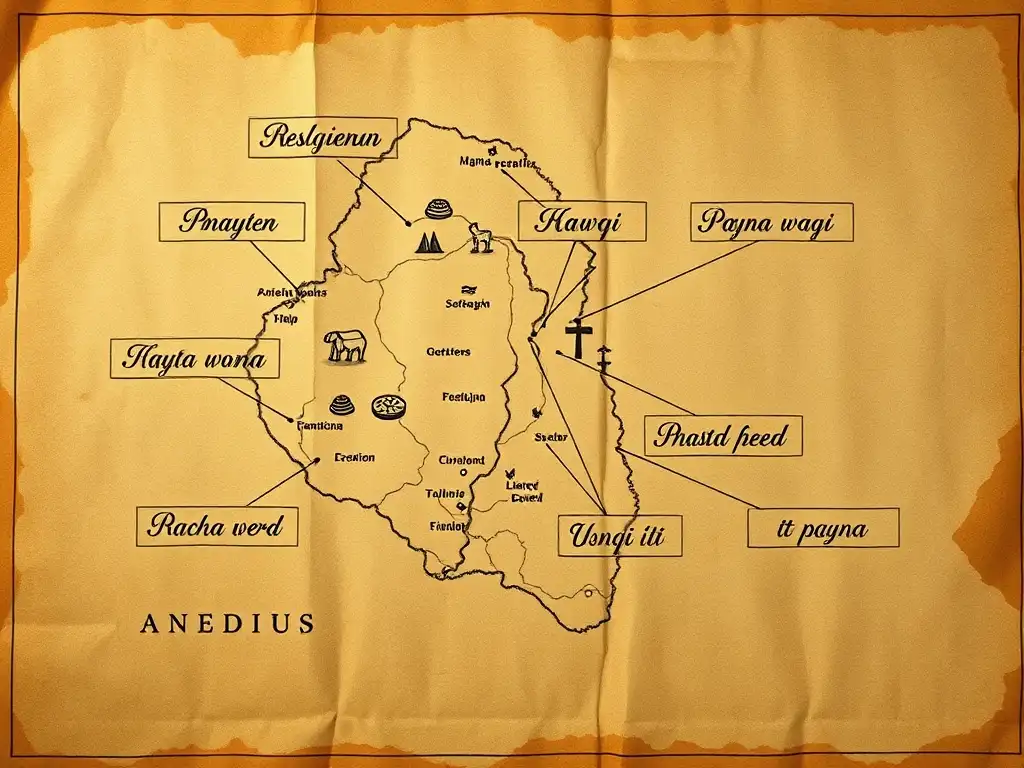
Understanding the complexities of Andean kinship requires acknowledging the significant regional variations in terminology and practice. While overarching themes connect different Andean cultures, the specific words used to denote family relationships and the social structures they reflect varied considerably across time and geography. This section delves into the unique kinship systems of several prominent Andean societies, highlighting the nuances of their terminology and providing insight into the social dynamics they reveal. This exploration will help clarify the meaning of various Andean kinship terms and their cultural significance, improving our understanding of "Andean kinship terms meaning."
Exploring Different Andean Cultures and Their Unique Terms
The Andean region, encompassing a vast geographical area and diverse environments, fostered a multitude of independent cultures, each with its own unique social organization and kinship system. Analyzing these systems reveals fascinating insights into social hierarchies, power structures, and the importance of lineage. The Inca Empire, for example, developed a highly centralized system that differed markedly from the more decentralized systems of cultures like the Nazca or Moche.
These differences are reflected in their respective kinship terminologies, offering a rich tapestry of cultural expression. Understanding these variations is crucial for interpreting archaeological evidence and historical accounts accurately. The diversity in kinship terms highlights the need for careful contextualization when studying Andean societies, preventing generalizations that might obscure important cultural distinctions.
Kinship Terminology in the Inca Empire: Apu (high-ranking male relative), Ñusta (high-ranking female relative)
The Inca kinship system was intricately linked to the empire's hierarchical structure. Terms like Apu, typically referring to a high-ranking male relative, often held significant political and religious implications. Similarly, Ñusta, designating a high-ranking female relative, frequently carried connotations of royal lineage and social prestige. These terms weren't simply familial descriptors; they signified positions within the complex web of power and influence that characterized Inca society.
The use of these titles reflected not only biological relationships but also social standing and access to resources. Further research is needed to fully understand the nuances of Apu and Ñusta usage across different social strata within the Inca Empire. [Specific information pending on regional variations in Apu and Ñusta usage]. The precise application of these terms within the Inca kinship system remains a subject of ongoing scholarly debate.
Kinship Practices in the Moche Society
The Moche civilization, renowned for its elaborate artwork and sophisticated irrigation systems, possessed a distinct kinship system. While specific terminology remains partially elusive due to limited textual sources, archaeological evidence suggests a strong emphasis on lineage and ancestor veneration. Moche iconography frequently depicts family groups, suggesting the importance of kinship in their social organization.
The role of women within Moche society, as depicted in their art, indicates a potential matrilineal or matrilocal aspect to their kinship structure, although more research is needed to confirm this hypothesis. [Data on specific Moche kinship terms pending further archaeological analysis]. Understanding the social dynamics within Moche families requires a multi-faceted approach, combining archaeological findings with anthropological interpretations.
Nazca Family Structures and Their Associated Terms
The Nazca people, celebrated for their intricate geoglyphs, also exhibited a complex kinship system. While detailed information on specific kinship terminology is scarce, analysis of their burial practices and settlement patterns suggests a strong emphasis on extended family units. The Nazca's highly developed agricultural techniques likely necessitated cooperative labor within large kin groups.
[Further research is required to identify specific Nazca kinship terms]. The precise structure of Nazca families—whether predominantly patrilineal, matrilineal, or bilateral—remains a topic of ongoing debate among scholars. The lack of written records presents a significant challenge in reconstructing their kinship system, relying instead on careful interpretation of archaeological data.
Tiahuanaco Kinship System and its Peculiarities
The Tiahuanaco culture, known for its monumental architecture and sophisticated urban planning, presents a fascinating case study in Andean kinship. The large-scale organization of their society suggests a complex system of social hierarchies and kinship ties. However, the specific terminology used to describe family relationships in Tiahuanaco remains largely unknown. [Detailed information on Tiahuanaco kinship terms and structures is currently limited].
Further research is needed to uncover the intricacies of their kinship system and its relationship to their broader social and political organization. The challenges in deciphering their kinship system underscore the need for interdisciplinary collaboration, combining archaeological, anthropological, and linguistic expertise. The potential discovery of new textual or archaeological evidence could significantly enhance our understanding of this intriguing culture.
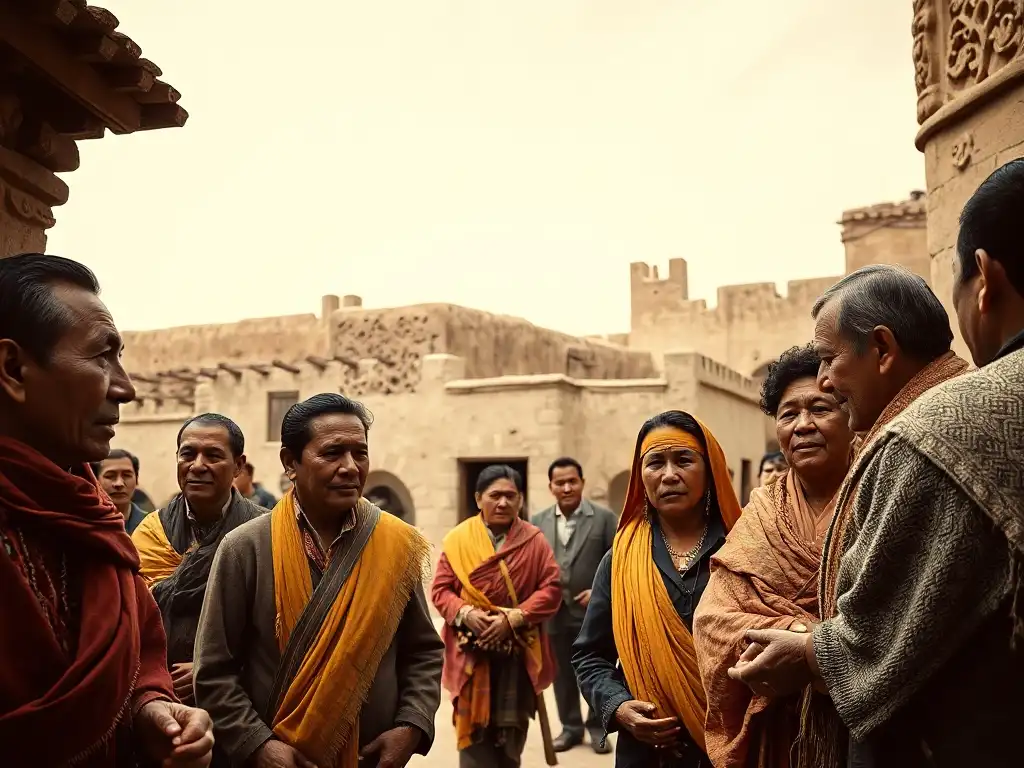
Andean kinship systems, far from being merely descriptive labels for family members, deeply impacted the social fabric of these ancient societies. Understanding the nuances of Andean kinship terms – their meaning and application – is crucial to comprehending the complexities of their social structures, political organization, and daily life. The intricate web of kinship relationships dictated social interactions, economic activities, and even political alliances, shaping the very foundation of Andean civilizations.
This section delves into the profound social and cultural implications woven into the seemingly simple act of addressing a relative. The precise meanings varied across different Andean cultures – Inca, Moche, Nazca, and Tiahuanaco, each possessing unique systems reflecting their specific social organization and environmental adaptations. However, common threads reveal a shared emphasis on reciprocal obligations and the fluidity of kinship ties.
Andean kinship terms went beyond simple biological relationships. They defined roles, responsibilities, and expectations within a community. For example, the term for "brother" (variations existed across cultures) didn't just signify a sibling bond; it encompassed a wide range of obligations, including mutual support, shared resources, and collective defense. Similarly, "sister" implied reciprocal responsibilities, often involving cooperative labor in domestic tasks and agricultural activities.
These reciprocal obligations strengthened community bonds and fostered a sense of shared responsibility. Failure to uphold these obligations could lead to social sanctions, highlighting the profound impact of kinship on daily social interactions. The strength of these bonds also extended beyond immediate family.
Extended family networks, often encompassing clans and lineages, played a crucial role in providing social security and support. This intricate network of kinship ties provided a safety net, ensuring mutual assistance in times of need, be it illness, famine, or conflict. The concept of ayni, reciprocal exchange, was deeply embedded in this system, emphasizing the importance of balanced relationships and shared responsibility.
The system wasn't static; the meaning and application of kinship terms could shift based on context and social standing. For instance, the term used for a "father" might vary depending on the individual's social status and the specific situation. This fluidity highlights the dynamic nature of Andean kinship systems and their adaptability to the ever-changing social landscape.
Detailed ethnographic studies of modern Andean communities, which still retain elements of traditional kinship systems, offer valuable insights into the complexities of these historical systems. This study of Andean kinship terms meaning reveals a sophisticated system that went beyond simple family ties, deeply influencing social dynamics and shaping the character of Andean communities.
The Role of Kinship in Political and Economic Organization
Andean kinship terms were not merely confined to the domestic sphere; they played a significant role in political and economic organization. Political power and influence were often inherited through kinship lines, with lineage and descent playing a crucial role in establishing leadership and authority. Royal lineages, for example, carefully maintained their genealogical records, emphasizing their divine right to rule based on their ancestral connections. This meant that kinship ties were not just personal relationships but also integral to the political structure, influencing access to resources, power, and prestige.
Furthermore, economic activities were frequently organized along kinship lines. Land ownership, resource allocation, and labor distribution were often determined by kinship relationships. Collective labor projects, such as the construction of monumental architecture or irrigation systems, relied heavily on kinship-based cooperation, demonstrating the intertwining of kinship, labor, and economic production.
The concept of mita, a form of mandatory labor service, often involved individuals contributing their labor based on their kinship ties and obligations to the ruling elite. This demonstrates a direct link between kinship structure and the economic organization of the Andean societies. The influence extended to trade networks as well; kinship ties often facilitated trade relationships and the exchange of goods across vast distances.
Understanding the meaning and application of Andean kinship terms provides invaluable insight into the social, political, and economic structures of these ancient civilizations. The intricate web of kinship relationships significantly influenced social interactions, obligations, political power, and economic organization, highlighting the central role of kinship in shaping Andean societies. Further research into specific Andean cultures and their unique kinship terminologies is needed to fully unravel the complexities of these fascinating systems.
Analyzing the Andean Kinship System: A Deeper Dive
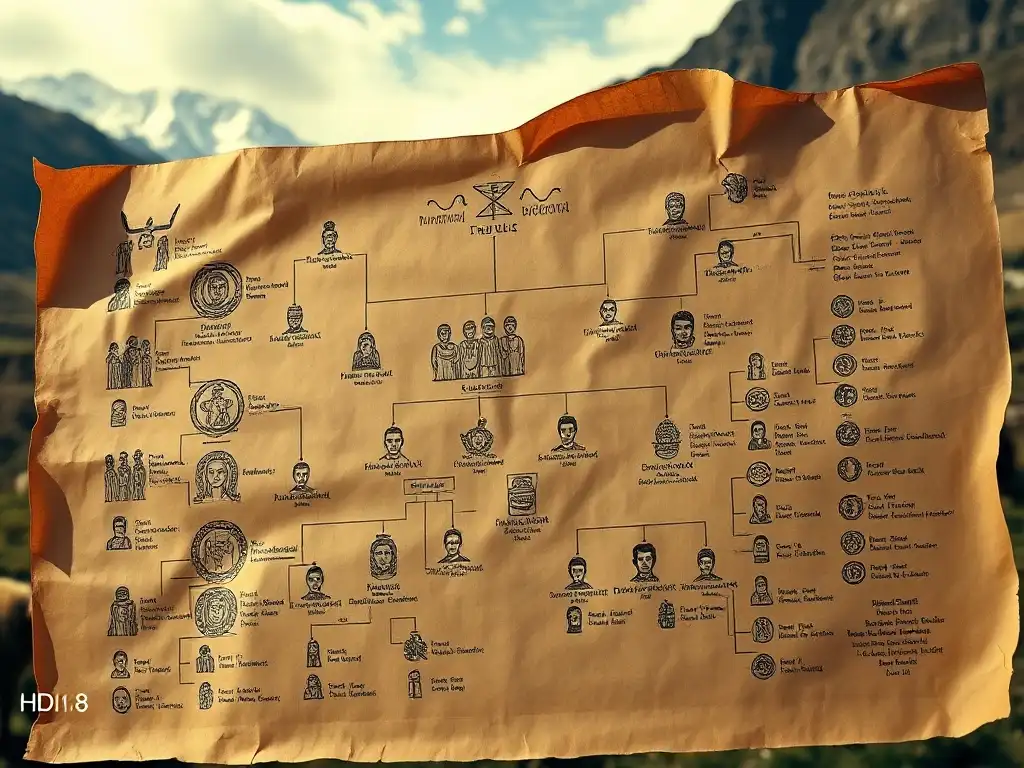
This section delves into the complexities of Andean kinship systems, moving beyond simple definitions to explore the underlying social structures and their implications. Understanding Andean kinship terms requires acknowledging the deeply hierarchical and symbolic nature of these relationships, which significantly shaped social interactions, political organization, and economic practices. The meaning of kinship terms wasn't simply a matter of biological relation; it was a dynamic reflection of power, status, and social obligations within the community. We will explore how these intricate systems influenced various aspects of Andean life.
The Hierarchical Nature of Andean Kinship Relations
Andean kinship wasn't a flat structure. It was profoundly hierarchical, reflecting the stratified nature of Andean societies. Terms of address and reference often indicated not just biological relationship but also relative social standing. For example, the Inca system, while varying regionally, utilized a complex system of titles and honorifics that conveyed a person's position within the imperial hierarchy.
A person's kinship terms could reflect their proximity to the Sapa Inca (emperor) and their place in the elaborate administrative structure. This wasn't simply a matter of politeness; the precise use of kinship terms was crucial for navigating social interactions and avoiding offense. Misusing a kinship term could be interpreted as a challenge to authority or a sign of disrespect.
The use of kinship terms also reinforced the power of the elite. The Sapa Inca's family members held significant power and influence, and their kinship terms were used to maintain and legitimize that power. Commoners would use specific terms to address members of the royal family, reinforcing the social distance and the inherent inequality. This hierarchical structure extended beyond the Inca elite, permeating all levels of Andean society. Even within families, the use of kinship terms reflected age, gender, and relative authority. Younger siblings used different terms to address older siblings, reflecting a respect for seniority and experience.
This hierarchical structure is further evidenced by archaeological findings, such as the arrangement of tombs and the artifacts found within them, which often reflect social status and kinship connections. While specific data on the precise semantic range of every kinship term across all Andean cultures remains a subject of ongoing research, the overarching principle of hierarchy is evident in the available evidence.
The Impact of Andean Kinship on Marriage and Alliance
Andean kinship systems played a crucial role in shaping marriage practices and forging political alliances. Marriage wasn't simply a matter of personal choice; it was a strategic tool for consolidating power, expanding influence, and securing resources. Royal marriages, in particular, were carefully orchestrated to maintain the Inca empire's authority and stability. These unions were often between members of different lineages or even different ethnic groups, forging alliances and strengthening the empire's political fabric.
The exchange of goods and services, often tied to kinship obligations, further solidified these alliances. The ayni system, a form of reciprocal labor exchange, often operated within kinship networks. This system ensured cooperation and mutual support within the community, strengthening social bonds and promoting stability. Marriage alliances, therefore, were not merely about uniting two individuals; they were about uniting families, lineages, and even entire communities, creating complex webs of social and political relationships.
The concept of yanaconas (servants), often tied to kinship through adoption or other forms of incorporation, also highlights the intricate interplay between kinship and social structure. These individuals occupied a specific social position, their status defined by their relationship to their masters and the broader kinship network. Their roles were vital to the functioning of the Andean social system, demonstrating the interconnectedness of kinship, social hierarchy, and economic practices.
Changes in Andean Kinship Systems over Time
Andean kinship systems weren't static; they evolved and adapted over time in response to various social, political, and economic pressures. The arrival of the Spanish conquistadors in the 16th century marked a turning point. The imposition of Spanish colonial rule dramatically altered Andean social structures, including kinship systems. Traditional forms of kinship were disrupted, and new social hierarchies emerged, reflecting the power dynamics of the colonial system. The introduction of Christianity also affected kinship practices, with traditional rituals and beliefs gradually replaced or modified by Christian ones. [Specific data on the rate and extent of these changes pending].
The process of syncretism—the blending of indigenous and Spanish cultural elements—led to the development of new kinship practices and beliefs. Some traditional kinship terms and practices persisted, but they were often adapted and integrated into the new colonial context. The impact of the colonial era on Andean kinship systems is a complex and multifaceted topic, requiring further detailed investigation to fully understand the long-term consequences.
Understanding these changes necessitates a thorough examination of historical records, anthropological studies, and archaeological evidence. The lasting impact of these transformations continues to shape Andean societies today, illustrating the enduring legacy of historical events on kinship structures.
The Enduring Legacy of Andean Kinship Terminology
The Andean region boasts a rich tapestry of indigenous languages, each with its unique system of kinship terminology. Understanding these terms is crucial to grasping the complex social structures and family dynamics that shaped Andean societies for millennia. While the Inca Empire exerted significant influence, standardizing certain aspects of culture across a vast territory, the underlying kinship systems retained considerable diversity, reflecting the pre-existing societal structures of various ethnic groups. This diversity is reflected in the subtle yet significant variations in kinship terms across different Andean communities, even today.
The meanings embedded within these terms extend beyond simple biological relationships; they encapsulate social roles, obligations, and rights within the community. For example, the term ayllu, while often translated simply as "community," encompassed a complex web of kinship ties, land ownership, and reciprocal obligations. Understanding the nuances of ayllu requires delving into the specific kinship terminology used within each individual ayllu, demonstrating the interconnectedness of these concepts.
The enduring legacy of these kinship systems is evident in the continued use (albeit often adapted) of these terms in modern Andean communities, highlighting their deep cultural significance and resilience. Studying Andean kinship terms offers a powerful lens through which to understand the enduring values and social structures of these vibrant cultures. The preservation of these linguistic and cultural traditions is paramount for a complete understanding of Andean history and society.
Modern Adaptations and Continuities of Andean Kinship Practices
Despite centuries of colonization and societal shifts, many Andean kinship practices and associated terminology persist, albeit often adapted to incorporate elements of modern life. While the rigid hierarchical structures of the Inca Empire might have been largely dismantled, the underlying principles of reciprocal obligations and community support, deeply rooted in traditional kinship systems, continue to shape social interactions. For instance, while the formal titles and roles associated with Inca kinship might be less strictly adhered to, the underlying spirit of mutual respect and assistance within extended family networks remains strong.
This is particularly evident in rural communities, where family ties often form the backbone of economic and social support systems. The concept of yanacuna (servants), for example, has evolved over time; while the formal servitude is long gone, the reciprocal relationships between families, particularly in the context of agricultural labor and resource sharing, continue to resonate with the original concepts. The meanings of kinship terms, therefore, are not static; they are dynamic and adapt to the changing social context, yet they retain their core significance in shaping social relations.
This adaptation and continuity highlight the remarkable resilience of Andean cultural traditions and the enduring influence of their kinship systems. Understanding these modern adaptations provides valuable insights into the ongoing evolution of Andean societies and the ways in which traditional values are reinterpreted and integrated into contemporary life.
The Importance of Preserving Andean Kinship Languages
The preservation of Andean kinship languages is crucial not only for linguistic diversity but also for safeguarding a wealth of cultural knowledge embedded within these terms. The loss of these languages represents the erosion of invaluable historical and social data, affecting our understanding of Andean societies, their family structures, and their worldview. Many kinship terms convey intricate social relationships and obligations that are difficult, if not impossible, to fully capture through translation.
The subtle nuances of meaning, often lost in translation, are vital for understanding the intricate social dynamics of Andean communities. Active efforts to document, preserve, and revitalize these languages are therefore essential. These efforts should include not only linguistic documentation but also ethnographic research to understand the broader social and cultural context in which these terms are used.
The development of educational materials and community-based language programs can help ensure the transmission of these languages to future generations, safeguarding a vital aspect of Andean cultural heritage. The preservation of Andean kinship languages is an investment in the preservation of a rich and complex cultural heritage, ensuring that the voices and perspectives of Andean communities continue to be heard and understood. This preservation is vital for a more complete and nuanced understanding of Andean kinship terms meaning and the societies they represent.
Frequently Asked Questions
What is the significance of kinship in Andean cultures?
Andean kinship systems were, and in some cases still are, extremely complex, going beyond simple blood relations. They played a crucial role in social organization, land ownership, and political power. Understanding them is key to understanding Andean societies.
How did Andean kinship differ from European systems?
Unlike many European systems focused on nuclear families, Andean kinship often emphasized extended family networks and a broader understanding of community ties. This included complex systems of fictive kinship and reciprocal obligations.
What are some examples of unique Andean kinship terms?
Many terms don't have direct English equivalents. For example, terms like ayllu referred not just to family but to a broader community with shared ancestry and land. Other terms distinguished between different types of relatives based on complex social roles.
Where can I find more information on Andean kinship terms and their meanings?
Academic journals and anthropological studies offer detailed analyses of Andean kinship. You can also find information in books and online resources focused on Andean ethnology and archaeology. Look for works specifically addressing the Incas, Moche, Nazca, or other relevant cultures.
Why is understanding Andean kinship terms important today?
Understanding these terms helps us appreciate the rich diversity of human social structures. Studying these systems provides insights into social organization, power dynamics, and the ways in which communities were built and maintained in the Andes. It's crucial for respectful engagement with contemporary Andean communities.
Final Reflection: Echoes of the Andes: Kinship, Culture, and Us
The intricate web of Andean kinship terminology, far from being a relic of the past, offers a powerful lens through which to understand contemporary social structures and the enduring strength of cultural identity. Understanding these terms is not merely an academic exercise; it's a key to unlocking a deeper appreciation for the complex social dynamics that shape Andean communities, both historically and in the present day.
The impact of kinship systems on Andean societies is profound, shaping everything from land ownership and inheritance to political alliances and social hierarchies. These systems are not static; they adapt and evolve, reflecting the changing realities of Andean life while retaining core values that have persisted for centuries. The family is not an accident but a social necessity,
a sentiment that resonates deeply within the Andean context, highlighting the enduring importance of kinship ties. The enduring power of these systems challenges us to reconsider our own assumptions about family and community, prompting a critical examination of how we define and experience kinship in our own lives.
Consider the rich tapestry woven by these kinship terms, the stories they tell, the connections they represent. You, the reader, are now equipped with a new understanding of Andean culture, a deeper appreciation for the complexities of human relationships, and a broadened perspective on the enduring power of tradition. Take this knowledge with you, and let it inspire you to explore the kinship systems within your own community, to appreciate the diversity of human connection, and to recognize the enduring legacy of cultural heritage in shaping our present.
Unlock the Secrets of Andean Kinship!
Thank you for exploring the fascinating world of Andean kinship terminology with us! You've gained valuable insights into how these complex relationships shape cultural identity and social structures in Andean societies. To further deepen your understanding and engage with this vibrant culture, consider these suggestions:
- Join a discussion group focused on Andean studies to share your knowledge and learn from others interested in these cultures.
- Explore our resources page for recommended readings and documentaries offering deeper insights into Andean kinship systems.
- Share this article with friends and colleagues to spark conversations about the unique kinship practices within Andean communities.
What aspect of Andean kinship surprised you most, and how do you think it influences modern family structures in the region?