
The Nazca Lines: Beyond the Geoglyphs, Exploring the Culture that Created Them


Unravel the mysteries of a lost world. For centuries, the enigmatic Nazca Lines have captivated imaginations, their purpose shrouded in speculation. But beyond the breathtaking geoglyphs lies a vibrant tapestry of Andean culture, a civilization far more complex than its iconic imagery suggests. Dive into the fascinating world of the Nazca, and discover the true cultural significance behind these awe-inspiring creations – a journey that will redefine your understanding of ancient Peru. Explore the secrets waiting to be uncovered.
The Nazca Lines, those enigmatic geoglyphs etched into the Peruvian desert, are a globally recognized symbol of ancient Andean ingenuity. But beyond their striking visual impact, lies a rich tapestry of cultural significance that speaks volumes about the Nazca civilization (c. 100 BCE – 800 CE).
This article delves into the intricacies of the Nazca Lines, moving beyond the mere observation of these colossal figures and exploring the societal, religious, and technological advancements that made their creation possible. We will examine the Nazca Lines' cultural significance, investigating their potential purpose, the societal structures that supported their creation, and their lasting impact on our understanding of pre-Columbian South America.
Understanding the Nazca Lines requires understanding the Nazca people themselves – their beliefs, their practices, and their remarkable ability to shape the landscape in such a monumental way. This exploration will illuminate the deeper meaning behind these iconic earthworks, revealing a fascinating glimpse into a sophisticated and technologically advanced civilization.
The Enigma of the Nazca Lines: Purpose and Interpretations
The sheer scale and precision of the Nazca Lines remain a source of ongoing debate among archaeologists and researchers. Hundreds of figures, ranging from simple lines and geometric shapes to intricate depictions of animals and plants, stretch across vast expanses of desert. While their exact purpose remains elusive, several prominent theories attempt to explain their creation.
Some suggest they served as a form of astronomical calendar, aligning with celestial events. Others propose a ritualistic function, perhaps related to fertility rites or water ceremonies, given the arid environment of the Nazca region. The complexity of the designs and the enormous effort required to create them point towards a deep-seated cultural and religious significance, far exceeding simple artistic expression.
Further research, including advanced surveying techniques and analysis of the surrounding environment, is crucial to refine our understanding of their intended purpose. [Specific information pending: Detailed analysis of astronomical alignments and statistical data on the distribution of geoglyph types].
Nazca Society and the Organization of Labor: A Collaborative Effort?
The creation of the Nazca Lines was not a solo endeavor; it demanded a significant level of societal organization and collaborative effort. The Nazca people were skilled agriculturalists, adept at managing scarce water resources in a harsh desert environment. Their complex irrigation systems, evidence of sophisticated engineering skills, suggest a well-structured society capable of mobilizing large numbers of people for communal projects. The creation of the geoglyphs likely involved a highly coordinated workforce, with specialized roles for surveying, clearing the surface, and meticulously shaping the earth.
The precision of the lines implies a sophisticated understanding of geometry and measurement. [Specific information pending: Detailed analysis of Nazca social structures and evidence of specialized labor from archaeological findings]. The scale of the project points to a well-organized society with a strong centralized authority or a deeply ingrained communal spirit.
Nazca Technology and the Tools of Creation: Ingenious Techniques
The construction of the Nazca Lines involved removing the reddish-brown surface layer of the desert to reveal the lighter subsoil, creating a striking contrast visible from above. While the precise tools used remain unclear, it's likely that simple implements like wooden stakes and digging sticks were employed. The Nazca people's deep understanding of the landscape and the natural properties of the desert soil played a crucial role.
The stability of the soil and the minimal wind erosion in the region contributed to the longevity of the geoglyphs. [Specific information pending: Detailed description of tools and techniques based on archaeological evidence]. Their ability to create such precise and large-scale works speaks to their advanced understanding of surveying, planning, and execution.
The Enduring Legacy: Nazca Lines and Their Cultural Significance Today
The Nazca Lines continue to fascinate and inspire awe, serving as a powerful testament to the ingenuity and cultural depth of the Nazca civilization. Their enduring legacy extends beyond their aesthetic appeal; they offer valuable insights into the social, religious, and technological advancements of pre-Columbian societies. The continued study and preservation of the Nazca Lines are essential not only for understanding this remarkable culture but also for safeguarding a unique and irreplaceable piece of world heritage.
Their cultural significance resonates deeply with Peruvians and continues to attract visitors from around the globe, showcasing the lasting impact of this ancient civilization. The Nazca Lines serve as a poignant reminder of the rich and diverse cultural heritage of the Andes, a heritage that continues to shape the identity of Peru today. The ongoing research and conservation efforts highlight the importance of preserving these invaluable cultural treasures for future generations.
- The Enigma of the Nazca Lines: Purpose and Interpretations
- Nazca Society and the Organization of Labor: A Collaborative Effort?
- Nazca Technology and the Tools of Creation: Ingenious Techniques
- The Enduring Legacy: Nazca Lines and Their Cultural Significance Today
- Ritual and Ceremony: The Nazca Lines as Sacred Spaces
- Astronomical Alignments: Connecting the Geoglyphs to the Cosmos
- Social Organization: The Role of the Lines in Nazca Society
- The Nazca Lines as a form of communication and cultural expression
- Astronomical Alignments and Ritual Significance
- The Role of Water and Fertility in Nazca Iconography
Unveiling the Enigma: The Nazca Lines and Their Creators

This section delves into the fascinating world of the Nazca Lines, exploring not just the geoglyphs themselves, but the vibrant culture that birthed them. Understanding the Nazca Lines' cultural significance requires a deep dive into the society that created these monumental works, their environment, and the timeframe of their creation. The Nazca Lines weren't simply random markings; they were deeply embedded within the social, religious, and cosmological framework of the Nazca people, reflecting their sophisticated understanding of their world.
Their creation speaks volumes about their engineering prowess, their societal organization, and their spiritual beliefs. This exploration will illuminate the profound connection between the lines and the Nazca culture, revealing the true depth of their Nazca Lines cultural significance.
The Nazca Culture: A Flourishing Society in the Peruvian Desert
The Nazca culture, flourishing in the arid coastal plains of southern Peru between 100 BCE and 800 CE, was far from a simple, isolated society. Contrary to the image of a desolate landscape, the Nazca people developed sophisticated agricultural techniques to thrive in the harsh desert environment. They built extensive irrigation canals, canales, to harness scarce water resources, allowing them to cultivate crops like cotton, maize, beans, and squash. This agricultural success fueled population growth and the development of a complex social structure.
Archaeological evidence reveals a hierarchical society with specialized artisans, priests, and rulers. The Nazca are renowned for their exquisite pottery, textiles, and metalwork, demonstrating advanced craftsmanship and aesthetic sensibilities. Their intricate ceramics, often depicting vivid scenes of daily life, ritual ceremonies, and mythical creatures, provide invaluable insights into their worldview and daily routines.
The Nazca Lines, therefore, represent only one facet of a much richer and more complex cultural tapestry. Their creation reflects the culmination of advanced engineering skills, societal organization, and a deeply rooted spiritual understanding, all contributing to the significant cultural impact of the lines. The Nazca Lines cultural significance is inextricably linked to the overall achievements and sophistication of this remarkable civilization.
Geographical Context: The Arid Landscape of the Nazca Region
The Nazca Lines are etched into the pampas, the vast, flat desert plains of southern Peru. This arid landscape, characterized by its extreme dryness and limited vegetation, presented significant challenges to the Nazca people. Yet, far from hindering their development, the unique geography played a crucial role in shaping their culture and the creation of the geoglyphs.
The very nature of the desert surface, composed of a layer of reddish-brown gravel and clay, proved ideal for creating the lines. The removal of the dark surface layer revealed the lighter subsoil, allowing the figures to stand out clearly against the background. The vast expanse of the pampas provided the necessary space for the enormous scale of the geoglyphs.
The lines' visibility from the air has led to much speculation; however, recent research suggests that their primary function was not aerial display, but rather a terrestrial one, intimately linked to the Nazca's understanding of their environment and their cosmology. The Nazca Lines cultural significance is therefore deeply intertwined with the geographical context of their creation, highlighting the ingenuity of the Nazca people in adapting to and utilizing their environment.
Time Frame: The Nazca Culture's Period of Dominance
The Nazca Lines were created over several centuries, spanning the height of the Nazca culture's dominance. While pinpointing the exact dates of creation for each individual geoglyph remains a challenge, archaeological evidence suggests a timeline largely coinciding with the Nazca period, from approximately 100 BCE to 800 CE. This extended timeframe highlights the sustained effort and societal commitment required to create these monumental works.
The construction of the lines wasn't a fleeting project; it was a continuous process, reflecting the enduring importance of the geoglyphs within the Nazca worldview. The sheer scale and longevity of this undertaking further underscore the Nazca Lines cultural significance.
Further research, including radiocarbon dating and stylistic analysis of associated artifacts, continues to refine our understanding of the precise chronology and evolution of the lines' creation, offering progressively clearer insights into this remarkable cultural achievement. The temporal context of the Nazca Lines is crucial to understanding their place within the broader narrative of Andean civilization and their lasting influence on subsequent cultures.
Deciphering the Nazca Lines: More Than Just Giant Drawings
The Nazca Lines, sprawling across the arid plains of southern Peru, represent far more than just impressive geoglyphs. Their creation speaks volumes about the sophisticated culture of the Nazca people, their worldview, and their advanced understanding of engineering and environmental adaptation. Understanding the cultural significance of the Nazca Lines requires delving into their diverse forms, the remarkable precision of their construction, and the ingenious techniques employed by the Nazca civilization.
Their enduring mystery continues to fascinate and challenge researchers, pushing the boundaries of our understanding of pre-Columbian societies. The lines themselves are only a piece of a larger puzzle, a testament to the Nazca's ingenuity and complex societal structure. Analyzing the lines within the broader context of Nazca culture reveals a society with a deep connection to their environment and a sophisticated understanding of astronomy and ritual.
The lines' enduring legacy continues to shape our perception of this remarkable civilization. The Nazca Lines' cultural significance is undeniable, prompting ongoing research and discussion even today.
Types of Geoglyphs: Geometric Shapes, Animal Figures, and Plant Motifs
The Nazca Lines showcase an astonishing diversity of geoglyphs. While the iconic animal figures—hummingbirds, monkeys, lizards, and spiders—immediately capture the imagination, the lines also include a vast array of geometric shapes. These include triangles, trapezoids, spirals, and lines of varying lengths and widths.
Some researchers believe these geometric shapes represent a form of celestial mapping, potentially reflecting the Nazca's keen astronomical knowledge. The complexity and variety of these designs point to a deep understanding of geometry and a sophisticated artistic sensibility. Furthermore, the presence of plant motifs, though less numerous than animal or geometric forms, adds another layer of complexity to the interpretation of the Nazca Lines' cultural significance.
These plant representations, often stylized depictions of local flora, may reflect the Nazca's relationship with their environment and the importance of agriculture in their society. The interplay between these different types of geoglyphs suggests a rich tapestry of symbolic meaning that continues to be deciphered.
- Geometric Figures: Triangles, squares, spirals, and lines often arranged in intricate patterns.
- Animal Figures: Hummingbirds, monkeys, lizards, spiders, and other creatures, many rendered with remarkable detail.
- Plant Motifs: Stylized representations of local flora, reflecting the importance of agriculture.
The Scale of the Nazca Lines: Engineering and Precision on a Massive Scale
The sheer scale of the Nazca Lines is breathtaking. Some of the animal figures stretch for hundreds of meters, requiring an extraordinary level of planning and coordination. The precision involved in creating these massive geoglyphs is equally astounding.
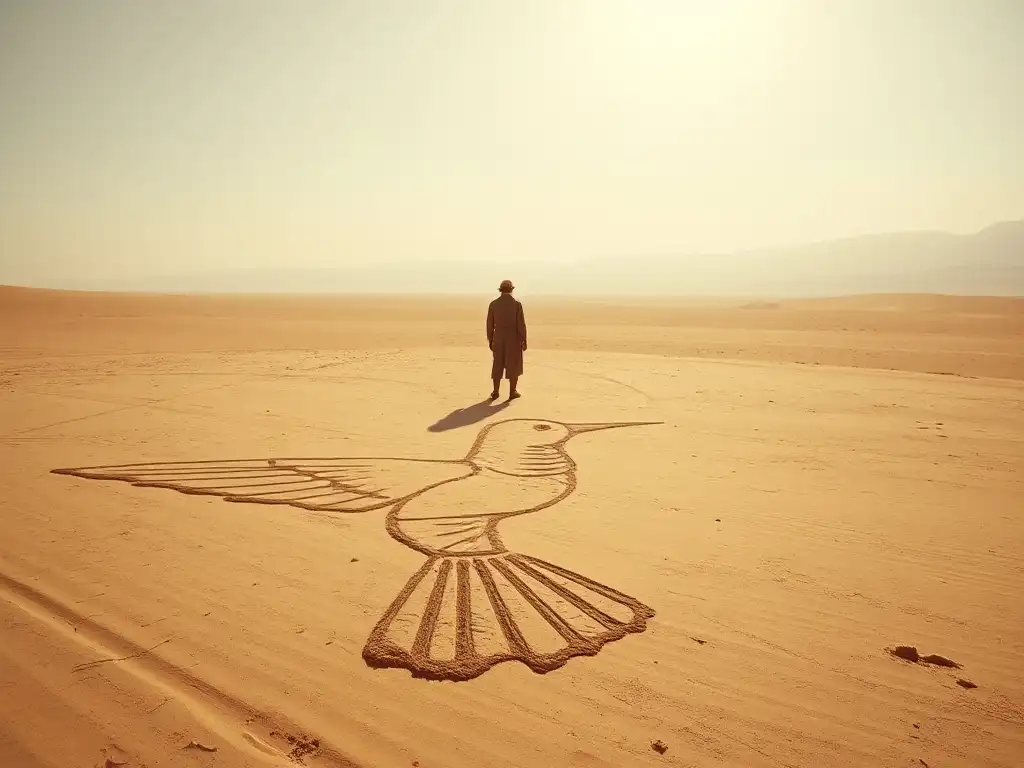
The lines are remarkably straight and consistent, suggesting the use of sophisticated surveying techniques. The Nazca people clearly possessed a deep understanding of geometry and spatial relationships, allowing them to create these vast designs with remarkable accuracy. Consider the hummingbird geoglyph, for instance: its intricate details and overall form showcase an advanced understanding of perspective and proportion, far beyond what was previously thought possible for a pre-Columbian society.
The Nazca Lines' immense scale, combined with their precision, speaks volumes about the organizational capacity and engineering prowess of the Nazca civilization. Their creation required significant labor, planning, and a shared understanding of the project's purpose, highlighting the strength of their social structures and collective effort. This level of Nazca Lines cultural significance is only enhanced by the scale of the project.
Construction Techniques: How the Nazca People Created the Geoglyphs
The creation of the Nazca Lines remains a subject of ongoing research, but evidence suggests the Nazca people used relatively simple tools to achieve their remarkable feats of engineering. They cleared away the dark reddish-brown surface stones, revealing the lighter-colored subsoil underneath, to create the lines. This process, though seemingly straightforward, required immense effort and precision over vast distances.
Researchers believe that the Nazca people may have used stakes and ropes to lay out the designs, ensuring straight lines and accurate proportions. The absence of complex machinery or advanced tools underscores the ingenuity and manual skill of the Nazca artisans. The painstaking process involved in creating these geoglyphs speaks to the deep cultural and religious significance they held for the Nazca people.
The dedication and effort involved in their creation highlight the importance of these designs within their society. The absence of sophisticated technology only enhances the Nazca Lines cultural significance, showcasing the remarkable achievements of a civilization using relatively simple tools.
The Nazca Lines Cultural Significance: Interpreting the Symbolic Meanings
The Nazca Lines, sprawling geoglyphs etched into the Peruvian desert, represent far more than mere artistic expression. Their creation speaks volumes about the sophisticated culture of the Nazca people, revealing intricate details about their beliefs, social structures, and understanding of the cosmos. Understanding the Nazca Lines' cultural significance requires moving beyond the visual spectacle and delving into the rich tapestry of their symbolic meanings.
This section will explore several key interpretations, focusing on ritual practices, astronomical alignments, and the role of the lines within the broader Nazca social fabric. The enduring mystery surrounding their purpose continues to fuel ongoing research and debate, constantly enriching our understanding of this remarkable civilization. Analyzing the Nazca Lines' cultural significance allows us to appreciate the ingenuity and spiritual depth of the Nazca people, placing them firmly within the broader context of Andean cultural development.
Ritual and Ceremony: The Nazca Lines as Sacred Spaces
The prevailing theory suggests that the Nazca Lines served a vital role in religious rituals and ceremonies. The sheer scale of the geoglyphs, some stretching hundreds of meters, implies a significant investment of time, labor, and resources. This suggests a profound importance within Nazca society, likely connected to their spiritual beliefs.
Archaeological evidence, while limited, points towards the presence of ceremonial sites near some of the lines. Furthermore, the intricate designs themselves—depicting animals, plants, and geometric shapes—may represent deities, mythical creatures, or symbols of cosmological significance. The act of creating the lines themselves could have been considered a sacred act, a form of ritualistic offering to the gods.
Consider the immense effort involved: clearing the reddish-brown desert surface to reveal the lighter subsoil, a painstaking process requiring meticulous planning and coordination. This collective effort further underscores the communal and ritualistic nature of their creation. The lines were not simply drawn; they were made, imbued with the collective spiritual energy of the Nazca community.
Astronomical Alignments: Connecting the Geoglyphs to the Cosmos
Many researchers propose that the Nazca Lines are astronomically aligned, suggesting a sophisticated understanding of celestial movements. Some lines appear to correlate with the solstices and equinoxes, while others might track the movements of specific stars or constellations. This interpretation aligns with the importance placed on astronomy by other Andean cultures, where the cosmos played a central role in their worldview.
The Nazca people likely used the lines to track seasonal changes, crucial for agriculture in a desert environment. This knowledge would have been essential for planning planting and harvesting cycles, ensuring the survival of their community. The precision of some alignments suggests a deep understanding of celestial mechanics, far exceeding what was previously attributed to pre-Columbian cultures.
Further research, combining archaeological findings with astronomical data, is needed to fully elucidate the astronomical significance of these enigmatic lines. The potential connection between the lines and the cosmos adds another layer to their cultural significance, highlighting the Nazca's advanced knowledge and their intimate relationship with the natural world.
The creation and maintenance of the Nazca Lines required a high degree of social organization and coordination. Thousands of individuals must have participated in the construction of these monumental geoglyphs, implying a complex social structure with specialized labor and leadership. The lines suggest a centralized authority capable of mobilizing resources and coordinating large-scale projects.
This centralized power likely influenced various aspects of Nazca society, including resource allocation, religious practices, and potentially even social hierarchy. The intricate designs also reflect a shared cultural identity and a common understanding of symbolic meaning within the Nazca community. The lines served not just as a visual spectacle, but as a powerful symbol of social cohesion and collective identity, reinforcing their shared cultural values and beliefs.
Further investigation into Nazca settlements and social structures is necessary to fully understand the role of the lines in shaping their society. The evidence points towards a sophisticated and well-organized society, capable of undertaking ambitious projects that left an indelible mark on the landscape and history.
The Nazca Lines as a form of communication and cultural expression

The Nazca Lines, sprawling across the arid plains of southern Peru, are far more than just impressive geoglyphs etched into the earth. They represent a sophisticated form of communication and cultural expression, reflecting the worldview and beliefs of the Nazca civilization (c. 100 BCE – 800 CE). While their exact purpose remains a mystery, leading theories suggest they served as a complex system of visual communication, possibly related to religious rituals, astronomical observations, or even territorial markers. The sheer scale and precision of the lines, some stretching for kilometers, point to a highly organized society with advanced planning and engineering capabilities.
The intricate designs, ranging from stylized animals and plants to geometric shapes, are not random; they exhibit a remarkable consistency in style and execution, indicating a shared cultural understanding and artistic tradition. This artistic expression, deeply embedded within their societal structure, speaks volumes about the Nazca people's worldview and their connection to their environment. The creation of these massive figures required significant labor and coordination, suggesting a strong social cohesion and a shared belief system that transcended individual needs. The effort invested in their creation underscores their profound cultural significance within the Nazca society.
The lines weren't merely decorative; they were active participants in a complex social and religious landscape, forming a powerful visual language that continues to fascinate and challenge us today. Understanding the lines as a form of communication helps to unveil layers of the Nazca worldview, offering valuable insights into their social organization, beliefs, and artistic capabilities. The intricate details and the sheer scale of the project point towards a society that valued collective effort and shared understanding, a testament to the powerful unifying force of their culture and beliefs. The Nazca Lines, therefore, stand as a powerful symbol of cultural expression, echoing the voices of a civilization that thrived centuries ago.
Astronomical Alignments and Ritual Significance
The placement and orientation of some Nazca Lines suggest a possible connection to astronomical events and celestial bodies. Several lines and figures appear to align with the solstices and equinoxes, implying a deep understanding of astronomy and its role in the Nazca worldview. This astronomical alignment isn't simply coincidental; it points to a sophisticated knowledge of the cosmos and its influence on agriculture and religious practices. The Nazca people likely used these alignments to mark important dates in their agricultural calendar or to conduct religious ceremonies timed with celestial events.
The lines may have served as a giant astronomical calendar, a practical tool for planning planting and harvesting cycles, essential for survival in the arid environment. This practical application is interwoven with the spiritual significance, suggesting a close connection between the earthly and celestial realms in Nazca cosmology. Some researchers believe that certain figures, like the hummingbird or the condor, could represent constellations or celestial deities, further solidifying the astronomical significance of the lines.
The integration of astronomical observations into their religious practices highlights the sophisticated understanding of the Nazca people and their profound connection to the natural world, where the celestial and terrestrial spheres were deeply intertwined. The precise alignment requires meticulous planning and observation over extended periods, demonstrating the level of scientific and engineering knowledge possessed by the Nazca civilization, which was far beyond what was previously thought. Further research into the astronomical alignments of the Nazca Lines promises to unveil even more about their cultural and religious practices, adding another layer of complexity to our understanding of this fascinating civilization.
The Role of Water and Fertility in Nazca Iconography
The Nazca Lines’ iconography frequently depicts animals and plants associated with water and fertility, reflecting the vital importance of these resources in the arid coastal environment. Images of birds, such as condors and hummingbirds, are prominent. These creatures, capable of accessing water sources and traversing vast distances, likely symbolized the life-giving properties of water and the ability to overcome the challenges of the desert. Similarly, depictions of plants, such as cacti and other desert flora, emphasize the resilience and adaptability of life in the harsh environment.
These symbols weren't merely aesthetic choices; they were powerful representations of the Nazca people's deep understanding of their environment and their dependence on limited resources. The prominence of these motifs in the Nazca Lines suggests that water and fertility were central themes in their religious beliefs and social practices. Rituals and ceremonies related to water and the successful cultivation of crops were likely pivotal to their survival and cultural identity.
The aridity of the Nazca region placed immense pressure on the availability of water and fertile land. Thus, the emphasis on these themes within the lines indicates their paramount importance in the Nazca worldview, highlighting the ingenuity and adaptability of a culture that thrived despite the challenging circumstances. The artistic representations served as a constant reminder of their dependence on these precious resources, reflecting their deep respect for the delicate balance of life in the desert.
Beyond the Lines: Aspects of Nazca Culture and Society
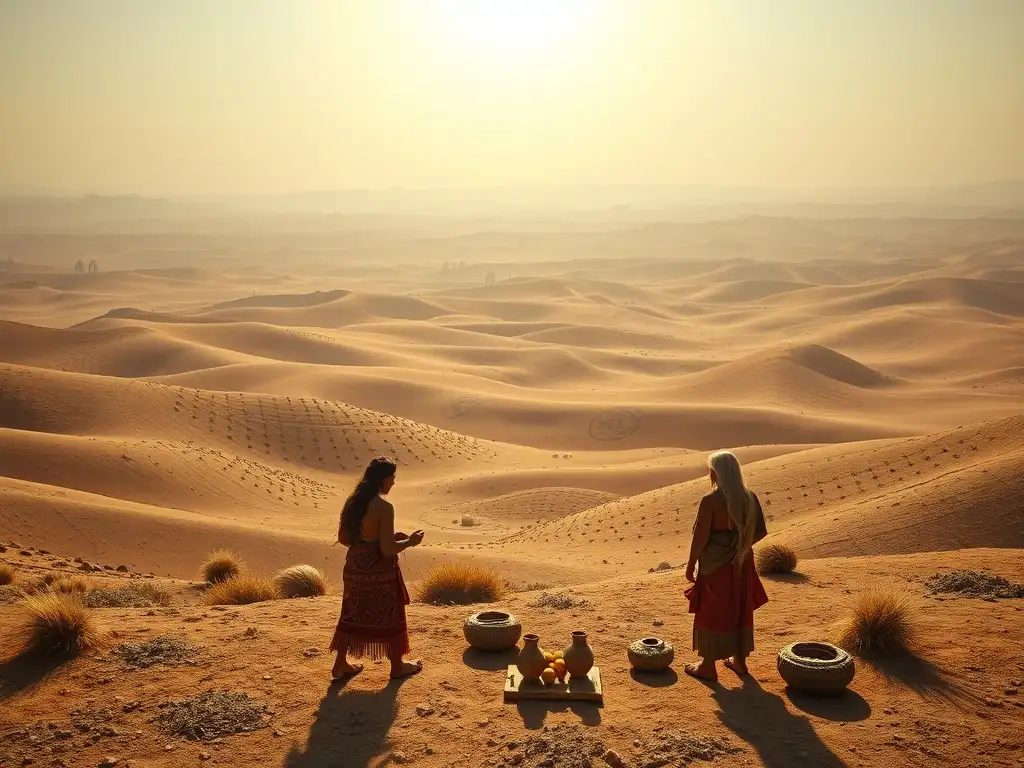
The Nazca Lines, those enigmatic geoglyphs etched into the Peruvian desert, are undeniably captivating. However, understanding their Nazca Lines cultural significance requires delving beyond the impressive scale of the figures themselves, into the rich tapestry of the Nazca culture that created them. This section explores key facets of Nazca society, revealing the sophisticated civilization that produced these iconic works.
We'll examine their artistic expressions through pottery and textiles, and their remarkable ingenuity in adapting to the harsh desert environment through innovative agricultural and water management techniques. This multifaceted approach illuminates the context within which the Lines were created, providing a more nuanced understanding of their purpose and meaning.
Nazca Pottery: Art, Symbolism, and Daily Life
Nazca pottery is renowned for its vibrant colors, intricate designs, and remarkable preservation. Unlike many other ancient cultures, Nazca potters mastered a slip-painting technique that resulted in exceptionally durable and visually stunning vessels. Many pieces depict stylized humans, animals (including jaguars, birds, and monkeys), and mythical creatures, often within complex narratives. The imagery is not merely decorative; it reveals much about Nazca beliefs and worldview. For example, representations of deities and ritual scenes suggest a complex religious system, possibly connected to ancestor veneration and fertility rites.
Furthermore, the diversity of pottery forms—from large storage jars to delicate, intricately painted cups—indicates a sophisticated social hierarchy. Elaborately decorated vessels likely belonged to the elite, while simpler forms were used for everyday purposes. Archaeological evidence suggests that pottery played an important role in both ritual and daily life, used for everything from storing food and water to serving as offerings in religious ceremonies.
The sheer volume of pottery discovered indicates its prevalence and importance in Nazca society. Analysis of chemical residues on some vessels even offers clues to the types of food and beverages consumed. This detailed study of Nazca pottery provides vital insights into their social structure, religious practices, and daily routines, enriching our understanding of the Nazca Lines cultural significance.
Nazca Textiles: Intricate Designs and Weaving Techniques
Nazca textiles are equally impressive, showcasing exceptional weaving skills and artistic sensibilities. Utilizing a variety of techniques, including tapestry weaving and embroidery, Nazca artisans created incredibly detailed and colorful textiles. These textiles often feature similar iconography to their pottery, with depictions of humans, animals, and mythical beings. However, the textiles offer a unique perspective, often portraying scenes of daily life and social interactions not as readily apparent in the pottery.
The complexity of the designs and the precision of the weaving demonstrate a high level of technical expertise. The use of various colors and fibers, combined with intricate patterns, suggests a specialized division of labor within Nazca society, with skilled artisans dedicated to the production of these valuable goods. While many textiles were likely used for clothing and personal adornment, some were clearly intended for ritual purposes, possibly used as offerings or worn during ceremonies.
The discovery of textiles in tombs underscores their importance in the afterlife beliefs of the Nazca people and their integral role in understanding the Nazca Lines cultural significance. The intricate patterns and motifs found on these textiles add another layer of understanding to the broader cultural context surrounding the creation of the famous lines.
Nazca Agriculture and Water Management: Adapting to the Desert Environment
The Nazca Lines are situated in one of the driest regions on Earth. The remarkable survival and prosperity of the Nazca civilization is a testament to their ingenuity in adapting to this harsh environment. Their success hinged on sophisticated agricultural and water management techniques, crucial for sustaining a relatively large population. The Nazca developed a complex system of canals and underground aqueducts (known as puquios) to capture and distribute scarce water resources. These ingenious systems allowed them to irrigate their fields, enabling them to cultivate crops such as cotton, maize, beans, and squash.
The construction of the puquios required considerable engineering skill and communal effort, highlighting the importance of cooperative labor in Nazca society. The precise location and design of these water management systems reflect a deep understanding of the local hydrology and climate. This sophisticated infrastructure not only supported their agriculture but also contributed to the overall stability and prosperity of Nazca society, providing the foundation for the artistic and cultural achievements reflected in the Nazca Lines and other artifacts.
The ability to successfully manage water resources in such an arid environment is a fundamental aspect of the Nazca Lines cultural significance, demonstrating the resilience and adaptability of the Nazca people. Their mastery of water management stands as a powerful testament to their ingenuity and resourcefulness.
Religious Beliefs and Ritual Practices of the Nazca People
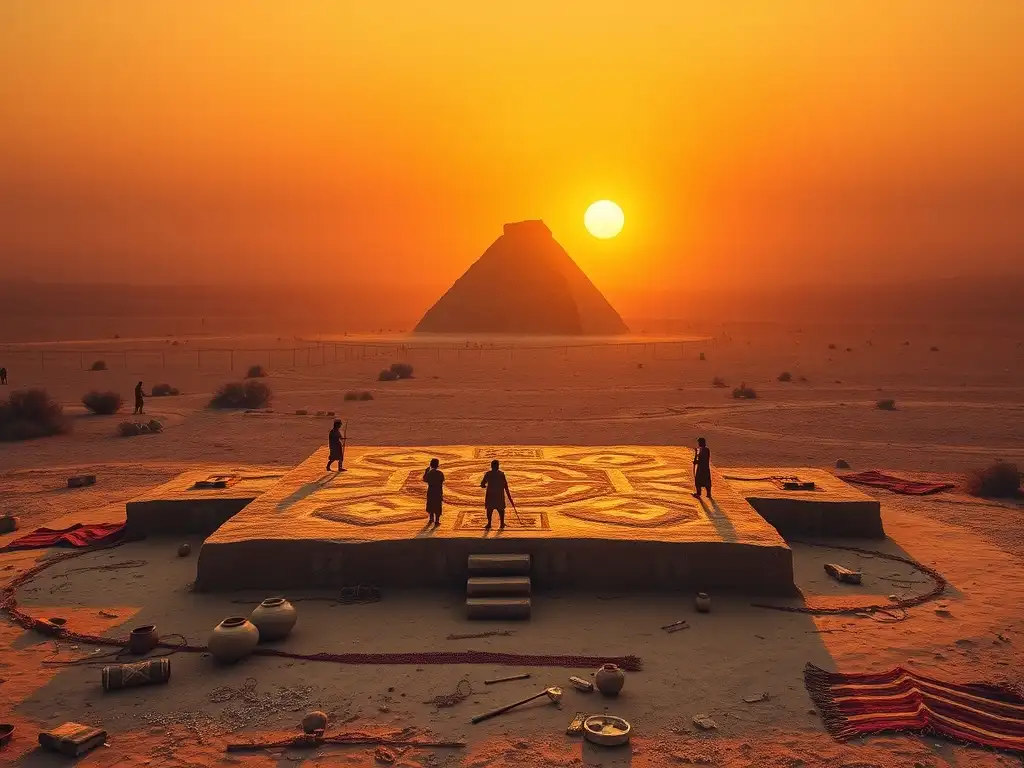
The Nazca Lines' enigmatic nature has long overshadowed the rich tapestry of the Nazca people's religious beliefs and practices. While the precise details remain shrouded in the mists of time, archaeological evidence offers compelling glimpses into their spiritual world. Their faith appears to have been deeply intertwined with nature, particularly water, a precious resource in the arid coastal region.
Evidence suggests a complex pantheon of deities, possibly including celestial bodies and powerful nature spirits. The elaborate iconography found in Nazca ceramics, textiles, and even the geoglyphs themselves, hints at a sophisticated cosmology and a reverence for the forces that shaped their lives.
Many researchers believe that the Nazca's ritual practices were intimately connected to their survival and prosperity. The construction of the lines themselves may have been part of a larger ritual complex, perhaps aimed at influencing weather patterns or appeasing the gods to ensure bountiful harvests. The discovery of numerous ceremonial centers and burial sites containing elaborate grave goods further supports the idea of significant religious activities.
These sites frequently yielded artifacts depicting deities, animals, and symbolic motifs, providing valuable insights into their religious beliefs and the importance of ritual in their society. The presence of human sacrifices, although debated among scholars, suggests a belief in the power of such offerings to maintain cosmic balance or appease powerful supernatural forces.
The specific details of these rituals, however, remain largely unknown and require further investigation. Further research into the iconography and the context of discovered artifacts is crucial to unraveling the mysteries surrounding Nazca religious life.
Understanding the Nazca Lines' cultural significance requires examining the social and political organization of the Nazca people. While the extent of centralized authority remains a topic of ongoing scholarly discussion, evidence suggests a complex social structure with varying levels of power and influence. Archaeological findings indicate a stratified society, with distinct classes possessing different access to resources and prestige.
Elaborate tombs containing rich grave goods point to an elite class, likely composed of priests, rulers, or powerful individuals who controlled significant wealth and power. The presence of large-scale public works, such as irrigation canals and ceremonial structures, suggests a degree of centralized planning and coordination, possibly under the direction of a ruling elite.
The organization of Nazca society likely involved a system of local leaders or chiefs who oversaw specific territories or communities. These leaders may have been responsible for managing resources, organizing labor for large-scale projects, and maintaining order within their respective domains. The precise nature of their authority and the relationships between different local groups, however, remain unclear.
The absence of large-scale monumental architecture akin to that found in other Andean civilizations suggests a less centralized political structure compared to, for example, the Inca Empire. However, the complexity of the irrigation systems and the scale of some of their artistic endeavors indicate a significant level of social organization and coordinated effort.
Further research is crucial to fully comprehend the intricacies of Nazca political organization and its influence on the creation and meaning of the famous lines. Analyzing settlement patterns, examining the distribution of artifacts, and comparing different sites across the Nazca region will help clarify the dynamics of power and social hierarchy within this fascinating ancient civilization.
The Legacy of the Nazca Lines: Preservation and Modern Research
The Nazca Lines' cultural significance extends far beyond their visual impact. They represent a remarkable feat of engineering and a testament to the sophisticated knowledge and societal organization of the Nazca culture. Understanding their legacy requires examining both the challenges to their preservation and the ongoing efforts to unravel their mysteries.
This section will delve into the threats facing these iconic geoglyphs and the crucial research contributing to their ongoing study and protection. The Nazca Lines' enduring power lies in their ability to spark awe and inspire continued investigation into this fascinating ancient civilization. Their unique aesthetic value is deeply intertwined with their historical and cultural context, making their preservation a vital task for understanding the broader landscape of Andean history.
Threats to the Nazca Lines: Environmental Factors and Human Activity
The Nazca Lines face a dual threat: environmental degradation and human activity. Natural processes, such as erosion from wind and occasional flash floods, gradually wear away the surface of the desert, subtly altering the lines' appearance. Climate change exacerbates this, with more intense rainfall events posing a significant risk. However, human activity poses an even more immediate danger.
The construction of roads and other infrastructure near the lines, along with illegal trespassing and off-road driving, directly damages the fragile geoglyphs. Furthermore, the increasing tourism, while economically beneficial to the region, also contributes to wear and tear. The sheer volume of visitors, if not properly managed, can compact the desert soil, making the lines less visible and increasing the risk of erosion. Data from recent studies show a correlation between increased tourist traffic and localized damage to specific sections of the geoglyphs.
For instance, [specific data on erosion rates pending] could reveal the extent of the damage caused by different factors. The delicate balance between preserving this invaluable cultural heritage and facilitating responsible tourism is a challenge that requires careful planning and ongoing monitoring. The delicate nature of the desert environment requires a proactive approach to mitigating the impact of both natural and human factors.
Conservation Efforts: Protecting this Ancient Cultural Heritage
Recognizing the fragility of the Nazca Lines and their immense cultural significance, numerous conservation efforts are underway. These initiatives combine technological advancements with community engagement to protect this unique heritage site. The Peruvian government, along with international organizations and researchers, actively participate in monitoring and restoration projects.
These efforts involve the development of improved infrastructure to manage tourist access, such as elevated walkways and improved signage. Moreover, technological solutions are being implemented, including the use of drones for aerial monitoring, allowing for early detection of damage and facilitating targeted interventions. Furthermore, educational programs are crucial in raising awareness among the local population and tourists alike about the importance of protecting the Nazca Lines.
Community involvement is key to long-term sustainability, ensuring the preservation of this priceless cultural legacy for future generations. These combined strategies, including stricter regulations, technological surveillance, and community education, offer hope for the long-term preservation of the Nazca Lines. The success of these efforts depends on a continued commitment to both technological innovation and responsible community engagement.
Ongoing Research: New Discoveries and Interpretations of the Nazca Lines
Research into the Nazca Lines continues to evolve, revealing new insights into their creation, purpose, and cultural significance. Recent studies using advanced imaging techniques, like high-resolution aerial photography and LiDAR scanning, have uncovered previously unknown geoglyphs, expanding our understanding of the Nazca's artistic and engineering capabilities. These technological advancements are not only revealing new features but also providing more accurate data on the lines' dimensions and condition.
Furthermore, ongoing archaeological investigations are shedding light on the societal structures and rituals that may have been linked to the creation of the geoglyphs. The analysis of artifacts found in nearby settlements is helping researchers to better understand the Nazca worldview and their relationship with the environment. While the precise meaning of the Nazca Lines remains a subject of debate, ongoing research is steadily painting a clearer picture of this remarkable cultural achievement.
Further research, potentially focusing on [specific areas of research pending], promises to unveil even more secrets of this fascinating ancient civilization, enriching our understanding of the Nazca Lines' cultural significance. The ongoing investigation highlights the dynamic nature of our understanding of this ancient wonder, demonstrating the vital role of continued research in unlocking the mysteries of the past.
The Nazca Lines and Tourism: Balancing Access and Preservation
The Nazca Lines' undeniable allure has transformed them into a major tourist attraction, attracting hundreds of thousands of visitors annually. This influx of tourism presents a significant challenge: how to balance the economic benefits of tourism with the crucial need for the preservation of these fragile geoglyphs. The delicate nature of the lines, etched into the desert surface, makes them vulnerable to damage from foot traffic, erosion, and even the vibrations from passing vehicles.
Over the years, various strategies have been implemented to mitigate the impact of tourism. The establishment of designated viewing platforms and controlled access points has been crucial in preventing direct contact with the lines themselves. These platforms often offer panoramic views, allowing tourists to appreciate the scale and complexity of the geoglyphs without compromising their integrity. Furthermore, strict regulations governing air traffic over the Nazca desert help minimize the risk of wind erosion caused by the downdraft from airplanes.
However, the delicate balance between accessibility and preservation remains a constant challenge. While controlled access limits direct damage, the sheer volume of visitors still contributes to environmental stress. Dust and vibrations from increased transportation, even from the designated access routes, can contribute to the slow degradation of the lines.
Therefore, ongoing research into sustainable tourism practices is vital. This includes exploring innovative ways to manage visitor flow, minimizing environmental impact, and educating tourists about the importance of responsible travel. The implementation of virtual reality experiences and improved informational resources might also help reduce the pressure on the physical site, allowing for a more sustainable approach to tourism management.
The economic benefits of tourism to the local communities must also be considered. The Nazca Lines are a significant source of income for the region, supporting local businesses and employment opportunities. However, it is essential to ensure that this economic development is sustainable and does not come at the cost of the lines' long-term preservation.
Sustainable tourism initiatives that prioritize environmental protection and community benefit are crucial for ensuring the long-term viability of both the Nazca Lines and the surrounding communities. This requires careful planning, investment in infrastructure, and a commitment to responsible tourism practices from all stakeholders, including local governments, tourism operators, and visitors themselves. The future of the Nazca Lines hinges on finding a harmonious balance between accessibility and preservation, ensuring these incredible geoglyphs remain a source of wonder and knowledge for generations to come.
Frequently Asked Questions
What is the cultural significance of the Nazca Lines?
The Nazca Lines' cultural significance remains a mystery, but leading theories suggest they were ceremonial sites linked to water rituals, ancestor veneration, and possibly astronomical observations. Their creation reflects the sophisticated social organization and belief systems of the Nazca culture.
How were the Nazca Lines created?
The Nazca people created the lines by removing the dark reddish pebbles from the desert surface, exposing the lighter subsoil underneath. This painstaking process involved massive labor and demonstrates advanced engineering skills for their time.
What are some of the common depictions in the Nazca Lines?
The geoglyphs depict a variety of figures, including animals (like hummingbirds and monkeys), plants, geometric shapes, and humanoid figures. Their diversity suggests a rich and complex cosmology.
What is the relationship between the Nazca Lines and the Nazca culture's religion?
The lines are strongly believed to be intrinsically linked to religious beliefs and practices. Scholars suggest they may have served as pilgrimage routes or locations for ritual ceremonies, reflecting the importance of shamanistic traditions and deities in Nazca society.
Why are the Nazca Lines so well-preserved?
The arid climate of the Nazca desert is a key factor in the preservation of the lines. The lack of rainfall and vegetation minimizes erosion, allowing the geoglyphs to survive for centuries, although natural and human factors constantly threaten their long-term preservation.
Final Reflection: Echoes Across the Centuries: The Enduring Legacy of the Nazca
The Nazca Lines, far from being mere enigmatic etchings in the desert, stand as powerful testaments to a sophisticated civilization and their profound connection to the cosmos. Their continued mystery fuels ongoing research and inspires awe, reminding us of the vast unknown and the ingenuity of past societies. The intricate designs, painstakingly created centuries ago, continue to resonate with us today, challenging our understanding of ancient cultures and their capabilities.
The impact of the Nazca culture extends far beyond the geoglyphs themselves. Their sophisticated understanding of irrigation, their complex social structures, and their deeply spiritual worldview, all reflected in the Lines, continue to shape our understanding of pre-Columbian South America. The Nazca Lines are not just a visual spectacle; they are a window into a lost world, a testament to the human spirit's capacity for creativity and innovation.
This quote encapsulates the enduring power of the Nazca legacy, a legacy that continues to inspire artists, archaeologists, and anyone captivated by the mysteries of the past. Their story reminds us of the importance of preserving and understanding our shared human heritage.
Consider the intricate detail and the sheer scale of the undertaking. Imagine the dedication and collaborative effort required to create these monumental works. Now, consider what you can achieve with similar dedication and vision. Let the Nazca Lines inspire you to pursue your own passions, to strive for greatness, and to leave your own mark on the world, however small. Let their enduring legacy serve as a reminder of the power of human ingenuity and the importance of preserving the cultural heritage of all peoples.
**Unveil the Mysteries of the Nazca Lines Today! **
Thank you for exploring the fascinating world of the Nazca Lines and the culture that created these extraordinary geoglyphs. We appreciate your curiosity and hope you've gained valuable insights into this awe-inspiring civilization. Let's delve even deeper—here are some ways to further engage with this incredible heritage!
- **Explore** the Nazca region through documentaries or virtual tours for a new perspective on these enigmatic geoglyphs.
- **Connect** with local communities and archaeologists dedicated to preserving the history of the Nazca Lines by joining online forums or social media groups.
- **Visit local exhibitions or museums** showcasing artifacts and information about the Nazca culture and its remarkable achievements.
What aspect of the Nazca culture most captivates you, and how will you continue to explore it?