
The Dawn of Urban Life: Exploring the Development of Andean Cities

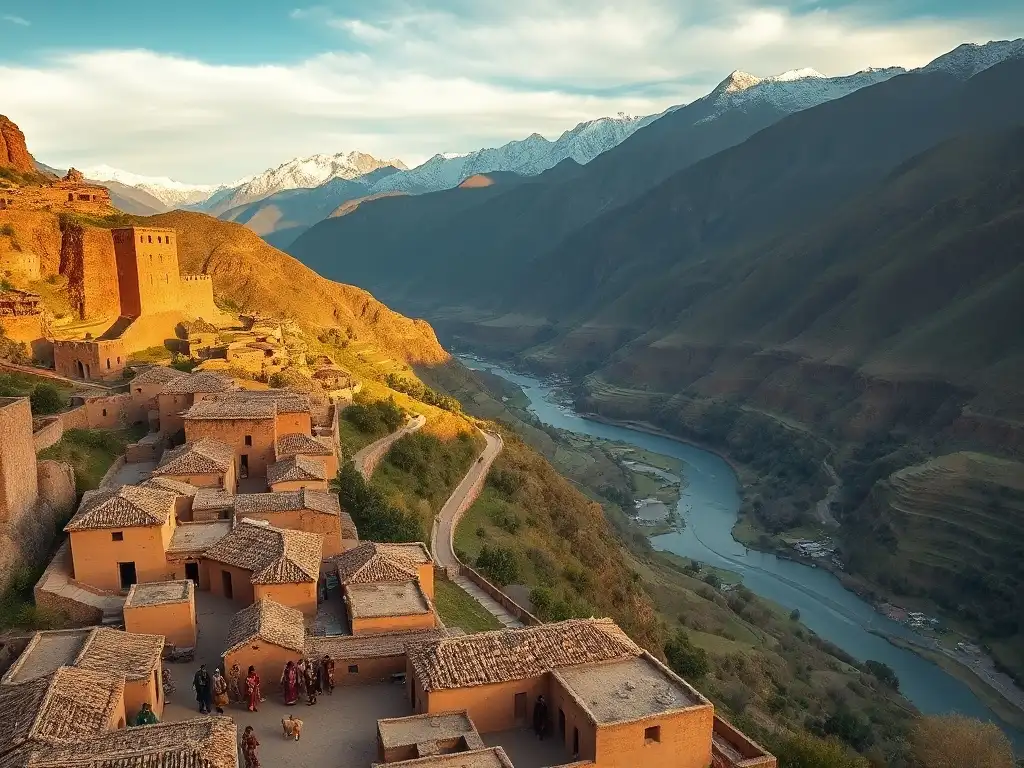
Uncover the secrets of a lost world. For centuries, the towering peaks of the Andes have guarded the legacy of remarkable civilizations. But what ingenious strategies allowed these cultures to flourish, building magnificent cities in such challenging terrain? Dive into the fascinating story of Andean city development, a journey revealing the ingenuity and resilience of the Incas, Moche, Nazca, and Tiahuanaco. Prepare to be amazed by the architectural marvels and sophisticated urban planning that defined the dawn of Andean urban life.
- The Dawn of Urban Life: Exploring Andean City Development
- Early Andean Urban Planning: Key Characteristics
- The Rise of Complex Societies and Urbanization
- Case Studies: Exploring Specific Examples of Andean City Development
- Andean City Development: Technology and Innovation
- The Legacy of Andean City Development
-
Frequently Asked Questions
- What factors contributed to the development of Andean cities?
- How did Andean city planning differ from other ancient urban centers?
- Which Andean civilizations were known for their significant urban development?
- What materials were primarily used in the construction of Andean cities?
- What evidence reveals the social and economic organization of Andean cities?
- Final Reflection: Echoes of the Past, Shaping the Future of Andean Cities
- Embrace the Richness of Andean Urban Life!
The Dawn of Urban Life: Exploring Andean City Development
The Andes Mountains, a formidable yet breathtaking landscape, nurtured some of the most remarkable civilizations of the pre-Columbian Americas. This article delves into the fascinating story of Andean city development, exploring the evolution of urban life from its nascent stages to the impressive urban centers that characterized the Inca Empire and its predecessors. We'll journey through millennia, examining the ingenious strategies employed by different Andean cultures to establish, expand, and manage their cities, revealing the sophisticated social, political, and technological advancements that underpinned their remarkable achievements.
From the intricate irrigation systems of the Nazca to the monumental architecture of Tiahuanaco, we will uncover the ingenuity and resilience that allowed these societies to thrive in one of the world's most challenging environments. Understanding Andean city development provides crucial insights into the broader processes of societal complexity and urban planning in the ancient world, offering a compelling narrative of human adaptation and innovation.
We will examine key features of Andean urbanism, including their unique adaptations to the mountainous terrain, their complex social structures, and their remarkable contributions to architecture and engineering. This exploration will highlight the diversity of urban experiences across different Andean cultures, emphasizing the interconnectedness and shared characteristics that define the Andean urban legacy.
Introduction to Urbanization in the Andes
The process of urbanization in the Andes wasn't a sudden event but a gradual evolution spanning centuries. Unlike the Mesopotamian or Egyptian models, Andean urbanization was deeply shaped by the unique geographical challenges of the region. The mountainous terrain, with its steep slopes and varied altitudes, dictated the layout and infrastructure of Andean cities.
Early settlements, often located near fertile valleys and water sources, gradually grew in size and complexity. The development of sophisticated irrigation systems played a crucial role, allowing for increased agricultural productivity and supporting larger populations. These early settlements, while not exhibiting the same characteristics as later, fully developed cities, laid the groundwork for the complex urban centers that would emerge later.
The transition from small, dispersed villages to larger, more organized urban centers was a complex process, influenced by a variety of factors, including population growth, agricultural intensification, and the development of centralized political systems. This transition also involved significant changes in social organization, with the emergence of specialized labor, hierarchical social structures, and more complex forms of governance. The early stages of Andean urbanization saw the development of unique architectural styles and urban planning principles, reflecting the adaptation to the challenging environment and the unique cultural values of each civilization.
Pre-Inca Urban Centers: Laying the Foundation
Before the Inca Empire's rise, several Andean cultures established impressive urban centers that showcased remarkable engineering and architectural skills. The Nazca , renowned for their geoglyphs, also constructed sophisticated irrigation systems that supported their urban settlements. While not as monumental as later Inca cities, Nazca urban areas demonstrate a level of planning and organization indicative of a complex society. Similarly, the Moche civilization, known for its elaborate ceramics and impressive pyramids, built large urban centers along the northern coast of Peru. These cities, characterized by their distinctive architecture and intricate social organization, reveal a high degree of sophistication in urban planning and resource management. The Tiahuanaco culture, located on the Altiplano, constructed monumental structures, including the iconic Akapana pyramid, showcasing their advanced engineering skills and ability to mobilize large labor forces. Tiahuanaco's influence spread across a wide area, and its urban planning principles likely influenced the development of subsequent Andean cities. These pre-Inca urban centers, each with its unique characteristics, demonstrate the long and diverse history of urban development in the Andes, providing a rich context for understanding the later achievements of the Inca Empire. The legacy of these earlier civilizations is evident in the Inca's own urban planning, highlighting the continuity and evolution of Andean urban traditions. The study of these pre-Inca cities is essential for a comprehensive understanding of Andean city development, revealing the complex interplay of environmental adaptation, social organization, and technological innovation. Further research is needed to fully understand the social dynamics and economic systems that supported these remarkable urban centers. We can only begin to grasp the scale and complexity of these pre-Inca cities through continued archaeological investigation and analysis.
Early Andean Urban Planning: Key Characteristics
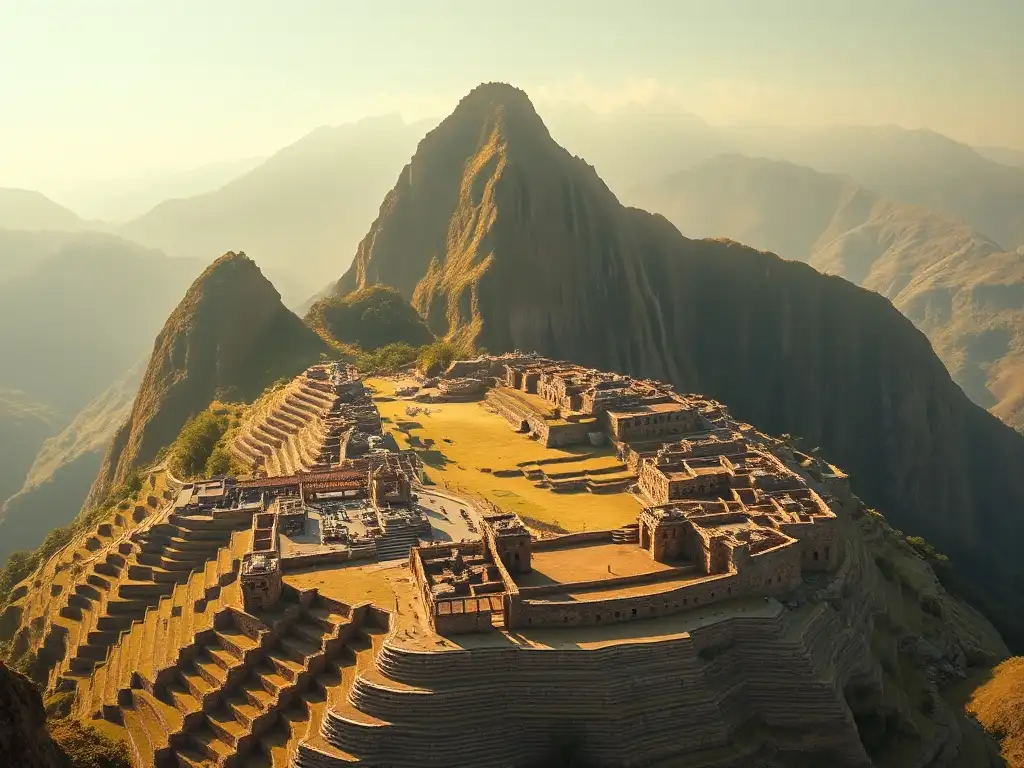
The development of Andean cities wasn't a haphazard process; rather, it reflected a sophisticated understanding of urban planning principles, significantly shaped by the unique environmental and social contexts of the Andes. Unlike many Old World cities that developed along rivers or coastlines, Andean urban centers often adapted to challenging terrains, utilizing ingenious techniques to manage water resources, optimize agricultural land, and integrate religious and administrative functions.
This adaptation, a key aspect of Andean city development, is visible in the careful placement of settlements on slopes, the construction of intricate irrigation systems, and the integration of sacred spaces into the urban fabric. The concept of ayllu, the kinship-based community structure, also profoundly influenced urban design, with residential areas often reflecting social hierarchies and communal organization.
The layout of many early Andean cities showcases a remarkable balance between practicality and symbolic meaning, a testament to the advanced understanding of urban planning within these societies.
The Role of Agriculture in Andean City Growth
Agricultural practices were inextricably linked to the growth and development of Andean cities. The success of a city often hinged on its ability to efficiently produce and distribute food. The challenging Andean environment necessitated sophisticated agricultural techniques, such as terracing, irrigation canals, and the creation of waru waru raised fields.
These innovations allowed for increased agricultural yields, supporting larger populations and facilitating urban expansion. For example, the Moche culture, renowned for its advanced irrigation systems, developed flourishing urban centers like Moche, thanks to the efficient management of water resources. Analysis of archaeological evidence reveals a strong correlation between the development of sophisticated irrigation techniques and the growth of urban populations in the Andean region.
The Andean city development was, therefore, fundamentally shaped by the constant interplay between agricultural innovation and urban expansion. The efficient management of agricultural resources wasn't just about food security; it also played a crucial role in maintaining social order and political stability within these burgeoning urban centers.
Religious Centers and Ceremonial Sites in Early Andean Cities
Religious beliefs and practices formed the very core of Andean societies, profoundly influencing the design and function of their cities. Religious centers and ceremonial sites weren't merely separate entities; they were integral parts of the urban landscape, often occupying prominent locations and shaping the overall layout of the city. Temples, pyramids, and plazas served as focal points for religious rituals, community gatherings, and political activities.
The monumental architecture of these sites, such as the impressive structures at Tiahuanaco, speaks volumes about the importance of religion in shaping Andean city development. The construction of these monumental structures required significant labor and resources, reflecting the central role of religion in mobilizing the population and consolidating political power. The careful alignment of religious structures with astronomical events further underscores the sophisticated understanding of cosmology and the integration of religious beliefs into the urban fabric.
The study of these sites provides invaluable insights into the religious worldview of the Andean civilizations and their impact on urban planning. The placement and design of these ceremonial spaces directly impacted the social and political organization of the Andean city, reflecting a complex interplay between religious belief, political power, and urban design.
Architectural Innovations in Pre-Inca Urban Settlements
Pre-Inca Andean civilizations demonstrated remarkable architectural ingenuity, developing unique techniques and styles adapted to the challenging terrain and available resources. The use of stone, adobe, and other local materials resulted in diverse architectural forms, from the monumental stone structures of Tiahuanaco to the intricate adobe constructions of the Moche. Innovative building techniques, such as the use of interlocking stones without mortar in some areas, showcase a deep understanding of engineering principles.
The development of sophisticated urban infrastructure, including water management systems, drainage channels, and roadways, further highlights the advanced level of architectural planning and construction. Analysis of pre-Inca urban settlements reveals a gradual evolution in architectural styles and techniques, reflecting technological advancements and changing social needs. For example, the increasing complexity of urban layouts and the incorporation of specialized structures, such as storage facilities and workshops, indicate a growing level of societal organization and economic specialization.
This Andean city development, demonstrates a constant push towards architectural innovation driven by both practical and symbolic needs. The study of pre-Inca architecture provides crucial insights into the technological capabilities and societal structures of these early urban centers.
The Rise of Complex Societies and Urbanization
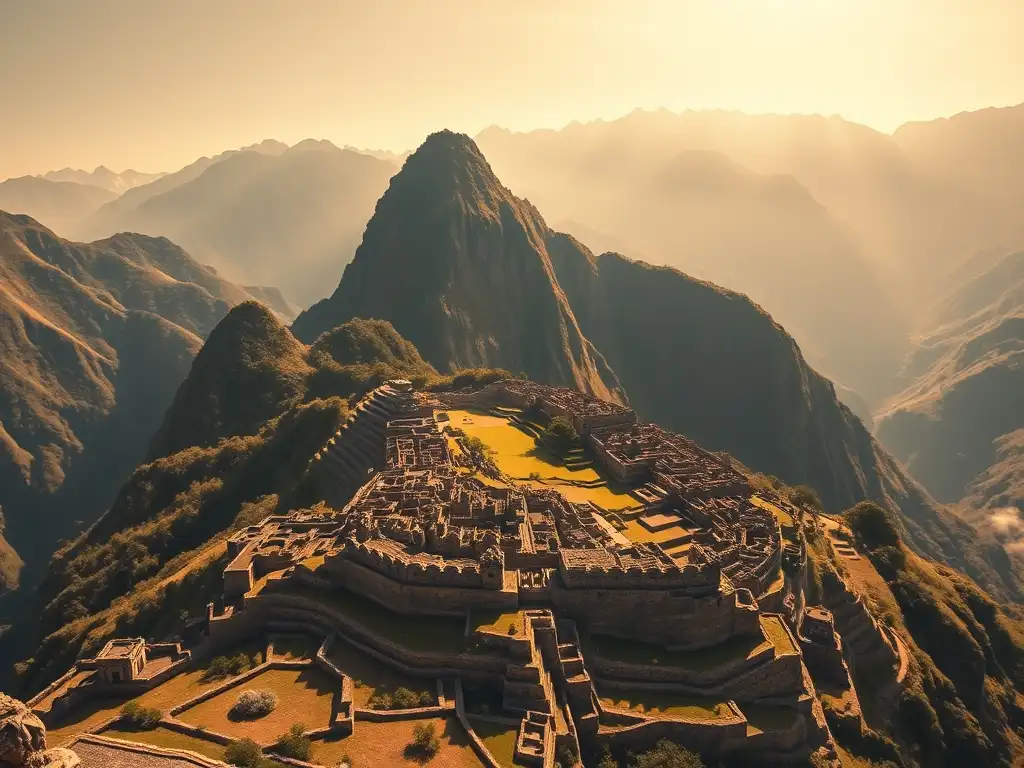
This section delves into the fascinating interplay between the development of complex societies and the rise of urban centers in the Andes. Understanding this relationship is crucial to comprehending the unique trajectory of Andean city development. We will explore how factors like trade networks, population growth, and social stratification shaped the unique urban landscapes of civilizations like the Inca, Moche, Nazca, and Tiahuanaco.
The emergence of cities wasn't a sudden event; rather, it was a gradual process driven by a complex interplay of social, economic, and environmental factors. The Andean region, with its diverse geography and resources, provided a fertile ground for this transformative period.
The Influence of Trade on Andean City Development
The expansion of trade networks played a pivotal role in Andean city development. The exchange of goods, from agricultural products like potatoes and maize to precious metals like gold and silver, fostered economic growth and spurred the development of urban centers as strategic hubs for commerce. For example, the Moche civilization, known for its sophisticated irrigation systems and agricultural surplus, developed bustling coastal cities like Moche that served as vital ports for maritime trade.
These cities became centers for the distribution of goods throughout their vast empire, leading to increased wealth and population density. The intricate network of roads and trails built by the Inca further facilitated trade and contributed to the growth of urban centers throughout their empire. This infrastructural development ensured efficient transportation of goods and people, connecting distant communities and strengthening the political and economic power of the Inca state.
The strategic location of many Andean cities, often situated near fertile valleys or along trade routes, underscores the crucial role of trade in their development. Analysis of archaeological evidence, such as the discovery of diverse artifacts from distant regions in urban sites, provides compelling evidence of extensive trade networks. The influence of trade extended beyond mere economic benefits; it also facilitated the exchange of ideas, technologies, and cultural practices, enriching the urban centers and shaping their unique identities.
Population Growth and its Impact on Urban Centers
Population growth acted as a catalyst for Andean city development. As agricultural advancements led to increased food production and improved living conditions, populations steadily increased. This demographic expansion placed greater demands on resources and infrastructure, necessitating the development of larger, more organized settlements.
The need for efficient resource management, food storage, and social organization further propelled the growth of urban centers. For instance, the Nazca civilization, renowned for its intricate irrigation systems and agricultural ingenuity, experienced significant population growth, leading to the development of larger urban centers capable of supporting a growing population. Archaeological evidence, such as the remains of large residential compounds and public structures, points to the increasing scale and complexity of Nazca cities.
Moreover, population growth also led to increased specialization of labor, with individuals focusing on specific crafts or professions, further contributing to the complexity and sophistication of urban life. The rise of specialized occupations facilitated the development of more complex social hierarchies and governance structures, which in turn impacted urban planning and organization. The intricate interplay between population growth, agricultural innovation, and urban development is a hallmark of Andean civilization.
Social stratification significantly influenced the organization and layout of Andean cities. The hierarchical social structures, common to many Andean civilizations, determined the distribution of resources and the allocation of space within urban centers. Elite members of society typically occupied the most desirable locations, often in proximity to religious or administrative centers. For example, in Inca cities, the cañari (elite) resided in impressive stone buildings situated on elevated vantage points, while commoners lived in more modest dwellings in the lower parts of the city.
This spatial arrangement reflects the clear social hierarchy and the concentration of power and resources in the hands of the ruling class. The urban layout itself often mirrored the social structure, with distinct zones allocated for different social groups, religious activities, and administrative functions. Temples, palaces, and administrative buildings were usually located in the central areas of the cities, while residential zones were arranged according to social status.
The presence of elaborate burial sites and monumental architecture further emphasizes the social hierarchy and the importance of religious and political institutions in shaping the urban landscape. Analyzing the spatial distribution of residential areas, public works, and religious structures provides valuable insights into the social dynamics and power structures of Andean cities. The careful planning and organization of Andean cities reflect a sophisticated understanding of social engineering and urban design, demonstrating the advanced level of societal organization achieved by these remarkable civilizations.
Case Studies: Exploring Specific Examples of Andean City Development
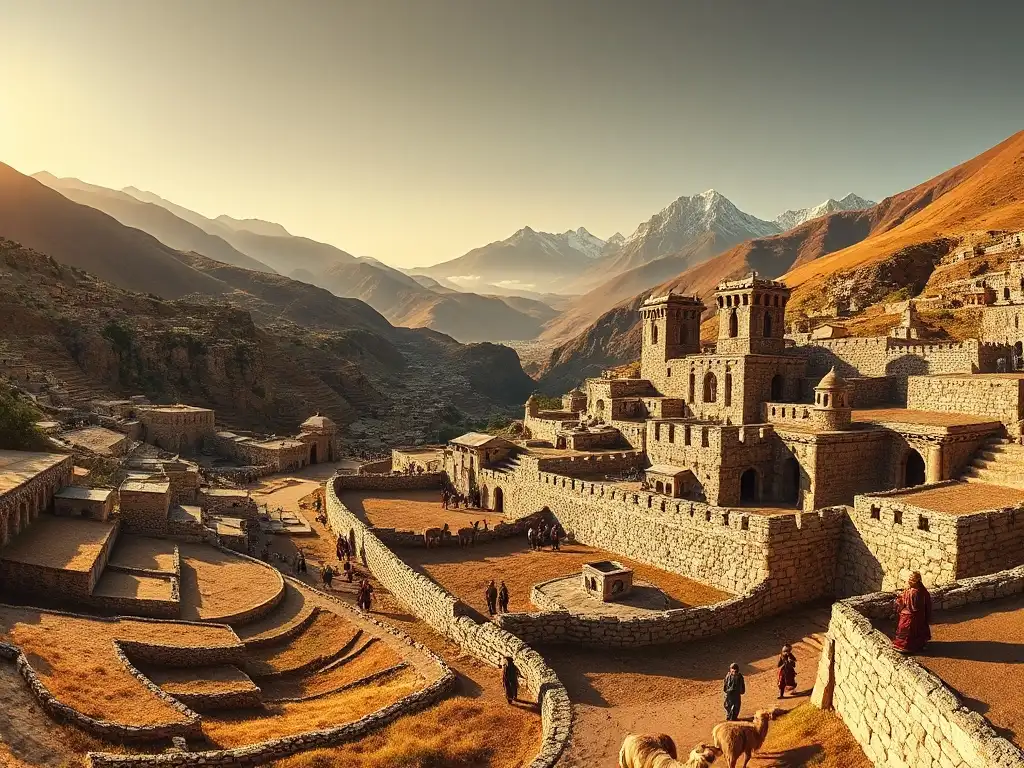
This section delves into specific examples of Andean city development, showcasing the diverse approaches and achievements of different civilizations. We will examine the unique characteristics of urban planning, infrastructure, and societal organization in select Andean cities, highlighting their contributions to the broader trajectory of Andean city development. Understanding these individual case studies allows for a more nuanced appreciation of the complexities and variations within the overarching theme of Andean urban growth. The evolution of these urban centers reveals much about the ingenuity and adaptability of Andean societies.
Caral: An Example of Early Urban Complexity
Caral, located in the Supe Valley of Peru, stands as a remarkable example of early urban complexity in the Andes, predating even the Inca civilization by several millennia. Its development challenges traditional notions of Andean city development, pushing back the timeline of sophisticated urban planning. The city's emergence demonstrates that complex social structures and urban organization were achieved independently in the Andes, without direct influence from other contemporaneous civilizations.
Caral's Unique Urban Layout
Caral's urban layout is strikingly unique. Instead of a centralized, hierarchical structure typical of later Andean cities, Caral features a decentralized arrangement of large platforms and monumental structures. These platforms, constructed from adobe bricks, were likely used for ceremonial purposes, administrative functions, or residential spaces for elite members of society. The absence of defensive structures suggests a relatively peaceful society, focusing on internal development rather than external conflict.
Archaeological evidence points to a sophisticated understanding of urban planning, with evidence of carefully planned streets and residential areas. The city's layout reflects a complex social organization, suggesting a well-defined social hierarchy, though perhaps less rigidly defined than in later Andean societies. Analysis of the city's layout indicates a deliberate design focusing on social cohesion and ritual practices.
The Significance of Caral in Andean History
Caral's significance extends beyond its impressive urban planning. The city represents a pivotal point in Andean city development, illustrating the early development of complex social structures, specialized labor, and long-distance trade networks. The discovery of sophisticated musical instruments and evidence of extensive agricultural practices underscores the city's advanced technological and economic capabilities.
Caral's existence fundamentally alters our understanding of the timeline of Andean civilization, demonstrating a much earlier emergence of urban centers than previously thought. It challenges the conventional narrative of Andean city development and highlights the independent development of complex societies in the region. Further research on Caral continues to unveil new insights into the early stages of Andean urbanization.
Tiwanaku: A Major Urban Hub in the Andes
Tiwanaku, located on the shores of Lake Titicaca, represents another crucial stage in Andean city development. Unlike Caral's decentralized structure, Tiwanaku exhibits a more centralized urban layout, reflecting a more hierarchical society with a powerful centralized authority. Its impressive infrastructure and monumental architecture showcase advanced engineering and technological capabilities, significantly impacting the trajectory of later Andean urban centers.
Tiwanaku's Advanced Infrastructure
Tiwanaku's advanced infrastructure is a testament to the engineering prowess of its inhabitants. The city boasts sophisticated irrigation systems that supported intensive agriculture in the high-altitude environment. Monumental structures, such as the Kalasasaya complex and the Akapana pyramid, were constructed using massive blocks of stone, demonstrating a remarkable understanding of stonework and architectural design. The precision and scale of these structures are truly awe-inspiring.
The city's infrastructure also included extensive networks of roads and pathways, connecting different parts of the city and facilitating trade and communication. The sophisticated water management systems ensured the city's survival and prosperity in a challenging environment, highlighting the impressive adaptability of its inhabitants. Analysis of the construction techniques reveals a high level of skill and organization within the Tiwanaku society.
The Political and Religious Significance of Tiwanaku
Tiwanaku's influence extended far beyond its city limits. Its political and religious significance shaped the cultural landscape of a vast region, influencing the development of other Andean cities and societies. The city's monumental architecture served as a powerful symbol of its political and religious authority, reinforcing its dominance in the region. The presence of elaborate religious iconography and the discovery of numerous artifacts suggest the importance of religion and ritual in Tiwanaku society.
The city's influence on surrounding communities is evident in the widespread adoption of Tiwanaku-style architecture and iconography. This widespread influence cemented Tiwanaku's position as a major power in the Andes and a significant contributor to the development of Andean urban centers. Its legacy continues to resonate in the cultural heritage of the region.
Huari: A Widespread Urban Influence
The Huari civilization, flourishing between 600 and 1000 CE in the central Andes, represents a pivotal moment in Andean city development. Unlike the later Inca empire, which built upon existing regional structures, Huari actively forged a vast, integrated urban network across a geographically diverse landscape. This involved not only the construction of impressive urban centers but also the implementation of sophisticated administrative and logistical systems to manage resources and populations across considerable distances.
The impact of Huari's urban planning strategies is evident in the remarkable consistency of urban design principles observed across its far-flung settlements, demonstrating a sophisticated understanding of urban planning and resource management, far exceeding the capabilities of earlier Andean societies. The scale and sophistication of the Huari urban network underscore their significant contribution to the development of urbanism in the Andes. Their influence is clearly visible in the subsequent development of other Andean cultures, including the Inca.
The Huari case study demonstrates that the development of Andean cities was not a singular event but a complex process of growth, adaptation, and influence across time and space. The enduring legacy of Huari’s urban planning is a testament to their ingenuity and organizational prowess.
Huari's Urban Planning and Administration
Huari's urban planning was characterized by a remarkable degree of standardization. Settlements, regardless of their location or size, exhibited similar layouts, suggesting a centralized planning authority. This standardization extended to residential areas, with similar-sized structures and consistent street patterns.
This suggests a highly organized society capable of effectively allocating resources and controlling population distribution. Archaeological evidence reveals a complex system of roads and infrastructure that connected various settlements, facilitating trade and communication across the Huari empire. This integrated network was crucial for the efficient movement of goods, people, and information, contributing significantly to the empire's stability and economic prosperity.
The intricate organization reflected in Huari’s urban planning points towards a highly centralized administrative system, capable of managing vast territories and diverse populations, a crucial element in the success of their urban development strategy. Further research into administrative records and the organization of labor would further illuminate the complexities of Huari's urban management.
Huari’s Architectural Legacy
The architectural style of Huari cities is immediately recognizable, characterized by its distinctive use of stone and adobe brick. Buildings were often multi-storied, with carefully planned layouts and sophisticated construction techniques. The use of standardized building designs and materials across vast distances further underscores the centralized nature of Huari administration.
The remains of monumental structures, such as temples and administrative buildings, showcase the impressive scale of Huari construction projects. These buildings served not only practical purposes but also played a vital role in reinforcing Huari's political and ideological control over its extensive empire. The consistent architectural style, visible across various sites, suggests a deliberate effort to create a visual representation of Huari power and unity, strengthening the empire's cohesion and promoting a shared cultural identity.
The architectural legacy of Huari is more than just impressive structures; it's a tangible manifestation of their complex social organization and their advanced understanding of urban planning and engineering. The quality and consistency of Huari construction remain a testament to their architectural prowess and their significant contribution to Andean urban development. Further study of Huari architecture could reveal insights into their social structures, religious beliefs, and technological advancements.
Andean City Development: Technology and Innovation
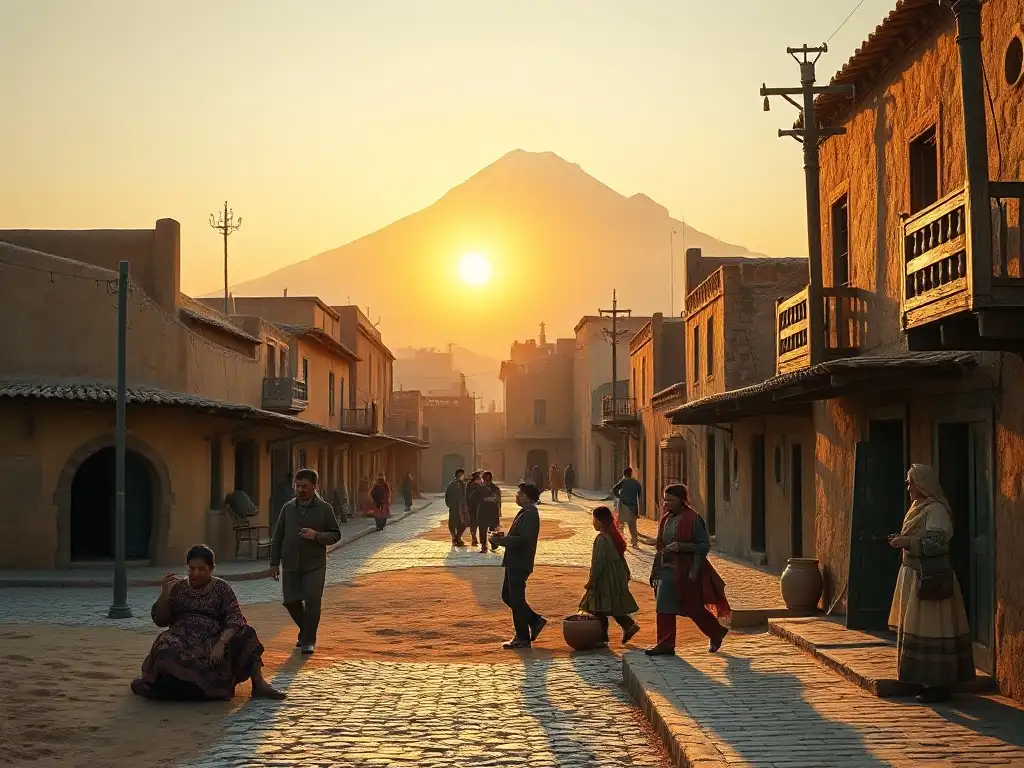
The remarkable growth of Andean cities wasn't solely a result of social and political organization; it was profoundly shaped by technological innovation and adaptation to the challenging Andean environment. Ingenious solutions to problems of water management, communication, and construction were crucial to the rise and sustainability of these urban centers. Understanding these technological advancements provides crucial insight into the ingenuity and resilience of Andean civilizations, significantly enriching our understanding of Andean city development.
Irrigation Systems and Water Management in Andean Cities
Efficient water management was paramount for the survival and prosperity of Andean cities. The arid and semi-arid climates of the Andes necessitated sophisticated irrigation systems to support agriculture, the backbone of urban life. These weren't simply canals; they represented a complex interplay of engineering, social organization, and environmental knowledge.
Several techniques were employed, reflecting the diversity of the Andean landscape and the ingenuity of its inhabitants. For example, the canales (canals) were often built along contours, minimizing the need for significant earthworks and maximizing water flow using gravity. In areas with steeper slopes, andenes (terraces) were constructed, creating level platforms for farming and capturing rainwater. These terraces, often meticulously built into hillsides, not only increased arable land but also reduced soil erosion and improved water retention.
The Nazca civilization, renowned for their intricate geoglyphs, also developed impressive irrigation systems. Their network of canals, some stretching for kilometers, tapped underground aquifers and diverted water from rivers to irrigate vast agricultural areas, supporting a sizable urban population. This sophisticated water management was crucial to their economic and social stability. The complexity of these systems required significant labor and coordination, highlighting the advanced level of social organization within Nazca society. Their success in managing water resources demonstrates a deep understanding of hydrology and engineering, critical aspects of Andean city development.
Road Networks and Communication in Ancient Andean Urban Areas
The Inca Empire, in particular, is celebrated for its extensive road network, a testament to their advanced engineering and logistical capabilities. This network wasn't just a means of transportation; it was a crucial element in maintaining control over a vast and diverse empire, facilitating communication, trade, and the rapid movement of troops and resources.
The Qhapaq Ñan, or Inca Road, stretched thousands of kilometers, connecting distant cities and villages across diverse terrains. The roads were meticulously constructed, with carefully chosen routes that minimized steep inclines and utilized natural features whenever possible. Bridges, often made of stone or rope, spanned rivers and ravines, demonstrating remarkable engineering skills. The construction of these roads required immense coordination and labor, involving thousands of workers.
The chasquis, a relay system of runners, used the roads to transmit messages rapidly across the empire. This efficient communication system was essential for governance and the smooth functioning of the Inca state, significantly contributing to Andean city development. Evidence suggests that earlier Andean civilizations also had less extensive, but equally impressive, road networks tailored to their specific needs.
Building Techniques and Materials in Andean City Construction
Andean cities were renowned for their impressive architecture, reflecting both technological prowess and artistic expression. The construction techniques and materials used varied across different civilizations and regions, but certain common threads highlight the innovative approaches to building in challenging environments.
Stone masonry was a dominant technique, with builders demonstrating remarkable skill in shaping and fitting stones with incredible precision. The Inca, for instance, were masters of ashlar masonry, creating incredibly tight-fitting walls without mortar. This technique, combined with their use of sophisticated tools, resulted in structures that have withstood the test of time.
Different civilizations utilized different types of stone, selecting materials appropriate to their local environment and the intended structure. The use of adobe bricks, particularly in warmer, lower-altitude regions, was also widespread. These sun-dried bricks, often reinforced with straw or other organic materials, provided a readily available and cost-effective building material.
The construction of monumental structures, such as temples and palaces, required considerable planning and labor. The ability to transport massive stones over long distances and to erect them with such precision showcases the advanced organizational and engineering skills of Andean civilizations. Understanding these building techniques is crucial to grasping the scale and complexity of Andean city development and the sophisticated societies that created them. Further research into specific regional variations in construction methods would enrich our understanding even further.
The Legacy of Andean City Development
The development of Andean cities represents a remarkable feat of human ingenuity and adaptation to challenging environments. From the meticulously planned urban centers of the Inca to the sophisticated irrigation systems supporting the growth of earlier civilizations like the Nazca and Moche, the legacy of Andean urbanism continues to fascinate and inspire.
Understanding this legacy requires examining not only the impressive scale of these urban achievements but also the underlying social, political, and environmental factors that shaped their development. The concept of an "Andean city" itself evolved over millennia, reflecting a dynamic interplay between innovation, tradition, and the constant need to adapt to the Andes' unique geography and climate.
This section will delve into specific examples, highlighting the ingenuity and resilience embedded within the very fabric of these ancient urban landscapes. The study of Andean city development offers valuable insights into sustainable urban planning and resource management, lessons still relevant in today's world.
The Influence of Pre-Inca Cities on Inca Urban Planning
The Inca Empire, renowned for its impressive urban achievements, didn't emerge in a vacuum. Inca urban planning built upon centuries of experience and innovation from preceding Andean cultures. Cities like Chan Chan (Chimor culture) and Pachacamac (pre-Inca coastal center) showcased advanced urban design principles, including intricate water management systems, carefully planned residential areas, and monumental architecture.
The Inca, rather than starting anew, incorporated and adapted these pre-existing urban models. For example, the Inca's mastery of qhapaq ñan (the extensive road network) arguably owes a debt to earlier, less extensive, but equally impressive road systems that connected various pre-Inca settlements. Analysis of Inca urban layouts often reveals a continuity with established patterns of settlement, suggesting a process of integration and adaptation rather than complete replacement.
This pragmatic approach to urban development allowed the Inca to efficiently administer their vast empire and effectively integrate conquered territories into their administrative structure. The Inca's success wasn't solely about imposing their will but also about strategically building upon the existing urban fabric of the Andes. This process of cultural exchange and adaptation is a key element in understanding the remarkable scale and sophistication of Inca urban planning.
Lessons from Ancient Andean Urbanism
The study of ancient Andean cities offers invaluable lessons for modern urban planning and sustainable development. Their sophisticated water management systems, for instance, provide compelling examples of resource efficiency in arid and semi-arid environments. The Nazca's intricate network of canals and aqueducts, meticulously designed to channel water from distant sources, stands as a testament to their remarkable engineering prowess and their understanding of water resource management.
Similarly, the terraced agriculture practiced across the Andes, including the impressive agricultural terraces of the Inca, showcases a sustainable approach to farming that maximized productivity while minimizing environmental impact. These ancient techniques offer valuable insights into sustainable agriculture and water management, which are increasingly relevant in the context of climate change and population growth. Furthermore, the integration of urban spaces with their surrounding environments demonstrates a holistic approach to urban design that prioritized harmony between built and natural landscapes.
The Inca's respect for the apus (mountain spirits) and their integration of sacred sites into urban plans highlight the importance of considering cultural and spiritual values in urban planning. These examples underscore the value of studying ancient Andean urbanism as a source of inspiration for developing more sustainable and resilient cities in the 21st century.
Andean Urbanization: A Model for Sustainable Development
Andean urbanization offers a unique case study in sustainable development, highlighting the importance of adapting to environmental constraints and integrating cultural values into urban planning. The emphasis on resource management, particularly water, is crucial. The intricate canal systems of the Nazca, the sophisticated irrigation techniques of the Moche, and the well-organized water distribution networks within Inca cities demonstrate an advanced understanding of water resource management, crucial for survival in the arid and semi-arid regions of the Andes. The integration of agriculture into urban spaces, seen in many Andean cities, created a more self-sufficient and resilient urban environment.
Additionally, the use of locally sourced materials in construction minimized environmental impact and promoted a sense of place. The Andean model also emphasizes the importance of community participation and social organization in urban development. The ayllu system, a form of communal organization prevalent in the Andes, facilitated collective action in infrastructure development and resource management.
This social structure, combined with a deep respect for the environment and the integration of spiritual beliefs into urban planning, created a resilient and sustainable model of urban development. Studying these aspects of Andean urbanization can provide valuable insights for creating more sustainable and equitable cities today. The challenges of climate change and resource scarcity make the lessons learned from Andean city development more relevant than ever before.
Frequently Asked Questions
What factors contributed to the development of Andean cities?
Several factors played a crucial role, including favorable geography offering access to resources and fertile land, sophisticated agricultural techniques allowing for surplus food production to support larger populations, and the emergence of powerful centralized states capable of organizing large-scale construction projects.
How did Andean city planning differ from other ancient urban centers?
Andean city planning often incorporated terracing and intricate water management systems to adapt to the challenging mountainous terrain. Unlike some other civilizations, religious and ceremonial centers frequently held a prominent position within the urban layout.
Which Andean civilizations were known for their significant urban development?
The Inca, Moche, Nazca, and Tiahuanaco civilizations all exhibited remarkable urban development, each with distinctive architectural styles and urban planning strategies reflecting their unique cultures and environments.
What materials were primarily used in the construction of Andean cities?
Stone was a predominant building material, skillfully cut and fitted to create impressive structures. Other materials included adobe bricks, wood, and various local resources depending on the specific location and civilization.
Archaeological evidence such as residential patterns, public works, and grave goods reveals insights into social hierarchy and economic activities. Distribution of resources and the presence of specialized craftspeople also illuminate the complexity of Andean urban life.
Final Reflection: Echoes of the Past, Shaping the Future of Andean Cities
The intricate tapestry woven by Andean city development continues to influence urban planning and societal structures globally. The challenges and triumphs of these ancient metropolises, from their innovative water management systems to their complex social hierarchies, offer invaluable lessons for contemporary urban design and sustainable living. Understanding their past is crucial to navigating the complexities of our present and building a more equitable future.
The enduring legacy of Andean city development is profoundly moving; the ingenuity and resilience displayed in the face of environmental and social pressures resonate deeply. These cities weren't just collections of buildings; they were living organisms, constantly adapting and evolving. Their story is a testament to human adaptability and the power of community. Civilization is not a matter of cities, but of the human spirit that creates them.
This quote, though not directly about Andean cities, perfectly captures the essence of their enduring impact on our understanding of urban life and its inherent human element.
Consider the innovations of the past – the sophisticated agricultural techniques, the intricate water systems, the carefully planned urban layouts. These weren't accidental; they were the result of conscious planning and community collaboration. You, the reader, are now empowered to apply these lessons to your own understanding of urban spaces. Think about the sustainability of your own community, the importance of community engagement, and the legacy you wish to leave behind. Let the echoes of the past inspire a more vibrant, equitable, and sustainable future for all cities.
Embrace the Richness of Andean Urban Life!
Thank you for exploring the fascinating world of Andean cities with us! We hope you've gained valuable insights into their incredible development and enduring cultural significance. Now, let's deepen your connection with this vibrant history.
Here are some ways to continue your journey:
- Explore further: Discover the cities that shaped a civilization by using our interactive map showing the locations of ancient Andean settlements, both then and now.
- Join the discussion: Share your thoughts and experiences about Andean urban life in the comments below and connect with other history enthusiasts.
- Expand your knowledge: Delve deeper into Andean heritage and urbanization with our curated list of recommended books and documentaries.
What aspect of Andean city life captivates you most, and how would you like to learn more about it?