
The Andean Time Capsule: Preserved Artifacts Shed Light on Ancient Life

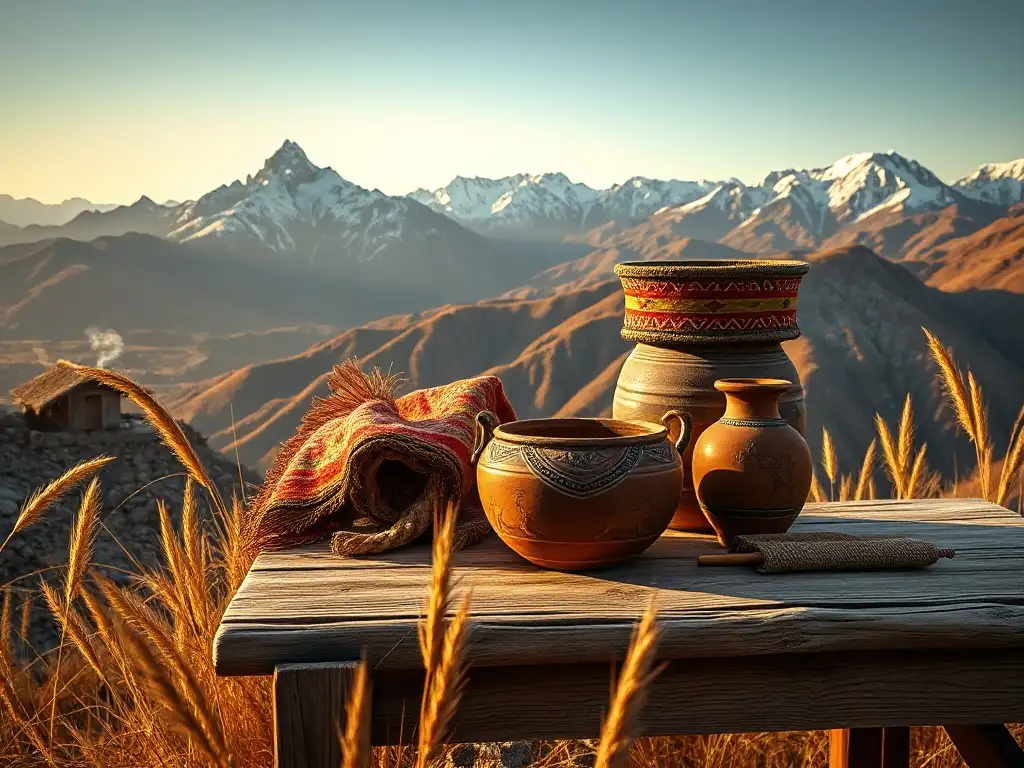
Uncover the secrets whispered by time itself. Journey into the heart of the Andes, where lost cities and forgotten empires hold their breath, waiting to reveal their stories. This is more than just history; it's a tangible connection to the past, brought to life through the extraordinary Andean artifacts history. Prepare to be captivated by the intricate artistry and advanced technology of the Incas, Moche, Nazca, and Tiahuanaco – their legacy awaits. Dive in and discover what wonders these ancient civilizations left behind.
The Andes Mountains, a spine of towering peaks running down the western coast of South America, have served as a breathtaking backdrop to some of the most fascinating and enduring civilizations in human history. For millennia, cultures like the Inca, Moche, Nazca, and Tiahuanaco flourished in this challenging yet fertile landscape, leaving behind a legacy of intricate artistry, sophisticated engineering, and deeply spiritual beliefs. This article delves into the remarkable world of Andean artifacts, exploring how these preserved remnants illuminate the daily lives, religious practices, and technological achievements of these ancient societies.
We'll examine key discoveries, discuss the significance of these finds for understanding Andean history, and highlight the ongoing efforts to preserve and interpret this invaluable cultural heritage. The study of Andean artifacts provides a unique window into a vibrant past, offering compelling insights into the ingenuity and resilience of the human spirit in the face of adversity.
Understanding these artifacts is crucial to appreciating the full complexity and richness of Andean civilizations, a legacy that continues to captivate and inspire us today. This exploration of "Andean artifacts history" promises to be a journey through time, revealing the stories embedded within these remarkable objects.
Unearthing the Past: Andean Archaeological Discoveries
Archaeological excavations across the Andes have yielded a treasure trove of artifacts, offering invaluable glimpses into the lives of ancient Andean peoples. These discoveries range from monumental structures like Machu Picchu and the Nazca Lines to intricately crafted textiles, ceramics, and gold ornaments. The sheer volume and diversity of these finds are staggering, reflecting the rich tapestry of cultures that thrived in the region.
The meticulous work of archaeologists has uncovered evidence of sophisticated agricultural techniques, including terraced farming and irrigation systems that allowed these societies to flourish in challenging terrains. For instance, the discovery of sophisticated tools and irrigation canals in the Nazca region sheds light on their mastery of water management, crucial for survival in a desert environment. Similarly, the impressive stonework of Inca sites like Ollantaytambo demonstrates their advanced engineering skills and understanding of architecture.
Beyond the impressive infrastructure, everyday objects like pottery and textiles provide intimate details about daily life. Pottery fragments often depict scenes of daily life, religious ceremonies, and mythical creatures, providing valuable insights into their worldview and social structures. Textiles, painstakingly woven from alpaca and llama wool, showcase intricate designs and techniques, reflecting the high level of craftsmanship and artistic skill within Andean societies.
The vibrant colors and complex patterns often tell stories, conveying social status, religious beliefs, or even historical events. The meticulous preservation of these textiles is a testament to both the skill of their creators and the efforts of modern archaeologists.
The Significance of Preserved Andean Artifacts
The preservation of Andean artifacts is not merely a matter of historical record-keeping; it is crucial for understanding the broader context of Andean civilizations and their lasting impact. These artifacts serve as tangible links to the past, allowing us to connect with the people who created them and the societies they inhabited. Their study allows for a deeper understanding of Andean cultural practices, social structures, technological advancements, and belief systems.
The analysis of Andean artifacts provides crucial information for several academic disciplines. Anthropologists use them to study social organization and kinship systems; archaeologists use them to reconstruct past environments and human activities; and art historians analyze their aesthetic qualities and symbolic meanings. Furthermore, the study of Andean artifacts contributes to our understanding of cultural exchange and interaction between different Andean groups and with other civilizations. For example, the discovery of artifacts from distant regions in Andean sites suggests extensive trade networks and cultural exchange across vast distances.
Moreover, the preservation and study of Andean artifacts are vital for fostering cultural pride and identity within modern Andean communities. These artifacts represent a shared heritage, connecting past generations with the present, and promoting a sense of continuity and belonging. The ongoing research and preservation efforts ensure that future generations will also have the opportunity to learn from and be inspired by the rich legacy of Andean civilizations.
The careful cataloging, conservation, and interpretation of these artifacts are essential steps in ensuring that the stories they tell continue to resonate for years to come. The ongoing work in this field represents a commitment to understanding and preserving a truly remarkable chapter in human history.
- Unearthing the Past: Andean Archaeological Discoveries
- The Significance of Preserved Andean Artifacts
Exploring the Rich History Through Andean Artifacts
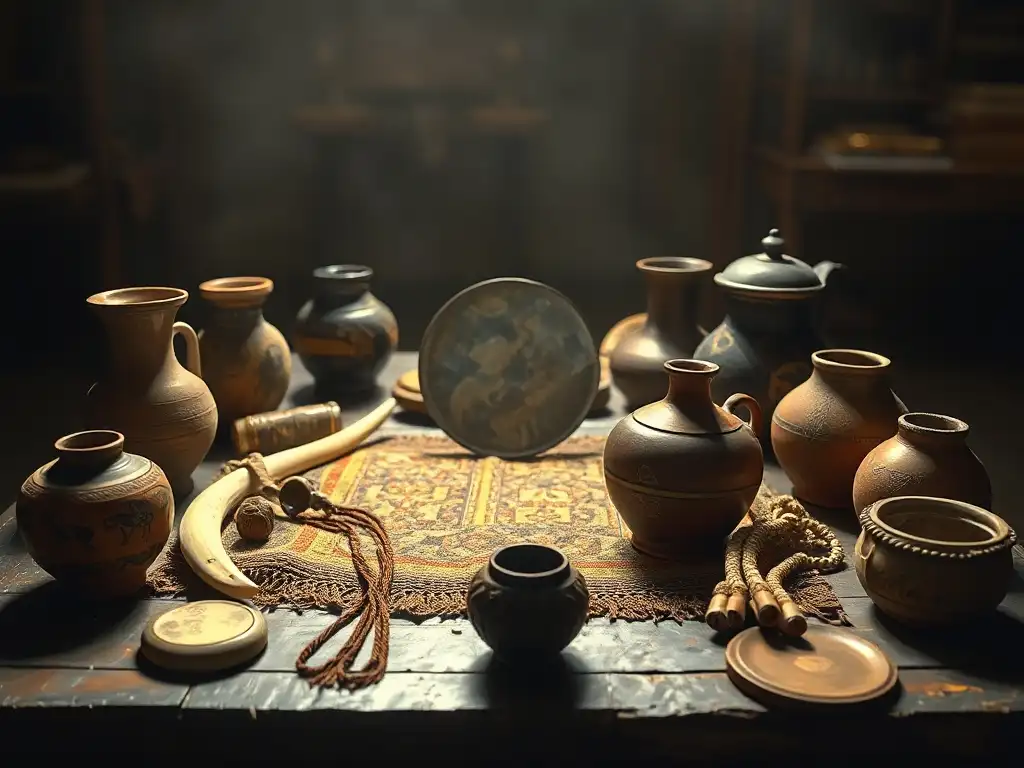
This section delves into the remarkable insights provided by the preservation of Andean artifacts, offering a tangible connection to the past and enriching our understanding of these fascinating civilizations. The study of these objects allows historians and archaeologists to piece together narratives of daily life, religious beliefs, social structures, and technological advancements in a way that written records often cannot. The sheer diversity of materials, craftsmanship, and stylistic choices reflected in these artifacts underscores the complexity and richness of Andean cultures. Analyzing Andean artifacts history is crucial to a complete understanding of their development and legacy.
Andean Textiles: A Woven Chronicle of Culture
Intricate Designs and Symbolism in Andean Fabrics
Andean textiles represent a pinnacle of ancient craftsmanship. The intricate designs woven into these fabrics, often using vibrant natural dyes derived from plants and minerals, tell compelling stories. Geometric patterns, zoomorphic representations (animals), and anthropomorphic figures (humans) are commonly found, often imbued with deep symbolic meaning related to cosmology, mythology, and social status.
For example, the use of specific colors or motifs could indicate a person's social standing within their community or their role in religious ceremonies. Researchers meticulously analyze these patterns, cross-referencing them with other archaeological findings and ethnographic studies of later Andean cultures to decipher their significance. The precision and artistry involved are truly astounding, a testament to the skill and knowledge of Andean weavers.
The preservation of these textiles, often found in arid climates or within carefully constructed tombs, provides invaluable data on artistic techniques and cultural beliefs that have persisted for centuries. Detailed studies of the fibers themselves – alpaca, llama, vicuña, and cotton – provide further insights into the resources available and the economic organization of Andean societies.
Preservation Techniques for Ancient Andean Textiles
The preservation of ancient Andean textiles presents unique challenges. The delicate nature of the materials, often fragile due to age and exposure to the elements, requires specialized techniques. Careful cleaning, stabilization, and storage in controlled environments are crucial to prevent further deterioration. Scientists employ advanced imaging technologies, such as X-ray fluorescence and multispectral imaging, to analyze the dyes and fibers without causing damage.
These non-invasive methods allow researchers to study the composition of the dyes, identify the types of fibers used, and even detect traces of ancient mending or repairs, offering glimpses into the techniques employed by Andean artisans. Understanding these preservation techniques is vital, not only for safeguarding existing artifacts but also for informing future archaeological excavations and the handling of newly discovered textiles. The long-term preservation of these invaluable historical treasures is a continuous effort requiring expertise and dedication.
Ceramics and Pottery: Unveiling Daily Life in the Andes
The Diversity of Andean Pottery Styles
Andean pottery displays an astonishing diversity of styles, reflecting regional variations, chronological changes, and the distinct characteristics of different cultures. From the highly stylized ceramics of the Moche culture, known for their intricate depictions of scenes from daily life and mythology, to the simpler, yet equally expressive, pottery of the Nazca, each style offers a unique window into the cultural landscape of the Andes.
The shapes, sizes, and decorative techniques varied greatly, reflecting the different functions of the vessels. Some were clearly utilitarian, intended for everyday use, while others served ceremonial or religious purposes, adorned with elaborate designs and often featuring symbolic imagery.
The sheer volume of surviving pottery provides a rich source of information about the daily lives, beliefs, and artistic expressions of Andean peoples. Detailed analysis of the clay composition, firing techniques, and decorative styles helps to date the artifacts and trace their origins, building a more comprehensive picture of the region's history.
Function and Purpose of Ceramic Andean Artifacts
The function and purpose of Andean ceramic artifacts extended far beyond simple utility. While many vessels served practical purposes such as cooking, storing food and water, or serving beverages, many others held deeply symbolic meaning. Elaborate burial urns, for example, often depicted scenes from the afterlife or contained offerings for the deceased, reflecting beliefs about the soul's journey.
Ceremonial vessels, frequently adorned with intricate designs and sometimes featuring effigies of deities or mythical creatures, were used in rituals and religious practices. The careful analysis of the context in which these artifacts were found – whether in tombs, domestic settings, or ceremonial centers – provides crucial clues to their function and significance. Studying the residues found inside some vessels can even reveal information about their contents and the diets of Andean populations.
By combining stylistic analysis with contextual information, researchers can reconstruct aspects of Andean social life, religious beliefs, and technological achievements, showcasing the multifaceted role of ceramics in these ancient societies. The meticulous study of these artifacts continues to reveal new insights into the rich tapestry of Andean culture.
The artistry and sophistication of Andean metalwork offer invaluable insights into the social structures and beliefs of these ancient societies. More than mere adornment, metal artifacts served as powerful symbols of status, religious authority, and political power. The sheer variety of techniques—from hammering and casting to soldering and repoussé—demonstrates the advanced metallurgical knowledge possessed by Andean artisans.
The meticulous detail and intricate designs found on many pieces underscore the high value placed on craftsmanship and the significant role of skilled metalworkers within their communities. The distribution of precious metals like gold and silver, and the types of artifacts crafted from them, reveals a hierarchical society where access to these resources and the expertise to work them were closely linked to social standing. Studying the stylistic variations across different regions and time periods helps archaeologists trace cultural exchanges and the evolution of Andean societies.
The presence of certain motifs or symbols on metal artifacts can also provide clues about religious beliefs and cosmological views. For instance, the recurring imagery of jaguars, condors, and snakes might suggest a connection to shamanistic practices or beliefs about the supernatural world.
Gold and Silver Artifacts of the Andean Elite
Gold and silver, due to their rarity and inherent beauty, were particularly prized materials in Andean societies. These precious metals were predominantly used to create artifacts for the elite classes—rulers, priests, and high-ranking officials. Elaborate gold and silver masks, often depicting stylized human or animal faces, served as powerful symbols of authority and were likely used in ceremonies or funerary rituals.
Magnificent headdresses, adorned with intricate gold and silver plates and feathers, further enhanced the prestige of those who wore them. The use of these materials in funerary contexts highlights their importance in the Andean worldview, suggesting a belief in an afterlife and the continued significance of status even beyond death. The sheer quantity and quality of gold and silver artifacts found in elite tombs underscore the vast wealth and power concentrated in the hands of the ruling class.
Detailed analysis of these artifacts, including their chemical composition and stylistic features, provides crucial information about trade networks, technological advancements, and the social dynamics of Andean societies. For example, the discovery of gold artifacts with distinct stylistic features from distant regions suggests the existence of extensive trade routes and interconnected social networks.
The Craftsmanship of Andean Metalworkers
The remarkable skill and technical proficiency of Andean metalworkers are evident in the intricate detail and sophisticated techniques employed in their creations. They mastered various metallurgical processes, including casting, hammering, soldering, and repoussé, demonstrating a deep understanding of material properties and manipulation. The creation of complex alloys, such as tumbaga (an alloy of gold and copper), showcases their advanced knowledge of metallurgy.
The precise execution of intricate designs, often involving delicate filigree work and the incorporation of precious stones, highlights the exceptional skill of these artisans. Many artifacts display remarkable precision and attention to detail, indicating a high level of specialization and a hierarchical organization within metalworking workshops. The use of molds for casting and the standardization of certain forms suggest a degree of mass production, although many pieces also demonstrate a high degree of individual artistry.
The legacy of Andean metalworking techniques continues to inspire and amaze, demonstrating the ingenuity and creativity of these ancient civilizations. Analyzing the tools and techniques used by Andean metalworkers provides valuable insights into their technological advancements and the development of their metallurgical expertise over time. Furthermore, the study of these processes allows archaeologists to reconstruct the social organization of metalworking workshops and understand the division of labor within these communities.
Andean Artifacts History: Insights into Ancient Andean Civilizations
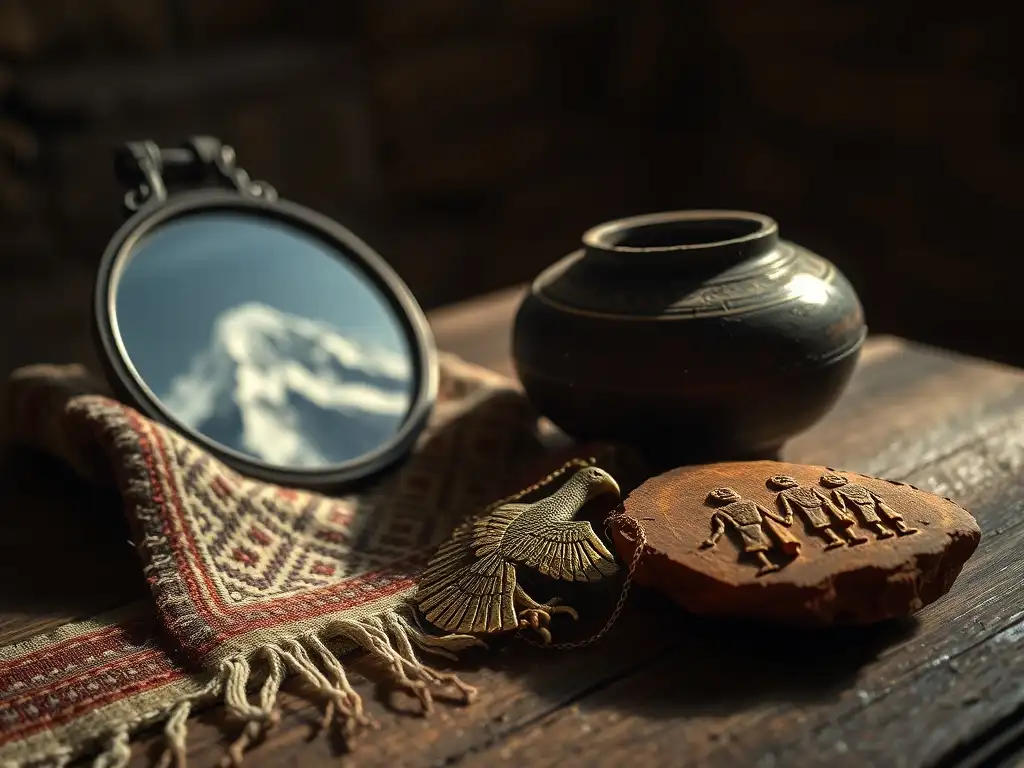
This section delves into the fascinating world of Andean artifacts, offering a glimpse into the lives, beliefs, and societal structures of the ancient Andean civilizations. The preservation of these artifacts provides invaluable insights into their rich history, allowing us to reconstruct narratives of daily life, religious practices, and technological advancements. Studying these objects helps us understand the complexity and ingenuity of these cultures, challenging preconceived notions and enriching our understanding of human history.
The analysis of Andean artifacts, from pottery and textiles to metalwork and monumental architecture, allows researchers to piece together a comprehensive picture of these remarkable civilizations and their lasting legacy. Understanding the context of discovery and the careful analysis of materials and techniques employed in their creation are crucial aspects of interpreting Andean artifacts history.
The Moche Culture: Art and Ritual Through Artifacts
The Moche civilization (circa 100-800 CE) flourished on the northern coast of Peru, leaving behind a remarkable legacy of sophisticated art and technology. Their artifacts, particularly their ceramics and metalwork, provide compelling evidence of their complex social structures, religious beliefs, and daily lives. The meticulous detail and vibrant artistry of Moche artifacts showcase their advanced skills and artistic sensibilities.
Moche Ceramics: Narrative Vessels and Iconography
Moche pottery is renowned for its intricate detail and narrative style. Many vessels depict scenes of daily life, warfare, religious rituals, and mythical beings. These aren't simply containers; they're miniature stories frozen in time.
The iconography is often symbolic, representing deities, shamans, and important events. For example, the depiction of a specific bird species might represent a particular deity or a significant event in Moche mythology. Analysis of these scenes helps researchers understand Moche cosmology, societal hierarchies, and the importance of ritual in their culture.
The use of different colors, styles, and forms of pottery also reveals social stratification and the roles different groups played within Moche society. Careful study of Moche ceramic remains an ongoing area of research, with new discoveries continuously adding to our understanding of this vibrant culture. The sheer volume and variety of Moche ceramics found in tombs and settlements showcase the importance of pottery in their daily lives and ritual practices.
Moche Metalwork: Warfare and Status Symbols
Moche metalworkers were masters of their craft, creating intricate objects from gold, silver, and copper. These artifacts, often found in elite tombs, frequently depict scenes of warfare, suggesting the importance of military prowess in Moche society. Elaborate headdresses, weaponry, and ceremonial objects served as status symbols, highlighting the power and prestige of the ruling elite. The intricate techniques used in Moche metalworking, such as casting, hammering, and repoussé, demonstrate their advanced technological skills.
The stylistic choices and the materials used in these objects further underscore the social hierarchy and the importance of ritual display within the Moche civilization. Some artifacts even show evidence of elaborate inlay work, demonstrating a sophisticated understanding of metallurgy and artistry. The study of Moche metalwork continues to reveal new information about their social structures, warfare, and religious beliefs.
The Nazca Culture: Decoding the Mysterious Lines and Artifacts
The Nazca culture (circa 100 BCE – 800 CE), known for its enigmatic geoglyphs etched into the desert landscape, also produced a rich collection of artifacts that shed light on their unique culture. Their pottery and burial practices offer glimpses into their beliefs, rituals, and social organization. The Nazca artifacts, often found in carefully constructed tombs, provide valuable clues to understanding their complex society and worldview. The study of Nazca artifacts is crucial to understanding the context of the famous Nazca Lines.
Nazca Pottery: Depictions of Mythical Beings
Nazca pottery is characterized by its highly stylized figures and vibrant colors. Unlike the narrative style of Moche pottery, Nazca ceramics often depict stylized representations of mythical beings, deities, and shamanistic rituals. The depictions, often highly abstract, showcase a unique aesthetic sensibility and a complex religious worldview. The use of specific colors and patterns might represent specific deities or spiritual concepts.
Researchers are still working to fully decipher the meaning behind these symbolic representations. The variety in styles and forms of pottery suggests a complex social structure, with different groups potentially employing distinct artistic conventions. The careful preservation of these fragile artifacts is a testament to the importance of their cultural heritage.
Artifacts found in Nazca Burial Sites
The contents of Nazca burial sites reveal much about their funerary practices and beliefs in the afterlife. These sites often contain a wealth of artifacts, including pottery, textiles, and tools. The careful arrangement of these objects within the tombs suggests a belief in the continuity of life beyond death. The inclusion of specific items, such as food offerings or elaborate textiles, reveals insights into Nazca social structures and beliefs.
The analysis of organic materials within the tombs, such as plant remains or textiles, provides further information about their diet, clothing, and daily life. The meticulous excavation and analysis of Nazca burial sites continue to provide valuable insights into their culture and worldview, helping researchers piece together a more complete understanding of this fascinating civilization. The preservation of these artifacts allows us to connect with the Nazca people across millennia, offering a glimpse into their rich and complex culture.
The Inca Empire: Organization and Power Reflected in Artifacts
The Inca Empire, renowned for its sophisticated organization and vast territorial control, left behind a rich legacy of artifacts that illuminate its complex social structure and political power. These artifacts, meticulously crafted and strategically placed, offer invaluable insights into the daily lives of the Inca people, from the emperor to the commoner, and the mechanisms that sustained their empire for over a century.
The sheer scale of Inca construction projects, coupled with the intricate detail found in their smaller artifacts, speaks volumes about their advanced understanding of engineering, resource management, and societal organization. Analyzing these objects allows historians to reconstruct the intricate web of power dynamics, religious beliefs, and economic practices that defined the Inca civilization.
The careful study of Andean artifacts history, particularly those from the Inca period, reveals a society far more nuanced and complex than previously imagined. The meticulous craftsmanship evident in even the simplest tools suggests a deep appreciation for both functionality and aesthetic beauty, reflecting a cultural value system that permeated all aspects of Inca life.
Inca Architecture and Engineering Artifacts
Inca architecture stands as a testament to their mastery of engineering and their ability to adapt to diverse geographical terrains. Artifacts associated with their construction projects, such as meticulously carved stones, perfectly fitted without mortar, demonstrate their advanced understanding of geometry and precision. The remarkable precision in stonework, evident in sites like Machu Picchu and Sacsayhuamán, is not merely aesthetic; it represents a sophisticated understanding of structural integrity and seismic resilience.
Further supporting this, remnants of tools used in quarrying and shaping these massive stones – including copper chisels and hammers – highlight their technological ingenuity. These tools, often discovered alongside the structures themselves, provide tangible evidence of the labor and expertise involved in creating these monumental works.
The discovery of these artifacts has allowed researchers to better understand the Inca's logistical capabilities, the organization of their workforce, and the level of planning and coordination required for such ambitious projects. The sheer scale of these architectural feats, coupled with the precision of their construction, continues to inspire awe and wonder, showcasing the advanced technological capabilities of the Inca civilization.
Inca Textiles and Royal Insignia
Inca textiles represent another significant category of artifacts that offer crucial insights into the Andean artifacts history. The vibrant colors, intricate designs, and high-quality materials used in these textiles speak volumes about the Inca's artistic skill and their highly developed textile industry. These textiles weren't merely clothing; they served as powerful symbols of status, identity, and religious significance.
Royal insignia, such as the llantas (a type of headdress) and uncus (a type of tunic), often adorned with intricate gold and silver threads, were reserved for the Inca elite, reflecting their social standing and power. The exceptional quality of these textiles, often incorporating diverse techniques like tapestry weaving and embroidery, suggests the existence of specialized workshops and a hierarchical structure within the textile production process. The patterns and designs woven into these fabrics frequently incorporated symbolic motifs related to Inca mythology and cosmology, offering valuable clues about their beliefs and worldview.
The study of these textiles provides a window into the social stratification and religious practices of the Inca, demonstrating the sophisticated artistry and symbolic power embedded within their clothing and ceremonial objects. The preservation of these textiles, often discovered in tombs and ceremonial sites, allows for a deeper understanding of Andean artifacts history and the cultural significance of these remarkable works of art.
The Importance of Ongoing Research on Andean Artifacts
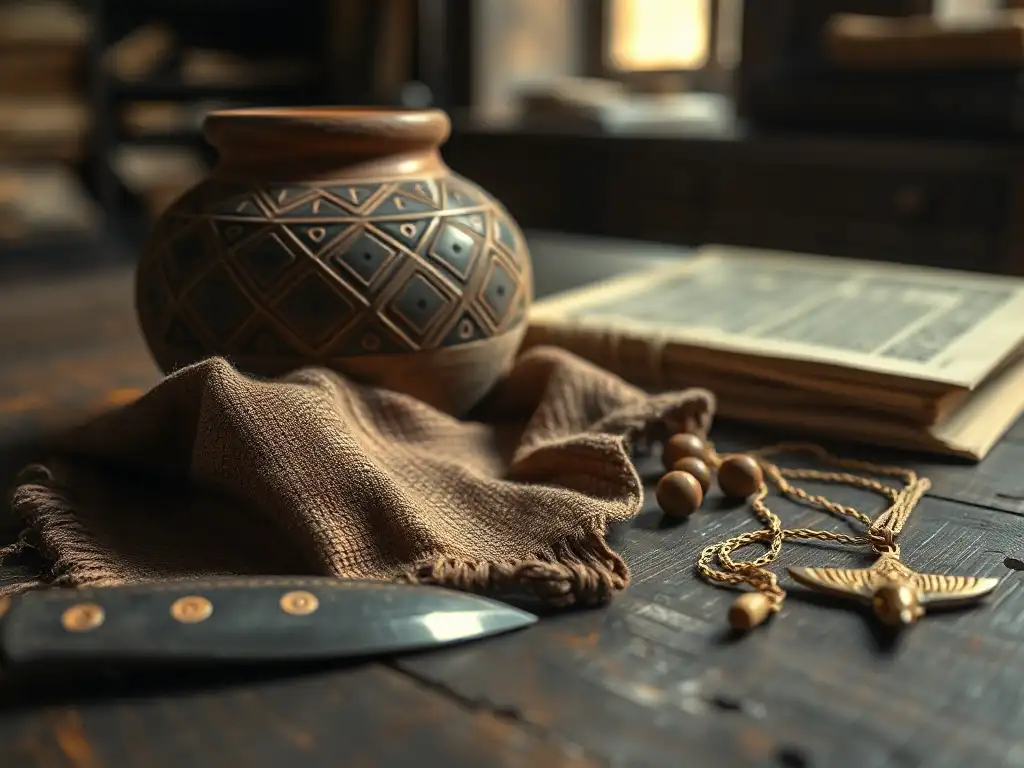
The study of Andean artifacts is crucial for understanding the complexities of ancient Andean societies. These objects, ranging from intricately woven textiles to monumental stone sculptures, offer invaluable insights into daily life, religious beliefs, political structures, and technological advancements. Ongoing research on these artifacts is not merely an academic exercise; it is a vital process that continually refines and expands our understanding of this fascinating historical period.
The preservation and analysis of Andean artifacts directly contribute to a more complete and nuanced picture of Andean history, challenging existing narratives and prompting new interpretations. This ongoing engagement with the past allows us to appreciate the ingenuity and resilience of these ancient civilizations and fosters a deeper respect for their cultural legacy. The wealth of information embedded within these objects remains a powerful testament to the enduring impact of Andean civilizations.
Further research is paramount to unlock the full potential of this historical treasure trove and to ensure that future generations can benefit from these invaluable discoveries. This continuous engagement with Andean artifacts history is essential for a complete understanding of their cultural significance.
New Technologies in Andean Artifact Analysis
The field of Andean archaeology has been revolutionized by the integration of advanced technologies. These tools provide unprecedented levels of detail and accuracy, allowing researchers to analyze artifacts in ways that were previously impossible. This leads to a more thorough and informed understanding of Andean artifacts history.
Radiocarbon Dating and its Role in Andean Archaeology
Radiocarbon dating has been instrumental in establishing chronological frameworks for Andean cultures. By analyzing organic materials found within or associated with artifacts – such as textiles, wood, or plant remains – researchers can determine the age of these objects with remarkable precision. This technique has been particularly crucial in refining our understanding of the timelines of different Andean societies and their interactions.
For example, radiocarbon dating has helped to clarify the sequence of occupations at sites like Chan Chan, providing a more accurate picture of the Moche civilization's development. The application of this technology continues to refine our understanding of Andean chronological sequences and cultural transitions.
3D Scanning and Digital Reconstruction of Andean Artifacts
3D scanning technology offers a non-invasive method for creating detailed digital models of Andean artifacts. This allows researchers to study fragile or inaccessible objects without causing further damage. Furthermore, digital reconstructions enable the creation of virtual museums and online databases, making these artifacts accessible to a wider audience.
For instance, 3D scanning of delicate Nazca textiles allows for detailed analysis of their weaving techniques and designs without risking deterioration. The digital copies allow for detailed study and sharing of information, expanding access to these artifacts globally. The development and implementation of these digital tools contribute significantly to the preservation and study of Andean artifacts.
The Future of Andean Artifact Preservation and Study
The future of Andean artifact preservation and study hinges on a multifaceted approach combining technological advancements with ethical considerations and collaborative initiatives. The long-term preservation of these fragile objects, many of which are thousands of years old, requires a concerted effort from archaeologists, conservators, museum professionals, and local communities.
Challenges in Preserving Fragile Andean Artifacts
Many Andean artifacts are incredibly fragile, susceptible to damage from environmental factors such as humidity, temperature fluctuations, and light exposure. Textiles, for example, are particularly vulnerable to deterioration. Organic materials like wood and bone are also susceptible to decay and insect infestation. Furthermore, the looting and illegal trafficking of these artifacts pose a significant threat to their long-term preservation. Addressing these challenges requires a combination of advanced conservation techniques, improved storage facilities, and strengthened legal protections. The preservation of these artifacts requires a careful balance between accessibility for research and protection from environmental damage.
The Role of Museums and Conservation Efforts
Museums play a critical role in the preservation and study of Andean artifacts. They provide secure storage facilities, employ trained conservators, and facilitate research access. However, museums also face challenges in managing large collections and ensuring the long-term preservation of fragile objects. The development of collaborative initiatives between museums, universities, and research institutions is essential for sharing knowledge and resources.
Furthermore, engaging local communities in preservation efforts helps to foster a sense of ownership and responsibility for these invaluable cultural treasures. These collaborative efforts are crucial for the long-term preservation and understanding of Andean artifacts history. The future of Andean artifact preservation relies heavily on the continued dedication and collaborative efforts of these various stakeholders.
Case Study: The Lady of Cao Mummy
This section delves into the remarkable discovery and analysis of the Lady of Cao mummy, a significant find that dramatically reshaped our understanding of Moche society and Andean artifacts history. The exceptional preservation of the mummy and its accompanying grave goods provides an unparalleled window into the lives, beliefs, and practices of the Moche elite during the first millennium CE. This case study highlights the importance of archaeological discoveries in illuminating the intricacies of Andean civilizations.
Context of the Discovery at El Brujo
The Lady of Cao was unearthed in 2006 at the El Brujo archaeological complex in northern Peru, a site renowned for its rich Moche history. The discovery was truly exceptional, not only for the remarkable preservation of the mummy itself but also for the abundance and diversity of accompanying artifacts. The mummy was found within a richly decorated tomb, indicating a high social status.
The tomb's location within a larger ceremonial complex suggests a connection to religious practices and elite power structures. The careful excavation and meticulous documentation of the site were crucial in preserving the integrity of the find and its historical context, adding significantly to the body of knowledge concerning Andean artifacts history. The initial discovery was met with immediate international attention, highlighting the importance of the site as a source of primary information about the Moche culture.
The surrounding area also yielded numerous other artifacts, including pottery, textiles, and tools, providing a more comprehensive picture of daily life and ritual practices within the Moche society. The careful stratigraphic analysis of the site allowed researchers to establish a chronological sequence of occupation and burial practices, further enriching our understanding of Andean artifacts history.
Analysis of the Mummy and Accompanying Artifacts
The Lady of Cao’s mummy displayed remarkable preservation, revealing intricate details about her physical characteristics, health, and even her final moments. Analysis revealed that she was a high-ranking individual, possibly a priestess or ruler, given the elaborate nature of her burial. Her body was adorned with intricate jewelry crafted from gold, silver, and precious stones. These artifacts, meticulously crafted and richly decorated, reflect the sophisticated metallurgical skills of the Moche artisans.
Furthermore, the analysis of textile fragments found with the mummy showcased the advanced weaving techniques employed during the Moche period. The vibrant colours and complex designs on these textiles provide crucial insights into Moche artistic traditions and aesthetics. The presence of specific symbols and motifs on the textiles and ceramics might represent religious beliefs or social status.
The discovery of a variety of organic materials, including plant remains and food residues, offers a glimpse into the diet and lifestyle of the Moche elite. This interdisciplinary approach, combining anthropological, archaeological, and scientific analyses, greatly enhanced the interpretation of the Andean artifacts history found within the tomb. The detailed study of the artifacts, using advanced imaging techniques and material analysis, unveiled a wealth of information about the Moche's social structures, technological prowess, and artistic capabilities.
Insights Gained into Moche Society and Ritual
The Lady of Cao's tomb, along with the analysis of the accompanying artifacts, revolutionized our understanding of Moche society. The discovery provided irrefutable evidence of a complex social hierarchy and the significant role of women in Moche political and religious life. The elaborate nature of the burial suggests that the Lady of Cao held considerable power and influence within her community.
The presence of ritual objects and offerings in the tomb points to elaborate funerary practices and beliefs about the afterlife. Analysis of the organic materials found within the tomb provided insights into the Moche diet and agricultural practices. The study of the Lady of Cao and the associated artifacts has provided compelling evidence to challenge previous interpretations of Moche society, particularly regarding gender roles and the complexity of their social structure.
The meticulous preservation and subsequent study of this Andean artifact has significantly expanded our understanding of Andean artifacts history and the Moche civilization. The findings highlight the importance of continued archaeological research in unveiling the hidden narratives of past civilizations and enriching our understanding of human history. The Lady of Cao's story continues to inspire further research and serves as a testament to the enduring legacy of the Andean civilizations.
Frequently Asked Questions
What makes Andean artifacts historically significant?
Andean artifacts offer invaluable insights into the daily lives, beliefs, and technologies of ancient civilizations. They provide tangible evidence of complex societies and artistic achievements, bridging the gap between the past and the present. Studying them allows us to reconstruct their history.
How are Andean artifacts preserved?
Many artifacts are preserved through favorable environmental conditions, such as arid climates. Careful excavation and conservation techniques by archaeologists also play a crucial role in protecting these delicate items from deterioration. Museums also employ specialized methods for long-term preservation.
What are some of the most famous types of Andean artifacts?
Famous examples include textiles, ceramics, and metalwork, showcasing the sophisticated artistry of these cultures. Gold and silver objects, along with intricate stone sculptures, are also highly prized artifacts that reveal much about their beliefs and rituals. Mummies provide unique biological information.
Where can I see Andean artifacts?
Many museums worldwide house impressive collections of Andean artifacts. You can find them in South America, particularly in Peru, Bolivia, Ecuador, and Chile, but also in major museums throughout the world. Check local museums and online resources for exhibitions and collections.
How does the study of Andean artifacts contribute to our understanding of "Andean artifacts history"?
The study of these artifacts is fundamental to reconstructing the history of Andean civilizations. They provide direct evidence of their social structures, religious practices, economic systems, and artistic expressions, filling in gaps in our understanding of their past. Analysis of these objects helps create a more complete picture of their history.
Final Reflection: Unearthing the Echoes of the Andes
The meticulous preservation of Andean artifacts offers not just a glimpse into the past, but a vital connection to the enduring spirit of a civilization that continues to resonate in the modern world. These meticulously crafted objects, unearthed from the heights of the Andes, speak volumes about ingenuity, resilience, and a profound connection to the natural world – qualities that remain profoundly relevant in our own time. The stories they tell are not confined to dusty museum displays; they are living narratives that shape our understanding of human history and our place within it.
The impact of Andean culture extends far beyond the archaeological sites; its influence permeates the artistic, spiritual, and social fabric of South America and beyond. The intricate textiles, the powerful iconography, the sophisticated agricultural techniques – all speak to a level of sophistication that continues to inspire awe and wonder. The past is never dead. It's not even past.
– William Faulkner. This quote perfectly encapsulates the enduring legacy of the Andean civilizations, whose echoes reverberate through contemporary art, traditions, and even political discourse. The ongoing discovery and study of these artifacts are crucial to understanding not only the past, but also the present and future of Andean communities and their descendants.
Consider the intricate detail in a single ceramic vessel, the symbolic power woven into a textile, the ingenuity reflected in an ancient irrigation system. These are not merely objects; they are testaments to human creativity and perseverance. You, the reader, are now part of this ongoing conversation.
Take a moment to reflect on the enduring power of human ingenuity and the importance of preserving our shared cultural heritage. Seek out opportunities to learn more about the Andean civilizations and their lasting impact – visit a museum, explore online resources, and engage with the stories these artifacts continue to tell. Let the echoes of the Andes inspire you to appreciate the richness of human history and the importance of preserving it for generations to come.
Unveil the Secrets of Ancient Andean Life!
Thank you for exploring the fascinating world of Andean civilizations! We hope you've gained valuable insights into how preserved artifacts illuminate the rich tapestry of their lives. Now, let's delve even deeper into this extraordinary history.
Here are some exciting next steps:
- **Expand your knowledge:** Explore our website's extensive collection of articles and resources on Andean cultures—you'll discover many fascinating details.
- **Connect with other enthusiasts:** Join our online community forum to share your insights, ask questions, and discuss your discoveries with fellow history buffs.
- **Experience it firsthand:** Visit a local museum showcasing Andean artifacts, or, if possible, travel to the Andes to witness the wonders of this ancient civilization.
What aspect of Andean life captivates you most, and how will you continue to explore it? We'd love to hear your thoughts!