
The Social Organization of Andean Villages and Communities

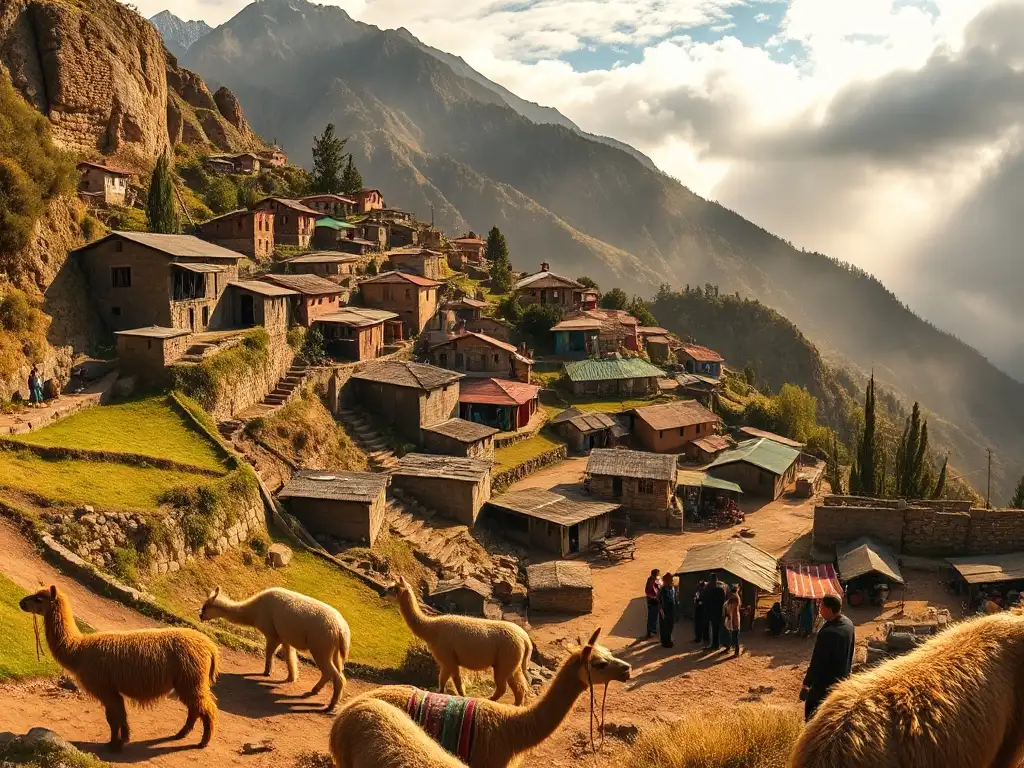
Unravel the mysteries of the Andes! Journey back in time to discover a world shaped by ingenuity and intricate social structures. Forget everything you think you know about ancient civilizations – the complexity of Andean village social structure will challenge your assumptions. Prepare to be amazed by the sophisticated systems that governed these remarkable communities. Dive in and explore the fascinating story of how these societies thrived.
- Andean Village Social Structure: An Overview of Community Organization
- The Ayllu: Foundation of Andean Social Organization
- Community Labor and Reciprocity in Andean Villages
- Social Stratification within the Andean Village
- Economic Organization and Resource Management in Andean Villages
- The Influence of Inca Social Structures on Village Life
- Social Change and Continuity in Andean Village Structures
- Conclusion: The Enduring Significance of Andean Village Social Organization
-
Frequently Asked Questions
- What was the basic social unit in Andean villages?
- How did the Andean social structure differ from European models?
- What role did religion play in Andean village social structure?
- How did the Inca Empire impact the existing social structures of Andean villages?
- What evidence reveals the social structure of Andean villages?
- Final Reflection: Weaving the Threads of Andean Community
- Embrace the Spirit of Andean Communities Today!
The Andean region, home to a vibrant tapestry of ancient civilizations, presents a fascinating study in social organization. Understanding the social structures of Andean villages and communities is crucial to grasping the complexities of their societies, from the monumental achievements of the Inca Empire to the sophisticated artistry of the Moche culture.
This article delves into the intricacies of Andean village social structure, exploring the hierarchical systems, kinship ties, and community dynamics that shaped daily life and societal development. We will examine how these structures varied across different cultures and time periods, highlighting the key elements that contributed to the resilience and adaptability of Andean communities.
Understanding the nuances of their social organization provides invaluable insight into their remarkable achievements and enduring legacy. This exploration will focus on key aspects of Andean village life, providing a comprehensive overview of the "Andean village social structure" and its impact on their unique cultural development.
Andean communities, while varying in specific details depending on the culture and time period, generally exhibited a hierarchical social structure. This wasn't always a rigid, strictly defined system like that of some Old World empires. Instead, it was often more fluid, influenced by factors such as kinship ties, religious authority, and access to resources.
The hierarchy wasn't solely based on wealth accumulation, but also on factors like lineage, skill, and religious status. For example, in many communities, individuals with specialized skills, such as skilled artisans or healers, held positions of respect and influence despite not necessarily possessing great material wealth. The system was often more collaborative than strictly authoritarian, with community consensus playing a significant role in decision-making processes.
This intricate interplay between hierarchy and collaboration is a key characteristic of Andean village social structures. We can see evidence of this in the relatively egalitarian nature of some smaller communities, contrasted by the more stratified structure found in larger, more centralized societies like the Inca Empire.
| Social Category | Description | Role in Community |
|---|---|---|
| Elite/Ruling Class | Often comprised of religious leaders, political figures, and wealthy landowners. | Controlled resources, dictated policies, and oversaw religious ceremonies. |
| Artisans & Specialists | Skilled craftspeople (weavers, potters, metalworkers), healers, and other specialists. | Provided essential goods and services, held respected positions within the community. |
| Farmers & Herders | Formed the majority of the population, engaged in agriculture and animal husbandry. | Produced food and other necessities, formed the backbone of the community’s economy. |
| Laborers | Individuals who performed manual labor, often working on community projects. | Contributed to community infrastructure and collective endeavors. |
The table above provides a generalized overview. The specific composition and influence of each social category varied significantly across different Andean cultures and throughout different historical periods. Further research into specific Andean cultures like the Inca, Nazca, Moche, and Tiwanaku is needed to fully appreciate the nuances of their respective social hierarchies. More detailed information regarding the specific roles and social mobility within each stratum is needed for a more complete understanding.

The Andean village social structure was profoundly shaped by the ayllu, a complex socio-economic unit that served as the bedrock of community life for many pre-Columbian Andean societies. Understanding the ayllu is crucial to grasping the nuances of Andean social organization, far beyond a simple hierarchical structure. It wasn't merely a kinship group; it was a deeply interwoven system connecting lineage, land ownership, labor organization, and religious practices.
The concept of the ayllu varied slightly across different Andean cultures – Incas, Moche, Nazca, and Tiahuanaco all had their own interpretations – but the core principles remained remarkably consistent across vast geographical areas and periods. This intricate system, based on reciprocal obligations and shared resources, offered both stability and flexibility in navigating the challenges of the Andean environment. The strength and resilience of the ayllu contributed significantly to the longevity and success of these remarkable civilizations.
Defining the Ayllu: Kinship and Territoriality
The ayllu was fundamentally defined by kinship ties, often tracing lineage back to a common ancestor, real or mythical. This shared ancestry fostered a strong sense of collective identity and mutual obligation. However, the ayllu wasn't merely a family clan; it also encompassed a specific territory, typically encompassing agricultural land, pastures, and other resources essential for survival.
This territorial aspect was critical, binding members together through shared access to and responsibility for the land. The size and composition of ayllus varied; some were relatively small and tightly knit, while others were much larger and more complex, potentially encompassing multiple smaller kinship groups. This inherent flexibility allowed ayllus to adapt to changing environmental conditions and population dynamics.
Anthropological research suggests that the ayllu’s structure was not static; it evolved and adapted over time, reflecting the dynamic nature of Andean society. Evidence from archaeological sites, such as meticulously documented land divisions and communal structures, supports this interpretation of the ayllu’s significance in Andean village life.
The Role of the Ayllu in Village Life
The ayllu played a central role in nearly every aspect of village life. It was the primary unit for agricultural production, with land distributed amongst members based on need and family size. This system of reciprocal labor, known as ayni, ensured that everyone contributed to the collective well-being.
Members collaborated on tasks such as planting, harvesting, and irrigation, ensuring the success of the agricultural cycle. Beyond agriculture, the ayllu also organized other crucial aspects of community life, including construction projects, religious ceremonies, and defense against external threats. The collective nature of the ayllu fostered a strong sense of community and solidarity, mitigating the risks associated with living in a harsh and unpredictable environment.
The ayllu’s influence extended to social control, dispute resolution, and even marriage arrangements, reinforcing its position as the cornerstone of Andean social structure. The success of this system lay in its ability to balance individual needs with the collective good, creating a resilient and sustainable social order.
Ayllu Leadership and Governance Structures
While the ayllu operated on principles of collective decision-making, formal leadership structures were also in place. The exact nature of these structures varied across different Andean cultures and time periods. In some ayllus, a headman or curaca held a position of authority, often inherited through lineage.
The curaca was responsible for representing the ayllu in interactions with other ayllus and with higher levels of authority, if they existed. However, the curaca's power was often limited, and decisions were typically made through consensus among the ayllu members. This system of governance, emphasizing collective participation and negotiation, reflects the egalitarian ethos inherent in the Andean social structure.
Evidence from historical accounts and archaeological findings suggests that the leadership roles within ayllus were not characterized by excessive power or wealth accumulation, but rather by responsibility and service to the community. The ayllu’s leadership structure was a testament to the importance of collaboration and shared responsibility in the Andean worldview. The success of the ayllu, therefore, depended not only on effective leadership but also on the active participation and cooperation of all its members.
Community Labor and Reciprocity in Andean Villages
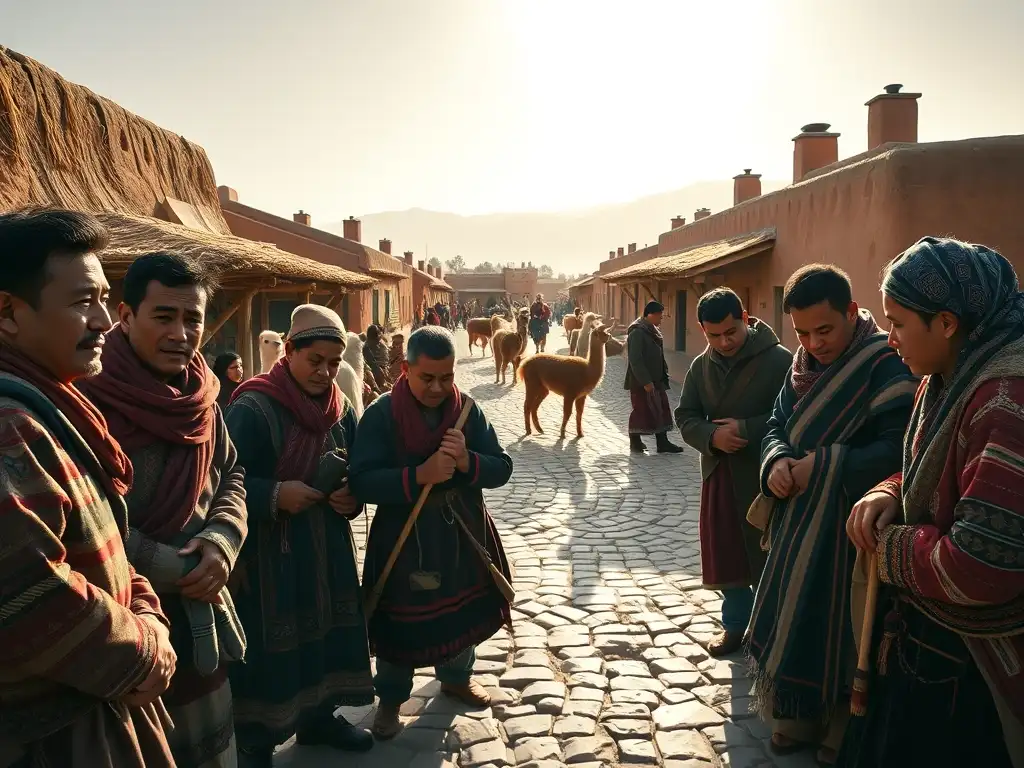
The Andean village social structure was profoundly shaped by intricate systems of labor organization and reciprocity, crucial for survival in challenging environments. These weren't simply economic arrangements but deeply ingrained social practices reflecting a worldview emphasizing community interdependence and mutual support. Understanding these systems is key to grasping the complexities of Andean social organization and its remarkable resilience. The concept of ayni and minka, while distinct, are both integral to this understanding of Andean village life and the broader Andean social structure.
This system helped solidify social bonds and ensured the successful completion of vital tasks, ranging from agricultural activities to construction projects. The effectiveness of this system is a testament to the sophisticated social engineering of Andean civilizations. The absence of a centralized, coercive state power made the success of these reciprocal systems even more remarkable.
The Concept of 'Ayni' and Communal Work
Ayni, a Quechua term, represents a fundamental principle of reciprocity in Andean societies. It signifies the mutual exchange of goods, services, or labor, based on the principle of balanced reciprocity. This wasn't simply bartering; it was a deeply embedded social obligation, fostering strong social bonds and reinforcing community cohesion. Unlike modern market economies, ayni wasn't governed by strict calculations of profit and loss.
Instead, it operated on a principle of trust and mutual benefit, where the expectation of future reciprocity was often more significant than immediate compensation. For example, a farmer might help a neighbor harvest their crops, expecting similar assistance in return during their own harvest season. This exchange wasn't necessarily immediate; it could be deferred, reflecting the long-term nature of Andean social relationships.
The failure to reciprocate could lead to social ostracism, highlighting the importance of fulfilling these social obligations within the Andean village social structure. Analyzing archaeological evidence, such as the distribution of artifacts and the layout of settlements, provides further insights into the practical applications of ayni. The presence of communal storage facilities, for instance, suggests a system where surplus resources were shared and redistributed based on the principles of ayni.
'Minka' and Collective Projects in Andean Society
Closely related to ayni is minka, another Quechua term referring to collective labor mobilized for large-scale projects. Minka involved the coordinated effort of entire communities to undertake tasks beyond the capacity of individual households. These could include building irrigation canals, constructing temples, or clearing land for agriculture.
Participation in minka wasn't optional; it was a communal obligation, reflecting the importance of collective action for the well-being of the entire Andean village. The organization of minka often involved meticulous planning and coordination, demonstrating a sophisticated understanding of project management and labor allocation. Successful minka events reinforced social solidarity and strengthened community ties, creating a sense of shared accomplishment and collective identity.
Archaeological evidence of large-scale construction projects, such as terraces and irrigation systems, clearly demonstrates the widespread practice of minka across various Andean cultures. The scale and complexity of these projects highlight the impressive organizational capacity of Andean communities. Furthermore, the distribution of resources and labor during minka events likely reflected existing social hierarchies, with different roles and responsibilities assigned to various community members.
Reciprocity, embodied in practices like ayni and minka, wasn't merely an economic strategy; it was a cornerstone of Andean social relations. It permeated all aspects of life, from everyday interactions to large-scale public works. The system fostered social cohesion, ensured the equitable distribution of resources, and facilitated the successful completion of essential tasks. This intricate network of reciprocal obligations created a sense of community and mutual responsibility, contributing significantly to the stability and resilience of Andean villages.
The emphasis on reciprocity is evident in various aspects of Andean culture, including its artistic expressions and religious beliefs. The strong emphasis on community and social harmony underpinned the Andean village social structure, making it a unique and remarkably successful model of social organization. Further research into Andean kinship systems and religious practices will offer a more comprehensive understanding of the profound influence of reciprocity on Andean social life.
The absence of significant social stratification in many Andean communities, at least compared to later colonial structures, is a testament to the effectiveness of this reciprocal system. It's a system that deserves further study and recognition for its remarkable efficiency and social impact. Understanding this reciprocal system is fundamental to understanding the Andean village social structure and its enduring legacy.
The Andean village social structure wasn't rigidly defined like some hierarchical societies. Instead, it was a complex system characterized by a flexible stratification based on kinship, reciprocity, and spiritual beliefs. While there was a clear hierarchy, social mobility wasn't entirely impossible, particularly based on merit and achievement within the community. Understanding the nuances of this system requires examining the interplay of various factors, including access to resources, religious authority, and individual capabilities.
The concept of "Andean village social structure" itself encompasses a broad spectrum, varying significantly across different cultures and time periods within the Andes. For example, the social organization of a small Nazca village would differ substantially from that of a larger Inca community. However, certain common threads of social organization can be identified across these diverse groups.
Differentiated Roles and Responsibilities
Andean village life was structured around clearly defined roles and responsibilities, often determined by age, gender, and kinship. Men typically handled agricultural tasks requiring greater physical strength, such as plowing fields and managing irrigation systems. Women were predominantly involved in weaving, pottery, food preparation, and childcare – tasks crucial to the village's sustenance and continuity. This division of labor, however, wasn't absolute. The level of participation in different activities varied based on individual capabilities and community needs. For instance, women might participate in agricultural activities during harvest, and men might assist in weaving or pottery if necessary.
This division of labor was further nuanced by age. Younger individuals often assisted in tasks suited to their capabilities, learning from their elders. Older individuals, especially those with specialized skills or knowledge, played crucial mentoring roles. This system fostered a strong sense of interdependency and collaboration.
The success of the village relied on the effective functioning of each individual within their assigned role, promoting a strong sense of collective responsibility. The concept of ayni, reciprocal labor exchange, was crucial in ensuring that tasks were completed efficiently and fairly. This system of mutual support strengthened social bonds and helped maintain social cohesion within the village.
The Position of Elders and Ancestors in the Community
Elders held a position of significant respect and authority within Andean villages. Their accumulated wisdom, experience, and knowledge of ancestral traditions were highly valued. They often acted as advisors, mediators in disputes, and custodians of cultural heritage. The reverence extended beyond living elders to encompass ancestors. Ancestors were believed to continue to influence the affairs of the living and played a vital role in the spiritual life of the community. Their presence was constantly acknowledged, and their spirits were often appeased through rituals and offerings.
This reverence for elders and ancestors is reflected in the architectural layout of many Andean villages. The placement of dwellings, ceremonial structures, and burial sites often reflected the importance of the lineage and the respect for ancestral heritage. The social structure was inherently tied to the spiritual realm, emphasizing the continuity between the living and the deceased.
The wisdom of the past was seen as essential for navigating the present and ensuring the village's future prosperity. This deep-seated respect for elders and ancestors ensured the transmission of knowledge and traditions across generations, strengthening the social fabric of the community. The wisdom of the elders was not just a matter of age; it was a testament to their proven ability to navigate the complexities of Andean village life successfully.
The Role of the 'Curaca' as a Community Leader
The curaca held a pivotal position as a community leader, though their authority varied depending on the specific Andean culture and the size of the settlement. In smaller villages, the curaca might have been a respected elder with influence stemming from their wisdom and social standing. In larger settlements, the curaca held more formal authority, often inherited through lineage. Their responsibilities included organizing community activities, managing resources, resolving disputes, and representing the village in interactions with other communities or higher authorities.
The curaca's power wasn't absolute, however. Their decisions were often subject to community consensus and the influence of other respected members. The curaca acted more as a facilitator and mediator, ensuring the smooth functioning of the village, rather than a ruler imposing his will. The system relied on a balance of power, ensuring that the community’s needs were prioritized.
The curaca played a vital role in maintaining social harmony and promoting the collective well-being of the village. Their ability to lead effectively depended on their capacity to build consensus and foster cooperation among village members. Failure to do so could result in a loss of respect and influence, highlighting the importance of community participation in decision-making processes. The effective curaca was a skilled negotiator, adept at balancing individual needs with the collective good of the Andean community.
Economic Organization and Resource Management in Andean Villages
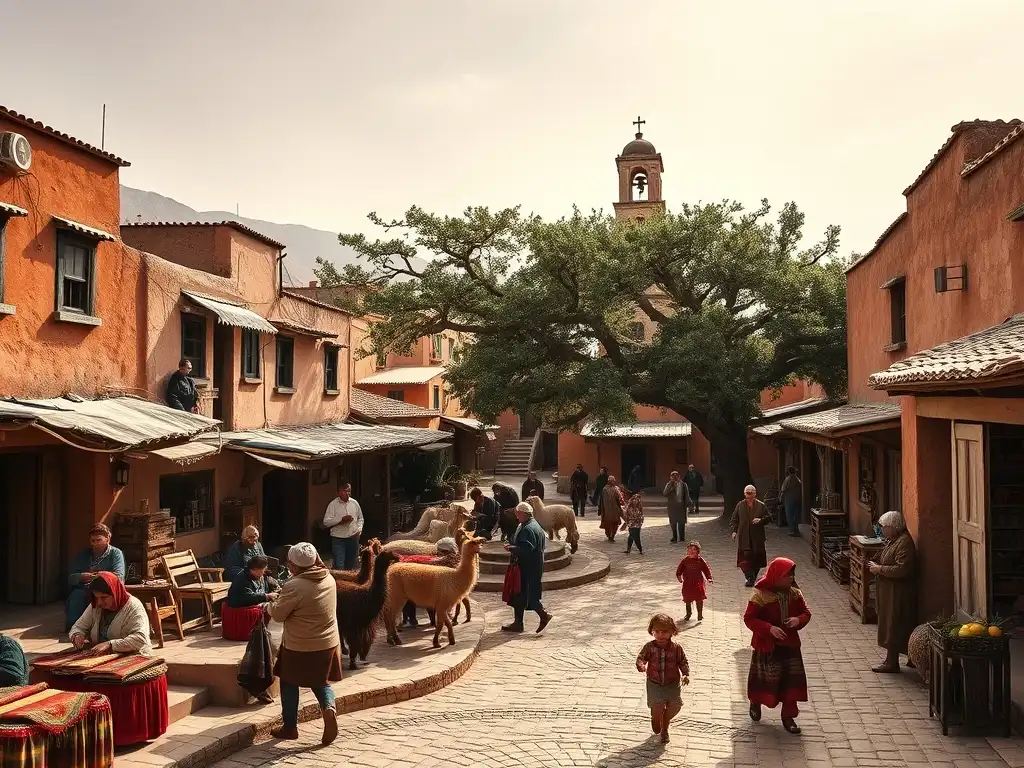
The Andean village social structure was deeply intertwined with its economic organization and resource management. Survival in the challenging Andean environment demanded intricate systems of cooperation and resource allocation, shaped by the unique geographical and ecological conditions of each region. Understanding the Andean village economy requires examining the complex interplay between land tenure, water management, and specialized craft production, like textile weaving. This section delves into these key aspects, highlighting the social implications of economic activities. The term "Andean village social structure" itself points to the deeply embedded nature of economics within the broader societal framework.
Land Tenure and Agriculture in Andean Communities
Andean agricultural practices weren't solely about individual sustenance; they were fundamentally social. Land tenure varied significantly across different Andean cultures and time periods. While some evidence suggests private land ownership existed amongst certain elite groups, the majority of agricultural land was likely managed communally or through a system of reciprocal obligations. This communal approach was crucial for optimizing resource utilization in a challenging environment.
For instance, the ayllu system among the Inca involved collective land ownership and redistribution based on family needs and community obligations. This ensured that everyone had access to land for cultivation, even during times of hardship. The system’s success relied heavily on the mit’a, a form of labor tax that involved community members contributing their time and skills to public works projects, including irrigation systems and agricultural terraces. These terraces, themselves a marvel of engineering, dramatically increased cultivable land and demonstrated the collective effort required for successful agriculture.
The efficiency of this system is evidenced by the Inca's ability to support a large population with limited arable land. Further research is needed to fully understand the variations in land tenure across different Andean communities and the extent to which private ownership existed. [Specific data on land ownership percentages pending]
Collective Management of Water Resources
Water, a scarce resource in the Andes, was managed collectively, reflecting the communal nature of Andean village social structure. Access to water sources, crucial for agriculture and daily life, was often regulated through intricate systems of canals, reservoirs, and water rights. These systems weren’t simply engineering feats; they were also powerful social mechanisms that reinforced community bonds and facilitated cooperation.
The construction and maintenance of these water systems required significant labor input and coordination. This collective effort fostered social cohesion and reinforced the importance of community solidarity. Disputes over water access were likely resolved through community councils or traditional authorities, highlighting the social importance of water management.
Detailed records of water allocation and dispute resolution mechanisms are unfortunately scarce, making it difficult to fully reconstruct these systems. [Specific examples of water dispute resolution mechanisms pending] However, the impressive scale of Andean irrigation systems provides compelling evidence of the sophisticated collective management of water resources. The ingenuity of these systems serves as a testament to the ability of Andean communities to collaborate effectively for survival and prosperity.
Textile production in Andean societies transcended mere economic activity; it was deeply embedded within the social fabric of the communities. Textiles were not just clothing; they were symbols of status, identity, and social relationships. The production process, often involving intricate weaving techniques and the use of high-quality materials like alpaca and llama wool, frequently involved specialized labor and complex social interactions.
The creation of textiles often involved women's cooperative labor, with specialized roles and responsibilities passed down through generations. The quality and intricacy of the textiles reflected the weaver's skill and social standing. Elite textiles, adorned with complex designs and rare materials, were often used to mark social status and power.
The distribution and exchange of textiles played a significant role in social interactions, reflecting kinship ties, alliances, and reciprocal obligations. For example, the Inca used textiles as a form of tribute and payment, further integrating textile production into the broader economic and social structures of the empire.
[Specific examples of textile designs signifying social status pending] The intricate designs and sophisticated techniques employed in Andean textile production showcase not only the economic prowess but also the rich cultural and social complexity of Andean civilizations. The legacy of Andean textiles continues to fascinate and inspire, reminding us of the crucial role of craft production in shaping their social structures.
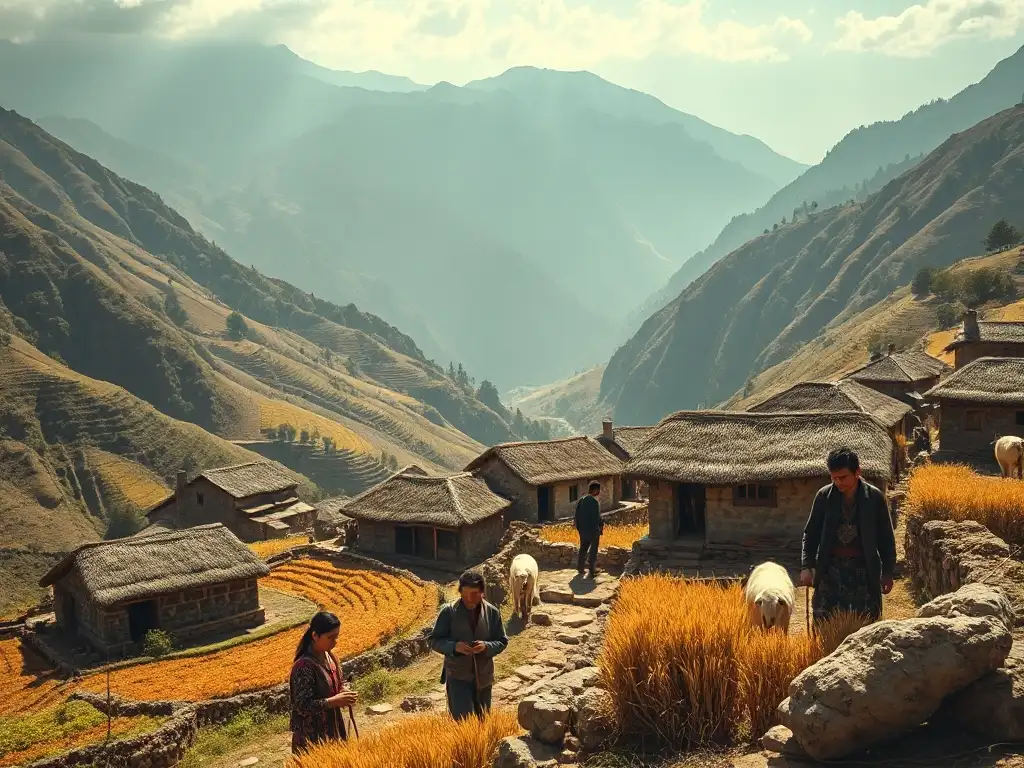
The Inca Empire, at its zenith, exerted a profound influence on the social organization of Andean villages, extending far beyond simple political control. While pre-existing social structures varied considerably across different ethnic groups, the Inca imposed a hierarchical system that fundamentally reshaped village life, leading to both significant changes and surprising adaptations. Understanding this influence requires careful consideration of the Inca's administrative strategies and the ways in which local communities negotiated and integrated these impositions into their existing social fabric.
The impact resonates even today, shaping aspects of modern Andean communities. This section will explore the key ways in which Inca social structures impacted village life, focusing on the impositions, adaptations, and enduring legacy. Analyzing the "Andean village social structure" through this lens reveals a complex interplay between imperial power and local resilience.
Inca Impositions and Adaptations
The Inca implemented a highly centralized system, dividing their vast empire into administrative units called suyus. Each suyu was further subdivided into smaller provinces and then into individual villages. This hierarchical structure mirrored the imperial hierarchy, with appointed officials overseeing various aspects of village life, from agriculture and taxation to religious practices and labor allocation. However, the Inca rarely attempted a complete eradication of existing social structures.
Instead, they often integrated local leaders and power dynamics into their administrative framework. For instance, traditional village heads (often called curacas) were frequently incorporated into the Inca system, retaining some authority while simultaneously serving as intermediaries between the imperial government and their communities. This strategy proved effective in maintaining order and facilitating the extraction of resources.
The success of this approach varied depending on the specific community and the degree of existing social complexity. Some villages experienced a relatively smooth integration, adapting to the new system with minimal disruption, while others faced greater challenges and resistance. This adaptive approach to governance allowed the Inca to maintain control over a vast and diverse population.
The Mit'a System and its Impact on Village Labor
A cornerstone of Inca imperial control was the mit'a system, a form of mandatory labor service. While often framed as a form of taxation, the mit'a was far more complex, encompassing a wide range of activities beyond simple agricultural work. Villagers were obligated to contribute a certain amount of labor to public works projects, such as road construction, temple building, and military service. The allocation of mit'a labor was carefully managed by Inca officials, ensuring a consistent supply of manpower for imperial projects.
The impact on village life was substantial. While the mit'a undoubtedly placed a burden on individual communities, it also provided opportunities for social mobility and economic advancement. Participation in certain mit'a assignments, particularly those involving specialized skills, could lead to improved social standing and access to resources.
Furthermore, the extensive network of roads and infrastructure constructed through the mit'a facilitated trade and communication, benefiting villages in the long term. The effectiveness and fairness of the mit'a varied across the empire, with some communities experiencing greater hardship than others. The system's impact on village social structure was multifaceted, shaping labor relations, social hierarchies, and economic opportunities.
The legacy of Inca social organization continues to resonate in modern Andean communities. While the Inca Empire collapsed centuries ago, many aspects of its social structure, particularly the hierarchical organization and the emphasis on community cooperation, persist. The concept of ayllu, a form of kinship-based community organization that predates the Inca but was adapted and strengthened during their rule, remains a significant social unit in many Andean regions.
The enduring influence of the ayllu demonstrates the long-term impact of Inca social engineering. Furthermore, many traditional practices and customs, reflecting Inca influence, are still observed in daily life. The hierarchical structure, though modified over time, continues to influence social relations, power dynamics, and community decision-making processes.
Studying the "Andean village social structure" today requires acknowledging this historical continuity and recognizing the complex interplay between pre-Inca traditions and Inca imperial legacies. The lasting impact of the Inca on Andean village life highlights the enduring power of imperial systems and the resilience of local communities in adapting to and transforming imposed social structures.
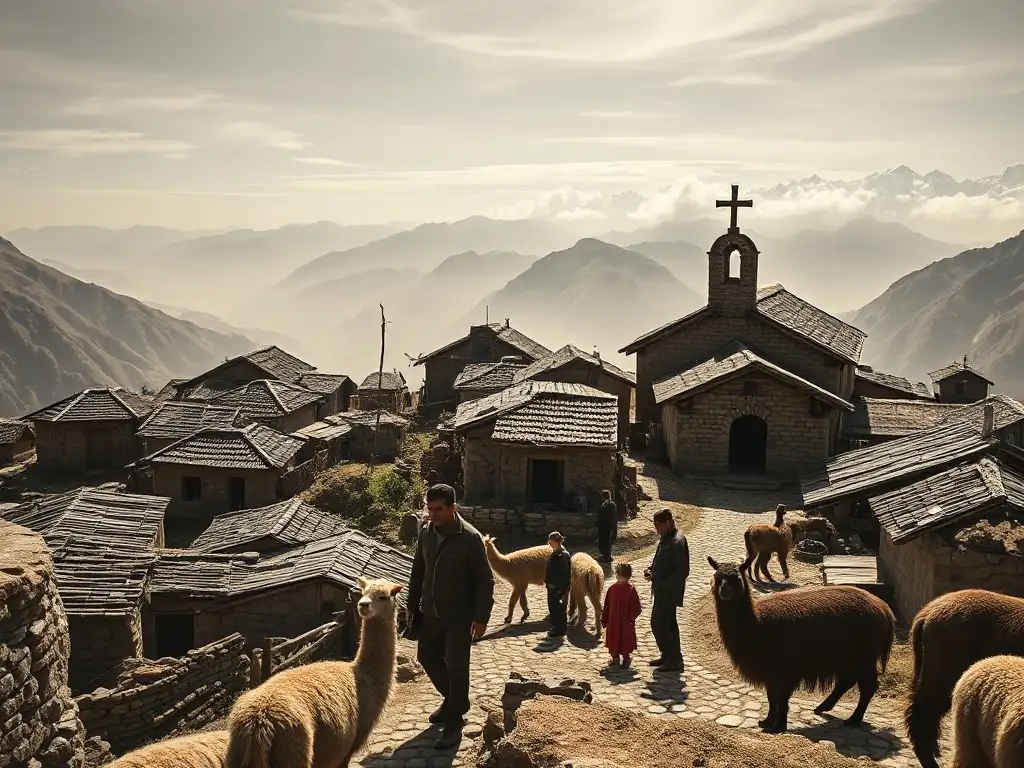
The Andean village social structure, a complex tapestry woven over millennia, has experienced profound transformations while retaining remarkable continuity. Understanding this dynamic interplay between change and persistence is crucial to appreciating the enduring legacy of Andean societies. The concept of ayllu, the kinship-based community organization, provides a fundamental framework for analyzing this evolution.
While the precise structures varied across different Andean cultures and time periods, the core principles of reciprocity, communal labor ( ayni), and shared resources often remained central, even as external forces exerted their influence. Analyzing the ayllu system through the lens of social change allows us to understand not only its resilience but also its adaptability in the face of immense pressures.
The keyword "Andean village social structure" itself highlights the enduring importance of understanding the village as the primary unit of analysis in understanding Andean social organization. Analyzing social change within these villages provides a more nuanced and accurate picture than broad generalizations about Andean societies as a whole.
The Impact of Colonialism and Modernization
The arrival of the Spanish in the 16th century marked a watershed moment, irrevocably altering Andean village social structures. The Spanish colonial administration systematically dismantled existing power structures, replacing indigenous leaders with appointed officials and imposing a hierarchical system based on race and class. The encomienda system, which granted Spanish conquistadors control over indigenous labor, severely disrupted traditional communal practices and resource allocation. This resulted in the forced labor of many Andean villagers, leading to significant social disruption and the erosion of traditional authority figures within the ayllu.
The introduction of new economic systems, such as the hacienda system (large landed estates), further weakened the ayllu by concentrating land ownership and control in the hands of a small elite. Furthermore, the imposition of Catholicism led to the suppression of indigenous religious practices and beliefs, impacting the social fabric of Andean communities. The long-term effects of colonialism continue to resonate in contemporary Andean societies, shaping land ownership patterns, social inequality, and cultural identity.
The process of modernization, beginning in the 19th and 20th centuries, presented further challenges, including migration to urban centers, the introduction of market economies, and the integration into globalized systems. These factors often led to a decline in traditional farming practices and the weakening of communal ties. The impact varied significantly across different regions and communities, however, with some retaining stronger ties to traditional practices than others.
Preserving Traditional Practices and Knowledge
Despite the significant challenges posed by colonialism and modernization, many Andean communities have successfully preserved aspects of their traditional social structures and practices. The resilience of the ayllu system, albeit in modified forms, demonstrates the enduring strength of kinship-based social organization. In many areas, communal labor continues to play a vital role in agricultural production and infrastructure development.
Traditional festivals and ceremonies, often linked to agricultural cycles and ancestral veneration, remain important elements of community life, helping to maintain cultural identity and social cohesion. The transmission of traditional knowledge, including agricultural techniques, medicinal practices, and storytelling, continues within families and communities. This intergenerational knowledge transfer is crucial for preserving cultural heritage and adapting to changing environmental conditions.
Moreover, indigenous communities have actively engaged in efforts to reclaim their rights and autonomy, advocating for land rights, cultural preservation, and self-determination. These efforts demonstrate a conscious attempt to counteract the negative impacts of colonialism and modernization, while maintaining their unique social structures. The ongoing struggle for recognition and self-determination highlights the vital role of preserving traditional practices and knowledge in maintaining cultural identity and social cohesion.
Challenges of Out-Migration and Economic Shifts
Out-migration from Andean villages to urban centers and other regions presents a significant challenge to the maintenance of traditional social structures. The loss of young people and skilled laborers weakens the community's ability to sustain traditional practices and economic activities. This exodus is often driven by economic hardship, limited opportunities, and the search for better educational and employment prospects. Remittances sent by migrants often contribute to the village economy, but they can also disrupt traditional social dynamics and create economic inequalities.
The increasing integration into globalized markets has also created new challenges and opportunities. While access to new markets can offer economic benefits, it can also lead to a decline in traditional agricultural practices and a dependence on external forces. The introduction of cash crops often leads to monoculture farming, reducing biodiversity and making communities vulnerable to market fluctuations.
Addressing the challenges of out-migration and economic shifts requires a multifaceted approach that includes investing in rural development, creating economic opportunities in rural areas, and supporting efforts to maintain traditional livelihoods. Furthermore, policies that promote sustainable development and cultural preservation are essential for ensuring the long-term viability of Andean villages and their unique social structures. The preservation of Andean village social structure requires a proactive and holistic strategy that acknowledges the complex interplay between global economic forces and local community needs.
The intricate social organization of Andean villages and communities wasn't merely a historical curiosity; it was a vital element shaping their survival and prosperity for centuries. Understanding this structure provides crucial insights into the remarkable achievements of these civilizations, from their sophisticated agricultural techniques to their awe-inspiring architectural marvels. The hierarchical systems, while often perceived as rigid, possessed a flexibility and adaptability that allowed them to navigate environmental challenges and maintain social cohesion.
The interplay between kinship, reciprocity, and religious beliefs cemented social bonds and facilitated cooperation on a scale rarely seen in other contemporaneous societies. Furthermore, analyzing the Andean village social structure allows us to appreciate the diversity within the Andean region, highlighting the unique adaptations and variations found across different cultures and environments.
The legacy of this organizational model continues to resonate in contemporary Andean communities, influencing social dynamics and cultural practices even today. Further research into specific village structures and their interaction with larger political entities promises to reveal even more about the complexities and resilience of these fascinating societies.
Analyzing the Andean village social structure reveals several key takeaways regarding the broader Andean social landscape. Firstly, the concept of a rigid, monolithic social hierarchy is an oversimplification. While clear distinctions existed between elites and commoners, the degree of stratification varied significantly across different cultures and time periods. Secondly, the importance of kinship networks cannot be overstated.
Family ties formed the bedrock of social organization, influencing everything from resource allocation to political power. Thirdly, reciprocity—the exchange of goods and services—played a crucial role in maintaining social equilibrium and mitigating inequalities. This system fostered cooperation and ensured the well-being of the community.
Finally, the integration of religious beliefs and practices into the social fabric further strengthened communal bonds and provided a framework for understanding the world and one's place within it. Understanding these interwoven aspects is key to deciphering the complexities of Andean social organization and appreciating its remarkable endurance. The study of Andean social structures continues to offer valuable lessons about the interplay between social organization, environment, and cultural development.
The Importance of Understanding Andean Community Life
Understanding the social structures of Andean villages is not just an academic exercise; it's crucial for comprehending the complexities of Andean life. This knowledge provides a framework for interpreting their artistic expressions, religious practices, and technological advancements. For instance, the elaborate irrigation systems and terraced agriculture were not simply engineering feats; they were the product of a highly organized society capable of coordinated labor and resource management. Similarly, the monumental architecture, such as Machu Picchu, reflects not only the advanced engineering skills of the builders but also the power and authority of the ruling elite and the labor contributions of the broader community.
Furthermore, analysing the Andean village social structure helps us understand the dynamics of power, conflict, and change within these societies. By examining the roles and responsibilities of different social groups, we can gain a deeper understanding of how these civilizations adapted to internal and external pressures. In essence, a comprehensive understanding of Andean community life necessitates a thorough examination of its underlying social framework.
This understanding allows for a more nuanced and accurate interpretation of their rich history and lasting legacy. More research is needed to further refine our understanding of the nuances and variations within the Andean social structures across different regions and time periods. 👨🌾👩🌾
Frequently Asked Questions
The basic social unit was the ayllu, a kinship-based group that worked cooperatively and shared resources. Membership was crucial for access to land and participation in community life.
Unlike the hierarchical European feudal system, Andean societies were more communal and egalitarian, although variations existed between different groups and periods. Power was often less centralized and based on kinship and reciprocity.
Religion played a vital role, influencing social organization through rituals, festivals, and beliefs surrounding ancestors and deities. Religious leaders often held significant social influence, though their power varied across different cultures.
The Inca Empire imposed its own hierarchical structure on existing Andean communities, incorporating ayllus into its system of administration. This often led to a more centralized and stratified society, though local customs persisted.
Archaeological evidence like village layouts, burial patterns, and artifacts reveals insights into social organization. Ethnohistorical accounts and chronicles from Spanish colonial times provide additional information, though often biased.
Final Reflection: Weaving the Threads of Andean Community
The intricate social fabric of Andean villages, once seemingly isolated in time, continues to resonate powerfully in today's interconnected world. Understanding their organizational structures offers invaluable insights into sustainable community building, resource management, and the enduring power of tradition in the face of modernity. These aren't just historical relics; they are living examples of social organization that can inform our own approaches to collective well-being.
The profound impact of the ayllu system and its variations on the lives of Andean communities is undeniable, shaping not only their economic and political landscapes but also their spiritual and cultural identities. The deep-rooted sense of reciprocity and collective responsibility, often overlooked in individualistic societies, remains a vital element of their social cohesion. The community is not just a collection of individuals; it is a living organism, where each part contributes to the health of the whole.
This sentiment, though not a direct quote from an Andean source, encapsulates the spirit of their communal organization and its enduring relevance.
Consider the principles of ayni and mita, the reciprocal exchange of labor and service, and how they might be adapted to address contemporary challenges. Think about the ways in which collaborative resource management and a strong sense of shared identity can foster resilience in the face of climate change, economic inequality, and social fragmentation. You, the reader, are now equipped with a deeper understanding of these ancient yet timeless principles. Will you integrate these lessons into your own community, fostering stronger bonds and a more sustainable future?
Embrace the Spirit of Andean Communities Today!
Thank you for exploring the rich tapestry of Andean village and community life! Your interest highlights the profound connections and vibrant cultures that have endured for centuries. Now, let's build on that knowledge and make a positive impact.
Here are some ways you can get involved:
- **Join a local group or organization** dedicated to preserving Andean heritage to deepen your understanding and appreciation.
- Share your insights on community structures in modern society by starting a conversation on social media or online forums; your perspective could inspire others!
- **Volunteer** with a non-profit organization supporting Andean communities through educational initiatives, arts programs, or cultural exchange projects.
What aspect of Andean community life resonates most with you, and how can you integrate those values into your own community?