
The Grindstone's Tale: Unearthing the Importance of Andean Food Processing Tools

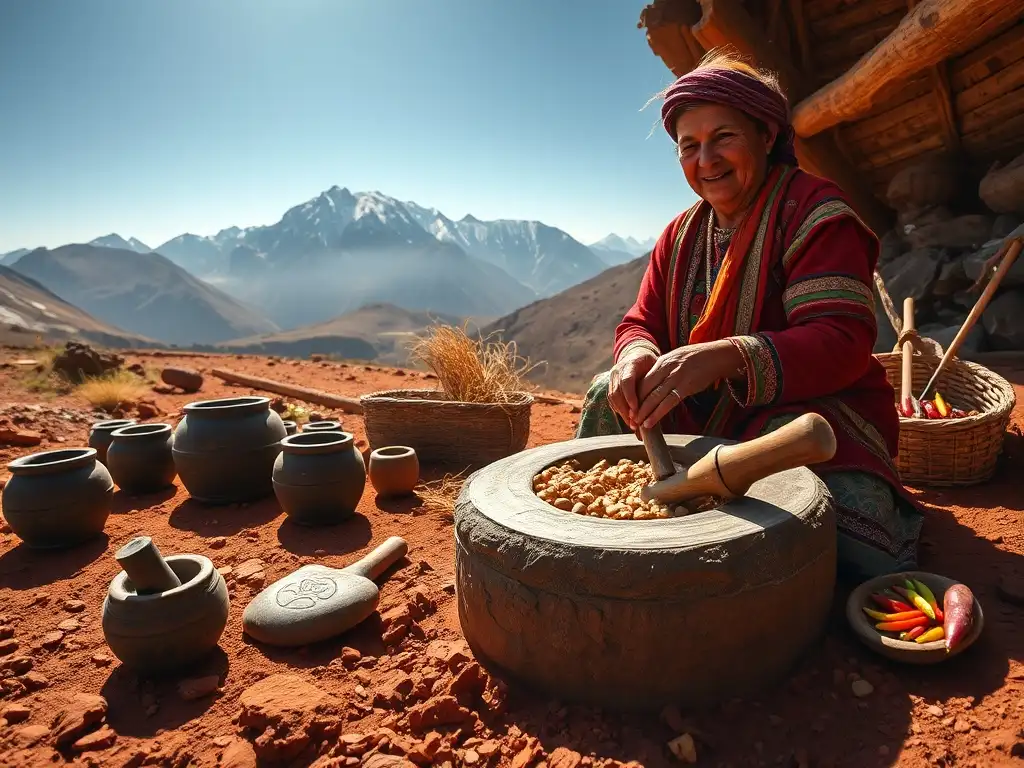
Step into a world lost to time, yet echoing with the ingenuity of ancient Andean cultures. Imagine a landscape sculpted by breathtaking mountains, where civilizations thrived, leaving behind a legacy of artistry and innovation. But what fueled their empires? Prepare to uncover the secrets behind the remarkable Andean food processing tools, a testament to their sophisticated understanding of agriculture and technology. The journey begins here, with The Grindstone's Tale, revealing the surprising stories held within these ancient artifacts. Dare to explore?
The Andes Mountains, a spine of towering peaks running down the western edge of South America, nurtured some of the most innovative and sophisticated pre-Columbian civilizations. Beyond their impressive architectural feats like Machu Picchu and the Nazca Lines, these cultures—including the Incas, Moche, Nazca, and Tiahuanaco—demonstrated remarkable ingenuity in their daily lives, particularly in the realm of food processing.
This article delves into the fascinating world of Andean food processing tools, exploring their diverse forms, functions, and the crucial role they played in shaping Andean societies and their unique culinary traditions. We'll uncover how these seemingly simple tools were integral to their survival, social structures, and the very fabric of their cultural identity.
Understanding these tools offers a unique window into the ingenuity and resourcefulness of these remarkable ancient peoples, and highlights the importance of food production in their complex societies. From the humble grinding stone to more specialized implements, we will uncover the story etched within these artifacts, revealing a rich tapestry of Andean innovation.
The Ubiquitous Metate and Mano: The Foundation of Andean Cuisine
The metate and mano, a grinding stone and handstone respectively, represent the cornerstone of Andean food processing. These simple yet effective tools, found across various Andean cultures and spanning millennia, were used to grind a vast array of ingredients. Imagine the rhythmic thwack-thwack echoing through ancient villages as women, and sometimes men, meticulously ground maize, quinoa, beans, and chili peppers. The metate, typically a large, flat, often slightly concave stone, provided a stable base.
The mano, a smaller, handheld stone, was skillfully manipulated to grind the ingredients into flour, pastes, or sauces. The fineness of the grind could be adjusted by the pressure and technique employed. The metate and mano weren't just tools; they were integral to the daily rhythm of life and held symbolic significance within Andean communities.
Their widespread use and longevity are a testament to their efficiency and adaptability. Archaeological evidence reveals variations in size, material (ranging from volcanic rock to granite), and design across different cultures and time periods, reflecting regional adaptations and evolving culinary preferences. The development of the metate and mano represents a crucial technological advancement that enabled the cultivation and processing of staple crops, supporting population growth and the development of complex societies.
Beyond Grinding: Specialized Tools for Diverse Needs
While the metate and mano were essential, Andean food processing involved a diverse array of specialized tools tailored to specific tasks. These included:
- Mortars and Pestles: Used for crushing and pulverizing ingredients like spices and seeds, offering a finer grind than the metate and mano for certain preparations.
- Stone Bowls and Vessels: Served as containers for storing, mixing, and preparing food. Their shapes and sizes varied, reflecting their intended uses. Some were intricately carved, showcasing the artistic skill of Andean artisans.
- Spatulas and Spoons: Made from wood, bone, or shell, these tools facilitated the mixing, stirring, and serving of food.
- Presses: Used for extracting juices from fruits and vegetables, essential for making beverages and sauces. While the exact construction of these presses varies based on limited archaeological evidence, their existence is inferred from the presence of processed food remains. [Specific details on press construction pending further research].
The production and use of Andean food processing tools extended far beyond mere practicality. These tools played a significant role in the social and cultural fabric of Andean societies. The preparation of food was often a communal activity, with families and communities working together.
The metate and mano, in particular, became central to social gatherings and rituals. The rhythmic grinding could be considered a form of meditative practice, connecting individuals to the land and its bounty. Moreover, the artistry involved in crafting these tools, especially the more decorative stone bowls and vessels, reflects the cultural value placed on food preparation and the aesthetic appreciation of everyday objects.
The tools themselves became imbued with symbolic meaning, representing the continuity of tradition and the connection between the past and the present. The legacy of these tools continues to resonate today, reminding us of the rich cultural heritage of the Andean region and the ingenuity of its people. 💖
The Enduring Legacy: Andean Food Processing Tools Today
Even today, many of these traditional Andean food processing tools remain in use in rural communities. The metate and mano, while increasingly supplemented by modern technology, continue to be valued for their efficiency and the unique texture they impart to food. The enduring presence of these tools highlights the adaptability and resilience of Andean culture. Their continued use underscores the importance of preserving traditional knowledge and techniques, while also recognizing the ongoing evolution of Andean culinary practices.
The story of Andean food processing tools is a testament to human ingenuity, adaptation, and the deep connection between people and their environment. Their study provides invaluable insights into the daily lives, social structures, and cultural beliefs of past Andean civilizations. 👩🌾
- The Ubiquitous Metate and Mano: The Foundation of Andean Cuisine
- Beyond Grinding: Specialized Tools for Diverse Needs
- The Social and Cultural Significance of Andean Food Processing Tools
- The Enduring Legacy: Andean Food Processing Tools Today
Introduction to Andean Food Processing Techniques and Tools
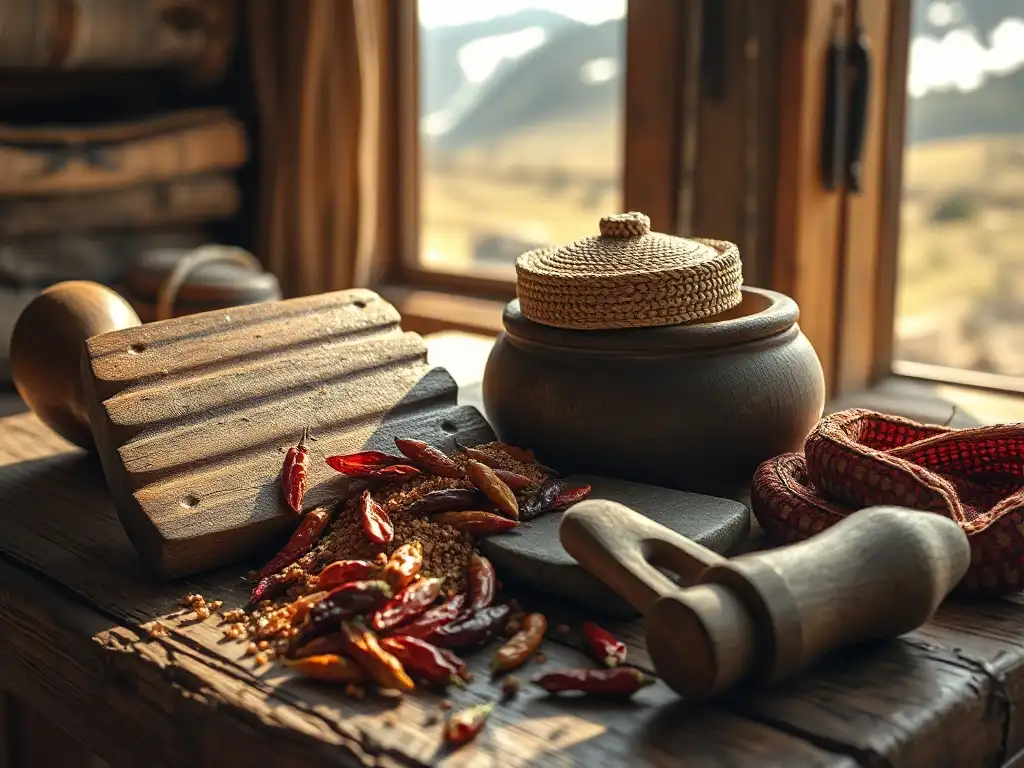
This section delves into the fascinating world of Andean food processing tools, highlighting their ingenuity and crucial role in the sustenance and cultural development of ancient Andean civilizations. We will explore the diverse range of techniques employed, from simple grinding stones to more complex methods, and analyze how these tools shaped the daily lives and social structures of these remarkable societies. Understanding these tools provides invaluable insight into the resourcefulness and adaptability of Andean peoples in harnessing their environment for survival and prosperity.
The ingenuity displayed in their design and application underscores the sophisticated technological advancements achieved long before European contact. This exploration will focus on the practical applications and cultural significance of these tools, revealing their importance beyond mere functionality. We will examine how these tools influenced dietary habits, social hierarchies, and even artistic expression.
The Significance of Food Processing in Andean Civilizations
Food processing in the Andes wasn't merely a matter of preparing meals; it was a complex interplay of agricultural practices, technological innovation, and social organization. The harsh Andean environment, with its varying altitudes and unpredictable climates, demanded efficient and effective methods for preserving and preparing food. The lack of widespread animal power meant that human ingenuity and collaborative efforts were paramount.
The sheer variety of crops cultivated – potatoes, maize, quinoa, beans, and many others – required specialized tools for processing, reflecting an advanced understanding of agricultural diversity and its nutritional benefits. For instance, the meticulous preparation of chuño (freeze-dried potatoes) required a significant amount of labor and knowledge, showcasing the importance placed on food preservation and resource management. This process, which involved freezing and thawing potatoes multiple times, not only extended their shelf life but also altered their nutritional composition and texture, making them a staple food source.
Furthermore, the creation of fermented beverages like chicha, made from maize or other grains, played a significant role in social rituals and religious ceremonies, underscoring the interwoven nature of food processing with cultural and spiritual practices. The importance of these tools can be seen reflected in the archaeological record, with numerous examples of sophisticated tools unearthed across various Andean sites.
A Glimpse into Ancient Andean Agriculture and Diet
Andean agriculture was remarkably diverse and adapted to the challenging terrain. The development of sophisticated terracing techniques allowed for cultivation on steep slopes, maximizing arable land. The staple crops, like potatoes (with hundreds of varieties! ), maize, quinoa, and beans, formed the backbone of the Andean diet. However, the raw forms of these crops required significant processing to make them palatable and nutritious.
This is where the Andean food processing tools come into play. Grinding stones, for example, were ubiquitous, used to grind grains into flour for bread-making and to prepare various sauces and pastes. Mortars and pestles were essential for crushing spices, seeds, and other ingredients. The precise techniques used varied across different regions and cultures, reflecting the unique environmental conditions and culinary traditions.
For example, the Moche culture, known for its elaborate artistry, may have used more finely crafted tools than other groups. Archaeological evidence suggests the existence of specialized tools for different tasks, indicating a level of technological sophistication that facilitated efficient and diverse food processing. Furthermore, the development of storage techniques, such as underground silos and raised granaries, was crucial for preserving harvests and ensuring food security throughout the year. The interplay between agricultural practices, food processing techniques, and storage solutions highlights the holistic approach adopted by Andean societies in managing their food resources.
Essential Andean Food Grinding Tools
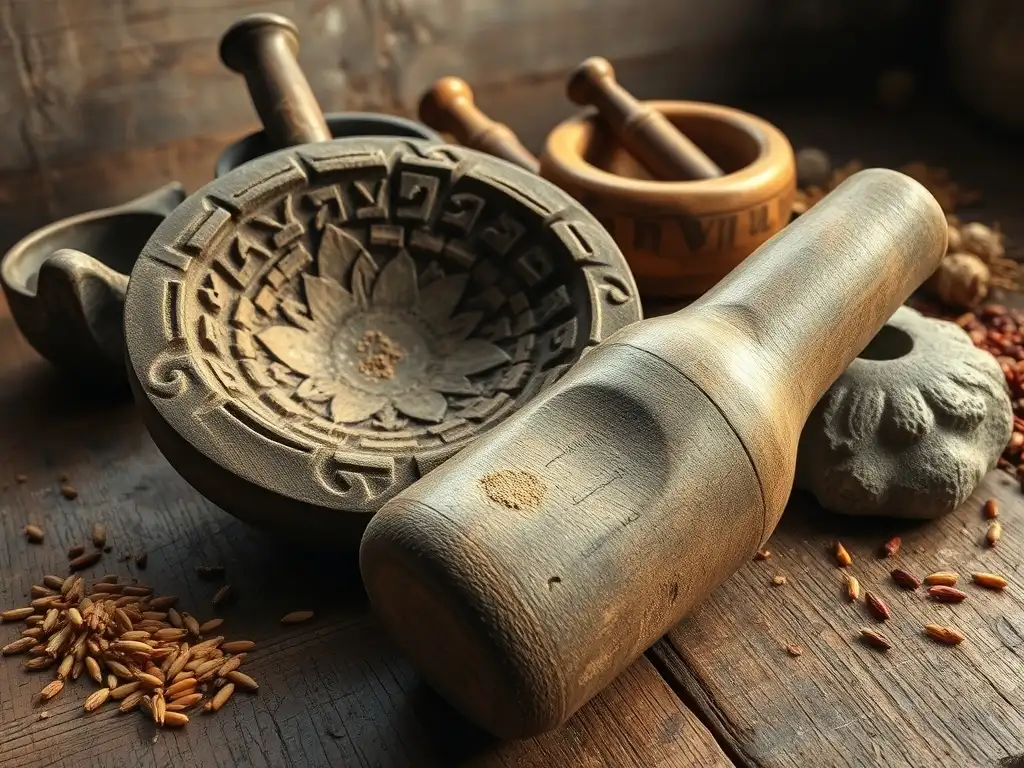
The Andean region, famed for its diverse agricultural bounty and ingenious innovations, relied heavily on efficient food processing tools to transform raw ingredients into sustenance. Understanding these tools provides crucial insight into the daily lives, dietary habits, and technological prowess of Andean civilizations. The development and refinement of these tools, passed down through generations, represent a remarkable testament to human ingenuity and adaptation to challenging environments.
This section will focus on the essential tools used for grinding, a fundamental process in Andean food preparation. The efficiency and effectiveness of these tools allowed for the creation of a diverse range of food products, contributing significantly to the overall success and resilience of Andean societies.
Analyzing their design, materials, and usage patterns reveals a sophisticated understanding of material science and agricultural practices. The study of Andean food processing tools offers a compelling window into the intricate relationship between people and their environment, highlighting the importance of technology in shaping the cultural landscape of the Andes.
The Ubiquitous Metate and Mano: Basic Grinding Stones
The metate and mano are arguably the most iconic Andean food processing tools. The metate, a flat, typically rectangular grinding stone, served as a stable base. Made from volcanic rock, granite, or other durable materials, its surface was often carefully ground smooth to optimize its functionality. The mano, a hand-held, usually oblong, grinding stone, was used to process ingredients on the metate.
This simple yet effective combination allowed for the grinding of a wide array of foods, including grains (such as maize, quinoa, and amaranth), seeds, and spices. The size and shape of both the metate and mano varied depending on regional differences and the specific needs of the users. Some were small and portable, while others were large and stationary, often built into the architecture of homes.
The process of grinding with a metate and mano required skill and physical strength, but it was a ubiquitous activity in Andean households. Archaeological evidence reveals the widespread use of these tools across various Andean cultures and time periods, emphasizing their enduring importance in the region's culinary traditions. Furthermore, the meticulous craftsmanship evident in many metates and manos suggests that these tools were not simply utilitarian objects but also held cultural significance.
Understanding the Functionality of Andean Grinding Stones
The functionality of Andean grinding stones extended beyond basic pulverization. The process of grinding was not merely about reducing the size of ingredients; it also served to release flavors and nutrients, improve digestibility, and prepare foods for further processing. For example, grinding maize into a fine flour allowed for the creation of chicha, a fermented beverage that was a staple in Andean societies. Similarly, grinding spices and herbs facilitated the production of flavorful sauces and condiments that enhanced the taste of various dishes.
The shape and texture of the metate's surface also played a crucial role in determining the fineness of the resulting product. A smoother surface produced a finer flour, while a rougher surface could be used for coarser grinding. This adaptability allowed for the preparation of a wide range of food textures, catering to diverse culinary needs and preferences.
The effectiveness of these tools was further enhanced by the incorporation of techniques such as adding water or other liquids to the grinding process, which aided in the creation of pastes and doughs. Therefore, the seemingly simple metate and mano represent a sophisticated technology that played a vital role in the development of Andean cuisine and culture. The ability to efficiently process food using these tools was essential for the survival and prosperity of Andean civilizations, underscoring the importance of innovation in food technology.
Beyond Grinding: Diverse Andean Food Preparation Tools
The term "Andean food processing tools" often conjures images of grinding stones, and rightly so. These were ubiquitous across various Andean cultures. However, the reality of food preparation in these ancient societies was far more nuanced and involved a diverse array of tools, each designed for specific tasks and reflecting the ingenuity of their creators.
Understanding the complete range of these implements is crucial to appreciating the sophistication of Andean foodways. This section will explore some key examples beyond the ubiquitous grinding stones, highlighting their design, function, and societal impact. The efficiency and adaptability of these tools underscore the ingenuity of Andean civilizations in optimizing food production and consumption.
Mortars and Pestles: Preparing Ingredients with Precision
Mortars and pestles, seemingly simple tools, played a vital role in Andean food preparation. These weren't just used for grinding; they were employed for a variety of tasks, from crushing spices and herbs to preparing pastes and sauces. The materials varied depending on availability and the intended use. Some were carved from volcanic stone, offering durability and a smooth grinding surface ideal for creating fine powders. Others were made from wood, particularly for processing softer ingredients that might be damaged by harder stones.
The size and shape of mortars and pestles also varied considerably. Smaller, hand-held versions were common in households, while larger, communal mortars were likely used in more public settings or for larger-scale food preparation. Archaeological evidence suggests that the design and materials used reflected regional variations and the specific dietary habits of different Andean communities.
For instance, coastal communities might have used mortars made from harder materials to process shellfish, while those in the highlands might have favored softer stones for grinding grains. The precision required to create these tools and their consistent appearance across different sites suggests a high level of craftsmanship and standardized production techniques. The presence of mortars and pestles in burials further emphasizes their importance, not just as practical tools, but also as potentially symbolic objects.
Andean Stone Mills: Processing Larger Quantities of Grains
While mortars and pestles were suitable for smaller-scale food preparation, Andean societies also developed sophisticated stone mills for processing larger quantities of grains. These mills, often consisting of two large, flat stones, allowed for efficient grinding of maize, quinoa, and other staple crops. The lower stone, or metata, was typically stationary, while the upper stone, or mano, was used to grind the grain. The design of these mills allowed for a continuous grinding action, significantly increasing the efficiency of grain processing compared to using only mortars and pestles.
The development of these mills represents a significant technological advancement, reflecting a growing need for efficient food production to support larger populations and more complex social structures. The construction of these mills required considerable skill and knowledge of stone working techniques. Archaeologists have discovered evidence of varying mill designs, suggesting regional differences in construction and usage.
Some mills were relatively simple, while others were more complex, featuring features like grooves or channels to guide the grain and improve efficiency. The widespread use of stone mills across various Andean cultures highlights their importance as a key component of Andean food processing technology. The size and complexity of these mills often indicate the scale of agricultural production in a given community.
Clay Pots and Utensils: Key Elements in Andean Cooking
Beyond grinding and milling, Andean food processing also relied heavily on a variety of clay pots and utensils. These vessels were used for cooking, storing, and serving food, and their designs reflect the ingenuity and adaptability of Andean potters. From simple bowls and plates to elaborate cooking pots and storage jars, these ceramic objects played a crucial role in the daily lives of Andean people.
The diversity of clay pots and utensils found in Andean archaeological sites is remarkable. Different shapes and sizes were used for specific purposes, reflecting the varied culinary traditions of different Andean communities. Some pots were designed for boiling, others for stewing or roasting. The materials and techniques used in pottery production also varied across different regions and time periods. The decoration of these vessels often provided insights into the cultural beliefs and artistic styles of the communities that created them. The sophisticated techniques used in creating these vessels, including the use of different clays and firing techniques, demonstrate the high level of skill and expertise possessed by Andean potters. The careful preservation of many of these artifacts underscores their enduring importance in understanding Andean culture and technology. The analysis of residue found on these pots offers further clues about the types of foods prepared and consumed by Andean people. 👩🍳
Materials and Craftsmanship of Andean Food Processing Tools
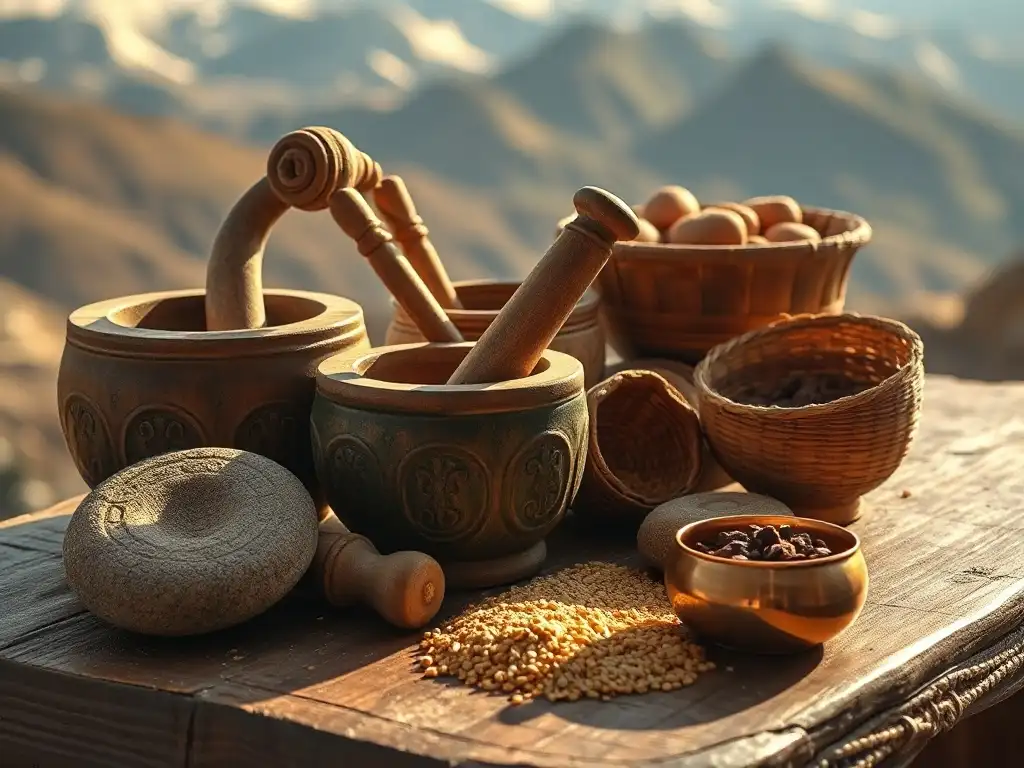
The ingenuity of Andean civilizations is vividly reflected in their food processing tools, artifacts that speak volumes about their resourcefulness and technological prowess. Understanding the materials and craftsmanship involved in creating these tools provides invaluable insight into the daily lives and societal structures of these ancient cultures. The careful selection of materials, the meticulous shaping techniques, and the surprising variations in design across different Andean cultures all contribute to a fascinating narrative of adaptation and innovation.
The study of these tools reveals not just how Andeans processed their food, but also who they were and how they interacted with their environment. The keyword "Andean food processing tools" is central to this exploration, highlighting the significant role these tools played in their societies.
Sourcing Stone for Durable Grinding Implements
The most common material for Andean food processing tools was stone, specifically volcanic rock like basalt and andesite, chosen for their hardness, durability, and ability to withstand the abrasive action of grinding. These stones weren't simply gathered; their sourcing involved careful selection and often considerable effort. Evidence suggests that Andeans traveled significant distances to obtain the highest-quality stones, prioritizing those with a fine grain and minimal fracturing. This meticulous selection speaks to the importance placed on the longevity and effectiveness of these tools – a crucial element in ensuring food security.
The selection process likely involved assessing the stone's texture, weight, and overall suitability for grinding. Imagine Andean artisans meticulously examining outcroppings, testing the hardness with simple tools, and carefully selecting the most promising rocks before transporting them back to their communities. This wasn't a casual process; it was an investment in time and labor, reflecting the value placed on efficient food preparation. The durability of these grinding stones is testament to the understanding Andeans had of material properties and their ability to exploit them effectively.
The Art of Shaping and Smoothing Andean Tools
Once suitable stones were obtained, the process of shaping and smoothing them into functional tools began. This wasn't a simple task. It required specialized skills and tools, passed down through generations of artisans. The creation of a metate (grinding stone) or mano (hand stone), for example, involved a complex process of chipping, grinding, and polishing. Initially, larger pieces of rock would be roughly shaped using hammerstones, gradually refining the form through meticulous percussion.
Following the initial shaping, the process of smoothing the surfaces was crucial. This involved using finer-grained abrasives, potentially including sand or other naturally occurring materials, to create a perfectly smooth, even surface. The final polish would have given the tools a high sheen, minimizing friction and maximizing grinding efficiency.
The level of craftsmanship evident in many surviving examples suggests a high degree of skill and patience. The consistent shape and smooth surfaces of many recovered tools demonstrate the mastery of these techniques. The precision involved is a testament to the deep understanding of material properties and the commitment to creating tools that were both functional and aesthetically pleasing.
Variations in Tool Design Across Andean Cultures
While stone was a primary material, the design and specific forms of Andean food processing tools varied significantly across different cultures and regions. The Incas, for instance, are known for their distinctive metates and manos, often characterized by their size and shape. The Moche culture, renowned for its artistry, produced tools with more elaborate designs, sometimes incorporating decorative elements. These variations reflect not only differences in food preparation techniques but also the unique artistic styles and cultural identities of these distinct Andean groups.
The following table summarizes some of the observed variations:
| Culture | Metate Characteristics | Mano Characteristics | Typical Crops Processed |
|---|---|---|---|
| Inca | Large, flat, often rectangular | Relatively large, oval or rectangular | Maize, quinoa, potatoes |
| Moche | Smaller, sometimes bowl-shaped | Smaller, often more intricately shaped | Maize, beans, chili peppers |
| Nazca | Varied in size and shape, often portable | Varied in size and shape | Maize, cotton, other plants |
| Tiahuanaco | Large, often with multiple grinding surfaces | Varied, sometimes with specialized features | Quinoa, tubers, various grains |
These variations highlight the adaptability of Andean technologies to diverse environments and agricultural practices. The study of these tools provides a deeper understanding of the complexity and diversity of Andean cultures and their sophisticated approaches to food production and processing. Further research, particularly into the specific agricultural practices of each culture, would enrich our understanding of the relationship between tool design and food production strategies. The diversity of "Andean food processing tools" underscores the rich tapestry of Andean civilization.
The Role of Andean Food Processing Tools in Daily Life
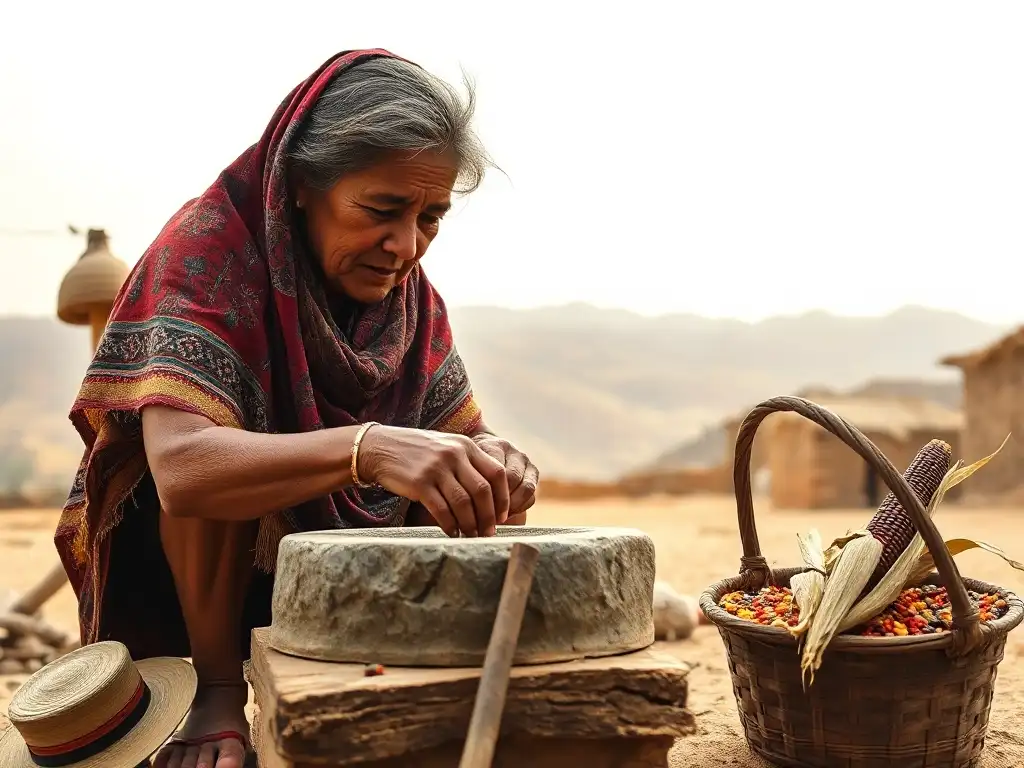
The development of sophisticated Andean food processing tools was integral to the survival and prosperity of ancient Andean societies. These tools weren't merely utilitarian; they were deeply intertwined with the cultural and social fabric of daily life. Their effectiveness in preparing food staples, processing herbs and spices, and facilitating communal activities significantly shaped Andean civilizations. The ingenuity displayed in their design and use reflects a profound understanding of materials science and agricultural practices.
Understanding these tools provides a crucial insight into the complex interplay between technology, sustenance, and social structure in the Andes. The efficiency and versatility of these tools allowed for larger-scale food production and storage, contributing to population growth and societal complexity. Analyzing these tools allows us to reconstruct the daily routines and culinary practices of these fascinating ancient cultures.
Preparing Staples: Corn, Quinoa, and Potatoes
Corn, quinoa, and potatoes formed the cornerstone of the Andean diet. Efficient processing of these staples was crucial for survival. The metate and mano, a grinding stone and hand-held pestle, are perhaps the most iconic examples of Andean food processing tools. These were used to grind grains into flour, a process vital for making breads, porridges, and other essential foods. The meticulous craftsmanship evident in many surviving metates – some featuring intricate carvings – demonstrates the importance placed on these tools. Their widespread use, evidenced by archaeological finds across diverse Andean regions, underscores their fundamental role in food preparation.
The process wasn't always straightforward. Grinding grains required significant physical exertion, and the effectiveness of the tools depended on the quality of the stone and the skill of the user. Variations in metate design – size, shape, and the presence of additional features – likely reflected regional differences in grain types and preferred food preparations.
For example, some metates exhibit a concave shape optimized for grinding specific types of corn, while others are flatter, suitable for processing quinoa. Furthermore, the use of mortars and pestles, often made from harder materials like volcanic rock, provided alternative methods for processing these staples, offering a degree of specialization based on the desired outcome. The efficiency of these tools directly impacted the nutritional value and palatability of the diet, influencing overall health and well-being.
Processing Herbs and Spices: Enhancing Andean Cuisine
Beyond the preparation of staple crops, Andean food processing tools played a crucial role in enhancing the flavor and nutritional value of the Andean diet through the processing of herbs and spices. Mortars and pestles, for instance, were not only used for grains but also for grinding a wide variety of ingredients, including chili peppers, achiote seeds, and various medicinal plants.
The finely ground spices and herbs were then used to season foods, creating complex and flavorful dishes. The preparation of these ingredients required careful selection of materials, with harder stones preferred for grinding tougher items like chili peppers to prevent damage to the mortar.
Archaeological evidence suggests a sophisticated understanding of spice blending and preservation techniques. The careful selection and processing of herbs and spices demonstrate a deep knowledge of botany and their culinary applications. This knowledge was likely passed down through generations, forming an integral part of Andean culinary traditions.
The incorporation of these spices and herbs not only enhanced the taste of food but also provided additional nutritional benefits and medicinal properties. The diversity of herbs and spices used, reflecting the rich biodiversity of the Andean region, further highlights the importance of these tools in shaping the unique character of Andean cuisine. Moreover, the ability to process and preserve spices allowed for year-round access to these essential flavor enhancers, contributing to the resilience of Andean communities.
Food preparation in Andean societies was far more than a mere domestic activity; it held significant social and cultural implications. The communal preparation of food, facilitated by the shared use of processing tools like metates and mortars, often took place in community settings, reinforcing social bonds and fostering a sense of collective identity. The rhythmic sounds of grinding grains and pounding spices likely served as a backdrop to social interaction and storytelling. The sharing of food, prepared with these tools, was a central aspect of Andean social life, reflecting reciprocal relationships and communal solidarity.
Furthermore, the ownership and control of food processing tools could also reflect social status and hierarchy within Andean communities. Larger, more elaborately carved metates, for instance, might have belonged to elite households, signifying wealth and prestige. However, the widespread presence of these tools in archaeological sites suggests that they were also accessible to a broad segment of the population, highlighting their importance in supporting both individual and communal sustenance.
The use of these tools was not just about food production; they were integral to the social fabric of Andean life, reinforcing social connections and contributing to the stability and prosperity of Andean communities. The legacy of these tools extends beyond their practical function, offering valuable insights into the rich social tapestry of these ancient civilizations.
Andean Food Processing Tools: A Legacy of Innovation
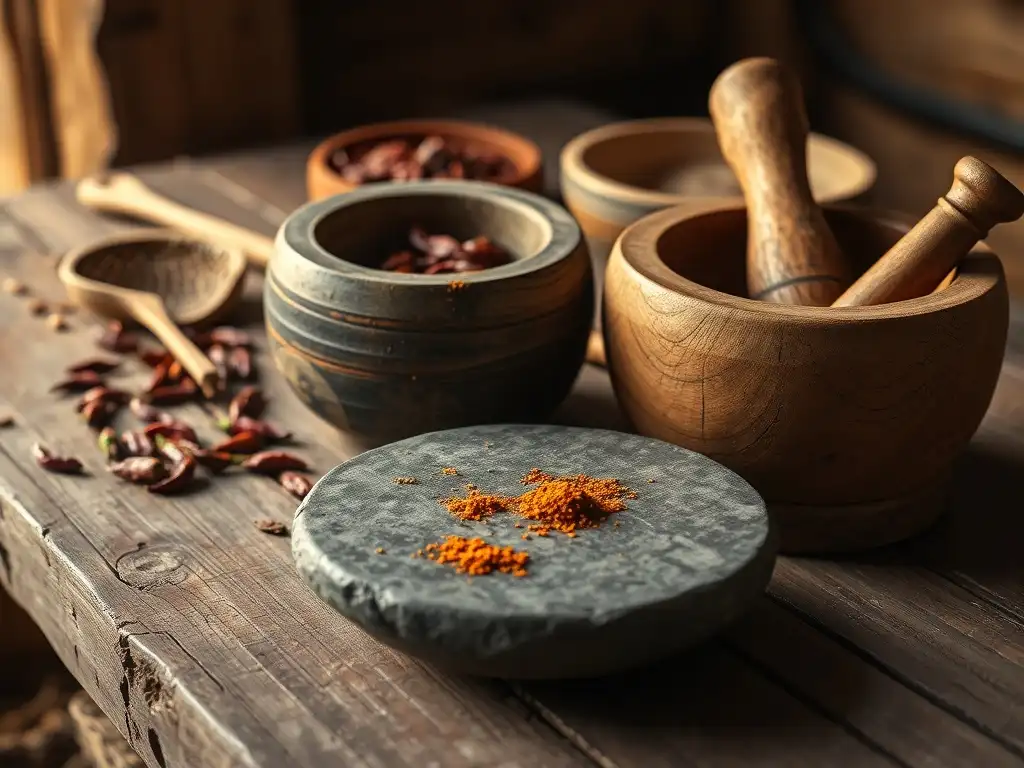
This section delves into the remarkable ingenuity displayed in the development and use of Andean food processing tools. These tools, far from being simple implements, represent sophisticated adaptations to the challenging Andean environment and a deep understanding of agricultural practices. Their evolution reflects centuries of experimentation and refinement, shaping not only the culinary landscape but also the social and economic structures of Andean societies.
The study of these tools provides invaluable insights into the resourcefulness and technological prowess of ancient Andean cultures. Understanding the functionality and significance of these tools is key to appreciating the complexity of Andean foodways and their enduring legacy. The diversity of tools, reflecting the varied ecological zones and agricultural practices across the Andes, is striking.
From the simplest mortars and pestles to the more complex grinding stones, each tool played a crucial role in transforming raw ingredients into nutritious and palatable meals. The efficiency and effectiveness of these tools, often made from readily available materials, are testaments to the ingenuity of their creators.
The Ingenuity Behind Andean Food Processing Methods
Andean food processing techniques were intricately linked to the tools employed. The process often began with harvesting, followed by cleaning, and then the crucial step of processing. Consider, for example, the ubiquitous molinillo, a hand-held whisk used to froth chicha, a fermented corn beverage.
Its design, with its carefully balanced weight and ergonomic handle, allowed for efficient and consistent frothing. The effectiveness of the molinillo lay not just in its design but also in the understanding of the properties of corn and the fermentation process. This understanding, passed down through generations, allowed for the creation of a beverage that was both nutritious and culturally significant.
Another example is the batán, a large, heavy stone used for grinding grains. The batán's effectiveness stemmed from its weight and the smooth, concave surface of the grinding stone. The skill lay in the rhythmic pounding motion used to grind the grains, a skill honed over years of practice. The batán wasn't just a tool; it was an embodiment of knowledge and experience, representing a crucial link in the food production chain.
Different grains required different techniques, highlighting the nuanced understanding of agricultural processes. The size and shape of the batán also varied depending on the specific needs of the community and the type of grain being processed. The artistry involved in crafting these stones, often with intricate carvings or polished surfaces, further emphasizes their cultural importance.
Preserving Traditional Techniques in Modern Andean Communities
Despite the introduction of modern technologies, traditional Andean food processing techniques and tools persist in many communities. The continued use of tools like the molinillo and the batán is not merely a nostalgic practice; it reflects the enduring value of these methods. These tools are often integrated into contemporary food systems, demonstrating their adaptability and resilience.
For instance, while modern mills exist, many communities continue to use batáns for specific purposes, such as grinding grains for traditional breads or preparing specific ingredients for ceremonial meals. This preservation of tradition is crucial for maintaining cultural identity and ensuring food sovereignty. The knowledge associated with these tools is often passed down orally within families, representing an invaluable cultural inheritance.
Efforts to document and preserve these techniques are underway, recognizing their significance for both cultural heritage and sustainable food systems. The integration of traditional methods with modern approaches offers a path towards food security while maintaining cultural identity. The resilience of these techniques is a testament to their effectiveness and cultural significance.
Impact on Food Security and Sustainability
Andean food processing tools played, and continue to play, a vital role in ensuring food security and promoting sustainable agricultural practices. The efficient processing of grains and other crops, enabled by these tools, minimized food waste and ensured the availability of essential nutrients. The use of locally available materials in the construction of these tools reduced reliance on external resources, contributing to environmental sustainability.
Furthermore, the knowledge associated with these tools—knowledge of the properties of different crops and the most effective processing techniques—allowed for the adaptation to varying environmental conditions and the optimal utilization of available resources. The sustainable practices embedded within traditional Andean food processing methods offer valuable lessons for modern agricultural systems. The focus on minimizing waste, utilizing locally sourced materials, and understanding the specific needs of different crops are all crucial aspects of sustainable food production.
These traditions offer invaluable insights into creating more resilient and environmentally friendly food systems. The study of Andean food processing tools thus provides a rich understanding of the intricate relationship between technology, culture, and sustainability, offering valuable lessons for the future.
Conclusion: The Enduring Importance of Andean Food Processing Tools
The study of Andean food processing tools offers a captivating glimpse into the ingenuity and resourcefulness of ancient Andean civilizations. These weren't merely utilitarian objects; they were integral components of a complex socio-economic system, reflecting sophisticated agricultural practices, social structures, and cultural beliefs. From the humble grinding stone to the intricate mortars and pestles, each tool tells a story of adaptation, innovation, and the enduring human quest for sustenance.
Their careful design and widespread use across diverse Andean cultures highlight a shared understanding of efficient food preparation and its crucial role in community well-being. The legacy of these tools extends beyond their archaeological significance; they provide invaluable insights into the daily lives, dietary habits, and technological prowess of these remarkable civilizations.
Understanding these tools allows us to better appreciate the intricate tapestry of Andean life and the remarkable achievements of its people. Further research into the specific materials used, the manufacturing techniques employed, and the regional variations in design will undoubtedly reveal even more about the rich technological heritage of the Andes.
Reflecting on the Ingenuity of Andean Technology
The ingenuity displayed in Andean food processing tool design is truly remarkable. Consider the metate and mano, a simple yet effective grinding system used for millennia. The metate's slightly concave surface, perfectly complemented by the hand-held mano, allowed for efficient grinding of grains, creating flour for bread and other essential foods.
The precision with which these tools were crafted, often from volcanic stone, speaks to a deep understanding of material properties and a commitment to creating durable, long-lasting implements. Moreover, the adaptability of these tools is noteworthy. While primarily used for grain processing, the metate and mano could also be employed for grinding spices, preparing pigments, and even medicinal preparations.
This versatility underscores the resourcefulness of Andean societies and their ability to maximize the utility of their technological innovations. The development of specialized tools for specific tasks, such as the various types of mortars and pestles used for processing different ingredients, further highlights the sophistication of their technological advancements. The integration of these tools into the broader agricultural landscape, alongside irrigation systems and terraced farming, demonstrates a holistic approach to food production that was both efficient and sustainable.
Significance in Understanding Andean Culture
Andean food processing tools are not merely technological artifacts; they are also powerful symbols that illuminate aspects of Andean culture. The meticulous craftsmanship often evident in these tools suggests a deep respect for both the materials used and the process of food preparation itself. The prevalence of certain designs and materials in specific regions can provide clues to trade networks and cultural exchange.
For example, the use of particular types of stone in a specific region might indicate access to certain quarries or trade relationships with neighboring communities. Furthermore, the presence of decorative elements on some tools, such as carvings or painted designs, suggests a potential connection to religious beliefs or social status. The act of food preparation itself held significant social and cultural importance within Andean societies, often involving communal participation and ritualistic elements.
Therefore, studying these tools provides a window into the social dynamics, religious practices, and worldview of these ancient cultures. The detailed analysis of these tools, combined with archaeological evidence from sites across the Andes, can reveal a much richer and more nuanced understanding of Andean culture and its relationship with its environment. The enduring legacy of these tools serves as a constant reminder of the interconnectedness between technology, culture, and the human experience.
Frequently Asked Questions
What were some common Andean food processing tools?
Andean civilizations utilized a variety of tools. These included grinding stones (metates and manos) for grains, mortars and pestles for spices and seeds, and specialized tools for processing specific crops like potatoes and maize.
How did these tools impact Andean diets?
The efficiency of these tools allowed for greater food production and preservation. This led to a more diverse and abundant diet, supporting larger populations and complex social structures.
Were Andean food processing tools standardized across all cultures?
While there were commonalities, significant regional variations existed. Specific tools and techniques adapted to the available resources and the dominant crops of each Andean culture.
What materials were used to create these tools?
Andean food processing tools were often made from stone, particularly volcanic rock, but also wood, bone, and ceramic. The choice of material depended on the tool's function and the available resources.
How have archaeologists learned about these ancient tools?
Archaeologists uncover evidence through excavation, studying preserved tools, analyzing residues on tools, and interpreting iconographic representations in art and textiles depicting food processing activities.
Final Reflection: The Enduring Legacy of Andean Ingenuity
The ingenious food processing tools of the Andes are not relics of a bygone era; they represent a sustainable and resilient approach to food production that remains profoundly relevant in our modern world. The challenges of climate change, food security, and the preservation of cultural heritage demand that we look to these ancient techniques not just with historical interest, but with a critical eye towards their potential to inform and inspire contemporary solutions. The ingenuity displayed in their design and functionality offers valuable lessons for a future grappling with resource scarcity and environmental degradation.
The enduring impact of these tools extends far beyond their practical application; they are interwoven with the cultural fabric of Andean communities, shaping their identities, social structures, and relationship with the land. The food we eat is not merely sustenance; it is a reflection of our history, our values, and our connection to the earth.
This quote encapsulates the profound significance of these tools, highlighting how they are not simply objects, but integral components of a rich and vibrant cultural heritage that deserves to be celebrated and protected. Their continued use speaks volumes about the enduring wisdom and adaptability of Andean traditions.
Consider, for a moment, the ingenuity embedded within each carefully crafted tool. Imagine the generations of knowledge passed down, the meticulous craftsmanship involved, and the deep understanding of nature that underpins their design. You too can embrace this legacy by exploring sustainable practices in your own life, by appreciating the origins of your food, and by supporting initiatives that preserve traditional knowledge and skills. Let the story of the grindstone, and the countless other tools like it, inspire you to connect with your food, your community, and the earth in a more meaningful and sustainable way.
Embrace Andean Heritage: Transform Your Culinary Journey!
Thank you for exploring the rich history of Andean food processing tools with us! You've discovered the profound cultural significance of these artifacts and their influence on culinary traditions. Now, let's put this knowledge to work in your kitchen and community.
Here are a few ways you can celebrate this heritage:
- Incorporate Andean ingredients into your cooking: Explore local farmers' markets and specialty stores to find native grains, tubers, and fruits, adding unique flavors and authenticity to your dishes. Experiment with quinoa, potatoes, or aji peppers for a taste of the Andes.
- Host an Andean-themed dinner party: Gather friends and family for a culinary adventure, sharing the fascinating stories behind the tools and techniques that create the distinctive flavors of this region. Consider preparing a traditional Andean stew or trying your hand at making humitas.
- Join or start a community group focused on traditional foodways: Connect with fellow enthusiasts to learn and share knowledge about Andean culinary heritage. This is a great opportunity to build community while expanding your culinary horizons.
What Andean dish are you most eager to try or learn more about? Share your thoughts in the comments below!