
The Llama Caravans: How Pack Animals Shaped Ancient Andean Trade

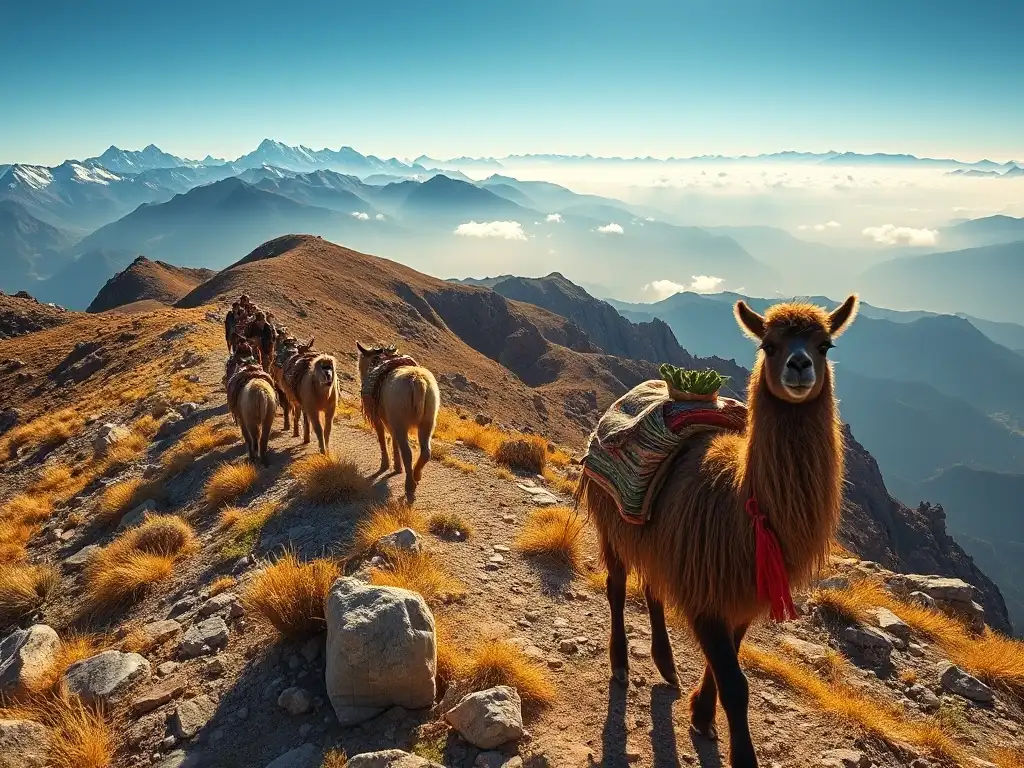
Step into a world lost to time, where the echoes of ancient footsteps still resonate across the Andes. Imagine vast, sprawling landscapes traversed by intrepid llama caravans, carrying not just goods, but the very threads of civilization. Discover the secrets behind the Ancient Andean llama trade routes, a complex network that fueled the rise and fall of empires. Unravel the mysteries of this vital trade and its impact on Andean society – your journey begins now.
The towering Andes Mountains, a formidable geographical barrier, presented a unique challenge and opportunity for the ancient Andean civilizations. Instead of hindering interaction, these imposing peaks fostered a complex network of trade routes, skillfully navigated with the help of a crucial ally: the llama. This article delves into the vital role llama caravans played in shaping the economic and social landscape of the ancient Andes, exploring the intricacies of their trade routes and the diverse goods they carried across vast distances.
We will examine how the efficient transportation provided by llamas facilitated cultural exchange, economic prosperity, and the rise of powerful empires, solidifying their place in the rich tapestry of Ancient Andean history. Understanding the "Ancient Andean llama trade routes" is key to understanding the interconnectedness and resilience of these remarkable civilizations.
The Llama: A Keystone Species in Andean Trade
The llama, a domesticated camelid uniquely adapted to the high-altitude Andean environment, was far more than just a source of meat and wool. Its incredible strength and endurance made it the perfect pack animal, capable of carrying significant loads across challenging terrains. Llamas could traverse steep inclines, navigate narrow mountain passes, and endure harsh weather conditions, making them indispensable for transporting goods across the vast Andean expanse.
Their relatively docile nature also made them easier to manage in large caravans compared to other pack animals. Early Andean societies understood and harnessed this natural advantage, developing sophisticated systems for llama herding, caravan organization, and route maintenance. This symbiotic relationship between humans and llamas profoundly impacted the development of Andean trade networks.
Mapping the Ancient Andean Llama Trade Routes
The precise routes followed by llama caravans are still being researched and uncovered by archaeologists. However, evidence suggests a complex network radiating outwards from major population centers like Cusco (Inca Empire), Chan Chan (Chimú culture), and Tiahuanaco. These routes often followed valleys, riverbeds, and less treacherous mountain passes, connecting distant communities and facilitating the exchange of goods. The routes weren't simply linear paths; they were dynamic networks, adapting to seasonal changes and the availability of resources.
Evidence for Trade Routes
Archaeological evidence, such as the discovery of artifacts from distant regions at various sites, supports the existence of extensive trade networks. The presence of specific types of pottery, textiles, and metalwork in unexpected locations strongly suggests the movement of goods over long distances.
The sheer scale and complexity of these routes highlight the sophisticated logistical capabilities of the ancient Andean societies.
Goods Traded Along the Llama Caravans: A Diverse Inventory
The goods transported by llama caravans were incredibly diverse, reflecting the varied environments and specialized crafts of different Andean regions. High-altitude regions offered precious metals like silver and gold, while coastal areas provided fish, salt, and shellfish. The valleys yielded agricultural products such as maize, potatoes, coca leaves, and cotton.
| Region | Goods |
|---|---|
| Coastal Regions | Fish, salt, shellfish, cotton |
| High Altitudes | Silver, gold, alpaca wool |
| Valleys | Maize, potatoes, coca leaves |
This intricate system of exchange not only sustained individual communities but also fostered cultural interaction and the development of specialized crafts. The movement of these goods also contributed significantly to the economic power and political influence of the various Andean empires.
The control and management of llama caravans and trade routes had significant social and political implications. Powerful elites often controlled access to key routes and resources, accumulating wealth and consolidating their power. The organization of large caravans required complex social structures and systems of labor organization, further highlighting the societal impact of this trade system.
The success of these trade networks is a testament to the sophisticated organizational and logistical capabilities of the ancient Andean civilizations, demonstrating their ability to overcome significant geographical challenges and create a thriving interconnected society. The efficient movement of goods and people, facilitated by the humble llama, played a crucial role in the rise and fall of empires across the Andes.
- The Llama: A Keystone Species in Andean Trade
- Mapping the Ancient Andean Llama Trade Routes
- Goods Traded Along the Llama Caravans: A Diverse Inventory
- The Social and Political Impact of Llama-Based Trade
- What role did llamas play in the ancient Andean economies?
- How did the geography of the Andes influence llama trade routes?
- What kind of goods were transported via llama caravans along these routes?
- Were there any specific technologies or innovations associated with llama caravan trade?
- How did the Spanish conquest impact the ancient Andean llama trade routes?
The Significance of Llama Domestication in Andean Commerce
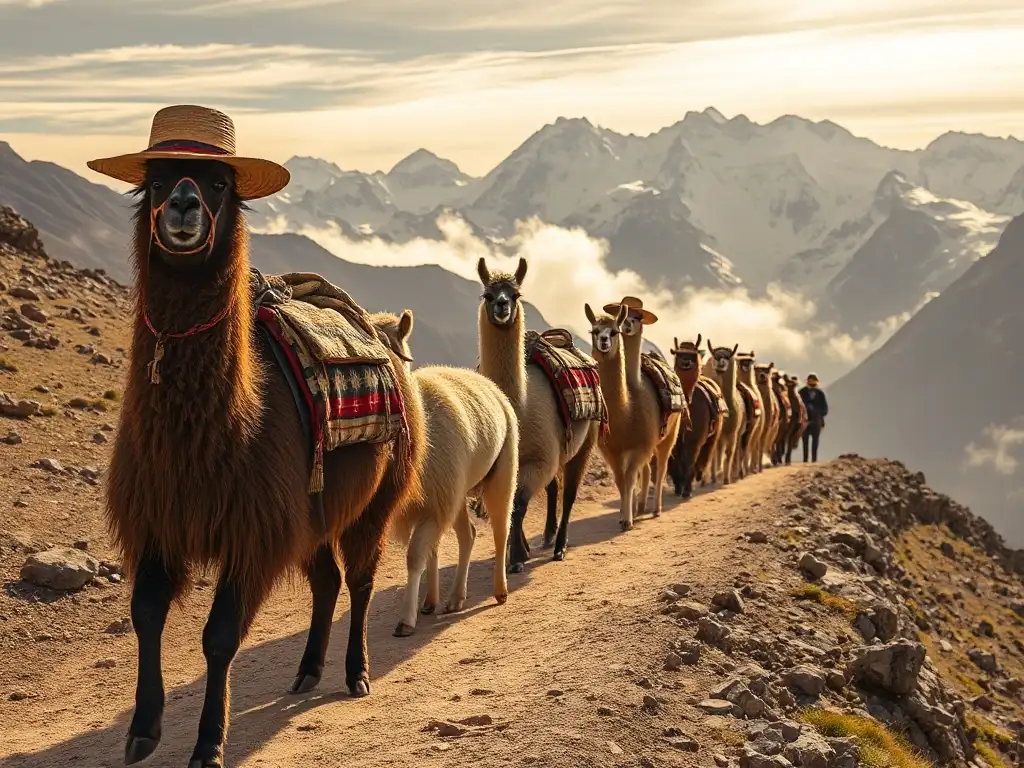
The domestication of the llama and alpaca stands as a pivotal moment in the development of Ancient Andean trade. These camelids weren't merely sources of wool and meat; their crucial role as pack animals fundamentally reshaped the economic landscape of the Andes, facilitating the movement of goods across challenging terrains and vast distances. Understanding their significance requires examining both their early domestication and their subsequent impact on the intricate network of Ancient Andean llama trade routes.
The sheer scale of trade, enabled by these resilient creatures, demonstrates the sophisticated organizational capabilities of Andean societies and their remarkable adaptation to their environment. The impact reverberated through all aspects of life, influencing social structures, political power, and even religious practices.
Without the llama, the vibrant exchange of goods and ideas that characterized Andean civilizations would have been drastically different, if not impossible. The very fabric of Ancient Andean society was woven into the threads of its llama-based trade networks.
Early Domestication of Llamas and Alpacas
The precise timeline of llama and alpaca domestication remains a subject of ongoing research, but evidence suggests it occurred gradually over millennia. Genetic studies point to a domestication process starting as early as 4,000 BCE in the high Andes, possibly even earlier in some regions. Archaeological findings, such as skeletal remains exhibiting characteristics consistent with domestication (e.g., changes in body size and skull shape), corroborate this timeline.
Early domestication likely focused on utilizing llamas and alpacas primarily for their fiber and meat. However, the inherent carrying capacity of the llama quickly became apparent, leading to its increasing importance in transportation and trade. The development of specialized equipment, such as pack saddles and harnesses, further enhanced the llama's efficiency as a pack animal, showcasing the ingenuity and technological advancements of early Andean cultures.
This early adoption of llamas as pack animals laid the foundation for the extensive trade networks that would characterize later Andean civilizations. The transition from solely subsistence-based herding to a system incorporating large-scale transport dramatically altered Andean economies.
Llamas as Essential Pack Animals for Andean Trade
Llamas, with their remarkable strength and endurance, proved ideally suited to the challenging Andean terrain. They could traverse steep, rocky paths and navigate high-altitude passes with relative ease, carrying substantial loads across hundreds of miles. This capability was instrumental in connecting disparate communities, fostering trade and cultural exchange across the vast Andean landscape. Ancient Andean llama trade routes weren't simply haphazard trails; they were meticulously planned and maintained pathways, often marked by strategically placed resting points and waystations.
These routes facilitated the movement of a wide array of goods, including textiles, ceramics, precious metals, agricultural products, and even building materials. Consider the monumental task of transporting massive stones for structures like Machu Picchu – a feat only achievable through the coordinated efforts of numerous llamas and their human handlers. The efficiency of llama caravans was further enhanced by the development of sophisticated organizational structures and logistical systems, indicating a high level of societal planning and coordination. The importance of these pack animals is undeniable; their presence shaped the very geography of Ancient Andean trade and profoundly impacted the economic and social fabric of these remarkable civilizations.
The efficient movement of goods, fueled by the tireless efforts of llamas, contributed significantly to the prosperity and cultural richness of the Andes. The system was not without its challenges, of course, requiring careful management of herds, knowledge of the terrain, and robust social organization. Yet, the success of the system stands as a testament to the resourcefulness and adaptive capabilities of Andean cultures.
Mapping Ancient Andean Llama Trade Routes
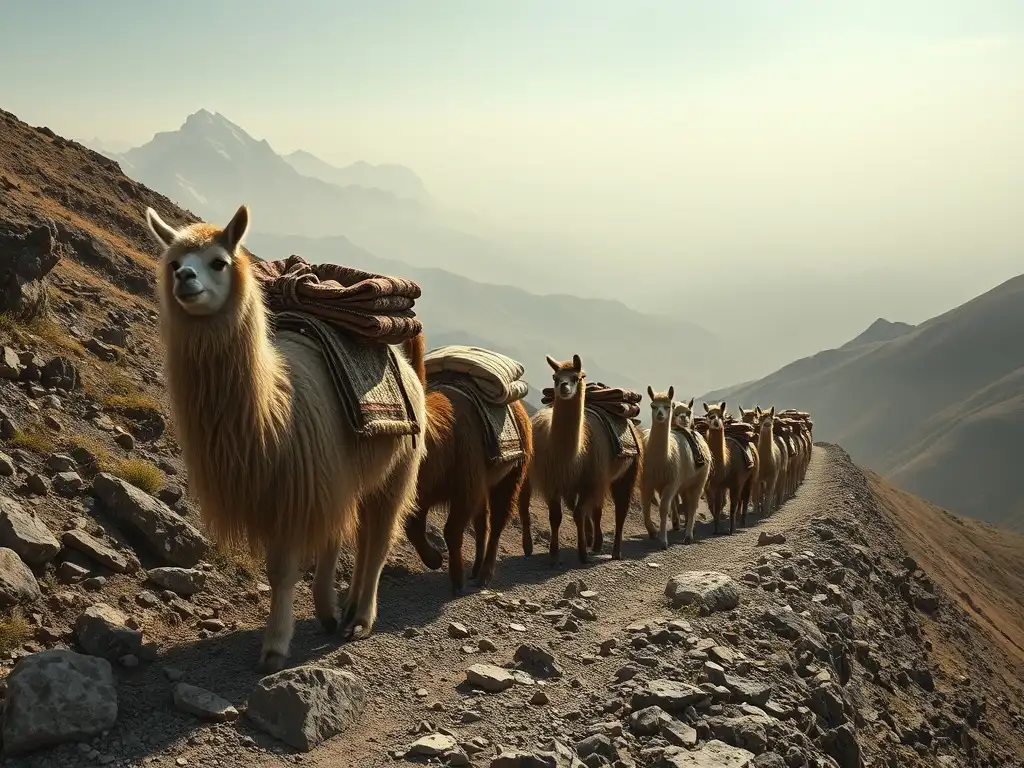
The sheer scale of the Ancient Andean llama trade routes is a testament to the ingenuity and organizational prowess of pre-Columbian Andean societies. These weren't haphazard trails; they were carefully planned networks traversing challenging Andean terrain, connecting distant communities and facilitating the exchange of vital goods. Understanding these routes requires acknowledging the complex interplay of geography, climate, and political organization.
Reconstructing these ancient pathways relies heavily on archaeological evidence, including the discovery of tambos (roadside inns), traces of pathways themselves, and the distribution of traded goods across vast distances. The absence of extensive written records from many of these cultures necessitates a multidisciplinary approach, combining archaeological findings with ethnohistorical accounts and even ecological data to paint a fuller picture of this ancient trade network.
This intricate system, which facilitated the movement of everything from textiles and ceramics to precious metals and foodstuffs, profoundly impacted the economic and social landscape of the Andes. The precise mapping of these routes remains a work in progress, with ongoing research constantly refining our understanding of their extent and significance.
Understanding the Geography of Llama Trade
The Andes Mountains present a formidable challenge to transportation. Steep slopes, treacherous passes, and unpredictable weather conditions made traversing the region a significant undertaking. Llama caravans, therefore, weren't simply following the easiest paths; they were navigating complex geographical features.
Routes often followed river valleys, utilizing relatively flat terrain where possible, but also bravely ascending high-altitude passes to reach distant settlements. The availability of water sources was a critical factor, influencing the location of tambos and rest stops along the routes. Archaeological studies have revealed how these routes adapted to diverse environments, from coastal deserts to high-altitude puna grasslands.
The choice of route was also influenced by the availability of grazing land for the llamas, ensuring that the animals remained healthy and able to continue their arduous journeys. The sheer endurance of the animals and the knowledge of the terrain possessed by the herders are crucial aspects of this complex logistical operation. Analyzing the distribution of specific artifacts across various sites helps to pinpoint the most frequently used trade routes and to understand the regional variations in trade networks.
Key Trade Routes and Their Importance
Several key trade routes stand out in the historical record, each playing a crucial role in the Ancient Andean economy. The most significant are likely those connecting the coastal regions with the highland centers of power. For example, the route connecting the Nazca region with the highlands would have facilitated the exchange of coastal resources (fish, cotton) for highland products (potatoes, alpaca wool).
Similarly, routes connecting the Lake Titicaca region with the Inca capital of Cusco were vital for the empire's sustenance, transporting agricultural products, textiles, and other essential goods. These routes were not static; their importance shifted over time, influenced by political changes and environmental factors. The Inca Empire, particularly, played a major role in standardizing and expanding the existing networks, creating a more integrated and efficient system.
The network of roads and tambos constructed by the Inca facilitated the movement of goods, enhancing both the volume and speed of trade. The precise location and extent of many of these routes, however, is still under investigation and subject to ongoing debate among researchers. Further archaeological excavation and analysis of existing data is needed to provide a more comprehensive understanding of these vital arteries of the Ancient Andean economy.
The Role of the Inca Road System in Llama Caravans
The Inca road system represents a remarkable feat of engineering and logistical planning, significantly impacting the efficiency of llama caravans. The Qhapaq Ñan, a vast network of roads stretching thousands of kilometers, provided a structured framework for trade routes, improving accessibility and reducing travel times. The construction of tambos along these roads provided crucial resting places for both the llamas and their handlers, ensuring the safe and efficient transportation of goods.
These tambos were not only rest stops but also served as administrative centers, facilitating communication and control over the flow of goods. The Inca road system, however, wasn't merely a collection of pathways; it was a strategically planned network designed to connect the empire's diverse regions and facilitate the movement of resources, manpower, and information. The standardization of road construction techniques and the use of standardized weights and measures further streamlined the trade process.
The integration of the pre-existing routes into the Inca system demonstrates the Inca ability to adapt and integrate existing infrastructure to suit their administrative and economic needs. The legacy of the Inca road system continues to shape our understanding of Ancient Andean llama trade routes, providing invaluable insights into the advanced organization and logistical capabilities of the empire.
Goods Traded Along Llama Caravan Routes
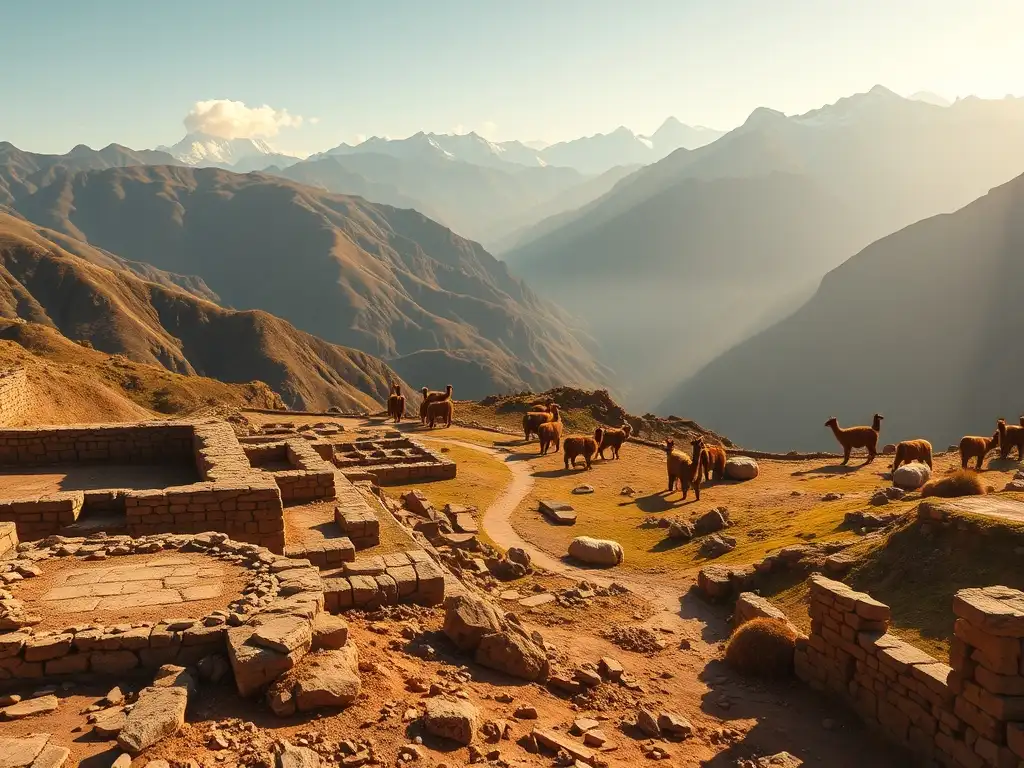
The intricate network of Ancient Andean llama trade routes facilitated the exchange of a diverse range of goods, shaping the economic and social landscape of the Andes. Llama caravans, meticulously organized and strategically routed, weren't simply transporting items; they were moving the very lifeblood of Andean societies. Understanding the nature of these goods reveals much about the sophistication and interconnectedness of these ancient civilizations.
The sheer volume of goods transported underscores the crucial role of the llama in the ancient Andean economy, a role often underestimated in broader historical narratives. Analyzing the types of goods reveals not only economic realities but also social structures and cultural values.
Staple Goods: The Backbone of Andean Trade
The backbone of Ancient Andean llama trade routes consisted of staple goods essential for daily life. These weren't luxury items, but the necessities that sustained entire communities. Agricultural products dominated this category, reflecting the agricultural prowess of Andean societies. Potatos, quinoa, maize, and beans formed the dietary foundation, their transport ensuring food security across diverse ecological zones. The high-altitude regions, often unsuitable for certain crops, relied heavily on the llama caravans to receive vital supplies. The efficient organization of these caravans, combined with the llama's remarkable ability to traverse challenging terrain, allowed for a relatively reliable food distribution system.
Beyond food crops, textiles were another crucial staple. Llama and alpaca wool, prized for its warmth and softness, were spun into cloth used for clothing, blankets, and other essential items. The trade in raw materials and finished textiles connected different regions specializing in different aspects of textile production. Some areas focused on raising the animals, while others excelled in spinning and weaving techniques. This specialization and subsequent exchange fostered economic interdependence and cultural exchange. The volume of textiles traded highlights their importance not only as clothing but also as a form of currency and social status.
Precious Goods: Luxury Items in Llama Caravans
While staple goods formed the bulk of transported items, the Ancient Andean llama trade routes also carried precious goods, reflecting the wealth and power of the elite classes. These luxury items, often associated with religious ceremonies and elite consumption, were far less common than staple goods but played a significant role in shaping social hierarchies and inter-regional relations.
- Metals: Gold, silver, and copper objects, often intricately crafted into jewelry, ceremonial items, and tools, were highly valued. The control over metal mines and the skilled artisans who worked them contributed significantly to the wealth and prestige of certain regions. The transportation of these precious metals along the trade routes cemented the power of those who controlled access to them. The meticulous craftsmanship evident in surviving artifacts underscores the expertise and artistry of Andean metalworkers.
- Obsidian: This volcanic glass, prized for its sharpness and durability, was used to create tools and weapons. Obsidian sources were geographically limited, making its trade across the Andes particularly significant. The distribution of obsidian artifacts reveals complex patterns of interaction and exchange between different communities.
| Precious Good | Source Region | Use | Significance |
|---|---|---|---|
| Gold | [Specific information pending] | Ornamentation, religious objects | Symbol of power and divinity |
| Silver | [Specific information pending] | Ornamentation, tools | Wealth and status |
| Obsidian | [Specific information pending] | Tools, weapons | Technological advancement, trade networks |
| Spondylus Shells | Coastal regions | Ornamentation, religious objects | Religious significance, long-distance trade |
The Economic Impact of Trade in Andean Societies
The Ancient Andean llama trade routes had a profound economic impact, shaping the development of Andean societies in several key ways. The efficient transport of goods fostered economic specialization, with different regions focusing on particular products. This division of labor led to increased productivity and economic interdependence.
The control over trade routes, particularly those carrying precious goods, directly influenced political power and social stratification. Control over these routes allowed certain groups to accumulate wealth and influence, shaping the political landscape of the Andes. The system also facilitated the exchange of not only material goods but also ideas, technologies, and cultural practices, contributing to the overall cultural dynamism of the region.
The scale and complexity of the trade network demonstrate a sophisticated understanding of logistics and resource management, far surpassing simplistic notions of isolated Andean communities. The system was resilient and adaptable, capable of supplying even remote communities with essential goods, even during times of hardship. The legacy of these ancient trade routes continues to influence our understanding of the ingenuity and complexity of Andean civilizations.
The Organization of Llama Caravans
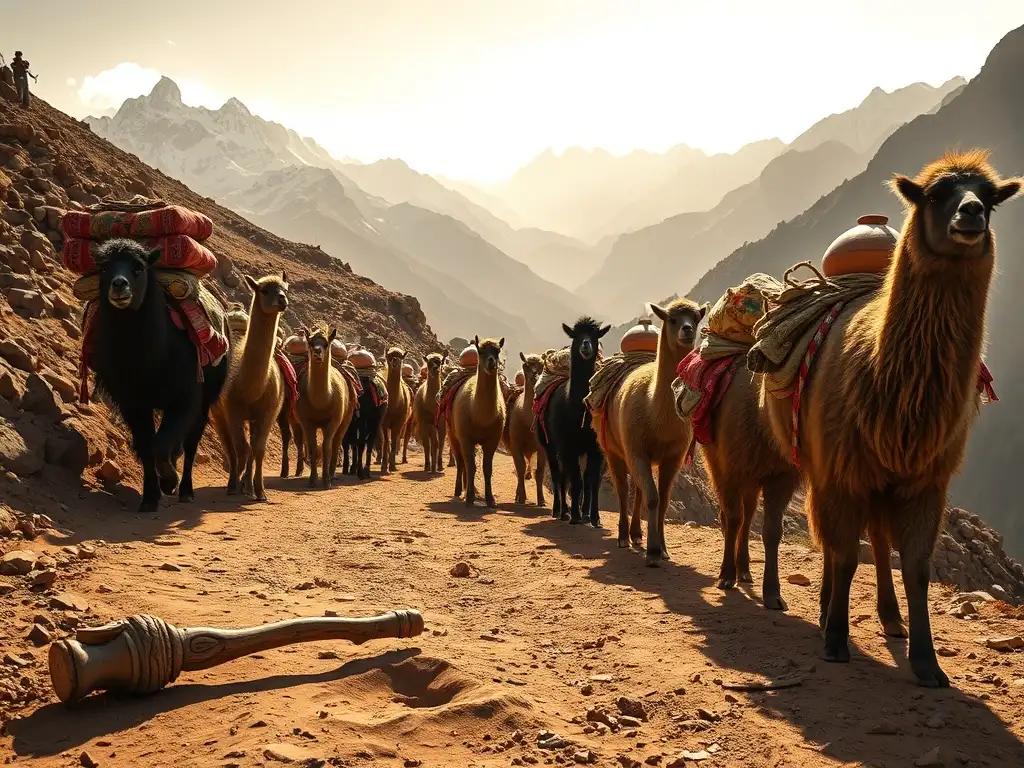
The success of the ancient Andean llama trade routes hinged not only on the resilience of the animals themselves, but also on the meticulous organization of the caravans. These weren't haphazard gatherings of llamas and herders; rather, they were complex logistical operations demanding careful planning, skilled leadership, and a deep understanding of the Andean terrain. The efficiency of these caravans directly impacted the flow of goods, the strength of trade networks, and ultimately, the prosperity of Andean societies. Understanding their organization is key to appreciating the sophisticated nature of Ancient Andean llama trade routes.
The Structure and Leadership of Llama Caravans
Llama caravans varied in size depending on the distance traveled, the type of goods transported, and the season. Smaller caravans might consist of a few dozen llamas and a handful of herders, while larger expeditions could number in the hundreds of animals and require a more complex hierarchical structure. Evidence suggests the presence of experienced leaders, likely individuals with extensive knowledge of the routes, weather patterns, and potential dangers.
These leaders, possibly appointed by local authorities or chosen for their expertise, were responsible for the overall safety and efficiency of the caravan. Their roles extended beyond simple animal management; they were responsible for navigating treacherous mountain passes, managing disputes among herders, and ensuring the timely delivery of goods.
The structure often involved a division of labor. Some herders focused on the llamas themselves – ensuring their health, feeding them, and managing their loads. Others focused on navigating, scouting ahead for safe passages and potential dangers, and maintaining communication with other caravans or settlements along the route. This specialized division of labor maximized efficiency and allowed for the safe and effective transportation of goods over vast distances.
Logistics of Long-Distance Llama Trade
The logistics of long-distance llama trade were remarkable considering the challenging Andean environment. Caravans needed strategically located resting places, or tambos, along the routes. These tambos served as waystations, providing shelter, water, and food for both the herders and the llamas. Their placement was crucial, often situated at intervals that allowed for a day’s journey between stops. The distance between tambos would have been carefully calculated to balance the llamas' carrying capacity and their need for rest. Additionally, these resting places likely served as points for trade and exchange, fostering interaction and strengthening relationships between different Andean communities.
The choice of routes itself was a significant logistical consideration. Caravans followed established paths that minimized altitude changes and avoided treacherous terrain. These routes were often well-maintained, and some evidence suggests the existence of engineered pathways or bridges to facilitate easier passage.
The timing of journeys was also crucial, avoiding harsh weather conditions like the rainy season or extreme cold at high altitudes. Detailed knowledge of the Andean climate and seasonal variations was essential for successful long-distance trade. The organization of the caravans, therefore, wasn't just about animal management; it was a sophisticated system that took into account the entire ecosystem and its challenges.
The movement of llama caravans had a profound social and cultural impact on the ancient Andean world. Caravans weren't just conduits for goods; they were also vehicles for the exchange of ideas, cultural practices, and technologies. Herders from different regions came into contact, fostering inter-community relations and potentially leading to the spread of religious beliefs, artistic styles, and agricultural techniques. The establishment of tambos along the routes stimulated economic activity in otherwise isolated communities, creating opportunities for trade and exchange that went beyond the goods carried by the caravans themselves.
Furthermore, the success of the llama trade encouraged the development of a complex system of social organization and governance. This included the establishment of standardized weights and measures, systems for regulating trade, and possibly even specialized institutions responsible for overseeing caravan routes and ensuring their safety. The very existence of these vast trade networks reflects the sophistication of Andean societies and their ability to organize themselves for collective benefit.
The impact of Ancient Andean llama trade routes extended far beyond the simple movement of goods; it shaped the social fabric, cultural landscape, and political structures of the Andean world. 🦙
The Decline of Llama Trade and Legacy
The vibrant Ancient Andean llama trade routes, crucial to the economic and social fabric of pre-Columbian societies, did not vanish overnight. Their decline was a gradual process, influenced by a confluence of factors, culminating in the dramatic shift brought about by Spanish colonization. Understanding this decline is crucial to appreciating the enduring legacy of these remarkable pack animals and their impact on Andean culture.
Analyzing the transition reveals a complex interplay of ecological changes, evolving political landscapes, and the introduction of new technologies and trade systems. Understanding this decline helps us appreciate the enduring legacy of these remarkable pack animals and their impact on Andean culture.
The Influence of Spanish Colonization on Andean Trade
The arrival of the Spanish in the 16th century marked a watershed moment. The established Ancient Andean llama trade routes, meticulously crafted over centuries, were fundamentally disrupted. The Spanish, focused on extracting silver and gold, prioritized the development of new infrastructure – roads and ports – geared towards transoceanic trade with Europe. This shift prioritized maritime routes and the transportation of high-value goods like precious metals, rendering the traditional llama caravan system less vital.
Furthermore, the introduction of horses and mules provided faster and, in some contexts, more efficient alternatives for transporting goods over longer distances. The Spanish also implemented new economic policies, such as the mita system of forced labor, which diverted significant human resources away from traditional llama herding and trade activities. This resulted in a decline in llama populations and a disruption in the established trade networks.
The existing intricate system of intermediarios, or traders, that facilitated the exchange of goods along the ancient routes, was largely dismantled, replaced by a system controlled by the Spanish crown. The impact of this was far-reaching, affecting not only the economy but also the social and political structures of Andean societies. The carefully balanced system of reciprocal exchange that characterized pre-Columbian trade was severely undermined.
The Enduring Legacy of Llama Caravans
Despite the significant disruption caused by colonization, the legacy of llama caravans persists. The impact of these ancient trade routes is visible in various aspects of Andean life. The cultural memory of the llama’s importance in trade is preserved in oral traditions, folklore, and artistic representations.
Many Andean communities continue to utilize llamas for transportation, especially in remote areas where roads are inaccessible. Llamas still play a vital role in local economies, providing wool, meat, and dung for fertilizer. The enduring image of the llama caravan remains a powerful symbol of Andean identity, representing resilience, adaptation, and the enduring connection between humans and their environment.
The strategic locations of ancient settlements and waystations, once crucial hubs along the trade routes, continue to hold significance, often forming the basis of modern-day communities. The deep-rooted knowledge of animal husbandry and trade practices, passed down through generations, remains an integral part of Andean cultural heritage. This knowledge is increasingly being recognized and valued in the context of sustainable development and ecotourism initiatives.
Modern-Day Llama Herding Practices
Modern llama herding practices bear a complex relationship with the ancient traditions. While the scale and organization of trade have changed dramatically, many fundamental aspects of llama husbandry remain remarkably consistent. Modern herders continue to rely on traditional techniques for managing their herds, including the use of specialized herding dogs and the application of indigenous knowledge regarding animal health and nutrition.
The role of the llama has diversified beyond just trade; they are now increasingly valued for their ecological role in sustainable agriculture and land management practices. The knowledge and skills associated with llama herding are often passed down within families, representing a continuity of tradition in a changing world. Many initiatives are underway to support and promote sustainable llama herding practices, recognizing their importance for both economic development and the preservation of Andean cultural heritage.
This includes efforts to improve animal welfare, promote fair trade practices, and develop value-added products from llama fiber and meat. The future of llama herding in the Andes is intertwined with the challenges and opportunities of sustainable development, requiring a balance between preserving traditional practices and adapting to modern realities. The ongoing research into Ancient Andean llama trade routes, including the mapping of ancient trails and analysis of archeological evidence, contributes to a deeper understanding of the enduring importance of llamas in Andean society.
Frequently Asked Questions
What role did llamas play in the ancient Andean economies?
Llamas were essential to the ancient Andean economies. They served as pack animals, carrying goods across vast distances, significantly impacting trade and the movement of resources. Their wool and meat also provided crucial sustenance.
How did the geography of the Andes influence llama trade routes?
The rugged terrain of the Andes Mountains heavily influenced trade routes. Paths were often narrow and treacherous, requiring skilled herders and adaptable animals. High-altitude passes and valleys dictated the most practical routes.
What kind of goods were transported via llama caravans along these routes?
Llama caravans transported a wide variety of goods, including textiles, metals, agricultural products, and luxury items. These goods were exchanged between different Andean cultures, fostering economic interdependence and cultural exchange.
Were there any specific technologies or innovations associated with llama caravan trade?
Yes, specialized equipment was developed to facilitate the trade. This included saddle designs suited for llama anatomy, improved ropes and harnesses, and storage containers optimized for carrying goods on challenging routes.
How did the Spanish conquest impact the ancient Andean llama trade routes?
The Spanish conquest significantly disrupted the established llama trade routes. The introduction of horses and mules gradually replaced llamas in many areas, while the enslavement and exploitation of indigenous populations decimated the system.
Final Reflection: The Enduring Legacy of Andean Llama Trails
The intricate network of ancient Andean llama trade routes wasn't merely a logistical feat; it was the lifeblood of a civilization, a testament to human ingenuity and adaptation that continues to resonate today. Understanding these routes offers a crucial lens through which to view the complexities of pre-Columbian societies and their remarkable ability to thrive in challenging environments. The legacy of these trails, both physical and cultural, remains profoundly impactful.
The enduring power of the llama caravans lies not just in their economic impact, but in their role as a unifying force across diverse Andean communities. These routes fostered cultural exchange, the spread of ideas, and the development of sophisticated social structures. They represent a powerful example of sustainable resource management and a harmonious relationship between humans and their environment, a lesson we desperately need to relearn in our modern world. The mountains themselves are witnesses to the tireless efforts of those who came before us, their paths etched into the very landscape.
Consider the implications of this ancient system. What can we learn from the ingenuity and resilience of the Andean people who built and maintained these vital trade routes? How can we apply their understanding of sustainable resource management and community cooperation to address the challenges of our own time? You, the reader, are now part of this continuing conversation. Reflect on the enduring power of these ancient trails, and let their story inspire you to forge your own path towards a more interconnected and sustainable future.
Unveil the Journey of Llama Caravans!
Thank you for exploring the fascinating world of llama caravans and their vital role in ancient Andean trade. We've uncovered how these remarkable pack animals shaped commerce and connected civilizations across the Andes. Now, let's delve deeper into this rich history.
Here are a few ways you can continue your exploration:
- Join the Conversation: Share your thoughts on the impact of llama caravans in the comments below! What aspects of this ancient trade system do you find most compelling?
- Explore More: Visit our resource section to discover articles and artifacts related to Andean civilizations and their trade practices. You'll find a wealth of information there.
- Spread the Knowledge: Share this article with your friends and on social media to help others learn about the incredible contribution of llamas to Andean cultures!
What specific aspect of the llama caravan story intrigues you most? Your suggestions could inspire future articles!