
Unearthing the Secrets: Nazca Pottery Techniques and Their Hidden Meanings

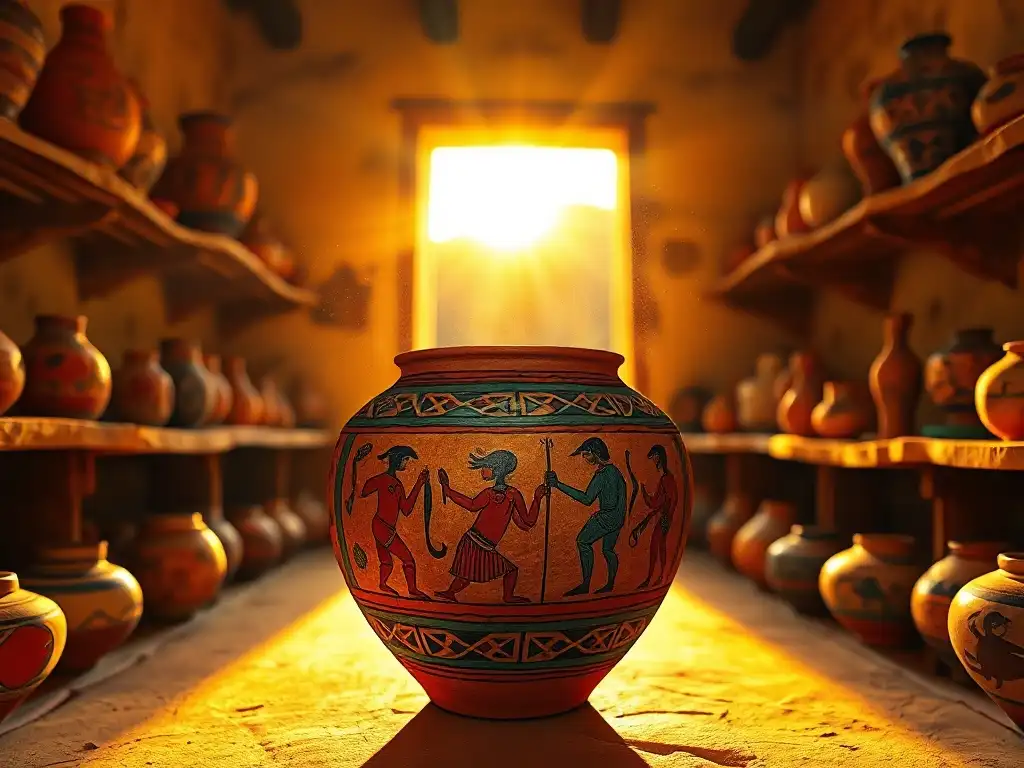
Step into a world lost to time, where vibrant artistry whispers secrets across millennia. Imagine the intricate designs of Nazca pottery, each stroke a brush against the canvas of history. Uncover the profound Nazca pottery techniques meaning behind these breathtaking creations—from their symbolic language to the ingenious methods employed to bring them to life. Prepare to be amazed as we delve into the captivating world of the Nazca civilization, revealing the hidden stories etched into their remarkable legacy.
The Nazca civilization, flourishing along Peru's southern coast from approximately 100 BCE to 800 CE, left behind a remarkable legacy: intricately designed pottery that continues to fascinate and intrigue researchers and art enthusiasts alike. This article delves into the sophisticated techniques employed by Nazca artisans and explores the rich symbolism embedded within their creations, offering a glimpse into the beliefs, rituals, and daily lives of this remarkable culture. Understanding the meaning behind Nazca pottery requires appreciating not only the artistry but also the complex technical processes that brought these vibrant pieces to life.
We will examine the specific techniques used, analyze the iconography, and uncover the hidden stories these seemingly simple vessels hold. This exploration of Nazca pottery techniques and their meaning will reveal the depth and complexity of this ancient Andean civilization.
Mastering the Craft: The Techniques of Nazca Pottery Production
The creation of Nazca pottery was a multi-stage process requiring considerable skill and precision. Potters began by carefully selecting and preparing the clay, often mixing different types to achieve the desired consistency and color. Evidence suggests they utilized a coil-building technique, meticulously layering coils of clay to form the vessel's shape. This was followed by careful smoothing and shaping, often using tools made from bone or wood. The remarkable thinness and elegance of many Nazca pieces speak to the mastery of the potters' hands.
After shaping, the pots were meticulously decorated. Painstakingly applied pigments, derived from natural minerals and plants, brought the designs to life. These pigments were often mixed with a binding agent to enhance their adherence and longevity. The intricate designs, often depicting deities, animals, and mythical creatures, were applied with brushes made from natural fibers or possibly even human hair. The precision and detail in the painting is truly astonishing, considering the tools available to the Nazca artisans. The final stage involved firing the pottery in kilns, which were likely simple, open-air structures. The temperature control during firing was crucial to ensure the pot's structural integrity and the vibrancy of the colors. The entire process, from clay selection to final firing, showcases a deep understanding of material properties and a remarkable level of technical expertise.
Deciphering the Designs: Iconography and Symbolism in Nazca Pottery
The vibrant designs adorning Nazca pottery are far from random; they are rich in symbolism, offering valuable insights into the worldview and beliefs of the Nazca people. Common motifs include stylized depictions of plants, animals (such as hummingbirds, monkeys, and jaguars), and human figures, often engaged in ritualistic activities. Many scholars believe that these images reflect the importance of nature, shamanistic practices, and possibly ancestor veneration within Nazca society.
For example, the recurring image of the hummingbird might symbolize speed, agility, and connection to the spiritual realm. Similarly, the depiction of jaguars could represent power, strength, and perhaps even a connection to the underworld. The intricate designs are not merely decorative; they are a visual language, conveying complex narratives and beliefs.
Further research and analysis are needed to fully decipher the meaning behind all the iconographic elements found in Nazca pottery, but each new discovery sheds more light on this fascinating culture. The complexity and variety of the imagery found on even a single pot often suggest a rich tapestry of interwoven meanings and narratives.
Beyond Decoration: The Functional Aspects of Nazca Pottery
While the aesthetic appeal of Nazca pottery is undeniable, it's essential to recognize its functional role within Nazca society. Many vessels were clearly utilitarian, used for storing food, water, and other essential goods. Others may have served as containers for offerings during religious ceremonies.
The shapes and sizes of the pots often reflect their intended use. For instance, large storage jars would have different characteristics than smaller vessels used for drinking or ceremonial purposes. The presence of certain designs on particular types of vessels might also indicate their function.
For example, pots decorated with images of agricultural products could have been used for storing harvested crops. Understanding the functional aspects of Nazca pottery provides a more complete picture of daily life within this ancient civilization, connecting the artistic expressions to the practical realities of their existence. Further research could help us to more precisely classify the different types of Nazca pottery based on their function and decoration.
Preserving the Legacy: The Ongoing Study of Nazca Pottery
The study of Nazca pottery continues to evolve, with new discoveries and interpretations constantly adding to our understanding. Advances in scientific techniques, such as chemical analysis of pigments and isotopic dating, allow researchers to uncover new details about the production and use of these remarkable artifacts. Ongoing archaeological excavations also contribute significantly to our knowledge, uncovering new examples of Nazca pottery and providing valuable contextual information. The preservation of these fragile artifacts is crucial for future research and for ensuring that the legacy of the Nazca civilization continues to inspire and educate generations to come.
The collaborative efforts of archaeologists, anthropologists, and conservators are essential for safeguarding this invaluable cultural heritage. The ongoing study of Nazca pottery is a testament to the enduring fascination with this ancient civilization and its artistic achievements. The ongoing work promises to further illuminate the secrets held within these beautiful and enigmatic vessels.
- Mastering the Craft: The Techniques of Nazca Pottery Production
- Deciphering the Designs: Iconography and Symbolism in Nazca Pottery
- Beyond Decoration: The Functional Aspects of Nazca Pottery
- Preserving the Legacy: The Ongoing Study of Nazca Pottery
- Nazca Pottery Motifs: Zoomorphic, Anthropomorphic and Geometric
- The Symbolism of Nazca Animals in Pottery: Birds, Felines and Snakes
- Nazca Anthropomorphic Figures: Depictions of Gods and Ancestors
- Geometric Patterns in Nazca Pottery: Beyond Decoration
- Anthropomorphic and Zoomorphic Representations: Deities and Animals of the Nazca World
- The Role of Color and Pigment in Nazca Iconography: A Visual Language of Meaning
The Artistic Legacy of Nazca: An Introduction to Their Pottery
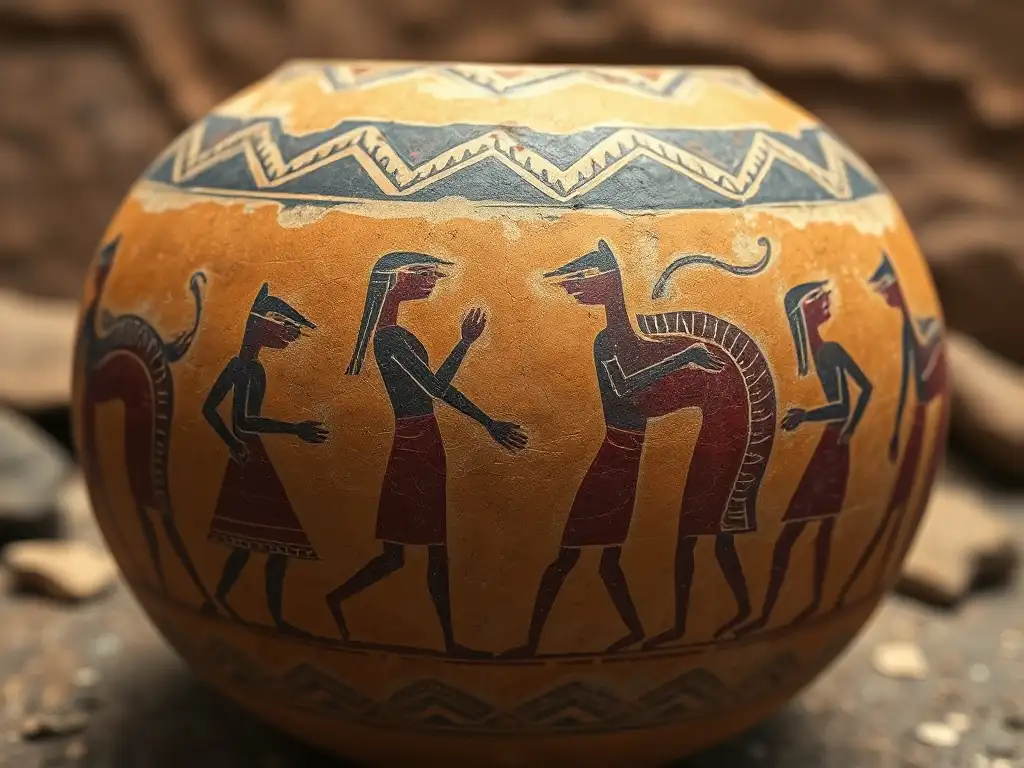
The Nazca civilization, flourishing on the southern coast of Peru from approximately 100 BC to 800 AD, left behind a remarkable artistic legacy, most notably their exquisitely crafted pottery. These aren't simply vessels; they are intricate canvases narrating stories, beliefs, and daily life. Understanding Nazca pottery techniques and their meanings offers a unique window into this fascinating culture, revealing sophisticated artistic skills and a complex worldview.
The vibrant colors, detailed imagery, and innovative techniques employed in their ceramic production showcase a high level of technical mastery and artistic expression. Analyzing these techniques helps us unravel the hidden meanings embedded within the designs, providing invaluable insights into Nazca cosmology, social structures, and daily routines.
The study of Nazca pottery, therefore, is crucial for understanding the depth and complexity of their civilization. The sheer variety of forms, from simple bowls to elaborate stirrup-spout vessels, further emphasizes the artistry and sophistication of their ceramic production.
Understanding Nazca Culture Through its Ceramics
Nazca ceramics are not merely decorative objects; they are integral to understanding the culture's worldview. The imagery depicted on the pottery—often featuring stylized figures, mythical creatures, and complex geometric patterns—reflects their religious beliefs, social hierarchy, and agricultural practices. For example, depictions of deities, often associated with fertility and water, highlight the importance of these elements in their society, given the arid coastal environment. The prevalence of certain motifs, such as the feline deity or specific plant life, may indicate their role in religious rituals or agricultural cycles.
Detailed analysis of these representations offers a rich tapestry of information about their beliefs and practices. Furthermore, the colors used in the pottery also hold significant meaning. Certain colors were likely associated with specific deities or concepts.
The use of vibrant hues, achieved through the mastery of pigments and firing techniques, adds another layer of complexity to the interpretation of these artifacts. Careful examination of the pottery reveals a sophisticated system of visual communication, far beyond mere decoration. Understanding the meaning behind the Nazca pottery techniques requires a multi-faceted approach, combining artistic analysis with anthropological and archaeological interpretations.
The Significance of Pottery in Nazca Society
The role of pottery in Nazca society extended beyond artistic expression and religious symbolism. Pottery served practical functions as well, playing a crucial role in daily life. From simple storage vessels to elaborate ceremonial objects, pottery was deeply integrated into their social fabric. The production of pottery itself was likely a specialized craft, with skilled artisans creating pieces for various purposes.
The diversity of pottery forms—including bowls, jars, plates, and the iconic stirrup-spout vessels—suggests a highly developed and specialized pottery industry. Furthermore, the presence of pottery in tombs suggests its importance in funerary rites, indicating a belief in the afterlife and the continuation of life beyond death. The careful placement and arrangement of pottery within tombs provide additional insights into their burial customs and beliefs. The study of these burial contexts, combined with analysis of the pottery itself, offers a nuanced understanding of Nazca social structures and beliefs.
The careful consideration of both the techniques used to create the pottery and the meaning of the depicted imagery provides a comprehensive understanding of its significance within Nazca society. This understanding is crucial to fully appreciate the rich cultural legacy of the Nazca civilization. The discovery of new pottery pieces continues to offer fresh perspectives and challenges to existing interpretations, constantly evolving our understanding of this remarkable culture.
Nazca Pottery Techniques: A Detailed Exploration
This section delves into the sophisticated techniques employed by Nazca artisans in crafting their renowned pottery, exploring the materials, methods, and the artistry behind their creation. Understanding these techniques provides crucial insight into the Nazca worldview and their remarkable achievements in ceramic artistry. The mastery of these Nazca pottery techniques allowed for both mass production and intricate detail, reflecting the cultural significance placed upon these vessels.
The Materials Used in Nazca Ceramic Production
The remarkable durability and aesthetic qualities of Nazca pottery are intrinsically linked to the meticulous selection and preparation of raw materials. The primary ingredient was clay, sourced from local deposits. Different clay types offered varying properties, influencing the final product's texture, color, and firing characteristics. Analysis suggests that Nazca potters carefully selected clays, sometimes blending different types to achieve desired results. This careful selection demonstrates a deep understanding of material science, a characteristic of advanced ceramic technology.
Beyond clay, the addition of temper—inorganic materials mixed into the clay—played a vital role. Temper acted as a binder, reducing shrinkage during drying and firing, and improving the pottery's overall strength and resistance to cracking. Commonly used tempers included crushed rock, sand, and shell fragments. The specific type and amount of temper used likely varied depending on the desired outcome and the availability of local resources. The precise ratios and the impact on the final product are still areas of ongoing research, highlighting the complexity of the Nazca pottery techniques.
The pigments used to decorate the pottery were also carefully chosen. Natural minerals and plant-based dyes provided a vibrant palette of colors, with red, white, black, and yellow being particularly prominent. The preparation of these pigments involved grinding and mixing, often with a binding agent to enhance adhesion to the clay surface. The longevity of these colors, surviving millennia, is a testament to the potters’ knowledge of pigment chemistry and application techniques. This careful selection and preparation of materials, combined with advanced techniques, contributed significantly to the enduring legacy of Nazca ceramics.
Hand-Building Techniques in Nazca Pottery: Coil and Pinch
Nazca potters primarily employed two fundamental hand-building techniques: coiling and pinching. The coil method, a widely used technique across many ancient cultures, involved rolling long, thin coils of clay and layering them to build up the vessel's form. Each coil was carefully smoothed and blended with the previous one, creating a seamless surface. This technique allowed for the creation of large and complex shapes, showcasing the skill and dexterity of the artisans. The precision evident in many Nazca vessels suggests a high level of skill and years of practice mastering this technique.
The pinch method, on the other hand, involved shaping the clay by pinching and manipulating it directly with the hands. This technique was particularly well-suited for smaller vessels and decorative elements. Potters would often combine both coiling and pinching within a single piece, demonstrating a versatility and adaptability in their approach to ceramic production.
For example, a large vessel might be built using the coil method, while smaller handles or decorative features might be added using the pinch technique. This combination of techniques shows a nuanced understanding of the capabilities and limitations of each method, maximizing their effectiveness in creating the desired forms. The proficiency of the Nazca potters in these techniques speaks volumes about their artistic skill and the cultural importance placed on this craft.
The Use of Molds in Nazca Pottery: Mass Production and Complexity
While hand-building techniques were central to Nazca pottery production, the use of molds allowed for both mass production and the creation of highly intricate designs. Molds, typically made from clay or other materials, permitted the replication of standard shapes and decorative patterns, ensuring consistency and efficiency in the manufacturing process. This is particularly evident in the numerous examples of standardized vessels found in Nazca sites. The use of molds is a clear indicator of a well-organized and potentially specialized workforce involved in the production of these ceramics.
The creation of molds itself demanded considerable skill and precision. The mold had to be sturdy enough to withstand repeated use and yet delicate enough to allow for the removal of the finished piece without damage. Furthermore, the design had to be carefully planned and executed to ensure that the resulting pottery was aesthetically pleasing and structurally sound.
The intricate details often found on molded Nazca pottery, such as finely rendered figures and geometric patterns, demonstrate the advanced level of skill and planning involved in this process. The combination of mold-making and hand-finishing allowed for a level of mass production without sacrificing the artistic merit of individual pieces, further underlining the sophisticated nature of Nazca pottery techniques. The discovery of numerous mold fragments in archaeological sites provides tangible evidence of this production method, offering valuable insights into the organization and scale of Nazca ceramic production.
Nazca Pottery Painting Techniques: Pigments and Application
The vibrant colors adorning Nazca pottery are a testament to the sophisticated techniques employed by these ancient artisans. Their mastery extended beyond simply shaping clay; the application of pigments and the creation of lasting, vivid hues involved a complex process demanding both skill and knowledge of natural resources. The Nazca people did not have access to industrial pigments; instead, they relied on minerals and plant-based materials found in their environment to create their breathtaking palette.
One of the key components of Nazca pottery painting was the careful selection and preparation of pigments. Evidence suggests they utilized a variety of minerals, including clays of different colors (reds, yellows, browns, and whites), iron oxides for reds and browns, and manganese oxides for blacks and purples. These minerals were likely ground into fine powders using abrasive stones, a process requiring considerable time and effort.
The exact methods for grinding and processing these pigments remain somewhat mysterious, with ongoing research seeking to uncover further details. However, microscopic analysis of existing pottery shards reveals the remarkable fineness of the pigment particles, indicating a high level of precision in their preparation.
Beyond the mineral sources, plant-based dyes also played a significant role. While the exact species used remain largely unidentified, various plants known to contain pigments were readily available in the Nazca region. These plant-based dyes likely contributed to some of the more delicate shades and possibly served as mordants—substances that help fix the color to the clay surface and enhance its longevity. The use of plant-based components represents another layer of sophistication in Nazca technology, highlighting their deep understanding of the local flora and its potential applications.
The application of these pigments was equally meticulous. While some pieces suggest the use of brushes made from natural fibers, others indicate that pigments may have been applied by blowing them onto the surface using a reed or similar tool. This technique, known as airbrushing, would have allowed for fine control over the application of color, enabling the creation of intricate designs and subtle shading. Further research is needed to determine the prevalence and effectiveness of airbrushing versus brush application in Nazca pottery.
However, the precision and detail evident in many surviving pieces strongly suggest the use of multiple techniques, selected according to the desired effect. The layering of pigments, sometimes in multiple thin coats, contributed to the depth and vibrancy of the final product, a testament to the artisans' commitment to excellence. This careful application ensured the longevity of the artwork, preserving these stunning pieces for millennia.
Decoding the Iconography: The Meaning Behind Nazca Pottery Designs
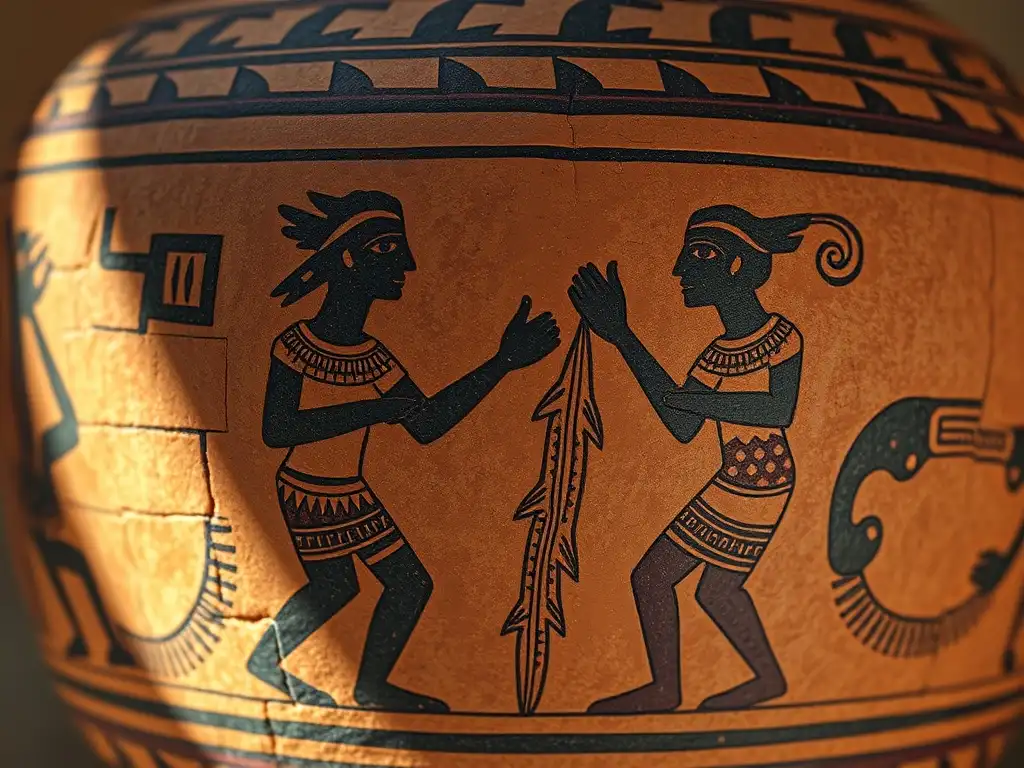
The vibrant and enigmatic designs adorning Nazca pottery offer a captivating glimpse into the beliefs and worldview of this ancient Andean civilization. Understanding the iconography requires a multi-faceted approach, considering the context of discovery, stylistic variations, and the potential symbolic meanings embedded within the imagery. This section delves into the intricate details of Nazca pottery motifs, exploring their diverse forms and interpreting their possible significance. The keyword "Nazca pottery techniques meaning" is central to this exploration, as the techniques themselves often played a role in the conveyance of meaning.
Nazca Pottery Motifs: Zoomorphic, Anthropomorphic and Geometric
Nazca potters masterfully employed a range of motifs, creating a complex visual language. Their artistry encompassed three primary categories: zoomorphic (animal), anthropomorphic (human-like), and geometric representations. Each category held specific symbolic weight, often intertwining to create narratives within individual vessels.
The prevalence of zoomorphic depictions is striking. Birds, particularly hummingbirds and condors, frequently appear, potentially symbolizing aspects of the natural world, spiritual messengers, or even shamanic experiences. Felines, often depicted in dynamic poses, may represent power, hunting prowess, or connections to the spirit world. Serpents, another common motif, might symbolize fertility, water sources, or the underworld. The detailed rendering of these creatures, achieved through meticulous painting techniques, underscores their importance within Nazca cosmology.
Anthropomorphic figures, while less common than zoomorphic ones, are equally significant. These representations, often stylized and somewhat abstract, might depict deities, ancestors, or individuals holding specific social roles. The garments, headdresses, and accessories worn by these figures provide clues to their identity and status. Geometric designs, including triangles, zigzags, and spirals, frequently appear as backgrounds or as integral parts of larger compositions.
Their meanings are less straightforward, but they may represent cosmic forces, agricultural cycles, or abstract concepts fundamental to Nazca belief systems. The interplay between these three categories – zoomorphic, anthropomorphic, and geometric – creates a rich tapestry of visual meaning. The precise techniques used – slip painting, negative painting, and incision – further enhanced the visual impact and symbolic power of these designs.
The Symbolism of Nazca Animals in Pottery: Birds, Felines and Snakes
The animal kingdom holds a prominent place in Nazca iconography. Specific animals were imbued with particular symbolic meanings, based on their characteristics and roles within the Nazca environment. For example, the hummingbird, with its swiftness and agility, might have been associated with speed, messengers, or shamanic journeys. The powerful condor, soaring high above the desert, could have represented dominance, spiritual connection, or the ability to traverse between worlds. The precise interpretation varies depending on the context of the depiction – the pose of the animal, the accompanying motifs, and the type of vessel on which it is painted.
Felines, such as jaguars and pumas, were likely associated with power, hunting, and nocturnal aspects of the world. Their fierce appearance and predatory nature may have resonated with concepts of strength and protection. The depiction of felines could also represent shamanic transformations or connections to the spirit world.
Snakes, especially those with multiple heads, frequently appear in Nazca pottery. Their association with water sources, fertility, and the underworld is widely accepted. The sinuous form of the snake might have symbolized the flow of life, the cyclical nature of existence, or the power of the unseen forces of nature. The combination of these animals within a single piece of pottery often suggests complex narratives, weaving together multiple layers of meaning. Further research is needed to fully elucidate the subtleties of these symbolic associations. [Further research on specific animal symbolism pending]
Nazca Anthropomorphic Figures: Depictions of Gods and Ancestors
Anthropomorphic figures, while less frequent than animal representations, are crucial for understanding Nazca beliefs about deities and ancestors. These figures are often depicted in a stylized manner, with exaggerated features and distinctive clothing and adornments. The style of representation can vary greatly, sometimes suggesting a degree of abstraction or even a focus on specific body parts rather than a complete human form.
The headdresses and ornaments worn by these figures provide valuable clues to their identity and social status. Elaborate headdresses, for instance, might indicate a high social standing or a connection to the supernatural realm. The presence of specific symbols or iconographic elements on their clothing or bodies could further refine our understanding of their roles within Nazca society. The careful attention to detail in the rendering of these figures suggests that they held significant importance for the Nazca people.
It is difficult to definitively identify specific deities based solely on iconography. However, the repetition of certain features and attributes in multiple vessels suggests the possibility of recurring representations of important figures within the Nazca pantheon. Further research, including comparative studies with other archaeological findings and ethnographic data, is essential to gain a more complete understanding of these anthropomorphic figures and their roles within the broader context of Nazca religion and society.
[Further research on specific deity identification pending]. The techniques used to create these figures, often involving multiple layers of paint and intricate details, highlight the skill and artistry of the Nazca potters and underscore the significance of these representations.
Geometric Patterns in Nazca Pottery: Beyond Decoration
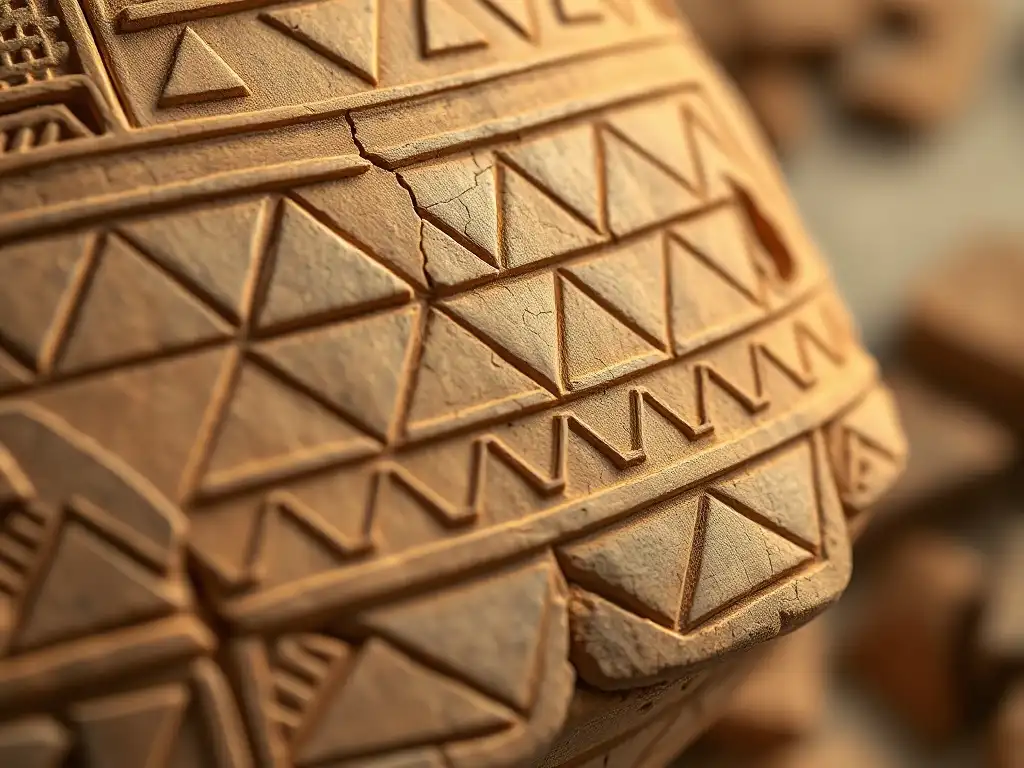
Geometric patterns in Nazca pottery, while aesthetically pleasing, served a far more significant purpose than mere decoration. These intricate designs, often composed of triangles, squares, trapezoids, and stepped frets, were not randomly applied. Scholars believe they were deeply symbolic, representing a complex cosmology and worldview. The precise arrangement and repetition of these shapes likely held specific meanings, potentially relating to agricultural cycles, astronomical events, or social structures.
For example, the frequent use of stepped frets, reminiscent of terraced agricultural fields, could symbolize the vital role of agriculture in Nazca society and their mastery of water management techniques. The careful execution of these patterns, often requiring meticulous planning and skillful execution, underscores their importance within the cultural context. The precision and consistency observed in many pieces suggest the existence of established artistic canons and perhaps even specialized workshops where these techniques were passed down through generations. Further research into the specific combinations and variations of these geometric patterns is crucial to unlocking a deeper understanding of their symbolic significance.
Analyzing the context in which these pots were found – burial sites, ceremonial contexts, or domestic settings – could provide additional clues to their intended meaning. The relationship between geometric patterns and other iconographic elements on the same vessel also warrants further investigation, potentially revealing a layered system of meaning. The study of Nazca geometric patterns is therefore an ongoing process of deciphering a rich and complex visual language.
Anthropomorphic and Zoomorphic Representations: Deities and Animals of the Nazca World
Nazca pottery frequently features striking anthropomorphic and zoomorphic representations, depicting both human-like figures and a diverse range of animals. These depictions are not simply realistic portrayals; instead, they often exhibit stylistic conventions and symbolic attributes that convey deeper meanings. Anthropomorphic figures, frequently adorned with elaborate headdresses and costumes, may represent deities, shamans, or ancestral figures. Their postures, gestures, and accompanying symbols can offer insight into their roles and significance within Nazca society.
For instance, a figure holding a staff might be interpreted as a priest or leader, while one depicted in a ritualistic pose could represent a shaman participating in a sacred ceremony. Similarly, zoomorphic representations—depictions of animals like birds, felines, reptiles, and marine creatures—are not merely naturalistic but often imbued with symbolic power. Specific animals may have held particular religious or cultural significance, representing forces of nature, totemic animals, or even aspects of the Nazca worldview. The detailed rendering of these animals, often highlighting specific features or characteristics, suggests a deep understanding of their behavior and importance within the ecosystem.
The combination of anthropomorphic and zoomorphic figures on a single vessel can also create complex narratives, suggesting interactions between humans and the animal world, or perhaps allegorical representations of cosmological events. Careful analysis of these representations, considering their context and stylistic variations, is key to unraveling the rich symbolic language of Nazca pottery. The study of iconography requires a multidisciplinary approach, drawing upon archaeology, anthropology, and art history to fully appreciate the complexity and significance of these images.
The Role of Color and Pigment in Nazca Iconography: A Visual Language of Meaning
The vibrant colors and sophisticated pigment techniques employed in Nazca pottery are integral to the meaning and interpretation of the iconography. The Nazca people were masters of pigment production and application, achieving a remarkable range of hues and shades. They used natural pigments derived from minerals and plants, including various clays, ochres, and plant-based dyes. The selection and application of these colors were not arbitrary.
Specific colors likely held symbolic significance, potentially representing different deities, natural elements, or social statuses. For example, red might have been associated with the sun or blood, while black could have represented the underworld or night. The skillful use of color gradients and shading enhanced the three-dimensionality of the images, adding to their expressive power. Beyond the specific colors used, the way in which these colors were applied also played a significant role.
The use of multiple layers of color, sometimes with fine lines and intricate details, demonstrates a high level of technical skill and artistic sophistication. The contrast between colors, the interplay of light and shadow, and the overall visual impact of the color scheme all contribute to the meaning and impact of the imagery. The study of Nazca color palettes and techniques requires sophisticated scientific analysis, employing techniques such as spectroscopy to identify the exact composition of the pigments used and to understand the techniques employed in their application. By combining this scientific analysis with a careful examination of the iconography itself, we can gain a deeper understanding of the visual language of Nazca pottery and the rich meanings embedded within it.
The Context of Nazca Pottery: Burial, Rituals and Everyday Life
The vibrant and enigmatic world of Nazca pottery wasn't merely decorative; it was deeply intertwined with the social fabric of the Nazca civilization, playing a significant role in burial practices, religious rituals, and everyday life. Understanding this context is crucial to deciphering the true meaning and significance of these remarkable artifacts. The techniques used in creating the pottery, from the meticulous preparation of the clay to the intricate painting and firing processes, reflect a sophisticated understanding of materials and a dedication to artistic expression that extended beyond mere aesthetics.
Analyzing the context of the pottery reveals a wealth of information about Nazca society, beliefs, and daily routines. The meaning behind the imagery and the techniques employed in their creation are inextricably linked to their function within Nazca society.
Nazca Pottery as Grave Goods: Exploring Burial Practices
Nazca burial sites frequently yielded a rich assortment of pottery, indicating its importance in funerary rites. The type and quantity of pottery varied depending on the social status of the deceased. Elaborate polychrome vessels, showcasing complex iconography and masterful artistry, were often found in elite burials, suggesting that pottery served as valuable grave goods, potentially reflecting the deceased's wealth and social standing.
Simpler, less decorated pieces were commonly found in less elaborate burials. This suggests a hierarchical system where the quality and quantity of pottery reflected social stratification within Nazca society. Further research into the positioning of pottery within tombs, and its association with other grave goods, could provide additional insights into the beliefs surrounding death and the afterlife.
The precise meanings of specific motifs found on funerary pottery are still subject to ongoing scholarly debate, but their presence strongly suggests a connection between the material world and the spiritual realm. Analyzing the chemical composition of the clay and pigments used in funerary pottery could also provide valuable information about trade networks and resource management within the Nazca culture. The study of Nazca pottery techniques provides clues to understanding their funerary rituals and beliefs about the afterlife.
Ceremonial Use of Nazca Pottery: Rituals and Offerings
Beyond their funerary context, Nazca pottery played a vital role in religious ceremonies and rituals. Many vessels depict scenes of deities, mythical creatures, and ritualistic events, suggesting their use in ceremonial contexts. The intricate designs and vibrant colors likely held symbolic significance, potentially representing specific deities or narrating mythological stories relevant to Nazca religious beliefs.
Some vessels were found in ritual contexts, containing residues of offerings, such as food and beverages. This demonstrates the use of pottery as containers for sacred offerings presented to deities or during important religious ceremonies. Analysis of the chemical residues found within these vessels could reveal additional information about the types of offerings made and the nature of the rituals performed.
The careful craftsmanship and symbolic imagery on ceremonial pottery highlight the importance of religion and ritual in Nazca society. Understanding the meaning behind the iconography and the context of discovery is key to interpreting the role of pottery in their religious practices. The specific types of rituals and ceremonies in which the pottery was used remain a subject of ongoing research and debate among archaeologists.
Nazca Pottery in Daily Life: Forms, Functions and Utility
Nazca pottery wasn't solely confined to ceremonial or funerary contexts; it also played a crucial role in daily life. A wide variety of forms and sizes attest to its diverse functions. Simple bowls, jars, and jugs were used for storing and serving food and beverages. Other specialized forms, such as stirrup-spouted vessels, were designed for specific purposes, perhaps for pouring liquids during rituals or for everyday use.
The prevalence of these utilitarian forms indicates that pottery was an integral part of daily routines and activities. The functional aspects of Nazca pottery, alongside their aesthetic qualities, showcase the ingenuity and adaptability of their pottery techniques. Analyzing the wear patterns on these vessels, through techniques like microscopic examination, could offer insights into their frequency of use and the daily activities of Nazca people.
The stylistic variations in everyday pottery might also indicate regional differences or social distinctions within Nazca society. Further research into the manufacturing processes and distribution networks of everyday pottery is needed to fully understand its role in the economic and social life of the Nazca civilization. The study of Nazca pottery techniques provides a window into the daily lives of this remarkable ancient culture.
Nazca Pottery and its Influence on Later Andean Art
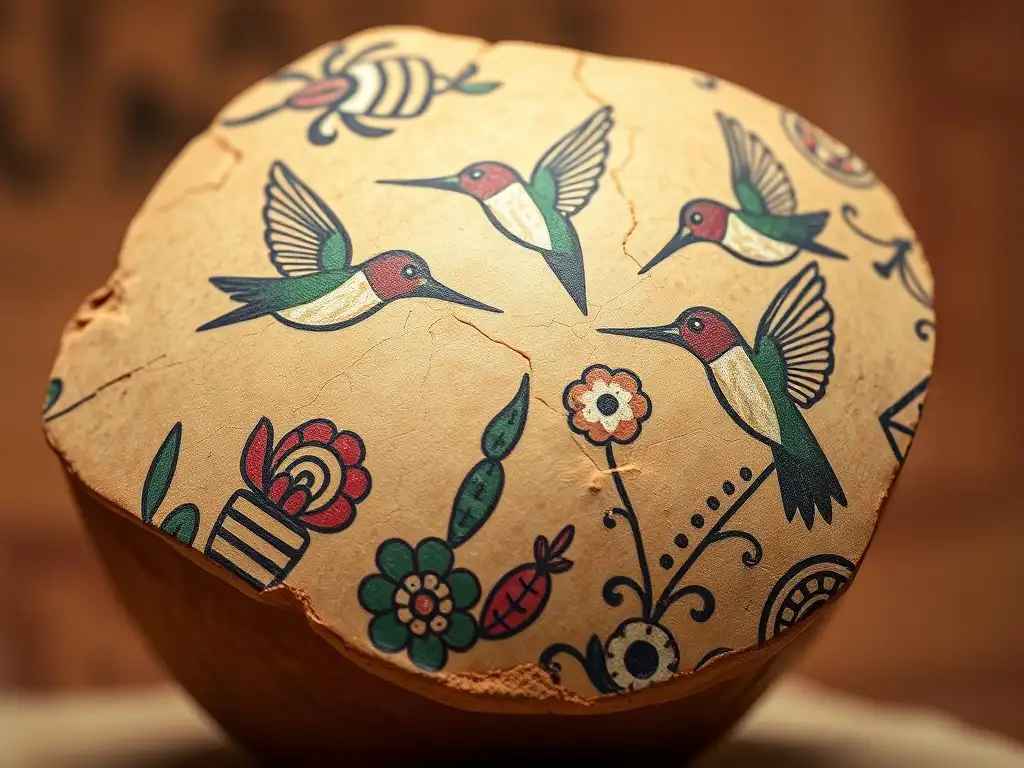
The intricate artistry and innovative techniques employed in Nazca pottery weren't confined to their own time. The legacy of Nazca ceramic production profoundly impacted subsequent Andean cultures, leaving an indelible mark on their artistic styles and technological approaches. Understanding this influence provides crucial context for appreciating the broader trajectory of Andean artistic development and the enduring power of Nazca creativity.
The sophisticated techniques, vibrant color palettes, and symbolic imagery found in Nazca pottery served as a significant source of inspiration and a foundation upon which later cultures built their own artistic traditions. This influence is particularly evident in the ceramics of the Moche and later Inca civilizations, showcasing the enduring impact of Nazca artistic innovations.
Analyzing this cross-cultural exchange allows us to trace the evolution of ceramic production and its role in shaping Andean cultural identity across centuries. The enduring appeal of Nazca pottery techniques and their symbolic meaning continues to fascinate archaeologists and art historians alike, highlighting the richness and complexity of Andean artistic heritage.
Nazca Pottery's Legacy: Connections with Later Andean Cultures
The impact of Nazca pottery techniques extended far beyond their geographical and temporal boundaries. Subsequent Andean cultures, particularly the Moche and later the Inca, clearly demonstrate the inheritance and adaptation of Nazca artistic elements. While each culture developed its own unique style, the underlying techniques and certain motifs reveal a clear lineage.
For example, the mastery of slip painting, a technique perfected by the Nazca, where pigments are mixed with a liquid clay and applied to the pottery surface, is clearly visible in later ceramic traditions. The vibrant colors and intricate designs, often depicting deities, animals, and mythological scenes, show a direct continuity. [Specific examples of shared motifs and techniques pending further research].
Additionally, the use of specific clay types and firing methods indicates a possible exchange of knowledge and techniques between these cultures, underscoring the interconnectedness of Andean artistic development. The sophisticated level of craftsmanship evident in Nazca pottery set a high standard that influenced subsequent generations of Andean artisans. This legacy speaks volumes about the cultural exchange and artistic continuity within the broader Andean region.
Examples of Nazca Pottery Influence on Moche Ceramics
The Moche civilization, flourishing after the Nazca, provides compelling evidence of the enduring impact of Nazca pottery techniques and artistic sensibilities. While Moche ceramics developed their own distinct style, characterized by their often-realistic depictions of humans and animals, the influence of Nazca techniques is undeniable. The Moche, for example, adopted and refined the Nazca mastery of polychrome painting. Their ceramics frequently display a similar richness of color and a similar level of detail in depicting complex scenes.
[Specific examples of Moche pottery pieces showing Nazca influence pending image analysis]. The use of fine lines, intricate patterns, and the application of multiple layers of paint to achieve a depth of color are clear echoes of Nazca techniques. However, the Moche also added their own innovations, integrating their unique iconography and stylistic preferences into the inherited technical framework.
The result is a fascinating blend of tradition and innovation, where the legacy of Nazca pottery is clearly visible yet transformed through the Moche artistic lens. Analyzing the similarities and differences between Nazca and Moche ceramics reveals the dynamic interplay between cultural continuity and artistic evolution within the broader Andean context. This highlights the importance of understanding the historical connections and the spread of artistic ideas across different Andean cultures.
Preserving Nazca Pottery: Conservation and Study
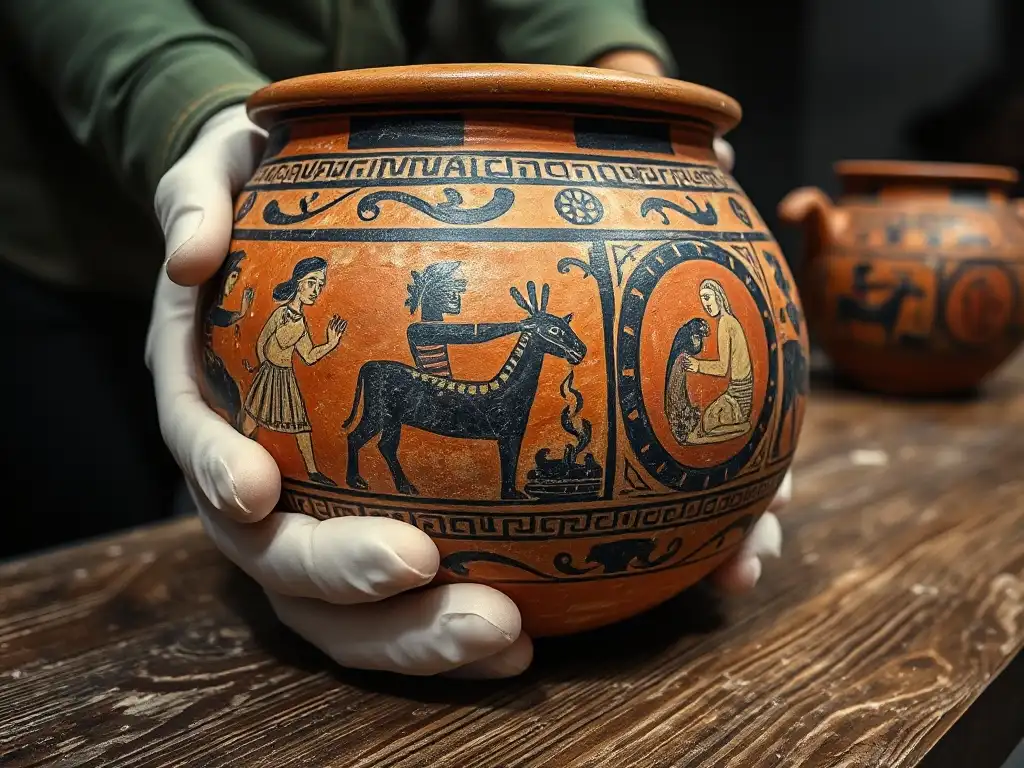
The fragility of Nazca pottery presents significant challenges to its long-term preservation. The arid climate of the Nazca region, while contributing to the survival of many artifacts, also presents threats. Fluctuations in temperature and humidity can cause cracking and flaking, especially in pieces that have been exposed to the elements or improperly stored. Salt efflorescence, the crystallization of salts within the pottery's porous structure, is another major concern, leading to deterioration and potential disintegration. Understanding these threats is crucial for effective conservation efforts.
The Importance of Preserving Nazca Archaeological Sites
Protecting Nazca archaeological sites is paramount to safeguarding the context surrounding the pottery. Many pieces were found within tombs, offering invaluable insights into burial practices and social structures. The location of a pot within a site, its association with other artifacts, and the stratigraphy of its discovery all contribute to understanding its meaning and significance. Disrupting these contexts through improper excavation or looting irrevocably diminishes our ability to interpret the pottery's role within the broader Nazca culture.
Careful excavation techniques, meticulous documentation, and responsible site management are essential to ensure that future generations can benefit from the knowledge these sites hold. The preservation of these sites is not just about saving objects; it's about preserving the narrative of the Nazca people. The loss of context is akin to losing a vital piece of the puzzle, hindering our complete understanding of Nazca pottery techniques and their meaning.
Ongoing Research and Study of Nazca Pottery Techniques
Current research into Nazca pottery techniques utilizes a multidisciplinary approach. Scientists employ techniques like X-ray fluorescence (XRF) spectroscopy to analyze the chemical composition of the pigments and clays used. This allows researchers to trace the sources of raw materials and understand the sophisticated knowledge of the Nazca artisans regarding mineral sourcing and pigment preparation. Microscopic analysis of the pottery surfaces reveals details of the manufacturing process, including the tools used and the firing techniques employed.
Furthermore, ethnoarchaeological studies, comparing ancient techniques to those of contemporary Andean potters, offer valuable insights into the creation of the pottery. This holistic approach ensures a deeper understanding of the technological innovation embedded within the seemingly simple, yet incredibly intricate, Nazca pottery. Ongoing research focuses on deciphering the complex iconography, refining our understanding of the stylistic variations between different workshops or periods, and connecting the pottery's imagery to broader social and religious beliefs.
Future Directions in the Study of Nazca Pottery
Future research should focus on several key areas. Firstly, advanced imaging techniques, such as 3D scanning and digital photogrammetry, can create detailed virtual models of the pottery, enabling non-invasive study and reducing the risk of damage during analysis. Secondly, further interdisciplinary collaboration between archaeologists, chemists, materials scientists, and art historians is crucial for a holistic interpretation of the pottery's creation and meaning.
Specifically, more research is needed to fully unravel the complex symbolism present in Nazca pottery. Detailed studies of individual motifs and their contextual appearance within different pottery types and burial contexts are necessary to fully understand their intended meaning. Finally, public engagement initiatives are vital to raise awareness about the importance of preserving Nazca pottery and the rich cultural heritage it represents.
Educational programs and museum exhibitions can help foster a greater appreciation for this remarkable artistic legacy. The future of Nazca pottery studies lies in the preservation of existing artifacts, the advancement of analytical techniques, and the dissemination of knowledge to a wider audience. This multi-pronged approach ensures that the secrets embedded within these remarkable objects continue to be unearthed and understood for generations to come.
Conclusion: The Enduring Fascination with Nazca Pottery
The study of Nazca pottery techniques and their meanings continues to captivate researchers and enthusiasts alike. The sheer artistry, the vibrant colors, and the enigmatic iconography embedded within these fragile vessels offer a unique window into the beliefs, rituals, and daily lives of this remarkable civilization.
The enduring appeal of Nazca pottery lies not only in its aesthetic beauty but also in the tantalizing clues it provides about a society that flourished centuries ago, leaving behind a legacy as rich and complex as the designs themselves. Further research, particularly employing advanced analytical techniques, promises to unlock even more secrets hidden within the clay.
The meticulous craftsmanship, the symbolic representations, and the sheer volume of surviving artifacts ensure that the study of Nazca pottery will remain a vibrant and rewarding field for years to come. Understanding these techniques allows us to appreciate the skill and dedication of the artisans, and deciphering the meanings embedded within the designs provides invaluable insight into the Nazca worldview.
Nazca Pottery: A Window into an Ancient World
Nazca pottery serves as a powerful testament to the ingenuity and artistic sensibilities of the Nazca culture. Beyond their aesthetic appeal, these ceramic pieces provide invaluable insights into various aspects of Nazca life. The iconography frequently depicts deities, mythical creatures, and scenes of daily life, offering glimpses into their religious beliefs, social structures, and agricultural practices.
For instance, depictions of stylized plants and animals suggest the importance of agriculture and the reverence for the natural world within their society. The prevalence of certain motifs, such as the hummingbird or the stylized feline, may indicate their significance in Nazca mythology and cosmology. Furthermore, the careful selection of clay types and the mastery of firing techniques demonstrate a sophisticated understanding of material science.
The use of different clays, pigments, and firing temperatures allowed for a wide range of colors and textures, enhancing the visual impact of the pottery. The meticulous attention to detail, evident in both the painting and the shaping of the vessels, speaks to a high level of artistic skill and a profound appreciation for craftsmanship. Analyzing the stylistic variations across different periods and regions can also help us understand the evolution of Nazca society and its interactions with neighboring cultures.
The Intricate Art and Meaning of Nazca Ceramics: A Summary
The intricate art of Nazca ceramics is characterized by several key features: the use of a slip-and-paint technique, where a layer of clay slip is applied before painting; the vibrant palette of colors achieved through the use of natural pigments; and the highly stylized depictions of flora, fauna, and humanoid figures. The meanings embedded within these designs are often complex and multifaceted, requiring careful interpretation. Scholars have proposed various interpretations, often focusing on the symbolic significance of specific motifs.
For example, certain bird species might represent deities or shamans, while geometric patterns could symbolize cosmological concepts or social structures. The context of discovery is also crucial in understanding the meaning of the pottery; vessels found in tombs may have different symbolic meanings than those found in domestic settings. While some designs are relatively straightforward, others remain enigmatic, requiring further research and interdisciplinary collaboration to unlock their secrets.
The ongoing investigation into Nazca pottery techniques and their meanings promises to continue enriching our understanding of this fascinating ancient civilization, further illuminating their complex culture and belief systems. The vibrant colors, detailed imagery, and the sheer volume of surviving artifacts ensure that Nazca pottery will continue to fascinate and inspire for generations to come. 🇿🇦
Frequently Asked Questions
What makes Nazca pottery unique?
Nazca pottery is renowned for its vibrant polychromy, featuring intricate designs and exceptional craftsmanship. The use of multiple colors and detailed imagery sets it apart from other Andean pottery styles.
What were the primary techniques used in Nazca pottery creation?
Nazca potters employed a variety of techniques, including slip painting, negative painting, and modeling. They skillfully manipulated clay, pigments, and glazes to achieve stunning visual effects.
What is the significance of the imagery found on Nazca pottery?
The imagery on Nazca pottery is rich in symbolism, often depicting mythological creatures, plants, and everyday life. These images are believed to have held religious, social, and political meanings for the Nazca people.
How did Nazca potters achieve such vibrant colors?
The vibrant colors were achieved through the use of natural pigments derived from minerals, plants, and insects. These pigments were carefully ground and mixed with a binder to create the paints.
What is the connection between Nazca pottery techniques and their meaning?
The techniques themselves were integral to the meaning. For example, the precision of negative painting might symbolize control over nature, while specific colors held symbolic value related to religious beliefs or social status.
Final Reflection: Echoes of a Lost Civilization
The intricate artistry of Nazca pottery isn't merely a relic of the past; it's a vibrant testament to human ingenuity and spiritual expression that continues to resonate today. Understanding the techniques employed by these ancient artisans—the meticulous slip painting, the innovative use of molds, the symbolic power embedded in each design—offers a profound glimpse into a sophisticated culture that thrived centuries ago. Their legacy challenges us to appreciate the enduring power of artistic expression and the stories woven into seemingly simple objects.
The enduring influence of Nazca pottery extends far beyond the dusty plains of Peru. Its imagery, imbued with potent symbolism related to their cosmology and daily life, continues to inspire artists, archaeologists, and historians alike. The vibrant colors and captivating designs speak to a universal human need for self-expression and connection with the divine. The past is never dead. It's not even past.
– William Faulkner. This quote perfectly encapsulates the enduring relevance of Nazca pottery, a tangible link to a civilization that, though vanished, continues to speak to us across the millennia.
Consider the meticulous detail, the vibrant hues, the profound symbolism – each piece a testament to the dedication and skill of the Nazca people. You, too, possess the power to create, to leave your mark on the world. Let the legacy of Nazca pottery inspire you to explore your own creative potential, to find your voice, and to share your unique story with the world. Embrace the artistry within, and let your own creations become echoes of a future yet to be written.
Unlock the Mysteries of Nazca Artistry!
Thank you for exploring the fascinating world of Nazca pottery techniques with us! We've uncovered the intricate craftsmanship and hidden meanings behind these remarkable artifacts, and now it's time to delve even deeper.
Here's how you can further explore the magic of this ancient Andean civilization:
- **Try your hand at pottery:** Gather materials at home or enroll in a local pottery class to create your own pieces inspired by Nazca techniques. You might even discover a hidden talent!
- **Spread the word:** Share your newfound knowledge with friends and family, or discuss the Nazca culture in your social circles to spark wider interest in this captivating civilization.
- **Visit a museum:** Explore a local museum featuring Andean artifacts or cultural exhibitions. Seeing these pieces firsthand will deepen your understanding and appreciation of their artistry.
What secrets do you believe remain hidden within the art of the Nazca culture, waiting to be revealed? Share your thoughts below!