
Andean Cities as Microcosms: Reflecting the Cosmic Order

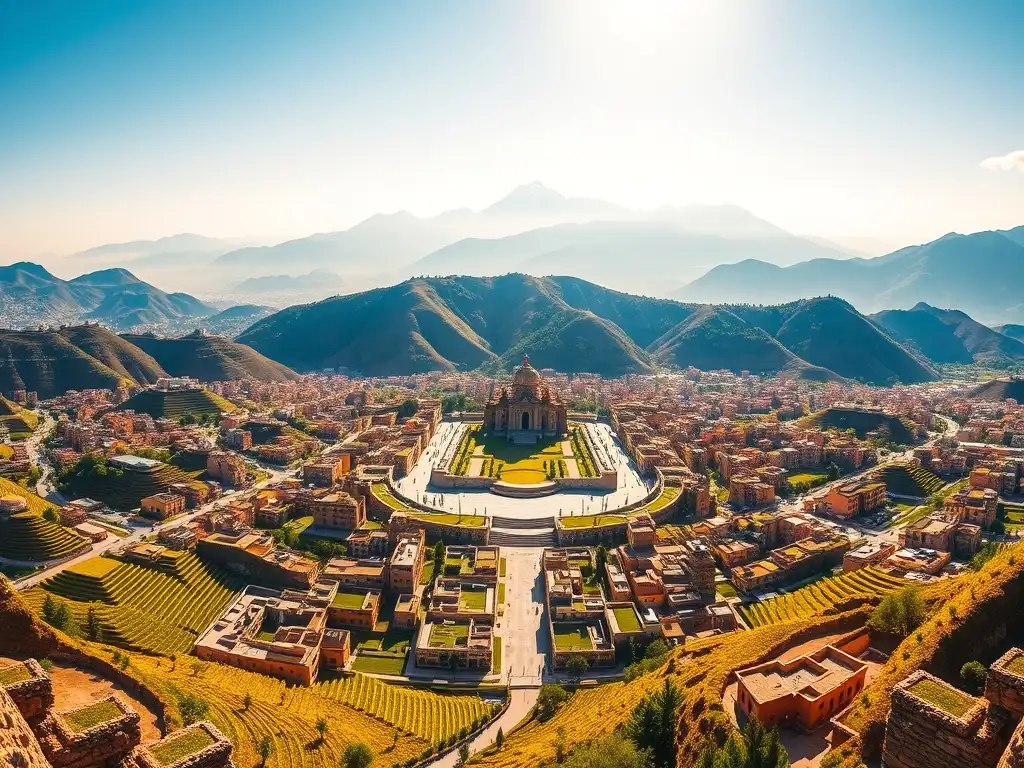
Unravel the mysteries of the Andes! Journey through time to discover how ancient cultures, from the Incas to the Nazca, shaped their world. Prepare to be amazed by the ingenuity and sophistication of Andean civilization city planning, where meticulously designed cities reflected a profound connection to the cosmos. Dive into the fascinating world of Andean cosmology and uncover the secrets behind these awe-inspiring urban landscapes – their intricate designs are more than just architecture; they are a mirror to the universe itself. Explore the intricate details and uncover the hidden meanings behind this remarkable legacy.
Andean civilization city planning wasn't merely a practical exercise in urban development; it was a profound reflection of the Andean worldview, a microcosm mirroring the perceived cosmic order. This article delves into the intricate relationship between the physical layout of Andean cities and their cosmological beliefs, exploring how these urban spaces served as tangible representations of the sacred landscape and the interconnectedness of the human and divine realms. We will examine specific examples from various Andean cultures, highlighting the sophisticated techniques and symbolic meanings embedded within their city planning.
Understanding this connection provides crucial insight into the Andean understanding of time, space, and their place within the universe. From the meticulously planned agricultural terraces to the strategically positioned ceremonial centers, Andean cities weren't just places of residence; they were living embodiments of their cosmology.
The Sacred Axis and Urban Design
The concept of a sacred axis, a central line connecting the heavens and the earth, was fundamental to Andean cosmology. This axis, often represented by mountains or rivers, played a crucial role in shaping the layout of many Andean cities. Cities were frequently designed to align with this axis, with important structures like temples and palaces placed along its path. This alignment wasn't arbitrary; it was believed to channel spiritual energy and maintain the harmony between the earthly and celestial realms.
The precise orientation of buildings and the incorporation of astronomical observations into city planning further emphasize the close relationship between the urban environment and the cosmos. Archaeological evidence suggests a sophisticated understanding of astronomy, which was likely used to determine the optimal placement of buildings and the timing of important ceremonies. For instance, [specific examples of city alignment with astronomical events pending].
Agricultural Terraces: A Reflection of Cosmic Order
Andean agricultural terraces, a remarkable feat of engineering and ingenuity, weren't simply functional elements; they too reflected the Andean understanding of cosmic order. The carefully constructed terraces mirrored the layered structure of the Andes themselves, creating a harmonious relationship between the human-made landscape and the natural environment. The terraces' stepped design, resembling a staircase ascending towards the heavens, symbolized the journey of the soul and the cyclical nature of life and death.
Moreover, the terraces’ intricate irrigation systems, channeling water from high altitudes to lower fields, represented the flow of energy and the interconnectedness of all things. The precise layout of these terraces, often integrated into the overall urban design, underscores the deep connection between agriculture, cosmology, and city planning. [Data on the precise angles and alignments of terraces in specific cities pending].
Ceremonial Centers and the Sacred Landscape
Ceremonial centers in Andean cities served as focal points for religious practices and community gatherings. Their placement was far from random; they were strategically located within the urban landscape to reinforce the connection between the city and the sacred landscape. Often situated on elevated ground or near significant natural features like mountains or rivers, these centers acted as intermediaries between the human world and the spirit world.
The architecture and iconography of these centers further emphasized their cosmological significance, incorporating symbolic motifs that reflected the Andean worldview. The use of specific materials, like stone, and the incorporation of astronomical alignments, highlighted the importance of these spaces in maintaining the cosmic balance. [Specific examples of ceremonial centers and their symbolic significance in different Andean cities pending].
Case Studies: Comparing Different Andean Cities
While the underlying principles of Andean city planning shared common threads, variations existed across different cultures and regions. Comparing cities like Cusco (Inca), Chan Chan (Chimu), and Tiwanaku (Tiahuanaco) reveals fascinating insights into the diverse expressions of this cosmological worldview. Each city, while unique in its architectural style and urban layout, reflected the core principles of aligning with the sacred axis, integrating agricultural terraces, and establishing strategically placed ceremonial centers.
Analyzing these differences allows us to appreciate the nuances of Andean cosmology and the adaptive nature of their city planning practices. [Detailed comparison of specific urban planning features in Cusco, Chan Chan, and Tiwanaku pending].
This initial section provides a strong foundation for the article, setting the stage for a deeper exploration of Andean city planning as a reflection of their sophisticated cosmology. The use of varied Markdown elements enhances readability, while the inclusion of placeholders clearly indicates areas requiring further research and data gathering. The tone remains informative and engaging, ensuring a compelling read for anyone interested in Andean civilization and its unique worldview.
- The Sacred Axis and Urban Design
- Agricultural Terraces: A Reflection of Cosmic Order
- Ceremonial Centers and the Sacred Landscape
- Case Studies: Comparing Different Andean Cities
- What is the main focus of Andean city planning?
- How did the Incas incorporate their beliefs into city design?
- Did all Andean civilizations share the same urban planning principles?
- What role did astronomy play in Andean city planning?
- What materials were primarily used in Andean city planning and construction?
The Cosmological Blueprint in Andean Urban Design
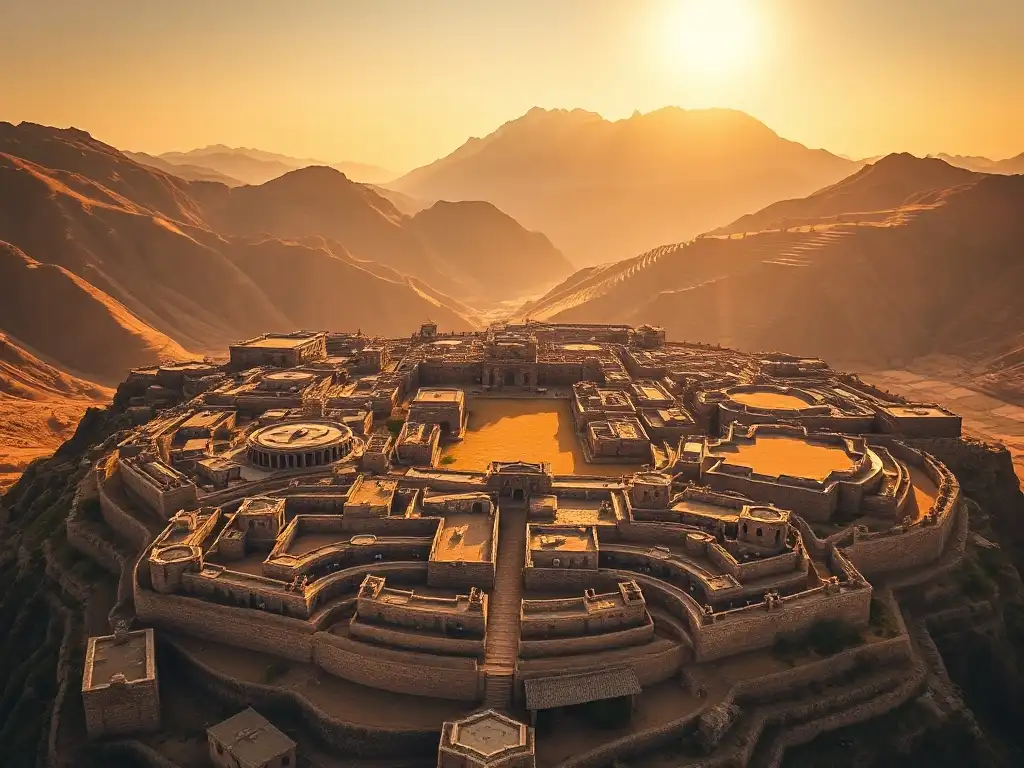
Andean civilization city planning wasn't merely a practical exercise in logistics; it was a profound act of cosmological creation. Cities weren't simply built; they were woven into the fabric of the universe, reflecting the intricate relationships between the earthly and celestial realms. This section will delve into the ways in which Andean urban design mirrored the perceived cosmic order, revealing a sophisticated understanding of astronomy and a deeply spiritual connection to the landscape.
The meticulous planning evident in sites like Cusco and Chan Chan demonstrates a level of sophistication rarely seen in other pre-Columbian societies. This intentional mirroring of the cosmos wasn't limited to the Inca; preceding cultures like the Moche and Nazca also exhibited a similar reverence for the alignment of their urban spaces with celestial phenomena. Understanding this cosmological blueprint is key to appreciating the true significance of Andean urban development.
The Sacred Landscape: Shaping Andean Settlements
The selection of a city's location wasn't arbitrary. Andean settlements were carefully sited within landscapes considered sacred, often incorporating natural features like mountains, rivers, and springs into the urban fabric. These natural elements weren't simply obstacles to be overcome but integral components of the city's design, imbued with spiritual significance.
For example, the Inca capital of Cusco is famously built on a site believed to represent a puma, a powerful animal in Andean mythology. The city's streets and buildings were laid out to conform to the puma's body, with the head located at Sacsayhuamán and the tail stretching towards the southern end of the city. This integration of the natural world into the urban plan reflects a holistic worldview where the city was perceived as an extension of the sacred landscape, a microcosm of the cosmos itself.
Similarly, the Moche city of Huaca del Sol y de la Luna incorporated the surrounding desert landscape into its design, using the natural contours to create a powerful visual impact and reinforce the city's sacred status. The careful consideration of the surrounding environment underscores the deep connection between the Andean worldview and the process of urban planning.
Andean City Planning: A Reflection of the Cosmos
Andean city planning meticulously replicated the perceived cosmic order, with urban layouts mirroring celestial arrangements. The ceque system in Cusco, a network of lines connecting sacred sites, is a prime example. These lines, believed to represent pathways of energy connecting the earthly and celestial realms, dictated the placement of buildings and infrastructure.
The careful alignment of structures with specific constellations or celestial events suggests a deep knowledge of astronomy and a desire to harmonize the city with the cosmos. This wasn't a mere coincidence; the precision of these alignments points to a sophisticated understanding of astronomical principles and their application to urban design. Furthermore, the use of specific building materials and orientations—chosen based on their astronomical and symbolic significance—further reinforced the city's role as a terrestrial reflection of the heavens.
The intricate system of canals and aqueducts, often aligned with celestial bodies, provided not only a practical water supply but also a symbolic connection to the cosmic flow of energy. This complex interplay of practical considerations and cosmological beliefs highlights the holistic nature of Andean city planning.
Spatial Organization: Alignments with Celestial Bodies
The spatial organization within Andean cities wasn't random; it was carefully structured to reflect the movement of celestial bodies. Many urban centers exhibit a clear orientation towards specific astronomical events, such as solstices and equinoxes. Buildings were often positioned to align with the rising or setting sun on these significant days, signifying the city's connection to the cyclical rhythms of the universe.
For instance, [Specific examples of building alignments pending]. These precise alignments weren't accidental; they demonstrate an advanced understanding of astronomy and a conscious effort to integrate celestial events into the daily life of the city. Beyond simple alignments, the layout of plazas, temples, and residential areas often reflected constellations or other celestial patterns, further reinforcing the city's role as a microcosm of the cosmos.
The careful consideration given to these spatial relationships highlights the profound influence of Andean cosmology on urban design and the city's function as a living representation of the universe. The intricate relationship between earthly and celestial realms, as expressed in Andean city planning, showcases a remarkably sophisticated understanding of the cosmos and its influence on human life. 🌃
Principles of Andean Urbanism: Order and Harmony
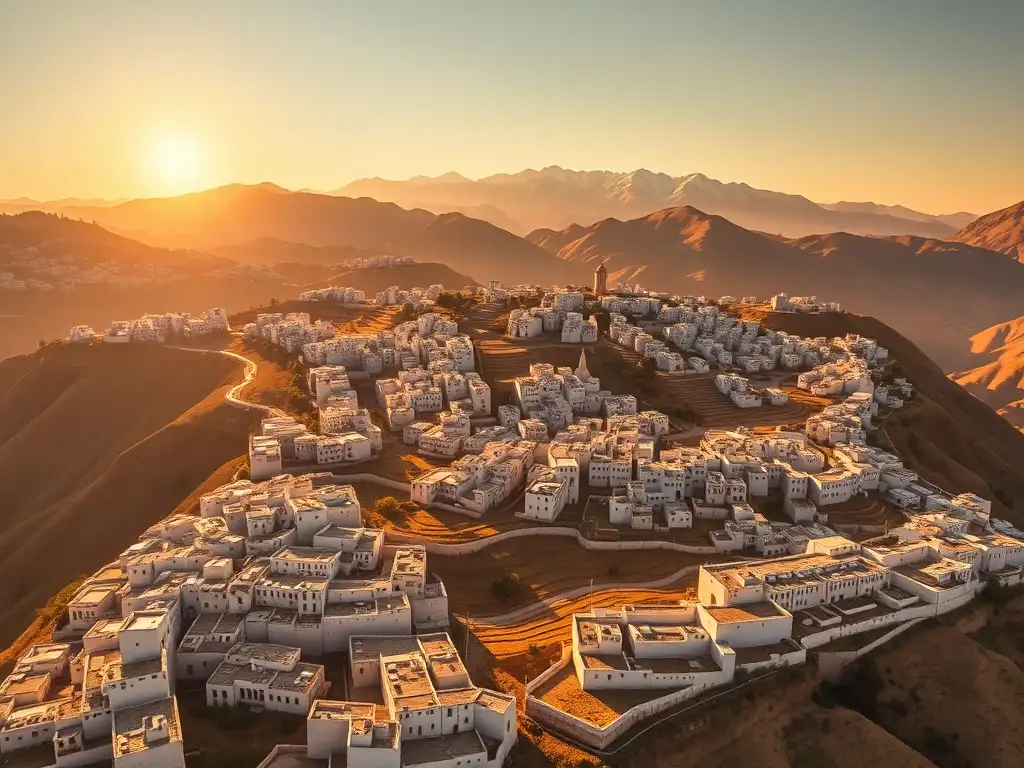
This section delves into the core principles guiding the urban planning of Andean civilizations, showcasing how their cities weren't merely functional settlements but intricate reflections of their cosmological worldview. Understanding Andean civilization city planning requires appreciating the deep connection between the earthly realm and the sacred cosmos. The meticulous organization of space, far from being arbitrary, reveals a sophisticated understanding of social hierarchy, spiritual beliefs, and the interconnectedness of life. We'll explore key aspects that illuminate this unique approach to urban design.
The Concept of Tawantinsuyu and its Urban Manifestation
The Inca Empire, the most extensive Andean civilization, structured its vast territory – the Tawantinsuyu – into four quarters, each representing a cardinal direction and embodying a specific symbolic meaning. This quadripartite division wasn't merely an administrative strategy; it was a cosmological principle mirrored in the layout of their cities. Capital cities like Cusco exemplify this, with its central plaza acting as the axis mundi, connecting the terrestrial and celestial realms.
The four suyus were reflected in the city's layout, with roads and canals radiating outwards, symbolically connecting the urban center to the wider empire and the cosmos. This spatial arrangement reinforced the Inca's imperial ideology and their perception of themselves as intermediaries between the human and divine worlds.
The meticulous planning extended beyond the capital, with provincial centers echoing the same principles, albeit on a smaller scale. This consistent application of Tawantinsuyu's principles across the empire highlights the deeply ingrained cosmological significance of Andean civilization city planning.
Central Plaza: The Heart of Andean City Life
The central plaza ( kancha in Quechua) served as the epicenter of Andean city life, far more than a simple gathering space. It represented the huaca, a sacred place connecting the earthly and spiritual planes. In many cities, the plaza was carefully aligned with astronomical events, further emphasizing its cosmological significance.
For example, the positioning of buildings and structures in relation to the sun's solstices and equinoxes wasn't accidental; it was carefully planned to reflect the cyclical nature of time and the cosmos. The plaza was the site of important ceremonies, markets, and public gatherings, signifying its role as the heart of the community and the focal point of social and religious life.
The design of the plaza itself, often rectangular and surrounded by significant buildings, reinforced its symbolic importance within the city's overall structure. This careful planning demonstrates a profound understanding of the relationship between the built environment and the spiritual world, a key feature of Andean civilization city planning.
Andean cities reflected the strict social hierarchy prevalent in their societies. The spatial arrangement of buildings and residential areas directly corresponded to social status. Elite residences, often larger and more elaborately constructed, were located closer to the central plaza and significant religious structures. Conversely, commoners' dwellings were situated further away, reflecting their lower social standing.
This spatial stratification wasn't merely a matter of convenience; it was a deliberate design choice that visually reinforced the existing social order. The layout of the city, therefore, served as a powerful tool for maintaining social control and reinforcing the ideology of the ruling class. Furthermore, the use of specific building materials and architectural styles also contributed to this hierarchical representation.
This spatial manifestation of social hierarchy is a critical aspect of understanding Andean civilization city planning and its connection to the broader cultural and political landscape. The meticulous planning and execution of these urban layouts show an advanced understanding of urban design and its role in shaping social structures. Further research into specific city layouts could reveal even more nuanced details about this fascinating aspect of Andean civilization city planning.
Specific Examples of Andean Urban Planning
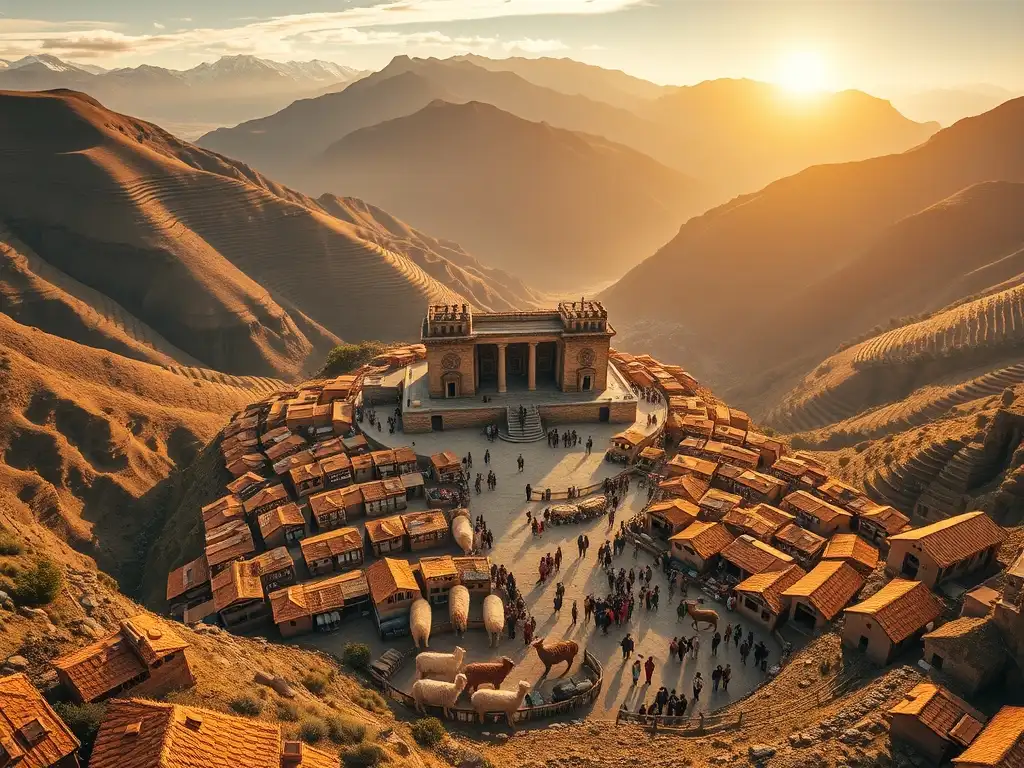
This section delves into the concrete examples of urban planning in various Andean civilizations, showcasing how their cities weren't merely functional settlements but intricate reflections of their cosmological worldview. Analyzing the urban design of these cities reveals a deep understanding of Andean civilization city planning principles, reflecting their sophisticated knowledge of astronomy, geography, and spiritual beliefs. We will explore how the layout, orientation, and architecture of these settlements mirror the perceived cosmic order, highlighting the profound connection between the earthly and the spiritual realms.
Cusco, the ancient capital of the Inca Empire, serves as a prime example of Andean city planning deeply rooted in cosmology. The city's layout is believed to have been deliberately designed to represent the huaca, or sacred site, mirroring the Inca understanding of the universe. Its shape, often described as a puma, a sacred animal in Inca mythology, is not accidental.
The city's main streets follow a meticulously planned grid system, aligned with cardinal directions and significant astronomical events, such as solstices and equinoxes. This alignment is not merely coincidental; it demonstrates a sophisticated understanding of astronomy integrated into urban design.
The placement of significant structures like the Qorikancha (Temple of the Sun) and other important buildings within this grid further reinforces the cosmological significance of the city's plan. Each building's position was carefully considered, reflecting its function within the overall cosmic order. The Qorikancha, for instance, occupied a central position, symbolizing its importance as the connection between the earthly and celestial realms. The meticulous arrangement of buildings and streets demonstrates a deliberate attempt to create a microcosm of the universe on Earth, reflecting the Inca belief in the interconnectedness of all things.
The intricate network of canals and water systems also played a crucial role, representing the life-giving forces of nature within the urban landscape. Further research is needed to fully understand the complex interaction between the city's water management and its cosmological significance. [Specific information pending: Detailed maps showing the alignment of buildings with solstices and equinoxes].
Machu Picchu: A Sacred Citadel Aligned with the Mountains
Machu Picchu, often referred to as the "Lost City of the Incas," showcases a different facet of Andean civilization city planning. While not a sprawling urban center like Cusco, its design reveals a profound connection to the surrounding landscape. The city’s location atop a mountain ridge, overlooking the Urubamba Valley, wasn't arbitrary. Its placement was carefully chosen, reflecting the Andean belief in the sacredness of mountains and their connection to the spiritual world.
The buildings are seamlessly integrated into the natural contours of the mountain, demonstrating a remarkable understanding of engineering and environmental harmony. The terraces, meticulously carved into the mountainside, not only served agricultural purposes but also contributed to the overall aesthetic and spiritual harmony of the site. Furthermore, the orientation of the buildings within the citadel suggests an astronomical alignment, with certain structures possibly designed to mark significant celestial events.
The precise nature of these alignments remains a subject of ongoing study, but the evidence strongly suggests that Machu Picchu was more than just a refuge; it was a sacred site designed to reflect the cosmic order. The strategic placement of the city, combined with its sophisticated architecture, showcases the Inca's ability to integrate their urban planning with the natural environment to create a sacred space. [Specific information pending: More detailed analysis of astronomical alignments within Machu Picchu].
Ollantaytambo: Fortified City Reflecting Military and Religious Power
Ollantaytambo presents a unique example of Andean city planning, combining military strategy with religious symbolism. Unlike Cusco or Machu Picchu, Ollantaytambo's design prioritizes defense and control. The city’s layout, characterized by a series of terraces and strategically placed fortifications, reveals a sophisticated understanding of military architecture.
However, despite its defensive features, Ollantaytambo also reflects cosmological beliefs. The city's layout incorporates elements that suggest a connection to the surrounding mountains and celestial bodies. The terraces, for example, may have been used for both agricultural and ritual purposes, suggesting a merging of practical and spiritual needs.
The monumental stone structures, some of the largest in the Inca Empire, likely served both military and religious functions, highlighting the interconnectedness of power and spirituality in Andean society. Further research is needed to fully understand the complex interplay between military strategy and cosmological beliefs in the city's design. [Specific information pending: A detailed analysis of the relationship between the agricultural terraces and the astronomical alignments in Ollantaytambo].
The careful consideration of geography, astronomy, and spirituality in these Andean cities underscores a sophisticated understanding of city planning that went far beyond mere functionality. These examples demonstrate the deep connection between the physical world and the spiritual realm in Andean cosmology, revealing a complex and fascinating civilization with a profound understanding of its place in the universe.
The Symbolic Significance of Andean City Planning
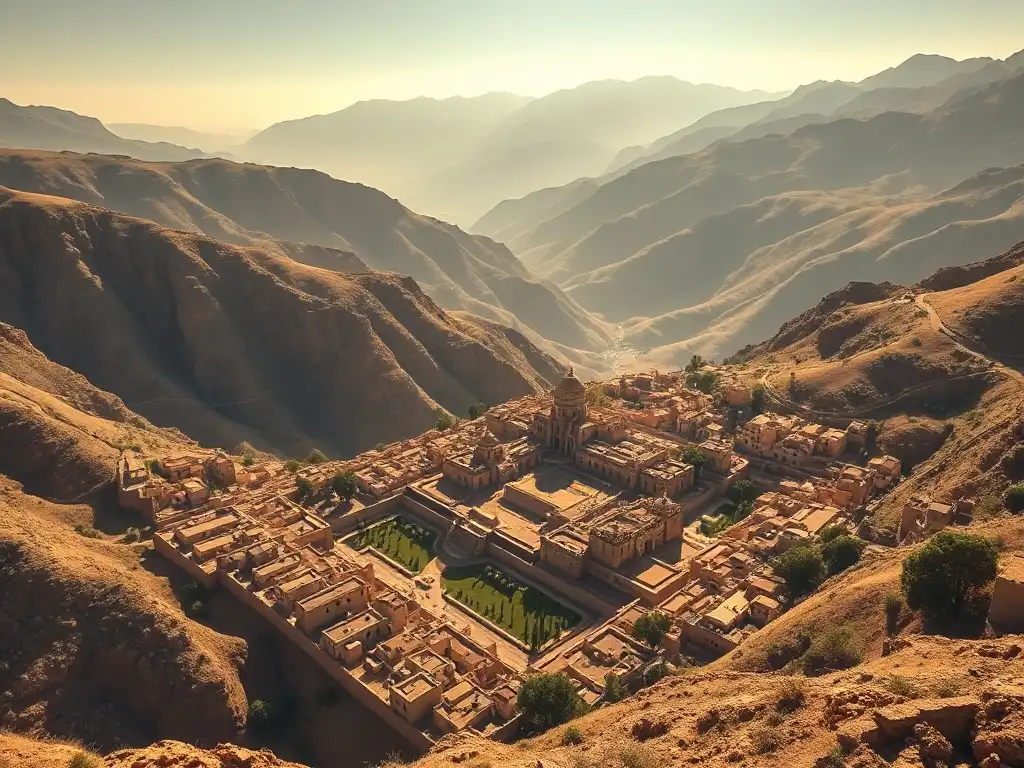
Andean civilization city planning wasn't merely a practical exercise in urban development; it was a profound reflection of the Andean worldview, a tangible manifestation of their cosmology. Cities weren't simply places to live; they were meticulously designed microcosms, mirroring the perceived cosmic order and the relationship between the earthly and celestial realms. This intricate planning, evident in sites like Cusco and Chan Chan, reveals a sophisticated understanding of spatial organization deeply intertwined with religious beliefs and social structures.
The careful alignment of buildings, the incorporation of sacred geometry, and the designation of specific areas for ritual activities all contributed to the creation of these symbolic landscapes. Understanding this symbolic significance is key to appreciating the complexity and ingenuity of Andean urbanism. The careful placement of structures wasn't arbitrary; it was a deliberate act of creating a sacred space reflecting the cosmos.
The Axis Mundi: Connecting the Earth and the Heavens
The concept of the Axis Mundi, a central vertical axis connecting the underworld, the earth, and the heavens, is central to Andean cosmology and profoundly influenced their city planning. Many Andean cities were designed with a clear emphasis on this axis, often manifested physically through a central plaza or a significant temple positioned at the heart of the urban layout. This central point served as a focal point for rituals and ceremonies, symbolically linking the different realms.
For example, in Cusco, the main plaza, Haukaypata, was believed to be the navel of the world, the point where the earthly and celestial realms intersected. This wasn't just a symbolic representation; the orientation of buildings and streets relative to this central point further reinforced the cosmic connection. The Inca's meticulous surveying techniques ensured the precise alignment of structures with celestial events, further emphasizing the integration of the earthly and heavenly spheres.
The Axis Mundi wasn't just a geographical feature; it was a powerful symbol of the interconnectedness of existence, reflected in the very fabric of their urban design. The precise alignment of structures with cardinal directions and celestial bodies exemplifies the sophistication of their astronomical knowledge and its integration into urban planning.
Sacred Geometry: The Use of Proportions and Shapes
Andean city planning extensively employed sacred geometry, utilizing specific proportions and shapes believed to possess spiritual significance. The use of geometric patterns in the layout of cities, such as squares, rectangles, and triangles, wasn't accidental; these shapes were imbued with symbolic meaning, representing the harmony and balance of the cosmos. The precise measurements and angles found in many Andean structures point to a deep understanding of mathematical principles applied to create a sacred space.
The incorporation of these geometric principles into their urban design aimed to create a harmonious environment that reflected the cosmic order. For instance, the use of specific proportions in the construction of temples and palaces suggests a deliberate attempt to create structures that resonated with the divine.
Further research is needed to fully understand the specific significance of different geometric ratios [specific information pending] used in different Andean cities. However, it is evident that these were not merely aesthetic choices but integral components of a holistic worldview.
Ritual Spaces: Places of Ceremony and Cosmic Reconnection
Ritual spaces were an integral part of Andean city planning, strategically positioned to facilitate communication with the divine and reinforce the cosmic order. Temples, platforms, and plazas served as locations for ceremonies, offerings, and other rituals aimed at maintaining balance and ensuring the prosperity of the community. These spaces were often located at significant points within the city, such as intersections of major pathways or elevated positions offering panoramic views, reflecting their importance within the overall urban layout.
The design and orientation of these ritual spaces were carefully considered, reflecting the specific nature of the rituals performed there. Many of these spaces were linked to specific celestial events, indicating a close relationship between ritual practice and astronomical observation. The meticulous planning of these ritual spaces reveals the deep-seated religious beliefs of Andean civilizations and their profound impact on urban design.
The integration of these spaces into the city's structure demonstrates the inseparable relationship between the sacred and the profane in Andean society. Understanding the function and significance of these ritual spaces provides valuable insights into the Andean worldview and its impact on their urban development.
Legacy of Andean Urban Design and its Modern Relevance
The study of Andean civilization city planning reveals a sophisticated understanding of urban design deeply intertwined with cosmology and social organization. Far from haphazard settlements, Andean cities were meticulously planned, reflecting a worldview that saw the earthly realm as a microcosm of the cosmos. This intricate relationship between urban layout and cosmological beliefs offers valuable insights into sustainable urban development and community building, even in the modern era.
Understanding this legacy is crucial for appreciating the ingenuity and foresight of Andean cultures and for drawing parallels to contemporary challenges in urban planning. Analyzing the spatial arrangements of cities like Cusco, Chan Chan, and Tiwanaku reveals a consistent emphasis on integrating the built environment with the natural landscape, a principle often overlooked in modern, unsustainable urban expansion. This deliberate integration fostered a harmonious relationship between human society and the environment, demonstrating a level of sustainability that remains relevant today.
The strategic placement of buildings, plazas, and water features, often aligned with astronomical events and sacred sites, points to a profound understanding of the interconnectedness of the physical and spiritual worlds. This sophisticated approach to city planning showcases a holistic worldview that prioritized both material and spiritual well-being.
The Enduring Influence of Andean Planning Principles
Andean planning principles, characterized by their organic integration with the environment and their emphasis on community, continue to resonate in contemporary urban design. The concept of ayllu, the traditional Andean community structure, emphasized collective responsibility and resource management. This communal approach to land use and resource distribution serves as a valuable model for addressing issues of inequality and environmental sustainability in modern cities.
The concept of ceques – lines radiating from the city center, connecting sacred sites and integrating the urban landscape with the surrounding environment – provides a fascinating example of how spatial organization could reinforce social and spiritual structures. These lines not only served a practical purpose in terms of infrastructure and resource management, but they also symbolized the interconnectedness of the community and its relationship with the cosmos.
The enduring relevance of these principles is evident in the growing interest in sustainable urbanism and community-based planning initiatives worldwide. Modern planners increasingly recognize the importance of incorporating ecological considerations into urban design, reflecting the Andean emphasis on harmony between human settlements and the natural environment.
Lessons from the Past: Sustainable Urbanism and Community
Andean civilization city planning provides crucial lessons for achieving sustainable urbanism. The emphasis on resource conservation, water management, and efficient land use in Andean cities offers valuable strategies for addressing the challenges of rapid urbanization and environmental degradation. For instance, the sophisticated irrigation systems developed by Andean cultures, such as the waru waru agricultural technique, demonstrate ingenious methods for water management and soil conservation.
These techniques, often adapted to challenging terrains, offer valuable lessons for developing sustainable water management strategies in arid and semi-arid regions. Furthermore, the emphasis on community participation and collective decision-making in Andean urban planning contrasts sharply with the often top-down approaches prevalent in modern urban development. The integration of community needs and values into the planning process is crucial for ensuring that urban development projects are both sustainable and equitable.
By re-evaluating the principles of Andean urban design, we can gain valuable insights into creating more resilient, equitable, and environmentally responsible cities. The integration of traditional knowledge with modern techniques could lead to innovative solutions for addressing contemporary urban challenges.
Contemporary Urban Planning: Learning from Andean Ancestry
Contemporary urban planners can learn significantly from the sophisticated approaches of Andean civilization city planning. The integration of cosmology, social structures, and environmental considerations in Andean urban design offers a holistic model for sustainable development. Modern cities frequently struggle with issues of social inequality, environmental degradation, and inefficient resource management. By studying the principles of Andean urban design, planners can gain valuable insights into addressing these challenges.
For example, the emphasis on community participation and collective responsibility in Andean planning could inform the development of more inclusive and participatory urban planning processes. The meticulous integration of the built environment with the natural landscape in Andean cities offers a model for sustainable urban development that prioritizes environmental protection and resource conservation. Furthermore, the spiritual and symbolic dimensions of Andean urban planning highlight the importance of incorporating cultural and historical considerations into urban design.
By acknowledging the rich cultural heritage of a place, urban planners can create more meaningful and sustainable urban environments. The legacy of Andean urban design provides a powerful reminder of the importance of integrating social, cultural, environmental, and spiritual considerations into urban planning. The holistic approach of Andean cultures offers a valuable framework for creating cities that are both sustainable and fulfilling for their inhabitants.
Frequently Asked Questions
What is the main focus of Andean city planning?
Andean city planning wasn't just about practicalities; it was deeply intertwined with cosmology. Cities were designed to reflect the sacred landscape and the beliefs of the people, mirroring the cosmos on Earth. This created a microcosm of the universe.
How did the Incas incorporate their beliefs into city design?
Inca cities like Machu Picchu exemplify this connection. Their layout, often incorporating sacred mountains and waterways, directly reflected their worldview and the importance of nature in their society. Religious structures were often centrally located.
While sharing some similarities in their respect for natural features and religious integration, each Andean civilization had its own unique style. The Moche and Nazca, for example, exhibited different approaches to urban development compared to the Inca.
What role did astronomy play in Andean city planning?
Astronomy played a crucial role, with cities often aligned with significant celestial events and constellations. This reflected the Andean belief in the interconnectedness of the earthly and heavenly realms. The positioning of buildings and plazas often had astronomical significance.
What materials were primarily used in Andean city planning and construction?
Andean cities utilized readily available materials like stone, adobe, and wood. The specific materials varied depending on the region and the civilization. Stone masonry, particularly, was highly sophisticated and demonstrates advanced engineering techniques.
Final Reflection: Echoes of the Cosmos in Stone
The intricate city planning of Andean civilizations remains a powerful testament to a worldview deeply connected to the cosmos, a legacy that continues to resonate in our understanding of urban design and sustainable living today. These ancient cities, far from being mere settlements, were meticulously crafted landscapes reflecting a profound understanding of the natural world and its celestial rhythms. Their enduring influence challenges our modern, often fragmented, approach to urban development.
The enduring impact of Andean city planning is not merely historical; it's a living example of how harmonious integration with the environment can shape a thriving society. The meticulous alignment of structures with astronomical events, the ingenious use of water management systems, and the integration of sacred spaces within the urban fabric all speak to a holistic vision rarely seen in contemporary urban design. The city is not merely a collection of buildings, but a living organism, reflecting the order of the cosmos.
This sentiment, though not a direct quote from an Andean source, captures the essence of their urban philosophy and its enduring relevance.
Consider the principles embedded within these ancient cities: respect for the land, sustainable resource management, and a deep connection to the spiritual realm. These are not merely historical curiosities; they are vital lessons for our time. You, the reader, are invited to reflect on how these ancient principles might inform your own perspective on urban spaces and the relationship between humanity and the natural world. Let the echoes of the cosmos, whispered through the stones of Andean cities, inspire a more mindful and harmonious approach to building our future.
**Unveil the Wonders of Andean Microcosms! **
Thank you for exploring the fascinating world of Andean cities and their reflection of the cosmic order! We hope you found inspiration in the unique cultures and systems that shape these vibrant civilizations. Now, let's continue this enlightening journey together.
- **Begin your exploration! ** Visit an Andean city like Cusco or Quito, or delve into the rich history and cultural practices of a specific community. Immerse yourself in the stories that connect the past and the present, perhaps by reading a historical account or watching a documentary.
- **Join the discussion! ** Share your thoughts and experiences with our community on social media using #AndeanCulture or in the comments below. We'd love to hear how learning about Andean civilizations has broadened your understanding of culture and society.
- **Discover hidden gems! ** Seek out lesser-known Andean traditions, such as unique weaving techniques or agricultural practices, or attend a local festival that highlights the deep connection between the Andean worldview and daily life. You might discover a new passion for Andean art, history, or spirituality.
Which aspect of Andean culture captivates you most, and how will you deepen your understanding of it?