
The Concept of Reciprocity in Andean Social Interactions

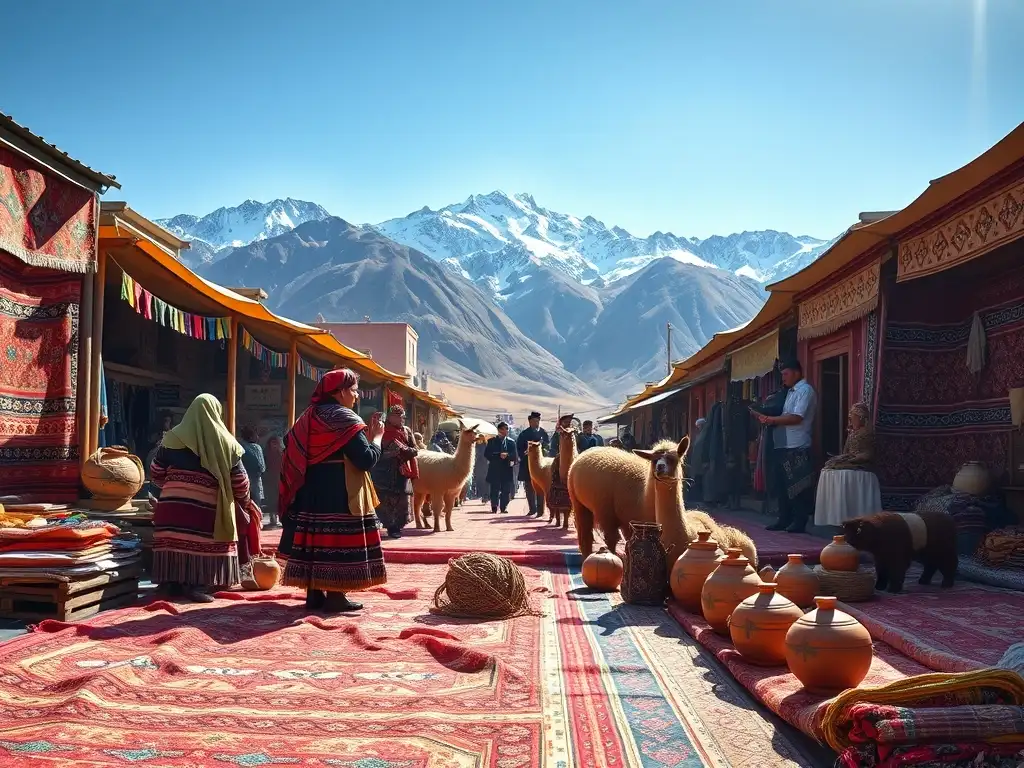
Dive into the enigmatic world of the Andes! Prepare to unravel the secrets of a civilization built not on conquest, but on a complex system of reciprocity. Discover how the intricate web of Andean reciprocity social interactions shaped the lives, societies, and monumental achievements of the Incas, Moche, Nazca, and Tiahuanaco. What were the unseen forces that bound these remarkable cultures together? Explore the answers within, and uncover the fascinating truth behind this powerful societal engine.
The intricate tapestry of Andean social structures was woven with a strong thread of reciprocity. This wasn't merely a system of bartering goods and services; it was a deeply ingrained philosophy underpinning all aspects of life, from daily interactions between individuals to the complex relationships between communities and elites. Understanding Andean reciprocity is crucial to grasping the dynamics of power, social cohesion, and economic organization within these fascinating civilizations.
This article delves into the core principles of reciprocal exchanges within Andean societies, exploring how this system shaped their social interactions and contributed to the remarkable achievements of cultures like the Inca, Moche, Nazca, and Tiahuanaco. We will examine how reciprocity, far from being a simple economic mechanism, functioned as a powerful mechanism for maintaining social order and fostering a sense of collective identity.
The concept of "ayni," a Quechua term often used to describe this system, will be central to our exploration. This in-depth analysis will reveal the multifaceted nature of Andean reciprocity and its enduring legacy on Andean social structures.
Andean reciprocity, often encapsulated by the Quechua term ayni, transcended simple bartering. It represented a complex system of mutual obligations and exchange, deeply embedded in the social fabric. This wasn't just about equal exchange of goods; it encompassed a broader spectrum of interactions, including labor, services, and even spiritual obligations.
The principle of ayni fostered strong social bonds and ensured the well-being of the community. Failure to participate in reciprocal exchanges could lead to social ostracism and disruption of the delicate social equilibrium. Think of it less as a transactional system and more as a social contract, where participation reinforced social ties and collective identity.
The success of Andean societies, particularly their ability to undertake large-scale projects like monumental architecture and sophisticated irrigation systems, can be attributed, in part, to the efficient mobilization of resources and labor facilitated by this ingrained system of reciprocity. The intricate web of reciprocal obligations helped ensure that resources were distributed effectively, and that everyone contributed to the collective good. This system operated on multiple levels, from the family unit to the wider community, and even extended to relationships with deities and the natural world.
The Core Principles of Reciprocal Exchanges in the Andes
Several key principles governed reciprocal exchanges in the Andes. These principles, though nuanced and context-dependent, provided a framework for understanding the intricacies of ayni.
- Balanced Reciprocity: This involved a relatively equal exchange of goods or services within a defined timeframe. For example, a farmer might help his neighbor harvest their crops, expecting similar assistance in return during his own harvest.
- Generalized Reciprocity: This involved exchanges without the expectation of immediate or equivalent return. Acts of generosity and altruism, such as sharing food during times of scarcity, fell under this category. This built social capital and trust within the community.
- Negative Reciprocity: This represented a less common form of exchange, often involving attempts to get something for nothing, such as theft or exploitation. While present, it was generally discouraged and actively counteracted by the strong social norms promoting balanced and generalized reciprocity.
The effectiveness of the system rested on the strong social controls and moral obligations inherent within Andean communities. Social pressure and the importance of maintaining harmonious relationships ensured that individuals generally adhered to the principles of reciprocity. Violation of these principles could result in significant social consequences, reinforcing the system’s stability.
The system was remarkably adaptable, adjusting to the varying needs and resources of different communities and environments. The application of ayni varied across different Andean cultures, reflecting the diversity of social structures and ecological conditions. Further research is needed to fully understand the specific variations in the implementation of ayni amongst the various Andean civilizations, but the underlying principle of mutual obligation remained consistent.
Ayni: The Principle of Mutual Aid in Andean Communities
Ayni, a Quechua term meaning "equivalence" or "reciprocity," represents a fundamental principle governing social interactions in Andean communities. It's not simply a system of bartering goods or services; rather, it's a deeply ingrained social ethic emphasizing mutual support and cooperation. The core of Ayni lies in the understanding that helping others is not only beneficial for the recipient but also strengthens the social fabric and ensures the well-being of the entire community. This reciprocal exchange wasn't necessarily immediate or precisely balanced in material terms.
A farmer might help his neighbor plow a field today, expecting assistance with harvesting later, or perhaps receiving help with a different task altogether in the future. The implicit trust and social obligation underpinning Ayni were crucial to the functioning of Andean societies. Failure to participate in Ayni could lead to social ostracism, highlighting the significance of this principle in maintaining social cohesion. The practice of Ayni extended beyond immediate neighbors, often encompassing broader kinship networks and even entire villages.
This system fostered a sense of collective responsibility and ensured the survival and prosperity of the community as a whole. The enduring legacy of Ayni is evident in contemporary Andean communities, where its principles continue to inform social interactions and community development initiatives. The spirit of Ayni – mutual assistance and shared responsibility – remains a vital aspect of Andean identity.
Minka: Cooperative Labor and Communal Reciprocity
Minka, another crucial aspect of Andean reciprocity, refers to a system of communal labor where individuals collectively contribute their time and effort to a shared project. Unlike Ayni, which often involved smaller, bilateral exchanges, Minka typically involved larger-scale undertakings benefiting the entire community. Examples of Minka projects included building irrigation canals, constructing houses, or clearing land for agriculture. Participation in Minka was considered a civic duty, a demonstration of community solidarity and commitment to the collective good.
While individuals might receive some individual benefit from the completed project, the primary focus was on the communal advantage. The success of Minka relied heavily on the coordinated efforts of many individuals, emphasizing the importance of teamwork and shared responsibility. Food and drinks were often provided to participants, adding a social aspect to the labor, and fostering a sense of community spirit. The organization and management of Minka events often involved community leaders or designated organizers, ensuring the smooth execution of the project.
The system of Minka underscores the strong social bonds and collaborative spirit that characterized Andean societies, demonstrating how collective action was essential for their survival and prosperity. Even today, Minka continues to be practiced in many Andean communities, showcasing the enduring importance of communal cooperation. The effectiveness of Minka as a system of labor and social organization demonstrates the sophistication of Andean societal structures.
Gift-giving played a significant role in Andean social dynamics, extending beyond mere acts of generosity. It served as a powerful mechanism for establishing and maintaining social relationships, reinforcing hierarchies, and expressing political power. Gifts weren't simply material objects; they were imbued with symbolic meaning, reflecting the social status of both the giver and the receiver. Elaborate ceremonies and rituals often accompanied gift-giving, emphasizing the importance of the act.
The exchange of prestigious goods, such as textiles, ceramics, or precious metals, strengthened alliances between different groups and reinforced social bonds. The reciprocal nature of gift-giving was crucial; refusing a gift could be interpreted as a sign of disrespect or hostility. However, the expected return gift didn't always need to be of equal material value. The act of giving itself, and the social relationship it fostered, held paramount importance.
The power dynamics inherent in gift-giving were also significant; elites often used gifts to consolidate their authority and control over subordinate groups. The careful selection and presentation of gifts reflected the social standing of the giver and the nature of the relationship between the giver and receiver. The system of gift-giving in Andean societies demonstrates the complex interplay between material exchange and social relationships, highlighting the sophisticated understanding of social dynamics in these ancient civilizations. The practice of reciprocity through gift exchange remains a powerful symbol of Andean cultural heritage.
The concept of ayni, often translated as reciprocity, extended far beyond simple bartering or economic exchange in Andean societies. It encompassed a complex web of social obligations, shaping daily life and reinforcing social bonds. This wasn't merely a transactional system; it was a fundamental principle governing interactions between individuals, families, and communities.
The expectation of reciprocal acts wasn't limited to material goods; it included labor, service, and even emotional support. For example, helping a neighbor build a house wasn't just an act of kindness; it was a social obligation, with the expectation of similar assistance in the future. This intricate system fostered a strong sense of community and mutual dependence, crucial for survival in challenging Andean environments.
Failure to fulfill these obligations could lead to social sanctions, highlighting the deeply ingrained nature of ayni in Andean social structures. The system was not static; the type and extent of reciprocity varied depending on the social standing of the individuals involved and the specific context of the interaction. This dynamic aspect of ayni ensured its adaptability and longevity across different Andean cultures and time periods.
Types of Reciprocal Relationships in Andean Society
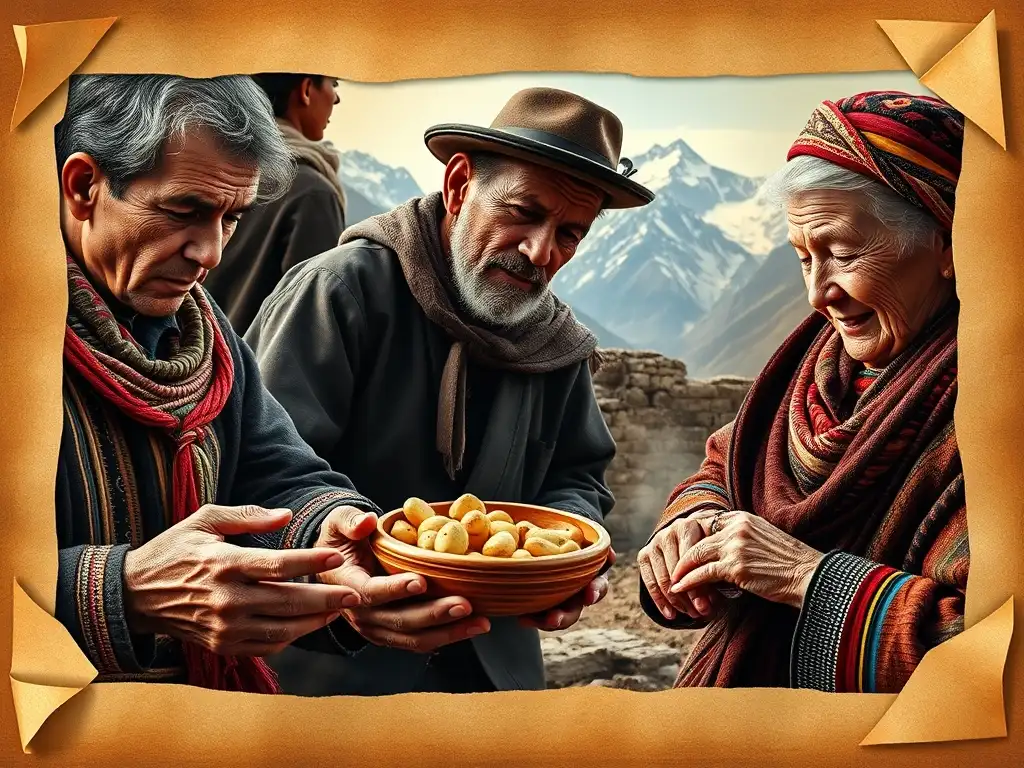
Andean societies exhibited a sophisticated understanding of reciprocal relationships, categorizing them based on the social standing of the participants. This nuanced approach reflects the intricate social fabric of these civilizations, where reciprocal exchange served as a cornerstone of social cohesion and stability. Scholars have identified two primary types of reciprocity: vertical and horizontal.
These categories, while helpful for analytical purposes, often overlapped and interacted in complex ways within the daily lives of Andean communities. The fluidity and interconnectedness of these reciprocal systems further illustrate the depth and complexity of Andean social organization. Understanding these distinctions is critical to grasping the full scope of Andean social dynamics and the pervasive influence of reciprocity in shaping their societies.
Vertical Reciprocity: Obligations Between Social Strata
Vertical reciprocity described the reciprocal exchanges between different social strata within Andean societies. This involved obligations flowing both upwards and downwards through the hierarchical structure. For instance, the elite, often comprised of religious leaders or rulers, provided protection, resources, and religious services to the commoners. In return, the commoners provided labor, tribute, and agricultural products to sustain the elite.
This system wasn't simply exploitative; it was based on the mutual understanding of reciprocal obligations. The elite's responsibility was to ensure the well-being of their subjects, while the commoners’ responsibility was to contribute to the sustenance and functioning of the broader society. The failure of either party to fulfill their obligations could disrupt the social order and lead to instability.
Examples of this can be seen in the Inca Empire's mita system, where citizens were obligated to provide labor services to the state in return for protection and access to resources. The mita wasn't just forced labor; it was a crucial element of vertical reciprocity, reflecting the complex interplay between social hierarchy and reciprocal obligations. This system, while hierarchical, maintained a delicate balance through the mutual responsibilities it defined.
Horizontal Reciprocity: Exchanges Among Equals
Horizontal reciprocity, in contrast, involved exchanges between individuals of similar social standing. This type of reciprocity fostered strong community bonds and mutual support within social groups. It operated primarily through informal networks of kinship, friendship, and neighborhood ties.
Examples included cooperative farming practices, shared labor in construction projects, and mutual assistance during times of need. These exchanges were often characterized by a spirit of mutual benefit and trust. The absence of a significant power imbalance allowed for more egalitarian interactions, strengthening social cohesion at the local level.
This type of reciprocity was crucial for maintaining social stability and cooperation within communities, complementing the more formalized exchanges associated with vertical reciprocity. The balance between these two forms of reciprocity highlights the nuanced and multifaceted nature of Andean social interactions, demonstrating a sophisticated understanding of social dynamics and the importance of mutual obligation in maintaining social order. This system ensured the smooth functioning of Andean communities, fostering cooperation and resilience in a challenging environment.
Reciprocity, the principle of mutual exchange and obligation, was fundamental to the social fabric of Andean civilizations. It wasn't merely a matter of bartering goods; it was a deeply ingrained system that fostered cooperation, solidarity, and a sense of shared responsibility. The intricate web of reciprocal relationships extended across all levels of society, from the everyday exchanges between neighbors to the elaborate ceremonies involving rulers and commoners.
This system ensured the smooth functioning of society, mitigating conflicts and promoting collective well-being. The absence of a strong centralized state in many pre-Inca societies amplified the importance of reciprocity in maintaining social order and stability. Individuals relied heavily on their networks of reciprocal relationships for support, assistance, and resource allocation, creating a strong sense of community and mutual dependence.
Failure to reciprocate could lead to social ostracism and a breakdown of essential support systems. This inherent pressure to maintain reciprocal obligations helped to create a cohesive and relatively stable social structure in many Andean communities. The concept extended beyond material goods, encompassing labor, services, and even spiritual obligations, creating a complex and multifaceted system of social interaction.
The concept of ayni, a Quechua term signifying reciprocal labor exchange, perfectly illustrates the Andean emphasis on balanced relationships. Ayni wasn't simply a transactional system; it was a social glue that bound communities together. Through ayni, individuals contributed their labor to collective projects, such as building irrigation canals, temples, or houses. Participation in ayni fostered a sense of shared purpose and strengthened community bonds.
The system ensured that everyone contributed to the common good and benefited from the collective effort. Similarly, the concept of mink'a, another form of reciprocal labor, involved communal work for the benefit of an individual or family. This practice ensured that everyone received assistance when needed, promoting social harmony and preventing economic disparities from escalating into social unrest.
The successful implementation of ayni and mink'a depended on trust, mutual respect, and a commitment to fulfilling obligations. Violations of these reciprocal agreements could lead to social tensions and even conflict, highlighting the importance of these practices in maintaining social stability and harmony within Andean communities. These systems were vital in preventing the accumulation of wealth and power in the hands of a few, contributing to a relatively egalitarian social structure in certain Andean societies.
The pervasive influence of reciprocity is evident in the structure of Andean societies. The intricate systems of ayni and mink'a directly impacted the distribution of resources and labor, shaping the social hierarchy and the relationships between different social groups. While some degree of social stratification existed, particularly in larger, more complex societies like the Inca Empire, reciprocity acted as a counterbalance to potential inequalities. The obligation to reciprocate helped to ensure that even those in positions of power were accountable to their communities.
The system fostered a sense of interdependence, limiting the potential for exploitation and maintaining a degree of social equilibrium. For example, the Inca mit'a system, a form of mandatory labor service, while demanding, was also a form of reciprocal exchange. In return for their labor, individuals received access to resources and protection from the state.
This demonstrates how even seemingly hierarchical systems incorporated elements of reciprocity to maintain social cohesion and legitimacy. The enduring influence of reciprocity on Andean social structures is evident in the persistence of these practices in many Andean communities even today, demonstrating the deep-rooted significance of these systems in shaping Andean societies throughout history. The study of Andean reciprocity provides valuable insights into alternative models of social organization, emphasizing the importance of cooperation and mutual obligation in creating stable and equitable societies.
Reciprocity in the Context of Andean Political Systems
Reciprocity wasn't merely a social practice in Andean societies; it was deeply embedded within their political structures. The Inca Empire, for example, famously utilized a system of ayni and mita to maintain its vast territory and complex social organization. Ayni, a form of reciprocal labor exchange, ensured cooperation in agricultural tasks, construction projects, and other communal activities. This wasn't simply altruism; it was a structured system where participation ensured access to resources and social standing within the community.
Failure to contribute could lead to social ostracism and potential punishment. The mita, a form of obligatory labor service, further solidified this reciprocal relationship between the state and its subjects. While seemingly one-sided, the mita provided essential infrastructure development and guaranteed access to state resources and protection in return for the labor contribution. This intricate system of reciprocal obligations, far from being a simple barter system, fostered a sense of collective responsibility and solidified the power of the Inca state.
The effectiveness of ayni and mita highlights how reciprocity wasn't just an ethical principle, but a vital component of Andean governance, ensuring social cohesion and political stability. The system's sophisticated mechanisms, including record-keeping and distribution networks, demonstrate a level of administrative complexity that belies the often-simplified understanding of pre-Columbian Andean societies. Different regions and ethnic groups within the empire adapted and modified these systems to fit their own specific needs and cultural practices, indicating the flexibility and adaptability of the reciprocal model within the larger framework of Inca rule.
The Impact of Colonialism on Traditional Reciprocity Practices
The Spanish conquest profoundly disrupted the intricate web of reciprocal relationships that characterized Andean societies. The introduction of the encomienda system, which granted Spanish conquistadors control over Indigenous labor and resources, directly undermined the existing systems of ayni and mita. Forced labor in mines and on haciendas replaced the communal cooperation inherent in traditional reciprocal practices. The extraction of wealth and resources by the Spanish crown prioritized individual profit over collective well-being, directly contradicting the principles of reciprocal exchange.
This shift had devastating consequences, leading to the disintegration of traditional social structures and the erosion of communal identity. The imposition of a market economy further weakened reciprocal practices, as the focus shifted from communal sharing to individual accumulation of wealth. The introduction of new crops and livestock, while altering agricultural practices, didn't necessarily replace the need for reciprocity, but rather altered its form and function.
However, the coercive nature of colonial labor systems often left little room for the voluntary cooperation that characterized traditional Andean reciprocity. The long-term effects of this disruption are still felt today, with many modern Andean communities struggling to balance the legacy of colonialism with the revitalization of traditional reciprocal practices. The impact wasn't uniform; some communities retained aspects of reciprocity, while others experienced a complete restructuring of their social interactions.
The Resilience of Reciprocal Practices in Modern Andean Societies
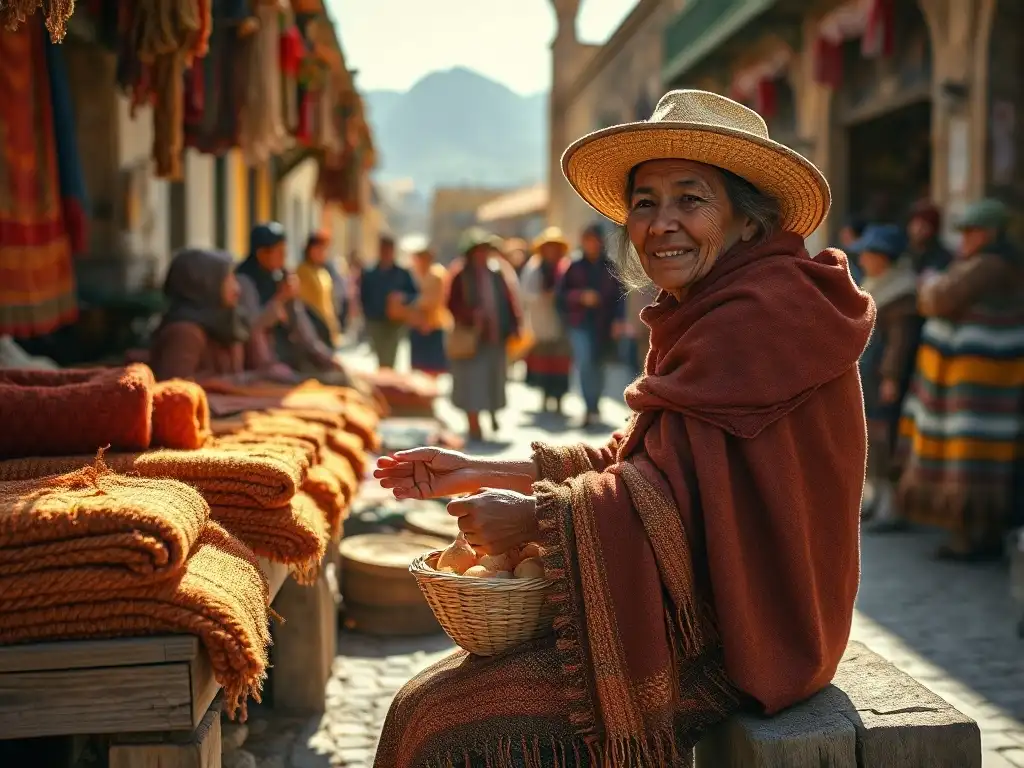
Despite the devastating impact of colonialism, reciprocal practices have shown remarkable resilience in modern Andean societies. While the formal structures of ayni and mita have largely disappeared, the underlying principles of mutual support and cooperation persist in various forms. Many rural communities continue to engage in informal exchange of labor and resources, particularly during agricultural cycles. This often manifests in helping neighbors with planting, harvesting, or other tasks, reflecting a continuation of the spirit of collective work.
The concept of ayni, although transformed, remains deeply rooted in Andean cultural values, emphasizing the importance of community and mutual assistance. Furthermore, the resurgence of Indigenous identities and cultural revitalization movements has contributed to the renewed emphasis on reciprocal practices. These movements often actively promote traditional values and customs, including those related to reciprocity. In some cases, there are even attempts to formally revive aspects of ayni and mita in adapted forms suitable for modern contexts.
However, challenges remain, including the pressure of globalization and economic inequality. The interplay between traditional values and modern economic realities presents a complex situation where the survival of reciprocal practices depends on the ability of Andean communities to adapt and integrate them into their contemporary lives. The resilience of these practices underscores their enduring significance as a cornerstone of Andean social fabric, demonstrating a remarkable capacity for adaptation and survival in the face of profound historical and social change.
Reciprocity in the Community of Q'ero, Peru: A Case Study
The Q'ero people, a Quechua-speaking community high in the Andes mountains of Peru, offer a compelling case study of Andean reciprocity in action. Their traditional social structure is deeply rooted in the principle of ayni, a system of mutual exchange and obligation that governs nearly all aspects of their lives. This isn't simply a matter of bartering goods; ayni encompasses a much broader spectrum of social interaction, including labor exchange ( minka ), gift-giving, and shared responsibilities. For example, during the planting and harvesting seasons, minka events bring the entire community together.
Individuals contribute their labor without explicit monetary compensation, understanding that the collective benefit outweighs individual effort. This reciprocal exchange strengthens community bonds and ensures the survival of the group. The concept extends beyond material goods; spiritual reciprocity is also vital. Shamans, for example, provide healing services and spiritual guidance, receiving respect and offerings in return, maintaining a delicate balance within the community.
The success of the Q'ero community in maintaining many aspects of their traditional ways highlights the enduring power of ayni in structuring social relations and ensuring social cohesion. The intricate web of obligations and reciprocal exchanges fosters a sense of collective responsibility and mutual support, effectively mitigating inequalities and promoting social harmony. However, even within the relatively isolated Q'ero community, the pressures of globalization are starting to impact their traditional practices.
Challenges to Andean Reciprocity in Contemporary Times
The principles of Andean reciprocity, while deeply ingrained in the cultural fabric of many Andean communities, face significant challenges in the modern world. Globalization, with its emphasis on individual achievement and market-based economies, often clashes directly with the collectivist ethos of ayni. The introduction of cash-based transactions can undermine traditional gift-giving and labor exchange systems, potentially leading to social stratification and the erosion of community ties. Migration to urban centers, driven by economic necessity, can weaken local social networks and disrupt established patterns of reciprocity.
Furthermore, the influence of Western ideologies and consumerism can erode the traditional values that underpin Andean reciprocity. The increasing commodification of land and resources can also disrupt traditional access patterns and lead to conflicts, challenging the principles of shared responsibility and mutual benefit. For example, the privatization of land traditionally held in common can create inequalities and undermine the cooperative spirit essential for minka and other forms of reciprocal labor.
The loss of traditional knowledge and practices, coupled with the pressures of modernization, further threatens the sustainability of Andean reciprocity. This necessitates a careful consideration of strategies to preserve and adapt these vital cultural practices. The challenge lies in finding a balance between preserving traditional values and adapting to the realities of a rapidly changing world.
The Future of Andean Reciprocity: Preserving Cultural Heritage
The preservation of Andean reciprocity is crucial not only for the cultural survival of Andean communities but also for promoting sustainable development and social justice. Efforts to safeguard this vital aspect of Andean heritage require a multi-faceted approach. This includes supporting community-based initiatives that promote and revitalize traditional practices, such as minka and other forms of collective labor. Education plays a vital role in transmitting knowledge of ayni and its significance to younger generations, ensuring the continuity of these traditions.
Furthermore, incorporating principles of reciprocity into development projects can ensure that these initiatives are sustainable and equitable. For example, projects that emphasize community participation and shared benefits are more likely to be successful in the long term. Government policies that support the preservation of traditional land tenure systems and promote sustainable resource management are also crucial. This also involves fostering dialogue and collaboration between Andean communities, researchers, and policymakers to address the challenges facing Andean reciprocity in the 21st century.
By recognizing the value of Andean reciprocity and actively working to preserve it, we can help ensure the continued well-being of Andean communities and the rich cultural heritage they represent. The preservation of ayni is not merely a matter of preserving tradition; it is about safeguarding a valuable social and economic model that has proven its resilience over centuries. The future of Andean reciprocity lies in its ability to adapt and evolve while retaining its core principles of mutual support and collective responsibility.
Andean reciprocity, a cornerstone of Andean social structures, wasn't merely a system of exchange; it was a deeply ingrained ideology shaping every facet of life, from daily interactions to monumental construction projects. Understanding this principle is crucial to grasping the complexities of Andean civilizations like the Inca, Moche, Nazca, and Tiahuanaco. It wasn't simply a matter of "give and take," but rather a complex web of obligations and expectations, fostering social cohesion and stability across diverse communities.
This intricate system, built on mutual aid and balanced exchange, ensured the survival and prosperity of these societies for centuries. The concept went beyond simple bartering; it encompassed spiritual, social, and economic dimensions, reinforcing social hierarchy and defining individual roles within the community. Failure to participate in reciprocal exchanges could have serious social consequences, highlighting its importance in maintaining social order.
The system of Andean reciprocity wasn't static; it adapted to the specific needs and circumstances of each community. For example, the Inca Empire, with its vast infrastructure and centralized authority, implemented a sophisticated system of ayni and mita, forms of reciprocal labor that ensured the construction and maintenance of roads, temples, and agricultural terraces. However, smaller, less centralized societies also practiced reciprocity, albeit in different forms.
Archaeological evidence, such as the communal storage facilities found in various Andean sites, demonstrates the importance of collective resource management and redistribution, key elements of reciprocal systems. These systems were vital for mitigating the risks associated with unpredictable weather patterns and ensuring community resilience in the face of adversity. The success of these systems underscores the sophisticated understanding of social dynamics and resource management within Andean societies.
Furthermore, the concept of reciprocity extended beyond material goods and labor. It encompassed spiritual obligations and the maintenance of relationships with the supernatural world. Ritual offerings, ceremonies, and festivals were all part of a broader reciprocal relationship between humans and the deities they worshipped. This intertwining of the spiritual and the social reinforced the importance of reciprocity in every aspect of Andean life.
The intricate system of pachas (the Andean world view) further emphasized the interconnectedness of the community and the environment, highlighting the importance of maintaining balance and harmony through reciprocal exchanges. The very fabric of Andean society was woven with the threads of reciprocity, making it a fundamental aspect of their worldview and social organization. Failing to understand this deeply ingrained principle results in a significantly incomplete understanding of Andean social dynamics.
- Understanding Andean Reciprocity: A Foundation of Social Life
- The Core Principles of Reciprocal Exchanges in the Andes
- Ayni: The Principle of Mutual Aid in Andean Communities
- Minka: Cooperative Labor and Communal Reciprocity
- The Role of Gift Giving in Andean Social Dynamics
- Reciprocity Beyond Economic Transactions: Social Obligations
- Types of Reciprocal Relationships in Andean Society
- The Importance of Reciprocity for Andean Social Cohesion
- Reciprocity and the Maintenance of Andean Social Harmony
- How Reciprocity Shaped Andean Social Structures
- Reciprocity in the Context of Andean Political Systems
- The Impact of Colonialism on Traditional Reciprocity Practices
- The Resilience of Reciprocal Practices in Modern Andean Societies
- Reciprocity in the Community of Q'ero, Peru: A Case Study
- Challenges to Andean Reciprocity in Contemporary Times
- The Future of Andean Reciprocity: Preserving Cultural Heritage
- Andean Reciprocity Social Interactions: A Key to Understanding Andean Cultures
Frequently Asked Questions
What is reciprocity in the context of Andean civilizations?
Reciprocity in Andean societies was a fundamental principle governing social interactions. It involved a system of mutual exchange of goods, services, and labor, strengthening community bonds and ensuring social stability. This wasn't simply bartering; it was deeply embedded in their worldview.
How did reciprocity differ from simple bartering?
Unlike simple bartering, Andean reciprocity was often asymmetrical, with exchanges not always balanced in the immediate term. It was based on long-term relationships and the expectation of future reciprocation, fostering social cohesion and mutual support within communities.
What role did ayllus play in the reciprocal system?
The ayllus, or extended family groups, were crucial in organizing and implementing reciprocal exchanges. They facilitated the distribution of resources and ensured that everyone within the community had access to what they needed, creating a safety net within the society.
Were there different types of reciprocity in Andean societies?
Yes, scholars identify different forms, including generalized reciprocity (among close kin), balanced reciprocity (between individuals in more distant relationships), and negative reciprocity (attempts to gain advantage, less common). The dominant form was generally generalized or balanced.
Reciprocity was integral to the social structure, shaping power dynamics and maintaining social order. It fostered social cohesion and stability by reinforcing community ties and promoting cooperation, rather than relying solely on hierarchical control.
Final Reflection: The Enduring Power of Ayni
The concept of ayni, reciprocal exchange, remains a vital thread woven into the fabric of Andean societies, shaping their social structures and influencing their interactions even in the face of globalization. Its enduring relevance challenges our modern, often individualistic, perspectives on social engagement, forcing us to reconsider the value of mutual support and community-based cooperation.
The profound impact of ayni extends far beyond simple economic transactions; it forms the bedrock of Andean social cohesion, fostering trust, strengthening community bonds, and ensuring the well-being of all members. It's a system that transcends mere obligation, becoming a deeply ingrained cultural value. Ayni is not just a system of exchange, but a way of life, a philosophy that emphasizes the interconnectedness of all beings.
This quote encapsulates the essence of ayni's enduring power, highlighting its spiritual and ethical dimensions. Understanding this deeper meaning allows us to appreciate the richness and complexity of Andean social interactions.
Consider how the principles of ayni might enrich your own life and community. Can you identify opportunities to practice reciprocal exchange, fostering stronger relationships and a greater sense of shared responsibility? Perhaps it's through volunteering your time, offering support to a neighbor, or simply engaging in acts of kindness. Let the enduring legacy of Andean reciprocity inspire you to build a more connected and compassionate world, one act of ayni at a time.
Embrace the Spirit of Reciprocity Today!
Thank you for exploring the fascinating concept of reciprocity in Andean social interactions! You've uncovered valuable insights into how mutual support and cooperation build thriving communities. Let's apply this knowledge to foster reciprocity in our own lives.
Here are some actionable suggestions to get started:
- Reach out and connect: Offer a helping hand to someone in your community. A simple act of kindness can have a profound impact.
- Join a community group: Become involved in local organizations that value collaboration and mutual support. Embrace the spirit of working together for the common good.
- Share your knowledge: Discuss the importance of reciprocity with friends and family, or share your thoughts online. Inspire others to consider how they can contribute to a more reciprocal society.
How will you integrate the spirit of reciprocity into your daily life? Your ideas could spark a wave of positive change—we'd love to hear them!