
The Pleiades and Andean Time: A Celestial Guide for Agriculture


Step into a world lost to time, yet echoing with the whispers of a sophisticated civilization. Imagine a society where the heavens dictated the rhythm of life, where the constellations held the key to bountiful harvests. Uncover the secrets of the Andean agriculture celestial calendar, a complex system that intertwined the movements of the Pleiades with the agricultural cycle of the Andes. Prepare to be amazed by the ingenuity and profound understanding of the cosmos that shaped Andean life. Dive in and explore!
The Andes Mountains, a spine of towering peaks traversing South America, were home to a multitude of sophisticated civilizations whose understanding of the cosmos profoundly impacted their daily lives, particularly their agricultural practices. This article delves into the intricate relationship between Andean agriculture and celestial observation, focusing on the Pleiades constellation—known as the "Seven Sisters"—and its role as a crucial celestial marker in the Andean calendar.
We will explore how the appearance and disappearance of this constellation guided planting and harvesting cycles, showcasing the remarkable astronomical knowledge and ingenuity of these ancient cultures. This connection between the celestial and the terrestrial reveals a deep understanding of the environment and a sophisticated system of time-keeping far surpassing simple lunar or solar calendars.
Understanding this intricate system provides invaluable insight into the Andean worldview and the remarkable achievements of these pre-Columbian societies. We will examine specific examples of how the Pleiades influenced agricultural practices across different Andean cultures, highlighting the enduring legacy of this celestial guide.
Introduction to Andean Cosmology and the Importance of the Pleiades
Andean cosmology presents a unique perspective on the relationship between humanity and the cosmos. Unlike many other cultures, the Andean worldview didn't separate the celestial and terrestrial realms. Instead, they were interconnected, with celestial events directly influencing earthly affairs.
The Andean people believed that the movements of the stars, the sun, and the moon held profound significance, providing a framework for understanding time, space, and the cycles of nature. The Pleiades constellation, a prominent cluster of stars easily visible in the night sky, played a particularly crucial role in this cosmology. Its cyclical appearance and disappearance provided a precise and reliable celestial calendar, intimately tied to the agricultural cycle.
The precise timing of its heliacal rising (its first appearance in the dawn sky after a period of invisibility) signaled the optimal time for planting, while its setting marked the harvest season. This precise astronomical knowledge allowed for efficient crop management and contributed significantly to the success and stability of Andean societies. The importance of the Pleiades is evident in numerous archaeological findings, including iconography and monumental structures aligned with its movements.
The Pleiades: A Key Celestial Marker in Andean Cultures
The Pleiades, also known as the Seven Sisters, served as a pivotal celestial marker for several Andean cultures, including the Inca, Moche, Nazca, and Tiwanaku. Their astronomical observations were remarkably accurate, allowing them to predict the seasonal changes with impressive precision. Evidence suggests that many Andean communities developed sophisticated methods for tracking the Pleiades' movements, using a combination of direct observation and possibly even rudimentary instruments.
This careful monitoring allowed them to anticipate the optimal planting and harvesting times, maximizing crop yields and ensuring food security. The importance of the Pleiades is reflected in the rich iconography found in Andean art, where the constellation is often depicted in textiles, ceramics, and stone carvings. These representations not only illustrate the cultural significance of the Pleiades but also provide valuable clues about the astronomical knowledge of these ancient societies.
Further research is needed to fully understand the nuances of their astronomical observations and the specific techniques they employed. For example, [specific information pending] regarding the use of specific mountain peaks as observation points.
The Seven Sisters Constellation: Visibility and Significance for Andean Peoples
The heliacal rising of the Pleiades, its first appearance in the dawn sky after a period of invisibility, held profound significance for Andean agricultural practices. This event signaled the beginning of the rainy season and the ideal time for planting. Conversely, the setting of the Pleiades marked the end of the growing season and the time for harvesting.
The timing of these celestial events varied slightly depending on the specific location within the Andes, leading to regional variations in agricultural calendars. However, the fundamental importance of the Pleiades as a guide for agricultural activities remained consistent across various Andean cultures. The precise timing of the Pleiades' appearance and disappearance was crucial for the success of their agricultural efforts, ensuring the provision of food for their communities.
The impact of this celestial calendar extended beyond mere agricultural planning; it likely played a role in social organization, religious ceremonies, and even political decision-making, further highlighting the deep integration of astronomy into Andean society. Understanding this intricate relationship between celestial events and agricultural practices provides a richer understanding of the Andean worldview and their remarkable adaptation to their environment.
Andean Agriculture and the Celestial Calendar
Andean agriculture wasn't simply a matter of planting seeds and harvesting crops; it was deeply intertwined with a sophisticated understanding of the celestial calendar, particularly the movements of the Pleiades constellation. This intricate relationship between the cosmos and agricultural practices shaped the lives and societies of numerous Andean cultures, including the Incas, Moche, and Nazca. The precise timing of planting, weeding, and harvesting was dictated by the observable positions of the stars and constellations, ensuring optimal yields and aligning agricultural cycles with the natural rhythms of the Andes.
The success of their agricultural systems, especially in challenging high-altitude environments, was directly linked to their profound knowledge of celestial events. This wasn't a matter of superstition; it was a practical application of astronomical observation to improve food production. The celestial calendar provided a crucial framework for the organization of labor, resource allocation, and the overall social structure of Andean communities.
The importance of the Pleiades in this system cannot be overstated. Different Andean cultures observed and interpreted the Pleiades' heliacal rising (its first appearance in the dawn sky after a period of invisibility) and setting as key markers for the agricultural year. For example, the heliacal rising of the Pleiades often signaled the beginning of the planting season in many regions. This precise timing was vital, ensuring that crops were sown when conditions were most favorable for germination and growth.
Similarly, the heliacal setting could indicate the start of the harvest season or other crucial agricultural tasks. The meticulous observations and detailed records kept by Andean astronomers allowed them to predict these celestial events with remarkable accuracy, contributing significantly to the stability and prosperity of their agricultural societies. The precision of their astronomical knowledge is a testament to their dedication to observing and understanding the natural world.
Furthermore, the Andean celestial calendar wasn't limited to the Pleiades. Other constellations and celestial phenomena, such as solstices and equinoxes, also played significant roles in guiding agricultural practices. These observations were often integrated with detailed knowledge of local weather patterns, microclimates, and soil conditions, creating a highly nuanced and adaptive system of agriculture. The combination of celestial observation and intimate knowledge of their environment allowed Andean farmers to optimize their yields even in challenging conditions.
This sophisticated system ensured food security and contributed to the development of complex and resilient societies across the Andean region. The intricate interplay between celestial events and agricultural practices highlights the deep connection between Andean cultures and their environment, showcasing their remarkable understanding of both the natural and celestial worlds. The integration of astronomical knowledge into everyday life demonstrates a level of scientific sophistication often overlooked in discussions of pre-Columbian Andean civilizations.
- Introduction to Andean Cosmology and the Importance of the Pleiades
- The Pleiades: A Key Celestial Marker in Andean Cultures
- The Seven Sisters Constellation: Visibility and Significance for Andean Peoples
- Andean Agriculture and the Celestial Calendar
- How did the Andean civilizations use the Pleiades?
- What role did astronomy play in Andean agriculture?
- Were all Andean cultures equally reliant on celestial observation for farming?
- How accurate were the Andean celestial calendars for predicting agricultural cycles?
- What other celestial bodies, besides the Pleiades, were important to Andean agriculture?
The Role of the Pleiades in Andean Agricultural Cycles
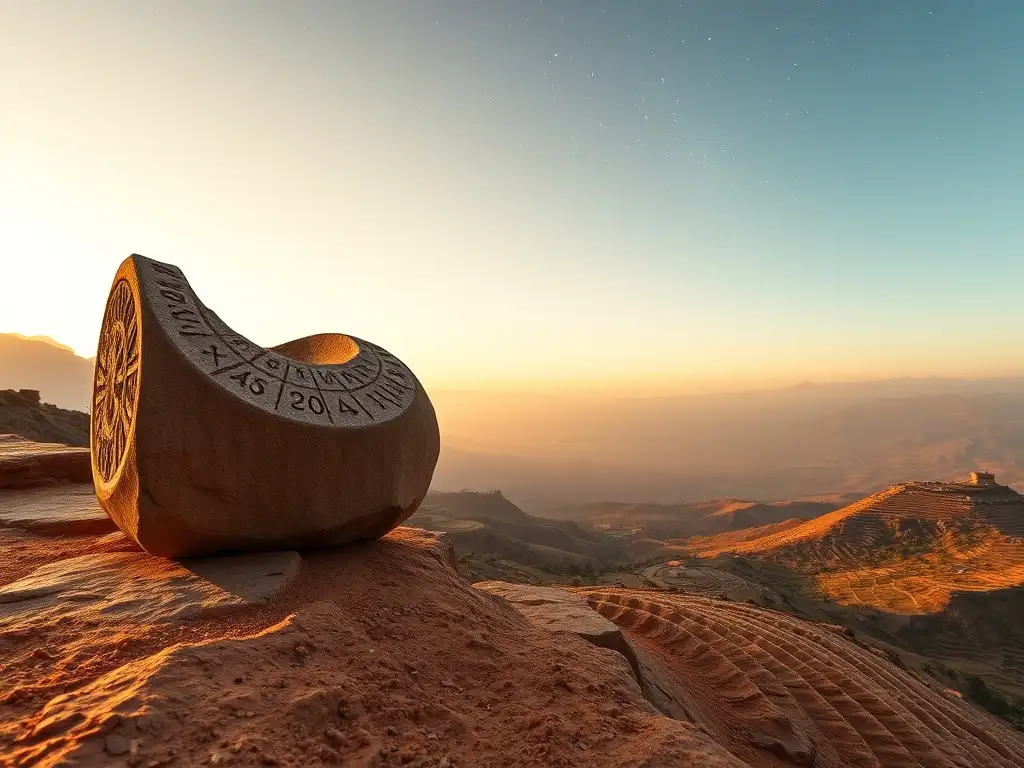
The Pleiades, also known as the Seven Sisters, held a position of paramount importance in the Andean worldview, acting as a celestial guide for agricultural practices across various civilizations. Their cyclical appearances and disappearances in the night sky provided a precise, naturally occurring calendar that dictated planting, harvesting, and the overall rhythm of Andean agricultural life. This intricate relationship between celestial events and agricultural activities showcases the sophisticated understanding of astronomy and its practical application within Andean societies.
Understanding this "Andean agriculture celestial calendar" is crucial to grasping the depth of their cosmological knowledge and its profound influence on their daily lives. The precise correlation between the Pleiades' movements and the agricultural calendar varied slightly depending on the specific altitude and latitude of the Andean region, demonstrating a remarkable adaptation of astronomical knowledge to local conditions.
The Pleiades' Appearance: Marking the Start of the Andean Planting Season
The reappearance of the Pleiades in the pre-dawn sky after a period of invisibility marked the beginning of the planting season for many Andean communities. This wasn't merely a symbolic event; it was a crucial signal indicating the optimal time for sowing seeds. The precise timing, often coinciding with the onset of the rainy season, ensured the best chances for successful crop growth.
For example, in the high Andes, the emergence of the Pleiades above the eastern horizon signaled the arrival of sufficient moisture in the soil, allowing farmers to begin planting potatoes, quinoa, and other crops adapted to high-altitude environments. The meticulous observation of the Pleiades' heliacal rising – its first visibility before sunrise after a period of conjunction with the sun – allowed for a level of precision unmatched by any other method available at the time.
This intricate knowledge allowed for the optimization of planting times, maximizing yields and ensuring food security. This astronomical precision underscores the deep integration of celestial observation into the practical aspects of Andean life.
The Disappearance of the Pleiades: Signifying Harvest Time and Rest
Conversely, the disappearance of the Pleiades from the night sky, its setting with the sun, served as a signal for the end of the growing season and the beginning of the harvest. This celestial cue indicated the time to gather the ripened crops, ensuring their preservation for the coming months. The period following the Pleiades' disappearance was also associated with rest and ritual activities.
Evidence suggests that this time was utilized for community celebrations, religious ceremonies, and the preparation of tools and seeds for the next planting cycle. This cyclical pattern, dictated by the celestial dance of the Pleiades, demonstrates a deep understanding of seasonal rhythms and the importance of incorporating periods of rest and renewal into agricultural practices. The observation of the Pleiades' disappearance wasn't just about the practicalities of harvesting; it was also deeply intertwined with the spiritual and social life of Andean communities.
Andean Agricultural Practices Guided by the Pleiades Constellation
The influence of the Pleiades extended beyond simply marking the beginning and end of the agricultural cycle. Many Andean agricultural practices were directly guided by the constellation's position throughout the year. The changing position of the Pleiades relative to other stars and constellations provided additional cues for specific tasks, such as irrigation scheduling, crop rotation, and even the timing of specific rituals aimed at ensuring a bountiful harvest.
For instance, certain rituals were performed when the Pleiades reached specific points in their celestial journey, demonstrating the profound connection between celestial events and agricultural practices. This intricate interplay between astronomy, agriculture, and religious beliefs highlights the holistic nature of Andean cosmology and its central role in shaping their societal structures.
This sophisticated system, deeply rooted in the observation of the Pleiades, ensured the sustainability and resilience of Andean agriculture for centuries. Further research into specific regional variations in the use of the Pleiades as an agricultural guide would enhance our understanding of this fascinating aspect of Andean culture.
Andean Timekeeping and the Pleiades
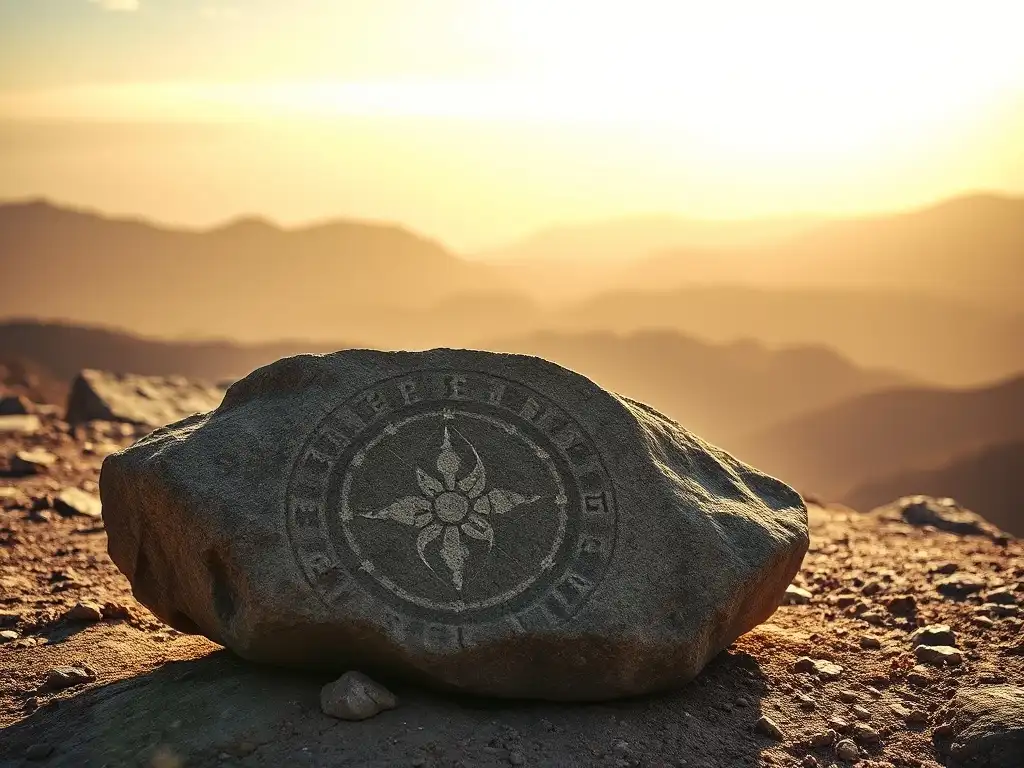
The Andean civilizations didn't rely solely on rudimentary methods for tracking time. Instead, they developed a sophisticated system intricately linked to the celestial movements, particularly those of the Pleiades star cluster. This intricate relationship between the cosmos and earthly life is a cornerstone of understanding Andean agriculture and their broader worldview.
Their celestial calendar, far from being a simple agricultural tool, was deeply embedded in their spiritual and social fabric, influencing everything from planting cycles to religious festivals. This section delves into the specifics of this celestial-based timekeeping system, revealing its complexity and significance within the Andean context. The precise observation of the Pleiades allowed for a remarkably accurate prediction of seasonal changes, crucial for the success of their agricultural practices.
This knowledge, passed down through generations, ensured the continuity of their way of life for centuries. Understanding this system offers a glimpse into the intellectual prowess and deep connection with nature characteristic of these ancient societies.
Andean farmers weren't just passive observers of the night sky; they were active participants in a celestial dance. Their understanding of the Pleiades' movements was not merely theoretical; it was practical and deeply ingrained in their daily routines. The reappearance of the Pleiades after its heliacal setting (disappearance into the sun's glare) marked a critical moment in the agricultural cycle, signaling the optimal time for planting certain crops.
This wasn't a matter of mere coincidence; meticulous observations over generations established a precise correlation between the Pleiades' position and the changing seasons. This system of celestial navigation allowed for highly effective agricultural planning, maximizing yields and ensuring food security. Consider the meticulous record-keeping required: passing down this knowledge accurately required a strong oral tradition, combined with practical demonstrations and likely the use of mnemonic devices to aid memory, ensuring the continuity of this vital knowledge across generations.
The precision involved speaks volumes about the advanced level of astronomical observation achieved by these Andean cultures. The accuracy of their predictions, considering the tools available to them, is truly remarkable and highlights their deep understanding of the cosmos and its influence on their world.
The Pleiades and the Andean Calendar: Connecting the Cosmos to Earthly Rhythms
The Andean calendar wasn't a rigid, inflexible system; instead, it was a dynamic reflection of the interplay between celestial events and earthly realities. The Pleiades acted as a pivotal marker, anchoring the calendar's structure and influencing its rhythm. Their appearance and disappearance weren't isolated events; they were integrated into a broader system of agricultural practices and religious ceremonies.
For example, the heliacal rising of the Pleiades might signal the planting of maize, while its setting could mark the beginning of the harvest season. This connection between celestial events and agricultural activities was not merely coincidental; it was a carefully constructed system designed to optimize agricultural production and ensure the community's well-being. The calendar's flexibility allowed for adjustments based on variations in weather patterns and other environmental factors, demonstrating a sophisticated understanding of the complex relationship between the cosmos and the environment.
Further research is needed to fully understand the nuances of regional variations in the Andean calendar, as the specific timing and significance of celestial events likely varied across different Andean communities. This underscores the need for more in-depth studies of the diverse practices and beliefs across different Andean regions.
Andean Star Lore: The Cultural Narratives of the Pleiades
Beyond its practical applications in agriculture, the Pleiades held profound cultural and spiritual significance for the Andean peoples. The star cluster wasn't simply a collection of celestial bodies; it was imbued with meaning and woven into rich narratives that reflected the community's values and beliefs. These stories often involved mythical figures, celestial beings, and powerful symbols that represented important aspects of Andean life.
The Pleiades might be associated with specific deities, ancestors, or spirits, reflecting the deep integration of the cosmos into their worldview. These narratives served not only as entertainment but also as a means of transmitting cultural knowledge, values, and beliefs across generations. The stories surrounding the Pleiades reinforced the importance of observing the celestial cycles and respecting the natural world, highlighting the inextricable link between the cosmos, humanity, and the environment.
Unfortunately, much of this rich oral tradition has been lost to time, but ongoing research continues to uncover fragments of these narratives, offering glimpses into the complex and fascinating cultural landscape of the Andean world. The ongoing discovery of new archaeological evidence and the continued study of existing texts and oral traditions are crucial for a more complete understanding of the Andean relationship with the Pleiades and its profound impact on their culture. This ongoing work promises to enrich our understanding of Andean cosmology and their sophisticated relationship with the celestial realm.
Traditional Andean Agriculture: A Harmony with Celestial Cycles
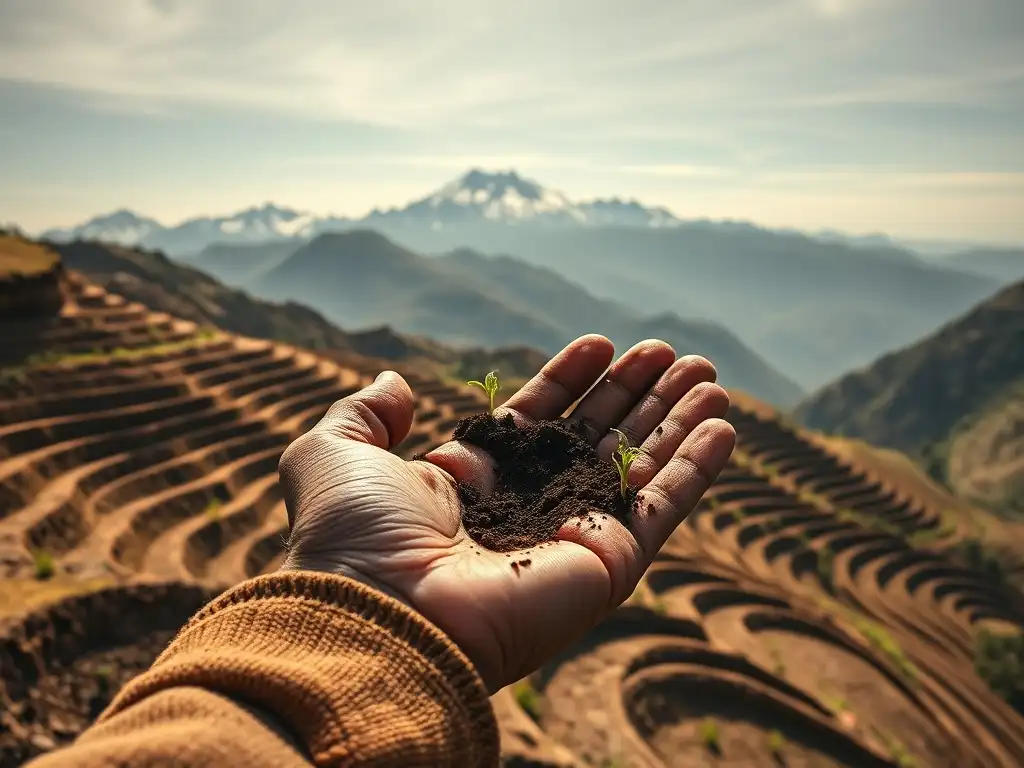
Andean agriculture wasn't simply a matter of planting seeds and harvesting crops; it was a deeply spiritual and intricately timed endeavor, intimately connected to the movements of celestial bodies, particularly the Pleiades constellation. This sophisticated system, refined over millennia, ensured optimal planting and harvesting times, maximizing yields and minimizing risks associated with unpredictable weather patterns. The Andean "celestial calendar" wasn't a rigid, written document; rather, it was an ingrained understanding of the cosmos's influence on the earth, passed down through generations via oral traditions, practical experience, and ritual observation.
This holistic approach ensured the sustainability of Andean agricultural practices for centuries. Understanding this relationship between Andean agriculture and the celestial calendar reveals a profound connection between humanity and the natural world, a connection that resonates even today. The precision and effectiveness of this system underscore the advanced astronomical knowledge possessed by Andean societies.
Sustainable Andean Agricultural Techniques Based on Astronomical Observations
Andean farmers meticulously observed the Pleiades' heliacal rising (its first appearance in the dawn sky after a period of invisibility) and setting, which signaled crucial moments in the agricultural cycle. The appearance of the Pleiades in the pre-dawn sky, for example, often indicated the optimal time for planting specific crops. This wasn't a generalized rule; different crops had different celestial markers, demonstrating a highly nuanced understanding of the interplay between celestial cycles and plant growth.
Furthermore, the positioning of other constellations and stars provided additional cues for irrigation scheduling, harvesting, and even predicting potential weather events. For instance, the appearance of certain constellations might signal the onset of the rainy season, prompting farmers to prepare their irrigation systems. This intricate system of astronomical observation enabled a level of agricultural precision far surpassing simple calendar-based systems.
The ability to predict and adapt to seasonal changes through celestial observation was key to the sustainability of Andean agriculture, ensuring food security for entire communities. This system highlights the ingenuity and deep ecological knowledge of Andean civilizations.
The Interconnection Between Andean Farmers and the Pleiades
The Pleiades held a particularly significant position in the Andean worldview, often considered a divine entity or a group of powerful ancestors. Their celestial movements were not simply observed; they were actively engaged with, shaping the rhythms of life, especially agricultural practices. The Pleiades weren't merely a tool for predicting planting times; they were deeply interwoven into the spiritual fabric of Andean society.
Rituals and ceremonies were performed in conjunction with the Pleiades' appearance and disappearance, reinforcing the connection between the celestial and terrestrial realms. This spiritual dimension played a crucial role in the success of Andean agriculture, fostering a sense of reverence and responsibility towards the land and its resources.
The deep-rooted connection between the Andean farmers and the Pleiades is a testament to the holistic nature of their worldview, where the cosmos and the human experience were inextricably linked. This perspective offers a valuable lesson in sustainable living and the importance of respecting the natural world.
The Living Legacy of Andean Agricultural Practices and the Pleiades Today
While many traditional practices have been impacted by modernization, the legacy of Andean astronomical knowledge persists in some communities. Though the precise methods of observation may have evolved, the fundamental connection between celestial events and agricultural planning remains. Some farmers continue to consult the stars, integrating traditional knowledge with modern techniques to optimize their harvests.
The enduring importance of the Pleiades in Andean culture highlights the resilience and adaptability of traditional practices. Understanding this living legacy provides insights into sustainable agricultural methods, emphasizing the value of integrating traditional knowledge with modern technology. Studies of contemporary Andean agricultural practices reveal the ongoing relevance of the celestial calendar and its contribution to food security and environmental sustainability.
The continued use of astronomical observation in Andean agriculture serves as a powerful example of cultural preservation and the enduring wisdom of ancient civilizations. The ongoing research into this area promises to uncover further details on this fascinating interplay between astronomy and agriculture. This knowledge can contribute to more sustainable and resilient agricultural practices in the face of modern challenges.
The Significance of the Pleiades in Modern Andean Communities
The Pleiades, known as Colca or Takaynamu in various Quechua dialects, remain deeply significant in many modern Andean communities. Their heliacal rising and setting—their appearance and disappearance from the dawn sky—continue to mark crucial moments in the agricultural calendar, influencing planting and harvesting cycles. This isn't merely a historical curiosity; it's a living tradition, interwoven with daily life and deeply rooted in Andean worldview.
The precision with which these celestial events are observed and incorporated into agricultural practices highlights the enduring power of ancestral knowledge. The continued reliance on this celestial calendar demonstrates a remarkable continuity between ancient and contemporary Andean societies, showcasing the resilience and adaptability of their agricultural systems.
The accuracy of predicting seasonal changes through observation of the Pleiades underscores the sophisticated astronomical knowledge possessed by these communities for centuries, a knowledge passed down through generations. This connection to the cosmos isn't simply about practicality; it's a spiritual connection, a way of understanding one's place within the larger universe.
Modern Andean Communities and the Continued Use of the Pleiades Calendar
Even today, farmers in the Andes utilize the Pleiades' appearances to guide their agricultural activities. For instance, in the high Andes of Peru and Bolivia, the appearance of the Pleiades in the morning sky often signals the optimal time for planting potatoes. The timing is crucial; planting too early risks frost damage, while planting too late might mean insufficient growing time before the next frost. Similarly, the disappearance of the Pleiades often marks the beginning of the harvest season.
This isn't a rigid rule applied uniformly across all communities. Variations exist based on altitude, microclimate, and specific crop varieties. However, the underlying principle—using the Pleiades as a celestial guide—remains constant. The knowledge is often passed down orally, from generation to generation, embedded within stories, songs, and rituals.
This oral tradition ensures the preservation of this invaluable knowledge, even in the face of modernization and globalization. Ethnoastronomical studies have documented numerous examples of this ongoing practice, highlighting the deep integration of astronomical observation into the daily lives of Andean farmers. The continued use of the Pleiades calendar is a testament to the enduring relevance of traditional knowledge in contemporary Andean agriculture.
Preserving Andean Astronomical Knowledge for Future Generations
The preservation of Andean astronomical knowledge, including the use of the Pleiades in agriculture, faces challenges in the modern era. Factors such as urbanization, migration to urban centers, and the influence of Western agricultural practices threaten the transmission of this valuable heritage. However, there are ongoing efforts to document and safeguard this knowledge.
Ethnoastronomers and community-based initiatives work to record oral traditions, observe traditional practices, and promote the integration of traditional knowledge into educational programs. These efforts are crucial to ensure that the sophisticated understanding of the cosmos, embodied in the Andean celestial calendar, is not lost. The documentation of the different variations in the use of the Pleiades across various Andean communities is essential for a comprehensive understanding of this practice.
Furthermore, promoting intercultural dialogue and acknowledging the value of indigenous knowledge systems is vital for the long-term preservation of this unique cultural heritage. The survival of this knowledge is not only important for maintaining agricultural practices but also for preserving a crucial aspect of Andean cultural identity. This preservation requires a collaborative approach involving researchers, educators, and most importantly, the Andean communities themselves.
The Pleiades and the Andean Worldview: A Connection to Ancestral Wisdom
The significance of the Pleiades extends far beyond its practical applications in agriculture. In the Andean worldview, the cosmos is not separate from human life; it is an integral part of it. The Pleiades are not merely a constellation; they are connected to the spiritual realm, to ancestral spirits, and to the cycles of life and death.
The observation and interpretation of the Pleiades' movements are therefore not just scientific endeavors; they are spiritual practices, reinforcing the connection between the human and the cosmic realms. The precise timing of agricultural activities, guided by the Pleiades, is not merely a matter of efficiency; it’s a ritualistic act, honoring the ancestors and ensuring the continuity of life. This deep intertwining of the celestial and terrestrial reflects a holistic worldview, where humans are seen as part of a larger, interconnected system.
The Pleiades, therefore, represent more than a celestial guide; they are a powerful symbol of Andean cosmology, connecting the past, present, and future through the lens of ancestral wisdom and a profound understanding of the cosmos' influence on human life. This holistic perspective offers valuable insights into the rich tapestry of Andean culture and its enduring relationship with the natural world. Understanding this connection is essential to fully appreciating the significance of the Andean celestial calendar and its role in shaping Andean society.
Frequently Asked Questions
How did the Andean civilizations use the Pleiades?
The Pleiades constellation served as a crucial celestial marker for Andean farmers. Its appearance and disappearance in the sky signaled the beginning and end of the agricultural seasons, guiding planting and harvesting cycles.
What role did astronomy play in Andean agriculture?
Astronomy was integral to Andean agricultural practices. By observing celestial bodies like the Pleiades, farmers could predict weather patterns and optimize planting and harvesting times for maximum yields.
Were all Andean cultures equally reliant on celestial observation for farming?
While all Andean cultures demonstrated some level of astronomical knowledge, the degree of reliance varied. The Inca and Moche civilizations, for example, show particularly sophisticated evidence of using celestial calendars for agricultural planning.
How accurate were the Andean celestial calendars for predicting agricultural cycles?
The accuracy of Andean celestial calendars was remarkably high. Their observations allowed for precise predictions of seasonal changes, contributing to the success of their agricultural systems over centuries.
What other celestial bodies, besides the Pleiades, were important to Andean agriculture?
While the Pleiades were prominent, other celestial bodies, including the sun, moon, and other constellations, played important roles in the Andean celestial calendar and agricultural practices. Their movements helped to inform a comprehensive understanding of the agricultural year.
Final Reflection: Weaving the Cosmos into the Fields
The intricate relationship between the Andean people and the celestial bodies, particularly the Pleiades, remains a potent example of how deep observation of nature can inform sustainable practices. This ancient knowledge, far from being a relic of the past, offers invaluable lessons for contemporary agriculture grappling with climate change and the need for environmentally conscious farming methods. The precision and ingenuity of the Andean celestial calendar demonstrate the power of aligning human activity with the natural rhythms of the cosmos.
The enduring legacy of this celestial agricultural system speaks volumes about the profound connection between humans and their environment. It reminds us that a harmonious relationship with nature is not merely desirable, but essential for long-term survival and prosperity. The Earth is what we all have in common.
This simple yet profound statement underscores the importance of understanding and respecting the delicate balance of our planet's ecosystems, a lesson deeply embedded within the Andean tradition. The continued study and application of this knowledge can inspire innovative approaches to sustainable agriculture worldwide.
Consider, for a moment, the implications of this ancient wisdom for your own life. How can you cultivate a deeper connection with the natural world around you? Perhaps it's by paying closer attention to seasonal changes, understanding the local ecosystem, or simply taking time to appreciate the beauty and complexity of the cosmos above.
Embrace the opportunity to learn from the past, to integrate ancient wisdom with modern technology, and to build a future where sustainable practices are not just an ideal, but a reality. Let the Pleiades guide you, not just in understanding Andean agriculture, but in cultivating a more harmonious relationship with the Earth.
Harvest Cosmic Wisdom: Take Action Today!
Thank you for exploring the fascinating connection between the Pleiades and Andean agricultural traditions! You've discovered how observing the stars can significantly improve farming practices, fostering both increased yields and a deeper connection between humanity and the natural world. Now, let's put this celestial knowledge to practical use!
- Engage with Nature: Create your own celestial calendar! Track the moon phases and constellations to inform your daily agricultural tasks. This mindful approach will help you time planting and harvesting for optimal results.
- Join the Conversation: Share your newfound knowledge! Connect with other enthusiasts online or within your local community to exchange ideas and experiences related to cosmic farming. Learning from others can enrich your practice and broaden your understanding.
- Explore Further: Research traditional Andean farming techniques that incorporate celestial observations, and consider how these methods can be adapted to your own gardening or farming practices. You might discover surprising and effective strategies.
What celestial events will you be observing this month to guide your next agricultural project?