
Paracas: A Comprehensive Overview of this Fascinating Culture

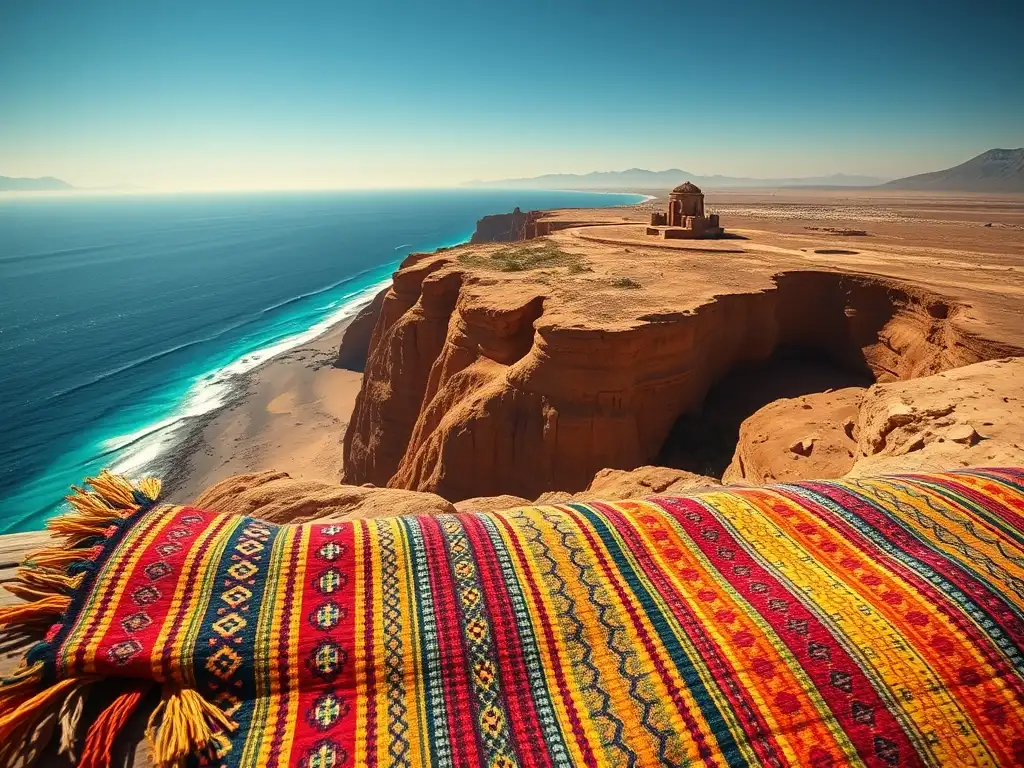
Step into a world lost to time, yet echoing with vibrant life. Andean Civilizations unveils the mysteries and marvels of ancient South America, from the towering heights of the Incas to the enigmatic coastal societies. Prepare to be captivated by the ingenuity and artistry of these remarkable cultures. But first, we delve into the Paracas culture overview, a journey into a civilization that thrived on the Peruvian coast and left behind a legacy both breathtaking and bewildering. Dare to uncover their secrets? Read on…
- Paracas Culture Overview: Exploring the Mysteries of Ancient Peru
- Paracas Culture: A Deep Dive into Their Way of Life
- Master Craftsmanship: The Art and Textiles of Paracas
- Paracas Medical Advancements and Innovations
- Paracas Culture: Key Archaeological Sites
- The Legacy and Influence of the Paracas Culture
- Understanding the Paracas Culture: A Summary
- Frequently Asked Questions
- Final Reflection: Echoes of Paracas: A Legacy Woven in Time
- Unveil the Wonders of Paracas Culture Today!
Paracas Culture Overview: Exploring the Mysteries of Ancient Peru
The Paracas culture, a pre-Inca civilization that flourished along the southern coast of Peru, represents a captivating chapter in Andean history. This comprehensive overview delves into the fascinating aspects of Paracas society, exploring its unique geographical context, its chronological placement within the broader Andean timeline, and the intricate social structures that shaped its development. Understanding the Paracas people provides crucial insight into the rich tapestry of pre-Columbian Peru and the innovations that paved the way for subsequent Andean cultures.
This exploration of the Paracas culture will illuminate their remarkable achievements in textile production, their sophisticated burial practices, and the enduring legacy they left on the Peruvian landscape. We will examine the available archaeological evidence to paint a picture of this enigmatic society, revealing its contributions to the broader story of Andean civilization and its place within the "Paracas culture overview".
Geographical Location: The Paracas Peninsula and Southern Coast
The Paracas culture thrived primarily on the Paracas Peninsula, a dramatic, arid coastal region located approximately 250 kilometers south of Lima, Peru. This peninsula, jutting out into the Pacific Ocean, provided access to abundant marine resources, which formed the backbone of the Paracas economy. However, the Paracas influence extended beyond the immediate peninsula, stretching along a significant portion of the southern Peruvian coast.
Their settlements were strategically located to exploit the coastal resources, including the rich fishing grounds and diverse marine life. The arid climate, while challenging, also offered advantages, such as naturally preserved artifacts and mummies. The geography of the region, characterized by steep cliffs, desert plains, and oases, shaped the development of Paracas settlements and their interaction with neighboring groups.
Archaeological evidence suggests a complex network of trade and exchange between the Paracas and other coastal communities, demonstrating their adaptability and influence in the region. This strategic location and mastery of their environment played a critical role in the Paracas culture's success and longevity.
Chronological Context: Early Horizon and Early Intermediate Periods
The Paracas culture is generally divided into two distinct phases: the Early Paracas (ca. 800-200 BCE) and the Late Paracas (ca. 200 BCE – 200 CE). The Early Paracas period falls within the Early Horizon, a time of significant cultural innovation across much of the Andes.
This era is marked by the development of distinctive artistic styles and technological advancements that spread widely, influencing neighboring cultures. The Late Paracas, on the other hand, coincides with the Early Intermediate Period, a period of increased regionalism and the emergence of powerful regional centers. During the Late Paracas, we see a shift in artistic styles and burial practices, reflecting changes in social organization and interaction with neighboring groups.
The precise dating of Paracas remains a subject of ongoing research, with archaeologists constantly refining chronological models based on new discoveries and advancements in dating techniques. The transition between the Early and Late Paracas phases appears gradual, with many stylistic and technological continuities, suggesting a more complex evolutionary process than a sudden cultural shift. Understanding the chronological context of the Paracas culture is crucial to interpreting its development and its place within the larger Andean story.
Evidence suggests a hierarchical social structure within Paracas society. Elaborate burial sites, containing richly adorned mummies and grave goods, point towards a stratified society with distinct elite and commoner classes. The complexity and scale of these burials indicate a significant level of social differentiation and centralized control over resources.
The intricately woven textiles found in elite tombs, often featuring intricate designs and rare materials, further emphasize the social status of their owners. While the precise nature of Paracas social organization remains a topic of debate, the archaeological record provides clear evidence for social inequality and a degree of centralized authority, possibly reflected in specialized craft production and control over key resources. Further research is needed to fully understand the dynamics of Paracas social organization, including the roles of different social groups and the mechanisms of social mobility.
Analysis of settlement patterns and the distribution of artifacts might provide more detailed insights into the social complexities of this fascinating ancient civilization. The study of Paracas iconography and its symbolic meaning could also shed light on their social structure and beliefs.
Paracas Culture: A Deep Dive into Their Way of Life
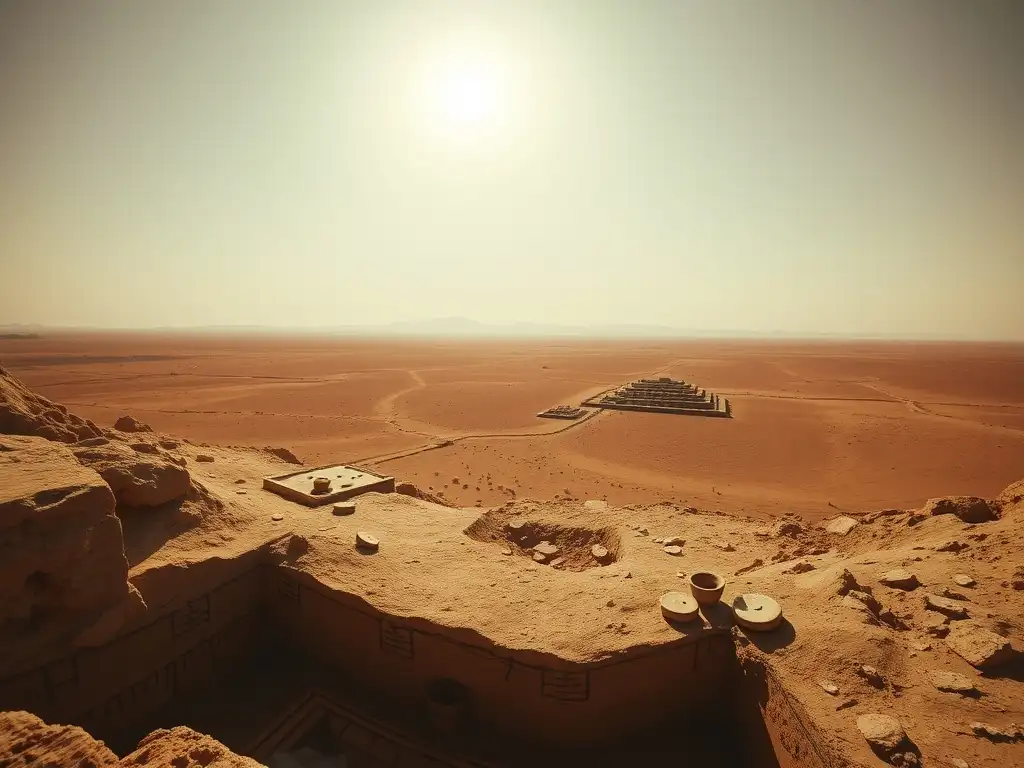
This section delves into the fascinating intricacies of the Paracas culture, providing a detailed overview of their daily lives, beliefs, and practices. We'll explore their agricultural ingenuity, unique burial customs, and complex religious system, enriching your understanding of this remarkable pre-Incan civilization. Understanding the Paracas culture overview requires examining these key aspects.
Agriculture: Irrigation Techniques and Cultivated Crops
The Paracas people, inhabiting the arid coastal region of southern Peru, demonstrated remarkable ingenuity in their agricultural practices. Their survival depended on efficient water management, given the limited rainfall. They developed sophisticated irrigation systems, channeling water from rivers and streams to their fields. These systems, often involving canals and terraces carved into the landscape, allowed them to cultivate a variety of crops crucial for their sustenance.
Evidence suggests that the Paracas cultivated cotton, a vital resource used for textiles. They also grew maize (corn), beans, squash, and other vegetables, providing a diverse diet. The success of their agricultural techniques is a testament to their understanding of their environment and their ability to adapt to challenging conditions.
Archaeological findings, including remnants of irrigation canals and the discovery of preserved plant remains, provide concrete evidence of their agricultural achievements. The productivity of their farming allowed for a relatively dense population and the development of a complex social structure. Analysis of pollen samples from Paracas sites further illuminates the diversity of their cultivated crops, showcasing their agricultural expertise within the broader Paracas culture overview.
Burial Practices: Bundle Burials and Elaborate Grave Goods
The Paracas are perhaps most famous for their elaborate burial practices. Unlike other Andean cultures, they employed a unique method known as "bundle burial." Instead of placing the deceased in a tomb, the Paracas meticulously prepared the bodies, removing the internal organs and mummifying them. These mummies were then wrapped in layers of textiles, often adorned with intricate embroidery and designs. Multiple individuals, sometimes entire families, were bundled together in a single grave.
These bundles were then interred in subterranean tombs, often accompanied by an astonishing array of grave goods. These included textiles, pottery, tools, ornaments made from precious metals like gold and silver, and even food offerings. The quantity and quality of these grave goods varied depending on the social status of the deceased.
The intricacy of the textiles, in particular, is breathtaking, showcasing the high level of skill and artistic talent within Paracas society. The textiles often depict complex designs, including stylized animals, humans, and geometric patterns, offering valuable insights into Paracas mythology and worldview. Analyzing these burial practices provides a crucial piece in the complete Paracas culture overview.
Religious Beliefs: Shamanism and Animalistic Deities
The religious beliefs of the Paracas people remain a subject of ongoing research and interpretation. Evidence suggests a strong belief in shamanism, with shamans playing a significant role in their society. The elaborate headdresses and other artifacts found in Paracas tombs suggest the use of hallucinogenic substances during religious rituals. These rituals likely involved communication with the spirit world and the invocation of supernatural forces.
Animalistic deities appear prominently in Paracas iconography. Many textiles and pottery depict stylized animals, including birds, felines, and marine creatures, suggesting their importance in the Paracas pantheon. These animals may have represented specific clans or lineages, or they may have held broader symbolic significance within the broader cosmology of the Paracas.
The prominence of these animalistic deities in their art and burial practices underscores their significance in the Paracas culture overview, highlighting their connection to the natural world and their spiritual beliefs. The intricate details of these depictions suggest a sophisticated understanding of the natural world and its symbolic representation. Further research is needed to fully understand the nuances of their religious system.
Master Craftsmanship: The Art and Textiles of Paracas
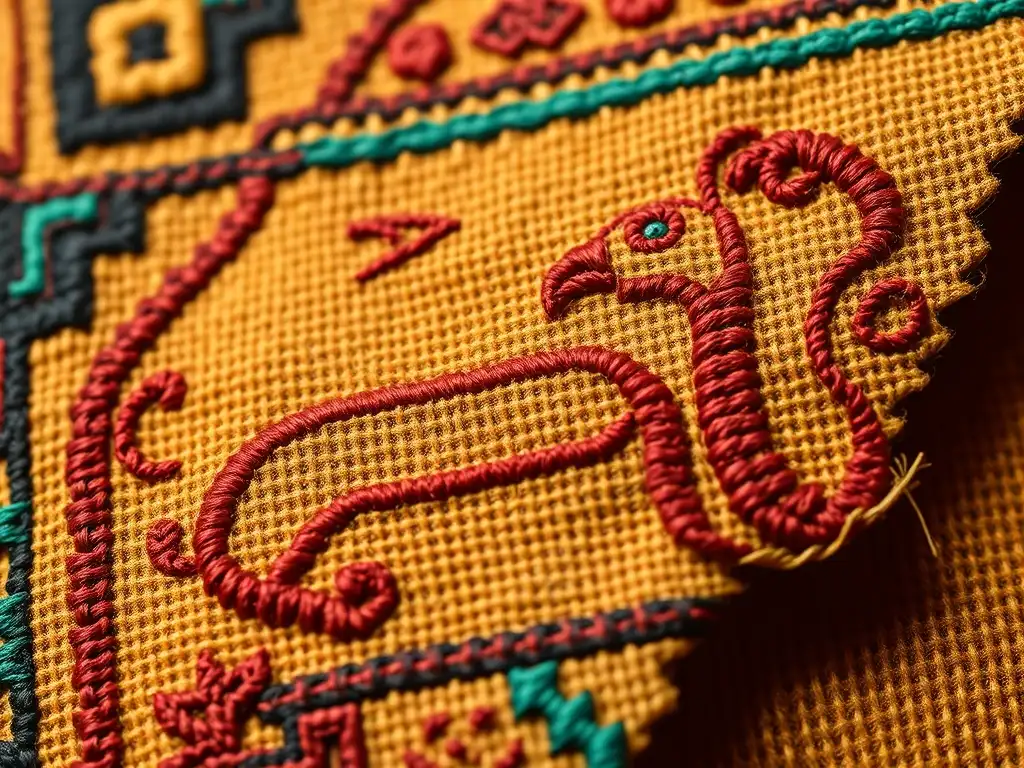
The Paracas culture, flourishing on the southern coast of Peru from roughly 800 BCE to 200 BCE, left behind a legacy of unparalleled artistic skill, particularly evident in their textiles and pottery. Their mastery of these crafts provides invaluable insight into their social structures, religious beliefs, and daily life.
A deep dive into their artistic achievements reveals a civilization rich in symbolism and technical innovation, solidifying their place as one of the most significant pre-Inca cultures. This section will explore the intricacies of their textile production, pottery styles, and artistic representations, offering a detailed "Paracas culture overview" of their artistic prowess.
Textiles: Complex Weaving Techniques and Symbolic Imagery
Paracas textiles are renowned worldwide for their extraordinary complexity and vibrant colors. These weren't merely functional items; they served as powerful expressions of social status, religious beliefs, and individual identity. The artisans employed a variety of advanced techniques, including:
- Warp and weft: The basic weaving structure involved intricate manipulation of warp and weft threads, allowing for incredibly detailed designs.
- Gauze weaving: This technique, creating a lightweight and airy fabric, was used extensively in ceremonial garments.
- Plein-point embroidery: Intricate embroidery, using needle and thread, added layers of detail and texture to the textiles.
- Appliqué: Elaborate designs were created by sewing different pieces of fabric together.
The symbolic imagery woven into these textiles is equally fascinating. Common motifs included:
- Mythological creatures: Representations of mythical birds, felines, and serpents, often imbued with religious significance.
- Human figures: Depictions of individuals, possibly rulers or deities, often adorned with elaborate headdresses and jewelry.
- Geometric patterns: Complex geometric designs, potentially reflecting cosmological beliefs or social structures.
The use of vibrant colors, achieved through natural dyes derived from plants and minerals, further enhanced the visual impact of these textiles. The sheer scale of some of the Paracas textiles, such as the massive burial shrouds found in the Paracas Necropolis, speaks volumes about the importance of these artifacts within their society. The production of these textiles required immense skill, time, and resources, highlighting the high value placed upon artistic expression within the Paracas culture. Analyzing the different weaving techniques and symbolic representations offers a rich and detailed "Paracas culture overview" of their sophisticated textile production.
Pottery: Polychrome Vessels and Incised Designs
Paracas pottery is characterized by its distinctive polychrome style and intricate incised designs. Unlike the textiles, which are primarily associated with elite burials, pottery offers a broader view of Paracas society, reflecting both everyday use and ceremonial contexts. The vessels, often featuring a range of shapes and sizes, display a remarkable range of artistic styles:
- Polychrome painting: The use of multiple colors, often applied in geometric patterns or figurative scenes, is a defining feature of Paracas pottery.
- Incised decoration: Intricate designs, carved into the surface of the pottery before firing, added another layer of complexity to the aesthetic.
- Modeling: Some vessels were intricately shaped, mimicking animal forms or human features.
The colors used in Paracas pottery, similar to those in their textiles, were derived from natural sources, and their vibrant hues have remarkably endured the passage of time. The motifs depicted on the pottery often mirror those seen in their textiles, suggesting a consistency in their artistic and symbolic systems. However, the pottery also reveals scenes of daily life, offering glimpses into their agricultural practices, social interactions, and religious rituals.
The analysis of Paracas pottery provides a valuable supplement to the information gleaned from their textiles, contributing to a more comprehensive "Paracas culture overview." Further research is needed to fully understand the specific meanings associated with the various symbols and scenes found on these vessels.
Art: Representations of Mythological Creatures and Human Figures
Beyond textiles and pottery, the Paracas culture expressed their artistic talent through various other mediums. While many artifacts have unfortunately been lost or damaged over time, surviving examples showcase a remarkable diversity of artistic styles and techniques. The representations of mythological creatures and human figures consistently appear, emphasizing the importance of these themes in their worldview:
- Mythological beings: Stylized representations of supernatural beings, often depicted with exaggerated features, are frequently encountered in Paracas art. These figures, sometimes depicted in confrontational poses or intertwined with other creatures, likely reflected their cosmology and religious beliefs.
- Human figures: Portraits of individuals, sometimes wearing elaborate headdresses and ornaments, might represent rulers, priests, or ancestors. These representations often provide valuable insights into Paracas social hierarchy and ritual practices.
- Trophy heads: The practice of creating trophy heads, a common feature in several Andean cultures, was also prevalent in the Paracas society. These artifacts, while macabre, offer a unique perspective on their warfare and rituals.
The artistic style of the Paracas, characterized by its dynamism and expressiveness, provides a captivating glimpse into the richness of their cultural beliefs. Further research into the iconography and stylistic choices of Paracas art is essential for a more complete "Paracas culture overview". The scarcity of surviving artifacts, however, presents a challenge in achieving a fully comprehensive understanding. Careful analysis of existing examples, combined with future archaeological discoveries, promises to further illuminate the artistic achievements of this remarkable civilization.
Paracas Medical Advancements and Innovations
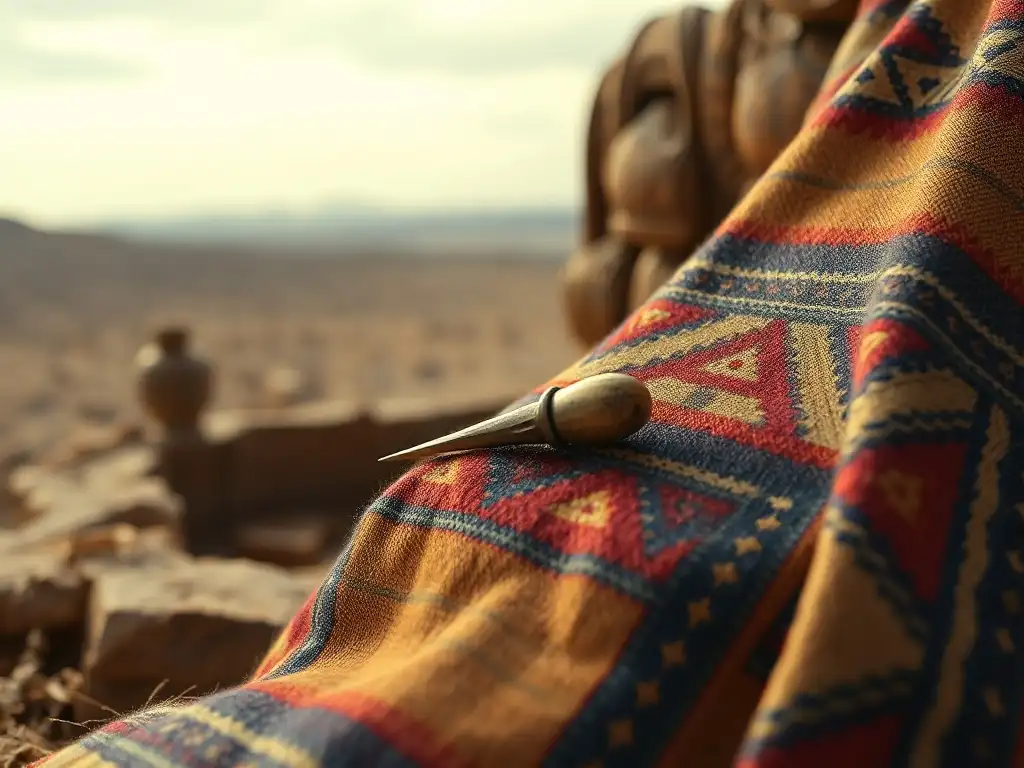
The Paracas culture, renowned for its intricate textiles and elaborate burial practices, also demonstrated surprisingly advanced medical knowledge for its time. Their understanding of human anatomy, surgical techniques, and medicinal plants reveals a sophisticated approach to healthcare, significantly exceeding the capabilities of many contemporary societies. This section delves into some of their most notable medical advancements and innovations, highlighting their impact on Paracas society and providing insights into their worldview.
Trepanation: Surgical Procedures and Post-Operative Care
Trepanation, the surgical practice of drilling holes into the skull, was a common procedure among the Paracas. While the exact reasons for these procedures remain debated—ranging from therapeutic interventions for head injuries to ritualistic practices—the surgical skill and post-operative care displayed by Paracas surgeons are remarkable. Analysis of numerous trepanned skulls reveals a high success rate, suggesting a detailed understanding of cranial anatomy and surgical techniques.
Many skulls show evidence of multiple trepanations, some even performed on the same individual at different times, indicating repeated surgeries and surprisingly high survival rates. These surgeries were likely performed using obsidian blades or other sharp tools, with the precision evident in the clean cuts and minimal damage surrounding the trepanation holes. The post-operative care involved the application of herbal remedies and bandages to facilitate healing and reduce the risk of infection.
The relatively high survival rates imply a sophisticated understanding of asepsis and wound management, a significant medical achievement for a pre-Columbian civilization. Further research is needed to fully understand the specific techniques employed and the extent of their medical knowledge. [Specific details on tools used and survival rates pending further research].
Mummification: Preservation Techniques and Ritual Significance
Paracas mummification stands out as one of the most sophisticated and elaborate practices of the ancient world. Unlike the simpler mummification techniques of other cultures, Paracas mummification involved a complex series of procedures designed not only to preserve the body but also to transform it into a sacred object for the afterlife. This intricate process speaks volumes about the Paracas' deep-seated beliefs regarding death and the spiritual world.
The process began with the removal of internal organs, followed by careful desiccation of the body using a combination of natural and possibly artificial methods. [Specific details regarding desiccation methods pending further analysis]. The body was then wrapped in layers of textiles, often adorned with elaborate designs and symbols, reflecting the individual's social status and spiritual significance.
The mummies were frequently placed in bundles, accompanied by grave goods and offerings, further emphasizing the ritualistic nature of the process. The exceptional state of preservation of many Paracas mummies allows for extensive study of their physical characteristics and health conditions, providing valuable data on their lifestyle, diet, and diseases. The intricate mummification process itself is a testament to their advanced medical knowledge and their profound understanding of the human body.
Medical Knowledge: Use of Herbal Remedies and Anatomical Understanding
Beyond surgical procedures, the Paracas culture possessed extensive knowledge of herbal remedies and a surprisingly detailed understanding of human anatomy. Analysis of plant remains found in association with mummies and other archaeological contexts reveals the use of numerous plants with medicinal properties. These plants were likely used to treat a variety of ailments, from wounds and infections to internal diseases. [Specific examples of plants used and their medicinal properties pending further botanical analysis].
The intricate textile work also provides evidence of a keen understanding of human anatomy. Many textiles depict detailed representations of the human body, indicating a profound knowledge of its structure and function. These representations are not simply decorative; they likely served educational or ritualistic purposes, reflecting the importance of medical knowledge within Paracas society. The combination of surgical skills, mummification techniques, and herbal remedies demonstrates a holistic approach to healthcare, highlighting the advanced medical capabilities of this fascinating pre-Inca civilization. The extent of their knowledge continues to be explored, promising further revelations about the sophistication of Paracas medicine.
Paracas Culture: Key Archaeological Sites
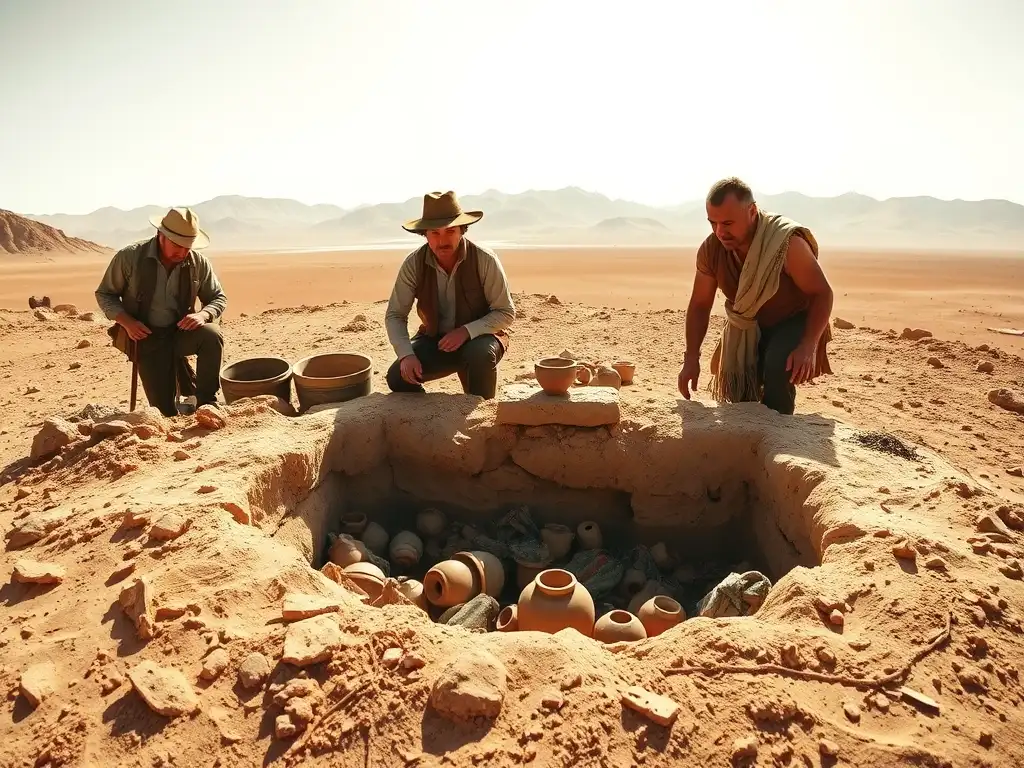
This section delves into the significant archaeological sites that have yielded invaluable insights into the Paracas culture, providing a crucial element to any comprehensive Paracas culture overview. These locations offer a window into their complex social structures, ritualistic practices, and technological advancements. Understanding these sites is paramount to appreciating the intricacies of this fascinating civilization.
Paracas Necropolis: The Wari Kayan Cemetery
The Paracas Necropolis, located near the modern town of Paracas, Peru, is arguably the most famous archaeological site associated with the Paracas culture. It's not a single structure, but rather a vast cemetery containing thousands of elaborate tombs. These tombs, unlike those of other cultures, are not simple burial chambers. They are intricate constructions, often featuring multiple levels and chambers, reflecting a complex social hierarchy.
The most striking feature of the Necropolis is the exceptional preservation of the textile artifacts found within the tombs. These textiles, renowned for their vibrant colors and intricate designs, represent some of the finest examples of pre-Columbian textile artistry. The use of techniques like tapestry weaving, embroidery, and resist dyeing showcases an advanced level of textile technology.
Many of the designs depict mythical creatures, deities, and scenes from daily life, offering valuable clues about Paracas mythology and beliefs. The sheer volume of textiles discovered – often accompanying elaborate grave goods like pottery and gold ornaments – underscores the importance of textile production within the Paracas culture.
Analysis of the textiles also provides insights into the social status of the individuals buried within the Necropolis, with more elaborate textiles indicating higher status. Researchers continue to uncover new tombs and artifacts, continually adding to our understanding of this remarkable site and its contribution to a complete Paracas culture overview.
Cerro Colorado: A Coastal Settlement and Ceremonial Center
Cerro Colorado, another significant Paracas site, differs from the Necropolis in its function. While the Necropolis primarily served as a burial ground, Cerro Colorado appears to have been a bustling coastal settlement and a center for ceremonial activities. Archaeological excavations have uncovered evidence of residential structures, workshops, and ceremonial plazas. The discovery of numerous artifacts, including pottery, tools, and remains of marine life, paints a vivid picture of daily life in a Paracas coastal community.
The architecture of Cerro Colorado reveals a sophisticated understanding of construction techniques. The structures, built using adobe bricks and other local materials, show evidence of planning and organization. The presence of large ceremonial plazas suggests the importance of communal gatherings and rituals.
Analysis of the pottery found at Cerro Colorado reveals distinct styles and designs, some of which are unique to this site, offering valuable insights into regional variations within the Paracas culture. The site's proximity to the coast also highlights the importance of marine resources to the Paracas people, demonstrating their mastery of fishing and other maritime technologies. Further research is needed to fully understand the complex interplay between residential, craft production, and ritual activities within this crucial site for a thorough Paracas culture overview.
Other Discoveries: Cabeza Larga and Media Luna
Beyond the Necropolis and Cerro Colorado, other significant sites contribute to a more complete Paracas culture overview. Cabeza Larga, for example, is known for its distinctive cranial deformation practices. While the reasons behind this practice remain debated, it undoubtedly played a significant role in Paracas social identity and possibly religious beliefs. The intricate burial rituals associated with these individuals further highlight the importance of social status and ritual within the Paracas culture.
Media Luna, another site, has yielded evidence of large-scale agricultural activities, suggesting a sophisticated understanding of irrigation and agricultural techniques. The discovery of irrigation canals and other agricultural infrastructure indicates a well-organized system of food production that supported a substantial population. These findings challenge previous assumptions about the Paracas culture being solely focused on coastal resources, demonstrating a more diverse and complex economic system.
Continued research at sites like Cabeza Larga and Media Luna is essential to gain a fuller appreciation of the breadth and complexity of the Paracas culture and its contribution to a complete Paracas culture overview. Further investigation into these and other less-studied sites will provide a more nuanced understanding of the Paracas civilization and its place within the broader Andean context.
The Legacy and Influence of the Paracas Culture
The Paracas culture, flourishing on the southern coast of Peru from roughly 800 BCE to 200 CE, left an indelible mark on subsequent Andean civilizations. Their innovative textile techniques, intricate burial practices, and distinctive artistic styles exerted a profound influence, particularly on the succeeding Nazca culture. Understanding the Paracas legacy is crucial to comprehending the broader trajectory of coastal Andean development.
The Paracas' mastery of textile production, for instance, set a standard of excellence that would be emulated and refined by later cultures. Their unique approach to mummification, involving elaborate preparation and burial rituals, also provided a framework for funerary practices in the region for centuries to come. The vibrant colors and complex iconography found in Paracas textiles and ceramics continue to fascinate and inspire scholars and art enthusiasts alike.
Their sophisticated understanding of metallurgy, while less developed than that of later cultures, still contributed significantly to the region's technological advancement. The Paracas' legacy is not simply a historical record; it is a living testament to human ingenuity and artistic expression.
Influence on Nazca Culture and Artistic Traditions
The Nazca culture, known for its enigmatic geoglyphs and sophisticated ceramics, inherited much from its Paracas predecessors. A clear line of artistic continuity is visible in the textile traditions. While Nazca textiles developed their own unique style, the intricate weaving techniques and use of vibrant colors clearly demonstrate the Paracas influence.
The use of camelid fibers, a hallmark of Paracas textile production, continued in Nazca craftsmanship, albeit with variations in design and execution. Similarly, while Nazca pottery developed a distinct aesthetic characterized by polychrome designs and narrative scenes, the sophisticated techniques of ceramic modeling and firing likely had their roots in Paracas practices. Analyzing Paracas and Nazca artifacts reveals a gradual evolution of stylistic elements, suggesting a process of cultural exchange and adaptation rather than abrupt replacement.
This continuity is not limited to aesthetics; aspects of their social organization and religious beliefs may also have been passed down, although further research is needed to fully elucidate these connections. The transition wasn't a clean break; it was a complex interplay of inheritance, innovation, and adaptation.
The Transition to Nazca and Shift in Cultural Practices
The transition from the Paracas to the Nazca culture was not a sudden event but a gradual process spanning several decades, possibly even a century or more. While the exact timeline remains a subject of ongoing debate among archaeologists, evidence suggests a period of overlap and cultural exchange. This transition involved a shift in several key cultural practices.
For example, while both cultures practiced elaborate mummification, the Nazca developed more streamlined techniques, potentially reflecting changes in social organization or religious beliefs. The iconic Paracas needle cases, often adorned with intricate embroidery, gave way to different forms of textile decoration in Nazca artistry. Furthermore, the focus on large-scale geoglyphs in the Nazca culture represents a significant departure from the Paracas' artistic focus, highlighting a change in societal priorities or cosmological understandings.
The shift wasn't simply a replacement; it involved a complex interplay of continuity and change. The Paracas legacy continued to influence Nazca art and technology, but the Nazca culture also developed its own unique characteristics, reflecting its distinct social and environmental context.
Ongoing Excavations and Analysis of Paracas Remains
Archaeological research on the Paracas culture continues to reveal new insights into their daily lives, social structures, and artistic achievements. Recent excavations have unearthed previously unknown burial sites containing remarkably well-preserved textiles and artifacts. Advanced technologies, such as DNA analysis and radiocarbon dating, are being employed to refine our understanding of Paracas chronology and population dynamics.
Ongoing analysis of textile samples is providing detailed information about dyeing techniques, fiber types, and weaving methods, shedding light on the sophistication of their textile production. Furthermore, studies of Paracas iconography are helping to decipher the meaning of their complex designs and unravel aspects of their religious beliefs and social structures. The ongoing research promises to provide a more nuanced and complete picture of this fascinating pre-Inca civilization.
New discoveries regularly challenge existing interpretations and enrich our understanding of Paracas culture, emphasizing the dynamic nature of archaeological research and its ongoing contribution to our knowledge of Andean history. 🧐
Understanding the Paracas Culture: A Summary
The Paracas culture, flourishing on the southern coast of Peru from roughly 800 BCE to 200 CE, represents a significant chapter in Andean prehistory. Often overshadowed by their later Inca successors, the Paracas people left behind a legacy of remarkable artistry, innovative medical practices, and complex social structures that continue to fascinate archaeologists and historians. This Paracas culture overview delves into their key achievements and enduring mysteries.
Their unique artistic expression, particularly in textile production, stands as a testament to their advanced skills and sophisticated aesthetic sensibilities. Beyond their artistic prowess, the Paracas people also demonstrated remarkable advancements in medicine, particularly in the field of trepanation, a surgical procedure involving drilling holes into the skull. The sophisticated nature of their burial practices further underscores the complexity of their social organization and belief systems.
Understanding the Paracas culture provides crucial insight into the development of Andean civilizations and their contributions to the broader tapestry of human history. This detailed overview will explore these facets, highlighting the unique characteristics of this compelling civilization.
Distinctive Features: Textiles, Trepanation, and Burial Practices
The Paracas culture is renowned for its extraordinary textiles. These weren't merely functional items; they were works of art, showcasing intricate designs, vibrant colors, and advanced weaving techniques. Paracas textiles frequently incorporated intricate iconography, often depicting mythical beings, celestial events, and scenes from daily life. The use of varied materials, including camelid fibers like alpaca and llama wool, and the masterful application of dyeing techniques, resulted in textiles of exceptional quality and beauty. The sheer volume and complexity of the surviving examples suggest a highly developed textile industry, likely employing specialized artisans and supporting a substantial segment of the Paracas population.
The Paracas textile tradition significantly influenced subsequent Andean cultures, leaving an indelible mark on the region's artistic heritage. Furthermore, the Paracas are recognized for their advanced medical practices, particularly their proficiency in trepanation. Analysis of skulls reveals a surprisingly high survival rate after this complex procedure, indicating a sophisticated understanding of surgical techniques and post-operative care. This expertise highlights their advanced knowledge of anatomy and an understanding of antiseptic practices, far exceeding contemporary knowledge in other regions.
Finally, Paracas burial practices were equally remarkable. The elaborate nature of their tombs, often containing numerous artifacts and demonstrating a clear social hierarchy, reflects their complex social structure and belief system. These elaborate burials, frequently including mummified individuals adorned with elaborate textiles and grave goods, provide invaluable insights into their worldview and social organization. The careful preservation of the deceased, along with the inclusion of significant offerings, suggests a deep reverence for the afterlife and a sophisticated understanding of mortality.
The Paracas culture's contribution to Andean art is undeniable. Their mastery of textile production, with its intricate designs and vibrant colors, set a high standard for subsequent Andean cultures. This artistic legacy extends beyond textiles, encompassing other art forms such as pottery and metalwork, although less extensively documented. The sophisticated techniques and aesthetic sensibilities displayed in their art reflect a highly developed society with a deep appreciation for beauty and symbolic expression.
Their impact on the development of Andean art is evident in the stylistic influences visible in later cultures, demonstrating a clear lineage and artistic continuity. Moreover, the Paracas' medical advancements, particularly their mastery of trepanation, represent a significant contribution to the history of medicine. Their success rate, far higher than expected for such a complex procedure, suggests an advanced understanding of surgical techniques, anatomy, and post-operative care. This medical expertise highlights the intellectual capacity of the Paracas and their ability to develop innovative solutions to complex medical challenges.
Finally, the complexity of their social structure, revealed through their burial practices and the hierarchical nature of their grave goods, provides invaluable insights into the organization and social dynamics of their society. The careful planning and execution of their burial rituals, along with the inclusion of diverse artifacts, suggest a highly stratified society with well-defined social roles and a complex belief system. Analysis of these practices provides crucial information about social stratification, religious beliefs, and the overall organization of the Paracas society.
Future Research: DNA Analysis and Environmental Studies
Future research into the Paracas culture holds immense potential for expanding our understanding of this fascinating civilization. Advances in DNA analysis offer the possibility of tracing the genetic origins of the Paracas people, providing crucial insights into their migration patterns and relationships with other Andean groups. This genetic data could illuminate the population dynamics of the Paracas and shed light on the processes of cultural exchange and interaction with neighboring societies. Furthermore, environmental studies can provide additional context for understanding the Paracas culture's development and decline.
Analysis of paleoclimatic data can reveal the environmental conditions under which they thrived, and how environmental changes might have influenced their societal organization and cultural practices. Detailed studies of their agricultural practices and resource management strategies could also help us understand their adaptation to the arid coastal environment and their ability to sustain a relatively large population. Combining genetic and environmental data with archaeological findings will provide a more holistic understanding of the Paracas culture's place within the broader context of Andean prehistory.
Such interdisciplinary approaches hold the key to unlocking further mysteries of this remarkable civilization and refining our "Paracas culture overview." Further research into their societal structures, using advanced techniques like isotopic analysis of human remains, could also reveal more details about their diet, social mobility, and health. The combination of these approaches promises to significantly advance our understanding of this enigmatic culture.
Frequently Asked Questions
What is the Paracas culture?
The Paracas culture was a pre-Inca civilization that flourished on the south coast of Peru from roughly 800 BCE to 200 CE. They are renowned for their remarkable textile artistry and unique burial practices.
How did the Paracas differ from other Andean cultures?
Paracas culture is distinguished by its elaborate textile work, featuring intricate designs and vibrant colors, surpassing that of contemporary cultures. Their unique mummification techniques also set them apart.
What are the Paracas famous for?
The Paracas are most famous for their exceptionally fine textiles, considered some of the best in the ancient world. Their complex burial rituals and distinctive pottery styles are also significant aspects of their culture.
Where did the Paracas civilization exist?
The Paracas civilization thrived in the south-central coastal region of Peru, specifically within the Ica and Pisco valleys. This arid desert environment influenced their unique adaptations and lifestyle.
What is the relationship between the Paracas and the Nazca cultures?
The Paracas culture likely preceded and influenced the Nazca culture. Many scholars believe the Nazca people built upon the advancements and traditions established by the Paracas, particularly in textile production and artistic expression.
Final Reflection: Echoes of Paracas: A Legacy Woven in Time
The intricate artistry and enigmatic rituals of the Paracas culture remain profoundly relevant today, a testament to the enduring power of human creativity and spiritual exploration. Their sophisticated textiles, complex burial practices, and unique artistic style continue to captivate and inspire, reminding us of the rich tapestry of human history and the diverse ways in which societies have sought meaning and connection. The meticulous detail in their work, even after centuries, speaks volumes about their dedication and skill.
The Paracas' legacy extends far beyond their impressive archaeological remains; their influence resonates in contemporary Peruvian art, textile traditions, and even national identity. Their innovative techniques in textile production, for example, continue to be studied and admired. The sheer artistry and skill involved in creating such intricate pieces, often using limited tools, is truly awe-inspiring. The Paracas textiles are not merely fabrics; they are living expressions of a culture's beliefs, values, and aspirations.
This statement encapsulates the enduring power of their artistic legacy, a legacy that continues to shape our understanding of ancient Peruvian societies and their enduring contributions to the world.
Consider the intricate details of Paracas textiles, the symbolism woven into their designs, and the stories whispered by their mummies. Let these echoes of the past inspire you to explore the rich tapestry of human history, to appreciate the diversity of cultural expression, and to seek deeper understanding in the world around you. Embrace the wonder of discovery, and allow the legacy of the Paracas culture to ignite your own curiosity and appreciation for the enduring power of human creativity and resilience.
Unveil the Wonders of Paracas Culture Today!
Thank you for exploring the rich tapestry of Paracas culture with us! We hope you've discovered the unique aspects of this fascinating civilization and its enduring legacy. Now, let's delve even deeper into this remarkable heritage.
Here are a few ways to further engage with Paracas culture:
- **Visit** local museums or explore online exhibitions showcasing Paracas artifacts to witness their artistry firsthand. Consider the **Museo Regional de Ica**, which houses a significant collection.
- **Share** your newfound knowledge with friends and family, sparking conversations about the lasting impact of ancient cultures on our world.
- **Connect** with a community of enthusiasts through online forums or groups dedicated to Andean civilizations. This provides opportunities to exchange ideas and insights with like-minded individuals.
Which aspect of Paracas culture captivates you most, and how will you continue your exploration? We encourage you to share your thoughts and experiences!