
The Andean Understanding of the Universe: A Multidimensional Perspective


Step into a world lost to time, yet echoing with vibrant life. Journey with us through the breathtaking landscapes and enigmatic cultures of the Andes, where the very mountains whispered secrets to their inhabitants. Unravel the mysteries of Andean cosmology understanding, a multidimensional perspective that shaped the lives and legacies of civilizations like the Incas, Moche, and Nazca.
Prepare to be captivated by a worldview unlike any other – a universe where the sacred and the mundane intertwined, leaving behind a legacy that continues to intrigue and inspire. Dive in and discover the secrets hidden within the heart of the Andes.
-
Andean Cosmology Understanding: A Multidimensional Perspective
- Introduction to Andean Worldview and its Cosmic Understanding
- The Chakana: A Key Symbol in Andean Cosmology
- Understanding Andean Time: Cyclicality and Pachakuti
- The Andean Concept of Space: Beyond the Physical Realm
- The Interconnectedness of All Things in the Andean Cosmic Vision
- Andean Astronomy and its Practical Applications
- The Multidimensionality of Andean Reality: Beyond the Material World
- How Andean Cosmology Differs from Western Perspectives
- The Lasting Legacy of Andean Cosmic Understanding
- Conclusion: Appreciating the Depth of Andean Cosmic Thought
- Frequently Asked Questions
- Final Reflection: Weaving the Threads of Andean Cosmology
- **Unlock the Secrets of the Andean Universe! **
Andean Cosmology Understanding: A Multidimensional Perspective
The Andean worldview, far from being a simplistic understanding of the cosmos, presents a complex and fascinating multidimensional perspective. This article delves into the rich tapestry of Andean cosmology, exploring the intricate relationship between humanity, nature, and the supernatural forces that permeated the lives of ancient Andean civilizations like the Inca, Moche, Nazca, and Tiahuanaco. We will examine how these cultures perceived time and space, not as separate entities, but as interwoven threads in a vibrant cosmic fabric. Understanding Andean cosmology requires moving beyond a purely Western lens and embracing a holistic approach that considers the interconnectedness of all things. This exploration of Andean cosmology understanding will reveal a sophisticated system of beliefs reflected in their art, architecture, agriculture, and social structures – a testament to their profound connection with the universe. We will focus particularly on key symbols and concepts that illuminate this unique perspective on time and space.
Introduction to Andean Worldview and its Cosmic Understanding
The Andean worldview was deeply rooted in a profound understanding of the natural world. Mountains, rivers, stars, and animals were not simply inanimate objects but rather sentient beings, imbued with spiritual power and playing vital roles in the cosmic order. This animistic perspective shaped their perception of time and space, which were not linear or absolute but rather cyclical and interconnected.
The cyclical nature of time, reflected in agricultural cycles and astronomical observations, emphasized the continuous renewal and regeneration of life. Andean cosmology wasn't just a theoretical framework; it was a practical guide for life, influencing everything from agricultural practices to social organization and political structures. Their understanding of the universe was intimately linked to their daily lives, reflecting a deep harmony with their environment.
This interconnectedness is a crucial element in understanding their unique cosmology and its lasting impact on their culture. The Andean understanding of the universe emphasized balance and reciprocity, highlighting the importance of maintaining harmony between the human and spiritual realms.
The Chakana: A Key Symbol in Andean Cosmology
The Chakana, also known as the Inca Cross, is arguably the most important symbol in Andean cosmology. This intricate symbol, often depicted in textiles, ceramics, and stone carvings, represents a complex cosmology encompassing multiple levels of reality and interconnectedness. Far from being a simple cross, the Chakana's layered symbolism provides a map of the Andean understanding of the universe and the human place within it.
Its geometric structure, a combination of squares and triangles, reflects the Andean appreciation for geometric patterns found in nature and the cosmos. The Chakana's multifaceted nature makes it a powerful representation of the Andean worldview, embodying their profound understanding of the cosmos and their place within it. Its enduring presence in Andean culture highlights the continued relevance of this ancient symbol.
The Four Cardinal Points and their Significance in the Chakana
The four arms of the Chakana represent the four cardinal directions: North, South, East, and West. Each direction was associated with specific deities, elements, and energies. For example, the North might be associated with the sun and masculine energy, while the South might represent the moon and feminine energy. This directional symbolism is not merely geographical but also reflects a deeper cosmological significance.
The Chakana's representation of these cardinal points highlights the Andean understanding of the interconnectedness of all directions and the balance necessary to maintain cosmic harmony. The precise associations varied across different Andean cultures and regions, but the fundamental principle of directional significance remained constant. Understanding these associations is essential to grasping the full depth of the Chakana's cosmological meaning. The precise details of these associations require further research, but the fundamental principle of directional balance remains clear.
The Three Worlds of Andean Cosmology: Hanan Pacha, Kay Pacha, and Uku Pacha
Andean cosmology recognizes three distinct yet interconnected worlds: Hanan Pacha (the upper world), Kay Pacha (the middle world), and Uku Pacha (the lower world). Hanan Pacha is the celestial realm, the home of the gods and celestial beings. Kay Pacha is the earthly realm, where humans reside and interact with the natural world.
Uku Pacha is the underworld, a realm of ancestral spirits and subterranean forces. These three worlds are not separated but rather exist in a dynamic relationship, influencing and interacting with each other. The movement between these worlds was considered a natural part of life, reflected in rituals and ceremonies aimed at maintaining balance and harmony across all three realms.
The concept of these three interconnected worlds demonstrates the Andean understanding of the universe as a holistic system, where the human realm is inextricably linked to both the celestial and subterranean spheres. The movement and interaction between these worlds were vital aspects of their worldview and influenced their practices and beliefs.
Understanding Andean Time: Cyclicality and Pachakuti
Andean cosmology offers a fascinating perspective on time, dramatically different from linear Western conceptions. Instead of a unidirectional arrow, Andean time is cyclical, recurring in patterns of creation, destruction, and renewal. This cyclical understanding is deeply ingrained in their worldview, influencing their agricultural practices, social structures, and spiritual beliefs.
The concept of pacha, encompassing all that exists – the cosmos, the earth, and humanity – is perpetually in flux, undergoing continuous transformation. This dynamic perspective emphasizes the interconnectedness of all things across time, acknowledging that the past, present, and future are not separate entities but rather interwoven aspects of a continuous process. Understanding this cyclical nature of time is crucial to comprehending Andean societal structures, artistic expressions, and spiritual rituals.
The cyclical nature of time is reflected in their agricultural practices, meticulously attuned to the rhythms of the seasons and the celestial movements. This cyclical understanding is not merely an abstract philosophical concept; it is a practical guide to living in harmony with the natural world. The observation of celestial events, such as solstices and equinoxes, played a significant role in determining the timing of agricultural activities and religious ceremonies, reinforcing the cyclical perception of time.
The Concept of Pachakuti: Cycles of Transformation and Renewal
Central to the Andean understanding of cyclical time is the concept of Pachakuti, a term often translated as "world upheaval" or "turning of the world." It signifies a period of profound transformation and upheaval, marking the end of one cycle and the beginning of another. Pachakuti is not simply a catastrophic event but rather a process of radical change, often involving societal restructuring, shifts in power dynamics, and the emergence of new ideologies.
Historical accounts suggest that these transformative periods were characterized by both destruction and creation, leading to the reshaping of social hierarchies and the establishment of new norms and values. These periods were not seen as purely negative but rather as necessary phases in the continuous cycle of renewal, allowing for the emergence of new possibilities and a fresh start. The Inca empire's rise, for example, could be interpreted as a Pachakuti event, overthrowing previous power structures and establishing a new imperial order.
The cyclical nature of Pachakuti underscores the Andean understanding that change is inevitable and that adaptation is key to survival and prosperity. The concept of Pachakuti is not merely a historical phenomenon; it is a living principle that permeates Andean thought and continues to influence their worldview. It serves as a reminder of the inherent dynamism of existence and the need for constant adaptation and renewal.
Andean Time as Non-Linear: Past, Present, and Future Interconnected
Unlike the linear Western perception of time, where the past is seen as definitively over and the future as uncertain, the Andean understanding of time is non-linear. The past, present, and future are not separate entities but rather interconnected aspects of a continuous flow. This perspective allows for a deeper understanding of historical events and their impact on the present, recognizing that the past is not simply a relic of the past but rather a living force that shapes the present.
Similarly, the future is not an unknown entity but rather a potential outcome shaped by the actions and choices of the present. This interconnectedness emphasizes the importance of respecting ancestral traditions and acknowledging the legacy of past generations. This non-linear perspective is reflected in Andean storytelling, where historical narratives often blend mythical and historical events, blurring the lines between past, present, and future.
The Andean concept of time fosters a sense of continuity and interconnectedness, promoting a deeper respect for the cyclical nature of existence and the importance of living in harmony with the past, present, and future. The cyclical and interconnected nature of time in Andean cosmology provides a unique framework for understanding the cosmos and humanity's place within it.
The Andean Concept of Space: Beyond the Physical Realm
The Andean understanding of space extends far beyond the physical realm, encompassing a multidimensional perspective that integrates the spiritual and material worlds. This perspective emphasizes the interconnectedness of all things, highlighting the relationship between the earthly realm and the celestial sphere. The physical landscape is not merely a backdrop for human activity but rather a sacred space imbued with spiritual significance.
Mountains, rivers, and other natural features are considered to be living entities, possessing spiritual power and playing a vital role in the Andean worldview. This concept of space is not limited to the terrestrial plane; it extends to the celestial realm, encompassing the sun, moon, stars, and constellations, which are also considered to be powerful spiritual entities.
The integration of the physical and spiritual realms in Andean cosmology creates a holistic understanding of space, emphasizing the interconnectedness of all things and the vital role of the natural world in shaping human experience. This interconnectedness is reflected in Andean art, architecture, and religious practices.
Sacred Spaces and their Connection to the Cosmos
Sacred spaces in Andean cosmology are not merely geographical locations but rather points of connection between the earthly and celestial realms. These spaces, often marked by natural features such as mountains, caves, or water sources, are considered to be portals to the spiritual world, where the Andean people could interact with powerful spiritual entities.
These sites were not only places of worship but also served as focal points for community gatherings and rituals, reinforcing the social and spiritual bonds within Andean society. The precise location and significance of these sacred spaces varied across different Andean cultures, reflecting the diversity of their beliefs and practices.
However, the underlying principle remained consistent: the sacred spaces served as conduits to the spiritual realm, connecting the Andean people to the cosmos and reinforcing their understanding of the interconnectedness of all things. The construction of temples and other monumental structures often incorporated astronomical alignments, further highlighting the connection between sacred spaces and the cosmos.
The Role of Mountains (Apus) and Water Bodies in Andean Cosmography
Mountains ( Apus) and water bodies played a crucial role in Andean cosmography, representing powerful spiritual entities and vital elements in the Andean worldview. Mountains, often considered to be sacred deities, were seen as the axis mundi, connecting the earthly and celestial realms. They were revered as protectors and providers, influencing the weather patterns and the fertility of the land.
Water bodies, such as rivers and lakes, were also considered to be sacred, representing the life-giving force that sustained Andean communities. These water sources were not merely sources of hydration but were also believed to possess spiritual power, capable of healing and providing blessings. The integration of mountains and water bodies in Andean cosmography reflects their deep understanding of the interconnectedness of the natural world and their dependence on these elements for survival.
The reverence for Apus and water bodies is reflected in Andean art, architecture, and religious practices, showcasing their importance in the Andean worldview. The intricate relationship between humans and the environment is a central theme in Andean cosmology, highlighting the importance of living in harmony with nature.
The Interconnectedness of All Things in the Andean Cosmic Vision

The Andean worldview embraced a profound understanding of the interconnectedness of all things, a concept far removed from the Western dualistic separation of humanity from nature. This holistic perspective viewed the cosmos as a vibrant, dynamic entity where everything – humans, animals, plants, mountains, rivers, stars – was intricately linked and mutually dependent. This interconnectedness wasn't merely a philosophical idea; it was a lived reality that guided daily life and shaped societal structures.
The Andean people saw themselves as integral parts of this larger cosmic web, recognizing their actions had consequences that rippled outwards, impacting the entire system. This understanding fostered a deep respect for the environment and a sense of responsibility towards maintaining ecological balance.
Failure to uphold this balance was believed to bring about negative consequences, highlighting the crucial role of human action in the overall cosmic harmony. The consequences of ignoring this interconnectedness were not merely spiritual; they manifested in tangible ways impacting agricultural yields, community relations, and overall well-being.
The Principle of Ayni: Reciprocity and Balance in the Universe
Central to the Andean understanding of interconnectedness is the principle of ayni, a concept encompassing reciprocity, balance, and mutual exchange. Ayni wasn't simply a social contract; it was a cosmic principle reflecting the inherent interconnectedness of all things. It dictated that every action had an equal and opposite reaction, emphasizing the need for a constant exchange of energy and resources to maintain equilibrium within the universe. This principle guided social interactions, economic practices, and religious rituals.
For instance, farmers would offer a portion of their harvest as a reciprocal gesture to the earth, acknowledging its bounty and ensuring future prosperity. This exchange wasn't a transaction; it was an act of maintaining cosmic balance, demonstrating respect for the natural world and its reciprocal relationship with humanity. The violation of ayni, through acts of selfishness or greed, was believed to disrupt the cosmic order, leading to misfortune and imbalance.
The Concept of Kawsay: The Vital Energy that Connects All Beings
Kawsay, often translated as "life" or "vital energy," is a fundamental concept that permeates Andean cosmology. It's not merely biological life but a dynamic force that animates and connects all beings and elements within the universe. Kawsay flows through everything, creating a continuous exchange of energy that binds the cosmos together. Mountains, rivers, stars, and humans all possess kawsay, albeit in different forms.
This vital energy is not static; it's constantly in motion, flowing, transforming, and renewing itself. Understanding and respecting kawsay was crucial for maintaining harmony with the universe. Rituals, ceremonies, and daily practices were designed to nurture and enhance kawsay, ensuring the continued vitality of both individuals and the cosmos as a whole. The concept of kawsay underscores the interconnectedness of life, emphasizing the responsibility humans have in preserving this vital energy for future generations.
Andean Astronomy and its Practical Applications
Andean astronomy wasn't a purely theoretical pursuit; it was deeply intertwined with practical aspects of life, influencing agriculture, social organization, and religious rituals. The precise observation of celestial bodies provided crucial information for the timing of agricultural activities and the planning of important ceremonies. The Andean people possessed an intricate understanding of the movements of the sun, moon, and stars, developing sophisticated methods for tracking their cycles and predicting celestial events.
This knowledge was not confined to a priestly elite; it was widely disseminated within the communities, empowering individuals to participate in the cosmic rhythm of life. Their mastery of astronomical principles demonstrates a remarkable level of scientific and observational skill.
The Observation of Celestial Bodies for Agriculture and Rituals
The observation of celestial bodies played a vital role in Andean agriculture. The precise timing of planting and harvesting was directly linked to the movements of the sun and stars. Farmers utilized their understanding of the solstices and equinoxes to determine the optimal planting times for various crops, maximizing yields and ensuring food security. Similarly, the phases of the moon were carefully observed, influencing decisions related to irrigation and other agricultural practices.
Beyond agriculture, celestial events also guided the timing of important religious and social rituals. Festivals and ceremonies were often synchronized with specific astronomical occurrences, reflecting the close relationship between the earthly and celestial realms. The accuracy of their astronomical observations and their ability to apply this knowledge to practical matters is a testament to their advanced understanding of the cosmos.
Andean Calendars and their Relationship with the Cosmic Cycles
The Andean people developed sophisticated calendar systems intricately linked to their observations of celestial bodies. These calendars weren't simply tools for tracking time; they were representations of the cosmic cycles and their influence on earthly life. Different Andean cultures developed unique calendar systems reflecting their specific environments and needs. These calendars often incorporated solar and lunar cycles, as well as observations of constellations and other celestial phenomena.
The accuracy and complexity of these calendars demonstrate a deep understanding of astronomy and its relevance to the daily lives of Andean communities. The calendars served not only as practical tools for organizing agricultural activities and social events but also as symbolic representations of the cyclical nature of life and the universe, reinforcing the interconnectedness of all things within the Andean worldview. The integration of astronomical observations into their temporal frameworks showcases a remarkable level of sophisticated knowledge and its practical application.
The Multidimensionality of Andean Reality: Beyond the Material World
The Andean understanding of reality extended far beyond the tangible, encompassing a complex interplay of dimensions and interconnected realms. Unlike Western perspectives that often prioritize the material world as primary, Andean cosmology embraced a multidimensional universe where the physical plane coexisted with and was deeply influenced by spiritual and supernatural forces. This wasn't a simple duality, but rather a rich tapestry woven from numerous interacting layers of existence.
Mountains, rivers, and celestial bodies weren't merely geographical or astronomical features; they were vibrant, sentient entities, each possessing its own ayllu or community, and imbued with spiritual power. The concept of pacha, encompassing all levels of reality – the upper world ( Hanan Pacha), the human world ( Kay Pacha), and the underworld ( Ukhu Pacha) – highlighted this interconnectedness. Each pacha was not isolated, but rather part of a continuous, dynamic flow, influencing and interacting with the others.
This holistic worldview shaped Andean life, influencing everything from agriculture and governance to artistic expression and social structures. The natural world wasn't simply something to be exploited, but a sacred, living entity deserving of respect and reverence.
Understanding Different Dimensions of Existence in Andean Thought
Andean thought didn't rigidly define these dimensions; instead, they existed in a fluid, permeable relationship. For example, the Apus, or mountain spirits, were considered intermediaries between the human and spiritual realms, capable of influencing weather patterns, crop yields, and even human destiny. Similarly, celestial bodies like the sun and moon held immense spiritual significance, representing cyclical processes and the cyclical nature of life, death, and rebirth.
These weren't merely passive observers but active participants in the cosmic drama, their movements and alignments influencing events on Earth. The concept of wakas, sacred places imbued with spiritual power, further illustrates this multidimensionality. Wakas could be anything from mountains and rivers to caves and archaeological sites, each acting as a focal point for spiritual energy and connection to the other realms.
This understanding fostered a deep respect for the environment and a sense of interconnectedness with the natural world, a concept far removed from the anthropocentric view often found in Western thought. The Andean worldview emphasized the importance of harmonious relationships between all beings and forces within this multidimensional universe.
The Role of Shamanism and Spiritual Practices in Navigating these Dimensions
Shamanism played a crucial role in bridging the gap between the different dimensions of Andean reality. Shamans, or paqos, acted as intermediaries, capable of communicating with the spirits of the mountains, ancestors, and other supernatural entities. Through rituals, ceremonies, and altered states of consciousness, they could access these other realms, seeking guidance, healing, or influencing events in the physical world.
These practices weren't confined to a select few; they were integral parts of Andean society, with many individuals possessing some level of shamanistic ability or knowledge. Spiritual practices, including offerings, prayers, and ceremonies, were essential for maintaining balance and harmony within the multidimensional universe. These actions served not only as expressions of reverence but also as a way of influencing the forces that shaped their lives.
The effectiveness of these practices rested on the individual's ability to live in harmony with the natural world and maintain a respectful relationship with the spiritual entities that inhabited it. The intricate knowledge of Andean cosmology was thus not merely theoretical but deeply embedded in the everyday lives and practices of the people.
How Andean Cosmology Differs from Western Perspectives
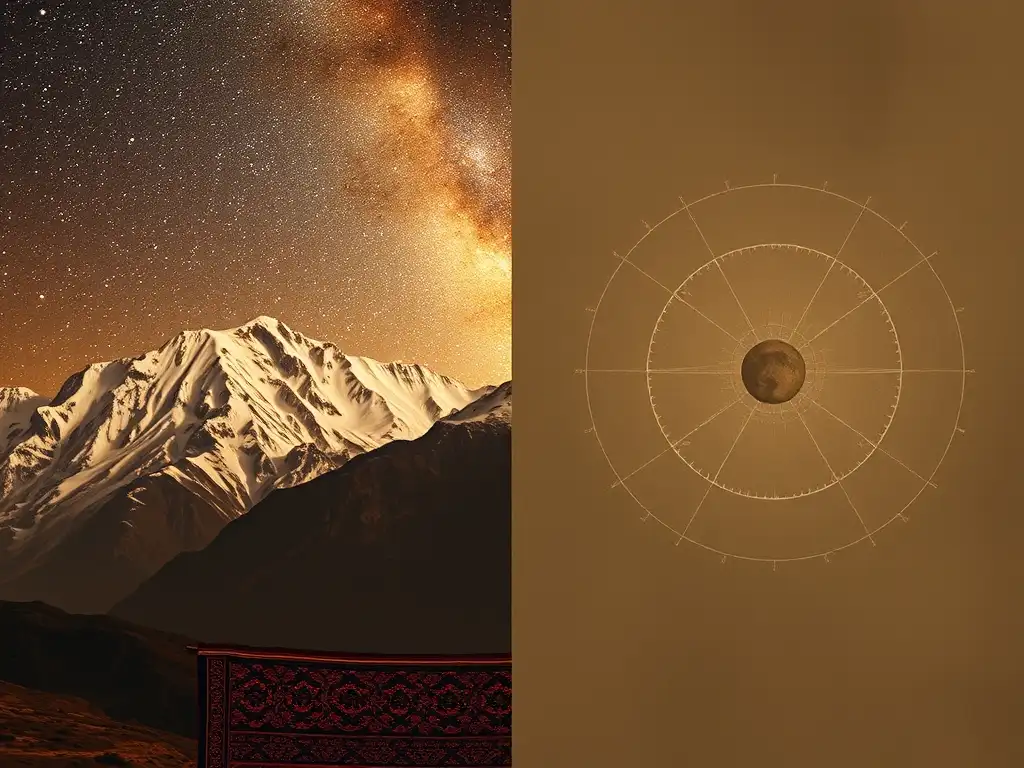
The Andean worldview presents a stark contrast to many Western perspectives on the universe. A key difference lies in the concept of time.
Contrasting Linear Time with Andean Cyclical Time
Western thought often perceives time as linear, progressing from a beginning to an end. Andean cosmology, however, embraces a cyclical understanding of time, viewing it as a continuous, repetitive process of creation, destruction, and renewal. This cyclical perspective is reflected in their agricultural practices, their understanding of the cosmos, and their artistic representations. The annual agricultural cycle, mirroring the celestial movements, reinforced this cyclical worldview.
The constant renewal of life and the cyclical nature of the seasons emphasized the interconnectedness of all things and the importance of maintaining balance within this ongoing cycle. This differs significantly from the linear progression often associated with Western concepts of history and progress. The Andean focus on cyclical time fosters a different perspective on mortality and the passage of time, emphasizing continuity and regeneration rather than a singular, irreversible progression.
The Importance of Harmony and Balance vs. a Focus on Individualism
Another significant difference lies in the emphasis on harmony and balance. While Western thought often prioritizes individualism and competition, Andean cosmology stresses the importance of community, cooperation, and living in harmony with the natural world. The concept of ayllu, the extended family and community structure, highlights this communal emphasis. Decisions were often made collectively, with the well-being of the community taking precedence over individual desires.
This collectivist approach extended to their relationship with the environment, emphasizing the need to live in balance with nature rather than dominating or exploiting it. The focus on maintaining harmony between the different dimensions of reality, between humans and the supernatural world, and within the community itself, forms a fundamental tenet of Andean cosmology, a stark contrast to the often individualistic focus found in many Western philosophies. This emphasis on social harmony and environmental responsibility offers a unique perspective on sustainability and social organization.
The Lasting Legacy of Andean Cosmic Understanding
The Andean understanding of the universe, far from being a relic of the past, continues to resonate deeply within contemporary Andean societies. This enduring legacy is not merely a nostalgic attachment to ancestral traditions; rather, it represents a living cosmology that informs various aspects of life, from agricultural practices to social structures and artistic expressions. The intricate relationship between humans and the cosmos, a core tenet of Andean cosmology, remains a powerful force shaping worldview and individual experiences.
This deep connection is not solely a matter of belief, but a practical framework for understanding and interacting with the world. The cyclical nature of time, the interconnectedness of all living beings, and the reverence for the sacred mountains – all these elements continue to shape the daily lives and spiritual practices of many Andean communities.
The enduring power of this cosmological perspective highlights its adaptability and relevance across generations. It's a testament to the profound insights of ancient Andean thinkers and their ability to create a framework for understanding the universe that remains both relevant and inspiring.
The Influence of Andean Cosmology on Contemporary Andean Culture
Andean cosmology profoundly influences contemporary Andean culture in myriad ways. For instance, the concept of ayni, reciprocal exchange, permeates social interactions, economic practices, and even spiritual rituals. This principle of balance and reciprocity, rooted in the understanding of interconnectedness within the cosmos, guides community relations and ensures social harmony.
Furthermore, traditional Andean agriculture is deeply intertwined with cosmological beliefs. The careful observation of celestial cycles, the understanding of microclimates, and the respect for the pachamama (Mother Earth) inform sustainable farming practices that have been passed down for centuries. In artistic expressions, from textiles to ceramics, Andean cosmological motifs continue to appear, reflecting a sustained engagement with ancestral wisdom.
The vibrant colors, intricate designs, and symbolic representations found in these artworks serve as powerful reminders of the enduring influence of Andean cosmology on artistic creativity. Even contemporary Andean music often incorporates themes and rhythms that reflect the cyclical nature of time and the interconnectedness of the natural world, showcasing the enduring influence of this cosmic perspective on artistic expression. The continued relevance of Andean cosmology highlights its enduring power to shape cultural values and practices.
The Importance of Preserving and Sharing this Ancient Wisdom
Preserving and sharing the ancient wisdom of Andean cosmology is of paramount importance for several reasons. Firstly, it represents the preservation of a unique and invaluable cultural heritage. This rich tapestry of knowledge, passed down through generations, contains profound insights into human relationships with the natural world and offers alternative perspectives on sustainability and community building. Secondly, understanding Andean cosmology provides crucial insights into the history of scientific thought and human understanding of the universe.
It offers a counterpoint to Western-centric narratives and enriches our understanding of diverse approaches to cosmology. Thirdly, sharing this knowledge fosters intercultural dialogue and understanding, promoting respect for different worldviews and enriching global perspectives. By actively engaging with and learning from Andean cosmological perspectives, we can broaden our understanding of the universe and our place within it.
Finally, the principles embedded within Andean cosmology, such as ayni and respect for the environment, offer valuable lessons for contemporary societies grappling with environmental challenges and social inequalities. The preservation and dissemination of this ancient wisdom is not merely an academic exercise; it is a crucial step towards building a more sustainable and equitable future. The urgency of this task cannot be overstated given the ongoing threats to indigenous knowledge systems and cultural diversity.
Conclusion: Appreciating the Depth of Andean Cosmic Thought
The Andean understanding of the universe presents a compelling and multifaceted perspective on cosmology. By examining the enduring legacy of Andean cosmic thought, its influence on contemporary Andean culture, and the importance of preserving this ancient wisdom, we gain a deeper appreciation for the richness and complexity of Andean civilization. The intricate relationship between humans and the cosmos, as envisioned by Andean cultures, offers valuable insights into sustainable living, social harmony, and the interconnectedness of all things. This profound worldview transcends mere historical interest; it offers a powerful framework for understanding our place in the universe and inspires a more mindful and respectful approach to the world around us. Further research and engagement with Andean cosmological perspectives are crucial not only for preserving a unique cultural heritage but also for enriching our understanding of the universe and fostering a more sustainable and equitable future. The depth and richness of Andean cosmic thought continue to offer valuable lessons for humanity, reminding us of the enduring power of ancient wisdom. The study of "Andean cosmology understanding" reveals a profound interconnectedness that can enrich our contemporary world.
Frequently Asked Questions
What is Andean cosmology?
Andean cosmology is a complex system of beliefs about the universe held by the ancient Andean civilizations. It wasn't a single, unified system, but rather varied across different cultures, all sharing a common thread of interconnectedness between the earthly and spiritual realms. Understanding it requires considering diverse perspectives.
How did the Andes' geography influence their cosmology?
The rugged terrain and high altitude of the Andes Mountains profoundly shaped Andean cosmology. The verticality of the landscape was mirrored in their worldview, with different levels representing distinct spiritual and earthly realms. This impacted their understanding of the cosmos as a layered structure.
What role did celestial bodies play in Andean cosmology?
Celestial bodies like the sun, moon, and stars were crucial in Andean cosmology. They were not merely astronomical phenomena, but rather powerful deities and forces that influenced daily life, agriculture, and societal structures. Observing them was essential for understanding the cosmos and predicting events.
How did Andean people represent their cosmological beliefs?
Andean cosmological beliefs were expressed through various means, including monumental architecture, such as Machu Picchu, textiles, ceramics, and religious rituals. These provided visual and performative representations of their understanding of the universe and its intricate relationships.
What is the significance of Pachamama in Andean cosmology?
Pachamama, meaning "Mother Earth," is a central figure in Andean cosmology. She represents the fertility of the land and the interconnectedness of all living things. Respecting and honoring Pachamama was crucial for ensuring the well-being of the community and the balance of the cosmos.
Final Reflection: Weaving the Threads of Andean Cosmology
The Andean understanding of the universe, far from being a relic of the past, offers a potent antidote to the fragmented worldview dominating contemporary society. Its emphasis on interconnectedness, reciprocity, and the sacredness of nature resonates deeply with the urgent ecological and social challenges we face today. The insights gleaned from this ancient cosmology hold the key to a more sustainable and harmonious future.
The enduring power of Andean cosmology lies in its ability to challenge anthropocentric perspectives and foster a sense of profound responsibility towards the natural world. It reminds us that we are not separate from, but inextricably woven into, the intricate tapestry of existence. As the Quechua saying goes, All is related, all is connected.
This simple yet profound statement encapsulates the core principle of Andean worldview, urging us to reconsider our place within the cosmos and our relationship with all living beings. This understanding, I believe, is crucial for navigating the complexities of the modern world and building a more just and equitable future.
Consider the implications of this multidimensional perspective on your own life. How can you integrate the principles of reciprocity, respect for nature, and interconnectedness into your daily actions? Embrace the challenge of shifting your perspective, of seeing the world not as a collection of isolated parts, but as a vibrant, interconnected whole. By embracing the wisdom of Andean cosmology, we can begin to weave a more harmonious and sustainable future, one thread at a time.
**Unlock the Secrets of the Andean Universe! **
Thank you for exploring the Andean understanding of the universe! You've discovered fascinating insights that can enrich your life and spiritual practice. Now, let's put this knowledge into action. Here are some ways to deepen your connection with these profound teachings:
- **Join a community**, either online or in person, dedicated to Andean traditions and spirituality. Connecting with like-minded individuals offers valuable shared experiences and support.
- **Incorporate mindfulness meditation** inspired by Andean philosophies into your daily routine. Even ten minutes a day can open your mind to new perspectives.
- **Share your insights** by writing a blog post or sharing your experiences on social media. Inspire others to explore the richness of Andean culture and wisdom.
Which aspect of the Andean worldview resonates most with you, and how will you integrate it into your daily life? We'd love to hear your thoughts!