
How Tiahuanaco Religion Shaped Their Artistic Expression

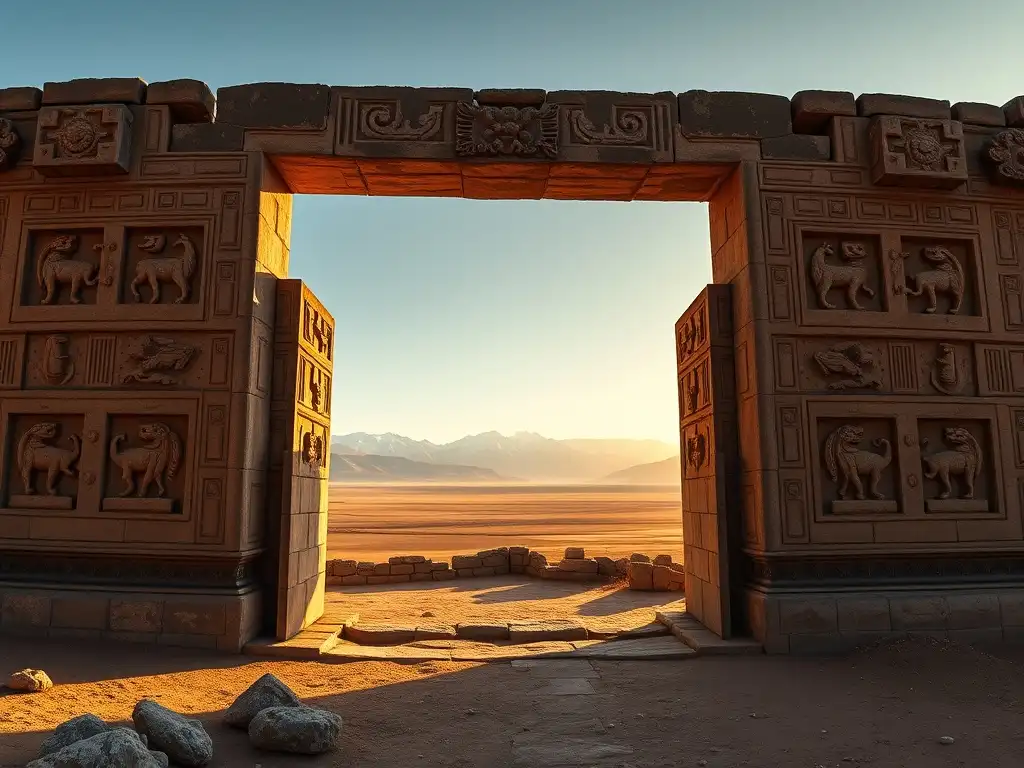
Step into a world lost to time, yet echoing with vibrant life. Imagine the towering structures of Tiahuanaco, their intricate carvings whispering tales of a sophisticated civilization. Discover how their profound religious beliefs fueled an artistic revolution, leaving an indelible mark on the Andean world. Unravel the mysteries surrounding Tiahuanaco religion, art, and influence – a journey into a fascinating culture awaits.
- Tiahuanaco Religion Art Influence: Shaping Artistic Expression
- The Religious Foundation of Tiahuanaco Art
- Key Deities and Their Representation in Tiahuanaco Art
- Analyzing the Influence of Religious Concepts on Tiahuanaco Art Forms
- The Use of Religious Imagery in Tiahuanaco Rituals and Ceremonies
- How Tiahuanaco Religion Shaped Artistic Style and Techniques
- Tiahuanaco's Artistic Legacy: A Reflection of Their Religious Worldview
- Conclusion: The Inseparable Link Between Tiahuanaco Religion and Art
- Frequently Asked Questions
- Final Reflection: The Enduring Legacy of Tiahuanaco's Artistic Faith
- Unveil the Richness of Tiahuanaco Culture!
Tiahuanaco Religion Art Influence: Shaping Artistic Expression
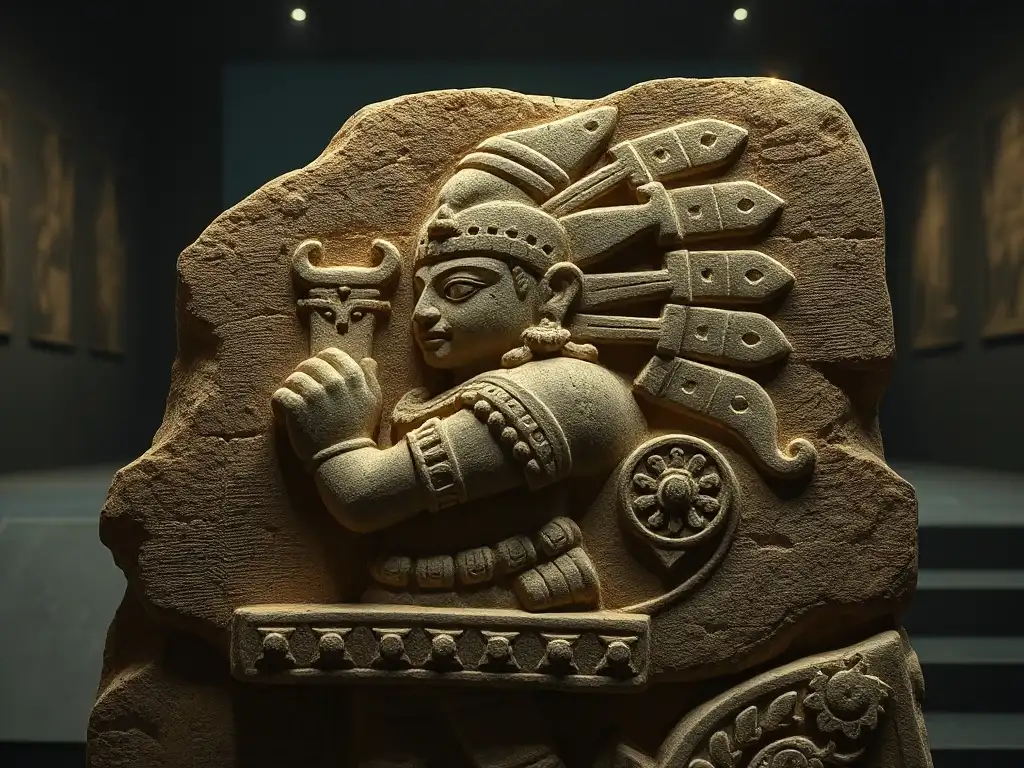
The enigmatic Tiahuanaco civilization, flourishing in the Andean highlands from approximately 500 to 1000 CE, left behind a breathtaking legacy of monumental architecture and intricate artistry. This article delves into the profound influence of Tiahuanaco religion on their artistic expression, exploring how their cosmology, deities, and rituals shaped the visual and symbolic language found in their ceramics, textiles, stone carvings, and monumental structures. Understanding this interplay between religious belief and artistic creation provides crucial insight into the complexities of Tiahuanaco society and their worldview.
We will examine specific examples of Tiahuanaco art, analyzing their iconography and symbolism to unravel the intricate relationship between their spiritual beliefs and artistic output, ultimately revealing how their religion served as a powerful catalyst for their unique artistic style. This exploration will shed light on the keyword "Tiahuanaco religion art influence," demonstrating the deep connection between faith and artistic expression within this fascinating civilization.
The Central Role of Religious Beliefs in Tiahuanaco Society
The Tiahuanaco worldview was deeply intertwined with their daily lives, influencing everything from agricultural practices to artistic endeavors. Their religious beliefs were not merely a separate aspect of their culture; they formed the very foundation of their social structure and artistic production. Evidence suggests a complex pantheon of deities, with the supreme deity often depicted in anthropomorphic or zoomorphic forms, often associated with powerful natural forces like the sun, water, and mountains.
These deities were not simply worshipped; they were believed to actively participate in the world and influence the lives of the Tiahuanaco people. This intimate connection between the divine and the human world profoundly impacted their artistic expressions, which served as powerful tools for communicating their religious beliefs and performing rituals.
The pervasiveness of religious symbolism in Tiahuanaco art reinforces the central role of religion in their society. Further research is needed to fully understand the nuances of their religious practices and the extent of their religious influence on various aspects of their lives, including their artistic style.
Iconography and Symbolism in Tiahuanaco Art: Decoding the Divine
Tiahuanaco art is characterized by a distinctive style, rich in symbolism and iconography directly linked to their religious beliefs. Common motifs include stylized figures, often depicted with elongated heads, large eyes, and intricate headdresses. These figures are frequently interpreted as representations of deities or supernatural beings, embodying the power and authority of the religious system.
The use of repeated patterns and geometric designs, such as stepped pyramids and intricate knots, also holds significant religious meaning, possibly reflecting cosmological concepts or representing the cyclical nature of life and death. For example, the recurring depiction of the "Staff God," a figure wielding a staff adorned with stylized birds, is believed to be a representation of a powerful deity associated with fertility and cosmic order.
Analysis of these symbolic elements provides valuable insights into the religious beliefs and cosmology of the Tiahuanaco people. Further studies are needed to fully understand the meaning behind some of the less-understood symbols and motifs found in their art.
The Function of Art in Religious Rituals and Ceremonies
Tiahuanaco art was not merely decorative; it played a vital role in religious rituals and ceremonies. Ceremonial objects, such as intricately carved stone sculptures and finely crafted pottery vessels, were used in religious practices, possibly as offerings to the deities or as tools for communicating with the supernatural world. The monumental architecture of Tiahuanaco, including the iconic Sun Gate and the Kalasasaya platform, served as important religious centers, where rituals were performed and the community gathered for religious festivals.
These structures were not simply functional buildings; they were imbued with religious significance, reflecting the profound importance of religion in Tiahuanaco society. The artistic elements integrated into these structures, such as the intricate carvings and symbolic designs, further emphasize their religious purpose.
We can infer that the creation and use of these artistic artifacts were integral parts of their spiritual life, enriching their religious practices and reinforcing social cohesion. More detailed archeological evidence could help refine our understanding of specific rituals and their connection to particular artistic pieces.
The Legacy of Tiahuanaco Religious Art: Lasting Influence on Andean Cultures
The influence of Tiahuanaco religion and art extended far beyond the geographic boundaries of their civilization. Their distinctive artistic style and religious iconography were adopted and adapted by subsequent Andean cultures, demonstrating the lasting impact of their religious beliefs. Many later cultures incorporated Tiahuanaco motifs and symbols into their own art, suggesting a continuation of religious traditions and beliefs.
This widespread adoption highlights the importance and influence of Tiahuanaco religious ideas and artistic expressions on the broader Andean cultural landscape. The enduring legacy of Tiahuanaco art stands as a testament to the power and longevity of their religious beliefs and their impact on the artistic development of subsequent Andean civilizations. Further research into the stylistic similarities and differences between Tiahuanaco art and that of later cultures will further illuminate the extent of their cultural influence.
The spread of Tiahuanaco religious beliefs and artistic styles across the Andes is a testament to the civilization's enduring impact. 🎉
The Religious Foundation of Tiahuanaco Art
The art of Tiahuanaco, a pre-Columbian civilization flourishing in the Andes from roughly 300 CE to 1000 CE, wasn't merely decorative; it was deeply intertwined with their complex religious beliefs and cosmology. Understanding the religious foundation is crucial to interpreting the intricate carvings, monumental architecture, and sophisticated textiles that have survived to this day. Tiahuanaco religion art influence is evident in every aspect of their artistic output, from the monumental Gate of the Sun to the smaller, more intimate artifacts found in tombs and ceremonial sites.
The pervasive presence of religious motifs underscores the centrality of faith in their daily lives and societal structure. Their artistic endeavors served as powerful tools for reinforcing religious dogma, commemorating important events, and communicating with the supernatural realm.
The intricate detail and symbolic language embedded within their art pieces offer a unique window into their spiritual world, a world shaped by a complex interplay of deities, rituals, and beliefs about the cosmos. This section will explore the profound connection between Tiahuanaco religion and their artistic expression, revealing how deeply their faith permeated their artistic creations.
Exploring Tiahuanaco Cosmology and Beliefs
Tiahuanaco cosmology, a fundamental aspect of their religious system, heavily influenced their artistic representations. Their worldview was likely centered around a creator god, possibly associated with the sun or a supreme being, whose power extended over the natural world and the human realm. Evidence suggests a strong belief in a duality or complementarity, perhaps reflected in the frequent depiction of paired figures or opposing forces in their art. This duality might symbolize the balance between the earthly and celestial realms, life and death, or other fundamental aspects of their existence.
The frequent use of stylized representations of animals, such as condors and pumas, likely held symbolic meaning, potentially representing specific deities or embodying qualities valued within their society. These powerful symbols, meticulously crafted and repeatedly depicted across various art forms, highlight the importance of these creatures in their religious beliefs. Furthermore, the prevalence of geometric patterns, such as stepped pyramids and intricate interwoven designs, may reflect a structured understanding of the cosmos, possibly representing the layered nature of the universe or the cyclical nature of time.
Analysis of these patterns reveals a sophisticated understanding of mathematics and geometry, further demonstrating the depth of their cosmological thinking and its expression through art. Unfortunately, [specific details regarding the exact nature of their supreme deity and pantheon are pending further research]. However, the extant art provides ample evidence of the importance of cosmology in shaping their artistic choices.
The Role of Religion in Tiahuanaco Society
Religion permeated every facet of Tiahuanaco society, shaping not only their artistic expression but also their social structure, political organization, and daily practices. The monumental architecture of Tiahuanaco, such as the Kalasasaya complex and the Gate of the Sun, served not only as practical structures but also as important religious centers. These structures were likely the settings for elaborate rituals and ceremonies, where priests and elites interacted with the divine. The massive scale of these constructions underscores the importance of religion in their society, demonstrating the significant resources and labor dedicated to the construction and maintenance of these sacred sites.
The art found within these sites—intricate carvings, meticulously designed textiles, and finely crafted ceramics—further reinforces the religious significance of these locations. Moreover, religious beliefs likely played a crucial role in the social hierarchy. The elite likely held privileged access to religious knowledge and rituals, further solidifying their power and authority. Artistic depictions of rulers and priests often showcase their divine connections, highlighting the sacred nature of their leadership.
The craftsmanship and materials used in these depictions also suggest a hierarchy within artistic production, with the most skilled artisans creating works for the elite. The intricate details and symbolic language of Tiahuanaco art weren't accessible to everyone; understanding their meaning likely required religious knowledge and initiation, further reinforcing the religious and social order. The influence of Tiahuanaco religion on their art, therefore, extends beyond mere aesthetics; it reflects and reinforces the complex social and political dynamics of their civilization. The interplay between religion, art, and society in Tiahuanaco exemplifies the profound impact of faith on all aspects of their culture.
Key Deities and Their Representation in Tiahuanaco Art
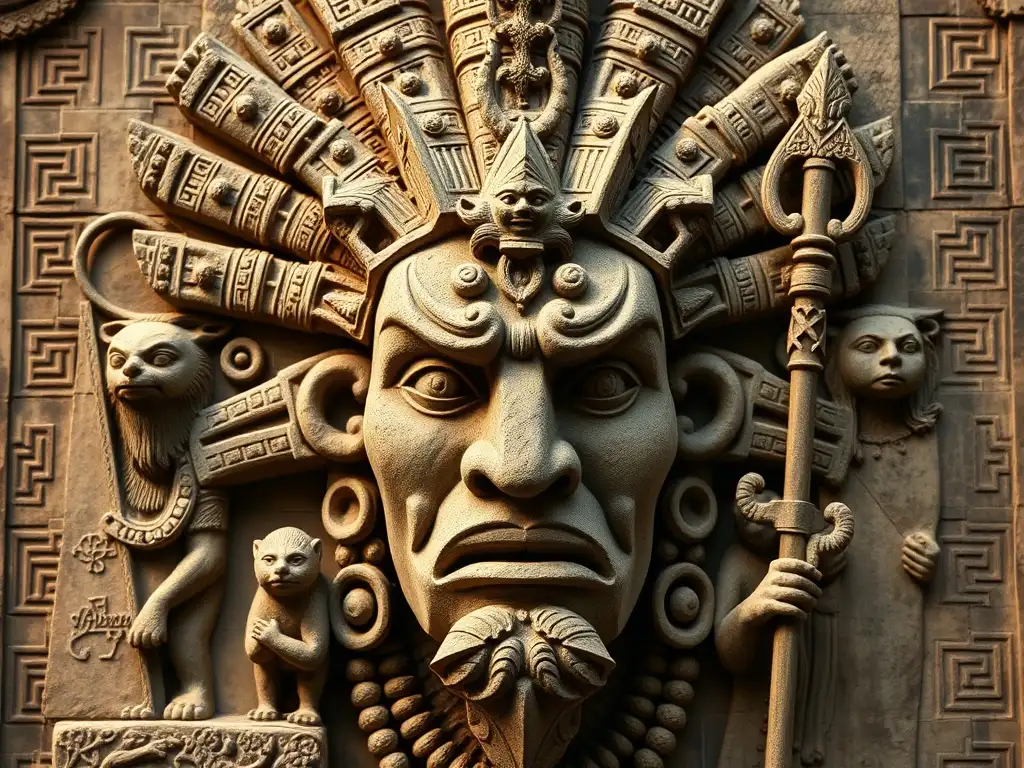
The religious beliefs of the Tiahuanaco civilization profoundly impacted their artistic output. Their art wasn't merely decorative; it was a powerful medium for expressing cosmological beliefs, social structures, and the power of their deities. Understanding Tiahuanaco religion art influence requires examining the key figures within their pantheon and how these figures were visually represented across various art forms, including monumental architecture, ceramics, textiles, and metalwork.
The intricate iconography reveals a sophisticated understanding of religious symbolism and a complex worldview. Analyzing these representations offers a window into the heart of Tiahuanaco religious practices and their societal impact. The stylistic consistency across different mediums suggests a centralized religious authority guiding artistic production, reinforcing the importance of these religious figures in daily life.
The Sun God (Inti) and its Artistic Depiction
The Sun God, Inti, held a central position in Tiahuanaco cosmology, mirroring its importance in other Andean cultures. However, its representation in Tiahuanaco art is distinct. While other cultures often depict Inti as a human-like figure with sun rays emanating from his head, Tiahuanaco artists frequently represented Inti through more abstract and symbolic forms.
For example, the iconic Gate of the Sun, a masterpiece of Tiahuanaco stonework, features a central figure often interpreted as Inti, but this figure is not a realistic portrayal. Instead, it's a stylized, almost geometric representation, emphasizing the deity's power and cosmic significance rather than its human attributes. The intricate carvings surrounding the central figure, including other deities and potentially symbolic representations of the cosmos, further reinforce the complex religious narrative embedded within the artwork.
The use of intricate geometric patterns and stylized figures, common throughout Tiahuanaco art, reinforces the idea of Inti as a powerful and all-encompassing force rather than a simply anthropomorphic god. Further research is needed to fully understand the subtle nuances in the depictions of Inti across different Tiahuanaco artifacts. [Specific information pending: Detailed analysis of the Gate of the Sun's central figure and its variations across other artifacts].
The Importance of the Staff God (Wiracocha) in Tiahuanaco Iconography
The Staff God, often associated with the creator god Wiracocha in later Andean traditions, plays a significant role in Tiahuanaco iconography. While the exact nature of this deity's role is still debated among scholars, its frequent depiction suggests paramount importance within the religious system. The Staff God is typically represented as a figure holding a staff, sometimes accompanied by other symbols, such as feline features or stylized headdresses.
This iconography is consistently found across various artistic mediums, reinforcing its significance. The staff itself is a powerful symbol, representing authority, power, and connection to the spiritual realm. The combination of the staff with other symbolic elements, like the feline features, suggests a complex interplay of different religious concepts and beliefs within the Tiahuanaco worldview.
The recurrence of this imagery across different artistic styles and mediums further strengthens the argument for its central position in the Tiahuanaco pantheon. Detailed analysis of the stylistic variations in the Staff God's depiction across different artifacts could reveal further information about its evolving role within the religious system. [Specific information pending: Comparative analysis of Staff God representations across different Tiahuanaco artistic mediums].
Animalistic Deities (Puma, Condor, Serpent) and Their Symbolic Meaning
Beyond anthropomorphic deities, animalistic figures played a crucial role in Tiahuanaco religion and art. The puma, condor, and serpent, among others, were not simply depicted realistically; they held deep symbolic meaning, representing power, fertility, and cosmic forces. The puma, a powerful predator, likely symbolized strength and earthly power, while the condor, soaring high above, represented the celestial realm and spiritual power.
The serpent, a symbol of fertility and renewal in many cultures, likely held a similar significance in Tiahuanaco cosmology. These animalistic deities were often integrated into larger compositions, appearing alongside human figures and other symbolic elements, creating complex narratives that intertwined the earthly and spiritual realms. The stylistic choices in depicting these animals—sometimes realistic, sometimes highly stylized—suggest a nuanced understanding of their symbolic meanings within the Tiahuanaco religious system.
The prevalence of these animalistic motifs across different artistic mediums points to their enduring importance in their religious beliefs. Further research focusing on the specific contexts in which these animals appear could provide greater insight into their individual and collective symbolic meanings. [Specific information pending: A detailed catalog of animalistic representations in Tiahuanaco art and their contextual analysis].
Analyzing the Influence of Religious Concepts on Tiahuanaco Art Forms
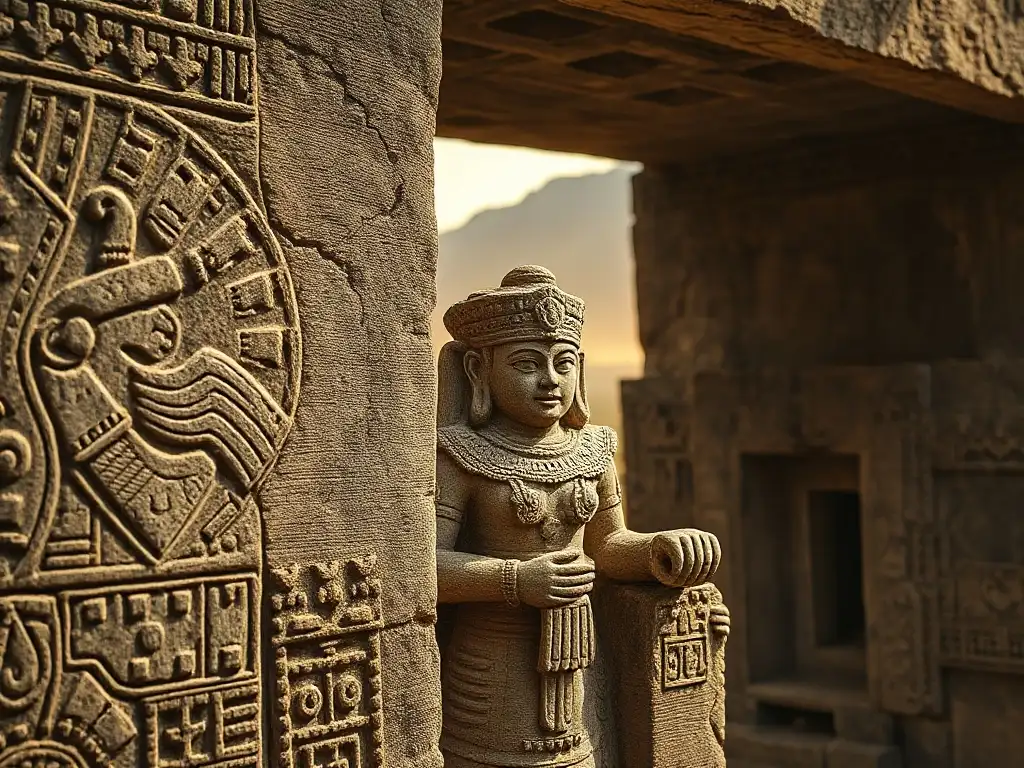
The art of Tiahuanaco, a pre-Columbian civilization that flourished in the Andes, serves as a powerful visual record of its complex religious beliefs. The intricate designs, monumental architecture, and sophisticated craftsmanship all reflect a deeply spiritual worldview that permeated every aspect of Tiahuanaco society. Understanding this connection between Tiahuanaco religion art influence is crucial to appreciating the civilization's cultural achievements.
The religious cosmology, with its emphasis on deities, cosmology, and ritual practices, profoundly shaped their artistic expression, leaving behind a legacy of breathtaking artistry and enigmatic symbolism. This section delves into the specific ways religious concepts manifested in various art forms.
Religious Symbolism in Tiahuanaco Architecture (Pumapunku, Kalasasaya)
Tiahuanaco's monumental architecture, particularly at Pumapunku and Kalasasaya, stands as a testament to its sophisticated engineering and deeply held religious beliefs. These structures were not merely functional; they served as sacred spaces for ritual and ceremony, reflecting the worldview of the Tiahuanaco people.
The precise astronomical alignments of many structures suggest a profound understanding of celestial cycles and a belief in the interconnectedness of the earthly and cosmic realms. For example, the layout of Kalasasaya, with its massive stone blocks and intricately carved gateways, likely served as a calendar and observatory, marking solstices and equinoxes.
This demonstrates a close relationship between religious practices and the observation of the cosmos. The precision of the stonework, the use of massive blocks, and the intricate carvings all point to a significant investment of labor and resources, underlining the importance of these structures within the religious framework.
Pumapunku, with its astonishingly precise stonework and seemingly impossible engineering feats, presents even more profound mysteries. While its exact function remains debated, many scholars believe it served as a ceremonial center, a place where religious rituals were performed. The scale and precision of the construction, combined with the enigmatic nature of some of the features, suggest a deeply symbolic meaning related to their cosmology and religious beliefs. The use of advanced stone-cutting techniques, unparalleled in the region for its time, further emphasizes the sacred nature of this site and the importance of religious beliefs in shaping its construction.
The presence of recurring motifs, such as stepped pyramids and intricate carvings of deities and animals, further underscores the religious significance of the architecture. These elements were not merely decorative; they served to reinforce and communicate important religious concepts and beliefs to the Tiahuanaco population.
The Impact of Beliefs on Tiahuanaco Pottery and Ceramics (Kero Vessels)
Tiahuanaco pottery and ceramics, particularly the iconic kero vessels, provide a rich source of information about their religious beliefs and artistic styles. These vessels, often intricately carved and decorated, served not only utilitarian purposes but also played a significant role in religious ceremonies.
The designs found on kero vessels frequently depict stylized figures, animals, and geometric patterns that are believed to represent deities, mythical creatures, and cosmological concepts. The use of specific colors and materials also likely held symbolic meaning, reflecting the importance of ritual and ceremony in Tiahuanaco society. For instance, the use of specific clays and pigments may have been linked to particular deities or ceremonies.
Analyzing the iconography on kero vessels reveals a complex interplay of religious symbolism and artistic expression. The repetition of certain motifs across different vessels suggests a standardized system of religious representation, highlighting the importance of a shared understanding of religious concepts within the Tiahuanaco community. Furthermore, the high level of craftsmanship evident in these pieces indicates the societal value placed on both artistic skill and religious expression. The meticulous detail and artistry displayed on even relatively small vessels underscores the significance of these objects within the religious context.
Religious Motifs in Tiahuanaco Textiles and Weaving (Geometric Patterns)
Textiles and weaving played a vital role in Tiahuanaco society, with intricate designs often reflecting religious beliefs and cosmological concepts. While many examples are fragmentary due to the passage of time, the surviving fragments reveal a sophisticated understanding of textile techniques and a complex system of symbolic representation.
Geometric patterns, such as stepped frets, zigzags, and spirals, frequently appear in Tiahuanaco textiles. These are not simply aesthetic choices; scholars believe these patterns represent cosmological concepts, perhaps symbolizing the Andean landscape, celestial bodies, or the cyclical nature of life and death. The use of specific colors and the arrangement of patterns likely held further symbolic meaning, reflecting a nuanced understanding of religious symbolism.
The complexity of some designs suggests a high level of skill and knowledge among Tiahuanaco weavers. The precision and intricacy of the patterns indicate a significant investment of time and effort, reinforcing the importance of textiles within the religious and social fabric of Tiahuanaco society. The use of rare and valuable materials, such as alpaca wool, further underscores the significance of these textiles, suggesting their use in important religious ceremonies or as offerings to deities.
The surviving fragments, though incomplete, allow us to glimpse the rich tapestry of religious symbolism woven into the fabric of Tiahuanaco culture. Further research and the discovery of more complete textiles would undoubtedly provide a more complete understanding of the role of textiles in Tiahuanaco religion and cosmology.
The Use of Religious Imagery in Tiahuanaco Rituals and Ceremonies
The religious beliefs of the Tiahuanaco culture profoundly impacted their artistic output, leaving behind a rich legacy of artifacts that reflect their cosmology and spiritual practices. Understanding the intricate relationship between Tiahuanaco religion and art requires examining the pervasive use of religious imagery in their rituals and ceremonies. The very act of creating art was, in itself, likely a ritualistic practice, imbued with sacred meaning and intended to influence the spiritual realm.
This is evidenced by the meticulous detail and craftsmanship evident in Tiahuanaco artifacts, suggesting a deep reverence for the process and the intended outcome. The consistent repetition of specific motifs across various mediums further reinforces the intentional and symbolic nature of their art.
The Connection Between Art and Sacred Practices
The connection between art and sacred practices in Tiahuanaco culture is undeniable. Many artifacts, including ceramics, textiles, and monumental sculptures, depict scenes of religious ceremonies and rituals. These depictions aren't simply decorative; they are active participants in the religious experience, serving as visual aids or even acting as conduits for spiritual energy. For example, intricately carved stone sculptures often feature figures in ceremonial attire, possibly representing deities or priests engaged in ritualistic acts.
The precise positioning of these figures, their gestures, and the objects they hold all contribute to a complex narrative that speaks to the specific rituals they represent. Further research is needed to fully decipher the meaning behind many of these symbolic representations, but the inherent connection between art and ritual is clear. The creation and use of these objects were integral to their religious life, demonstrating the deeply embedded nature of art within their spiritual practices.
Art as a Medium for Religious Expression
Tiahuanaco art served as a powerful medium for religious expression, communicating complex theological concepts and beliefs to both participants and observers. The stylistic conventions employed in their art, such as the repeated use of stylized figures, geometric patterns, and symbolic motifs, were not arbitrary choices but rather carefully chosen elements carrying specific religious significance. For instance, the recurring depiction of the "Wiracocha" figure, a prominent deity in Tiahuanaco cosmology, demonstrates its central role in their religious system.
Its appearance in various forms across different mediums underscores its importance and influence. Similarly, the prevalent use of stepped pyramids and other geometric forms in their architecture suggests a deliberate attempt to mimic or represent the cosmos, reflecting a worldview that saw the earthly and spiritual realms intertwined.
The use of specific colors, materials, and techniques likely held additional religious significance, further enriching the symbolic language of their art. Detailed analysis of these elements is crucial to unraveling the full extent of their religious expression through art.
Rituals of Sacrifice and Offerings Depicted in Art
Evidence suggests that rituals of sacrifice and offerings played a significant role in Tiahuanaco religion. These practices are frequently depicted in their art, providing valuable insights into their religious beliefs and practices. For example, some ceramic vessels depict scenes of human sacrifice, while others show offerings of food, drink, and other precious objects.
These depictions are not gratuitous; they are carefully staged scenes that likely served to reinforce the importance of these rituals within their society. The level of detail and the emotional intensity conveyed in these artistic representations suggest that these were not simply casual events but rather deeply significant religious acts. The materials used in the creation of these artifacts—often precious metals or intricately carved stone—further underscore the importance placed upon these rituals.
Further research into the iconography and symbolism employed in these depictions is necessary to fully understand the nuances of Tiahuanaco sacrificial and offering rituals. By studying these artistic representations, we gain a deeper understanding of the spiritual landscape of this fascinating ancient civilization and its complex relationship between religious beliefs and artistic expression. Analyzing the specific contexts of these depictions, considering the materials used, and comparing similar representations across different artifacts will help paint a more complete picture of Tiahuanaco religious practices.
How Tiahuanaco Religion Shaped Artistic Style and Techniques
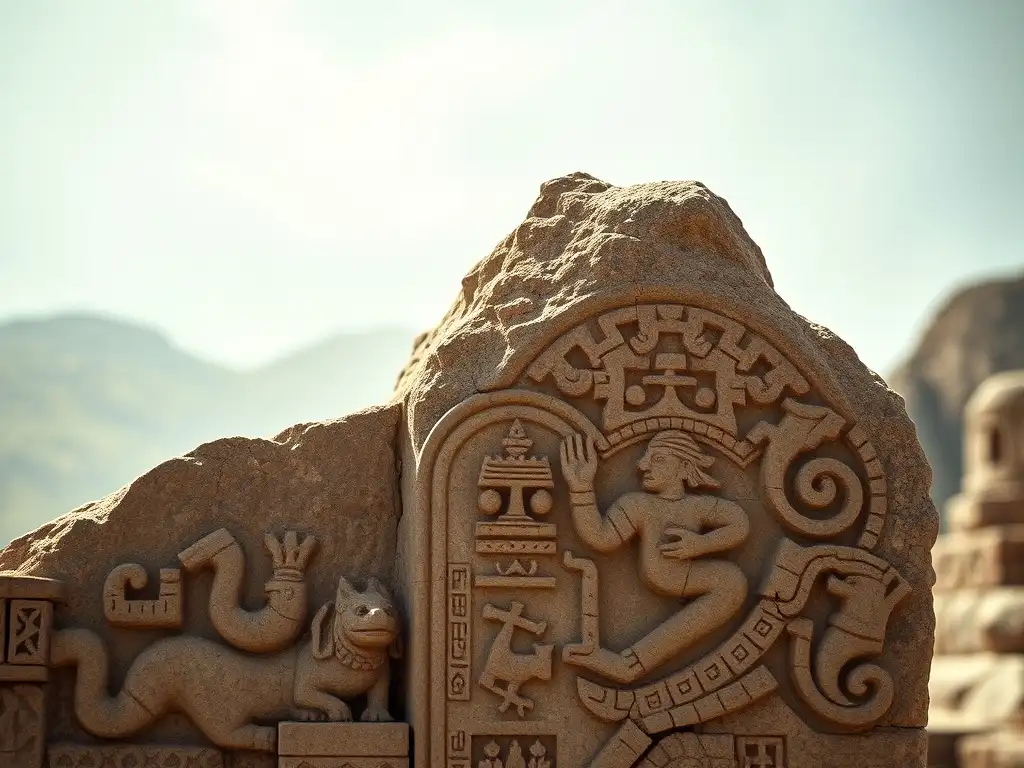
The Tiahuanaco civilization, flourishing in the Andes between 500 and 1000 CE, left behind a remarkable artistic legacy deeply intertwined with their complex religious beliefs. Understanding Tiahuanaco art requires acknowledging the profound influence of their cosmology, which permeated every aspect of their artistic production, from the stylistic choices to the very techniques employed. This pervasive religious influence shaped not only what they created but also how they created it.
The interplay between religious beliefs and artistic expression in Tiahuanaco is a testament to the power of faith in shaping a civilization's cultural identity and artistic output. Analyzing this relationship helps us decipher the meaning behind their iconic artifacts and understand the sophisticated worldview of this remarkable Andean society. The keyword "Tiahuanaco religion art influence" perfectly encapsulates this intricate connection.
The Development of Unique Artistic Conventions (Symmetry, Frontality)
Tiahuanaco art is readily identifiable by its distinctive stylistic conventions, particularly the emphasis on symmetry and frontality. These weren't merely aesthetic choices; they were deeply rooted in their religious beliefs. The emphasis on symmetry reflects the Tiahuanaco worldview's inherent balance and harmony between the earthly and spiritual realms. Many sculptures and carvings demonstrate a precise mirroring across a central axis, suggesting a cosmic order and equilibrium. This is evident in their iconic monoliths, often depicting figures with perfectly symmetrical features and poses.
Further reinforcing this religious influence is the prevalence of frontality. Figures are typically presented facing directly forward, a stylistic choice that likely symbolized a direct connection to the divine. This frontal presentation avoids perspective and depth, emphasizing the figure's presence and importance rather than its spatial context. This approach suggests a deliberate attempt to create images that were both powerful and symbolically charged, reflecting the importance of the deity or figure being represented. The rigid formality of the representations reflects the sacredness and authority associated with the religious figures and their roles within the Tiahuanaco cosmology.
The Influence of Religious Ideas on Artistic Innovation (Monumental Scale)
The monumental scale of many Tiahuanaco artworks, such as the Gateway of the Sun, is another clear manifestation of the influence of their religious beliefs. The sheer size and grandeur of these structures were not simply feats of engineering; they served a crucial religious function. The imposing scale likely symbolized the power and majesty of their gods, reinforcing their religious authority and inspiring awe in the populace. Constructing these massive structures required immense organizational skill and labor, reflecting the societal power and unity fostered by their shared religious beliefs.
The monumental scale also facilitated the integration of elaborate carvings and intricate designs, allowing for the detailed representation of religious iconography and narratives. This level of detail further emphasizes the importance of religious themes in their artistic output. The impressive scale of these artworks serves as a powerful testament to the religious fervor and societal organization of the Tiahuanaco civilization. The construction itself was a ritualistic act, a collective effort to honor their deities and reinforce their cosmic worldview.
Stone Carving Techniques Inspired by Religious Iconography
The sophisticated stone carving techniques employed by Tiahuanaco artisans were also profoundly shaped by their religious beliefs. The precision and intricacy of their work, particularly in the detailed representation of religious figures and symbols, demonstrate a high level of skill and a deep understanding of the materials they worked with. Their mastery of techniques like high-relief carving, intaglio, and the precise fitting of massive stone blocks, reflects not only technical proficiency but also a profound reverence for the religious subjects they depicted.
The choice of specific stones, such as andesite, and the meticulous polishing techniques they employed, were likely informed by religious symbolism. The durability of the materials and the permanence of the carvings underscore the lasting impact the Tiahuanaco civilization aimed to achieve through their art. The painstaking effort invested in these carvings underscores the sacred nature of the images and the importance of preserving them for posterity.
The precision and detail are a testament to the spiritual dedication and artistic skill of the Tiahuanaco people, further highlighting the profound connection between their religion and their artistic practices. The artistry wasn't merely decorative; it served as a powerful medium for expressing and reinforcing their complex religious beliefs and cosmology.
Tiahuanaco's Artistic Legacy: A Reflection of Their Religious Worldview
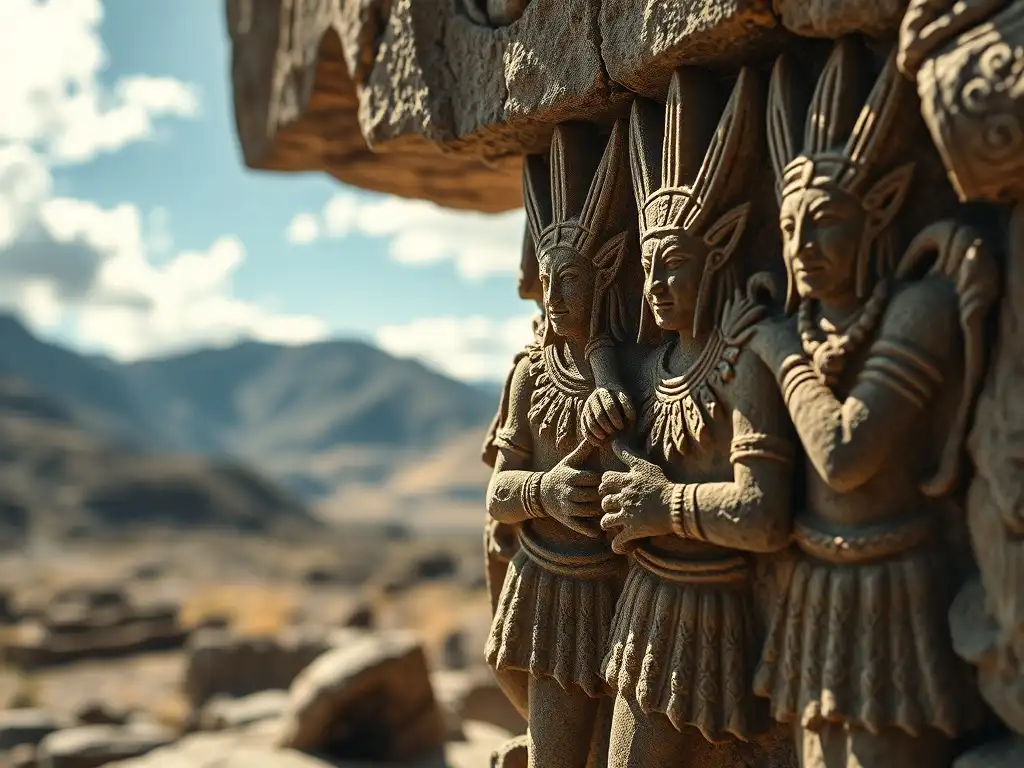
The art of Tiahuanaco, a pre-Columbian civilization flourishing in the Andes between 300 and 1100 CE, stands as a powerful testament to their sophisticated religious worldview. Their artistic output—spanning monumental architecture, intricate textiles, and finely crafted ceramics—wasn't merely decorative; it served as a crucial vehicle for expressing and reinforcing their complex cosmology, beliefs, and social structures. Understanding Tiahuanaco art requires acknowledging its deeply religious context, recognizing that aesthetics and spirituality were inextricably intertwined.
The Tiahuanaco religion art influence is evident in every meticulously carved stone, every vibrant textile pattern, and every delicately painted pot. This influence extended beyond their own time, shaping the artistic traditions of later Andean cultures.
The Lasting Impact of Tiahuanaco Religious Art
The impact of Tiahuanaco religious art reverberates through centuries. The stylistic conventions, iconography, and even the materials employed by Tiahuanaco artists continued to inspire Andean artisans long after the civilization's decline. The enduring legacy of their artistic expression is not merely aesthetic; it represents a continuous thread connecting religious beliefs across generations. For instance, the repeated motifs found in Tiahuanaco ceramics, such as stylized figures and geometric patterns, reappear in later Andean art forms, suggesting a continuous transmission of cultural and religious ideas. Analyzing these continuities allows us to trace the evolution of Andean artistic styles and better understand the lasting influence of Tiahuanaco's religious beliefs. The precise mechanisms of this transmission—whether through direct contact, cultural exchange, or imitation—remain areas of ongoing research, but the evidence of persistent artistic influence is undeniable. This enduring presence highlights the power and significance of Tiahuanaco's religious art in shaping subsequent Andean artistic expressions.
How Religious Art Reflects Tiahuanaco Culture and Ideology
Tiahuanaco art provides invaluable insights into the civilization's social organization and political power structures. The monumental architecture, such as the Puerta del Sol (Sun Gate) and Kalasasaya, showcases the immense scale of their construction projects and the sophisticated engineering skills of their builders. These structures, adorned with intricate carvings and symbolic representations, served not only practical purposes but also as powerful expressions of religious authority.
The meticulously rendered figures and symbols on these structures likely depicted important deities, ancestors, and rulers, reinforcing their power and legitimacy within the Tiahuanaco society. Moreover, the standardized nature of many artistic motifs suggests a degree of centralized control over artistic production, highlighting the importance of religious ideology in shaping cultural identity and social cohesion.
This centralized production of art, driven by religious significance, offers a unique window into the political and social dynamics of the Tiahuanaco civilization. Further research into the specific roles of different artisan groups and the distribution of artistic artifacts could shed more light on this fascinating aspect of Tiahuanaco culture.
Influence on Subsequent Andean Cultures (Wari, Inca)
The influence of Tiahuanaco's religious art extended significantly to subsequent Andean cultures, particularly the Wari and Inca empires. The Wari, who rose to prominence after the decline of Tiahuanaco, adopted and adapted many of the stylistic conventions and iconographic elements prevalent in Tiahuanaco art. For example, the use of stylized figures and geometric patterns, characteristic of Tiahuanaco ceramics and textiles, is readily apparent in Wari artistic production.
Similarly, the Inca, who emerged centuries later, incorporated elements of Tiahuanaco artistic traditions into their own imperial iconography. However, the Inca adapted these elements to reflect their own religious beliefs and political ideology, demonstrating a complex process of cultural appropriation and transformation. The presence of Tiahuanaco-inspired motifs in Wari and Inca art highlights the enduring legacy of Tiahuanaco's religious and artistic traditions and their significance in shaping the cultural landscape of the Andes.
Further comparative studies of Tiahuanaco, Wari, and Inca art can help unravel the intricate pathways of cultural exchange and adaptation that shaped the artistic development of the Andean region. This continued artistic lineage underscores the profound and long-lasting Tiahuanaco religion art influence on the Andean world.
Conclusion: The Inseparable Link Between Tiahuanaco Religion and Art
The intricate relationship between Tiahuanaco religion and art is undeniable. Religious beliefs weren't simply a separate aspect of life; they permeated every facet of Tiahuanaco society, profoundly shaping their artistic output. From the monumental architecture to the meticulously crafted textiles and ceramics, religious iconography and symbolism are woven into the very fabric of their artistic legacy.
Understanding this deep connection allows for a richer, more nuanced appreciation of Tiahuanaco's artistic achievements and provides invaluable insights into their worldview and cosmology. The enduring influence of Tiahuanaco religion on art is a testament to the power of belief systems to shape culture and leave a lasting impact on history. Further research into the specific rituals and beliefs associated with particular artistic motifs would significantly enhance our understanding of this fascinating civilization.
The ongoing discovery of new artifacts and the application of advanced analytical techniques continue to unveil new layers of complexity in this intricate relationship, promising even more exciting discoveries in the future. This inseparable link underscores the importance of considering religious context when analyzing any aspect of Tiahuanaco culture.
Summarizing the Key Religious Influences on Tiahuanaco Art
Several key religious elements profoundly influenced Tiahuanaco artistic expression. The worship of deities, particularly the central figure often depicted in anthropomorphic forms, heavily impacted artistic representations. These depictions, often featuring elaborate headdresses, stylized features, and symbolic attributes, served not merely as aesthetic choices but as powerful religious statements.
The emphasis on duality and complementary forces, a common theme in Andean cosmology, is reflected in the symmetrical designs and paired motifs found across various art forms. Furthermore, the importance placed on water and fertility, essential for agricultural success in the challenging Andean environment, is evident in the frequent depiction of water-related imagery, such as stylized serpents and aquatic creatures, symbolizing life-giving forces. The use of specific colors and materials also held religious significance, with certain hues and substances associated with particular deities or rituals.
For example, the prevalence of red pigment might symbolize blood, sacrifice, or a connection to the earth. Finally, the intricate geometric patterns and complex iconography frequently found in Tiahuanaco art are likely linked to calendrical systems and ritual practices, reflecting the importance of time and cosmic cycles in their religious beliefs. Analyzing these elements reveals a sophisticated religious system that intricately intertwined with artistic production.
The Importance of Understanding Religion for Interpreting Tiahuanaco Art
Understanding the religious context is paramount for accurately interpreting Tiahuanaco art. Without this understanding, many artistic motifs and stylistic choices might be misinterpreted or dismissed as purely aesthetic decisions. For example, the frequent depiction of figures with large, stylized eyes might seem simply stylistic, but within the religious framework, they could represent heightened spiritual awareness or a connection to the supernatural realm.
Similarly, the complex geometric patterns, often seen on textiles and ceramics, may appear decorative at first glance. However, a closer examination, considering the religious significance of numbers and cyclical patterns in Andean cosmology, reveals their potential connection to ritual practices, calendrical systems, or symbolic representations of the cosmos. Therefore, interpreting Tiahuanaco art solely from an aesthetic perspective overlooks the deeper religious meanings embedded within the works.
By integrating religious studies with art historical analysis, a more complete and nuanced understanding of Tiahuanaco artistic achievements emerges. This approach not only enriches our appreciation of their artistic skill but also provides invaluable insight into their beliefs, values, and social structures, enriching our understanding of the "Tiahuanaco religion art influence." The study of Tiahuanaco art, therefore, necessitates a holistic approach, combining art historical analysis with a thorough understanding of their complex religious framework.
Frequently Asked Questions
What was the most important aspect of Tiahuanaco religion?
The most important aspect was likely the worship of a creator god, often depicted in monumental sculptures and associated with fertility and cosmic forces. Their religious beliefs heavily influenced their art.
How did Tiahuanaco religion influence their art?
Tiahuanaco religion profoundly impacted their art, evident in the stylized depictions of deities and mythical beings in their sculptures, ceramics, and textiles. Religious symbolism is pervasive in their artistic creations.
What are some examples of Tiahuanaco art influenced by religion?
Examples include the Gate of the Sun, featuring intricate carvings of a central deity and other figures, and the various monumental sculptures found throughout the site, showcasing religious iconography. Textiles and ceramics also reflect these themes.
What role did the creator god play in Tiahuanaco art?
The creator god, often depicted as a powerful and benevolent figure, is central to much of Tiahuanaco art. Representations often emphasized their divine power and connection to the cosmos.
How did the influence of Tiahuanaco religion spread?
The influence spread through trade and cultural exchange, impacting neighboring societies. The distinct artistic style and religious symbolism were adopted and adapted by other Andean cultures, demonstrating the reach of their religious beliefs.
Final Reflection: The Enduring Legacy of Tiahuanaco's Artistic Faith
The intricate artistry of Tiahuanaco continues to resonate today, a powerful testament to the enduring influence of religious belief on creative expression. Its sophisticated iconography, meticulously crafted textiles, and monumental architecture weren't merely aesthetic achievements; they were potent expressions of a deeply held cosmology, shaping not only the physical landscape but also the spiritual lives of its people. This legacy continues to inspire awe and wonder, prompting us to consider the profound connection between faith and artistic innovation across cultures and time.
The impact of Tiahuanaco's religious beliefs on its art is undeniable, a vibrant tapestry woven from threads of mythology, ritual, and social structure. The enduring power of these images, even across millennia, speaks volumes about the human need to express spiritual understanding through tangible forms. Art washes away from the soul the dust of everyday life.
– Pablo Picasso. This quote, though not directly referencing Tiahuanaco, perfectly captures the transcendent quality of their art, its ability to connect us to something larger than ourselves, something deeply human and profoundly spiritual. The echoes of their beliefs continue to reverberate in contemporary Andean art and culture, a testament to the enduring power of artistic expression rooted in faith.
Consider, for a moment, the intricate detail in a Tiahuanaco textile, the imposing grandeur of its monumental structures, or the enigmatic symbolism etched into its ceramics. These weren't simply created; they were experienced. Let the legacy of Tiahuanaco inspire you to explore the ways in which your own beliefs shape your creative endeavors, and how your creative expressions might, in turn, illuminate your spiritual journey. Embrace the power of art to transcend time and connect us to the profound mysteries of the human spirit, just as the art of Tiahuanaco continues to do today.
Unveil the Richness of Tiahuanaco Culture!
Thank you for exploring the fascinating world of Tiahuanaco religion and its artistic expressions! Gaining an understanding of how spirituality shaped their art provides a unique perspective on this ancient civilization. Now, let's build on that knowledge!
Here are some ways to further immerse yourself in the captivating legacy of Tiahuanaco:
- Explore local museums and online galleries showcasing Andean art and artifacts to witness the influence of Tiahuanaco firsthand.
- Connect with online communities and forums dedicated to Andean civilizations to share insights and learn from fellow enthusiasts.
- Share your newfound knowledge! Discuss Tiahuanaco's cultural heritage with friends, family, or on social media.
What aspect of Tiahuanaco art most captivates you, and how has your understanding of ancient civilizations been impacted by this exploration?