
The Role of the Community in Raising Andean Children

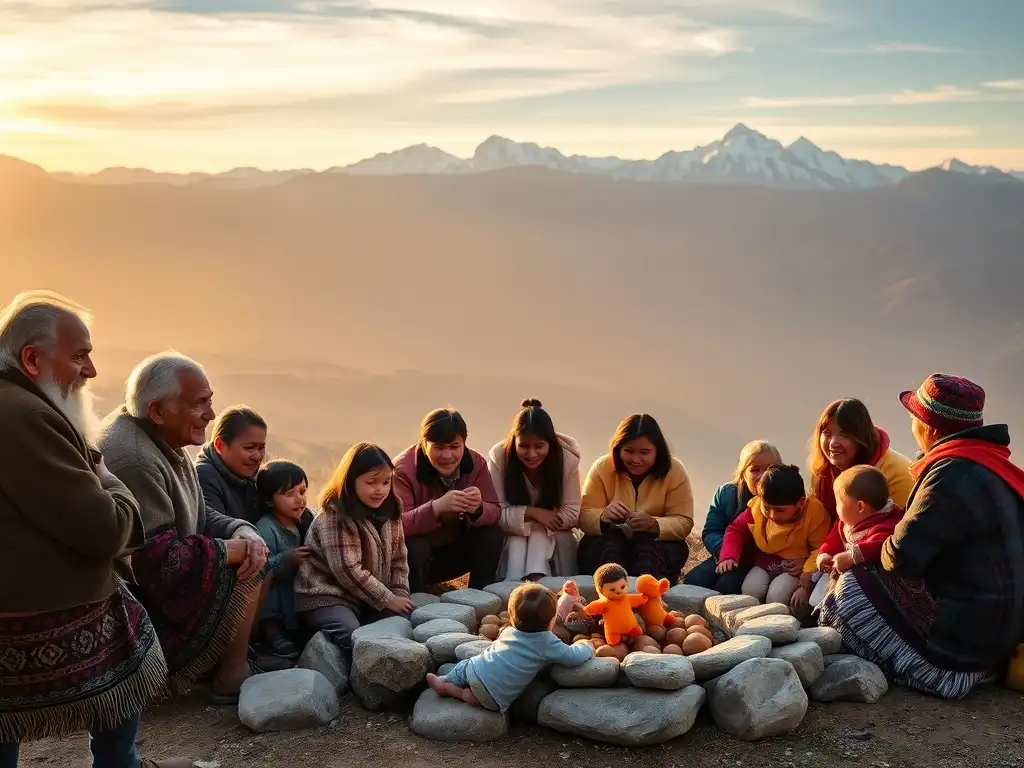
Uncover the secrets whispered on the wind across the Andes Mountains. For centuries, a unique tapestry of life thrived in these towering peaks, shaped by the ingenuity and traditions of its people. But what truly shaped the hearts and minds of the next generation? Dive into the fascinating world of Andean childrearing practices, where the community played a pivotal role in nurturing the future, far beyond the walls of the family home. Journey with us to discover the surprising and deeply moving ways these ancient cultures raised their children, and understand the lasting impact on their magnificent civilizations.
-
The Role of the Community in Shaping Andean Children: Andean Childrearing Practices
- Understanding Andean Social Structures: Family and Community
- The Centrality of the Community in Andean Child Development
- Collective Responsibility in Andean Child Care
- Shared Childcare Practices in Andean Villages
- The Significance of Extended Family in Andean Child Rearing
- Roles of Grandparents and Aunts/Uncles in Andean Child Development
- Transmission of Cultural Knowledge through Community Interaction
- Learning Andean Traditions through Shared Activities
- Oral Storytelling and its Impact on Andean Children's Education
- Community Involvement in Andean Children's Education
- Informal Learning Environments in Andean Communities
- Mentorship and Guidance from Community Elders
- Andean Childrearing Practices: A Holistic Approach
- Integrating Spiritual and Cultural Values in Child Development
- Promoting Community Harmony through Child Education
- The Importance of Play and Exploration in Andean Child Development
- Games and Activities that Reflect Andean Culture
- How Community Activities Foster Social Skills in Andean Children
- Challenges and Changes in Contemporary Andean Childrearing
- Impact of Modernization on Traditional Andean Childcare
- Balancing Tradition and Change in Raising Andean Children Today
- Frequently Asked Questions
- Final Reflection: Weaving the Threads of Andean Childhood
- **Empower Andean Futures: Take Action Now! **
The Role of the Community in Shaping Andean Children: Andean Childrearing Practices
Understanding the complexities of Andean childrearing requires moving beyond a nuclear family-centric perspective. This article delves into the crucial role played by the broader community in shaping the lives and development of Andean children, exploring the intricate web of family and kinship systems that defined their upbringing. We will examine how these practices differed across various Andean cultures, highlighting the collective responsibility for child nurture and socialization, a stark contrast to many modern Western approaches.
By understanding these historical childrearing practices, we gain invaluable insight into the social structures that underpinned the remarkable achievements of these ancient civilizations. This exploration of "Andean childrearing practices" will illuminate the deep-rooted communal values that formed the bedrock of Andean societies and significantly influenced the development of their children.
Andean societies were not characterized by isolated nuclear families. Instead, they were organized around extended family networks and ayllus, kinship groups that traced their lineage back to a common ancestor. These ayllus were fundamental social units, providing economic support, social cohesion, and a crucial framework for childrearing. Children were not solely the responsibility of their parents; the entire community shared in their upbringing. Grandparents, aunts, uncles, and other relatives played significant roles in a child's life, offering guidance, support, and practical assistance.
This collective approach fostered a strong sense of belonging and shared responsibility, significantly impacting the child's social and emotional development. The concept of individual ownership was less prominent; instead, resources and responsibilities were shared communally. This communal structure extended to childcare, with multiple caregivers often contributing to the well-being of each child within the ayllu. [Specific examples of ayllu structures and their impact on childrearing pending].
The Centrality of the Community in Andean Child Development
The community's involvement extended beyond basic care. Children were actively integrated into the social fabric of their ayllus from a very young age. They participated in communal activities, learning valuable skills and adopting societal norms through observation and participation.
This hands-on approach to learning fostered a strong sense of community responsibility and interdependence. Children learned by doing, observing adults performing various tasks related to agriculture, weaving, pottery, and other crafts. This immersive learning experience was far removed from the more formal educational settings common in modern societies.
The social and emotional development of Andean children was directly influenced by the strong communal bonds and the constant interaction with a diverse range of adults and peers within the ayllu. This constant exposure to the community's values and traditions ensured the transmission of cultural knowledge and practices across generations. The absence of formal schooling was compensated by the constant, informal learning embedded within the daily life of the community.
Collective Responsibility in Andean Child Care
The responsibility for a child's well-being was not solely the burden of the parents. In times of hardship, the community rallied together to provide support, ensuring that all children received adequate care and nourishment. This collective responsibility extended to discipline and education.
While parents played a primary role in guiding their children, the entire community contributed to their moral and social development. Older members of the ayllu often served as mentors and role models, imparting traditional knowledge and values. This system of shared responsibility ensured that children were raised within a strong social framework, fostering cooperation, respect, and a deep sense of community.
The absence of a formalized system of childcare was compensated by the active participation of the entire community, creating a rich and supportive environment for the holistic development of Andean children. The emphasis on collective responsibility reflects the deeply ingrained communal values that shaped Andean societies and their enduring legacy.
Andean childrearing practices were, and in some communities still are, deeply rooted in communal support. The concept of individual parenting, as understood in many Western cultures, was largely absent. Instead, childcare was a shared responsibility, with mothers, fathers, siblings, and extended family members all playing active roles. Younger children were often cared for by older siblings, freeing parents to work or attend to other community tasks.
This collaborative approach fostered a strong sense of community and collective responsibility for the well-being of children. For instance, in Quechua communities, it was common to see groups of children playing together, supervised by a rotating cast of older children and adults. This system not only provided childcare but also contributed to the development of social skills and cooperation among children from a young age. The communal nature of childrearing also meant that discipline and guidance were not solely the responsibility of parents; other adults in the village played a crucial role in shaping children's behavior and values.
This collective approach ensured that children learned the social norms and expectations of their communities through multiple perspectives and interactions. The sharing of childcare responsibilities also helped to alleviate the burden on individual families, particularly those with multiple children or limited resources. This system ensured that all children received adequate care and attention, regardless of their family's circumstances.
The Significance of Extended Family in Andean Child Rearing
The extended family played a pivotal role in Andean childrearing practices. The traditional family unit extended far beyond the nuclear family, encompassing grandparents, aunts, uncles, and cousins. These extended family members were not merely peripheral figures; they actively participated in raising children, sharing responsibilities, providing guidance, and transmitting cultural knowledge. Grandparents often played a crucial role in storytelling, imparting traditional values, and preserving cultural heritage.
Aunts and uncles also provided support, often taking on significant childcare responsibilities, particularly when parents were busy working in the fields or attending to other matters. This close-knit family structure provided a strong support network for children, offering them a sense of belonging, security, and stability. The involvement of extended family members also ensured that children received a broad range of perspectives and experiences, enriching their development and preparing them for adult life within the community.
This system fostered strong family bonds and a sense of collective responsibility for the well-being of children within the extended family network. The emphasis on kinship ties and collective responsibility contributed to the social cohesion and stability of Andean communities. Many historical accounts document the crucial role extended family played in ensuring the survival and success of children, particularly during challenging times such as crop failures or illness.
Roles of Grandparents and Aunts/Uncles in Andean Child Development
Grandparents and aunts/uncles occupied distinct yet complementary roles in the development of Andean children. Grandparents, particularly grandmothers, frequently served as primary caregivers, especially for younger children. They were often responsible for teaching children traditional skills, such as weaving, farming, or pottery, passing down valuable knowledge and preserving cultural traditions. Their role extended beyond practical skills; they also played a vital role in transmitting cultural values, beliefs, and stories, shaping the children's understanding of their heritage and place within the community.
Grandfathers, while often involved in teaching practical skills, also frequently played a role in imparting knowledge about community governance, social structures, and the history of the Andean people. Aunts and uncles, on the other hand, often acted as mentors and role models. They provided emotional support, guidance, and supervision, especially when parents were occupied with work or other responsibilities. They also played a significant role in socializing children, teaching them appropriate social behaviors and integrating them into the broader community.
The collaborative efforts of grandparents and aunts/uncles created a rich and supportive environment for children's development, fostering a strong sense of belonging and identity within their extended family and community. This intricate network of support contributed significantly to the social and emotional well-being of Andean children, shaping their understanding of family, community, and their cultural heritage. The combined influence of these family members ensured a holistic approach to child development, encompassing both practical skills and cultural values.
Transmission of Cultural Knowledge through Community Interaction
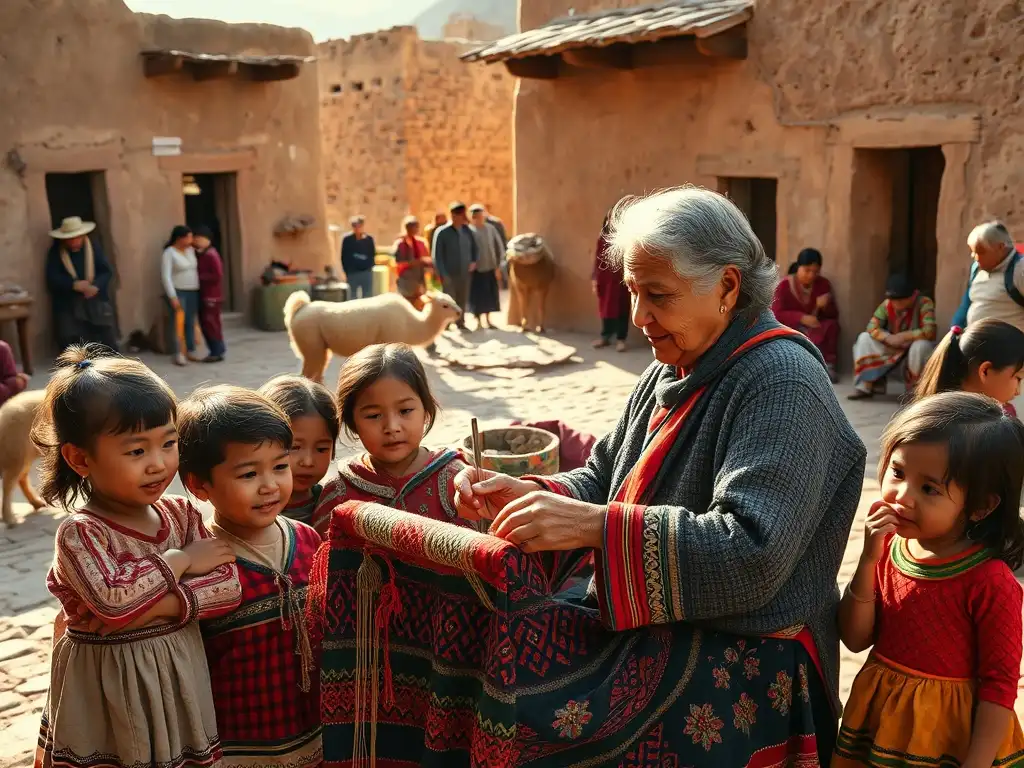
Andean childrearing practices weren't solely the responsibility of parents. The entire community played a crucial role in shaping a child's understanding of their cultural heritage. Children weren't simply passive recipients of information; they actively participated in the transmission of knowledge through observation and imitation. For example, young children would often accompany their parents or other adults to the fields, observing agricultural techniques passed down through generations.
This hands-on approach to learning instilled a deep appreciation for the land and its importance to their way of life. Similarly, participation in community festivals and ceremonies provided opportunities for children to learn about their religious beliefs, social customs, and artistic traditions. The intricate weaving patterns, the rhythmic chants, and the vibrant costumes all contributed to a rich tapestry of cultural learning, woven into the fabric of their everyday lives. The constant presence of elders, actively involved in guiding and instructing the younger generation, further reinforced this communal approach to education.
This immersive experience fostered a deep sense of belonging and identity within the community. It ensured the continuity of Andean traditions, passing knowledge and skills from one generation to the next with remarkable efficiency. The absence of formal schooling in many Andean communities meant that learning was embedded within daily routines and social interactions, making it a seamless and organic process.
Many Andean traditions were learned not through formal instruction, but through active participation in shared activities. Children learned agricultural practices by helping with planting, harvesting, and processing crops. This wasn't just about acquiring skills; it was about understanding the cyclical nature of life and the importance of respecting the land. Similarly, participation in communal weaving projects provided opportunities to learn intricate techniques and designs, preserving ancient patterns and knowledge.
The collaborative nature of these activities instilled a sense of community and teamwork, fostering cooperation and mutual respect. Children also learned about music and dance through participation in communal celebrations and rituals. The rhythmic movements and melodic chants were not merely forms of entertainment but also vehicles for transmitting cultural narratives and historical knowledge. These shared experiences strengthened social bonds and reinforced a sense of collective identity.
The process was often informal, with younger children observing and imitating the actions of older children and adults. This hands-on, experiential learning fostered a deep understanding and appreciation of Andean traditions, far exceeding what could be achieved through passive observation or rote learning. The skills acquired weren't just practical; they were also deeply symbolic, representing a connection to their ancestors and their shared cultural heritage.
Oral Storytelling and its Impact on Andean Children's Education
Oral storytelling played a pivotal role in Andean childrearing practices, serving as a primary means of education and cultural transmission. Stories passed down through generations weren't merely entertaining narratives; they conveyed moral lessons, historical knowledge, and practical skills. Myths and legends about the origins of the world, the exploits of heroes, and the importance of community cooperation provided a framework for understanding their place in the cosmos and their responsibilities within society. These narratives weren't static; they evolved over time, reflecting changing circumstances and adapting to new challenges.
The act of storytelling itself was a communal event, often taking place around a fire or in a central gathering place. Children would listen intently, absorbing not only the words but also the tone, rhythm, and emotional nuances of the storyteller's voice. This immersive experience fostered a deep connection to their cultural heritage, shaping their values, beliefs, and worldview. The stories served as a repository of ancestral wisdom, guiding children towards responsible adulthood and reinforcing the importance of collective well-being.
Different age groups often heard different versions of the same stories, with the complexity and depth of the narratives tailored to the children's cognitive development. The use of metaphors, symbolism, and vivid imagery ensured that the lessons were both memorable and engaging, creating a lasting impact on the young minds. This oral tradition ensured the preservation and transmission of cultural knowledge across generations, a testament to the power of storytelling in shaping Andean identities.
Community Involvement in Andean Children's Education
Andean childrearing practices weren't solely the responsibility of parents. The community played a vital, interwoven role in a child's education, extending far beyond the formal schooling that existed in some areas. This communal involvement fostered a strong sense of belonging and shared responsibility for the younger generation's development. For example, in many communities, children learned practical skills like weaving, pottery, or agriculture through observation and participation in the daily activities of adults.
This hands-on approach, deeply embedded in the fabric of daily life, provided a rich and experiential learning environment. The process wasn't merely about skill acquisition; it was about integrating children into the community's economic and social structures, teaching them the values and responsibilities associated with their roles within the community. This holistic approach to education ensured that children were not only skilled but also deeply connected to their cultural heritage and social fabric.
The transmission of knowledge wasn’t confined to a classroom; it was a continuous, immersive experience. The community's active participation helped shape the child's understanding of their place in the world, fostering a sense of identity deeply rooted in their cultural context. This community-based education system, therefore, effectively complemented and often surpassed any formal schooling available.
Informal Learning Environments in Andean Communities
The Andean landscape itself served as a vast and dynamic classroom. Children learned through observation and participation in activities like herding livestock, cultivating crops, or gathering resources. These activities weren’t just chores; they were essential learning experiences that instilled practical skills, problem-solving abilities, and an understanding of the natural world. The environment played a crucial role in shaping children’s understanding of resource management, seasonal changes, and environmental stewardship – skills crucial for survival and sustainability within their Andean context.
Furthermore, storytelling, song, and dance were integral parts of informal learning. These traditions passed down through generations conveyed moral values, historical narratives, and cultural knowledge. Children learned about their ancestors, their history, and their place within a larger, interconnected community through these engaging and memorable forms of instruction.
Play also played a significant role, with children often mimicking adult activities and developing social skills through imaginative games and collaborative play. These informal learning environments fostered creativity, adaptability, and a deep connection to the natural and cultural heritage of the Andes. The holistic nature of this learning, integrating practical skills, cultural knowledge, and social interaction, prepared children for a successful and fulfilling life within their communities.
Mentorship and Guidance from Community Elders
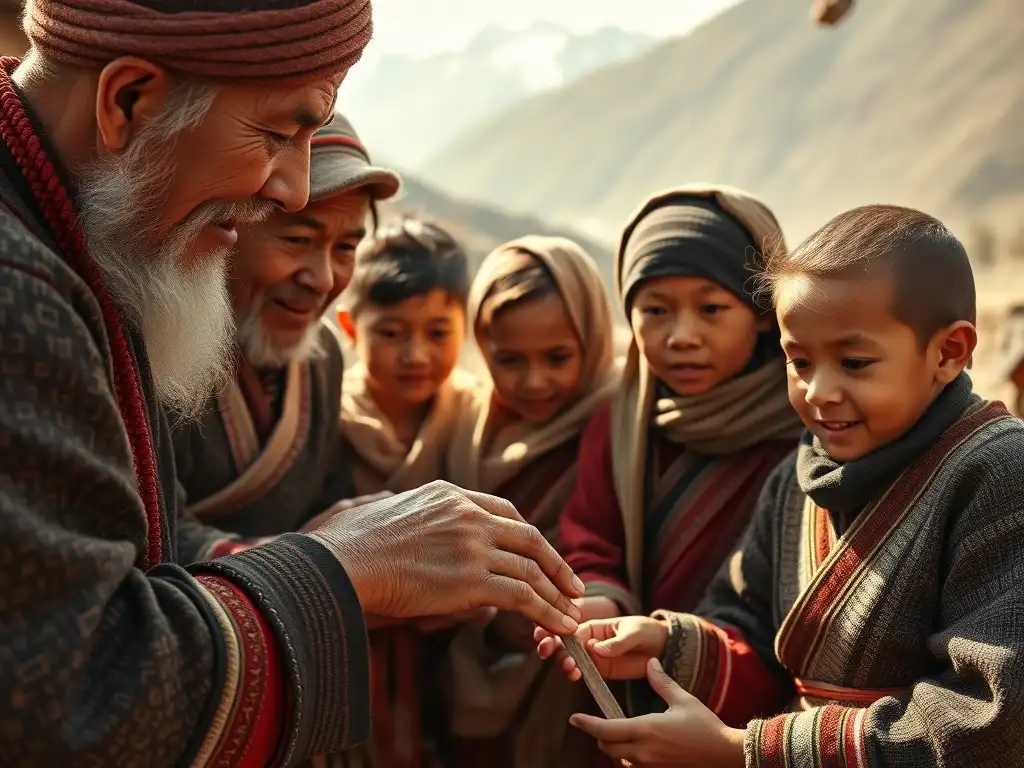
Elderly members of the community held a position of immense respect and played a crucial role in shaping younger generations. Their wisdom, acquired through years of experience, offered valuable guidance and mentorship to children. Elders often shared stories, proverbs, and traditional knowledge, imparting valuable life lessons and cultural insights. This mentorship wasn't solely didactic; it was a deeply personal and relational process.
Elders served as role models, demonstrating the values and behaviors expected of community members. Their active participation in the community's daily life provided children with tangible examples of responsible citizenship and social contribution. This intergenerational connection fostered a sense of continuity and cultural preservation. The respect given to elders reinforced the importance of family history and community traditions, creating a strong sense of identity and belonging for the younger generation.
The wisdom and experience of elders provided a crucial counterpoint to the more immediate concerns of parents, offering a broader perspective on life and its challenges. This system of mentorship enriched the child's development, providing both practical skills and a deep understanding of the community's values and traditions. The role of elders in Andean childrearing practices, therefore, was essential in shaping well-rounded individuals integrated into their communities.
Andean Childrearing Practices: A Holistic Approach
Andean childrearing practices weren't solely the responsibility of parents; the entire community played a crucial role. This holistic approach encompassed physical, emotional, and spiritual development, ensuring children were well-rounded individuals prepared for their roles within society. Unlike many Western models that emphasize individual achievement, Andean cultures prioritized community well-being.
Children weren't raised in isolation but within a supportive network of extended family, neighbors, and community elders. This collective nurturing fostered a strong sense of belonging and shared responsibility for the child's upbringing. Practical skills, like farming, weaving, and animal husbandry, were taught from a young age, integrating children directly into the community's economic and social fabric.
This hands-on learning wasn't solely about skill acquisition; it instilled a deep appreciation for communal work and interdependence. The emphasis was less on individual competition and more on cooperative effort, a value deeply embedded in Andean societies. The success of the child wasn't measured solely by individual accomplishments but by their contribution to the community's overall well-being.
Integrating Spiritual and Cultural Values in Child Development
Spiritual and cultural values were intrinsically woven into Andean childrearing. Stories, songs, and rituals passed down through generations instilled a deep understanding of their ancestral heritage and connection to the natural world. Children learned about their cosmology, the significance of mountains, rivers, and celestial bodies, and their place within the broader ecosystem.
This wasn't just rote memorization; it fostered a profound respect for nature and a sense of responsibility towards its preservation. The Pachamama (Mother Earth) played a central role in their worldview, shaping their understanding of reciprocity and balance within the environment. Children were taught the importance of Ayni, the principle of reciprocity and mutual support, emphasizing the interconnectedness of all beings.
Religious ceremonies and festivals provided opportunities for children to actively participate in community life, reinforcing their cultural identity and strengthening their connection to their heritage. These practices weren't simply religious observances; they were integral components of their social fabric, shaping their moral compass and guiding their interactions with others. The transmission of these values ensured the continuity of Andean traditions and cultural practices across generations.
Promoting Community Harmony through Child Education
Education in Andean communities wasn't confined to formal schooling; it was a continuous process of learning by doing, embedded within daily life. Children learned through observation, imitation, and participation in community activities. This informal education fostered a strong sense of social responsibility and cooperation. The emphasis was on practical skills and social values rather than abstract concepts.
The community's collective wisdom and knowledge were shared freely, ensuring that children received a comprehensive education that extended beyond the confines of the family. Elders played a vital role in mentoring and guiding younger generations, transmitting traditional knowledge, skills, and cultural values. Conflict resolution was a key aspect of this education, teaching children the importance of diplomacy, empathy, and understanding different perspectives.
The aim was not just to resolve disputes but to foster harmonious relationships within the community. This emphasis on community harmony contributed to the stability and resilience of Andean societies, demonstrating a profound understanding of the interconnectedness between individual well-being and the overall health of the community. The child's education was thus a crucial element in maintaining social cohesion and promoting a sense of collective identity.
The Importance of Play and Exploration in Andean Child Development
Play wasn't merely recreation for Andean children; it was a crucial component of their cognitive, social, and emotional development. Unlike modern structured playdates, Andean children's play was often unstructured, allowing for spontaneous exploration and creativity. This free-form play fostered problem-solving skills, resourcefulness, and adaptability – qualities essential for survival in the challenging Andean environment.
Children learned to navigate their surroundings, understanding the terrain, flora, and fauna through direct interaction. For example, mimicking the activities of adults, such as herding llamas or tending crops, provided a valuable hands-on education and instilled a deep understanding of their environment and community responsibilities. This approach to learning was far more holistic than a purely academic approach, preparing children for the practical realities of Andean life.
The emphasis was on learning by doing, fostering independence and self-reliance from a young age. Observations of children's play also revealed intricate social dynamics, demonstrating how early interactions laid the groundwork for future community roles and responsibilities.
Games and Activities that Reflect Andean Culture
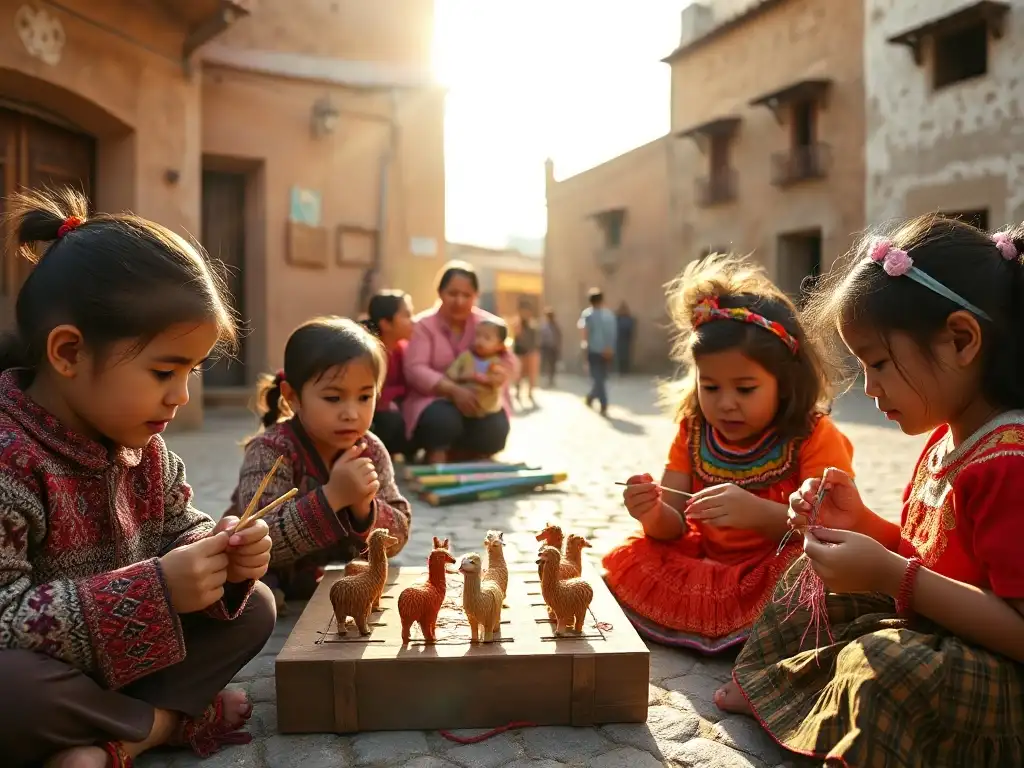
Many games and activities directly mirrored the cultural practices and values of the Andean communities. For instance, games involving miniature versions of agricultural tools or animal figurines reflected the importance of agriculture and animal husbandry. These weren't simply toys; they were tools for learning. Children learned about different crops, animal behaviors, and the processes involved in food production through playful imitation.
Similarly, storytelling played a vital role, transmitting history, mythology, and moral values across generations. These stories, often accompanied by music and dance, served as a form of cultural education, shaping children's understanding of their heritage and place within the community. Furthermore, traditional Andean music and dance were integral parts of children's play, fostering coordination, rhythm, and a sense of collective identity.
The intricate steps and patterns of these dances reflected the community's history and social structure, subtly teaching children about their cultural heritage. These activities weren't just fun; they were a crucial part of the process of cultural transmission. [Specific examples of games and their cultural significance pending]
Community involvement was paramount in shaping Andean children's social development. From a young age, children participated in communal activities, such as harvesting, weaving, or religious ceremonies. These experiences fostered collaboration, teamwork, and a sense of shared responsibility. Children learned the importance of cooperation and mutual support through direct participation in these community events.
Furthermore, observing and interacting with adults during these activities provided valuable lessons in social etiquette, respect for elders, and community norms. The hierarchical structures within Andean societies were reflected in children's interactions, teaching them about social roles and responsibilities. For example, children learned to defer to elders, showing respect and obedience.
Moreover, participation in communal rituals and celebrations strengthened community bonds and instilled a sense of belonging. This fostered a strong sense of collective identity and social cohesion, which was vital for the survival and prosperity of the community. The emphasis on collective well-being created a supportive environment where children learned to value social harmony and cooperation, essential components of Andean childrearing practices.
Challenges and Changes in Contemporary Andean Childrearing
Contemporary Andean childrearing faces numerous challenges stemming from rapid societal shifts. Globalization, urbanization, and migration have significantly altered traditional family structures and support systems. Extended family networks, once the cornerstone of childrearing, are often geographically dispersed, leaving parents with less readily available assistance.
This can lead to increased stress and a greater burden on individual families, particularly in rural areas where access to resources and support services remains limited. Furthermore, the influx of external influences, including media and consumerism, can clash with traditional values and practices, creating generational tensions and impacting children's cultural identity. Economic pressures also play a significant role, with many families struggling to balance the demands of modern life while maintaining traditional childrearing practices.
The resulting tension between upholding traditional values and navigating the complexities of the modern world creates unique challenges for Andean parents striving to raise well-adjusted children. For instance, the increasing prevalence of single-parent households in some Andean communities presents new difficulties in providing the holistic care traditionally offered within extended family structures. These changes necessitate a deeper understanding of the evolving needs of Andean families and the development of supportive policies and programs to address these emerging challenges.
Impact of Modernization on Traditional Andean Childcare
Modernization has profoundly impacted traditional Andean childcare practices. The introduction of formal education systems, while offering opportunities for advancement, has also altered the role of children within the family and community. Traditional apprenticeship models, where children learned skills directly from elders, are gradually being replaced by formal schooling, potentially leading to a decline in the transmission of traditional knowledge and crafts.
Access to healthcare has improved, reducing child mortality rates, but has also introduced new health challenges related to lifestyle changes and the adoption of Western diets. Technological advancements, such as the widespread use of smartphones and the internet, expose children to new forms of information and entertainment, but also raise concerns about their impact on social interaction and cultural preservation. The increasing prevalence of migration, both internal and international, disrupts family ties and traditional support systems, impacting the continuity of cultural practices in childrearing.
For example, the shift from primarily agrarian economies to more urbanized settings has altered family dynamics, leading to changes in parenting styles and expectations. These transformations necessitate a critical examination of the long-term effects of modernization on the well-being and cultural identity of Andean children. Careful consideration must be given to strategies that can preserve beneficial aspects of traditional childcare while adapting to the realities of the modern world.
Balancing Tradition and Change in Raising Andean Children Today
Successfully navigating the challenges of contemporary Andean childrearing requires a delicate balance between preserving valuable traditional practices and adapting to the realities of a rapidly changing world. This necessitates a thoughtful and nuanced approach that acknowledges both the strengths of traditional methods and the benefits of modern advancements. For example, while maintaining the emphasis on community involvement in raising children remains crucial, incorporating modern educational resources and healthcare services can enhance the overall well-being of children.
Similarly, promoting intergenerational dialogue can help bridge the gap between traditional values and modern influences, fostering a sense of cultural continuity and identity among younger generations. Parents and communities can actively work to integrate traditional storytelling, crafts, and community rituals into children's lives, enriching their cultural understanding and fostering a strong sense of belonging. Furthermore, supporting initiatives that promote access to quality education and healthcare in rural areas can address inequalities and ensure that all Andean children have the opportunity to thrive.
Ultimately, a successful approach involves empowering Andean families and communities to make informed choices that best meet the unique needs of their children while preserving the rich cultural heritage of the Andes. This requires a collaborative effort involving families, communities, governments, and organizations dedicated to supporting the well-being of Andean children. This collaborative approach is essential for ensuring a future where traditional values are cherished while children are equipped with the skills and knowledge necessary to succeed in the modern world.
Frequently Asked Questions
How did Andean communities contribute to childcare?
Andean communities played a vital role in collective childcare. Extended family members, neighbors, and even the wider community often shared the responsibility of raising children, providing support and guidance to parents. This fostered a strong sense of shared responsibility for the well-being of all children.
What were some common Andean childrearing beliefs?
Andean cultures emphasized the importance of community values and respect for elders. Children were taught to contribute to the community from a young age and were instilled with a strong sense of social responsibility and interconnectedness. Spiritual beliefs also heavily influenced upbringing.
Did the environment impact Andean childrearing practices?
The harsh Andean environment significantly shaped childrearing practices. Children learned practical skills like farming and herding at a young age, contributing to family survival. Their resilience and adaptability were highly valued, reflecting the challenges of their surroundings.
While community involvement was prevalent across all classes, social status influenced the specifics of upbringing. Elite children might receive more specialized education or training, but all children were expected to contribute to society. The level of access to resources varied.
What role did storytelling and tradition play in Andean education?
Oral traditions and storytelling were crucial in transmitting knowledge, values, and history across generations. These narratives instilled a sense of cultural identity and taught children about their ancestors, community, and the natural world. This formed the basis of their education.
Final Reflection: Weaving the Threads of Andean Childhood
The enduring strength of Andean communities in shaping their children's lives remains a powerful testament to the importance of collective responsibility. This interconnectedness, far from being a relic of the past, offers crucial lessons for contemporary societies grappling with issues of child development, social cohesion, and cultural preservation. The intricate web of familial, communal, and spiritual support detailed in this article provides a compelling alternative to increasingly individualistic approaches to parenting.
The profound impact of Andean childrearing practices extends far beyond the immediate family unit, shaping not only individual identities but the very fabric of Andean society. These practices, rooted in a deep respect for ancestral wisdom and the interconnectedness of all living things, foster a sense of belonging and shared responsibility that is often lacking in modern contexts. The child is not merely an individual, but a thread in the tapestry of the community.
This quote, though not directly from an Andean source, encapsulates the essence of the communal approach to raising children explored throughout this article. It highlights the enduring power of collective support in nurturing the next generation.
Consider, for a moment, the ways in which your own upbringing was shaped by community influences, both positive and negative. How might incorporating elements of the Andean model – the emphasis on shared responsibility, the integration of spiritual and cultural practices, and the prioritization of community well-being – enrich your own approach to parenting, mentorship, or simply interacting with the young people in your life? Let the wisdom of the Andes inspire you to build stronger, more supportive communities, where every child has the opportunity to thrive.
**Empower Andean Futures: Take Action Now! **
Thank you for your interest in the vital role communities play in raising Andean children. Your engagement demonstrates a commitment to fostering future generations and preserving rich cultural traditions. Let's translate this passion into action!
- **Support a local organization** working with Andean families—your time and talents can make a real difference.
- **Share this information** with your network to raise awareness about the importance of collaborative efforts in education and childcare.
- **Explore resources** that highlight Andean heritage and consider how you can incorporate these traditions into your life or community initiatives.
How will you help build stronger communities for Andean children? We welcome your thoughts and ideas in the comments below!