
Valdivia and the Spondylus Shell: A Symbol of Power and Prestige

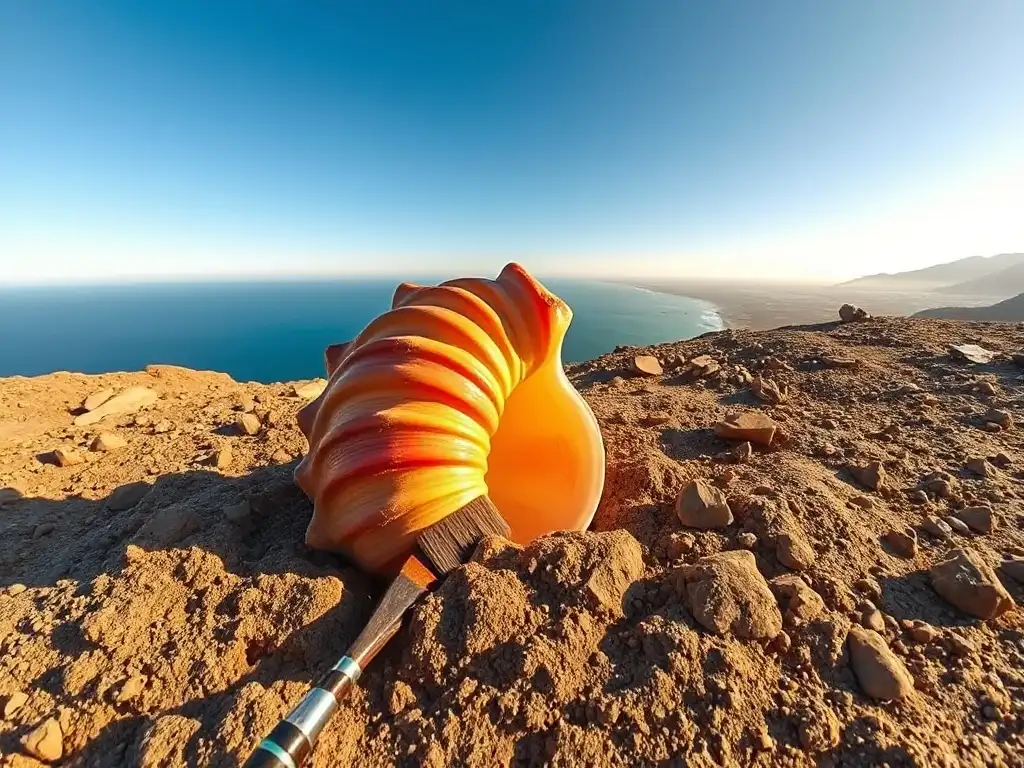
Step into a world lost to time, yet echoing with power and mystery. Journey with us to the ancient coastlines of South America, where the vibrant Andean civilizations flourished. Uncover the secrets held within the Valdivia Spondylus shell, a symbol of immense prestige and power whose meaning continues to fascinate archaeologists and historians alike. Prepare to be captivated by the untold stories of these remarkable pre-Incan cultures and their intricate relationship with the sea. Discover the significance of this enigmatic shell and the rich legacy it left behind – your exploration begins now.
The Valdivia culture, flourishing along the coast of present-day Ecuador from approximately 3500 to 1800 BCE, stands as one of the earliest known complex societies in South America. Remarkably advanced for its time, Valdivia is renowned for its sophisticated ceramic artistry, intricate weaving techniques, and surprisingly complex social structures.
Central to understanding this complexity is the prominent role of the Spondylus shell, a vibrant, reddish-orange shell sourced from the waters off the coast of the Gulf of Guayaquil. This article delves into the significance of the Spondylus shell within Valdivia society, exploring its symbolic power, its function as a luxury good, and its overall contribution to the understanding of this fascinating pre-Columbian culture.
Understanding the meaning behind the Valdivia Spondylus shell offers a key to unlocking a deeper appreciation of their social hierarchy, religious beliefs, and economic systems. The rarity and difficulty in obtaining this shell elevated it far beyond a simple material, transforming it into a potent symbol of power, prestige, and perhaps even divinity.
The Significance of the Spondylus Shell in Valdivia Culture
The Spondylus shell wasn't just a decorative element in Valdivia society; it held profound symbolic meaning. Archaeological evidence suggests its use in a variety of contexts, indicating a deeply ingrained cultural significance. For example, fragments of Spondylus shells have been found in elite burials, often associated with other prestigious artifacts. This suggests a connection between the shell and high social status, perhaps even indicating a link to religious or ceremonial practices.
Furthermore, the shells weren't simply buried with the deceased; they were meticulously crafted into beads, pendants, and other ornaments. The craftsmanship involved in these objects points to specialized artisans and a dedicated production system. This suggests a level of social organization and economic complexity beyond what might be expected of a society of that era. The laborious process of collecting, processing, and crafting the Spondylus shells further reinforces its high value and the cultural significance attributed to it.
The vibrant color of the Spondylus shell—a striking reddish-orange—likely also contributed to its symbolic importance. In many cultures, red is associated with power, life force, and even divinity. The rarity of the shell, coupled with its striking color, would have further enhanced its value and symbolic power within Valdivia society. Further research is needed to fully understand the nuanced meanings associated with the Spondylus shell within the Valdivia cosmology, but its prominent presence in archaeological contexts strongly suggests a central role in their worldview.
Spondylus Shell as a Luxury Item in Valdivia Society
The distribution of Spondylus shell artifacts wasn't uniform across Valdivia settlements. Archaeological findings reveal a concentration of these artifacts in elite contexts, suggesting that access to and possession of Spondylus shell objects was restricted to a privileged class. This uneven distribution underscores the shell's role as a luxury item, reflecting social hierarchies and economic inequalities within Valdivia society.
The effort required to obtain Spondylus shells further contributed to their status as a luxury good. The shells were harvested from offshore waters, requiring specialized knowledge, equipment, and potentially considerable risk. This process would have limited access to the shells to those with the resources and expertise to undertake such ventures.
This controlled access likely contributed to the shell’s symbolic value, making it a powerful marker of social distinction. The fact that the shells were worked into intricate ornaments further demonstrates the value placed on them; the time and skill invested in transforming raw materials into elaborate artifacts solidified their position as high-status goods. The rarity, the effort involved in acquisition, and the skill required in crafting, all contributed to making the Spondylus shell a powerful symbol of wealth and social status within Valdivia culture.
The use of Spondylus shell in Valdivia society provides compelling evidence of a complex social structure and a sophisticated understanding of resource management and symbolic representation, solidifying its place as a crucial element in understanding this significant pre-Columbian civilization.
- The Significance of the Spondylus Shell in Valdivia Culture
- Spondylus Shell as a Luxury Item in Valdivia Society
- What is the significance of the Spondylus shell in Andean cultures?
- Why was the Spondylus shell so important to the Valdivia culture?
- How far did the Spondylus shell trade network reach?
- What types of artifacts were made using Spondylus shells by the Valdivia?
- How does the Valdivia use of Spondylus compare to other Andean cultures?
Valdivia Spondylus Shell Meaning: Decoding its Importance
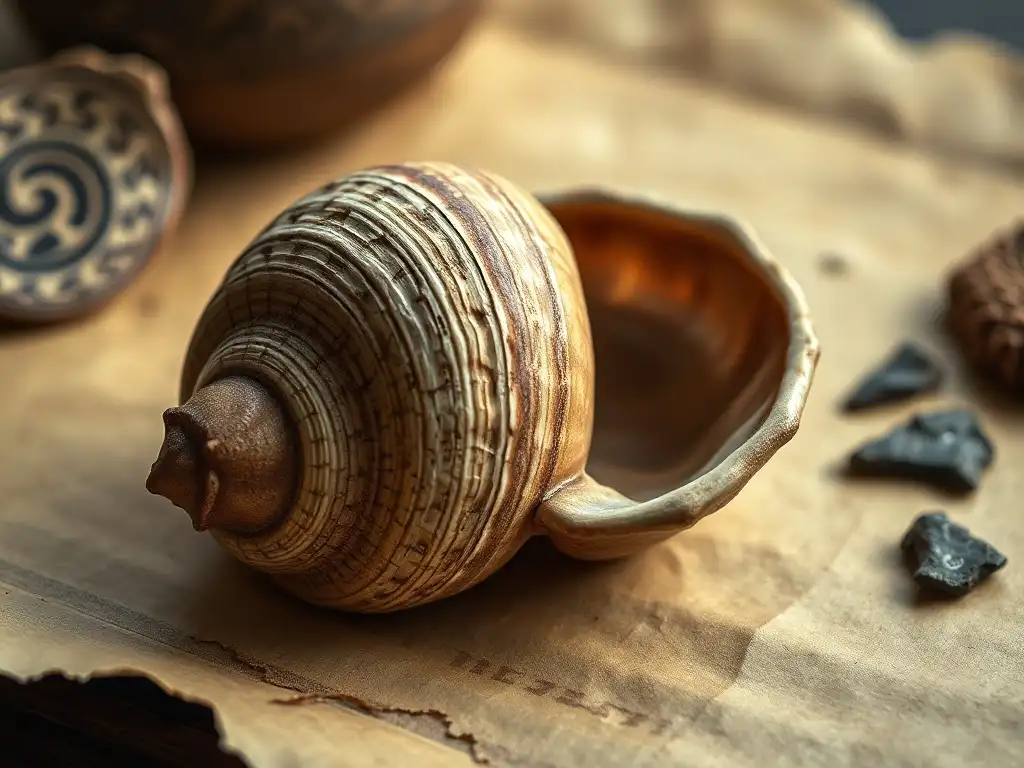
The Valdivia culture, flourishing along the coast of present-day Ecuador from approximately 3500 to 1800 BCE, left behind a remarkable legacy, particularly evident in its intricate use of the Spondylus shell. This vibrant red-orange shell, sourced from the warmer waters of the Gulf of Guayaquil and beyond, held profound significance for the Valdivia people, far exceeding its purely aesthetic value. Understanding the Valdivia Spondylus shell meaning requires exploring its multifaceted roles in religious practices, social structures, and extensive trade networks.
This section delves into the intricate tapestry of meaning woven around this remarkable marine resource, revealing its importance as a symbol of power, prestige, and connection within Valdivian society. The keyword "Valdivia Spondylus shell meaning" is central to our exploration, revealing the nuances of its cultural importance.
The Religious and Ritualistic Significance of Spondylus
The Spondylus shell's bright, striking color likely resonated deeply with Valdivian spirituality. Its presence in numerous archaeological contexts strongly suggests its use in rituals and religious ceremonies. Many excavated artifacts, including intricately carved figurines and beads, are made from Spondylus, indicating its sacred status. The shells themselves often show evidence of deliberate modification, such as careful polishing and piercing for use in necklaces or other adornments.
This suggests a ritualistic preparation before their use. Furthermore, the discovery of Spondylus shells alongside burial sites points to their importance in funerary rites. The consistent presence of Spondylus in these contexts firmly establishes its role in the Valdivia worldview. The precise nature of these rituals remains somewhat mysterious, but the sheer quantity and careful treatment of the shells suggest a vital connection between the Spondylus and the spiritual beliefs of the Valdivia.
It is possible that the shell's vibrant color symbolized life, fertility, or the power of the sea itself. Further research into Valdivian iconography may shed more light on the symbolic meaning attributed to the Spondylus in their religious practices. The rarity of the Spondylus shell further underscores its perceived sacredness.
The distribution and use of Spondylus shells within Valdivian settlements reveal a clear correlation between access to these shells and social status. Analysis of archaeological finds shows that Spondylus artifacts were not evenly distributed throughout the population. Elaborately carved Spondylus objects, such as pendants and beads, were predominantly found in elite contexts, such as larger houses or prominent burial sites.
This suggests that the control and distribution of Spondylus were closely tied to social hierarchy. The possession of Spondylus items likely served as a visual marker of wealth and power, signifying high social standing within the Valdivian community. The meticulous craftsmanship evident in many Spondylus artifacts further emphasizes their value as symbols of prestige.
The rarity and the labor-intensive process of carving and shaping the shell into intricate designs increased the value of Spondylus artifacts, making them exclusive possessions of the elite. This unequal distribution strongly supports the interpretation of Spondylus as a significant indicator of social stratification within Valdivian society.
Trade and Exchange: The Role of Spondylus in Valdivia Networks
The presence of Spondylus shells in Valdivian sites far from their natural habitat demonstrates the existence of extensive trade networks connecting different parts of the Andean coast. The Valdivia people were not only skilled artisans but also active participants in a complex system of exchange that extended over considerable distances. The Spondylus shell, being a highly valued commodity, played a central role in this exchange system.
The shells served not only as a medium of exchange but also as prestigious goods in themselves. The sheer distance between Valdivian settlements and the Spondylus sources implies the existence of organized trade routes and possibly specialized traders. This trade would have facilitated the exchange of other goods and resources, enriching the Valdivian culture and promoting economic and social interactions across different regions.
Analysis of Spondylus shell morphology and chemical composition could potentially reveal the specific sourcing locations and the pathways of these trade routes, offering further insights into the Valdivia's economic and social connections. The Spondylus shell, therefore, was not only a symbol of power and prestige, but also a crucial facilitator of inter-regional exchange and cultural interaction within the ancient Andean world. This intricate network further underlines the importance of understanding the "Valdivia Spondylus shell meaning" within the broader context of Andean trade and communication.
The Crafting and Use of Spondylus Shell in Valdivia Art
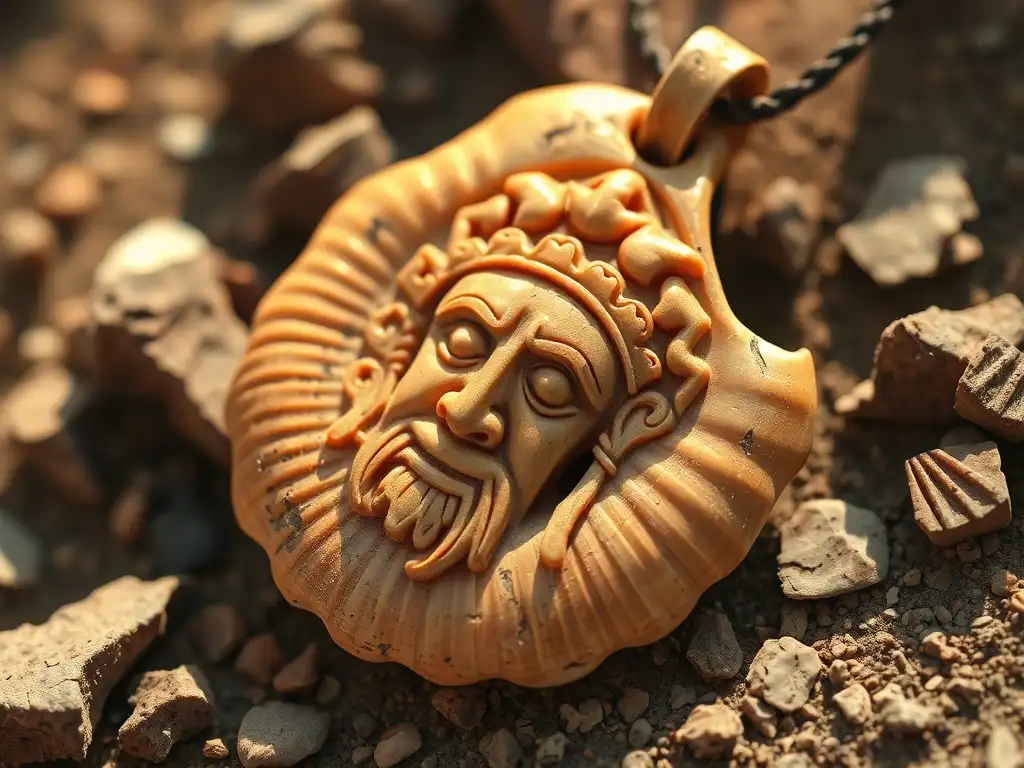
The Valdivia culture's sophisticated use of the Spondylus shell, a vibrant red mollusk shell sourced from the warmer waters of the Ecuadorian coast, showcases their advanced craftsmanship and understanding of symbolic representation. The procurement of Spondylus shells likely involved extensive trade networks, highlighting the importance of this resource within their society. The shells weren't simply collected; they were meticulously transformed into stunning artifacts reflecting power, prestige, and likely, religious significance.
The Valdivia people possessed a deep understanding of the material properties of Spondylus, utilizing its hardness and vibrant color to create a range of objects. This mastery of the material, combined with the shell's inherent rarity, elevated Spondylus artifacts to symbols of high status within the Valdivia social hierarchy. The prevalence of Spondylus in Valdivia burials further supports its importance as a marker of social standing and possibly a connection to spiritual beliefs.
Analyzing the distribution of Spondylus artifacts across different Valdivia sites could reveal more about the social organization and trade routes of the culture. Further research into the chemical composition of the pigments used in conjunction with Spondylus could shed light on the Valdivia's technological advancements and artistic practices.
Techniques for Working with Spondylus Shells
Valdivia artisans employed a remarkable array of techniques to shape and embellish Spondylus shells. Evidence suggests they used abrasive tools, possibly made from stone or shell itself, to carefully grind and shape the hard material into beads, pendants, and other decorative items. The creation of intricate carvings and designs required considerable skill and patience, demonstrating a high level of technical proficiency.
Some Spondylus artifacts exhibit polished surfaces, indicating the use of smoothing techniques. The precision and artistry involved in creating these pieces suggest a specialized craft, possibly undertaken by skilled artisans within the community. [Specific details on the types of abrasive tools used pending].
The creation of perforations in the shells for stringing into necklaces or other adornments also required specialized tools and techniques. The lack of readily available metal tools suggests the ingenuity of the Valdivia people in adapting available materials to create intricate and durable artifacts. These techniques, passed down through generations, played a crucial role in shaping the unique artistic identity of the Valdivia culture.
Types of Spondylus Shell Artifacts from Valdivia Culture
The Valdivia culture produced a diverse range of artifacts from Spondylus shells. These range from simple beads and pendants to more complex objects like carved figurines and shell ornaments. Beads, often cylindrical or discoidal in shape, were commonly used in necklaces and other forms of body adornment. Pendants frequently featured simple geometric designs or stylized animal representations, showcasing the Valdivia's artistic sensibilities.
Larger pieces of Spondylus were sometimes carved into figurines, although these are less common than beads and pendants. The size and complexity of the artifacts varied, likely reflecting differences in social status or the intended use of the object. [Further research is needed to fully catalog the diverse range of Spondylus artifacts discovered]. The presence of Spondylus in burials suggests that these artifacts held significant social and possibly religious meaning for the Valdivia people.
The distribution and typology of these artifacts can be used to reconstruct aspects of Valdivia social organization, trade networks, and religious practices. A detailed analysis of their iconography could also reveal important insights into Valdivia cosmology and belief systems. The rarity and beauty of Spondylus artifacts likely contributed to their status as prized possessions.
Spondylus Shell Adornments: A Mark of Distinction
The use of Spondylus shell adornments in Valdivia society serves as a strong indicator of social stratification. The rarity of the material, coupled with the skill required to work it, ensured that Spondylus artifacts were not readily available to everyone. The presence of Spondylus beads and pendants in elite burials strongly suggests that these items were markers of high social status. Individuals adorned with Spondylus jewelry likely held positions of power or prestige within their communities.
The careful placement of Spondylus artifacts within burials further underscores their importance as grave goods, potentially reflecting beliefs about the afterlife. The size and quality of the Spondylus artifacts could also have indicated the relative social standing of the deceased. [Data on the correlation between Spondylus artifact size/quality and burial context pending]. The use of Spondylus as a symbol of power and prestige highlights the important role of trade and resource control in shaping Valdivia social structures.
Analyzing the distribution of Spondylus artifacts across different sites could help researchers understand patterns of social interaction and exchange within the Valdivia culture. The vibrant red color of the Spondylus shell, contrasting with the earth tones of the surrounding environment, may have further enhanced its symbolic value as a representation of power and status. The Valdivia Spondylus shell meaning therefore extends beyond mere aesthetics; it speaks volumes about the social and symbolic organization of this fascinating pre-Columbian culture.
The Spondylus Shell's Journey: From the Sea to Valdivia
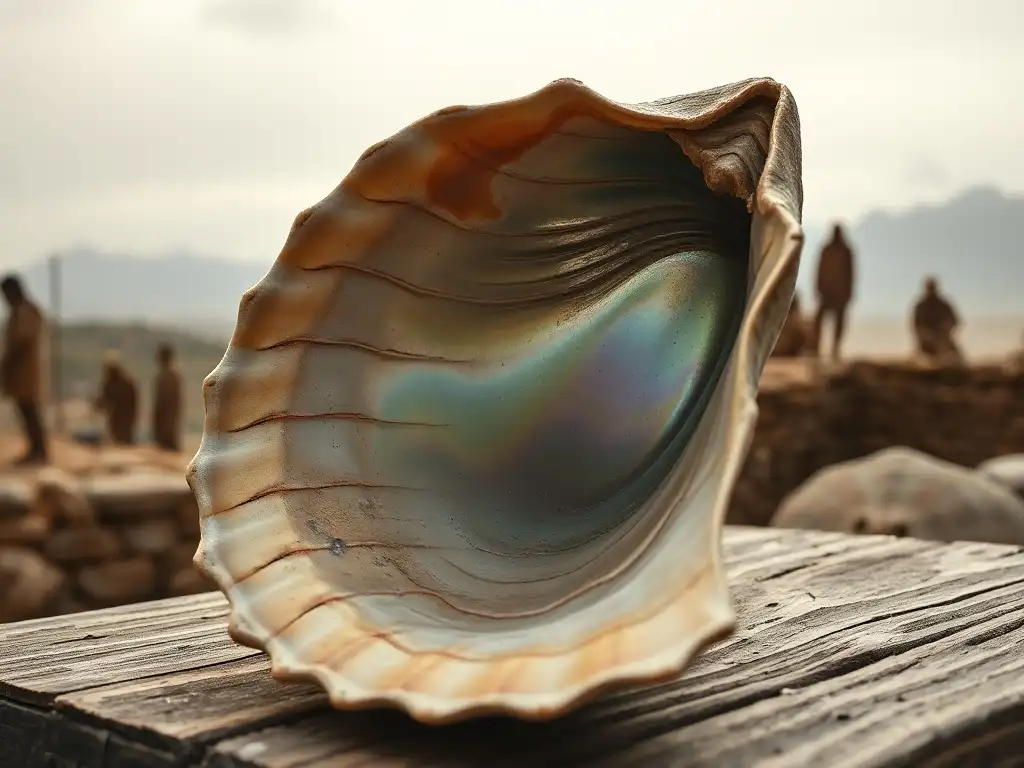
The spondylus shell, a vibrant crimson-orange mollusk, holds a significant place in understanding the Valdivia culture and its sophisticated social structure. Its journey from the ocean depths to the hands of Valdivian artisans reveals a complex system of trade, social hierarchy, and symbolic meaning. The "Valdivia Spondylus shell meaning" is deeply intertwined with these aspects, reflecting a society that valued both material wealth and spiritual significance. This section will explore the acquisition and use of this precious resource, highlighting the logistical challenges and the cultural implications of its presence in Valdivian settlements.
The Geographic Origins of the Spondylus Shell
The Spondylus shell, specifically Spondylus princeps, didn't grow near Valdivia settlements. Its primary habitat was the warm waters of the Gulf of Guayaquil, in present-day Ecuador, hundreds of kilometers south of the Valdivia region. This geographical distance underscores the remarkable effort required to obtain these shells.
The Valdivians weren't simply collecting shells from a nearby beach; they were actively engaging in long-distance trade or exchange networks to acquire this highly valued commodity. The sheer effort involved in procuring spondylus shells, considering the technologies and transportation methods available to the Valdivians, highlights the importance the shells held within their society.
The consistent presence of spondylus in Valdivian sites speaks volumes about their established trade connections and the societal value placed on this exotic resource. The journey of the spondylus shell, from its origin in the ocean to its final resting place in Valdivian graves and ceremonial contexts, is a testament to their extensive trade networks.
Valdivia's Access to Spondylus: Trade Routes and Networks
How did the Valdivians access these distant shells? Evidence suggests a complex system of exchange and trade networks. While precise details remain elusive, [specific information pending on established trade routes], archaeological findings point towards established interactions with coastal communities further south. The presence of other exotic materials in Valdivian sites, like obsidian from Andean sources, further supports the existence of extensive trade routes.
These networks likely involved a combination of direct exchange, perhaps through reciprocal gifting or bartering, and potentially more structured trade involving intermediaries. The rarity of spondylus in the Valdivia region indicates that its acquisition was not a casual affair. It likely involved significant social and economic investment, suggesting a system of prestige goods where access to spondylus reinforced social standing and power. The intricate network of exchange involved in obtaining spondylus shells highlights the sophisticated social and economic organization of the Valdivia culture.
The Challenges of Obtaining Spondylus Shells
Obtaining spondylus shells presented significant challenges for the Valdivians. Consider the following:
- Distance: The considerable distance between Valdivia and the Gulf of Guayaquil necessitated extensive travel, likely by boat along the coastline. This journey would have been perilous, exposed to the elements and potential dangers at sea.
- Acquisition: Harvesting spondylus shells would have required specialized knowledge and equipment. [Specific information pending on Valdivian diving techniques and tools]. The shells themselves are found in relatively deep water, adding further complexity to the process.
- Transportation: Transporting the heavy, fragile shells over long distances would have been a logistical challenge. [Specific information pending on the methods used to transport the shells]. The successful transport of these shells speaks to the Valdivians' organizational skills and their commitment to acquiring this prized resource. The challenges involved in obtaining spondylus shells further emphasizes its importance as a symbol of prestige and power within Valdivian society. The successful acquisition and utilization of spondylus demonstrates the remarkable capabilities and organizational prowess of this early coastal civilization. It’s a testament to their understanding of marine resources and their ability to navigate complex trade networks. 🏖️
Legacy of the Spondylus in Valdivia and Beyond
The Valdivia culture's sophisticated use of the Spondylus shell transcends its mere material value; it represents a profound understanding of symbolic power and social stratification. The Spondylus, a vibrant orange-red shell sourced from the warm waters of the Ecuadorian coast, held immense prestige within Valdivia society, far exceeding its utilitarian purposes. Its rarity, the effort required to obtain it, and its striking color all contributed to its elevated status. This section explores the enduring legacy of this shell and its significance within the Valdivia context and its ripple effects across subsequent Andean cultures.
The Enduring Symbolism of the Spondylus Shell
The Spondylus shell's symbolism within the Valdivia culture remains a subject of ongoing research, but several interpretations are supported by archaeological evidence. The shell's vibrant color likely associated it with blood, fertility, and the life-giving power of the sun. Its rarity—obtained through extensive trade networks—linked it to power, prestige, and access to resources. Many artifacts, including intricately carved beads, pendants, and ornaments, demonstrate the shell's importance in religious ceremonies and elite burials. The painstaking craftsmanship evident in these objects underscores the high value placed upon the Spondylus.
Consider the evidence from the Cerro Narrío site: the discovery of numerous Spondylus shell artifacts within elite burials strongly suggests a connection between the shell and high social status. The careful placement of the shells, often alongside other prestigious goods, points to their role in rituals and beliefs surrounding the afterlife. Further research is needed to fully understand the specific meanings attributed to different forms of Spondylus shellwork, such as the variations in carving techniques and the use of different shell parts.
The presence of Spondylus fragments in seemingly mundane contexts also requires further investigation to determine if this indicates a broader distribution of the shell within the Valdivia population, or if these are simply remnants of discarded or broken objects. The ongoing excavation and analysis of Valdivia sites continue to reveal new insights into the multifaceted significance of this remarkable shell.
The Influence of Valdivia's Use of Spondylus on Later Andean Cultures
The Valdivia culture's reverence for the Spondylus shell wasn't a fleeting phenomenon. Its symbolic significance continued to resonate through centuries, influencing subsequent Andean societies. The Moche, Nazca, and even the Inca civilizations all valued and incorporated the Spondylus into their own artistic expressions and religious practices. This continuity suggests a deeply rooted symbolic association with the shell, possibly representing a shared cultural heritage or a common understanding of its inherent power.
The consistent appearance of Spondylus in later Andean cultures suggests a transmission of cultural values and beliefs. While the specific meanings may have evolved over time, the shell's connection to power, prestige, and the supernatural remained a constant. The widespread distribution of Spondylus artifacts across diverse Andean regions points to complex trade networks and the shared importance of this material across different cultural groups.
Understanding the Valdivia culture's initial use of the Spondylus provides a crucial framework for interpreting its later appearances in other Andean contexts. The continuity of this symbol across millennia underscores the enduring impact of Valdivia's cultural innovations.
Spondylus Shell's Lasting Cultural Impact
The Spondylus shell's legacy extends far beyond its archaeological presence. Its enduring symbolism continues to fascinate and inspire researchers and enthusiasts alike. The shell's vibrant color, its rarity, and the meticulous craftsmanship of Valdivia artifacts all contribute to its lasting cultural impact.
The story of the Spondylus is a testament to the ingenuity and cultural sophistication of the Valdivia people and their enduring influence on subsequent Andean civilizations. It serves as a powerful reminder of the interconnectedness of ancient Andean cultures and the enduring power of symbolic objects to transcend time and space. The ongoing research into the Valdivia Spondylus shell meaning promises to further illuminate the rich tapestry of Andean history and culture.
The study of this shell offers a unique window into the beliefs, values, and social structures of these early Andean societies, highlighting the importance of material culture in understanding past civilizations. The Spondylus shell, therefore, remains a powerful symbol of Andean cultural heritage, a testament to the enduring legacy of the Valdivia culture.
Frequently Asked Questions
What is the significance of the Spondylus shell in Andean cultures?
The Spondylus shell held immense religious and symbolic importance across various Andean cultures. It was considered a sacred object, associated with fertility, power, and the sea. Its rarity increased its value.
Why was the Spondylus shell so important to the Valdivia culture?
For the Valdivia, the Spondylus shell represented a powerful connection to the sea, a vital source of sustenance and life. Its use in ceremonial objects and adornments highlights its high status.
How far did the Spondylus shell trade network reach?
The Spondylus shell trade network extended across vast distances, connecting coastal communities with those in the Andes. This indicates extensive trade routes and complex social interactions. Coastal Ecuador was a major source.
What types of artifacts were made using Spondylus shells by the Valdivia?
Valdivia artisans crafted a variety of ornaments and ceremonial objects from Spondylus, including beads, pendants, and figurines. These artifacts demonstrate advanced craftsmanship and artistic skill.
How does the Valdivia use of Spondylus compare to other Andean cultures?
While the Spondylus shell held significance across many Andean cultures, the Valdivia's early and extensive use is notable. Their unique artistic styles and the shell's central role in their rituals set them apart.
Final Reflection: The Enduring Legacy of Spondylus
The Valdivia culture's masterful use of the spondylus shell resonates powerfully even today, a testament to the enduring human fascination with beauty, power, and the symbolic. The intricate carvings and the sheer effort involved in acquiring and working this precious material speak volumes about the social structures and beliefs of this ancient civilization. This isn't just a historical artifact; it's a window into a complex society that valued artistry, trade, and the symbolic power of nature.
The spondylus shell's influence extends far beyond the Valdivia culture, echoing in later Andean societies and even influencing our contemporary understanding of status symbols and the allure of rare and beautiful objects. Its enduring presence in archaeological finds underscores its continuing significance. The past is never dead. It's not even past.
– William Faulkner. This quote perfectly encapsulates the enduring power of the spondylus shell, its story continuing to unfold with each new discovery and interpretation. The shell's journey through time reminds us of the interconnectedness of cultures and the lasting impact of human ingenuity and artistic expression.
Consider, for a moment, the implications of this ancient symbol. What objects or symbols hold similar power and prestige in our own lives? What does the Valdivia's reverence for the spondylus shell teach us about our own values and aspirations? Take a moment to reflect on the enduring human need for connection, beauty, and the expression of power, and how these themes continue to shape our world. Let the legacy of the Valdivia and their spondylus inspire you to appreciate the artistry and symbolism present in your own life and the world around you.
Unveil the Power of the Spondylus Shell!
Thank you for exploring the fascinating world of Valdivia and the Spondylus shell with us! You've discovered the rich history behind this unique symbol of power and prestige. Now, let's build on that knowledge to further explore Andean culture.
Here are some suggestions to continue your journey:
- Dive Deeper: Explore other artifacts and symbols from Andean civilizations, such as textiles, ceramics, or goldwork, and consider their significance and influence on society.
- Share the Knowledge: Discuss this article with friends, family, or online communities. Spark a conversation about the importance of the Spondylus shell and its implications for understanding ancient cultures.
- Join the Community: Sign up for our newsletter to receive updates on the latest articles, discoveries, and insights into Andean civilizations, and connect with other enthusiasts.
What aspect of the Spondylus shell intrigues you most, and how do you believe its symbolism can inform our understanding of modern societies?