
The Lure of the Andes: Why Archaeological Discoveries Continue to Captivate

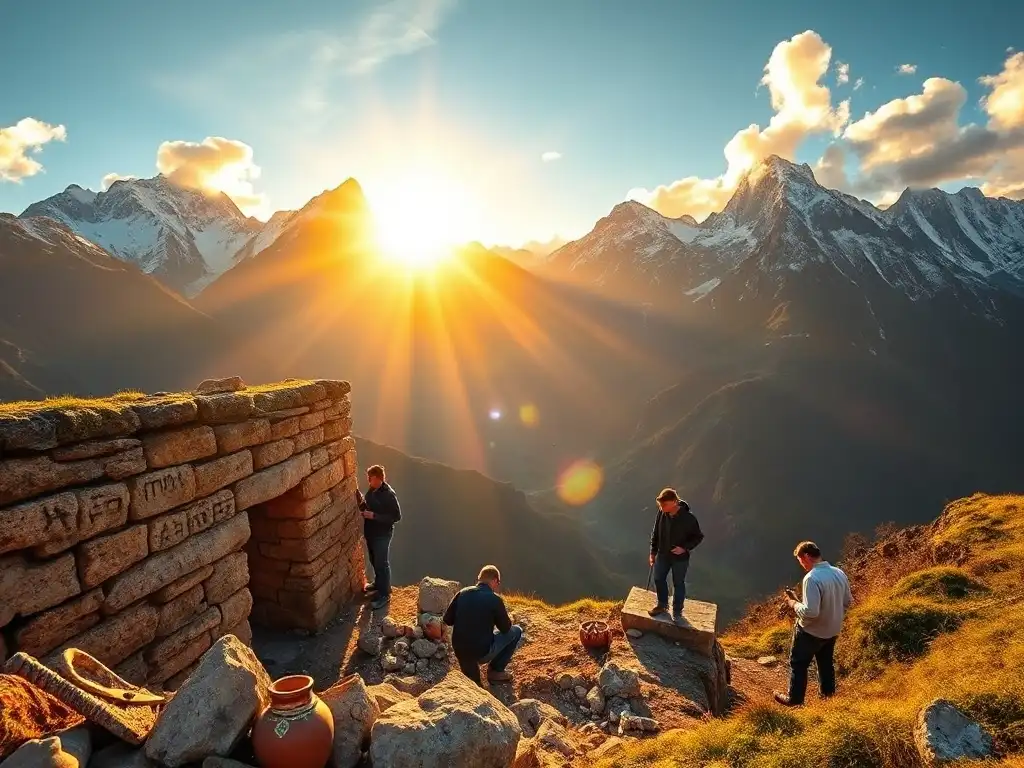
Uncover the mysteries hidden within the towering Andes Mountains. For centuries, these majestic peaks have guarded the secrets of incredible civilizations—the Incas, Moche, Nazca, and more. Prepare to be captivated by the astonishing legacy of the Andes, as we delve into the world of Andean archaeological discoveries. What breathtaking revelations await us? Explore the intricate tapestry of their history, art, and technology—the journey begins now.
The majestic Andes Mountains, a spine of rock and ice running down the western coast of South America, hold within their folds a treasure trove of human history. For centuries, these towering peaks have guarded the secrets of sophisticated Andean civilizations, from the Inca Empire's breathtaking ingenuity to the enigmatic artistry of the Nazca lines.
The allure of the Andes for archaeologists stems not only from the sheer scale of these ancient societies but also from the continuous unveiling of new discoveries that challenge existing narratives and reshape our understanding of the past. This article delves into the reasons behind the enduring fascination with Andean archaeological discoveries, exploring the significant finds that continue to captivate researchers and the public alike, and highlighting the ongoing efforts to unravel the mysteries of these remarkable cultures.
The sheer volume of Andean archaeological discoveries, coupled with the complex interplay of environmental factors and societal structures, ensures that the region remains a vibrant hub for research and exploration, promising countless more revelations in the years to come. The study of these discoveries offers a unique window into the ingenuity, resilience, and complex social structures of these ancient peoples, forever altering our perspective on human history and societal development.
Unearthing the Secrets of Ancient Andean Civilizations
The Andes' archaeological riches are incredibly diverse, reflecting the unique challenges and opportunities presented by the varied landscapes. From the arid coastal deserts to the high-altitude plains and lush valleys, each environment fostered distinct cultural adaptations and technological innovations. The Inca, known for their sophisticated road systems, intricate stonework (like Machu Picchu!
), and complex societal organization, represent only a fraction of the Andean story. Other significant cultures, such as the Moche, famed for their elaborate pottery depicting vibrant scenes of daily life and warfare, and the Nazca, creators of the iconic geoglyphs visible only from the air, each contributed unique threads to the rich tapestry of Andean history.
The discovery of new sites and artifacts constantly enriches our understanding of these societies, providing crucial insights into their beliefs, practices, and interactions with their environment. For example, recent discoveries of intricate textile work have revealed previously unknown levels of artistic skill and sophistication.
Further Exploration: Understanding Andean Technological Advancements
The technological prowess of Andean civilizations is often underestimated. Their mastery of hydraulic engineering, evident in their sophisticated irrigation systems, allowed them to thrive in challenging environments. Their skill in metallurgy, particularly in the working of gold and silver, produced exquisite artifacts that still amaze today. The intricate weaving techniques employed in textile production demonstrate a high level of artistry and technical skill. Further research into these areas promises to reveal even more about the ingenuity of these ancient peoples.
Recent Andean Archaeological Discoveries: A Glimpse into the Past
The field of Andean archaeology is constantly evolving, with new discoveries regularly rewriting our understanding of these ancient societies. Recent years have witnessed the uncovering of previously unknown settlements, revealing complex social structures and trade networks that extended across vast distances. Excavations have unearthed remarkable artifacts, including intricate ceramics, ornate textiles, and sophisticated tools, providing tangible evidence of daily life and ritual practices.
The discovery of well-preserved mummies has offered invaluable insights into diet, health, and burial rituals, enriching our understanding of Andean beliefs about the afterlife. Furthermore, the application of new technologies, such as LiDAR and ground-penetrating radar, is accelerating the pace of discovery, revealing previously hidden sites and features. These advancements allow archaeologists to explore vast areas quickly and efficiently, potentially uncovering even more secrets hidden beneath the surface of the Andes.
The ongoing research and analysis of these discoveries continue to shape our understanding of the rich and complex history of Andean civilizations. The pace of discovery is truly remarkable, with new finds constantly challenging previously held assumptions.
📌 The exploration continues! 📌
Major Sites of Andean Archaeological Exploration
Machu Picchu: More Than Just a Lost City
Machu Picchu, the iconic "Lost City of the Incas," continues to captivate researchers and visitors alike. Its breathtaking location high in the Andes Mountains, coupled with its remarkably preserved Inca structures, offers unparalleled insights into Inca urban planning, agricultural techniques, and social organization. Recent archaeological discoveries have focused on understanding the city's function beyond its popular image as a royal retreat.
Studies have revealed evidence of sophisticated water management systems, intricate agricultural terraces, and a complex network of pathways connecting Machu Picchu to other Inca settlements. These findings highlight the city's vital role within the broader Inca empire, emphasizing its significance as a crucial administrative and agricultural center, not merely a secluded sanctuary. The ongoing research into Machu Picchu promises further revelations about this remarkable civilization and its sophisticated societal structures.
The sheer scale of the site and the continuous uncovering of new artifacts and architectural features ensures that Machu Picchu will remain a focal point for Andean archaeological discoveries for years to come. The meticulous preservation efforts also contribute to the site's continued allure and research potential.
Caral: The Cradle of Andean Civilization
Caral, located in the Supe Valley of Peru, challenges conventional narratives about the development of Andean civilizations. Discovered relatively recently, Caral is considered one of the oldest and most complex urban centers in the Americas, predating even the well-known Inca civilization by millennia. Archaeological excavations at Caral have unearthed monumental structures, including large pyramids and plazas, intricate irrigation systems, and evidence of sophisticated social organization.
The absence of weaponry or evidence of warfare suggests a society focused on peaceful development and complex social interactions. The discovery of sophisticated musical instruments, textiles, and elaborate ceremonial objects further underscores the complexity of Caral's culture. This site's significance lies in its contribution to understanding the origins of Andean civilization and its impact on subsequent cultures.
The advanced societal structures and technological achievements found at Caral rewrite the timeline of Andean development, pushing back the understanding of complex societies in the region by thousands of years. The ongoing research at Caral continually provides new data that challenges existing paradigms of Andean history.
Chan Chan: The Largest Pre-Columbian City in South America
Chan Chan, the capital of the Chimor kingdom, stands as a testament to the impressive urban planning and engineering skills of the pre-Columbian Chimú civilization. This expansive city, located near present-day Trujillo, Peru, is the largest pre-Columbian city in South America. Archaeological investigations have revealed a remarkably planned urban layout, consisting of nine large walled compounds, each representing a different royal lineage.
Within these compounds, researchers have uncovered intricate adobe architecture, sophisticated irrigation systems, and evidence of specialized craft production. Recent studies have focused on understanding the city's complex social hierarchy and the role of religious practices in shaping Chimú society. The discovery of elaborate tombs containing richly adorned artifacts has shed light on the burial rituals and beliefs of the Chimú elite.
The sheer scale of Chan Chan, combined with the ongoing discoveries of new architectural features and artifacts, makes it a crucial site for understanding the rise and fall of one of the most powerful pre-Inca societies in the Andes. The fragility of the adobe structures, however, poses a significant challenge to preservation efforts.
Nazca Lines: Decoding the Mysteries Etched in the Desert
The Nazca Lines, a collection of geoglyphs etched into the desert plains of southern Peru, remain one of the most enigmatic archaeological discoveries in the Andes. These enormous figures, ranging from simple lines to complex representations of animals and plants, have captivated researchers for decades. While their exact purpose remains a subject of debate, ongoing research suggests that they may have served as ceremonial pathways, astronomical markers, or possibly a combination of both.
The scale and precision of the Nazca Lines, created by removing the dark topsoil to reveal the lighter subsoil, are truly remarkable feats of engineering and planning. Researchers continue to employ advanced technologies, including satellite imagery and aerial surveys, to uncover new lines and gain a better understanding of their creation and meaning.
The ongoing study of the Nazca Lines not only provides insights into the artistic and technological capabilities of the Nazca culture but also challenges our understanding of ancient Andean cosmology and social organization. Their enduring mystery continues to fuel research and speculation.
Sipán: Revealing the Splendor of the Moche Elite
The Sipán site in northern Peru has yielded extraordinary insights into the Moche civilization, a powerful and sophisticated culture that flourished along the northern coast of Peru. The discovery of several richly adorned royal tombs at Sipán has revealed the opulent lifestyle and elaborate burial practices of the Moche elite. These tombs contained an impressive array of gold and silver artifacts, intricate textiles, and elaborate ceramic vessels, offering a glimpse into the wealth and power of the Moche rulers.
The detailed craftsmanship and the iconography depicted on the artifacts provide valuable information about Moche religion, social structure, and warfare. The Sipán discoveries continue to shape our understanding of Moche society, its art, and its religious beliefs.
The meticulous excavation and conservation efforts at Sipán ensure that these invaluable artifacts are preserved for future generations, contributing significantly to our knowledge of Andean archaeological discoveries. The site remains a cornerstone of Moche studies.
Tiahuanaco: Understanding a Powerful Pre-Inca Empire
Tiahuanaco, located on the shores of Lake Titicaca in Bolivia, was a powerful pre-Inca empire that exerted significant influence throughout the Andes region. Archaeological evidence suggests that Tiahuanaco was a major religious and administrative center, with monumental architecture, complex irrigation systems, and evidence of sophisticated social organization. The site's most impressive features include the Puerta del Sol (Sun Gate), a massive stone gateway adorned with intricate carvings, and the Kalasasaya, a large platform mound with impressive stone structures.
Ongoing research continues to reveal new information about Tiahuanaco's urban planning, its religious beliefs, and its impact on neighboring cultures. The unique style of Tiahuanaco's monumental architecture and its extensive influence on other Andean cultures make it a key site for understanding the pre-Inca period. The ongoing debate about the extent of Tiahuanaco's power and influence ensures that it remains a focus for Andean archaeological research.
The Impact of Andean Archaeological Findings on Our Understanding
Rewriting the History of Andean Societies
Andean archaeological discoveries have fundamentally reshaped our understanding of Andean societies, challenging previous Eurocentric narratives and revealing the complexity and sophistication of pre-Columbian cultures. Findings from sites like Caral and Tiahuanaco have pushed back the timeline for the development of complex societies in the Andes, demonstrating that advanced urban centers and sophisticated social structures existed long before the arrival of the Inca. The discovery of intricate irrigation systems, monumental architecture, and elaborate burial practices highlight the technological prowess and social organization of these cultures.
This new understanding necessitates a reassessment of traditional historical accounts, recognizing the rich diversity and independent development of Andean civilizations. The ongoing research continues to uncover new layers of complexity, revealing the intricate interactions and exchanges between different Andean cultures.
Insights into Pre-Inca Technology and Innovation
The study of Andean archaeological finds has revealed remarkable technological advancements in pre-Inca societies. The sophisticated irrigation systems at sites like Caral and Nazca demonstrate an advanced understanding of hydraulic engineering, enabling the cultivation of crops in arid environments. The precise stonework at sites like Machu Picchu and Tiahuanaco showcases mastery of architectural techniques and the ability to transport and manipulate massive stone blocks.
The development of advanced textile production, metalworking, and ceramic artistry further underscores the ingenuity and innovation of Andean cultures. These technological achievements not only facilitated the development of complex societies but also shaped the cultural landscape of the Andes. The understanding of these technologies provides insights into the ingenuity and adaptive capabilities of Andean peoples.
Understanding Andean Religious Beliefs and Practices
Archaeological discoveries have significantly enhanced our understanding of Andean religious beliefs and practices. The elaborate burial rituals at sites like Sipán and the iconography depicted on Moche pottery reveal a complex cosmology and a rich pantheon of deities. The monumental structures at sites like Tiahuanaco and the Nazca Lines suggest a strong connection between religion, astronomy, and the natural world.
The discovery of ceremonial objects and temples provides further insights into ritual practices and the role of religion in shaping Andean societies. The continued investigation of these sites and artifacts contributes to a more nuanced understanding of Andean spirituality and religious systems, challenging simplistic interpretations. The complexity of these systems highlights the sophisticated religious beliefs of these ancient cultures.
The Significance of Andean Art and Iconography
Andean art and iconography provide invaluable insights into the beliefs, values, and social structures of ancient Andean societies. The intricate textiles, ceramics, and metalwork discovered at various archaeological sites reveal a high level of artistic skill and creativity. The iconography depicted on these artifacts often conveys symbolic meanings related to religious beliefs, social hierarchy, and cosmological concepts.
The study of Andean art offers a window into the worldview of these cultures and their understanding of the relationship between humans and the natural world. The analysis of these artistic expressions provides crucial evidence for understanding the cultural identity and social complexity of Andean civilizations. The diversity and sophistication of Andean art challenge previous assumptions about the artistic capabilities of these cultures.
Contributions to the Study of Ancient Agriculture
Andean archaeological discoveries have significantly advanced our understanding of ancient agricultural practices. The intricate irrigation systems at various sites, such as Caral and Nazca, showcase the sophisticated engineering techniques used to cultivate crops in challenging environments. The discovery of agricultural terraces at Machu Picchu and other sites demonstrates the innovative methods used to maximize land use and crop production.
The study of plant remains and ancient agricultural tools provides further insights into the types of crops cultivated, farming techniques, and the role of agriculture in shaping Andean societies. Understanding these agricultural innovations sheds light on the resilience and adaptability of Andean communities in the face of environmental challenges. The sophisticated techniques employed contributed to the sustainability and success of Andean civilizations.
Ongoing Research in Andean Archaeology: Future Discoveries
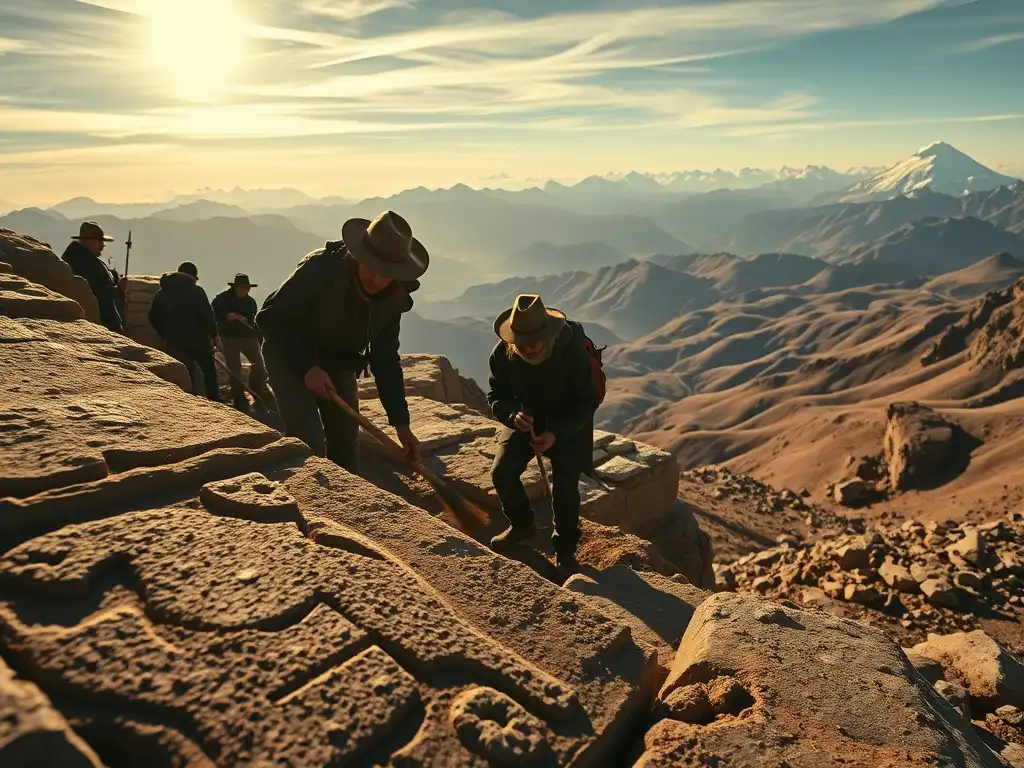
The study of Andean civilizations is a vibrant and ever-evolving field. New discoveries continue to reshape our understanding of these complex societies, challenging existing theories and revealing unexpected insights into their daily lives, religious beliefs, and political structures. The sheer scale of the Andes, coupled with the relatively recent intensification of archaeological investigation, means that a vast amount remains to be unearthed.
Many sites remain unexplored, while others, previously investigated with less sophisticated techniques, are ripe for re-examination. This ongoing research promises to unveil even more astonishing discoveries, further enriching our understanding of Andean heritage. The potential for future discoveries is immense, fuelled by a combination of new technologies, fresh perspectives, and a growing global interest in the region's rich past.
This continuous exploration ensures that the story of the Andes remains a captivating narrative, constantly being rewritten and expanded upon. The dynamism of the field keeps researchers engaged and the public fascinated.
New Excavation Projects and Their Potential
Several new excavation projects across the Andes are underway, promising significant breakthroughs in our understanding of Andean archaeological discoveries. For example, recent work in the northern Peruvian desert has yielded promising results, potentially shedding light on the interaction between different cultural groups. Similarly, ongoing excavations in the highlands of Bolivia are focusing on previously undocumented settlements, which could significantly expand our knowledge of pre-Inca societies and their complex social organization.
These projects are not merely about discovering new artifacts; they are about piecing together the puzzle of Andean history, revealing intricate details about daily life, technological innovations, and social structures. The careful and methodical approach of modern archaeology, combined with advanced analytical techniques, promises a wealth of new data that will undoubtedly revolutionize our understanding of Andean civilizations. Each new site offers the potential to rewrite parts of history and uncover untold stories.
Advances in Archaeological Techniques
The field of Andean archaeology has been significantly advanced by the development of new techniques and technologies. Advances in remote sensing, such as LiDAR (Light Detection and Ranging), allow archaeologists to map vast areas quickly and efficiently, identifying previously unknown sites and features hidden beneath the surface. Similarly, improvements in chemical analysis techniques provide more accurate dating of artifacts and a deeper understanding of ancient diets and environmental conditions.
The use of isotopic analysis, for instance, helps researchers trace ancient migration patterns and trade networks, adding another layer of complexity to our understanding of Andean societies. These technological advancements allow for a more nuanced and comprehensive analysis of archaeological finds, leading to more robust and reliable interpretations of Andean history. The ability to analyze materials at a molecular level allows researchers to make connections between seemingly disparate findings and build a more complete picture of the past.
The Role of Technology in Andean Research
Technology plays a crucial role in modern Andean archaeological research, enabling researchers to analyze data in unprecedented ways. Geographic Information Systems (GIS) allow for the spatial analysis of data, mapping the distribution of settlements, agricultural fields, and infrastructure, revealing patterns of land use and settlement organization. Digital modeling and 3D reconstruction of sites and artifacts offer new ways to visualize and interpret the past, enabling researchers to create virtual models of ancient cities and buildings.
Moreover, the use of drones and other aerial technologies facilitates the rapid and non-invasive survey of large areas, identifying potential sites for excavation and monitoring the condition of existing monuments. The increasing integration of technology enhances the efficiency and accuracy of research, leading to a more holistic and comprehensive understanding of Andean civilizations. The accessibility of these technologies is also crucial in fostering collaborative research efforts across institutions and countries.
Preserving Andean Archaeological Heritage
The preservation of Andean archaeological heritage is paramount. The fragility of many sites, coupled with the threats posed by looting, environmental degradation, and climate change, necessitates a proactive approach to conservation. This involves not only protecting sites from physical damage but also implementing sustainable tourism practices and promoting public awareness of the importance of these invaluable resources.
Collaborative efforts between archaeologists, local communities, and governmental organizations are essential for the long-term preservation of Andean archaeological heritage. International cooperation and funding are crucial in supporting these efforts, ensuring that future generations can continue to learn from and appreciate the rich history of the Andes. The preservation of these sites is not just about protecting physical structures; it's about preserving cultural memory and identity for future generations.
The Enduring Fascination with Andean Archaeological Treasures
The enduring fascination with Andean archaeological discoveries stems from a confluence of factors. The sheer scale and complexity of the sites, coupled with the artistry and ingenuity of the artifacts, continue to capture the imagination. The mysteries surrounding the construction of monumental structures like Machu Picchu, the intricate designs of Nazca Lines, and the sophisticated irrigation systems of pre-Inca societies fuel ongoing research and public interest.
Moreover, the stories of these civilizations, their achievements, and their eventual decline resonate with modern audiences, offering insights into human resilience, innovation, and the enduring power of culture. The vibrant colors, intricate designs, and the sheer scale of the artifacts and sites leave a lasting impression, fostering a sense of wonder and awe. The continued discovery of new artifacts and sites keeps the narrative fresh and engaging, ensuring that the lure of the Andes remains a powerful force in the world of archaeology.
The Future of Andean Archaeological Exploration
The future of Andean archaeological exploration is bright, brimming with potential for groundbreaking discoveries and a deeper understanding of these fascinating civilizations. Technological advancements are revolutionizing the field, offering unprecedented opportunities. Non-invasive techniques like ground-penetrating radar (GPR) and LiDAR (Light Detection and Ranging) allow archaeologists to survey vast areas quickly and efficiently, identifying potential sites without the need for extensive excavation.
This minimizes the impact on delicate archaeological contexts and accelerates the pace of discovery. For example, recent LiDAR surveys in the Amazon rainforest have revealed previously unknown settlements and infrastructure, hinting at a far more complex societal organization than previously imagined. This technology is now being increasingly applied to the Andean region, promising to unveil hidden cities, irrigation systems, and other monumental works.
Furthermore, advancements in DNA analysis and other bioarchaeological techniques are shedding light on the genetic relationships between different Andean groups, their migrations, and their health. By analyzing ancient DNA from skeletal remains, researchers can reconstruct population histories and gain insights into the impact of environmental factors and disease on these societies. This is crucial for understanding the complexities of cultural interactions and population dynamics across the Andean region. For instance, recent studies have shown unexpected genetic connections between seemingly disparate groups, challenging established narratives and prompting a reassessment of traditional models of Andean cultural evolution.
Another exciting frontier is the integration of digital technologies. 3D modeling and virtual reality (VR) are transforming how we study and present Andean archaeology. Creating accurate digital reconstructions of sites and artifacts allows researchers to analyze them in detail, collaborate remotely, and share their findings with a wider audience. Virtual museums and interactive exhibits can bring the wonders of Andean archaeology to life, fostering a deeper appreciation for these ancient cultures.
This is particularly important for preserving these sites for future generations, as many are vulnerable to environmental degradation and looting. Imagine exploring the lost city of Machu Picchu in a virtual environment, examining every detail of its architecture and landscape without even setting foot in Peru. This is the potential of digital archaeology.
Finally, interdisciplinary collaborations are becoming increasingly important. By bringing together archaeologists, anthropologists, historians, geographers, and other specialists, we can gain a more holistic understanding of the Andean world. This interdisciplinary approach allows for a more nuanced interpretation of the archaeological record, considering factors like climate change, agriculture, and social organization in a more integrated way.
For example, by combining archaeological data with paleoclimatological records, researchers can reconstruct the impact of climate change on Andean societies and understand how they adapted to environmental challenges. This integrated approach is crucial for a more complete picture of the Andean past, paving the way for a deeper understanding of human resilience and adaptation. The future of Andean archaeological exploration is not just about finding new sites, but about using innovative methods to weave together a richer, more comprehensive narrative of these remarkable civilizations.
- Unearthing the Secrets of Ancient Andean Civilizations
- Recent Andean Archaeological Discoveries: A Glimpse into the Past
- Major Sites of Andean Archaeological Exploration
- The Impact of Andean Archaeological Findings on Our Understanding
- Ongoing Research in Andean Archaeology: Future Discoveries
- The Enduring Fascination with Andean Archaeological Treasures
- The Future of Andean Archaeological Exploration
- What makes Andean archaeological discoveries so significant?
- What are some of the most important Andean archaeological sites?
- How do archaeological discoveries in the Andes contribute to our understanding of Inca civilization?
- What types of artifacts are commonly unearthed in Andean archaeological digs?
- What are some recent significant Andean archaeological discoveries related to the keyword "Andean archaeological discoveries"?
Frequently Asked Questions
What makes Andean archaeological discoveries so significant?
Andean discoveries offer unparalleled insights into complex pre-Columbian societies. They reveal advanced agricultural techniques, intricate social structures, and remarkable artistic achievements, challenging existing historical narratives. These findings reshape our understanding of human civilization.
What are some of the most important Andean archaeological sites?
Machu Picchu, Chan Chan, and Nazca Lines are just a few examples of significant sites. Many others, less known but equally important, continue to yield fascinating artifacts and information about daily life and rituals. New discoveries are constantly being made.
How do archaeological discoveries in the Andes contribute to our understanding of Inca civilization?
Discoveries continue to refine our knowledge of Inca infrastructure, political organization, and religious practices. Excavations provide tangible evidence supplementing existing historical accounts, often revealing surprising details about Inca life and interactions with other cultures.
What types of artifacts are commonly unearthed in Andean archaeological digs?
Archaeologists frequently uncover textiles, ceramics, metalwork, and mummies. These artifacts, along with agricultural tools and architectural remnants, provide crucial information about the daily lives, beliefs, and technologies of past Andean civilizations.
Recent discoveries include new insights into Nazca irrigation systems, previously unknown Inca settlements, and elaborate Moche tombs. These findings constantly expand our understanding of the diversity and complexity of Andean cultures, confirming the enduring allure of the region for archaeological research.
Final Reflection: Echoes of the Andes, Whispers of the Future
The enduring allure of Andean archaeological discoveries isn't merely about unearthing ancient artifacts; it's about unearthing ourselves. These discoveries offer a profound glimpse into the ingenuity and resilience of past civilizations, forcing us to confront our own assumptions about progress, societal structures, and the very nature of humanity. The echoes of their achievements resonate powerfully in our modern world, challenging us to re-evaluate our relationship with the past and the planet we share.
The impact of Andean archaeology extends far beyond academic circles; it shapes our understanding of cultural diversity, environmental adaptation, and the enduring power of human creativity. These discoveries challenge simplistic narratives of history, revealing complex societies with sophisticated technologies, intricate social structures, and profound spiritual beliefs. As the renowned archaeologist, Maria Rostworowski, once stated, The past is not dead; it is not even past.
Her words ring true as we continue to uncover new layers of Andean history, constantly revising and enriching our understanding of this remarkable region.
Consider the implications of these findings for your own life. How can the ingenuity and resilience of the Andean civilizations inspire you to overcome challenges and create a more sustainable future? What can we learn from their intricate understanding of their environment and their deep connection to the land? Let the whispers of the Andes guide you, not just as a historical curiosity, but as a source of inspiration and a call to action. Embrace the ongoing narrative of discovery, and let it shape your own journey of understanding and appreciation for the rich tapestry of human history.
**Unveil the Secrets of the Andes Today! **
Thank you for exploring the fascinating world of the Andes with us! We hope you've gained a deeper understanding of the incredible archaeological discoveries that continue to reshape our knowledge of ancient civilizations. Now, let's take the next step!
Here's how you can further engage with this rich cultural heritage:
- **Join our community** by subscribing to our newsletter for updates on archaeological discoveries, events, and educational resources.
- **Explore our interactive map** of significant archaeological sites throughout the Andes and plan your next trip to experience these wonders in person.
- Share your thoughts and experiences in the comments below, or on social media, to inspire others to discover the magic of Andean history.
What aspect of Andean archaeology has most captivated you, and how will you explore it further?