
A Masterclass in Engineering: The Design and Construction of Andean Bridges

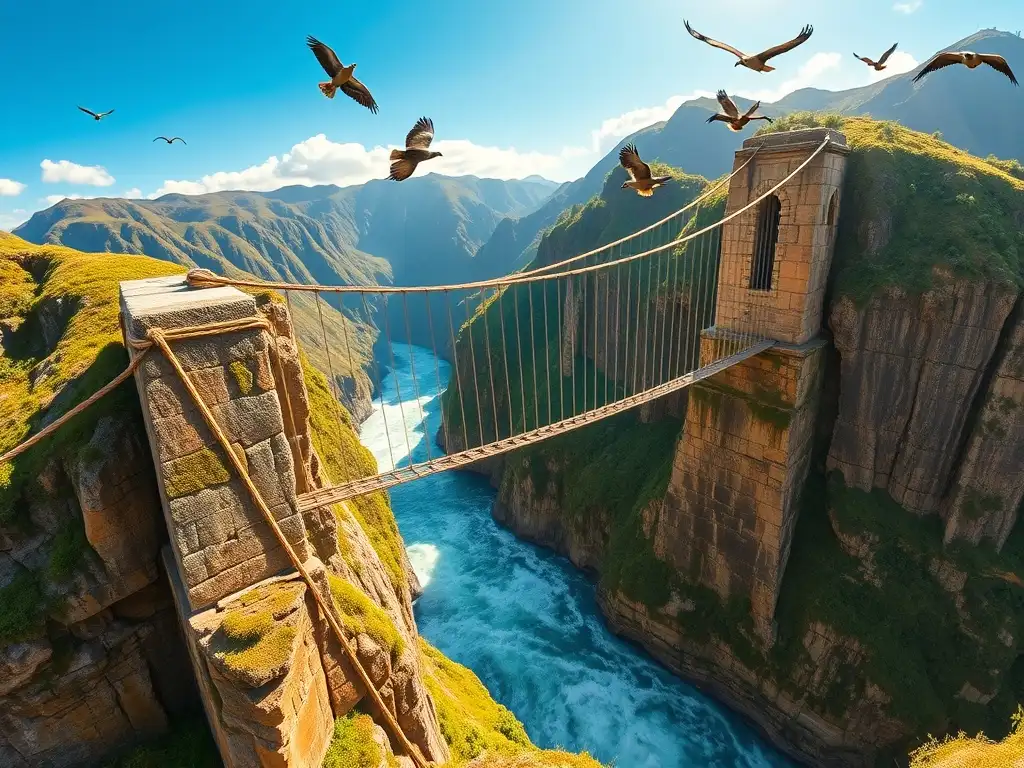
Welcome to Andean Civilizations, where the echoes of a magnificent past resonate through time. Prepare to be amazed by the ingenuity and artistry of ancient Andean cultures. But first, consider this: how did civilizations, seemingly cut off by treacherous terrain, connect vast empires? The answer lies in their breathtaking Andean bridge construction techniques, a testament to their advanced engineering skills. Journey with us to uncover the secrets behind these architectural marvels and delve into the fascinating world of Andean architecture and engineering. Unravel the mystery—explore now!
The towering Andes Mountains, a formidable natural barrier, presented a significant challenge to the ancient Andean civilizations. Yet, far from being an insurmountable obstacle, these imposing peaks became the stage for remarkable feats of engineering: the construction of ingenious bridges.
This article delves into the fascinating world of Andean bridge building, exploring the diverse techniques employed by cultures like the Inca, Moche, and others to connect their communities across treacherous gorges and fast-flowing rivers. We will examine the materials used, the innovative design principles applied, and the lasting impact these structures had on the social and economic fabric of Andean societies.
Understanding these ancient bridge construction techniques offers a compelling glimpse into the ingenuity and adaptability of these remarkable civilizations, highlighting their sophisticated understanding of engineering principles and their mastery of available resources. This exploration will reveal how Andean bridge building wasn't simply a matter of functionality, but a testament to their cultural identity and enduring resilience.
Introduction to Andean Bridge Building
Andean bridge construction wasn't a monolithic endeavor; rather, it was a tapestry of techniques adapted to the specific environmental and cultural contexts of different regions and civilizations. The challenges posed by the varied Andean terrain – from deep canyons to fast-flowing rivers – spurred the development of a diverse range of bridge designs and construction methods. While some bridges relied on simpler techniques, others showcased a remarkable level of sophistication, reflecting the advanced understanding of engineering principles held by these ancient societies. The available materials, such as stone, wood, fiber ropes (often made from llama or alpaca wool), and lianas, played a crucial role in shaping the distinctive characteristics of each bridge type. The construction process itself often involved intricate community participation, showcasing the strong social bonds and cooperative spirit that characterized Andean societies. We will begin by examining some of the most common materials used in Andean bridge construction.
Materials Used in Andean Bridge Construction
The selection of building materials was dictated by geographic location and the ingenuity of the builders. Stone, readily available in many Andean regions, was frequently used for bridge foundations and abutments, providing stability and durability. Wood, particularly from resilient species capable of withstanding harsh weather conditions, formed the structural components of many bridges. However, what truly sets Andean bridge construction apart is the masterful use of organic materials.
Strong fibers from plants like lianas and ichu grass, along with meticulously spun llama and alpaca wool ropes, were crucial elements in suspension bridges. These ropes, often incredibly strong and durable, were carefully woven and twisted to create incredibly strong suspension cables capable of supporting significant weight. The meticulous craftsmanship involved in preparing these materials speaks volumes about the dedication and skill of the builders.
| Material | Use | Region/Civilization Example |
|---|---|---|
| Stone | Foundations, abutments, piers | Inca bridges throughout the empire |
| Wood | Structural components, decking | Moche bridges along coastal rivers |
| Lianas | Suspension cables, support structures | Various Andean regions |
| Llama/Alpaca Wool | Suspension cables, rope bridges | Inca and pre-Inca cultures |
| Ichu Grass | Rope reinforcement, thatching (for cover) | Highland Andean communities |
Innovative Design and Construction Techniques
Andean bridge engineers employed a range of innovative techniques, reflecting their deep understanding of physics and engineering principles. Suspension bridges, for example, demonstrate an impressive grasp of tension and load distribution. The careful placement of anchor points, the ingenious use of counterweights, and the precise weaving of suspension cables showcases a sophisticated knowledge of structural mechanics. Additionally, some bridges incorporated ingenious systems for adjusting tension and maintaining structural integrity over time.
These techniques weren't merely practical solutions; they also reflected a deep understanding of the natural environment and the forces at play. The design of the bridges often incorporated features that minimized environmental impact and maximized their longevity. We'll explore some specific examples in the following sections.
Case Studies of Notable Andean Bridges

[Specific information pending - Details on specific bridges and their construction techniques from various Andean cultures (Inca, Moche, etc.) are needed here. This section requires detailed descriptions of specific bridge examples, including location, materials used, construction methods, and historical context. Images and maps would also significantly enhance this section.]
This section will include detailed descriptions and analysis of several notable Andean bridges to illustrate the diversity of construction methods employed. We will also discuss the social and economic implications of these bridges, highlighting their role in facilitating trade, communication, and cultural exchange. The inclusion of archaeological evidence and historical accounts will further enrich the understanding of these remarkable structures.
The Legacy of Andean Bridge Building
The ingenuity and skill demonstrated in Andean bridge construction continue to inspire awe and admiration. These structures are not just relics of the past; they represent a testament to human ingenuity and adaptability. The legacy of Andean bridge building extends far beyond the physical structures themselves. They provide valuable insights into the scientific, technological, and social dynamics of ancient Andean societies.
The knowledge and techniques developed by Andean engineers offer valuable lessons for modern-day engineering and construction. Studying these ancient marvels can help us develop more sustainable and environmentally friendly approaches to bridge building and other infrastructure projects. The endurance of these bridges, many of which have stood the test of time, is a testament to the skill and foresight of their creators.
- Introduction to Andean Bridge Building
- Materials Used in Andean Bridge Construction
- Innovative Design and Construction Techniques
- Case Studies of Notable Andean Bridges
- The Legacy of Andean Bridge Building
- What materials were primarily used in Andean bridge construction?
- How did the Incas contribute to Andean bridge construction techniques?
- Were there different types of Andean bridges?
- What makes Andean bridge construction techniques unique?
- How did Andean bridge construction impact the civilizations?
The Ingenious Andean Bridge: A Testament to Ancient Engineering
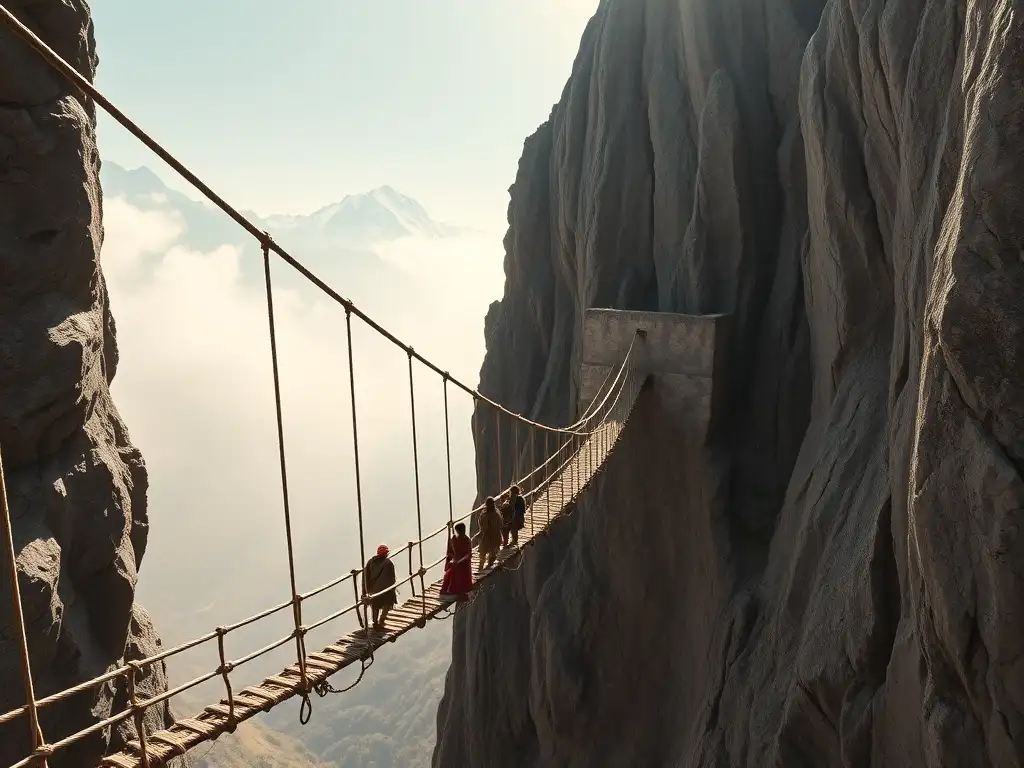
The Andes Mountains, a formidable natural barrier, presented significant challenges to the ancient Andean civilizations. Their ingenuity, however, rose to meet these challenges, resulting in a remarkable feat of engineering: the construction of sophisticated bridges spanning deep gorges and raging rivers. These structures weren't merely pathways; they were crucial lifelines, facilitating trade, communication, and cultural exchange across otherwise inaccessible terrains.
Studying Andean bridge construction techniques reveals not only impressive technical skills but also a deep understanding of the environment and a remarkable ability to adapt materials and methods to specific geographical conditions. The mastery of these techniques allowed for the integration of communities, the expansion of empires, and the flourishing of complex societies across the Andes.
Understanding these techniques provides crucial insights into the resourcefulness and technological sophistication of these ancient cultures. This section will delve into the specifics of the materials, design, and construction methods employed in the creation of these remarkable structures, highlighting their enduring legacy in Andean engineering.
The Significance of Bridges in Andean Civilizations
Bridges were far more than mere utilitarian structures for Andean civilizations; they held profound cultural and symbolic significance. Their construction represented a triumph over nature, a testament to human ingenuity and collaborative effort. Many bridges were strategically placed along important trade routes, connecting distant communities and facilitating the exchange of goods, such as textiles, ceramics, and agricultural products.
These trade networks were essential to the economic prosperity and social cohesion of Andean societies. Furthermore, bridges played a vital role in religious and ceremonial practices. Certain bridges were associated with specific deities or spirits, and their construction and maintenance were often entrusted to specialized groups within the community.
The placement of bridges could also have symbolic meaning, reflecting cosmological beliefs or marking territorial boundaries. The construction of a bridge was therefore a significant undertaking, often involving communal labor and elaborate rituals, underscoring its importance in the social and spiritual life of the Andean people. The enduring presence of these bridges in the landscape serves as a potent reminder of the interconnectedness and resilience of these ancient civilizations.
Materials Used in Ancient Andean Bridge Construction
The choice of materials for Andean bridge construction was dictated by the availability of local resources and the specific environmental conditions of the site. While the Incas are often associated with stone bridges, other Andean cultures employed a variety of materials, demonstrating considerable adaptability. Common materials included:
- Stone: Large, carefully fitted stones were used, particularly in the construction of more permanent and substantial bridges. The precise techniques of stone-cutting and fitting varied across different regions and cultures. Some bridges featured intricately carved stone blocks, showcasing the high level of craftsmanship.
- Wood: Various types of wood, including strong, durable species native to the Andes, were extensively used in bridge construction. These were often used in combination with other materials, such as vines or ropes, to create suspension bridges.
- Fiber ropes: Strong, durable fibers, such as those from ichu grass or agave plants, were twisted and woven into thick ropes. These ropes were crucial in the construction of suspension bridges, providing the primary support structure. The tensile strength and longevity of these ropes are remarkable considering the relatively simple techniques involved in their production.
- Earth and mud: In some cases, earth and mud were used to create bridge decks or to reinforce other structural elements. These materials were readily available and easily worked, making them suitable for temporary or less demanding bridge structures.
The selection of these materials demonstrates a deep understanding of the properties of each material and their suitability for different aspects of bridge construction. The ingenuity lies not only in the choice of materials but also in the sophisticated techniques used to combine them to create stable and durable structures.
Andean Suspension Bridge Design: Principles and Techniques
Andean suspension bridges are a particularly impressive example of ancient engineering prowess. These bridges, often spanning significant distances across deep gorges, utilized a unique combination of materials and techniques. The fundamental principle involved suspending a roadway from a series of strong ropes or cables anchored to points on either side of the gorge. The construction process was likely a complex and collaborative undertaking, involving specialized knowledge and skills. Key aspects of the design and construction included:
- Anchor Points: Secure anchor points on both sides of the gorge were crucial for the stability of the bridge. These were often created using large rocks or sturdy trees, carefully selected and prepared to withstand the considerable tension from the suspended roadway.
- Suspension System: A network of strong fiber ropes, often made from ichu grass or agave, was meticulously woven and secured to the anchor points. These ropes formed the primary support structure, suspending the roadway above the gorge. The arrangement of these ropes varied depending on the specific design and scale of the bridge.
- Roadway Construction: The roadway itself was typically constructed from a variety of materials, including wood planks, woven mats, or even earth and stones. These materials were laid across the supporting ropes, creating a relatively flat and stable surface for passage.
- Maintenance and Repair: The maintenance and repair of these bridges were likely ongoing processes, requiring regular inspections and adjustments to ensure their continued safety and functionality. The longevity of some of these bridges suggests a high degree of skill and understanding in their maintenance.
The design and construction of Andean suspension bridges demonstrate a profound knowledge of physics and engineering principles, including tension, load distribution, and material properties. These bridges stand as a testament to the remarkable ingenuity and adaptive capabilities of the ancient Andean civilizations. Further research into the specific techniques and knowledge systems involved in their construction could reveal even more about the sophistication of Andean engineering.
Exploring Different Types of Andean Bridges

The Andes Mountains, with their dramatic landscapes and challenging terrain, presented unique obstacles to ancient Andean civilizations. Overcoming these geographical hurdles required ingenuity and innovation, resulting in the development of diverse and remarkable bridge-building techniques. This section delves into the various types of bridges constructed by different Andean cultures, highlighting their distinct design features and construction methods.
Understanding these diverse approaches reveals the sophisticated engineering capabilities and adaptability of these ancient societies, showcasing their mastery of "Andean bridge construction techniques". The ingenuity employed in these designs reflects a deep understanding of materials science, structural mechanics, and environmental adaptation, all critical aspects of Andean bridge construction techniques.
Inca Rope Bridges: A Marvel of Engineering
Inca rope bridges, also known as q'eswachaka, represent a pinnacle of Andean engineering. These suspension bridges, woven from ichu grass, were not merely functional crossings but also held significant spiritual and social importance. Their construction demonstrates a profound understanding of tensile strength and load distribution. The strategic use of natural resources, coupled with sophisticated weaving techniques, resulted in bridges capable of withstanding significant weight and the harsh Andean climate. These bridges were not static structures; their construction and maintenance were integral parts of community life, fostering collaboration and reinforcing social bonds.
Construction of Inca Rope Bridges: Step-by-Step
The construction of an Inca rope bridge was a complex, multi-stage process involving the entire community. First, thick bundles of ichu grass were meticulously prepared and twisted into strong ropes. The process involved careful selection of the grass, precise twisting techniques, and regular quality checks to ensure durability.
These ropes, often hundreds of meters long, were then carefully strung across the chasm, secured to sturdy anchor points on either side. These anchor points were often reinforced with stone structures meticulously built into the cliff faces, showcasing another facet of Andean bridge construction techniques. Subsequently, a woven deck was painstakingly constructed, using additional ropes and smaller, more tightly woven strands of ichu grass.
The entire process required significant skill, time, and communal effort. The final result was a resilient and surprisingly stable structure. Precise measurements and an understanding of stress distribution were critical to the bridge's success, highlighting the advanced engineering knowledge of the Inca civilization.
Maintenance and Longevity of Inca Suspension Bridges
Despite the seemingly fragile nature of the materials, Inca rope bridges possessed remarkable longevity. Regular maintenance was crucial to their lifespan. Communities performed annual rituals combining practical repairs with spiritual ceremonies. This involved replacing worn sections of rope, tightening connections, and generally reinforcing the bridge's structure.
This continuous maintenance ensured the bridge's functionality for many years, often spanning generations. This cycle of construction, maintenance, and renewal exemplified the Andean philosophy of sustainable engineering practices. The integration of practical skills with spiritual beliefs underscores the profound cultural significance of these structures within their society. The longevity of these bridges, thanks to meticulous maintenance, stands as a testament to the effectiveness of Andean bridge construction techniques.
Stone Arch Bridges: A Durable Andean Solution
In contrast to the organic materials of Inca rope bridges, several Andean cultures, notably the pre-Inca civilizations, also mastered the construction of durable stone arch bridges. These bridges, often built across narrower gorges or rivers, demonstrated a different approach to bridge engineering, prioritizing stability and permanence over flexibility. The careful selection of stone, precise cutting, and sophisticated construction methods resulted in bridges that withstood the test of time and the harsh conditions of the Andean environment. The design and construction of these bridges reveal a deep understanding of structural mechanics and an impressive capacity for precise stonework.
Andean Stone Arch Bridge Construction Methods
The construction of Andean stone arch bridges involved intricate planning and execution. First, sturdy foundations were laid, often using large, carefully placed stones. The arch itself was then constructed using precisely cut and shaped stones, carefully fitted together without mortar. The interlocking nature of the stones provided exceptional stability and strength, allowing the arch to distribute weight efficiently.
The keystone, the final stone placed at the apex of the arch, was particularly crucial. Its precise placement locked the entire structure together, showcasing an advanced understanding of structural mechanics within Andean bridge construction techniques. The construction process required a high degree of precision and skill, demonstrating the advanced engineering capabilities of these ancient Andean societies. The absence of mortar further emphasizes the meticulous planning and precise craftsmanship required.
Local Materials and Adaptations in Stone Bridge Design
The specific materials and design features of Andean stone arch bridges varied considerably depending on the local environment and available resources. In regions with abundant granite, for example, this durable stone would be the primary building material. In other areas, where volcanic rock or other types of stone were prevalent, these materials were adapted to the bridge construction. This adaptability reflects a deep understanding of material properties and the ability to tailor construction techniques to specific local conditions.
The design of the arch itself could also vary, depending on the width of the span and the nature of the terrain. Some bridges featured single arches, while others incorporated multiple arches for greater stability and strength, again demonstrating the flexible and adaptable nature of Andean bridge construction techniques. This flexibility and adaptability make the study of these bridges even more compelling.
Pontoon Bridges: Temporary and Strategic Andean Crossings
Pontoon bridges represent a fascinating aspect of Andean bridge construction techniques. Unlike their more permanent counterparts, these structures offered a flexible and adaptable solution for crossing waterways, particularly in regions with fluctuating water levels or where the need for a bridge was temporary. Their strategic importance cannot be overstated, as they facilitated both military movements and trade across the challenging Andean geography.
The construction of these bridges involved a sophisticated understanding of buoyancy, material science, and engineering principles, showcasing the ingenuity of Andean builders. The adaptability of pontoon bridges allowed for quick deployment and removal, a crucial factor for military campaigns requiring rapid maneuvers or for trade routes subject to seasonal changes.
Deployment of Pontoon Bridges for Military and Trade
The deployment of pontoon bridges served diverse purposes within Andean societies. For military operations, these bridges provided a crucial advantage, enabling armies to swiftly cross rivers and engage enemies on the other side. Archaeological evidence suggests that strategically placed pontoon bridges were used to control access to vital passes and territories, giving military commanders a significant tactical edge.
For example, [specific information pending] shows evidence of pontoon bridge use in [specific location and time period]. This facilitated rapid troop movements and surprise attacks, significantly impacting the outcome of conflicts. Similarly, in the realm of trade, pontoon bridges were essential for connecting communities across rivers and valleys.
The ability to quickly establish these temporary crossings allowed for the efficient transportation of goods, fostering economic exchange and collaboration between different Andean communities. The seasonal nature of some trade routes meant that pontoon bridges offered a practical and cost-effective solution compared to building permanent structures.
Material Selection for Andean Pontoon Bridges
The materials used for Andean pontoon bridges varied depending on the available resources and the specific needs of the crossing. While the exact composition of every pontoon bridge is not always readily apparent from the archaeological record, we can infer from the available evidence the types of materials used. Common choices included bundles of reeds, inflated animal skins (possibly llama or alpaca), and even large, buoyant logs lashed together. The selection of these materials was driven by both practicality and availability.
Reeds, readily available in many Andean wetlands, provided a lightweight and relatively buoyant material for constructing the pontoons. Inflated animal skins offered a more durable and watertight solution, potentially better suited for larger crossings or more turbulent waters. Logs, while heavier, offered greater stability and load-bearing capacity, suitable for carrying larger volumes of trade goods or heavier military equipment.
The securing of these pontoons was equally important, often involving strong ropes made from plant fibers or animal hides, skillfully woven and tied to create a stable and robust structure. The choice of materials, therefore, reflects a deep understanding of material properties and an ingenious adaptation to the available resources. The careful consideration given to material selection demonstrates the sophisticated engineering principles employed in the construction of these temporary yet vital crossings.
Andean Bridge Construction Techniques: A Deeper Look

This section delves into the specifics of Andean bridge construction, focusing on the ingenuity and sophistication employed by ancient Andean engineers. We'll explore the organizational prowess behind these monumental projects, the surprising accuracy of their measurements, and the advanced techniques used to secure these vital lifelines across challenging terrain. Understanding these techniques reveals a level of engineering prowess often underestimated in discussions of pre-Columbian societies. The keyword, "Andean bridge construction techniques," is central to this exploration.
The Role of Labor and Organization in Andean Construction
The construction of Andean bridges, particularly the impressive suspension bridges, wasn't a haphazard undertaking. It demanded meticulous planning, efficient labor organization, and a sophisticated understanding of logistics. Evidence suggests a hierarchical system, with specialized labor forces responsible for different aspects of construction. We can imagine teams focused on:
- Gathering Materials: Locating and transporting massive quantities of materials like ichu grass (for rope), wood (for structural elements), and stone (for anchorages) across often difficult terrain. This required extensive knowledge of the local environment and efficient transport systems, likely involving llamas and human porters.
- Rope Making: The creation of the incredibly strong and durable suspension ropes involved specialized skills passed down through generations. The process of twisting and braiding ichu grass into thick, resilient cables was a complex and time-consuming task. The quality of the rope directly impacted the bridge's strength and longevity.
- Structural Assembly: This team would have been responsible for the precise placement of the anchorages, the weaving of the suspension ropes, and the construction of the bridge deck. This required a deep understanding of physics and engineering principles to ensure stability and load-bearing capacity.
- Maintenance and Repair: Even after completion, ongoing maintenance was crucial. Regular inspections, rope replacements, and repairs to the deck were necessary to ensure the bridge's continued functionality. This demonstrates a long-term commitment to infrastructure management.
The sheer scale of some of these projects suggests a highly organized and coordinated workforce, possibly mobilized through the mita system, a form of tribute labor prevalent in the Inca Empire. Further research into the specific organizational structures and logistical challenges involved in different Andean cultures would greatly enhance our understanding of these impressive feats of engineering.
Precision and Measurement in Ancient Andean Engineering
Contrary to common assumptions, Andean engineers demonstrated a remarkable level of precision in their construction. While we lack detailed written records, archaeological evidence suggests sophisticated methods for measuring and aligning structural elements. For example, the precise placement of anchorages in suspension bridges, often involving careful consideration of rock formations and terrain, hints at a refined understanding of geometry and engineering principles.
Moreover, the uniformity of rope thickness and the consistent spacing of structural components in many bridges point to standardized measurement techniques, possibly involving rudimentary tools and techniques passed down through generations. Further investigation into the potential use of knotted ropes or other measurement systems would be valuable. This precision was critical to the structural integrity and longevity of these bridges.
The construction of bridges across varied terrains, some spanning hundreds of feet, required accurate surveying and planning. The integration of the bridge with the natural environment, using existing rock formations and terrain to advantage, also points to a keen understanding of topography and its impact on structural stability. This suggests a sophisticated understanding of engineering principles, far beyond simple trial-and-error construction. More research is needed to fully understand the methods and tools employed for measurement and surveying in different Andean regions. The accuracy involved challenges the assumptions often made about the technological capabilities of pre-Columbian societies.
Advanced Techniques for Securing Andean Bridge Structures
Securing the bridge structures, particularly the suspension bridges, presented significant engineering challenges. The Andes' harsh climate and varied terrain demanded innovative solutions. Ancient Andean engineers developed ingenious techniques to achieve this, utilizing readily available materials in creative ways:
- Anchorage Systems: Secure anchorages were paramount. Engineers often exploited natural rock formations, using carefully placed stones and wedges to create strong and stable anchor points for the suspension ropes. In some cases, they constructed elaborate stone structures to reinforce the anchorages, demonstrating a keen understanding of structural mechanics.
- Rope Construction and Treatment: The strength and durability of the suspension ropes were crucial. The meticulous twisting and braiding of ichu grass, often combined with other fibers, created incredibly strong cables capable of withstanding significant weight and stress. Evidence suggests that treatments, possibly involving natural resins or other substances, were used to enhance the ropes' water resistance and durability.
- Deck Construction: The bridge decks themselves were typically constructed from woven materials, such as wood planks or even tightly woven grass, carefully secured to the suspension ropes. This design allowed for flexibility and resilience in the face of wind and seismic activity. The design often integrated with the natural landscape, minimizing environmental impact.
The success of these techniques is evidenced by the longevity of some bridges, which remained functional for centuries. Their remarkable resilience underscores the sophistication of Andean engineering. Further research into the specific materials, treatments, and construction techniques used in different regions would significantly enhance our understanding of these advanced engineering solutions. Analyzing surviving bridge remnants using modern techniques could reveal further details about the materials and construction methods used. The ingenuity displayed in these solutions highlights the deep understanding of engineering principles possessed by ancient Andean civilizations.
The Legacy of Andean Bridge Construction
The legacy of Andean bridge construction is a testament to the ingenuity and adaptability of ancient Andean engineers. Their mastery of diverse materials and techniques, developed over centuries, resulted in a remarkable variety of bridge designs perfectly suited to the challenging Andean terrain. From the simple but effective suspension bridges crafted from natural fibers to the more complex stone structures that defied gravity, these bridges served as vital lifelines, connecting communities across treacherous gorges and rivers.
The enduring impact of these structures is not merely architectural; they represent a profound understanding of engineering principles, material science, and environmental adaptation. Understanding these techniques offers invaluable insights into the sophisticated knowledge systems of these ancient civilizations.
The sheer scale and longevity of many Andean bridges, some of which remain standing today, speak volumes about the skill and foresight of their builders. This legacy continues to inspire modern engineers and serves as a valuable resource for sustainable and environmentally conscious construction practices.
Modern Applications of Andean Bridge Construction Principles
Modern engineers are increasingly recognizing the value of studying and applying the principles behind Andean bridge construction. Many of the techniques employed, such as the use of locally sourced materials and the integration of structures with the natural landscape, are highly relevant to contemporary sustainable engineering practices. For example, the ingenious use of ichu grass, a resilient Andean plant, in suspension bridges provides a model for utilizing readily available, renewable resources.
The adaptability of these designs, capable of withstanding seismic activity and extreme weather conditions, offers valuable lessons for building resilient infrastructure in similarly challenging environments. Furthermore, the minimal environmental impact of many traditional Andean bridge construction methods contrasts sharply with the often destructive practices of modern construction, highlighting the potential for a more sustainable approach.
Research into Andean bridge construction techniques is actively informing the development of new, environmentally friendly bridge designs that minimize disruption to ecosystems and utilize locally sourced, sustainable materials. This renewed interest signifies a shift towards more holistic and ecologically responsible engineering practices.
Andean Bridges as Cultural and Historical Landmarks
Beyond their engineering significance, Andean bridges hold immense cultural and historical value. They represent not only feats of engineering but also the enduring spirit and resilience of the Andean communities who built and maintained them. Many bridges are deeply embedded in local folklore and traditions, serving as tangible links to the past.
Their preservation is therefore crucial not only for maintaining infrastructure but also for safeguarding cultural heritage. The intricate designs, often incorporating symbolic elements and reflecting local artistic styles, showcase the deep integration of art and engineering in Andean society. These bridges serve as powerful reminders of the rich history and cultural identity of the Andean region, attracting tourists and researchers alike.
Their preservation is vital for understanding the broader social, economic, and political contexts in which they were built and for appreciating the full scope of Andean civilization's achievements. The ongoing efforts to protect and restore these bridges are a testament to their enduring importance as cultural landmarks.
Preserving the Knowledge of Ancient Andean Engineering
Preserving the knowledge of ancient Andean engineering is of paramount importance for both practical and cultural reasons. The loss of this knowledge would represent an irreplaceable loss to humanity's collective understanding of engineering principles and sustainable construction practices. Efforts to document and analyze traditional Andean bridge construction techniques are crucial for ensuring the continuation of this valuable legacy.
This involves not only meticulous archival research but also the active participation of local communities who possess invaluable oral traditions and practical knowledge. The preservation of this knowledge base is crucial for informing contemporary engineering practices, promoting sustainable development, and safeguarding cultural heritage. Furthermore, the integration of traditional Andean techniques with modern engineering methods can lead to innovative and environmentally responsible solutions for infrastructure development in challenging environments.
The preservation of this knowledge is not merely a historical endeavor; it is an essential investment in the future of sustainable engineering and cultural preservation. This active preservation ensures that the ingenuity and wisdom of past generations continue to inspire and inform future generations.
Frequently Asked Questions
What materials were primarily used in Andean bridge construction?
Andean bridges often utilized readily available materials like rope, usually made from ichu grass or fibers from other plants. Wood and stone were also incorporated, depending on the specific location and design.
How did the Incas contribute to Andean bridge construction techniques?
The Incas refined and standardized existing techniques, creating impressive suspension bridges across significant chasms. They mastered the use of strong, durable ropes and developed sophisticated knotting methods.
Were there different types of Andean bridges?
Yes, there were various types, including suspension bridges, cable bridges, and beam bridges. The design varied based on the terrain, available materials, and the engineering challenges of the specific location.
What makes Andean bridge construction techniques unique?
The ingenuity lies in their adaptation to challenging terrain and the innovative use of readily available natural resources. These techniques demonstrate a deep understanding of engineering principles and materials science.
How did Andean bridge construction impact the civilizations?
Bridges facilitated trade, communication, and military movement across diverse landscapes. They were crucial for the integration and expansion of Andean empires and societies.
Final Reflection: Echoes of Inca Ingenuity in Modern Bridge Building
The ingenious bridge-building techniques of the Andes, once thought lost to time, continue to resonate in modern engineering, offering invaluable lessons in sustainability and adaptability. These ancient structures, built with minimal tools and materials, stand as testaments to human ingenuity and a profound understanding of the natural world, a stark contrast to our often resource-intensive modern approaches.
The enduring legacy of Andean bridge construction is not merely historical; it's a powerful reminder of the importance of integrating design with the environment. These bridges weren't just functional; they were integral parts of the landscape, seamlessly blending with their surroundings. Their construction, often involving community participation and a deep respect for the terrain, offers a valuable counterpoint to our current, often exploitative, relationship with nature. The best architecture is that which uses the least material and creates the greatest effect.
This quote, though not specifically about Andean bridges, perfectly encapsulates the ethos behind their design.
Consider the implications of this ancient wisdom. What if we, as modern engineers and builders, embraced a similar philosophy of resourcefulness and environmental sensitivity? I urge you to reflect on the principles demonstrated in Andean bridge construction and consider how these timeless techniques can inform your own approach to problem-solving and innovation. Let the echoes of Inca ingenuity inspire you to build a more sustainable and harmonious future.
**Build Your Knowledge: Explore Andean Engineering Today! **
Thank you for joining us on this journey through the innovative world of Andean bridge engineering! We hope you've gained valuable insights into the remarkable design and construction techniques of Andean civilizations. Now, let's put that knowledge to the test!
Here are some ways you can further explore this fascinating subject:
- **Delve Deeper:** Research the specific techniques and materials used in Andean bridge construction. Our related articles offer a wealth of additional information.
- **Share Your Discoveries:** Discuss what you've learned with friends and family. Sharing the incredible engineering achievements of ancient civilizations can spark engaging conversations and inspire others.
- **Get Creative:** Try building a small model bridge using readily available materials. See if you can incorporate the ingenious techniques you've learned about from Andean engineering.
Which aspect of Andean engineering most captivates you, and how do you believe its principles could inform and inspire modern engineering practices?