
Andean Cinema: Modern Films Exploring Ancient Histories

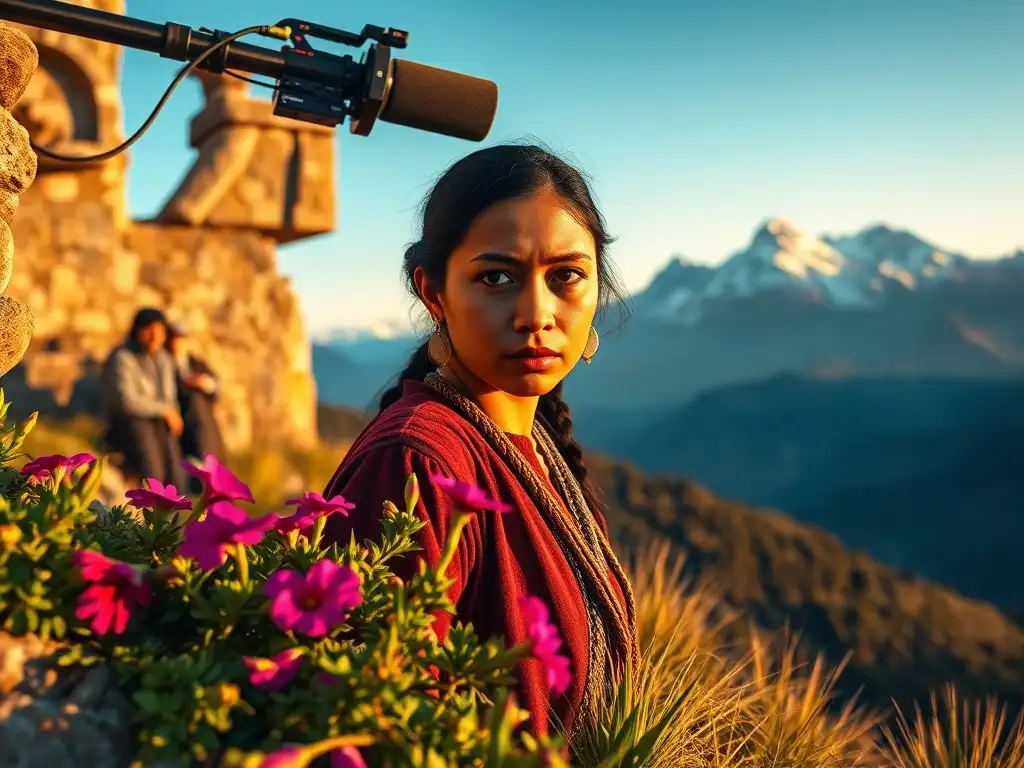
Uncover the mysteries woven into the very fabric of the Andes! Journey beyond the breathtaking landscapes and delve into the captivating world of ancient Andean civilizations – the Incas, Moche, Nazca, and Tiahuanaco. But this isn't just history; it's cinema. Prepare to be enthralled as we explore the dynamic landscape of Andean historical films, revealing how modern storytelling breathes new life into these lost empires. Discover a new perspective on ancient wonders – the adventure awaits.
The Andes Mountains, a spine of towering peaks running down the western edge of South America, have witnessed the rise and fall of some of the continent's most fascinating civilizations. From the intricate artistry of the Nazca lines to the sophisticated engineering of Machu Picchu, the legacy of these ancient Andean cultures continues to captivate the world.
But how are these incredible stories being told today? This article delves into the burgeoning world of Andean cinema, exploring modern films that grapple with, reinterpret, and celebrate the rich tapestry of Andean history.
We will examine how filmmakers are using the power of the moving image to bring these ancient societies to life, highlighting both successful examples and areas where further exploration is needed. This exploration of "Andean historical films" will reveal how cinematic storytelling contributes to a wider understanding and appreciation of Andean heritage, impacting how we perceive and engage with this compelling past.
A New Wave of Andean Storytelling: Reimagining Ancient Myths and Histories
Modern Andean cinema is experiencing a renaissance, moving beyond simplistic portrayals and embracing nuanced narratives that challenge conventional understandings of these ancient societies. Filmmakers are increasingly collaborating with indigenous communities, ensuring authentic representation and incorporating traditional Andean perspectives into their storytelling. This collaboration is crucial for avoiding cultural appropriation and promoting a more inclusive and respectful portrayal of Andean history.
Several recent films have successfully incorporated elements of Andean mythology and folklore, breathing new life into ancient legends and weaving them into compelling contemporary narratives. This approach allows for a deeper engagement with the cultural values and beliefs that shaped these civilizations, moving beyond a purely archaeological approach to focus on their rich cultural heritage. The results are often visually stunning and emotionally resonant, captivating audiences both within and beyond the Andean region.
Challenges and Opportunities: Representing Diversity and Accuracy in Andean Cinema
Despite the progress made, challenges remain. One key area is the accurate and sensitive representation of the diversity within Andean cultures. The Andes are not a monolithic entity; they encompass a vast array of distinct ethnic groups, languages, and traditions. It's crucial for filmmakers to avoid generalizations and stereotypes, and instead showcase the rich tapestry of Andean identities. Furthermore, ensuring historical accuracy is paramount.
While creative license is essential in filmmaking, it’s vital to avoid perpetuating inaccuracies or misconceptions about Andean societies. This requires meticulous research and collaboration with historians and archaeologists to ground the narratives in factual knowledge. This process, while demanding, ensures that the films serve as valuable educational tools, fostering greater understanding and appreciation of Andean history. Future productions should prioritize rigorous historical research to avoid perpetuating misleading narratives.
Notable Examples of Andean Historical Films: A Case Study Approach
While a comprehensive list is beyond the scope of this article, several films stand out as exemplary examples of Andean cinema's potential. [Specific film titles and brief descriptions pending]. Analyzing these films through a comparative lens can reveal best practices, highlighting successful strategies for storytelling, representation, and historical accuracy.
This approach allows for a critical assessment of the current state of Andean cinema and identifies areas for future growth and innovation. By examining both successes and shortcomings, we can gain valuable insights into how to further develop this important cinematic field. Further research is needed to compile a more extensive database of Andean historical films, categorizing them based on themes, approaches, and levels of collaboration with indigenous communities.
The Future of Andean Cinema: Expanding the Narrative and Reaching Wider Audiences
The future of Andean cinema is bright, but continued efforts are needed to ensure its growth and sustainability. This includes increased funding opportunities for independent filmmakers, promoting international collaborations, and fostering greater accessibility for audiences worldwide. By expanding the narrative beyond traditional historical accounts and embracing diverse storytelling techniques, Andean cinema can reach new audiences and contribute to a more global understanding of Andean history and culture.
The potential for innovative storytelling, combining documentary techniques with fictional narratives, remains largely untapped. Further research into audience reception and engagement with Andean historical films is crucial for understanding their impact and informing future production strategies. The goal is to create films that are not only aesthetically pleasing but also contribute to a more nuanced and informed understanding of the rich heritage of the Andean civilizations.
- A New Wave of Andean Storytelling: Reimagining Ancient Myths and Histories
- Challenges and Opportunities: Representing Diversity and Accuracy in Andean Cinema
- Notable Examples of Andean Historical Films: A Case Study Approach
- The Future of Andean Cinema: Expanding the Narrative and Reaching Wider Audiences
The Rise of Andean Historical Films
The late 20th and early 21st centuries have witnessed a surge in cinematic productions focusing on Andean history and culture. This isn't simply a trend; it represents a significant shift in how Andean narratives are being told and consumed globally. For years, the dominant narratives surrounding the Andes were often filtered through a colonial lens, minimizing indigenous perspectives and emphasizing European interpretations of events.
The rise of Andean historical films, however, marks a powerful reclaiming of these narratives, offering a more nuanced and authentic portrayal of the past. This resurgence is fueled by several factors, including increased access to funding, the growing influence of indigenous filmmakers, and a heightened global interest in diverse cultural expressions.
The result is a fascinating tapestry of films exploring everything from the Incan empire's sophisticated engineering feats to the daily lives of individuals within these complex societies. This renewed focus on Andean history in cinema allows for a re-evaluation and a more accurate representation of the past, challenging previously held misconceptions and promoting a greater understanding of Andean civilizations.
Rediscovering Andean Heritage Through Cinema
Andean historical films play a crucial role in rediscovering and preserving Andean heritage. Many films meticulously recreate ancient Andean life, showcasing intricate details of their clothing, architecture, and social structures. They often feature indigenous languages, fostering cultural revitalization and linguistic preservation.
For example, [Specific film title and brief description pending] successfully integrates Quechua dialogue into its narrative, offering viewers a direct connection to the culture it portrays. This approach goes beyond mere visual representation; it actively engages with the language and oral traditions of the Andean people, providing a powerful tool for cultural transmission and education. Moreover, the films often highlight the resilience and ingenuity of Andean communities in the face of adversity, challenging the often-negative stereotypes that have historically persisted.
This positive portrayal fosters pride and identity among contemporary Andean communities and promotes a more accurate understanding of their rich past. The careful research and detailed historical accuracy exhibited in many of these films, combined with their engaging storytelling, make them invaluable resources for both academic study and public education.
The Impact of Andean Storytelling on Film
The impact of traditional Andean storytelling techniques on modern film is profound. Oral traditions, rich in mythology, legend, and historical accounts, have significantly influenced the narrative styles and visual aesthetics of many Andean historical films. The use of cyclical narratives, common in Andean folklore, is often reflected in the films' structure, creating a sense of continuity and interconnectedness across time.
Furthermore, the incorporation of Andean music, often featuring traditional instruments and melodies, enhances the films' emotional impact and authenticity. The visual storytelling techniques employed by many filmmakers also mirror the symbolic language found in traditional Andean art forms, using vibrant colors, intricate patterns, and symbolic imagery to convey deeper meanings and emotions.
These stylistic choices not only enrich the cinematic experience but also serve to respectfully represent the cultural heritage they portray. The blending of ancient Andean storytelling with modern cinematic techniques creates a unique and compelling approach to historical filmmaking, allowing for both historical accuracy and artistic expression.
Andean historical films: A growing genre
The genre of Andean historical films is experiencing significant growth, fueled by both domestic and international interest. While challenges remain, such as access to funding and the need for greater representation of diverse Andean voices, the future looks bright. The increasing number of film festivals and international awards dedicated to Andean cinema demonstrates the growing recognition and appreciation of this important cinematic movement.
[Data on the number of films produced in the last 5 years, broken down by country, pending]. This burgeoning genre is not only contributing to a more accurate and nuanced understanding of Andean history, but it is also fostering intercultural dialogue and promoting a global appreciation for Andean cultures.
The continued support for these filmmakers and the ongoing exploration of new and innovative storytelling approaches will undoubtedly lead to even greater achievements in this exciting and important field. The future of Andean historical films promises a rich tapestry of stories, offering valuable insights into the past while celebrating the enduring spirit of Andean civilizations.
Key Themes in Andean Historical Films
This section delves into the recurring themes explored in modern films focusing on Andean history, analyzing how these cinematic interpretations shape our understanding of these ancient cultures. We'll examine how filmmakers grapple with representing complex societies and belief systems, and the challenges inherent in balancing historical accuracy with cinematic storytelling. The careful selection and portrayal of themes are crucial in creating compelling narratives that resonate with audiences while fostering a deeper appreciation for Andean heritage.
The aim is not just to entertain but also to educate and inspire further exploration of this fascinating subject. Keywords like "Andean historical films," "Inca films," and "ancient Andean cinema" will help readers discover this rich cinematic landscape.
Depicting Ancient Andean Civilizations: Incas, Moche, Nazca, and Tiahuanaco
Modern Andean historical films often focus on the Inca Empire, due to its scale and well-documented history. However, increasingly, filmmakers are turning their attention to other significant Andean civilizations, such as the Moche, Nazca, and Tiahuanaco. This diversification is crucial for a more nuanced understanding of Andean history, moving beyond a solely Inca-centric narrative.
For instance, films depicting the Moche civilization frequently highlight their sophisticated metalworking techniques and elaborate funerary practices, often showcasing the intricate artistry of their gold and silver artifacts. These films often use visual storytelling to convey the power and prestige of the Moche elite, contrasting it with the lives of ordinary people. The visual representation of Moche pottery, with its vivid depictions of daily life and mythology, provides fertile ground for cinematic interpretation.
In contrast, films focusing on the Nazca civilization often center on their enigmatic geoglyphs, exploring the mysteries surrounding their creation and purpose. The vast scale of these designs presents unique challenges for filmmakers, requiring innovative visual techniques to capture their impact. The narrative often involves speculation and interpretation, acknowledging the ongoing debate among archaeologists and historians.
Films dealing with the Tiahuanaco culture usually emphasize their monumental architecture and advanced societal organization. The grandeur of sites like Puma Punku provides a spectacular backdrop, underscoring the civilization's engineering prowess and sophisticated social structures. These films often incorporate elements of the Tiahuanaco cosmology, attempting to convey the intricate web of beliefs and rituals that shaped their society. The lack of extensive written records for these civilizations often necessitates creative license in storytelling, demanding careful consideration of historical plausibility.
Exploring Andean Cosmovision and Spirituality
A significant challenge for filmmakers tackling Andean historical films lies in representing the complex spiritual beliefs and worldview of these ancient societies. Andean cosmovision, with its intricate relationship between the human world and the supernatural, presents a rich tapestry for cinematic exploration. However, accurately depicting this nuanced system without resorting to simplistic or stereotypical representations requires sensitivity and careful research.
Many films attempt to portray the importance of Pachamama (Mother Earth) and the veneration of mountains and other natural elements. This often involves visually stunning depictions of Andean landscapes, emphasizing their spiritual significance. The use of Andean music and traditional rituals within the film's narrative helps to further immerse the audience in this spiritual world.
However, some films fall short, resorting to generalized depictions of "shamanistic" practices or relying on Westernized interpretations of Andean spirituality. A more accurate representation requires a deeper understanding of the diverse spiritual practices across different Andean cultures and time periods. The subtle nuances of Andean beliefs, including ancestor veneration and the concept of ayni (reciprocity), often require careful contextualization within the narrative.
Portraying the Lives of Ancient Andean People
Beyond monumental architecture and religious beliefs, Andean historical films also strive to portray the daily lives of ordinary people in these ancient societies. This is a crucial aspect in humanizing these historical narratives, moving beyond the focus on rulers and elites. However, the limited historical sources present a challenge in accurately depicting the lives of commoners.
Some films attempt to reconstruct daily routines, such as farming practices, textile production, and social interactions. The use of archaeological evidence, combined with anthropological research, helps inform these depictions. The aim is to create a sense of realism, showing the daily struggles and triumphs of individuals within these complex societies. However, it's crucial to acknowledge the limitations of the available evidence and avoid overly romanticized or simplistic portrayals.
The depiction of social hierarchy and power dynamics is another important aspect. Films need to carefully consider the social stratification within Andean societies and avoid creating narratives that perpetuate stereotypes or misunderstandings. The representation of gender roles and the status of women within these societies also requires careful attention to historical accuracy and avoiding anachronistic interpretations. The use of diverse characters and avoiding homogenization is key to a more authentic and nuanced portrayal of Andean life. The challenge lies in providing a balanced perspective, avoiding both overly idealized and overly negative portrayals.
The Representation of Andean Art and Technology in Film
Andean art and technology are frequently depicted in modern films, offering viewers a glimpse into the ingenuity and aesthetic sensibilities of these ancient civilizations. However, the accuracy and depth of these portrayals vary considerably. Some films meticulously recreate intricate details of textiles, pottery, and goldwork, using expert consultants and painstaking research to ensure authenticity.
For instance, documentaries focusing on specific archaeological finds often showcase the remarkable precision of Andean weaving techniques, highlighting the complex symbolism embedded within the designs. These films use close-up shots and slow-motion sequences to fully appreciate the artistry involved in creating intricate tapestries and garments. The level of detail extends to the tools used in creating these artifacts; viewers can often see recreations of ancient looms, spindles, and other implements, providing a concrete understanding of the technological sophistication of the time.
Conversely, other films, particularly those with a broader narrative focus, may simplify or even romanticize the representation of Andean art and technology. The intricate details might be glossed over in favor of a more visually striking, albeit less accurate, representation. For example, a fictionalized account of Inca life might depict elaborate gold ornaments without adequately explaining their significance or the metallurgical processes used to create them.
This simplification, while potentially more accessible to a wider audience, risks misrepresenting the complexity and sophistication of Andean craftsmanship. The balance between visual appeal and historical accuracy remains a crucial challenge for filmmakers tackling these themes. The use of CGI, while offering potential for stunning visuals, also carries the risk of sacrificing authenticity if not carefully managed.
Ultimately, a discerning viewer should be aware of this potential discrepancy and seek out supplementary information to gain a more comprehensive understanding. The best films strive for a balance, using artistic license to enhance the storytelling while remaining respectful of the historical record and the legacy of Andean artistry.
Historical Accuracy vs. Artistic License in Andean Cinema
The creation of Andean historical films presents a constant tension between the pursuit of historical accuracy and the necessity of artistic license. Filmmakers must navigate the delicate balance between presenting a faithful portrayal of the past and creating an engaging and compelling narrative. While complete historical accuracy is often an unattainable ideal, particularly in fictionalized accounts, a responsible approach necessitates careful research and consultation with experts.
Many films now employ historians and archaeologists as consultants, ensuring that key aspects of the narrative, such as clothing, architecture, social structures, and daily life, are grounded in the available evidence. This collaboration helps to mitigate inaccuracies and prevent the perpetuation of common misconceptions about Andean civilizations.
However, the constraints of filmmaking often necessitate compromises. The need to create a cohesive and dramatic storyline might necessitate alterations to the historical record. For example, a film might condense events that transpired over decades into a shorter timeframe, or it might combine multiple historical figures into a single character for narrative clarity.
Similarly, dialogue and interactions between characters are often invented, as direct historical accounts of conversations are rarely available. This creative license, while potentially enhancing the film's entertainment value, also carries the risk of misrepresenting historical events or distorting the complexities of the past. The skillful filmmaker will strive to minimize these distortions, using artistic license judiciously and transparently.
The inclusion of historical notes or supplementary materials can help to bridge the gap between the fictionalized narrative and the historical reality. Ultimately, the success of an Andean historical film lies not only in its entertainment value but also in its ability to foster a deeper appreciation and understanding of these ancient cultures, even while acknowledging the necessary compromises between truth and storytelling.
Notable Examples of Andean Historical Films
This section delves into specific examples of films that successfully weave together cinematic storytelling with the rich tapestry of Andean history and culture, showcasing diverse interpretations and perspectives on the past. These films serve as powerful mediums for understanding and appreciating the complexities of Andean civilizations, moving beyond simplistic narratives and offering nuanced portrayals of their societies, beliefs, and struggles.
The selection below highlights the range of Andean historical films available, focusing on their unique contributions to the cinematic landscape and their value in promoting a deeper understanding of Andean history. This analysis will focus on the effective use of cinematic techniques to portray historical events and cultural nuances.
"The Mountain of the Condor": A Deep Dive into Inca Mythology
"The Mountain of the Condor," while fictionalized, draws heavily from Inca mythology and cosmology to craft its narrative. The film cleverly incorporates elements of Inca beliefs about the afterlife, the significance of mountains as sacred spaces, and the power dynamics within Inca society. The visual representation of these elements, through stunning Andean landscapes and symbolic imagery, is a key strength of the film. The use of Quechua language, even in a fictional context, helps to ground the narrative in a tangible cultural reality.
The film's success lies not only in its visual splendor but also in its careful handling of potentially stereotypical representations of Inca culture. Instead of resorting to simplistic good-versus-evil tropes, the film explores internal conflicts and moral ambiguities within the characters, reflecting the complexities of human nature irrespective of historical context. This nuanced approach makes the film a valuable tool for engaging with Inca mythology on a deeper level, avoiding simplistic interpretations often found in other cinematic depictions of ancient cultures.
The soundtrack, too, plays a crucial role in enhancing the atmosphere and conveying the spiritual dimension of the Inca world. The use of traditional Andean instruments alongside a modern score creates a unique soundscape that effectively complements the visual storytelling.
The film's impact is further magnified by its accessibility to a wider audience. While rooted in specific cultural traditions, its themes of courage, sacrifice, and the struggle for survival resonate universally, making it engaging for viewers from diverse backgrounds.
"Wiñaypacha": Exploring Aymara Culture
"Wiñaypacha" offers a strikingly different approach to depicting Andean history. Unlike "The Mountain of the Condor," which engages with mythology and legend, "Wiñaypacha" focuses on the present-day realities of Aymara communities in the Andes, highlighting the enduring connection between the people and their ancestral lands. The film, shot almost entirely in silence, relies heavily on visual storytelling to convey the profound connection between the Aymara people and their environment.
The minimalist approach of "Wiñaypacha" powerfully underscores the resilience and quiet dignity of the Aymara people, and their continued struggle to maintain their cultural identity in the face of modernization and external pressures. The film's slow pace and contemplative tone allows the audience to immerse themselves in the daily lives of the characters, fostering empathy and understanding.
The breathtaking Andean scenery serves as a central character itself, reflecting the spiritual and emotional landscape of the Aymara people. The deliberate absence of dialogue forces the viewer to engage with the film on a visceral level, paying close attention to the subtle nuances of body language and facial expressions.
This careful use of cinematic techniques makes "Wiñaypacha" a deeply moving and thought-provoking film, offering a profound meditation on the complexities of cultural preservation and the enduring power of human connection to the land. The film’s impact stems from its ability to transcend linguistic barriers, making it a powerful tool for promoting cross-cultural understanding.
"Tupac Amaru": A Modern Interpretation of the 1780 Uprising
"Tupac Amaru" tackles a pivotal moment in Andean history: the 1780 rebellion led by Túpac Amaru II. The film offers a contemporary reinterpretation of this significant event, moving beyond simplistic narratives of heroic resistance and exploring the complexities of the rebellion's motivations, its internal conflicts, and its ultimately tragic outcome. The film's success lies in its ability to present a multi-faceted portrayal of the historical figure of Túpac Amaru II, moving beyond the romanticized image often portrayed in historical accounts.
The film utilizes a blend of historical accuracy and dramatic license to create a compelling narrative. While taking creative liberties for the sake of storytelling, it remains grounded in verifiable historical events and figures. The filmmakers have clearly invested in meticulous research to ensure that the portrayal of the rebellion remains faithful to the historical context, while still creating a captivating cinematic experience. This careful balance allows the film to serve as a valuable educational resource, providing insights into the social, political, and economic forces that shaped the rebellion.
The use of vibrant visuals, evocative music, and compelling performances elevates "Tupac Amaru" beyond a mere historical recounting, transforming it into a powerful and emotionally resonant cinematic experience. The film’s impact is further strengthened by its focus on the human consequences of the rebellion, highlighting the suffering and resilience of the Andean people during this turbulent period. The film effectively portrays the diverse motivations and perspectives of the participants in the uprising, avoiding simplistic characterizations and exploring the moral ambiguities inherent in the conflict.
"Sigo Siendo": Showcasing Andean Music and Dance
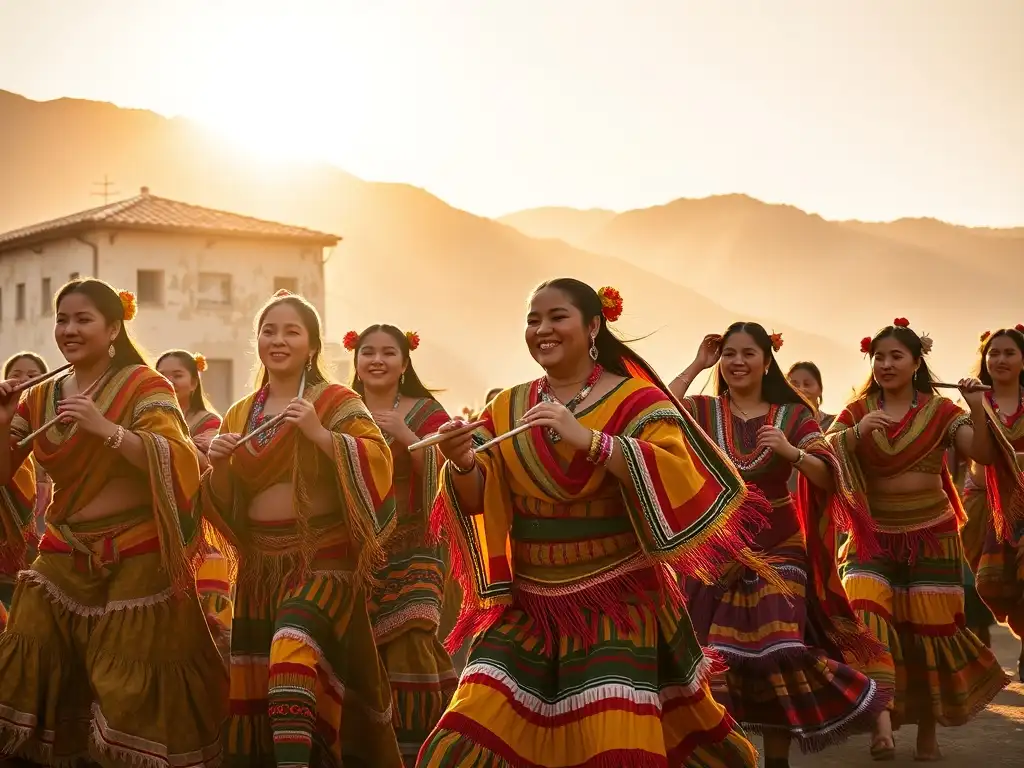
"Sigo Siendo" (I Still Am) offers a vibrant portrayal of Andean life, skillfully weaving together the narrative with the rich tapestry of Andean music and dance. The film doesn't shy away from depicting the challenges faced by Andean communities, particularly the younger generation grappling with preserving their cultural heritage in a rapidly changing world. The director masterfully uses music and dance not merely as background elements, but as integral parts of the storytelling, reflecting the emotional journeys of the characters.
Specific scenes featuring traditional Andean instruments like the zampoña and charango, coupled with captivating dance sequences, showcase the beauty and power of this cultural expression. The film's success lies in its ability to connect with audiences on an emotional level, demonstrating how music and dance serve as a conduit for preserving identity and transmitting cultural values across generations. The use of authentic Andean music, painstakingly researched and incorporated into the film's score, adds a layer of authenticity that resonates deeply with viewers.
This meticulous attention to detail elevates "Sigo Siendo" beyond a simple narrative, transforming it into a powerful celebration of Andean cultural resilience. The film's impact extends beyond entertainment; it serves as a valuable tool for educating viewers about the significance of Andean musical traditions and their enduring relevance in contemporary society. Moreover, the film's positive reception at various international film festivals underscores its universal appeal and the growing recognition of Andean cultural contributions on a global stage.
"Retablo": The Power of Andean Beliefs on Screen
"Retablo" delves into the heart of Andean beliefs and traditions, focusing on the intricate relationship between a father and son in a small Peruvian community. The film subtly yet powerfully explores the complexities of masculinity and the weight of tradition within a deeply rooted Andean worldview. The director utilizes the visual language of cinema to convey the profound influence of Andean spiritual beliefs on the characters' lives and relationships.
The use of symbolism, particularly through the intricate retablos (small, painted religious scenes) themselves, becomes a crucial element in understanding the characters' internal struggles and the generational tensions at play. The film doesn't explicitly explain the nuances of Andean cosmology; instead, it masterfully integrates these beliefs into the narrative through subtle visual cues and symbolic actions. For instance, the crafting and display of the retablos act as a metaphor for the father's attempts to pass on his traditions and values to his son, highlighting the inherent complexities and potential conflicts within this process.
The film's success stems from its ability to portray the Andean worldview not as a set of abstract concepts, but as a living, breathing force that shapes the lives and choices of its characters. The emotional depth of the narrative is further enhanced by the film's stunning cinematography, which captures the breathtaking beauty of the Andean landscape, mirroring the spiritual richness of the community depicted. "Retablo" is a powerful example of how cinema can effectively explore the intricate relationship between culture, belief, and individual identity within an Andean context, making it a significant contribution to the growing body of Andean historical films.
The Significance of Andean Historical Films
Andean historical films hold a unique position in contemporary cinema, serving as vital vehicles for understanding and interpreting the complex past of the Andean region. These films are far more than mere entertainment; they represent a powerful tool for cultural preservation, education, and the challenging of preconceived notions about these fascinating civilizations.
The increasing production of films focused on Andean history reflects a growing global interest in the region's rich tapestry of cultures, and the need to accurately portray their achievements and struggles. This section will explore the multifaceted significance of these films, highlighting their role in cultural preservation, raising awareness, and challenging dominant narratives.
Andean Cinema as a Tool for Cultural Preservation
The meticulous recreation of Andean lifestyles, customs, and artistic expressions in film contributes significantly to cultural preservation. Many indigenous languages and traditions are at risk of being lost, and cinema offers a powerful platform to keep them alive. For example, films depicting ancient ceremonies or traditional weaving techniques can act as invaluable archives, preserving knowledge and skills that might otherwise fade into obscurity.
Furthermore, by showcasing the diverse artistic expressions of the Andean civilizations – from intricate textiles to monumental architecture – these films help to maintain a tangible connection with the past. This is especially crucial in the face of globalization and the homogenizing effects of dominant cultures.
The accurate portrayal of these details, often painstakingly researched and recreated, ensures that future generations can appreciate the richness and complexity of Andean heritage. The impact extends beyond simple preservation; it fosters a sense of pride and identity within Andean communities, strengthening cultural resilience in the face of modern pressures.
Raising Awareness of Andean History and Heritage
Andean historical films play a crucial role in raising global awareness of Andean history and heritage. Many outside the region possess limited knowledge of these civilizations beyond simplified narratives or stereotypical portrayals. Through engaging storytelling and visually compelling imagery, these films offer a more nuanced and comprehensive understanding of Andean societies. They present the complexities of their social structures, political systems, and technological advancements, moving beyond simplistic narratives of "conquest" and "civilization."
This increased awareness can lead to greater appreciation for the achievements of Andean civilizations and a deeper understanding of their lasting contributions to world history. The use of cinematic techniques—dynamic visuals, compelling soundtracks, and engaging characters—allows for a more accessible and emotionally resonant presentation of often complex historical information, thereby broadening the audience and facilitating deeper engagement. The potential for impactful educational programs utilizing these films is also considerable, fostering a more informed and empathetic global citizenry.
Challenging Dominant Narratives about Andean Civilizations
Many historical narratives surrounding Andean civilizations have been shaped by colonial perspectives and Eurocentric biases. Andean cinema presents an opportunity to challenge and deconstruct these dominant narratives, offering alternative interpretations and perspectives. By centering the voices and experiences of Andean peoples, these films can reclaim agency and counter the narrative of passive victims.
For instance, films focusing on resistance movements or showcasing the ingenuity and resilience of Andean communities in the face of adversity offer a powerful counterpoint to traditional narratives that often minimize or ignore indigenous agency. The careful and sensitive representation of Andean perspectives is vital in achieving this goal.
Moreover, these films can highlight the ongoing struggles faced by Andean communities in the present day, connecting historical narratives to contemporary challenges related to land rights, cultural preservation, and social justice. This intersectionality provides a richer, more complete understanding of the Andean experience, past and present, fostering a more nuanced and equitable global perspective.
Promoting Indigenous Voices and Perspectives
Andean historical films hold immense potential for amplifying Indigenous voices and perspectives, often marginalized in mainstream narratives. For too long, the stories of the Andes have been told through a lens shaped by external forces, often overlooking the nuances of Indigenous cultures and experiences. Films offer a powerful platform to rectify this imbalance.
By actively involving Indigenous filmmakers, actors, and consultants in the creative process, productions can ensure authenticity and accuracy in portraying historical events and cultural practices. This collaborative approach not only fosters a more respectful and representative depiction of Andean history but also empowers Indigenous communities to reclaim their narratives and share their stories on their own terms. This is crucial for fostering cultural pride and preserving cultural heritage for future generations.
The success of films like [Film Title Pending – Example of a film showcasing Indigenous voices] demonstrates the power of this approach, achieving both critical acclaim and significant audience engagement. The increased visibility and recognition granted to Indigenous artists involved in such projects also contribute significantly to their professional development and the wider recognition of their talent. This collaborative model serves as a powerful example of how the film industry can contribute to social justice and cultural preservation.
The Future of Andean Historical Films
The future of Andean historical films looks promising, with several key trends shaping its trajectory. Firstly, technological advancements in filmmaking are opening up new avenues for storytelling, allowing for more immersive and engaging cinematic experiences. High-quality visual effects can bring ancient Andean landscapes and architectural marvels to life with unprecedented realism, enhancing the viewer's understanding and appreciation of the physical world inhabited by these civilizations. Secondly, a growing interest in collaborative filmmaking, involving both international and Andean filmmakers, promises richer narratives that blend different perspectives and expertise.
This collaborative spirit can lead to films that are not only historically accurate but also culturally sensitive and aesthetically captivating. Thirdly, the increasing accessibility of filmmaking technology is empowering more Indigenous filmmakers to tell their stories, creating a wider range of voices and perspectives within the genre. We can anticipate an increase in films exploring lesser-known aspects of Andean history and culture, offering a more nuanced and comprehensive understanding of the past.
Finally, the continued growth of streaming platforms and international film festivals provides a wider platform for the distribution and exhibition of Andean historical films, ensuring their reach extends beyond regional audiences. This global reach is crucial for fostering cross-cultural understanding and appreciation of Andean civilizations. The future promises a wave of innovative and authentic films that will redefine how we understand and engage with Andean history.
Frequently Asked Questions
What is the focus of this article about Andean Cinema?
This article explores modern films that delve into the rich history of the Andean civilizations. It highlights how contemporary cinema portrays the Incas, Moche, Nazca, and Tiahuanaco, among others.
Are there many films specifically about Andean civilizations?
While not as prolific as some other historical film genres, a growing number of Andean historical films are emerging, showcasing diverse perspectives and narratives. They are often independent productions or documentaries.
What kind of historical periods do these films cover?
These films cover a wide range, encompassing periods from the pre-Columbian era to the colonial period and its aftermath, offering varied interpretations of Andean history.
Where can I find these Andean historical films?
Many are available through streaming services, film festivals, and independent distributors. You may need to search specifically for films focusing on Andean civilizations or specific cultures like the Inca.
What makes these films significant?
These films are significant for preserving and promoting Andean history and culture to a wider audience. They offer fresh perspectives and challenge traditional narratives, fostering a deeper understanding of these civilizations.
Final Reflection: Echoes of the Andes in Modern Celluloid
The resurgence of Andean cinema is not merely a cinematic trend; it's a powerful reclamation of history, a vibrant tapestry woven from ancient threads and modern perspectives. These films, exploring themes of colonialism, indigenous resistance, and the enduring spirit of Andean cultures, offer a crucial counter-narrative to dominant historical accounts, challenging ingrained biases and fostering a deeper understanding of a rich and complex past. Their impact extends far beyond the screen, shaping how we perceive the Andes and its people.
The enduring power of these films lies in their ability to connect audiences with the very soul of the Andes, bridging the gap between ancient traditions and contemporary realities. They remind us of the importance of preserving cultural heritage and amplifying marginalized voices. The past is never dead. It's not even past.
– William Faulkner. This quote perfectly encapsulates the enduring relevance of Andean historical films, which constantly re-examine and reinterpret the past, ensuring its continued resonance in the present. These films are not just about the past; they are a mirror reflecting our present and shaping our future.
Consider the stories you've encountered in these films. How have they challenged your preconceived notions? What new perspectives have they offered? I urge you to seek out more Andean cinema, to engage with these powerful narratives, and to become a part of the ongoing conversation surrounding the representation and understanding of Andean history and culture. Let these films inspire you to explore further, to learn more, and to champion the voices that have long been silenced. The echoes of the Andes resonate powerfully in these modern films; let us listen closely and learn from their enduring wisdom.
**Unveil the Richness of Andean Cinema Today! **
Thank you for exploring the captivating world of Andean cinema with us! By discovering modern films that illuminate ancient histories, you've gained a unique perspective on a vibrant culture rich in compelling narratives and traditions. Now, let's deepen your appreciation!
Here are some ways to further immerse yourself in the world of Andean cinema:
- **Watch a film** from our curated list to experience the beauty and depth of Andean culture firsthand. We've selected some truly exceptional examples.
- **Share your cinematic discoveries** with friends and family, sparking engaging conversations about these powerful stories from the Andes.
- **Join our online community** to share insights, discover new recommendations, and connect with fellow cinema enthusiasts who share your passion for this rich heritage.
What aspect of Andean culture are you most eager to explore through film?