
Moche Ceramics as Evidence: Understanding Moche Society

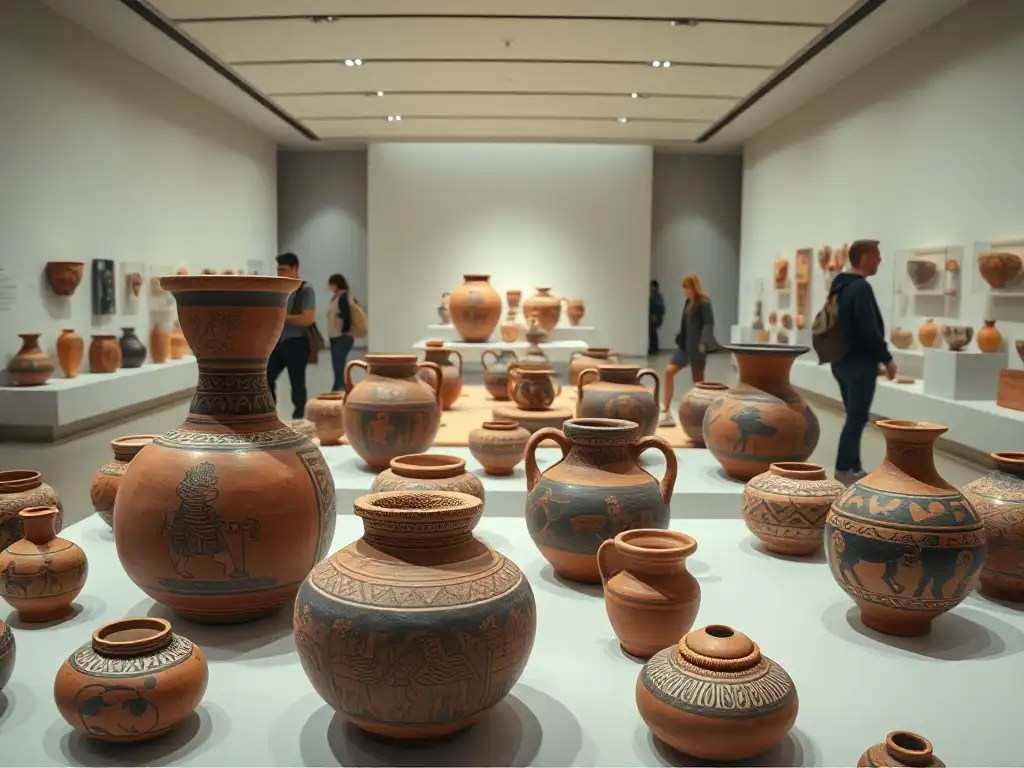
Uncover the secrets whispered by the sands of time! Dive into the captivating world of Andean civilizations, where vibrant cultures flourished and left behind a legacy of breathtaking artistry and ingenuity. But there's more to these ancient societies than meets the eye. Our exploration begins with a meticulous Moche pottery analysis, revealing astonishing insights into the complex social structures and daily lives of the Moche people. Prepare to be amazed as we unravel the stories etched onto these remarkable vessels – a journey into a lost world awaits.
The Moche civilization, flourishing along the northern coast of Peru from approximately 100 CE to 800 CE, left behind a remarkable legacy—one vividly documented through their exquisite ceramics. These aren't merely decorative objects; they are invaluable primary sources offering unparalleled insights into Moche society, its beliefs, its daily life, and its complex social structure.
This article delves into the world of Moche pottery analysis, examining how the meticulous study of these artifacts allows us to reconstruct a nuanced understanding of this fascinating ancient culture. We will explore various aspects of Moche ceramics, from their technical mastery to their symbolic representations, demonstrating their crucial role in unraveling the mysteries of the Moche.
By analyzing the iconography, styles, and materials used, we can piece together a more complete picture of Moche social hierarchies, religious practices, and daily routines. Understanding Moche pottery analysis is key to unlocking a deeper appreciation for this influential civilization.
The Technical Mastery of Moche Pottery
Moche potters demonstrated exceptional skill in their craft. They employed sophisticated techniques, including the use of molds and slip-casting, to produce a wide variety of vessels. The precision and detail evident in their work are astonishing.
Consider the intricacy of the sculpted figures, the vibrant colors achieved through the use of pigments, and the remarkable durability of the finished pieces. Many pieces survive to this day due to the high quality of their production. This technical proficiency itself speaks volumes about the Moche's organized society and the specialized labor involved in pottery production.
The standardization in certain forms and styles suggests workshops and a level of mass production that was quite advanced for the time. Evidence suggests a division of labor, with specialists focusing on specific aspects of the process, from clay preparation to painting and firing. This speaks to the level of social organization and the importance placed upon this craft within the Moche society.
The iconography depicted on Moche pottery provides crucial clues to understanding Moche social structures. Representations of elites, warriors, priests, and commoners are frequently found, revealing the hierarchical nature of their society. Detailed depictions of elaborate ceremonies, warfare, and daily life offer glimpses into the different social roles and their relative status. For example, the depiction of individuals adorned with elaborate headdresses and jewelry clearly indicates high social standing, often associated with religious or political authority.
Conversely, representations of individuals engaged in agricultural labor or other everyday tasks provide insights into the lives of the common people. The frequency and prominence of certain figures in Moche pottery also reflects their importance within the social hierarchy. Analyzing this iconography, therefore, allows us to map the social landscape of the Moche civilization with a surprising degree of accuracy.
Moche Pottery and Religious Beliefs
Moche pottery also serves as a window into the religious beliefs of the civilization. Many vessels depict deities, mythical creatures, and scenes from religious rituals. These representations offer invaluable insights into the Moche pantheon and their cosmological worldview. The careful study of these images reveals recurring motifs and symbols, allowing for interpretations of Moche mythology and religious practices.
For instance, the frequent depiction of certain deities, such as the Ai Apaec, suggests their prominent role in the Moche belief system. The detailed representations of rituals, sacrifices, and offerings illuminate the importance of religious ceremonies in Moche life and provide a glimpse into their spiritual world. Furthermore, the use of specific colors and symbols may also hold religious significance, further enriching our understanding of Moche religious practices. The sheer number of ceramic vessels with religious iconography underscores the deep integration of religion into all aspects of Moche society.
Moche Pottery: A Case Study in Archaeological Analysis
The analysis of Moche pottery is a testament to the power of archaeological investigation. By combining careful observation, scientific techniques, and interpretive skills, archaeologists have been able to extract a wealth of information from these seemingly simple artifacts. The use of techniques such as X-ray fluorescence to analyze pigment composition, or the study of stylistic variations to track trade routes and cultural exchange, showcases the multidisciplinary nature of Moche pottery analysis.
Each new discovery and refinement of analytical methods further enhances our understanding of this vibrant culture. The ongoing research into Moche ceramics continues to yield new insights, highlighting the enduring value of these artifacts as primary sources for understanding the Moche civilization. The meticulous work of archaeologists in analyzing Moche pottery continues to revolutionize our understanding of this ancient society, demonstrating the enduring power of archaeological investigation.
- The Technical Mastery of Moche Pottery
- Iconography and Social Hierarchy in Moche Ceramics
- Moche Pottery and Religious Beliefs
- Moche Pottery: A Case Study in Archaeological Analysis
- What makes Moche pottery so significant for understanding their society?
- How did Moche potters achieve such intricate detail in their work?
- What are some common themes or motifs found in Moche pottery?
- How does analyzing Moche pottery contribute to "Moche pottery analysis"?
- Where can I see examples of Moche pottery?
Unveiling Moche Society Through Ceramic Art
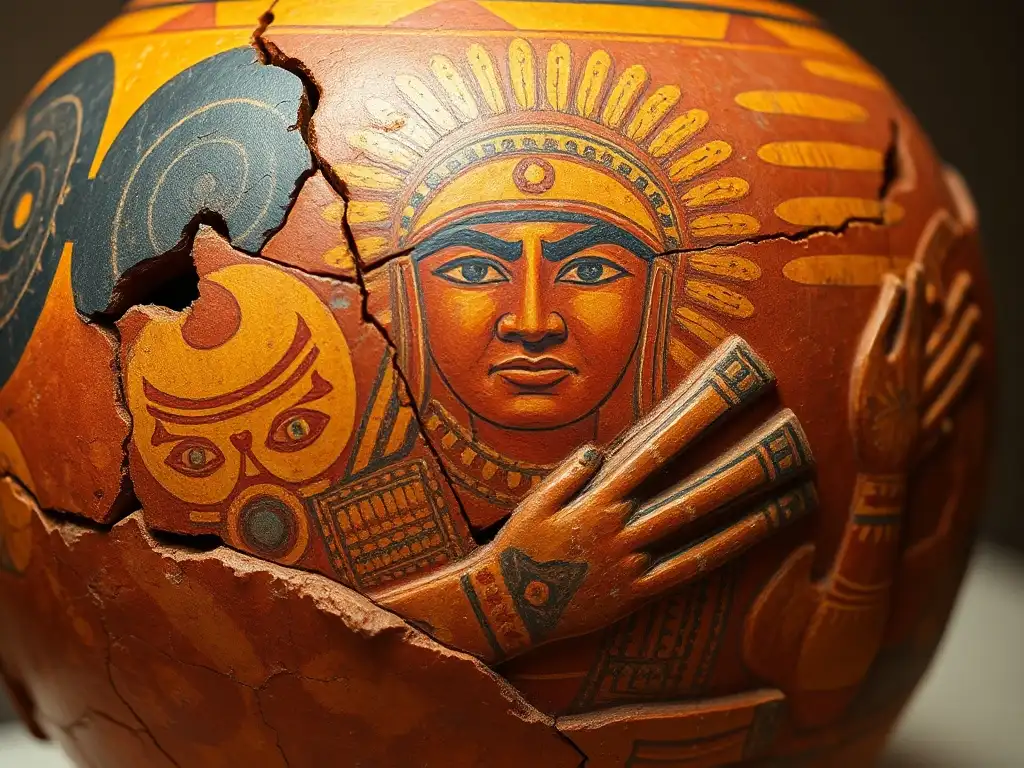
The vibrant and intricate ceramics of the Moche civilization (c. 100-800 CE) offer an unparalleled glimpse into their complex society. Unlike many ancient cultures where written records are scarce or nonexistent, the Moche left behind a rich legacy of pottery, meticulously crafted and richly decorated. This detailed artwork serves as a primary source for understanding their social structures, religious beliefs, warfare, and daily lives.
Moche pottery analysis, therefore, plays a crucial role in reconstructing the history of this fascinating civilization. The sheer volume of surviving pottery, its stylistic diversity, and the consistent depiction of specific scenes and motifs provide researchers with a wealth of information that would otherwise be lost to time. This section delves into the significance of Moche pottery as a primary source of information, exploring how its analysis illuminates various aspects of Moche society.
The Significance of Moche Pottery in Archaeological Studies
Moche pottery's significance in archaeological studies stems from its unique characteristics. Firstly, the sheer quantity of surviving vessels is remarkable. Thousands of examples have been excavated, representing a broad cross-section of Moche artistic production and social practices. Secondly, the level of detail and craftsmanship is extraordinary.
Potters employed sophisticated techniques, achieving remarkable realism in their depictions of humans, animals, and plants. These weren't just functional objects; they were carefully planned artistic expressions. Thirdly, the stylistic variations across different Moche periods and regions allow researchers to track changes in artistic conventions and correlate them with broader socio-political shifts. The study of Moche pottery styles can, therefore, contribute to a more nuanced understanding of the civilization's chronology and evolution.
Finally, and perhaps most importantly, Moche pottery frequently depicts scenes of daily life, religious rituals, warfare, and other aspects of Moche society, offering invaluable insights into their worldview and social structures. This visual record is essential for understanding a culture that left behind limited textual evidence. Analysis of these depictions, combined with careful consideration of the pottery's context of discovery, provides crucial information for building a comprehensive understanding of Moche life. The meticulous study of even seemingly minor details—the type of clay used, the painting techniques employed, the specific motifs depicted—can yield significant insights into the social and economic organization of the Moche.
Moche Pottery Analysis: A Window into Daily Life
Moche pottery analysis offers a unique window into the daily lives of Moche people. The vessels themselves, ranging from simple bowls to elaborate stirrup-spout jars, reflect the diverse needs and activities of Moche society. The depiction of everyday scenes on many vessels provides direct evidence of their activities. For instance, some pottery depicts scenes of agriculture, showing individuals tending fields, harvesting crops, and processing food.
These representations offer valuable insights into their agricultural practices and the importance of agriculture in their economy. Similarly, other pottery depicts scenes of fishing, hunting, and other economic activities. These scenes are often incredibly detailed, showing not only the actions of the individuals but also the tools and techniques they used. This level of detail allows archaeologists to reconstruct aspects of Moche technology and economic organization.
Beyond economic activities, Moche pottery also provides insights into social interactions and rituals. Many vessels depict scenes of feasting, dancing, and other social gatherings, offering clues about Moche social structures and hierarchies. The depiction of individuals in different attire and roles suggests the existence of social stratification and specialized labor.
Moreover, the presence of specific motifs and symbols on the pottery can provide insights into religious beliefs and rituals. For example, the frequent depiction of deities and mythological creatures suggests the importance of religion in Moche society. The careful study of these motifs and their variations across different vessels can help us to understand the complex religious beliefs and practices of the Moche.
In essence, through careful Moche pottery analysis, we can piece together a rich tapestry of their daily routines, social organization, and spiritual world. The study of these artifacts isn't just about identifying the objects; it’s about understanding the people who created and used them, and the society they inhabited. The meticulous detail preserved in Moche pottery ensures that even today, we can still hear whispers of their past.
Decoding Moche Iconography: Themes and Narratives
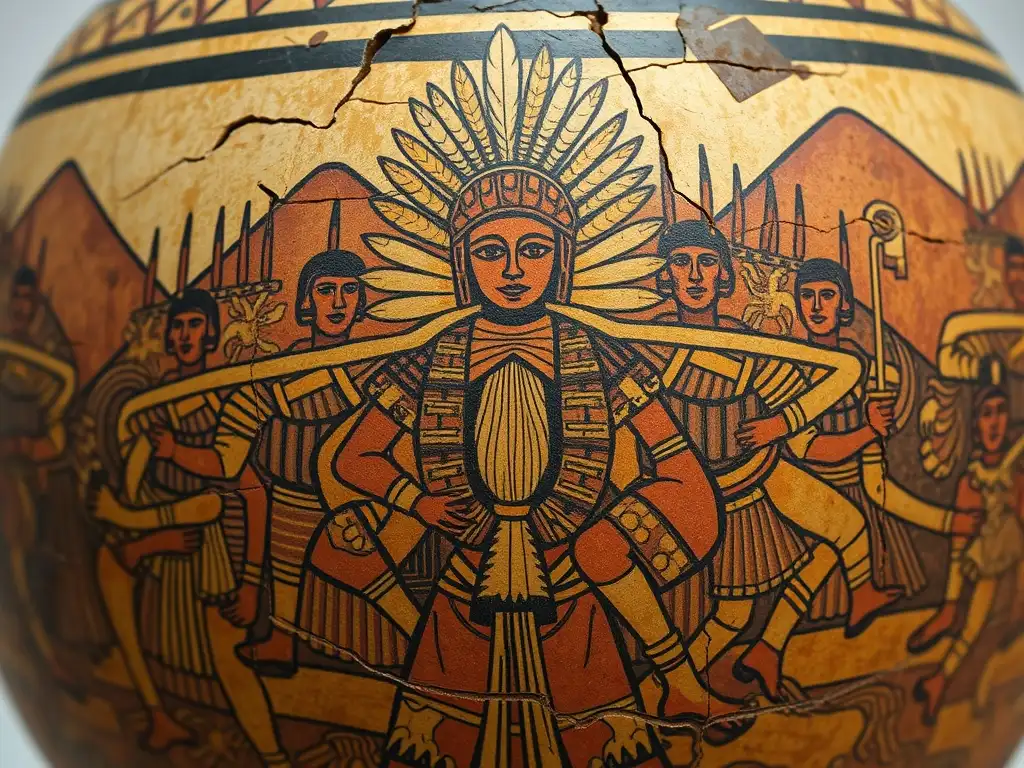
Moche pottery analysis reveals a complex and fascinating society through its intricate iconography. The imagery isn't simply decorative; it's a powerful visual language conveying narratives, beliefs, and social structures. Themes consistently appearing across different Moche ceramic pieces provide valuable insights into their worldview. Careful examination of these motifs allows for a deeper understanding of their rituals, social hierarchies, and daily life.
The vibrant colors, detailed figures, and symbolic elements all contribute to a rich tapestry of information waiting to be deciphered. This section explores the prevalent themes and narrative structures found in Moche pottery, shedding light on the Moche people's understanding of the world around them. The precision and artistry involved in creating these pieces highlight the importance placed on visual communication within their society. Moche pottery analysis, therefore, goes beyond mere aesthetics; it's a crucial tool for reconstructing their cultural history.
Moche Ceramic Depictions of Rituals and Ceremonies
Many Moche ceramic vessels depict elaborate rituals and ceremonies. These scenes often involve priests, shamans, and possibly deities, engaged in complex actions. The depictions are highly detailed, providing clues about the specific rituals performed. For instance, some pots show individuals participating in what appears to be a drinking ceremony, possibly related to ancestor veneration or fertility rites.
Others depict scenes of human sacrifice, a practice known to have been part of Moche religious life, although the full extent and significance of these sacrifices are still debated among scholars. The stylistic conventions used in depicting these ceremonies, such as the use of specific colors or poses, may carry symbolic meaning requiring further research for complete understanding. The consistency of certain ritualistic motifs across numerous vessels suggests that these ceremonies held significant importance within Moche society.
Analyzing these scenes allows us to piece together a more complete picture of Moche religious beliefs and practices. Further, the careful depiction of costumes, regalia, and ceremonial objects provides additional information about the social roles and hierarchy involved in these events. Detailed Moche pottery analysis of these ritual scenes is crucial to understanding their religious and spiritual world.
Moche Art and Warfare: Analyzing Battle Scenes in Pottery
Moche pottery also frequently depicts scenes of warfare. These representations often showcase detailed battle scenes, with warriors armed with spears, clubs, and slings. The level of detail in these depictions is remarkable, providing insights into Moche military tactics, weaponry, and the organization of their armies.
Some vessels portray victorious warriors triumphantly displaying their captives, while others depict fierce battles with numerous combatants engaged in hand-to-hand combat. The analysis of these scenes helps us understand the importance of warfare in Moche society and its potential impact on their social structure. The portrayal of both individual warriors and large-scale battles offers a unique perspective on Moche military practices.
By carefully examining the details of the weaponry, uniforms, and battle strategies depicted, researchers can gain a valuable understanding of Moche military capabilities and their role in shaping Moche society. The frequency with which warfare is depicted in Moche pottery suggests its significance in their daily lives, potentially influencing their political and economic systems. Further research into these battle scenes is needed to fully understand the complexities of Moche warfare.
Moche pottery analysis reveals a clear social hierarchy reflected in the ceramic styles and the individuals depicted. Elaborately decorated vessels, often featuring intricate designs and precious materials, likely belonged to the elite members of society – perhaps rulers, priests, or high-ranking officials. These pieces frequently depict scenes of power, ritual, and privilege. In contrast, simpler, less ornate pottery likely belonged to commoners.
By analyzing the variations in style, materials, and iconography, we can begin to map the social strata within Moche society. For instance, the presence of specific motifs or the use of particular colors might indicate the social standing of the vessel's owner. The size and form of the vessels may also provide clues. Furthermore, the depiction of individuals in different clothing or with different adornments can further support the identification of social classes.
This stratification, evident in the pottery, reflects a complex social structure that extended beyond simply economic differences. The careful study of Moche ceramic styles, therefore, provides invaluable evidence for understanding Moche social organization and power dynamics. Further research, including chemical analysis of pigments and materials, could provide even more precise insights into the manufacturing and distribution of these vessels. The detailed analysis of Moche pottery offers a powerful lens through which to view the social fabric of this ancient civilization.
Moche Ceramic Production: Techniques and Materials
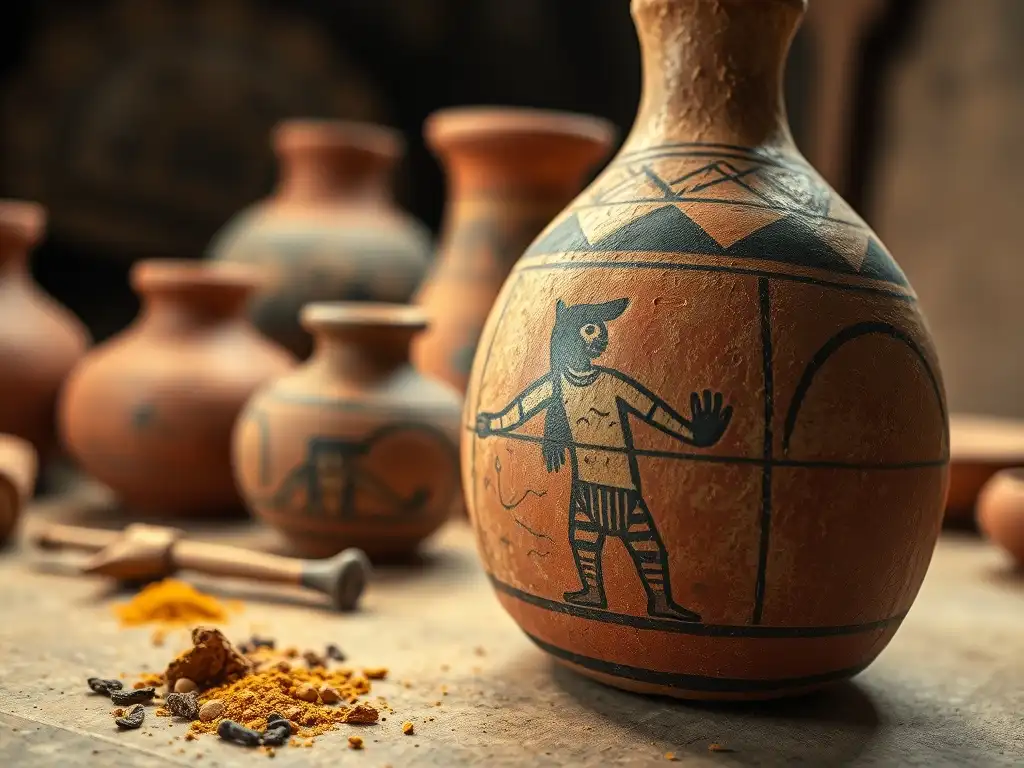
The remarkable artistry of Moche pottery is intrinsically linked to the sophisticated techniques and materials employed in its creation. Analyzing Moche pottery provides invaluable insights into their technological prowess and social organization. The production wasn't a haphazard process; rather, it was a highly skilled craft, demanding expertise and precision at every stage, from material sourcing to the final firing. This section delves into the intricacies of Moche ceramic production, illuminating the ingenuity and dedication of the artisans.
The Craft of Moche Pottery: Molding and Firing Processes
Moche potters utilized a variety of techniques to shape their vessels, demonstrating a mastery of both simple and complex methods. Many pieces were created using the coil-and-scrape method, where long coils of clay were carefully built up and smoothed to create the desired form. This technique allowed for considerable flexibility, enabling the creation of both simple and elaborate shapes. More intricate designs, such as those seen in portrait vessels, often involved the use of molds. These molds, likely made from clay or other materials, allowed for the mass production of standardized forms, while still permitting individual artistic embellishment.
The firing process was equally crucial. Evidence suggests that Moche potters employed open-air kilns, possibly utilizing a reduction firing technique to achieve the characteristic colors and finishes. This involved carefully controlling the air supply during firing, creating a range of hues from the deep reds and blacks to the vibrant oranges and yellows so admired today. The precise temperature control required for consistent results underscores the advanced level of technological understanding achieved by Moche artisans. Further research into the specific kiln structures and firing temperatures would enhance our understanding of this crucial aspect of Moche ceramic production. 🔥
Moche Pottery Materials: Sourcing and Preparation
The quality of Moche pottery is inextricably linked to the quality of its materials. The primary ingredient, clay, was carefully sourced from local deposits. Analysis of the clay composition reveals variations depending on the location and specific needs of the artisans.
Some clays were chosen for their plasticity, making them ideal for molding intricate forms. Others were selected for their firing properties, ensuring the desired color and durability of the final product. The preparation of the clay involved meticulous processes, including cleaning, sieving, and tempering.
Tempering agents, such as crushed rock or shell fragments, were added to the clay to improve its workability and reduce cracking during drying and firing. The careful selection and preparation of these materials reflect the potters' deep understanding of the properties of clay and their commitment to producing high-quality ceramics. The exact composition of tempering agents in different regions and their influence on final product quality remains an area of ongoing research.
Moche Ceramic Workshops: Organization and Specialization
The scale and complexity of Moche ceramic production strongly suggest a degree of organization and specialization within their society. Evidence from archaeological sites points to the existence of dedicated ceramic workshops, where skilled artisans collaborated in the creation of pottery. These workshops weren't merely isolated spaces; they likely formed part of a larger social and economic network, connected to resource acquisition, distribution, and even religious practices.
The level of standardization in certain forms suggests a division of labor, with some potters specializing in mold-making, others in shaping and decorating, and still others in firing and finishing. This specialization facilitated mass production while allowing for stylistic variations and artistic expression. Further investigation into the spatial organization of these workshops and the social roles of the artisans involved could reveal crucial insights into Moche social structures and economic systems.
The discovery of more workshop sites and a more thorough analysis of existing findings could illuminate the intricate organization of Moche ceramic production and its relationship to the wider society. 🧑🎨
Moche Pottery Styles and Chronology
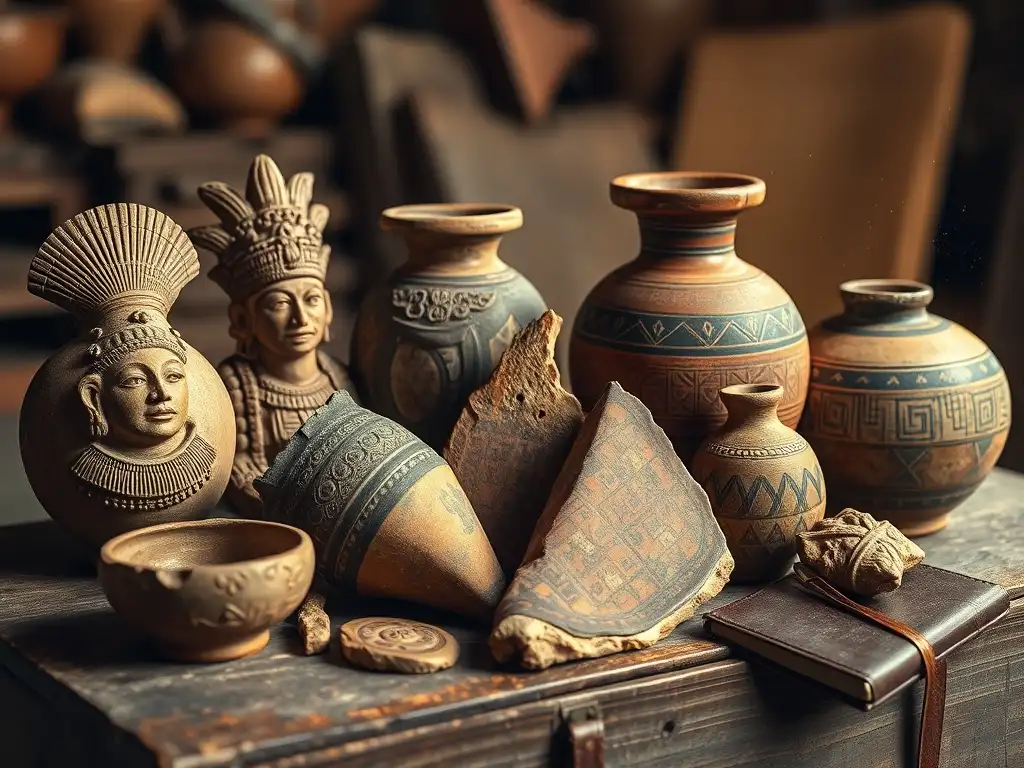
Moche pottery analysis offers a fascinating window into the social structures, religious beliefs, and daily life of this remarkable Andean civilization. The stylistic evolution of Moche ceramics, meticulously documented by archaeologists, provides a chronological framework for understanding the society's development over several centuries. Careful examination of the pottery's forms, colors, and iconography reveals a wealth of information about the Moche worldview and their sophisticated artistic capabilities.
The changes observed in Moche pottery reflect not only artistic innovation but also significant shifts in social organization, political power, and possibly even environmental factors influencing their artistic output. Analyzing Moche pottery allows us to reconstruct aspects of their society that would otherwise remain hidden.
Early Moche Ceramics: Characteristics and Influences
Early Moche ceramics (roughly 100-300 CE) are characterized by a distinct simplicity compared to their later counterparts. While still exhibiting impressive technical skill in their construction, the forms are generally less elaborate, with a predominance of simple bowls, jars, and stirrup-spout vessels. The color palette is relatively restrained, often featuring monochrome finishes in reddish-brown, black, or cream.
However, even in this early period, the beginnings of characteristic Moche iconography are evident, with rudimentary depictions of humans, animals, and possibly mythological beings appearing on some pieces. Influences from earlier traditions, such as the Recuay culture, are detectable in certain stylistic elements, suggesting a process of cultural exchange and adaptation.
Archaeological evidence suggests a strong connection between the development of early Moche pottery and the establishment of centralized settlements and the rise of a more complex social hierarchy. The meticulous craftsmanship, even in these early pieces, points towards the importance of pottery in early Moche society, possibly tied to ritual practices or social status.
Middle Moche Pottery: Evolution of Styles and Themes
The Middle Moche period (roughly 300-700 CE) witnessed a remarkable flourishing of Moche ceramic art. This era is defined by a significant increase in the complexity of both form and decoration. Stirrup-spout vessels reached their peak of sophistication, with intricate designs and detailed modeling.
The color palette expanded dramatically, with the introduction of polychromy and the use of vibrant hues like red, white, yellow, and black. This period also saw the development of highly realistic and expressive depictions of human figures, often engaged in a wide range of activities, from hunting and fishing to warfare and ritual ceremonies. These representations provide invaluable insights into Moche social structures, beliefs, and daily life.
Detailed depictions of elaborate headdresses, clothing, and adornments reveal social hierarchies and the importance of ritual performance. The themes depicted frequently relate to mythology, suggesting a strong connection between religious beliefs and the artistic production. Moche pottery analysis from this period reveals a significant increase in the quantity and diversity of pottery, suggesting a growing population and a more complex economy.
Late Moche Ceramics: Changes in Form and Decoration
Late Moche ceramics (roughly 700-800 CE) show a noticeable shift in style compared to the preceding Middle Moche period. While the technical skill remained high, there's a discernible tendency towards simpler forms and a reduction in the use of polychromy. The vibrant colors of the Middle Moche period are largely replaced by a more subdued palette, often dominated by monochrome finishes or the use of just two or three colors.
However, the iconography remains remarkably detailed and expressive, although the themes seem to shift slightly. While depictions of human figures and ritual activities persist, there's a possible increase in representations of nature and the environment. This change might reflect shifts in social organization or perhaps even a response to changing environmental conditions.
Further research is needed to fully understand the factors contributing to these stylistic changes in Late Moche pottery. The decrease in elaborate polychrome designs could indicate changes in resources, labor practices, or shifts in the social values placed on artistic expression. Analyzing the changes in the quantity and type of pottery produced in this period could provide further insights into social and economic shifts within Late Moche society.
Moche Pottery as a Reflection of Beliefs and Ideologies
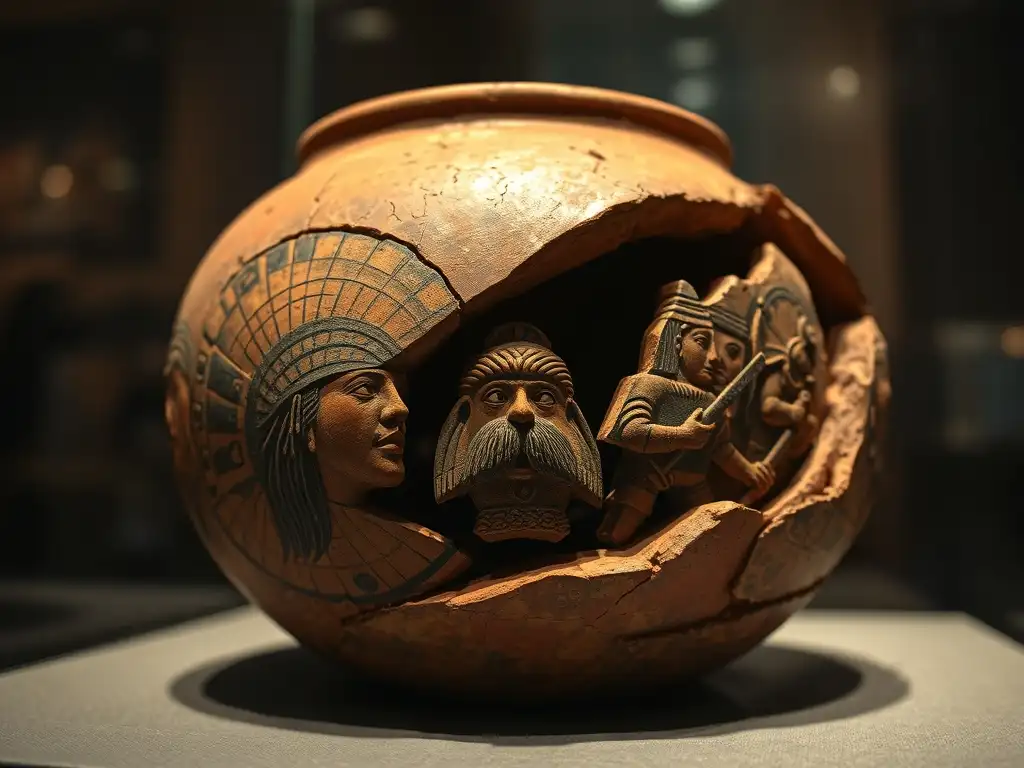
Moche pottery analysis offers a unique window into the complex belief systems and ideologies of this pre-Columbian Andean civilization. Unlike written records, which are absent for the Moche, their elaborate ceramics provide invaluable insights into their worldview, social structures, and daily lives. The meticulous detail and vibrant artistry evident in Moche pottery transcend mere aesthetic appeal; they represent a powerful form of visual communication, conveying narratives, beliefs, and social hierarchies.
Through careful examination of the iconography, stylistic choices, and contextual evidence, researchers can piece together a richer understanding of Moche spiritual life and societal values. The sheer volume and diversity of surviving Moche pottery—spanning centuries of artistic production—ensure a robust dataset for this type of analysis. This section will delve into specific examples to illustrate how Moche pottery serves as a primary source for understanding their worldview.
Moche Ceramic Representations of Deities and Supernatural Beings
Moche pottery frequently depicts deities and supernatural beings, often engaging in dynamic interactions or ritualistic activities. These representations are not haphazard; rather, they are carefully crafted to convey specific attributes and roles within the Moche pantheon. For example, the recurring motif of a feline deity, often associated with warfare and power, is depicted with varying attributes depending on the context and the specific ceramic piece.
Sometimes it is shown as a benevolent protector, other times as a fierce warrior. Similarly, depictions of anthropomorphic beings with unusual features, possibly representing shamanistic figures or intermediary spirits, are common. The consistent stylistic features and iconographic elements across numerous vessels suggest a shared understanding and reverence for these supernatural entities within Moche society.
Analysis of these depictions, combined with contextual information from burial sites, reveals a complex cosmology that influenced various aspects of Moche life, from agricultural practices to warfare and political organization. The stylistic variations in the depiction of these figures also allows for the study of potential regional or temporal differences in Moche beliefs. The meticulous detail in the portrayal of these beings, including their headdresses, ornaments, and body paint, helps to ascertain their significance and roles within the broader Moche belief system.
Moche Pottery and Ancestor Veneration: Evidence in Funerary Contexts
The role of ancestor veneration in Moche society is clearly evidenced through the analysis of pottery found in funerary contexts. Elaborate grave goods, often including intricately decorated vessels, were frequently interred with the deceased. These vessels often depict scenes of ancestor figures, possibly representing deceased members of the elite or individuals with significant social standing.
The presence of specific motifs, such as stylized representations of deceased individuals or symbolic imagery associated with the afterlife, further supports the idea of ancestor veneration as a central aspect of Moche culture. The types of vessels included in the graves, their size and decoration, may also reflect the social status of the deceased. For instance, larger, more elaborately decorated vessels might have been included in the graves of high-ranking individuals, while simpler vessels might have been included in the graves of commoners.
This provides valuable insights into the social hierarchy and the importance of lineage within Moche society. Further research on the chemical composition of the clay used in funerary pottery could reveal additional information about the sourcing and trade networks associated with these practices. [Specific information pending on chemical analysis of Moche funerary pottery].
Symbolic Meanings in Moche Ceramics: Interpreting Iconographic Motifs
The iconography found on Moche pottery is rich in symbolic meaning, requiring careful interpretation. Recurring motifs, such as stylized plants, animals, and human figures, are not merely decorative elements; they convey deeper cultural and social significance. For example, the frequent depiction of maize plants, alongside figures engaged in agricultural activities, suggests the importance of agriculture and maize cultivation in Moche society.
Similarly, depictions of marine life, particularly fish and seabirds, highlight the significance of coastal resources in their economy and diet. The analysis of these motifs, in conjunction with other archaeological evidence, allows researchers to reconstruct aspects of Moche daily life, social organization, and worldview. Furthermore, the use of color, the arrangement of elements, and the overall composition of the scenes depicted on the vessels contribute to their symbolic meaning.
Careful documentation and comparison of numerous vessels are essential for deciphering the complex visual language of Moche pottery. The study of Moche pottery, therefore, is not merely an aesthetic pursuit; it is a crucial aspect of "Moche pottery analysis" that offers profound insights into the beliefs, values, and social structures of this remarkable civilization. The subtle variations in these motifs across different time periods and regions also suggest evolving cultural practices and beliefs within Moche society.
The Legacy of Moche Pottery: Insights for Modern Research
The Moche civilization, flourishing on the northern coast of Peru from approximately 100 to 800 CE, left behind a remarkable artistic legacy: their intricately crafted pottery. These aren't simply vessels; they are invaluable primary sources for understanding Moche society, beliefs, and daily life. Moche pottery analysis provides unparalleled insights into their social structures, religious practices, and technological advancements. The sheer volume and diversity of surviving ceramics—from simple utilitarian wares to elaborate portrait vessels—offer a rich tapestry of information waiting to be unravelled.
Their exceptional preservation, thanks to the arid coastal climate, allows for detailed examination and analysis, contributing significantly to our understanding of this fascinating civilization. The vibrant colors, detailed imagery, and diverse forms all contribute to the enduring power of Moche pottery as a source of historical information. This enduring legacy continues to shape modern research and interpretations of the Moche culture.
Using Moche Pottery to Understand Moche Economy and Trade
Analysis of Moche pottery reveals crucial details about their economy and extensive trade networks. The presence of certain materials, such as specific types of clay or pigments, not locally sourced, indicates trade connections with distant regions. For instance, the use of certain pigments found only in the Andes highlands suggests a well-established exchange system between coastal and highland communities.
Furthermore, the depiction of exotic goods, like shells and feathers, in Moche pottery provides further evidence of trade relationships. The standardization of certain vessel forms and decorative motifs suggests a degree of centralized production and distribution, potentially indicating a hierarchical economic system. The sheer quantity of pottery produced and the variation in quality suggest different economic classes, with some individuals or groups having access to higher-quality materials and skilled artisans.
Detailed stylistic analysis, combined with chemical analysis of the clay and pigments, allows researchers to trace the origins of the pottery and map out trade routes, ultimately illuminating the economic complexity of the Moche civilization. This detailed approach to Moche pottery analysis helps reconstruct a comprehensive picture of the Moche economy and its integration within a broader Andean trade network.
Moche Ceramic Analysis: New Methodologies and Discoveries
Recent advancements in scientific techniques have revolutionized Moche pottery analysis. Techniques like X-ray fluorescence (XRF) spectroscopy allow researchers to identify the chemical composition of pigments and clays with unprecedented precision, providing insights into the sources of materials and manufacturing processes. Three-dimensional scanning and digital modeling have enabled the creation of highly detailed virtual reconstructions of fragile or damaged pieces, allowing for more thorough examination and analysis.
Furthermore, the application of isotopic analysis can reveal information about the diet and environment of the Moche people, further enriching our understanding of their daily lives. These new methodologies, coupled with traditional archaeological methods, are leading to new discoveries and reinterpretations of existing data. For example, recent studies using XRF have identified previously unknown pigment sources, suggesting previously unrecognized trade connections.
This continuous refinement of analytical techniques ensures that future research will further enhance our understanding of Moche society through their pottery. The ongoing development of new technologies promises to unlock even more secrets hidden within these remarkable artifacts.
The Enduring Importance of Moche Ceramics in Andean Archaeology
Moche ceramics remain central to Andean archaeology, providing a wealth of information about a complex and fascinating civilization. Their enduring importance stems from the exceptional preservation of the artifacts, the sheer quantity of surviving pieces, and the diverse range of information they convey. From depictions of daily life and religious rituals to insights into social structures and trade networks, Moche pottery analysis continues to be a cornerstone of Moche studies.
The vibrant imagery and intricate craftsmanship of these vessels capture the essence of Moche culture, offering a unique window into the past. The ongoing research and analysis of Moche pottery ensure that this legacy will continue to inspire and inform future generations of scholars. The combination of traditional archaeological methods with cutting-edge scientific techniques promises a deeper understanding of this remarkable civilization and its place within the broader context of Andean history.
The study of Moche pottery serves as a powerful example of how careful analysis of material culture can illuminate the complexities of past societies. The legacy of Moche pottery is not just a collection of beautiful artifacts; it is a living testament to a vibrant and sophisticated civilization.
Frequently Asked Questions
What makes Moche pottery so significant for understanding their society?
Moche pottery provides unparalleled insight into their daily lives, beliefs, and social structures. Elaborate depictions on the vessels showcase rituals, warfare, and daily activities, offering a unique window into their world. The quality and style of pottery also reflect social status.
How did Moche potters achieve such intricate detail in their work?
Moche potters were highly skilled artisans, employing advanced techniques like mold-making and slip painting. They used a variety of colors and pigments to create lifelike and vibrant imagery. Their mastery is evident in the exceptional preservation of these pieces.
What are some common themes or motifs found in Moche pottery?
Common themes include portraits of rulers and elites, depictions of religious ceremonies and rituals, and representations of daily life like fishing, agriculture, and warfare. Erotic imagery is also a notable feature, reflecting aspects of their beliefs and societal norms.
How does analyzing Moche pottery contribute to "Moche pottery analysis"?
"Moche pottery analysis" relies on a multifaceted approach, including stylistic analysis, iconographic interpretation, and technological examination. This allows researchers to understand the production methods, social context, and cultural significance of these artifacts.
Where can I see examples of Moche pottery?
Many museums worldwide house impressive collections of Moche pottery, including the Larco Museum in Lima, Peru, and major institutions in the United States and Europe. Online databases and academic publications also offer extensive visual resources for further study.
Final Reflection: Unearthing the Moche Legacy Through Ceramic Voices
The vibrant artistry of Moche ceramics isn't merely a testament to a sophisticated past; it's a living window into a complex society that continues to resonate with us today. These meticulously crafted vessels, imbued with symbolic power and breathtaking detail, offer invaluable insights into the Moche worldview, social structures, and daily lives, far surpassing the limitations of purely textual historical accounts. Their enduring presence in museums and collections worldwide ensures the Moche story continues to be told and reinterpreted.
The enduring power of Moche pottery lies not only in its aesthetic beauty but also in its capacity to challenge our assumptions about pre-Columbian societies. These weren't simply isolated communities; they were innovative, expressive, and deeply interconnected. The intricate depictions of rituals, deities, and everyday life reveal a society grappling with similar themes of power, spirituality, and mortality that we still grapple with today. The past is never dead. It's not even past.
– William Faulkner. This quote perfectly encapsulates the ongoing relevance of Moche ceramics in understanding not just the Moche themselves, but also our own human condition.
Consider the intricate details you've explored within this article. Now, I invite you to reflect on the ways in which these ancient artifacts can inform our understanding of contemporary societies. How can we use the lessons learned from the Moche's artistic and societal achievements to build a more nuanced and empathetic understanding of our own world? Let the legacy of the Moche inspire you to seek deeper meaning in the objects and stories that surround us, recognizing the enduring power of art to bridge the chasm of time and connect us to the human experience across millennia.
Unveil the Secrets of Moche Society Today!
Thank you for exploring the fascinating world of Moche ceramics with us! Discovering the intricacies of these artifacts provides invaluable insight into the rich tapestry of Moche culture and society. Now, let's delve even deeper.
Here are some ways to continue your exploration of the Moche civilization:
- **Participate in a local archaeology workshop** to learn about artifact preservation techniques firsthand.
- **Discuss the significance of ancient cultures** with friends or in online communities, sharing your newfound knowledge and insights.
- **Expand your understanding of Andean civilizations** by exploring our website's archive. Discover the complex interactions between the Moche and their neighbors, and how these relationships shaped the broader cultural landscape.
What's one surprising aspect of Moche society that has piqued your interest and inspired you to further research their history?